

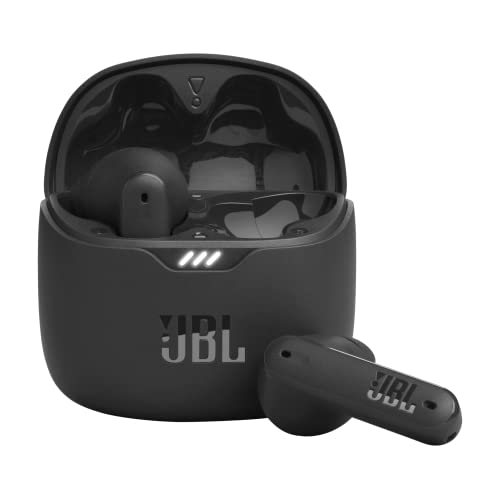
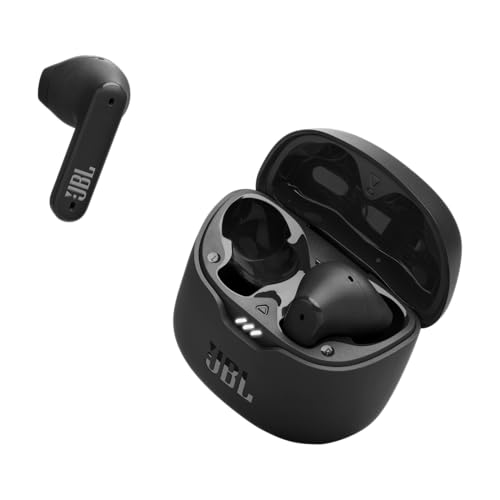
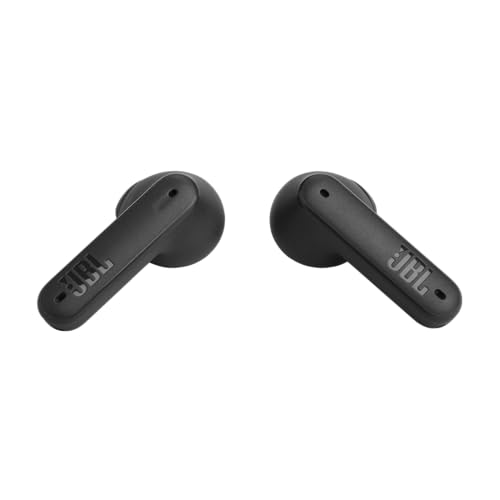
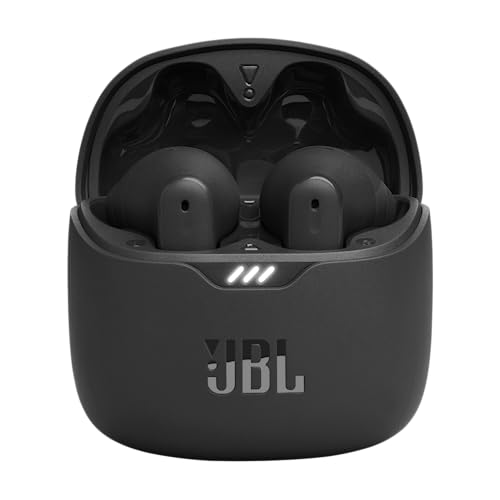
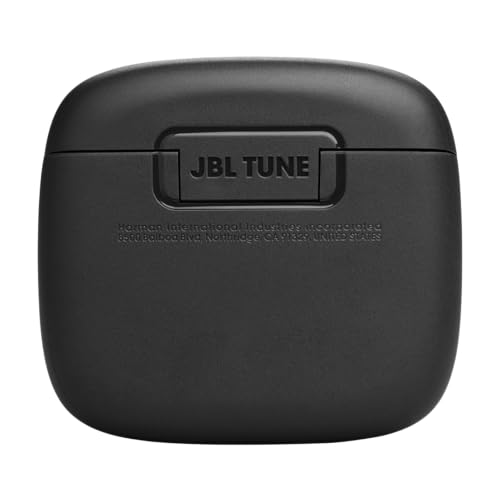
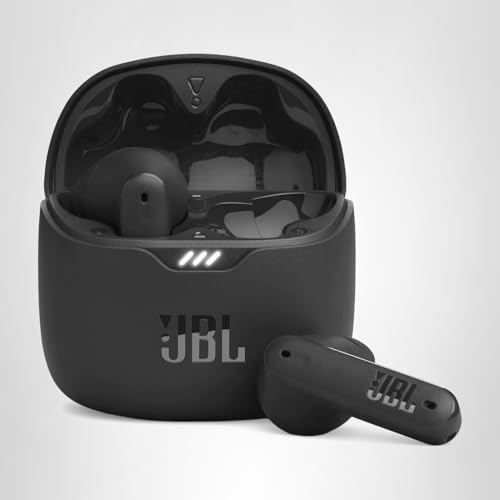
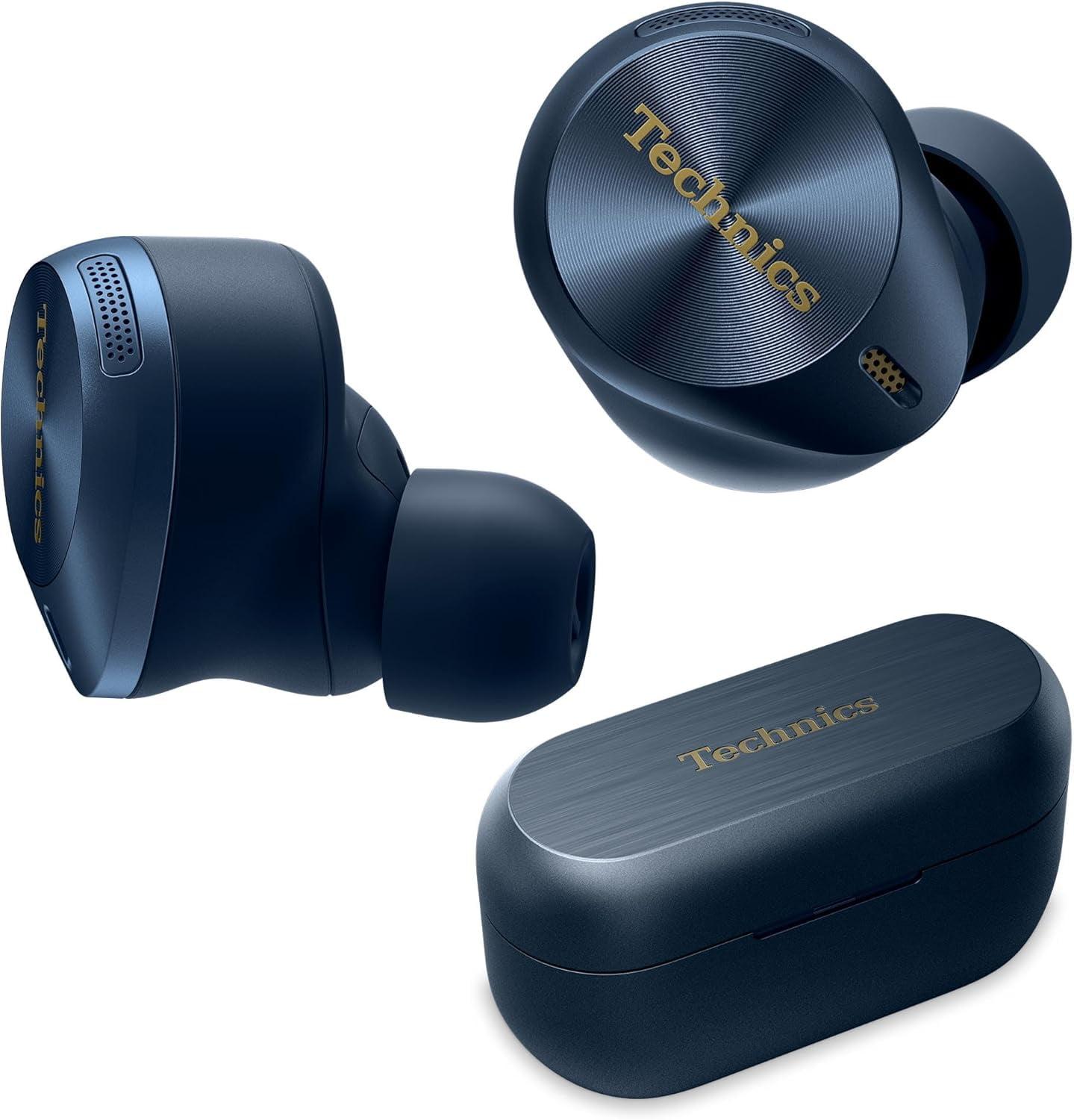
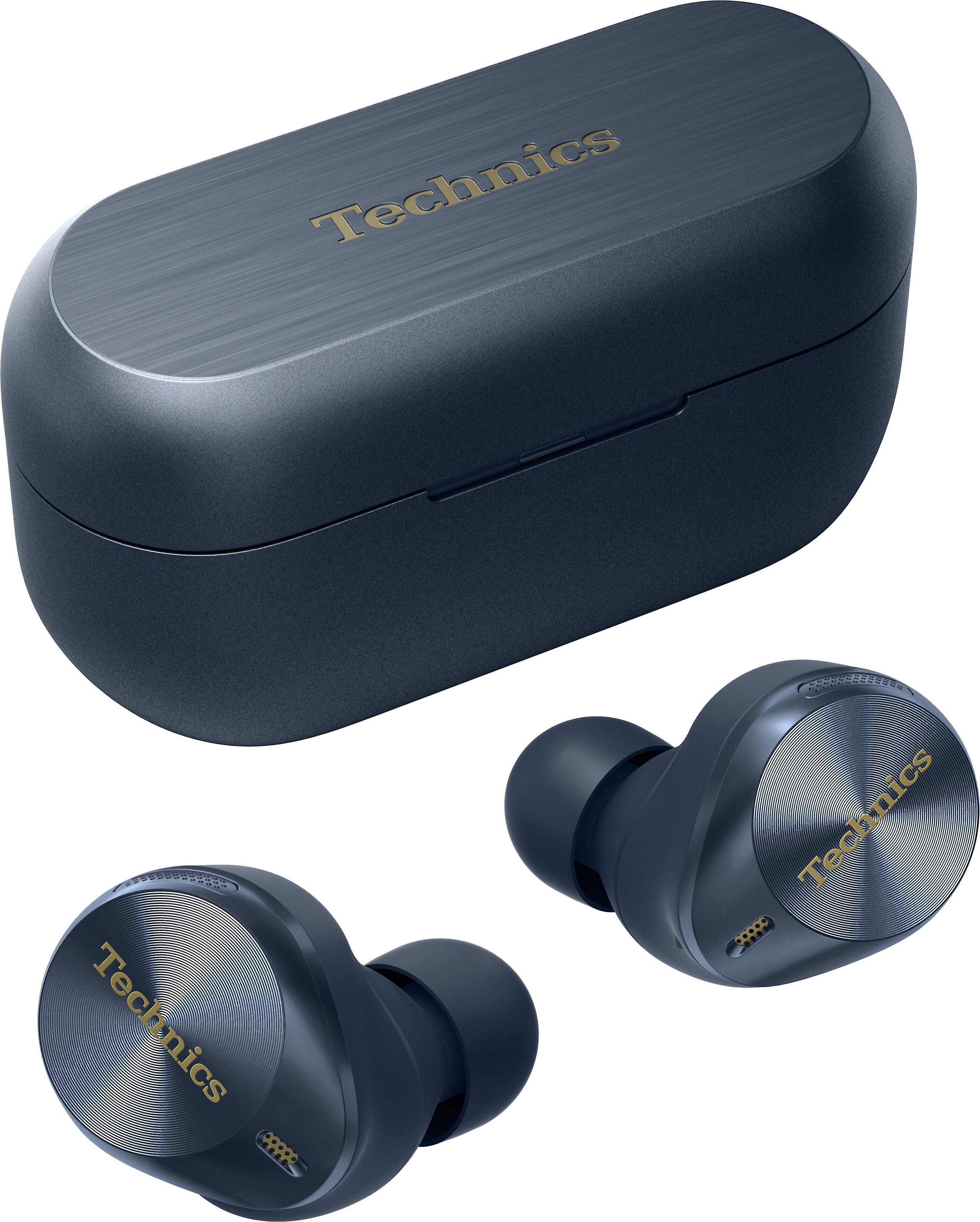


Finding the right pair of true wireless earbuds can feel overwhelming, especially when you're comparing products from completely different price tiers. The JBL Tune Flex and Technics AZ80 represent two distinct philosophies in earbud design: one prioritizes incredible value and mainstream appeal, while the other chases audiophile-grade performance with premium features.
Both earbuds were released in 2023, arriving at a time when true wireless technology had matured significantly. By this point, manufacturers had largely solved the early connectivity issues and battery limitations that plagued first-generation products. This maturation allowed companies like JBL to pack impressive features into budget-friendly packages, while premium brands like Technics could focus on advanced audio processing and noise cancellation technologies.
Before diving into specifics, it's worth understanding what separates good earbuds from great ones. The most critical performance factors include sound quality (how accurately they reproduce music), active noise cancellation effectiveness (how well they block unwanted sounds), battery life, call quality, and comfort during extended wear.
Sound quality depends heavily on driver technology – these are the tiny speakers inside each earbud that convert electrical signals into sound waves. Larger drivers typically produce better bass response, while the materials and engineering determine overall clarity and detail. Active noise cancellation (ANC) uses microphones to detect external sounds and generates opposing sound waves to cancel them out, creating a quieter listening environment.
The codec support also matters significantly for sound quality. Basic Bluetooth uses compressed audio formats like SBC or AAC, while advanced codecs like LDAC can transmit much more detailed, less compressed audio – think of it like the difference between a compressed MP3 file and a high-quality studio recording.
The JBL Tune Flex and Technics AZ80 take fundamentally different approaches to sound reproduction, and understanding these differences is crucial for making the right choice.
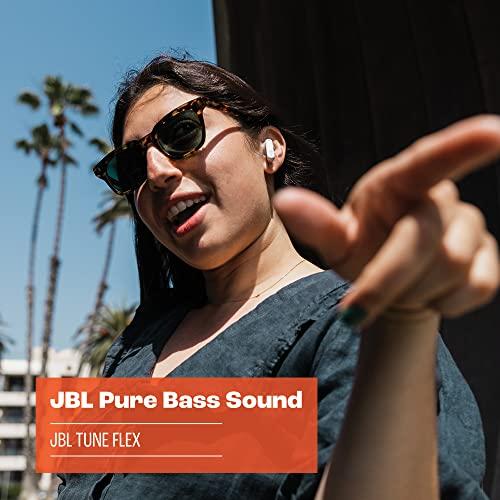
The JBL Tune Flex features 12mm dynamic drivers – relatively large for true wireless earbuds – specifically tuned for JBL's signature "Pure Bass Sound." This isn't just marketing speak; these earbuds genuinely emphasize the low-end frequencies that make hip-hop, pop, and electronic music feel energetic and engaging.
Based on extensive user feedback and professional reviews, the Tune Flex delivers what's called a "V-shaped" sound signature. This means the bass and treble are emphasized while the midrange (where vocals sit) remains clear but slightly recessed. For most mainstream music, this creates an exciting, fun listening experience that makes beats feel punchy and vocals sound crisp without being harsh.
The frequency response extends from 20Hz to 20kHz, which covers the entire range of human hearing. The bass accuracy is particularly impressive for the price point, with enough sub-bass extension to make you feel the rumble in electronic tracks while maintaining enough control to keep bass lines clear in jazz or rock music.
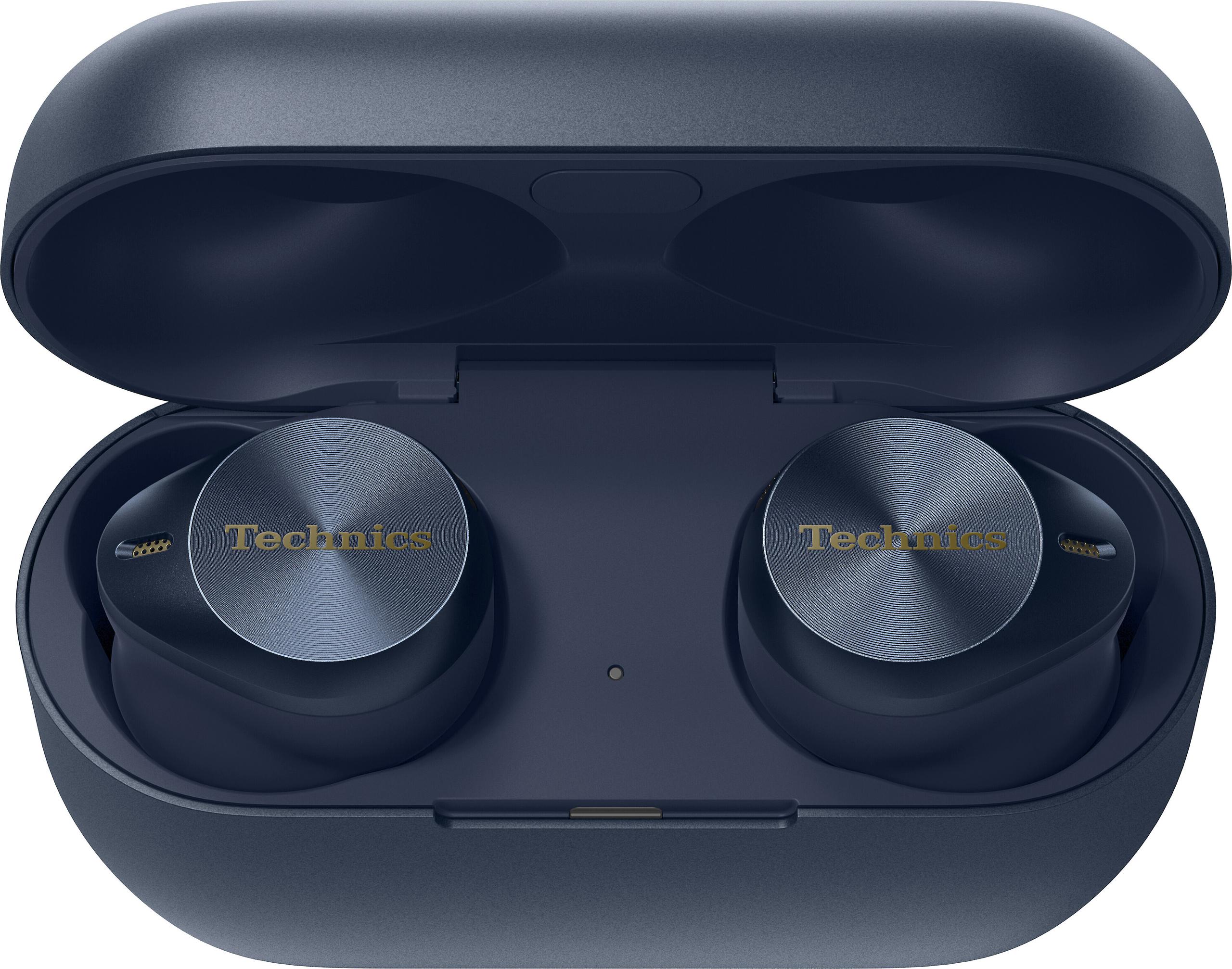
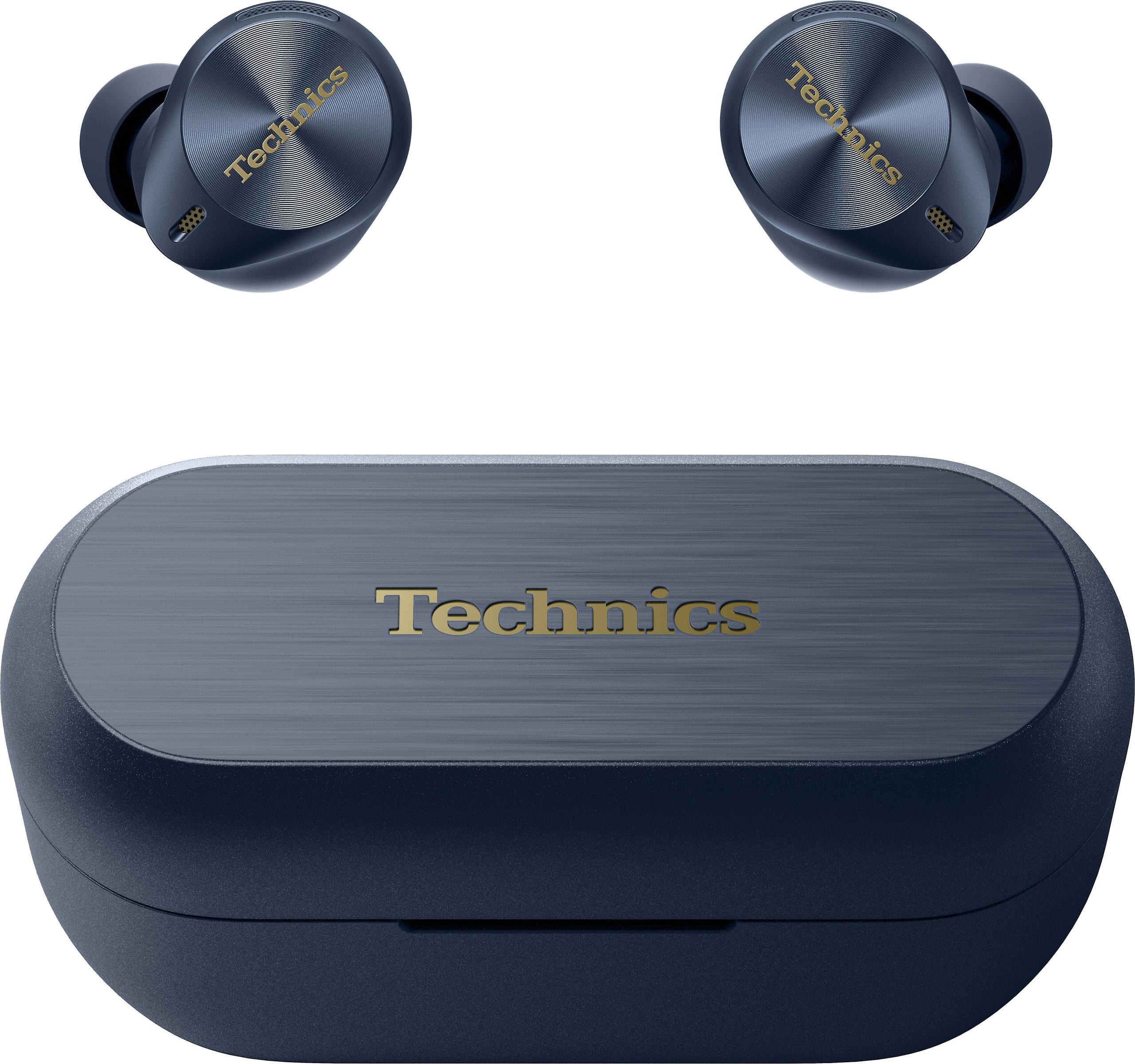
The Technics AZ80 takes a completely different approach with 10mm drivers made from aluminum alloy diaphragms. While smaller than the JBL's drivers, these are precision-engineered for accuracy rather than impact. The frequency response extends all the way to 40kHz – well beyond human hearing – which indicates the level of engineering precision involved.
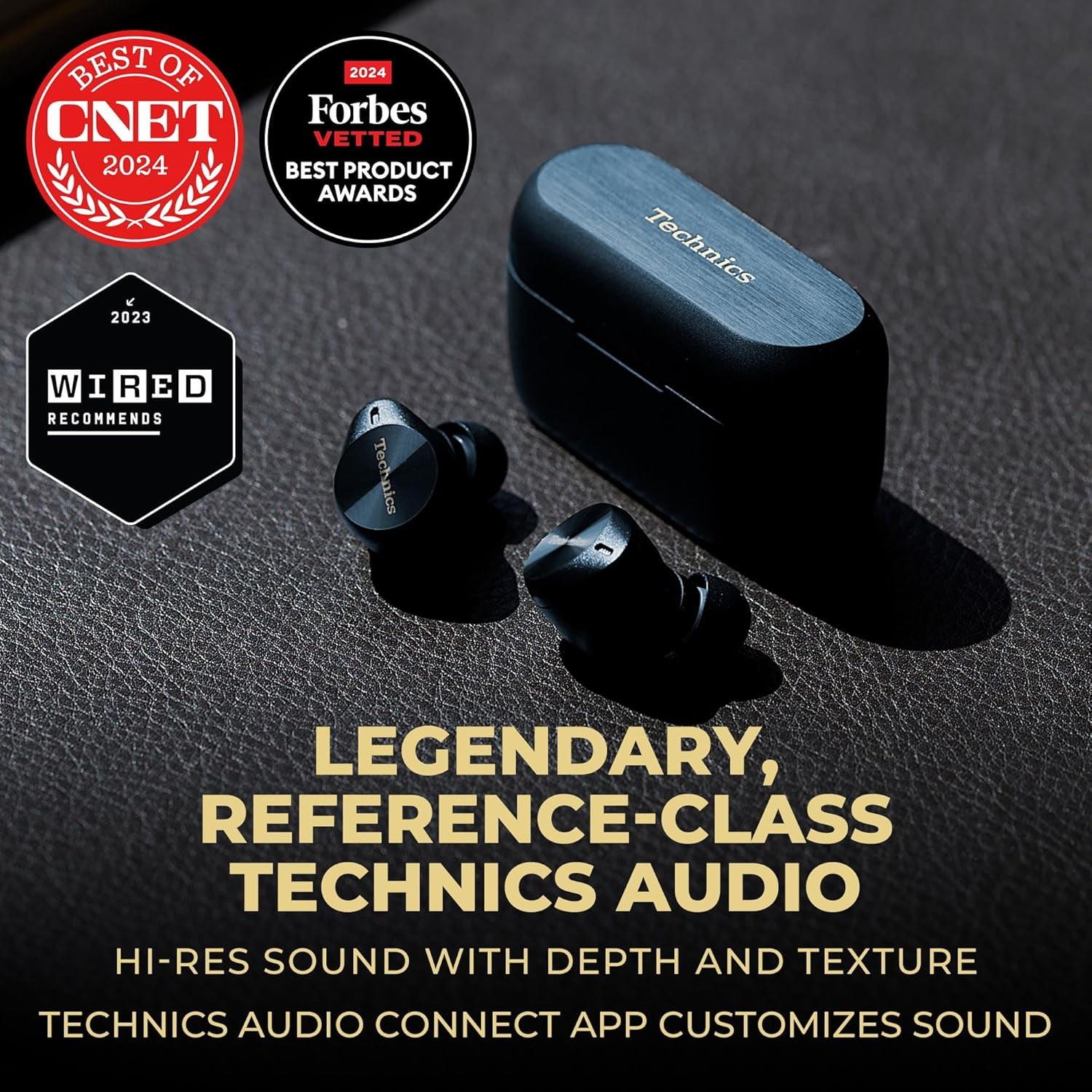
More importantly, the AZ80 supports LDAC codec, which can transmit audio at up to 990kbps compared to standard Bluetooth's 320kbps. This means if you're streaming high-quality music from services like Tidal or Amazon Music HD, you're getting much closer to the original recording quality. It's like the difference between watching a movie on a compressed streaming service versus a 4K Blu-ray disc.
The sound signature is described as bright and detailed, with exceptional instrument separation. This means you can easily pick out individual instruments in complex orchestral pieces or hear the subtle reverb on a singer's voice. However, this analytical approach can sometimes feel less engaging with heavily produced pop music compared to the JBL's more exciting presentation.
Your music preferences should heavily influence this decision. If you primarily listen to hip-hop, pop, electronic music, or any genre where you want to feel the bass, the JBL Tune Flex will likely be more satisfying. The larger drivers and bass-focused tuning make these genres feel more energetic and engaging.
However, if you're into jazz, classical, acoustic music, or you're the type of person who notices subtle details in recordings, the Technics AZ80 offers a level of clarity and detail that the JBL simply can't match. The LDAC support alone makes a noticeable difference if you have high-quality music files or streaming subscriptions.
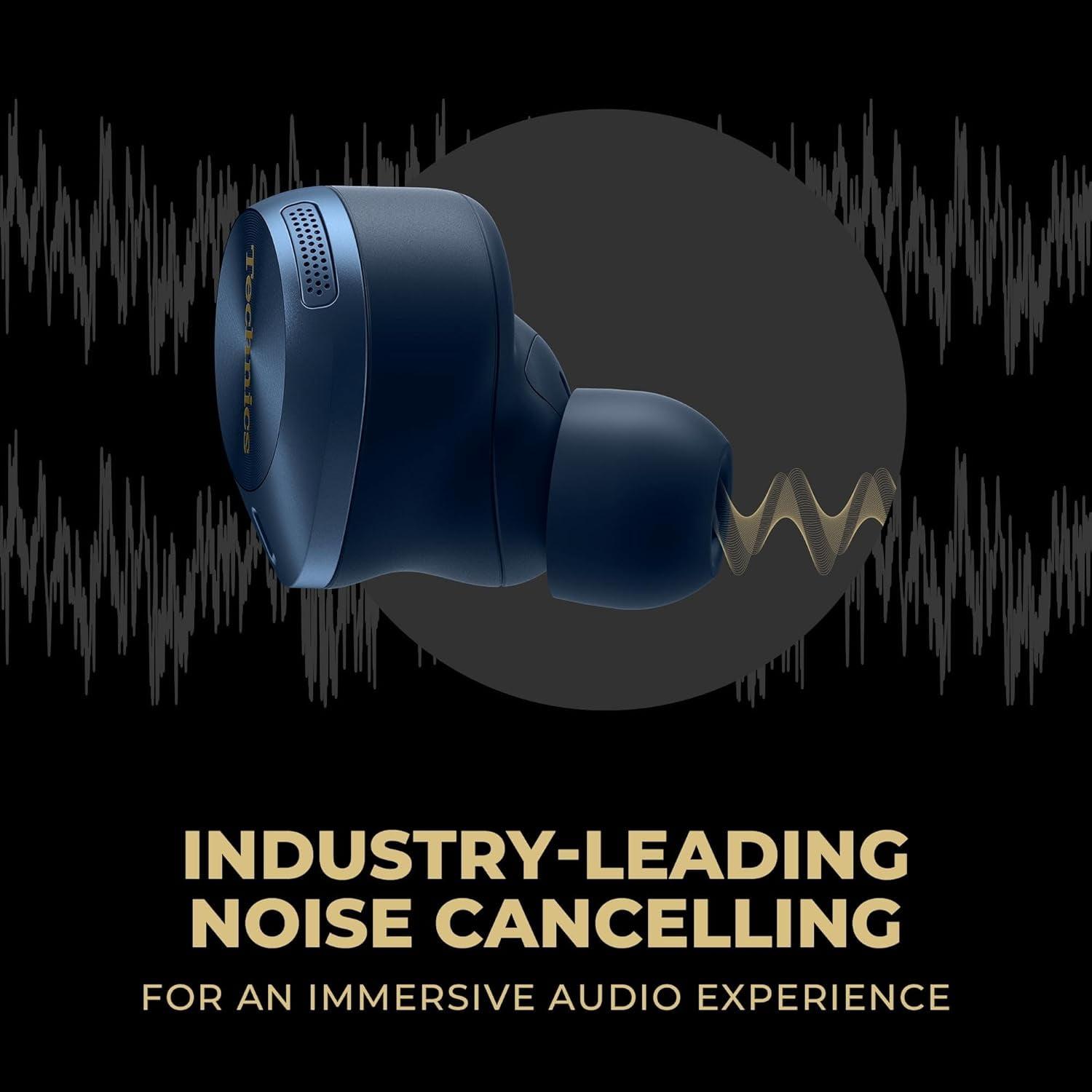
Active noise cancellation has become essential for many users, especially those who commute on public transportation or work in noisy environments. The implementation between these two earbuds reveals the impact of price and engineering resources.
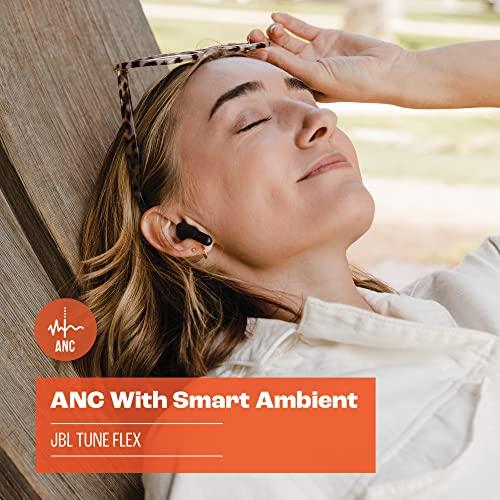
The JBL Tune Flex includes what they call "Adaptive Active Noise Cancelling" using two dedicated microphones per earbud. In practical terms, this system works well against consistent, droning sounds like air conditioning, airplane engines, or train noise. It's particularly effective during commuting, where these constant background sounds are most problematic.
However, user reports consistently indicate that the Tune Flex struggles with variable sounds like office chatter, street noise, or gym environments. This is typical for entry-level ANC systems, which lack the processing power and sophisticated algorithms needed to handle rapidly changing acoustic environments.
The JBL does excel in flexibility with its Smart Ambient features. Ambient Aware mode lets you hear your surroundings for safety while running or walking, while TalkThru mode reduces music volume and enhances voices for quick conversations without removing the earbuds. These practical features show JBL's focus on everyday usability.
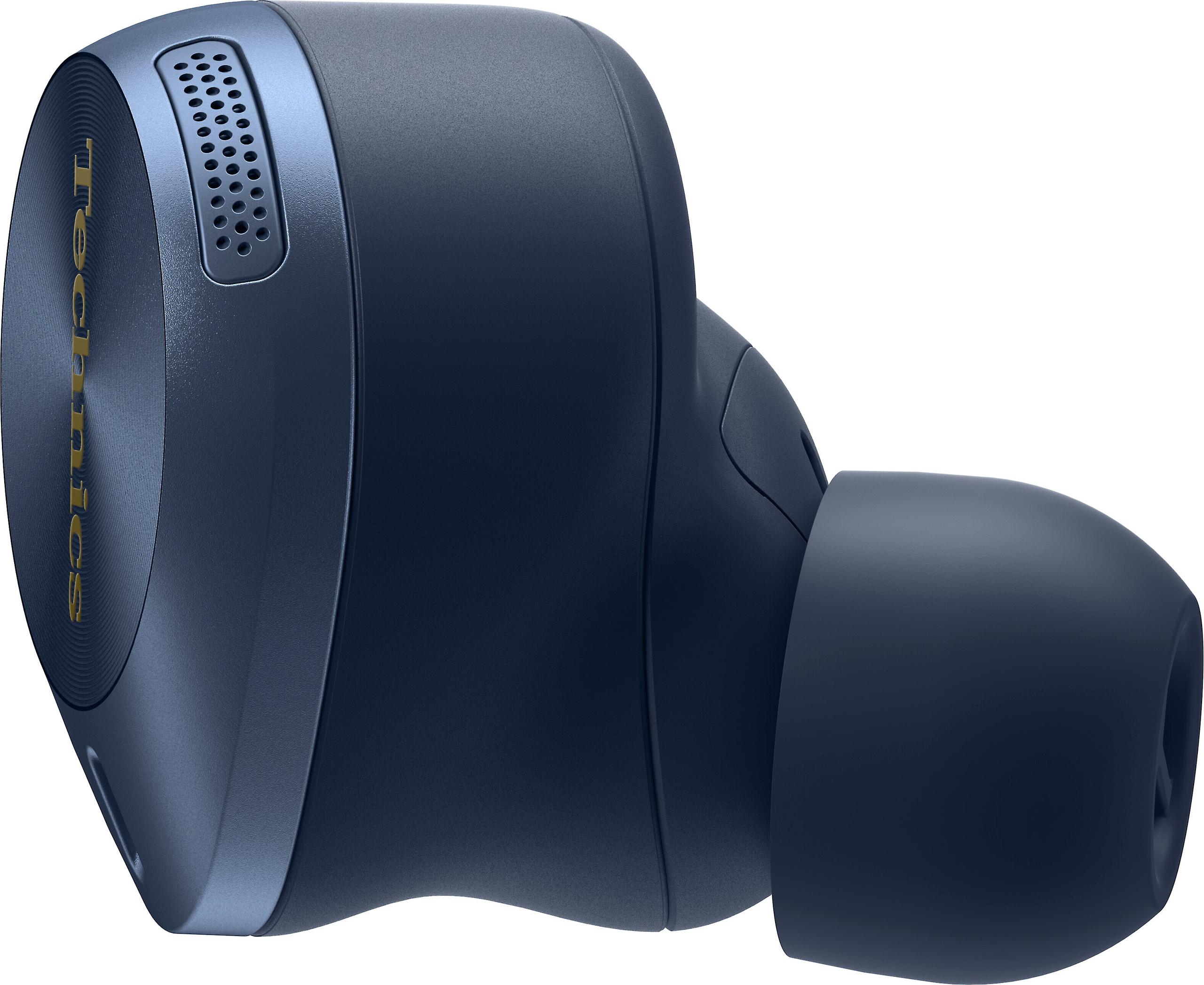
The Technics AZ80 implements "Dual Hybrid Active Noise Cancelling," which uses both feedforward microphones (facing outward) and feedback microphones (facing your ear canal) to create more comprehensive noise reduction. This dual approach allows the system to handle both external noise and any remaining sound that makes it past the first line of defense.
Professional reviews consistently rate the AZ80's noise cancellation as significantly more effective, particularly against complex, variable sounds. The system can adapt more quickly to changing environments and provides better isolation across a wider frequency range. While not quite reaching the legendary levels of Bose or Sony's flagship models, it represents a substantial step up from budget implementations.
For most users, the difference becomes apparent in challenging environments. On a busy street with cars, conversations, and construction noise, the Technics will provide noticeably better isolation. In a coffee shop with background chatter and music, the premium processing makes voices less intrusive. However, for simple commuting on trains or buses, both systems will provide adequate noise reduction.
Battery performance often determines daily usability more than any other single factor, and here we see a clear trade-off between optimization and premium features.
The JBL Tune Flex delivers exceptional battery performance with up to 32 hours of total listening time when ANC is disabled (8 hours from the earbuds plus 24 hours from the charging case). Even with ANC enabled, you get 24 hours total (6 hours plus 18 hours from the case).
Perhaps more importantly, the Tune Flex includes "Speed Charge" technology, providing 2 hours of playback from just 10 minutes of charging. This feature proves invaluable when you've forgotten to charge overnight and need quick power before heading out.
The battery optimization likely comes from the simpler processing requirements of the basic ANC system and standard audio codecs. Without the computational overhead of advanced noise cancellation algorithms or high-bitrate audio processing, the JBL can dedicate more power to simply playing music.
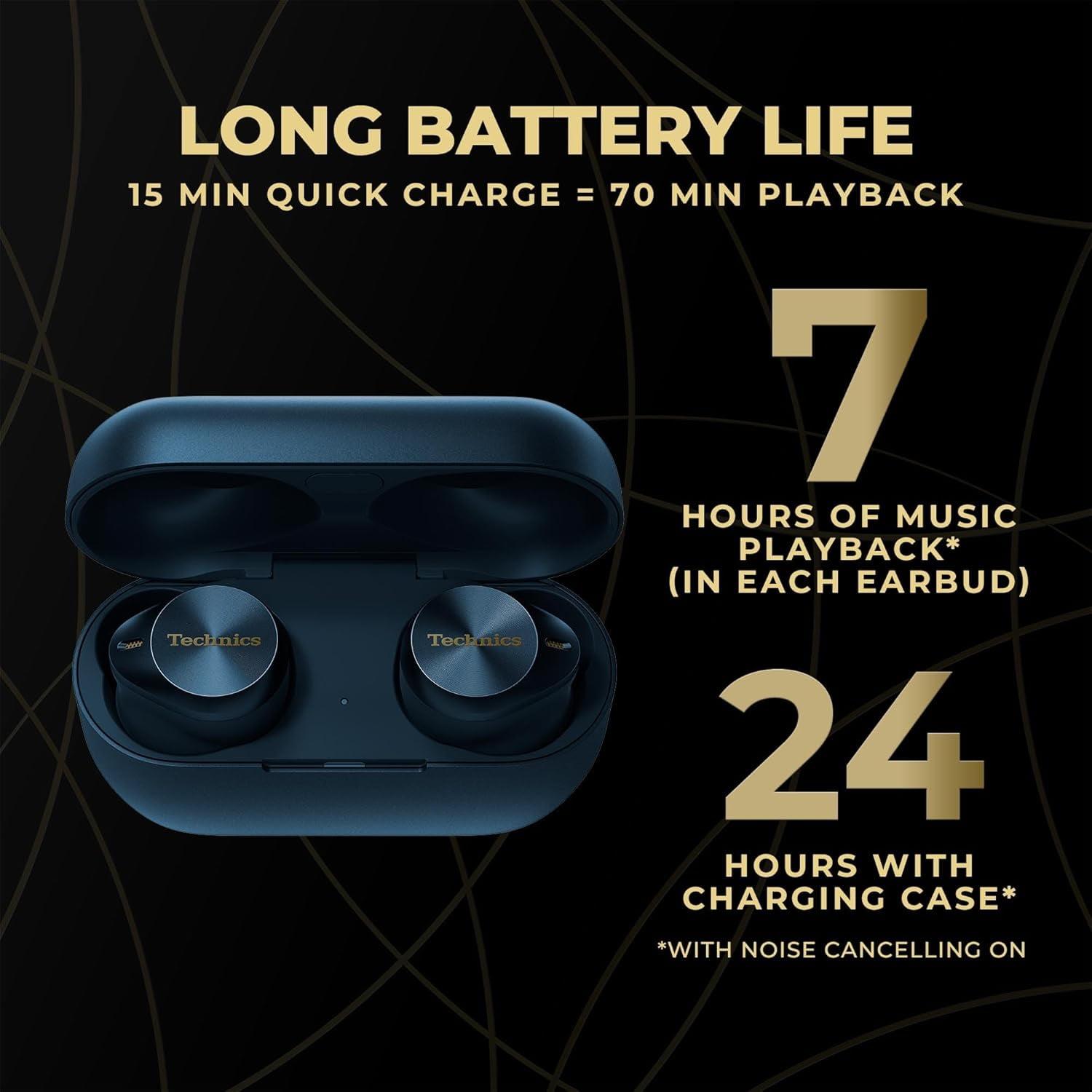
The Technics AZ80 provides up to 24 hours total battery life (7 hours from earbuds plus 17 hours from case), which is still competitive but notably shorter than the JBL. This difference reflects the power requirements of the advanced ANC system, LDAC processing, and more sophisticated audio processing.
However, the AZ80 includes wireless charging capabilities, allowing you to simply place the case on any Qi-compatible charging pad. This convenience feature appeals to users who prefer cable-free solutions and have integrated wireless charging into their daily routines.
The shorter battery life isn't necessarily problematic for most users – 7 hours easily covers a full workday, and the case provides multiple recharges. However, for users who travel frequently or prefer not to think about charging for days at a time, the JBL's endurance advantage becomes significant.
With remote work becoming commonplace, call quality has evolved from a nice-to-have feature to an essential requirement for many users.
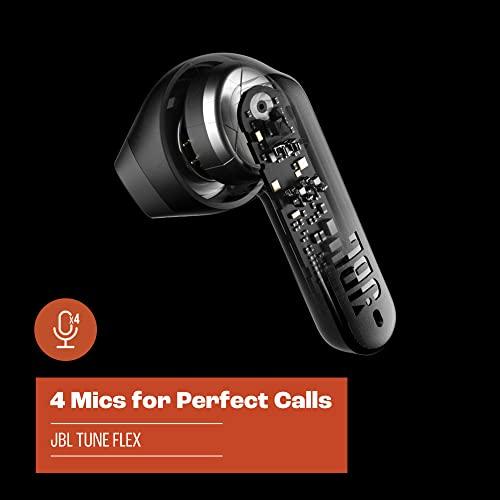
The JBL Tune Flex includes 4 microphones with beamforming technology, which focuses on your voice while reducing background noise. The VoiceAware feature lets you hear your own voice during calls, helping you speak at appropriate volume levels – particularly useful in quiet environments where you might otherwise speak too loudly.
User feedback indicates that call quality is adequate for most situations, though voices can sound slightly processed or robotic. The system handles moderate background noise reasonably well, making it suitable for calls from coffee shops, offices, or outdoor environments with light traffic.
The Technics AZ80 steps up significantly with 8 MEMS (Micro-Electro-Mechanical Systems) microphones and JustMyVoice technology. MEMS microphones are smaller and more sensitive than traditional microphones, allowing for more precise voice capture and background noise rejection.
The advanced noise-reducing algorithms can better separate your voice from complex background sounds like office chatter, street noise, or even wind. This makes the AZ80 more suitable for important business calls or situations where crystal-clear communication is essential.
Professional reviews consistently note better wind noise reduction and overall clarity compared to budget alternatives, though the difference may not justify the price premium for casual users who primarily make personal calls.
Daily wearability often determines long-term satisfaction more than impressive specifications, and both earbuds approach comfort through different strategies.
The JBL Tune Flex weighs just 4.8 grams per earbud and includes multiple ear tip options, including unique "Open" tips that allow natural sound awareness. This variety helps accommodate different ear shapes and use cases – you might use sealing tips for commuting and open tips for office work or running.
The Technics AZ80 includes an impressive seven different ear tip sizes and shapes, reflecting serious attention to fit optimization. The ergonomic design has been refined from previous generations, and the premium materials feel more substantial without being heavy.
Both earbuds offer weather protection, but with different ratings. The JBL provides IPX4 rating, protecting against sweat and light rain – adequate for workouts and most outdoor activities. The Technics steps up to IP54 rating, adding dust protection alongside water resistance.
For most users, IPX4 provides sufficient protection for daily use, workouts, and light weather exposure. The IP54 rating becomes more valuable for users who work in dusty environments or spend significant time outdoors in challenging conditions.
Both earbuds support multipoint connectivity, but the implementation differs significantly. The JBL Tune Flex can connect to two devices simultaneously using standard Bluetooth protocols, allowing you to switch between your phone and computer without manual reconnection.
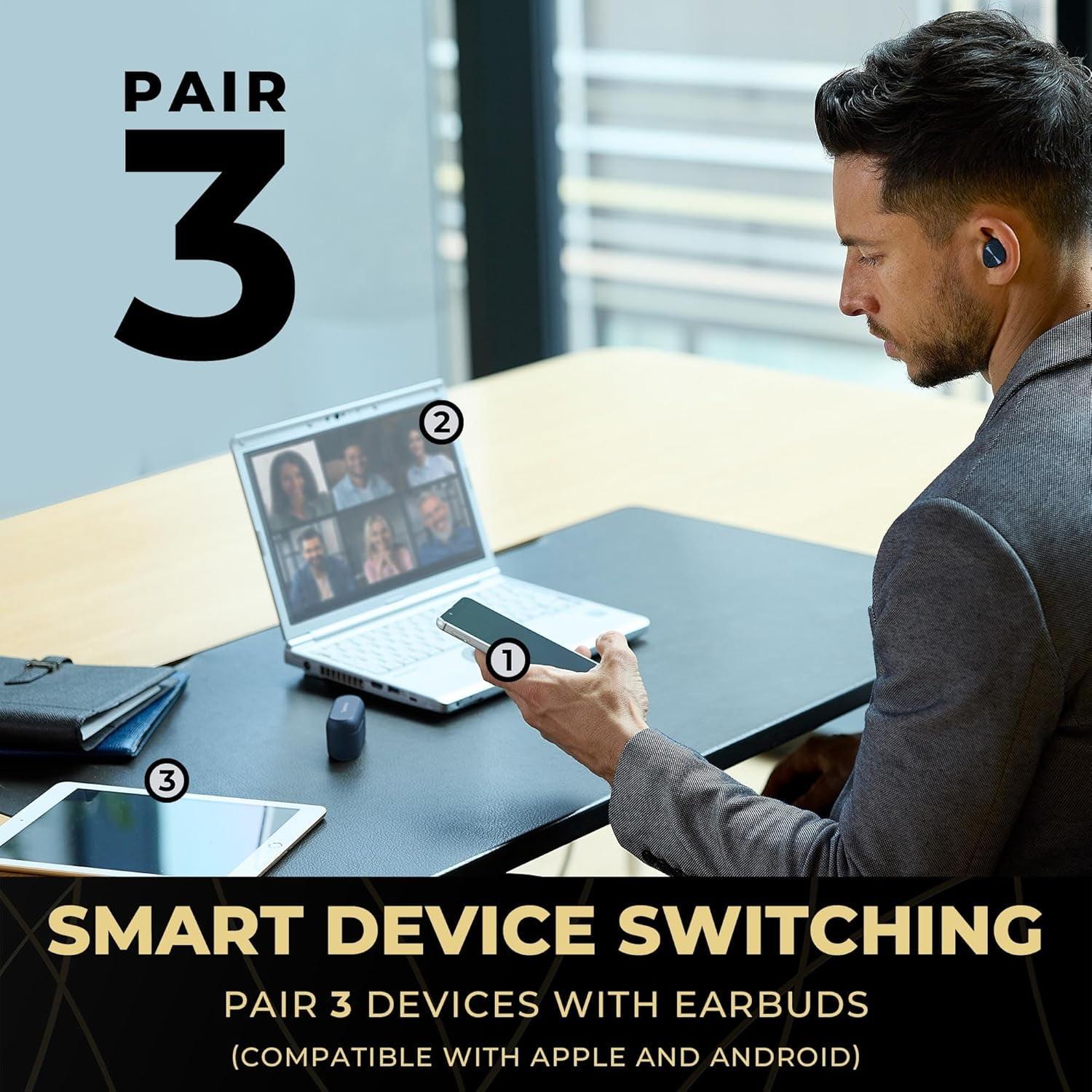
The Technics AZ80 offers industry-leading 3-device multipoint connectivity, meaning you can maintain active connections to your phone, tablet, and computer simultaneously. This advanced feature particularly benefits users who regularly work across multiple devices and need seamless audio switching.
The JBL Headphones app provides essential customization including EQ adjustment, noise control settings, and earbud location features. The interface is straightforward and functional, focusing on the most commonly used features.
The Technics Audio Connect app offers more sophisticated customization options, including detailed EQ settings, advanced noise cancellation adjustments, and sound personalization features. The additional complexity reflects the AZ80's premium positioning but may overwhelm users who prefer simple operation.
While neither earbud is specifically designed for home theater use, both can serve as personal entertainment devices with different strengths.
The JBL Tune Flex excels for casual movie watching and gaming, where the emphasized bass adds impact to action scenes and the V-shaped sound signature makes dialogue clear while maintaining exciting sound effects. The longer battery life means you can binge-watch entire seasons without worrying about charging.
The Technics AZ80 provides superior detail for critically acclaimed films and high-quality streaming content, where subtle audio cues and precise sound placement enhance the viewing experience. The LDAC support becomes particularly valuable when watching high-quality content from services that support advanced audio codecs.
However, both face the inherent limitation of earbuds for home theater use – they can't provide the spatial audio experience of a dedicated surround sound system and may cause ear fatigue during very long viewing sessions.
The choice between the JBL Tune Flex and Technics AZ80 ultimately depends on your priorities, budget, and listening habits.
Choose the JBL Tune Flex if you want exceptional value with premium features at a budget-friendly price point (at the time of writing, roughly one-third the cost of the Technics). They're ideal for mainstream music listeners who appreciate strong bass, users who prioritize maximum battery life, or anyone who wants quality ANC without premium pricing. The unique "Open" ear tip option adds versatility for users who need situational awareness during activities like running or office work.
The Technics AZ80 justifies its premium pricing for serious audio enthusiasts who demand Hi-Fi sound quality, professionals who need superior call clarity, or frequent travelers who benefit from advanced noise cancellation. The LDAC codec support makes a meaningful difference for users with high-quality music collections or streaming subscriptions, while the 3-device multipoint connectivity serves power users who work across multiple devices.
Both represent solid choices within their respective categories, but the JBL offers remarkable value that makes premium features accessible to budget-conscious buyers, while the Technics delivers the audio fidelity and advanced features that demanding users expect from premium earbuds. Consider your listening habits, usage scenarios, and budget constraints to determine which approach better matches your needs.
| JBL Tune Flex | Technics AZ80 |
|---|---|
| Driver Size - Larger drivers typically produce better bass response | |
| 12mm dynamic drivers (excellent bass impact) | 10mm aluminum alloy drivers (precision-focused) |
| Audio Codec Support - Higher quality codecs mean better sound fidelity | |
| SBC, AAC (standard Bluetooth quality) | SBC, AAC, LDAC (Hi-Fi lossless quality) |
| Active Noise Cancellation - Critical for blocking distractions during commutes | |
| Basic ANC with 2 mics (good for consistent noise) | Dual Hybrid ANC (superior isolation in complex environments) |
| Battery Life (Total) - Determines how often you need to charge | |
| Up to 32 hours (8+24, exceptional endurance) | Up to 24 hours (7+17, still very competitive) |
| Water Resistance - Protection level for workouts and weather | |
| IPX4 (sweat and light rain protection) | IP54 (adds dust protection, more durable) |
| Microphone Count - More mics generally mean clearer calls | |
| 4 microphones with beamforming | 8 MEMS microphones with JustMyVoice tech |
| Multipoint Connectivity - Ability to connect multiple devices simultaneously | |
| 2-device connection (phone and computer) | 3-device connection (industry-leading flexibility) |
| Frequency Response - Range of sounds the earbuds can reproduce | |
| 20Hz-20kHz (covers full human hearing) | 20Hz-40kHz (extended range for audio precision) |
| Charging Speed - How quickly you can top up battery | |
| Speed Charge: 10 min = 2 hours playback | Standard charging speeds |
| Ear Tip Options - Fit customization affects comfort and sound quality | |
| 4 sizes including unique "Open" tips | 7 different sizes and shapes (premium fit options) |
| Sound Signature - Overall tonal character affects music enjoyment | |
| Bass-forward V-shaped (exciting for pop/hip-hop) | Bright analytical (detailed for classical/jazz) |
| Special Features - Unique capabilities that set each product apart | |
| Smart Ambient modes, VoiceAware | Wireless charging case, advanced noise algorithms |
The Technics AZ80 delivers superior sound quality for audiophiles, featuring LDAC codec support for lossless Hi-Fi audio and precise 10mm aluminum drivers. However, the JBL Tune Flex offers more exciting sound for mainstream music genres with its bass-forward 12mm drivers and JBL Pure Bass Sound technology. Choose Technics for classical and jazz, JBL for pop and hip-hop.
The Technics AZ80 provides significantly better active noise cancellation with its Dual Hybrid system and advanced algorithms, effectively blocking complex environmental sounds. The JBL Tune Flex offers basic but functional ANC that works well against consistent noise like trains or air conditioning, plus useful Smart Ambient modes for situational awareness.
The JBL Tune Flex offers exceptional battery life with up to 32 hours total (8 hours earbuds + 24 hours case) and includes Speed Charge for quick top-ups. The Technics AZ80 provides 24 hours total (7 hours + 17 hours case), which is still competitive but shorter due to premium processing requirements.
Both handle calls well, but the Technics AZ80 excels with 8 MEMS microphones and JustMyVoice technology for crystal-clear business calls. The JBL Tune Flex offers solid call quality with 4 microphones and VoiceAware feature, making it suitable for casual conversations and moderate background noise.
Both earbuds prioritize comfort but take different approaches. The JBL Tune Flex weighs just 4.8g per earbud and includes unique "Open" ear tips for natural awareness. The Technics AZ80 provides 7 different ear tip sizes and premium ergonomic design for optimal fit customization.
The Technics AZ80 offers industry-leading 3-device multipoint connectivity, allowing simultaneous connections to phone, tablet, and computer. The JBL Tune Flex supports standard 2-device multipoint connection, which covers most users' needs for phone and computer switching.
The JBL Tune Flex excels for fitness with IPX4 water resistance, stable fit, and "Open" ear tips for safety awareness during runs. The Technics AZ80 offers IP54 rating with dust protection but focuses more on premium audio than sports performance.
For casual entertainment, the JBL Tune Flex provides engaging sound with emphasized bass for action scenes and clear dialogue. The Technics AZ80 delivers superior detail for high-quality streaming content and critically acclaimed films, especially with LDAC-supported content.
The JBL Tune Flex provides exceptional value, offering premium features like ANC, long battery life, and quality sound at a budget-friendly price point. The Technics AZ80 justifies its premium cost with audiophile-grade features, superior noise cancellation, and advanced codec support for serious listeners.
The JBL Headphones app offers straightforward customization with EQ settings, noise control, and device location features. The Technics Audio Connect app provides more sophisticated options including detailed EQ, advanced noise settings, and sound personalization, reflecting the AZ80's premium positioning.
The Technics AZ80 excels for frequent travelers with superior noise cancellation for planes and busy environments, plus wireless charging convenience. The JBL Tune Flex works well for daily commuting with adequate ANC, exceptional battery life, and quick charging for rushed mornings.
Choose the JBL Tune Flex if you want premium features at an accessible price, prefer bass-heavy music, or need maximum battery life. Select the Technics AZ80 if you're an audiophile seeking Hi-Fi quality, need superior noise cancellation, or require professional-grade call quality for business use.
We've done our best to create useful and informative comparisons to help you decide what product to buy. Our research uses advanced automated methods to create this comparison and perfection is not possible - please contact us for corrections or questions. These are the sites we've researched in the creation of this article: rtings.com - hometechnologyreview.com - youtube.com - bestbuy.com - soundguys.com - bestbuy.com - crutchfield.com - bgr.com - robbsutton.com - majorhifi.com - versus.com - crutchfield.com - youtube.com - versus.com - jbl.com - global.jbl.com - pcrichard.com - musicarts.com - scribd.com - global.jbl.com - robot-advance.com - gzhls.at - bestbuy.com - att.com - ro.harmanaudio.com - stereonet.com - us.technics.com - us.technics.com - rtings.com - head-fi.org - bestbuy.com - soundguys.com - head-fi.org - youtube.com - loudnwireless.com - youtube.com - cnet.com - technics.com - technics.com - bestbuy.com - target.com - us.technics.com - technics.com - youtube.com - head-fi.org - nnty.fun - us.technics.com - bhphotovideo.com - bestbuy.com - us.technics.com - audiosciencereview.com - youtube.com - head-fi.org - head-fi.org - jbhifi.com.au

Privacy Policy
Terms and Conditions - Affiliate Policy
Home Security
© Copyright 2008-2026.
11816 Inwood Rd #1211, Dallas, TX 75244