

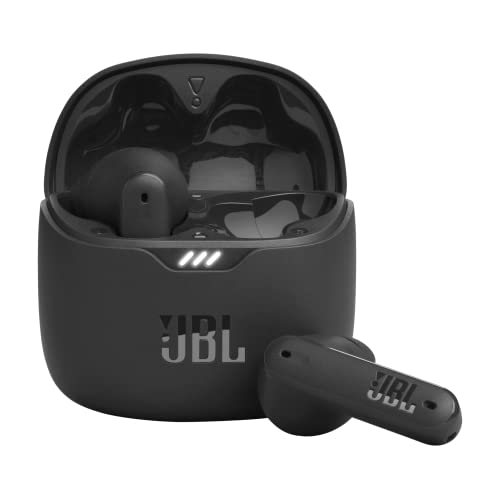


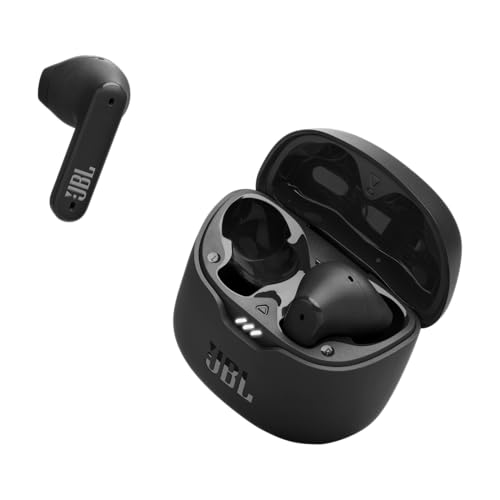
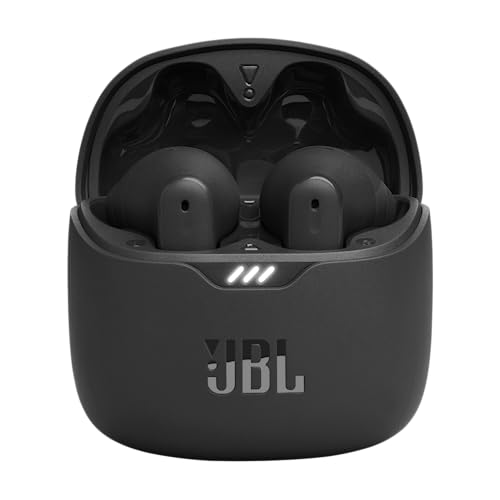
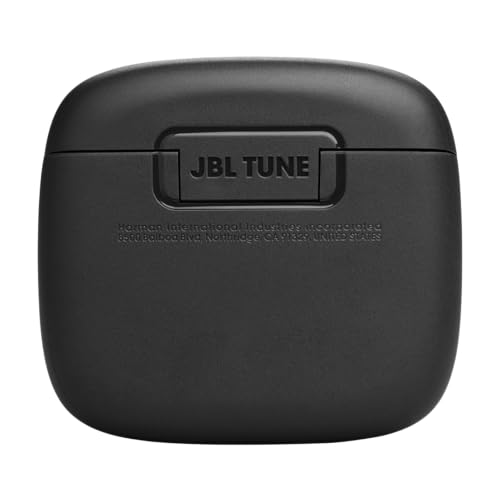
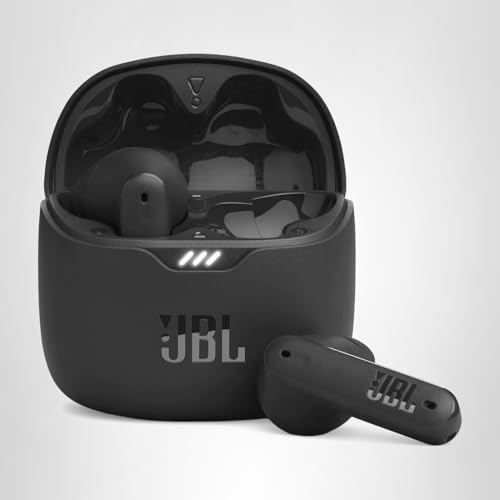
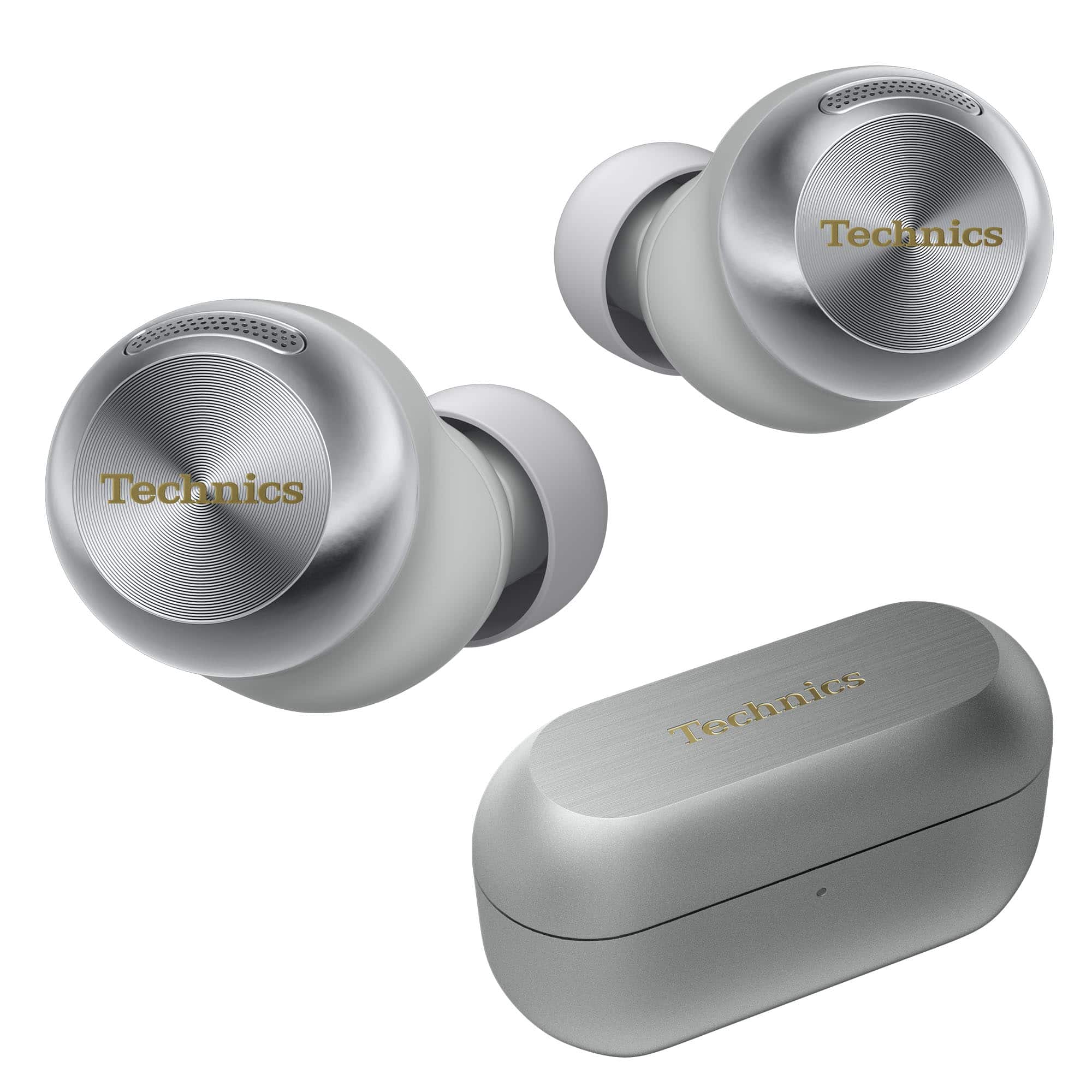
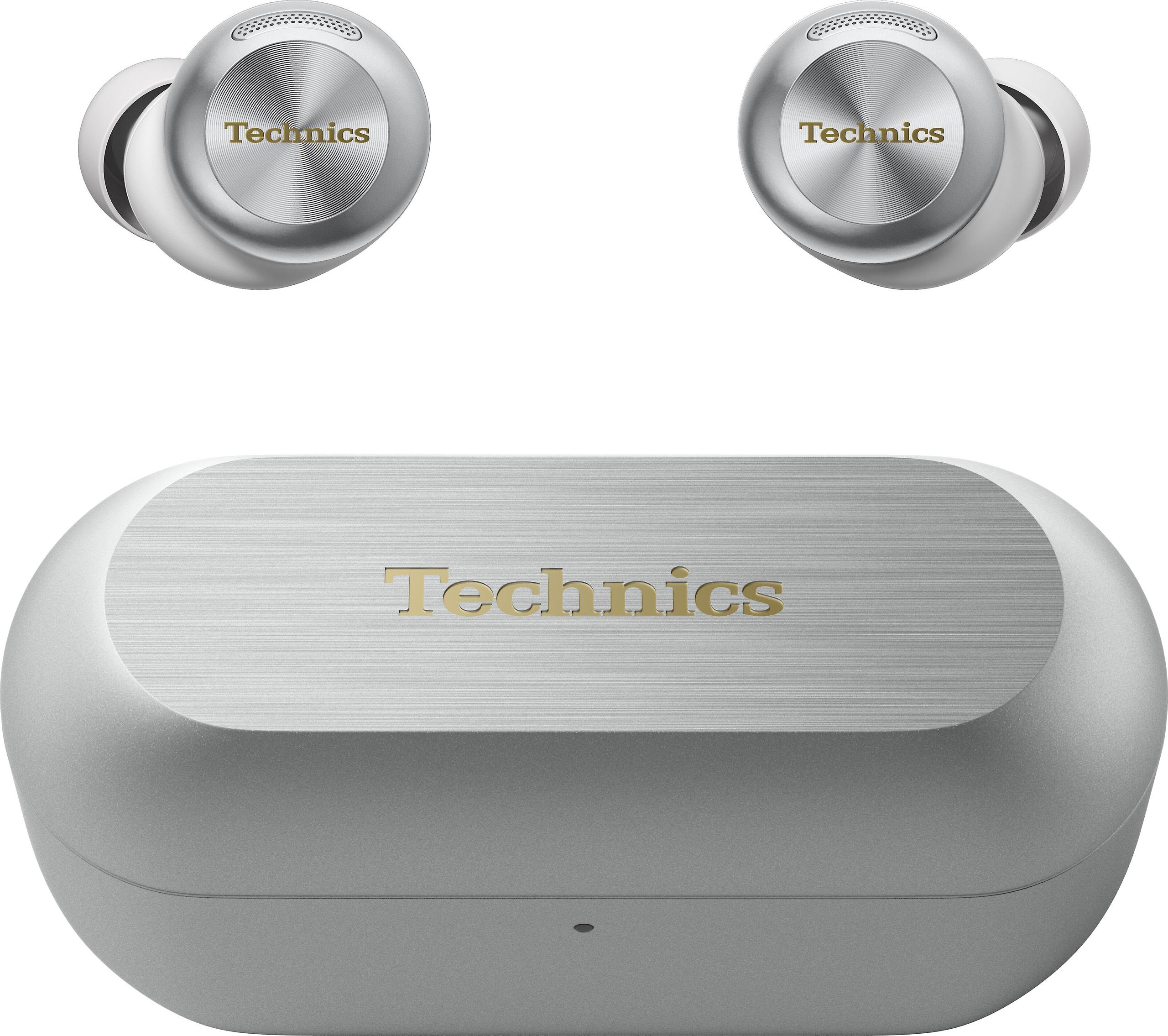

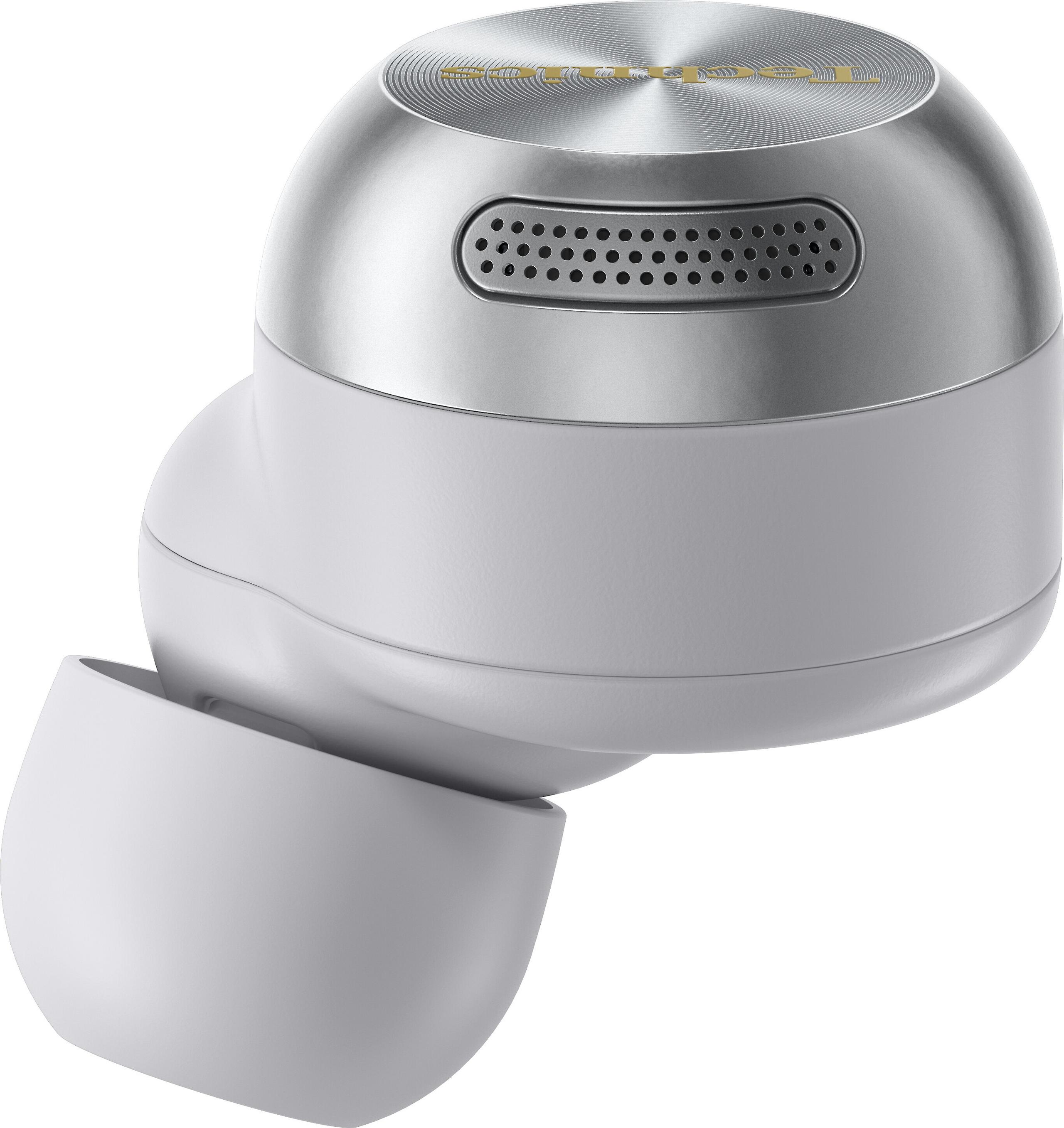
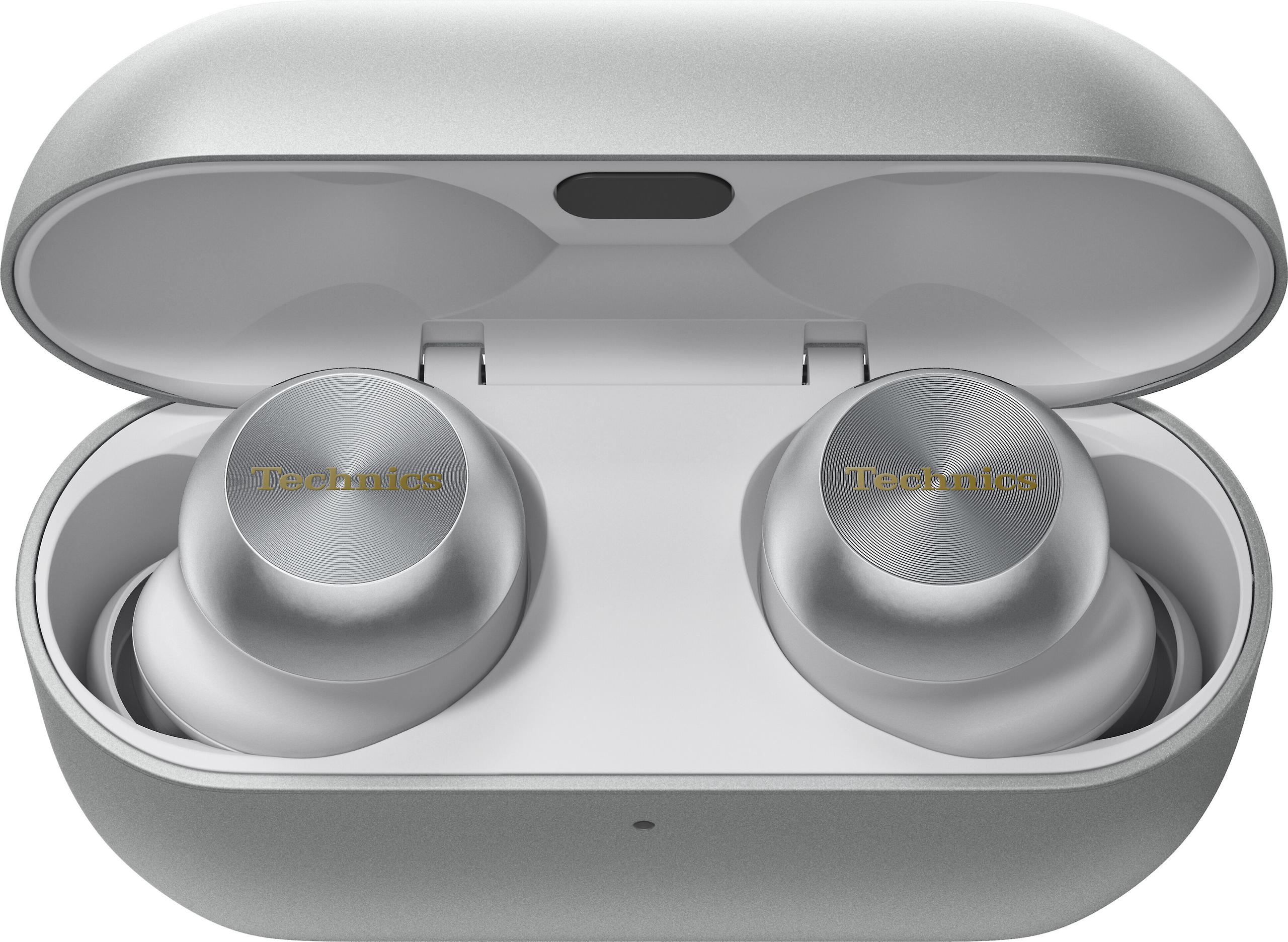
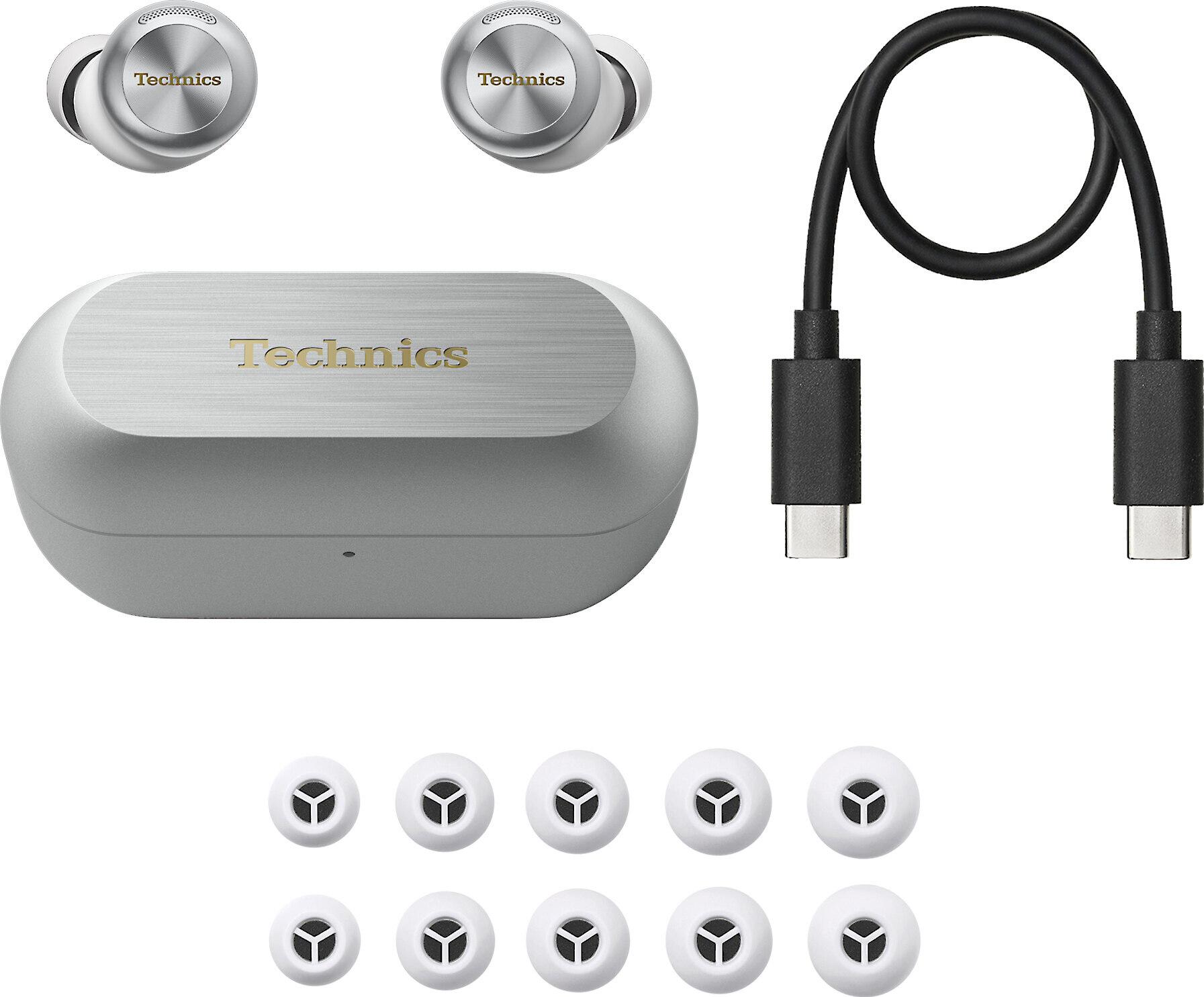

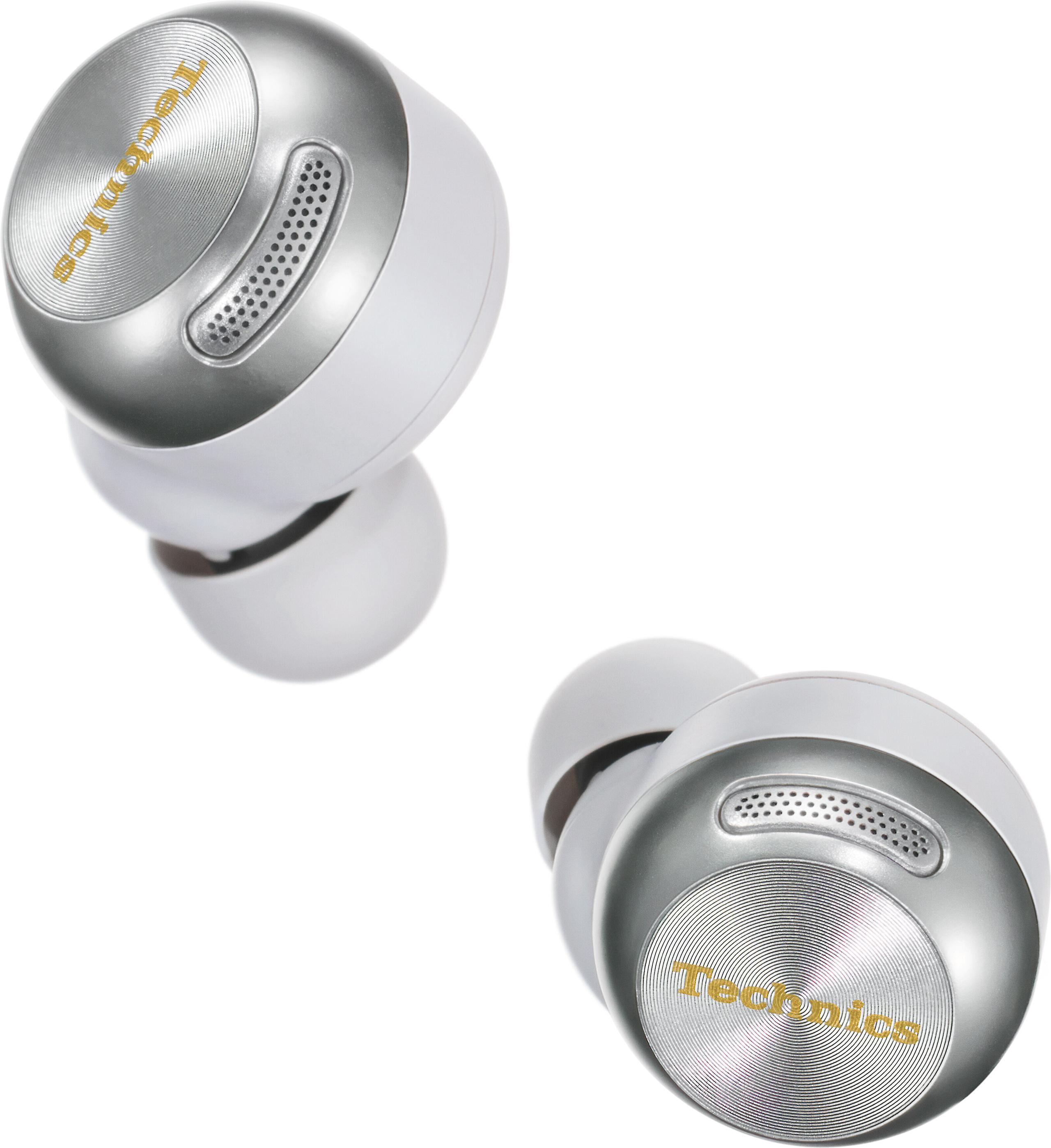
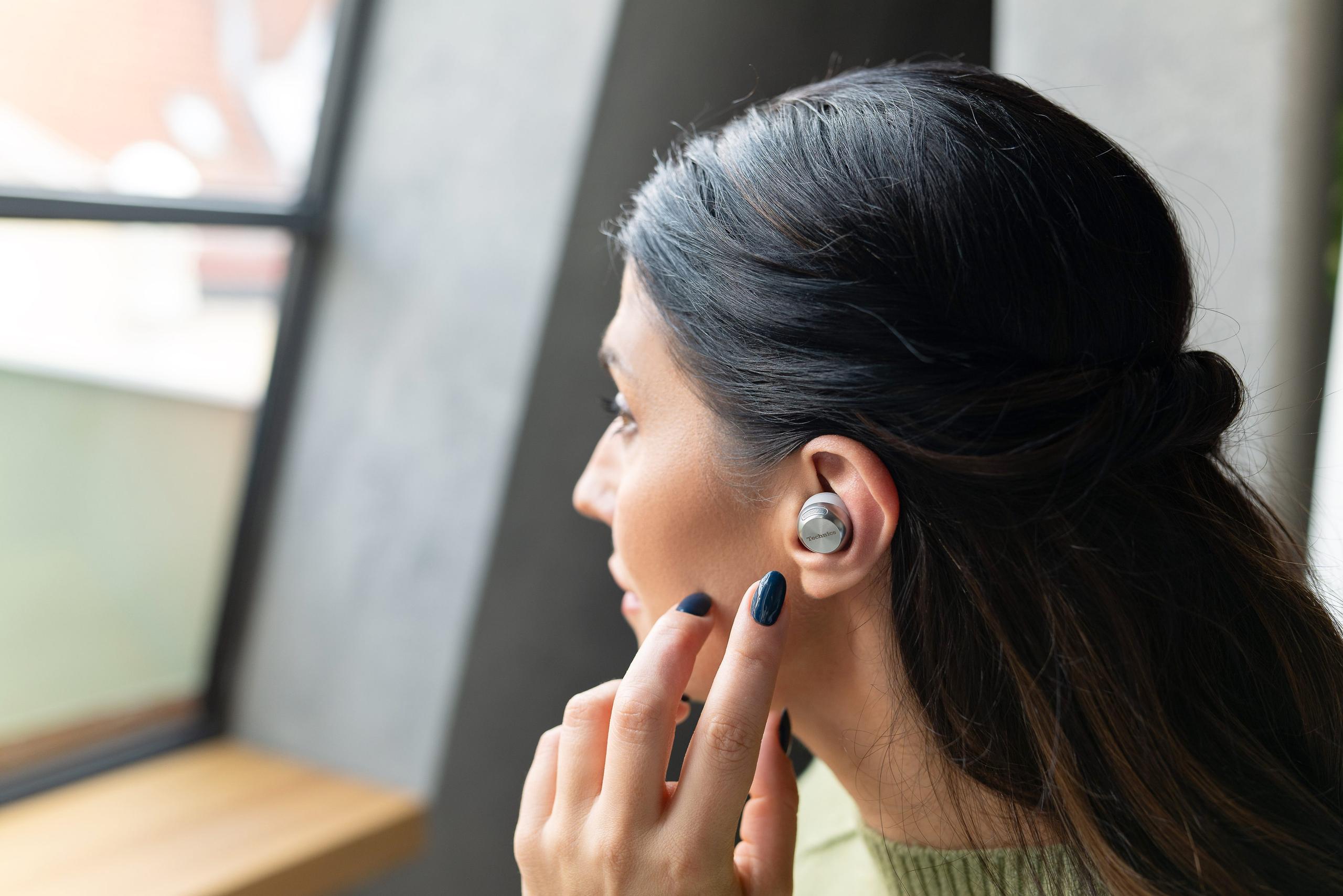
The world of true wireless earbuds has exploded into a fascinating battleground between affordable innovation and premium audio engineering. Two standout models perfectly illustrate this divide: the budget-friendly JBL Tune Flex and the premium Technics AZ100. Released in 2024, these earbuds represent completely different philosophies in wireless audio—one prioritizing features-per-dollar, the other obsessing over sound quality and professional-grade performance.
At the time of writing, the JBL Tune Flex costs roughly a third of what you'll pay for the Technics AZ100, yet both pack sophisticated features that would have been unimaginable in budget earbuds just a few years ago. The question isn't simply which sounds better—it's which approach better serves your specific needs and budget.
True wireless earbuds have matured dramatically since Apple's original AirPods launched in 2016. Today's models pack tiny computers with multiple processors, advanced microphone arrays, and sophisticated noise cancellation algorithms into packages smaller than a grape. The technology has reached a point where even budget models can deliver features that were premium exclusives just two years ago.
The most critical considerations when choosing earbuds haven't changed much: how they sound, how long they last, and how comfortable they feel during extended wear. But the gap between budget and premium models has narrowed significantly in some areas while widening in others. Understanding these differences helps you spend money on the features that actually matter for your listening habits.
Active Noise Cancellation (ANC)—technology that uses microphones to detect outside sound and plays inverse sound waves to cancel it—has become standard even in sub-$100 models. However, the quality varies enormously. Battery life improvements have been more democratic, with budget models often matching or exceeding premium competitors. Sound quality, however, remains the key differentiator where premium models justify their higher prices.
The most significant difference between the JBL Tune Flex and Technics AZ100 lies in their approach to sound reproduction. This isn't just about one being "better"—they're optimized for different listeners and music preferences.
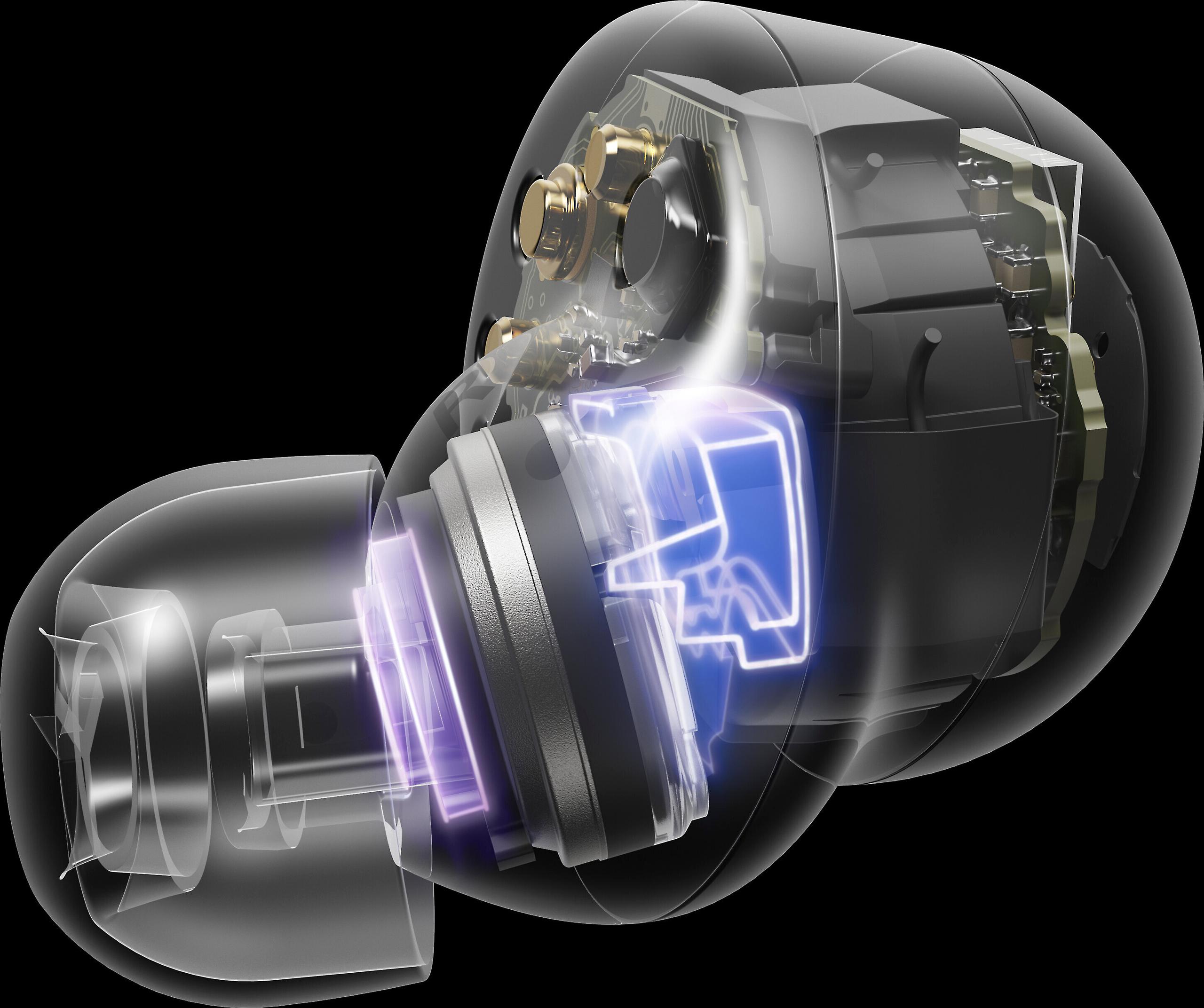
The Technics AZ100 employs magnetic fluid driver technology, a fascinating piece of engineering borrowed from their high-end wired earbuds. This system places a special oil-like substance with magnetic properties between the driver's magnet and voice coil. Think of it as a microscopic shock absorber that reduces unwanted vibrations and distortion while allowing more precise driver movement.
The result is exceptionally clean sound reproduction across the entire frequency range. When listening to complex jazz recordings or orchestral pieces, individual instruments maintain their distinct character rather than blending into sonic mush. The piano maintains its percussive attack, brass instruments retain their metallic shimmer, and vocals sit precisely in the soundstage rather than floating vaguely in your head.
The Technics AZ100 also extends its frequency response to 40kHz—double the range of human hearing but important for harmonic content that affects perceived sound quality. This wider range, combined with support for high-resolution audio codecs like LDAC (which transmits roughly three times more data than standard Bluetooth), means you're getting closer to the original recording quality.
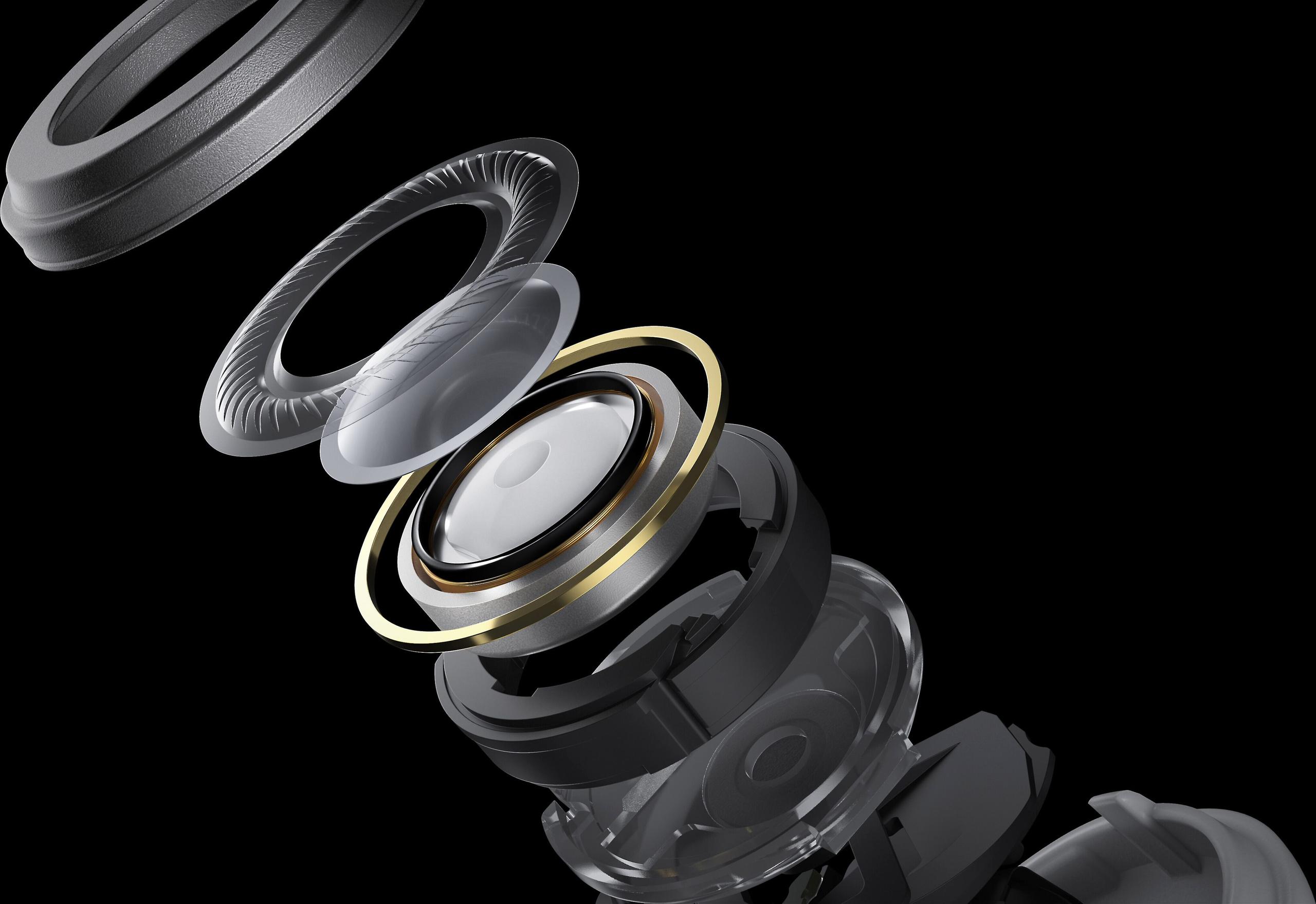
The JBL Tune Flex takes a different approach with its 12mm dynamic drivers tuned for JBL's signature "Pure Bass Sound." This isn't about accuracy—it's about excitement and energy. The larger driver size compared to the Technics' 10mm units allows for more bass output, creating that satisfying thump that makes electronic music and hip-hop feel alive.
JBL's V-shaped sound signature emphasizes bass and treble while slightly recessing midrange frequencies. This creates an immediately impressive sound that highlights the beat and adds sparkle to vocals, though it sacrifices some accuracy. It's the difference between a sports car's exhaust note (exciting and attention-grabbing) and a luxury sedan's refined purr (sophisticated but less visceral).
The JBL Tune Flex also offers extensive customization through its companion app, including a 10-band equalizer that lets you fine-tune the sound to your preferences. This flexibility partially compensates for the less neutral starting point, allowing you to dial back the bass emphasis if you prefer more balanced sound.
In practical terms, these different approaches translate to distinct listening experiences. The Technics AZ100 excels with acoustic music, podcasts, and any content where clarity and accuracy matter most. Switching from other earbuds to the Technics often reveals subtle details you'd missed—the breath before a vocal phrase, the decay of a piano note, or the texture of a saxophone.
The JBL Tune Flex shines with modern pop, electronic music, and any content where energy and impact matter more than perfect accuracy. The enhanced bass makes movie soundtracks more exciting and gives video game audio more punch. For home theater use, the JBL's emphasis on bass and treble can make dialogue more intelligible and action sequences more engaging, though the Technics provides more accurate spatial positioning in surround content.
Noise cancellation has become a make-or-break feature for many users, especially those who commute or work in noisy environments. The difference between the JBL Tune Flex and Technics AZ100 illustrates how premium models still hold significant advantages in this area.
The Technics AZ100 employs six microphones total—three per earbud—feeding into an AI-powered noise cancellation system. This setup doesn't just detect and cancel noise; it analyzes your environment and adjusts its approach accordingly. In a coffee shop, it might focus on canceling the consistent hum of the espresso machine while allowing important sounds like your name being called to pass through.
The manual control over ANC intensity (adjustable from 0-100%) is particularly valuable. Most earbuds offer only on/off or maybe three preset levels, but the Technics lets you dial in exactly the amount of cancellation you need. This granular control helps in situations where full cancellation might cause ear pressure discomfort or make you feel too isolated from your surroundings.
In our research of user experiences, the Technics AZ100 consistently performs better against low-frequency noise—airplane engines, train rumble, and air conditioning hum. This makes it significantly more effective for frequent travelers or anyone working in consistently noisy environments.
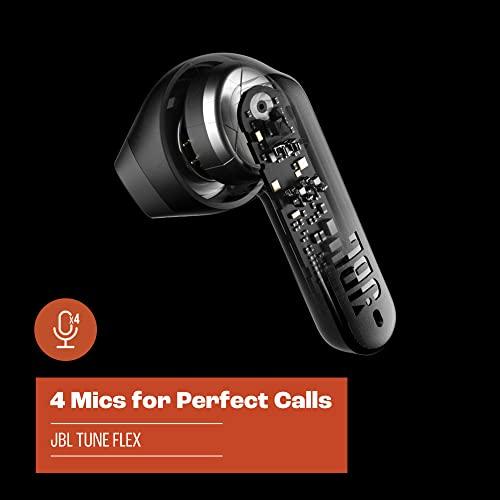
The JBL Tune Flex uses a "True Adaptive" system with four microphones that adjusts to your environment automatically. While less sophisticated than the Technics system, it still provides meaningful noise reduction for most situations. The key difference is effectiveness against sustained, low-frequency noise where premium models show their advantage.
However, the JBL's approach includes some clever features that partially compensate for its technical limitations. The Ambient Aware mode lets you tune into your surroundings without removing the earbuds, while TalkThru drops the music volume and allows conversation without touching the earbuds. These practical features often matter more in daily use than absolute cancellation performance.
The JBL Tune Flex also offers dual ear tip designs—standard sealing tips for maximum isolation and open tips that allow more environmental awareness. This flexibility lets you choose your level of isolation based on your activity, from complete focus during work to situational awareness while jogging.
Battery life represents one area where the JBL Tune Flex actually outperforms its more expensive competitor, illustrating how premium doesn't always mean better in every aspect.
The JBL Tune Flex delivers up to 32 hours of total listening time—8 hours from the earbuds themselves plus 24 hours from the charging case when noise cancellation is disabled. Even with ANC engaged, you still get 6-8 hours per charge plus additional case power. This performance puts it among the longest-lasting earbuds available at any price.
The practical impact of this battery life cannot be overstated. You can easily go a full work week without needing to plug in the case, and the earbuds themselves last through most long flights or extended listening sessions. The 10-minute quick charge feature provides two hours of listening time, making it virtually impossible to be caught with dead earbuds.
The Technics AZ100 provides 28 hours total (10-12 hours per earbud plus case) with noise cancellation enabled. While this is less total time than the JBL, the longer single-session battery life (10-12 hours versus 8) can be more valuable for some users. If you frequently take very long flights or have marathon listening sessions, getting through them without touching the charging case might matter more than total capacity.
The Technics case also supports wireless charging, eliminating the need to fumble with cables. This convenience factor becomes significant when you're juggling multiple devices and charging cables throughout the day.
The microphone systems in these earbuds reveal another area where premium engineering shows clear advantages, particularly important as remote work has made call quality a critical consideration.
The Technics AZ100 incorporates "Voice Focus AI" technology that goes beyond simple noise cancellation. This system uses machine learning to analyze incoming sound, distinguish your voice from background noise, and enhance vocal clarity for both you and the person you're speaking with.
In practical terms, this means the Technics maintains clear conversation even in challenging environments like busy cafes or windy outdoor conditions. The AI processing adapts in real-time, so if a loud truck passes by during a call, the system immediately adjusts its noise suppression strategy rather than simply muting all sound.
The JBL Tune Flex uses a six-microphone "Crystal Call" system with VoiceAware technology. While less sophisticated than the Technics' AI approach, it includes some user-friendly features that many people prefer. VoiceAware lets you control how much of your own voice you hear during calls, preventing that "talking underwater" feeling that some noise cancellation systems create.
The JBL system performs adequately for casual phone calls and video conferences but struggles more in very noisy environments compared to the Technics. For most users, this difference only becomes apparent in extreme situations.
Physical comfort often determines whether expensive earbuds end up used daily or sitting in a drawer. Both models take different approaches to achieving comfortable, secure fit.
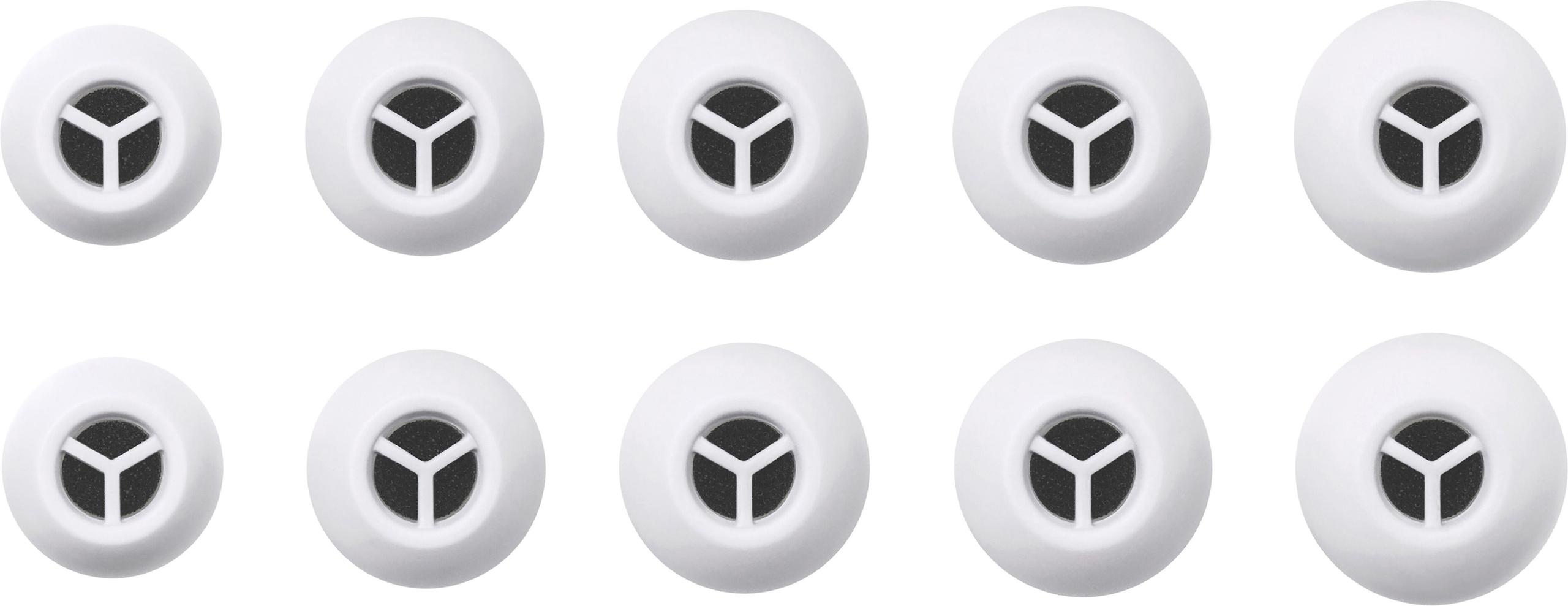
The Technics AZ100 uses a "concha-fit" design that follows the natural contours of your ear. This approach, combined with five different ear tip sizes (XS through XL), helps ensure a proper seal for both comfort and noise isolation. The earbuds are also 10% smaller and 16% lighter than the previous generation, reducing fatigue during extended wear.
The build quality reflects the premium positioning, with higher-grade materials and more refined manufacturing tolerances. However, the IPX4 water resistance rating, while adequate for daily use and light exercise, doesn't match the JBL's more robust protection.
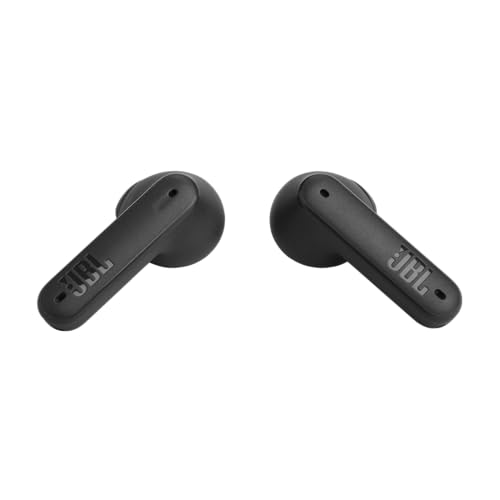
The JBL Tune Flex prioritizes durability and active use. The IPX4 rating handles sweat and light rain better than most premium earbuds, making them more suitable for intense workouts or outdoor activities. The stick-form design provides a secure fit that stays put during physical activity.
At 4.8g per earbud (9.6g total), they're lightweight enough for all-day wear while maintaining a substantial feel that inspires confidence in their durability. The multiple ear tip options, including both sealing and open designs, provide flexibility for different use cases.
Modern earbuds are essentially wearable computers, and the smart features often differentiate products more than pure audio performance.
The JBL Tune Flex includes perhaps the most innovative feature in either model: a 1.45-inch touchscreen display built into the charging case. This allows you to control music playback, adjust settings, manage calls, and check battery levels without pulling out your phone. While it might seem gimmicky, this feature proves surprisingly useful for quick interactions and adds genuine value to the overall package.
The case also includes both USB-C charging and a 3.5mm audio input, allowing wired connectivity when Bluetooth isn't available or battery runs low. This versatility makes the JBL more adaptable to different situations.
The Technics AZ100 supports connection to up to three Bluetooth devices simultaneously, with intelligent switching between them based on which device starts playing audio. This multipoint connectivity eliminates the frustration of manually reconnecting earbuds when switching between your phone, laptop, and tablet.
The spatial audio support with Dolby Atmos and head tracking creates a more immersive experience for compatible content. When watching movies or playing games with spatial audio tracks, the soundstage moves naturally as you turn your head, creating a more realistic listening experience than traditional stereo earbuds can provide.
Both models offer smartphone apps for customization, but they take different approaches to user control and features.
The JBL app provides extensive customization options that can feel overwhelming but offer tremendous flexibility. You can assign different functions to touch controls, adjust EQ settings across 10 frequency bands, and even locate lost earbuds. The app sometimes feels cluttered with options, but power users appreciate the granular control.
The Technics app takes a more refined approach, focusing on essential features with a cleaner interface. The sound customization options are more limited but easier to navigate, and the multi-device connection management works more intuitively than most competitors.
The decision between the JBL Tune Flex and Technics AZ100 ultimately comes down to your priorities and how you plan to use the earbuds.
For home theater use, both earbuds can connect to TVs with Bluetooth support, but they serve different purposes. The JBL Tune Flex provides more engaging sound for action movies and gaming, with enhanced bass that makes explosions feel impactful and dialogue that cuts through background noise. The longer battery life also means fewer interruptions during binge-watching sessions.
The Technics AZ100 offers more accurate sound reproduction and better spatial audio support for content mixed in Dolby Atmos. If you watch a lot of carefully crafted films or high-quality streaming content where audio accuracy matters, the Technics provides a more faithful reproduction of the director's intent.
The JBL Tune Flex represents the democratization of premium features—delivering capabilities that were exclusive to expensive earbuds just two years ago at a fraction of the cost. It's proof that you no longer need to spend premium prices to get active noise cancellation, long battery life, and extensive customization options.
The Technics AZ100 justifies its premium price through superior audio engineering and professional-grade features. It's designed for users who can hear and appreciate the difference that magnetic fluid drivers, AI-powered noise cancellation, and high-resolution audio codecs make.
Both earbuds succeed at their intended missions. The JBL maximizes value and versatility, while the Technics maximizes performance and refinement. Your choice should reflect not just your budget, but your listening habits, lifestyle needs, and how much you value audio quality versus features-per-dollar. In a market full of compromises, both models represent clear victories for their respective philosophies.
| JBL Tune Flex True Wireless Earbuds | Technics Reference Class AZ100 True Wireless Noise Cancelling Earbuds |
|---|---|
| Driver Technology - Core component affecting sound quality | |
| 12mm dynamic drivers with JBL Pure Bass Sound tuning | 10mm magnetic fluid drivers with ultra-low distortion |
| Frequency Response - Range of sounds the earbuds can reproduce | |
| 20 Hz - 20 kHz (standard range, bass-emphasized tuning) | 20 Hz - 40 kHz (extended range for high-resolution audio) |
| Audio Codecs - Data compression quality for wireless transmission | |
| SBC, AAC (standard Bluetooth quality) | SBC, AAC, LDAC, LC3 (high-resolution wireless audio) |
| Active Noise Cancellation - Ability to block external sounds | |
| True Adaptive ANC with 4 microphones (good for general use) | AI-powered adaptive ANC with 6 microphones (superior for travel/commuting) |
| Battery Life (Total) - Complete listening time including case | |
| Up to 32 hours (8+24 with ANC off) / 24 hours (6+18 with ANC on) | Up to 28 hours (10-12+16-18 with ANC on) |
| Single Charge Battery - Continuous listening per earbud charge | |
| 8 hours (ANC off) / 6-8 hours (ANC on) | 10-12 hours (ANC on) - better for long sessions |
| Water Resistance - Protection against sweat and moisture | |
| IPX4 (excellent for workouts and outdoor activities) | IPX4 (adequate for daily use, less ideal for intense exercise) |
| Call Quality - Microphone performance for phone calls | |
| 6-mic Crystal Call system with VoiceAware (good for casual calls) | Voice Focus AI with 6 mics (professional-grade noise suppression) |
| Multi-Device Connection - Simultaneous device pairing | |
| Multi-point connection (standard switching) | 3-device multipoint with intelligent auto-switching |
| Charging Features - Convenience and speed of power replenishment | |
| 10-min quick charge = 2 hours playback, USB-C wired only | 15-min quick charge = 90 min playback, wireless + USB-C charging |
| Smart Features - Advanced technology and convenience options | |
| 1.45" touchscreen case, 3.5mm wired input, extensive app customization | Spatial audio with Dolby Atmos, head tracking, refined app experience |
| Sound Signature - Overall audio character and target audience | |
| V-shaped (bass/treble emphasized) - ideal for pop, hip-hop, EDM | Neutral/accurate - ideal for jazz, classical, podcasts, detailed listening |
The Technics AZ100 delivers superior sound quality with its magnetic fluid driver technology and extended 20Hz-40kHz frequency response. It supports high-resolution audio codecs like LDAC for near CD-quality wireless transmission. The JBL Tune Flex offers an energetic, bass-heavy sound that's great for pop and electronic music but less accurate overall. For audiophiles and detailed listening, the Technics AZ100 is clearly better.
The JBL Tune Flex provides exceptional battery life with up to 32 hours total (8 hours earbuds + 24 hours case) when ANC is off. The Technics AZ100 offers 28 hours total but provides longer continuous listening at 10-12 hours per earbud charge versus the JBL Tune Flex's 8 hours. For all-day battery life, JBL wins; for single-session endurance, Technics edges ahead.
The Technics AZ100 features superior AI-powered adaptive noise cancellation with 6 microphones and manual intensity control from 0-100%. It's particularly effective against low-frequency sounds like airplane engines. The JBL Tune Flex has decent True Adaptive ANC with 4 microphones but can't match the Technics AZ100's performance for frequent travelers or noisy environments.
The JBL Tune Flex is better suited for workouts with its IPX4 water resistance, secure stick-form design, and sweat-proof construction. The Technics AZ100 has IPX4 rating too but is designed more for daily use than intense exercise. For gym sessions and outdoor activities, the JBL Tune Flex is the more practical choice.
The Technics AZ100 excels in call quality with Voice Focus AI technology that provides professional-grade noise suppression and clarity even in challenging environments. The JBL Tune Flex offers good call performance with its 6-microphone Crystal Call system and VoiceAware feature, but the Technics AZ100 is significantly better for business calls and noisy conditions.
Both support multi-device connectivity, but the Technics AZ100 is more advanced with intelligent auto-switching between up to 3 devices based on which starts playing audio. The JBL Tune Flex offers standard multipoint connection that works well but requires more manual management. The Technics AZ100 provides a more seamless multi-device experience.
The Technics AZ100 uses a concha-fit design that follows your ear's natural contours and is 10% smaller and 16% lighter than previous models. The JBL Tune Flex weighs only 9.6g total and offers multiple ear tip options including open designs. Both are comfortable, but the Technics AZ100 feels more refined for extended wear.
Both work well for entertainment, but serve different purposes. The JBL Tune Flex provides more exciting sound for action movies with enhanced bass and longer battery life for binge-watching. The Technics AZ100 offers superior spatial audio with Dolby Atmos support and more accurate sound reproduction for high-quality content. Choose based on whether you want excitement or accuracy.
The JBL Tune Flex provides exceptional value, delivering premium features like ANC, long battery life, and innovative smart case technology at a budget-friendly price. The Technics AZ100 costs significantly more but justifies the premium with superior audio quality and professional features. The JBL Tune Flex wins on pure value, while Technics offers better performance per dollar spent.
The JBL Tune Flex app offers extensive customization with 10-band EQ, touch control assignment, and numerous features that can feel overwhelming but provide great flexibility. The Technics AZ100 app is more refined and intuitive with cleaner design and better multi-device management. Power users may prefer the JBL Tune Flex app's depth, while others will appreciate the Technics' simplicity.
The JBL Tune Flex offers 10-minute quick charging for 2 hours of playback and supports USB-C wired charging only. The Technics AZ100 provides 15-minute quick charging for 90 minutes of playback but includes both wireless and USB-C charging options. The JBL Tune Flex charges slightly faster, but the Technics AZ100 offers more convenient wireless charging.
For first-time premium earbud buyers, the JBL Tune Flex is an excellent introduction with its user-friendly features, extensive customization options, and lower financial commitment. The Technics AZ100 is better for those who prioritize audio quality above all else and can appreciate the difference that premium engineering makes. Start with the JBL Tune Flex unless you're specifically seeking audiophile-grade performance.
We've done our best to create useful and informative comparisons to help you decide what product to buy. Our research uses advanced automated methods to create this comparison and perfection is not possible - please contact us for corrections or questions. These are the sites we've researched in the creation of this article: rtings.com - hometechnologyreview.com - youtube.com - bestbuy.com - soundguys.com - bestbuy.com - crutchfield.com - bgr.com - robbsutton.com - majorhifi.com - versus.com - crutchfield.com - youtube.com - versus.com - jbl.com - global.jbl.com - pcrichard.com - musicarts.com - scribd.com - global.jbl.com - robot-advance.com - gzhls.at - bestbuy.com - att.com - ro.harmanaudio.com - whathifi.com - digitaltrends.com - bestbuy.com - techradar.com - popsci.com - stuff.tv - us.technics.com - instylehifi.com.au - techradar.com - youtube.com - head-fi.org - whathifi.com - ecoustics.com - crutchfield.com - head-fi.org - treoo.com - youtube.com - bestbuy.com - us.technics.com - crutchfield.com - cnet.com - us.technics.com - us.technics.com - na.panasonic.com - us.technics.com - help.na.panasonic.com - bestbuy.com - bhphotovideo.com - technics.com - technics.com - us.technics.com - twitteringmachines.com - stupiddope.com - bhphotovideo.com - techdogs.com - technics.com - techradar.com - yumpu.com - youtube.com

Privacy Policy
Terms and Conditions - Affiliate Policy
Home Security
© Copyright 2008-2026.
11816 Inwood Rd #1211, Dallas, TX 75244