

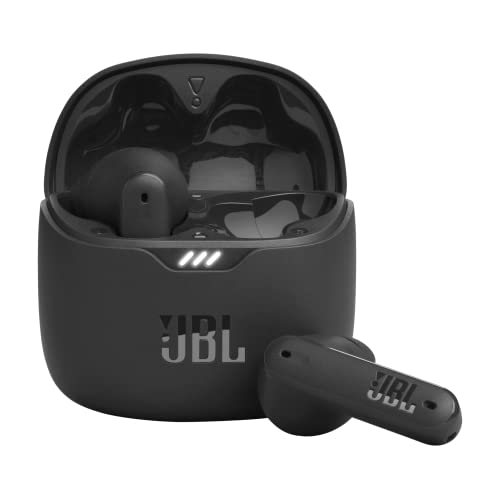

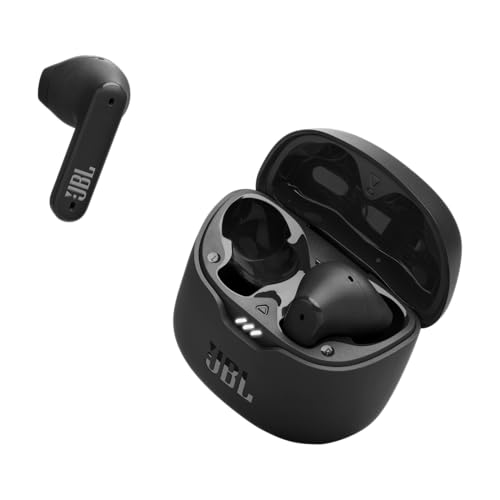
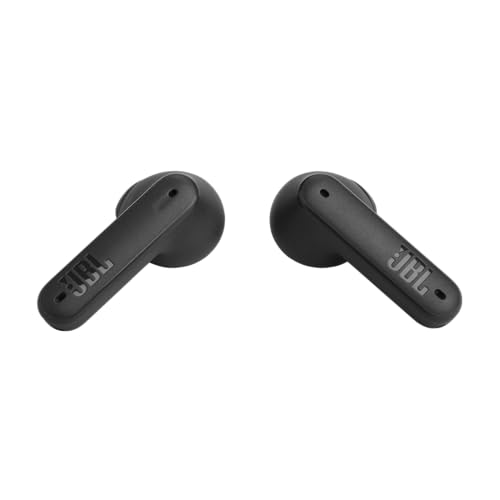
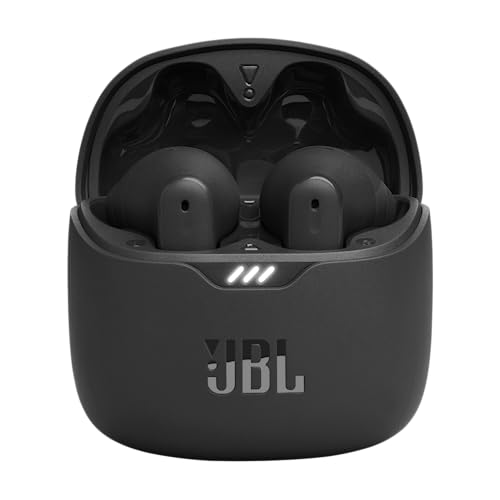
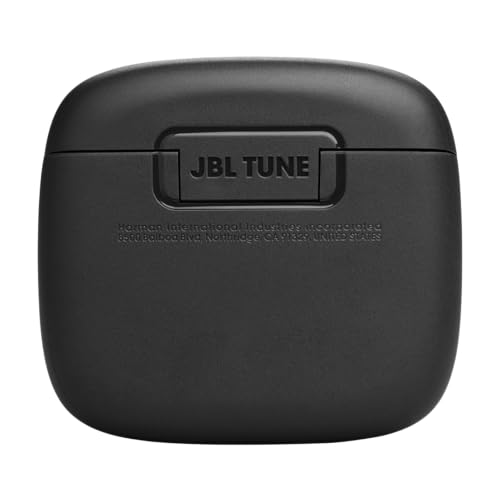
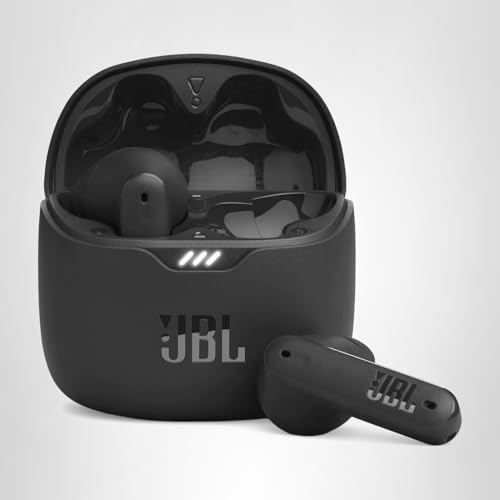
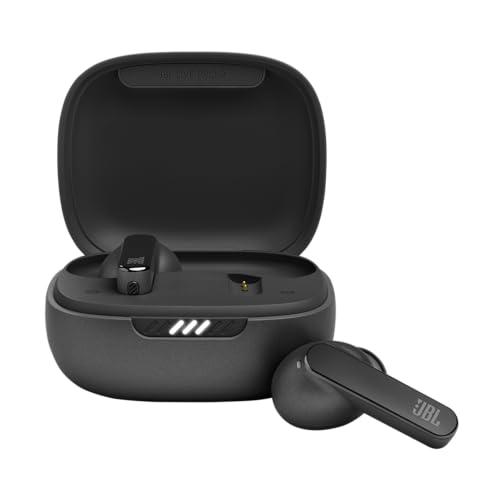


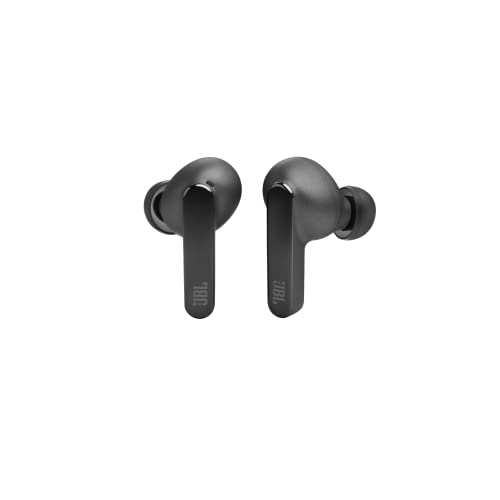
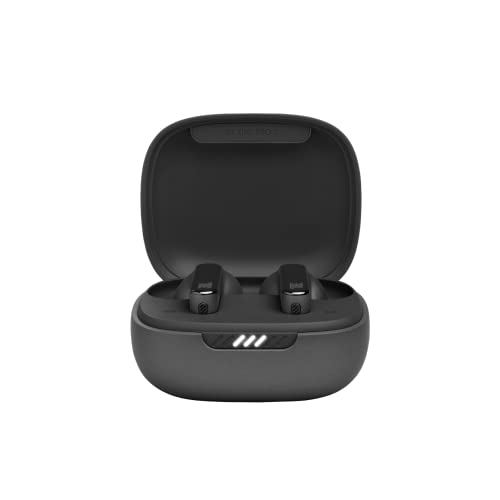
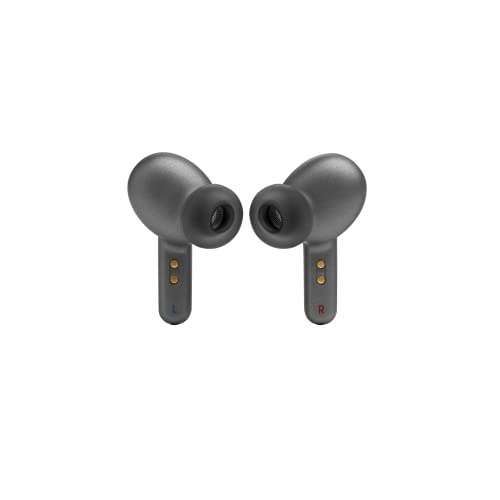
When shopping for true wireless earbuds in 2024, you're faced with an overwhelming number of choices. Two models that consistently catch attention are JBL's Tune Flex and Live Pro 2—both released in 2023 and representing different approaches to delivering quality audio in a competitive market. At the time of writing, these earbuds sit in the mid-range category but with notably different price points and feature sets.
The question isn't just which sounds better, but which delivers the right combination of performance, comfort, and features for your specific needs. After researching extensive user feedback and expert reviews, the answer depends heavily on whether you prioritize comfort and value over advanced features like superior noise cancellation.
True wireless earbuds have evolved dramatically since their mainstream debut. What started as simple Bluetooth audio devices have become sophisticated pieces of technology packed with features that were unimaginable just a few years ago. The core elements that separate good earbuds from great ones haven't changed much: sound quality, comfort, battery life, and reliability. However, the standards for each have risen significantly.
Sound quality depends primarily on driver design—the tiny speakers inside each earbud. Larger drivers generally move more air and can produce deeper bass, though engineering and tuning matter more than size alone. Frequency response, which measures how evenly an earbud reproduces different pitches from deep bass to high treble, tells you whether the sound will be balanced or favor certain ranges.
Comfort might seem straightforward, but it's surprisingly complex. The shape of your ear canal, how much you move while wearing earbuds, and whether you prefer a tight seal or loose fit all influence which design works best. This is where the Tune Flex introduces something genuinely innovative that addresses a common problem many users face.
The JBL Tune Flex takes a balanced approach to sound that works well across different music genres and content types. Its 12mm drivers—slightly larger than many competitors—deliver what reviewers consistently describe as versatile audio that doesn't heavily favor bass, mids, or treble. This tuning philosophy makes sense for users who listen to everything from podcasts to hip-hop to classical music.
The frequency response consistency on the Tune Flex is particularly impressive. This technical term refers to how reliably the earbuds deliver the same sound quality regardless of small variations in fit. If you've ever noticed that earbuds sound different when you adjust them slightly, you understand why this matters. The Tune Flex maintains consistent bass and treble delivery even with minor positioning changes.
In contrast, the Live Pro 2 embraces JBL's signature sound philosophy with a V-shaped audio profile. This means enhanced bass response and brighter treble, creating a more dynamic and exciting listening experience that particularly benefits pop, rock, and electronic music. The 11mm drivers might be slightly smaller than the Tune Flex, but they're tuned specifically to deliver that punchy, engaging sound JBL is known for.
What's interesting is how both earbuds handle the mid-range frequencies where vocals sit. The Tune Flex keeps mids neutral and clear, making voices sound natural in podcasts and audiobooks. The Live Pro 2 adds slight emphasis to the high-mid range, which can make vocals more intense and forward in the mix—great for music but potentially fatiguing for long podcast sessions.
Both models include parametric EQ in their companion apps, allowing you to adjust the sound to your preferences. The Live Pro 2 offers a more sophisticated 10-band EQ system, giving audio enthusiasts more precise control over their sound signature.
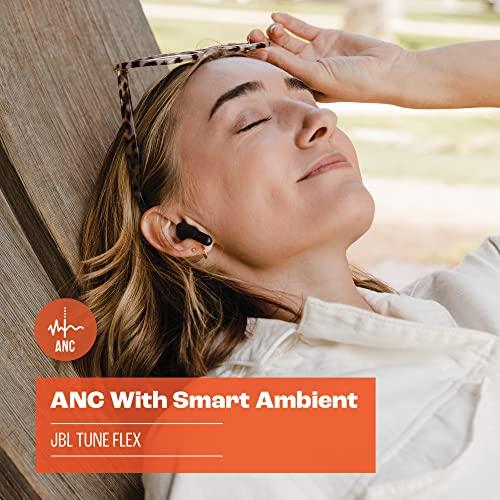
This is perhaps the most significant difference between these earbuds, and it directly impacts who should choose which model. The JBL Tune Flex includes basic Active Noise Cancelling (ANC) technology using two microphones per earbud. ANC works by using external microphones to detect ambient noise, then generating an opposite sound wave to cancel it out—like noise-canceling headphones but miniaturized.
However, our research into user experiences reveals that the Tune Flex's noise cancellation struggles with real-world scenarios. Office chatter, street noise, and even consistent sounds like air conditioning don't get effectively blocked. The passive isolation—how well the earbuds physically block sound just by sitting in your ears—is also limited, even with the sealing ear tips properly fitted.
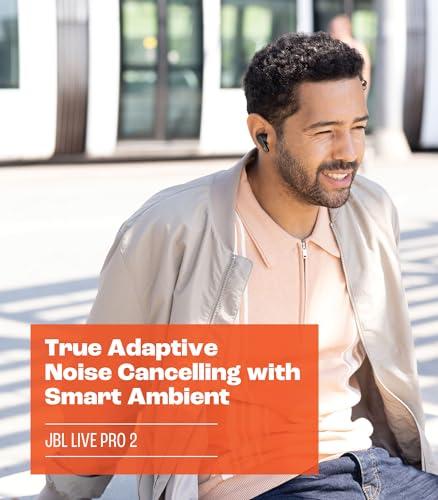
The Live Pro 2 employs True Adaptive Noise Cancelling, which represents a more sophisticated approach. Instead of applying the same level of noise cancellation constantly, this system automatically adjusts based on your environment. In a quiet room, it doesn't work as hard and preserves battery life. On a busy street or airplane, it ramps up to maximum effectiveness.
This adaptive approach makes a substantial difference in practice. Users report that the Live Pro 2 effectively handles the low rumble of bus engines, airplane noise, and background office sounds that the Tune Flex struggles with. For anyone who regularly commutes, travels, or works in noisy environments, this difference alone may justify the higher price point.
Both models include Smart Ambient modes that let you hear your surroundings when needed. The Tune Flex offers Ambient Aware and TalkThru features, while the Live Pro 2 provides customizable ambient levels through the app. These features are essential for safety when walking or cycling, and for quick conversations without removing the earbuds.
Battery performance has become increasingly important as earbuds replace wired headphones for more users. The JBL Tune Flex delivers respectable battery life with 6-8 hours of continuous playback depending on noise cancellation usage, plus an additional 24 hours from the charging case for 32 hours total.
The Live Pro 2 extends this significantly with 8-10 hours of continuous playback and 30 additional hours from the case, totaling 40 hours. This difference might seem modest, but those extra 2 hours of continuous use often mean the difference between making it through a long workday or travel day versus needing to recharge.
Both models support fast charging—10-15 minutes in the case provides 2-4 hours of additional playback. The Live Pro 2 adds Qi wireless charging, which eliminates the need to fumble with cables when you're at a wireless charging pad at home or in the office.
From a practical standpoint, the battery difference matters most for heavy users. If you typically use earbuds for 2-3 hours daily, both models will last several days between charges. If you're listening for 6+ hours daily or taking long flights, the Live Pro 2's extended battery becomes genuinely valuable.
The JBL Tune Flex introduces a genuinely innovative approach to earbud comfort with its dual ear tip system. Instead of just including different sizes of the same tip design, JBL provides both "sealing" tips that create a tight seal for maximum bass and noise isolation, and "open" tips that sit more loosely for ambient awareness and all-day comfort.
This addresses a common problem: many users find sealed earbuds uncomfortable for extended wear due to pressure buildup, while others prefer the secure fit and bass response of a tight seal. The Tune Flex lets you choose based on your activity and preference. The lightweight design at 4.2g per earbud also contributes to comfort during extended use.
The Live Pro 2 takes a more traditional but refined approach with Oval Tubes technology. Instead of round ear tips, JBL designed oval-shaped tips that supposedly better match the natural shape of ear canals. While this works well for many users, our research suggests the comfort experience is more hit-or-miss depending on your specific ear shape.
Several user reviews note that the Live Pro 2 can pop out during physical activity or even talking if you don't achieve the right fit initially. The lack of stability fins—small rubber wings that help secure earbuds during movement—means active users might need to experiment with tip sizes more carefully.
For extended listening sessions like long flights or work-from-home days, the Tune Flex consistently receives praise for maintaining comfort over hours of use. The Live Pro 2 can be equally comfortable when properly fitted but requires more attention to initial setup.
Both earbuds use Bluetooth 5.2, providing reliable connections with modern devices. However, the Live Pro 2 includes multipoint connectivity—the ability to connect to two devices simultaneously. This feature has become increasingly valuable as more people work from home and need to seamlessly switch between phone calls and computer audio.
Multipoint connectivity works by maintaining active connections to both devices and automatically switching audio based on which device is playing content. Take a call on your phone while connected to your laptop, and the earbuds automatically switch. When the call ends, audio resumes from your computer. This seemingly simple feature eliminates the frustration of constantly re-pairing devices throughout the day.
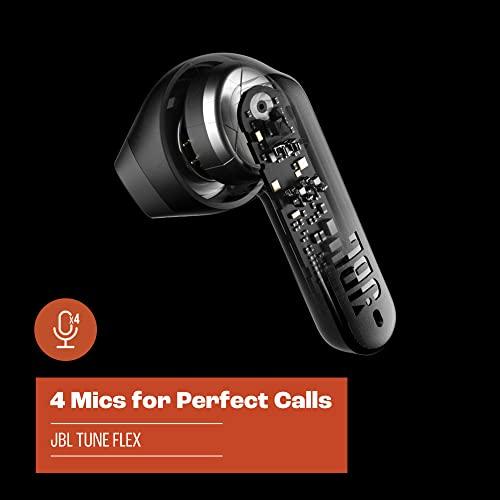
The Live Pro 2 also features six beamforming microphones compared to the Tune Flex's four. Beamforming technology uses multiple microphones to focus on your voice while filtering out background noise during calls. The additional microphones in the Live Pro 2 provide better wind noise reduction and clearer voice pickup in challenging environments.
Both models support voice assistants and include in-ear detection that automatically pauses music when you remove an earbud. The JBL Headphones app provides EQ adjustment, device management, and feature customization for both models.
Water resistance ratings use the IPX system, where higher numbers indicate better protection. The JBL Tune Flex carries an IPX4 rating, protecting against splashing water from any direction. This handles light rain, sweat during moderate workouts, and accidental spills without damage.
The Live Pro 2 steps up to IPX5, which protects against water jets from any direction. This rating better handles intense workouts, heavy rain, and more aggressive water exposure. For runners who don't want weather concerns limiting their exercise, or for users in humid climates, this upgrade provides meaningful peace of mind.
Both models use quality construction materials, though neither feels premium compared to flagship models from Sony or Bose. The charging cases are well-built and protect the earbuds effectively during daily use.
At the time of writing, the JBL Tune Flex typically costs significantly less than the Live Pro 2—often $70+ difference depending on sales and promotions. This price gap represents one of the most important decision factors for most buyers.
The Tune Flex delivers approximately 70% of the Live Pro 2's feature set at roughly 60% of the price. You sacrifice advanced noise cancellation, multipoint connectivity, wireless charging, and some battery life, but retain excellent sound quality, innovative comfort features, and solid build quality.
The Live Pro 2 justifies its premium through features that matter most to productivity-focused and frequent-travel users. Superior noise cancellation, multipoint connectivity, and extended battery life provide tangible daily benefits for users who prioritize these capabilities.
Choose the JBL Tune Flex if:
Choose the JBL Live Pro 2 if:
Neither earbud excels for dedicated home theater use due to Bluetooth latency limitations. However, both support low-latency codecs that minimize audio delay with compatible devices. The Live Pro 2 includes a Video Mode specifically designed to reduce latency for video content, making it the better choice for occasional movie watching on tablets or phones.
For serious home theater use, wired or dedicated wireless headphones remain superior options due to lower latency and potentially better soundstage reproduction.
The choice between these earbuds ultimately depends on your priorities and usage patterns. The JBL Tune Flex represents exceptional value for users who prioritize comfort, balanced sound, and don't require advanced features like aggressive noise cancellation or multipoint connectivity. Its innovative ear tip system and comfortable design make it particularly appealing for first-time premium earbud buyers.
The JBL Live Pro 2 targets users who need professional-grade features and are willing to pay for them. Its superior noise cancellation, multipoint connectivity, and extended battery life provide genuine productivity benefits for commuters, frequent travelers, and heavy users.
Both earbuds deliver solid audio quality and reliable performance. Your decision should focus on whether the Live Pro 2's advanced features justify the price premium for your specific needs and usage patterns. In most cases, the answer depends heavily on your environment and whether you regularly face the challenges—noise, multiple devices, long usage sessions—that the Live Pro 2 is specifically designed to address.
| JBL Tune Flex True Wireless Earbuds | JBL Live Pro 2 TWS True Wireless Earbuds |
|---|---|
| Driver Size - Larger drivers typically produce better bass and fuller sound | |
| 12mm dynamic drivers (larger for more bass impact) | 11mm dynamic drivers (smaller but precisely tuned) |
| Sound Signature - Determines which music genres sound best | |
| Balanced with warm tuning (versatile for all content types) | V-shaped with enhanced bass/treble (exciting for pop/rock) |
| Active Noise Cancellation - Critical for commuting and noisy environments | |
| Basic ANC with 2 mics (struggles with office chatter and street noise) | True Adaptive ANC (automatically adjusts, excellent isolation) |
| Battery Life (Single Charge) - How long you can listen without the case | |
| 6-8 hours depending on ANC usage | 8-10 hours (consistently longer than Tune Flex) |
| Total Battery Life - How many days between plugging in the case | |
| 32 hours total (8 + 24 from case) | 40 hours total (10 + 30 from case) |
| Charging Options - Convenience factor for daily use | |
| USB-C only, 10-min speed charge for 2 hours | USB-C + Qi wireless, 15-min speed charge for 4 hours |
| Comfort Innovation - Addresses common earbud fit issues | |
| Dual ear tip system: sealing + open tips for different preferences | Traditional oval-shaped tips (Oval Tubes technology) |
| Weight Per Earbud - Affects comfort during extended wear | |
| 4.2g each (lighter for all-day comfort) | 4.8g each (slightly heavier but still comfortable) |
| Multipoint Connectivity - Essential for productivity users | |
| No (must manually switch between devices) | Yes (seamlessly switches between phone and laptop) |
| Microphone Array - Important for call quality in noisy places | |
| 4 microphones with basic noise filtering | 6 beamforming microphones with superior wind/noise reduction |
| Water Resistance - Protection level for workouts and weather | |
| IPX4 (splash resistant, handles light rain and sweat) | IPX5 (water jet resistant, better for intense workouts) |
| App Features - Customization and control options | |
| Parametric EQ, basic controls | 10-band EQ, advanced noise control, ear tip fit test |
| Best For - Primary use case recommendations | |
| Comfort-focused users, balanced listening, budget-conscious buyers | Commuters, productivity users, noise-sensitive environments |
Both the JBL Tune Flex and JBL Live Pro 2 deliver excellent sound quality, but with different approaches. The Tune Flex features larger 12mm drivers with a balanced sound signature that works well for all music genres and podcasts. The Live Pro 2 uses 11mm drivers with JBL's signature V-shaped sound profile, emphasizing bass and treble for a more dynamic listening experience that particularly benefits pop and rock music.
Yes, both models include active noise cancellation, but the Live Pro 2 significantly outperforms the Tune Flex. The Tune Flex uses basic ANC with 2 microphones that struggles with office chatter and street noise. The Live Pro 2 features True Adaptive Noise Cancelling that automatically adjusts to your environment and effectively blocks airplane noise, bus engines, and background office sounds.
The JBL Tune Flex generally offers superior comfort for extended use. It features an innovative dual ear tip system with both sealing and open tips, allowing you to choose based on your comfort preference. The lightweight 4.2g design consistently receives praise for all-day comfort. The Live Pro 2 uses traditional oval-shaped tips that work well when properly fitted but can be more hit-or-miss depending on your ear shape.
The Live Pro 2 offers longer battery life with 8-10 hours of continuous playback and 40 total hours with the charging case. The JBL Tune Flex provides 6-8 hours of continuous use and 32 total hours with the case. Both models support fast charging, but the Live Pro 2 also includes convenient Qi wireless charging.
Only the Live Pro 2 supports multipoint connectivity, allowing you to connect to two devices simultaneously and seamlessly switch between them. This feature is particularly valuable for productivity users who need to switch between phone calls and computer audio. The JBL Tune Flex requires manual disconnection and reconnection when switching between devices.
For workouts, the JBL Tune Flex often performs better due to its lighter weight, more secure fit, and open ear tip option that maintains situational awareness during outdoor activities. However, the Live Pro 2 offers superior water protection with an IPX5 rating versus the Tune Flex's IPX4 rating, making it better for intense workouts or wet conditions.
The Live Pro 2 delivers superior call quality with six beamforming microphones that provide better wind noise reduction and voice clarity in challenging environments. The JBL Tune Flex uses four microphones with basic noise filtering that handles everyday calls adequately but struggles more in very noisy environments like busy streets or crowded spaces.
The Live Pro 2 is significantly better for commuting and travel due to its superior noise cancellation, longer battery life, and multipoint connectivity. The adaptive ANC effectively blocks train and airplane noise, while the extended battery handles long travel days. The Tune Flex works for light commuting but lacks the noise isolation needed for serious travel.
Both models offer sound customization through the JBL Headphones app, but the Live Pro 2 provides more advanced options with a 10-band EQ system and additional audio presets. The JBL Tune Flex includes parametric EQ and basic sound adjustments that work well for most users but offer less precision for audio enthusiasts.
The JBL Tune Flex typically offers better value for budget-conscious buyers, delivering about 70% of the Live Pro 2's features at a significantly lower price point. However, if you need superior noise cancellation, multipoint connectivity, and extended battery life, the Live Pro 2 justifies its higher price for productivity-focused users.
Neither model is ideal for dedicated home theater use due to Bluetooth latency limitations. However, the Live Pro 2 includes a Video Mode specifically designed to reduce audio delay for video content, making it the better choice for occasional movie watching on tablets or phones. For serious home theater use, wired headphones remain the preferred option.
Choose the JBL Tune Flex if you prioritize comfort, balanced sound, and value, especially for quiet environments and diverse content types. Choose the Live Pro 2 if you need superior noise cancellation for commuting, multipoint connectivity for productivity, or extended battery life for heavy daily use. Your decision should focus on whether the Live Pro 2's advanced features justify the price premium for your specific usage patterns.
We've done our best to create useful and informative comparisons to help you decide what product to buy. Our research uses advanced automated methods to create this comparison and perfection is not possible - please contact us for corrections or questions. These are the sites we've researched in the creation of this article: rtings.com - hometechnologyreview.com - youtube.com - bestbuy.com - soundguys.com - bestbuy.com - crutchfield.com - bgr.com - robbsutton.com - majorhifi.com - versus.com - crutchfield.com - youtube.com - versus.com - jbl.com - global.jbl.com - pcrichard.com - musicarts.com - scribd.com - global.jbl.com - robot-advance.com - gzhls.at - bestbuy.com - att.com - ro.harmanaudio.com - rtings.com - rtings.com - crutchfield.com - majorhifi.com - loudnwireless.com - techradar.com - youtube.com - youtube.com - wifihifi.com - scarbir.com - youtube.com - versus.com - jbl.com - rtings.com - boizoff.com - crutchfield.com - whathifi.com - hu.harmanaudio.com - robot-advance.com - youtube.com - youtube.com - jbl.com.sg - kh.jbl.com - jbl.com - jbl.com - walmart.com - youtube.com - bestbuy.com - versus.com

Privacy Policy
Terms and Conditions - Affiliate Policy
Home Security
© Copyright 2008-2026.
11816 Inwood Rd #1211, Dallas, TX 75244