

When shopping for true wireless earbuds that can handle your workouts and daily life, you're entering a crowded market with wildly different approaches to the same basic problem. Some companies focus on delivering great sound at budget prices, while others pack their earbuds with specialized sensors and premium materials that command higher prices.
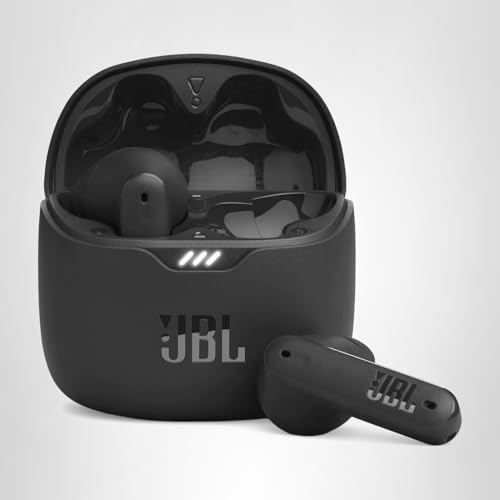
The JBL Tune Flex and Sennheiser Momentum Sport represent these two distinct philosophies perfectly. Released in 2023 and 2024 respectively, these earbuds show how the sport audio market has evolved from simple sweat-resistant versions of regular earbuds into specialized fitness tools with integrated biometric monitoring.
Before diving into specifics, it's worth understanding what separates sport earbuds from regular ones. The obvious differences include water resistance ratings (usually IPX4 or higher, meaning they can handle sweat and light water exposure) and secure fit designs that stay put during movement. But the real distinctions run deeper.
Sport earbuds need to balance competing demands. You want isolation from distracting noise, but also awareness of your surroundings for safety. You need bass that motivates without overwhelming detail, and batteries that last through long training sessions. Most importantly, they must stay comfortable during extended wear while remaining absolutely secure during intense movement.
The key performance areas that matter most are audio quality across different exercise scenarios, noise management that adapts to your environment, fit security that handles everything from gentle yoga to high-intensity interval training, and battery life that matches your most ambitious workout plans.
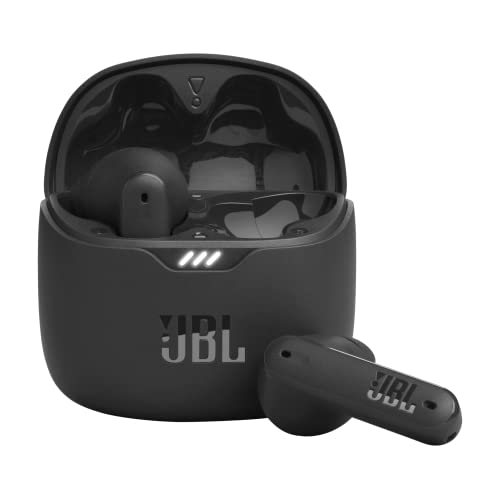
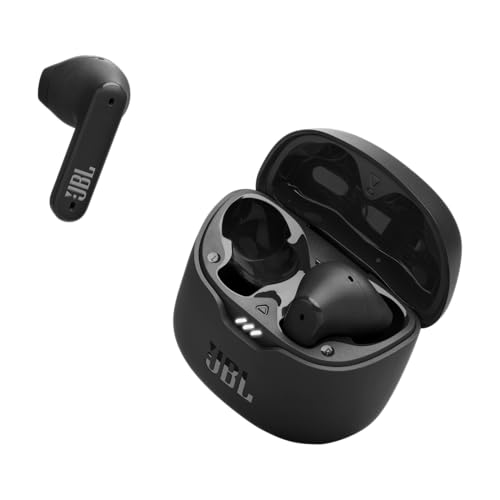
The JBL Tune Flex takes what you might call the "versatile generalist" approach. At a significantly lower price point than premium sport models, it delivers solid performance across all the basics while adding some nice-to-have features like active noise cancellation and multi-device connectivity. JBL designed these as everyday earbuds that happen to work well for exercise, rather than purpose-built athletic gear.
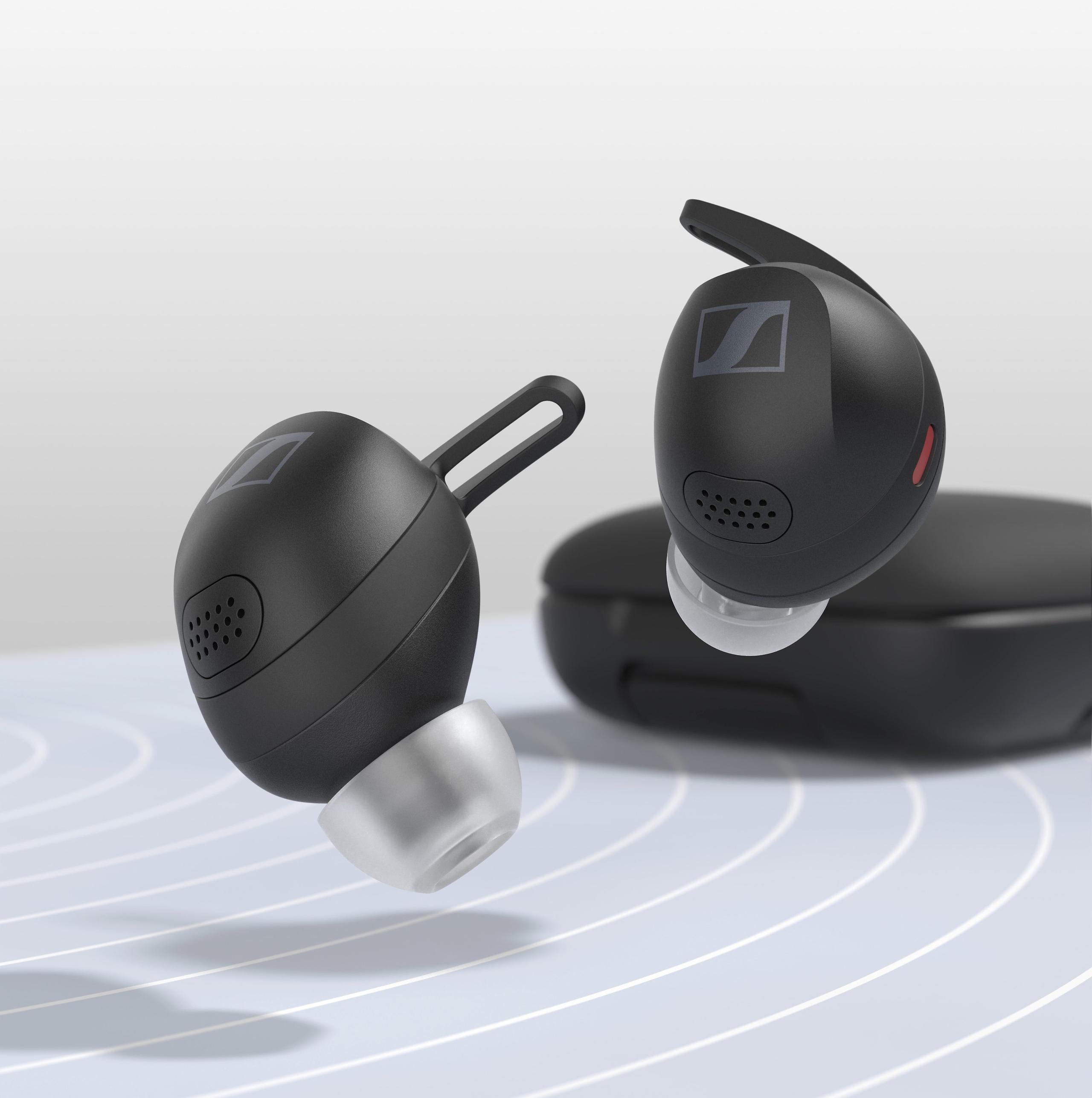
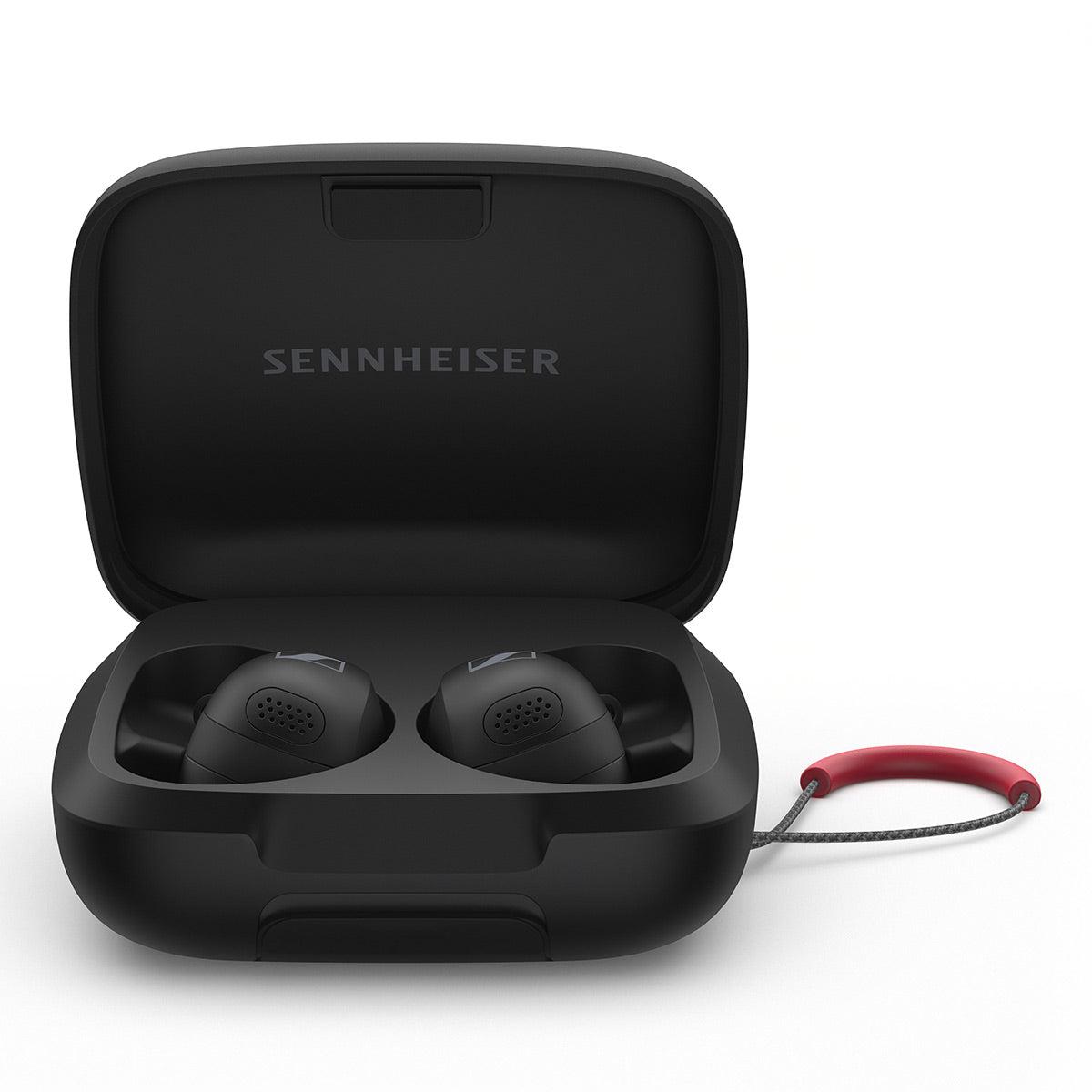
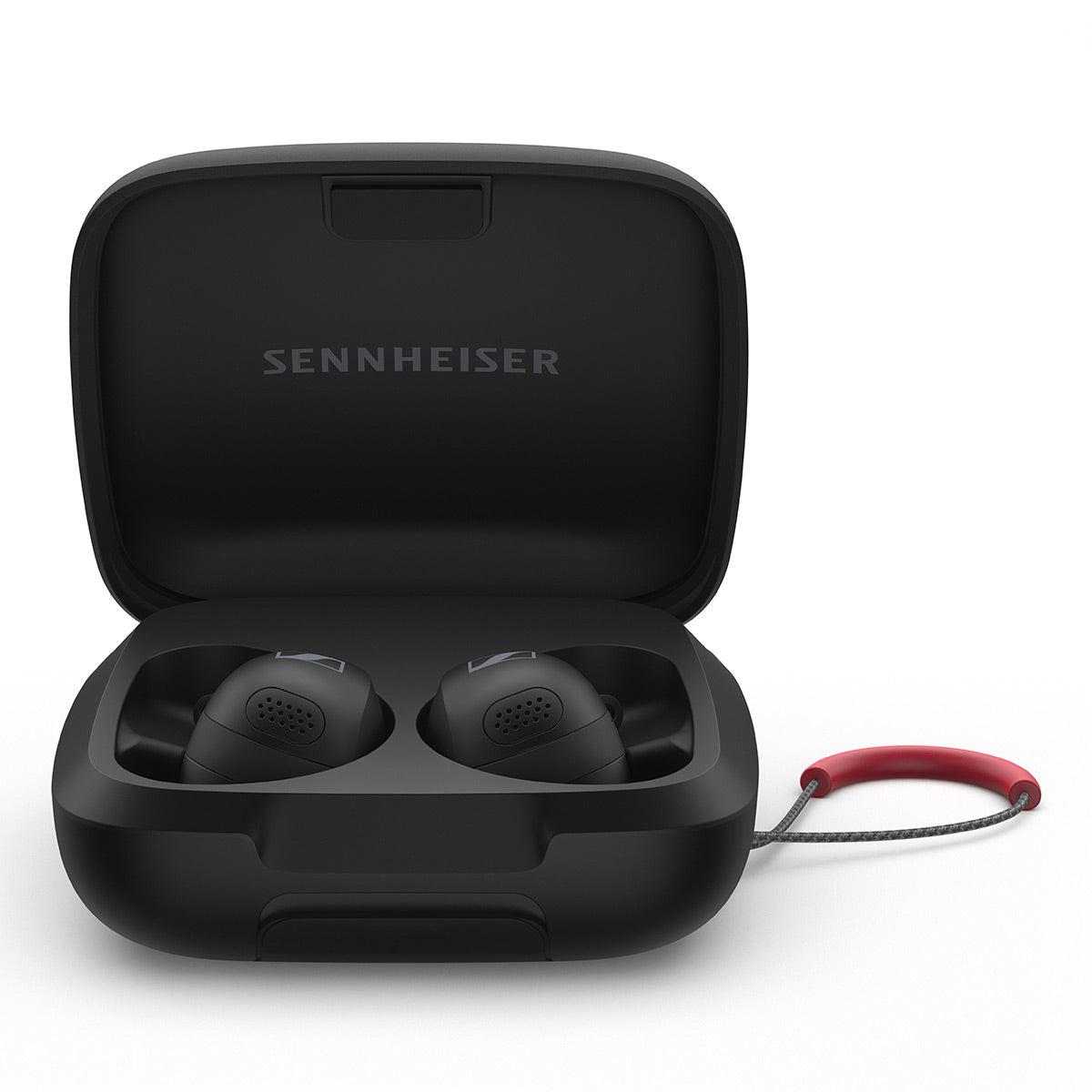
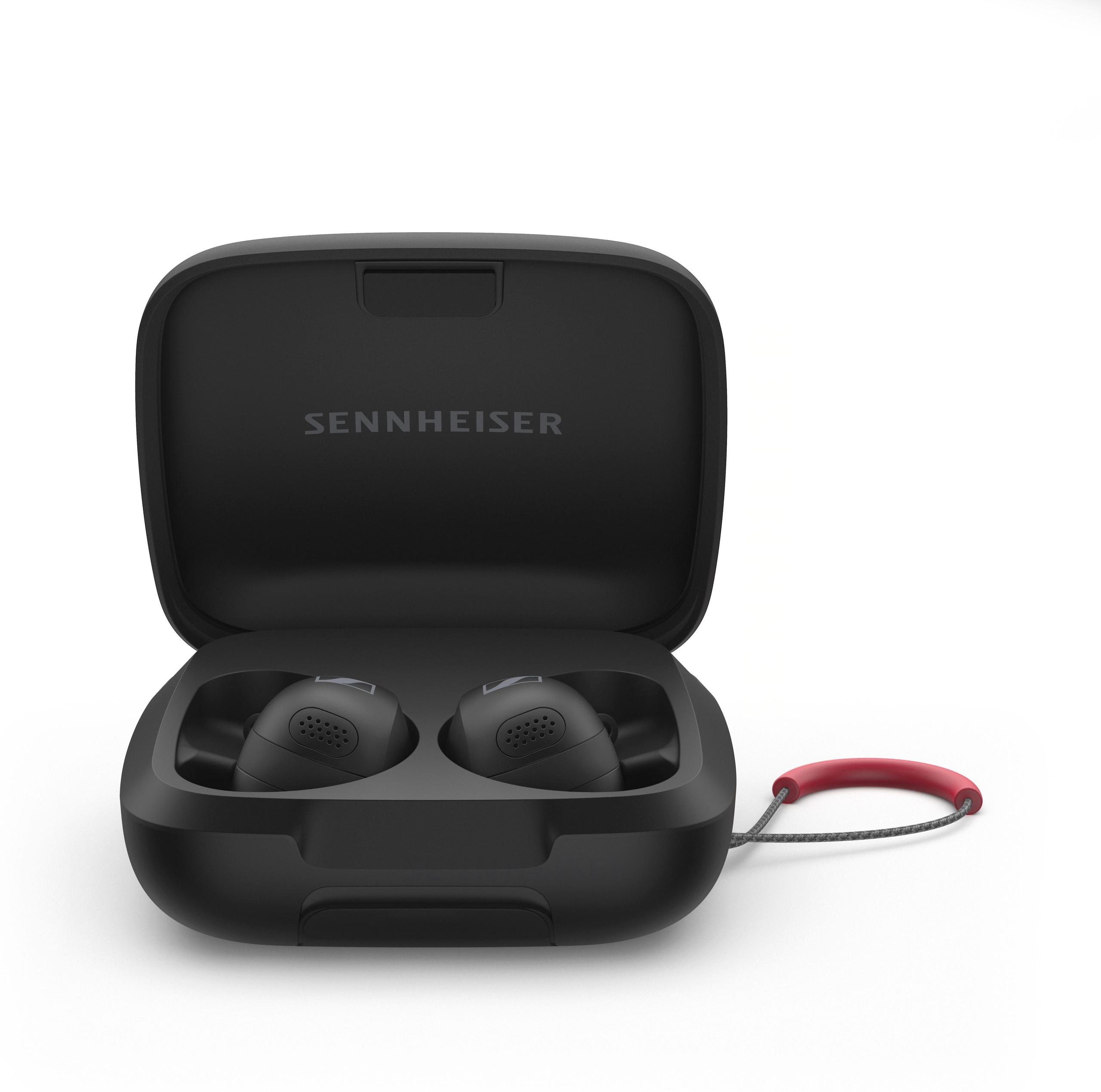
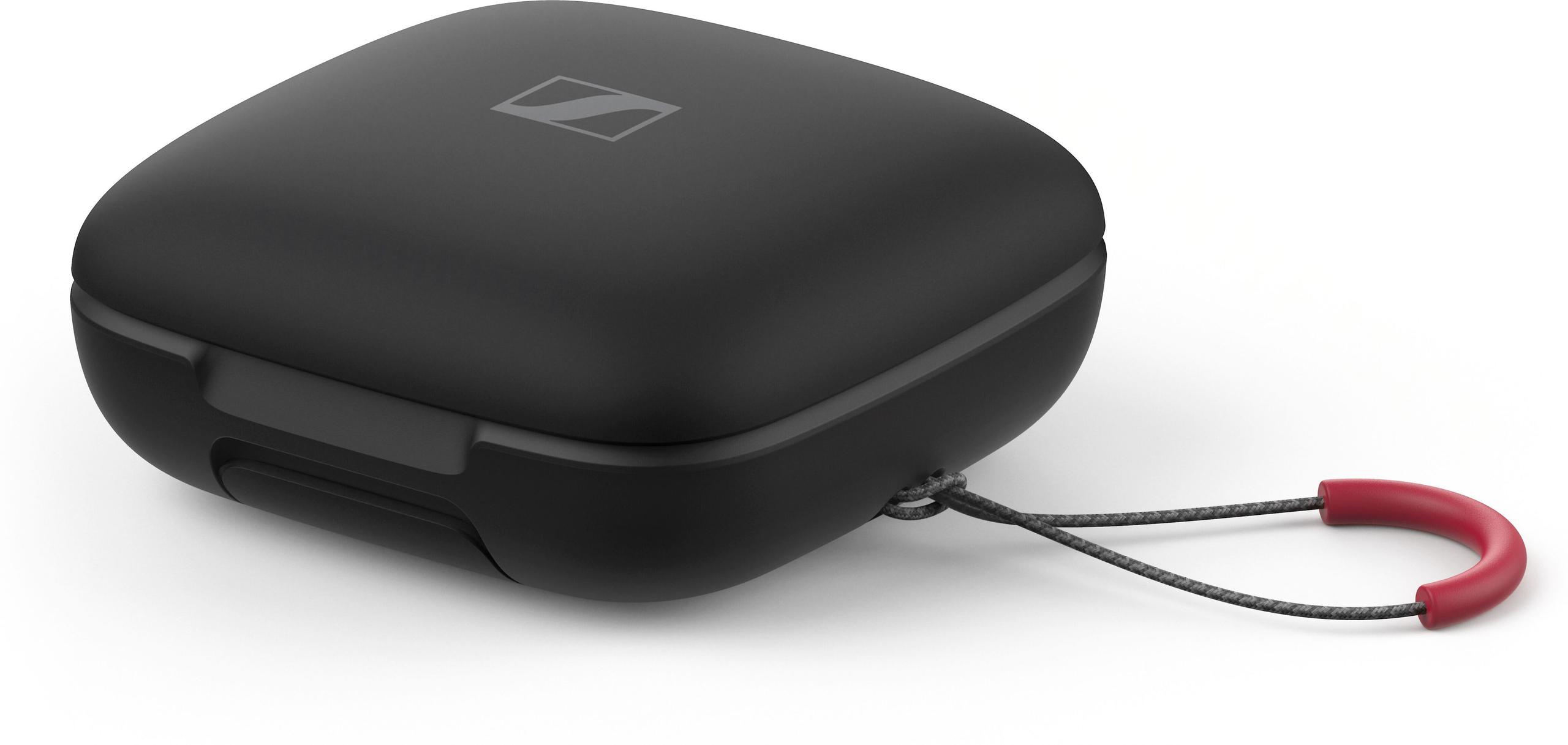
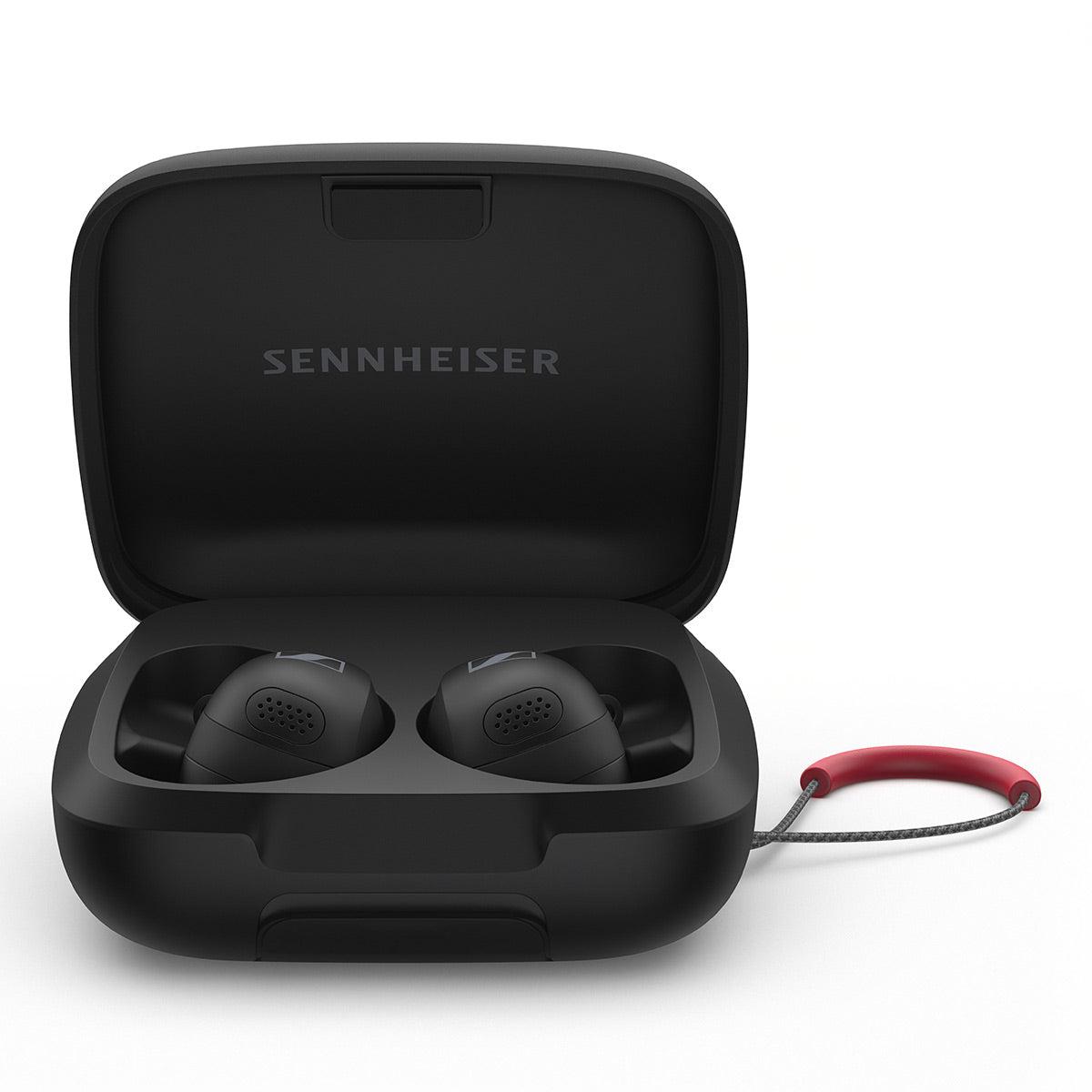
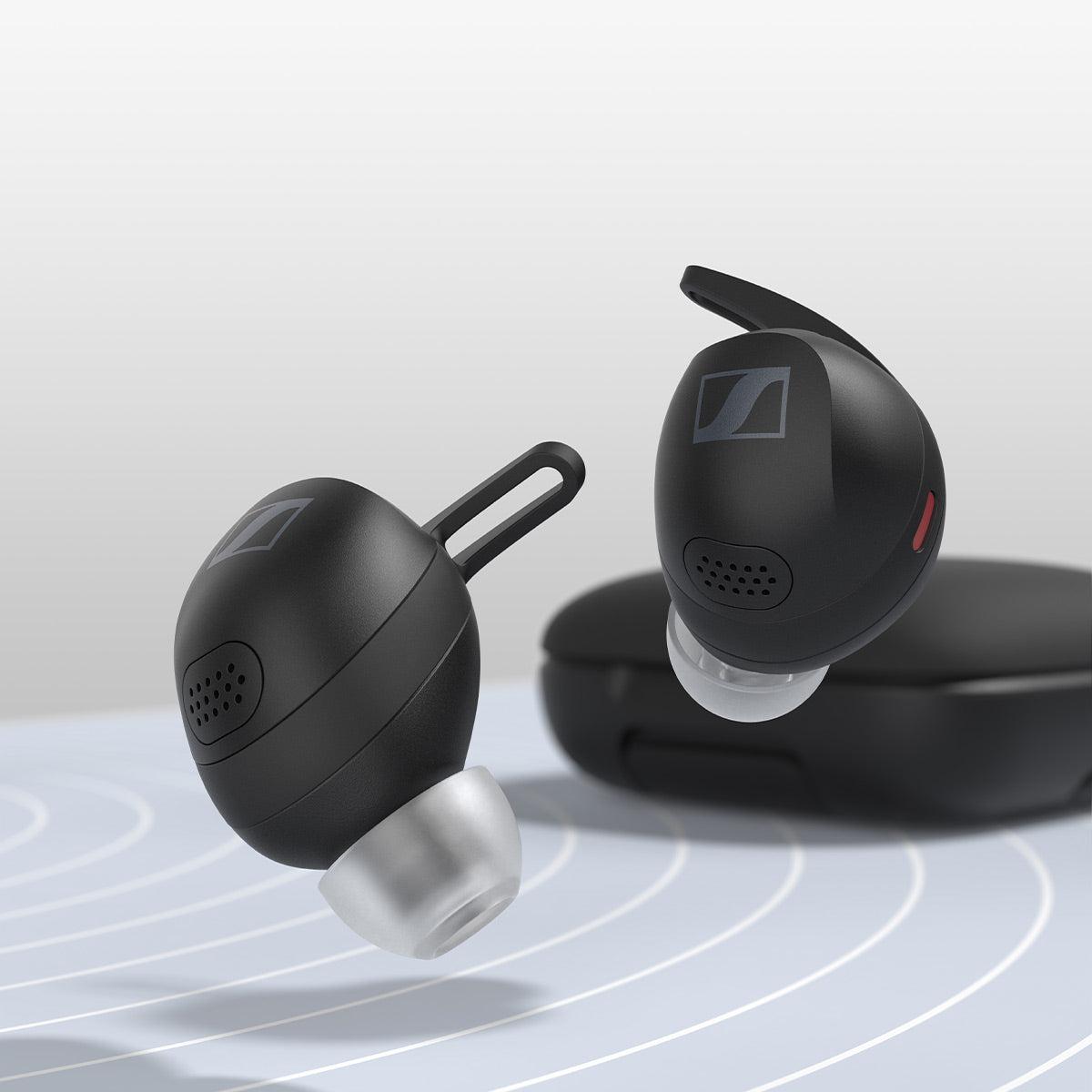
The Sennheiser Momentum Sport, on the other hand, represents the "serious athlete" philosophy. These earbuds integrate actual fitness tracking sensors directly into the earbuds themselves, connecting to professional training platforms used by competitive athletes. They're designed from the ground up for people who view their earbuds as essential training equipment, not just entertainment devices.
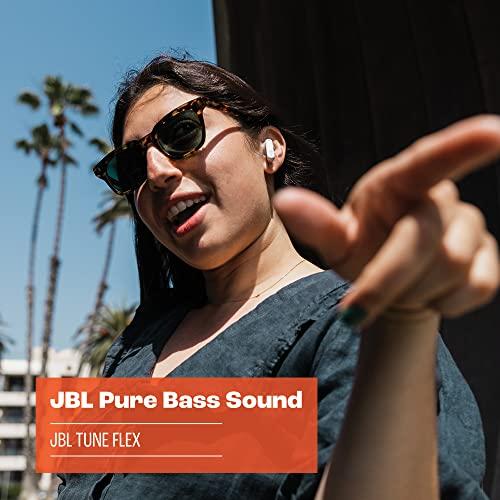
The JBL Tune Flex uses large 12mm dynamic drivers—significantly bigger than what you'll find in most earbuds. These drivers are tuned to deliver JBL's signature "Pure Bass Sound," which translates to extra emphasis in the low frequencies that make hip-hop, EDM, and rock music feel more energetic during workouts.
Based on extensive user feedback and professional reviews, the Tune Flex delivers what audio engineers call a "V-shaped" frequency response. This means the bass and treble are emphasized while the midrange (where most vocals live) remains relatively neutral. For workout music, this approach works brilliantly—drum kicks hit harder, synthesizers sparkle, and vocals still come through clearly without getting muddy.
The frequency response spans 20 Hz to 20 kHz, covering the full range of human hearing. More importantly, the bass response extends down to those lowest frequencies that you feel as much as hear, giving electronic music and modern pop the physical impact that makes you want to move.
However, this tuning philosophy has trade-offs. Classical music lovers might find the enhanced bass overwhelming, and the slight emphasis in the upper frequencies can make some poorly recorded tracks sound harsh. The JBL Tune Flex excels at making workout playlists sound exciting but won't satisfy audiophiles seeking perfectly neutral reproduction.
The Sennheiser Momentum Sport takes a more sophisticated approach with smaller 10mm drivers that prioritize overall accuracy over bass impact. Sennheiser has spent decades perfecting headphone tuning for professional audio applications, and that expertise shows in the Momentum Sport's more refined sound signature.
Reviews consistently praise these earbuds for delivering clearer detail across all frequencies, with particularly impressive midrange reproduction that makes vocals and acoustic instruments sound more natural. The bass response is described as "tight and solid" rather than "punchy and overwhelming," which means it provides good foundation without dominating the mix.
The Sennheiser Momentum Sport also supports aptX Adaptive codec, a technology that adjusts audio quality dynamically based on your connection strength and the complexity of the music. When you have a strong Bluetooth connection, aptX Adaptive delivers near-CD quality audio. When interference increases (common in busy gyms), it prioritizes connection stability over maximum quality, preventing dropouts that interrupt your workout flow.
For home theater use, the Sennheiser's more accurate sound reproduction would translate to better dialogue clarity in movies and more realistic soundstage positioning. However, both earbuds use the stereo imaging typical of in-ear designs, which can't match the spacious soundstage of dedicated home theater speakers.
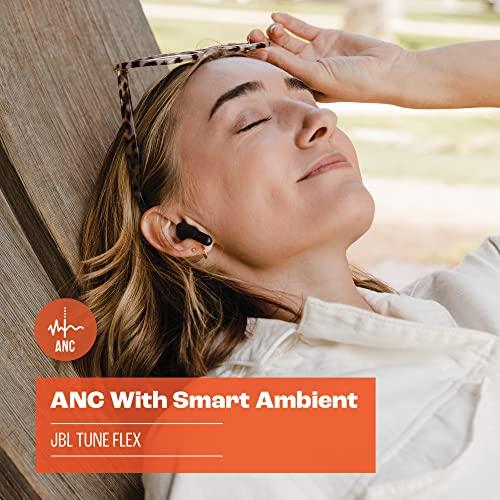
The JBL Tune Flex includes what JBL calls "Adaptive Active Noise Cancellation" using a two-microphone system. Active noise cancellation (ANC) works by using external microphones to detect ambient sound, then generating opposite sound waves to cancel it out—like noise-canceling headphones creating "anti-noise."
In practice, the Tune Flex's ANC performs well against consistent, predictable sounds like air conditioning, train rumble, or airplane noise. It's less effective against sudden or variable sounds like conversations, car horns, or gym equipment clanking. This is actually typical for ANC at this price point—the processing power required for sophisticated noise cancellation adds significant cost.
More importantly for sport use, the JBL Tune Flex includes "Smart Ambient" modes that let you control environmental awareness. "Ambient Aware" reduces your music volume and uses external microphones to pipe in surrounding sounds, essential for safe outdoor running. "TalkThru" goes further, dramatically reducing music volume so you can have conversations without removing the earbuds.
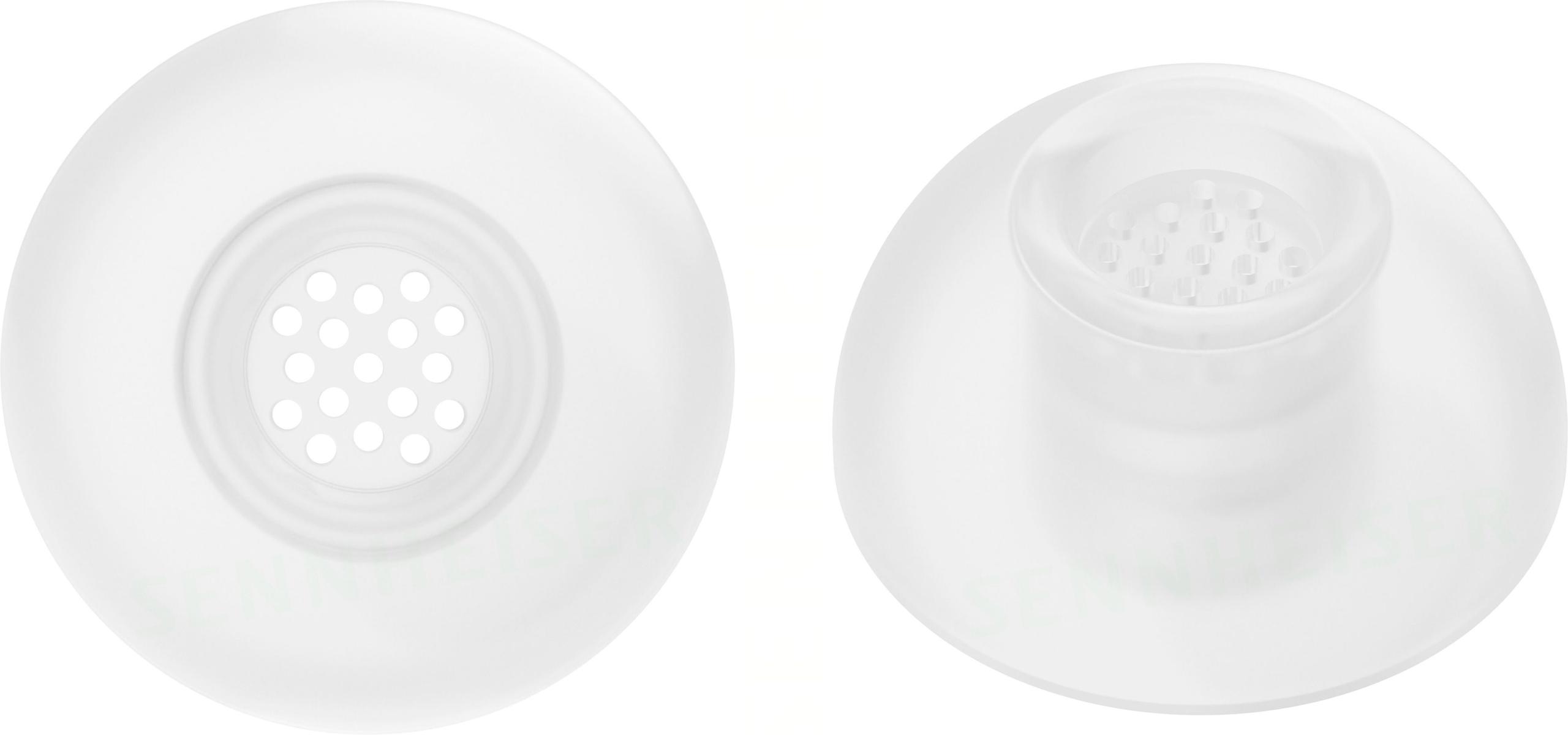
The Tune Flex also offers an innovative "open" ear tip design that physically allows external sound in, providing natural awareness without relying on electronic processing. This represents a hybrid approach between traditional sealed earbuds and completely open designs.
The Sennheiser Momentum Sport approaches noise management differently, focusing on adaptive systems designed specifically for athletic environments. Rather than maximum noise cancellation, Sennheiser emphasizes intelligent sound management that responds to your activity.
The standout feature is the specialized "anti-wind mode" that specifically targets the whooshing sounds that plague outdoor runners and cyclists. Wind noise is particularly challenging for traditional ANC because it's chaotic and varies constantly, but Sennheiser's dedicated processing handles this specific problem effectively.
The transparency mode on the Sennheiser Momentum Sport is described as more natural-sounding than most competitors, with less of the artificial "digitized" quality that some transparency modes produce. This is crucial for athletes who need to hear approaching vehicles, other runners, or coaching instructions during outdoor training.
Perhaps most innovative is the semi-open acoustic design with what Sennheiser calls an "acoustic relief channel." This passive system reduces the "occlusion effect"—that hollow, echo-y sound you hear of your own voice and body sounds when your ears are sealed. For athletes, this means less distraction from your own breathing, heartbeat, and footsteps during intense exercise.
The JBL Tune Flex approaches fitness from a "good enough for most people" perspective. The IPX4 water resistance rating means they can handle sweat and light splashing but shouldn't be submerged or exposed to heavy rain. For typical gym workouts, casual running, or yoga classes, this protection level proves adequate.
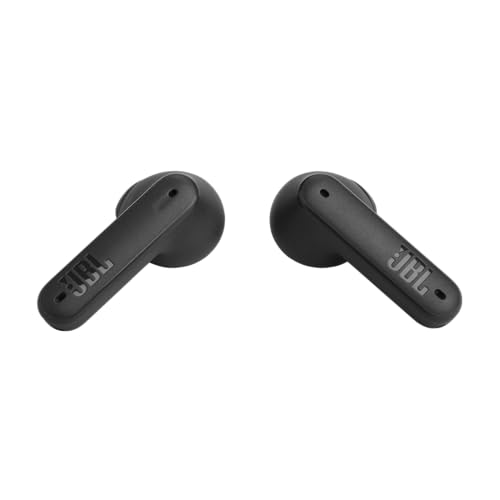
The fit system relies on multiple ear tip sizes and JBL's stick-form design for stability. The stick design actually helps with balance and reduces the tendency for earbuds to work loose during movement, though it won't match the security of dedicated sport designs with additional retention features.
At 4.8 grams per earbud, the JBL Tune Flex prioritizes comfort for all-day wear over maximum security during intense movement. This makes them excellent for people who want one pair of earbuds for everything—commuting, office work, casual exercise, and entertainment—rather than dedicated sport gear.
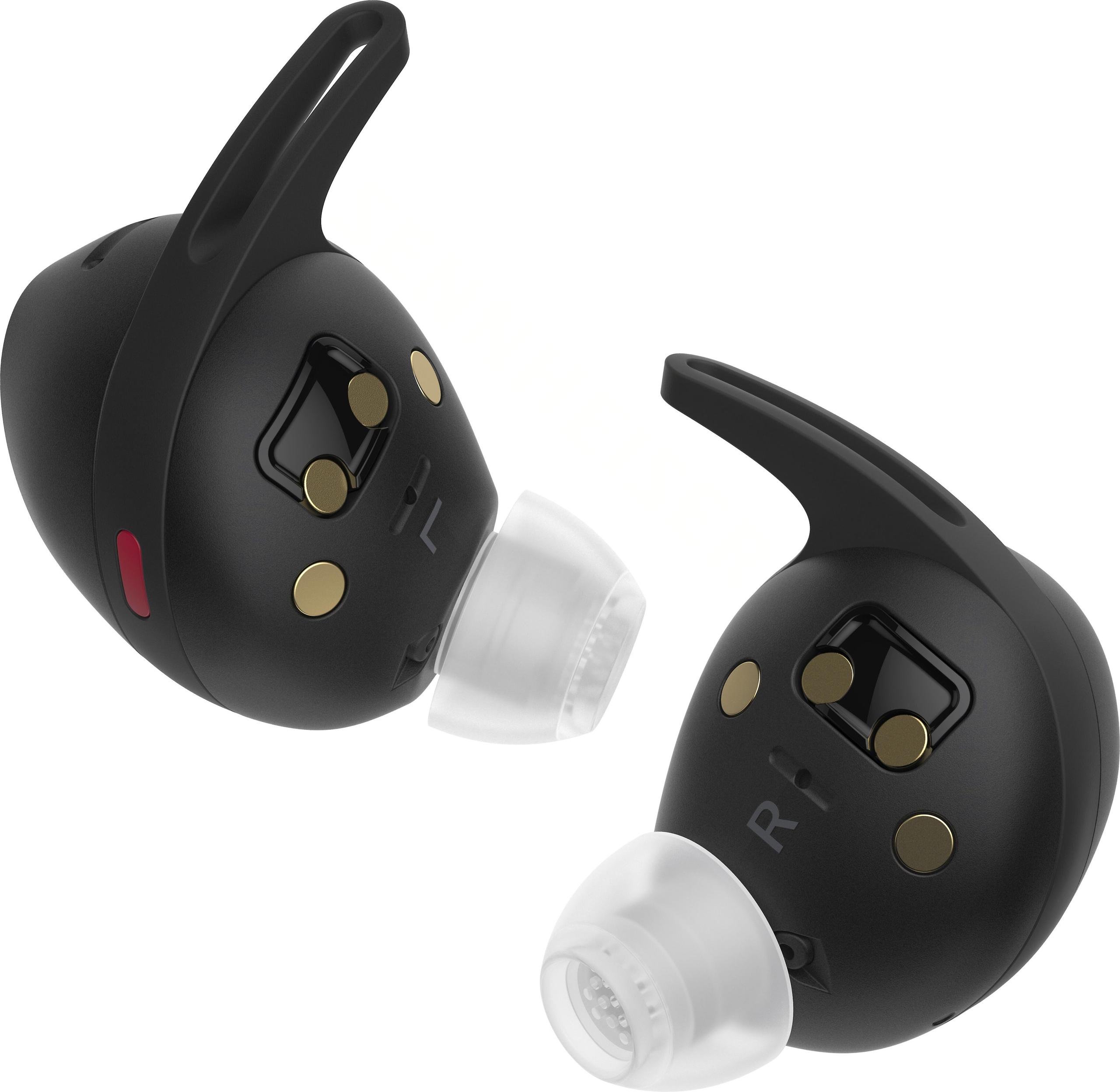
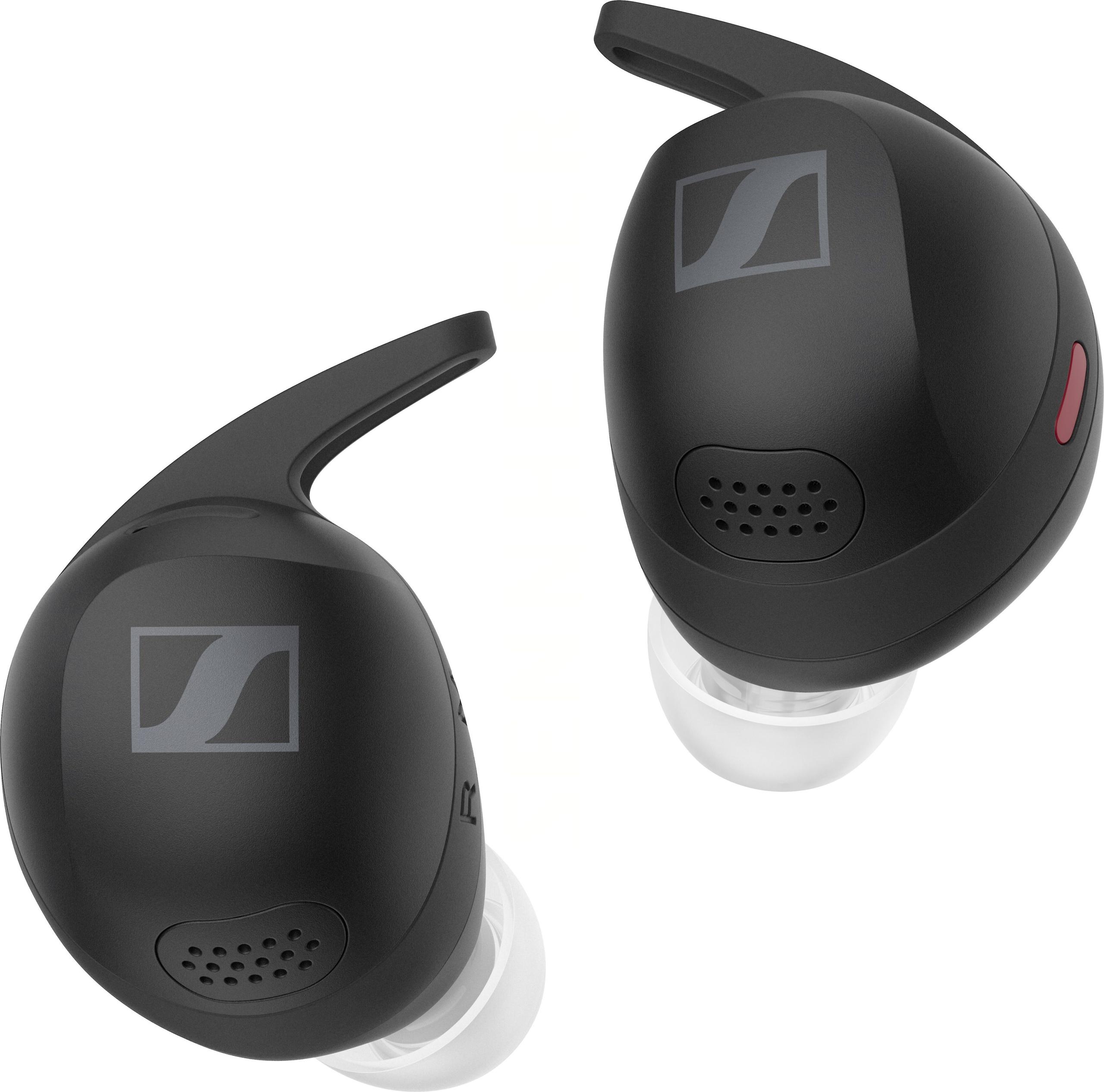
The Sennheiser Momentum Sport represents a completely different philosophy, integrating actual fitness tracking hardware directly into the earbuds. The PPG (photoplethysmography) heart rate sensor uses LED lights and photodetectors to measure blood flow changes in your ear canal, providing heart rate data that reviews consistently describe as highly accurate compared to chest strap monitors and fitness watches.
Even more unique is the integrated body temperature sensor, which monitors core body temperature changes during exercise. While the practical value of temperature monitoring is still debated among fitness professionals, it represents the kind of cutting-edge integration that serious athletes appreciate for comprehensive training data.
The Sennheiser Momentum Sport connects directly to professional training platforms including Polar Flow, Garmin Connect, Strava, and Apple Health. This means your biometric data automatically syncs with your existing fitness ecosystem without requiring additional devices or manual data entry.
The IP55 rating provides significantly better protection than the JBL, with resistance to dust ingress and protection against water jets from any direction. This durability level matches what you'd expect from dedicated fitness watches and can handle extreme weather conditions, muddy trail runs, or intense sweaty indoor sessions without concern.
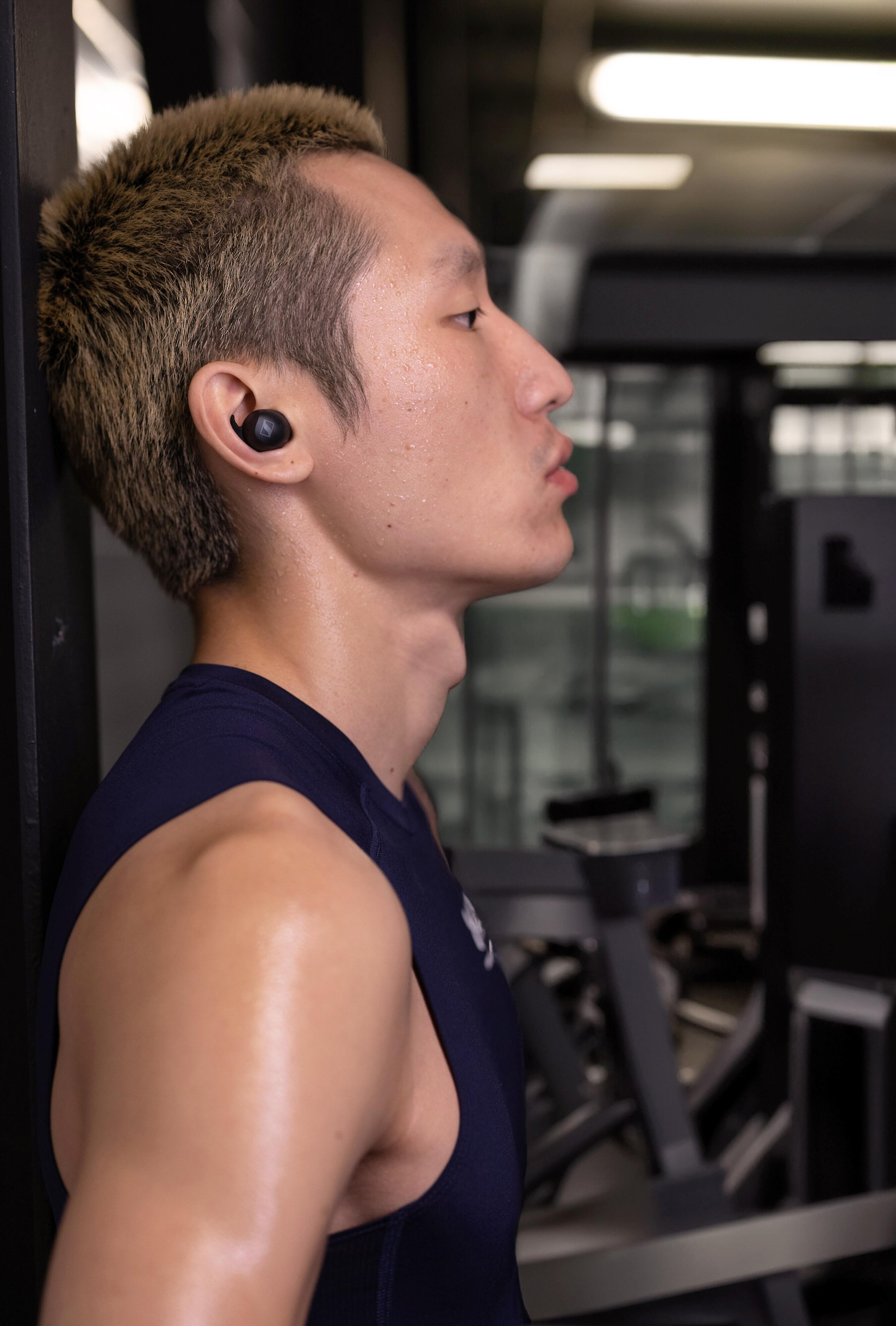
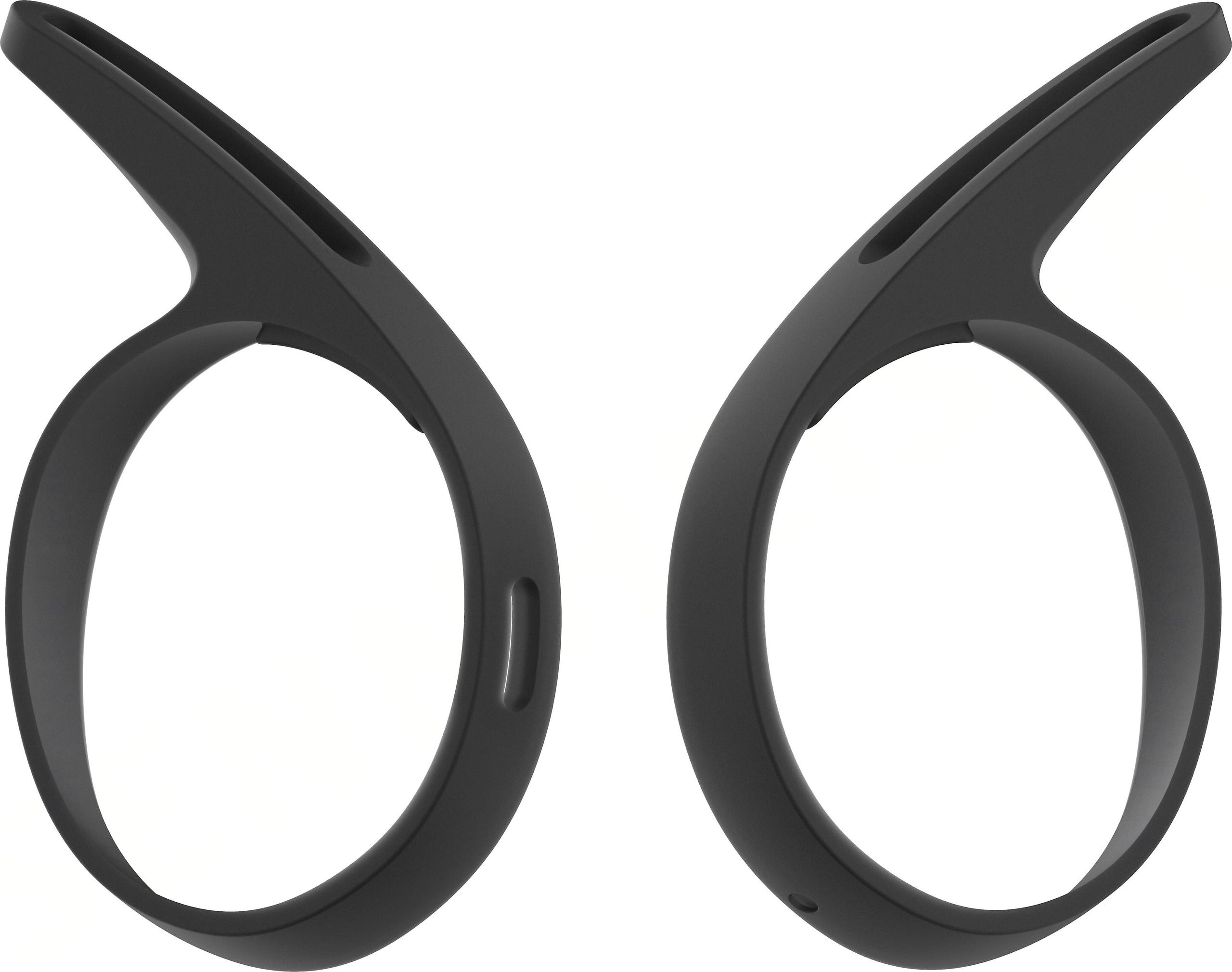
The interchangeable ear fin system provides three sizes of flexible rubber fins that hook into your ear's natural contours for maximum security. Users report these staying perfectly secure during activities like burpees, mountain climbers, and high-intensity interval training that would dislodge typical earbuds.
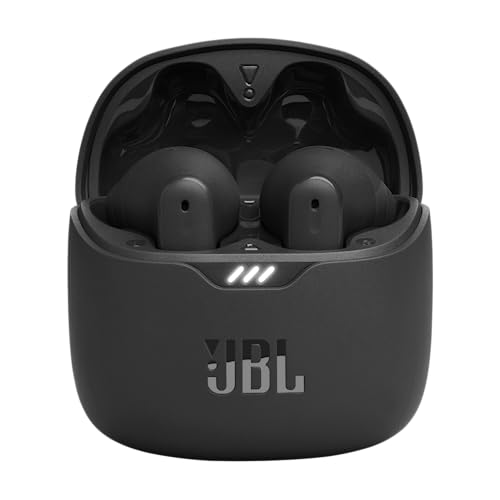
The JBL Tune Flex delivers impressive battery endurance with up to 8 hours of continuous playback per charge when noise cancellation is disabled, or 6 hours with ANC active. The charging case provides an additional 24 hours of power, bringing total runtime to 32 hours without ANC or 24 hours with it enabled.
For practical use, this means the JBL Tune Flex can handle multiple workout sessions, full workdays, and entertainment time between charges. The 10-minute quick charge feature adds about 2 hours of playback, perfect for those moments when you realize your earbuds are dead right before heading to the gym.
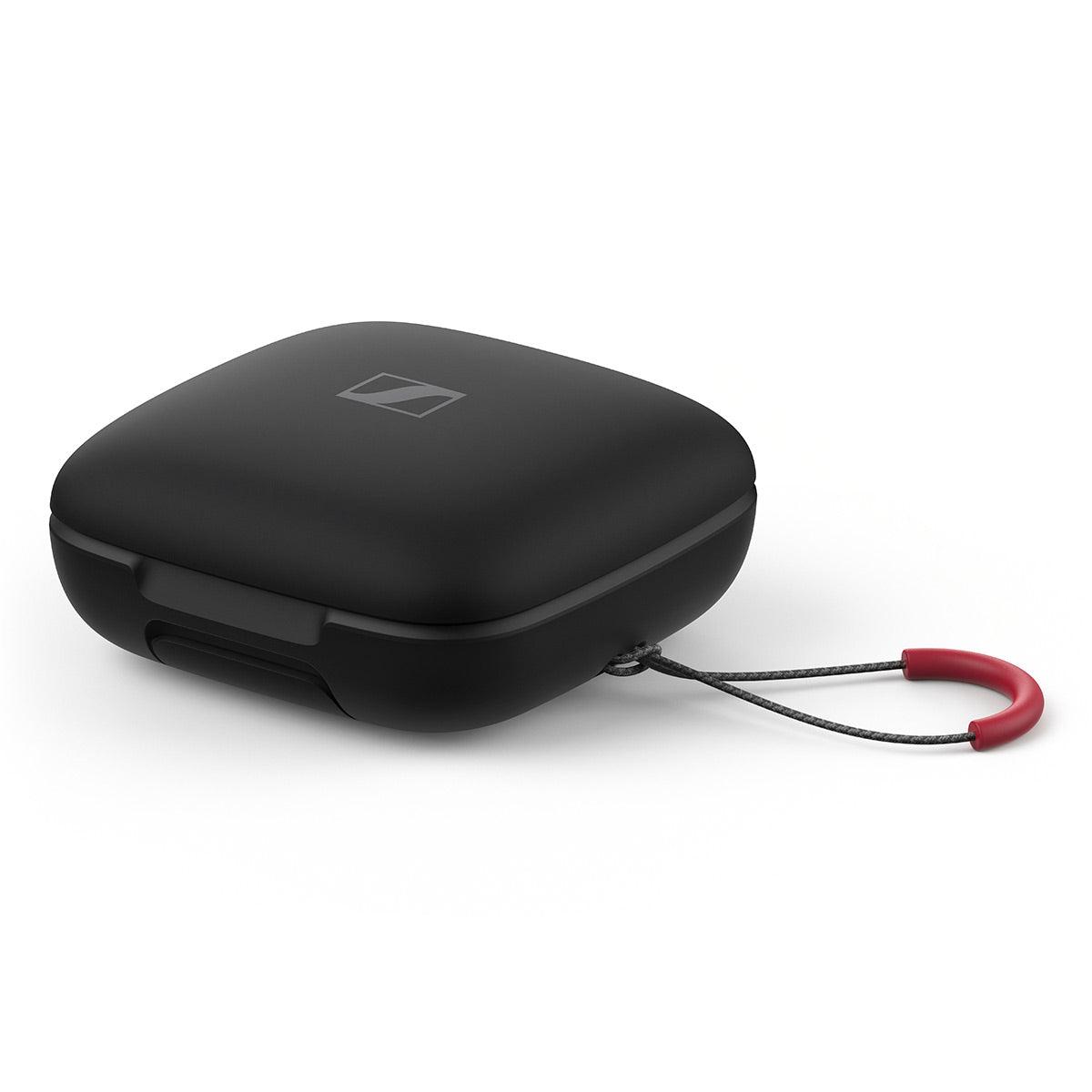
The Sennheiser Momentum Sport offers similar but slightly shorter battery life, with 6-9 hours per charge depending on usage and about 18-24 hours total with the case. However, it adds Qi wireless charging capability alongside USB-C, making it more convenient to top up throughout the day.
For athletes tracking longer activities like marathon training or all-day hiking, the JBL Tune Flex provides better endurance. For those who prefer convenience and don't mind slightly shorter runtime, the wireless charging of the Sennheiser Momentum Sport offers practical advantages.
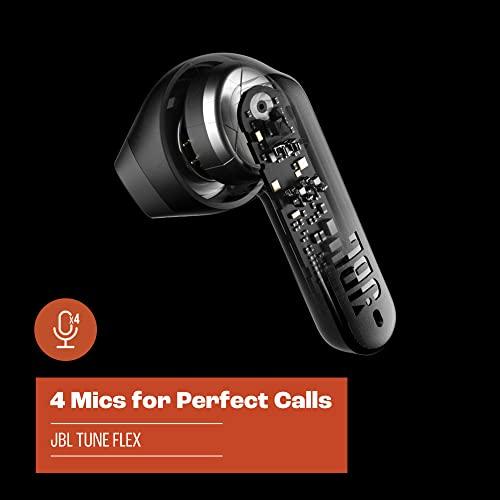
The JBL Tune Flex excels in communication features with a four-microphone beamforming system designed to isolate your voice from background noise. Beamforming technology uses multiple microphones to create a focused "beam" that picks up sound from your mouth while suppressing noise from other directions.
The "VoiceAware" feature is particularly useful, allowing you to adjust how much of your own voice you hear during calls. This reduces the common problem of talking too loudly when wearing noise-canceling earbuds because you can't hear yourself properly.
Multi-point Bluetooth connectivity lets the JBL Tune Flex connect to two devices simultaneously—your phone and laptop, for example—automatically switching audio based on which device needs attention. This proves invaluable for people juggling work calls and personal entertainment throughout the day.
The Sennheiser Momentum Sport focuses less on communication features, with call quality being adequate but not exceptional based on available reviews. The priority clearly lies in fitness functionality rather than business use.
At the time of writing, the JBL Tune Flex costs significantly less than the Sennheiser Momentum Sport—roughly two-thirds less expensive. This price difference reflects fundamentally different target markets and feature priorities.
The JBL Tune Flex delivers exceptional value for users wanting capable all-around earbuds that handle exercise well without requiring premium prices. You get solid audio quality, useful noise cancellation, excellent battery life, and practical features like multi-device connectivity. For casual athletes and everyday users who exercise regularly but don't need professional-grade fitness tracking, the value proposition is outstanding.
The Sennheiser Momentum Sport commands premium pricing for its integrated fitness tracking capabilities and superior audio engineering. The question becomes whether the biometric sensors, specialized sport features, and audio quality improvements justify the additional cost for your specific needs.
Versatile earbuds that excel at everything without breaking the bank. The JBL Tune Flex makes sense for students, professionals, and casual athletes who need one pair of earbuds for all activities. If you exercise 3-4 times per week, enjoy bass-heavy music, and value long battery life and multi-device connectivity, these deliver unbeatable value.
They're also ideal for people who prioritize comfort during extended wear, whether that's long work sessions, commuting, or binge-watching shows. The multiple ear tip options, including the open design, provide flexibility that dedicated sport earbuds often lack.
Professional-grade fitness tracking integrated directly into your earbuds. The Sennheiser Momentum Sport targets serious athletes who train systematically using heart rate zones, track performance metrics carefully, and want their audio gear to contribute meaningful data to their fitness ecosystem.
They're perfect for people who already use platforms like Polar Flow or Garmin Connect and want to consolidate devices rather than wearing separate heart rate monitors. The superior audio quality and specialized sport features justify the premium price for athletes who view their earbuds as essential training equipment rather than just entertainment devices.
The Sennheiser Momentum Sport also suits audiophiles who happen to exercise regularly and want the best possible sound quality in sport-ready earbuds, even if they don't need the fitness tracking features.
Both earbuds succeed at their intended purposes, but they serve different users with different priorities. The JBL Tune Flex represents the sweet spot for most people—excellent performance across all use cases at a price that doesn't require justification. The Sennheiser Momentum Sport serves the specialized needs of serious athletes and audio enthusiasts who can benefit from its premium features and are willing to pay accordingly.
For the majority of readers, the JBL Tune Flex will provide everything needed for successful workout routines, daily entertainment, and professional use. The significant price savings can be invested in other fitness equipment, gym memberships, or simply kept in your pocket. However, if fitness tracking is genuinely important to your training goals and you're already invested in professional fitness platforms, the Sennheiser Momentum Sport offers capabilities that no other earbuds currently match.
| JBL Tune Flex True Wireless Earbuds | Sennheiser Momentum Sport True Wireless Earbuds |
|---|---|
| Driver Size - Larger drivers typically produce fuller bass and better overall dynamics | |
| 12mm dynamic drivers (larger for enhanced bass impact) | 10mm transducers (smaller but more refined tuning) |
| Audio Signature - Determines whether music sounds energetic or accurate | |
| V-shaped with Pure Bass Sound (great for workout motivation) | Audiophile-tuned balance (superior clarity and detail) |
| Active Noise Cancellation - Essential for focus in noisy gyms | |
| Basic ANC with Smart Ambient modes (good for price point) | Adaptive ANC with anti-wind mode (specialized for outdoor sports) |
| Water Resistance - Critical protection level for intense workouts | |
| IPX4 (sweat and splash resistant, adequate for most exercise) | IP55 (dust and water jet resistant, handles extreme conditions) |
| Fitness Tracking - Game-changing for serious athletes | |
| None (purely audio-focused design) | Integrated heart rate and body temperature sensors |
| Battery Life - Determines workout session length without charging | |
| 8 hours + 24 hours case = 32 hours total (ANC off) | 6-9 hours + 18 hours case = 24-27 hours total |
| Quick Charging - Important for forgotten charge situations | |
| 10-minute charge = 2 hours playback (USB-C only) | Standard charging speeds (USB-C + Qi wireless) |
| Bluetooth Codecs - Affects audio quality with compatible devices | |
| SBC, AAC (standard quality, universal compatibility) | SBC, AAC, aptX Adaptive (premium quality with Android) |
| Fit Security - Crucial for high-intensity movement | |
| Multiple ear tips including open design (comfortable all-day) | Interchangeable ear fins (maximum stability during intense exercise) |
| Multi-Device Connectivity - Valuable for work-life balance | |
| Multi-point connection (seamlessly switch between phone/laptop) | Single device connection (focused on fitness ecosystem integration) |
| Call Quality - Important for hands-free communication | |
| 4-microphone beamforming with VoiceAware (excellent clarity) | Basic call capability (adequate but not specialized) |
| App Integration - Determines customization and feature access | |
| JBL Headphones App (EQ, controls, find-my-earbuds) | Sennheiser Smart Control + Polar Flow (fitness platform integration) |
The Sennheiser Momentum Sport delivers superior overall audio quality with more refined sound reproduction and better detail across all frequencies. However, the JBL Tune Flex provides more energizing bass that many users prefer for workout motivation. The JBL's 12mm drivers create punchy, driving bass perfect for hip-hop and EDM, while the Sennheiser's 10mm transducers offer audiophile-grade accuracy better suited for diverse music genres.
The JBL Tune Flex excels at phone calls with its 4-microphone beamforming system and VoiceAware technology that lets you hear your own voice naturally. The Sennheiser Momentum Sport provides adequate call quality but focuses primarily on fitness features rather than communication. For users who frequently take calls during workouts or throughout the day, the JBL offers significantly better voice clarity and noise suppression.
The Sennheiser Momentum Sport provides superior stability with interchangeable ear fins designed specifically for high-impact activities like running, HIIT, and weightlifting. The JBL Tune Flex offers good stability through its stick design and multiple ear tip sizes, but it's optimized more for all-day comfort than maximum security during vigorous movement. Athletes doing intense training will likely prefer the Sennheiser's dedicated sport-focused retention system.
The JBL Tune Flex delivers longer battery life with 8 hours per charge plus 24 additional hours from the case (32 hours total with ANC off). The Sennheiser Momentum Sport provides 6-9 hours per charge with approximately 18 hours from the case. However, the Sennheiser includes convenient Qi wireless charging alongside USB-C, while the JBL requires cable charging only.
Both earbuds handle sweat well, but the Sennheiser Momentum Sport offers superior protection with its IP55 rating against dust and water jets from any direction. The JBL Tune Flex features IPX4 water resistance that adequately protects against sweat and splashing. For extreme weather conditions or very intense sweaty sessions, the Sennheiser provides more comprehensive protection, while the JBL works fine for typical gym and casual outdoor exercise.
The Sennheiser Momentum Sport includes integrated heart rate and body temperature sensors that sync with fitness apps like Polar Flow, Garmin Connect, and Strava for comprehensive workout tracking. The JBL Tune Flex doesn't include any fitness tracking hardware, focusing purely on audio performance and general usability. Serious athletes who want consolidated fitness data will find the Sennheiser's biometric capabilities invaluable.
Both offer active noise cancellation, but with different strengths. The JBL Tune Flex provides effective ANC for consistent sounds like air conditioning or train noise, plus Smart Ambient modes for environmental awareness. The Sennheiser Momentum Sport features adaptive ANC with specialized anti-wind mode for outdoor activities. Neither matches premium noise-canceling headphones, but the Sennheiser handles sport-specific noise challenges better while the JBL works well for general daily use.
Both work adequately for entertainment, though neither is optimized for home theater use. The Sennheiser Momentum Sport provides better dialogue clarity and more accurate sound reproduction for movies, while the JBL Tune Flex delivers more exciting bass for action scenes. However, both use typical earbud stereo imaging that can't match dedicated home theater speakers for spatial audio effects. The JBL's longer battery life makes it better for binge-watching sessions.
The JBL Tune Flex supports multi-point Bluetooth connectivity, allowing seamless switching between devices like your phone and laptop without manual reconnection. The Sennheiser Momentum Sport connects to one audio device at a time but integrates with multiple fitness platforms simultaneously. For users juggling work calls and personal entertainment, the JBL's multi-device capability proves more practical.
The JBL Tune Flex prioritizes all-day comfort with its lightweight 4.8-gram design and multiple ear tip options, including an open design that reduces ear pressure. The Sennheiser Momentum Sport focuses on workout security rather than extended comfort, with some users reporting ear fatigue after 1-2 hours. For office work, commuting, and casual listening throughout the day, the JBL provides superior long-term wearability.
The JBL Tune Flex delivers exceptional value for most users, providing solid audio quality, useful features, and reliable performance at a significantly lower price point. The Sennheiser Momentum Sport costs considerably more but justifies the premium through integrated fitness tracking, superior audio engineering, and specialized sport features. Casual exercisers get better bang for their buck with the JBL, while serious athletes may find the Sennheiser's advanced capabilities worth the investment.
Both support safe outdoor running but through different approaches. The JBL Tune Flex offers Ambient Aware mode and open ear tip design for natural environmental awareness. The Sennheiser Momentum Sport features specialized transparency modes optimized for sports and semi-open acoustic design that reduces body noise interference. The Sennheiser's anti-wind mode and superior weather protection make it better suited for serious outdoor training, while the JBL works well for casual jogging and neighborhood runs.
We've done our best to create useful and informative comparisons to help you decide what product to buy. Our research uses advanced automated methods to create this comparison and perfection is not possible - please contact us for corrections or questions. These are the sites we've researched in the creation of this article: rtings.com - hometechnologyreview.com - youtube.com - bestbuy.com - soundguys.com - bestbuy.com - crutchfield.com - bgr.com - robbsutton.com - majorhifi.com - versus.com - crutchfield.com - youtube.com - versus.com - jbl.com - global.jbl.com - pcrichard.com - musicarts.com - scribd.com - global.jbl.com - robot-advance.com - gzhls.at - bestbuy.com - att.com - ro.harmanaudio.com - rtings.com - shop.prevention.com - youtube.com - techradar.com - sennheiser-hearing.com - youtube.com - dcrainmaker.com - head-fi.org - whathifi.com - youtube.com - youtube.com - head-fi.org - ecoustics.com - soundguys.com - audio46.com - moon-audio.com - newsroom.sennheiser.com - youtube.com - shop.menshealth.com - the5krunner.com - youtube.com - bloomaudio.com - eftm.com - soundguys.com - techradar.com - sennheiser-hearing.com

Privacy Policy
Terms and Conditions - Affiliate Policy
Home Security
© Copyright 2008-2026.
11816 Inwood Rd #1211, Dallas, TX 75244