

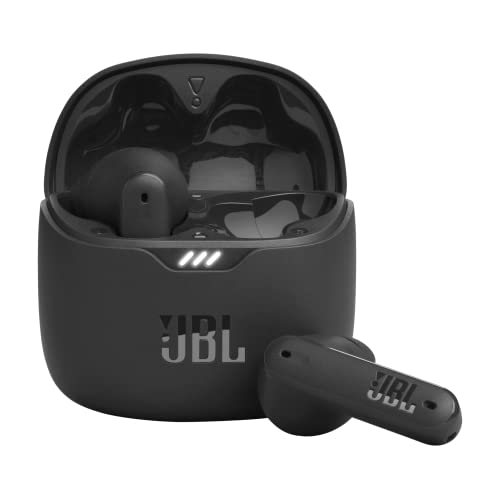



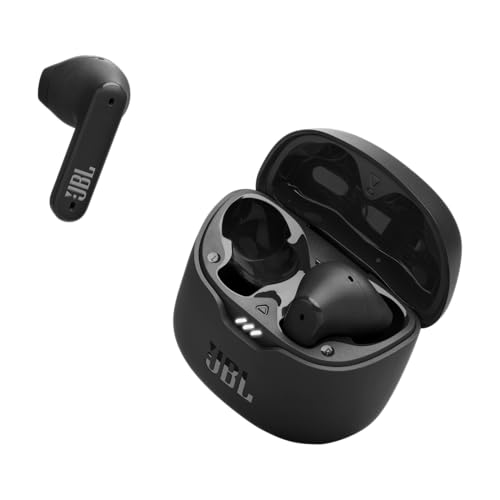
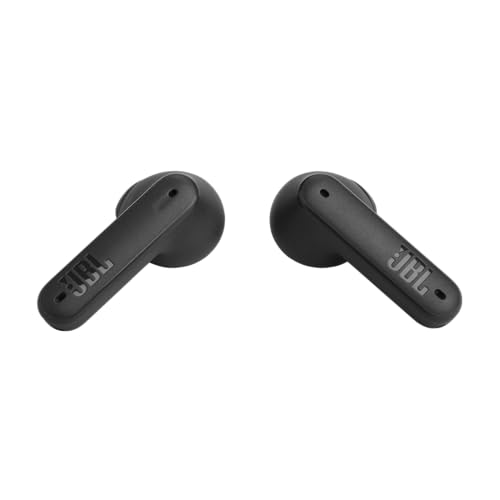
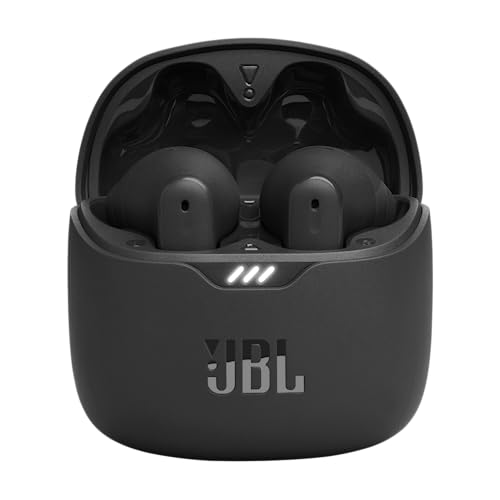

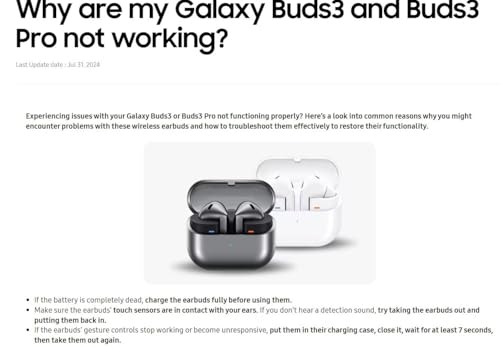
The wireless earbuds market has exploded over the past few years, creating both incredible options and overwhelming choice. When comparing the budget-friendly JBL Tune Flex against the premium Samsung Galaxy Buds 3 Pro, you're looking at two completely different philosophies in earbud design—and a price gap that could make or break your decision.
At the time of writing, these earbuds sit at opposite ends of the pricing spectrum, with the JBL Tune Flex positioned as an entry-level option while the Samsung Galaxy Buds 3 Pro competes directly with flagship models from Apple and Sony. But price alone doesn't tell the whole story of which earbuds might work best for your needs.
Before diving into the specifics, it helps to understand what separates great earbuds from mediocre ones. The most critical factors include audio quality (how accurately they reproduce your music), active noise cancellation or ANC (the electronic system that blocks outside noise), battery life, comfort during extended wear, and build quality for long-term durability.
Smart features like app integration, spatial audio (which creates a surround-sound effect), and ecosystem connectivity have become increasingly important as manufacturers try to differentiate their products. Water resistance ratings, measured by IP codes, determine how well earbuds handle sweat and weather—crucial for active users.
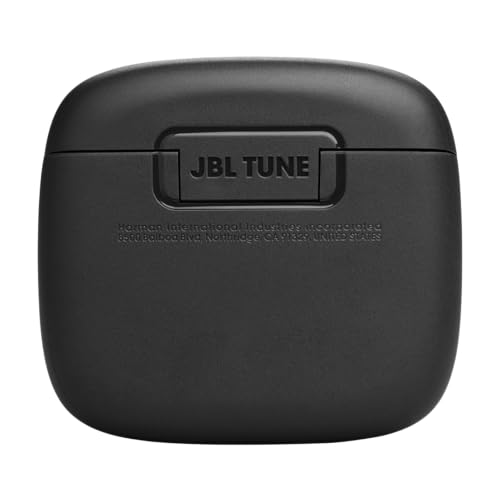
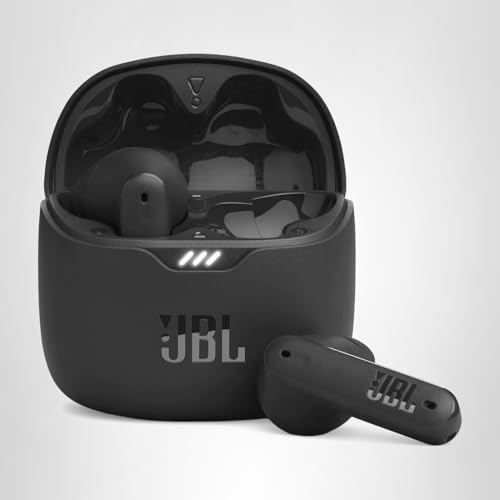
The JBL Tune Flex arrived in 2022 as JBL's attempt to bring premium features like active noise cancellation to the budget market. This represented a significant shift, as ANC was previously reserved for expensive models. JBL's approach focused on delivering core functionality without the premium materials or advanced features that drive up costs.
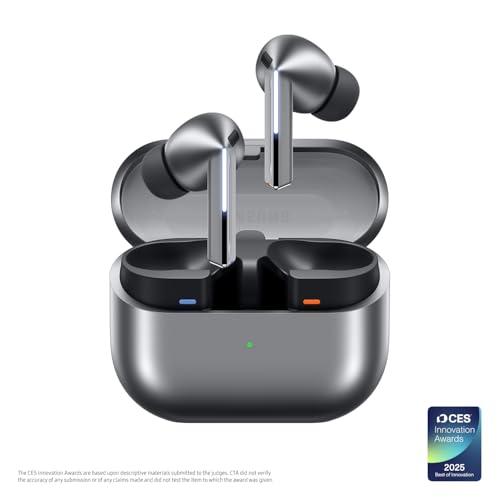
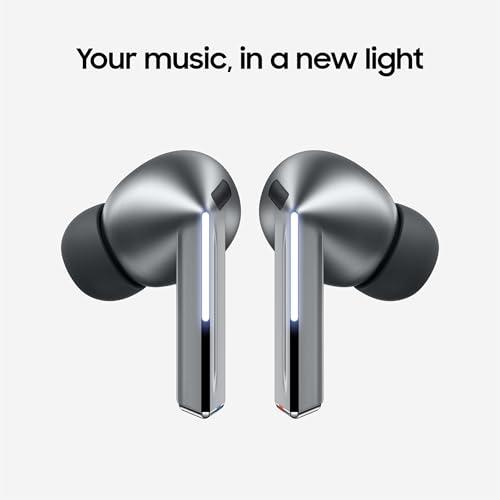
The Samsung Galaxy Buds 3 Pro, launched in 2024, marked Samsung's boldest departure yet from their traditional earbud design. Moving to a stem-based form factor similar to Apple's AirPods Pro, Samsung completely redesigned their audio architecture with dual drivers and advanced AI-powered features. This release coincided with Samsung's broader push into premium audio, leveraging their smartphone ecosystem integration.
The biggest difference between these earbuds lies in their audio architecture. The JBL Tune Flex uses a single 12mm dynamic driver—essentially a tiny speaker that handles all frequencies from deep bass to crisp highs. JBL tunes these drivers for their signature "Pure Bass Sound," which emphasizes low-end frequencies to make hip-hop, EDM, and pop music sound punchy and engaging.
This approach works well for genres that benefit from enhanced bass, but it means the JBL Tune Flex can struggle with complex musical arrangements. When listening to classical music or jazz recordings with multiple instruments, the single driver can't separate different frequency ranges as effectively as more expensive designs.
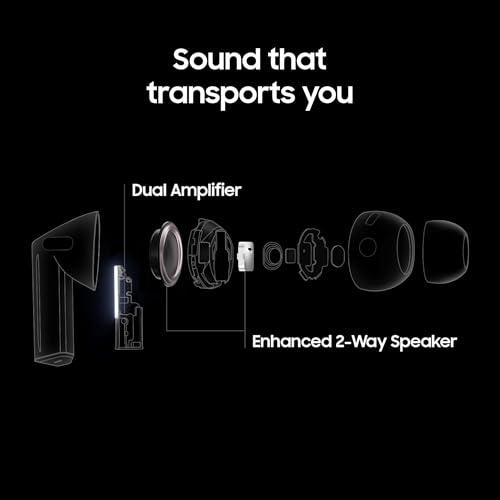
The Samsung Galaxy Buds 3 Pro takes a fundamentally different approach with its dual-driver system. It combines a 10.5mm dynamic woofer (handling bass and mids) with a 6.1mm planar magnetic tweeter (managing highs). Think of this like having a specialized speaker for bass sounds and another for treble, each powered by its own amplifier.
This separation prevents different frequencies from interfering with each other, creating what audio engineers call better "frequency separation." In practical terms, this means you can hear individual instruments more clearly in complex recordings. The violin section won't get muddy when the bass drum hits, and vocal details remain crisp even during heavy orchestral passages.
For home theater use, this difference becomes particularly noticeable. The Samsung Galaxy Buds 3 Pro supports 360 Audio, Samsung's spatial audio technology that creates a surround-sound effect by processing audio to seem like it's coming from different directions around your head. When watching movies, explosions feel more immersive, and dialogue appears to come from the center of the action rather than directly in your ears.
The JBL Tune Flex lacks spatial audio capabilities, making it less suitable for cinematic experiences. However, its bass-heavy tuning can make action movies feel more impactful, even without the sophisticated processing of premium models.
Active noise cancellation represents one of the most significant technological advances in modern earbuds. Rather than just physically blocking sound like foam earplugs, ANC uses microphones to detect outside noise and generates opposite sound waves to cancel it out—like noise-canceling headphones create "anti-noise."
The JBL Tune Flex includes basic ANC using two microphones per earbud. This system works reasonably well for consistent background noise like airplane engines, air conditioning hum, or train rumble. The steady, predictable nature of these sounds makes them easier for the ANC algorithm to identify and cancel.
However, our research into user and expert reviews reveals that the JBL Tune Flex struggles with irregular, unpredictable sounds. Conversations, traffic noise, or gym chatter tend to leak through because the ANC system can't predict and cancel these varying frequencies fast enough. In testing scenarios, the basic ANC typically reduces ambient noise by about 50%—noticeable but not transformative.
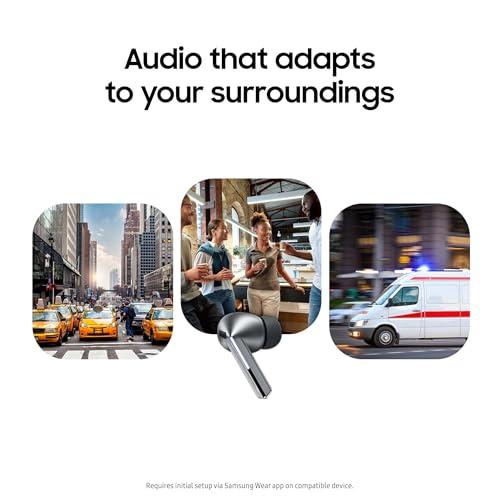
The Samsung Galaxy Buds 3 Pro employs what Samsung calls "Adaptive Active Noise Cancelling," using multiple microphones and real-time processing to continuously adjust the cancellation based on your environment. This system monitors the noise around you thousands of times per second and adapts its cancellation strategy accordingly.
Professional reviews consistently praise the Galaxy Buds 3 Pro's ANC performance, with many describing it as "exceptional" and capable of blocking roughly 75% of ambient noise. The adaptive nature means it handles both steady noise (like airplane cabins) and variable sounds (like busy cafes) much more effectively than basic systems.
For commuting and travel, this difference becomes crucial. The Samsung Galaxy Buds 3 Pro can transform a noisy subway ride into a peaceful listening environment, while the JBL Tune Flex provides noticeable but incomplete noise reduction.
Battery performance often determines whether earbuds become daily companions or occasional accessories. The JBL Tune Flex excels here with impressive endurance that rivals much more expensive models.
With ANC disabled, the JBL Tune Flex provides up to 8 hours of continuous playback per charge, plus an additional 24 hours from the charging case—totaling 32 hours of listening time. Even with ANC enabled (which requires more power), you still get 6 hours per charge plus 18 hours from the case.
These figures represent genuine all-day and multi-day usability. For frequent travelers or people who forget to charge devices regularly, this extended battery life can be more valuable than premium features. The 10-minute quick charge feature provides 2 hours of listening time, enough for most commutes or workout sessions.
The Samsung Galaxy Buds 3 Pro offers more typical premium earbud battery performance: 6-7 hours per charge with ANC off, or about 5.2 hours with ANC enabled. The case adds another 19-24 hours depending on ANC usage, totaling 26-30 hours of combined playback.
While these figures are competitive within the premium segment, they represent meaningfully shorter usage time than the JBL Tune Flex. For long international flights or extended listening sessions, you'll need to plan charging breaks with the Galaxy Buds 3 Pro.
The microphone systems reveal another significant performance gap between these models. The JBL Tune Flex uses four microphones with basic beamforming technology—a system that focuses on capturing sound from specific directions (your mouth) while reducing pickup from other angles.
For casual phone calls in quiet environments, the JBL Tune Flex performs adequately. However, in noisy conditions like busy streets or crowded offices, voices can sound robotic or get overwhelmed by background noise. The basic noise reduction struggles to separate your voice from environmental sounds effectively.
The Samsung Galaxy Buds 3 Pro incorporates six microphones with Samsung's advanced Voice Pickup Unit (VPU) technology. This system uses more sophisticated algorithms to isolate your voice while aggressively filtering background noise. Professional comparisons consistently show the Galaxy Buds 3 Pro outperforming most competitors, including Apple's AirPods Pro, in both quiet and noisy calling scenarios.
This difference matters significantly for people who take frequent work calls, conduct phone interviews, or need reliable communication in challenging acoustic environments. The superior voice clarity of the Samsung Galaxy Buds 3 Pro can be worth the premium for business users.
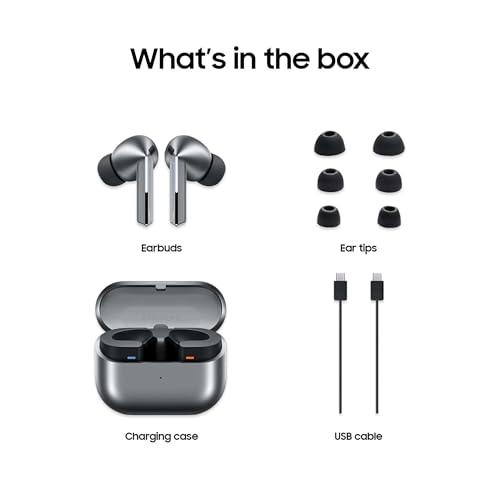
Both earbuds take different approaches to fit and comfort. The JBL Tune Flex weighs just 4.8 grams per earbud and includes a unique dual ear tip system. You get both "sealing" tips in three sizes for maximum noise isolation and "open" tips that allow environmental awareness—useful for outdoor running or situations where you need to hear announcements.
This flexibility is uncommon at any price point and addresses a real user need. Many people want the option to switch between isolation and awareness depending on their activity, and the JBL Tune Flex delivers this without requiring separate earbuds.
The Samsung Galaxy Buds 3 Pro adopts a stem-based design similar to Apple's AirPods Pro, weighing 5.4 grams per earbud. The stem design provides better weight distribution and more surface area for touch controls, but it may not suit all ear shapes as universally as traditional in-ear designs.
Samsung includes premium materials and pressure relief vents designed to prevent the "plugged ear" sensation that some people experience with sealed ear tips. The build quality feels more substantial, though both earbuds seem durable enough for normal use.
Regarding water resistance, the difference is significant. The JBL Tune Flex carries an IPX4 rating, protecting against sweat and light rain but not dust or water submersion. The Samsung Galaxy Buds 3 Pro features an IP57 rating—comprehensive protection against dust ingress and water submersion up to one meter for 30 minutes.
For active users, gym enthusiasts, or people in challenging weather conditions, the superior protection of the Galaxy Buds 3 Pro provides meaningful peace of mind.
This category reveals perhaps the starkest difference between budget and premium approaches. The JBL Tune Flex offers basic smartphone app integration through the JBL Headphones App, providing equalizer adjustments, device location features, and touch control customization. These earbuds work identically with any Bluetooth device—Android phones, iPhones, laptops, or tablets.
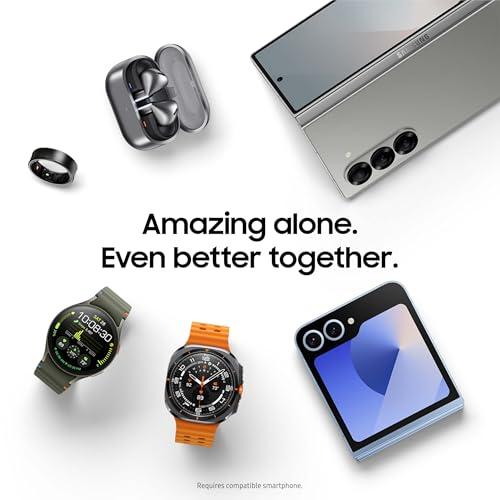
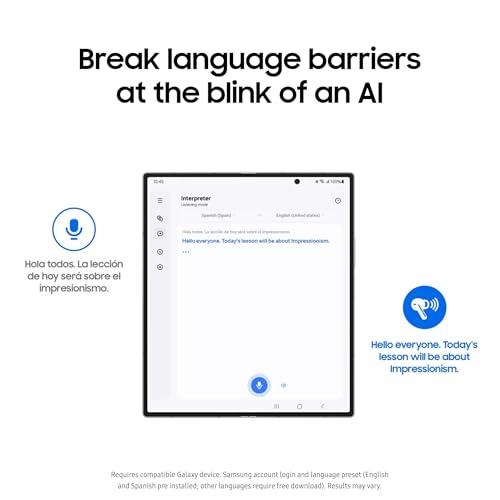
The Samsung Galaxy Buds 3 Pro includes extensive smart features, but many require recent Samsung Galaxy devices to function fully. Features like Samsung's Seamless Codec (which streams higher-quality audio), Adaptive EQ, seamless device switching, and real-time translation work only with compatible Samsung phones and tablets.
For Samsung ecosystem users, these features provide genuine value. The Seamless Codec can stream audio up to 24-bit/96kHz quality—significantly higher than standard Bluetooth audio compression. The real-time translation feature can be genuinely useful for travel or international communication.
However, users outside Samsung's ecosystem lose access to many premium features, effectively limiting the Galaxy Buds 3 Pro's capabilities based on your smartphone choice. This ecosystem lock-in represents a significant consideration when evaluating long-term value.
At the time of writing, the price difference between these earbuds is substantial—roughly three times the cost for the Samsung Galaxy Buds 3 Pro. This pricing gap forces a fundamental question about what you value most in wireless earbuds.
The JBL Tune Flex delivers impressive functionality for its price point, including features like active noise cancellation that were premium-only just a few years ago. The exceptional battery life, dual ear tip system, and surprisingly good audio quality make it an excellent value for budget-conscious buyers or people new to wireless earbuds.
The Samsung Galaxy Buds 3 Pro justifies its premium pricing with measurably superior performance in most categories—better audio quality, much more effective noise cancellation, superior call quality, and advanced smart features. However, the value proposition depends heavily on whether you can access all features and whether the performance improvements matter for your specific use cases.
Choose the JBL Tune Flex if you're budget-conscious but still want modern earbud features, prioritize exceptional battery life for travel or extended use, value the flexibility of switchable ear tips, or want universal compatibility across all your devices. These earbuds excel for casual listening, basic noise reduction needs, and situations where losing expensive earbuds would be financially painful.
The JBL Tune Flex also makes sense for people who primarily listen to bass-heavy music genres, need earbuds for workouts (though with limited water protection), or want to try wireless earbuds without a major financial commitment.
Consider the Samsung Galaxy Buds 3 Pro if audio quality is your top priority and you can hear the difference that premium drivers make, you need excellent noise cancellation for commuting or travel, you're already invested in Samsung's device ecosystem, or you frequently take important phone calls requiring clear communication.
The Galaxy Buds 3 Pro particularly suits people who watch movies or TV shows on their devices (thanks to spatial audio), need superior water/dust protection for active lifestyles, or want cutting-edge features like real-time translation and adaptive audio processing.
For home theater use specifically, the Samsung Galaxy Buds 3 Pro provides a meaningfully better experience through its spatial audio capabilities and superior driver separation. While neither earbud replaces a proper surround sound system, the Samsung model creates a more immersive experience for late-night viewing or situations where speakers aren't practical.
The decision ultimately comes down to whether the premium performance and features of the Samsung Galaxy Buds 3 Pro justify roughly three times the cost of the JBL Tune Flex. Both earbuds serve their target markets well, but they're designed for very different users with different priorities and budgets.
| JBL Tune Flex True Wireless Earbuds | Samsung Galaxy Buds 3 Pro True Wireless Earbuds |
|---|---|
| Driver Configuration - Determines audio quality and detail retrieval | |
| Single 12mm dynamic driver with JBL Pure Bass Sound tuning | Dual-driver system: 10.5mm dynamic woofer + 6.1mm planar magnetic tweeter with independent amplifiers |
| Active Noise Cancellation - Critical for commuting and focus | |
| Basic ANC with 2 mics per earbud, blocks ~50% of ambient noise | Adaptive ANC with multiple mics and real-time processing, blocks ~75% of ambient noise |
| Battery Life - Affects daily usability and travel convenience | |
| 8 hours (ANC off) + 24 hours case = 32 hours total | 6-7 hours (ANC off) + 19-24 hours case = 26-30 hours total |
| Water/Dust Resistance - Important for active use and durability | |
| IPX4 (splash resistant, basic sweat protection) | IP57 (dust-proof and submersible up to 1 meter) |
| Microphone System - Affects call quality in noisy environments | |
| 4 microphones with basic beamforming, adequate call quality | 6 microphones with Voice Pickup Unit, superior noise gating and voice clarity |
| Smart Features - Enhanced functionality and convenience | |
| Basic app integration, EQ customization, universal device compatibility | 360 Audio, real-time translation, adaptive EQ, seamless device switching (requires Samsung ecosystem) |
| Weight Per Earbud - Impacts comfort during extended wear | |
| 4.8g (lightweight for all-day comfort) | 5.4g (slightly heavier but well-distributed with stem design) |
| Ear Tip System - Affects fit flexibility and noise isolation | |
| Dual system: sealing tips (3 sizes) + open tips for environmental awareness | Traditional sealing tips only with pressure relief vents |
| Frequency Response - Indicates audio range and detail capability | |
| 20Hz-20kHz with bass-emphasized V-shaped signature | 20Hz-40kHz with balanced dual-driver separation |
| Codec Support - Determines audio streaming quality | |
| Standard AAC and SBC (universal compatibility) | AAC, SBC, plus Samsung Seamless Codec up to 24-bit/96kHz (Samsung devices only) |
The Samsung Galaxy Buds 3 Pro deliver superior sound quality with their dual-driver system featuring a 10.5mm woofer and 6.1mm planar magnetic tweeter. This setup provides better instrument separation and detail retrieval across all music genres. The JBL Tune Flex offers good sound with bass-heavy tuning that works well for hip-hop and EDM, but lacks the clarity and balance of the premium Samsung model.
The Samsung Galaxy Buds 3 Pro have significantly better active noise cancellation, blocking approximately 75% of ambient noise with adaptive technology that adjusts in real-time. The JBL Tune Flex includes basic ANC that reduces about 50% of consistent background noise like airplane engines, but struggles with irregular sounds like conversations or traffic.
The JBL Tune Flex offer superior battery life with 8 hours per charge (ANC off) plus 24 hours from the case, totaling 32 hours. The Samsung Galaxy Buds 3 Pro provide 6-7 hours per charge plus 19-24 hours from the case for 26-30 hours total. For extended use and travel, the JBL model offers a meaningful advantage.
The Samsung Galaxy Buds 3 Pro excel at call quality with six microphones and advanced Voice Pickup Unit technology that clearly separates your voice from background noise. The JBL Tune Flex provide adequate call quality with four microphones, but voices can sound robotic in noisy environments and may not be ideal for important business calls.
Both earbuds work for fitness, but the Samsung Galaxy Buds 3 Pro offer superior protection with IP57 water and dust resistance versus the JBL Tune Flex's IPX4 rating. However, the JBL model includes unique open ear tips that allow environmental awareness during outdoor activities, which some runners and cyclists prefer for safety.
The Samsung Galaxy Buds 3 Pro provide a much better home theater experience with 360 Audio spatial sound technology that creates a surround-sound effect for immersive movie watching. The JBL Tune Flex lack spatial audio features, making them less suitable for cinematic experiences, though their bass emphasis can make action movies feel impactful.
The JBL Tune Flex deliver exceptional value with features like active noise cancellation and good sound quality typically found in much more expensive earbuds. The Samsung Galaxy Buds 3 Pro justify their premium pricing with superior performance across most categories, but cost roughly three times more. Value depends on your budget and whether premium features matter for your use.
Both models offer good comfort, with the JBL Tune Flex being lighter at 4.8g per earbud versus 5.4g for the Samsung Galaxy Buds 3 Pro. The JBL model provides more fit flexibility with both sealing and open ear tip options, while the Samsung earbuds use a stem design with pressure relief vents to prevent the "plugged ear" sensation.
The Samsung Galaxy Buds 3 Pro offer extensive smart features including adaptive EQ, real-time translation, and seamless device switching, though many require Samsung Galaxy devices. The JBL Tune Flex provide basic but universal app integration with EQ customization that works identically across all smartphones and devices.
The JBL Tune Flex work universally with any Bluetooth device without limitations. The Samsung Galaxy Buds 3 Pro function with all smartphones but unlock premium features like high-quality Samsung Seamless Codec and adaptive EQ only when paired with recent Samsung Galaxy devices, limiting their full potential for iPhone and other Android users.
The Samsung Galaxy Buds 3 Pro offer superior protection with IP57 rating against dust and water submersion up to one meter deep. The JBL Tune Flex provide IPX4 protection against sweat and light rain but no dust protection. For challenging weather conditions or intense workouts, the Samsung model provides better long-term durability.
For first-time wireless earbud users, the JBL Tune Flex make an excellent entry point with modern features like ANC, good sound quality, and exceptional battery life without major financial risk. Choose the Samsung Galaxy Buds 3 Pro if you prioritize the best possible audio and noise cancellation performance, frequently use earbuds for calls, or want premium smart features for home entertainment.
We've done our best to create useful and informative comparisons to help you decide what product to buy. Our research uses advanced automated methods to create this comparison and perfection is not possible - please contact us for corrections or questions. These are the sites we've researched in the creation of this article: rtings.com - hometechnologyreview.com - youtube.com - bestbuy.com - soundguys.com - bestbuy.com - crutchfield.com - bgr.com - robbsutton.com - majorhifi.com - versus.com - crutchfield.com - youtube.com - versus.com - jbl.com - global.jbl.com - pcrichard.com - musicarts.com - scribd.com - global.jbl.com - robot-advance.com - gzhls.at - bestbuy.com - att.com - ro.harmanaudio.com - techradar.com - soundguys.com - whathifi.com - loudnwireless.com - rtings.com - whathifi.com - youtube.com - youtube.com - soundguys.com - youtube.com - youtube.com - soundguys.com - eu.community.samsung.com - phonearena.com - loudnwireless.com - samsung.com - whatgear.net - samsung.com - devicesupport.three.co.uk - youtube.com - samsung.com - techradar.com - samsung.com - en.wikipedia.org - samsung.com - moneycontrol.com - youtube.com - bestbuy.com - eu.community.samsung.com

Privacy Policy
Terms and Conditions - Affiliate Policy
Home Security
© Copyright 2008-2026.
11816 Inwood Rd #1211, Dallas, TX 75244