

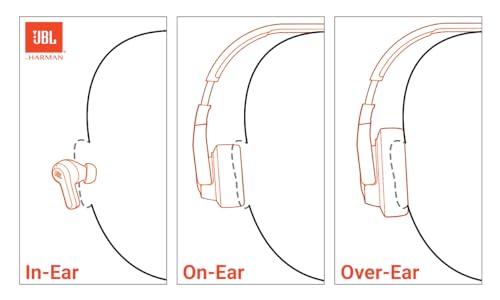
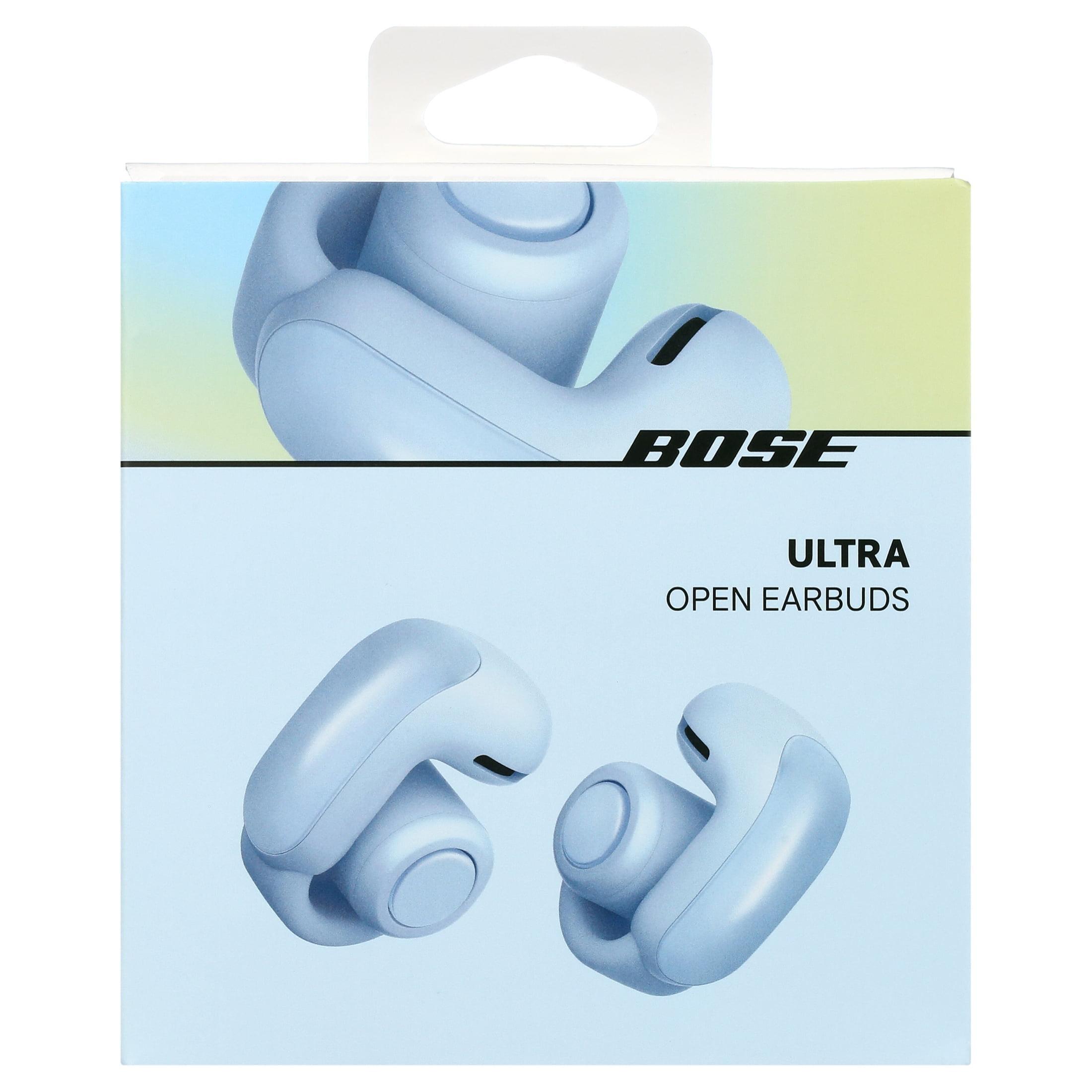

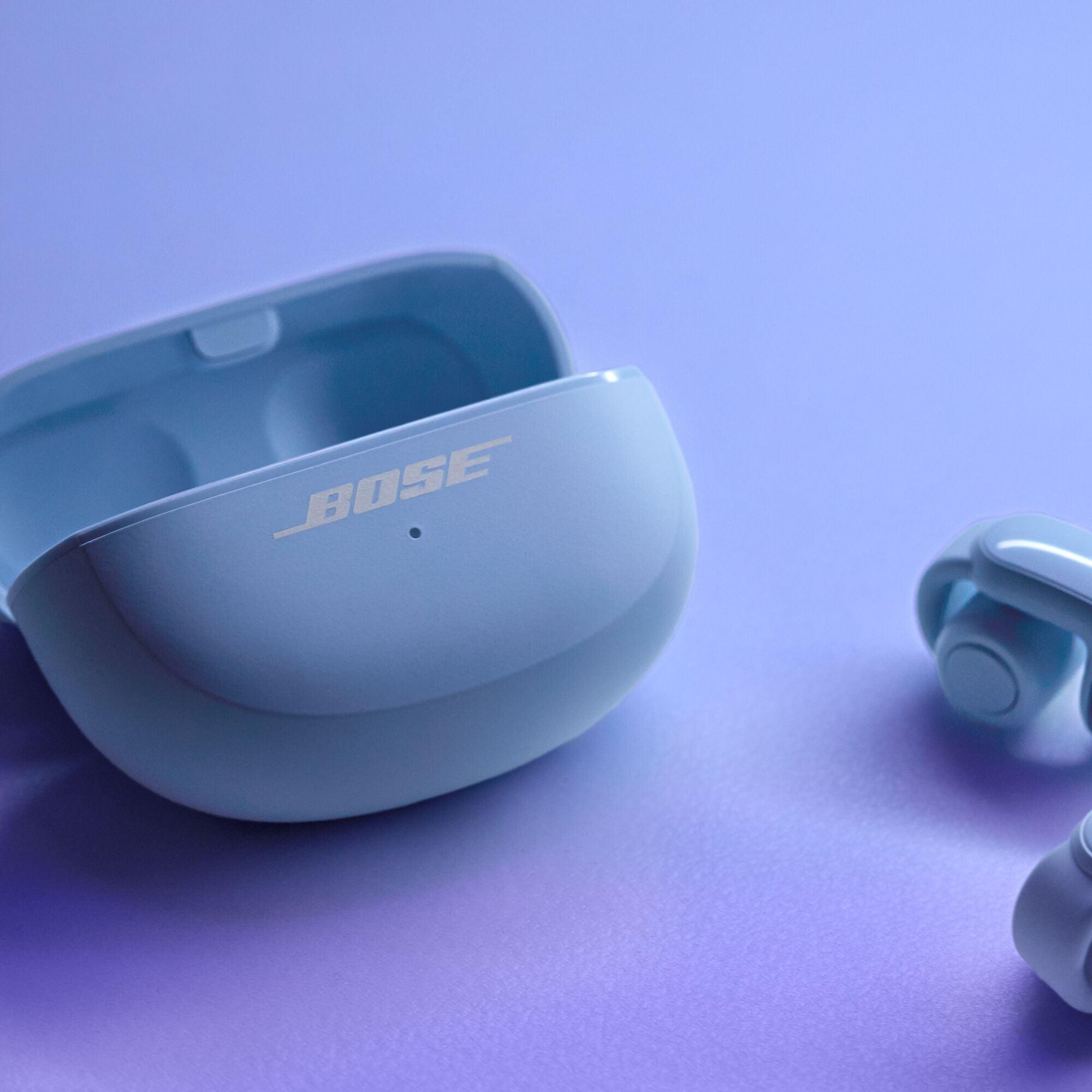

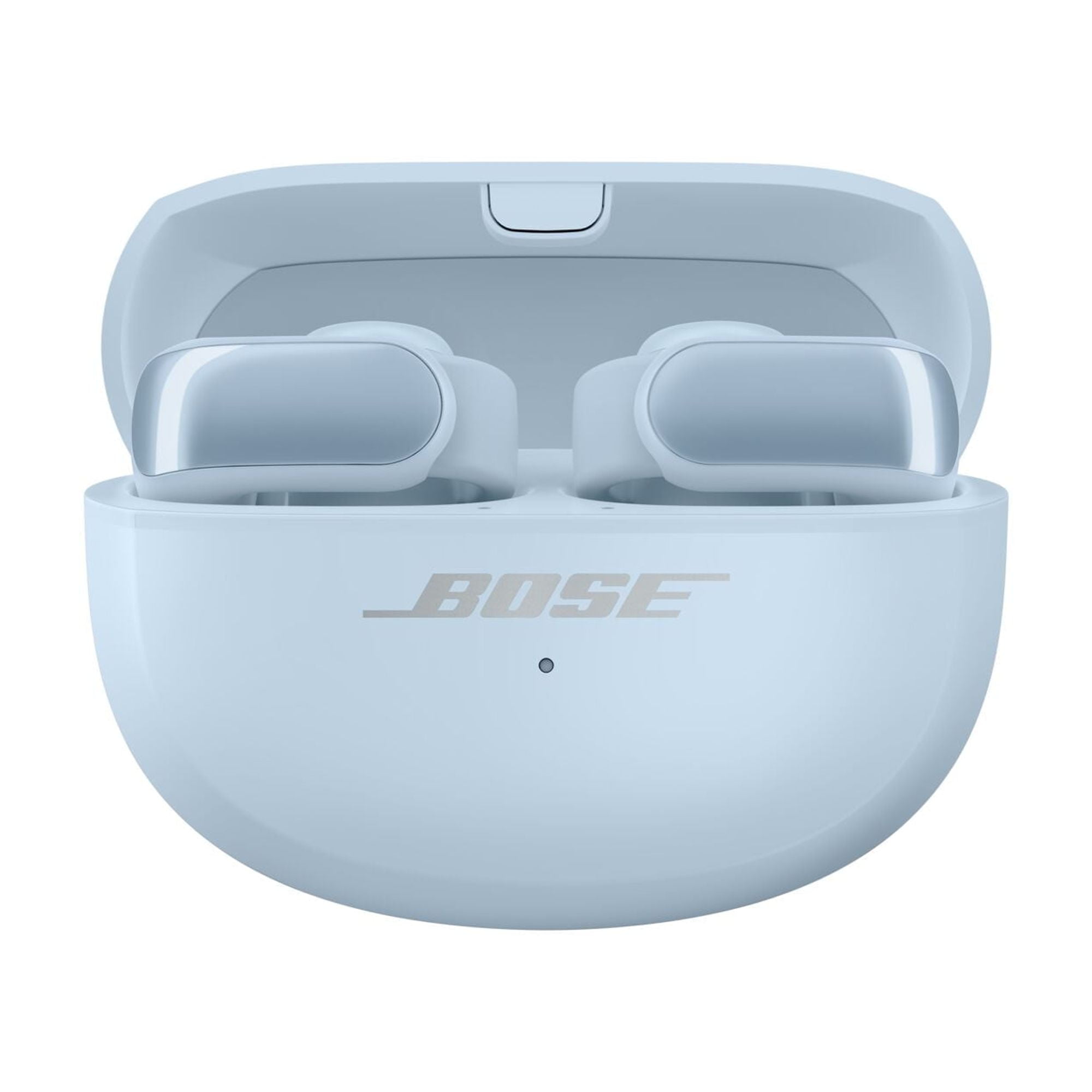
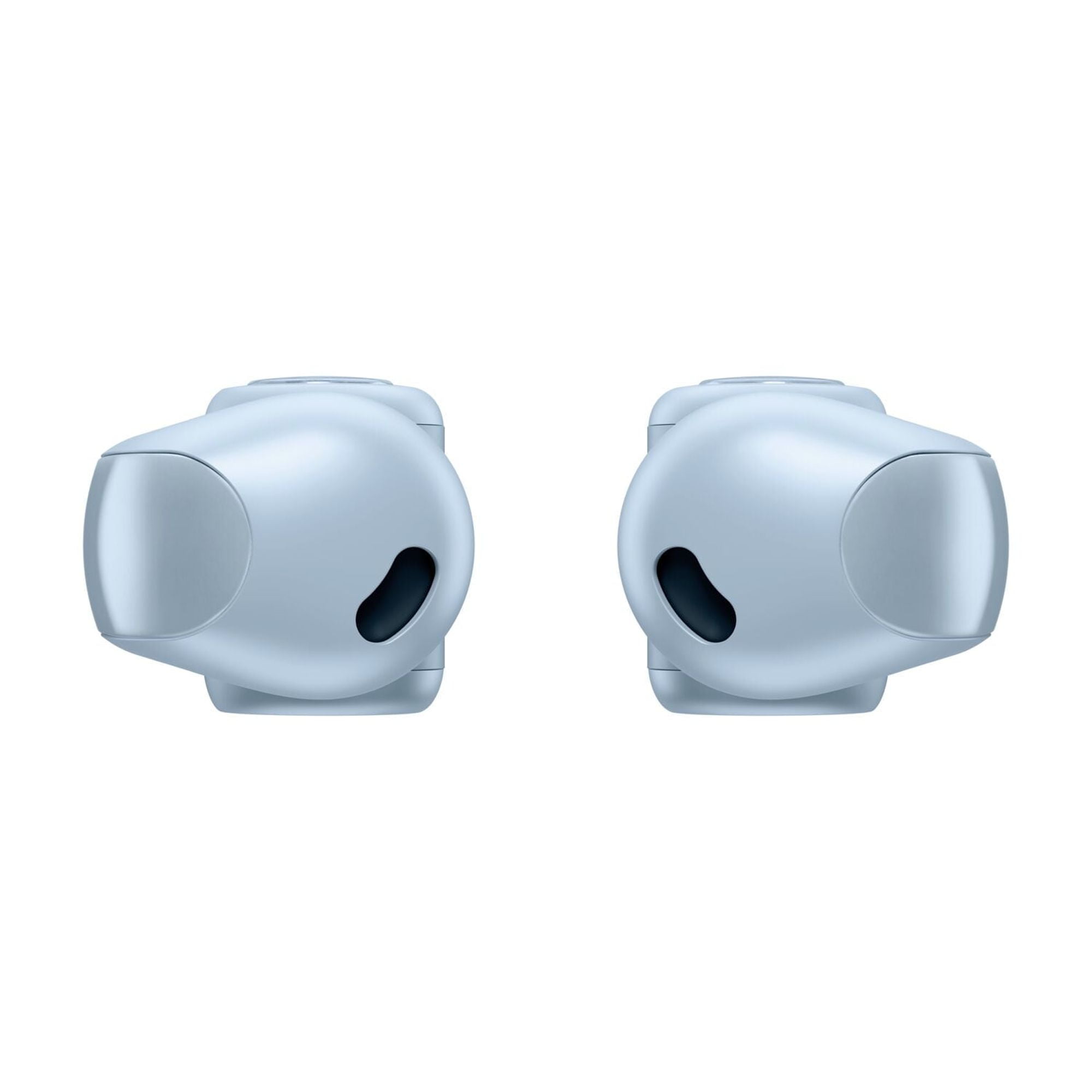
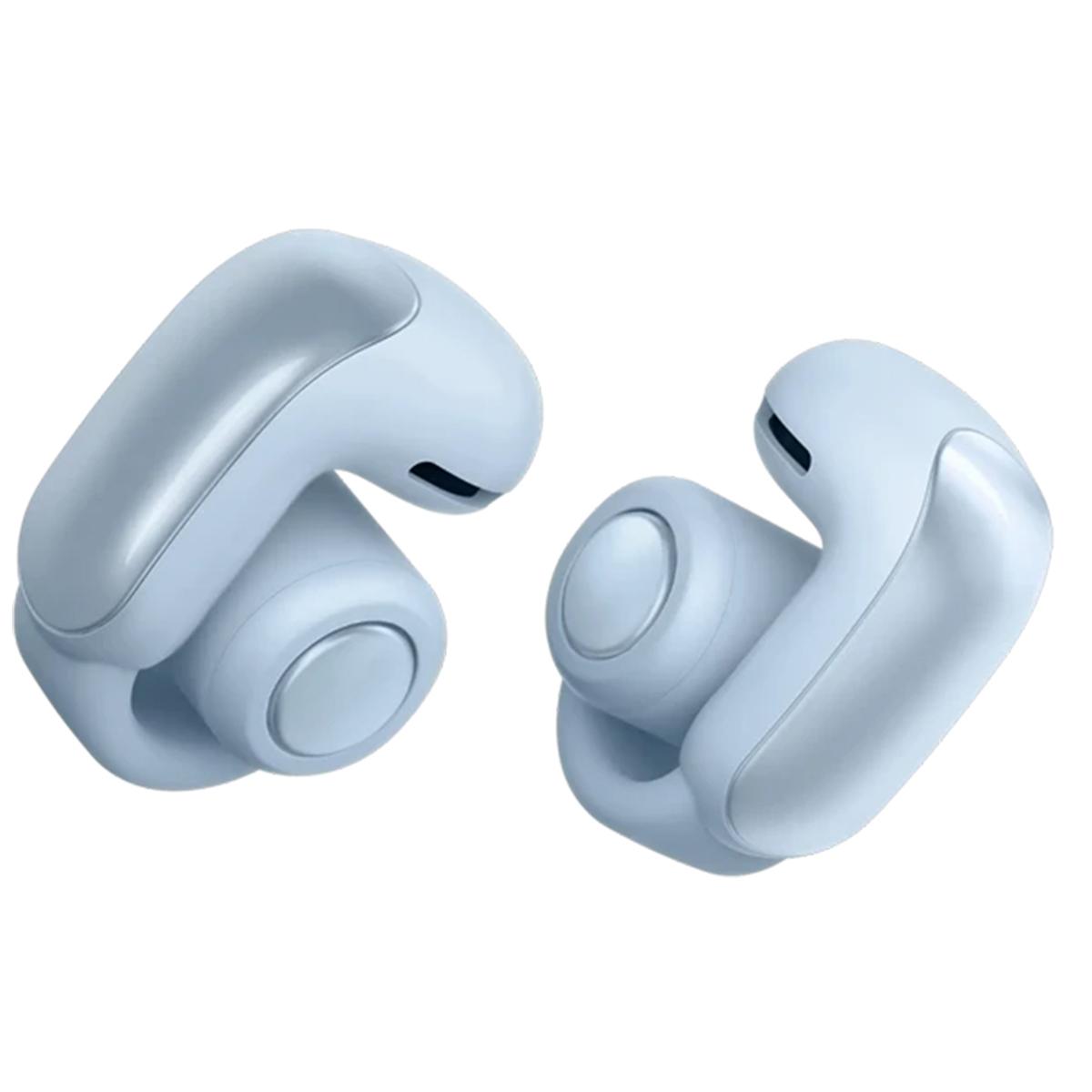
The world of true wireless earbuds has split into two distinct camps, and the choice between them fundamentally changes how you experience audio. On one side, we have traditional closed-ear designs like the JBL Vibe Beam, which seal your ear canal for immersive sound isolation. On the other, innovative open-ear designs like the Bose Ultra Open Earbuds rest outside your ears, prioritizing environmental awareness and all-day comfort.
This isn't just about brand preference—it's about choosing between two completely different philosophies for personal audio. Understanding these approaches will help you make the right choice for your specific needs and lifestyle.
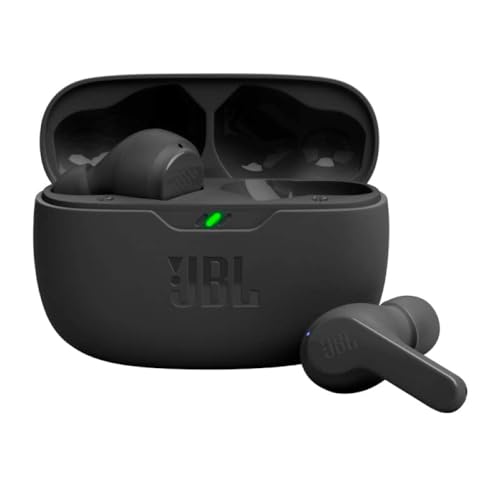
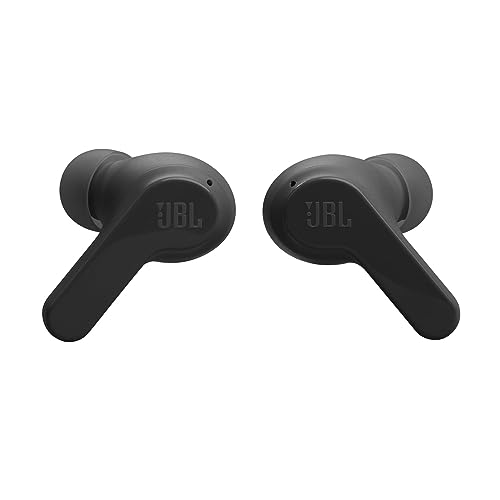
Traditional closed-ear earbuds work by creating a seal in your ear canal, much like putting a cork in a bottle. This seal serves multiple purposes: it blocks outside noise (passive noise isolation), prevents your music from leaking out, and allows the drivers (the tiny speakers inside) to move air efficiently for better bass response. The JBL Vibe Beam exemplifies this approach with its ergonomic stick-closed design that fits snugly in your ear.
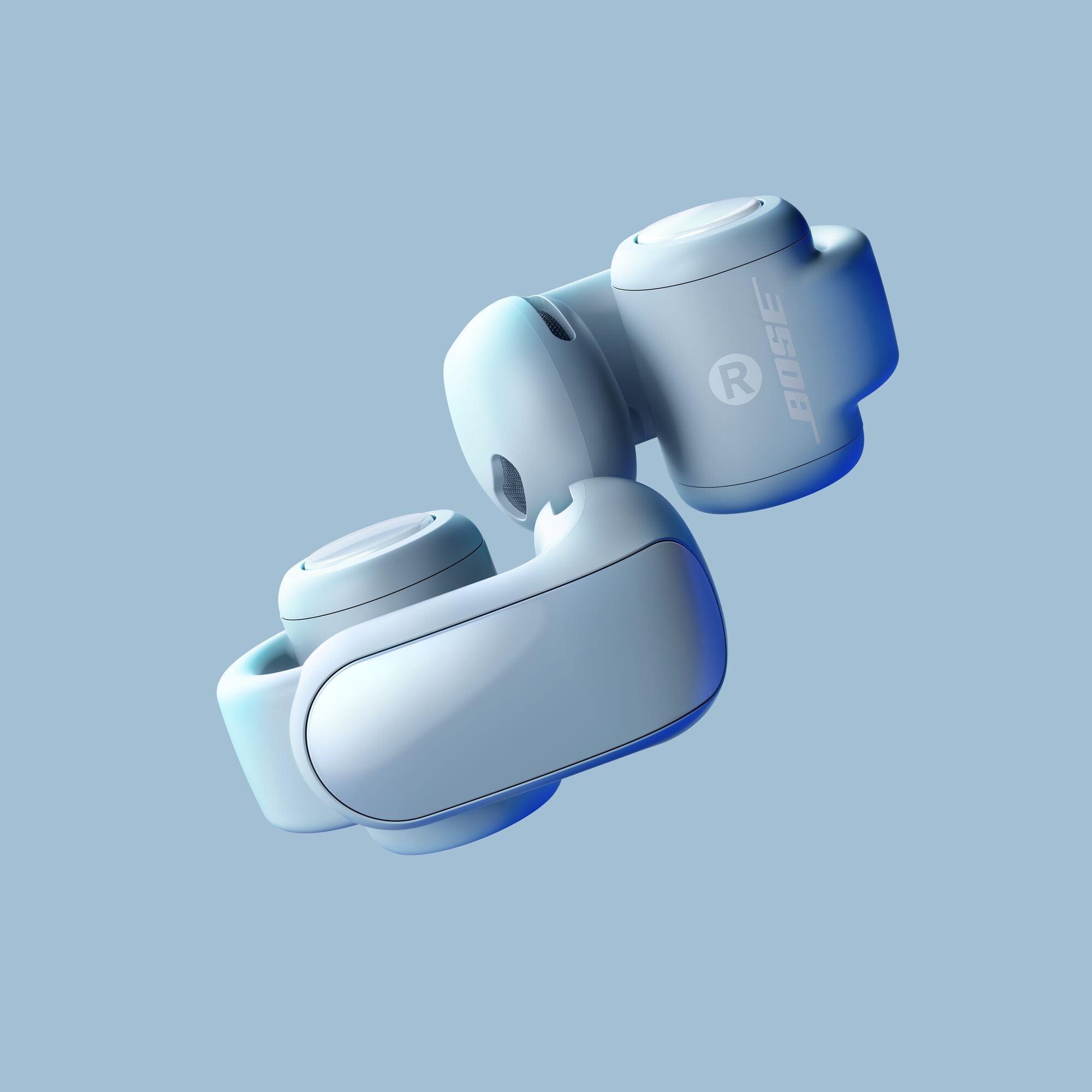
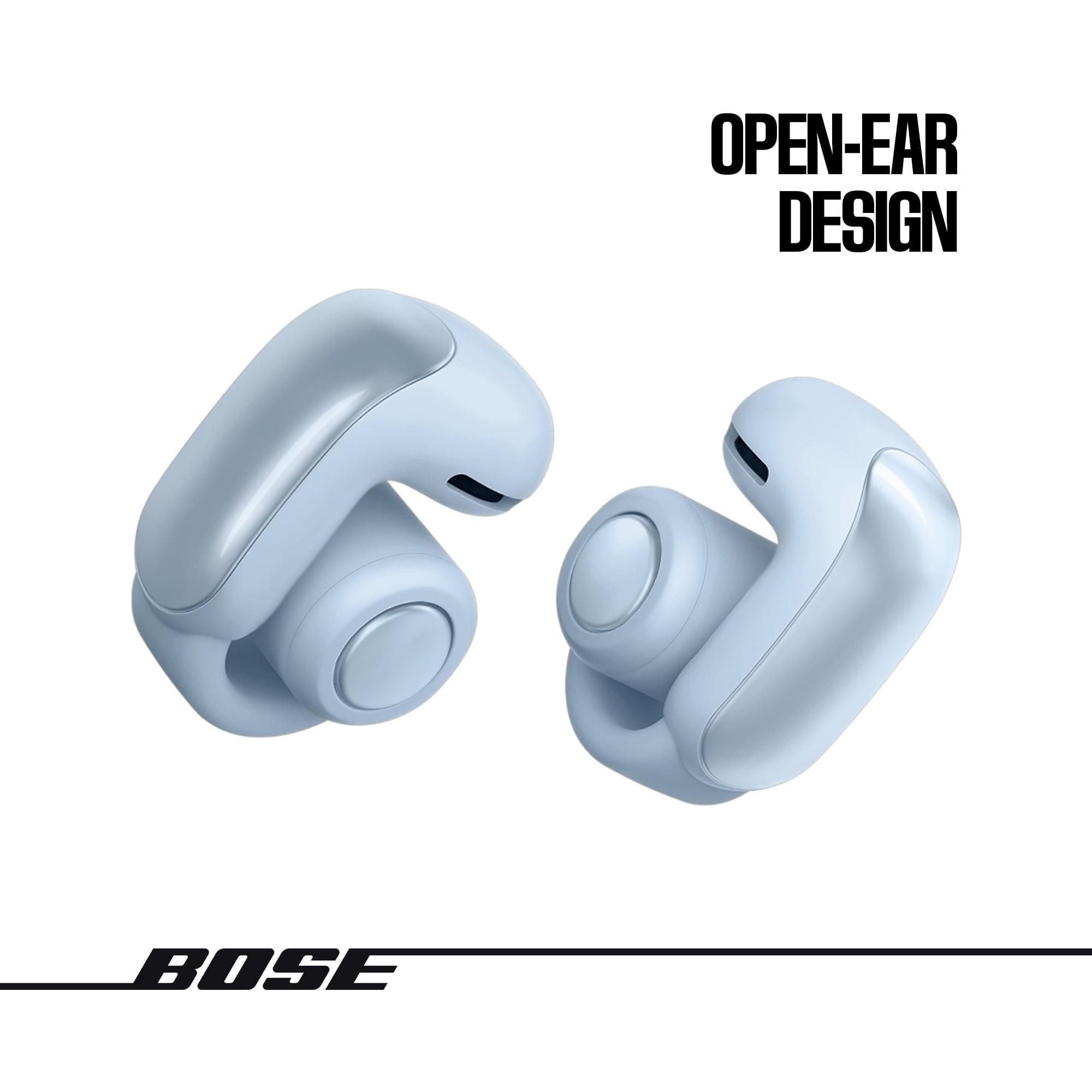
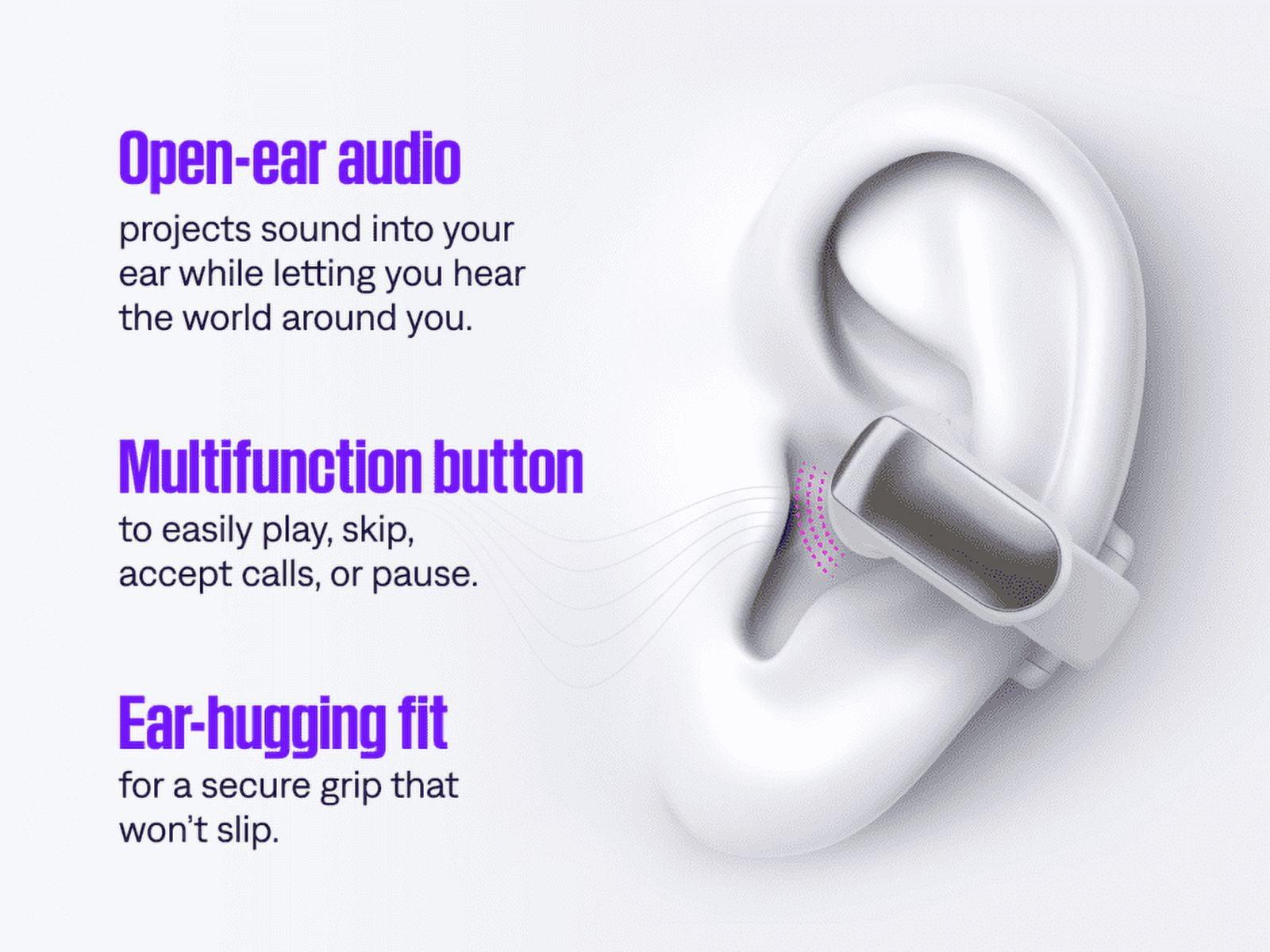
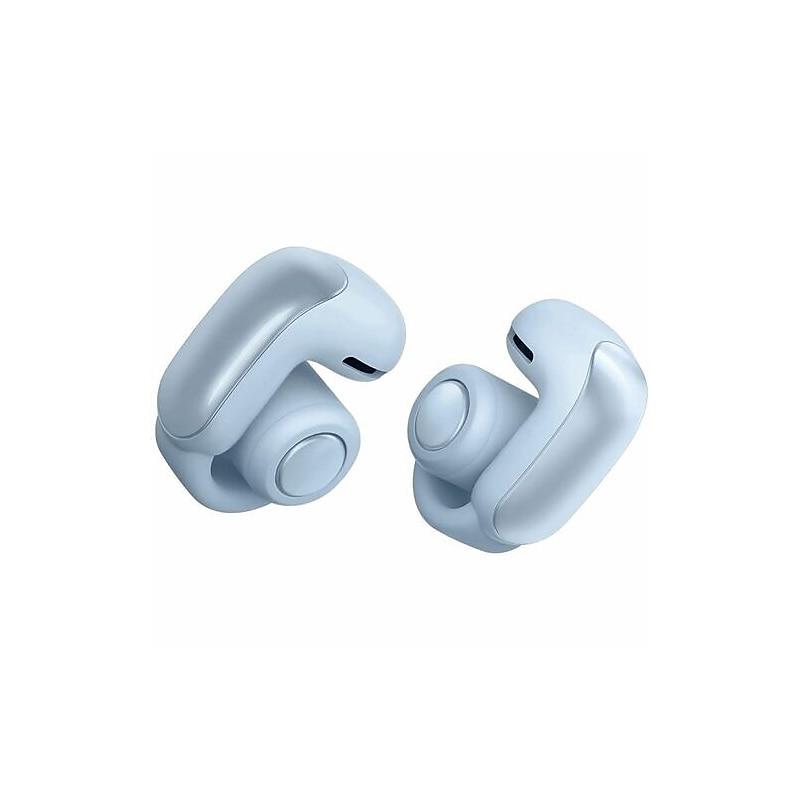
Open-ear designs take the opposite approach. The Bose Ultra Open Earbuds, released in 2024, represent the cutting edge of this technology. Instead of sealing your ear canal, they use directional audio—think of it like a spotlight for sound—to beam audio directly into your ears while leaving them completely open to environmental sounds. Bose calls this OpenAudio technology, and it's genuinely revolutionary in how it delivers what they call "rich, private sound" without blocking your surroundings.
The key trade-off is simple: closed designs prioritize audio quality and isolation, while open designs prioritize comfort and situational awareness. But as we'll see, the reality is more nuanced than this basic division suggests.
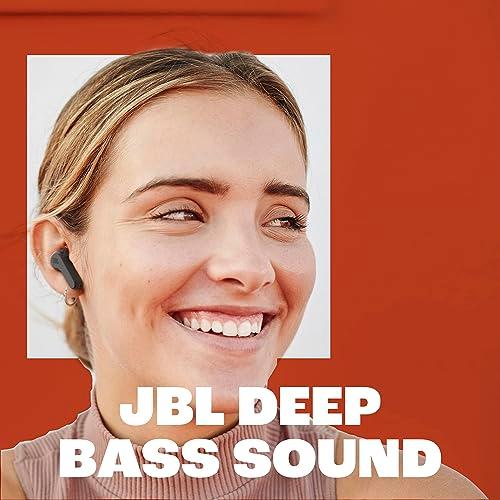
When it comes to pure audio performance, the JBL Vibe Beam leverages the physics of closed-ear design to its advantage. The 8mm dynamic drivers can move air efficiently within the sealed ear canal, creating what JBL calls "Deep Bass Sound." In practical terms, this means you'll feel the thump in hip-hop tracks, the rumble of movie explosions, and the punch of rock drums in a way that's simply impossible with open-ear designs.
The frequency response of 20 Hz to 20 kHz covers the full range of human hearing, but it's the low-end extension down to 20 Hz that really matters for bass lovers. The 100 dB sensitivity rating means these earbuds can get loud without requiring excessive power from your phone or device—important for preserving both earbud and device battery life.
The Bose Ultra Open Earbuds, by contrast, work against the laws of physics when it comes to bass. Without a sealed ear canal, low frequencies simply can't build up pressure the way they do in closed designs. However, Bose has engineered around this limitation with sophisticated digital signal processing (DSP) that enhances the perception of bass even in an open design. Reviews consistently note that while the bass isn't as visceral as closed earbuds, it's surprisingly present for an open design.
Where the Bose Ultra Open truly shines is in its Immersive Audio technology. This isn't just marketing speak—it's Bose's implementation of spatial audio that creates a three-dimensional soundstage around your head. The system offers two modes: "Still" for stationary listening and "Motion" that adapts the audio field as you move your head, maintaining the illusion that sound sources remain fixed in space.
This technology transforms how you experience content. Instead of sound feeling like it's coming from inside your head (common with traditional earbuds), Immersive Audio creates the sensation that you're in the middle of a concert hall or movie scene. It's particularly effective with content mixed for spatial audio, like Dolby Atmos music and movies.
The JBL Vibe Beam takes a more traditional approach to soundstage, relying on its drivers and tuning to create imaging. While it can't match the spatial audio experience of the Bose, it offers excellent stereo separation and clarity through the JBL Headphones app's customizable EQ settings. The ability to fine-tune the sound signature makes these earbuds adaptable to different music genres and personal preferences.
The JBL Vibe Beam addresses the isolation problem of closed-ear designs with Smart Ambient technology. This system includes two key modes: Ambient Aware, which lets in environmental sound while you listen to music, and TalkThru, which dramatically lowers music volume and amplifies voices for conversations. These features essentially give you the best of both worlds—isolation when you want it, awareness when you need it.
However, these ambient modes are still a compromise. When activated, they reduce the audio quality and can introduce a processed, artificial sound quality to both your music and the environmental sounds. It's a clever solution, but it's still working against the fundamental design of closed-ear earbuds.
The Bose Ultra Open Earbuds eliminate this compromise entirely. By design, they maintain complete environmental awareness at all times. This isn't just about safety (though that's crucial for runners and cyclists)—it's about natural comfort. Your ears never feel "plugged up," you can hear important announcements, and you remain socially accessible to colleagues or family members.
The OpenAudio technology deserves special attention here. Bose has engineered these earbuds to minimize sound leakage while maintaining the open design. In practical terms, this means people near you won't easily overhear your music, even though your ears remain completely open. This balance between privacy and openness represents a significant technical achievement.
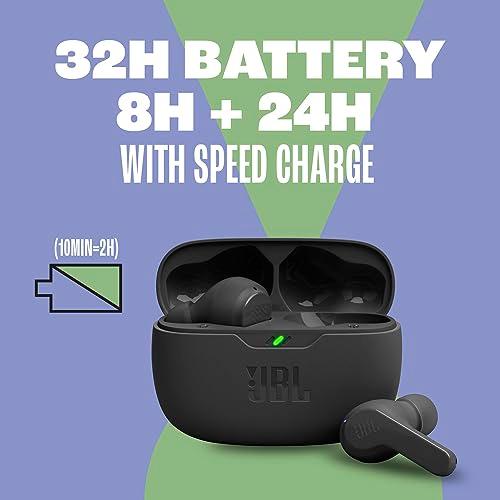
Battery performance reveals one of the starkest differences between these approaches. The JBL Vibe Beam delivers an exceptional 32 hours of total runtime—8 hours from the earbuds themselves plus 24 additional hours from the charging case. This industry-leading performance comes from efficient Bluetooth 5.2 connectivity and optimized power management in the compact 48 mAh earbud batteries.
The speed charging feature provides 2 hours of playback from just 10 minutes of charging, making these earbuds incredibly practical for busy lifestyles. If you're someone who forgets to charge devices regularly, this forgiveness factor is invaluable.
The Bose Ultra Open Earbuds offer respectable but not exceptional battery life at 27 hours total. More importantly, engaging the Immersive Audio features reduces earbud runtime to just 4.5 hours. This reflects the computational overhead required for spatial audio processing—the advanced DSP chips consume significant power to create that three-dimensional audio experience.
For most users, 4.5 hours is sufficient for daily use, but it's a consideration if you frequently take long flights or have extended listening sessions. The trade-off between advanced features and battery life is real and worth considering based on your usage patterns.
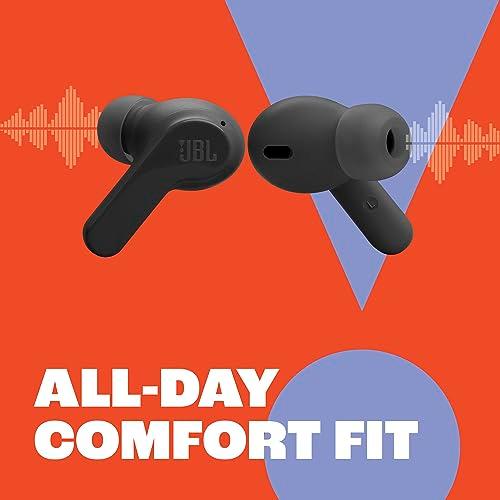
At just 4.4 grams per earbud, the JBL Vibe Beam represents the lightweight end of closed-ear designs. The ergonomic stick-closed design distributes weight well, and the inclusion of three ear tip sizes helps most users achieve a secure fit. However, the fundamental challenge remains: any earbud that seals your ear canal will create some degree of pressure and occlusion (that plugged-up feeling).
Extended wearing sessions with any closed-ear design can lead to ear fatigue, and some users simply cannot tolerate the sensation of sealed ear canals. The JBL Vibe Beam minimizes these issues through good design, but physics imposes limits.
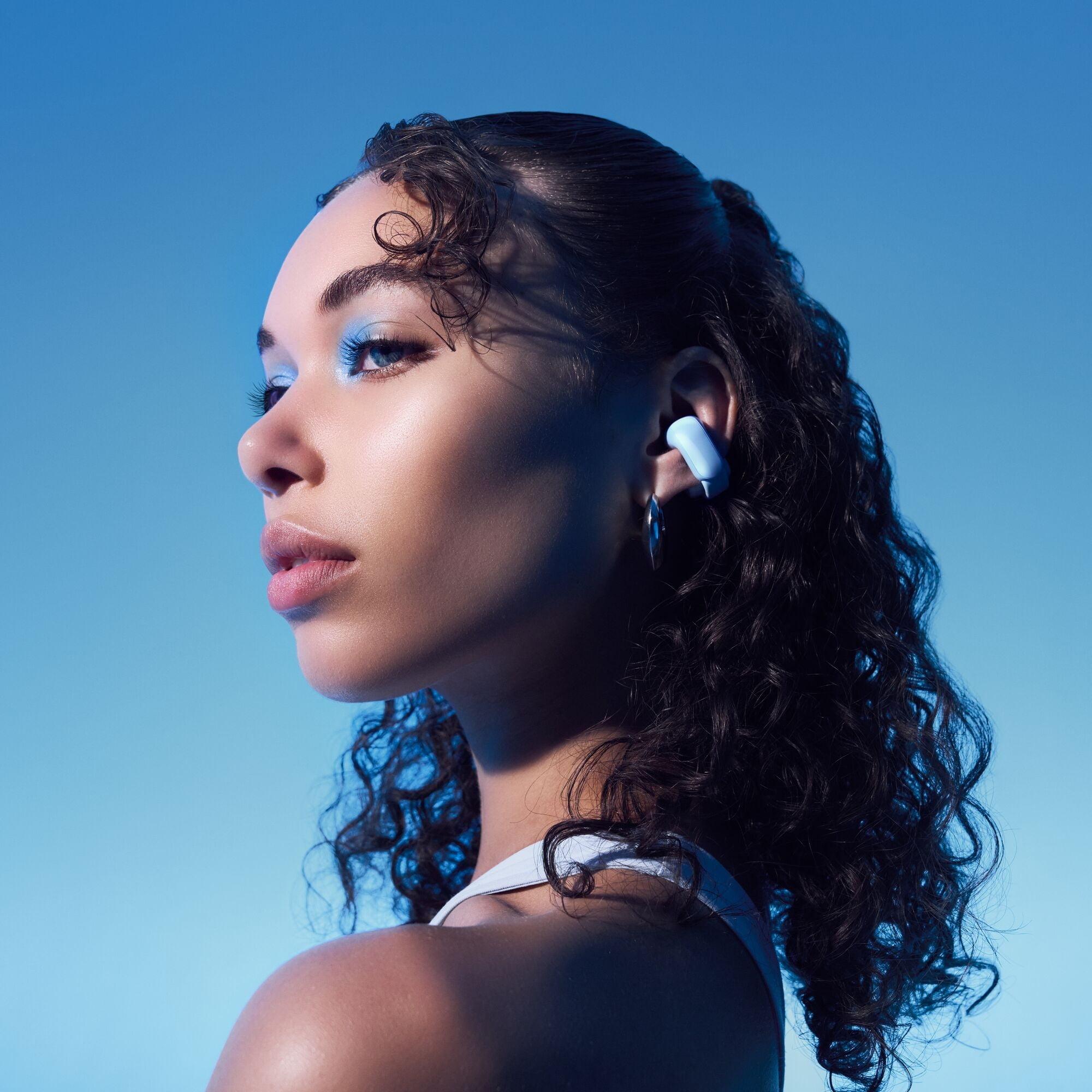
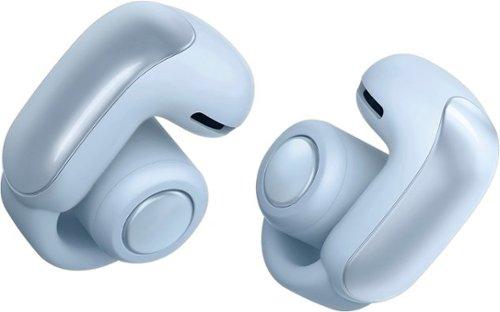
The Bose Ultra Open Earbuds solve the comfort problem through complete redesign. The cuff-shaped design, inspired by ear jewelry, uses a flexible joint and what Bose calls a "light-as-air grip" to stay secure without entering the ear canal. At 6 grams per earbud, they're slightly heavier than the JBL, but the weight distribution feels completely different.
User reports consistently highlight the ability to wear these earbuds for hours without any discomfort. There's no ear canal pressure, no occlusion effect, and no gradual buildup of discomfort that commonly occurs with traditional designs. For users who have struggled with earbud comfort, this represents a genuine solution rather than just an improvement.
Both products offer weather resistance, but with different approaches. The JBL Vibe Beam earbuds carry an IP54 rating, meaning they're protected against dust ingress and splashing water from any direction. The charging case has a lower IPX2 rating, protecting against dripping water. This makes them suitable for workouts, light rain, and dusty environments.
The Bose Ultra Open Earbuds feature IPX4 water resistance, which protects against splashing water but offers no dust protection rating. Given their open design and the exposure of more internal components, this represents reasonable but not exceptional environmental protection.
The JBL Vibe Beam uses Bluetooth 5.2, which provides stable connections, efficient power consumption, and support for multiple audio codecs including A2DP, AVRCP, and HFP profiles. The connection reliability has proven excellent in user testing, with minimal dropouts and quick pairing.
The JBL Headphones app deserves special mention for its comprehensive customization options. The parametric EQ allows detailed sound tuning, while preset modes cater to different music genres. The app also enables firmware updates and customization of the ambient sound features.
The Bose Ultra Open Earbuds utilize Bluetooth 5.3, the latest version offering improved efficiency and connection stability. They support advanced codecs including AAC, SBC, and aptX Adaptive, with the latter providing high-quality, low-latency audio streaming on compatible devices. The Bose Music app provides similar customization capabilities, including a 3-band EQ and control over the Immersive Audio features.
Both products offer voice assistant integration and customizable controls, but the Bose Ultra Open includes some unique capabilities. SimpleSync technology allows pairing with select Bose soundbars and speakers, creating a personalized TV listening experience. The Auto Volume feature automatically adjusts audio levels based on environmental noise—particularly useful given the open-ear design's constant exposure to ambient sound.
At the time of writing, these products occupy very different price segments. The JBL Vibe Beam represents exceptional value in the budget-to-mid-range category, often available significantly below its original MSRP. The feature set—comprehensive app integration, excellent battery life, solid build quality, and good audio performance—typically costs much more from other manufacturers.
The Bose Ultra Open Earbuds, released in 2024, command premium pricing that reflects their innovative technology and Bose's brand positioning. You're paying for cutting-edge OpenAudio technology, Immersive Audio processing, and the research and development that created an entirely new category of earbuds.
The value equation depends entirely on your priorities. If you want maximum features per dollar and traditional earbud functionality, the JBL offers incredible value. If comfort, environmental awareness, and innovative audio technology matter more than cost efficiency, the Bose justifies its premium pricing.
For home theater use, both products serve different purposes. The JBL Vibe Beam excels for private listening sessions where isolation is desired—late-night movie watching, gaming without disturbing others, or creating an immersive personal entertainment experience. The strong bass response enhances action movies and gaming audio.
The Bose Ultra Open Earbuds shine in social viewing situations where you want personal audio enhancement without complete disconnection from family or roommates. The SimpleSync feature with compatible Bose soundbars creates interesting possibilities for personalized volume levels while maintaining social interaction.
The Immersive Audio technology particularly benefits movie content mixed for spatial audio, creating a more engaging experience than traditional stereo earbuds. However, the reduced bass response may disappoint viewers who prioritize explosive action sequences and deep rumbling effects.
Choose the JBL Vibe Beam if you prioritize traditional audio quality, exceptional value, and versatility. These earbuds excel for music listening, commuting, travel, and any situation where sound isolation enhances the experience. The outstanding battery life and comprehensive features make them ideal for users who want premium functionality at accessible pricing.
The JBL Vibe Beam is particularly suited for bass-heavy music genres, competitive gaming, focused work sessions, and travel where noise isolation improves the experience. If you've been satisfied with traditional earbuds and want better performance at a great price, these deliver.
Choose the Bose Ultra Open Earbuds if comfort, environmental awareness, and innovative technology matter more than cost efficiency. These earbuds revolutionize the wearing experience and excel for active lifestyles, office environments, and situations where staying connected to your surroundings is important.
The Bose Ultra Open is ideal for runners, cyclists, office workers, parents who need to stay alert to children, and anyone who has struggled with traditional earbud comfort. If you're willing to pay premium prices for cutting-edge technology and a fundamentally different approach to personal audio, these represent the future of earbuds.
The choice ultimately comes down to your primary use cases, comfort preferences, and budget constraints. Both products excel in their respective approaches—the question is which philosophy better matches your lifestyle and priorities.
| JBL Vibe Beam True Wireless Earbuds | Bose Ultra Open Earbuds |
|---|---|
| Design Philosophy - Fundamentally different approaches to personal audio | |
| Closed-ear design with ear canal seal for isolation | Open-ear design that rests outside ear canal for awareness |
| Audio Quality - How they handle sound reproduction | |
| 8mm drivers with JBL Deep Bass Sound, strong low-end | OpenAudio technology with spatial processing, balanced signature |
| Environmental Awareness - Your connection to surroundings | |
| Smart Ambient modes (TalkThru/Ambient Aware) when needed | Complete openness by design, always aware of environment |
| Battery Life - Critical for daily usability | |
| Exceptional 32 hours total (8h + 24h case) | Good 27 hours total, reduced to ~23h with spatial features |
| Comfort - Long-term wearability | |
| 4.4g per earbud, traditional in-ear fit with potential pressure | 6g per earbud, revolutionary cuff design with zero ear canal pressure |
| Water Resistance - Protection for active use | |
| IP54 (dust and splash resistant) | IPX4 (splash resistant, no dust rating) |
| Advanced Features - Technology that sets them apart | |
| Customizable EQ, speed charging, ambient sound control | Immersive Audio spatial processing, Auto Volume, SimpleSync |
| Connectivity - Wireless performance and compatibility | |
| Bluetooth 5.2 with comprehensive app integration | Bluetooth 5.3 with aptX Adaptive codec support |
| Value Proposition - What you get for your money | |
| Exceptional features-per-dollar in budget segment | Premium pricing for innovative open-ear technology |
| Best Use Cases - When each excels | |
| Music listening, commuting, travel, gaming, bass-heavy content | Running, office work, safety-critical activities, all-day comfort |
The JBL Vibe Beam delivers superior traditional sound quality with stronger bass response thanks to its closed-ear design and 8mm dynamic drivers. The sealed ear canal allows for better low-frequency reproduction and overall audio isolation. The Bose Ultra Open Earbuds offer innovative spatial audio with Immersive Audio technology, creating a wider soundstage, but sacrifice some bass impact due to their open design.
JBL Vibe Beam uses a closed-ear design that seals your ear canal, blocking outside noise and delivering isolated audio. Bose Ultra Open Earbuds rest outside your ear canal, allowing complete environmental awareness while still providing private audio through directional sound technology. Open-ear designs prioritize comfort and safety, while closed designs focus on audio quality and isolation.
The JBL Vibe Beam offers exceptional battery performance with up to 32 hours total runtime (8 hours earbuds + 24 hours case). The Bose Ultra Open Earbuds provide 27 hours total, but this drops to around 23 hours when using advanced spatial audio features. For extended use and travel, the JBL Vibe Beam clearly wins on battery endurance.
The Bose Ultra Open Earbuds excel in all-day comfort with their revolutionary cuff design that never enters your ear canal, eliminating pressure and the "plugged up" feeling. The JBL Vibe Beam are lightweight at 4.4g per earbud but still create some ear canal pressure due to their closed design. For maximum comfort during extended wear, the Bose design is superior.
For outdoor activities like running and cycling, the Bose Ultra Open Earbuds are safer due to complete environmental awareness and secure cuff design. The JBL Vibe Beam offer better water protection with IP54 rating versus IPX4, making them more suitable for intense workouts and weather exposure. Choose based on whether safety awareness or weather protection is more important.
Both earbuds handle calls well, but differently. The JBL Vibe Beam features VoiceAware technology that lets you control how much of your own voice you hear during calls, plus better noise isolation for clearer conversations in noisy environments. The Bose Ultra Open Earbuds allow natural conversation flow since you can always hear your surroundings and your own voice naturally.
The JBL Vibe Beam offers exceptional value in the budget-to-mid-range segment, delivering premium features like customizable EQ, excellent battery life, and solid build quality at an accessible price point. The Bose Ultra Open Earbuds command premium pricing for their innovative open-ear technology and spatial audio features. The JBL provides better features-per-dollar value.
For private movie watching, the JBL Vibe Beam excels with strong bass for action scenes and complete isolation from distractions. The Bose Ultra Open Earbuds shine with spatial audio content and their SimpleSync feature that pairs with compatible Bose soundbars for personalized volume control. The Bose Ultra Open is better for social viewing where you need to stay connected to others.
The JBL Vibe Beam provides excellent passive noise isolation due to their closed-ear design, effectively blocking ambient noise. They also offer Smart Ambient modes when you need environmental awareness. The Bose Ultra Open Earbuds provide no noise isolation by design—they're specifically engineered to keep you aware of your surroundings at all times.
Both earbuds offer broad compatibility. The JBL Vibe Beam uses Bluetooth 5.2 and works with the comprehensive JBL Headphones app for customization. The Bose Ultra Open Earbuds feature Bluetooth 5.3 with advanced codec support including aptX Adaptive, plus the Bose Music app for controls. Both work with iOS and Android devices seamlessly.
The Bose Ultra Open Earbuds are ideal for office environments where you need to stay accessible to colleagues while enjoying personal audio. Their open design allows natural interaction and awareness of office sounds. The JBL Vibe Beam work better for focused work sessions where you want to block out distractions, using their Smart Ambient modes when interaction is needed.
Choose the JBL Vibe Beam if you prioritize traditional audio quality, exceptional value, strong bass, and versatile isolation with ambient modes. Pick the Bose Ultra Open Earbuds if comfort, environmental awareness, innovative spatial audio, and safety are more important than cost efficiency. Consider your primary use cases: the JBL Vibe Beam for immersive listening, the Bose Ultra Open for active lifestyles and all-day wear.
We've done our best to create useful and informative comparisons to help you decide what product to buy. Our research uses advanced automated methods to create this comparison and perfection is not possible - please contact us for corrections or questions. These are the sites we've researched in the creation of this article: bestbuy.com - jbl.com - rtings.com - jbl.com - youtube.com - youtube.com - audio46.com - jbl.com - soundguys.com - bestbuy.com - walmart.com - uclastore.com - bestbuy.com - manuals.plus - bose.com - youtube.com - consumerreports.org - rtings.com - head-fi.org - youtube.com - tomsguide.com - bestbuy.com - youtube.com - bose.com - cnet.com - youtube.com - soundguys.com - applevis.com - techgearlab.com - purewow.com - bose.com - bose.com - assets.bose.com - youtube.com - techradar.com - whathifi.com - bose.com - bose.com - youtube.com - bose.com

Privacy Policy
Terms and Conditions - Affiliate Policy
Home Security
© Copyright 2008-2026.
11816 Inwood Rd #1211, Dallas, TX 75244