

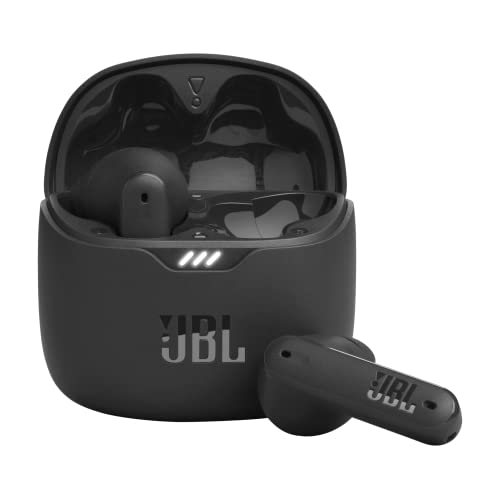
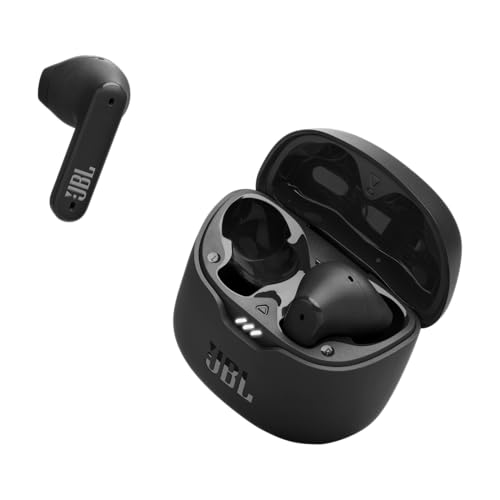
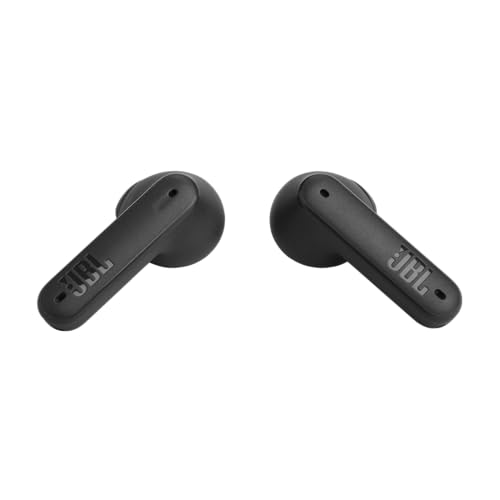
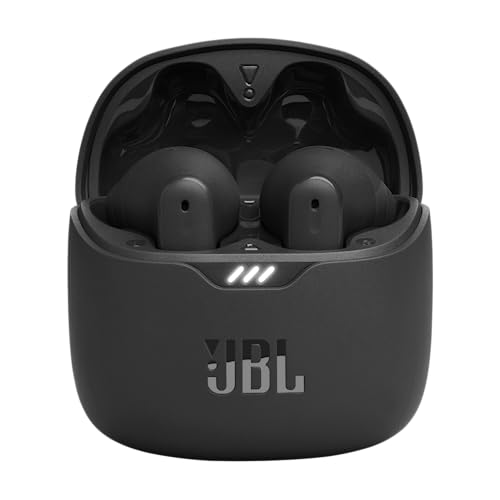
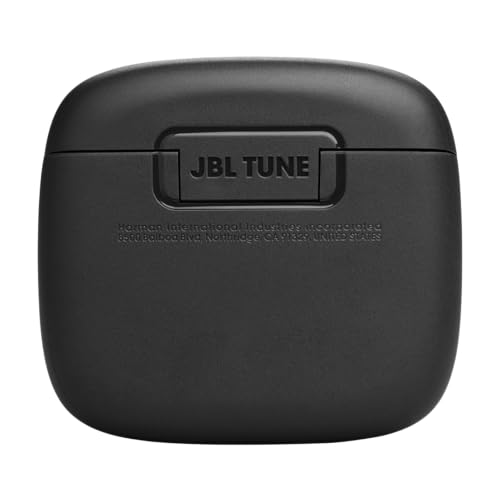
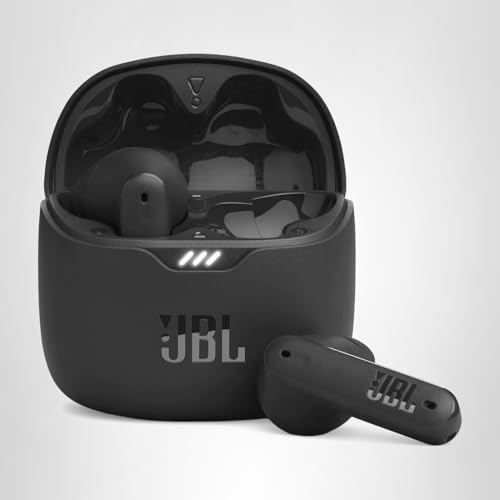
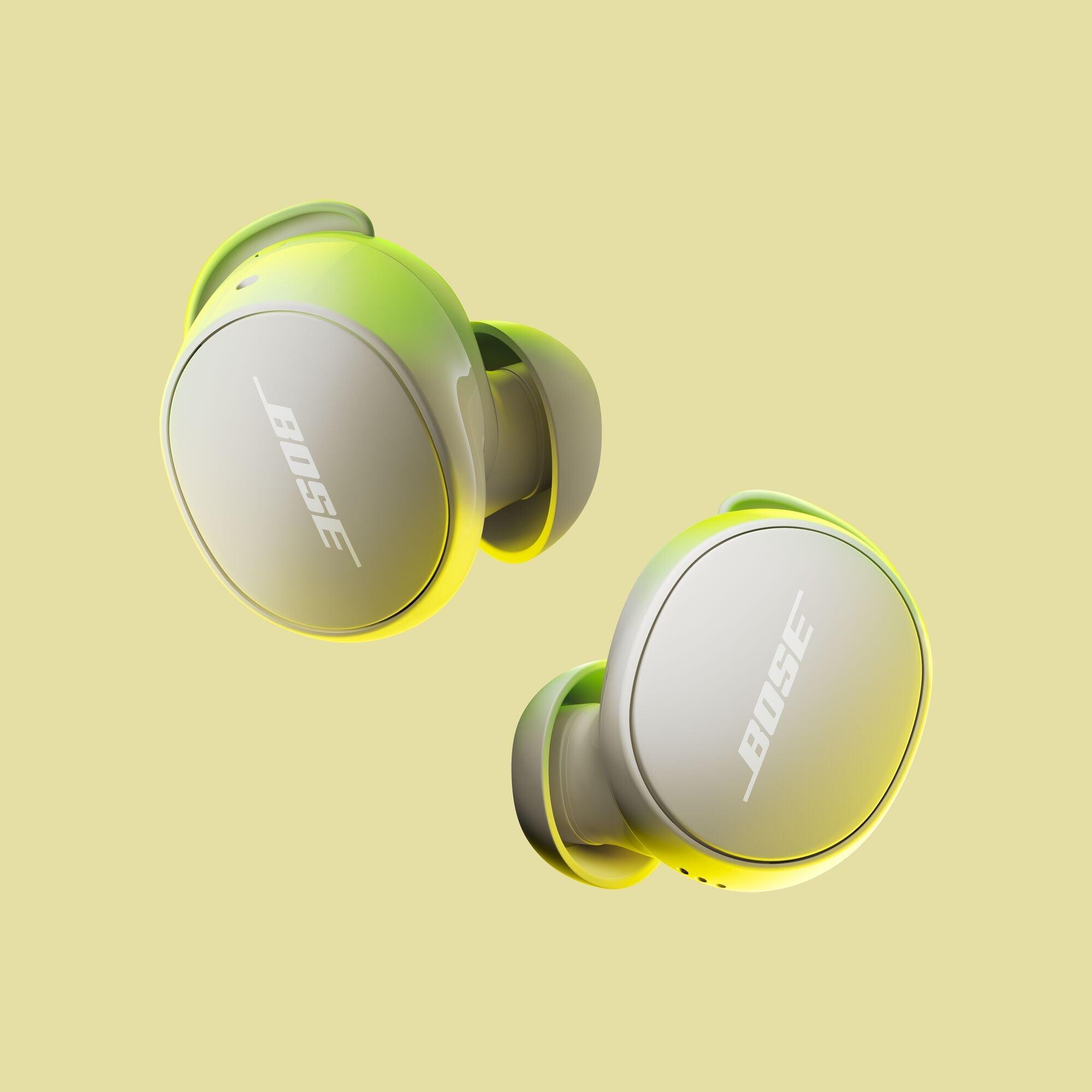
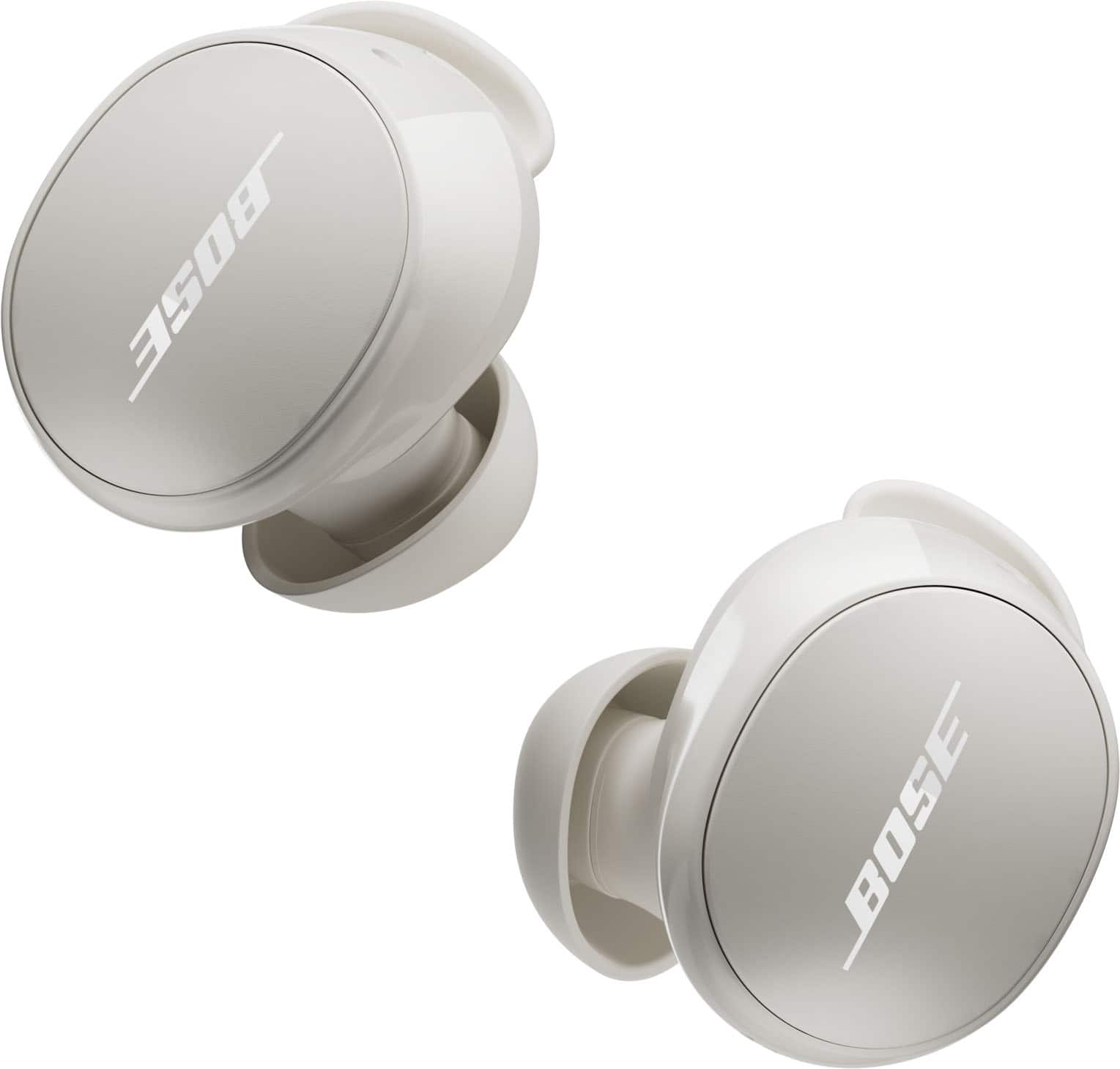
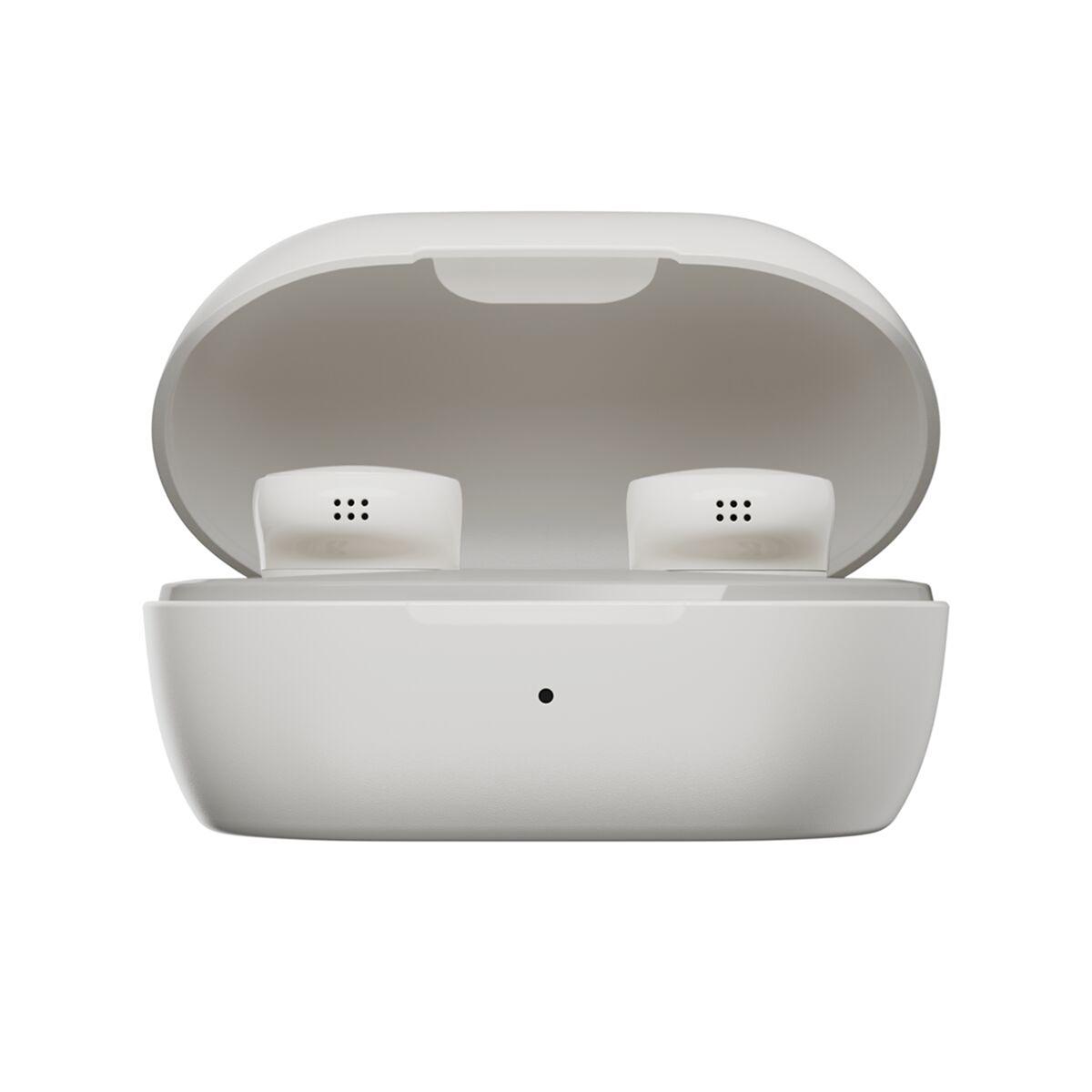

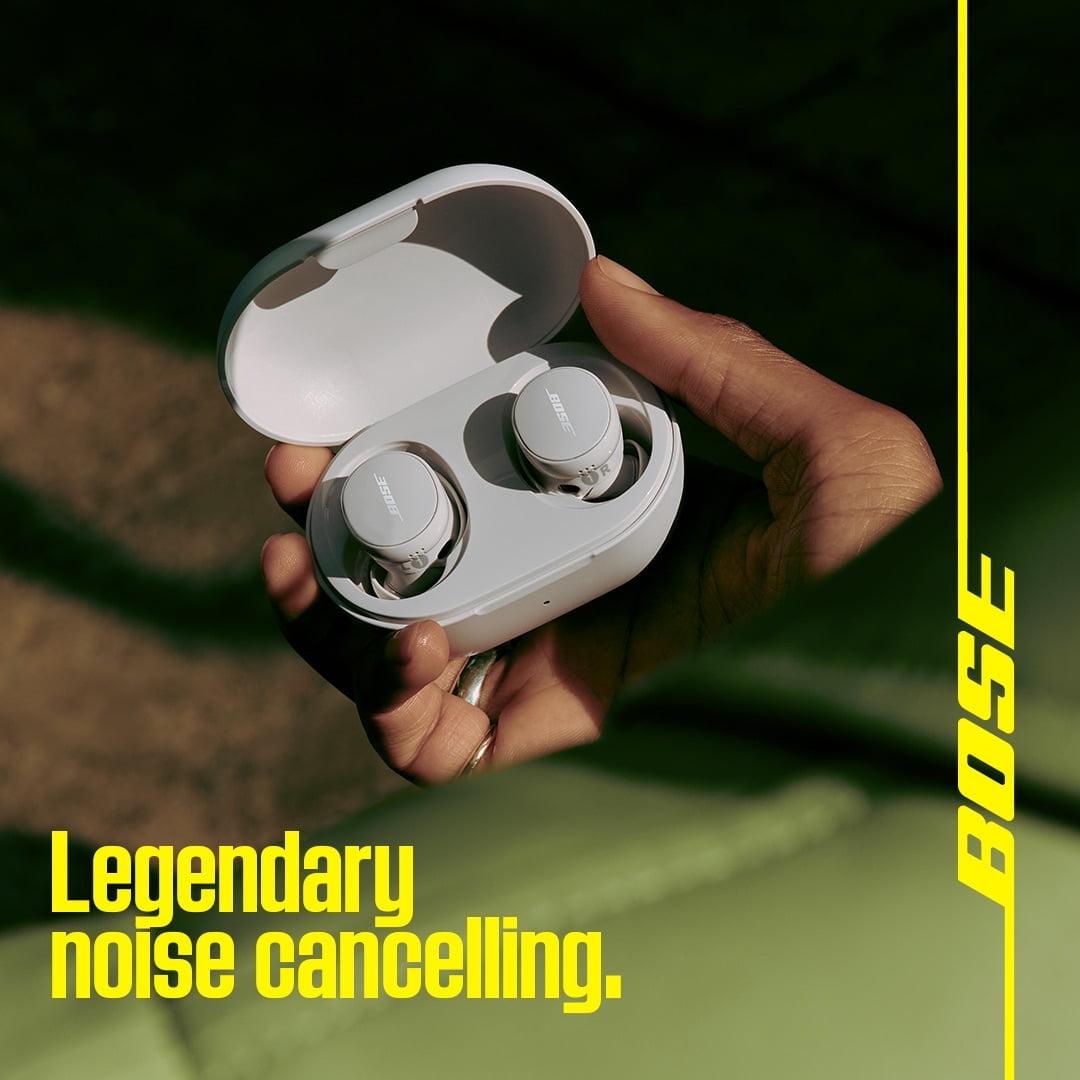
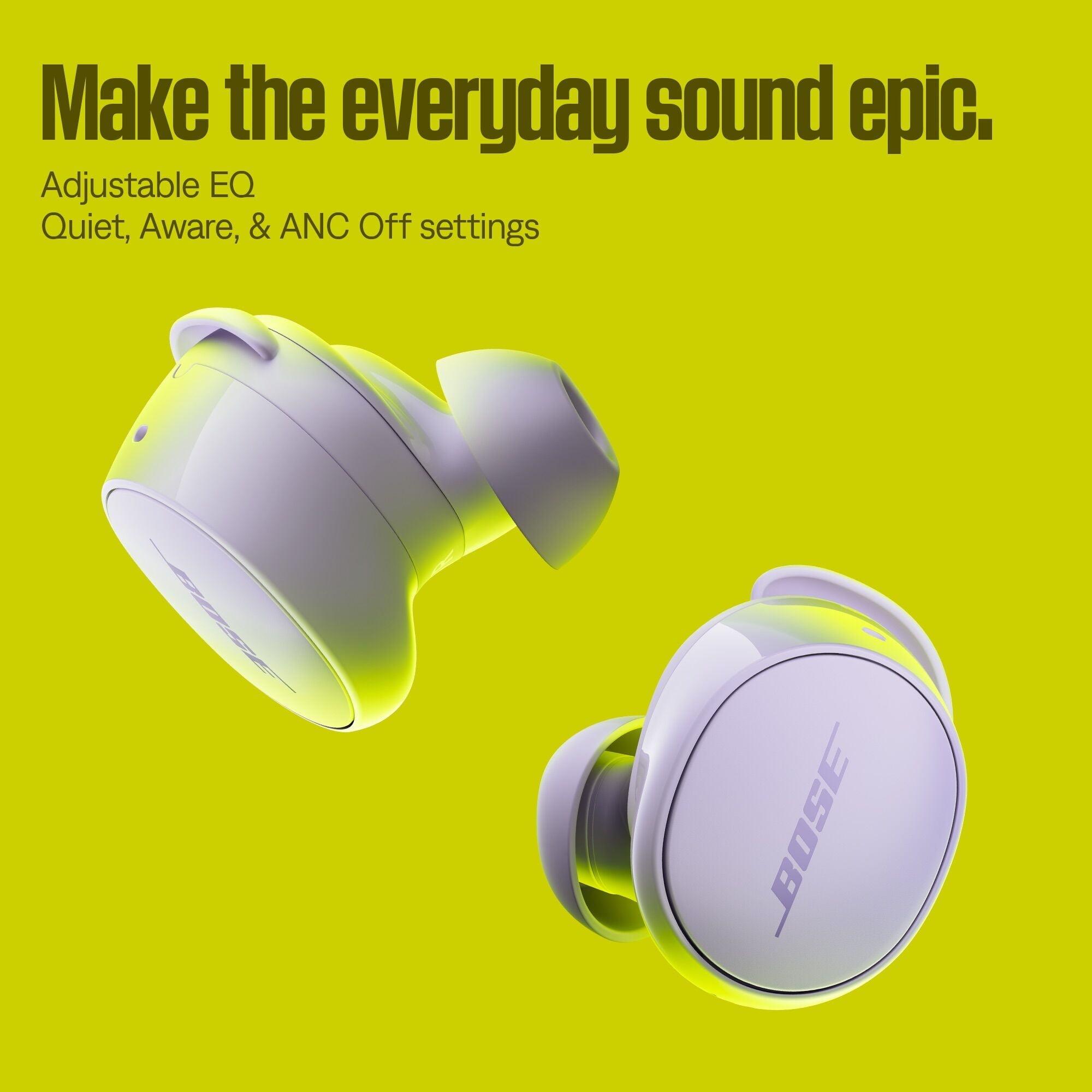
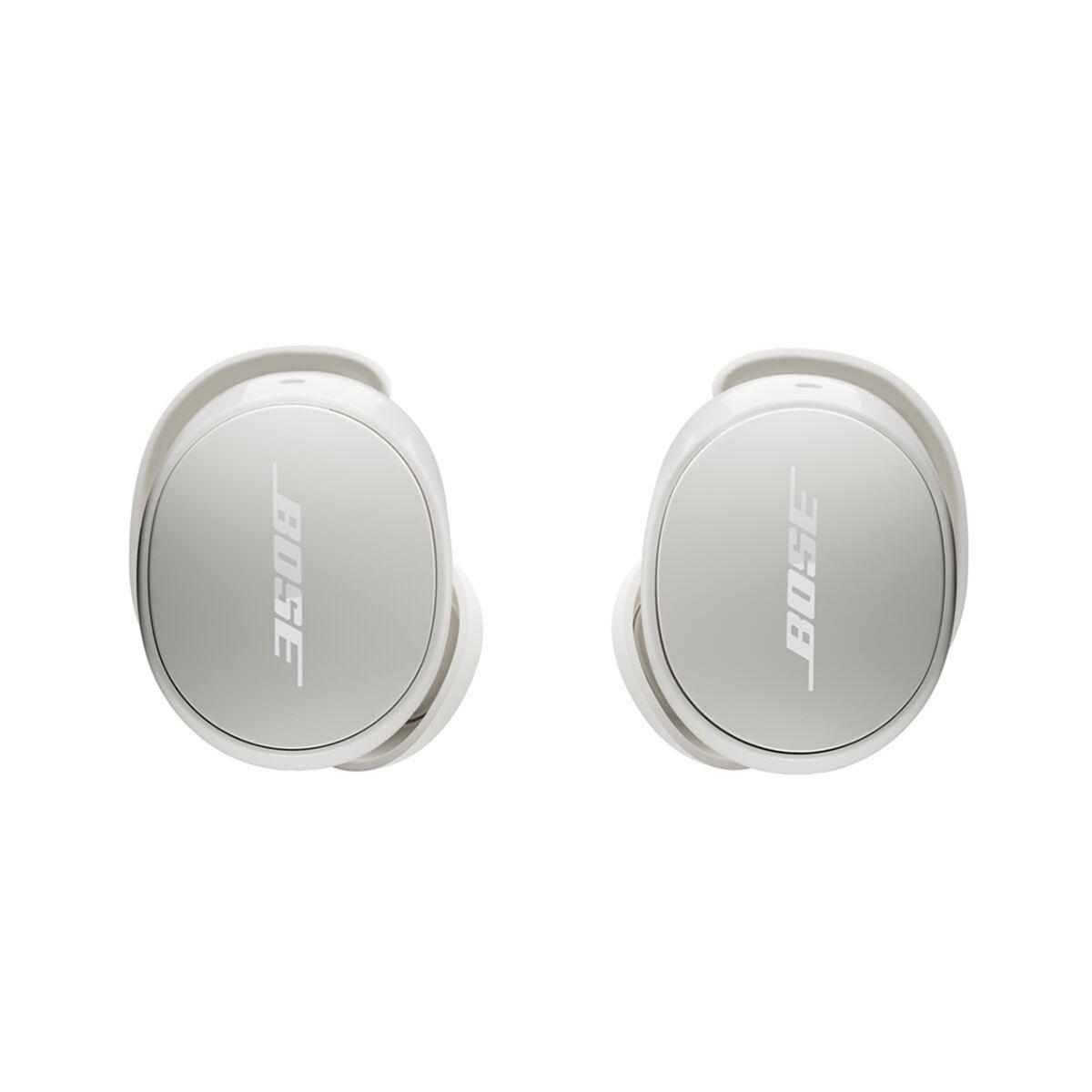
Choosing the right wireless earbuds can feel overwhelming with so many options flooding the market. Today, we're comparing two standout models that take distinctly different approaches to delivering quality audio: the JBL Tune Flex and the Bose QuietComfort Earbuds. Both launched in recent years—the JBL Tune Flex in 2023 and the Bose QuietComfort Earbuds in 2024—representing the latest thinking from two audio powerhouses.
What makes this comparison particularly interesting is how these earbuds tackle the same core challenges with completely different philosophies. The JBL Tune Flex brings innovative versatility at a budget-friendly price point, while the Bose QuietComfort Earbuds focuses on refined performance in the premium mid-range segment. Understanding which approach works better for your needs is the key to making the right choice.
Before diving into specifics, let's establish what separates good earbuds from great ones. The most critical factors include sound quality, active noise cancellation (ANC), battery life, comfort, call quality, and overall value. Sound quality depends on driver size and technology—these are the tiny speakers inside each earbud that convert electrical signals into sound waves. Larger drivers typically produce fuller, more dynamic sound.
Active noise cancellation uses built-in microphones to detect ambient noise, then generates opposite sound waves to cancel it out. Think of it like noise-canceling headphones creating a quiet bubble around your ears. The effectiveness varies dramatically between models, and it's one area where premium brands often justify higher prices.
Battery life involves two measurements: how long the earbuds play on a single charge, and total playback time when including the charging case. Most people focus on the total time since that determines how long you can go between plugging in the case.
The JBL Tune Flex introduces something genuinely innovative in the earbud space: true versatility in how you wear them. Unlike traditional earbuds that seal your ear canal, the Tune Flex can operate in two distinct modes. With the included silicone "sealing" tips, they function like conventional earbuds, creating a closed environment for better bass response and noise isolation.
But here's where it gets interesting—you can also use them with "open" tips that sit outside your ear canal, similar to Apple's original AirPods design. This open configuration lets ambient sound pass through naturally, making them safer for running outdoors or staying aware of your surroundings at work. It's essentially two different earbud designs in one package.
This flexibility addresses a real problem many people face: wanting quality audio without complete isolation from the world. Whether you're jogging through traffic, working in an office where you need to hear colleagues, or simply prefer not feeling completely cut off, the JBL Tune Flex adapts to different situations.
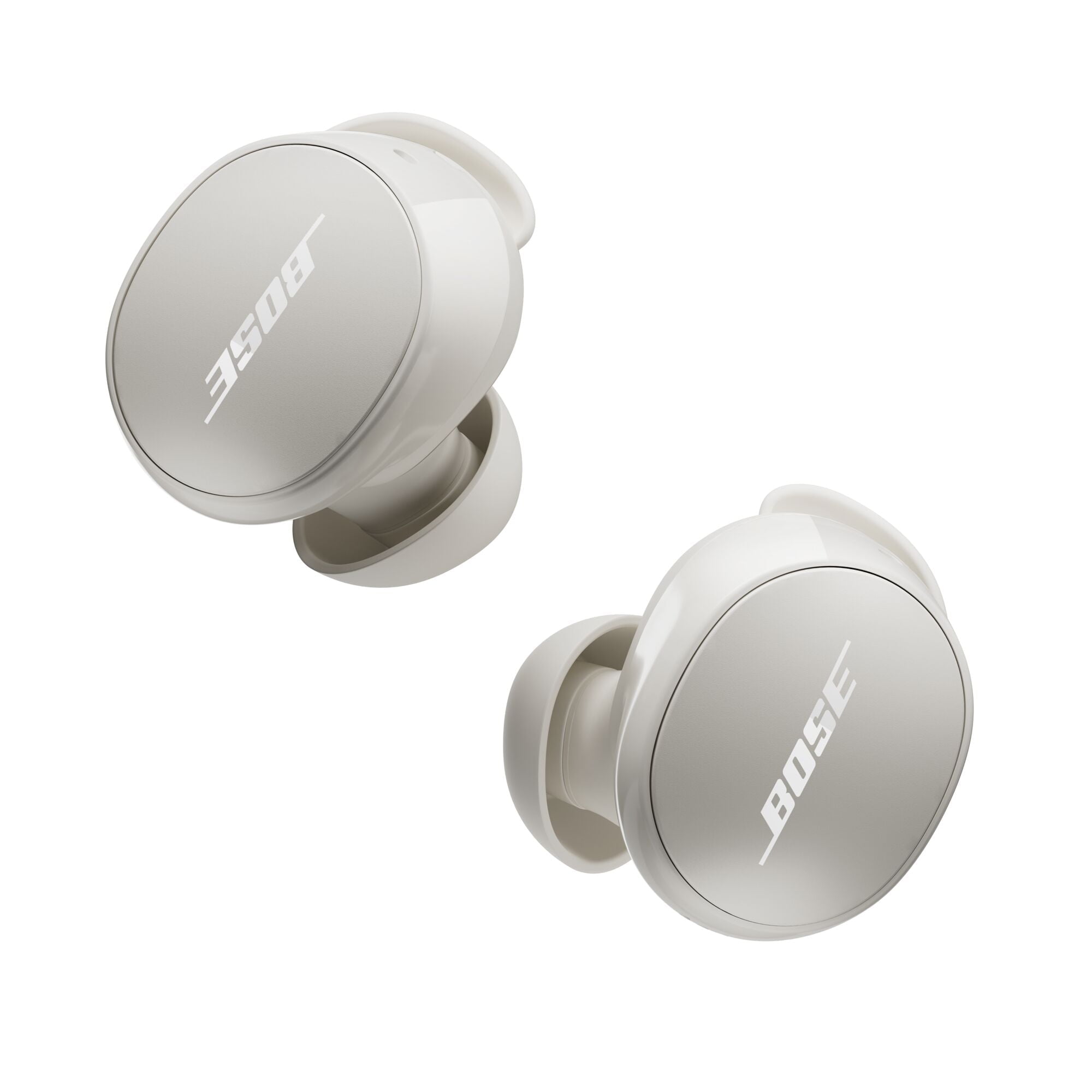
The Bose QuietComfort Earbuds take a more traditional but highly refined approach, concentrating on doing the fundamentals exceptionally well. Bose built their reputation on noise cancellation technology, and these earbuds showcase decades of acoustic engineering expertise.
The standout feature is CustomTune technology, which automatically analyzes your ear canal shape and adjusts both sound output and noise cancellation accordingly. Think of it as having a personal audio technician optimizing the earbuds specifically for your ears every time you put them on. This level of personalization was once reserved for much more expensive models.
Bose also emphasizes their advanced driver technology and signal processing. While they don't specify exact driver sizes, the audio quality reflects sophisticated engineering that creates a rich, immersive listening experience across different music genres.
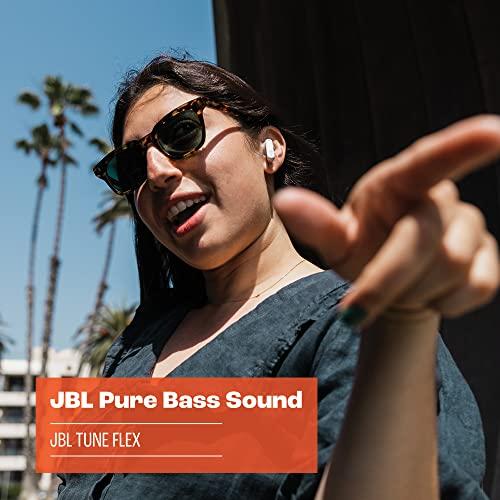
The JBL Tune Flex uses 12mm dynamic drivers—relatively large for earbuds in this price range. These drivers deliver JBL's signature "Pure Bass Sound," which emphasizes low-frequency response without overwhelming the mids and highs. The frequency response spans 20Hz to 20kHz, covering the full range of human hearing.
Based on extensive user feedback and expert reviews, the Tune Flex delivers a V-shaped sound signature. This means bass and treble are slightly emphasized while mids remain clear and natural. It's an engaging sound that makes hip-hop, electronic music, and rock feel punchy and energetic. Vocals come through clearly without the harshness that sometimes plagues budget earbuds.
The accompanying JBL Headphones app provides comprehensive EQ customization, allowing you to fine-tune the sound to your preferences. This level of control is impressive at this price point and helps the JBL Tune Flex compete with more expensive models.
The Bose QuietComfort Earbuds showcase more sophisticated audio processing, despite not revealing specific driver specifications. User reviews consistently praise their rich, full-bodied sound presentation that works well across musical genres. The sound signature leans toward a U-shaped response, enhancing both bass and treble while maintaining excellent mid-range clarity.
What sets Bose apart is the refinement and detail retrieval. Classical music reveals subtle instrumental textures that get lost on many other earbuds. Jazz recordings showcase better soundstage—the perceived spatial arrangement of instruments—creating a more immersive listening experience.
The CustomTune technology continuously optimizes audio output, meaning the sound quality adapts to factors like ear tip fit and ear canal acoustics. This results in more consistent performance across different users and listening sessions.
For home theater use, both earbuds handle movie soundtracks competently, but the Bose QuietComfort provides clearer dialogue separation and more nuanced dynamic range for action scenes. The superior noise cancellation also helps create that cinema-like isolation when watching films.
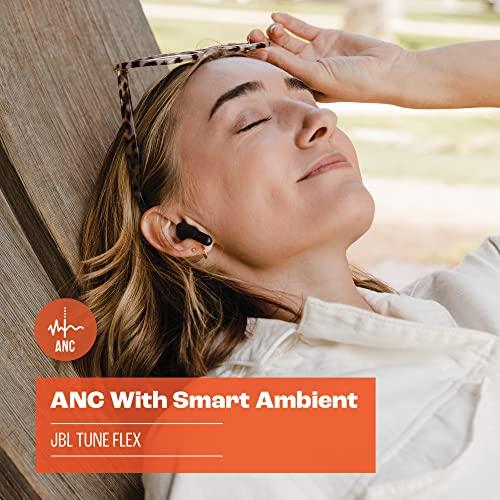
This category shows the most significant performance gap between these models. The JBL Tune Flex includes basic ANC with two microphones, which works adequately for constant background noise like air conditioning, train engines, or airplane cabin noise. However, it struggles with variable sounds—office conversations, traffic noise, or gym chatter often break through.
The Bose QuietComfort Earbuds demonstrate why Bose built their reputation on noise cancellation. User reports indicate they reduce ambient noise by over 80% across most frequency ranges. The difference is immediately noticeable in challenging environments like busy coffee shops, airports, or public transportation.
For frequent travelers or people working in noisy environments, this performance difference justifies the price premium. The Bose earbuds create that coveted "cone of silence" that lets you focus completely on your audio content or simply enjoy peace and quiet.
Both models offer ambient awareness modes—the JBL calls it "Ambient Aware" while Bose uses "Aware Mode"—but Bose's implementation feels more natural and less processed.
The JBL Tune Flex wins the endurance contest with up to 32 hours of total playback time (8 hours per charge plus 24 additional hours from the charging case with ANC disabled). With ANC enabled, you get 6 hours per charge plus 18 hours from the case. The Speed Charge feature provides 2 hours of playback from just 10 minutes of charging—great for those rushed mornings.
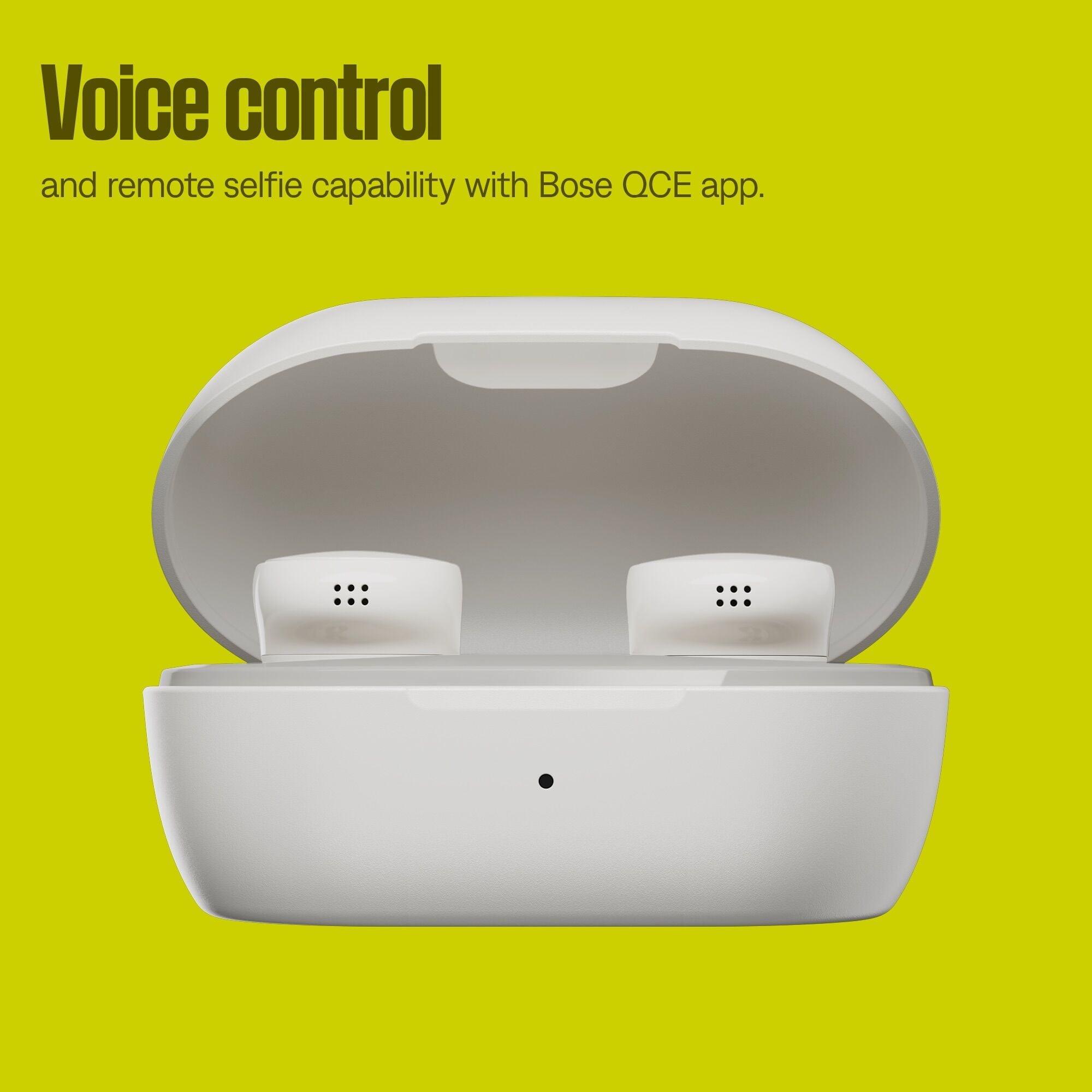
The Bose QuietComfort Earbuds offer 8.5 hours per charge with approximately 31.5 total hours when including the charging case. While slightly less total time, Bose includes wireless charging capability, eliminating the need to fumble with cables.
For most users, both provide more than adequate battery life for daily use. The JBL's longer single-charge duration makes them better for ultra-long listening sessions or extended travel days, while Bose's wireless charging offers daily convenience.
Comfort represents another area where these earbuds take different approaches. The JBL Tune Flex weighs just 4.8 grams per earbud, making them among the lightest options available. The dual-fit system means you can find a comfortable configuration whether you prefer sealed isolation or open awareness.
The multiple silicone tip sizes ensure a secure fit for most ear shapes, and the lightweight design makes them excellent for extended wear during workouts or long listening sessions. The IPX4 water resistance rating means sweat and light rain won't damage them.
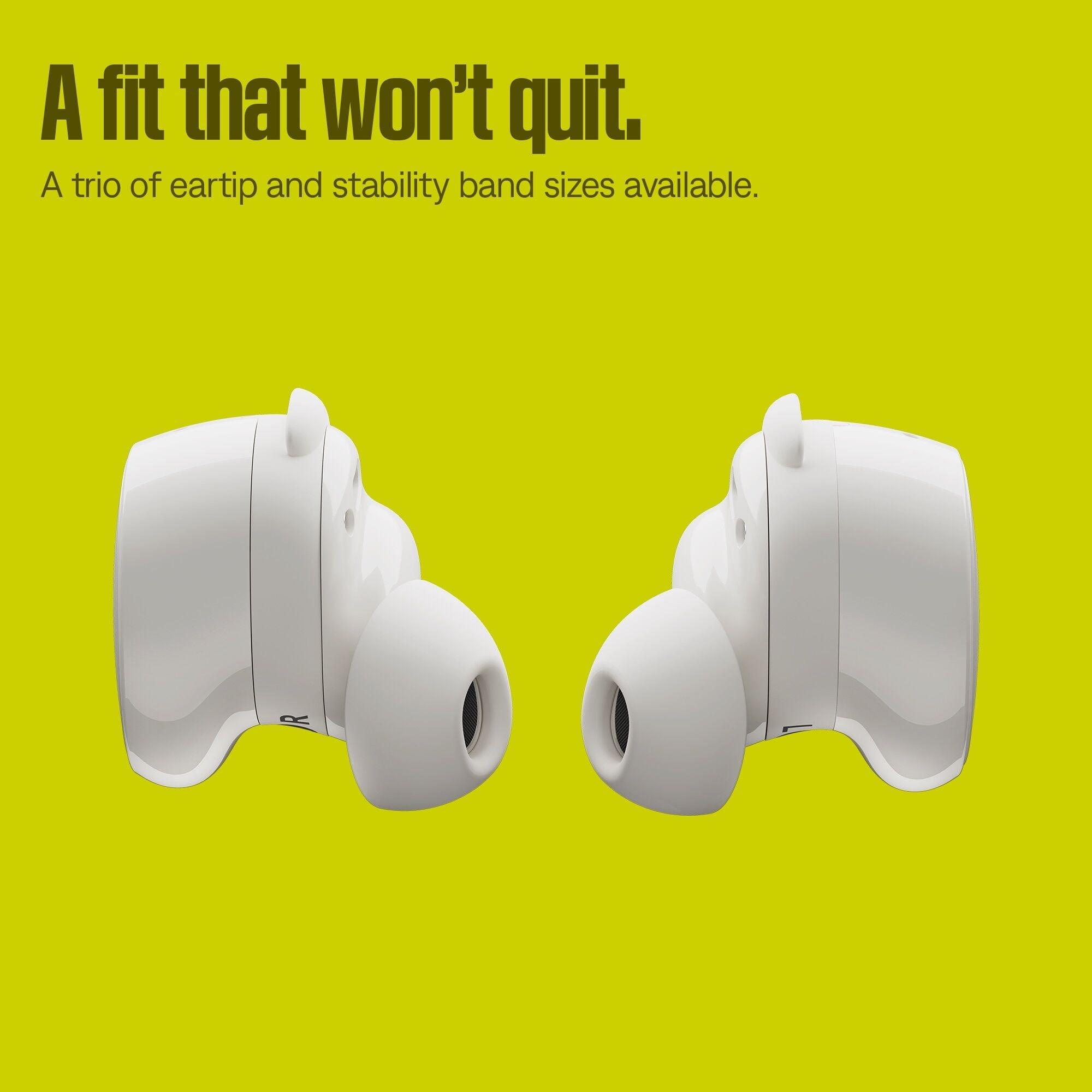
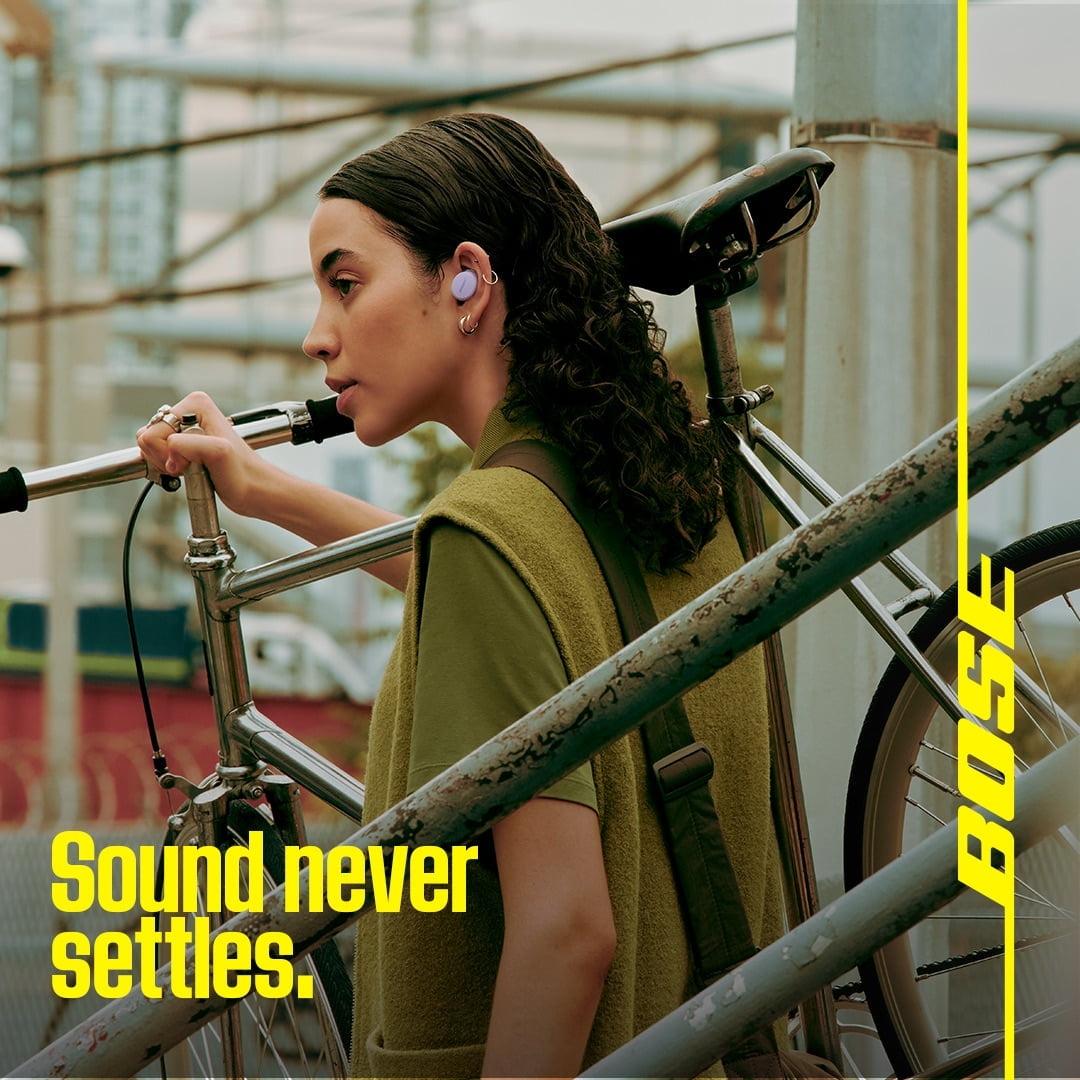
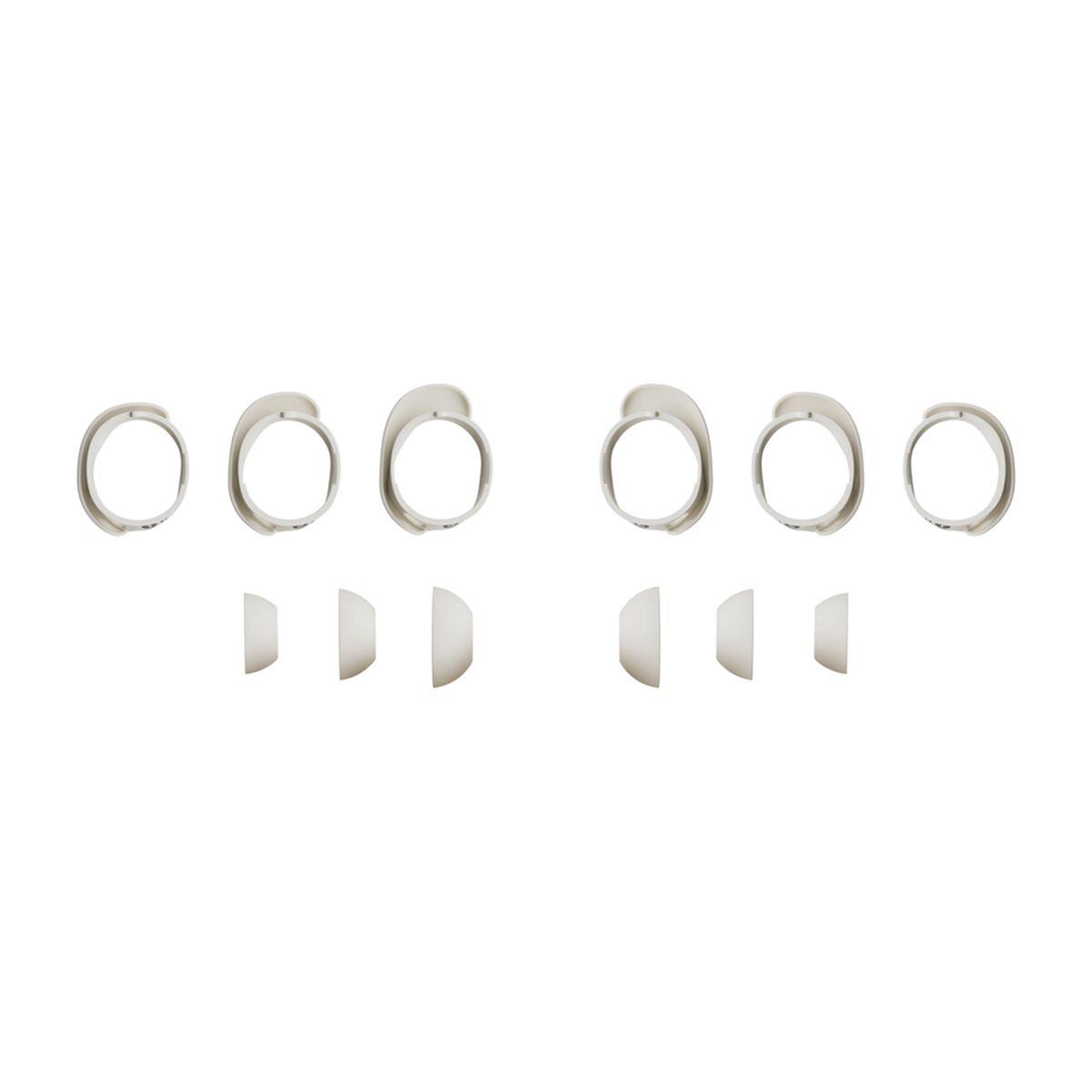
The Bose QuietComfort Earbuds include a comprehensive Fit Kit with multiple tip sizes and stability bands. While slightly bulkier, they distribute weight well and provide excellent long-term comfort. The IPX4 rating matches the JBL for weather resistance.
For sports and active use, the JBL Tune Flex has advantages due to lighter weight and the option for open-fit awareness of your surroundings—crucial for outdoor running safety.
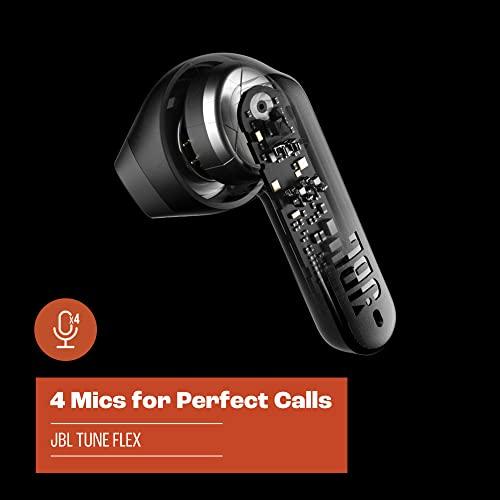
Both earbuds handle phone calls adequately, but neither excels in challenging acoustic environments. The JBL Tune Flex uses 4 microphones with VoiceAware technology, which lets you adjust how much of your own voice you hear during calls. However, voice quality can sound somewhat robotic or processed.
The Bose QuietComfort Earbuds provide cleaner call quality overall, with better wind noise reduction and more natural voice reproduction. For frequent phone users, especially those taking calls in noisy environments, the Bose offers noticeably better performance.
At the time of writing, the JBL Tune Flex costs significantly less than the Bose QuietComfort Earbuds—roughly 40-50% less depending on current promotions. This price difference raises the crucial question: what extra value does the premium buy you?
The JBL Tune Flex delivers exceptional value by including features typically found in much more expensive earbuds. The dual-fit versatility, 32-hour battery life, comprehensive app customization, and solid build quality create a compelling package for budget-conscious buyers.
The Bose QuietComfort Earbuds justify their higher price through superior active noise cancellation, more sophisticated audio processing, CustomTune personalization, and wireless charging convenience. For users who prioritize these premium features, the price difference becomes worthwhile.
Choose the JBL Tune Flex if you value versatility and want premium features without premium pricing. They're ideal for active users who need the flexibility of open-fit awareness, anyone prioritizing maximum battery life, or budget-conscious buyers who don't want to compromise on features. The dual-fit system makes them particularly appealing for people who switch between different listening environments throughout the day.
The JBL also makes sense for gym enthusiasts and outdoor runners who need situational awareness, students on tight budgets who still want quality audio, and anyone who appreciates having extensive customization options through the companion app.
Choose the Bose QuietComfort Earbuds if you prioritize audio refinement and noise cancellation performance. They're worth the premium for frequent travelers dealing with planes and trains, office workers in noisy environments, audiophiles who appreciate subtle sound details, and anyone who values brand reliability and sophisticated engineering.
The Bose makes particular sense for people working from home who need effective noise cancellation for concentration, commuters dealing with public transportation noise, and anyone who frequently watches movies or TV shows where dialogue clarity matters.
Both the JBL Tune Flex and Bose QuietComfort Earbuds represent excellent choices within their respective market segments, but they serve different priorities. The JBL brings innovation and versatility at an accessible price, while the Bose delivers refinement and performance that justifies premium pricing.
Your choice ultimately depends on whether you value the JBL's unique flexibility and exceptional value, or the Bose's superior noise cancellation and audio sophistication. Both will serve you well, but understanding these fundamental differences ensures you'll pick the earbuds that best match your listening habits and lifestyle needs.
For most people, the JBL Tune Flex provides everything they need with impressive battery life and unique versatility. However, if noise cancellation and audio quality are your top priorities, and you can justify the higher cost, the Bose QuietComfort Earbuds deliver performance that's genuinely worth the premium.
| JBL Tune Flex True Wireless Earbuds | Bose QuietComfort Wireless Earbuds |
|---|---|
| Driver Size - Larger drivers typically produce fuller, more dynamic sound | |
| 12mm dynamic drivers with JBL Pure Bass Sound | Advanced driver technology (size not specified) with CustomTune optimization |
| Active Noise Cancellation - Critical for blocking distracting ambient noise | |
| Basic ANC with 2 microphones, effective for constant noise only | Industry-leading ANC reducing ambient noise by over 80% across most frequencies |
| Battery Life (Single Charge) - How long you can listen without returning to case | |
| 8 hours (ANC off) / 6 hours (ANC on) | 8.5 hours regardless of ANC status |
| Total Battery Life - Determines how long between charging the case | |
| 32 hours (ANC off) / 24 hours (ANC on) | ~31.5 hours total with wireless charging case |
| Unique Features - Standout capabilities that differentiate these models | |
| Dual-fit system: sealing tips OR open-fit design for situational awareness | CustomTune technology automatically optimizes sound for your specific ear shape |
| Water Resistance - Protection against sweat and weather | |
| IPX4 (sweat and splash resistant) | IPX4 (sweat and splash resistant) |
| Weight - Affects comfort during extended wear and exercise | |
| 4.8g per earbud (exceptionally lightweight) | Slightly heavier but well-balanced with comprehensive fit kit |
| Microphones - Impacts call quality and ANC performance | |
| 4 microphones with VoiceAware technology | Advanced microphone array with superior wind noise reduction |
| App Features - Customization and control options | |
| JBL Headphones App with 5-band EQ and extensive customization | Bose QCE App with 5-band EQ and device management |
| Charging Method - Convenience factor for daily use | |
| USB-C wired charging with 10-minute Speed Charge | USB-C wired + wireless charging case |
| Best Use Cases - Who should choose each model | |
| Active users, budget-conscious buyers, those wanting versatility | Frequent travelers, noise-sensitive environments, audio quality priority |
The Bose QuietComfort Wireless Earbuds deliver superior overall sound quality with more refined audio processing and better detail retrieval across all music genres. The JBL Tune Flex offers excellent sound for the price with 12mm drivers and JBL's signature bass, but the Bose provides more sophisticated sound engineering and CustomTune technology that optimizes audio for your specific ears.
The Bose QuietComfort Wireless Earbuds significantly outperform the JBL Tune Flex in active noise cancellation, reducing ambient noise by over 80% compared to JBL's basic ANC that only handles constant background noise effectively. If noise cancellation is a priority, the Bose QuietComfort is the clear winner.
The Bose QuietComfort Wireless Earbuds provide 8.5 hours of playback per charge, while the JBL Tune Flex offers 8 hours with ANC off or 6 hours with ANC on. For single-charge longevity, Bose has a slight edge, though the difference is minimal for most users.
The JBL Tune Flex wins with 32 hours total battery life (ANC off) compared to the Bose QuietComfort at approximately 31.5 hours. However, the Bose includes wireless charging convenience, while the JBL Tune Flex requires cable charging but offers faster 10-minute Speed Charge capability.
Both offer good comfort, but the JBL Tune Flex has advantages with lighter weight (4.8g per earbud) and unique dual-fit options that let you choose between sealed or open-fit designs. The Bose QuietComfort provides excellent comfort with a comprehensive fit kit but is slightly bulkier than the JBL.
Yes, the JBL Tune Flex excels for workouts with IPX4 sweat resistance, lightweight design, and the option to use open-fit tips for situational awareness during outdoor activities. While the Bose QuietComfort is also sweat-resistant, the JBL Tune Flex is better suited for active use.
The Bose QuietComfort Wireless Earbuds provide superior call quality with cleaner voice reproduction and better wind noise reduction. The JBL Tune Flex offers adequate call quality with 4 microphones and VoiceAware technology, but voice quality can sound processed compared to the more natural Bose performance.
Both handle video content well, but the Bose QuietComfort Wireless Earbuds excel for home entertainment with clearer dialogue separation, better dynamic range, and superior noise cancellation for immersive viewing. The JBL Tune Flex works fine for casual viewing but doesn't match the Bose for cinematic experiences.
The JBL Tune Flex provides exceptional value, offering premium features like dual-fit versatility, long battery life, and comprehensive app customization at a significantly lower price point. The Bose QuietComfort justifies its higher cost with superior noise cancellation and audio quality, making it better value for users prioritizing these premium features.
The Bose QuietComfort Wireless Earbuds support multipoint connectivity, allowing seamless switching between paired devices. The JBL Tune Flex uses standard Bluetooth 5.2/5.3 connectivity but lacks true multipoint functionality, requiring manual switching between devices.
Both the JBL Tune Flex and Bose QuietComfort Wireless Earbuds feature IPX4 water resistance, protecting against sweat and light rain. Build quality is solid on both models, though the JBL may have slight advantages for active use due to its lighter construction and dual-fit flexibility.
Choose the JBL Tune Flex if you want versatile, budget-friendly earbuds with unique dual-fit options, excellent battery life, and great value. Choose the Bose QuietComfort Wireless Earbuds if you prioritize superior noise cancellation, refined audio quality, and don't mind paying more for premium performance. The JBL suits active users and budget-conscious buyers, while the Bose is ideal for frequent travelers and audio enthusiasts.
We've done our best to create useful and informative comparisons to help you decide what product to buy. Our research uses advanced automated methods to create this comparison and perfection is not possible - please contact us for corrections or questions. These are the sites we've researched in the creation of this article: rtings.com - hometechnologyreview.com - youtube.com - bestbuy.com - soundguys.com - bestbuy.com - crutchfield.com - bgr.com - robbsutton.com - majorhifi.com - versus.com - crutchfield.com - youtube.com - versus.com - jbl.com - global.jbl.com - pcrichard.com - musicarts.com - scribd.com - global.jbl.com - robot-advance.com - gzhls.at - bestbuy.com - att.com - ro.harmanaudio.com - whathifi.com - soundguys.com - bestbuy.com - bose.com - cnet.com - businessinsider.com - bestbuy.com - global.bose.com - cdw.com - bhphotovideo.com - soundguys.com - connection.com - homesolutionsmn.com - govconnection.com - abt.com - eetgroup.com - beachaudio.com - bose.com - coursehero.com - boseapac.com - coursehero.com - bose.com - youtube.com - brandsmartusa.com - bose.com - bose.com - adorama.com - sears.com

Privacy Policy
Terms and Conditions - Affiliate Policy
Home Security
© Copyright 2008-2026.
11816 Inwood Rd #1211, Dallas, TX 75244