

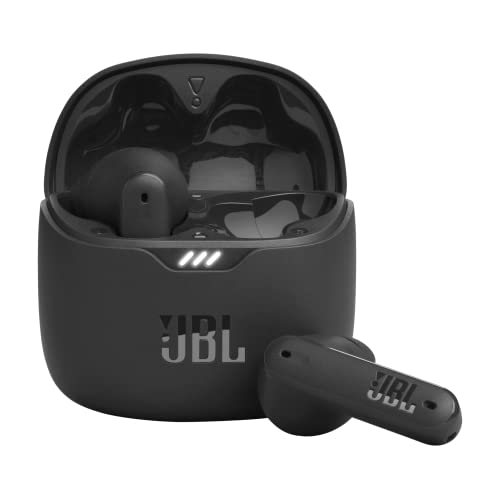


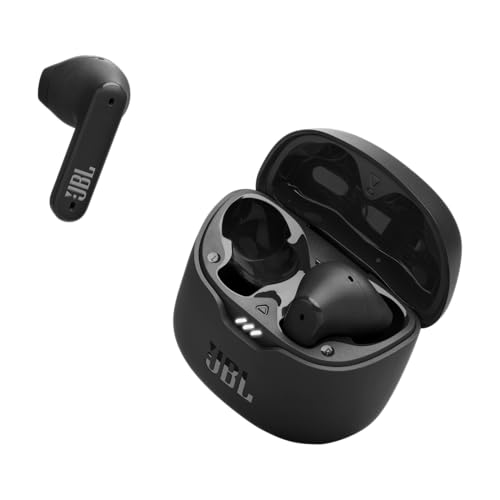
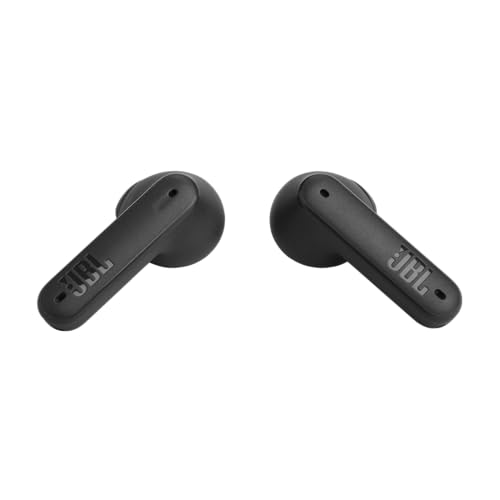
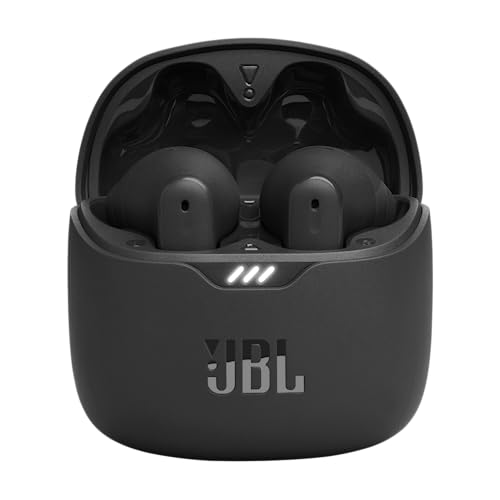
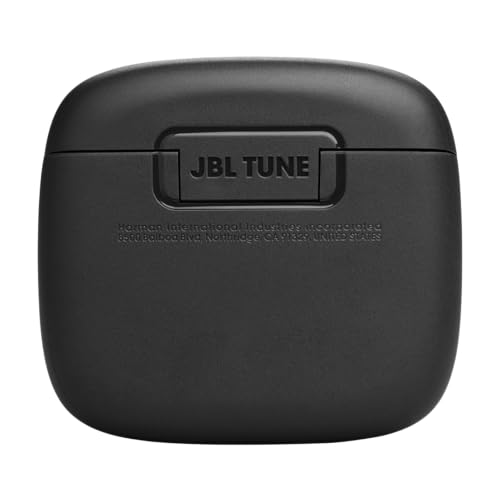
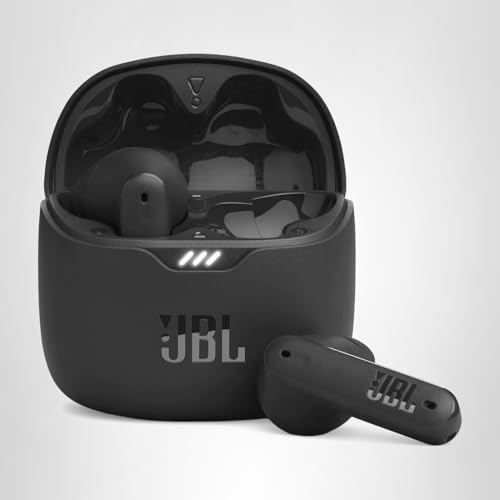


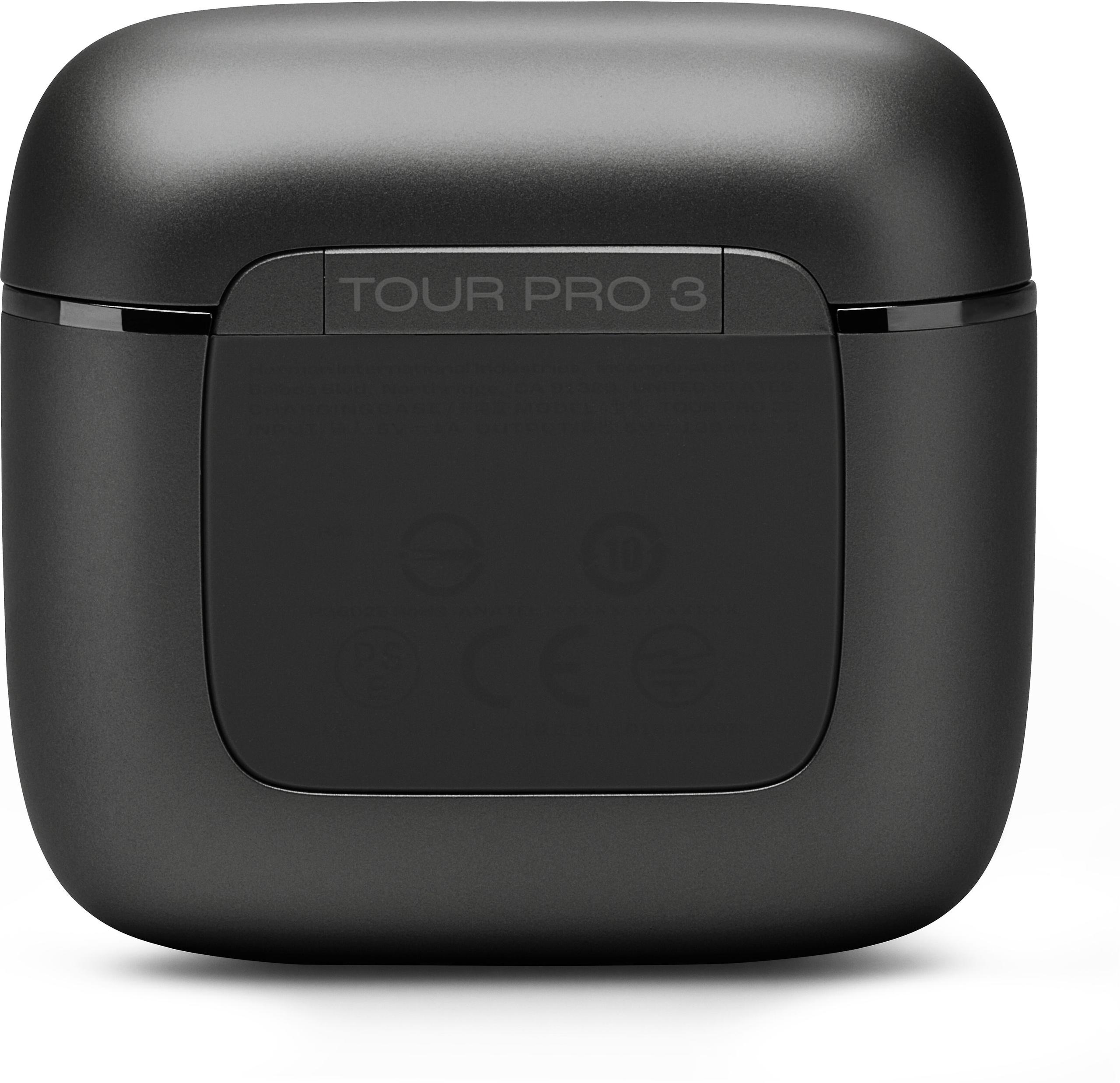
Choosing the right pair of true wireless earbuds can feel overwhelming, especially when you're comparing two products from the same brand that seem to do similar things. The JBL Tune Flex and JBL Tour Pro 3 both promise excellent wireless audio, but they target completely different users and price points. At the time of writing, the Tune Flex sits in budget-friendly territory while the Tour Pro 3 commands a premium price that's roughly five times higher.
This massive price difference isn't arbitrary—it reflects fundamentally different approaches to wireless audio technology. Understanding these differences will help you make the right choice for your needs and budget.
Before diving into specific comparisons, it's worth understanding what separates good earbuds from great ones. The most important factors are audio quality, active noise cancellation effectiveness, battery life, comfort during extended use, and the smart features that enhance your daily experience.
Audio quality depends heavily on driver technology—essentially the tiny speakers inside each earbud. Think of drivers like the engine in a car: you can have a single, well-tuned engine that handles everything adequately, or you can have specialized components that each excel at specific tasks.
Active noise cancellation (ANC) uses microphones to detect outside noise and creates opposite sound waves to cancel it out. It's like having a conversation in a noisy restaurant—better ANC systems are like having a friend who's really good at reading lips and filling in the gaps when you can't hear properly.
Battery life matters because nobody wants their music cutting out mid-song, and smart features can transform earbuds from simple audio devices into sophisticated tools that integrate seamlessly with your digital life.
The JBL Tune Flex, released in 2023, represents JBL's approach to democratizing wireless audio. The goal was to pack essential features into an affordable package without major compromises. Meanwhile, the JBL Tour Pro 3, launched later in 2023, showcases JBL's vision for the future of premium audio technology.
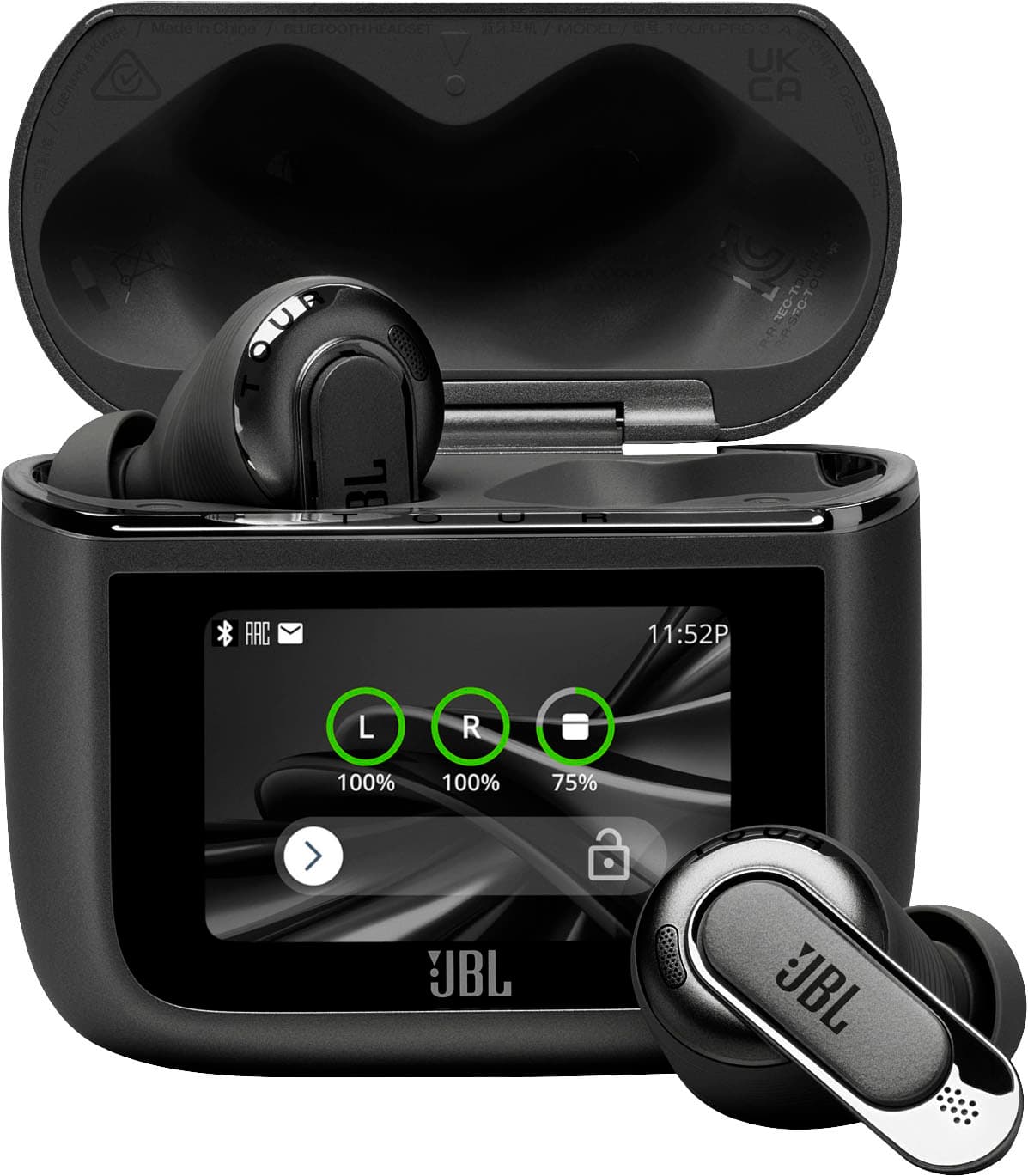
These different philosophies become apparent the moment you unbox each product. The Tune Flex focuses on simplicity and reliability, while the Tour Pro 3 immediately impresses with its smart charging case featuring a built-in touchscreen—something that would have seemed like science fiction just a few years ago.
Here's where things get technically interesting. The JBL Tune Flex uses a single 12mm dynamic driver in each earbud. Dynamic drivers work like tiny versions of regular speakers, with a cone that moves back and forth to create sound waves. A 12mm driver is actually quite large for earbuds, which helps explain why the Tune Flex delivers surprisingly punchy bass for its price point.
The JBL Tour Pro 3, however, takes a completely different approach with its hybrid dual-driver system. Each earbud contains both a 10mm dynamic driver and a much smaller balanced armature driver. Balanced armature drivers work differently—they use a tiny armature (think of it as a lever) that vibrates to create sound. They're incredibly precise and excel at reproducing high frequencies with crystal clarity.
This dual-driver setup means the Tour Pro 3 can assign different frequency ranges to each driver type. The dynamic driver handles bass and midrange frequencies, while the balanced armature focuses on treble. It's like having a bass guitarist and a lead guitarist instead of trying to make one person play both parts.
In practice, this translates to noticeably more detailed sound reproduction. When listening to complex music with multiple instruments, the Tour Pro 3 reveals layers and nuances that the Tune Flex simply can't separate. However, the Tune Flex still delivers enjoyable, well-balanced sound that satisfies most casual listeners.
The Tour Pro 3 extends its frequency response up to 40 kHz, compared to the Tune Flex's 20 kHz range. Most humans can only hear up to about 20 kHz (and that decreases with age), so why does this matter? Hi-res audio files contain information beyond human hearing that can still affect the overall sound quality through harmonic interactions—think of it like having a higher resolution photo that looks better even when scaled down.
The Tour Pro 3 also supports LDAC, a high-quality Bluetooth codec that transmits three times more data than standard Bluetooth. This is particularly noticeable when streaming high-quality music files, where you'll hear better dynamic range and less compression artifacts.
Perhaps the most significant difference is the Tour Pro 3's JBL Spatial 360 technology with head tracking. This feature transforms regular stereo audio into an immersive, three-dimensional soundscape. Using built-in sensors, the earbuds track your head movements and adjust the audio accordingly, creating the illusion that sounds are coming from fixed positions in space around you.
For home theater use, this technology is genuinely transformative. When watching movies or playing games, sounds appear to come from outside your head rather than from inside it, creating a much more natural and engaging experience. The Tune Flex lacks this capability entirely, relying on traditional stereo imaging.
Active noise cancellation represents another significant performance gap between these models. The JBL Tune Flex employs basic ANC with two microphones per earbud. It's effective against consistent, low-frequency noise like air conditioning hum or the rumble of a train, but struggles with irregular sounds like conversations or traffic.
The Tour Pro 3 takes ANC seriously with its True Adaptive Noise Cancellation 2.0 system. Using six microphones total, it continuously monitors your environment and adjusts cancellation in real-time—measuring ambient noise over 50,000 times per second. This sophisticated approach handles complex noise environments much better, making it genuinely useful in busy offices, on airplanes, or in urban environments.
During our research into user experiences, the difference becomes clear in challenging situations. Tune Flex users report adequate noise reduction for light commuting or working from home, but find it insufficient for air travel or very noisy environments. Tour Pro 3 users consistently praise its effectiveness across diverse scenarios, though a few note that the most aggressive cancellation settings can create slight pressure sensations during extended use.
Both earbuds offer impressive battery performance, but the Tour Pro 3 pulls ahead with 11 hours of playback per charge (ANC off) versus the Tune Flex's 8 hours. More importantly, the Tour Pro 3's case provides 33 additional hours compared to the Tune Flex's 24 hours, resulting in 44 vs 32 hours total listening time.
The Tour Pro 3 also supports wireless charging, eliminating the need to fumble with cables when your case battery runs low. Both models offer quick charging capabilities, but the Tour Pro 3's 10-minute charge provides three hours of listening time compared to the Tune Flex's two hours.
For most users, both offer more than adequate battery life for daily use. However, frequent travelers or heavy users will appreciate the Tour Pro 3's extended runtime and charging convenience.
The JBL Tune Flex includes the standard JBL Headphones app with graphic EQ, device location features, and basic customization options. Users particularly appreciate the EQ capabilities, which can significantly enhance the sound signature beyond the default tuning.
The Tour Pro 3 revolutionizes the earbud experience with its smart charging case. The built-in touchscreen display lets you control playbook, adjust settings, check battery levels, and even view caller ID without touching your phone. More impressively, the case doubles as a wireless audio transmitter, letting you connect to airplane entertainment systems, PCs, or other audio sources that lack Bluetooth capability.
This transmitter feature addresses a real pain point for travelers. Instead of being stuck with terrible airline headphones or dealing with wired connections, you can wirelessly connect your premium earbuds to any audio source. It's genuinely innovative functionality that adds practical value beyond the initial novelty.
The case also supports Auracast technology, which allows you to share audio content with other compatible devices—imagine sharing your music or podcast with friends by simply tapping a button on your case.
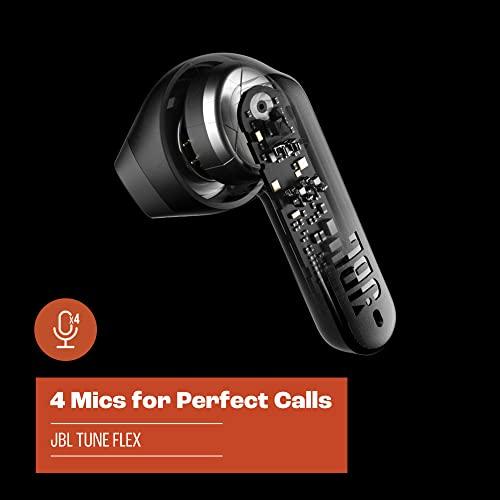
The JBL Tune Flex provides adequate call quality through its four-microphone system. Voices come through clearly in quiet environments, though background noise can occasionally interfere with clarity. The system includes basic wind reduction, making it suitable for casual phone calls while walking outdoors.
The Tour Pro 3 elevates call quality significantly with its six-microphone array and advanced AI processing. The hydrodynamic windproof design effectively minimizes wind noise, while smart call equalization automatically adjusts for different speaking volumes—amplifying quiet talkers and reducing the volume of loud ones.
Professional users who frequently take calls while traveling or in noisy environments will notice the substantial improvement in call clarity and background noise suppression.
Comfort is highly individual, but each model takes a distinct approach. The JBL Tune Flex weighs just 4.8 grams per earbud and includes both sealing and open ear tip options. The open tips are particularly innovative, allowing ambient sound awareness while maintaining wireless audio—perfect for situations where you need to stay alert to your surroundings.
The Tour Pro 3 is slightly heavier at 5.6 grams per earbud but offers a more secure fit that stays in place during physical activity. The trade-off is potential fatigue during very extended listening sessions, though most users find the fit comfortable for typical daily use.
Water resistance differs slightly, with the Tune Flex offering IPX4 (splash resistant) protection versus the Tour Pro 3's IPX5 rating (stronger water protection). Both handle sweat and light rain without issues, but the Tour Pro 3 provides better peace of mind for intense workouts.
For home theater use, the Tour Pro 3 delivers a significantly superior experience. The spatial audio processing creates genuine surround sound effects that transform movie watching and gaming. Dialogue remains clear and centered, while sound effects and music appear to come from appropriate directions around you.
The head tracking feature maintains audio positioning even when you move your head, creating a more natural viewing experience. Action sequences become more immersive, and subtle audio details that enhance storytelling become more apparent.
The Tune Flex provides perfectly adequate audio for casual TV watching, with clear dialogue and decent bass response. However, it lacks the spatial processing that makes the Tour Pro 3 genuinely compelling for serious home entertainment use.
At the time of writing, the price difference between these models represents a significant decision point. The JBL Tune Flex offers exceptional value in the budget category, delivering features that were considered premium just a few years ago. For casual users who primarily listen to music, podcasts, and take occasional calls, it provides all the essential functionality without premium pricing.
The Tour Pro 3 commands a premium price that reflects its advanced technology and innovative features. The dual-driver system, sophisticated ANC, smart case functionality, and spatial audio processing justify the investment for users who prioritize audio quality and cutting-edge features.
Consider the price difference as an investment in daily experience quality. If you use earbuds extensively for work calls, travel frequently, or are passionate about audio quality, the Tour Pro 3's advantages compound over time. For occasional use or budget-conscious buyers, the Tune Flex delivers solid performance without the premium cost.
Both earbuds succeed in their respective categories, but they serve different users with different priorities. The JBL Tune Flex democratizes wireless audio technology, offering features that enhance daily life without financial strain. The JBL Tour Pro 3 pushes the boundaries of what's possible in personal audio, delivering innovations that genuinely improve the listening experience.
Your choice should align with your usage patterns, budget, and feature priorities. Don't assume that more expensive is automatically better for your specific needs—the Tune Flex might be the perfect solution if you value simplicity and excellent value. However, if you're passionate about audio quality or rely heavily on earbuds throughout your day, the Tour Pro 3's advanced capabilities justify the premium investment.
The rapid evolution of true wireless technology means both models represent significant improvements over earbuds from just a few years ago. Whether you choose budget-friendly excellence or premium innovation, you'll enjoy a substantial upgrade in wireless audio quality and convenience.
| JBL Tune Flex True Wireless Earbuds | JBL Tour Pro 3 True Wireless Earbuds |
|---|---|
| Driver Configuration - Determines overall sound quality and detail | |
| Single 12mm dynamic driver per earbud | Hybrid dual-driver: 10mm dynamic + 5.1mm balanced armature |
| Frequency Response - Higher range supports better audio detail | |
| 20 Hz - 20 kHz (standard range) | 20 Hz - 40 kHz (Hi-Res Audio capable) |
| Active Noise Cancellation - Critical for blocking distractions | |
| Basic ANC with 2 microphones (good for light noise) | True Adaptive ANC 2.0 with 6 microphones (excellent for travel/office) |
| Battery Life (ANC Off) - Total listening time including case | |
| 32 hours total (8 + 24 hours) | 44 hours total (11 + 33 hours) |
| Battery Life (ANC On) - Real-world usage with noise cancellation | |
| 24 hours total (6 + 18 hours) | 32 hours total (8 + 24 hours) |
| Spatial Audio - Creates immersive surround sound experience | |
| None (standard stereo only) | JBL Spatial 360 with head tracking (excellent for movies/gaming) |
| Smart Features - Advanced functionality beyond basic audio | |
| Standard app with EQ and basic controls | Smart touchscreen case + wireless audio transmitter + Auracast |
| Water Resistance - Protection against sweat and moisture | |
| IPX4 (splash resistant, fine for light workouts) | IPX5 (stronger protection, better for intense exercise) |
| Weight Per Earbud - Affects long-term comfort | |
| 4.8g (lighter, more comfortable for extended wear) | 5.6g (slightly heavier but more secure fit) |
| Microphone System - Important for call quality | |
| 4 microphones with basic noise reduction | 6 microphones with AI processing and wind reduction |
| Charging Options - Convenience and flexibility | |
| USB-C only | USB-C + wireless charging |
| Ear Tip Options - Affects fit and sound isolation | |
| Unique dual system: sealing tips + open tips for awareness | Standard sealing tips in multiple sizes + foam tips |
| Bluetooth Codec Support - Affects wireless audio quality | |
| Standard SBC/AAC codecs | LDAC Hi-Res codec (3x more data than standard) |
The JBL Tour Pro 3 delivers superior sound quality thanks to its hybrid dual-driver system that combines a 10mm dynamic driver with a balanced armature driver. This setup provides better instrument separation and detail compared to the JBL Tune Flex's single 12mm dynamic driver. While the Tune Flex offers solid, well-balanced sound for everyday listening, the Tour Pro 3 reveals more nuances in complex music and supports Hi-Res audio codecs.
The JBL Tour Pro 3 offers longer battery life with 44 hours total (11 hours per charge + 33 hours from case) compared to the JBL Tune Flex's 32 hours total (8 hours + 24 hours from case). With noise cancellation enabled, the Tour Pro 3 provides 32 hours total versus the Tune Flex's 24 hours. Both models support quick charging, but the Tour Pro 3 also includes wireless charging capability.
The JBL Tour Pro 3 features significantly better noise cancellation with its True Adaptive ANC 2.0 system using 6 microphones that measure noise over 50,000 times per second. The JBL Tune Flex has basic ANC with 2 microphones that works well for consistent sounds like air conditioning but struggles with variable noise like conversations. For air travel or busy offices, the Tour Pro 3 is the clear winner.
The JBL Tour Pro 3 excels at call quality with 6 microphones, AI noise processing, and wind reduction technology that keeps your voice clear even in challenging environments. The JBL Tune Flex provides adequate call quality through its 4-microphone system but can sound slightly robotic in noisy conditions. For professional use or frequent calls, the Tour Pro 3 is the better choice.
The JBL Tour Pro 3 is exceptional for home theater use thanks to its JBL Spatial 360 technology with head tracking, which creates genuine surround sound effects that make movies and games more immersive. The JBL Tune Flex provides clear dialogue and decent sound for casual TV watching but lacks spatial audio processing. For serious home entertainment, the Tour Pro 3 transforms the viewing experience.
The JBL Tour Pro 3 includes revolutionary smart features like a touchscreen charging case that controls playback, settings, and caller ID without using your phone. The case also works as a wireless audio transmitter for airplane entertainment systems. The JBL Tune Flex offers standard app features including EQ customization and device location, which are useful but more basic compared to the Tour Pro 3's innovative case technology.
The JBL Tune Flex weighs less at 4.8g per earbud and offers unique open ear tips that provide natural sound awareness, making them comfortable for extended wear. The JBL Tour Pro 3 weighs 5.6g per earbud with a more secure fit that's better for active use but may cause fatigue during very long sessions. The Tune Flex generally wins for all-day comfort, while the Tour Pro 3 offers better stability.
The JBL Tour Pro 3 is better suited for workouts with its IPX5 water resistance rating, more secure fit, and superior sweat protection. The JBL Tune Flex has IPX4 protection and may not stay in place during vigorous exercise, though its open ear tip option is excellent for outdoor running when you need environmental awareness. For gym workouts, choose the Tour Pro 3; for casual outdoor activities, either works well.
The JBL Tune Flex provides exceptional value in the budget category, offering essential wireless audio features without premium pricing. The JBL Tour Pro 3 justifies its higher cost through advanced dual-driver technology, sophisticated noise cancellation, and innovative smart case features. If you need basic wireless audio, the Tune Flex is excellent value; if you want premium features and performance, the Tour Pro 3 delivers accordingly.
Both the JBL Tune Flex and JBL Tour Pro 3 support multi-point Bluetooth connection, allowing you to switch between devices like your phone and laptop. The Tour Pro 3 offers more seamless switching through its smart case display, while the Tune Flex relies on standard Bluetooth switching. Both models use reliable Bluetooth 5.2+ connectivity with stable connections in typical usage scenarios.
The JBL Tune Flex includes multiple sealing ear tip sizes, unique open ear tips for environmental awareness, and a USB-C charging cable. The JBL Tour Pro 3 comes with multiple ear tip sizes including foam tips, USB-C cable, USB-C to 3.5mm adapter for the case's transmitter function, and the smart charging case with touchscreen. The Tour Pro 3 package is more comprehensive with additional connectivity options.
The JBL Tune Flex is ideal for beginners due to its straightforward operation, excellent value, and essential features without complexity. The JBL Tour Pro 3 offers advanced features that may overwhelm new users initially, though the smart case ultimately simplifies control once you learn it. For first-time wireless earbud users, the Tune Flex provides all necessary features with an easy learning curve and budget-friendly pricing.
We've done our best to create useful and informative comparisons to help you decide what product to buy. Our research uses advanced automated methods to create this comparison and perfection is not possible - please contact us for corrections or questions. These are the sites we've researched in the creation of this article: rtings.com - hometechnologyreview.com - youtube.com - bestbuy.com - soundguys.com - bestbuy.com - crutchfield.com - bgr.com - robbsutton.com - majorhifi.com - versus.com - crutchfield.com - youtube.com - versus.com - jbl.com - global.jbl.com - pcrichard.com - musicarts.com - scribd.com - global.jbl.com - robot-advance.com - gzhls.at - bestbuy.com - att.com - ro.harmanaudio.com - techradar.com - sweetwater.com - news.jbl.com - youtube.com - harmanaudio.com - jbl.com - krazykileys.ca - jbl.com - shop.menshealth.com - sweetwater.com

Privacy Policy
Terms and Conditions - Affiliate Policy
Home Security
© Copyright 2008-2026.
11816 Inwood Rd #1211, Dallas, TX 75244