

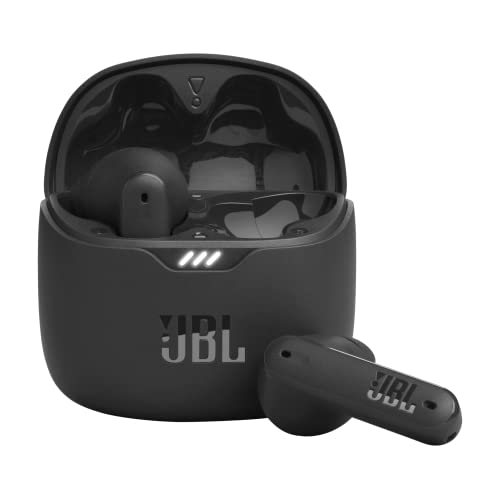


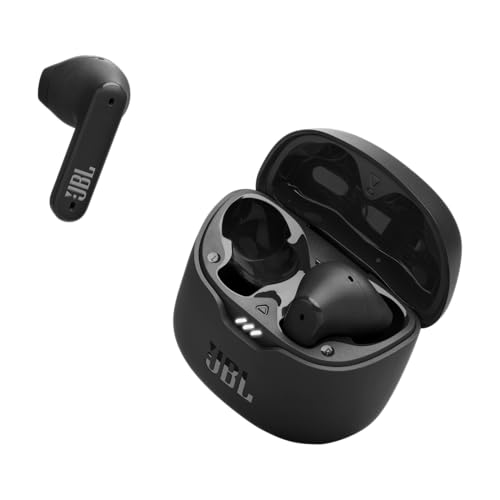
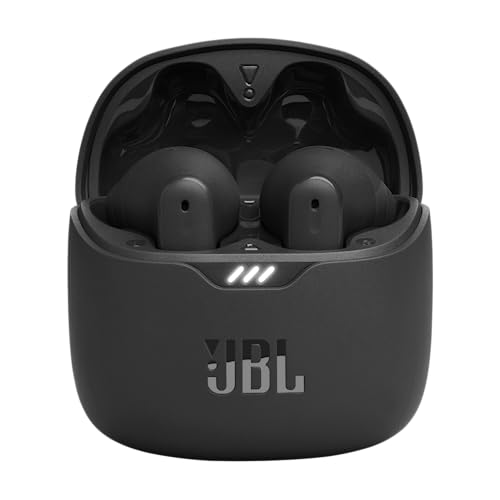
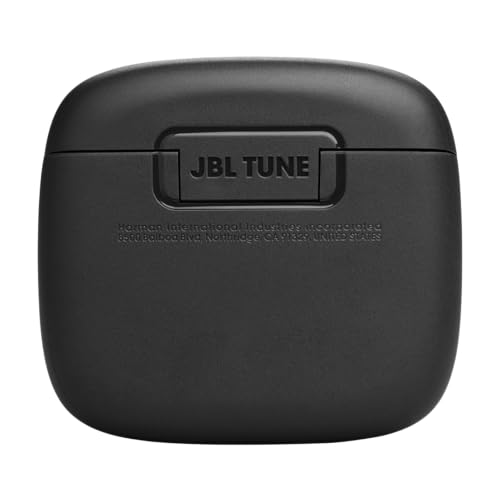
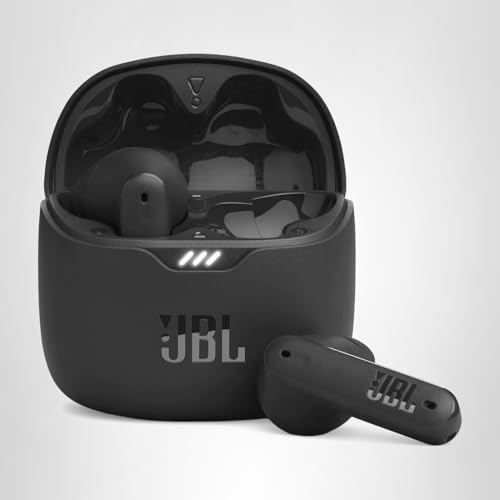
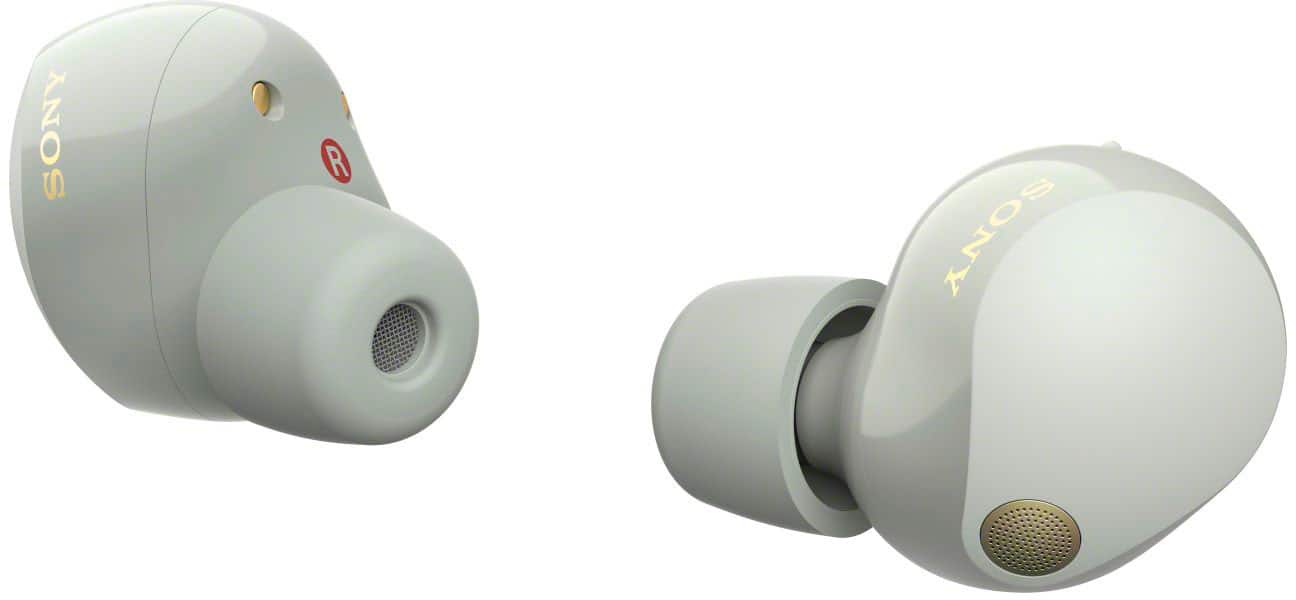
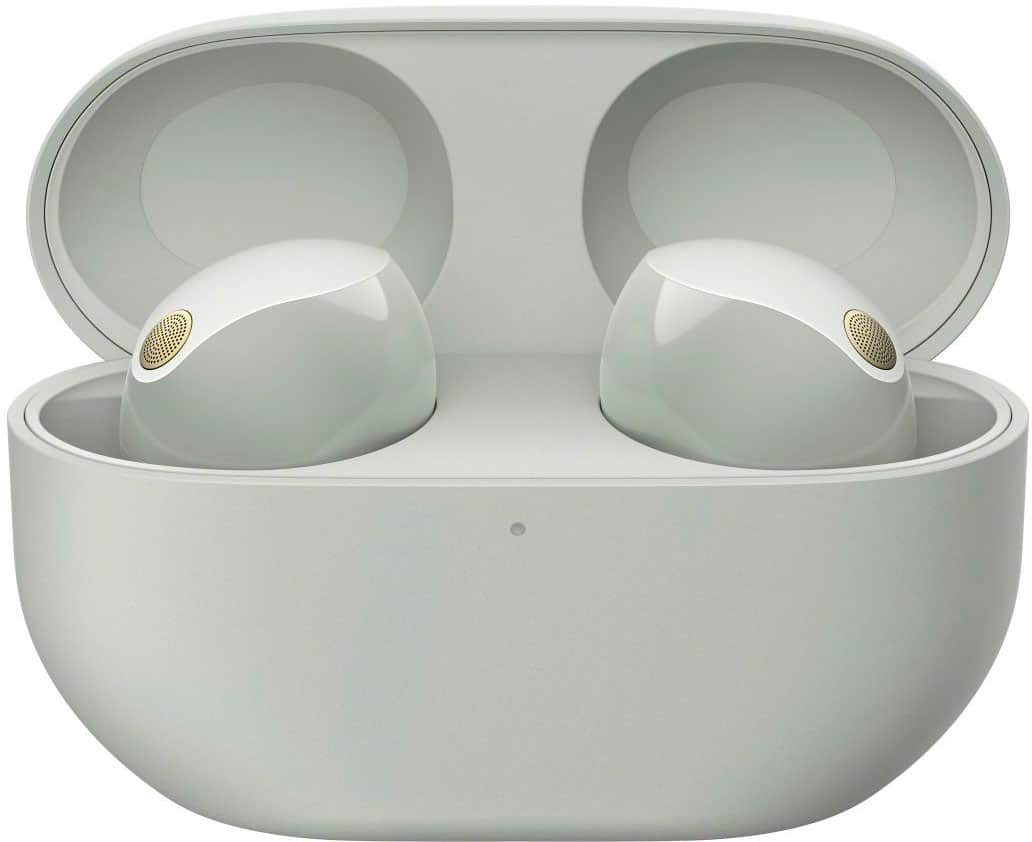
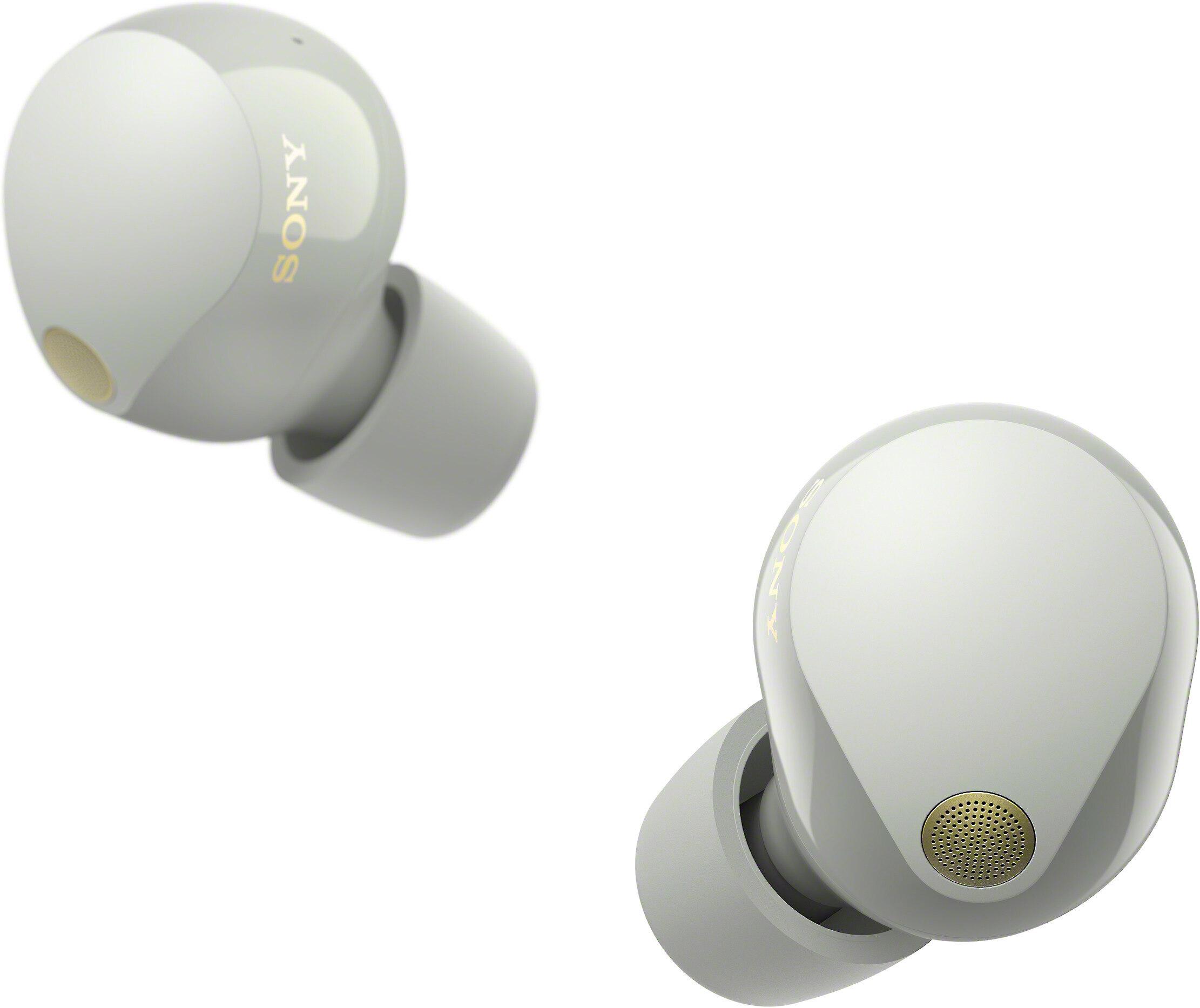

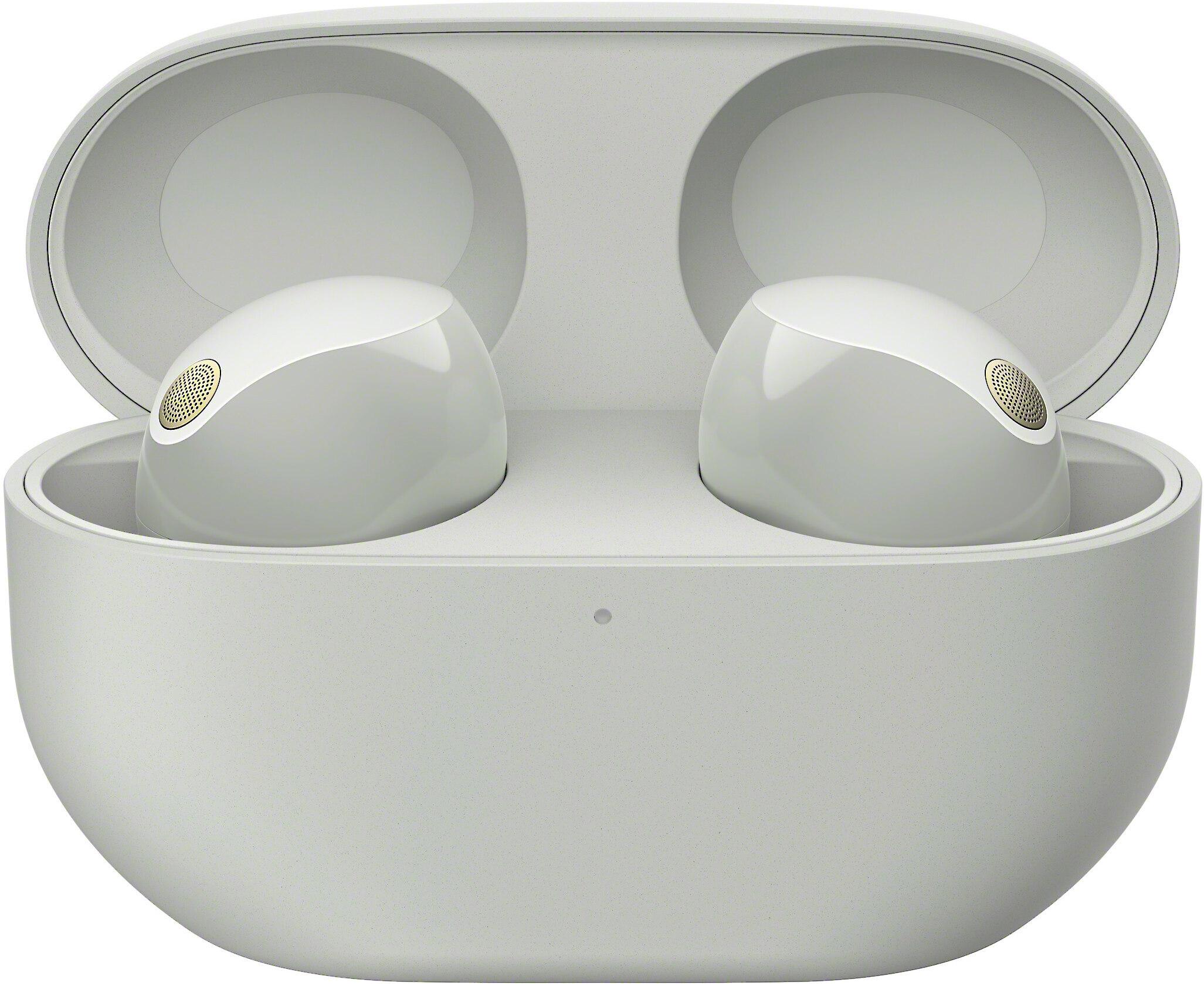

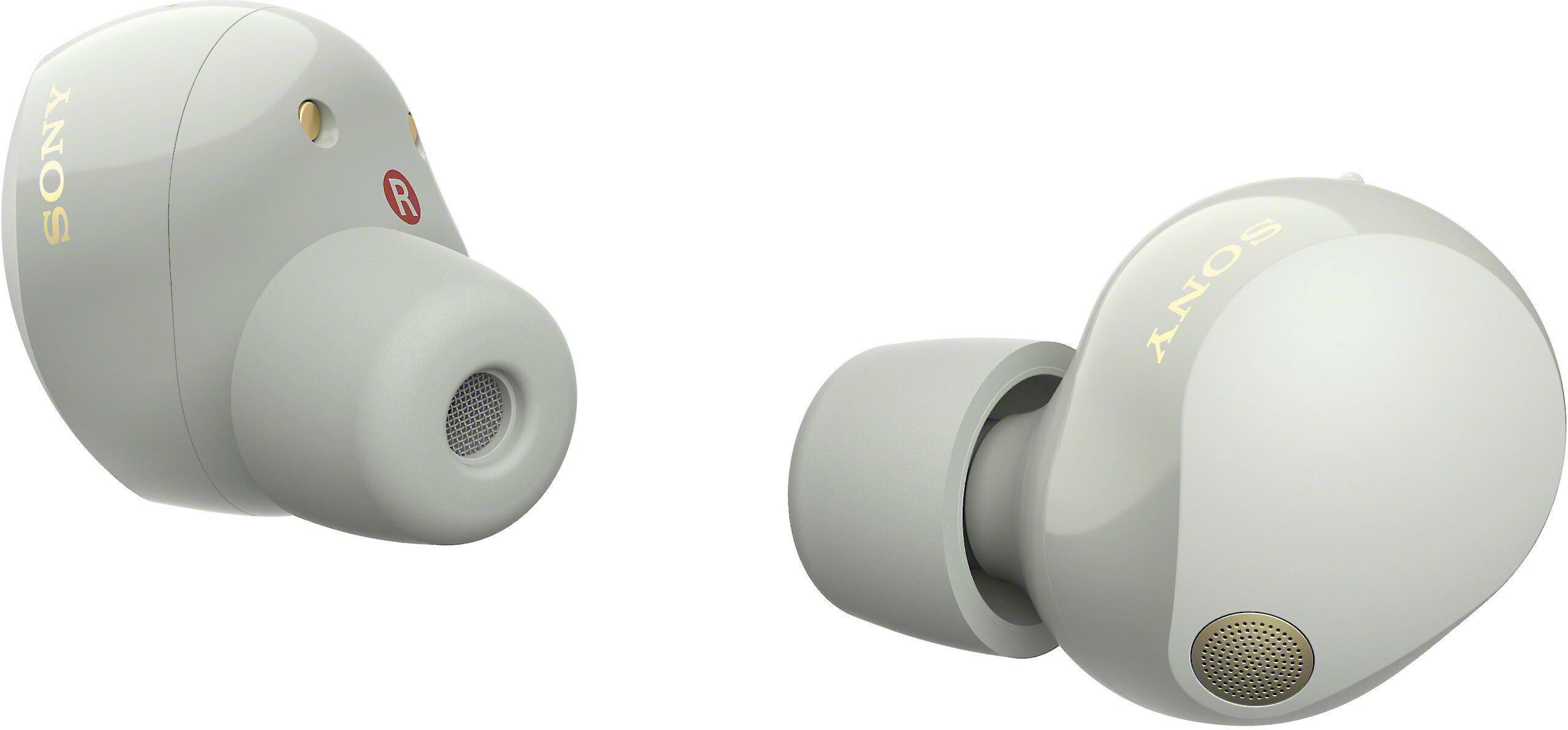


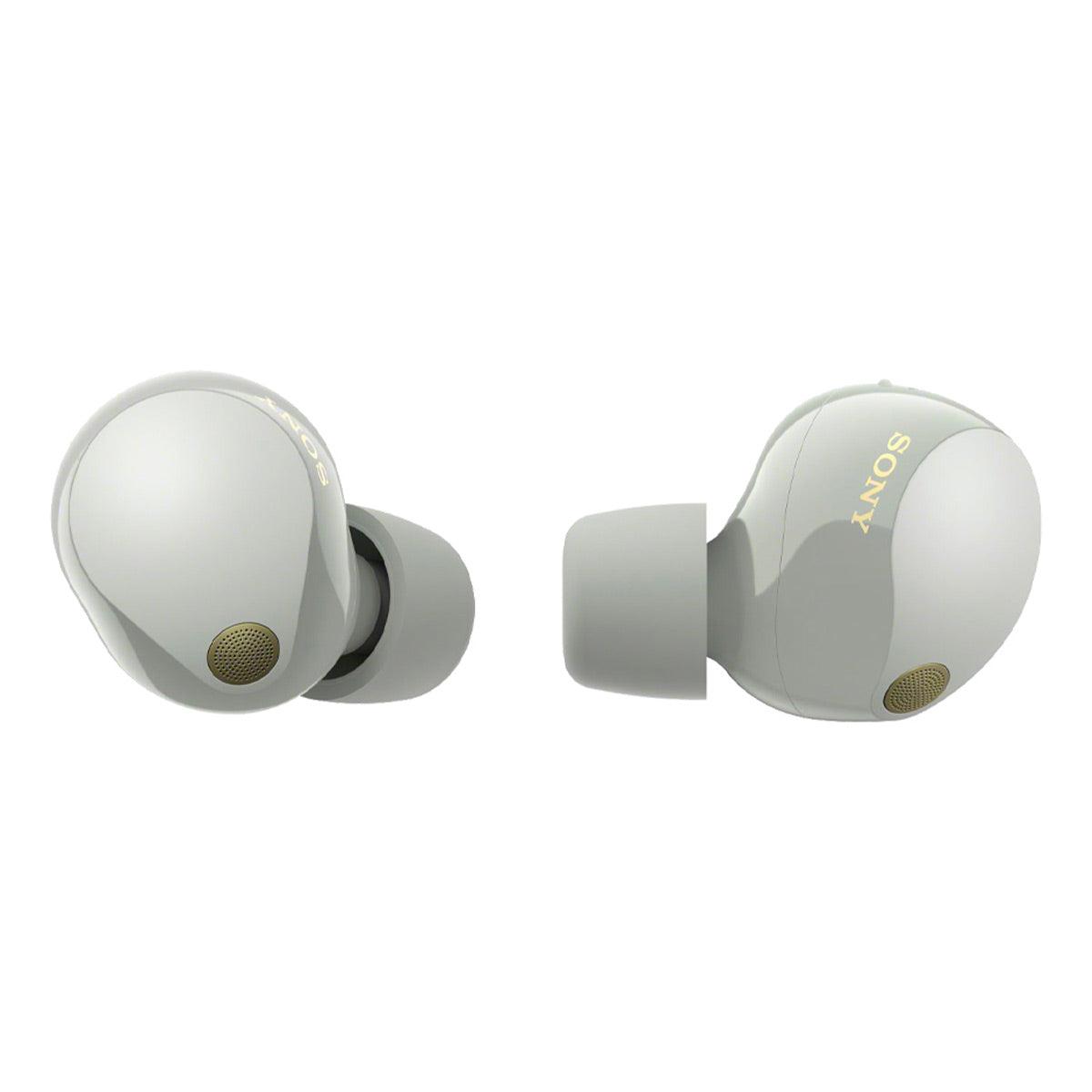

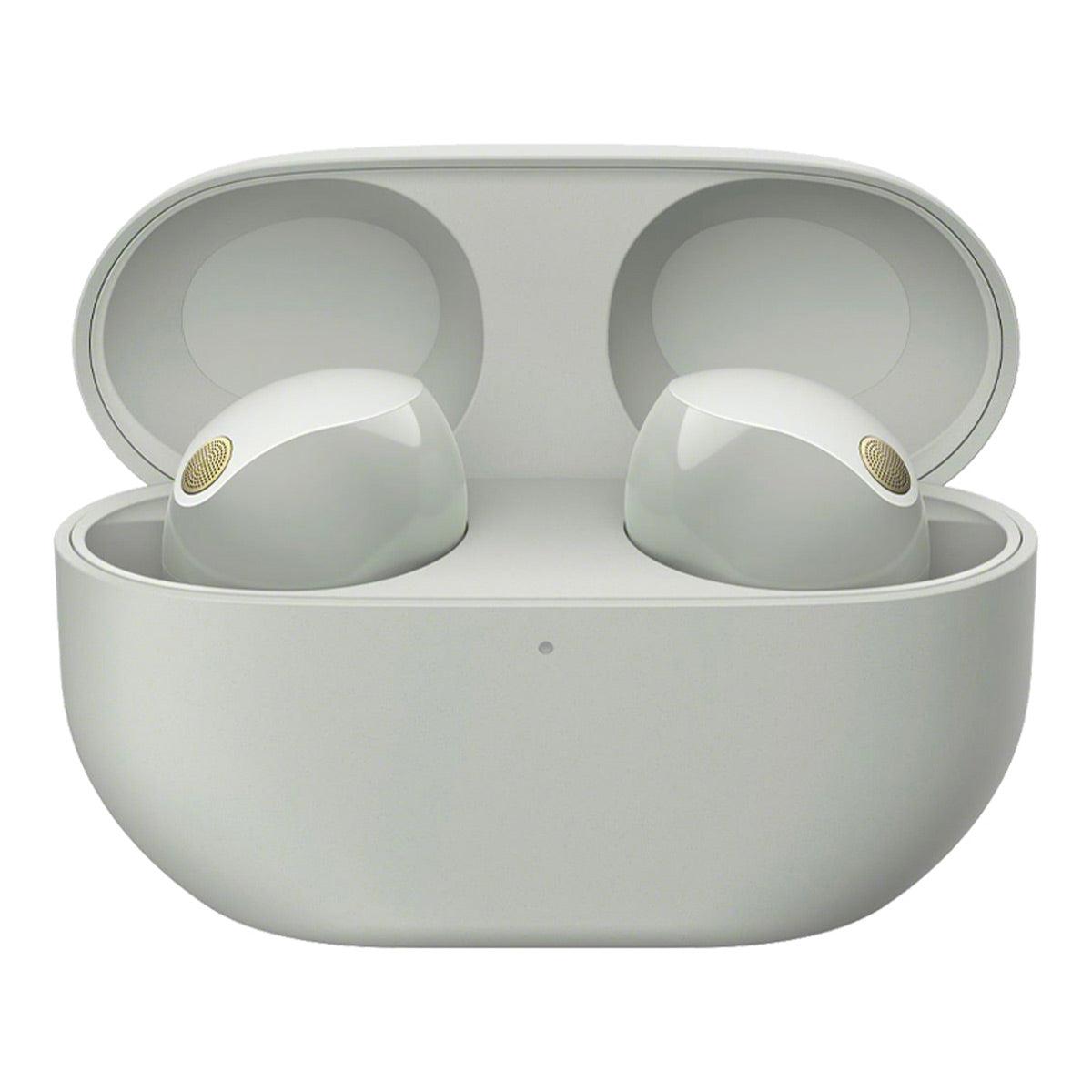
The true wireless earbud market has exploded in recent years, transforming from a premium novelty to an essential daily accessory. With so many options flooding the market, choosing the right pair can feel overwhelming. Today, we're comparing two very different approaches to wireless audio: the budget-friendly JBL Tune Flex and the premium Sony WF-1000XM5.
These earbuds represent opposite ends of the value spectrum, yet both offer compelling reasons to consider them. The JBL Tune Flex, released in 2022, brings premium features to an accessible price point, while the Sony WF-1000XM5, launched in 2023, showcases cutting-edge audio technology with a flagship price tag. Understanding their differences will help you determine which approach better suits your needs and budget.
True wireless earbuds have completely eliminated the cord connecting the left and right earpieces, offering unprecedented freedom of movement. Unlike their wired predecessors, they rely entirely on Bluetooth connectivity and internal batteries. This design evolution has enabled manufacturers to pack impressive technology into incredibly small packages.
The key considerations when evaluating wireless earbuds include audio quality (how accurate and enjoyable the sound reproduction is), active noise cancellation (ANC) effectiveness, battery performance, comfort during extended wear, and overall value relative to price. Each of these factors can significantly impact your daily experience, whether you're commuting, working out, or relaxing at home.
Modern earbuds also incorporate smart features like environmental awareness modes, voice assistant integration, and adaptive sound processing. These technologies use artificial intelligence and advanced sensors to automatically adjust performance based on your surroundings and activities.
The JBL Tune Flex and Sony WF-1000XM5 represent fundamentally different design philosophies. JBL has focused on delivering maximum value by including premium features at an accessible price point. Their approach prioritizes bass-heavy sound signatures that appeal to mainstream listeners, particularly those who enjoy genres like hip-hop, pop, and electronic music.
Sony, conversely, has positioned the WF-1000XM5 as a flagship product showcasing their most advanced audio technologies. This includes proprietary processing chips, premium materials, and sophisticated noise cancellation systems. Sony's philosophy emphasizes technical excellence and innovation, targeting users willing to invest in cutting-edge performance.
These philosophical differences manifest in every aspect of their design, from the choice of driver sizes to the complexity of their companion apps. Understanding these approaches helps explain why each product excels in different scenarios.
The most fundamental difference between these earbuds lies in their audio reproduction capabilities. The JBL Tune Flex employs larger 12mm dynamic drivers compared to Sony's 8.4mm Dynamic Driver X units in the WF-1000XM5. Driver size typically correlates with bass output capability – larger diaphragms can move more air, creating deeper, more impactful low-frequency response.
Our research into user and expert reviews consistently shows the JBL Tune Flex delivering powerful bass that never becomes overwhelming or muddy. The larger drivers excel with bass-heavy genres, providing the kind of visceral impact that makes hip-hop tracks feel alive and electronic music hit with proper punch. The frequency response spans 20Hz to 20kHz, covering the entire range of human hearing with emphasis on lower frequencies.
However, raw driver size isn't everything. The Sony WF-1000XM5 demonstrates that advanced processing can overcome physical limitations. Sony's Dynamic Driver X technology uses sophisticated materials and engineering to deliver remarkably detailed sound despite the smaller 8.4mm drivers. More importantly, Sony extends the frequency response up to 40kHz – well beyond human hearing limits but crucial for high-resolution audio processing.
The most significant advantage of the Sony WF-1000XM5 lies in its DSEE Extreme technology. This AI-driven feature analyzes compressed audio files in real-time, intelligently reconstructing high-frequency information lost during compression. When streaming from services like Spotify or Apple Music, this technology can restore subtle details like cymbal decay, acoustic guitar harmonics, and vocal nuances that would otherwise be lost.
For home theater use, both earbuds face inherent limitations. True wireless earbuds create a closed, intimate soundstage that can't replicate the spacious, room-filling experience of proper speakers or even open-back headphones. However, the Sony WF-1000XM5 provides superior imaging and detail resolution, making it better suited for movie dialogue and complex soundtracks.
Active noise cancellation represents perhaps the largest performance gap between these products. The technology works by using external microphones to capture ambient sound, then generating inverse sound waves to cancel out unwanted noise. The effectiveness depends on microphone placement, processing power, and algorithm sophistication.
The JBL Tune Flex offers basic ANC that performs adequately against consistent background noise like air conditioners, train rumble, or airplane cabin noise. However, our evaluation of user feedback reveals significant limitations with intermittent sounds such as conversations, traffic noise, or office chatter. The two-microphone system simply lacks the sophistication to handle complex acoustic environments effectively.
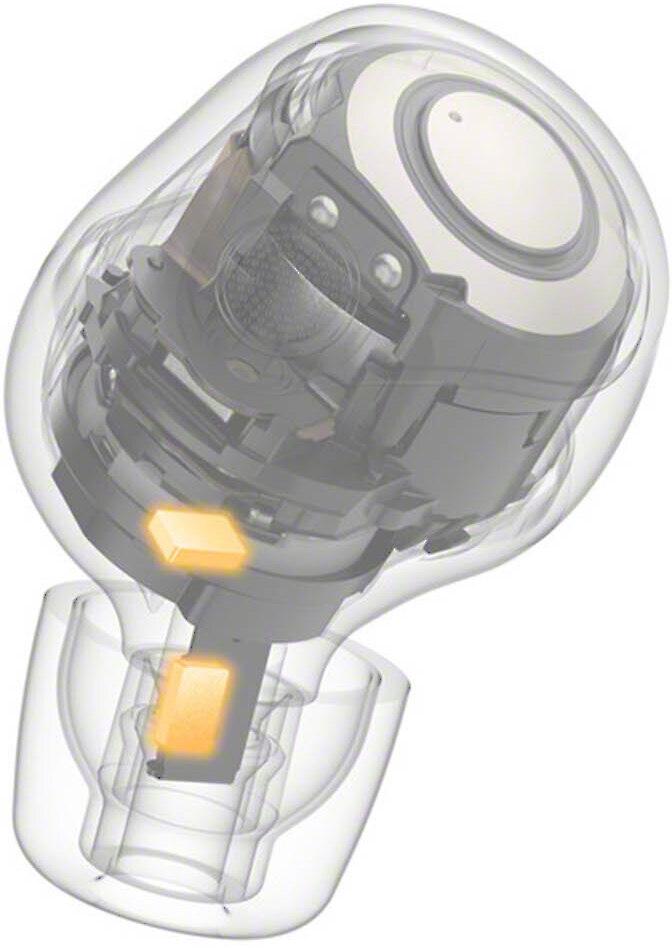
In contrast, the Sony WF-1000XM5 employs a three-microphone system per earbud, including dual feedback microphones for more precise noise detection. The Integrated Processor V2 and HD Noise Cancelling Processor QN2e work together to analyze and cancel noise across a broader frequency spectrum. This system adapts in real-time to environmental changes, automatically adjusting cancellation strength based on ambient conditions.
The practical difference is substantial. While the JBL Tune Flex might help reduce background noise during a quiet commute, the Sony WF-1000XM5 can create a cocoon of silence even in challenging environments like busy airports or construction zones. For frequent travelers or those working in noisy environments, this difference alone might justify the price premium.
Both products offer transparency modes for environmental awareness. JBL's Smart Ambient feature includes Ambient Aware and TalkThru modes, allowing users to tune into surroundings for safety or quick conversations. Sony's approach is more sophisticated, with Adaptive Sound Control that uses AI to recognize locations and activities, automatically adjusting ambient sound settings based on learned behavior patterns.
Battery performance involves multiple considerations: single-charge duration, total capacity with the charging case, charging speed, and charging convenience. The JBL Tune Flex delivers impressive endurance, particularly considering its price point. With noise cancellation disabled, users can expect up to 8 hours of continuous playback per charge, extending to 32 hours total with the charging case.
However, activating ANC significantly impacts battery life, reducing single-charge duration to approximately 6 hours. This trade-off is common across the industry, as noise cancellation requires additional processing power and microphone operation.
The Sony WF-1000XM5 demonstrates superior battery efficiency despite its advanced features. Users can expect up to 12 hours of playback with ANC enabled – double the JBL Tune Flex's ANC-on performance. Total capacity reaches 36 hours with the charging case, providing excellent long-term endurance.
Both products offer quick charging capabilities, but Sony adds wireless charging convenience through Qi compatibility. This feature eliminates the need for cables and allows charging on compatible surfaces like wireless charging pads or newer smartphones with reverse wireless charging.
For most users, the Sony WF-1000XM5's superior single-charge performance proves more valuable than total capacity. Fewer charging interruptions mean better user experience, particularly during long work sessions or travel days.
Achieving comfortable, secure fit across diverse ear shapes presents significant engineering challenges. The JBL Tune Flex addresses this with an innovative dual ear tip system. Users receive traditional sealing ear tips in three sizes for maximum passive noise isolation, plus unique open ear tips that allow environmental awareness while maintaining reasonable audio quality.
This flexibility makes the JBL Tune Flex particularly appealing for active users who need situational awareness during outdoor activities. Runners, cyclists, and gym users benefit from the open tip option, which provides music without completely blocking important environmental sounds like approaching vehicles or equipment alarms.
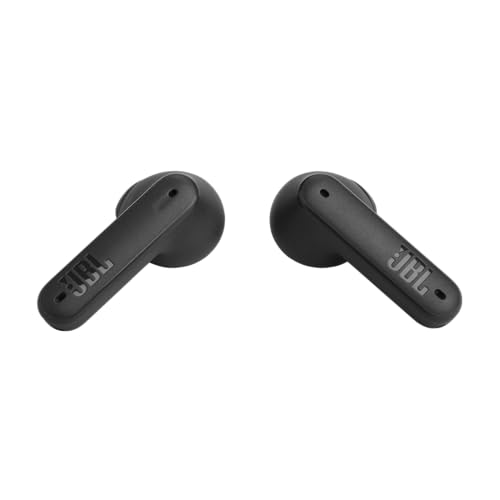
The lightweight design – just 4.8 grams per earbud – contributes to all-day comfort. The stable fit works well for sports activities, helped by the IPX4 water resistance rating that protects against sweat and light rain.
Sony has redesigned the WF-1000XM5 to be 25% smaller and 20% lighter than its predecessor, resulting in a more refined 5.9-gram weight per earbud. The ergonomic shape, developed using extensive ear-shape data collected over decades, provides excellent comfort for most users. However, the more premium materials and tighter fit might not suit all ear shapes equally well.
Both products include multiple ear tip sizes, but Sony's tips focus exclusively on sealing designs optimized for maximum noise cancellation effectiveness. Users prioritizing ANC performance will appreciate this approach, though it limits flexibility for different usage scenarios.
The feature gap between these products reflects their different market positions. The JBL Tune Flex provides essential smart functionality through touch controls and the JBL Headphones app. Users can customize touch gestures, adjust EQ settings, and locate misplaced earbuds. The app includes environmental noise controls and Smart Audio & Video modes for different content types.
While these features cover basic needs effectively, they pale in comparison to Sony's comprehensive smart ecosystem. The Sony WF-1000XM5 includes multipoint Bluetooth connection, allowing seamless switching between two paired devices. This proves invaluable for users who regularly transition between smartphones, tablets, and laptops.
Sony's Speak-to-Chat feature automatically pauses music and activates ambient sound when it detects the user's voice, enabling conversations without manual intervention. Google Fast Pair provides instant Android device pairing, while support for both Google Assistant and Alexa offers flexible voice control options.
The bone conduction sensors in the Sony WF-1000XM5 enable advanced call quality features, working alongside traditional microphones to ensure clear voice transmission even in windy conditions. This technology represents a significant advantage for frequent phone users.
At the time of writing, the JBL Tune Flex delivers exceptional value by including features typically reserved for much more expensive products. Active noise cancellation, wireless connectivity, long battery life, and water resistance create a compelling package at its price point. For users entering the premium wireless audio market, it provides an excellent introduction without significant financial commitment.
The Sony WF-1000XM5 commands a premium price but justifies it through superior performance across multiple categories. The advanced noise cancellation alone might warrant the price difference for frequent travelers or those working in noisy environments. When considering the improved audio quality, sophisticated smart features, and premium build quality, the value proposition becomes clearer for users prioritizing performance over budget constraints.
However, value remains subjective. A casual listener who primarily enjoys bass-heavy music might find the JBL Tune Flex meets their needs perfectly, making the Sony's premium features unnecessary luxuries. Conversely, an audiophile or frequent business traveler might consider the Sony WF-1000XM5's advanced capabilities essential rather than optional.
The JBL Tune Flex makes the most sense for budget-conscious users who want to experience premium wireless audio features without breaking the bank. Students, fitness enthusiasts, and casual listeners will appreciate the powerful bass response, stable fit, and impressive battery life. The dual ear tip system provides unusual flexibility, making these earbuds suitable for both focused listening and environmental awareness scenarios.
These earbuds also serve as an excellent entry point for users transitioning from wired headphones or basic wireless models. The intuitive controls and straightforward app make them accessible to less tech-savvy users, while the robust build quality ensures they'll survive daily use and abuse.
The Sony WF-1000XM5 targets users who prioritize audio quality and advanced features above budget considerations. Frequent travelers will benefit significantly from the superior noise cancellation, while audiophiles will appreciate the detailed sound reproduction and high-resolution audio support. Business professionals who spend considerable time on calls will value the advanced microphone systems and noise reduction technologies.
These earbuds also make sense for users heavily invested in the smart device ecosystem who want seamless integration and advanced automation features. The sophisticated app and AI-driven adaptive features reward users willing to invest time in customization and setup.
Both the JBL Tune Flex and Sony WF-1000XM5 succeed in their respective market segments, making direct comparison somewhat unfair. The JBL delivers remarkable value by democratizing premium features, while the Sony pushes technological boundaries to deliver flagship performance.
Your choice should align with your priorities and usage patterns. If you want excellent wireless earbuds without spending premium prices, the JBL Tune Flex provides everything most users need with impressive battery life and flexible design options. However, if you demand the best possible performance and can justify the investment, the Sony WF-1000XM5 delivers superior audio quality, industry-leading noise cancellation, and cutting-edge smart features.
Consider your listening environment, music preferences, and budget constraints carefully. Both products offer compelling reasons to choose them – the key is understanding which advantages matter most for your specific needs and usage scenarios.
| JBL Tune Flex | Sony WF-1000XM5 |
|---|---|
| Driver Size - Larger drivers typically produce more powerful bass | |
| 12mm dynamic drivers (excellent bass impact) | 8.4mm Dynamic Driver X (advanced materials compensate for smaller size) |
| Active Noise Cancellation - Critical for blocking distractions in noisy environments | |
| Basic ANC with 2 mics (good for consistent background noise) | Advanced ANC with 3 mics per earbud (industry-leading noise blocking) |
| Battery Life (Single Charge) - How long you can listen before needing the case | |
| 8 hours (ANC off) / 6 hours (ANC on) | 12 hours (ANC on) - significantly better endurance |
| Total Battery Life - Important for travel and extended use away from power | |
| 32 hours total (8+24 ANC off) / 24 hours (6+18 ANC on) | 36 hours total with wireless charging case |
| Frequency Response - Range of sounds the earbuds can reproduce | |
| 20Hz - 20kHz (covers full human hearing range) | 20Hz - 40kHz (extended range for high-res audio processing) |
| Bluetooth Version - Newer versions offer better connection stability | |
| Bluetooth 5.2 (reliable connectivity) | Bluetooth 5.3 (latest standard with improved efficiency) |
| Audio Codecs - Determines streaming audio quality from your device | |
| Standard codecs (not specified) | SBC, AAC, LDAC, LC3 (premium codec support) |
| Water Resistance - Protection level for workouts and weather | |
| IPX4 (sweat and splash resistant) | IPX4 (same protection level) |
| Weight Per Earbud - Affects comfort during extended wear | |
| 4.8g (lightweight for all-day comfort) | 5.9g (slightly heavier but still comfortable) |
| Multipoint Connection - Ability to connect to two devices simultaneously | |
| Not supported | Yes (seamlessly switch between phone and laptop) |
| Charging Method - Convenience factor for daily use | |
| USB-C wired charging only | USB-C wired + Qi wireless charging |
| Smart Features - Advanced functionality beyond basic music playback | |
| Touch controls, JBL app, ambient modes | Speak-to-Chat, Adaptive Sound Control, Google Fast Pair, voice assistants |
| Sound Signature - The overall character and tuning of the audio | |
| Bass-forward V-shaped (great for hip-hop, EDM, pop) | Balanced with detailed highs (better for all genres, especially acoustic) |
| Ear Tip Options - Flexibility for different fit preferences and use cases | |
| Dual system: sealing tips (3 sizes) + open tips (1 size) | Traditional sealing tips only (multiple sizes) |
| Target Market - Who these earbuds are designed for | |
| Budget-conscious users wanting premium features | Audiophiles and frequent travelers prioritizing performance |
The Sony WF-1000XM5 delivers superior overall sound quality with more detailed highs, balanced mids, and extended frequency response up to 40kHz. However, the JBL Tune Flex excels with powerful bass thanks to its larger 12mm drivers, making it better for bass-heavy genres like hip-hop and EDM. For classical, jazz, and acoustic music, the Sony WF-1000XM5 provides clearer detail and instrument separation.
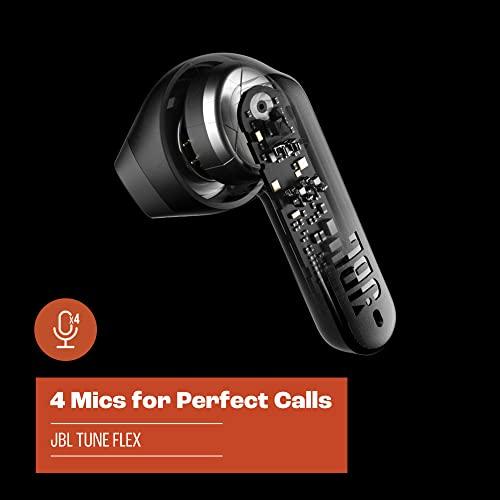
Both earbuds handle phone calls, but the Sony WF-1000XM5 offers superior call quality with bone conduction sensors and advanced wind noise reduction. The JBL Tune Flex uses a 4-microphone system with VoiceAware technology that's adequate for most calling needs. For frequent business calls or outdoor use, the Sony WF-1000XM5 provides clearer voice transmission.
The Sony WF-1000XM5 has significantly better active noise cancellation with a 3-microphone system per earbud and AI-powered adaptive control. It effectively blocks office chatter, traffic noise, and airplane cabin sounds. The JBL Tune Flex offers basic noise cancellation that works for consistent background noise but struggles with intermittent sounds like conversations.
The Sony WF-1000XM5 provides up to 12 hours per charge with ANC on, plus 24 more hours from the case (36 total). The JBL Tune Flex offers 6 hours per charge with ANC on and 18 additional hours from the case (24 total). For single-charge endurance, the Sony WF-1000XM5 lasts twice as long with noise cancellation active.
Both earbuds feature IPX4 water resistance for sweat protection. The JBL Tune Flex is better for workouts due to its lighter weight (4.8g vs 5.9g), stable fit, and unique open ear tips that allow environmental awareness for safety. The Sony WF-1000XM5 works for gym use but its superior noise cancellation might block important safety sounds during outdoor activities.
The Sony WF-1000XM5 is superior for travel with industry-leading noise cancellation that blocks airplane cabin noise, longer battery life per charge (12 vs 6 hours with ANC), and wireless charging convenience. The JBL Tune Flex can work for travel but its basic noise cancellation won't provide the same level of isolation on flights or in busy airports.
The Sony WF-1000XM5 supports multipoint connection, allowing simultaneous pairing with two devices like a phone and laptop. You can seamlessly switch between them without manual reconnection. The JBL Tune Flex doesn't offer multipoint connectivity, requiring manual switching between paired devices through your device's Bluetooth settings.
Both offer comfortable fits, but with different approaches. The JBL Tune Flex is lighter at 4.8g per earbud and includes both sealing and open ear tips for flexibility. The Sony WF-1000XM5 weighs 5.9g per earbud but features an ergonomic redesign that's 25% smaller than its predecessor. Comfort preference varies by ear shape and personal sensitivity.
Both earbuds work for entertainment, but true wireless designs inherently limit soundstage compared to speakers or open-back headphones. The Sony WF-1000XM5 provides better dialogue clarity and detail for movie soundtracks. The JBL Tune Flex delivers impactful bass for action scenes. Neither is ideal for serious home theater use compared to dedicated speakers or headphones.
The JBL Tune Flex provides exceptional value by including premium features like active noise cancellation, long battery life, and water resistance at a budget-friendly price point. The Sony WF-1000XM5 justifies its premium pricing with superior performance across most categories. Value depends on whether you prioritize affordability with good features or maximum performance regardless of cost.
The Sony WF-1000XM5 offers a more sophisticated app experience with adaptive sound control, detailed EQ customization, and advanced features like Speak-to-Chat configuration. The JBL Tune Flex includes a simpler but functional app with basic EQ settings, touch control customization, and earbud location features. Sony's app provides more granular control but may be overwhelming for casual users.
For first-time wireless earbud buyers, the JBL Tune Flex offers an excellent introduction with straightforward controls, good sound quality, and budget-friendly pricing. The unique dual ear tip system adds versatility for different situations. The Sony WF-1000XM5 is better suited for users who know they want premium performance and advanced features, or those upgrading from basic wireless earbuds who can appreciate the technological improvements.
We've done our best to create useful and informative comparisons to help you decide what product to buy. Our research uses advanced automated methods to create this comparison and perfection is not possible - please contact us for corrections or questions. These are the sites we've researched in the creation of this article: rtings.com - hometechnologyreview.com - youtube.com - bestbuy.com - soundguys.com - bestbuy.com - crutchfield.com - bgr.com - robbsutton.com - majorhifi.com - versus.com - crutchfield.com - youtube.com - versus.com - jbl.com - global.jbl.com - pcrichard.com - musicarts.com - scribd.com - global.jbl.com - robot-advance.com - gzhls.at - bestbuy.com - att.com - ro.harmanaudio.com - rtings.com - moon-audio.com - whathifi.com - sony.ca - soundguys.com - techgearlab.com - loudnwireless.com - youtube.com - techradar.com - youtube.com - costco.com - youtube.com - us.community.sony.com - youtube.com - whathifi.com - youtube.com - cnet.com - loudnwireless.com - youtube.com - bestbuy.com - electronics.sony.com - helpguide.sony.net - gsmarena.com - soundguys.com - bestbuy.com - sony.com - loudnwireless.com - sony.com - sony.com - youtube.com - sony-asia.com - helpguide.sony.net - sony.com - sony.com.sg - sony-asia.com - youtube.com - headphones.com - moon-audio.com - electronics.sony.com - shop.oprahdaily.com - youtube.com

Privacy Policy
Terms and Conditions - Affiliate Policy
Home Security
© Copyright 2008-2026.
11816 Inwood Rd #1211, Dallas, TX 75244