

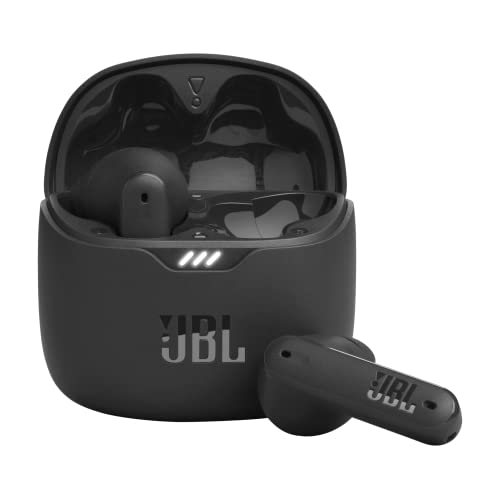
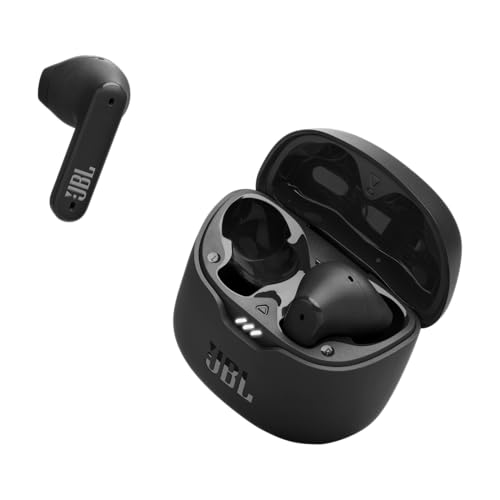
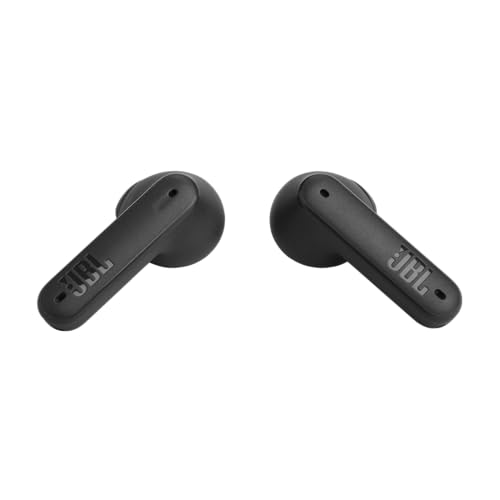
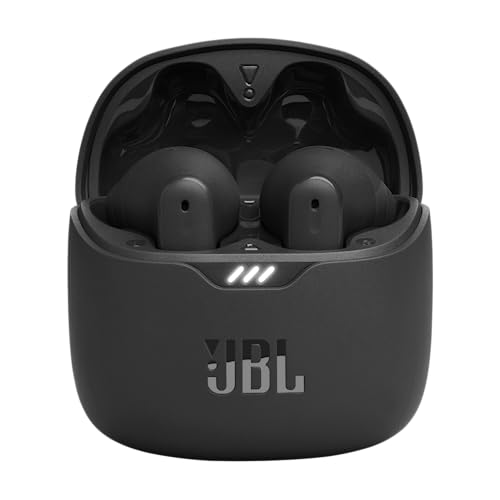
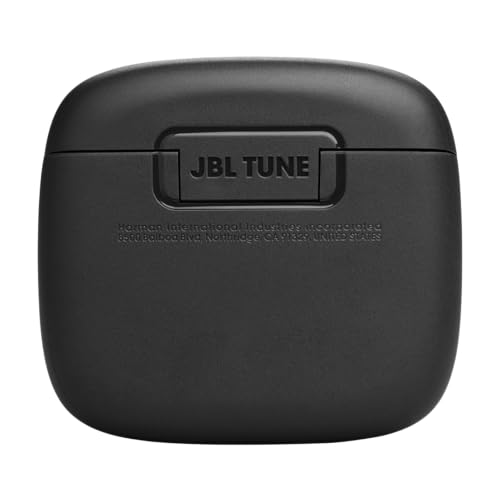
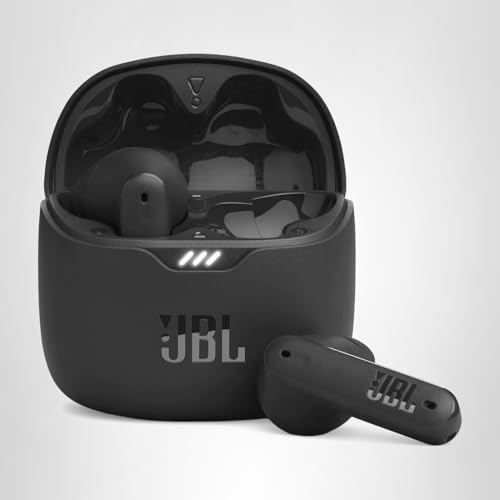
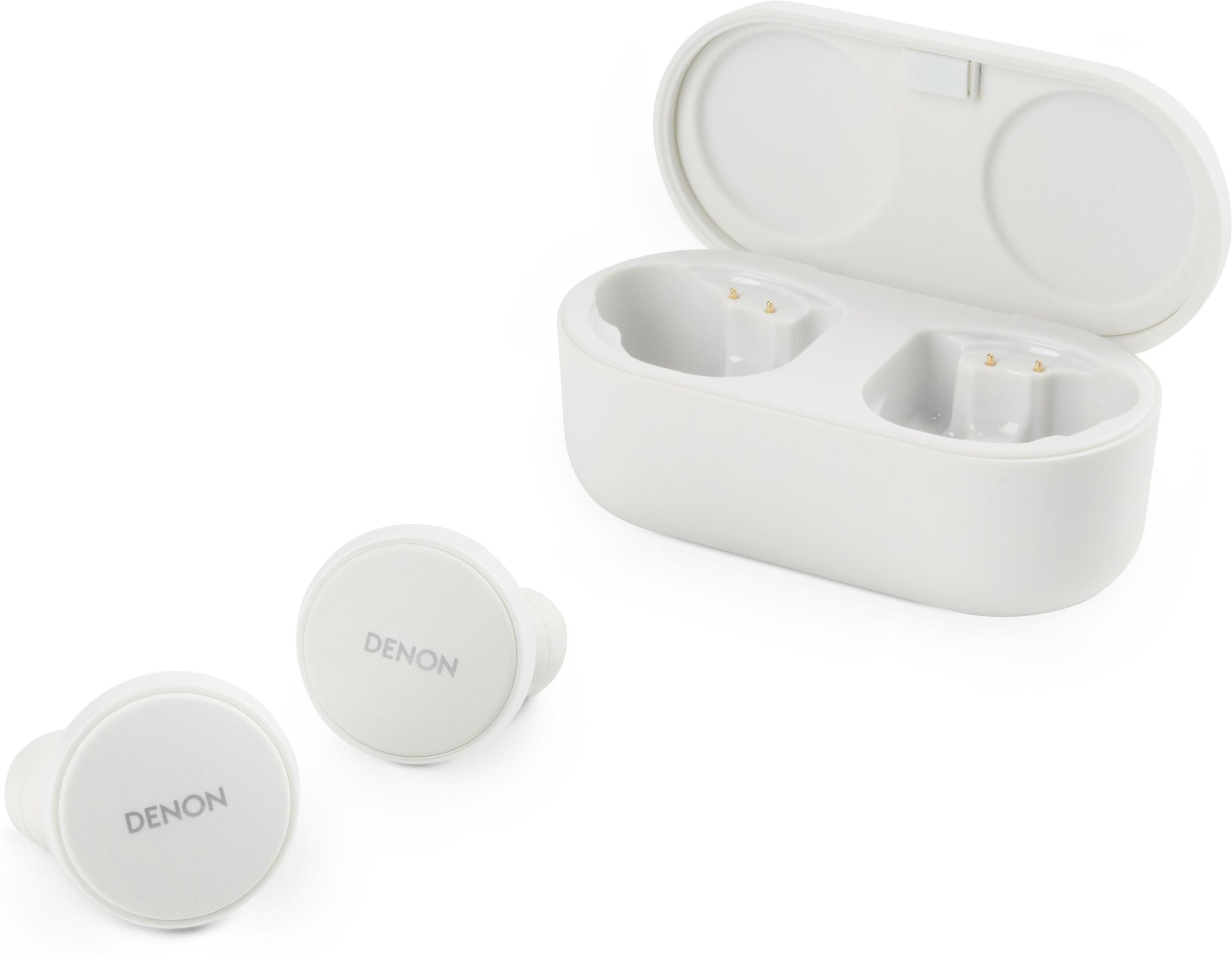
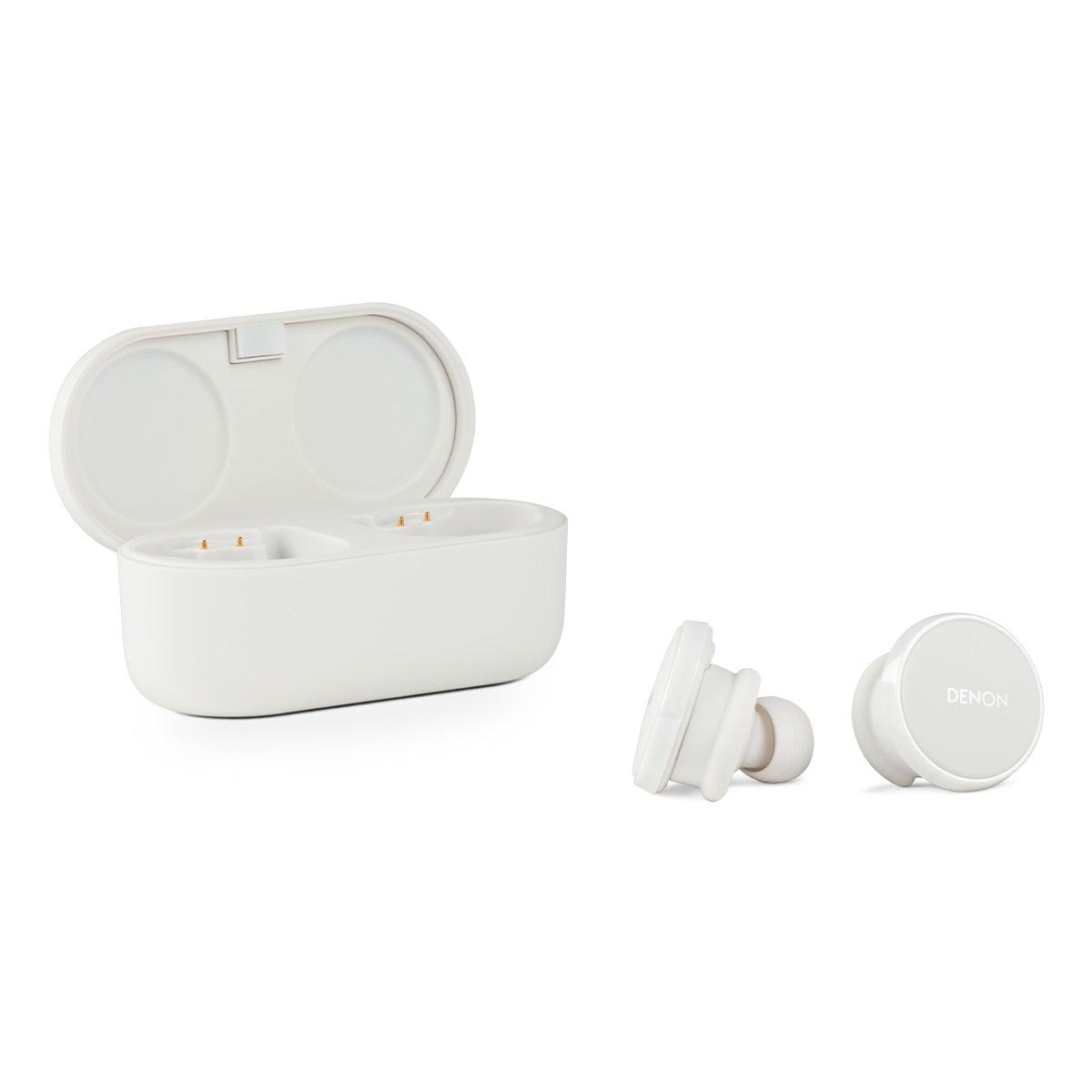
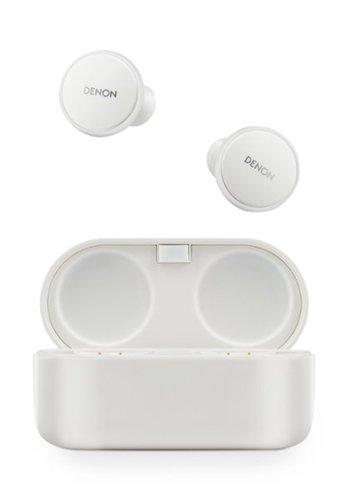


When shopping for true wireless earbuds in 2024, you'll quickly discover a massive price spectrum. At the time of writing, you can find decent earbuds for under $50, while premium models push well beyond $300. This comparison examines two earbuds that perfectly illustrate this divide: the budget-friendly JBL Tune Flex and the premium Denon PerL Pro.
True wireless earbuds have evolved dramatically since Apple popularized the category with AirPods in 2016. Today's models pack sophisticated technology into tiny packages, offering features that were unimaginable just a few years ago.
The most important performance characteristics break down into several key areas. Audio quality depends on driver size (the tiny speakers inside each earbud), frequency response (the range of sounds they can reproduce), and digital signal processing. Active Noise Cancellation (ANC) uses microphones and processors to create "anti-noise" that cancels out ambient sounds. Battery life has become crucial as we rely on earbuds throughout long days. Call quality matters more than ever in our remote-work world, requiring advanced microphone arrays and noise processing.
Understanding these fundamentals helps explain why some earbuds cost ten times more than others—and whether those differences matter for your specific needs.
The JBL Tune Flex, released in late 2023, represents JBL's effort to pack flagship features into an affordable package. At the time of writing, it sits in the budget category while offering active noise cancellation and impressive battery life—features that were premium-only just a few years ago.
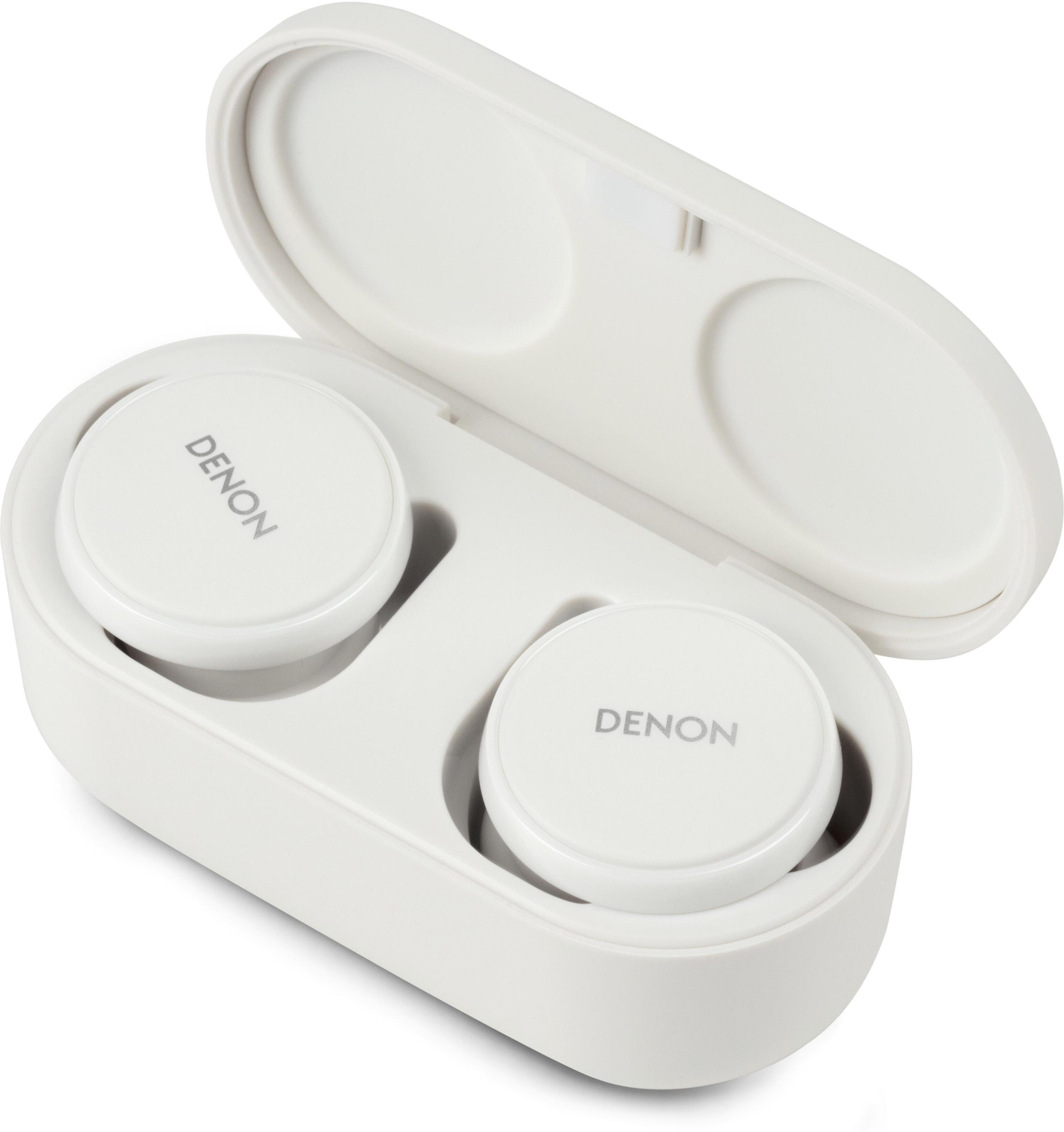
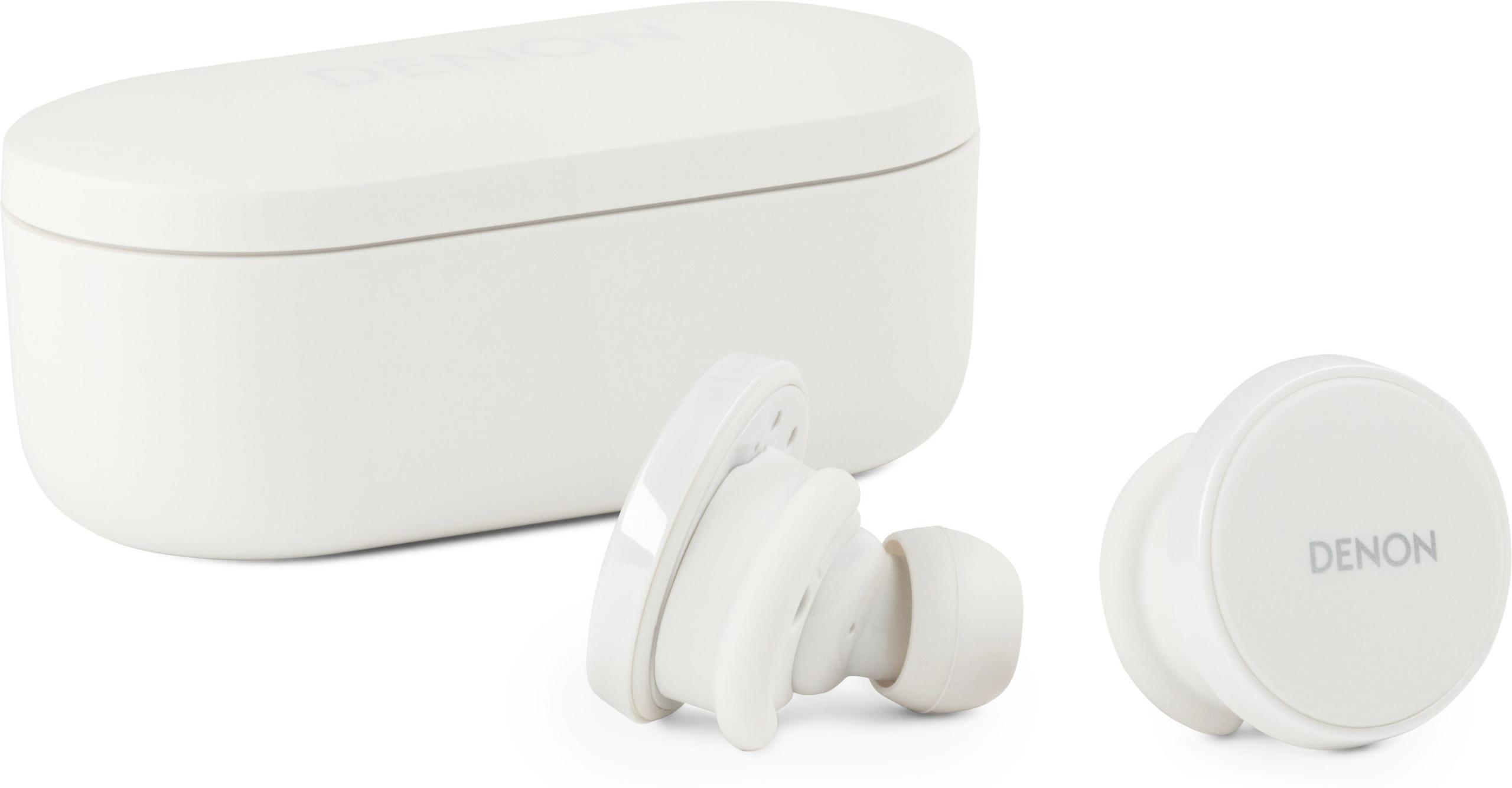
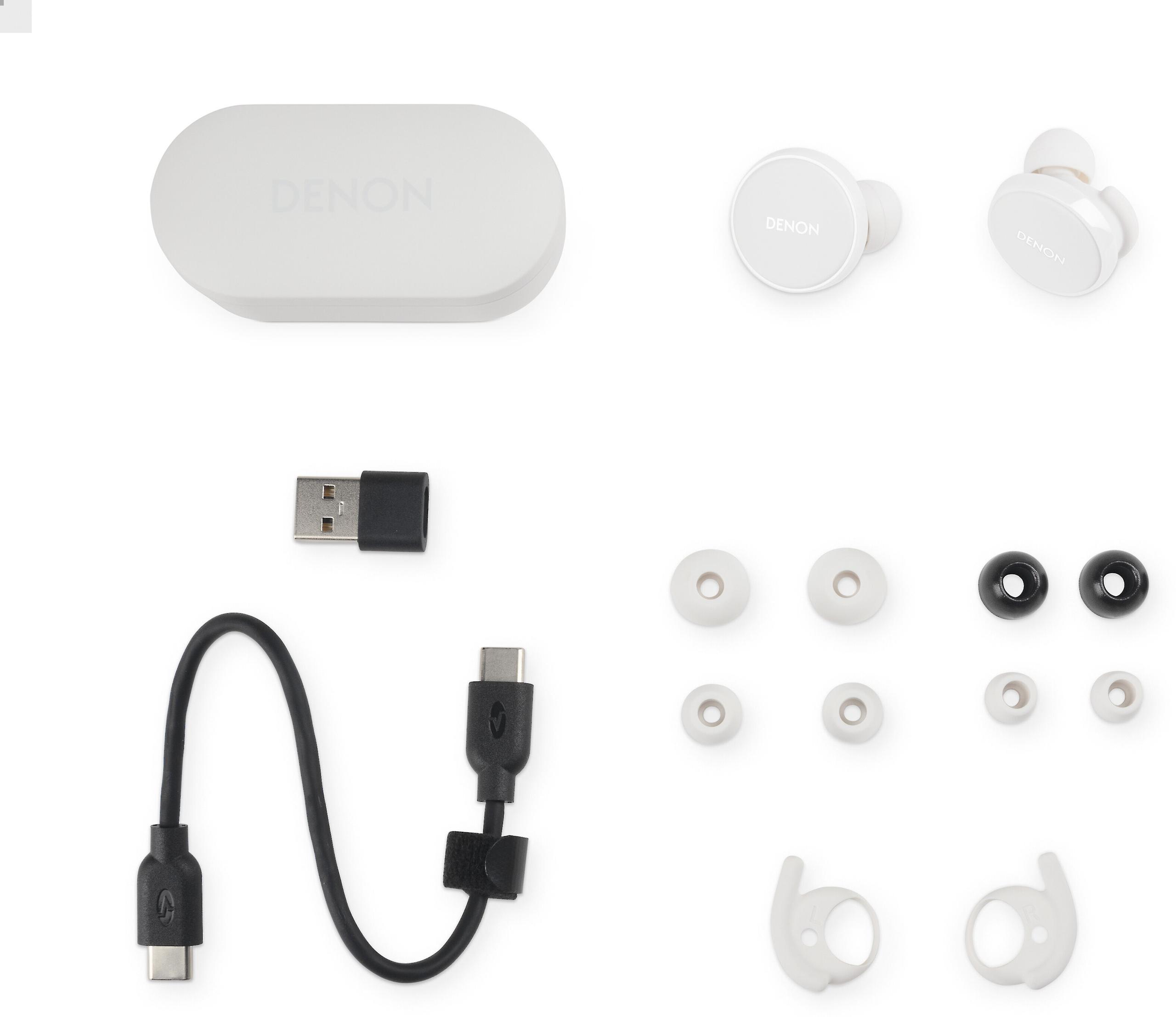
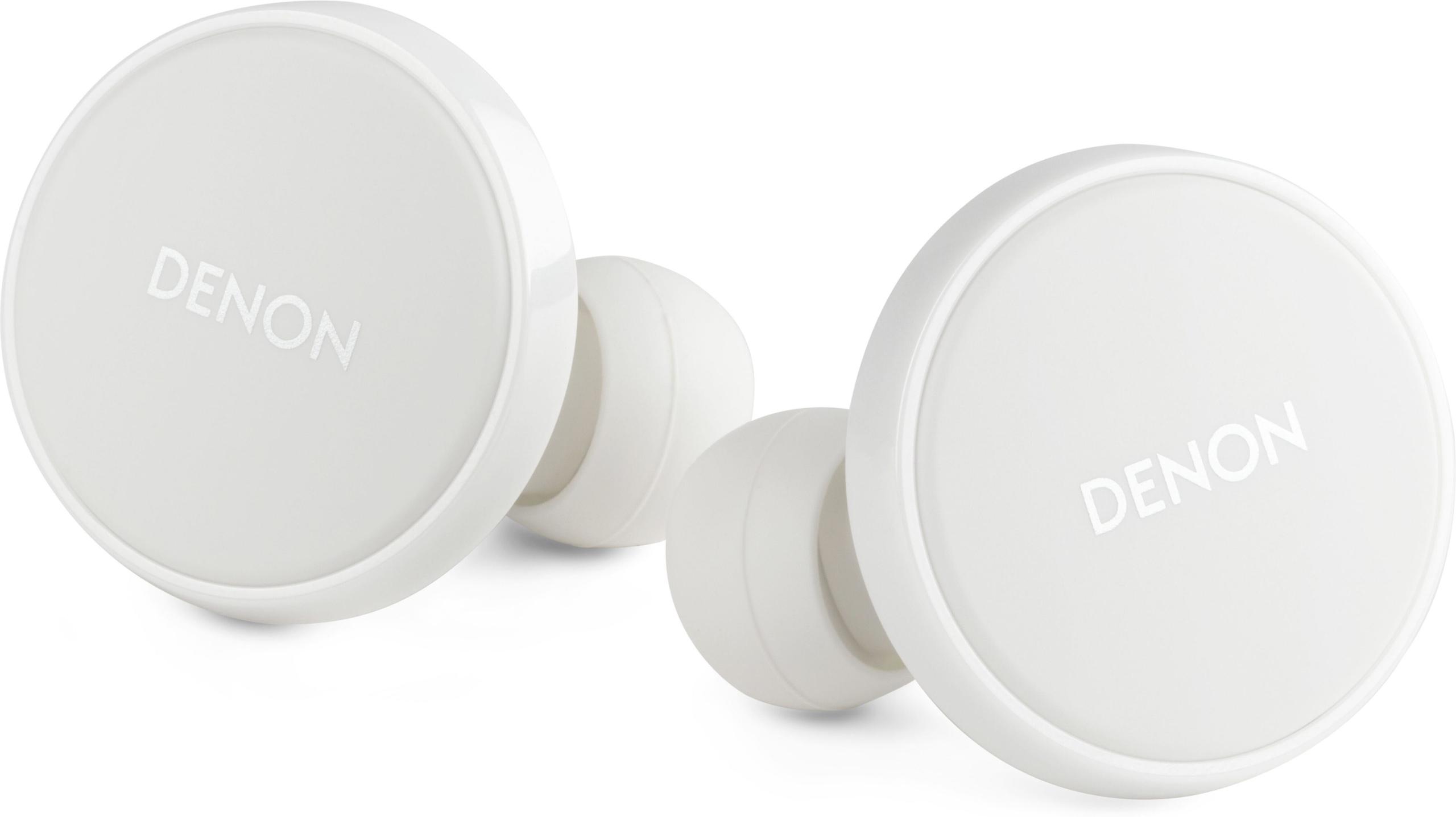
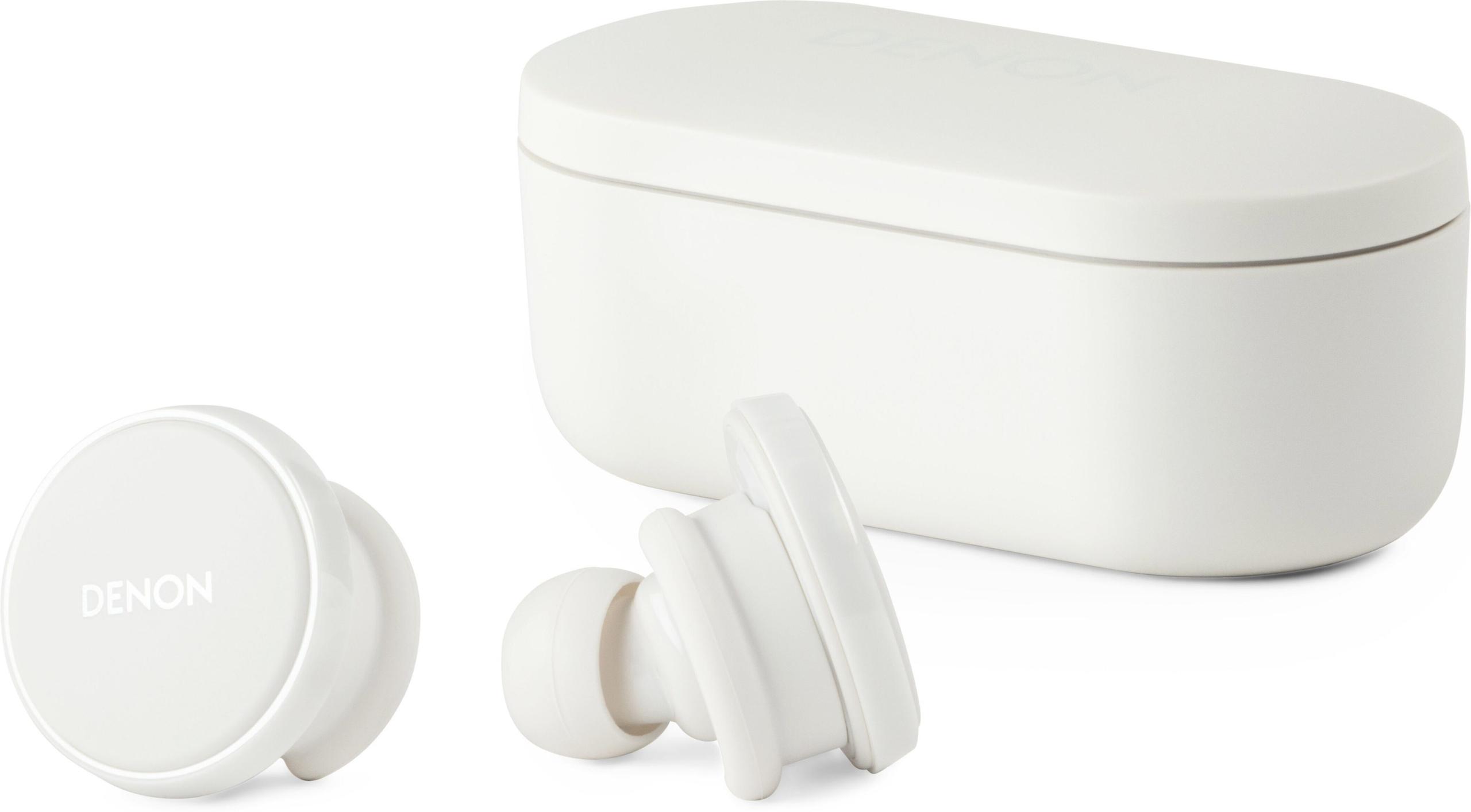
The Denon PerL Pro, launched in mid-2023, takes the opposite approach. Denon, known for high-end audio equipment since the 1970s, engineered these earbuds for serious listeners willing to pay premium prices for advanced technology.
This seven-fold price difference reflects fundamentally different design philosophies and target audiences, making the comparison particularly interesting.
Sound quality represents the most significant divide between these earbuds, and the technical differences explain why.
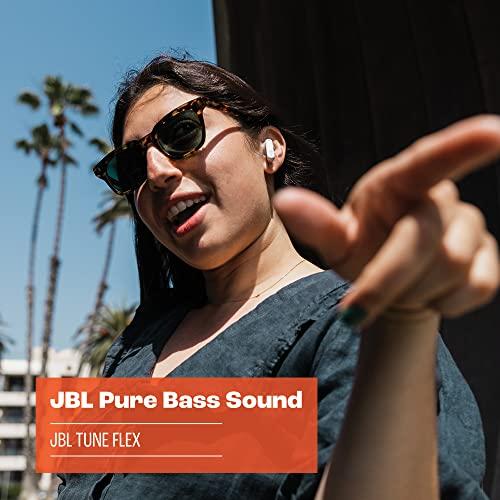
The JBL Tune Flex employs 12mm dynamic drivers—relatively large for earbuds in this price range. These drivers deliver JBL's signature "Pure Bass Sound," which emphasizes the low frequencies that make hip-hop, EDM, and pop music feel punchy and energetic. The frequency response spans 20 Hz to 20 kHz, covering the full range of human hearing.
However, the JBL Tune Flex uses standard Bluetooth codecs (SBC and AAC), which compress audio data to fit through Bluetooth's bandwidth limitations. Think of it like squeezing a high-resolution photo into a smaller file—some detail inevitably gets lost.
The Denon PerL Pro takes a completely different approach with smaller 10mm drivers, but these feature titanium coating for reduced distortion and more precise sound reproduction. More importantly, they support aptX Lossless—a codec that transmits CD-quality audio without compression over Bluetooth. This represents a significant technical achievement that was impossible just a few years ago.
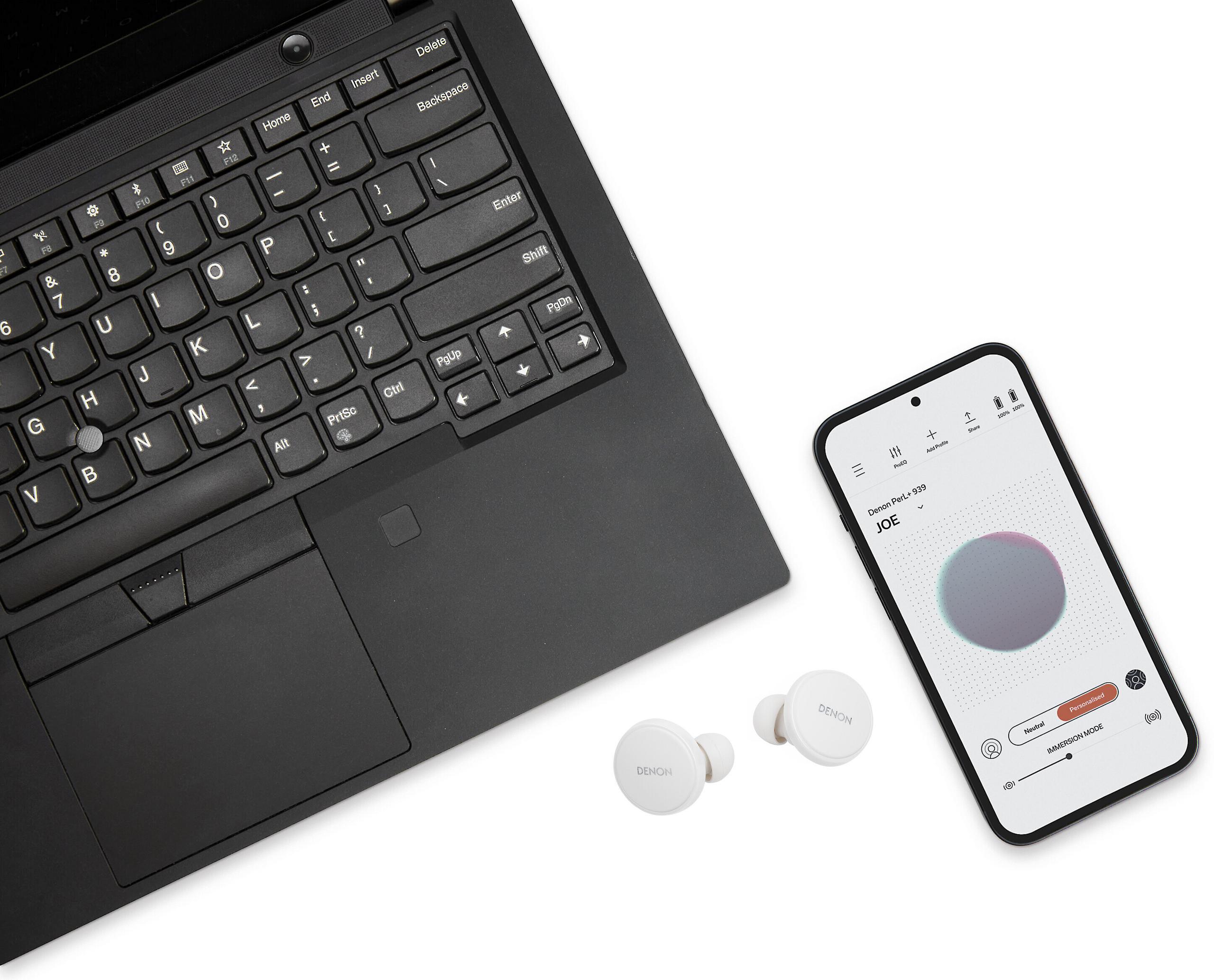
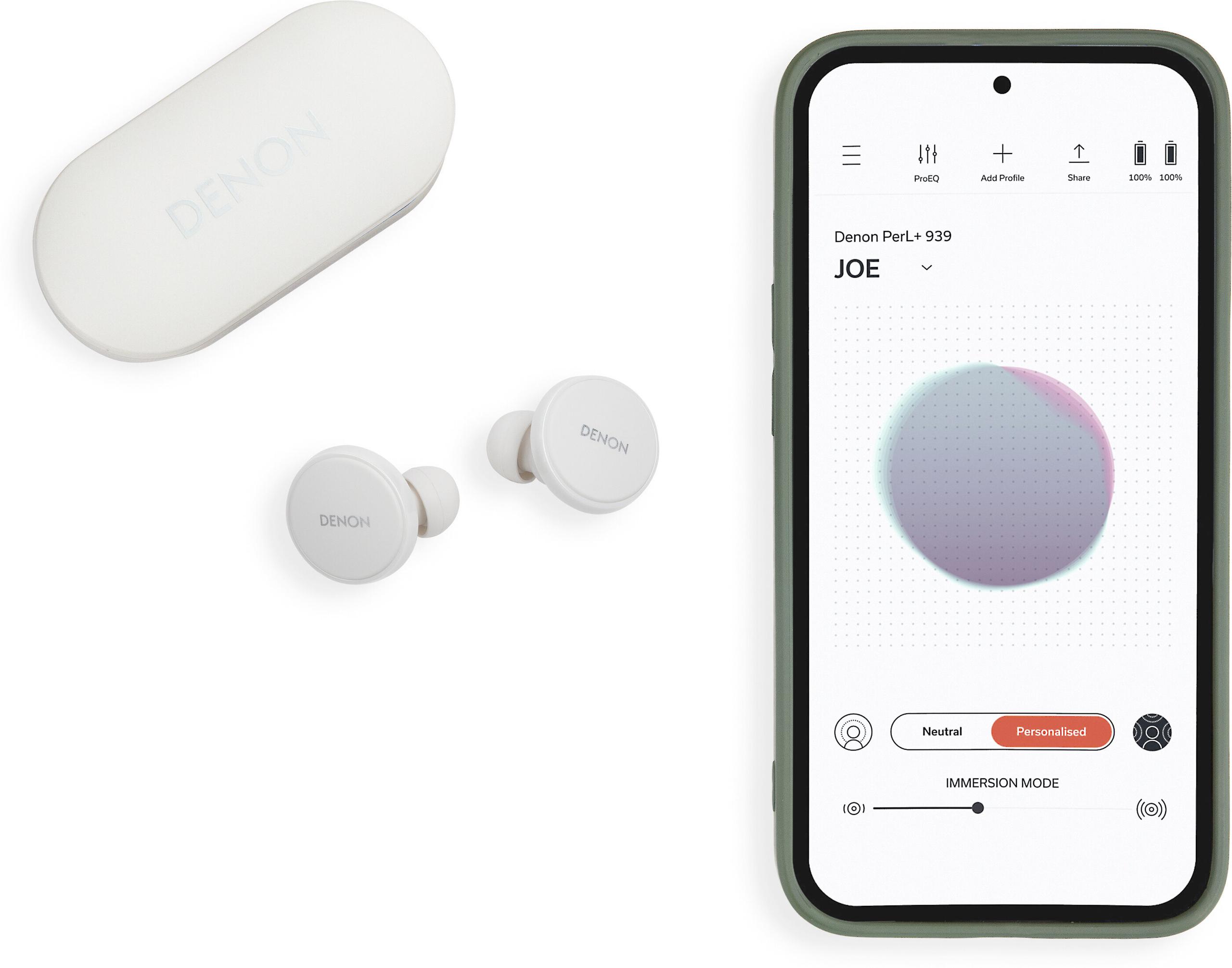
Perhaps the Denon PerL Pro's most distinctive feature is Masimo Adaptive Acoustic Technology (AAT). This system plays test tones through the earbuds and measures how your ears respond, creating a unique "hearing profile" that accounts for your ear shape and hearing sensitivity. Everyone hears differently—some people naturally hear more bass, others more treble—and this technology compensates for those individual differences.
After extensive research into user experiences, this personalization feature consistently receives praise for dramatically improving sound quality. Users report hearing details in familiar songs they'd never noticed before. The JBL Tune Flex offers basic EQ adjustment through its app, but nothing approaching this level of customization.
Based on comprehensive review analysis, the JBL Tune Flex delivers impressive audio quality for its price point, with well-controlled bass and clear mids. However, it occasionally suffers from slight harshness in the upper frequencies, and the standard codecs limit its resolution with high-quality audio sources.
The Denon PerL Pro consistently receives praise for exceptional clarity across all musical genres, with particular strength in acoustic music, jazz, and classical recordings where subtle details matter most. The lossless audio capability becomes especially apparent with high-quality streaming services or locally stored FLAC files.
For casual Spotify listening, both earbuds perform admirably. But if you subscribe to services like Tidal HiFi or Apple Music Lossless, or have a collection of high-quality audio files, the Denon PerL Pro justifies its premium pricing through noticeably superior detail and dynamics.
Active Noise Cancellation has become a standard feature, but implementation quality varies dramatically across price points.
ANC uses external microphones to detect ambient noise, then generates opposite-phase sound waves to cancel it out. It works best on consistent, low-frequency sounds like airplane engines, air conditioning, or traffic rumble. Variable sounds like conversations or sudden noises are harder to cancel.
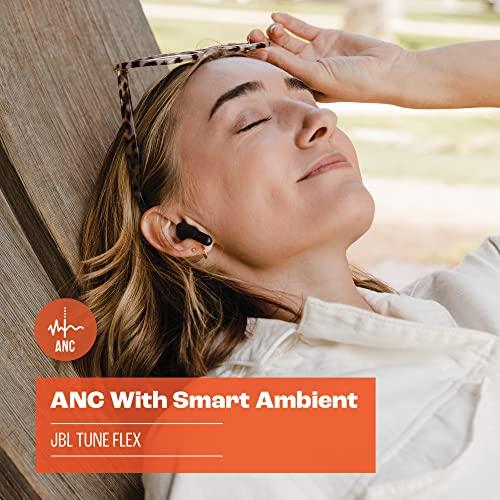
The JBL Tune Flex employs a basic two-microphone ANC system that effectively reduces constant background noise. Review consensus indicates it handles commuting scenarios reasonably well—reducing subway rumble and office air conditioning to manageable levels. However, it struggles with more complex acoustic environments and doesn't match premium earbuds for overall isolation.
The Denon PerL Pro features eight total microphones (four per earbud) with adaptive ANC that adjusts to your environment in real-time. This additional processing power and microphone array enables more sophisticated noise cancellation across a broader range of frequencies and situations.
Both earbuds offer transparency modes—features that let ambient sound through when needed. The JBL Tune Flex provides "Ambient Aware" and "TalkThru" modes, allowing you to hear surroundings for safety or have conversations without removing the earbuds.
The Denon PerL Pro offers "Social Mode" with more natural-sounding ambient passthrough, thanks to its superior microphone array and processing. Users consistently report more natural, less artificial-sounding transparency compared to budget options.
Battery technology has improved significantly since early true wireless earbuds offered just 3-4 hours of playback. Both earbuds benefit from these advances, though with different strengths.
The JBL Tune Flex delivers exceptional battery performance for its price range: eight hours per charge with ANC disabled, or six hours with ANC active. The charging case provides additional charges for 32 total hours (24 with ANC). The "Speed Charge" feature gives two hours of playback from just ten minutes of charging—invaluable when you're rushing out the door.
The Denon PerL Pro matches the eight-hour single-charge performance and 32-hour total capacity, while adding wireless charging convenience. Five minutes of charging provides one hour of playback—slightly less than the JBL's quick-charge capability.
Both earbuds offer all-day reliability, but the JBL Tune Flex edges ahead with faster emergency charging and slightly better ANC-on battery life.
With remote work becoming permanent for many people, call quality has evolved from a nice-to-have feature to an essential capability.
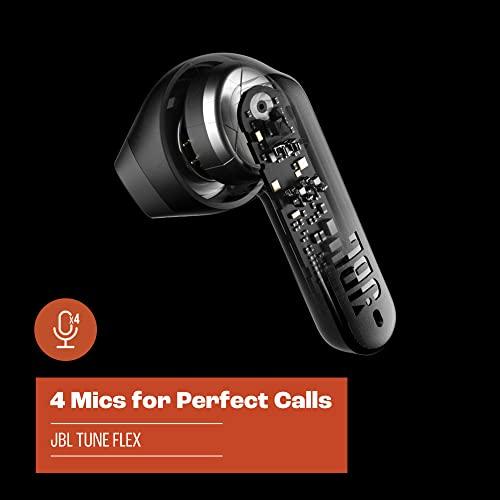
The JBL Tune Flex uses four microphones with beamforming technology to focus on your voice while reducing background noise. It includes "VoiceAware," which lets you hear your own voice during calls—preventing the common problem of talking too loudly because you can't hear yourself.
Review analysis indicates the JBL Tune Flex handles everyday calls well in moderate noise environments but struggles in very loud spaces like busy cafes or construction areas.
The Denon PerL Pro employs twice as many microphones with more sophisticated noise processing algorithms. The eight-microphone array enables more precise voice pickup and background noise rejection. User reports consistently praise the call quality as approaching dedicated headset performance.
For casual personal calls, both earbuds suffice. But if your work involves frequent important calls or challenging acoustic environments, the Denon PerL Pro's superior microphone system provides noticeable advantages.
Comfort becomes crucial for earbuds you'll wear for hours at a time. Both models prioritize different aspects of the wearing experience.
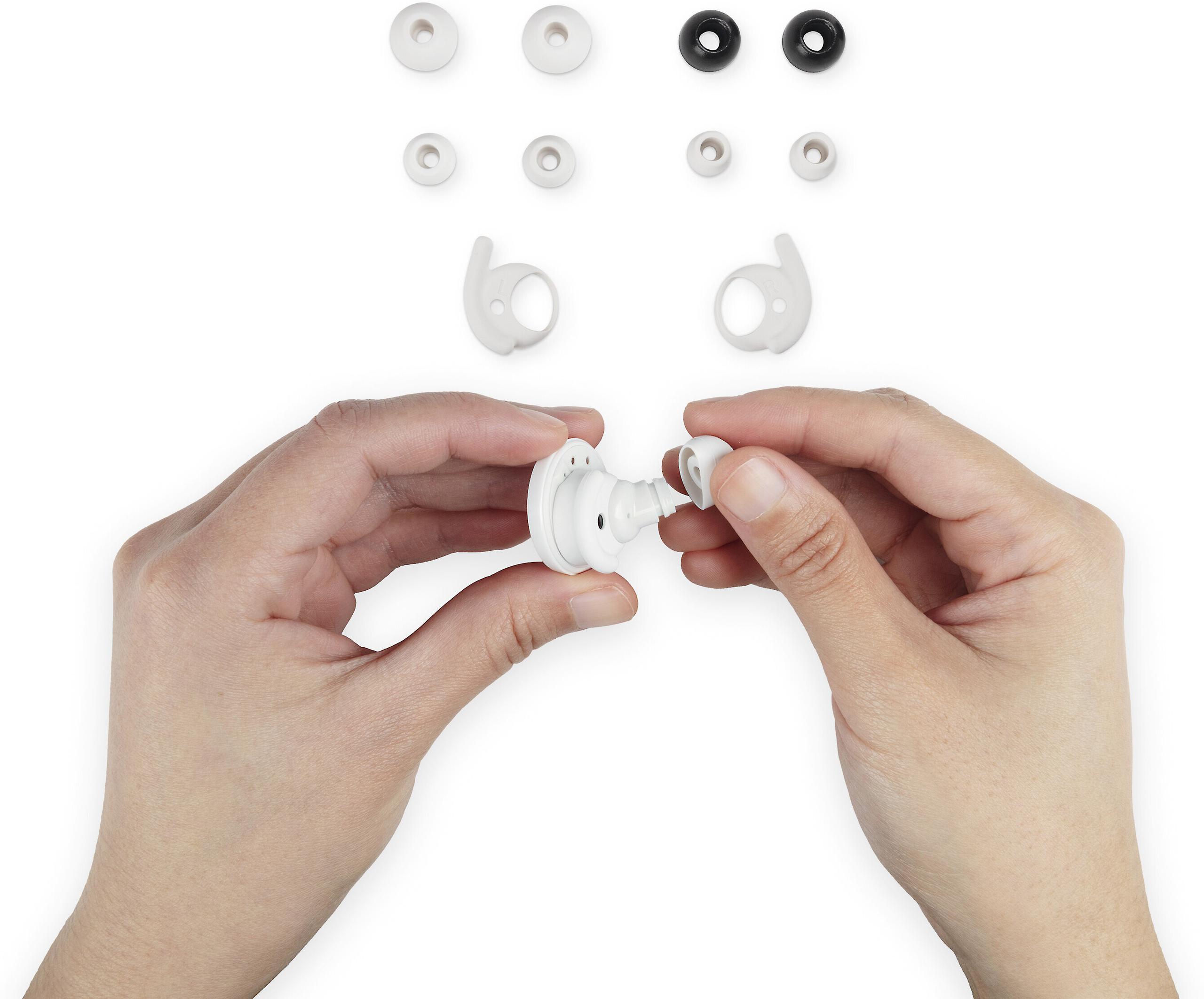
The JBL Tune Flex weighs just 4.8 grams per earbud and offers a unique dual ear tip system. You get traditional "sealing" tips in three sizes for maximum noise isolation, plus "open" tips that allow more ambient sound through. This versatility lets you choose the right configuration for different activities—sealed for commuting, open for jogging where you need situational awareness.
The Denon PerL Pro weighs slightly more at 8.6 grams per earbud but uses premium materials and more sophisticated ergonomics. The additional weight comes from higher-quality components rather than bulk, and most users don't notice the difference during extended wear.
Both earbuds feature IPX4 water resistance, protecting against sweat and light rain. This rating covers typical exercise scenarios but won't survive swimming or heavy downpours.
Modern earbuds pack surprising amounts of technology, and these models highlight different approaches to feature implementation.
The JBL Tune Flex uses Bluetooth 5.2 or 5.3 (depending on the version) with multi-point connection support—you can connect to two devices simultaneously and switch between them automatically. The touch controls are customizable through JBL's companion app, which also provides basic EQ adjustment and device location features.
The Denon PerL Pro employs Bluetooth 5.3 with more stable connectivity and lower latency. The companion app offers extensive customization options, including the crucial personalized sound profile setup. Touch controls feel more responsive and precise, likely due to better sensors and processing.
The Denon PerL Pro includes Dirac Virtuo spatial audio processing, which creates a more spacious, speaker-like soundstage for movies and music. This technology analyzes audio content and processes it to simulate the experience of listening to speakers in a room rather than drivers positioned directly in your ears.
While both earbuds work for movie watching, the Denon PerL Pro provides a more immersive experience, though standard Bluetooth latency still makes them less ideal than wired options for serious home theater use.
The JBL Tune Flex excels for users who want modern earbud features without premium pricing. Students, casual listeners, and first-time true wireless users will appreciate the impressive feature set. The excellent battery life makes them ideal for long school or work days, while the water resistance and secure fit work well for exercise.
If you primarily listen to music from streaming services, make occasional calls, and want reliable daily-use earbuds, the JBL Tune Flex delivers exceptional value. The dual ear tip system adds versatility that even some premium earbuds lack.
The Denon PerL Pro targets users who consider audio quality a priority worth paying for. If you have high-quality music files, subscribe to lossless streaming services, or simply notice and appreciate subtle audio differences, the advanced codec support and personalization technology provide genuine benefits.
Professionals who make frequent important calls will appreciate the superior microphone system, while the spatial audio processing enhances movie and gaming experiences beyond what standard earbuds offer.
Neither earbud represents an ideal home theater solution due to Bluetooth's inherent audio delay, but both can work for casual movie watching. The Denon PerL Pro provides superior dialogue clarity and spatial processing, while the JBL Tune Flex's longer battery life better suits movie marathons.
For serious home theater use, consider dedicated headphones or earbuds with low-latency gaming modes—though both of these earbuds serve adequately for smartphone and tablet video consumption.
The choice between the JBL Tune Flex and Denon PerL Pro ultimately depends on your priorities and budget constraints.
The JBL Tune Flex represents one of the best value propositions in true wireless earbuds. At the time of writing, it offers features that cost significantly more just a few years ago—active noise cancellation, long battery life, water resistance, and multi-point connectivity. For most users, it provides 80% of the premium earbud experience at a fraction of the cost.
The Denon PerL Pro justifies its premium pricing through genuinely superior audio technology, personalization features, and build quality. However, these advantages primarily benefit users who will actively utilize high-quality audio sources and appreciate subtle sonic improvements.
If you're budget-conscious, new to true wireless earbuds, or primarily use streaming services, the JBL Tune Flex offers exceptional value and capability. If you're an audio enthusiast with high-quality sources, make frequent professional calls, or simply want the best possible performance regardless of price, the Denon PerL Pro delivers premium features that justify the investment.
The true wireless earbud market continues evolving rapidly, with yesterday's premium features becoming tomorrow's standard inclusions. Both earbuds benefit from this technological progress, offering impressive capability at their respective price points. Your choice should align with your specific needs, usage patterns, and budget—but either option will serve you well in daily use.
| JBL Tune Flex | Denon PerL Pro |
|---|---|
| Driver Size - Larger drivers typically produce better bass response | |
| 12mm dynamic drivers | 10mm titanium-coated drivers |
| Audio Codecs - Higher quality codecs preserve more audio detail | |
| SBC, AAC (standard compression) | SBC, AAC, aptX Adaptive, aptX Lossless (CD-quality) |
| Personalized Sound - Custom tuning based on your hearing profile | |
| Basic EQ presets in app | Masimo Adaptive Acoustic Technology with personalized profiles |
| Active Noise Cancellation - Essential for blocking ambient noise | |
| Basic ANC with 2 microphones | Advanced adaptive ANC with 8 microphones |
| Battery Life (Single Charge) - How long before needing to recharge | |
| 8 hours (ANC off), 6 hours (ANC on) | 8 hours per charge |
| Total Battery Life - Includes charging case for all-day use | |
| 32 hours (ANC off), 24 hours (ANC on) | 32 hours total |
| Quick Charge - Emergency power for forgotten charging | |
| 10 minutes = 2 hours playback | 5 minutes = 1 hour playback |
| Microphones - More mics improve call quality and noise rejection | |
| 4 total microphones | 8 total microphones |
| Water Resistance - Protection level for exercise and weather | |
| IPX4 (sweat and splash resistant) | IPX4 (sweat and splash resistant) |
| Spatial Audio - Creates immersive surround sound experience | |
| Standard stereo | Dirac Virtuo spatial audio processing |
| Charging Case - Convenience features for daily use | |
| USB-C charging only | USB-C and Qi wireless charging |
| Bluetooth Version - Affects connection stability and battery efficiency | |
| Bluetooth 5.2/5.3 | Bluetooth 5.3 |
| Weight Per Earbud - Impacts comfort during extended wear | |
| 4.8g each | 8.6g each |
| Multi-Point Connection - Connect to multiple devices simultaneously | |
| Yes (2 devices) | Yes (2 devices) |
| Target Market - Who these earbuds are designed for | |
| Budget-conscious users wanting premium features | Audio enthusiasts prioritizing sound quality |
The Denon PerL Pro delivers significantly superior sound quality with 10mm titanium-coated drivers, lossless aptX codec support, and personalized sound tuning through Masimo Adaptive Acoustic Technology. The JBL Tune Flex offers good sound with 12mm drivers and JBL's Pure Bass signature, but uses standard compressed audio codecs. For serious listening, the Denon PerL Pro justifies its premium with noticeably better detail and clarity.
Both the JBL Tune Flex and Denon PerL Pro offer 8 hours of playback per charge and 32 hours total with the charging case. The JBL Tune Flex provides superior quick charging with 10 minutes giving 2 hours of playback, while the Denon PerL Pro offers 5 minutes for 1 hour. The JBL also maintains 6 hours with ANC enabled versus typical premium performance.
The Denon PerL Pro excels in call quality with 8 total microphones and advanced noise processing algorithms that deliver near-headset quality voice clarity. The JBL Tune Flex uses 4 microphones with beamforming and VoiceAware technology, providing adequate call quality for casual use but struggling in very loud environments. Professional users will appreciate the Denon PerL Pro's superior performance.
The Denon PerL Pro offers premium-level adaptive ANC with 8 microphones that effectively blocks various ambient sounds and adjusts automatically to your environment. The JBL Tune Flex provides basic but functional ANC with 2 microphones, handling constant sounds like air conditioning and traffic reasonably well but struggling with variable noise like conversations.
The JBL Tune Flex wins for extended comfort at just 4.8g per earbud with multiple ear tip options including unique "open" tips for natural sound awareness. The Denon PerL Pro weighs 8.6g per earbud but uses premium materials and ergonomic design. Both feature IPX4 water resistance, though the lighter JBL Tune Flex typically feels more comfortable during all-day wear.
Yes, both the JBL Tune Flex and Denon PerL Pro feature IPX4 water resistance protecting against sweat and splashes. The JBL Tune Flex offers advantages for fitness with its lighter weight, secure fit, and "open" ear tip option for situational awareness during outdoor activities. The Denon PerL Pro works for exercise but may be over-engineered for gym use.
The JBL Tune Flex provides exceptional value by delivering premium features like active noise cancellation, multi-point connectivity, and excellent battery life at a budget price point. The Denon PerL Pro justifies its premium pricing through superior audio technology, personalized sound profiles, and professional-grade call quality, but only offers good value if you'll utilize these advanced features.
Both earbuds work adequately for casual video watching, though Bluetooth latency affects lip-sync accuracy. The Denon PerL Pro provides superior dialogue clarity and includes Dirac Virtuo spatial audio processing for a more immersive experience. The JBL Tune Flex offers longer battery life better suited for movie marathons. Neither replaces dedicated home theater headphones for serious viewing.
The Denon PerL Pro offers more comprehensive app features including the crucial personalized sound profile setup, extensive touch control customization, and advanced audio settings. The JBL Tune Flex provides solid app support with basic EQ adjustment, device location features, and touch control customization, but lacks the sophisticated personalization options that make the Denon PerL Pro special.
Yes, both the JBL Tune Flex and Denon PerL Pro support multi-point connectivity, allowing connection to two devices simultaneously with automatic switching. The Denon PerL Pro typically offers more stable connections thanks to Bluetooth 5.3 and superior processing, while the JBL Tune Flex provides reliable multi-point functionality for everyday use scenarios.
For standard streaming services like Spotify and Apple Music, both earbuds perform well, with the JBL Tune Flex offering sufficient quality for compressed audio. The Denon PerL Pro becomes significantly better with lossless streaming services like Tidal HiFi or Apple Music Lossless, where its aptX Lossless codec support and personalized tuning provide noticeable improvements in detail and clarity.
Choose the JBL Tune Flex if you want modern earbud features without premium pricing, prioritize battery life, need reliable daily-use earbuds for exercise and commuting, or are new to true wireless earbuds. Choose the Denon PerL Pro if you're an audio enthusiast with high-quality music sources, make frequent professional calls, appreciate personalized audio experiences, or want flagship-level performance regardless of cost.
We've done our best to create useful and informative comparisons to help you decide what product to buy. Our research uses advanced automated methods to create this comparison and perfection is not possible - please contact us for corrections or questions. These are the sites we've researched in the creation of this article: rtings.com - hometechnologyreview.com - youtube.com - bestbuy.com - soundguys.com - bestbuy.com - crutchfield.com - bgr.com - robbsutton.com - majorhifi.com - versus.com - crutchfield.com - youtube.com - versus.com - jbl.com - global.jbl.com - pcrichard.com - musicarts.com - scribd.com - global.jbl.com - robot-advance.com - gzhls.at - bestbuy.com - att.com - ro.harmanaudio.com - techradar.com - zdnet.com - bestbuy.com - rtings.com - reviewed.com - youtube.com - pmamagazine.org - denon.com - youtube.com - whathifi.com - denon.com - loudnwireless.com - soundguys.com - stereonet.com - shop.masimo.com - crutchfield.com - bhphotovideo.com - denon.com - denon.com - manuals.denon.com - denon.com - headphones.com

Privacy Policy
Terms and Conditions - Affiliate Policy
Home Security
© Copyright 2008-2026.
11816 Inwood Rd #1211, Dallas, TX 75244