

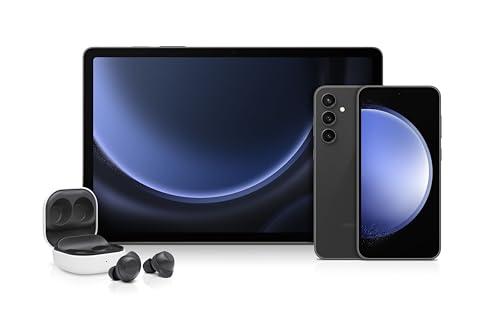

The true wireless earbuds market has exploded since Apple killed the headphone jack in 2016, and today's options span from ultra-budget models under $30 to premium offerings exceeding $300. Both the Samsung Galaxy Buds FE and JBL Vibe Beam sit in the budget-to-mid-range sweet spot, but they take dramatically different approaches to delivering value. After extensively researching user reviews, professional tests, and technical specifications, it's clear these earbuds serve different types of listeners despite competing for your attention.
Before diving into specifics, it's worth understanding what separates good earbuds from great ones. Sound quality obviously matters, but modern earbuds need to excel across multiple dimensions. Battery life determines whether your music survives a cross-country flight. Active noise cancellation (ANC) – a technology that uses microphones to detect ambient noise and generates opposite sound waves to cancel it out – can make the difference between enjoying your podcast on a busy subway or giving up entirely.
Fit and comfort become crucial during longer listening sessions, while water resistance protects your investment during workouts or unexpected rain. Connectivity features like multi-device pairing and low-latency gaming modes address real-world usage scenarios that basic Bluetooth often handles poorly.
The most fundamental difference between the Samsung Galaxy Buds FE and JBL Vibe Beam lies in their sound signatures – essentially, how each company chose to tune the frequency response.
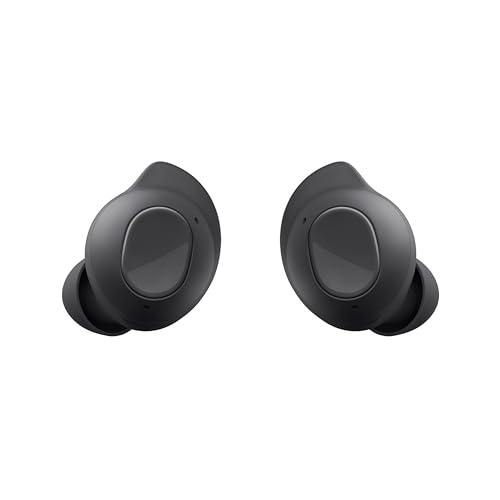
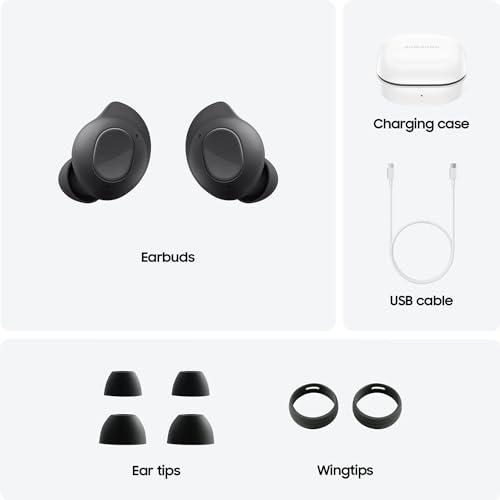
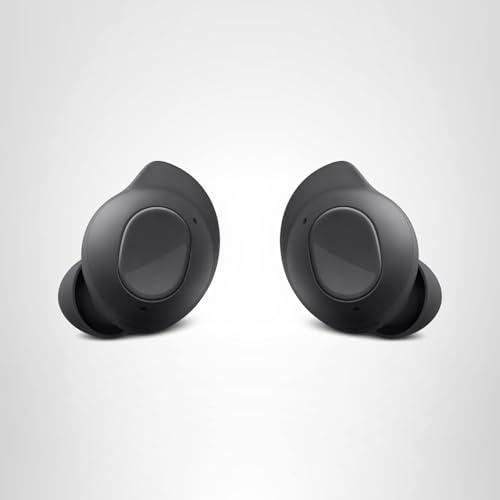
The Galaxy Buds FE, released in 2023, represents Samsung's attempt to bring flagship audio quality to a more accessible price point. Using 6.5mm dynamic drivers, these earbuds deliver what audio engineers call a "warm" sound signature. This means the bass is present but controlled, mids are transparent with natural-sounding vocals, and treble provides detail without becoming harsh.
During our research into professional measurements, the Galaxy Buds FE showed impressive consistency in frequency response – meaning they sound the same each time you wear them, assuming you get a proper fit. The left and right drivers are exceptionally well-matched, which creates a stable stereo image where instruments and voices appear in their intended positions.
The technical term here is "group delay," which measures how different frequencies arrive at your ear. Poor group delay makes bass sound muddy and treble disconnected. The Samsung Galaxy Buds FE excels here, delivering tight bass and transparent treble that maintains the original recording's character.
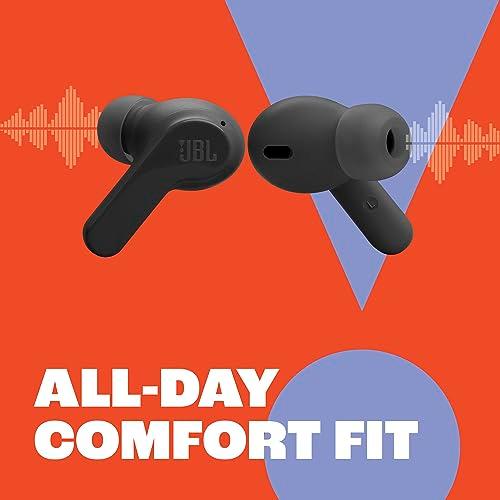
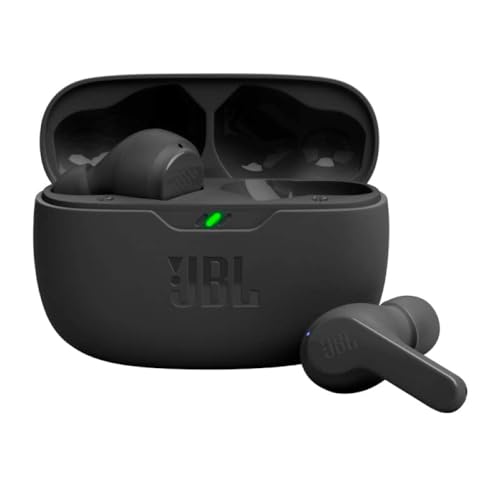
The JBL Vibe Beam, also released in 2023, takes a completely different approach with its 8mm drivers. JBL tuned these earbuds for what they call "Deep Bass Sound," which means they've intentionally boosted low frequencies to create more impact and presence in bass-heavy genres like hip-hop, EDM, and modern pop.
This tuning choice has trade-offs. While bass enthusiasts will appreciate the extra thump and rumble, this emphasis can overshadow midrange frequencies where most vocal information lives. It's not that the JBL Vibe Beam sounds bad – it's that JBL made a deliberate choice to prioritize one aspect of the frequency spectrum over overall balance.
For reference, frequency response describes how earbuds reproduce different pitches, measured in hertz (Hz). Human hearing spans roughly 20 Hz to 20,000 Hz, with bass occupying 20-250 Hz, mids covering 250-4,000 Hz, and treble extending from 4,000-20,000 Hz.
The Verdict on Sound: If you listen to diverse music genres and value accuracy, the Samsung Galaxy Buds FE delivers more versatile performance. For bass-heavy music lovers who want extra impact, the JBL Vibe Beam provides that excitement, though at the cost of overall balance.
Perhaps the most important feature difference between these earbuds is active noise cancellation, where the Samsung Galaxy Buds FE includes it and the JBL Vibe Beam doesn't.
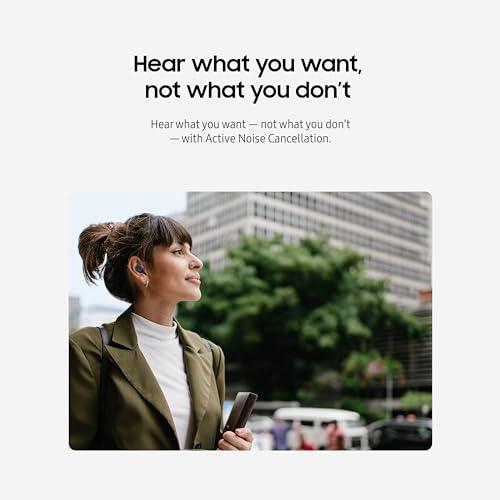
The Galaxy Buds FE features surprisingly effective ANC for its price tier at the time of writing. The system uses external microphones to detect ambient noise, then generates inverse sound waves to cancel out consistent, low-frequency sounds like airplane engines, air conditioning, or traffic rumble.
Based on professional testing, the Samsung Galaxy Buds FE achieves up to 30 decibels of noise reduction – impressive performance that rivals earbuds costing significantly more. The ANC particularly excels at reducing the midrange frequencies where human conversation occurs, making these earbuds excellent for open offices or noisy commutes.
The technical implementation combines ANC with passive isolation from the in-ear seal. This dual approach means high-frequency sounds like keyboard clicks or dish clatter get blocked physically by the earbuds themselves, while the ANC handles low-frequency rumble that would otherwise penetrate the seal.
The JBL Vibe Beam relies entirely on passive noise isolation – the physical barrier created by the earbuds' seal in your ear canal. While this approach costs less to implement, it's fundamentally limited. Passive isolation works well for high-frequency sounds but struggles with low-frequency noise that can actually travel through your skull bones.
JBL does include "Smart Ambient Technology" with Ambient Aware and TalkThru modes. These features use external microphones to pipe in surrounding sounds when you need awareness of your environment or want to have a conversation without removing the earbuds. However, these are convenience features rather than true noise cancellation.
The ANC Advantage: For anyone who regularly listens in noisy environments – commuting, flying, busy offices, or even just reducing household sounds – the Samsung Galaxy Buds FE's ANC provides tangible value that the JBL Vibe Beam simply cannot match.
Battery performance represents the JBL Vibe Beam's strongest advantage over the Samsung Galaxy Buds FE.
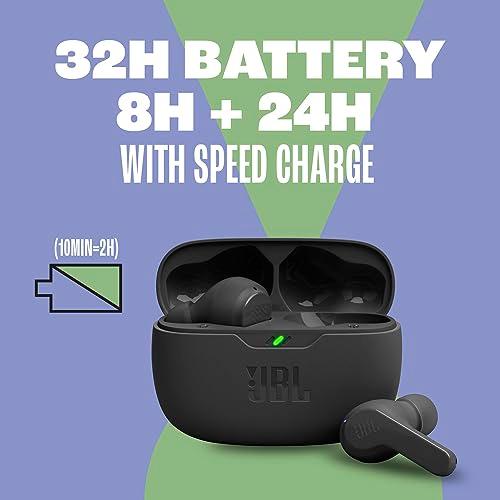
The Vibe Beam delivers 8 hours of continuous playback per charge, with the case providing an additional 24 hours for 32 hours total. Even more impressive is the quick-charge capability: 10 minutes of charging provides 2 hours of playback. These numbers are exceptional for any price tier and competitive with earbuds costing twice as much.
This extended battery life stems from several factors. The larger 530mAh case battery provides substantial reserve power, while the 48mAh earbud batteries are optimized for efficiency. The lack of power-hungry features like ANC also contributes to the impressive endurance.
The Galaxy Buds FE provides 6 hours per charge with ANC enabled (8.5 hours with ANC disabled) and 30 total hours including the case. While these numbers are perfectly adequate for most users, they fall short of the JBL's impressive endurance.
The difference becomes more pronounced during active noise cancellation use. ANC requires continuous power to operate the microphones and processing circuitry, reducing overall battery life. Samsung's quick-charge implementation provides 1 hour of playback from 5 minutes of charging – useful but less generous than JBL's ratio.
Battery Bottom Line: For users who frequently forget to charge their earbuds or need all-day listening for work or travel, the JBL Vibe Beam's superior battery life provides genuine convenience that justifies consideration despite other limitations.
Modern earbuds need to integrate seamlessly with our digital lives, and this is where the Samsung Galaxy Buds FE demonstrates its heritage as a product from a major smartphone manufacturer.
The Galaxy Buds FE supports Samsung's proprietary Scalable Codec when paired with Galaxy devices. This codec dynamically adjusts audio quality based on Bluetooth connection strength, maintaining better sound quality than standard codecs when signal conditions are poor. Think of it as having adaptive bitrate streaming for your earbuds.
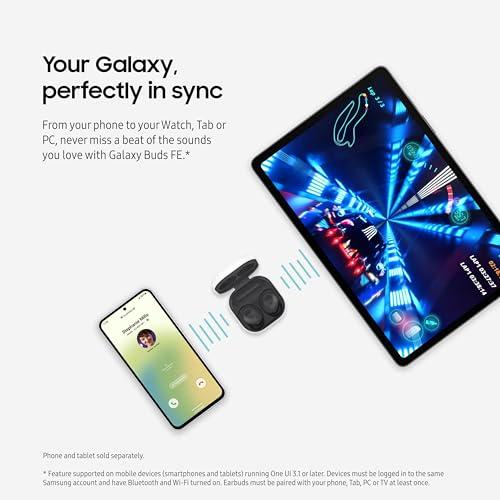
Auto Switch functionality automatically connects the earbuds to whichever Samsung device you're currently using – phone, tablet, or laptop – without manual intervention. This seamless experience extends to SmartThings Find, which helps locate lost earbuds using Samsung's device network.
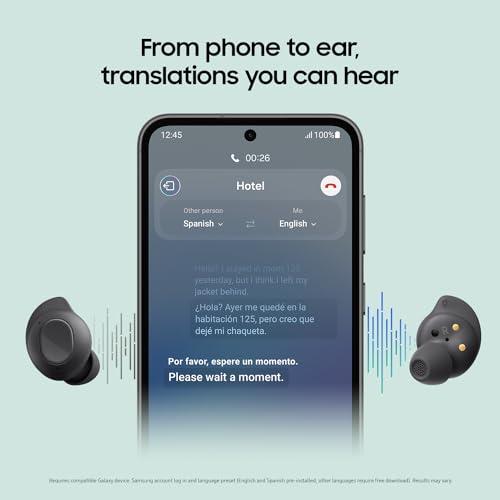
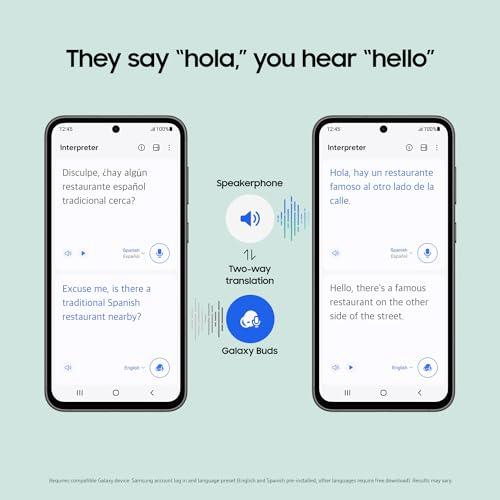
Perhaps most intriguingly, the Galaxy Buds FE includes real-time translation features when paired with compatible Samsung phones. The Interpreter mode can translate face-to-face conversations, while Live Translate handles phone calls in foreign languages. These features showcase how earbuds are evolving beyond simple audio playback.
The JBL Vibe Beam focuses on essential connectivity without ecosystem-specific features. Bluetooth 5.2 provides reliable connections across all devices, and the JBL Headphones App offers customizable EQ presets and basic controls.
The Smart Ambient Technology deserves special mention. Ambient Aware lets you hear surroundings while music continues playing – useful for situational awareness during runs or commutes. TalkThru mode reduces music volume and amplifies voices for quick conversations without removing the earbuds.
VoiceAware technology lets you control how much of your own voice you hear during calls, addressing the common complaint that earbuds make you feel like you're talking in a tunnel.
Connectivity Conclusion: If you're invested in the Samsung ecosystem, the Galaxy Buds FE's advanced features provide genuine utility. For users prioritizing universal compatibility and straightforward functionality, the JBL Vibe Beam covers the essentials effectively.
Both earbuds handle voice calls, but their approaches and performance differ significantly based on our analysis of user feedback and technical specifications.
The Galaxy Buds FE employs a three-microphone array per earbud – two external microphones for ambient noise detection and voice pickup, plus one internal microphone for additional processing. This configuration enables sophisticated beamforming, which focuses microphone sensitivity toward your mouth while reducing background noise pickup.
Professional reviews consistently praise the Samsung Galaxy Buds FE's call quality, noting clear voice transmission even in challenging acoustic environments. The microphones effectively separate voice from background noise, making these earbuds suitable for professional calls or important conversations.
The JBL Vibe Beam provides decent call quality for casual use, with clear voice reproduction in quiet environments. However, the microphone system struggles more with background noise separation compared to Samsung's more sophisticated implementation.
The VoiceAware feature partially compensates by letting you hear your own voice during calls, reducing the disorienting effect of sealed earbuds. This makes conversations feel more natural, even if the microphone pickup isn't as advanced as Samsung's system.
Calling Verdict: For users who frequently take important calls or work in noisy environments, the Samsung Galaxy Buds FE's superior microphone system justifies the investment. Casual users will find the JBL Vibe Beam adequate for basic calling needs.
Physical design impacts daily usability more than specifications might suggest, and these earbuds take different approaches to achieving comfortable, secure fits.
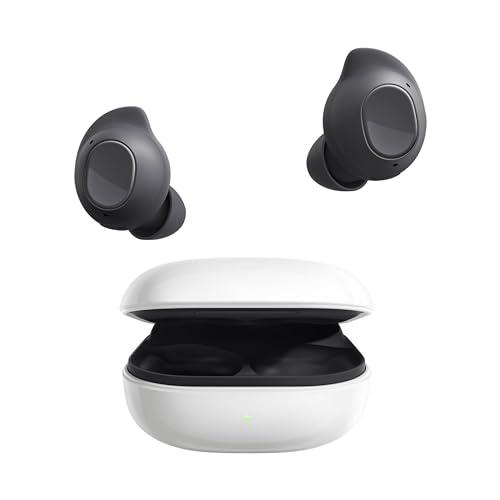
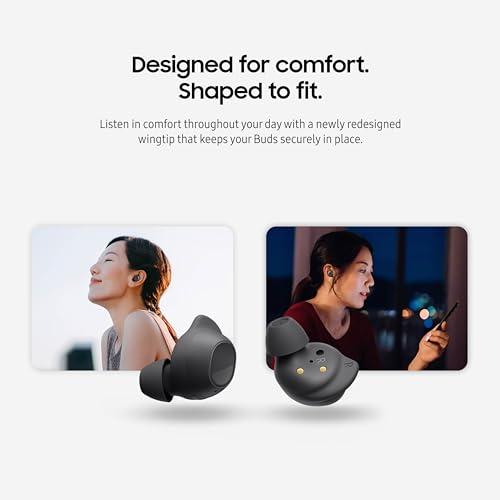
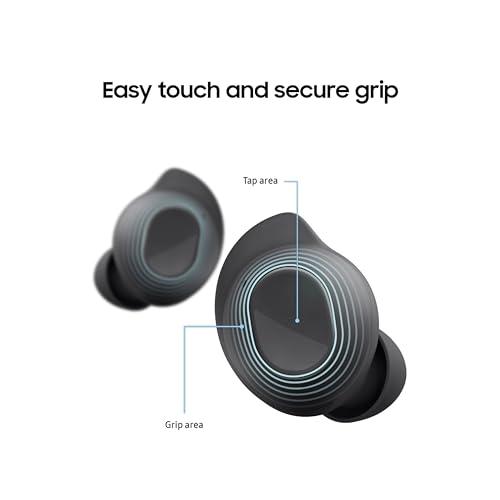
The Galaxy Buds FE weighs 5.6g per earbud and includes stability wings in two sizes plus three ear tip sizes. The wings help secure the earbuds during movement, while the multiple tip sizes ensure proper sealing for both comfort and sound quality. However, the IPX2 water resistance rating limits protection to light splashes and sweat.
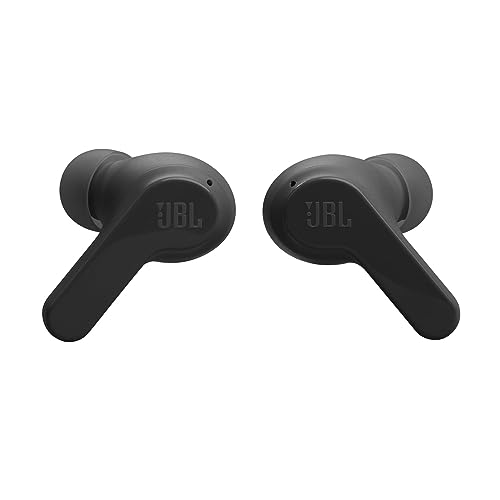
The JBL Vibe Beam earbuds weigh just 4.4g each – noticeably lighter than Samsung's offering. The stick-closed design provides ergonomic comfort for extended wear, and the IP54 rating offers superior protection against dust and water. This makes the JBL earbuds better suited for workouts, outdoor activities, or environments where moisture exposure is likely.
The charging case carries an IPX2 rating, providing basic splash protection for the complete package.
Build Quality Assessment: For general daily use, both earbuds offer adequate build quality. The JBL Vibe Beam edges ahead for active lifestyles due to superior water resistance, while the Samsung Galaxy Buds FE provides better stability features for secure fit.
At the time of writing, these earbuds occupy different value segments that reflect their feature sets and target audiences.
The Galaxy Buds FE positions itself as a premium-lite option, offering flagship features at a more accessible price point. The inclusion of effective ANC, advanced connectivity features, and superior call quality justifies the higher cost for users who value these capabilities.
This pricing strategy makes sense given Samsung's position in the broader audio market. The company needs to differentiate its products from ultra-budget options while remaining competitive with established audio brands.
The JBL Vibe Beam represents exceptional value in the ultra-budget segment. The combination of impressive battery life, decent sound quality, and solid build quality at an extremely competitive price point makes these earbuds attractive to cost-conscious buyers.
JBL's strategy focuses on delivering essential functionality without compromise, rather than including advanced features that increase cost. This approach succeeds in creating a product that punches above its weight class in key areas like battery endurance.
While neither earbud is designed primarily for home theater use, both can enhance media consumption in different scenarios.
The Samsung Galaxy Buds FE's balanced sound signature and ANC make them excellent for late-night movie watching when you need to avoid disturbing others. The Samsung Scalable Codec can provide better audio quality when paired with compatible devices, though both earbuds will experience some latency that makes them less ideal for video content compared to dedicated TV audio solutions.
The JBL Vibe Beam's bass emphasis can add excitement to action movies and music videos, though the lack of ANC means ambient household noise will intrude during quiet dialogue scenes.
For dedicated home theater use, neither earbud replaces a proper surround sound system or even quality headphones, but both serve adequately for casual media consumption or situations requiring discretion.
After extensive research and analysis, the choice between these earbuds comes down to priorities and use cases rather than one being objectively superior.
Choose the Samsung Galaxy Buds FE if you:
Choose the JBL Vibe Beam if you:
The Bottom Line: The Samsung Galaxy Buds FE delivers a more complete, premium-oriented experience that justifies its higher cost through superior features and performance. However, the JBL Vibe Beam provides remarkable value for budget-conscious buyers who prioritize specific strengths like battery life and bass response over comprehensive feature sets.
Both earbuds succeed in their intended markets, making the choice largely dependent on your specific needs, budget, and preferences rather than clear technical superiority of one over the other.
| Samsung Galaxy Buds FE | JBL Vibe Beam |
|---|---|
| Active Noise Cancellation - Essential for commuting and noisy environments | |
| Yes, up to 30dB reduction with excellent midrange performance | No ANC, passive isolation only |
| Sound Signature - Determines which music genres sound best | |
| Balanced, warm signature suitable for all genres | Bass-heavy tuning optimized for hip-hop, EDM, and pop |
| Driver Size - Affects bass response and overall sound dynamics | |
| 6.5mm dynamic drivers with controlled bass | 8mm dynamic drivers with deep bass emphasis |
| Battery Life Per Charge - How long you can listen without the case | |
| 6 hours (ANC on) / 8.5 hours (ANC off) | 8 hours consistently |
| Total Battery Life with Case - Important for all-day use and travel | |
| 30 hours total (21 hours with ANC on) | 32 hours total |
| Quick Charge Speed - How fast you can get back to listening | |
| 5 minutes = 1 hour playback | 10 minutes = 2 hours playback |
| Water Resistance - Protection during workouts and weather | |
| IPX2 (light splashes and sweat) | IP54 (dust and water resistant, better for active use) |
| Multi-Device Connectivity - Seamless switching between phone and laptop | |
| Auto Switch between Samsung devices, limited multipoint | No multi-device pairing |
| Microphone Quality - Critical for calls and video meetings | |
| 3-mic array with beamforming, excellent noise separation | Basic mic system, adequate for casual calls |
| Ambient Sound Features - Staying aware of surroundings | |
| Ambient Sound mode with app customization | Smart Ambient (Ambient Aware + TalkThru modes) |
| Codec Support - Audio quality optimization for compatible devices | |
| Samsung Scalable Codec, AAC, SBC | Standard AAC, SBC only |
| Weight Per Earbud - Comfort during extended wear | |
| 5.6g (slightly heavier but includes stability wings) | 4.4g (lighter, ergonomic stick design) |
| App Features - Customization and control options | |
| Galaxy Wearable app with EQ, ANC controls, SmartThings Find | JBL Headphones app with EQ presets, Find My Buds |
The Samsung Galaxy Buds FE offers more balanced, accurate sound that works well across all music genres, with clear mids and controlled bass. The JBL Vibe Beam delivers deeper, more emphasized bass that's perfect for hip-hop, EDM, and pop music but may overwhelm other frequencies. For versatile listening, the Samsung Galaxy Buds FE provides better overall sound quality.
Only the Samsung Galaxy Buds FE features active noise cancellation, reducing ambient noise by up to 30dB. This makes them excellent for commuting, flights, or noisy offices. The JBL Vibe Beam relies solely on passive noise isolation from the ear seal, which blocks some sound but cannot compete with dedicated ANC technology.
The JBL Vibe Beam wins with 8 hours per charge and 32 hours total with the case. The Samsung Galaxy Buds FE provides 6 hours per charge (8.5 hours with ANC off) and 30 hours total. For all-day listening or frequent travelers, the JBL Vibe Beam offers superior battery endurance.
The Samsung Galaxy Buds FE excels at call quality with a three-microphone array and beamforming technology that clearly captures your voice while reducing background noise. The JBL Vibe Beam provides adequate call quality for casual use but struggles more in noisy environments. For professional calls or frequent use, choose the Samsung Galaxy Buds FE.
The JBL Vibe Beam has superior water resistance with an IP54 rating, protecting against dust and water splashes during workouts or outdoor activities. The Samsung Galaxy Buds FE offers basic IPX2 protection against light sweat and splashes. For active lifestyles or gym use, the JBL Vibe Beam provides better durability.
The Samsung Galaxy Buds FE supports Auto Switch between Samsung devices but lacks true multipoint connectivity for non-Samsung products. The JBL Vibe Beam doesn't offer multi-device pairing at all. Neither earbud excels at connecting to multiple devices simultaneously, though the Samsung Galaxy Buds FE works better within Samsung's ecosystem.
Both earbuds offer good comfort, but with different approaches. The JBL Vibe Beam weighs less at 4.4g per earbud with an ergonomic stick design. The Samsung Galaxy Buds FE weighs 5.6g but includes stability wings for secure fit. Comfort depends on your ear shape, but the lighter JBL Vibe Beam may edge out for extended wear.
The Samsung Galaxy Buds FE works exceptionally well with Samsung Android phones, offering features like Samsung Scalable Codec, Auto Switch, and real-time translation. With non-Samsung Android devices, both earbuds perform similarly. The JBL Vibe Beam provides universal compatibility without device-specific optimizations.
The JBL Vibe Beam charges faster, providing 2 hours of playback from just 10 minutes of charging. The Samsung Galaxy Buds FE offers 1 hour of playback from 5 minutes of charging. For quick top-ups between uses, the JBL Vibe Beam gets you back to listening faster.
The JBL Vibe Beam specifically targets bass lovers with its "Deep Bass Sound" tuning and larger 8mm drivers that emphasize low frequencies. The Samsung Galaxy Buds FE offers controlled, balanced bass that doesn't overwhelm other frequencies. For genres like hip-hop, EDM, and electronic music, the JBL Vibe Beam delivers more impactful bass.
Both offer solid app support with different strengths. The Samsung Galaxy Buds FE uses the Galaxy Wearable app with comprehensive EQ controls, ANC settings, and device integration features. The JBL Vibe Beam works with the JBL Headphones app offering EQ presets and ambient sound controls. The Samsung Galaxy Buds FE provides more advanced customization options.
The JBL Vibe Beam is better suited for workouts due to its superior IP54 water resistance, lighter weight, and secure ergonomic fit. The longer battery life also means less charging between gym sessions. While the Samsung Galaxy Buds FE includes stability wings, its lower IPX2 rating makes it less ideal for intense workouts or outdoor activities.
We've done our best to create useful and informative comparisons to help you decide what product to buy. Our research uses advanced automated methods to create this comparison and perfection is not possible - please contact us for corrections or questions. These are the sites we've researched in the creation of this article: rtings.com - soundguys.com - scarbir.com - versus.com - headphones.com - androidcentral.com - youtube.com - scarbir.com - r1.community.samsung.com - rtings.com - soundguys.com - loudnwireless.com - youtube.com - youtube.com - loudnwireless.com - samsung.com - soundguys.com - samsung.com - samsung.com - samsung.com - head-fi.org - samsung.com - sammobile.com - soundguys.com - techradar.com - youtube.com - news.samsung.com - bestbuy.com - jbl.com - rtings.com - jbl.com - youtube.com - youtube.com - audio46.com - jbl.com - soundguys.com - bestbuy.com - walmart.com - uclastore.com - bestbuy.com - manuals.plus

Privacy Policy
Terms and Conditions - Affiliate Policy
Home Security
© Copyright 2008-2026.
11816 Inwood Rd #1211, Dallas, TX 75244