

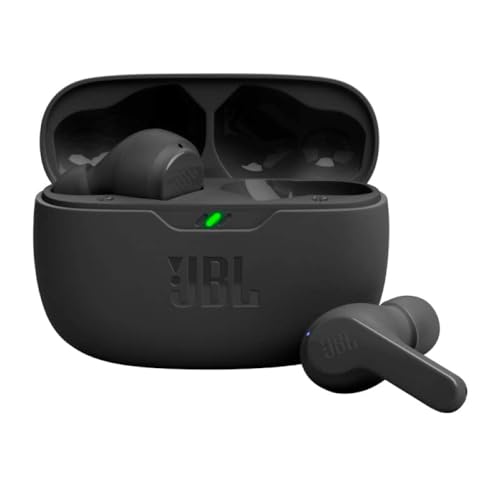
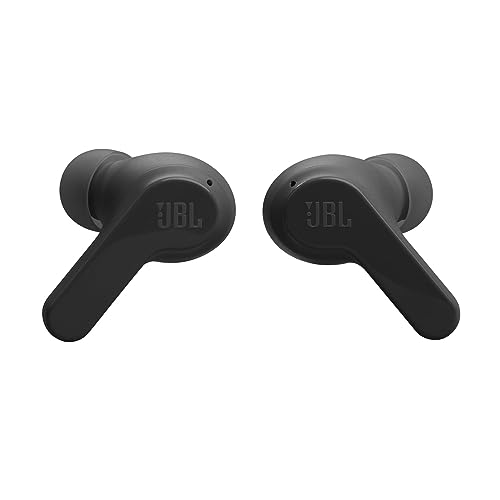

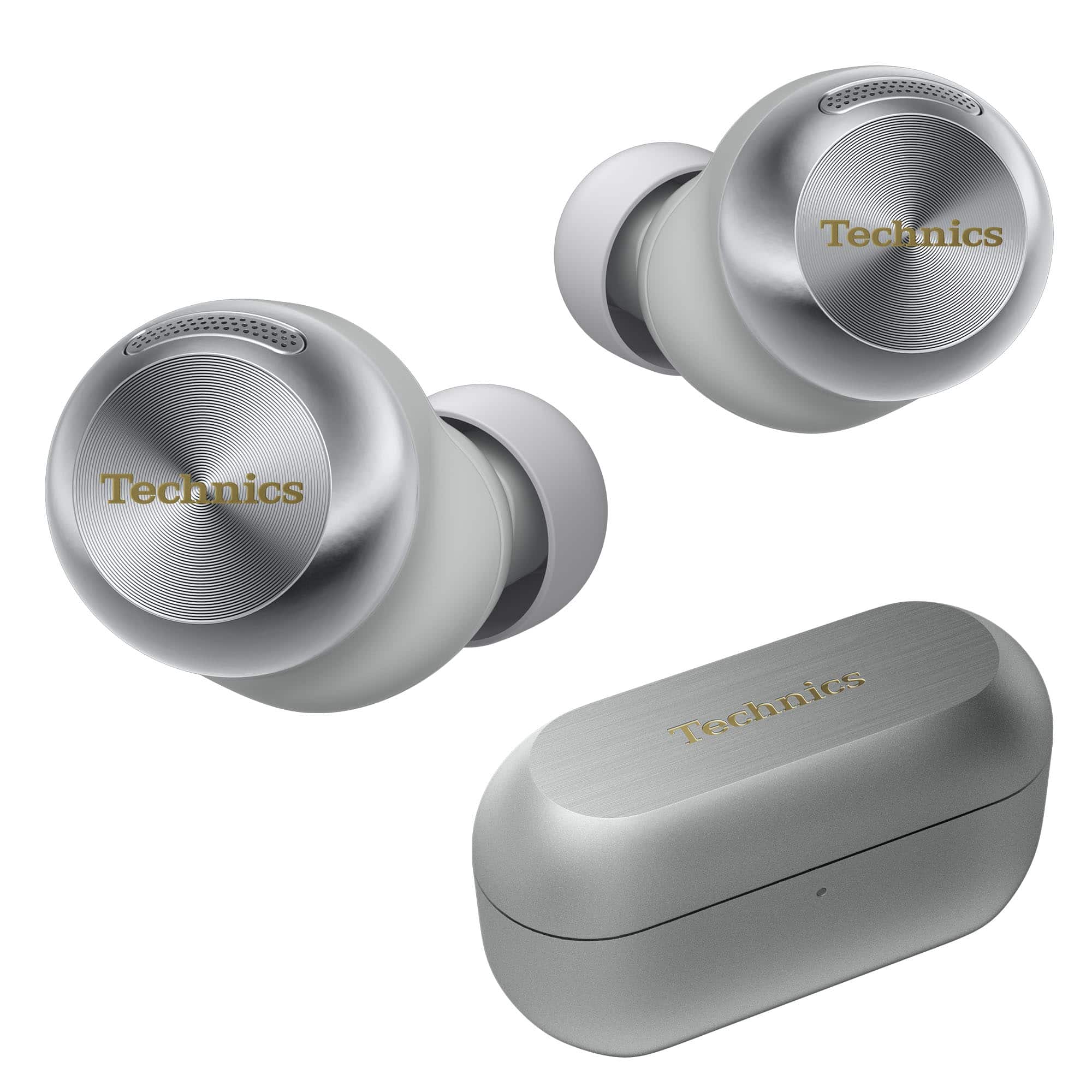
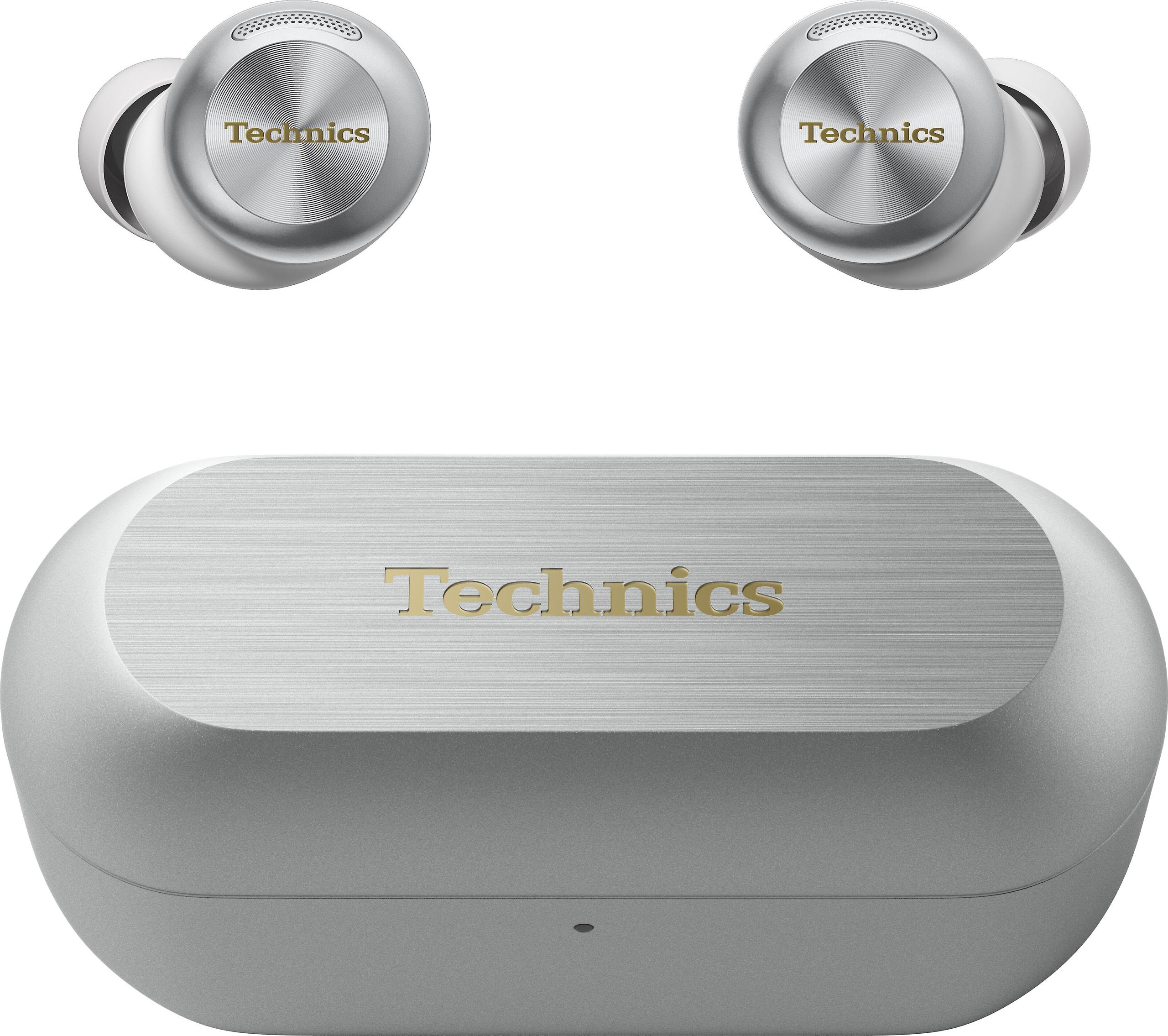

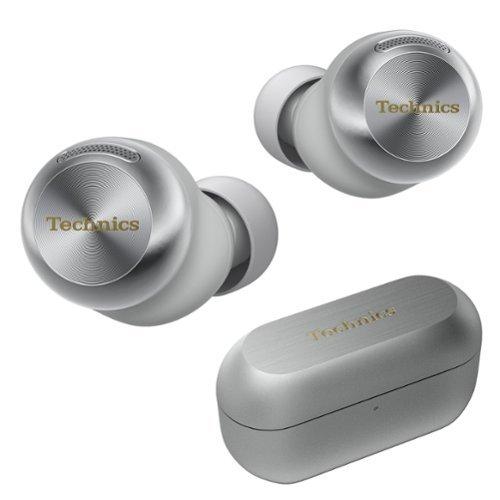

When shopping for true wireless earbuds, you'll quickly discover that this category spans an enormous price range—from under $50 to well over $300. This dramatic price spread reflects vastly different approaches to audio engineering, feature sets, and target audiences. At the time of writing, the JBL Vibe Beam and Technics EAH-AZ100 perfectly illustrate this divide, with the Technics costing nearly eight times more than the JBL.
But does that price difference translate to proportionally better performance? And more importantly, which approach makes sense for your needs? Let's dig deep into what separates these two philosophies and help you make an informed decision.
True wireless earbuds have evolved dramatically since Apple popularized the category with AirPods in 2016. Today's market offers everything from basic connectivity to sophisticated features like adaptive noise cancellation, spatial audio processing, and hi-resolution audio support. The key is understanding which features actually matter for your listening habits and budget.
When evaluating any true wireless earbuds, focus on these core considerations: sound quality (how music actually sounds in your ears), battery life (whether they'll last through your day), comfort and fit (crucial for extended use), connectivity reliability (frustrating when glitchy), and the overall value proposition relative to price.
The JBL Vibe Beam, released in 2023, represents JBL's commitment to delivering solid fundamentals at an accessible price point. Meanwhile, the Technics EAH-AZ100, launched in early 2025, showcases how premium audio engineering has advanced, incorporating AI-powered features and reference-quality drivers that would have been unthinkable in earbuds just a few years ago.
This is where the fundamental philosophy difference between these products becomes crystal clear. Audio quality isn't just about "sounding good"—it encompasses frequency response (how well different pitches are reproduced), driver technology (the tiny speakers inside each earbud), and digital audio processing.
The JBL Vibe Beam uses 8mm dynamic drivers, which are relatively standard for this price range. Dynamic drivers work like tiny versions of traditional speakers—a magnet moves a diaphragm (thin membrane) back and forth to create sound waves. JBL has tuned these drivers to emphasize bass frequencies, delivering their signature "Deep Bass Sound" that makes hip-hop, electronic music, and modern pop feel impactful and engaging.
Based on our research into user reviews and expert evaluations, the Vibe Beam delivers surprisingly balanced sound for its price point. The bass is present but not overwhelming, mids (where most vocals sit) remain clear, and highs (cymbals, guitar picks, vocal details) are generally well-represented, though they can occasionally sound harsh on certain tracks. The frequency response spans 20Hz to 20kHz, which covers the full range of human hearing.
What's particularly impressive is the customization available through JBL's smartphone app, which offers a parametric equalizer. This means you can adjust specific frequency ranges to match your preferences—boost the treble if you find it too muffled, or dial back the bass if it's too much for your taste.
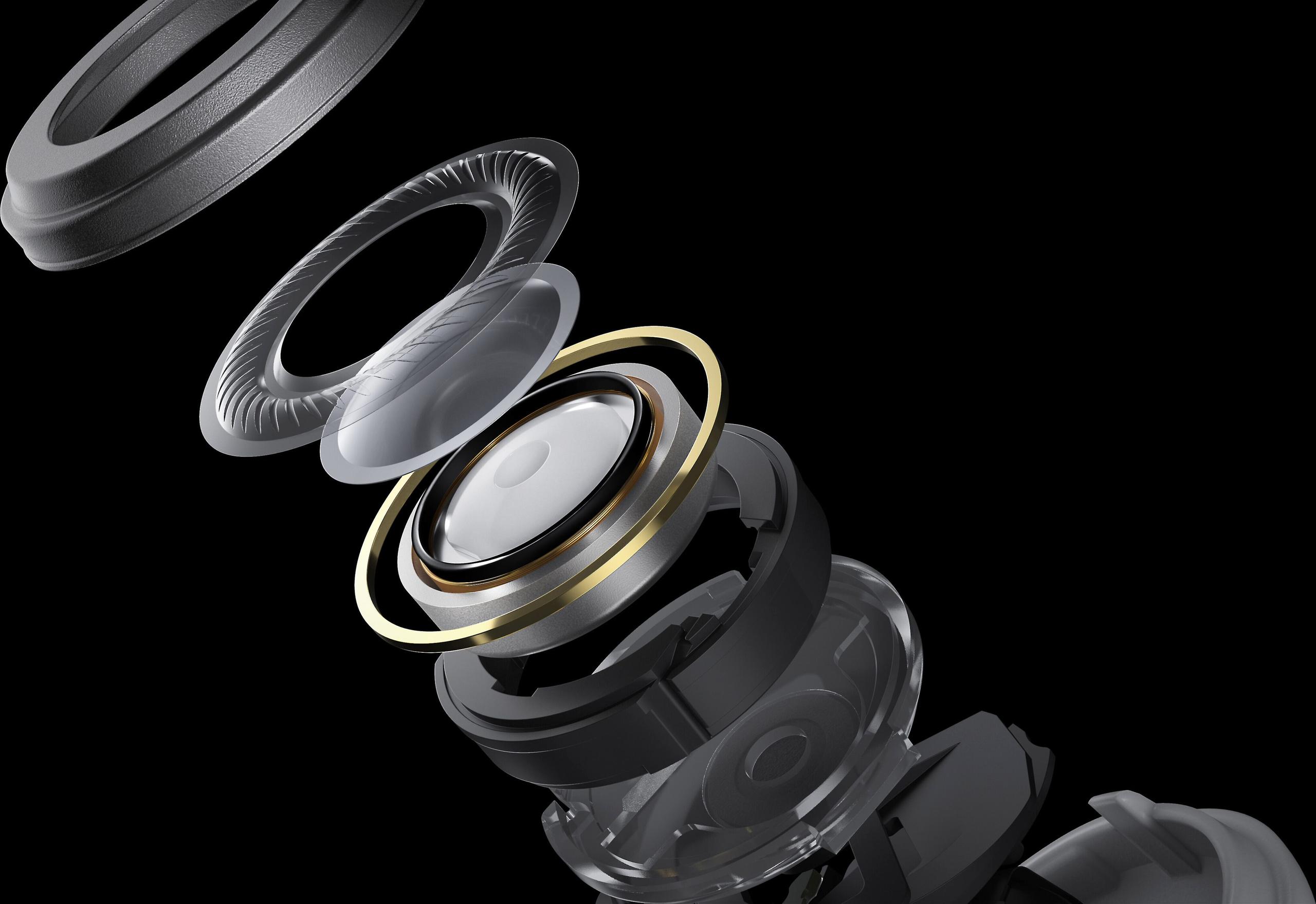
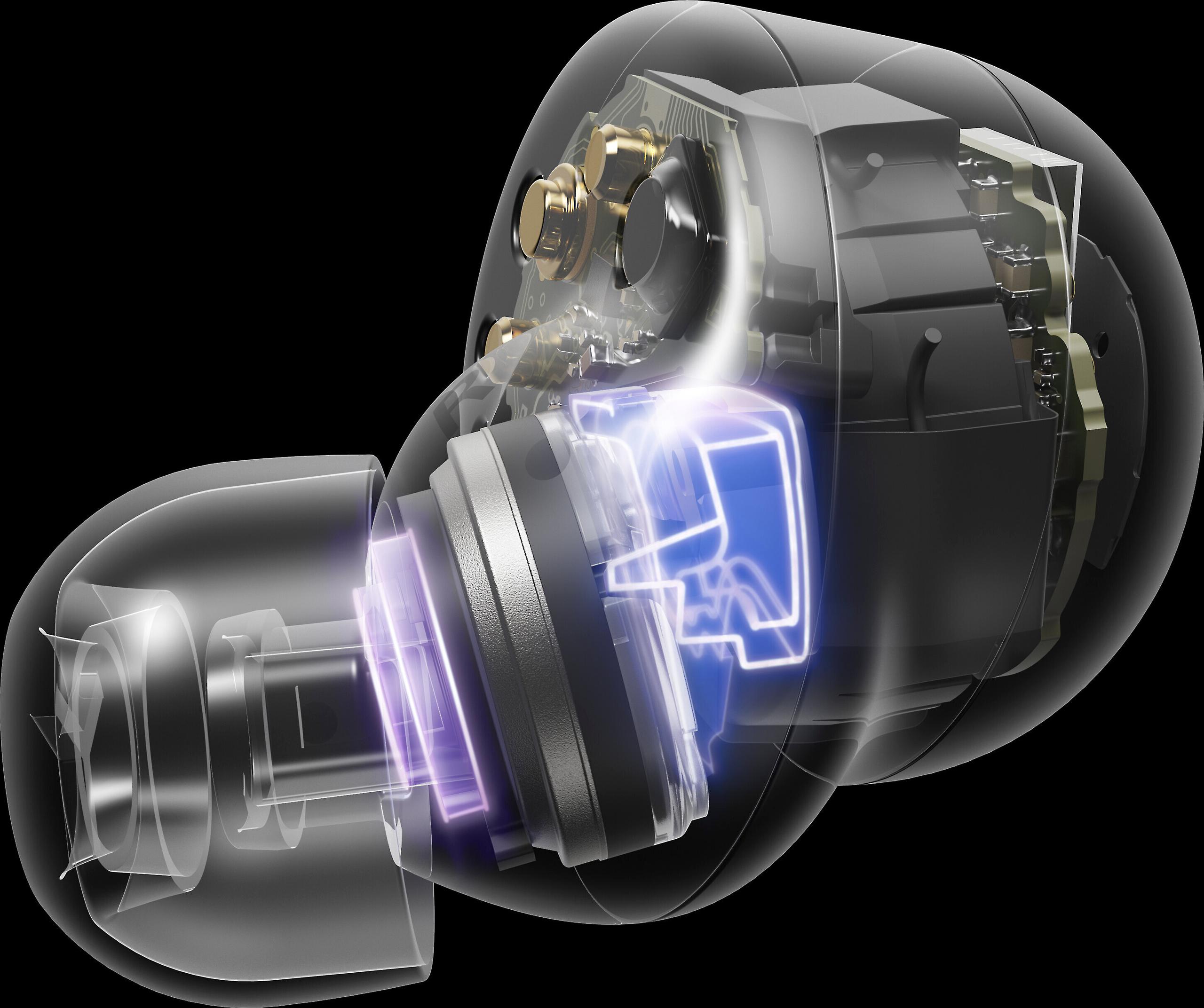
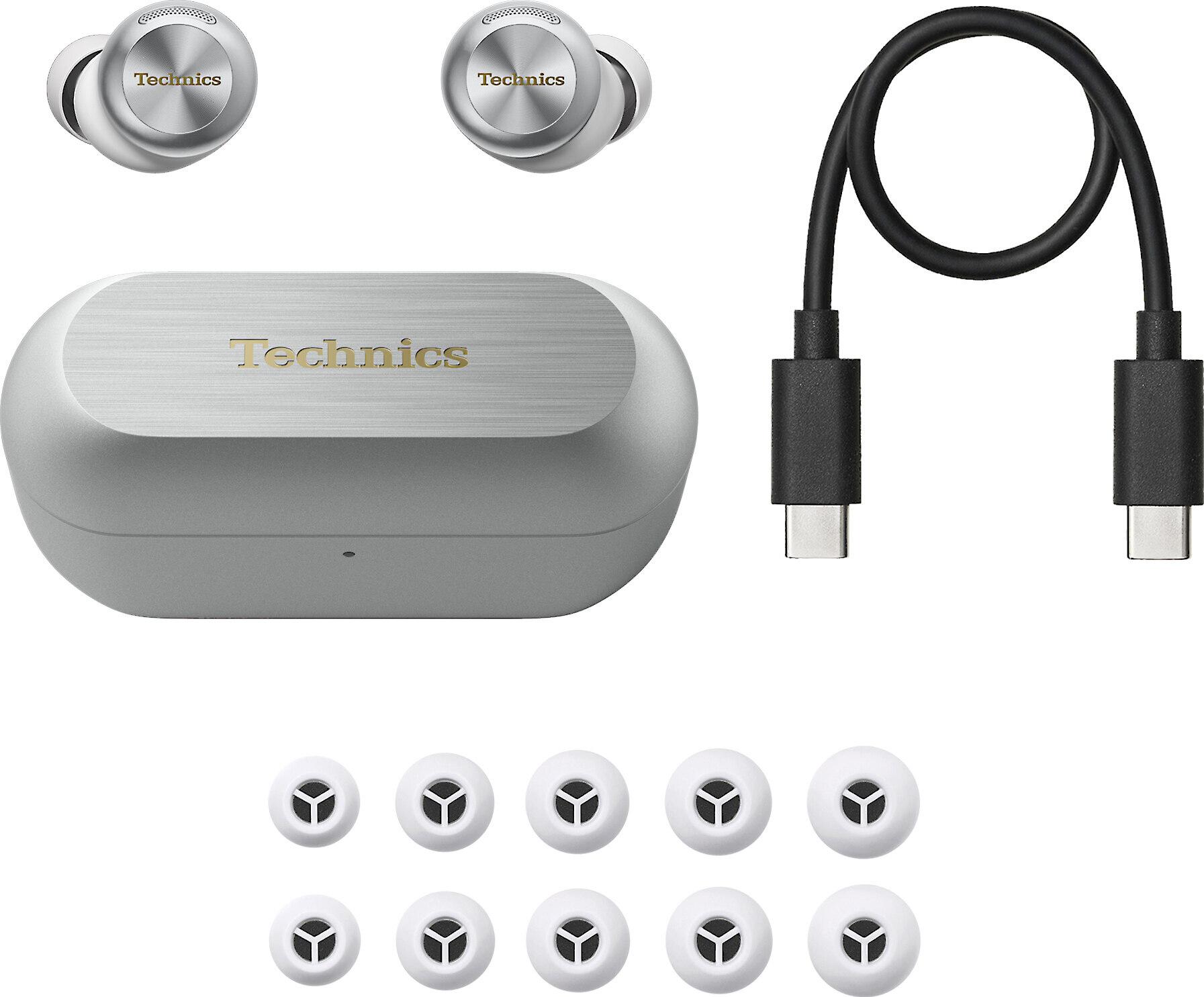
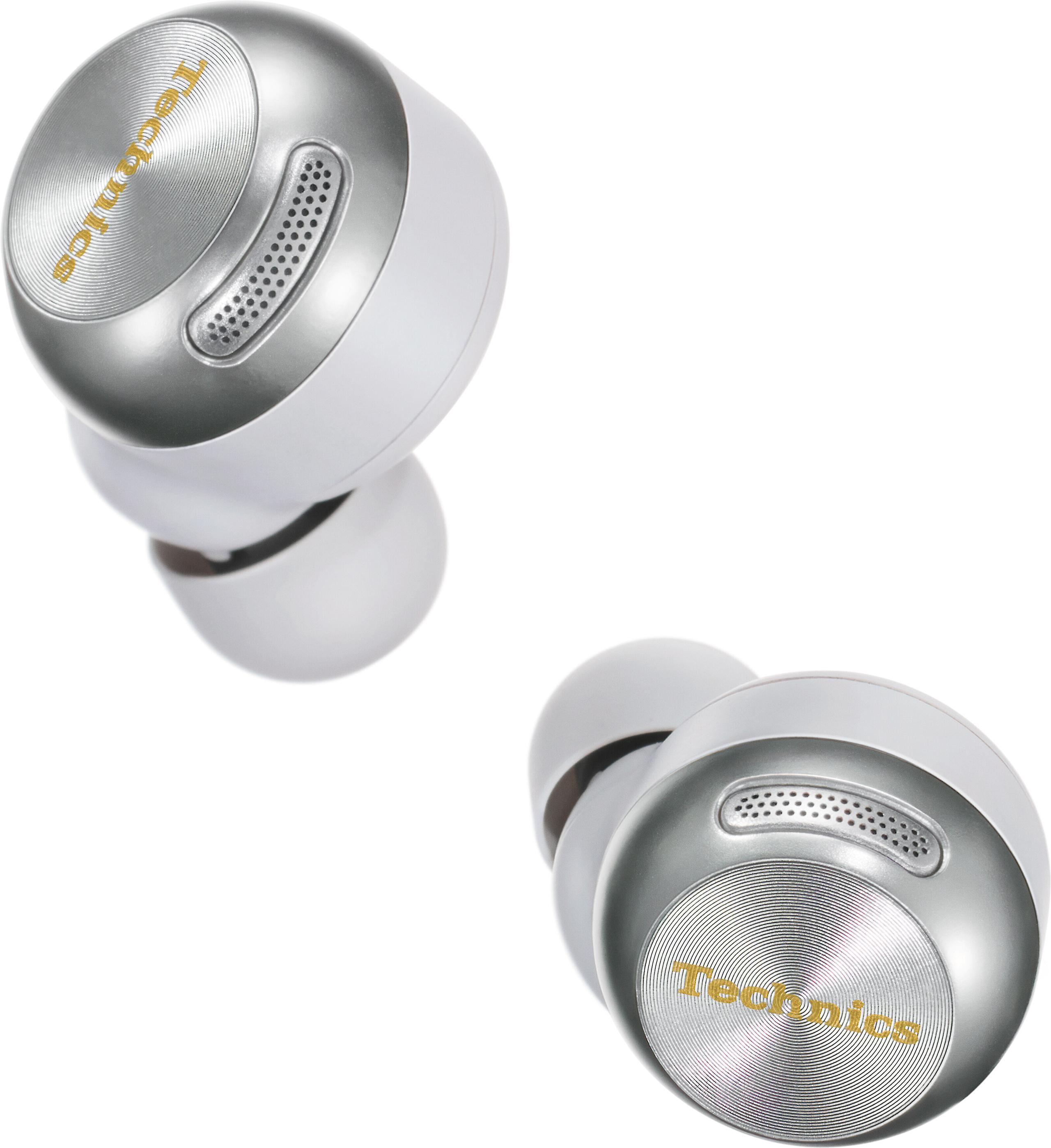
The Technics EAH-AZ100 takes a fundamentally different approach with its 10mm magnetic fluid drivers. This technology, miniaturized from Technics' high-end wired earphones, uses a special oil-like substance with magnetic properties positioned between the driver's magnet and voice coil. This allows for more precise control of the driver movement, resulting in lower distortion and more accurate sound reproduction.
The technical specifications tell part of the story: the AZ100 extends its frequency response to 40kHz, well beyond human hearing but important for harmonic content that affects how music "feels." More importantly, these earbuds support high-resolution audio codecs like LDAC and AAC, which preserve more detail from your music files compared to basic SBC codec used by the Vibe Beam.
Expert reviews consistently praise the AZ100's ability to reveal details in familiar recordings that other earbuds miss. String instruments have more texture, vocals sound more natural and present, and the overall soundstage (the sense of space and instrument placement) is significantly more expansive than typical in-ear designs achieve.
In practical terms, both earbuds will make your music sound good, but they excel in different ways. The JBL Vibe Beam makes everything sound fun and engaging, with enough bass to make your morning commute playlist feel energetic. The Technics AZ100 reveals nuances you might not have noticed before—the way a guitar string slightly bends, the breath a vocalist takes between phrases, or the subtle reverb in a recording studio.
For home theater use, the Technics offers a significant advantage with its Dolby Atmos support and AI-powered spatial audio processing. This technology can create a more immersive experience when watching movies, making dialogue clearer and creating better separation between sound effects. The Vibe Beam, while lacking these advanced features, still provides decent movie watching experience, though without the spatial enhancement.
Battery performance directly impacts how useful earbuds are in daily life. Both products offer impressive endurance, but with different strengths.
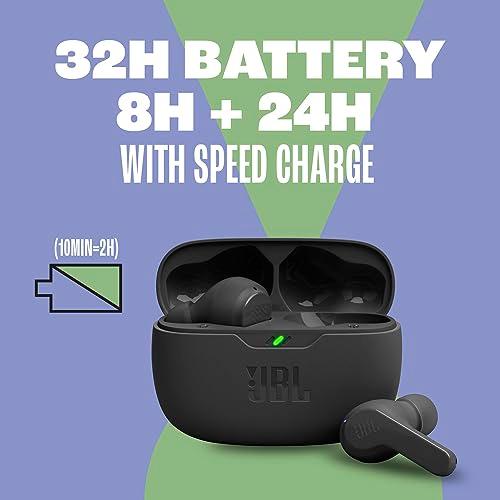
The JBL Vibe Beam provides up to 32 total hours—8 hours from the earbuds themselves plus 24 additional hours from the charging case. This is genuinely outstanding performance that rivals much more expensive products. The speed charging feature delivers 2 hours of playback from just 10 minutes in the case, which is incredibly convenient when you're rushing out the door.
The Technics AZ100 offers 10-12 hours from the earbuds (with noise cancellation active) plus up to 28 hours from the case. While the total is slightly lower, the per-charge endurance is actually better, meaning fewer interruptions during long listening sessions. The quick charge provides 90 minutes of playback from 15 minutes of charging.
In real-world use, both will easily last through most people's daily routines. The JBL has a slight edge for weekend trips or situations where you might not have regular access to charging, while the Technics better serves users who prefer longer uninterrupted listening sessions.
This represents one of the most significant functional differences between these products, affecting how and where you can effectively use them.
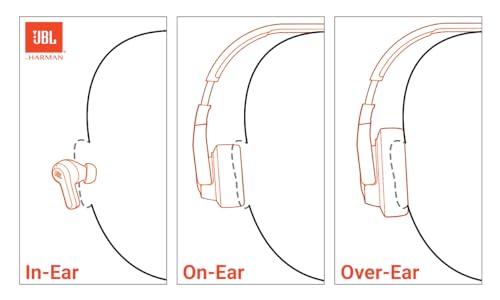
The JBL Vibe Beam relies on passive noise isolation—physically blocking sound through its stick-closed design and silicone ear tips. This approach works reasonably well for consistent sounds like air conditioning or general office chatter, but struggles with irregular noises like conversations, traffic, or airplane engines. The earbuds do include "Smart Ambient" technology with TalkThru and Ambient Aware modes, which use the built-in microphones to selectively let in environmental sounds when needed.
The Technics AZ100 features professional-grade adaptive active noise cancellation (ANC). This technology uses microphones to detect external sounds and generates inverse sound waves to cancel them out. The "adaptive" part means the system continuously adjusts based on your environment and even the specific shape of your ears. Based on expert testing, this system effectively reduces low-frequency noise like engine rumble, air conditioning, and traffic—exactly the sounds that passive isolation struggles with.
For frequent travelers, commuters using public transportation, or anyone working in noisy environments, the Technics provides a dramatically superior experience. The difference isn't subtle—it's the difference between hearing background noise and having it virtually disappear.
Comfort becomes crucial if you plan to wear earbuds for hours at a time, and both products approach this differently.
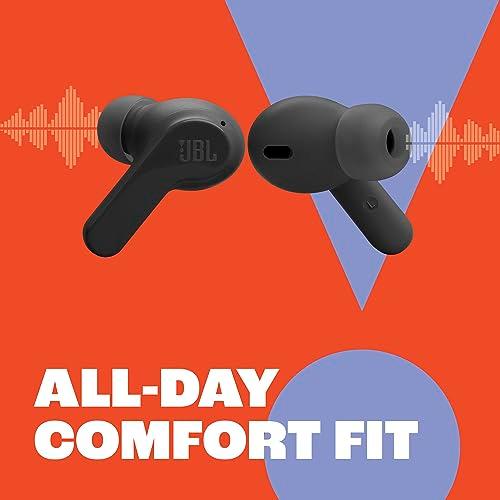
The JBL Vibe Beam weighs just 4.4 grams per earbud, making them among the lightest options available. The stick-closed design naturally follows your ear's contours, and many users report being able to wear them comfortably for 4-6 hours without fatigue. However, some users with smaller or uniquely shaped ears find them less secure during physical activity.
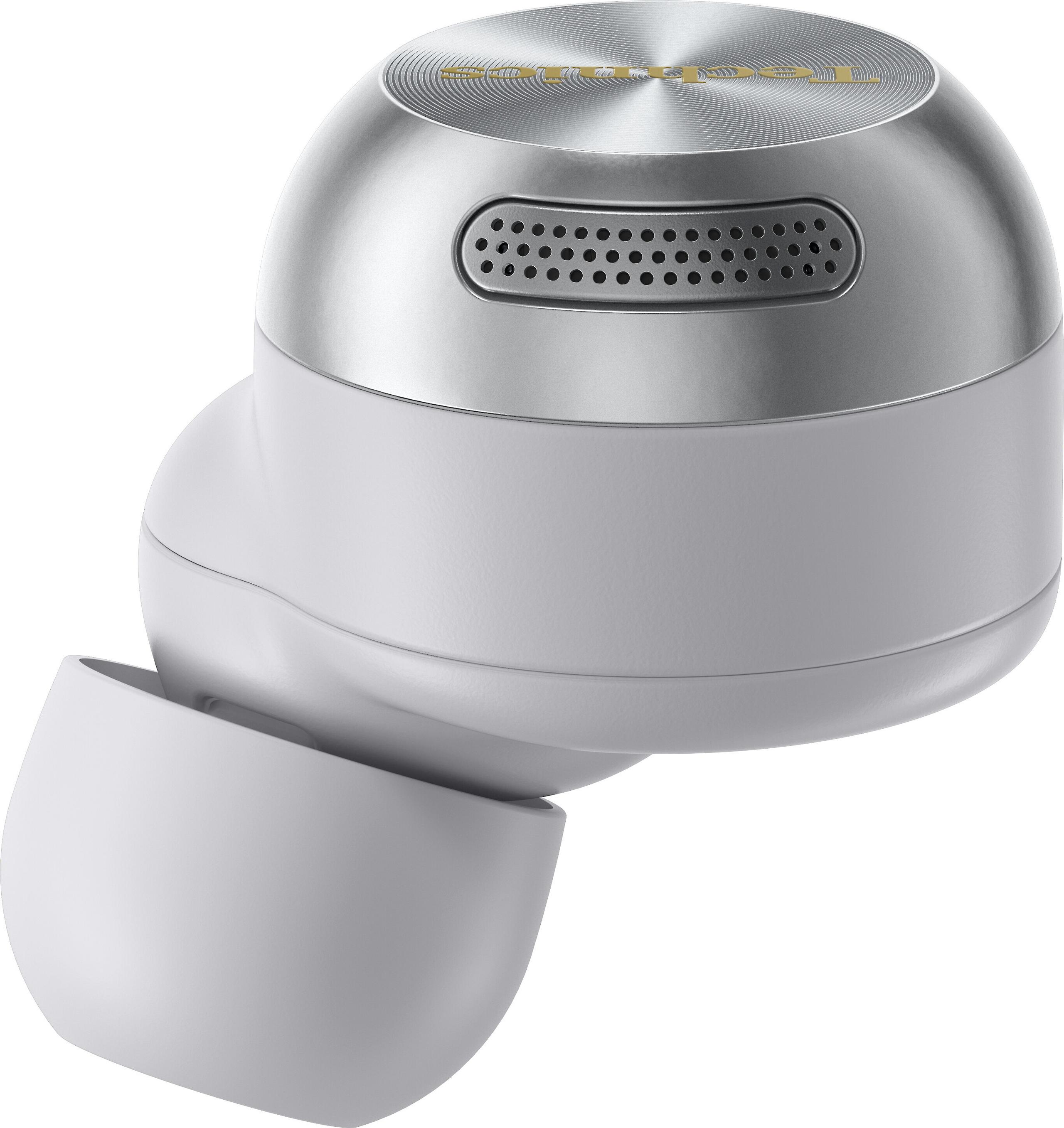
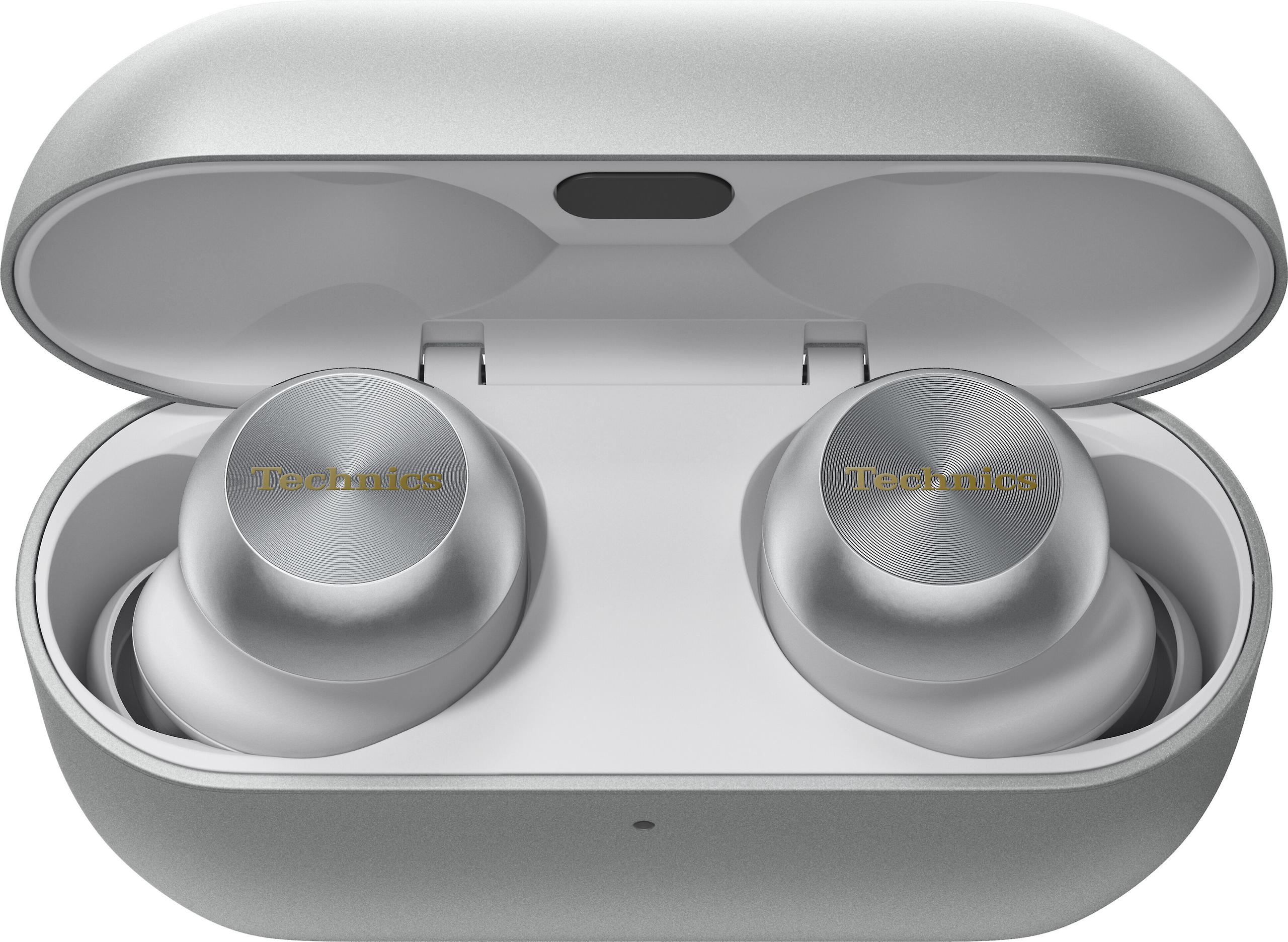
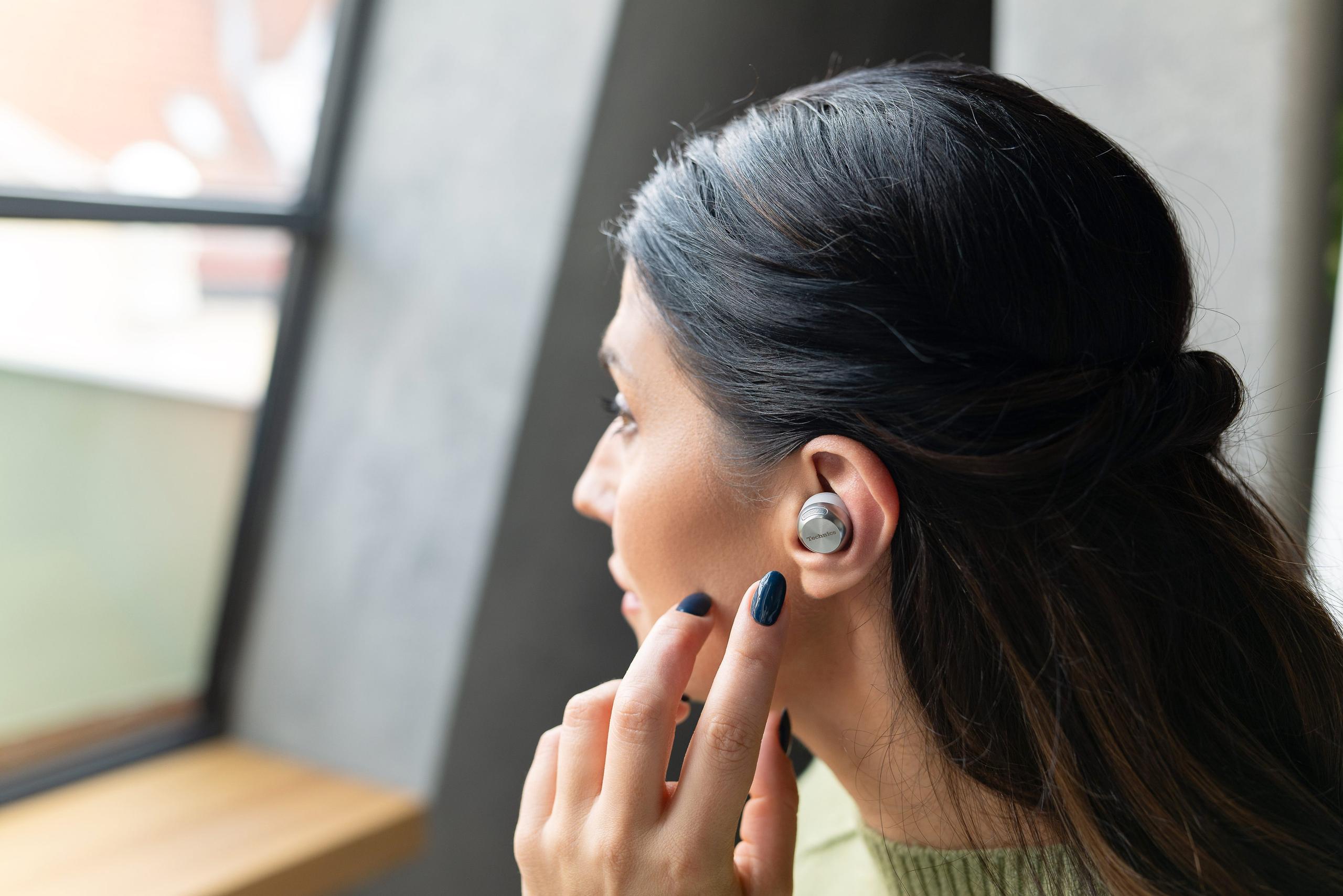
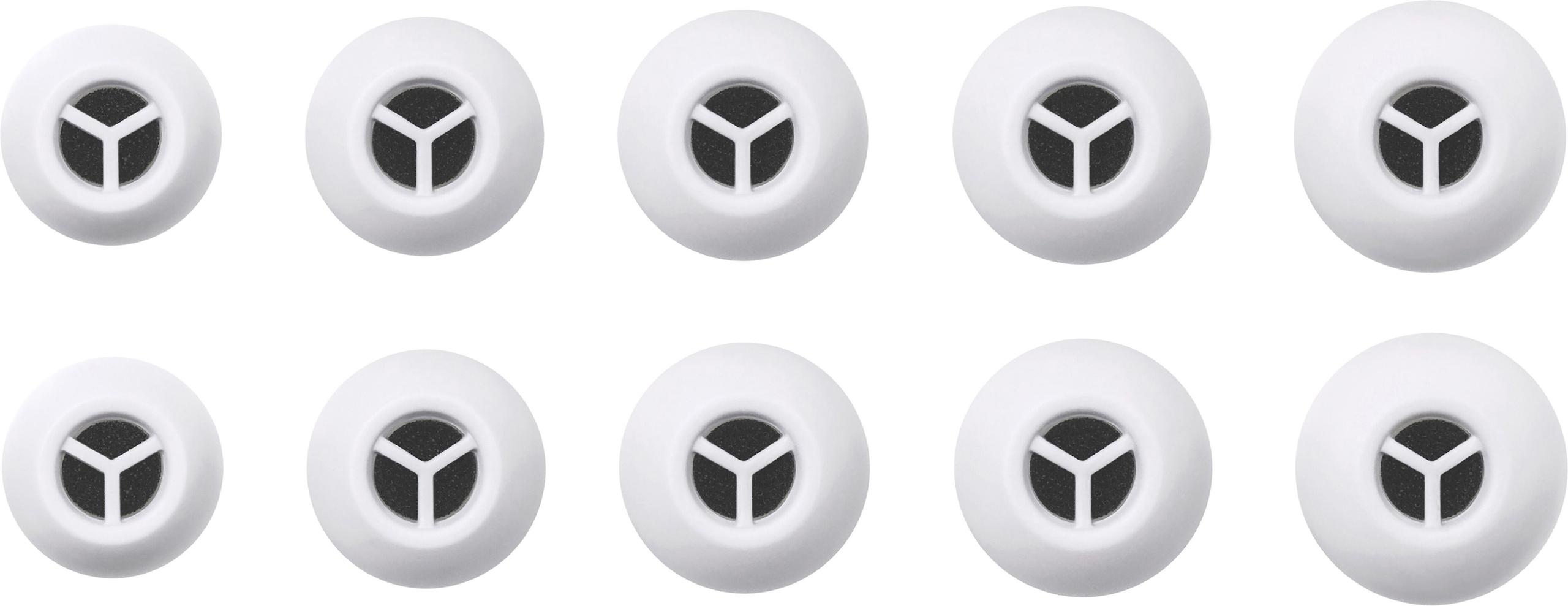
The Technics AZ100 weighs significantly more at 11.8 grams per earbud, though Technics has made them 10% smaller and 16% lighter than the previous generation. The concha-fit design (shaped to sit in the outer part of your ear) distributes weight well, and the premium materials feel substantial without being uncomfortable. The inclusion of five different ear tip sizes (XS through XL) means most people can achieve a secure, comfortable fit.
From a practical standpoint, the JBL wins for all-day comfort due to its lighter weight, while the Technics provides better security and isolation when properly fitted.
Modern earbuds are essentially tiny computers, and the feature gap between these products is substantial.
The JBL Vibe Beam covers the basics well with Bluetooth 5.2 connectivity, touch controls for playback and calls, voice assistant support, and a "Find My Buds" feature. The connection is generally stable, and pairing with devices is straightforward. However, it only connects to one device at a time, so switching between your phone and laptop requires manual disconnection and reconnection.
The Technics AZ100 operates on a different level entirely with Bluetooth 5.3 and three-device multipoint connectivity. This means you can seamlessly switch between your phone, laptop, and tablet without any manual intervention—answer a call on your phone while music from your laptop automatically pauses and resumes. The Voice Focus AI technology uses machine learning to enhance call quality, analyzing your voice and background noise in real-time to deliver clearer conversations.
The spatial audio features deserve special mention. The AZ100 includes Dolby Head Tracking, which adjusts the audio as you move your head, creating a more realistic listening experience for movies and spatially-mixed music. While this might sound gimmicky, users consistently report that it makes content feel more immersive and natural.
Both products offer water resistance, but at different levels. The JBL Vibe Beam provides IP54 rating for the earbuds (protection against dust and water splashes) and IPX2 for the case (protection against light water exposure). This makes them suitable for workouts and light rain but not swimming or heavy downpours.
The Technics AZ100 offers IPX4 rating, providing better water resistance overall. More importantly, the build quality reflects the price difference—premium materials, tighter tolerances, and more robust construction throughout.
At the time of writing, these products represent dramatically different value propositions that serve distinct market segments.
The JBL Vibe Beam offers exceptional value by delivering core true wireless functionality at a fraction of typical prices. You're getting genuinely good sound quality, outstanding battery life, comfortable fit, and reliable connectivity for less than many people spend on a single dinner out. For students, budget-conscious consumers, or anyone wanting to try true wireless earbuds without significant financial commitment, the value proposition is compelling.
The Technics AZ100 justifies its premium pricing through advanced audio engineering, professional-grade features, and superior materials. The magnetic fluid drivers alone represent significant R&D investment, and features like AI-powered spatial audio and adaptive noise cancellation add genuine functional value. For audio enthusiasts, professionals who need reliable performance, or users who prioritize cutting-edge technology, the price reflects meaningful technological advancement.
Choose the JBL Vibe Beam if you want reliable true wireless performance without breaking the bank. They're ideal for casual listening, daily commutes with moderate noise levels, fitness activities, and situations where losing or damaging earbuds wouldn't be financially devastating. The outstanding battery life makes them perfect for students or travelers who can't always charge devices regularly.
The Technics AZ100 makes sense if audio quality is genuinely important to you, if you frequently find yourself in noisy environments where active noise cancellation provides real value, or if you use multiple devices and need seamless connectivity. They're also the clear choice for home theater use, where the spatial audio features and superior drivers create a noticeably better experience.
Consider your typical use cases honestly. If you primarily listen to podcasts during commutes, stream music while working, or use earbuds for phone calls, the JBL will serve you well. If you're a critical listener who notices audio quality differences, frequently travel by plane or train, or use earbuds as your primary audio system, the Technics investment makes more sense.
The bottom line: both products excel within their intended markets. The JBL Vibe Beam proves that good true wireless earbuds don't require significant financial investment, while the Technics AZ100 demonstrates how far premium audio engineering has advanced. Your choice should align with your budget, listening priorities, and usage patterns rather than trying to identify a universal "winner."
| JBL Vibe Beam True Wireless Earbuds | Technics Reference Class AZ100 True Wireless Noise Cancelling Earbuds |
|---|---|
| Driver Technology - The heart of sound quality and the biggest differentiator | |
| 8mm dynamic drivers with JBL Deep Bass Sound tuning | 10mm magnetic fluid drivers with reference-class engineering |
| Audio Codecs - Determines maximum sound quality from your devices | |
| SBC only (basic compression, works with all devices) | SBC, AAC, LDAC, LC3 (high-resolution audio support) |
| Frequency Response - Range of sounds the earbuds can reproduce | |
| 20Hz - 20kHz (full human hearing range) | 20Hz - 40kHz (extended range for harmonic content) |
| Active Noise Cancellation - Critical for noisy environments like planes or trains | |
| None (passive isolation only through fit) | Professional-grade adaptive ANC with environmental adjustment |
| Battery Life - Most important for daily usability | |
| 8h earbuds + 24h case = 32h total | 10-12h earbuds + 28h case (ANC on) |
| Weight Per Earbud - Affects comfort during extended wear | |
| 4.4g (ultralight for all-day comfort) | 11.8g (heavier but well-balanced design) |
| Bluetooth & Connectivity - Impacts device switching and connection stability | |
| Bluetooth 5.2, single device pairing | Bluetooth 5.3, 3-device multipoint connection |
| Water Resistance - Protection during workouts and weather | |
| IP54 earbuds, IPX2 case (basic splash protection) | IPX4 earbuds (better sweat and rain resistance) |
| Smart Features - Advanced functionality beyond basic playback | |
| Smart Ambient modes, basic touch controls | AI spatial audio, Dolby Atmos, head tracking, Voice Focus AI |
| Value Positioning - Who each product serves best | |
| Budget-focused essentials with surprising performance | Premium audiophile features with reference-quality engineering |
The Technics AZ100 delivers significantly better sound quality with its 10mm magnetic fluid drivers and high-resolution audio codec support (LDAC, AAC). The JBL Vibe Beam offers good sound with JBL's bass-forward tuning through 8mm dynamic drivers, but lacks the detail and accuracy of the premium Technics model.
The JBL Vibe Beam provides up to 32 total hours (8h earbuds + 24h case), while the Technics AZ100 offers up to 40 total hours (10-12h earbuds + 28h case with ANC on). Both provide excellent all-day battery life for most users.
Only the Technics AZ100 features active noise cancellation with adaptive technology that adjusts to your environment. The JBL Vibe Beam relies on passive noise isolation through its fit and design, plus Smart Ambient modes for environmental awareness.
The JBL Vibe Beam weighs just 4.4g per earbud, making them more comfortable for extended wear. The Technics AZ100 is heavier at 11.8g per earbud but features premium materials and better fit options with five ear tip sizes.
The Technics AZ100 supports 3-device multipoint connectivity, allowing seamless switching between phone, laptop, and tablet. The JBL Vibe Beam only connects to one device at a time, requiring manual switching between devices.
Both are suitable for workouts, but the JBL Vibe Beam is lighter and more secure during movement. The Technics AZ100 offers better water resistance (IPX4 vs IP54) but may feel heavier during intense exercise.
The Technics AZ100 excels in call quality with Voice Focus AI technology that uses machine learning to enhance voice clarity and reduce background noise. The JBL Vibe Beam provides decent call quality with VoiceAware feature for basic hands-free conversations.
The JBL Vibe Beam offers exceptional value at its budget price point, delivering solid performance and features. The Technics AZ100 justifies its premium pricing with advanced audio engineering and professional-grade features for discerning listeners.
The Technics AZ100 is superior for home theater use with Dolby Atmos support, spatial audio processing, and head tracking technology that creates immersive movie experiences. The JBL Vibe Beam works fine for casual viewing but lacks advanced spatial features.
The Technics AZ100 features premium materials and superior construction quality throughout. The JBL Vibe Beam offers solid build quality for its price range with IP54 water resistance, making both suitable for daily use.
Both offer quick charging capabilities. The JBL Vibe Beam provides 2 hours of playback from 10 minutes of charging, while the Technics AZ100 delivers 90 minutes from 15 minutes of charging. Both are convenient for quick top-ups.
Choose the JBL Vibe Beam if you want excellent value, lightweight comfort, and solid performance for everyday listening. Choose the Technics AZ100 if you prioritize premium sound quality, active noise cancellation, and advanced features like multipoint connectivity and spatial audio.
We've done our best to create useful and informative comparisons to help you decide what product to buy. Our research uses advanced automated methods to create this comparison and perfection is not possible - please contact us for corrections or questions. These are the sites we've researched in the creation of this article: bestbuy.com - jbl.com - rtings.com - jbl.com - youtube.com - youtube.com - audio46.com - jbl.com - soundguys.com - bestbuy.com - walmart.com - uclastore.com - bestbuy.com - manuals.plus - whathifi.com - digitaltrends.com - bestbuy.com - techradar.com - popsci.com - stuff.tv - us.technics.com - instylehifi.com.au - techradar.com - youtube.com - head-fi.org - whathifi.com - ecoustics.com - crutchfield.com - head-fi.org - treoo.com - youtube.com - bestbuy.com - us.technics.com - crutchfield.com - cnet.com - us.technics.com - us.technics.com - na.panasonic.com - us.technics.com - help.na.panasonic.com - bestbuy.com - bhphotovideo.com - technics.com - technics.com - us.technics.com - twitteringmachines.com - stupiddope.com - bhphotovideo.com - techdogs.com - technics.com - techradar.com - yumpu.com - youtube.com

Privacy Policy
Terms and Conditions - Affiliate Policy
Home Security
© Copyright 2008-2026.
11816 Inwood Rd #1211, Dallas, TX 75244