



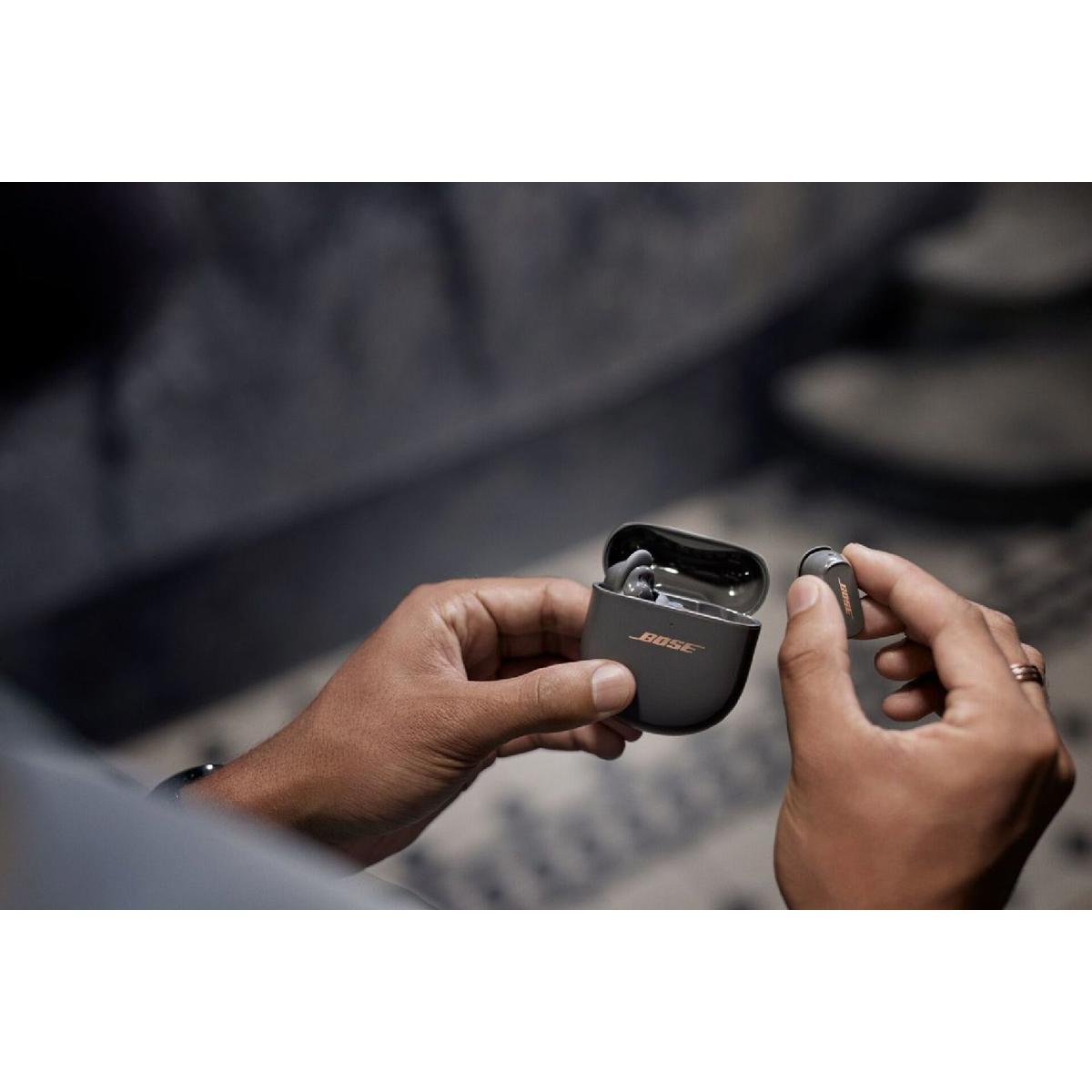
The world of true wireless earbuds has exploded over the past few years, creating one of the most competitive tech categories we've ever seen. At the time of writing, you can find decent options for under $50, while premium models push well into the $200+ range. Today we're comparing two earbuds that perfectly represent this spectrum: the budget-friendly JBL Vibe Beam and the premium Bose QuietComfort Earbuds II.
Released in 2022, the JBL Vibe Beam arrived during a period when budget earbuds were finally getting features previously reserved for expensive models. Around the same time, Bose launched their QuietComfort Earbuds II, representing the company's most advanced noise-canceling technology to date. The contrast between these two approaches makes for a fascinating comparison that reveals exactly where your money goes in the earbud market.
Before diving into specifics, it's worth understanding what separates great earbuds from mediocre ones. The most critical factors are sound quality, comfort, battery life, and increasingly, active noise cancellation (ANC) – technology that uses microphones and processing to actively cancel out unwanted sounds.
Sound quality depends heavily on the drivers (tiny speakers inside each earbud) and how they're tuned. Driver size matters, but it's not everything – a well-designed 8mm driver can often outperform a poorly implemented 12mm one. Frequency response, measured in Hertz (Hz), tells you what range of sounds the earbuds can reproduce, with human hearing spanning roughly 20 Hz to 20,000 Hz.
Battery technology has improved dramatically since 2020, with most modern earbuds using lithium-ion polymer batteries that charge faster and last longer than earlier generations. The total battery life combines what you get from the earbuds themselves plus additional charges from the carrying case.
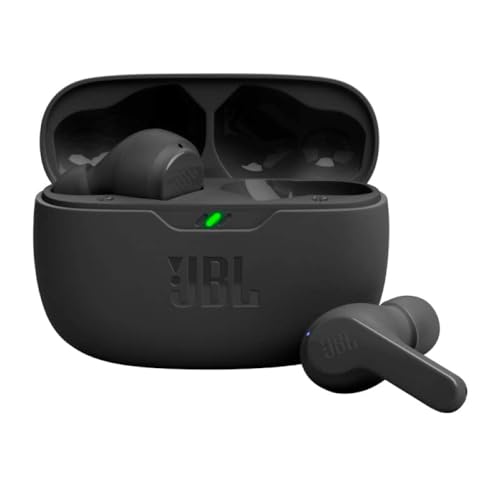
The JBL Vibe Beam represents everything good about the budget earbud revolution. At roughly one-seventh the cost of premium alternatives, it manages to pack in features that would have seemed impossible at this price point just a few years ago.
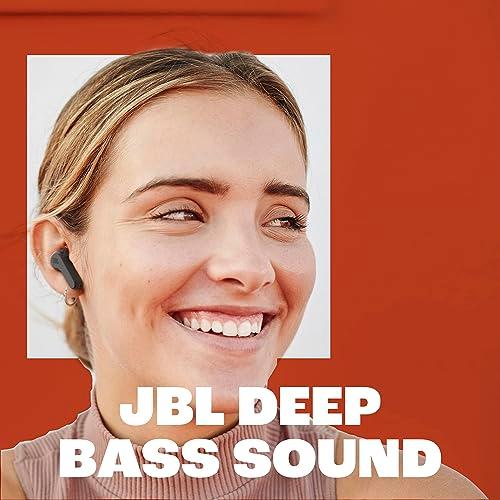
The heart of any earbud is its driver, and the Vibe Beam uses 8mm dynamic drivers – a respectable size that allows for good bass response without overwhelming the other frequencies. JBL has tuned these with their "Deep Bass Sound" signature, which emphasizes low-end frequencies without completely drowning out mids and highs.
Based on our research into user reviews and technical measurements, the JBL Vibe Beam delivers a surprisingly balanced sound profile. The bass is punchy and present – great for hip-hop, electronic music, and pop – but doesn't muddy vocals or instruments. Users consistently report that music sounds clear and detailed, with one reviewer noting they could actually lower their volume compared to previous earbuds while getting better sound quality.
The frequency response spans the full 20 Hz to 20 kHz range, meaning these earbuds can technically reproduce everything your ears can hear. The impedance rating of 16 ohms makes them easy to drive from phones and tablets without requiring excessive battery drain.
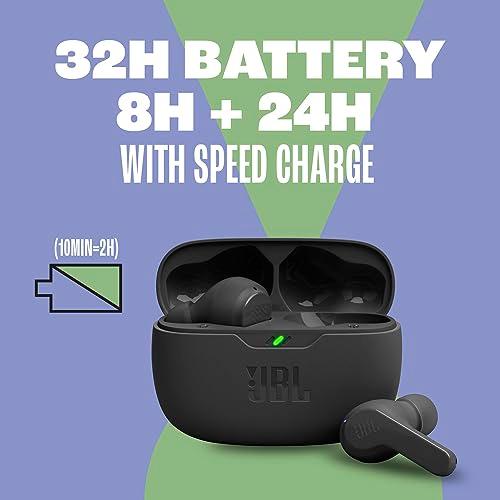
Where the Vibe Beam truly shines is battery performance. You get 8 hours of continuous playback from the earbuds themselves, plus an additional 24 hours stored in the charging case. That 32-hour total is genuinely impressive – more than many earbuds costing three times as much.
The quick-charge feature adds two hours of playback from just 10 minutes of charging, which is genuinely useful when you're rushing out the door. The earbuds charge completely in under two hours, and the case recharges via USB-C in a similar timeframe.
Perhaps most surprisingly, the JBL Vibe Beam includes "Smart Ambient" technology – something typically found only in premium models. This system uses the earbuds' microphones to let you control how much outside sound gets through. "Ambient Aware" mode lets you stay alert to your surroundings while listening, perfect for walking in busy areas. "TalkThru" mode automatically lowers your music and amplifies voices when someone wants to chat.
The JBL Headphones app adds another layer of customization, including a full equalizer for fine-tuning the sound to your preferences. The "VoiceAware" feature even lets you adjust how much of your own voice you hear during phone calls – a thoughtful touch that improves the calling experience.
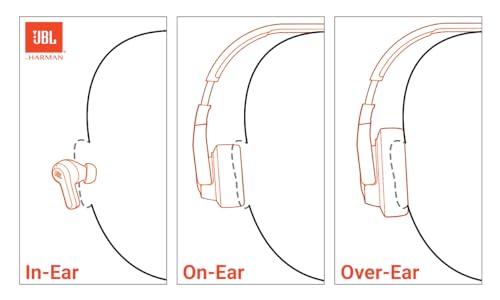
The Vibe Beam makes some compromises to hit its price point. There's no active noise cancellation – you rely entirely on the physical seal of the eartips to block outside noise. While the stick-closed design helps with passive isolation, it can't compete with dedicated ANC systems for blocking low-frequency sounds like airplane engines or air conditioning.
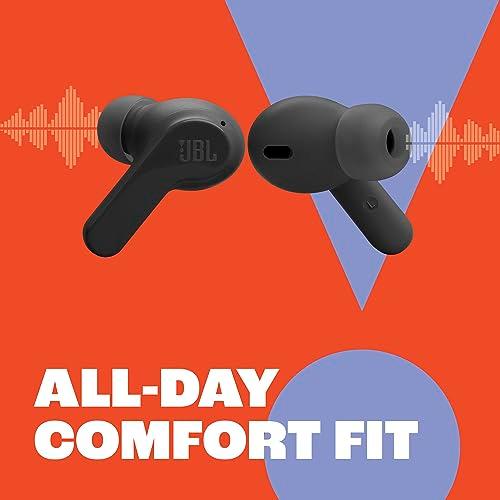
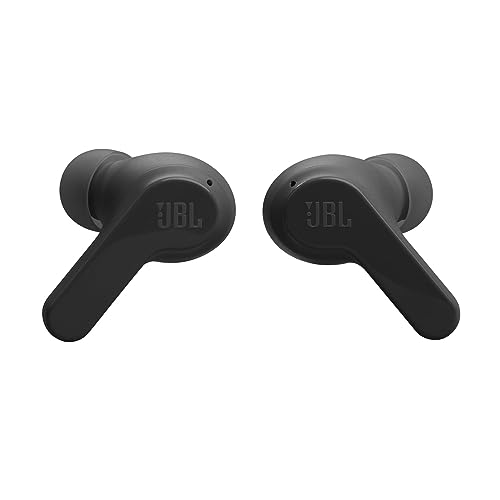
Some users report fit issues, particularly during exercise or vigorous movement. The lightweight design (4.4 grams per earbud) helps with comfort but may sacrifice some security compared to heavier, more premium designs.
Call quality, while decent, isn't exceptional. The microphones pick up your voice clearly in quiet environments, but struggle more with background noise compared to premium alternatives with advanced noise-suppressing algorithms.
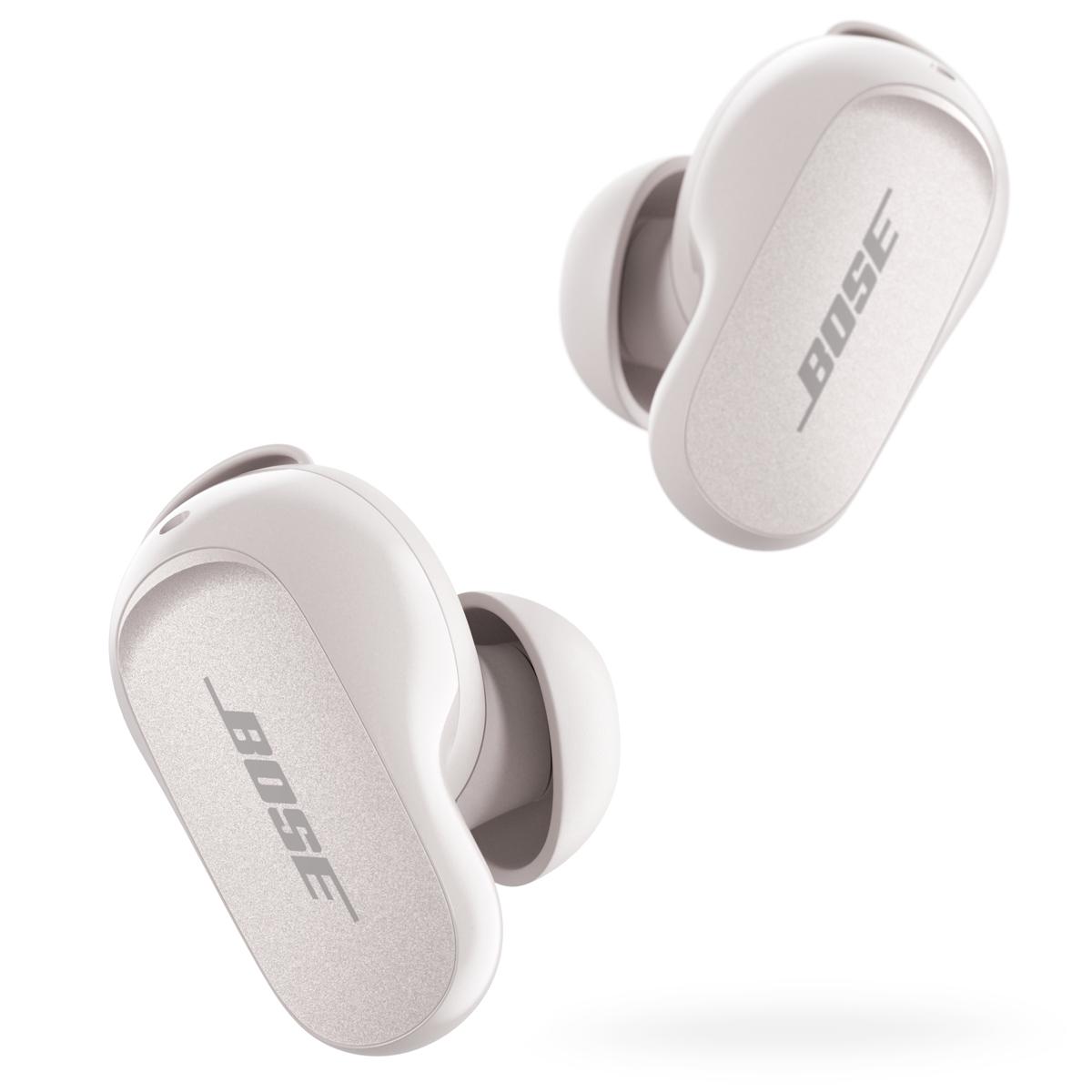
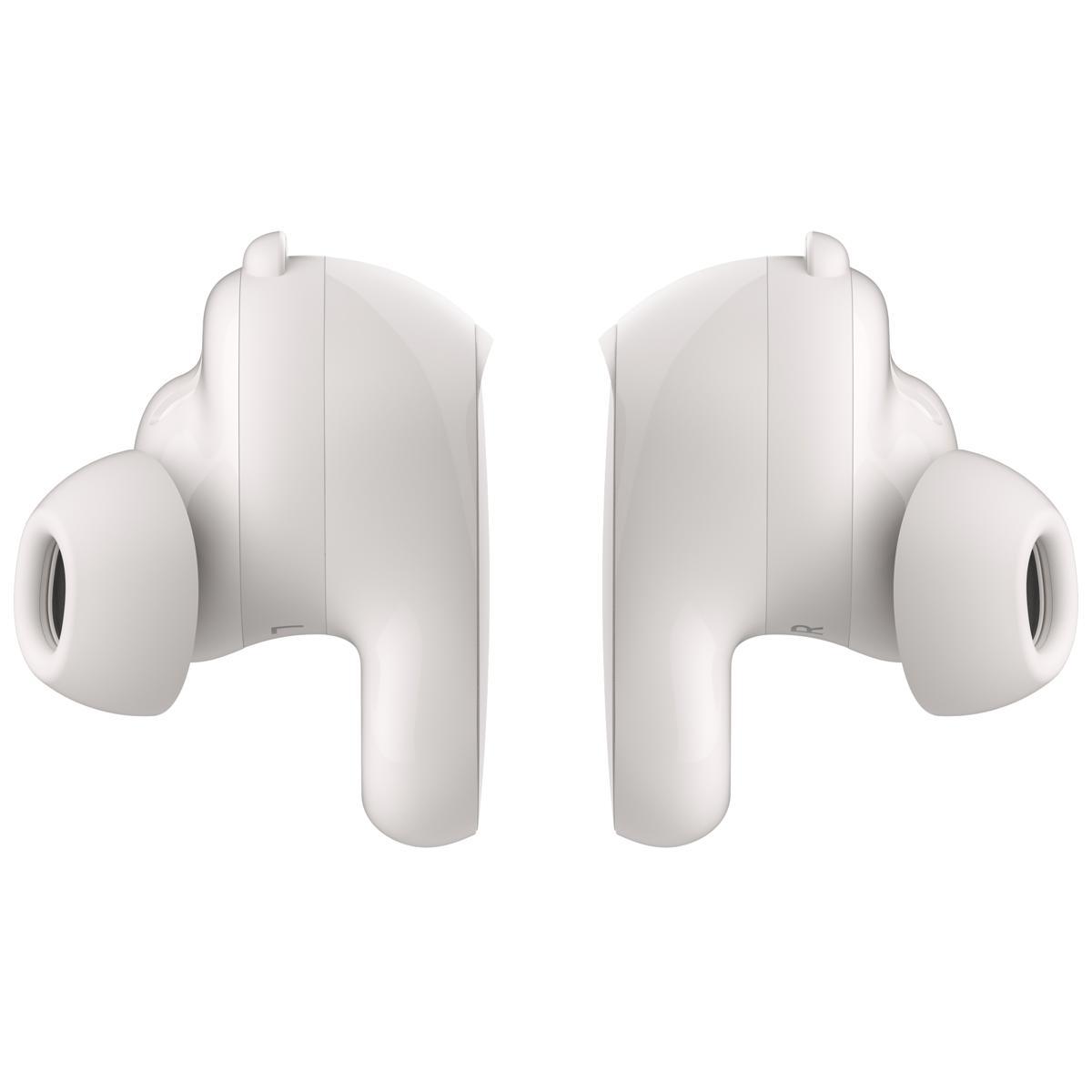
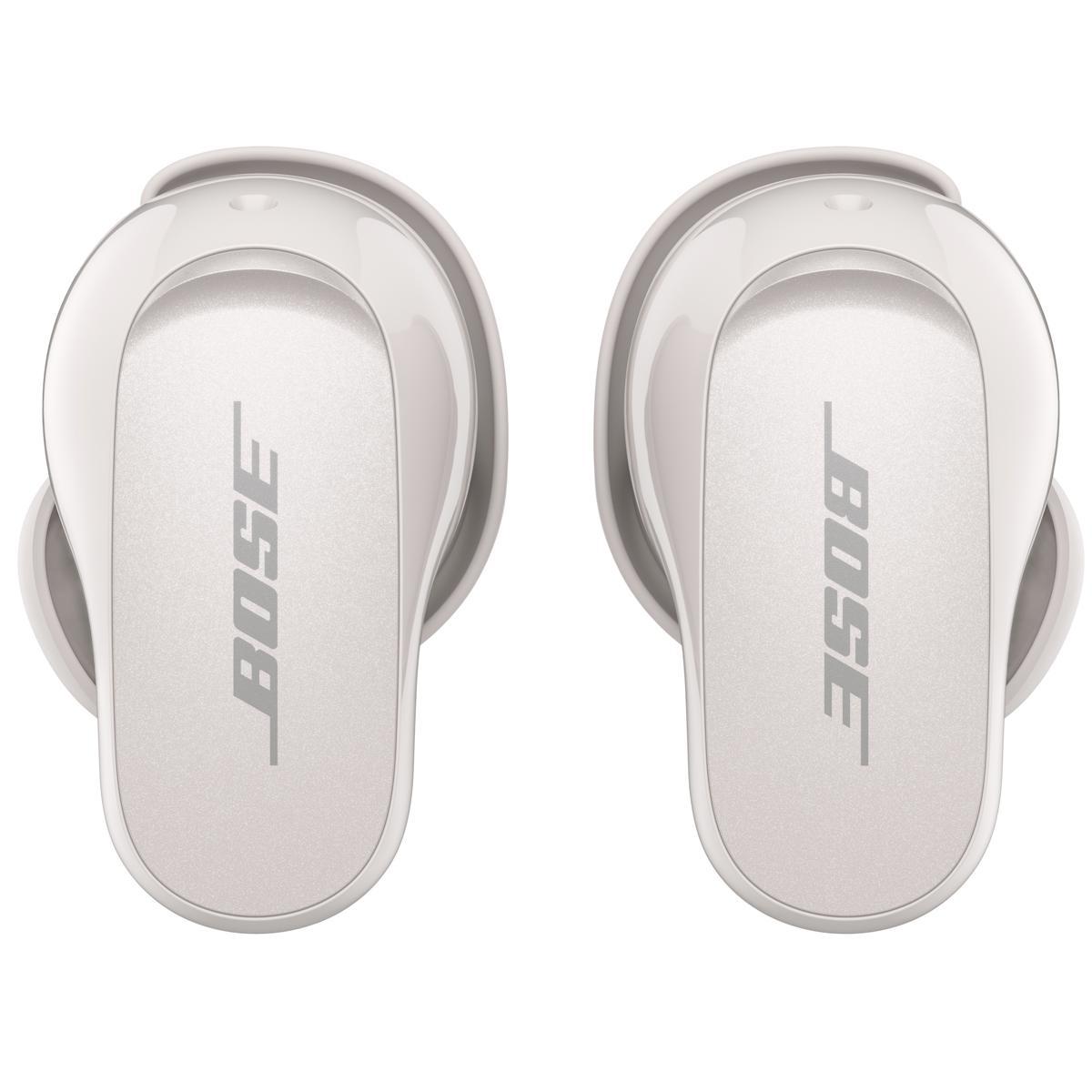
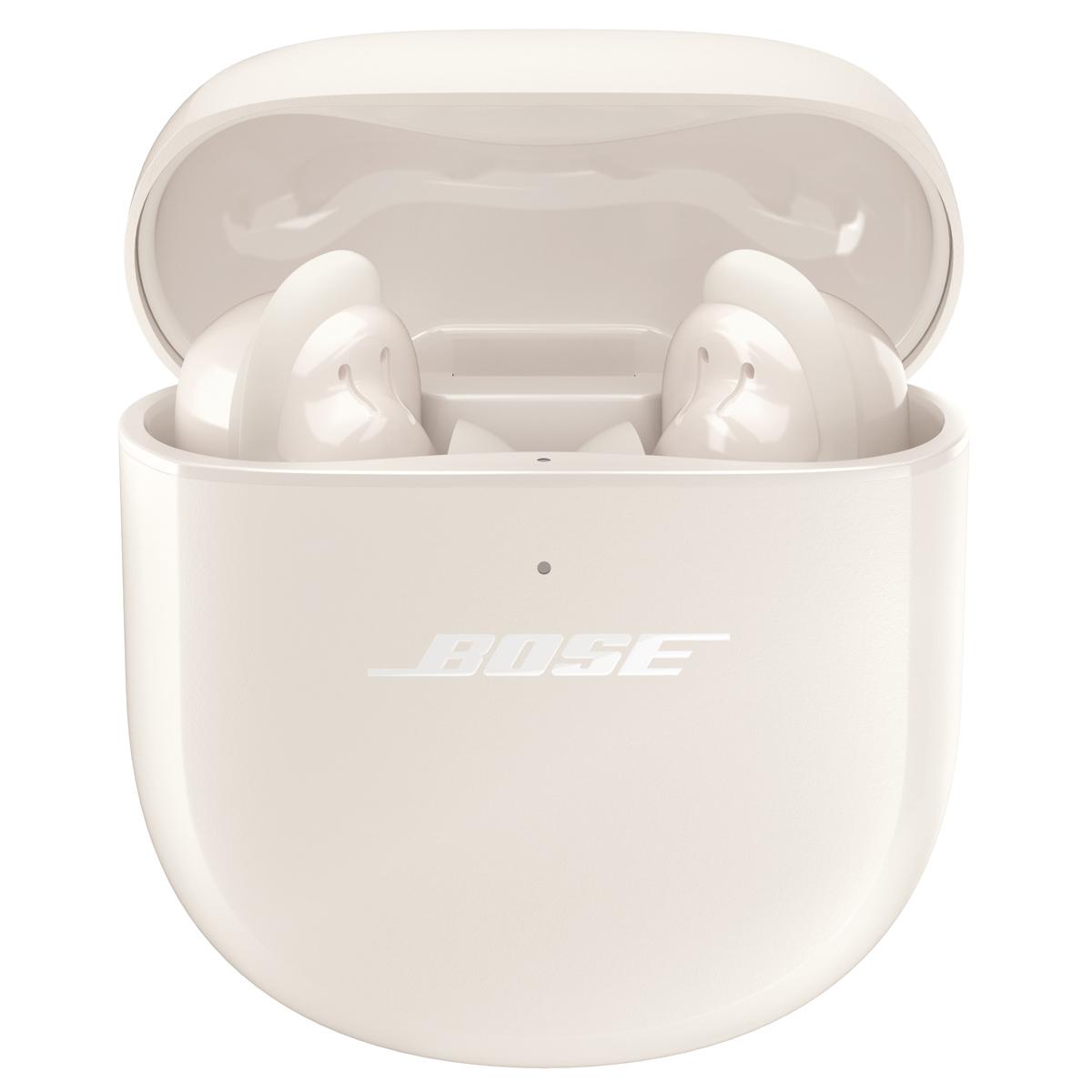
Released in late 2022, the Bose QuietComfort Earbuds II represents the current pinnacle of noise-canceling earbud technology. Bose essentially invented consumer noise cancellation back in the 1980s, and these earbuds showcase decades of refinement in acoustic engineering.
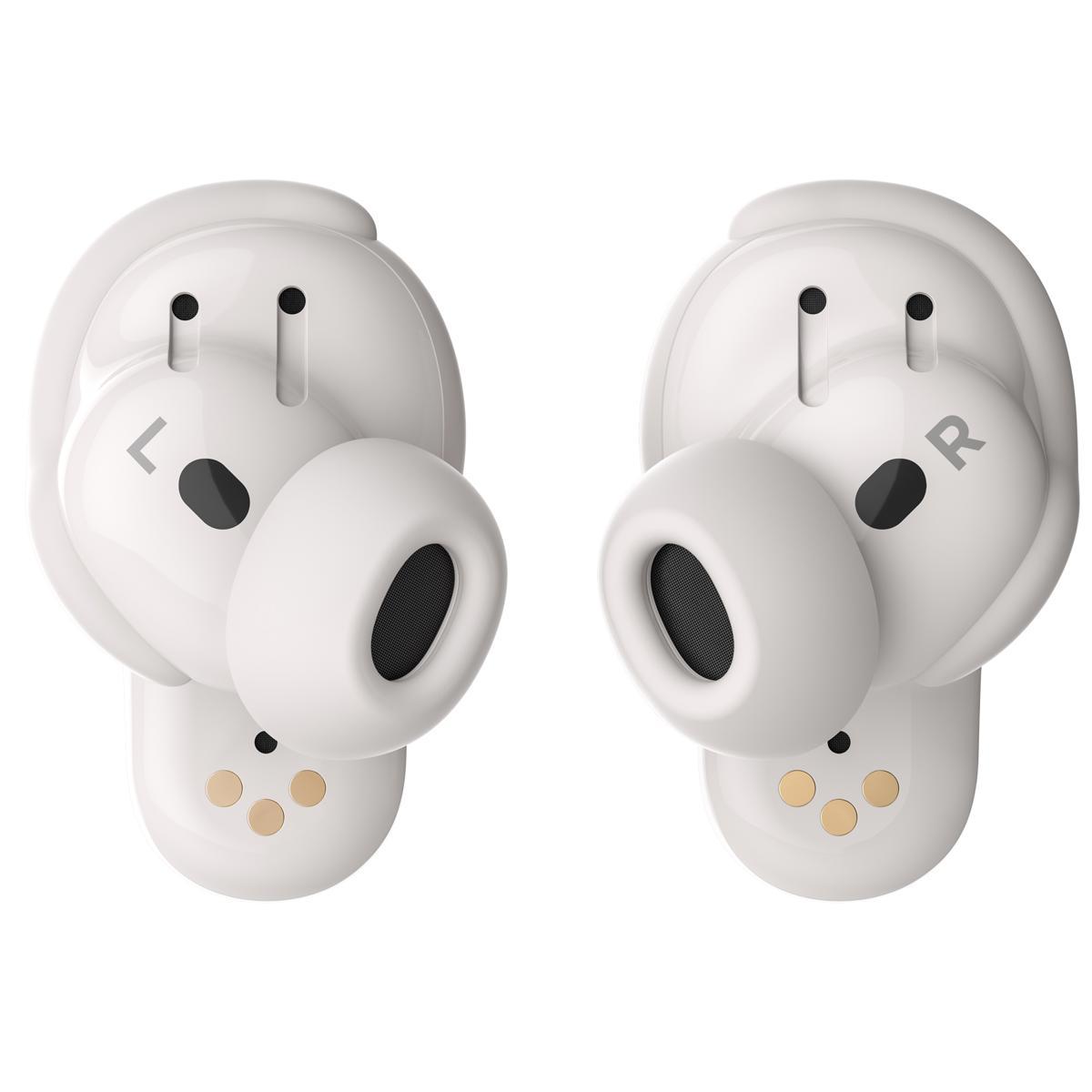
The standout feature of the QuietComfort Earbuds II is undoubtedly their active noise cancellation. Using four microphones in each earbud – one inside your ear canal and three facing outward – they can detect and cancel unwanted sounds with remarkable precision.
The system works by generating sound waves that are exactly opposite to incoming noise, effectively canceling it out. This happens in less than a millisecond, which is fast enough that your brain never registers the unwanted sound. Based on expert reviews and user feedback, the noise cancellation performance is simply extraordinary – capable of making a busy coffee shop sound like a library.
The "Aware Mode" with ActiveSense technology represents a significant advancement over simpler transparency modes. Instead of just letting all outside sound through, it intelligently manages what you hear. Sudden loud sounds like car horns or announcements automatically trigger brief noise cancellation to protect your hearing while maintaining awareness of your environment.
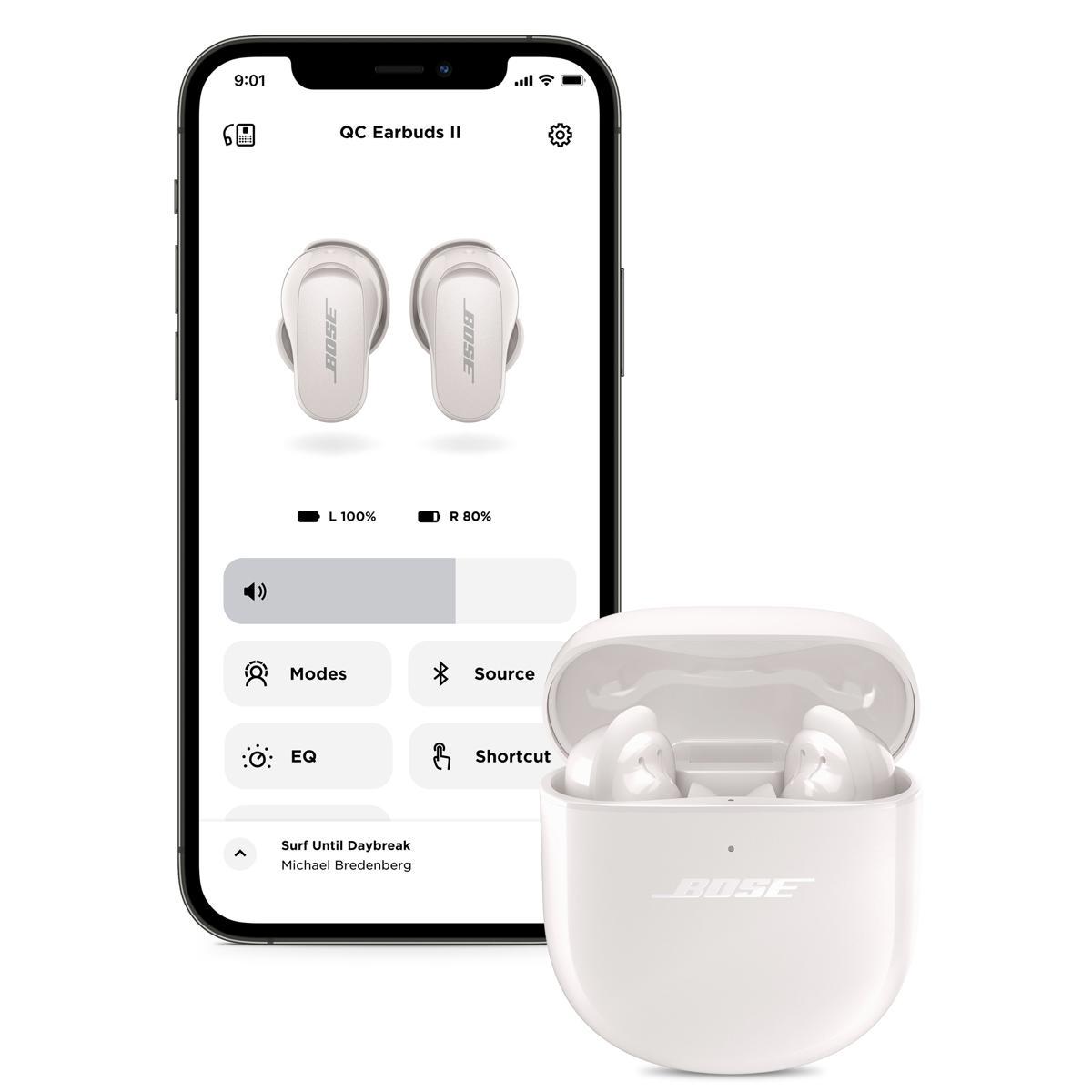
Perhaps the most innovative feature is CustomTune technology, which literally measures your unique ear canal shape every time you put the earbuds in. Using a proprietary tone (you barely notice it), the system maps how sound reflects inside your specific ears and adjusts both the audio output and noise cancellation accordingly.
This personalization happens in less than half a second and makes a meaningful difference in sound quality. Every person's ears are different – some have longer canals, others have different curves – and these variations significantly affect how we hear music. CustomTune essentially gives you a custom-tuned sound system optimized for your unique anatomy.
The Bose QuietComfort Earbuds II delivers the kind of refined, balanced sound signature that Bose has perfected over decades. Unlike the bass-heavy tuning of many consumer earbuds, these aim for accuracy across all frequencies. Instruments sound natural and properly positioned, vocals are clear and present, and the overall soundstage – how wide and spacious music sounds – is impressive for in-ear devices.
The adjustable EQ system in the Bose app goes beyond simple bass and treble controls, offering sophisticated options for fine-tuning the sound to your preferences. The processing power inside these tiny devices is genuinely impressive, managing complex digital signal processing while maintaining battery efficiency.
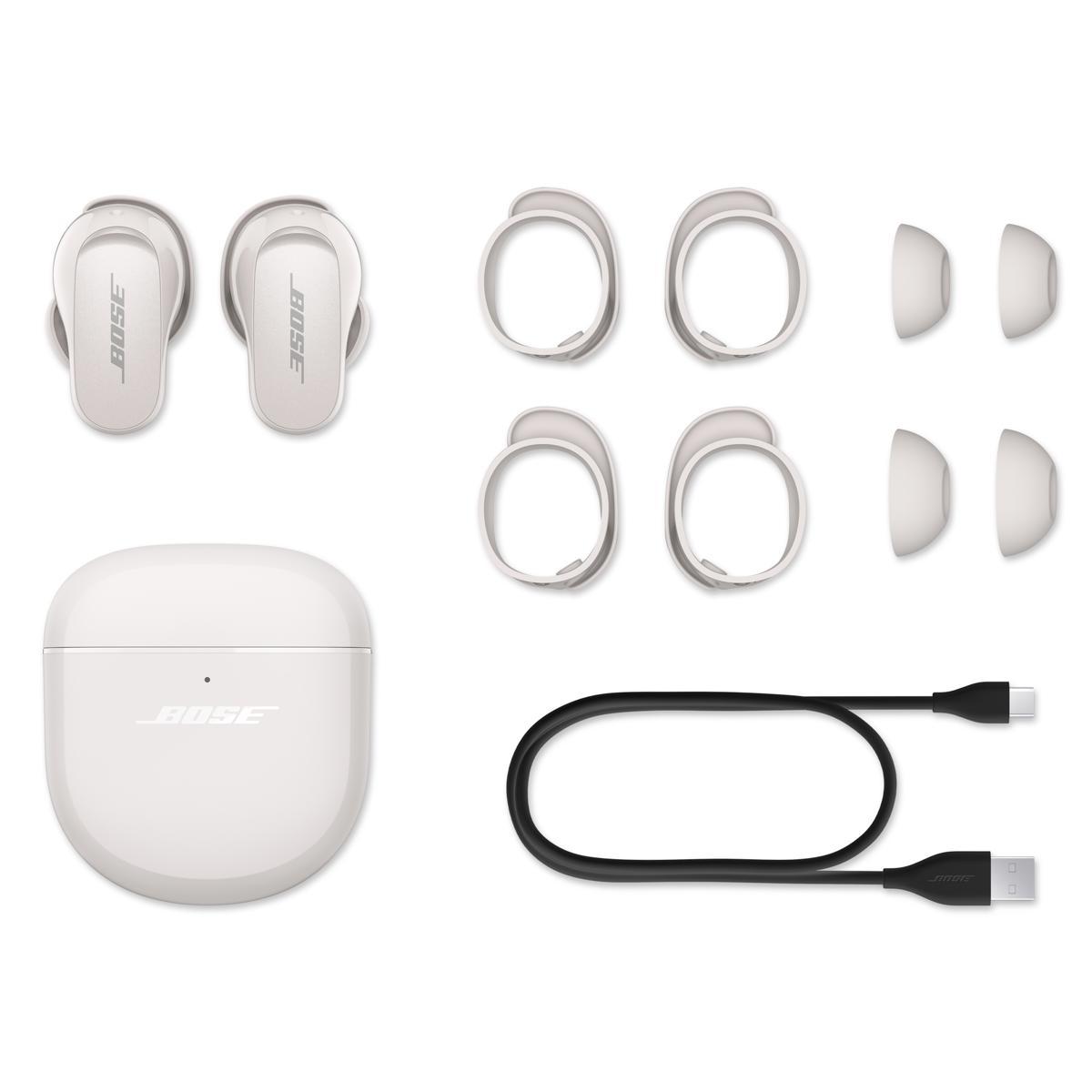
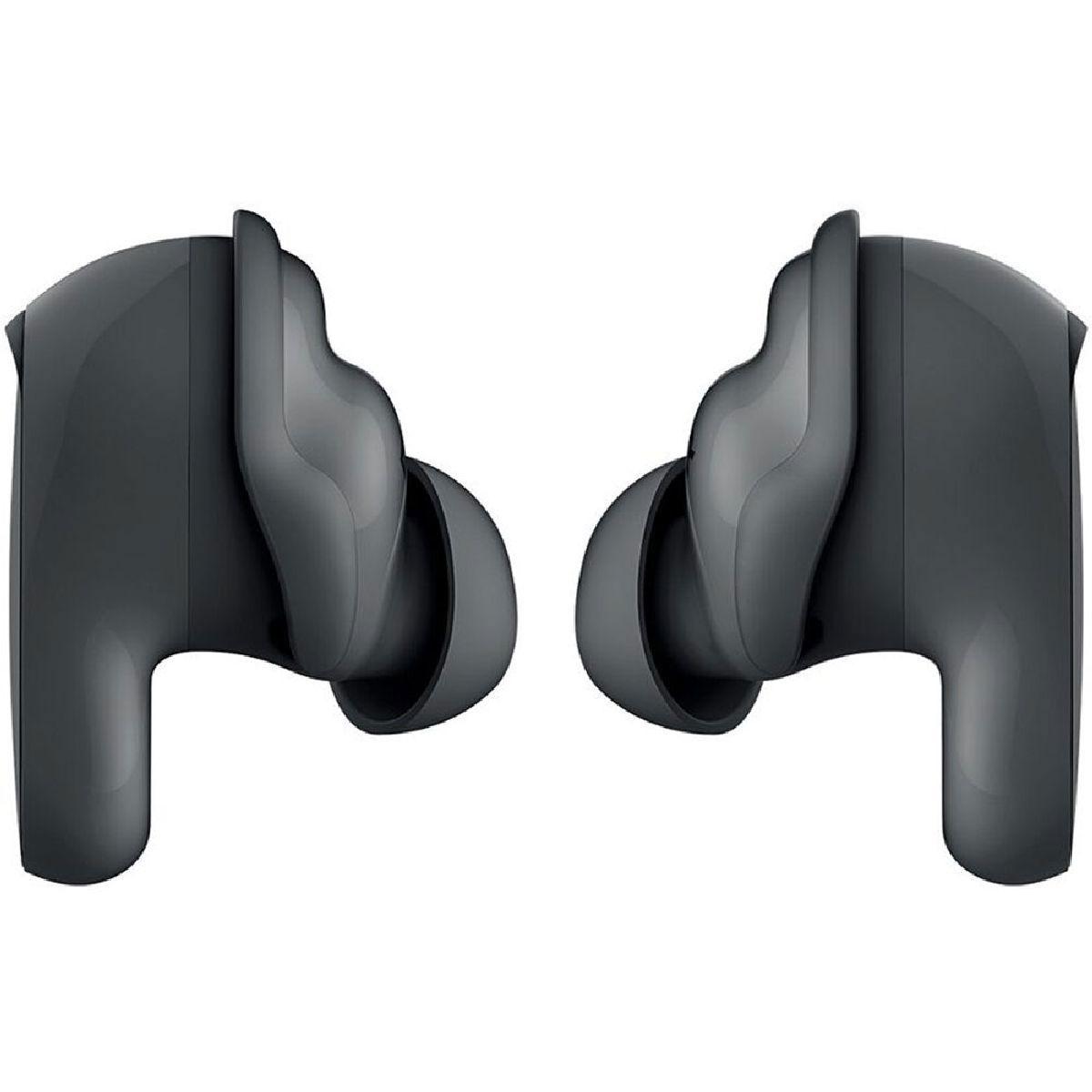
Recognizing that traditional eartips often compromise between comfort and security, Bose developed a two-piece system. The umbrella-shaped silicone eartip creates the seal needed for bass response and noise isolation, while a separate stability band hugs your ear's contours to keep everything in place.
This system works particularly well for people who struggle with traditional earbuds falling out during exercise or daily activities. The multiple size options for both components mean you can fine-tune both the seal and the security independently.
Even premium products make tradeoffs, and the QuietComfort Earbuds II has a few. Battery life, while respectable at 6 hours per charge, falls short of budget alternatives. The total 24-hour capacity with the case is good but not exceptional by 2024 standards.
The charging case lacks wireless charging, which feels like an oversight at this price point. The earbuds themselves are also noticeably larger than some competitors, which may affect comfort for people with smaller ears.
The difference in sound quality between these earbuds illustrates exactly where premium pricing shows its value. The JBL Vibe Beam delivers impressive audio for its price range – clear, detailed, and enjoyable for most music genres. However, the Bose QuietComfort Earbuds II operates in a different league entirely.
The Bose earbuds offer superior separation between instruments, a more natural tonal balance, and that CustomTune personalization that genuinely improves the listening experience. Bass response is tighter and more controlled, vocals are more present and natural, and the overall presentation is more sophisticated.
That said, the performance gap isn't as dramatic as the price difference might suggest. If you're primarily listening to streaming music from your phone, the Vibe Beam provides genuinely satisfying sound quality that many people will find completely adequate.
This is where the premium price of the QuietComfort Earbuds II becomes most justified. Active noise cancellation technology requires sophisticated hardware and processing power that simply can't be implemented at budget price points.
The Vibe Beam relies entirely on passive isolation – the physical seal created by the eartips. This works reasonably well for blocking mid and high-frequency sounds like conversations or air conditioning, but struggles with low-frequency noise like airplane engines, traffic, or construction.
The Bose earbuds, meanwhile, excel at canceling exactly those low-frequency sounds that passive isolation can't touch. The difference is night and day for anyone who travels frequently, works in noisy environments, or simply wants to focus in busy spaces.
The JBL Vibe Beam's 32-hour total battery life versus the Bose's 24 hours represents one area where budget engineering actually delivers superior results. JBL prioritized efficiency and larger batteries over miniaturization and premium features.
For many users, this difference is practically significant. The extra 8 hours means less frequent charging of the case, better reliability for long trips, and less anxiety about running out of power during extended use.
Both earbuds offer quick charging that provides a couple hours of playback from brief charging sessions, which helps minimize the practical impact of battery differences for most daily use.
While neither earbud is primarily designed for home theater use, they can serve this purpose with some limitations. The Bose QuietComfort Earbuds II would be the better choice here, as their superior sound quality and noise isolation help create a more immersive experience. The CustomTune technology also helps ensure consistent audio quality for different types of content.
Both earbuds use Bluetooth codecs (SBC and AAC) that introduce slight audio delays, which can cause lip-sync issues with video content. Modern phones and streaming devices often compensate for this automatically, but it's worth testing if you plan to use them primarily for video.
The JBL Vibe Beam's lighter weight and lower cost make them appealing for gym use, but the fit security may be problematic for vigorous exercise. The Bose earbuds offer better staying power thanks to their two-piece fit system, though their higher cost increases the stakes if they're lost or damaged.
Both offer adequate sweat resistance (IP54 for JBL, IPX4 for Bose), making them suitable for most exercise scenarios.
This is where the QuietComfort Earbuds II truly justify their premium price. The active noise cancellation makes airplane flights, train commutes, and busy terminals dramatically more pleasant. The ability to truly block out engine noise and crowd chatter transforms the travel experience.
The Vibe Beam can work for travel, particularly if budget is the primary concern, but the lack of ANC means you'll be dealing with much more ambient noise.
The decision between these earbuds ultimately comes down to your priorities, budget, and primary use cases.
Choose the JBL Vibe Beam if you want solid performance without the premium cost, prioritize exceptional battery life, or are new to true wireless earbuds and want to test the waters without significant financial commitment. They're also ideal if you primarily listen in quiet environments where active noise cancellation isn't crucial.
The Bose QuietComfort Earbuds II make sense if you frequently deal with noisy environments, prioritize absolute sound quality, or want access to the latest audio technology. They're particularly compelling for frequent travelers, audio enthusiasts, or anyone who considers earbuds a long-term investment worth making.
At the time of writing, the performance-per-dollar ratio favors the JBL Vibe Beam for most casual users, while the Bose earbuds deliver genuinely premium experiences that justify their cost for the right user. The gap between budget and premium has narrowed considerably in recent years, but there are still meaningful differences in the technologies and experiences these price points can deliver.
The choice ultimately reflects how much you value having the absolute best available technology versus getting solid performance at an accessible price point. Both approaches have merit, and both products execute their respective strategies exceptionally well.
| JBL Vibe Beam True Wireless Earbuds | Bose QuietComfort Earbuds II |
|---|---|
| Active Noise Cancellation - Essential for noisy environments like planes and commutes | |
| None (passive isolation only through eartip seal) | Best-in-class ANC with 4 microphones per earbud and proprietary processing |
| Battery Life - Critical for travel and daily use without frequent charging | |
| 8 hours earbuds + 24 hours case = 32 total hours | 6 hours earbuds + 18 hours case = 24 total hours |
| Driver Technology - Determines overall sound quality and bass response | |
| 8mm dynamic drivers with JBL Deep Bass Sound tuning | Custom drivers with CustomTune technology that personalizes sound to your ear shape |
| Water Resistance - Important for workouts and weather protection | |
| IP54 earbuds (dust/splash resistant), IPX2 case | IPX4 earbuds (splash resistant from any direction) |
| Bluetooth Version - Affects connection stability and power efficiency | |
| Bluetooth 5.2 with SBC/AAC codecs | Bluetooth 5.3 with SBC/AAC codecs (improved connectivity) |
| Smart Features - Enhances usability and convenience | |
| Smart Ambient (TalkThru/Ambient Aware), VoiceAware, JBL app with EQ | CustomTune auto-calibration, Aware Mode with ActiveSense, advanced Bose app |
| Fit System - Determines comfort and security during use | |
| Traditional eartips in 3 sizes with lightweight 4.4g design | Two-piece system with separate eartips and stability bands for secure fit |
| Quick Charging - Useful when you're in a hurry | |
| 10 minutes = 2 hours playback | 20 minutes = 2 hours playbook |
| Sound Signature - Affects what music genres sound best | |
| Bass-forward with customizable EQ via app | Balanced, natural tuning optimized by CustomTune technology |
| Price Category - Value proposition at time of purchase | |
| Budget tier offering premium features at accessible price | Premium tier with cutting-edge technology and materials |
The JBL Vibe Beam offers exceptional value with features typically found in much more expensive earbuds, including 32 hours of battery life, customizable EQ, and Smart Ambient technology. The Bose QuietComfort Earbuds II justifies its premium price with industry-leading noise cancellation and superior sound quality, making them worth the investment for frequent travelers and audio enthusiasts.
If you regularly use earbuds in noisy environments like airplanes, trains, busy offices, or while commuting, the Bose QuietComfort Earbuds II active noise cancellation is genuinely transformative. The JBL Vibe Beam relies on passive isolation, which works well for casual listening at home or in quieter spaces but can't block low-frequency noise like engines or air conditioning.
The Bose QuietComfort Earbuds II deliver superior sound quality with more natural tonal balance, better instrument separation, and CustomTune technology that personalizes audio to your ear shape. However, the JBL Vibe Beam offers surprisingly good sound quality for its price range, with punchy bass and clear vocals that satisfy most listeners.
The JBL Vibe Beam provides 8 hours per charge plus 24 additional hours from the case for 32 total hours. The Bose QuietComfort Earbuds II offers 6 hours per charge plus 18 hours from the case for 24 total hours. Both support quick charging that adds 2 hours of playback from a brief charge session.
The JBL Vibe Beam weighs just 4.4 grams per earbud, making them very comfortable for extended wear. The Bose QuietComfort Earbuds II uses a two-piece fit system with separate eartips and stability bands that provides better security and comfort for most ear shapes, though they're slightly larger overall.
Both earbuds handle phone calls well, but the Bose QuietComfort Earbuds II excels with superior microphone technology and noise suppression that keeps your voice clear even in noisy environments. The JBL Vibe Beam includes VoiceAware technology that lets you control how much of your own voice you hear during calls.
The JBL Vibe Beam offers IP54 water resistance and lightweight design that's comfortable during exercise, though some users report fit issues during vigorous movement. The Bose QuietComfort Earbuds II provides IPX4 resistance and a more secure fit system, making them better for intense workouts despite the higher replacement cost if lost.
Yes, both the JBL Vibe Beam and Bose QuietComfort Earbuds II support independent earbud use, allowing you to use either the left or right earbud alone for calls or music while keeping the other ear free to hear your surroundings.
The JBL Vibe Beam features a bass-forward tuning that enhances hip-hop, pop, and electronic music, with customizable EQ settings via the app. The Bose QuietComfort Earbuds II offers a more balanced, natural sound signature that works well across all genres, with CustomTune technology ensuring optimal performance regardless of what you listen to.
While neither is specifically designed for home theater use, the Bose QuietComfort Earbuds II provides better performance for video content thanks to superior sound quality and noise isolation that creates a more immersive experience. Both use Bluetooth codecs that may introduce slight audio delays, though most modern devices compensate for this automatically.
The JBL Vibe Beam works with the JBL Headphones app, offering customizable EQ, Smart Ambient controls, and device location features. The Bose QuietComfort Earbuds II includes a more sophisticated app with advanced EQ options, CustomTune calibration, and comprehensive noise cancellation controls that provide deeper customization options.
First-time true wireless earbud buyers should consider the JBL Vibe Beam for its excellent value, long battery life, and low financial risk while exploring the category. However, if you frequently deal with noisy environments or prioritize the best possible audio experience, the Bose QuietComfort Earbuds II represents a worthwhile long-term investment despite the higher initial cost.
We've done our best to create useful and informative comparisons to help you decide what product to buy. Our research uses advanced automated methods to create this comparison and perfection is not possible - please contact us for corrections or questions. These are the sites we've researched in the creation of this article: bestbuy.com - jbl.com - rtings.com - jbl.com - youtube.com - youtube.com - audio46.com - jbl.com - soundguys.com - bestbuy.com - walmart.com - uclastore.com - bestbuy.com - manuals.plus - techradar.com - techgearlab.com - cnet.com - soundguys.com - rtings.com - soundstagesolo.com - forums.whathifi.com - youtube.com - cnet.com - bose.com - soundguys.com - youtube.com - rtings.com - soundguys.com - loudnwireless.com - head-fi.org - noisyworld.org - boseindia.com - global.bose.com - boselatam.com - bose.com - youtube.com - boselatam.com - support.bose.com - bhphotovideo.com - bestbuy.com - global.bose.com - bose.com - assets.bose.com - boseapac.com - bose.com - bose.com - bose.com

Privacy Policy
Terms and Conditions - Affiliate Policy
Home Security
© Copyright 2008-2026.
11816 Inwood Rd #1211, Dallas, TX 75244