

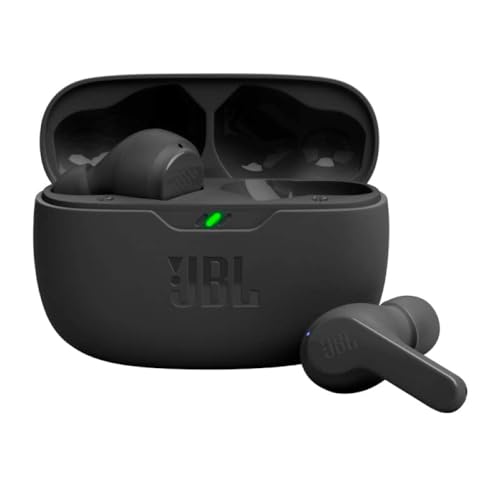

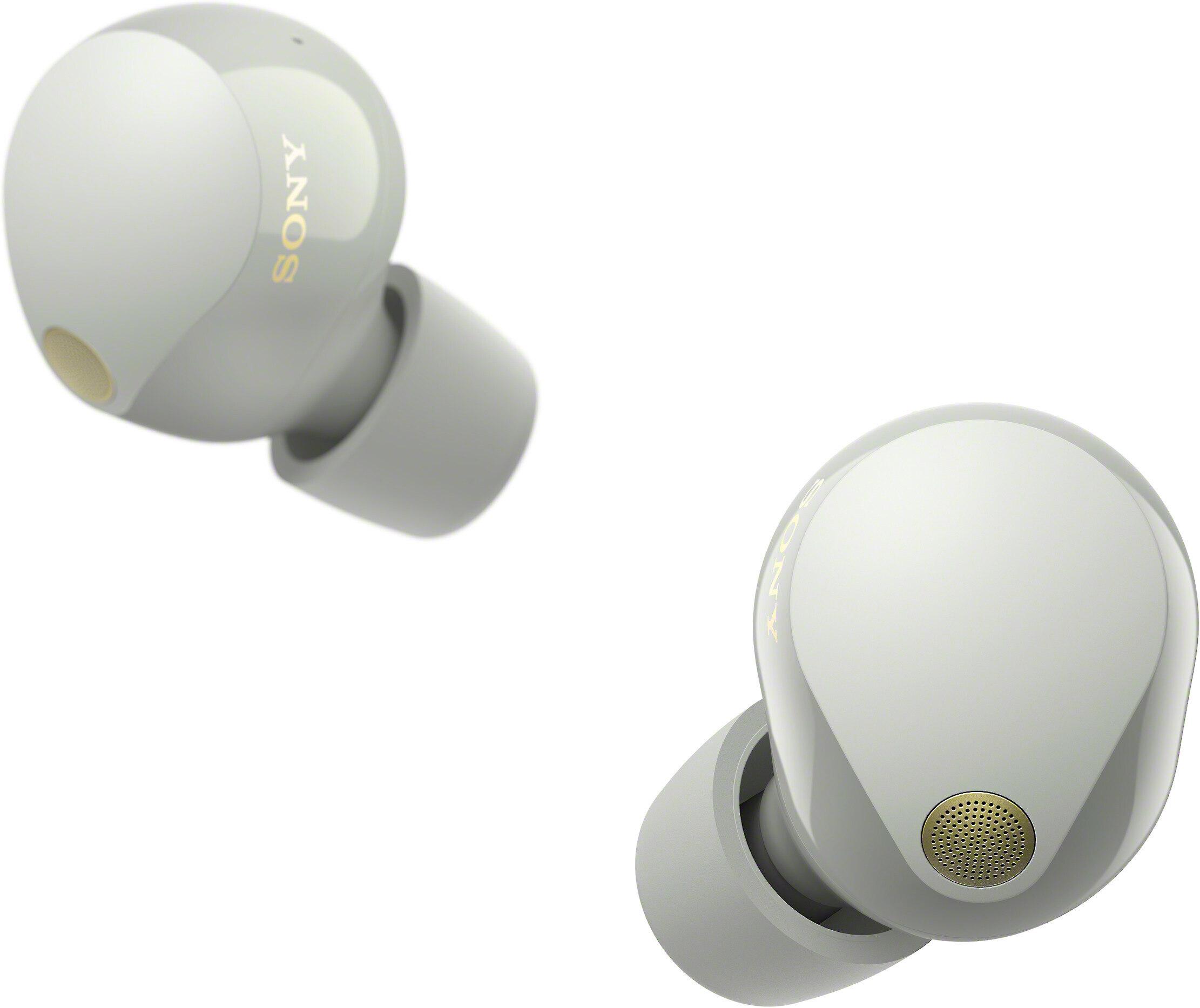

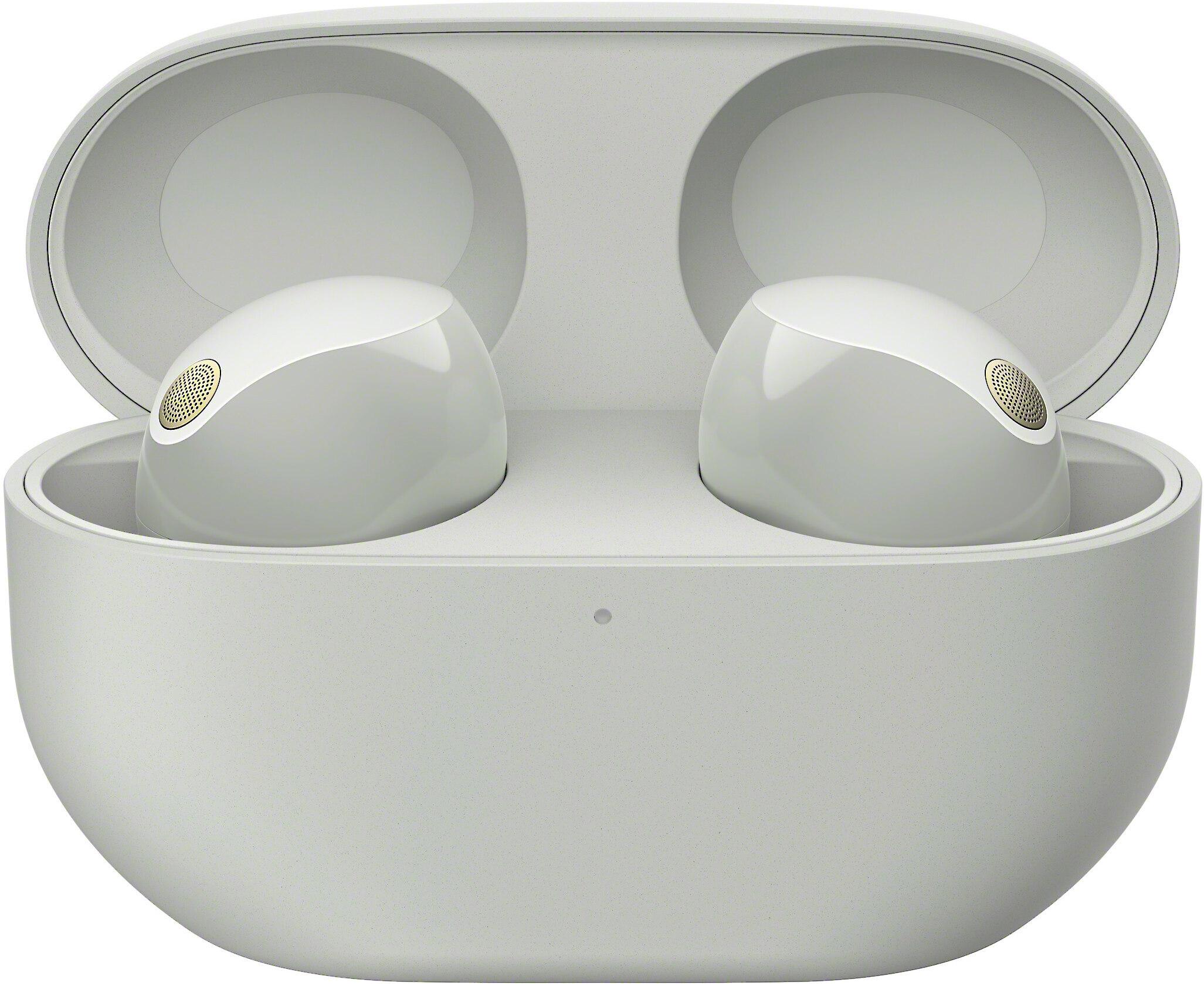

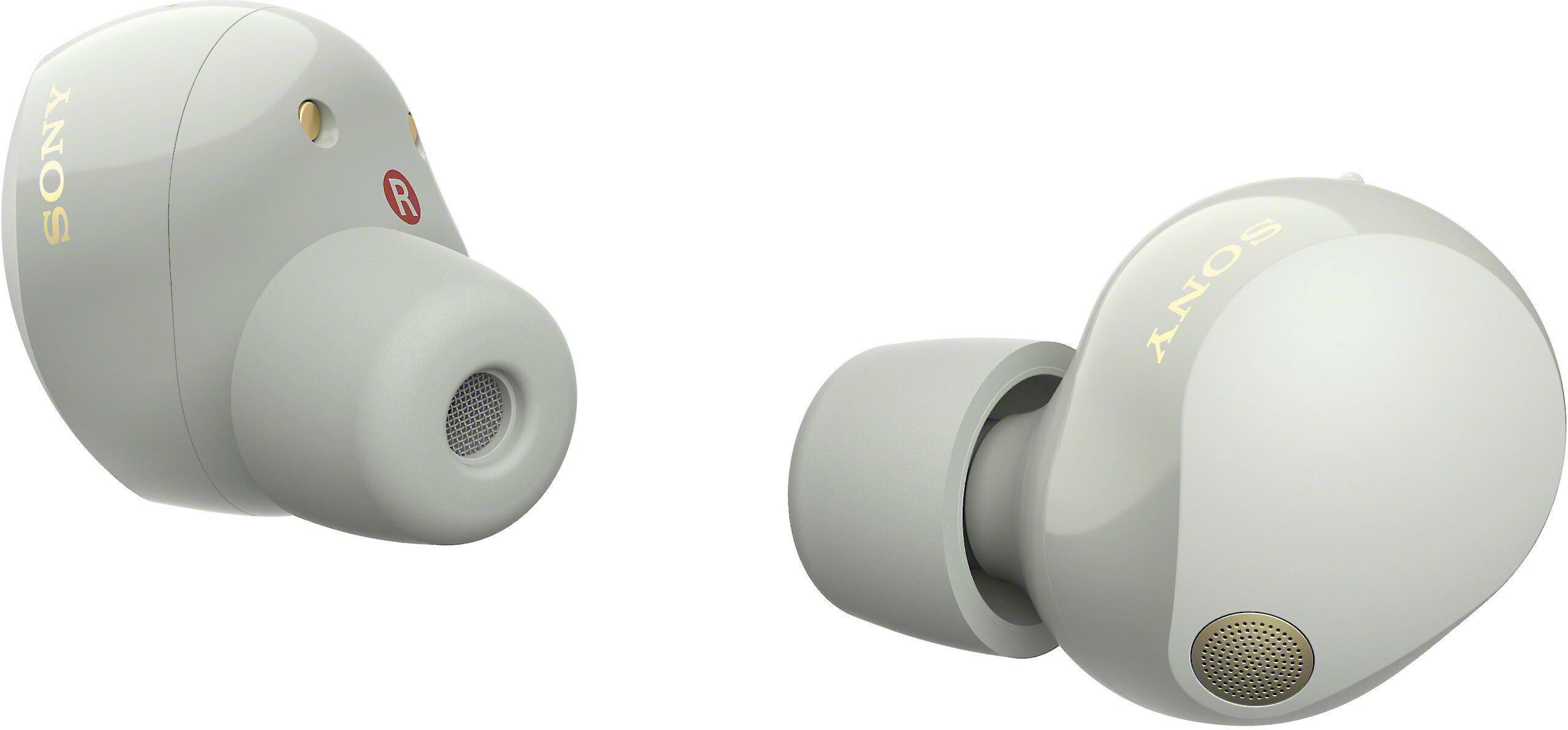


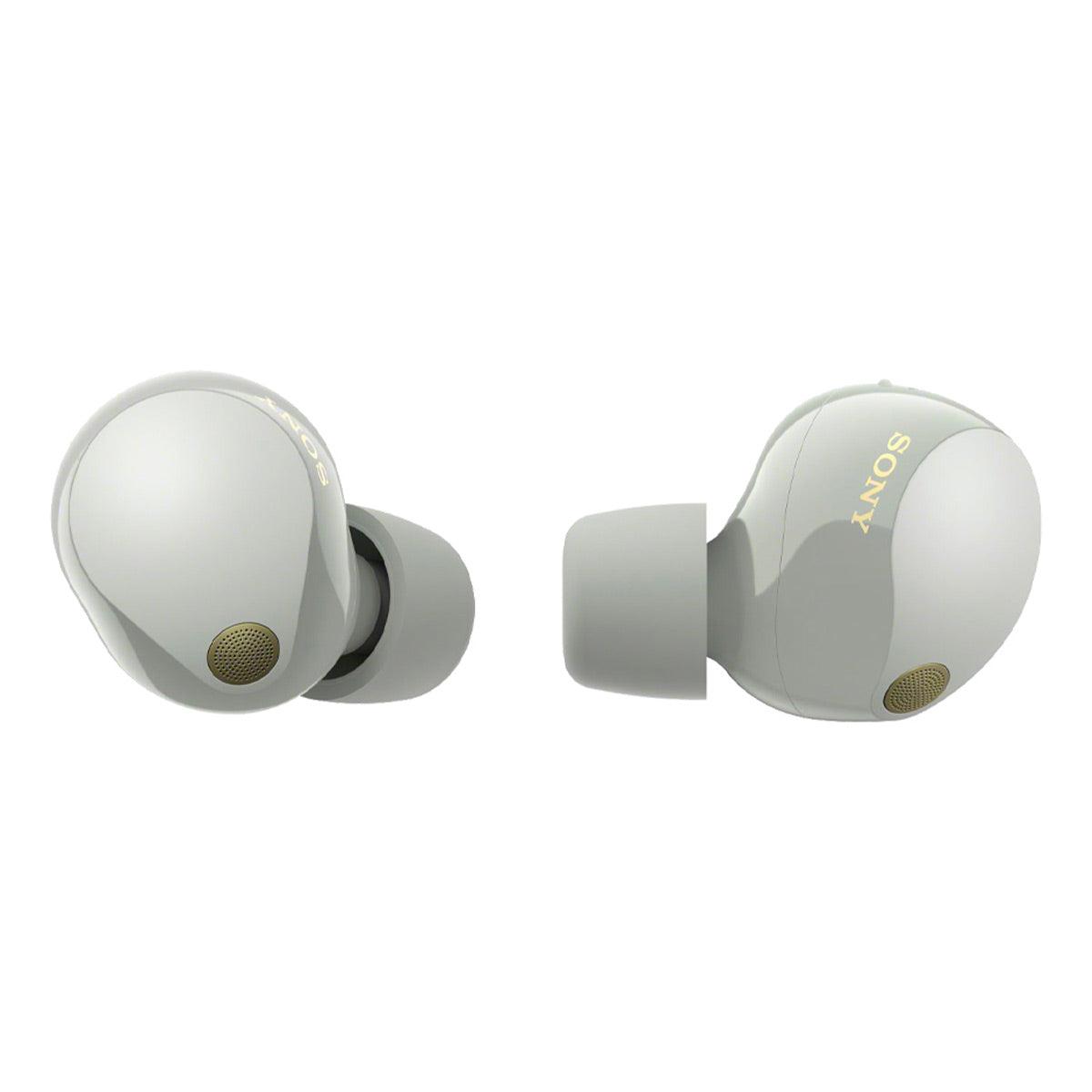
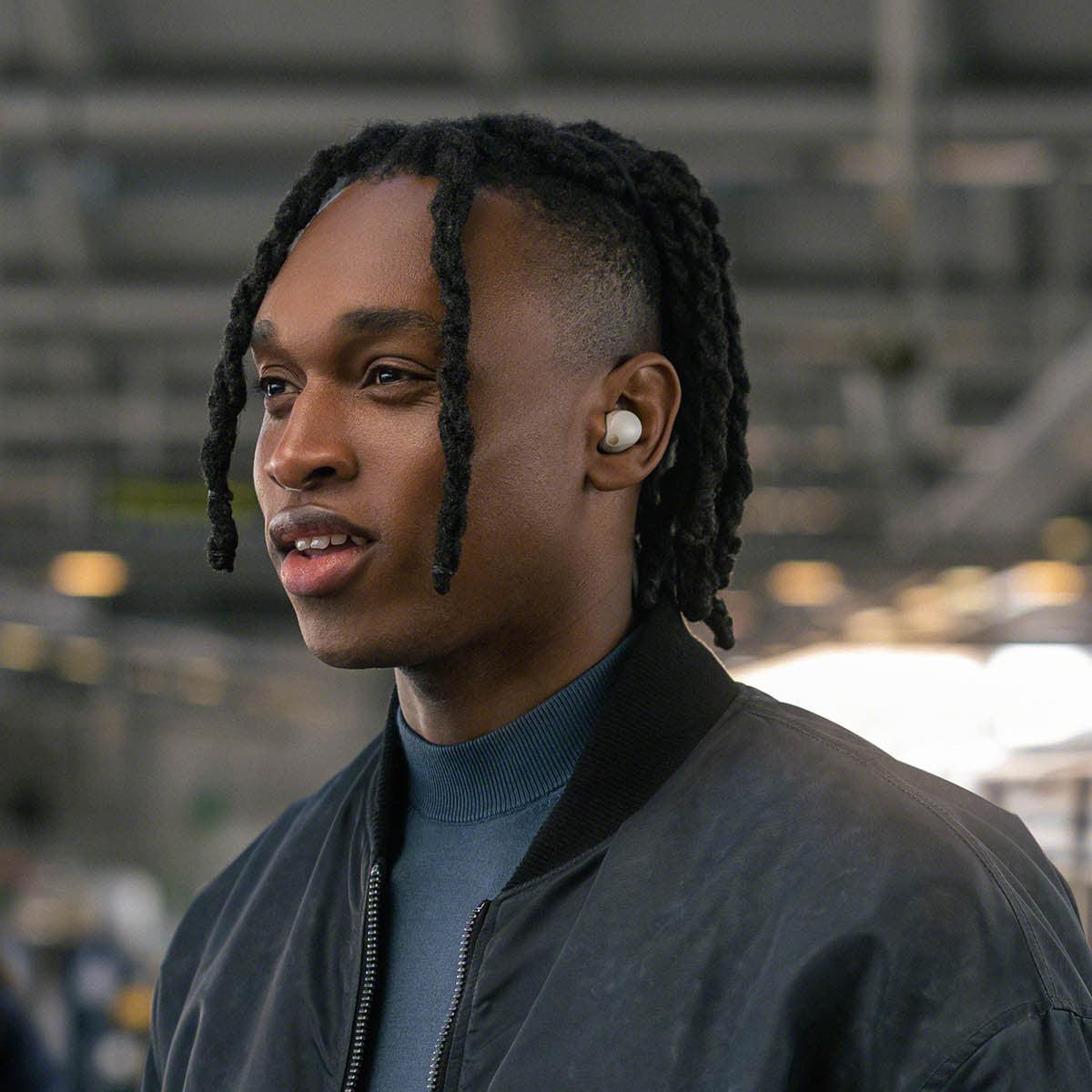
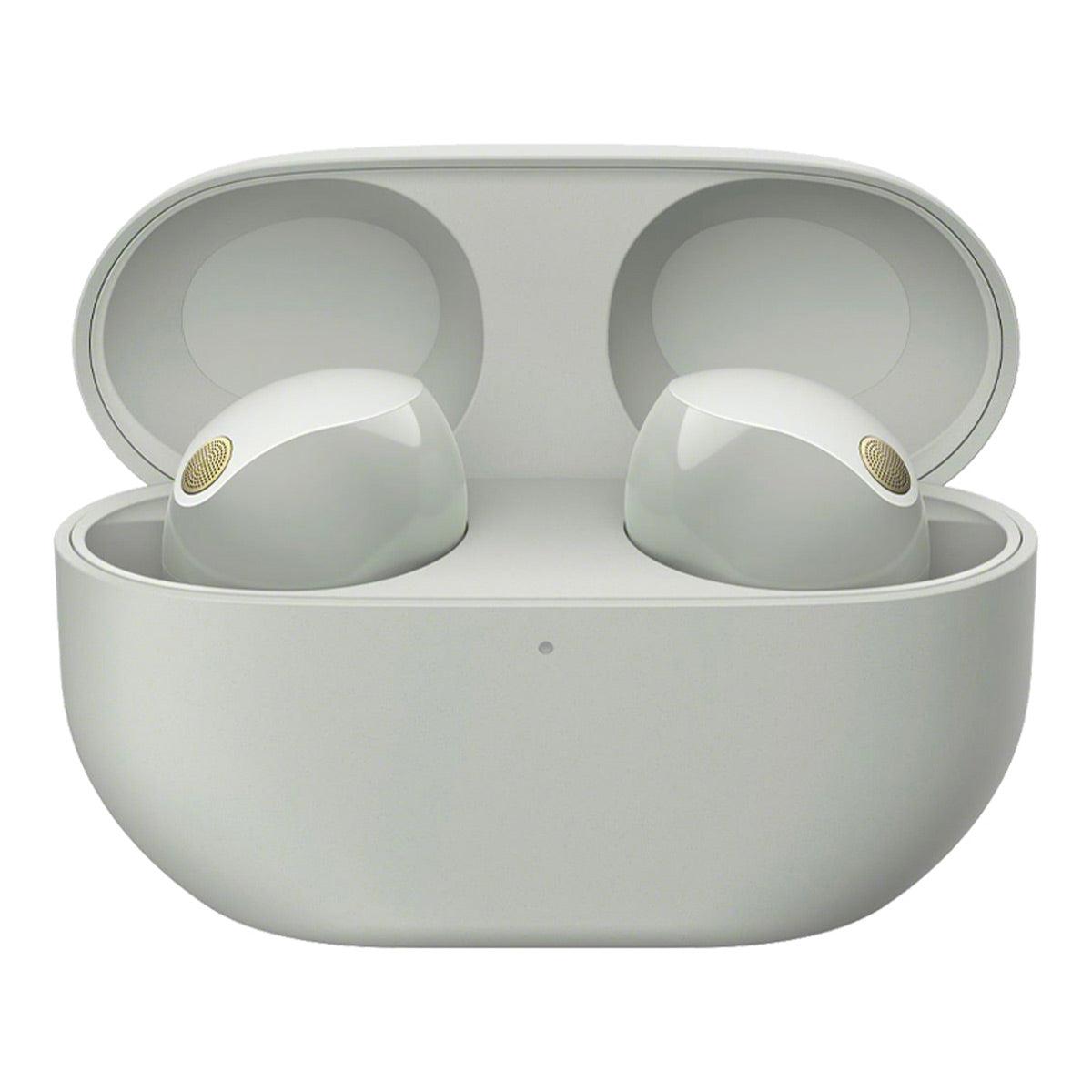
The world of true wireless earbuds has exploded over the past few years, transforming from a niche luxury into an essential tech accessory. Whether you're commuting to work, hitting the gym, or just relaxing at home, the right pair of earbuds can make all the difference in your daily audio experience. Today, we're diving deep into two very different approaches to wireless audio: the budget-friendly JBL Vibe Beam and the premium Sony WF-1000XM5.
These two models couldn't be more different in their philosophy. The JBL Vibe Beam, released in 2022, represents the sweet spot of affordable audio—delivering surprisingly good performance without breaking the bank. Meanwhile, the Sony WF-1000XM5, launched in 2023, showcases what's possible when price isn't the primary concern, packing industry-leading technology into a premium package.
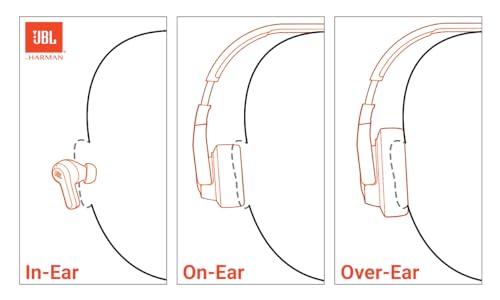
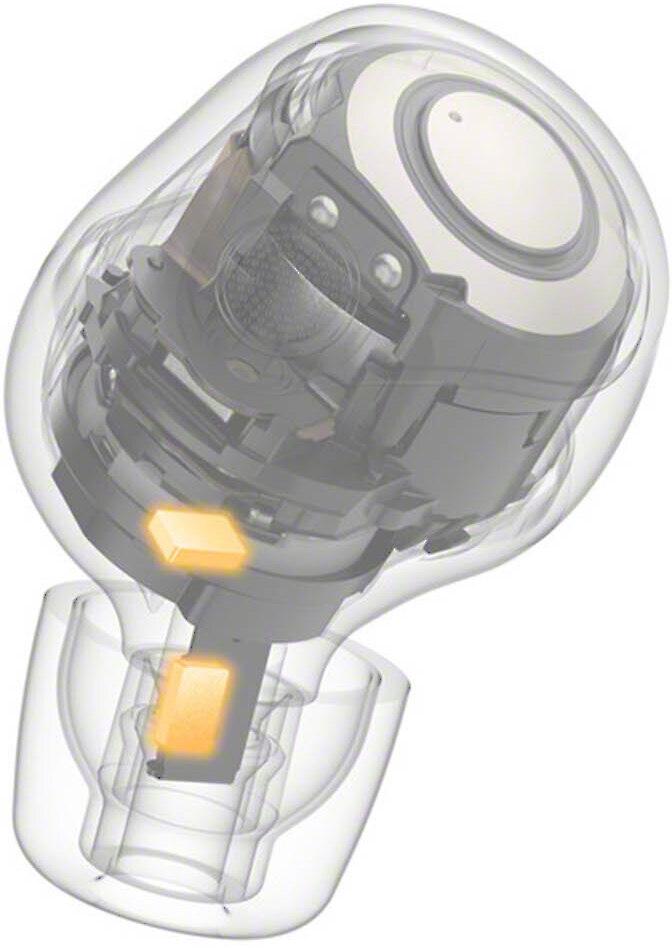
Before we jump into specifics, it's worth understanding what makes true wireless earbuds tick. Unlike traditional wired earphones or even wireless models connected by a cable, true wireless earbuds operate completely independently. Each earbud contains its own battery, processing chip, and wireless radio, creating a complex engineering challenge in a tiny form factor.
The key considerations when choosing any pair of true wireless earbuds revolve around a few critical areas: sound quality, battery life, comfort, features like noise cancellation, and of course, value for money. The tricky part is that improving one area often means compromising another—better noise cancellation usually means higher prices and shorter battery life, while longer battery life might mean larger, less comfortable earbuds.
At the time of writing, the JBL Vibe Beam sits in the budget-friendly category, typically retailing for a fraction of what you'd pay for premium models. The Sony WF-1000XM5, on the other hand, commands flagship pricing, positioning itself among the most expensive consumer earbuds available. This price difference isn't just marketing—it reflects genuinely different approaches to audio engineering and feature implementation.
Sound quality is arguably the most important aspect of any audio device, and it's where these two models show their most significant differences. The JBL Vibe Beam uses 8mm dynamic drivers—the tiny speakers inside each earbud that convert electrical signals into sound waves. These drivers are tuned with JBL's "Deep Bass Sound" profile, which emphasizes low frequencies to create that punchy, energetic sound that JBL is known for.
What does this mean in practice? The JBL Vibe Beam delivers a fun, engaging sound that makes pop, hip-hop, and electronic music feel lively and impactful. The bass response is notably strong without completely overwhelming the midrange frequencies where vocals live. For podcasts and spoken content, voices come through clearly, though they might sound slightly warmer (bassier) than completely neutral.
The frequency response of 20Hz to 20kHz covers the full range of human hearing, and the 100dB sensitivity means these earbuds can get plenty loud when driven by your smartphone or tablet. The impedance rating of 16 ohms makes them easy to drive, meaning they'll work well with any device without requiring excessive power.
The Sony WF-1000XM5 takes a completely different approach with its 8.4mm Dynamic Driver X. This isn't just marketing speak—Sony has genuinely redesigned the driver architecture using what they call a "dome-edge separation structure." This technical innovation allows the driver to produce more accurate sound across a wider frequency range, extending up to 40kHz (well beyond human hearing, but important for harmonic content).
More importantly, the Sony WF-1000XM5 supports high-resolution audio codecs like LDAC, which can transmit significantly more data than standard Bluetooth audio. LDAC can handle up to 990 kbps of data compared to the roughly 320 kbps maximum of standard codecs, preserving more musical detail. The earbuds also feature DSEE Extreme, Sony's AI-powered upscaling technology that analyzes compressed music files in real-time and attempts to restore lost high-frequency information.
In our research of professional reviews and user feedback, the sound quality difference is substantial. The Sony WF-1000XM5 consistently receives praise for exceptional clarity, precise instrument separation, and what audiophiles call "soundstage"—the perception of width and space in the music. The JBL Vibe Beam sounds good for its price point, but it can't match the technical precision and refinement of Sony's flagship model.
For home theater use, neither model is specifically designed for TV watching, but the Sony WF-1000XM5 has a slight advantage due to its support for LC3 codec, which offers lower latency (less delay between video and audio). However, both models will work fine for casual TV viewing, though dedicated TV-optimized wireless headphones might be better for serious home theater setups.
Here's where these two models diverge most dramatically. The JBL Vibe Beam has no active noise cancellation (ANC) whatsoever. It relies entirely on passive isolation—the physical blocking of sound by the earbud tips sealing your ear canal. While the stick-closed design provides decent isolation from higher-frequency sounds like chatter or air conditioning, it's virtually useless against low-frequency rumble from engines, construction, or HVAC systems.
The Sony WF-1000XM5 represents the current pinnacle of noise cancellation technology in true wireless earbuds. Each earbud contains three microphones: two feedback microphones that monitor sound inside your ear canal and one feedforward microphone that captures ambient noise before it reaches your ear. The Integrated Processor V2 and HD Noise Cancelling Processor QN2e work together to analyze this information and generate precisely inverted sound waves to cancel unwanted noise.
This isn't just about blocking sound—it's about creating an adaptive system that adjusts to your environment. The adaptive sound control feature can detect whether you're walking, on public transport, or sitting still, and it automatically adjusts the level of noise cancellation accordingly. The ambient sound control lets you dial in exactly how much outside noise you want to hear, perfect for staying aware of your surroundings while commuting.
The practical difference is night and day. The Sony WF-1000XM5 can make a noisy airplane cabin feel library-quiet, while the JBL Vibe Beam will let most of that engine rumble straight through to your ears. If you frequently find yourself in noisy environments—commuting on public transport, working in busy offices, or traveling regularly—the noise cancellation alone might justify the price difference.
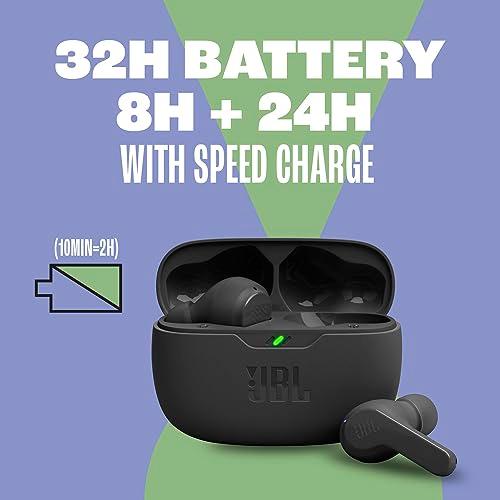
Both models deliver impressive battery performance, though with different strengths. The JBL Vibe Beam provides up to 8 hours of playback per charge, with an additional 24 hours stored in the charging case, for a total of 32 hours of listening time. More impressively, its speed charging capability delivers 2 hours of playback from just 10 minutes of charging—perfect for those "oh no, my earbuds are dead" moments before leaving the house.
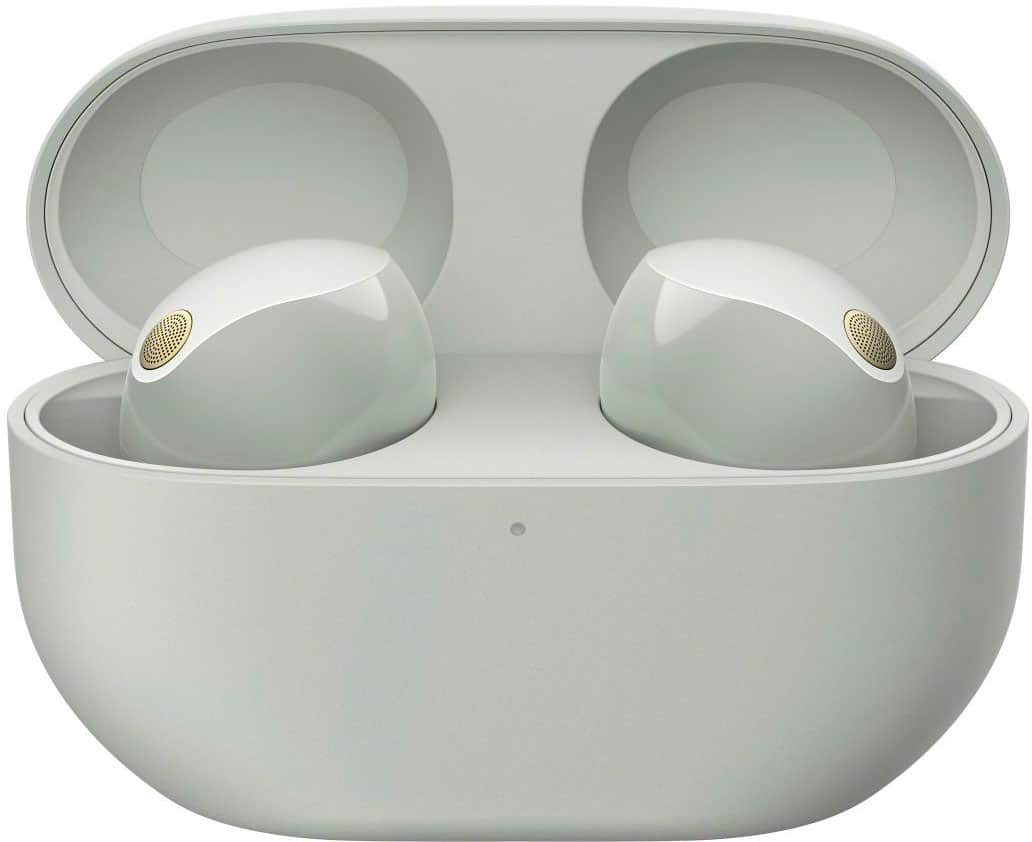
The Sony WF-1000XM5 matches the total battery life with 8 hours per charge plus 24 hours from the case, but its quick charging is more modest, providing only 1 hour of playback from 10 minutes of charging. However, Sony includes wireless charging in the case, which adds convenience for users with wireless charging pads.
There's an important caveat with the Sony model: active noise cancellation consumes additional power. While Sony's efficiency improvements since the previous generation help, running ANC at maximum levels will reduce the 8-hour rating. The JBL Vibe Beam, with no ANC to power, can more consistently deliver its rated battery life.
From a practical standpoint, both offer enough battery life for most users' daily needs. The JBL Vibe Beam edges ahead slightly due to its faster emergency charging, but the Sony WF-1000XM5's wireless charging capability might be more valuable for users who prioritize convenience over speed.
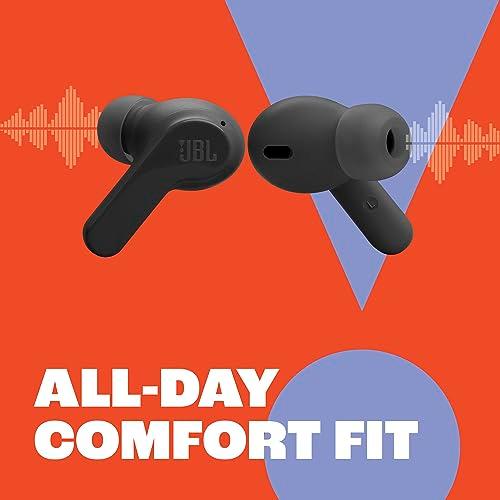
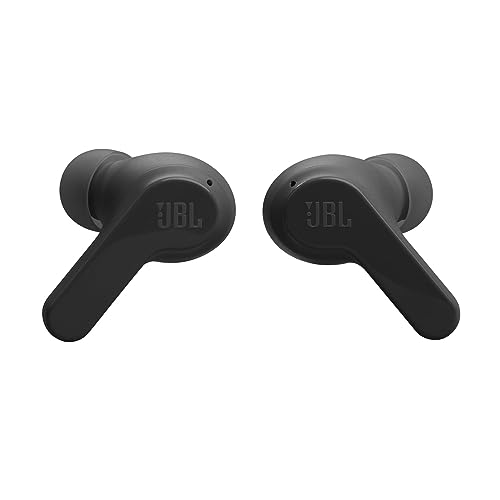
Comfort is highly individual, but both manufacturers have put significant effort into ergonomic design. The JBL Vibe Beam weighs just 4.4 grams per earbud and features what JBL calls a "stick-closed design"—essentially a more traditional earbud shape that sits partially in your ear canal. This design works well for many users, though some report that the fit isn't secure enough for vigorous exercise or running.
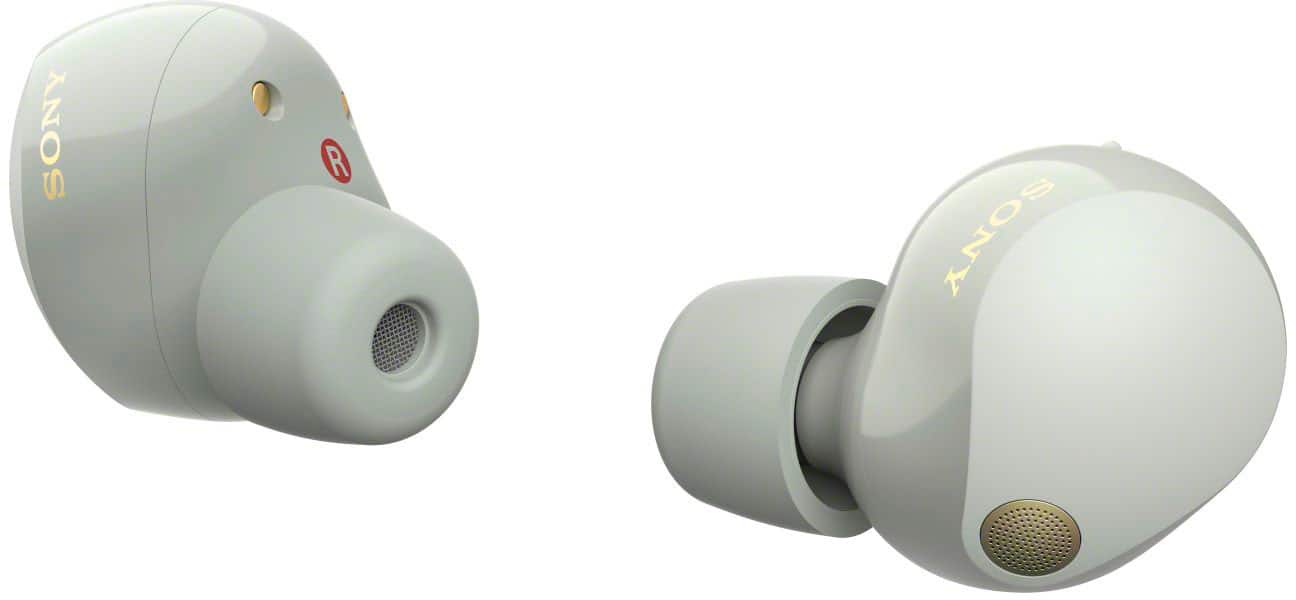
The Sony WF-1000XM5 represents a complete redesign from Sony's previous generation, with each earbud being 25% smaller and 20% lighter than its predecessor. Sony claims to have analyzed extensive ear shape data to optimize the fit, and the results generally receive high marks for all-day comfort. The smaller size also makes them less conspicuous when worn.
Build quality favors the JBL Vibe Beam in terms of durability ratings—it carries an IP54 rating for water and dust resistance, making it suitable for workouts and light rain. The charging case is rated IPX2, providing basic splash protection. The Sony WF-1000XM5 carries an IPX4 rating, which is good but slightly less robust than JBL's offering.
Both include multiple ear tip sizes, which is crucial for achieving proper fit and sound quality. A poor ear tip fit will compromise both comfort and audio performance, so it's worth trying all the included sizes to find your best match.
The feature sets reveal the different philosophies behind these products. The JBL Vibe Beam includes practical, everyday features without overwhelming complexity. Its Smart Ambient technology offers two useful modes: Ambient Aware keeps your music playing while letting in environmental sounds for safety, while TalkThru automatically lowers music volume and amplifies voices for quick conversations. The VoiceAware feature lets you control how much of your own voice you hear during phone calls, preventing that "talking in a tunnel" sensation.
Touch controls handle basic functions like play/pause, track skipping, and call management. The JBL Headphones app provides EQ customization and a "Find My Buds" feature that plays a tone to help locate misplaced earbuds. Bluetooth 5.2 provides reliable connectivity with good range and power efficiency.
The Sony WF-1000XM5 goes much further with smart features. Adaptive Sound Control uses AI to learn your routine and automatically adjust noise cancellation and ambient sound based on your location and activity. Speak-to-Chat is particularly clever—it detects when you start talking and automatically pauses music while activating ambient sound mode, then resumes playback after you finish speaking.
The Sony Headphones Connect app offers extensive customization options, including a parametric EQ, 360 Reality Audio support for compatible content, and detailed control over all the smart features. Multipoint Bluetooth connection allows simultaneous pairing with two devices, making it easy to switch between your phone and laptop without manual reconnection.
These advanced features come with a learning curve. The JBL Vibe Beam works great right out of the box with minimal setup, while the Sony WF-1000XM5 rewards users who take time to explore and customize its capabilities.
Both models handle phone calls competently, but with different approaches. The JBL Vibe Beam uses a straightforward microphone setup with VoiceAware technology to help you monitor your own voice during calls. Call quality is clear and suitable for most conversations, though voices might lack some depth compared to premium models.
The Sony WF-1000XM5 employs more sophisticated "Precise Voice Pickup Technology" that combines bone conduction sensors with advanced audio processing. This system can better isolate your voice from background noise, and the wind noise reduction structure helps during outdoor calls. The result is noticeably clearer call quality, especially in challenging acoustic environments.
The decision between these two models ultimately comes down to your priorities and budget. The JBL Vibe Beam represents exceptional value, delivering about 80% of the premium earbud experience at roughly 15% of the cost (at the time of writing). If you're primarily listening to mainstream music genres, podcasts, or audiobooks, and you don't need active noise cancellation, the JBL model provides everything most people actually need.
Choose the JBL Vibe Beam if you want reliable wireless audio without premium pricing, prioritize battery life and water resistance for active use, listen primarily to bass-forward music genres, or work in relatively quiet environments where noise cancellation isn't crucial.
The Sony WF-1000XM5 justifies its premium pricing for users who truly need its advanced capabilities. If you're an audio enthusiast who notices subtle differences in sound quality, frequently travel or work in noisy environments, or want cutting-edge features like adaptive sound control, the Sony model delivers an experience that cheaper alternatives simply can't match.
Choose the Sony WF-1000XM5 if sound quality is your top priority, you need excellent noise cancellation for travel or noisy environments, you want premium smart features and extensive customization, or you use high-quality audio sources that benefit from advanced codec support.
The gap between these models reflects the current state of the true wireless market—you can get surprisingly good performance at budget prices, but premium features and flagship-level sound quality still command premium pricing. Both represent excellent examples of their respective categories, making the choice more about matching the product to your specific needs and budget rather than finding a clear winner.
For most users, the JBL Vibe Beam provides everything they need with money left over for other tech purchases. For those who prioritize audio quality above all else, the Sony WF-1000XM5 delivers an experience that's genuinely in a different league. The key is honest self-assessment about which features you'll actually use and what audio quality differences you can meaningfully perceive.
| JBL Vibe Beam True Wireless Earbuds | Sony WF-1000XM5 True Wireless Noise Cancelling Earbuds |
|---|---|
| Active Noise Cancellation - Essential for commuting and noisy environments | |
| None (passive isolation only) | Industry-leading ANC with 3 mics per earbud and adaptive processing |
| Sound Quality - Core audio performance and codec support | |
| 8mm drivers, JBL Deep Bass Sound, SBC/AAC codecs | 8.4mm Dynamic Driver X, Hi-Res Audio certified, LDAC/LC3 support |
| Battery Life - Total playback time including charging case | |
| 8 hours + 24 hours case = 32 hours total | 8 hours + 24 hours case = 32 hours total |
| Quick Charging - Emergency power when you're rushing out | |
| 10 minutes = 2 hours playback (excellent) | 10 minutes = 1 hour playbook (good) |
| Water Resistance - Protection for workouts and weather | |
| IP54 earbuds, IPX2 case (better for active use) | IPX4 earbuds (good general protection) |
| Weight Per Earbud - Comfort for extended wear | |
| 4.4g each (lightweight and comfortable) | Significantly lighter than predecessor (exact weight varies) |
| Smart Features - Convenience and customization options | |
| Smart Ambient, VoiceAware, basic app controls | Adaptive Sound Control, Speak-to-Chat, extensive app customization |
| Bluetooth Connectivity - Connection stability and device switching | |
| Bluetooth 5.2, single device pairing | Bluetooth 5.3, multipoint connection (2 devices simultaneously) |
| Charging Case Features - Convenience and portability | |
| USB-C charging, compact design | USB-C + wireless charging, premium materials |
| Call Quality - Microphone performance for phone calls | |
| Clear calls with VoiceAware monitoring | Precise Voice Pickup with bone conduction sensors |
| Target User - Who should consider each model | |
| Budget-conscious users wanting solid performance | Audio enthusiasts and frequent travelers needing premium features |
The Sony WF-1000XM5 delivers significantly better sound quality with its 8.4mm Dynamic Driver X technology, Hi-Res Audio certification, and support for premium codecs like LDAC. The JBL Vibe Beam offers good sound for its price range with JBL's Deep Bass Sound tuning, but can't match Sony's audiophile-grade clarity and detail.
No, the JBL Vibe Beam does not have active noise cancellation. It relies only on passive noise isolation from the ear tips fitting in your ear canal. The Sony WF-1000XM5, however, features industry-leading active noise cancellation with three microphones per earbud and adaptive processing.
Both the JBL Vibe Beam and Sony WF-1000XM5 offer identical battery life: 8 hours per charge plus 24 additional hours from the charging case, totaling 32 hours. However, the JBL Vibe Beam has faster quick charging, providing 2 hours of playback from just 10 minutes of charging.
The Sony WF-1000XM5 justifies its premium pricing if you prioritize exceptional sound quality, need active noise cancellation for travel or noisy environments, or want advanced features like adaptive sound control. The JBL Vibe Beam offers excellent value for casual listeners who don't need premium features.
The JBL Vibe Beam is better suited for workouts with its IP54 water and dust resistance rating, secure stick-closed design, and lightweight 4.4g per earbud construction. The Sony WF-1000XM5 has IPX4 water resistance but is designed more for premium audio experiences than active use.
Yes, but the Sony WF-1000XM5 offers superior call quality with Precise Voice Pickup Technology using bone conduction sensors and wind noise reduction. The JBL Vibe Beam provides clear calls with VoiceAware monitoring, which is adequate for most users but not as advanced as Sony's system.
The Sony WF-1000XM5 supports multipoint Bluetooth connection, allowing simultaneous pairing with two devices like your phone and laptop. The JBL Vibe Beam uses standard Bluetooth 5.2 with single device pairing, requiring manual switching between devices.
Both models prioritize comfort, but the Sony WF-1000XM5 has a slight edge with its redesigned ergonomic shape that's 25% smaller than its predecessor. The JBL Vibe Beam is also comfortable at 4.4g per earbud, though some users find the fit less secure during movement.
Both the JBL Vibe Beam and Sony WF-1000XM5 work adequately for TV viewing, though neither is specifically optimized for home theater use. The Sony WF-1000XM5 has a slight advantage with LC3 codec support for potentially lower audio delay, but dedicated TV headphones might be better for serious home theater setups.
The JBL Vibe Beam offers practical features like Smart Ambient technology for environmental awareness and basic app controls. The Sony WF-1000XM5 provides more advanced smart features including AI-powered Adaptive Sound Control, Speak-to-Chat automatic conversation detection, and extensive customization through Sony's app.
The JBL Vibe Beam has superior quick charging, providing 2 hours of playback from just 10 minutes of charging. The Sony WF-1000XM5 offers 1 hour of playback from 10 minutes of charging but includes wireless charging capability for added convenience.
For first-time wireless earbud users, the JBL Vibe Beam is often the better choice due to its straightforward operation, excellent value, and good all-around performance without overwhelming features. Choose the Sony WF-1000XM5 if you specifically need noise cancellation or have experience with premium audio gear and want the best possible sound quality.
We've done our best to create useful and informative comparisons to help you decide what product to buy. Our research uses advanced automated methods to create this comparison and perfection is not possible - please contact us for corrections or questions. These are the sites we've researched in the creation of this article: bestbuy.com - jbl.com - rtings.com - jbl.com - youtube.com - youtube.com - audio46.com - jbl.com - soundguys.com - bestbuy.com - walmart.com - uclastore.com - bestbuy.com - manuals.plus - rtings.com - moon-audio.com - whathifi.com - sony.ca - soundguys.com - techgearlab.com - loudnwireless.com - youtube.com - techradar.com - youtube.com - costco.com - youtube.com - us.community.sony.com - youtube.com - whathifi.com - youtube.com - cnet.com - loudnwireless.com - youtube.com - bestbuy.com - electronics.sony.com - helpguide.sony.net - gsmarena.com - soundguys.com - bestbuy.com - sony.com - loudnwireless.com - sony.com - sony.com - youtube.com - sony-asia.com - helpguide.sony.net - sony.com - sony.com.sg - sony-asia.com - youtube.com - headphones.com - moon-audio.com - electronics.sony.com - shop.oprahdaily.com - youtube.com

Privacy Policy
Terms and Conditions - Affiliate Policy
Home Security
© Copyright 2008-2026.
11816 Inwood Rd #1211, Dallas, TX 75244