

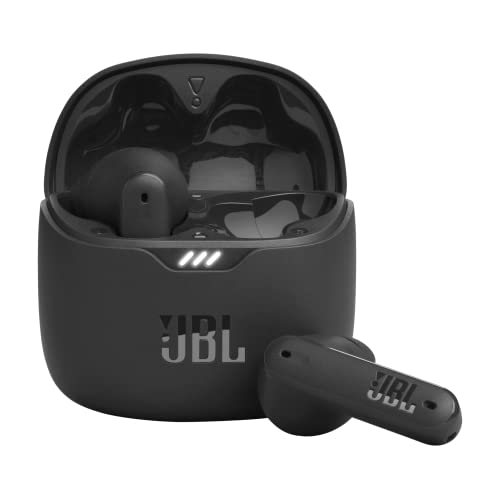

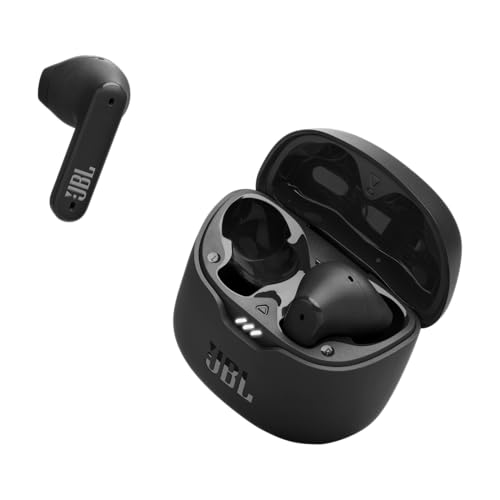
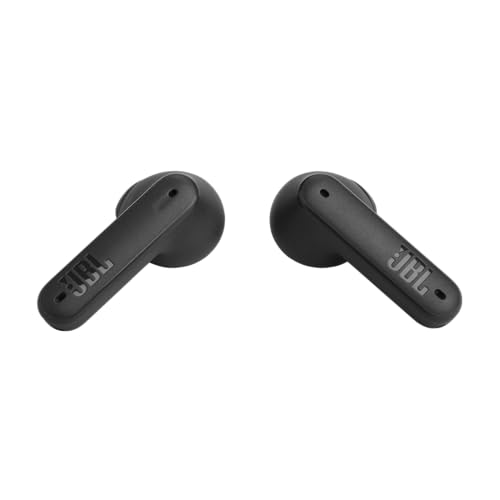
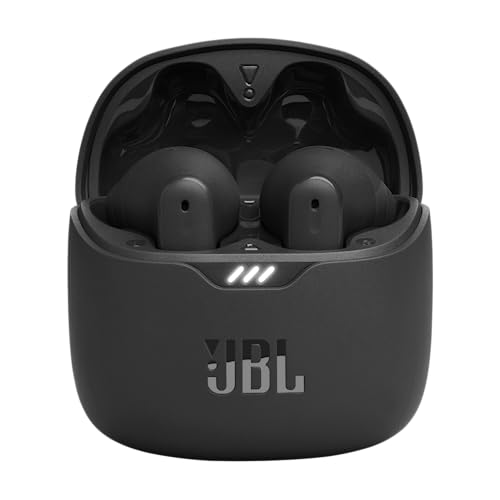
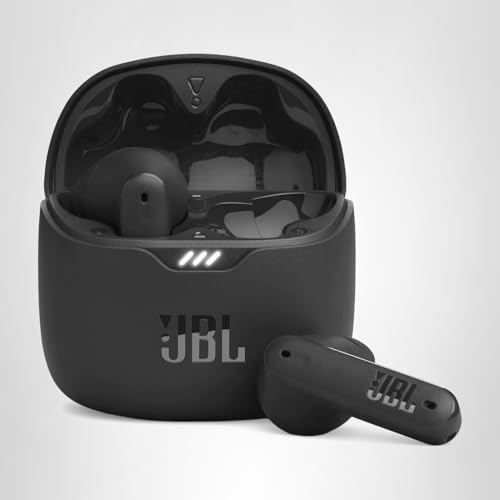

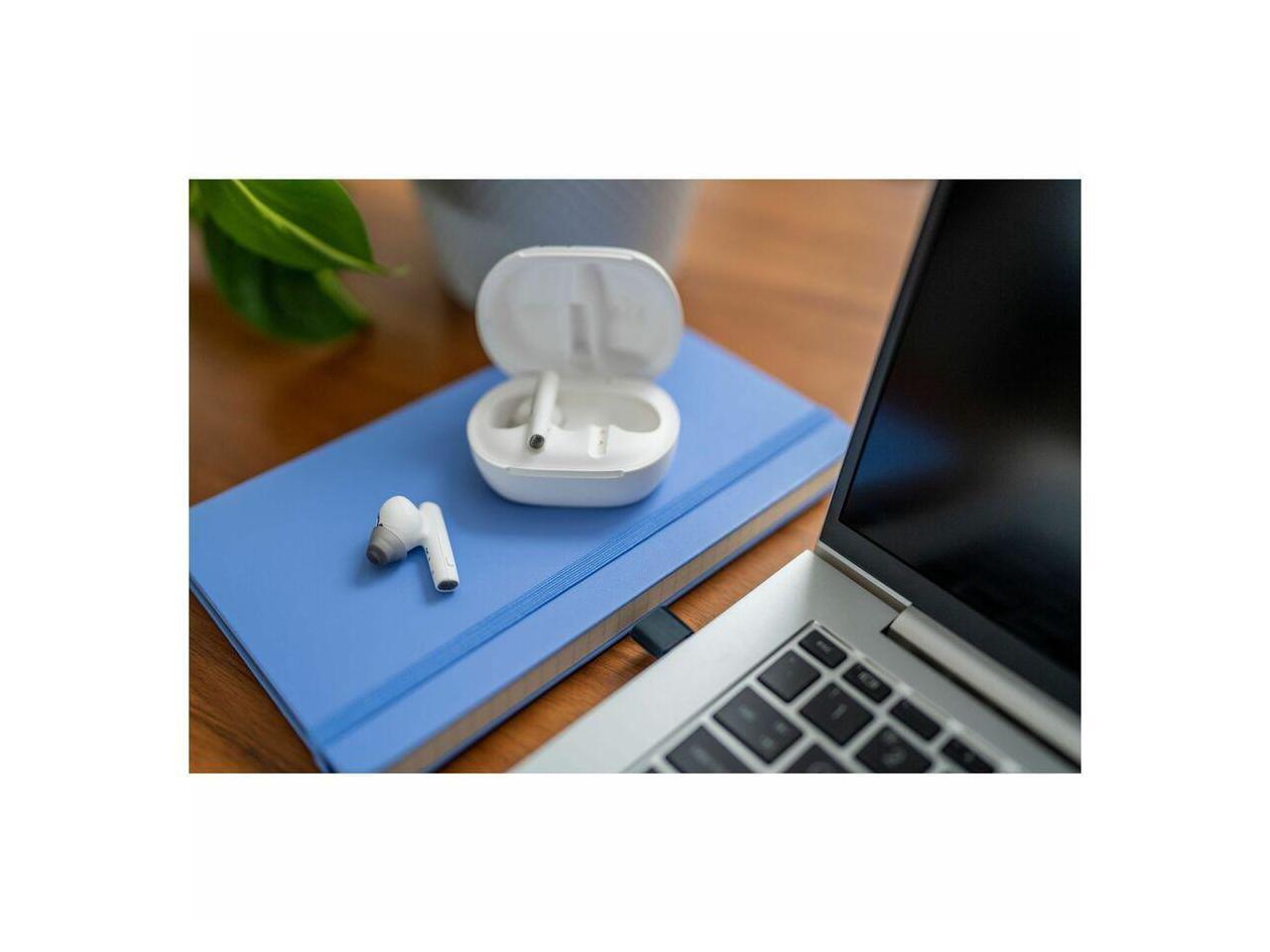


True wireless earbuds have come a long way since Apple first popularized the category with AirPods in 2016. What started as a simple wireless solution has evolved into specialized products targeting different needs. The JBL Tune Flex and Poly Voyager Free 60+ UC perfectly illustrate this evolution—they may look similar, but they're designed for completely different purposes.
Released in 2022, both models represent mature approaches to wireless audio, but they couldn't be more different in their priorities. The JBL Tune Flex focuses on delivering quality music experiences for everyday consumers, while the Poly Voyager Free 60+ UC targets business professionals who need crystal-clear communication tools. Understanding these fundamental differences is crucial for making the right choice.
Before diving into specifics, it's worth understanding what makes true wireless earbuds tick. Unlike traditional headphones connected by wires, these devices pack all their technology—drivers (the speakers), microphones, batteries, and wireless chips—into tiny housings that fit in your ears. This miniaturization creates trade-offs that manufacturers must navigate carefully.
The key considerations when choosing earbuds include your primary use case, audio quality requirements, call performance needs, battery expectations, comfort preferences, and desired features. Modern earbuds also incorporate active noise cancellation (ANC), which uses microphones to detect outside noise and creates opposite sound waves to cancel it out. However, the effectiveness of this technology varies significantly between models.
Since 2022, we've seen improvements in Bluetooth technology (moving from 5.0 to 5.3), better codec support for higher-quality wireless audio, and more sophisticated noise cancellation algorithms. Both products benefit from these advances, though they implement them differently.
The JBL Tune Flex positions itself as a versatile consumer earbud that doesn't break the bank. At the time of writing, it sits in the budget-to-mid-range category, offering features once reserved for premium models. JBL has always been known for their "Pure Bass Sound" signature, emphasizing the low-end frequencies that make hip-hop, EDM, and pop music sound engaging.
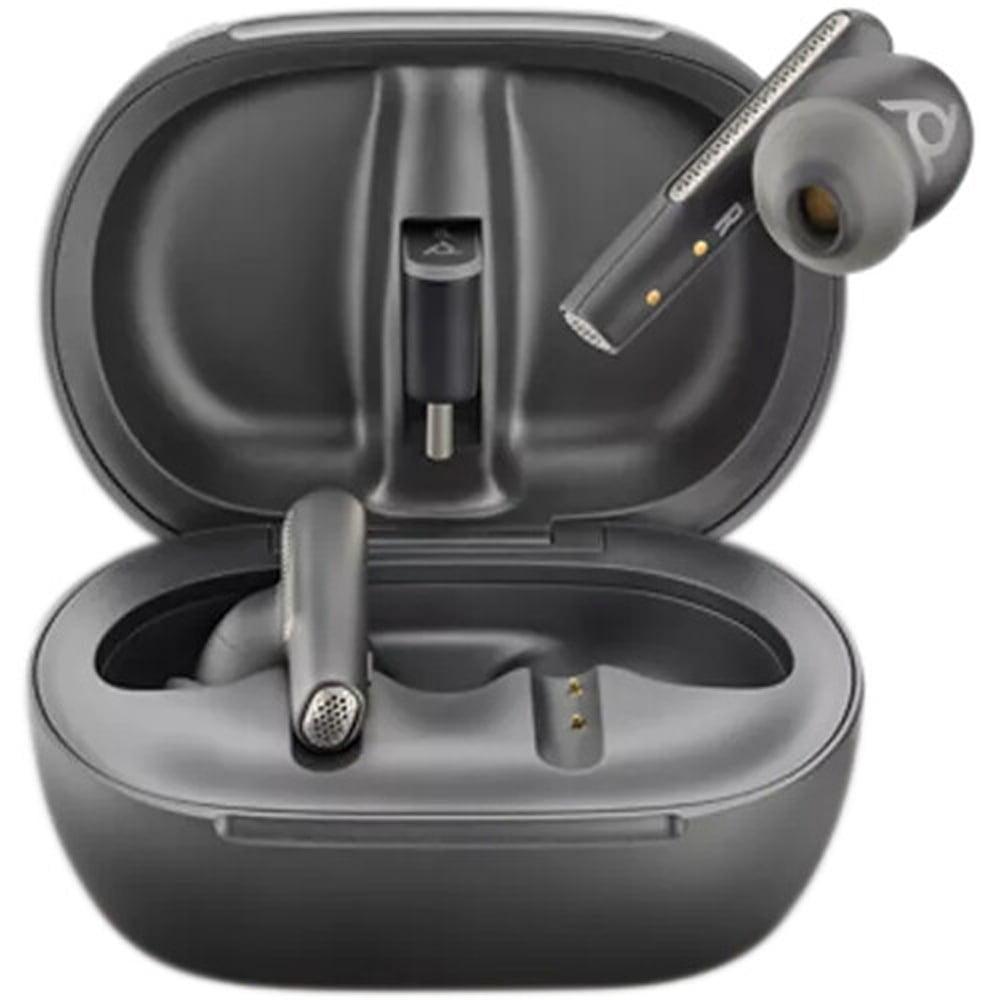
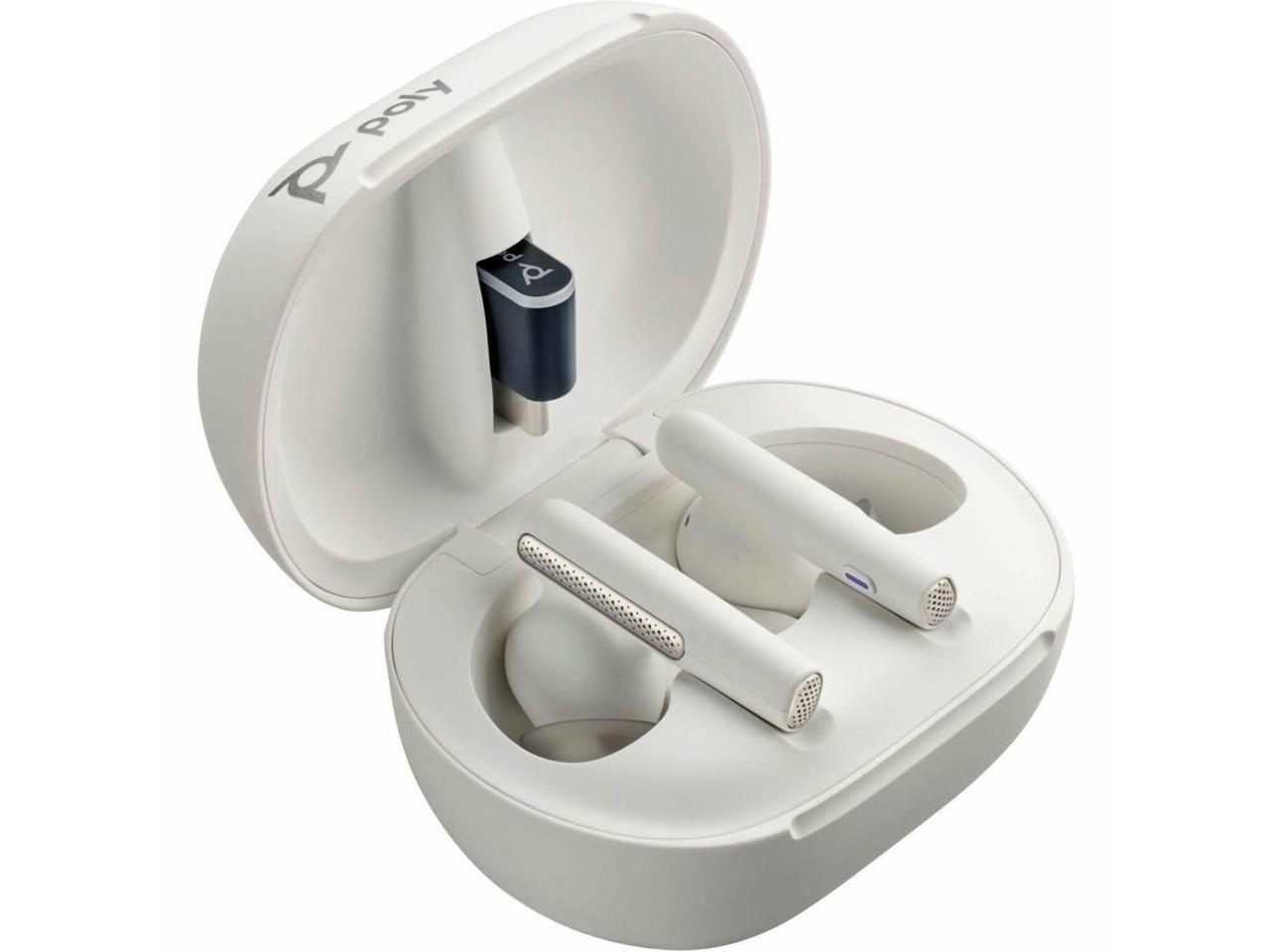
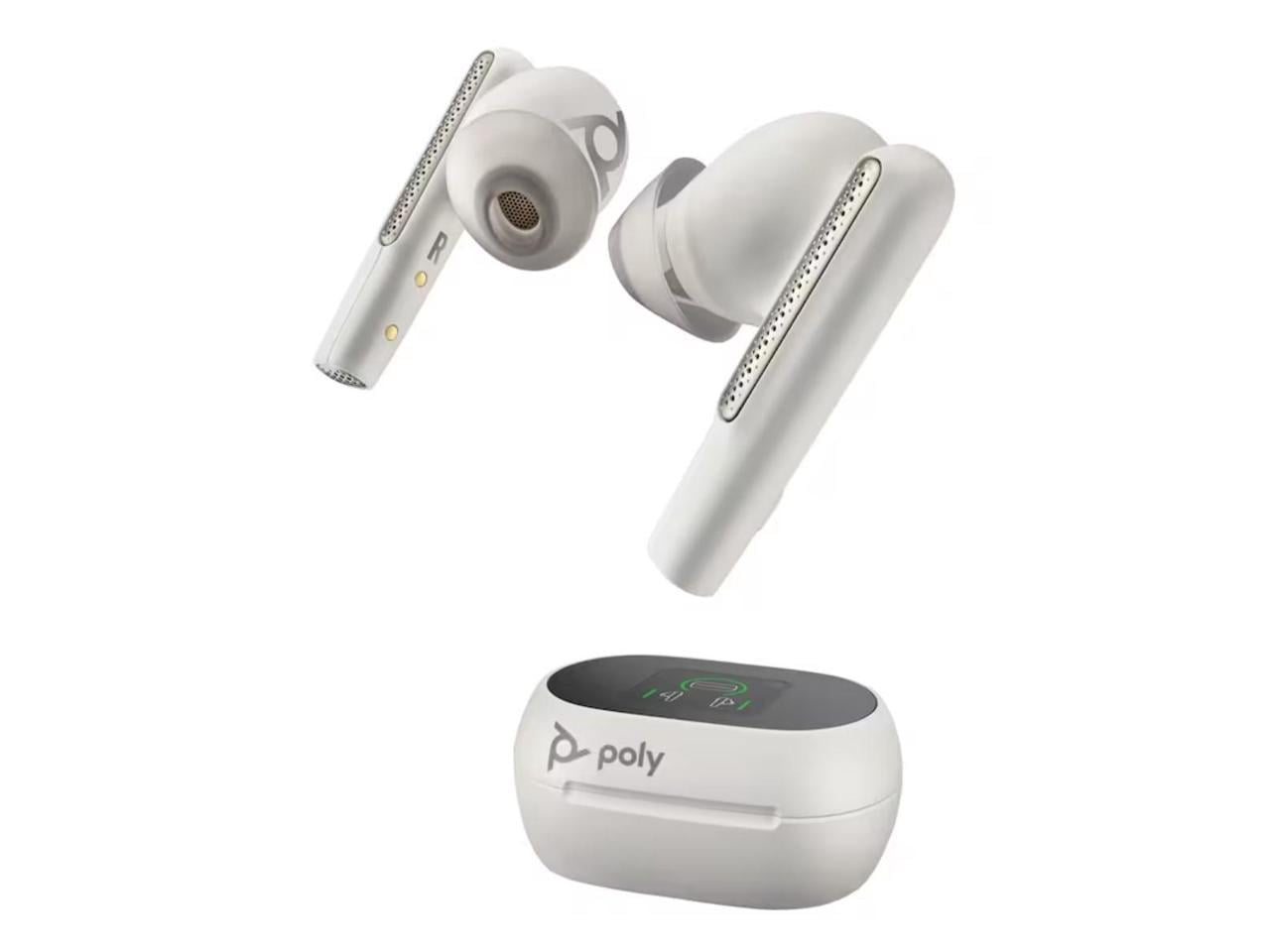
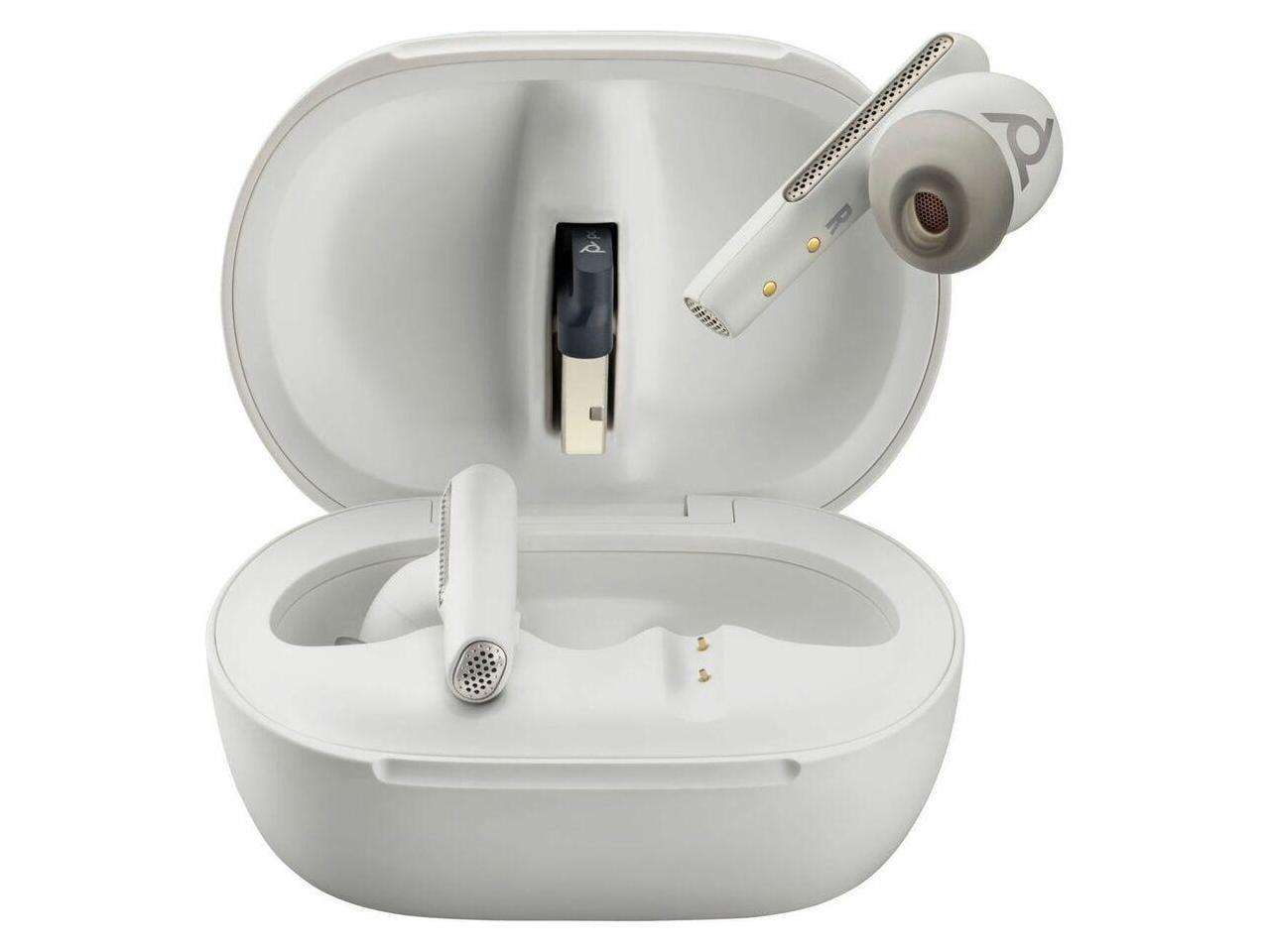
The Poly Voyager Free 60+ UC, meanwhile, commands a premium price point in the business communications category. Poly (now part of HP) built their reputation on professional headsets used in call centers and offices worldwide. The "UC" designation stands for "Unified Communications," indicating these earbuds are designed for business software like Microsoft Teams and Zoom.
This is where the differences become stark. The JBL Tune Flex features 12mm dynamic drivers—relatively large for earbuds. Driver size matters because larger drivers can move more air, producing deeper bass and more dynamic sound. The frequency response covers the full audible spectrum from 20Hz to 20kHz, ensuring you hear everything from the deepest bass notes to the crispest cymbals.
JBL's approach emphasizes what they call a "V-shaped" sound signature. This means the bass and treble frequencies are slightly boosted while the midrange (where vocals sit) remains more neutral. For most popular music, this creates an engaging, energetic sound that makes songs feel more exciting. Our research shows users consistently praise the JBL Tune Flex for making music sound full and dynamic, particularly genres like rock, pop, and electronic music.
The companion JBL Headphones app deserves special mention here. It includes a graphic equalizer that lets you customize the sound to your preferences, plus several preset modes for different music types. This level of customization used to be found only in expensive audiophile products.
In contrast, the Poly Voyager Free 60+ UC prioritizes voice clarity over musical enjoyment. While it covers the same 20Hz-20kHz range in multimedia mode, the tuning focuses on the midrange frequencies where human speech lives (roughly 300Hz to 3kHz). This makes voices sound clearer and more intelligible but can leave music sounding flat or lifeless compared to dedicated music earbuds.
For home theater use, the JBL Tune Flex would be the clear winner. The larger drivers and music-focused tuning provide better dynamics for movie soundtracks, making explosions more impactful and dialogue clearer through better overall balance.
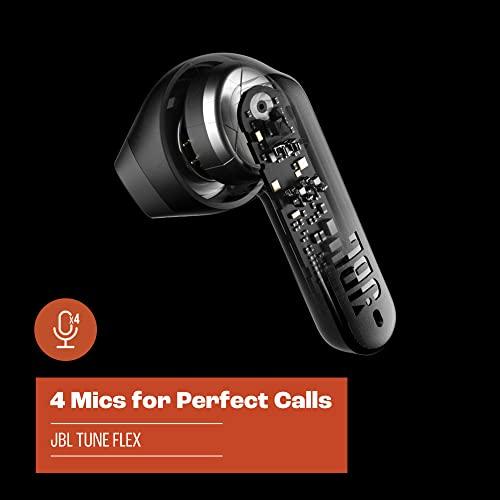
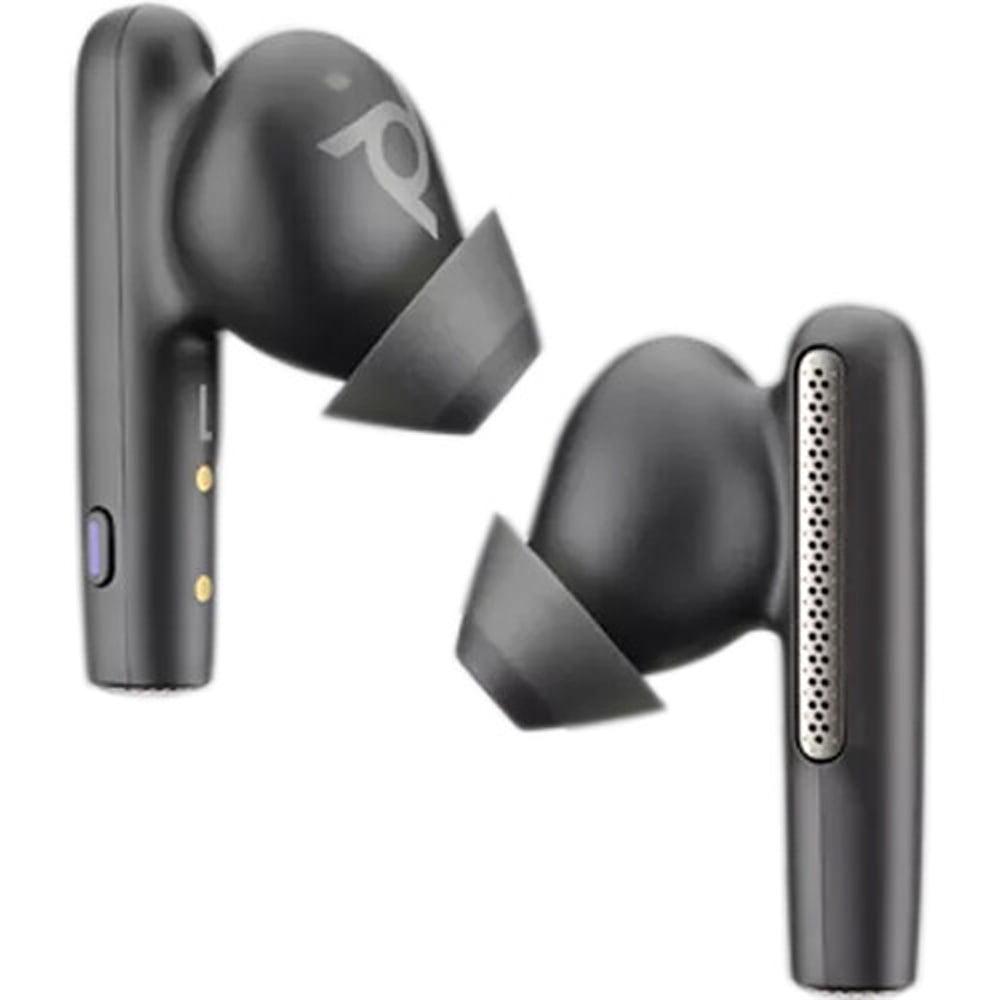
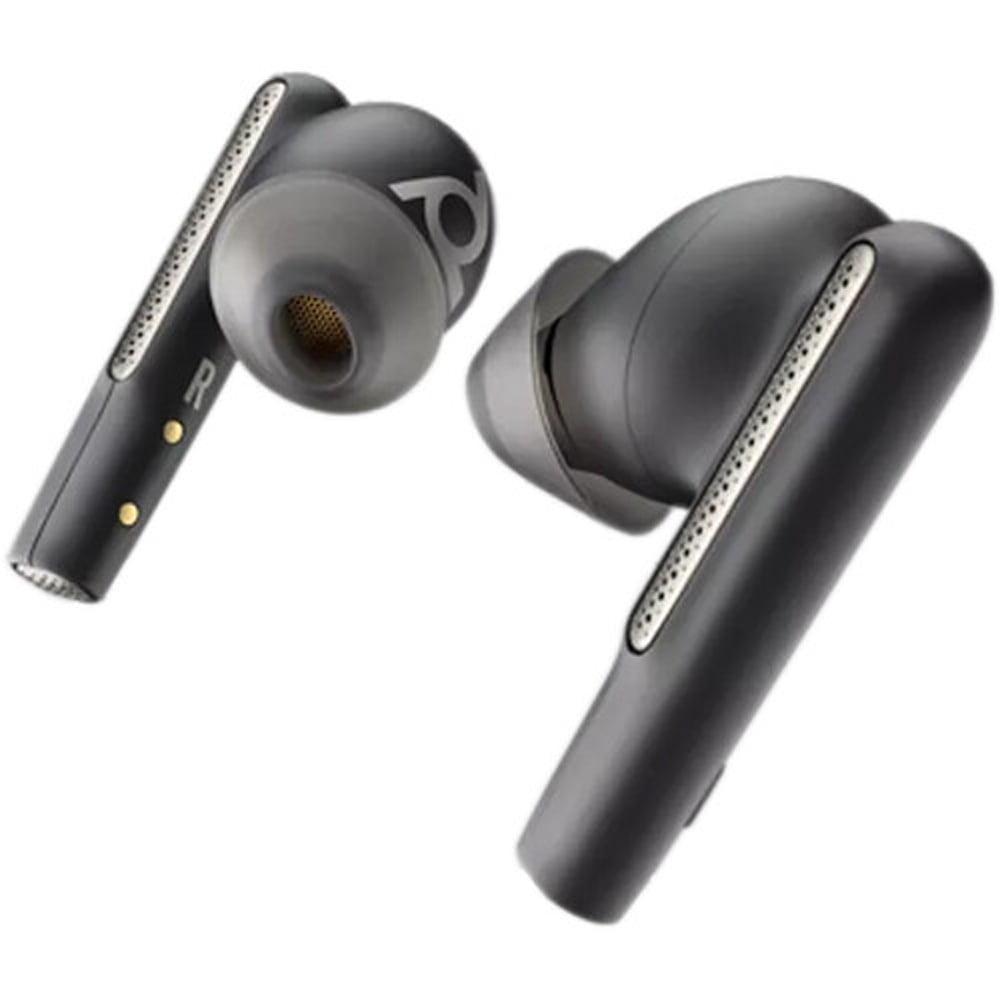
Here's where the Poly Voyager Free 60+ UC truly shines. While the JBL Tune Flex has four microphones total (presumably two per earbud), the Poly model packs three microphones into each earbud—six total. More microphones allow for better beamforming, a technology that focuses on your voice while rejecting background noise.
But microphone count isn't everything. The Poly Voyager Free 60+ UC includes WindSmart technology, which specifically targets wind noise—a common problem when taking calls outdoors. More impressively, it features Poly NoiseBlockAI, which uses machine learning to identify and suppress specific background sounds. This means it can distinguish between a barking dog and keyboard typing, filtering out distractions more intelligently than simple noise suppression.
Our research consistently shows the Poly Voyager Free 60+ UC delivering significantly clearer call quality. Users report that colleagues can hear them clearly even in noisy environments like coffee shops or open offices. The JBL Tune Flex, while adequate for casual calls, reportedly makes voices sound somewhat robotic or processed.
The difference in talk time is equally dramatic. The JBL Tune Flex provides roughly six hours of call time, while the Poly Voyager Free 60+ UC delivers up to 16.5 hours total (5.5 hours from the earbuds plus additional charges from the case). For professionals spending hours in virtual meetings, this difference is game-changing.
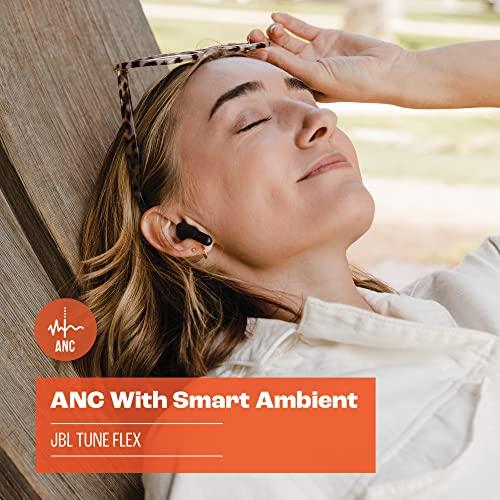
Both models include ANC, but they implement it differently. The JBL Tune Flex uses what's essentially entry-level ANC that works well against constant sounds like air conditioning or airplane engines. However, it struggles with variable noises like conversations or street sounds. This is typical for budget-friendly ANC implementations.
The system does include Smart Ambient features—Ambient Aware lets you hear your surroundings for safety, while TalkThru temporarily reduces music volume so you can have conversations without removing the earbuds. Interestingly, the JBL Tune Flex also offers "open" ear tips that naturally let in more ambient sound, giving you flexibility in how much isolation you want.
The Poly Voyager Free 60+ UC takes a more sophisticated approach with adaptive hybrid ANC. "Adaptive" means the system automatically adjusts based on your environment and how the earbuds fit in your ears. "Hybrid" refers to using both feedforward microphones (facing outward) and feedback microphones (facing inward) to cancel noise more effectively.
However, neither product offers best-in-class ANC performance. If noise cancellation is your top priority, you'd want to consider premium options from Sony or Bose. But for their intended uses, both provide adequate noise reduction.
Battery performance reveals each product's priorities clearly. The JBL Tune Flex excels at music listening, providing up to 32 hours total with ANC off (8 hours from earbuds plus 24 from the case). Even with ANC enabled, you get 24 hours total. This makes them excellent for long flights, commutes, or all-day music listening.
The Speed Charge feature is particularly useful—ten minutes of charging provides two hours of playback. This quick-charge capability can save you when you've forgotten to charge overnight.
The Poly Voyager Free 60+ UC shows its business focus in battery allocation. While music listening time is shorter (around 24 hours total), talk time extends to 16.5 hours total. This reflects the reality that business calls often run longer than typical music listening sessions, and the enhanced microphone systems require more power.
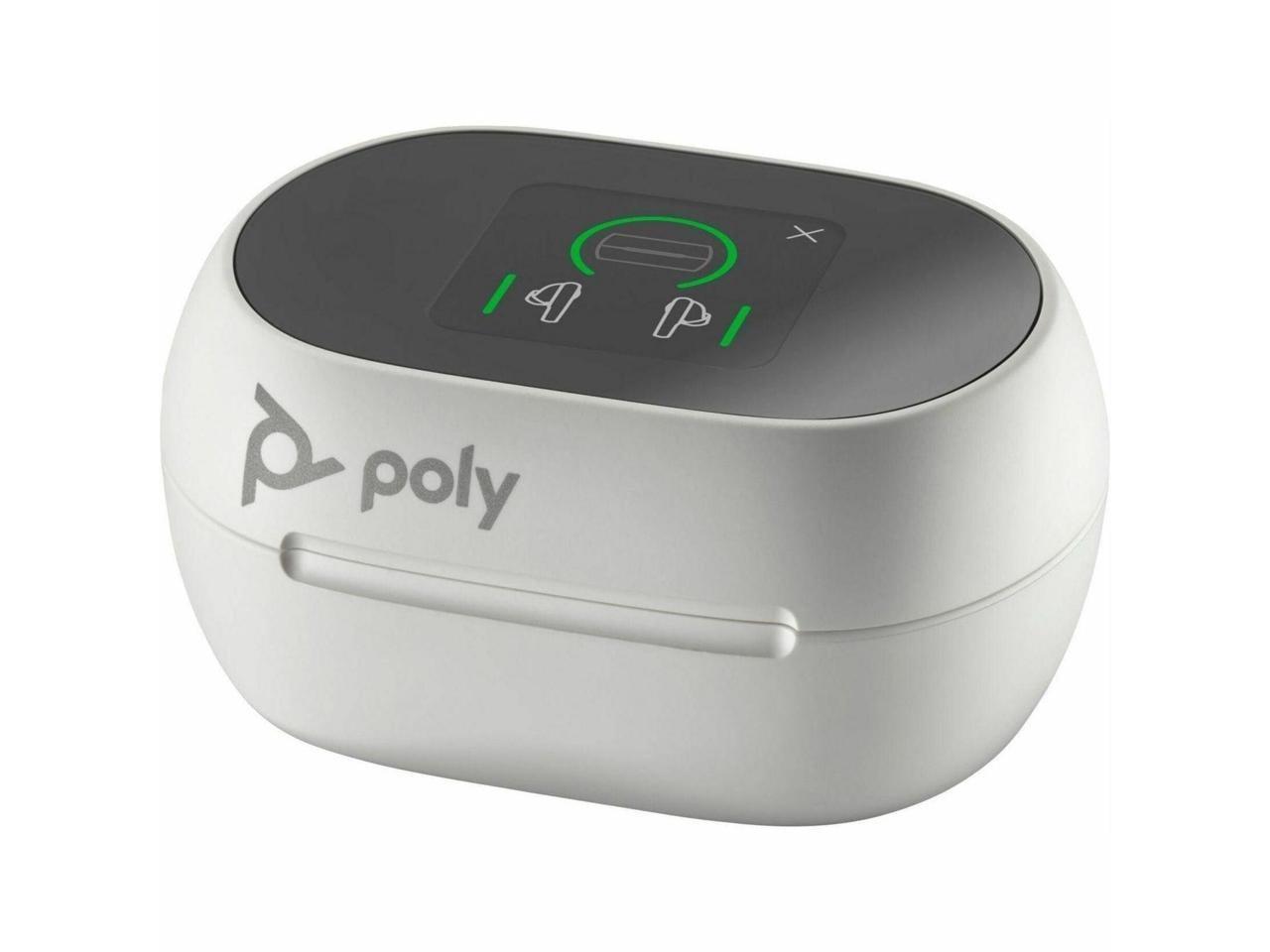
The Poly model also includes Qi wireless charging, letting you drop the case on a wireless charging pad rather than fumbling with cables. The touchscreen case is unique in this category—it displays battery levels, connection status, and even allows some control functions without touching your phone.
Modern Bluetooth versions make a real difference in connection stability and battery efficiency. The Poly Voyager Free 60+ UC uses Bluetooth 5.3, the latest version at the time of writing, while the JBL Tune Flex uses 5.2. The difference is subtle but meaningful—5.3 provides better interference resistance in crowded wireless environments like offices or airports.
More importantly, the Poly Voyager Free 60+ UC supports multipoint connectivity, allowing simultaneous connections to two devices. This means you can be listening to music on your laptop while remaining connected to your phone for calls. When a call comes in, the earbuds automatically switch over. This feature alone justifies the premium for many business users.
The codec support also differs significantly. Codecs determine how audio is compressed for wireless transmission—better codecs mean higher quality. The Poly Voyager Free 60+ UC supports advanced options including aptX and the new LC3 codec, which provides better quality at lower bitrates, improving battery life.
The touchscreen charging case on the Poly model deserves special attention. Beyond just displaying information, it can control music playback, manage device connections, and even connect to non-Bluetooth devices via a 3.5mm jack. This turns the case into a hub for your audio needs.
Comfort becomes crucial for extended use, and here the products show their design priorities. The JBL Tune Flex weighs just 4.8g per earbud and includes multiple ear tip options. The "open" tips are particularly interesting—they provide less isolation but greater comfort for all-day wear while maintaining awareness of your surroundings.
The IPX4 water resistance rating protects against sweat and light rain, making them suitable for workouts and outdoor activities. This rating means they can handle water splashes from any direction but shouldn't be submerged.
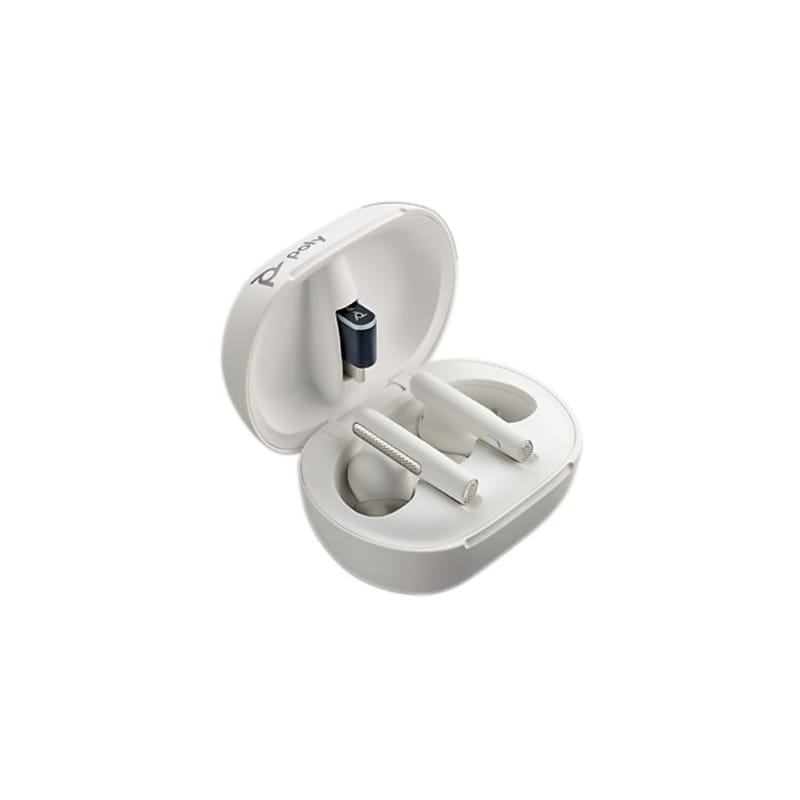
The Poly Voyager Free 60+ UC is slightly heavier at 5.8g per earbud, and some users report comfort issues during extended wear. The bulkier design houses more technology but at the cost of all-day wearability. The charging case is also considerably larger, which might be problematic for small pockets.
The decision ultimately comes down to your primary use case. Choose the JBL Tune Flex if music and entertainment are your priorities. They offer exceptional value for consumers wanting quality audio, long battery life for music, water resistance for active lifestyles, and comfortable all-day wear. The flexible ear tip options make them suitable for various listening preferences, from fully isolated to ambient-aware.
However, if your workday involves frequent calls, video conferences, or professional communication, the Poly Voyager Free 60+ UC justifies its premium pricing through superior call quality, advanced noise suppression, longer talk time, multipoint connectivity, and enterprise-focused features.
The JBL Tune Flex would be my recommendation for students, casual users, fitness enthusiasts, and anyone who primarily uses earbuds for music and entertainment. The combination of good audio quality, long battery life, and attractive pricing makes them hard to beat in their category.
The Poly Voyager Free 60+ UC makes sense for remote workers, business professionals, frequent travelers who need reliable call quality, and anyone whose work depends on clear communication. The premium you pay translates directly into professional capabilities that can impact your work effectiveness.
These earbuds represent two distinct evolutionary paths in wireless audio. The JBL Tune Flex democratizes features once found only in expensive models, bringing quality music reproduction and useful features to a broader audience. The Poly Voyager Free 60+ UC applies enterprise-grade technology to solve specific professional communication challenges.
Neither is objectively "better"—they're optimized for different purposes. The key is honestly assessing your primary use case and choosing accordingly. If you're still uncertain, consider that the JBL Tune Flex offers more flexibility for varied uses, while the Poly Voyager Free 60+ UC excels in its specialized domain but may disappoint for casual music listening.
At the time of writing, both represent solid value in their respective categories, with the JBL Tune Flex offering broader appeal and the Poly Voyager Free 60+ UC providing specialized capabilities that justify its premium for the right users.
| JBL Tune Flex True Wireless Earbuds | Poly Voyager Free 60+ UC Wireless Earbuds |
|---|---|
| Driver Size - Larger drivers typically produce fuller, more dynamic sound | |
| 12mm dynamic drivers (excellent for music) | Not specified (optimized for voice clarity) |
| Microphone Array - More mics generally mean better call quality and noise rejection | |
| 4 microphones total across both earbuds | 6 microphones (3 per earbud) with AI noise blocking |
| Music Battery Life - Total listening time including charging case | |
| Up to 32 hours total (8 + 24 hours case, ANC off) | Up to 24 hours total (8 + 16 hours case) |
| Talk Time - Critical for business users and frequent callers | |
| ~6 hours total | Up to 16.5 hours total (5.5 + 11 hours case) |
| Water Resistance - Protection against sweat, rain, and moisture | |
| IPX4 rated (splash and sweat resistant) | Not specified (likely minimal protection) |
| Bluetooth Version - Newer versions offer better connectivity and efficiency | |
| Bluetooth 5.2 (solid performance) | Bluetooth 5.3 (latest standard, better interference resistance) |
| Multipoint Connectivity - Ability to connect to multiple devices simultaneously | |
| Not supported | Yes (connect to 2 devices at once) |
| Charging Case Features - Convenience and additional functionality | |
| Speed Charge (10 min = 2 hours playback) | Touchscreen display, Qi wireless charging |
| Audio Tuning Focus - What the sound signature is optimized for | |
| Music-focused with JBL Pure Bass Sound | Business communications and voice clarity |
| Weight Per Earbud - Affects comfort during extended wear | |
| 4.8g (lightweight for all-day comfort) | 5.8g (slightly heavier due to additional tech) |
| Noise Cancellation Type - Different approaches to blocking unwanted sound | |
| Basic ANC with Smart Ambient modes | Adaptive hybrid ANC with AI-powered noise identification |
| Codec Support - Higher quality wireless audio transmission | |
| Standard Bluetooth codecs | Advanced codecs including aptX and LC3 |
| Target User - Who each product is designed for | |
| Music lovers, fitness enthusiasts, general consumers | Business professionals, remote workers, frequent callers |
The JBL Tune Flex are significantly better for music listening. They feature larger 12mm drivers that deliver JBL's signature Pure Bass Sound with a well-balanced frequency response from 20Hz to 20kHz. The JBL Tune Flex offer up to 32 hours of music playback and include customizable EQ settings through the JBL Headphones app. In contrast, the Poly Voyager Free 60+ UC are tuned primarily for voice clarity rather than musical enjoyment.
The Poly Voyager Free 60+ UC deliver superior call quality with 6 microphones total (3 per earbud) compared to the JBL Tune Flex's 4 microphones. The Poly Voyager Free 60+ UC feature WindSmart technology and AI-powered noise blocking that can identify and suppress specific background sounds like keyboard typing or barking dogs, making them ideal for professional calls.
For music listening, the JBL Tune Flex provide up to 32 hours total (8 hours + 24 hours from case) with ANC off. However, for talk time, the Poly Voyager Free 60+ UC excel with up to 16.5 hours of call time compared to roughly 6 hours from the JBL Tune Flex. The difference reflects each product's intended use case.
The Poly Voyager Free 60+ UC are specifically designed for remote work and business environments. They offer superior call quality, longer talk time, multipoint connectivity to switch between devices, and a touchscreen charging case for managing calls. The JBL Tune Flex are better suited for casual users who occasionally take calls but primarily listen to music.
The JBL Tune Flex are better suited for home theater use thanks to their larger 12mm drivers and music-focused tuning that provides better dynamics for movie soundtracks. They deliver more impactful explosions and clearer dialogue through better overall audio balance compared to the voice-optimized Poly Voyager Free 60+ UC.
Both offer active noise cancellation, but with different approaches. The JBL Tune Flex provide basic ANC that works well against constant sounds like air conditioning. The Poly Voyager Free 60+ UC feature adaptive hybrid ANC that automatically adjusts to your environment, plus AI-powered noise identification for more sophisticated background sound suppression.
The JBL Tune Flex are better for fitness activities with their IPX4 water resistance rating that protects against sweat and rain. They're also lighter at 4.8g per earbud and offer multiple ear tip options including an "open" design for better situational awareness during outdoor activities. The Poly Voyager Free 60+ UC lack specified water resistance and are heavier.
The JBL Tune Flex typically offer better value for general consumers, providing quality music performance, long battery life, and water resistance at a lower price point. The Poly Voyager Free 60+ UC justify their premium pricing through professional-grade communication features that are essential for business users but unnecessary for casual listeners.
Only the Poly Voyager Free 60+ UC support multipoint connectivity, allowing simultaneous connection to two devices like a laptop and phone. This lets you seamlessly switch from music to calls without manual reconnection. The JBL Tune Flex connect to one device at a time, requiring manual switching between devices.
The JBL Tune Flex are generally more comfortable for long listening sessions due to their lighter weight (4.8g vs 5.8g per earbud) and multiple ear tip options including "open" tips that reduce pressure. Some users report discomfort with the Poly Voyager Free 60+ UC after less than an hour of wear due to their bulkier design housing additional technology.
The fundamental difference is their intended purpose: the JBL Tune Flex are consumer entertainment earbuds designed for music listening and casual use, while the Poly Voyager Free 60+ UC are enterprise-grade communication tools built for business professionals. This affects everything from audio tuning to battery allocation to feature sets.
Choose the JBL Tune Flex if you primarily listen to music, want longer entertainment battery life, need water resistance, or prefer better overall value. Choose the Poly Voyager Free 60+ UC if you make frequent business calls, work remotely, need multipoint connectivity, or require professional-grade voice quality. Your primary use case should drive the decision more than minor specification differences.
We've done our best to create useful and informative comparisons to help you decide what product to buy. Our research uses advanced automated methods to create this comparison and perfection is not possible - please contact us for corrections or questions. These are the sites we've researched in the creation of this article: rtings.com - hometechnologyreview.com - youtube.com - bestbuy.com - soundguys.com - bestbuy.com - crutchfield.com - bgr.com - robbsutton.com - majorhifi.com - versus.com - crutchfield.com - youtube.com - versus.com - jbl.com - global.jbl.com - pcrichard.com - musicarts.com - scribd.com - global.jbl.com - robot-advance.com - gzhls.at - bestbuy.com - att.com - ro.harmanaudio.com - soundguys.com - headsetsdirect.com - youtube.com - vivo.tech - headsetadvisor.com - hp.com - headsetadvisor.com - hp.com - gadgetoid.com - hp.com - hp.com - youtube.com - headsetsdirect.com - lexair.com - content.shi.com - docs.poly.com - hp.com - bestbuy.com - h20195.www2.hp.com - vivo.tech - hp.com - insight.com - cdw.com - hp.com - trustedreviews.com - hp.com - youtube.com

Privacy Policy
Terms and Conditions - Affiliate Policy
Home Security
© Copyright 2008-2026.
11816 Inwood Rd #1211, Dallas, TX 75244