



The true wireless earbud market has exploded over the past few years, creating a fascinating landscape where you can find decent earbuds for under $20 or spend several hundred on premium models. Two products that represent different approaches to this challenge are the TOZO A1 and JBL Vibe Beam – both offering compelling value propositions but targeting slightly different users and budgets.
Understanding where these products fit in the broader market helps clarify what you're getting for your money. At the time of writing, the TOZO A1 sits in the ultra-budget category (typically under $25), while the JBL Vibe Beam occupies the budget-to-mid-range space (usually $50-70). This price difference might seem small, but it represents a significant jump in performance and features that's worth examining closely.
Before diving into specifics, it's helpful to understand what separates good earbuds from mediocre ones. The most crucial factors are sound quality, comfort, battery life, and reliability. Sound quality depends primarily on driver size (the tiny speakers inside each earbud), tuning philosophy, and digital processing. Comfort comes down to weight, shape, and how well the earbuds seal in your ears. Battery life involves both the earbuds themselves and their charging case, while reliability encompasses everything from Bluetooth connectivity to build quality.
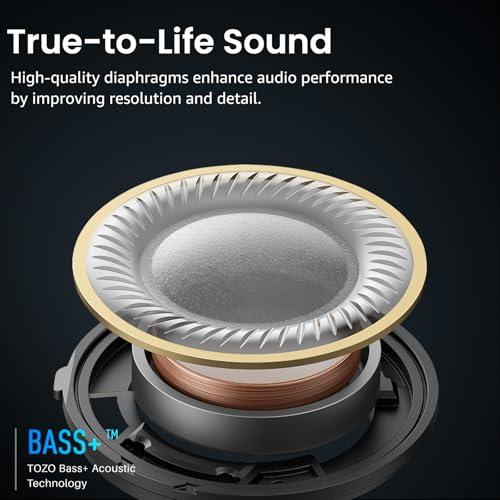
The driver size is particularly important – these are the miniature speakers that convert electrical signals into sound waves. Larger drivers generally produce better bass and overall sound quality, though good tuning can make smaller drivers punch above their weight. The TOZO A1 uses 6mm drivers, while the JBL Vibe Beam steps up to 8mm drivers, which immediately suggests the JBL model has more potential for rich, full sound.
Another critical concept is frequency response – the range of sounds an earbud can reproduce. Both models claim a 20Hz to 20kHz range, which covers the full spectrum of human hearing. However, how evenly they reproduce sounds across this range varies significantly between models and affects how music actually sounds.
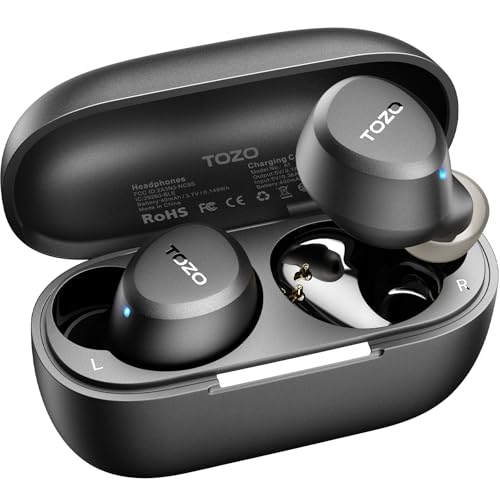
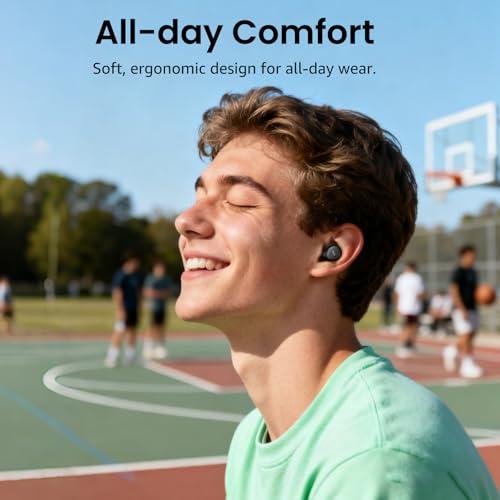
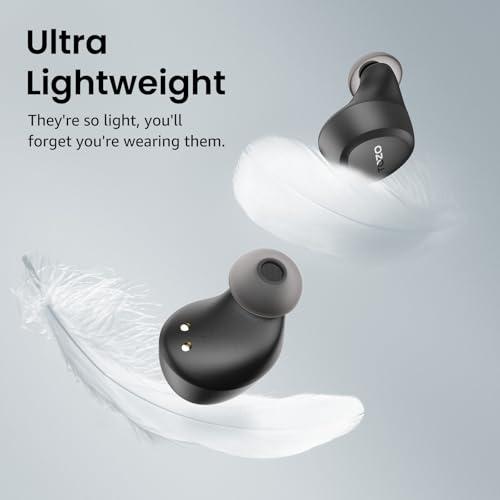
Released in 2023, the TOZO A1 represents TOZO's attempt to create the most comfortable earbuds possible while maintaining decent performance. At just 3.7 grams per earbud, they're among the lightest true wireless earbuds available anywhere, regardless of price. This isn't just a marketing gimmick – when you're wearing something in your ears for hours, every gram matters.
The lightweight design comes from TOZO's decision to eliminate stems entirely, creating a compact, rounded shape that sits flush with your ear. This approach has trade-offs: while it maximizes comfort and portability, it can compromise fit security during vigorous movement. Based on user feedback, the TOZO A1 excels for desk work, commuting, and casual listening but may not stay put during intense workouts or when wearing helmets.
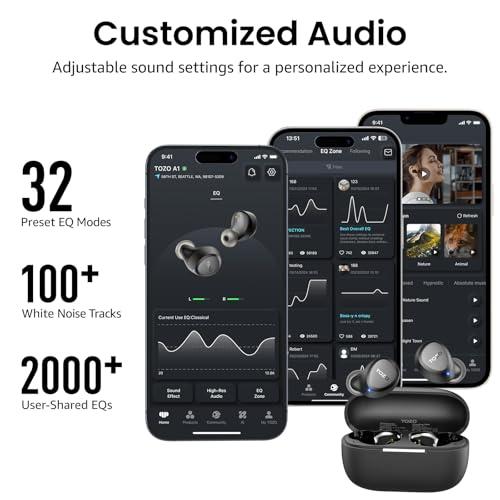
Sound-wise, the TOZO A1 takes a different approach than many budget earbuds. Instead of boosting bass to wow listeners initially, TOZO tuned these for a more balanced, mid-focused sound. This means vocals and instruments in the midrange (think guitar, piano, most human voices) come through more naturally, though it might sound less exciting than bass-heavy alternatives. The 32 preset EQ modes in TOZO's app help here – you can adjust the sound to your preference, though pushing the bass too hard reportedly makes things muddy.
The Bluetooth 5.3 implementation deserves mention for providing notably stable connections and low latency – meaning audio and video stay synchronized better than many competitors. This matters more than you might think, especially for watching videos or playing games.
One area where the TOZO A1 struggles is call quality. While it features dual microphones with AI-enhanced noise cancellation (technology that uses artificial intelligence to distinguish your voice from background noise), real-world performance is mixed. Your voice comes through clearly but softly, and background noise often overwhelms your speech. This makes them suitable for calls only in quiet environments.
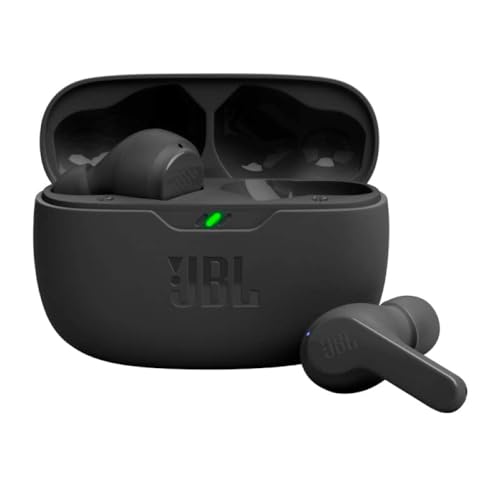
JBL released the Vibe Beam in 2022, positioning it as an affordable way to experience the company's signature sound and smart features. At 4.4 grams per earbud, they're still quite light while offering a more substantial feel and better passive noise isolation – the natural sound blocking that comes from a good ear seal.
The 8mm drivers immediately set these apart from the TOZO A1. JBL's "Deep Bass Sound" tuning emphasizes low frequencies without overwhelming other elements, creating a more engaging listening experience for most music genres. The larger drivers also provide better instrument separation – you can more easily distinguish between different elements in a song rather than having everything blend together.
What makes the JBL Vibe Beam particularly interesting is its Smart Ambient technology. This includes two modes: Ambient Aware, which lets environmental sounds through so you can stay aware of your surroundings, and TalkThru, which lowers your music and amplifies voices for quick conversations. These features address one of the main drawbacks of traditional earbuds – feeling cut off from the world around you.
The VoiceAware feature for calls is genuinely innovative in this price range. It lets you control how much of your own voice you hear during phone calls, eliminating the weird "talking in a vacuum" sensation many earbuds create. Combined with better microphone placement and processing, call quality on the JBL Vibe Beam significantly exceeds the TOZO A1.
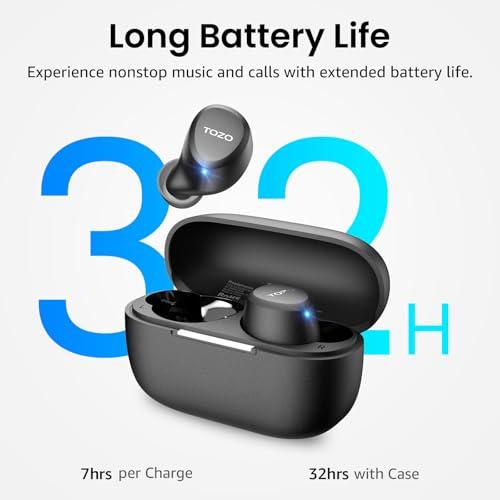
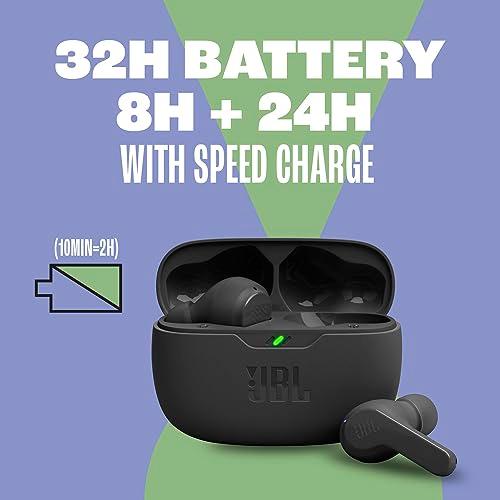
Both models deliver impressive battery performance that was unthinkable in budget earbuds just a few years ago. The TOZO A1 provides 7 hours per charge with 32 hours total when including the charging case. The JBL Vibe Beam edges ahead slightly with 8 hours per charge and the same 32-hour total.
However, the JBL's speed charging feature provides a meaningful real-world advantage. Ten minutes of charging delivers two hours of playback time, which can save you when you forgot to charge overnight. Both use USB-C charging, which has become the standard and eliminates the need for proprietary cables.
These battery figures represent substantial improvements since the early days of true wireless earbuds, when 3-4 hours per charge was considered good. The efficiency gains come from better Bluetooth implementations, more efficient drivers, and improved battery chemistry in increasingly smaller packages.
The TOZO A1's ultra-lightweight design makes them virtually disappear in your ears, which is remarkable for extended listening sessions. They come with five pairs of ear tips ranging from extra-small to extra-extra-large, accommodating a wide range of ear sizes. The stem-free design also makes them incredibly discreet – they barely protrude from your ears.
However, this lightweight approach has limitations. The compact shape means less surface area to grip your ears, and several users report them falling out during physical activity or when wearing helmets. If you primarily use earbuds while seated or walking casually, this isn't an issue. But for gym sessions or running, the fit might not be secure enough.
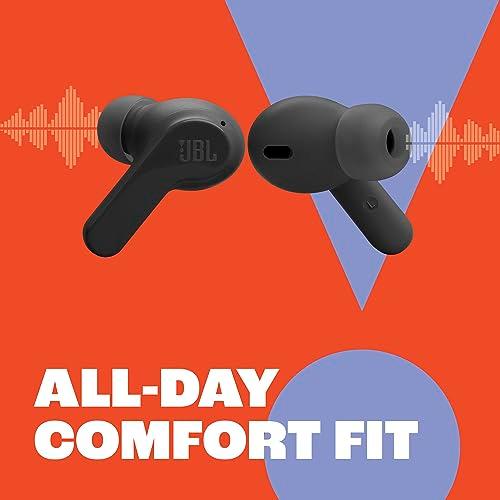
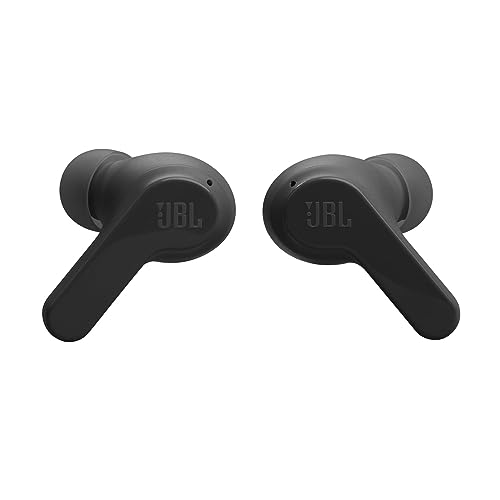
The JBL Vibe Beam takes a more traditional approach with a stick-closed design that provides multiple contact points with your ear. This creates better passive noise isolation and a more secure fit during movement. The slight weight increase (0.7 grams per earbud) is barely noticeable but contributes to a more premium feel and better stability.
Sound quality represents the most significant difference between these models. The TOZO A1's 6mm drivers produce adequate sound for the price, but with notable limitations. The frequency response, while covering the full audible range, isn't as even as more expensive models. High frequencies can sound either dull or piercing depending on the content, and the bass lacks the tightness and punch of larger drivers.
The JBL Vibe Beam's 8mm drivers make a substantial difference in sound reproduction. The larger diaphragm area allows for better bass extension and more controlled movement, resulting in cleaner low frequencies that don't muddy the midrange. JBL's tuning expertise also shows in the overall balance – bass is present and impactful without overwhelming vocals or instruments.
For home theater use, neither model is ideal compared to dedicated over-ear headphones or proper surround sound systems. However, if you need wireless earbuds for late-night viewing, the JBL Vibe Beam handles movie soundtracks and dialogue more effectively. The better driver control means explosions have impact without distortion, while dialogue remains clear and intelligible. The TOZO A1 can handle basic viewing but may struggle with dynamic content that switches rapidly between quiet dialogue and loud action sequences.
The TOZO A1 offers basic smart functionality through its companion app. The 32 preset EQ modes provide decent customization options, though the underlying hardware limits how much improvement you can achieve. Touch controls are customizable, and you can use either earbud independently – useful for extending battery life or maintaining situational awareness.
The JBL Vibe Beam provides a more comprehensive smart experience. The JBL Headphones app offers parametric EQ control, meaning you can adjust specific frequency ranges rather than choosing from presets. The Find My Buds feature helps locate lost earbuds by playing a tone, while firmware updates can add new features or improve performance over time.
The Smart Ambient modes deserve special mention for their practical utility. Ambient Aware mode is particularly useful for outdoor activities where safety requires environmental awareness, while TalkThru mode eliminates the awkwardness of removing earbuds for brief conversations. These features, common in premium models, are rare at this price point.
Water resistance ratings tell an important story about intended use. The TOZO A1 carries an IPX5 rating, meaning it can handle sweat and water jets but shouldn't be submerged. This makes them suitable for light workouts and daily use in various weather conditions.
The JBL Vibe Beam steps up to IP54 rating for the earbuds, adding dust protection to water resistance. The charging case also receives an IPX2 rating, providing some protection against splashes. These ratings reflect JBL's positioning of these earbuds for more active use cases.
Build quality differences are subtle but meaningful. The TOZO A1 uses lightweight plastics that feel somewhat budget-oriented but seem durable enough for careful handling. The JBL Vibe Beam has a more premium feel with better-fitted components and a more substantial charging case that inspires confidence in long-term durability.
For casual music listening at home or in the office, both models perform adequately, though the JBL Vibe Beam provides a more engaging experience. The TOZO A1's comfort advantage shines during long listening sessions where fatigue becomes a factor.
During exercise, the JBL Vibe Beam clearly wins with better fit security and superior water resistance. The TOZO A1 may work for light exercise but isn't reliable for intense workouts or outdoor activities.
For commuting and travel, both offer good battery life, but the JBL Vibe Beam's Ambient Aware mode provides valuable situational awareness in busy environments. The speed charging feature also helps when you're rushing and forgot to charge overnight.
Call quality requirements favor the JBL Vibe Beam significantly. While neither replaces dedicated headsets for professional use, JBL's superior microphone implementation and VoiceAware technology make it viable for regular phone calls and video meetings.
The TOZO A1 makes sense for specific users and situations. If you're new to wireless earbuds and want to test the waters without significant investment, they provide a low-risk entry point. Users with small ears who struggle with earbud fit will appreciate the lightweight, compact design. They're also excellent as backup earbuds – throwing them in a gym bag or travel kit without worrying about losing expensive gear.
Budget constraints also make the TOZO A1 appealing. At the time of writing, they cost roughly one-third the price of the JBL Vibe Beam, making them accessible to more buyers. For basic music listening, podcasts, and audiobooks, they deliver acceptable quality that exceeds their price point.
The JBL Vibe Beam targets users who want better performance and are willing to invest in the difference. If sound quality matters to your enjoyment of music, the larger drivers and better tuning justify the additional cost. Active users who need secure fit and durability will find the investment worthwhile.
The smart features also appeal to users who want their earbuds to adapt to different situations. Ambient modes, better call quality, and comprehensive app control provide flexibility that basic earbuds can't match.
Based on our research and evaluation of user consensus, both products succeed in their intended markets, but the performance gap is larger than the price difference might suggest. The TOZO A1 offers exceptional value for ultra-budget buyers and excels in comfort, but significant compromises in sound quality, call performance, and features limit its appeal.
The JBL Vibe Beam represents better long-term value for most users. The improved sound quality, smart features, and better build quality provide benefits you'll appreciate daily. Unless budget is the primary constraint, the additional investment pays dividends in user experience and satisfaction.
For home theater use specifically, neither replaces proper headphones, but the JBL Vibe Beam handles movie content more effectively with better dynamic range and dialogue clarity.
The sweet spot in this comparison clearly favors the JBL Vibe Beam for users who can accommodate the higher price. However, the TOZO A1 serves an important market segment and delivers genuine value for its intended audience. Your choice ultimately depends on whether you prioritize maximum affordability and comfort or prefer investing in better overall performance and features.
| TOZO A1 Wireless Earbuds | JBL Vibe Beam True Wireless Earbuds |
|---|---|
| Driver Size - Larger drivers typically produce better bass and overall sound quality | |
| 6mm dynamic drivers (adequate for basic listening) | 8mm dynamic drivers (noticeably better sound reproduction) |
| Weight Per Earbud - Critical for all-day comfort, especially for small ears | |
| 3.7g each (ultra-lightweight, virtually disappears in ears) | 4.4g each (still light but more substantial feel) |
| Battery Life - Single charge duration matters for uninterrupted listening | |
| 7 hours per charge, 32 hours total with case | 8 hours per charge, 32 hours total with case |
| Fast Charging - Essential when you forget to charge overnight | |
| Standard charging (2 hours full charge) | Speed charging (10 minutes = 2 hours playback) |
| Water Resistance - Protection level for workouts and outdoor use | |
| IPX5 (sweat and water jets resistant) | IP54 earbuds, IPX2 case (dust and water resistant) |
| Sound Tuning - Different approaches affect music enjoyment | |
| Mid-focused, balanced sound (natural vocals, less bass) | JBL Vibe Beam Deep Bass Sound (punchy low-end, engaging) |
| Smart Features - Advanced functionality beyond basic playback | |
| Touch controls, 32 preset EQ modes via app | Smart Ambient modes, VoiceAware calls, parametric EQ |
| Call Quality - Important for phone calls and video meetings | |
| Dual mics with AI, but voice sounds soft with background noise | VoiceAware technology with superior microphone processing |
| Fit Security - How well they stay in place during movement | |
| Stem-free design comfortable but may fall out during activity | Stick-closed ergonomic design with secure fit for sports |
| Bluetooth Version - Affects connection stability and battery efficiency | |
| Bluetooth 5.3 (latest standard, excellent stability) | Bluetooth 5.2 (reliable connectivity, slightly older) |
| App Integration - Customization and additional features | |
| Basic TOZO A1 app with preset options | Comprehensive JBL Headphones app with advanced controls |
| Target Market - Who each product serves best | |
| Ultra-budget buyers prioritizing comfort over performance | Mid-range buyers wanting quality sound and smart features |
The JBL Vibe Beam delivers significantly better sound quality with its 8mm drivers compared to the TOZO A1's 6mm drivers. The JBL Vibe Beam features JBL's Deep Bass Sound tuning that provides punchy, controlled bass and better instrument separation. While the TOZO A1 offers balanced, mid-focused sound that's decent for the price, the larger drivers and superior tuning of the JBL Vibe Beam create a more engaging listening experience across all music genres.
The TOZO A1 wins for pure comfort due to its ultra-lightweight design at just 3.7g per earbud. They virtually disappear in your ears and are ideal for users with small ears or those sensitive to weight. However, the JBL Vibe Beam at 4.4g per earbud offers a more secure fit that won't fall out during movement. For extended desk work or casual listening, choose the TOZO A1. For active use or better passive noise isolation, the JBL Vibe Beam is superior.
Both models offer impressive battery performance with 32 hours total playback time. The JBL Vibe Beam slightly edges out with 8 hours per charge versus the TOZO A1's 7 hours. More importantly, the JBL Vibe Beam includes speed charging that provides 2 hours of playback from just 10 minutes of charging. This feature makes the JBL Vibe Beam more practical for users who frequently forget to charge their earbuds overnight.
The JBL Vibe Beam significantly outperforms the TOZO A1 for phone calls. While both feature dual microphones, the JBL Vibe Beam includes VoiceAware technology that lets you control how much of your own voice you hear during calls, creating a more natural conversation experience. The TOZO A1 makes your voice sound soft and struggles with background noise, making it suitable only for calls in quiet environments.
The JBL Vibe Beam is clearly better for fitness activities. It offers superior water resistance (IP54 vs IPX5), a more secure stick-closed design that stays in place during movement, and better build quality for durability. The TOZO A1 may fall out during vigorous exercise due to its ultra-lightweight, stem-free design. While comfortable for casual wear, the TOZO A1 isn't reliable for intense workouts or outdoor activities.
The biggest difference is smart features. The JBL Vibe Beam includes Smart Ambient technology with Ambient Aware mode (lets environmental sounds through) and TalkThru mode (lowers music for conversations). It also offers a comprehensive JBL Headphones app with parametric EQ control. The TOZO A1 provides basic functionality with 32 preset EQ modes and customizable touch controls, but lacks advanced ambient modes and sophisticated app integration found in the JBL Vibe Beam.
This depends on your budget and priorities. The TOZO A1 offers exceptional value in the ultra-budget category, providing modern Bluetooth 5.3, decent sound, and remarkable comfort at a very low price point. The JBL Vibe Beam costs significantly more but delivers substantially better sound quality, features, and build quality. For most users who can afford the difference, the JBL Vibe Beam represents better long-term value despite the higher upfront cost.
The JBL Vibe Beam offers superior water and dust protection with an IP54 rating for the earbuds and IPX2 for the charging case. The TOZO A1 provides IPX5 water resistance for the earbuds but no rating for the case. Both handle sweat and light water exposure, but the JBL Vibe Beam's dust protection and case rating make it more suitable for outdoor activities and harsh environments.
Both the TOZO A1 and JBL Vibe Beam support independent earbud use, meaning you can use either the left or right earbud alone. This effectively doubles your battery life and is useful for maintaining situational awareness. Both models handle the transition seamlessly, though the JBL Vibe Beam's longer single-charge battery life (8 hours vs 7 hours) gives it a slight advantage for extended single-earbud listening sessions.
The TOZO A1 has a slight edge with Bluetooth 5.3 versus the JBL Vibe Beam's Bluetooth 5.2. Both provide stable connections, but the TOZO A1 offers slightly lower latency and more efficient power consumption. In real-world use, both maintain reliable connections within their 10-meter range. The TOZO A1 also supports more Bluetooth profiles, potentially offering better compatibility with older devices.
For movie watching, the JBL Vibe Beam is superior due to its larger 8mm drivers that handle dynamic soundtracks better. The improved bass response makes action scenes more impactful, while clearer dialogue reproduction enhances the viewing experience. The TOZO A1 can handle basic movie viewing but may struggle with content that rapidly switches between quiet dialogue and loud action sequences. Neither replaces dedicated home theater headphones, but the JBL Vibe Beam provides a more cinematic experience.
The TOZO A1 makes an excellent entry point for first-time buyers due to its low price, simple operation, and exceptional comfort. New users can experience wireless freedom without significant financial risk. However, if budget allows, the JBL Vibe Beam provides a better representation of what quality wireless earbuds can offer, with superior sound and smart features that grow with user needs. The TOZO A1 is perfect for testing the waters, while the JBL Vibe Beam offers a more complete long-term solution.
We've done our best to create useful and informative comparisons to help you decide what product to buy. Our research uses advanced automated methods to create this comparison and perfection is not possible - please contact us for corrections or questions. These are the sites we've researched in the creation of this article: bestbuy.com - izreview.com - tozostore.com - youtube.com - youtube.com - bestbuy.com - mryouwho.com - versus.com - walmart.com - scarbir.com - versus.com - youtube.com - youtube.com - youtube.com - tozostore.com - review-rating.com - us.smartprix.com - tozostore.com - newegg.com - tozostore.com - bestbuy.com - newegg.com - versus.com - tozostore.com - bestbuy.com - manuals.plus - walmart.com - independenttourist.com - bestbuy.com - jbl.com - rtings.com - jbl.com - youtube.com - youtube.com - audio46.com - jbl.com - soundguys.com - bestbuy.com - walmart.com - uclastore.com - bestbuy.com - manuals.plus

Privacy Policy
Terms and Conditions - Affiliate Policy
Home Security
© Copyright 2008-2026.
11816 Inwood Rd #1211, Dallas, TX 75244