

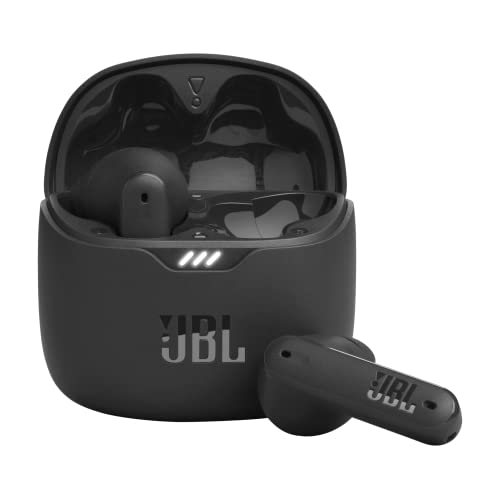


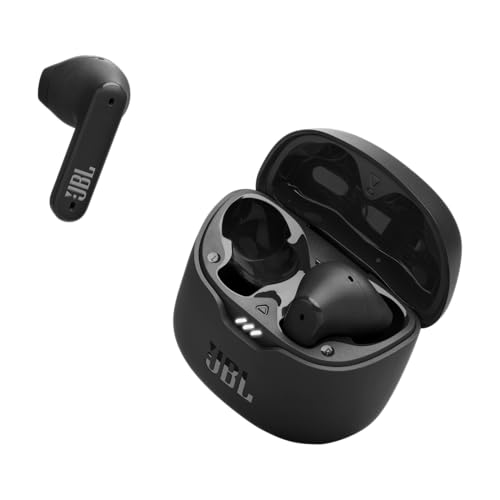
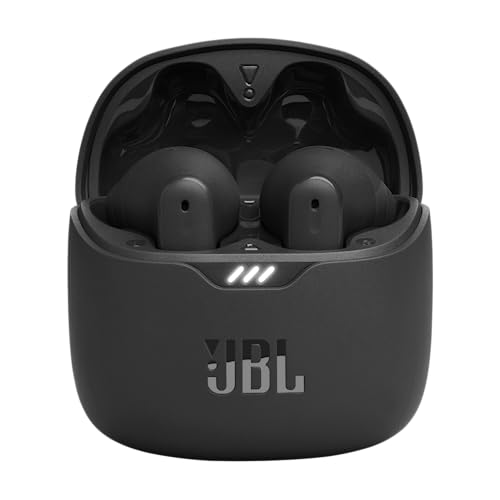
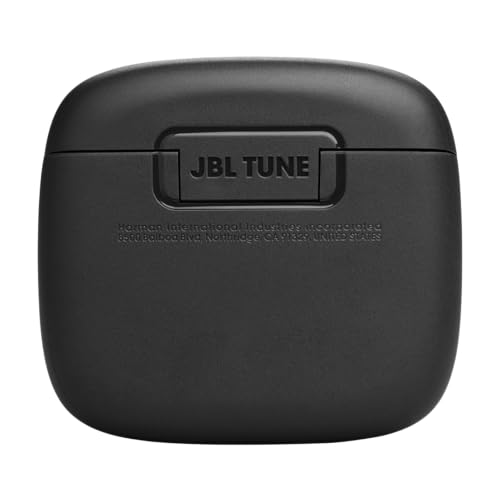
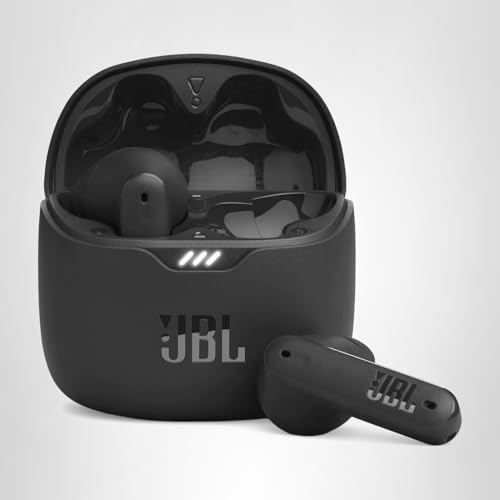
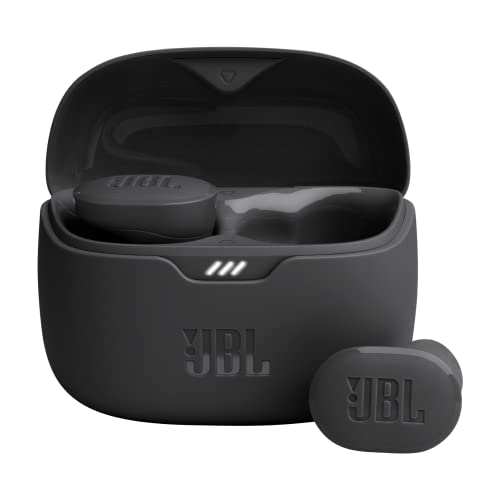



When JBL released both the Tune Flex and Tune Buds in 2023, they created an interesting dilemma for buyers. Here are two true wireless earbuds from the same brand, targeting different price points but sharing many core features. The question isn't whether these are good earbuds—they both are—but rather which one makes the most sense for your specific needs and budget.
At the time of writing, there's a significant price gap between these models, with the Tune Flex positioned as the premium option at roughly 2.5 times the cost of the Tune Buds. This price difference raises an important question: do the extra features justify the higher cost, or does the budget option deliver better overall value?
Before diving into the comparison, it's helpful to understand what separates good earbuds from mediocre ones. The most critical factors include driver size (the tiny speakers inside each earbud), battery capacity, noise cancellation effectiveness, and build quality. Driver size directly impacts how much air the earbuds can move, which translates to bass response and overall volume capabilities. Water resistance ratings like IPX4 or IP54 tell you how much moisture and dust the earbuds can handle—crucial if you plan to use them during workouts or in unpredictable weather.
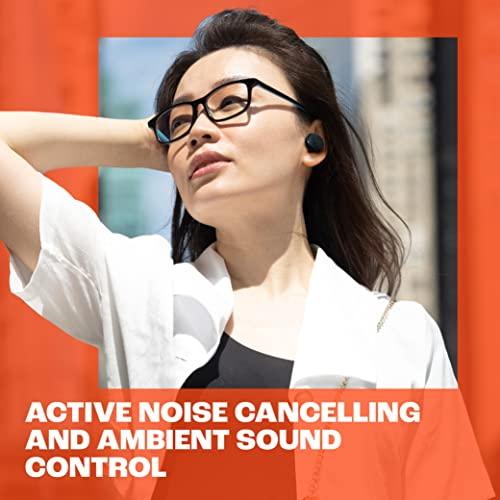
Active Noise Cancellation (ANC) uses microphones to detect outside noise and generates opposite sound waves to cancel it out. This technology has become standard even in budget earbuds, though the quality varies dramatically. Smart Ambient features let you hear your surroundings when needed, like crossing a street or having a quick conversation.
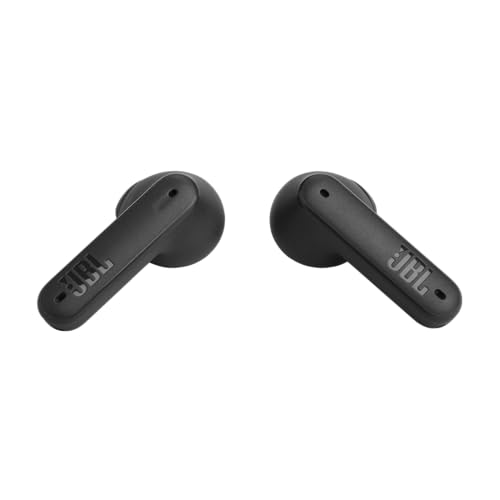
The most obvious difference between these earbuds is their physical design. The Tune Flex adopts a stem-style approach similar to Apple's AirPods, with protruding stems that house larger 12mm drivers. This design allows for better acoustics and more comfortable weight distribution, as the bulk isn't crammed entirely into your ear canal.
The Tune Buds, on the other hand, use a compact in-ear design with 10mm drivers packed into a smaller form factor. This approach prioritizes a secure fit and lower profile, making them less noticeable when worn and more stable during physical activity.
From a practical standpoint, the stem design of the Tune Flex makes them easier to grab and adjust, while the compact Tune Buds are less likely to get knocked out during exercise. The choice often comes down to personal preference and intended use.
Here's where things get interesting. The Tune Flex packs larger 12mm drivers compared to the Tune Buds' 10mm drivers. In the world of audio, bigger drivers generally mean better bass response and higher maximum volume levels. Our research into user reviews confirms this—the Tune Flex delivers noticeably more powerful bass, especially when Active Noise Cancellation is engaged.
However, bigger doesn't always mean better. The Tune Buds offer a more balanced sound signature that many listeners prefer for varied music genres and spoken content like podcasts. The smaller drivers provide controlled, accurate bass without overwhelming the midrange frequencies where vocals and instruments live.
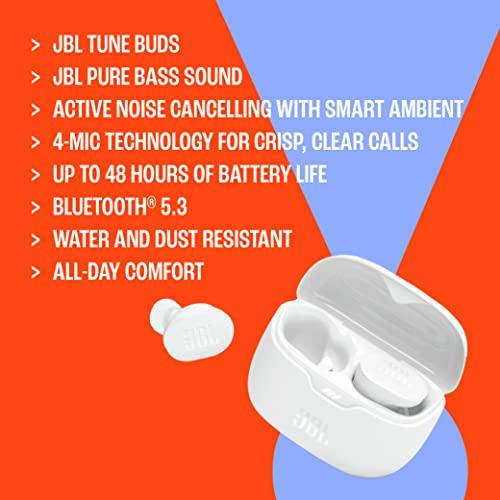
Both models feature JBL's Pure Bass Sound tuning, which emphasizes low-end frequencies to create that punchy, energetic sound JBL is known for. The frequency response range is identical at 20Hz to 20kHz, covering the full spectrum of human hearing. The difference lies in how each model distributes energy across that spectrum.
For bass-heavy genres like electronic dance music, hip-hop, or modern pop, the Tune Flex provides that extra thump and impact that makes music feel more immersive. For classical music, jazz, or acoustic genres where clarity and balance are paramount, the Tune Buds offer better instrument separation and less fatigue during long listening sessions.
Both models support extensive customization through JBL's smartphone app, including graphic equalizers that let you fine-tune the sound to your preferences. This flexibility means either pair can be adjusted to suit different music styles, though they each have their natural strengths.
This is where the Tune Buds absolutely dominate. Despite being the more affordable option, they deliver significantly superior battery performance across every metric that matters.
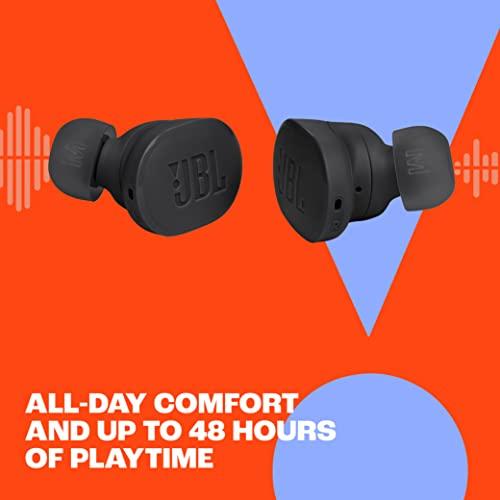
The numbers tell the story: the Tune Buds provide up to 12 hours of playback per charge with ANC off, compared to 8 hours from the Tune Flex. With ANC engaged, you get 10 hours versus 6 hours respectively. When you factor in the charging case, the total listening time extends to an impressive 48 hours for the Tune Buds versus 32 hours for the Tune Flex.
These differences stem from the larger battery cells in the Tune Buds—70mAh per earbud compared to 55mAh in the Tune Flex, plus a more capacious 750mAh charging case versus 570mAh. This translates to real-world advantages for heavy users, commuters, and travelers who can't always access charging outlets.
The extended battery life becomes crucial during long flights, multi-day camping trips, or simply when you forget to charge your earbuds regularly. The Tune Buds can easily handle a full work week of moderate use without needing a charge, while the Tune Flex might require mid-week top-ups.
Both models support fast charging—10 minutes provides 2 hours of playback on the Tune Flex, while 15 minutes gives 4 hours on the Tune Buds. This quick-charge capability helps mitigate battery anxiety, but having longer baseline battery life is always preferable.
Neither of these JBL models will compete with premium noise-cancelling earbuds from Sony or Bose, but they both offer functional ANC for the price. Based on extensive user feedback and expert reviews, both provide adequate noise reduction for common scenarios like commuting, office work, or studying in moderately noisy environments.
The Tune Buds appear to have a slight edge in passive noise isolation thanks to their in-ear design, which creates a better physical seal in most ear shapes. This passive isolation works alongside the active cancellation to block more outside noise overall.
The Tune Flex offers unique flexibility with both sealing and open ear tips included in the box. The open tips allow more ambient sound through, which is useful for runners who need to hear traffic or workers who need to stay aware of their surroundings. The sealing tips provide better isolation and bass response when you want full immersion.
Both models include Smart Ambient features—Ambient Aware lets outside sound through for safety, while TalkThru mode dampens your music and amplifies voices for quick conversations without removing the earbuds. These features have become essential for modern earbuds and work reliably on both models.
This is another area where the more affordable Tune Buds surprisingly outperform their pricier sibling. The IP54 rating means they're protected against both dust ingress and water splashes from any direction. This makes them suitable for beach workouts, dusty hiking trails, or construction job sites.
The Tune Flex carry an IPX4 rating, which handles water and sweat well but offers no dust protection. For most users, this difference won't matter day-to-day, but it becomes significant for outdoor enthusiasts or people working in dusty environments.
Both models feel well-constructed with quality plastics and reliable hinges on their charging cases. The Tune Flex case has a more premium feel with its transparent design option, while the Tune Buds case prioritizes functionality with its compact, pocketable size.
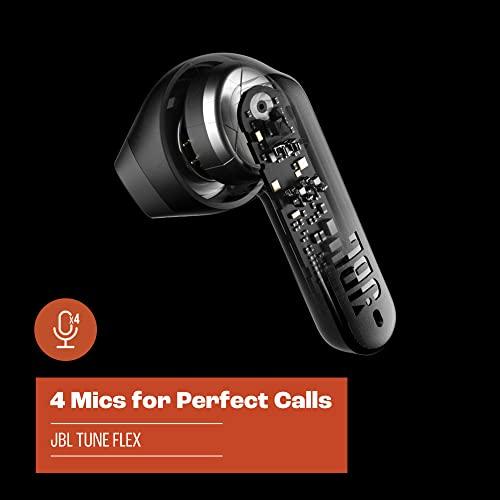
Modern earbuds need to excel at phone calls, especially as remote work becomes more common. The Tune Buds take the lead here with their 4-microphone array—two microphones per earbud dedicated to voice pickup and noise suppression during calls.
This multi-microphone approach allows for better beamforming, which focuses on your voice while rejecting background noise. User reviews consistently praise the Tune Buds for clearer call quality, especially in challenging acoustic environments like busy streets or crowded offices.
The Tune Flex use a more standard microphone setup that's adequate for most calling scenarios but may struggle more with background noise separation. Both models include VoiceAware technology, which lets you hear your own voice during calls to avoid the disconnected feeling that can occur with noise-cancelling earbuds.
Comfort is highly individual, but some general patterns emerge from user feedback. The stem design of the Tune Flex distributes weight more evenly and puts less pressure directly in the ear canal. This makes them more comfortable for extended listening sessions and better for people with sensitive ears.
The compact Tune Buds provide a more secure fit that's less likely to work loose during physical activity. They're also less noticeable when worn, which some users prefer for professional or social situations. However, the increased in-ear pressure can cause discomfort during very long sessions.
Both models include multiple ear tip sizes to help achieve proper fit and seal. The Tune Flex adds open ear tips for users who prefer ambient awareness, giving them more flexibility in how they balance isolation versus awareness.
Both earbuds support modern Bluetooth standards—5.3 on the Tune Buds and 5.2 on the Tune Flex. In practical terms, both provide reliable connections with smartphones, tablets, and laptops. Connection stability has improved significantly in recent years, and both models maintain strong signals within typical usage ranges.
Multipoint connectivity allows connection to two devices simultaneously, so you can listen to music on your laptop while staying connected to your phone for calls. This feature works well on both models and has become essential for modern users juggling multiple devices.
The JBL Headphones app provides extensive customization for both models, including equalizer settings, control remapping, and firmware updates. The app experience is identical, so neither model has an advantage in software features.
While neither of these earbuds is specifically designed for home theater use, they both can serve this purpose adequately. The Tune Flex has a slight advantage due to their larger drivers and enhanced bass response, which helps with movie soundtracks and action sequences.
However, both models suffer from the typical limitations of Bluetooth audio for video content—slight latency that can cause lip-sync issues with some devices. The Smart Video mode in the JBL app helps minimize this delay, but wired headphones or dedicated home theater audio systems remain superior for critical viewing.
For casual streaming and YouTube videos, either model works fine, with the Tune Flex providing more cinematic impact and the Tune Buds offering better dialogue clarity.
At the time of writing, the Tune Buds represent exceptional value in the true wireless market. They deliver roughly 80% of the Tune Flex's performance at less than half the price, while actually exceeding the premium model in battery life and durability.
The Tune Flex justify their higher price primarily through enhanced audio quality, premium design aesthetics, and the flexibility of open ear tips. For most users, these advantages don't outweigh the Tune Buds' superior battery life and protection rating.
Choose the Tune Buds if you prioritize practical benefits like maximum battery life, superior durability, or simply want the best value for your money. They're ideal for commuters, frequent travelers, active users, and anyone who makes lots of phone calls. The exceptional 48-hour total battery life alone makes them attractive for heavy daily users.
The Tune Flex make sense for listeners who specifically want enhanced bass response, prefer the comfort of stem-style earbuds, or value premium design aesthetics. They're the better choice for bass-heavy music genres and users who prioritize audio impact over battery longevity.
For most buyers, the Tune Buds offer better overall value and fewer compromises. The Tune Flex serve a more specific audience willing to pay extra for particular audio characteristics and design preferences. Both are solid choices within their respective price ranges, but the budget option delivers surprisingly few trade-offs for the money saved.
| JBL Tune Flex True Wireless Earbuds | JBL Tune Buds True Wireless Earbuds |
|---|---|
| Driver Size - Larger drivers typically produce more powerful bass and higher volumes | |
| 12mm dynamic drivers (enhanced bass response) | 10mm dynamic drivers (more balanced sound) |
| Battery Life Per Charge - Critical for daily use without frequent charging | |
| 8 hours (ANC off), 6 hours (ANC on) | 12 hours (ANC off), 10 hours (ANC on) |
| Total Battery Life with Case - Important for travel and extended use | |
| 32 hours total (24 from case) | 48 hours total (36 from case) |
| Water & Dust Resistance - Determines suitability for workouts and outdoor use | |
| IPX4 (water resistant, no dust protection) | IP54 (water and dust resistant) |
| Design Style - Affects comfort, fit security, and ease of use | |
| Stem-style with protruding stems (AirPods-like) | Compact in-ear design (traditional earbud shape) |
| Microphone Array - Impacts call quality and voice pickup clarity | |
| Standard microphone setup with VoiceAware | 4-microphone array (2 per earbud) for enhanced calls |
| Bluetooth Version - Newer versions offer better connectivity and power efficiency | |
| Bluetooth 5.2 with multipoint connection | Bluetooth 5.3 with LE Audio support and multipoint |
| Active Noise Cancellation - Reduces background noise for better focus | |
| Adaptive ANC with Smart Ambient features | Active ANC with Smart Ambient (slightly more effective) |
| Weight Per Earbud - Lighter earbuds are more comfortable for extended wear | |
| 4.8g each (stem design distributes weight better) | 5.4g each (compact but may feel heavier in ear) |
| Charging Speed - How quickly you can get back to listening | |
| 10 minutes = 2 hours playback | 15 minutes = 4 hours playback |
| Ear Tip Options - Flexibility for different fit preferences and use cases | |
| Sealing tips (3 sizes) + open tips (ambient awareness) | Sealing tips only (3 sizes) for secure fit |
| Sound Signature - Overall audio character and musical preferences | |
| Enhanced bass response, V-shaped (great for EDM/hip-hop) | Balanced profile with controlled bass (versatile genres) |
The JBL Tune Buds significantly outperform the JBL Tune Flex in battery life. The Tune Buds provide up to 12 hours per charge (10 hours with ANC) and 48 hours total with the case, while the Tune Flex offer 8 hours per charge (6 hours with ANC) and 32 hours total. This makes the JBL Tune Buds ideal for heavy users, commuters, and travelers.
The JBL Tune Flex feature larger 12mm drivers that deliver more powerful bass response, especially with ANC activated. The JBL Tune Buds use 10mm drivers with a more balanced sound signature. If you love bass-heavy music like EDM or hip-hop, the Tune Flex excel. For versatile listening across all genres, the JBL Tune Buds provide better overall balance.
The JBL Tune Buds offer superior durability with an IP54 rating that protects against both water and dust. The JBL Tune Flex have an IPX4 rating that handles water and sweat but provides no dust protection. For gym workouts, outdoor activities, or dusty environments, the JBL Tune Buds are the more reliable choice.
The JBL Tune Buds excel at phone calls with their 4-microphone array (2 per earbud) that provides better voice pickup and background noise suppression. The JBL Tune Flex use a standard microphone setup that's adequate but not as sophisticated. For frequent callers or remote workers, the JBL Tune Buds deliver clearer communication.
Comfort preferences vary, but the JBL Tune Flex stem design generally distributes weight more evenly and puts less pressure in the ear canal. The JBL Tune Buds compact in-ear design provides a more secure fit but may cause discomfort during very long sessions. The JBL Tune Flex are typically better for extended listening periods.
Both models offer functional Active Noise Cancellation, but the JBL Tune Buds have slightly better overall noise blocking due to their in-ear design providing superior passive isolation. The JBL Tune Flex offer unique flexibility with both sealing and open ear tips for different noise awareness needs. Neither matches premium ANC from Sony or Bose, but both handle typical environments well.
The JBL Tune Buds provide exceptional value, delivering roughly 80% of the JBL Tune Flex performance at a significantly lower price point. The Tune Buds actually exceed the Tune Flex in battery life and durability while costing much less. Unless you specifically need enhanced bass or prefer stem design, the JBL Tune Buds offer superior value.
Both earbuds work adequately for streaming content, with the JBL Tune Flex having a slight advantage due to their enhanced bass response for movie soundtracks and action sequences. However, both experience typical Bluetooth latency issues that can cause minor lip-sync problems. The JBL Tune Buds provide better dialogue clarity, while the JBL Tune Flex deliver more cinematic impact.
The JBL Tune Buds feature newer Bluetooth 5.3 with LE Audio support, while the JBL Tune Flex use Bluetooth 5.2. Both support multipoint connectivity for connecting to two devices simultaneously. The connectivity performance is similar in practice, but the Tune Buds have slightly more future-proof technology. Both work with the same JBL Headphones app for customization.
The JBL Tune Buds offer faster quick charging with 15 minutes providing 4 hours of playback, compared to the JBL Tune Flex which provide 2 hours from a 10-minute charge. Both use USB-C charging and take about 2 hours for a full charge. The JBL Tune Buds superior quick-charge capability combined with longer baseline battery life makes them more convenient for busy users.
The JBL Tune Buds are superior for sports with their IP54 dust and water resistance, secure in-ear fit that stays stable during movement, and exceptional battery life for long training sessions. The JBL Tune Flex can work for exercise but their IPX4 rating and stem design make them less secure during intense activity. Active users should choose the JBL Tune Buds.
Choose the JBL Tune Buds if you prioritize battery life, durability, value for money, or make frequent calls. They're ideal for most users, especially commuters, active individuals, and budget-conscious buyers. Choose the JBL Tune Flex if you specifically want enhanced bass response, prefer stem-style comfort, or don't mind paying more for premium design aesthetics. The JBL Tune Buds are the better choice for most people.
We've done our best to create useful and informative comparisons to help you decide what product to buy. Our research uses advanced automated methods to create this comparison and perfection is not possible - please contact us for corrections or questions. These are the sites we've researched in the creation of this article: rtings.com - hometechnologyreview.com - youtube.com - bestbuy.com - soundguys.com - bestbuy.com - crutchfield.com - bgr.com - robbsutton.com - majorhifi.com - versus.com - crutchfield.com - youtube.com - versus.com - jbl.com - global.jbl.com - pcrichard.com - musicarts.com - scribd.com - global.jbl.com - robot-advance.com - gzhls.at - bestbuy.com - att.com - ro.harmanaudio.com - rtings.com - jbl.com - youtube.com - jbl.com - soundguys.com - ro.harmanaudio.com - audio46.com - bestbuy.com - majorhifi.com - jbl.com - crutchfield.com - jblstore.com.ph - kh.jbl.com - in.jbl.com - bestbuy.com - uclastore.com - jbl.com - jbl.com.tw

Privacy Policy
Terms and Conditions - Affiliate Policy
Home Security
© Copyright 2008-2026.
11816 Inwood Rd #1211, Dallas, TX 75244