






When shopping for true wireless earbuds, you'll quickly discover the market spans an enormous price range—from affordable models that deliver solid everyday performance to premium options that cost eight times more while promising audiophile-quality sound. This creates a fundamental question: how much should you spend, and what do those extra dollars actually buy you?
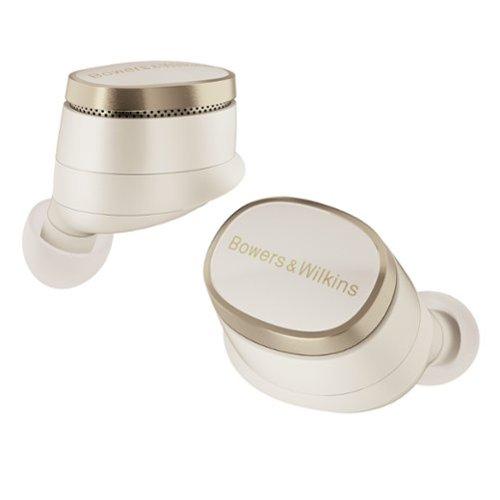
Today we're comparing two earbuds that perfectly illustrate this divide: the budget-friendly JBL Tune Flex and the premium Bowers & Wilkins Pi8. At the time of writing, these products sit at opposite ends of the pricing spectrum, with the Pi8 commanding roughly eight times the price of the Tune Flex. But does that price difference translate to eight times better performance? Let's dive deep into what separates budget from premium in the wireless earbud world.
The true wireless earbud category has matured dramatically since Apple popularized the format with the original AirPods in 2016. What started as a convenience-focused product category has evolved into a sophisticated audio platform where premium models genuinely challenge traditional wired headphones for sound quality.
The key considerations when choosing earbuds haven't changed much: sound quality, battery life, comfort, noise cancellation, and call quality remain paramount. However, the technology delivering these features has advanced significantly. Modern earbuds feature multiple microphones for advanced noise cancellation, high-resolution audio codecs that preserve more musical detail, and smart features like automatic pause when you remove an earbud.
The challenge for consumers lies in understanding which features matter most for their specific needs. A daily commuter might prioritize noise cancellation and battery life, while a music enthusiast might focus entirely on audio fidelity and codec support. The JBL Tune Flex and Bowers & Wilkins Pi8 represent two distinct philosophies in addressing these priorities.
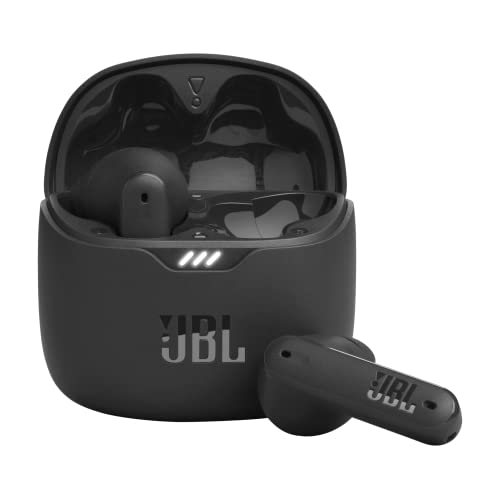
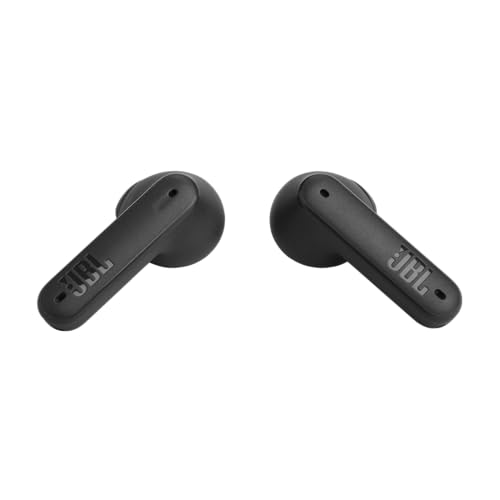
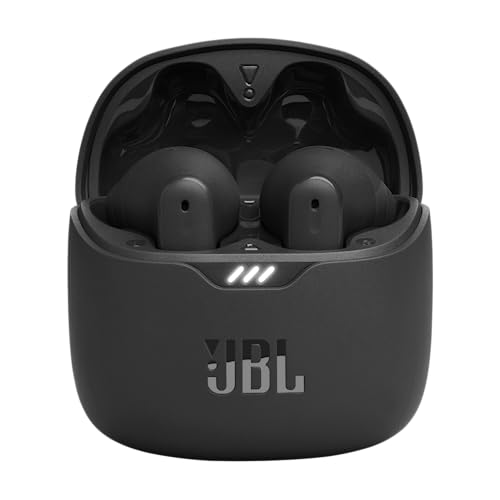
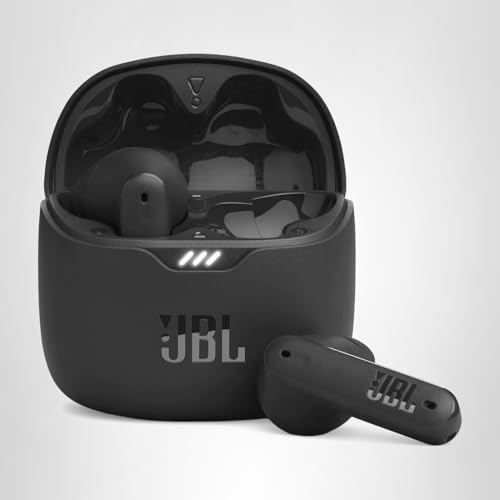
The JBL Tune Flex represents JBL's approach to democratizing advanced earbud features. Released as part of JBL's ongoing effort to bring previously premium-only features to budget-conscious consumers, the Tune Flex includes active noise cancellation, app-based customization, and extended battery life at a fraction of traditional premium pricing.
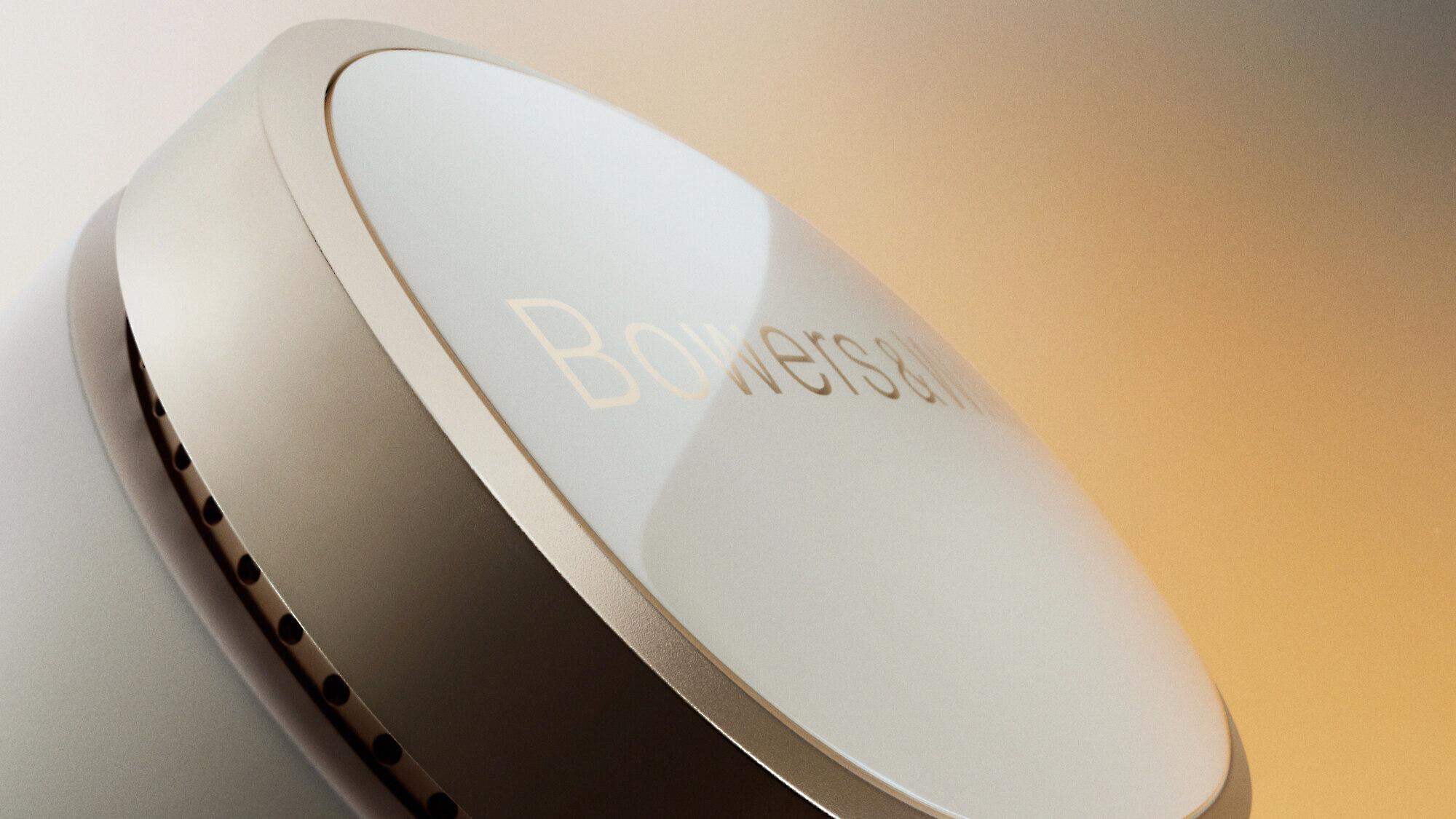
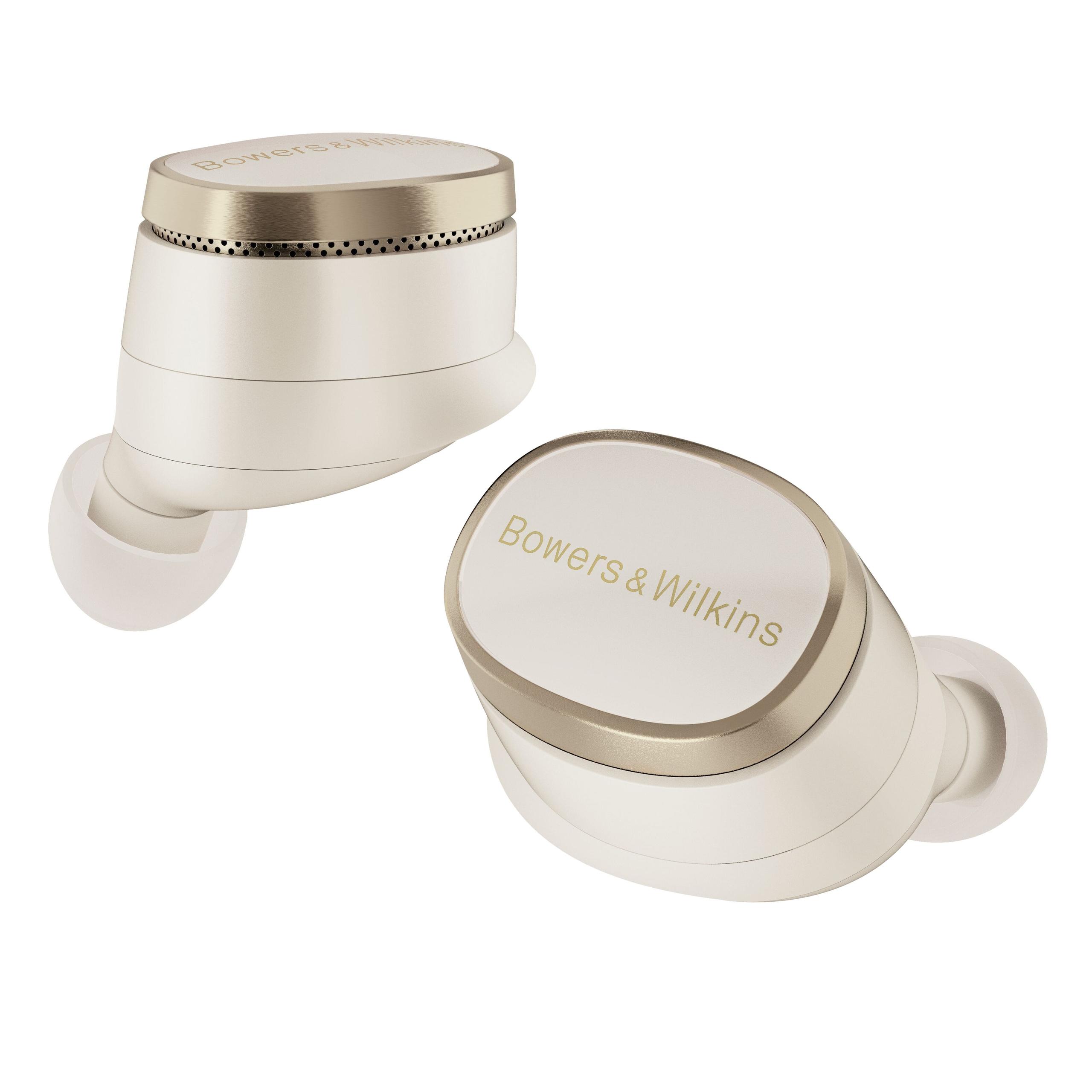
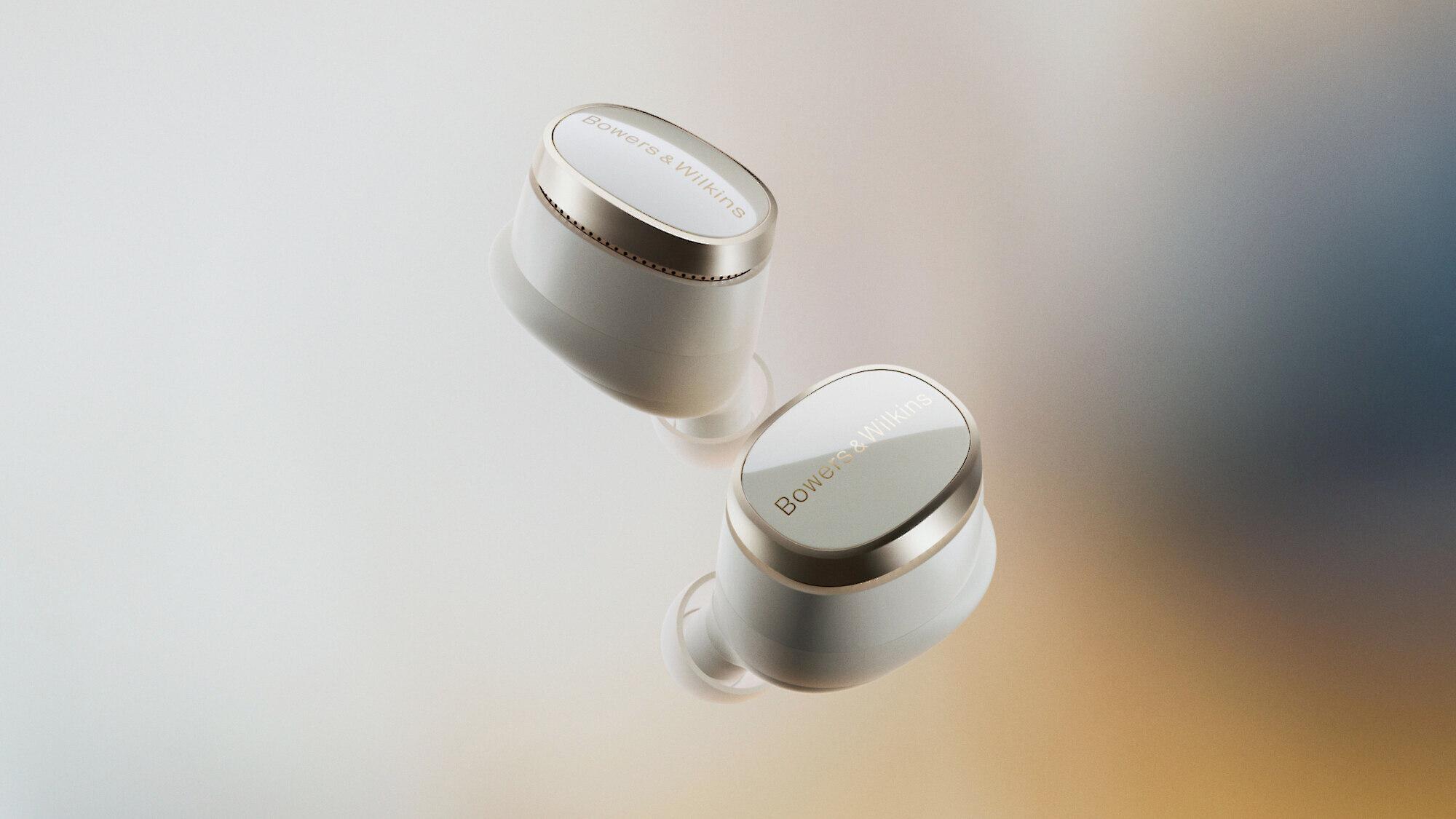
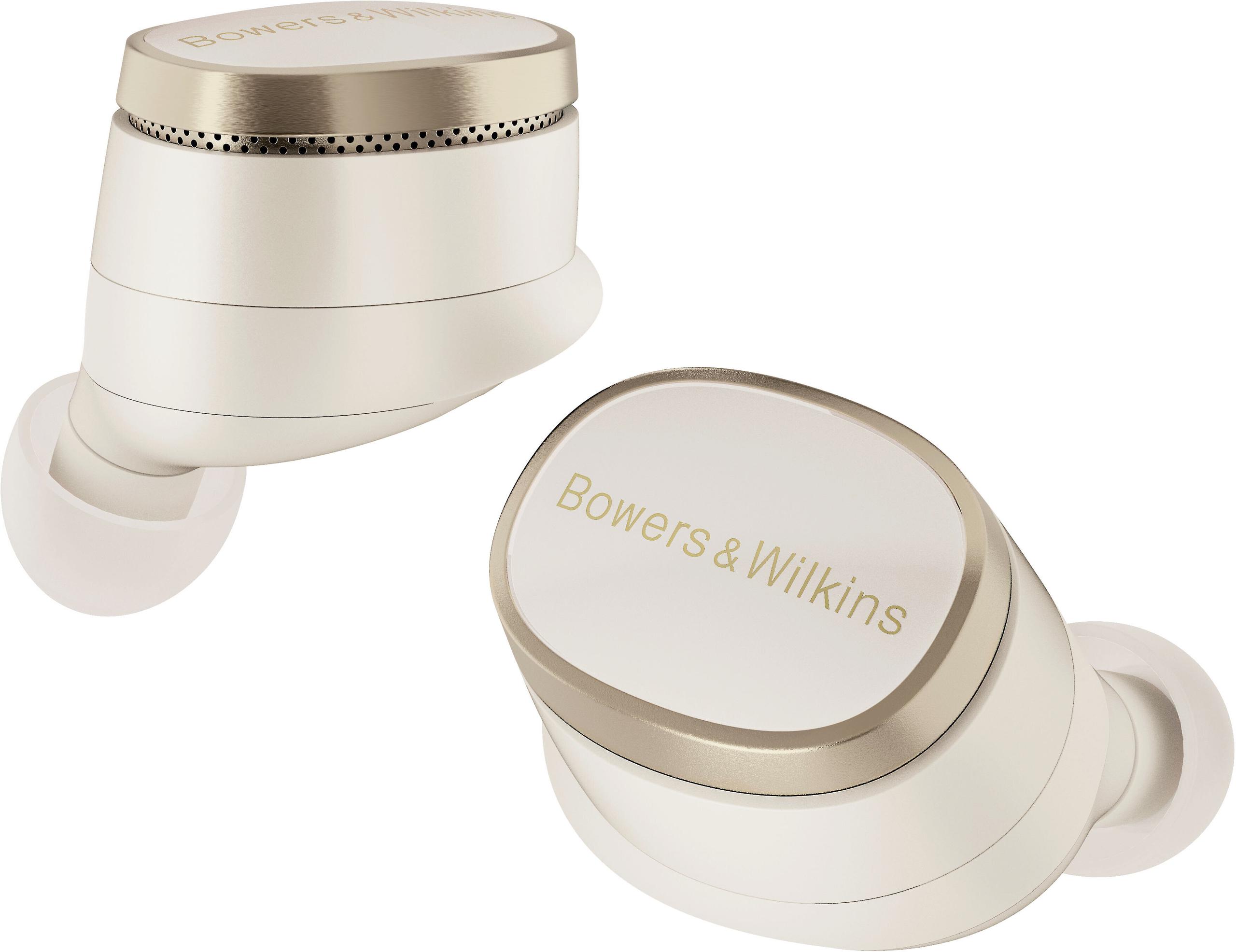
The Bowers & Wilkins Pi8, launched in 2024, showcases what's possible when cost constraints are removed. B&W, known for their high-end speakers and headphones that grace recording studios worldwide, applied decades of acoustic engineering to create earbuds that don't compromise on audio fidelity. The Pi8 represents the current state-of-the-art in wireless earbud technology.
The timing is significant—the Pi8's 2024 release means it benefits from the latest Bluetooth 5.4 connectivity, cutting-edge audio processing chips, and years of refinement in earbud ergonomics. The Tune Flex, while not as recent, still incorporates modern essentials like active noise cancellation and app-based EQ, features that were exclusive to expensive models just a few years ago.
This is where the fundamental difference between budget and premium becomes most apparent, and it starts with the drivers—the tiny speakers inside each earbud that convert electrical signals into sound waves.
Both earbuds use 12mm drivers, which might suggest similar performance, but the similarity ends there. The JBL Tune Flex uses traditional dynamic drivers tuned for what JBL calls "Pure Bass Sound"—essentially a bass-forward signature that makes hip-hop, EDM, and pop music sound engaging and punchy.
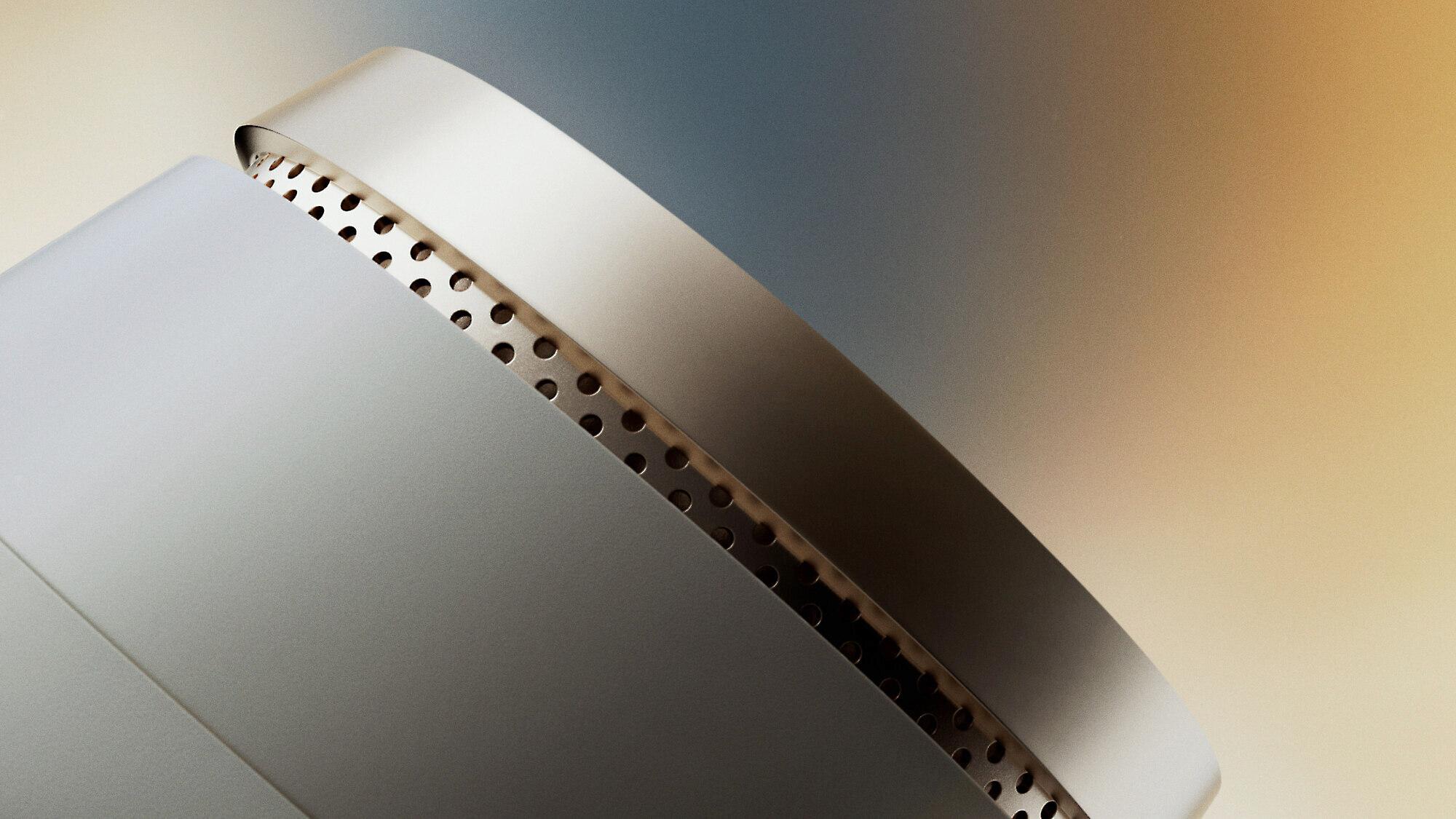
The Bowers & Wilkins Pi8 employs carbon cone drivers adapted from their premium Px8 over-ear headphones. Carbon fiber offers superior rigidity compared to traditional driver materials, reducing unwanted vibrations (called distortion) that can muddy the sound. This translates to cleaner bass response and better high-frequency detail—you'll hear subtle elements in recordings that simply disappear with lesser drivers.
Based on our research into user and expert reviews, the difference is immediately apparent when listening to complex music. Classical recordings, jazz with multiple instruments, or any music with layered vocals showcase the Pi8's superior resolution. The Tune Flex, while enjoyable for mainstream music, lacks the nuanced detail retrieval that reveals new elements in familiar songs.
Here's where technical specifications translate to real-world performance differences. Audio codecs determine how your phone compresses and transmits music to your earbuds—think of them as different languages for communicating audio quality wirelessly.
The JBL Tune Flex supports basic SBC and AAC codecs, which are universal but compress audio significantly to maintain stable wireless connections. This is perfectly adequate for most listeners and all streaming services, but it fundamentally limits audio quality regardless of your source material.
The Bowers & Wilkins Pi8 supports aptX Lossless and aptX Adaptive—advanced codecs that can transmit true high-resolution audio up to 24-bit/96kHz wirelessly. For context, CD quality is 16-bit/44.1kHz, so these codecs can exceed CD quality over Bluetooth. The Pi8 also features a 32-bit digital signal processor (DSP) for advanced audio processing, compared to more basic processing in budget models.
If you have high-resolution music files or use services like Tidal HiFi, Amazon Music HD, or Apple Music Lossless, the codec limitation of the Tune Flex means you're not hearing the full quality you're paying for in your subscription.
The JBL Tune Flex employs a V-shaped sound signature—boosted bass and treble with slightly recessed midrange frequencies. This creates an exciting, engaging sound that makes most music feel more dynamic, but can become fatiguing during long listening sessions and may obscure vocal details.
The Pi8 offers a more neutral, reference-quality presentation that reveals music as the artist and engineer intended. This neutrality excels across all genres but particularly shines with acoustic music, vocals, and any content where accuracy matters more than excitement. The superior driver control also means you can push volume levels higher without distortion—important for noisy environments or home theater applications.
Battery performance represents one area where the budget option actually excels, highlighting how premium doesn't always mean better in every category.
The JBL Tune Flex delivers impressive endurance: 8 hours per charge with noise cancellation off (6 hours with it on), plus an additional 24 hours from the charging case for 32 hours total. The Bowers & Wilkins Pi8 provides 6.5 hours per charge with 13.5 additional hours from the case, totaling 20 hours.
This 12-hour difference translates to real-world convenience. For travelers, the Tune Flex can last an entire week of moderate use without finding a power outlet, while the Pi8 requires charging every few days. Both offer quick charging—about 2 hours of playback from 10-15 minutes of charging—but the Tune Flex's superior baseline endurance provides more flexibility.
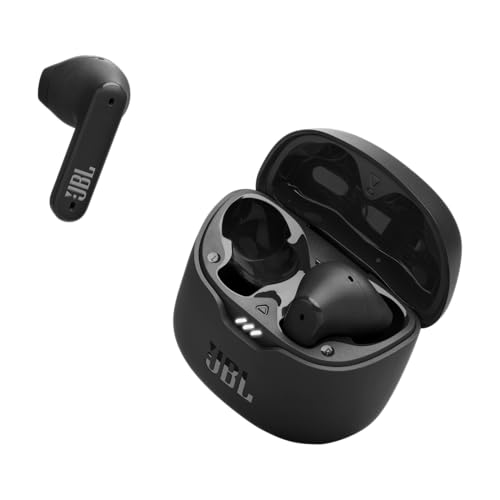
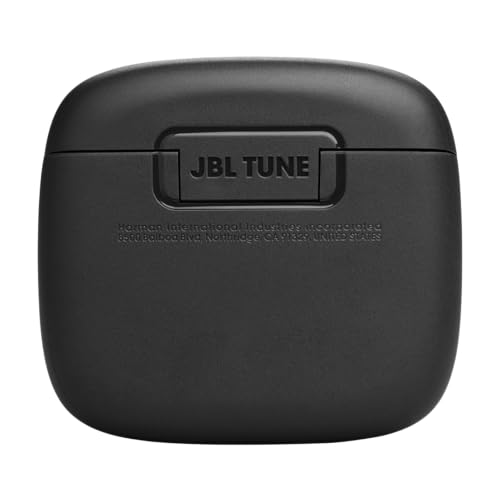
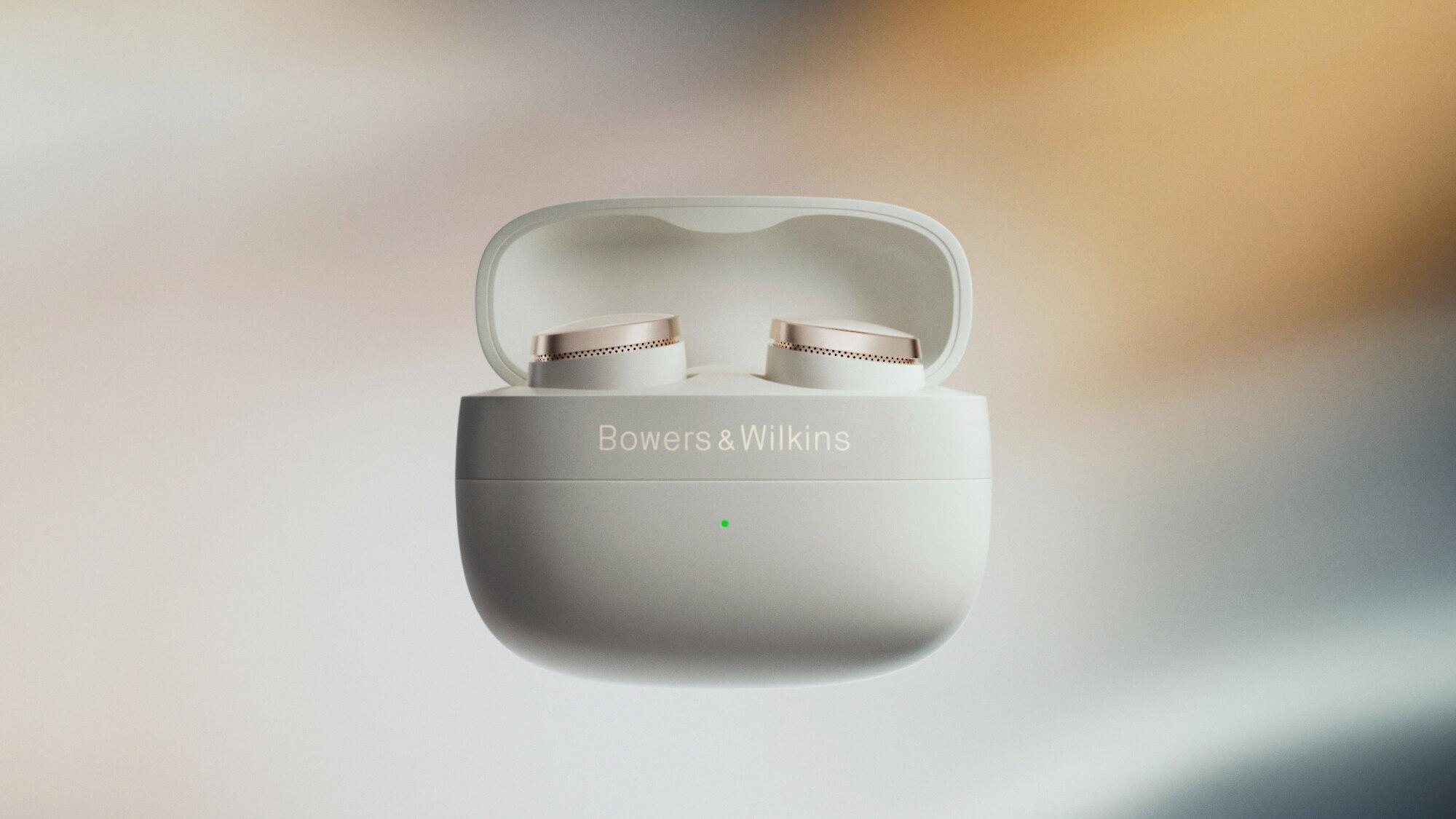
The trade-off involves charging case features. The Pi8 offers wireless charging and premium build materials, while the Tune Flex uses a more basic but functional USB-C charging case.
Active Noise Cancellation (ANC) uses microphones to detect ambient noise and produces inverse sound waves to cancel it out—most effective against constant, low-frequency sounds like airplane engines or air conditioning.
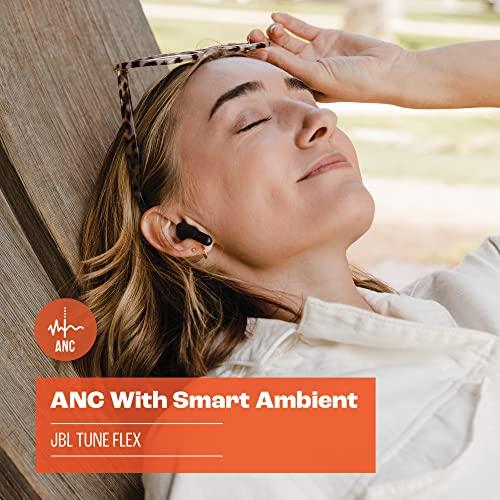
The Bowers & Wilkins Pi8 employs three microphones per earbud for sophisticated ANC processing, resulting in more effective noise reduction that adapts to your environment. The JBL Tune Flex uses a simpler two-microphone system that provides basic but functional noise cancellation—adequate for moderate ambient noise but less effective in challenging environments like busy airports or construction sites.
However, the Tune Flex offers unique flexibility through its dual ear tip design. The included "open" ear tips allow environmental sound in while maintaining comfort—perfect for jogging, office work, or any situation where complete isolation isn't desirable. The "sealing" tips provide maximum isolation when you need it. The Pi8 only offers traditional sealing tips, though its superior ANC makes up for this limitation.
For home theater use, both earbuds' ANC capabilities help isolate you from household distractions, but the Pi8's superior processing and neutral sound signature make it better suited for critical movie watching where dialogue clarity and surround sound processing matter.
Modern earbuds serve double duty as communication devices, making microphone quality increasingly important. Both models include multiple microphones for beamforming—a technology that focuses on your voice while suppressing background noise.
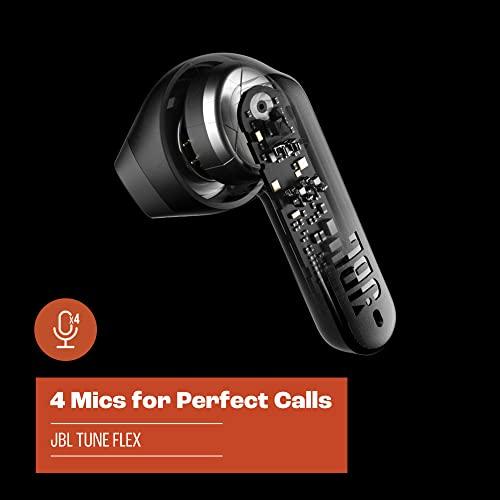
The JBL Tune Flex features four total microphones with basic beamforming processing. Call quality is adequate for everyday use, with clear voice transmission in moderate noise environments, though very loud backgrounds can overwhelm the system.
The Pi8 uses six microphones total (three per earbud) with more sophisticated processing that better separates voice from environmental noise. The superior audio processing also means cleaner, more natural voice reproduction that sounds less "digital" to the person you're calling.
For video conferencing or professional calls, the Pi8's advanced microphone array provides noticeably better performance, while the Tune Flex suffices for casual phone calls and voice assistant interactions.
Physical comfort often determines whether expensive earbuds become daily companions or expensive drawer decorations. Both models approach comfort differently, reflecting their target markets.
The JBL Tune Flex prioritizes accessibility with multiple ear tip options and a more forgiving fit. The included four ear tip sizes (including the unique open design) accommodate a wider range of ear shapes and preferences. The lightweight design (4.8g per earbud) reduces fatigue during extended wear.
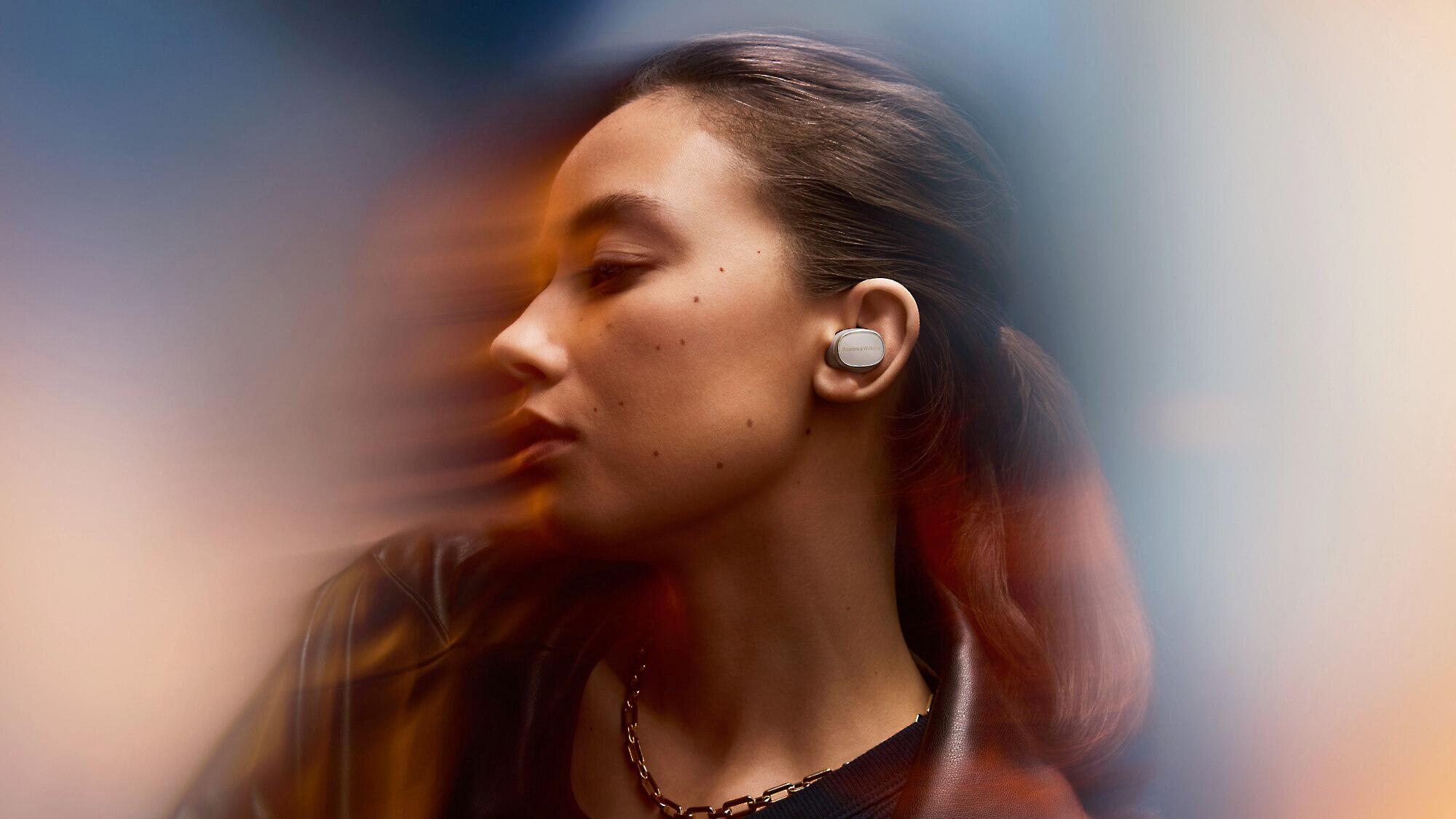
The Pi8 uses premium materials and precision engineering for a more refined feel, though some users find the fit more particular—requiring careful ear tip selection for optimal comfort and sound isolation. The build quality feels noticeably more premium, with better materials and tighter manufacturing tolerances.
Both offer adequate water resistance for workouts and weather (IPX4/IP54 ratings), though neither is designed for swimming or submersion.
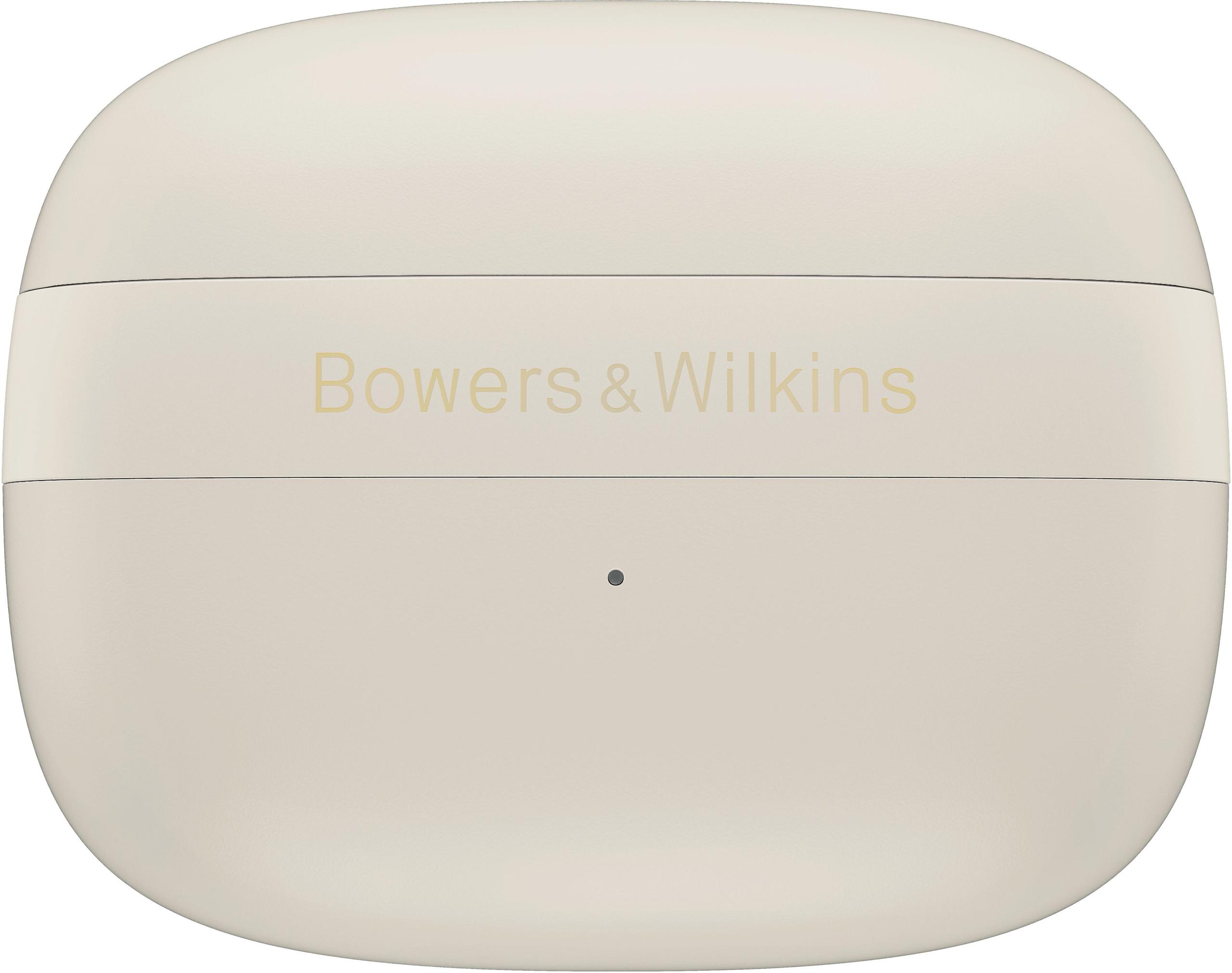
The Bowers & Wilkins Pi8 includes one genuinely innovative feature that justifies consideration beyond pure audio quality: wireless retransmission. The charging case includes a 3.5mm audio input and can wirelessly transmit audio to the earbuds in high-quality aptX Adaptive codec. This means you can connect the case to airplane entertainment systems, gym equipment, older stereos, or any non-Bluetooth audio source and enjoy wireless listening.
For frequent travelers, this feature alone provides significant value—no more tangled wires on flights or struggling with incompatible audio jacks. The case essentially functions as a wireless audio transmitter, expanding compatibility with legacy equipment.
The JBL Tune Flex focuses on practical flexibility rather than cutting-edge innovation. The open ear tip design and comprehensive app customization (including 10-band EQ and preset modes) provide versatility for different listening scenarios without premium pricing.
Both earbuds offer smartphone apps for customization, but with different levels of sophistication. The JBL Headphones app provides comprehensive control over the Tune Flex, including detailed EQ adjustment, ANC/ambient mode settings, and find-my-earbuds functionality. The interface is straightforward and includes useful presets for different music genres.
The Bowers & Wilkins Music app offers more sophisticated customization for the Pi8, including advanced EQ options and direct integration with high-quality streaming services. The app also manages the unique retransmission feature and provides more granular control over the earbuds' advanced features.
For home entertainment, audio quality and low latency become crucial factors. The Pi8's superior drivers and neutral sound signature provide better dialogue clarity and more accurate reproduction of movie soundtracks. The advanced audio processing also minimizes delay between video and audio—important for maintaining lip-sync accuracy.
The JBL Tune Flex can handle casual movie watching, though the bass-heavy signature might overwhelm dialogue in action scenes, and potential codec-related latency could affect synchronization with some devices.
Neither earbud supports advanced surround sound processing like Dolby Atmos spatial audio, limiting their home theater applications compared to dedicated gaming headsets, but both provide adequate stereo reproduction for personal viewing.
The fundamental question becomes: who should spend the premium for advanced audio technology, and who is better served by practical, affordable performance?
Choose the JBL Tune Flex if you want reliable wireless earbuds that deliver solid performance across all basic requirements without breaking the budget. They excel for general music listening, podcast consumption, fitness activities, and everyday phone calls. The extended battery life makes them ideal for travel, while the flexible fit options accommodate different preferences and activities.
The Tune Flex represents exceptional value for casual listeners who want modern features like ANC and app customization without paying premium prices. They're particularly well-suited for users who prioritize convenience and battery life over absolute audio fidelity.
Choose the Bowers & Wilkins Pi8 if audio quality is your primary concern and you can appreciate the difference that premium components make. They're designed for music enthusiasts with high-resolution audio collections, frequent travelers who benefit from the retransmission feature, or professionals who need superior call quality.
The Pi8 justifies its premium pricing for users who view earbuds as a long-term investment in audio enjoyment rather than a basic utility purchase. If you find yourself listening critically to music, noticing differences between audio equipment, or frequently frustrated by the limitations of budget audio gear, the upgrade represents genuine value.
At the time of writing, the price difference between these models reflects the current reality of the earbud market: exceptional value exists at the budget level, while premium models offer genuine performance advantages that command significantly higher prices.
The JBL Tune Flex delivers about 80% of premium earbud functionality at roughly 12% of the cost, making it an obvious choice for price-conscious buyers or anyone who views earbuds as replaceable accessories rather than audio investments.
The Bowers & Wilkins Pi8 provides that remaining 20% of performance refinement that audiophiles and demanding users consider essential—superior sound quality, advanced codec support, innovative features, and premium build quality that justifies the substantial price premium.
Consider your listening habits, audio quality expectations, and budget constraints honestly. If you primarily listen to podcasts, compressed streaming music, and take occasional calls, the Tune Flex likely exceeds your needs while saving significant money for other priorities. If you're passionate about music quality, own high-resolution audio files, or frequently encounter situations where the Pi8's advanced features would prove useful, the premium investment makes more sense.
Both earbuds excel within their intended market segments—the key is identifying which segment aligns with your priorities and expectations.
| JBL Tune Flex True Wireless Earbuds | Bowers & Wilkins Pi8 True Wireless Earbuds |
|---|---|
| Driver Technology - Determines overall sound quality and detail | |
| 12mm dynamic drivers with Pure Bass Sound tuning | 12mm carbon cone drivers (adapted from premium headphones) |
| Audio Codec Support - Affects wireless sound quality with compatible devices | |
| SBC, AAC (standard codecs, good for most users) | aptX Lossless, aptX Adaptive, AAC (high-resolution wireless audio) |
| Battery Life Per Charge - How long you can listen before charging | |
| 8 hours (ANC off) / 6 hours (ANC on) | 6.5 hours (with ANC on) |
| Total Battery Life - Critical for travel and heavy use | |
| 32 hours total (8+24 from case) | 20 hours total (6.5+13.5 from case) |
| Active Noise Cancellation - Blocks ambient noise for better focus | |
| Basic ANC with 2 microphones per earbud | Advanced adaptive ANC with 3 microphones per earbud |
| Microphones for Calls - Important for work calls and voice commands | |
| 4 total microphones with beamforming | 6 total microphones (3 per earbud) with advanced processing |
| Fit Options - Affects comfort and sound isolation | |
| Multiple ear tips including unique open-fit design | Traditional sealing ear tips in multiple sizes |
| Water Resistance - Protection during workouts and weather | |
| IPX4 (splash and sweat resistant) | IP54 (dust and water resistant) |
| Charging Case Features - Convenience and portability | |
| USB-C charging, 10-minute quick charge for 2 hours | Wireless charging, unique audio retransmission feature |
| Sound Signature - How the earbuds color your music | |
| V-shaped (bass-heavy, energetic for mainstream music) | Neutral reference quality (accurate across all genres) |
| App Customization - Control over sound and features | |
| 10-band EQ, ANC controls, find-my-earbuds | Advanced EQ, streaming service integration, retransmission control |
| Best Use Cases - Who these earbuds serve best | |
| Casual listeners, fitness, daily commuting, budget-conscious buyers | Audiophiles, frequent travelers, professional calls, music enthusiasts |
The Bowers & Wilkins Pi8 delivers significantly better sound quality with its carbon cone drivers and support for high-resolution audio codecs like aptX Lossless. The JBL Tune Flex offers good sound for its price range but focuses on bass-heavy tuning rather than audiophile accuracy.
The JBL Tune Flex provides superior battery life with 32 hours total (8 hours per charge plus 24 from the case). The Bowers & Wilkins Pi8 offers 20 hours total (6.5 hours per charge plus 13.5 from the case). For extended travel or heavy use, the Tune Flex has a clear advantage.
The Bowers & Wilkins Pi8 excels in call quality with 6 total microphones and advanced processing that delivers clearer, more natural voice reproduction. The JBL Tune Flex provides adequate call quality with 4 microphones but may struggle in very noisy environments.
The JBL Tune Flex typically offers better comfort for extended wear due to its lightweight design and flexible fit options, including unique open ear tips. The Pi8 uses premium materials but may require more careful ear tip selection for optimal comfort.
Both earbuds work well for exercise with water resistance ratings (IPX4 for Tune Flex, IP54 for Pi8). The JBL Tune Flex is often preferred for workouts due to its secure fit, longer battery life, and lower replacement cost if damaged.
The JBL Tune Flex provides exceptional value, offering features like ANC, app customization, and extended battery life at a budget-friendly price. The Pi8 justifies its premium pricing only for users who prioritize audiophile sound quality and advanced features.
Both work for entertainment, but the Bowers & Wilkins Pi8 is better suited for home theater use thanks to its neutral sound signature, superior dialogue clarity, and lower latency. The Tune Flex's bass-heavy tuning may overwhelm dialogue in some content.
The JBL Tune Flex offers comprehensive customization through the JBL Headphones app with 10-band EQ and various presets. The Pi8 provides more sophisticated controls through the B&W Music app, including streaming service integration and advanced audio settings.
The Bowers & Wilkins Pi8 is superior for high-quality streaming services like Tidal HiFi or Apple Music Lossless due to its aptX Lossless codec support and reference-quality drivers. The Tune Flex is limited to basic codecs that compress audio quality.
The Pi8 handles noisy environments better with its advanced ANC system and superior passive isolation. The JBL Tune Flex provides adequate noise reduction for moderate environments but may struggle in very loud settings like construction sites or busy airports.
For most users upgrading from basic earbuds, the JBL Tune Flex offers the best introduction to premium features without a massive price jump. Choose the Bowers & Wilkins Pi8 only if you're specifically seeking audiophile-quality sound and can appreciate the difference in audio fidelity.
We've done our best to create useful and informative comparisons to help you decide what product to buy. Our research uses advanced automated methods to create this comparison and perfection is not possible - please contact us for corrections or questions. These are the sites we've researched in the creation of this article: rtings.com - hometechnologyreview.com - youtube.com - bestbuy.com - soundguys.com - bestbuy.com - crutchfield.com - bgr.com - robbsutton.com - majorhifi.com - versus.com - crutchfield.com - youtube.com - versus.com - jbl.com - global.jbl.com - pcrichard.com - musicarts.com - scribd.com - global.jbl.com - robot-advance.com - gzhls.at - bestbuy.com - att.com - ro.harmanaudio.com - techradar.com - bowerswilkins.com - youtube.com - bestbuy.com - whathifi.com - audioholics.com - crutchfield.com - whathifi.com - audio46.com - rtings.com - audioadvice.com - engadget.com - youtube.com - audio46.com - audiograde.uk - youtube.com - techwelike.com - youtube.com - audioadvice.com - soundguys.com - bestbuy.com - bowerswilkins.com - headphones.com - bowerswilkins.com - bowerswilkins.com - audio46.com - youtube.com - shop.womenshealthmag.com - head-fi.org - youtube.com - youtube.com - bowerswilkins.cn - bowerswilkins.com - audio46.com - bowerswilkins.com

Privacy Policy
Terms and Conditions - Affiliate Policy
Home Security
© Copyright 2008-2026.
11816 Inwood Rd #1211, Dallas, TX 75244