

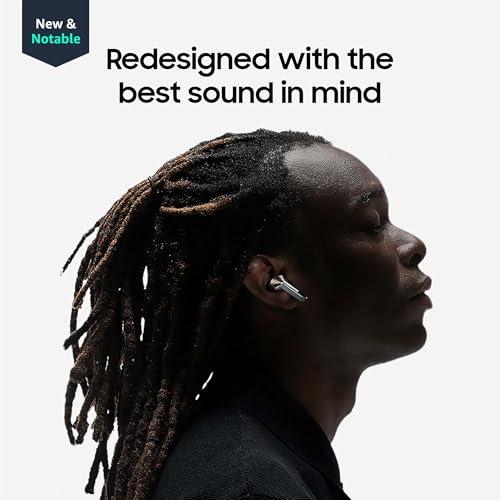
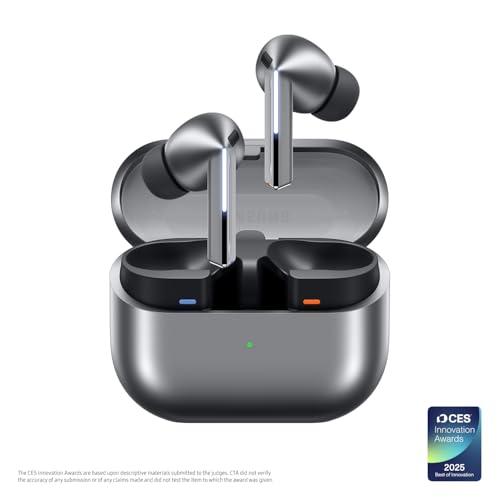
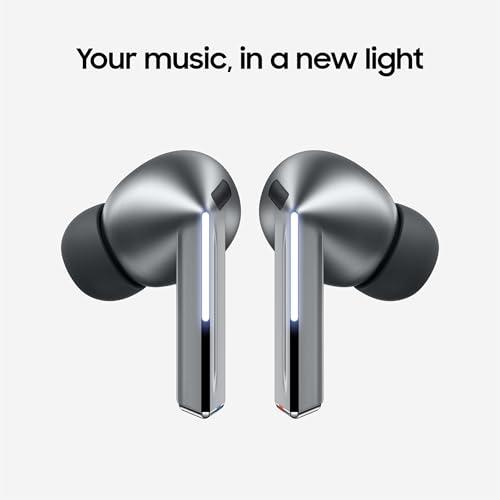

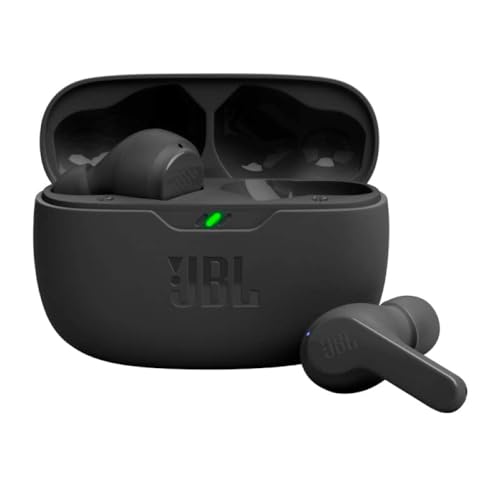
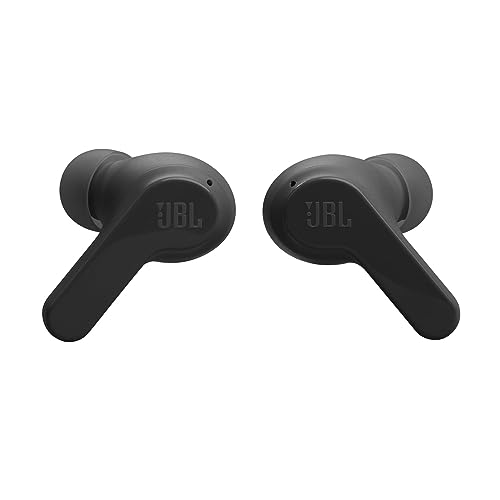

Choosing the right true wireless earbuds has become surprisingly complex. The market stretches from budget-friendly options under $50 to premium models exceeding $200, and the performance gap between these price tiers can be dramatic. At the time of writing, the Samsung Galaxy Buds 3 Pro represent the premium end of this spectrum, while the JBL Vibe Beam offers compelling value at the budget tier.
Understanding what separates these products requires looking beyond surface-level specs to examine how different technologies actually impact your daily listening experience. The most critical considerations include audio quality, active noise cancellation capability, battery performance, comfort during extended wear, smart feature integration, and overall build quality. Each of these areas reveals fundamental differences in engineering approach and user experience philosophy.
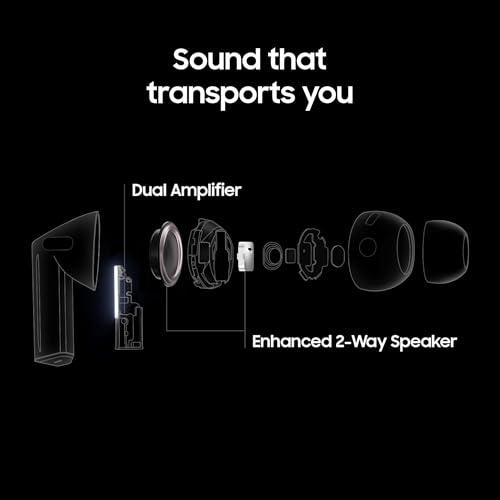
The most significant difference between the Samsung Galaxy Buds 3 Pro and JBL Vibe Beam lies in their audio reproduction capabilities. Samsung employs a sophisticated dual-driver system featuring a 10.5mm dynamic woofer paired with a 6.1mm planar magnetic tweeter. This two-way speaker configuration allows each driver to specialize in specific frequency ranges—the woofer handles bass and midrange frequencies, while the tweeter manages high frequencies and fine details.
This separation matters because it prevents interference between different frequency ranges, a common issue in single-driver designs. When a single driver tries to reproduce both thundering bass drums and delicate cymbal crashes simultaneously, distortion creeps in and details get lost. The Samsung Galaxy Buds 3 Pro avoid this compromise by using independent amplifiers for each driver, ensuring clean signal reproduction across the entire frequency spectrum.
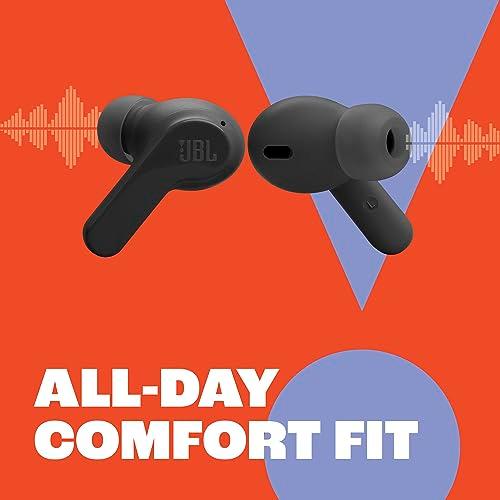
By contrast, the JBL Vibe Beam uses a traditional single 8mm dynamic driver approach. While JBL tunes this driver for their signature "Deep Bass Sound," the physics of having one component handle all frequencies inevitably creates limitations. The bass emphasis can overwhelm midrange detail, and high-frequency extension suffers compared to dedicated tweeter designs.
The technical specifications reveal this difference clearly. Samsung's earbuds extend their frequency response up to 40kHz—well beyond human hearing—which indicates sophisticated driver engineering that minimizes distortion even in audible frequencies. The JBL Vibe Beam operates within the standard 20Hz-20kHz range, which is perfectly adequate for casual listening but lacks the headroom that distinguishes premium audio components.
Perhaps more importantly, the Samsung Galaxy Buds 3 Pro support Samsung's proprietary Seamless Codec (SSC), which can stream 24-bit audio at 96kHz sample rates from compatible Samsung devices. This ultra-high-quality audio format preserves more musical information than standard codecs, though you'll only notice the difference with high-quality source material and attentive listening.
Active noise cancellation represents one of the most transformative technologies in modern earbuds, and it's where the Samsung Galaxy Buds 3 Pro completely outclass the JBL Vibe Beam. Samsung's adaptive ANC system uses external microphones to capture ambient noise, then generates precisely inverted sound waves to cancel those frequencies before they reach your ears.
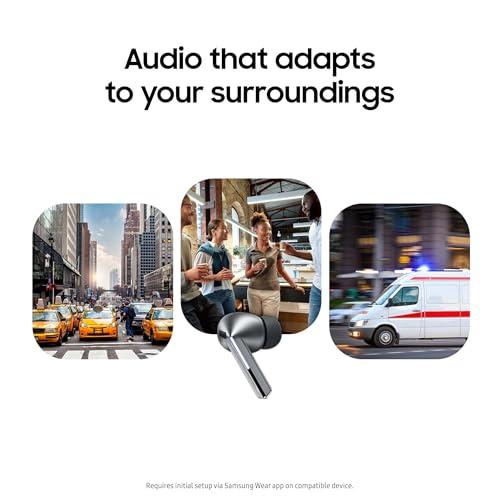
The "adaptive" aspect is crucial—the system continuously analyzes your environment and adjusts cancellation strength accordingly. In a quiet library, it provides gentle noise reduction without creating pressure sensations. On a bustling airplane, it ramps up to maximum strength to combat engine drone and passenger chatter. Galaxy AI enhancement takes this further by learning your preferences and automatically switching between different noise cancellation profiles based on location and activity.
The Samsung Galaxy Buds 3 Pro also feature intelligent transparency modes. Voice Detect automatically reduces music volume and activates ambient sound when someone speaks to you, while Siren Detect allows emergency vehicle sounds to penetrate the noise barrier for safety. These features demonstrate how premium earbuds integrate multiple technologies to create genuinely smart listening experiences.
The JBL Vibe Beam, meanwhile, offers no active noise cancellation whatsoever. They rely entirely on passive isolation—the physical seal created by ear tips blocking external sound. While this provides some noise reduction, it's particularly ineffective against low-frequency sounds like engine rumble, air conditioning hum, or traffic noise. For casual home listening, this limitation may not matter. For commuting, studying, or travel, it represents a fundamental capability gap.
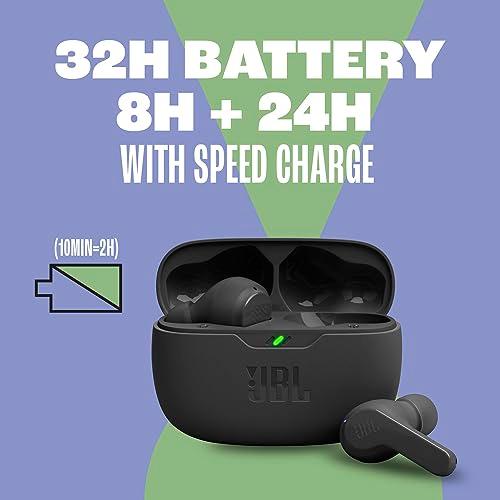
Battery life tells an interesting story about engineering priorities. The JBL Vibe Beam actually outperform the premium Samsung Galaxy Buds 3 Pro in raw playback time, delivering 8 hours per charge versus 6 hours. Combined with their charging cases, the JBL earbuds provide 32 total hours compared to Samsung's 26-30 hours.
This difference reflects the power demands of advanced features. The Samsung Galaxy Buds 3 Pro consume additional battery running dual amplifiers, active noise cancellation, multiple microphones, and AI processing. The JBL Vibe Beam focus on efficient basic functionality, allowing longer playback from smaller batteries.
However, charging convenience differs significantly. The Samsung Galaxy Buds 3 Pro support both wireless charging and fast USB-C charging, making them easier to top up throughout the day. The JBL Vibe Beam require plugging in a cable every time, which becomes tedious for users accustomed to wireless charging pads.
Both earbuds offer quick charging features—the JBL model provides 2 hours of playback from 10 minutes of charging, which is genuinely useful for last-minute power-ups. For most users, either battery performance would handle daily needs comfortably, though the Samsung model's wireless charging adds meaningful convenience.
The Samsung Galaxy Buds 3 Pro carry an IP57 rating, meaning they can withstand dust ingress and brief submersion in water up to one meter deep. This makes them genuinely suitable for workouts, rain exposure, and even accidental drops in shallow water. The premium rating reflects higher-quality internal sealing and component selection.
The JBL Vibe Beam offer IP54 protection for the earbuds themselves, with IPX2 for the charging case. This provides basic splash and sweat resistance but cannot handle heavy rain or submersion. For casual use, this protection suffices. For active lifestyles or harsh environments, it becomes a limitation.
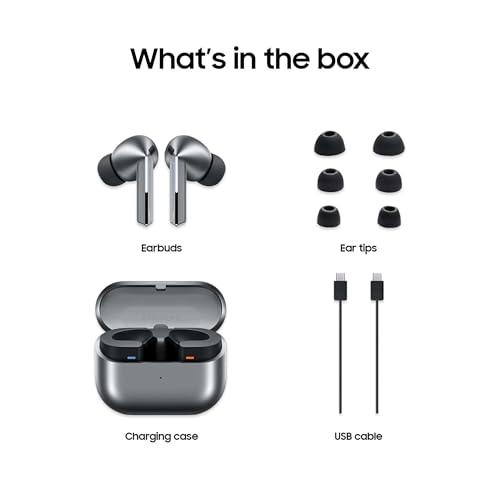
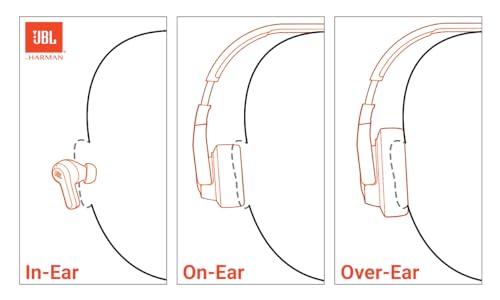
Weight differences are minimal—Samsung's earbuds weigh 5.4g each versus JBL's 4.4g—but material quality varies noticeably. The Samsung Galaxy Buds 3 Pro use premium plastics and metal accents, while the JBL Vibe Beam rely on standard plastic construction. Both include multiple ear tip sizes, though Samsung provides more comprehensive fit options.
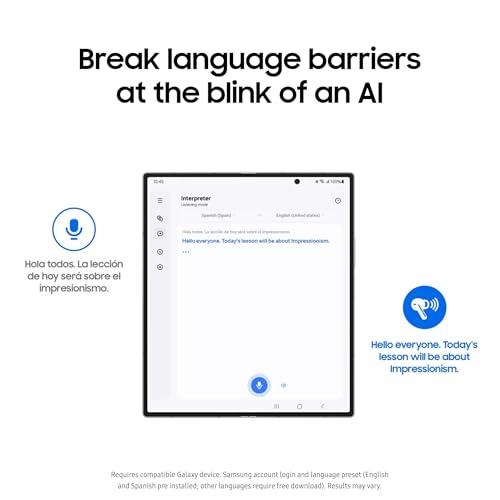
The Samsung Galaxy Buds 3 Pro showcase how earbuds are evolving beyond simple audio devices. Their real-time AI translation feature can interpret spoken conversations on the fly, making them valuable tools for international travel or multilingual communication. The adaptive EQ uses machine learning to optimize sound based on your ear shape and listening preferences, automatically adjusting over time.
Seamless device switching allows instant audio handoffs between Samsung phones, tablets, and laptops without manual reconnection. For users invested in Samsung's ecosystem, these conveniences add significant daily value. The earbuds also integrate with Samsung's SmartThings platform, enabling control through voice commands and home automation routines.
The JBL Vibe Beam take a simpler approach, focusing on reliable basic functionality rather than advanced features. Their JBL Headphones app provides EQ customization and basic settings, while Ambient Aware and TalkThru modes offer manual environmental awareness control. These features work adequately but lack the intelligence and automation of Samsung's AI-enhanced systems.
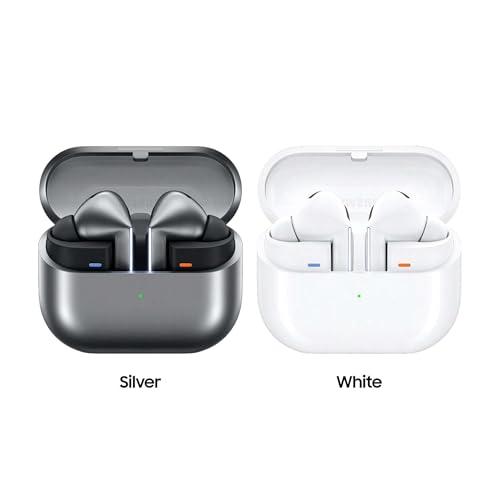
Both products represent relatively recent releases, with the Samsung Galaxy Buds 3 Pro arriving in 2024 as part of Samsung's third-generation true wireless lineup. This timing allowed Samsung to incorporate mature ANC technology, advanced codec support, and AI features that weren't available in earlier generations. The stem design also marked a significant departure from Samsung's previous bean-shaped form factor.
The JBL Vibe Beam launched around the same period, positioning JBL to compete in the budget segment with refined manufacturing techniques that keep costs low while maintaining acceptable quality. The timing allowed JBL to include Bluetooth 5.2, improved battery efficiency, and app-based customization—features that would have been premium additions just a few years earlier.
When evaluating earbuds, certain performance characteristics have disproportionate impact on user satisfaction. Audio quality differences become most apparent in complex musical passages where multiple instruments play simultaneously. The Samsung Galaxy Buds 3 Pro excel at maintaining instrument separation and soundstage depth, while the JBL Vibe Beam can sound congested during busy arrangements.
Noise cancellation effectiveness varies dramatically by environment. In steady-state noise like airplane cabins or air conditioning, active ANC provides 15-25 dB of reduction—equivalent to cutting ambient volume in half. The Samsung Galaxy Buds 3 Pro excel in these scenarios, while the JBL Vibe Beam offer minimal improvement over basic ear plugs.
Call quality represents another crucial differentiator. The Samsung Galaxy Buds 3 Pro use multiple microphones and AI processing to isolate voices from background noise, resulting in clearer conversations even in challenging environments. The JBL Vibe Beam provide adequate call quality for quiet settings but struggle with noise suppression.
While neither product is specifically designed for home theater use, they can serve as personal audio solutions for late-night viewing or private listening. The Samsung Galaxy Buds 3 Pro support 360 Audio spatial sound processing, which can enhance movie soundtracks and immersive content when connected to compatible Samsung TVs.
However, true wireless earbuds generally introduce slight audio delay (latency) that makes them problematic for video content where lip-sync accuracy matters. Both products minimize this issue through modern Bluetooth implementations, but dedicated TV streaming devices or wired headphones remain superior for critical home theater applications.
The Samsung Galaxy Buds 3 Pro make sense for users who prioritize audio quality, need effective noise cancellation, and value advanced features. They're particularly compelling for Samsung device owners who can access the full feature set, including ultra-high-quality audio streaming and seamless ecosystem integration. If you frequently travel, work in noisy environments, or consider yourself an audio enthusiast, the premium investment pays dividends in daily use quality.
The JBL Vibe Beam offer remarkable value for users seeking reliable wireless audio without premium features. They're ideal for casual listeners, budget-conscious buyers, and anyone who primarily uses earbuds in quiet environments where noise cancellation isn't critical. The impressive battery life and solid build quality make them competitive with products costing twice as much.
At the time of writing, the price gap between these products spans roughly $150, representing fundamentally different value propositions rather than simple feature upgrades. The Samsung Galaxy Buds 3 Pro deliver genuinely superior performance across most categories, while the JBL Vibe Beam provide essential functionality at an accessible price point.
Your decision should align with your listening habits, environment, and feature priorities. If you spend significant time in noisy environments, prioritize audio quality, or want cutting-edge features, the Samsung earbuds justify their premium positioning. If you need reliable wireless audio for casual use and value battery life over advanced features, the JBL earbuds deliver exceptional bang for your buck.
| Samsung Galaxy Buds 3 Pro | JBL Vibe Beam |
|---|---|
| Audio Quality - The most noticeable difference in daily use | |
| Dual-driver system: 10.5mm woofer + 6.1mm planar tweeter with 24-bit/96kHz codec support | Single 8mm dynamic driver with JBL Deep Bass tuning and standard codecs |
| Active Noise Cancellation - Essential for commuting and focus | |
| Adaptive ANC with Galaxy AI, Voice Detect, and Siren Detect modes | No active noise cancellation - passive isolation only |
| Battery Life - Important for all-day use | |
| 6 hours per charge, 26-30 hours total with wireless charging case | 8 hours per charge, 32 hours total with USB-C only case |
| Water Resistance - Critical for workouts and weather protection | |
| IP57 rating (can handle brief submersion and heavy rain) | IP54 rating (basic splash and sweat protection) |
| Smart Features - Convenience and ecosystem benefits | |
| Real-time AI translation, seamless Samsung device switching, 360 Audio | Basic touch controls, JBL app EQ, Ambient Aware modes |
| Weight and Comfort - Important for extended wear | |
| 5.4g per earbud with premium materials and multiple tip sizes | 4.4g per earbud with lightweight plastic construction |
| Connectivity - Affects audio quality and device compatibility | |
| Bluetooth 5.4 with Samsung Seamless Codec for ultra-high quality | Bluetooth 5.2 with standard AAC/SBC codecs |
| Call Quality - Important for phone conversations | |
| Multiple microphones with AI noise suppression and VoiceAware | Basic microphone with standard call processing |
| Target User - Who should consider each product | |
| Audiophiles, Samsung users, frequent travelers, noise-sensitive environments | Budget-conscious users, casual listeners, quiet environments |
The Samsung Galaxy Buds 3 Pro deliver superior sound quality with their dual-driver system featuring a 10.5mm woofer and 6.1mm planar tweeter. This setup provides better instrument separation and clearer highs compared to the JBL Vibe Beam's single 8mm driver. Samsung also supports 24-bit high-resolution audio with compatible devices, while JBL uses standard audio codecs.
The Samsung Galaxy Buds 3 Pro feature advanced adaptive active noise cancellation that automatically adjusts based on your environment. The JBL Vibe Beam have no active noise cancellation at all - they only provide passive noise isolation through the ear tip seal, making them less effective in noisy environments.
The JBL Vibe Beam offer longer battery life with 8 hours per charge and 32 total hours with the case. The Samsung Galaxy Buds 3 Pro provide 6 hours per charge and 26-30 total hours with the case. However, Samsung includes wireless charging convenience that JBL lacks.
The Samsung Galaxy Buds 3 Pro have an IP57 rating, making them highly water and dust resistant - they can even handle brief submersion. The JBL Vibe Beam offer IP54 protection, which provides basic splash and sweat resistance but isn't suitable for heavy rain or water exposure.
Both earbuds are lightweight and comfortable, but the Samsung Galaxy Buds 3 Pro weigh slightly more at 5.4g per earbud compared to the JBL Vibe Beam's 4.4g. Both include multiple ear tip sizes, though individual fit preferences will vary based on your ear shape.
Yes, both the Samsung Galaxy Buds 3 Pro and JBL Vibe Beam work with any Bluetooth-enabled device. However, Samsung users get additional features like ultra-high-quality audio streaming and seamless device switching that aren't available with other phones.
The Samsung Galaxy Buds 3 Pro excel at call quality with multiple microphones and AI-powered noise suppression that filters out background noise. The JBL Vibe Beam provide adequate call quality for quiet environments but lack advanced noise filtering during conversations.
Both earbuds can be used for video content, though the Samsung Galaxy Buds 3 Pro offer 360 Audio spatial sound that enhances movie experiences. However, true wireless earbuds generally aren't ideal for home theater use due to slight audio delay - dedicated TV headphones or soundbars work better for this purpose.
The JBL Vibe Beam provide exceptional value at their budget price point, offering solid performance and impressive battery life. The Samsung Galaxy Buds 3 Pro cost significantly more but justify the premium with superior audio quality, noise cancellation, and advanced features for users who want the best experience.
Both earbuds offer sound customization through their respective apps. The Samsung Galaxy Buds 3 Pro include adaptive EQ with Galaxy AI that automatically adjusts sound based on your preferences, while the JBL Vibe Beam provide manual EQ adjustments through the JBL Headphones app.
The Samsung Galaxy Buds 3 Pro are better suited for workouts due to their superior IP57 water resistance and secure fit. The JBL Vibe Beam offer basic sweat protection with their IP54 rating but may not withstand intense exercise or outdoor activities as well.
Choose the Samsung Galaxy Buds 3 Pro if you prioritize audio quality, need noise cancellation for commuting, or want advanced features like AI translation. Select the JBL Vibe Beam if you're budget-conscious, primarily listen in quiet environments, or just need reliable wireless audio without premium features.
We've done our best to create useful and informative comparisons to help you decide what product to buy. Our research uses advanced automated methods to create this comparison and perfection is not possible - please contact us for corrections or questions. These are the sites we've researched in the creation of this article: techradar.com - soundguys.com - whathifi.com - loudnwireless.com - rtings.com - whathifi.com - youtube.com - youtube.com - soundguys.com - youtube.com - youtube.com - soundguys.com - eu.community.samsung.com - phonearena.com - loudnwireless.com - samsung.com - whatgear.net - samsung.com - devicesupport.three.co.uk - youtube.com - samsung.com - techradar.com - samsung.com - en.wikipedia.org - samsung.com - moneycontrol.com - youtube.com - bestbuy.com - eu.community.samsung.com - bestbuy.com - jbl.com - rtings.com - jbl.com - youtube.com - youtube.com - audio46.com - jbl.com - soundguys.com - bestbuy.com - walmart.com - uclastore.com - bestbuy.com - manuals.plus

Privacy Policy
Terms and Conditions - Affiliate Policy
Home Security
© Copyright 2008-2026.
11816 Inwood Rd #1211, Dallas, TX 75244