



The wireless earbuds market has exploded into a battlefield where premium technology meets practical value, and nowhere is this more evident than comparing Apple's flagship AirPods Pro 3 against JBL's budget champion, the Vibe Beam. At the time of writing, these products represent opposite ends of the price spectrum while both delivering compelling experiences for their target audiences.
Released in 2024, the AirPods Pro 3 showcases Apple's latest innovations in computational audio and health monitoring. Meanwhile, the JBL Vibe Beam, launched in 2023, focuses on delivering solid fundamentals at an accessible price point. The question isn't simply which sounds better—it's about understanding completely different philosophies toward personal audio.
True wireless earbuds have revolutionized how we consume audio, eliminating the last cable connecting our devices to our ears. But this category spans an enormous range, from budget options under $50 to premium models exceeding $300. The key differentiators have evolved beyond just sound quality to include active noise cancellation (ANC), health monitoring, ecosystem integration, and computational audio processing.
When evaluating wireless earbuds, the most critical factors are audio quality, noise isolation capabilities, battery endurance, comfort during extended wear, smart features, and overall value proposition. The AirPods Pro 3 and JBL Vibe Beam take fundamentally different approaches to these priorities, creating an interesting comparison between premium innovation and practical excellence.
The AirPods Pro 3 represents Apple's vision of computational audio perfection. At its core lies the custom H2 headphone chip, which processes audio in real-time to deliver features impossible with traditional analog approaches. This isn't just marketing speak—computational audio means the earbuds actively analyze what you're hearing and adjust the sound mathematically, hundreds of times per second.
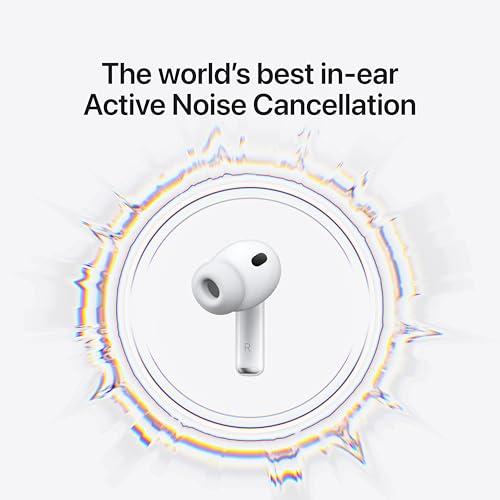
The standout innovation is the active noise cancellation system, which Apple claims removes up to twice as much noise as the previous generation and four times more than the original AirPods Pro. ANC works by using external microphones to detect ambient noise, then generating inverse sound waves to cancel it out—imagine pushing against a wave with an equal but opposite wave to create calm water. The AirPods Pro 3's implementation is particularly sophisticated, utilizing multiple microphones and advanced algorithms to adapt to different noise environments instantly.
Equally impressive is the Adaptive Audio feature, which automatically adjusts noise cancellation based on your environment. Walking through a quiet library? Maximum noise blocking. Crossing a busy street? The system allows important sounds like traffic through while still reducing overall noise fatigue. This kind of contextual intelligence represents a significant leap from simple on/off ANC systems.
The audio processing capabilities extend to Personalized Spatial Audio, which uses your iPhone's TrueDepth camera to map your unique ear geometry. This creates a custom audio profile that makes stereo content feel three-dimensional, as if instruments and voices are positioned around you in space rather than just left and right. Dynamic head tracking maintains this illusion even when you turn your head—a genuinely impressive technical achievement that transforms how music and movies feel.
Perhaps most intriguing is the integrated heart rate monitoring system. Using photoplethysmography (PPG)—the same technology in smartwatches—the earbuds pulse invisible infrared light into your ear canal 256 times per second to measure blood flow patterns. Combined with motion sensors, this enables workout tracking for up to 50 different exercise types without wearing additional devices. It's a remarkable example of cramming advanced health technology into an incredibly small package.
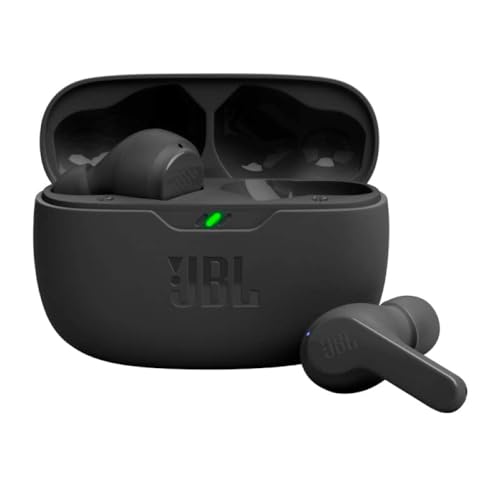
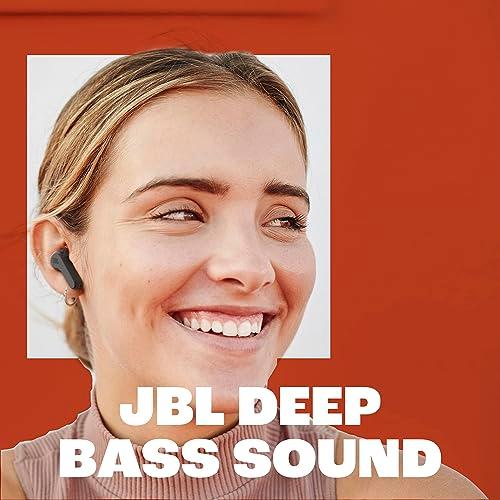
The JBL Vibe Beam takes a refreshingly different approach, focusing on executing core wireless earbud functions exceptionally well rather than chasing cutting-edge features. This philosophy starts with the 8mm dynamic drivers, which are specifically tuned for JBL's signature "Deep Bass Sound" profile. Rather than the neutral, reference-style tuning of premium earbuds, JBL deliberately emphasizes the low-end frequencies that make music feel more engaging and fun.
This V-shaped sound signature—boosted bass and treble with slightly recessed mids—works particularly well for popular music genres like hip-hop, electronic, and rock. While audiophiles might prefer more balanced tuning, the Vibe Beam's approach delivers immediate satisfaction for most listeners. The bass doesn't overwhelm the mix but provides enough punch and rumble to make tracks feel dynamic and energetic.
The Smart Ambient technology deserves particular attention for how cleverly it addresses practical needs. Ambient Aware mode lets you hear your surroundings while music plays—essential for safety when walking or cycling. TalkThru mode goes further, lowering music volume and amplifying voices so you can have conversations without removing the earbuds. While not as sophisticated as the AirPods Pro 3's computational approach, these features solve real-world problems elegantly.
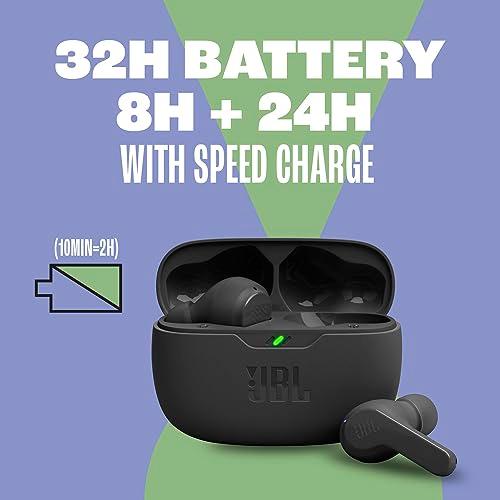
Battery performance is where the JBL Vibe Beam truly shines. The combination of 8 hours from the earbuds plus 24 additional hours from the charging case delivers 32 hours of total playback time—exceptional endurance that eliminates charging anxiety for most users. The speed charging capability adds practical value: just 10 minutes of charging provides 2 hours of playback, perfect for those "forgot to charge overnight" moments we all experience.
Comparing audio quality between these products requires understanding their distinct approaches to sound reproduction. The AirPods Pro 3 pursues accuracy and technical precision, while the JBL Vibe Beam prioritizes engagement and immediate appeal.
The AirPods Pro 3's custom drivers and computational audio processing create what reviewers consistently describe as a "fairly flat tuning"—meaning the frequency response doesn't artificially boost or cut specific ranges. This neutral approach reveals details in recordings and maintains the artist's intended sound balance. The Adaptive EQ feature takes this further by analyzing how sound travels through your unique ear shape and adjusting the frequency response in real-time to maintain consistent tonality.
Personalized Spatial Audio represents a genuine technological breakthrough in how we experience stereo content. Rather than the traditional left-right stereo image, properly mastered content creates a convincing sense of three-dimensional space. Instruments and voices appear to come from specific locations around your head, maintained even as you move. For movie watching and immersive gaming, this technology transforms the experience from good to genuinely impressive.
The JBL Vibe Beam takes the opposite approach with its deliberately colored sound signature. The enhanced bass response makes kick drums punch harder, bass guitars feel more present, and electronic music more visceral. The boosted treble adds sparkle to cymbals and clarity to vocals, though some reviewers note occasional harshness with certain recordings. This tuning won't satisfy purists seeking reference accuracy, but it makes most popular music more immediately enjoyable.
Both earbuds cover the full 20Hz to 20kHz frequency range that encompasses human hearing, but their different approaches to this spectrum create distinct listening experiences. The AirPods Pro 3 reveals subtlety and nuance, while the Vibe Beam emphasizes excitement and energy.
Active noise cancellation represents one of the most significant technological divides between these products. The AirPods Pro 3's ANC system is genuinely impressive, using multiple external microphones, internal microphones, and advanced processing to create what many reviewers consider best-in-class noise reduction. This technology works by detecting ambient noise and generating precisely timed inverse sound waves to cancel it out—the acoustic equivalent of noise-canceling headphones' magic trick.
The sophistication extends to different types of noise. Low-frequency rumbles from airplane engines, air conditioners, and traffic are virtually eliminated. Mid-frequency sounds like conversations and office chatter are significantly reduced. Even some high-frequency noises get attenuated, though ANC traditionally struggles with sudden, sharp sounds like clanking or voices directly addressing you.
More impressive is how the system adapts automatically. Walking from a quiet room onto a busy street, the AirPods Pro 3 adjusts its processing within seconds to maintain optimal noise reduction without user intervention. The transparency mode is equally sophisticated, allowing ambient sound through in a natural way that doesn't feel like wearing earbuds at all—crucial for safety and social situations.
The JBL Vibe Beam relies entirely on passive noise isolation—the physical blocking of sound by the earbuds themselves. The closed design and proper ear tip seal can surprisingly effective against mid and high-frequency noise, particularly in environments like offices or cafes. However, passive isolation struggles with low-frequency rumbles that ANC systems handle easily.
JBL's Smart Ambient features provide some compensation through the Ambient Aware and TalkThru modes. While not true ANC, these features let you control how much outside sound reaches your ears. For many users, especially those not regularly exposed to consistent low-frequency noise, this practical approach suffices at a fraction of the cost.
Battery endurance reveals another philosophical divide. The AirPods Pro 3 delivers up to 8 hours of continuous playback with ANC enabled—a 33% improvement over the previous generation and respectable for premium earbuds with advanced processing demands. However, the total usage time with the charging case isn't specified in available technical documentation.
The JBL Vibe Beam's 32-hour total battery life (8 hours earbuds + 24 hours case) represents exceptional endurance that virtually eliminates charging anxiety. For frequent travelers, commuters, or heavy daily users, this battery performance can be more valuable than advanced features they might not regularly use. The 10-minute speed charge providing 2 hours of playback adds practical convenience that fits real-world usage patterns.
Charging methods also differ significantly. The AirPods Pro 3 supports both wired and MagSafe wireless charging, integrating seamlessly with Apple's ecosystem accessories. The JBL Vibe Beam uses USB-C exclusively but charges fully in under 2 hours—faster than many competitors.
The integration philosophy represents perhaps the starkest difference between these products. The AirPods Pro 3 is designed specifically for users committed to Apple's ecosystem, providing features that simply don't work with Android or Windows devices.
Seamless device switching between iPhone, iPad, and Mac happens automatically based on usage context—start playing music on your phone, then switch to your laptop for a video call, and the earbuds connect instantly without manual intervention. Siri integration allows hands-free control of music, calls, and even reading text messages aloud. The automatic software updates through iOS ensure you always have the latest features and improvements.
The health monitoring integration with Apple's Fitness app transforms the AirPods Pro 3 into a workout companion that tracks heart rate, calories burned, and workout types without additional devices. This level of integration only works within Apple's ecosystem but provides genuine value for users already invested in their health and fitness platforms.
Conversely, the JBL Vibe Beam embraces universal compatibility. The standard Bluetooth 5.2 connectivity works identically whether you're using an iPhone, Samsung Galaxy, Windows laptop, or gaming console. The JBL Headphones app provides customization options across platforms, including parametric EQ adjustment and firmware updates. This approach sacrifices some advanced features for complete flexibility.
Both products handle voice calls competently but with different strengths. The AirPods Pro 3 leverages its computational audio capabilities for advanced call processing, including noise reduction for your voice and the caller's audio. The integration with iOS provides caller ID announcements and text message reading through Siri.
The JBL Vibe Beam includes VoiceAware technology, which lets you control how much of your own voice you hear during calls. This addresses the common complaint about feeling disconnected from your own voice when wearing earbuds during phone conversations. While not as technically sophisticated as Apple's approach, it solves a practical problem many users experience.
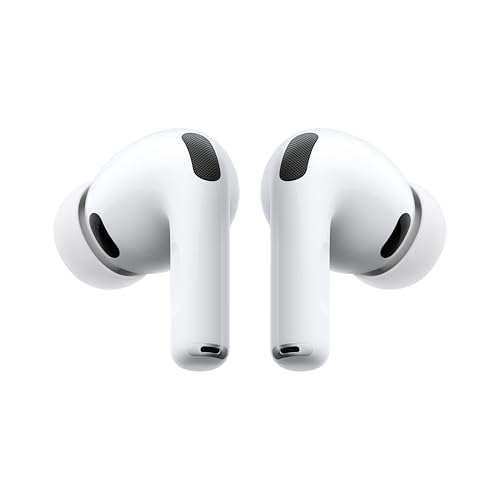
Physical construction reveals the price difference between these products. The AirPods Pro 3 features an IP57 rating, providing superior protection against dust, sweat, and water immersion. The redesigned architecture with foam-infused ear tips comes in five sizes, including an XXS option for smaller ears. The materials and construction feel appropriately premium, though some users find the weight distribution affects comfort during extended wear.
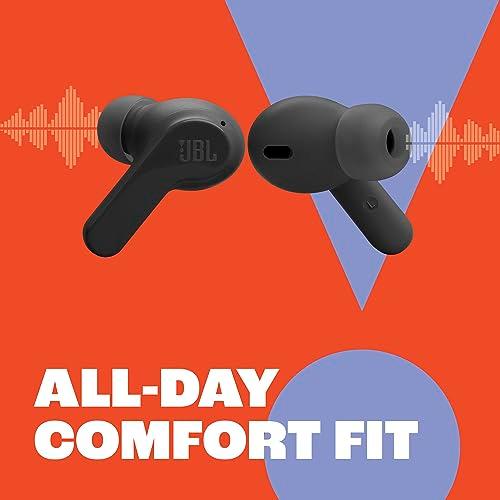
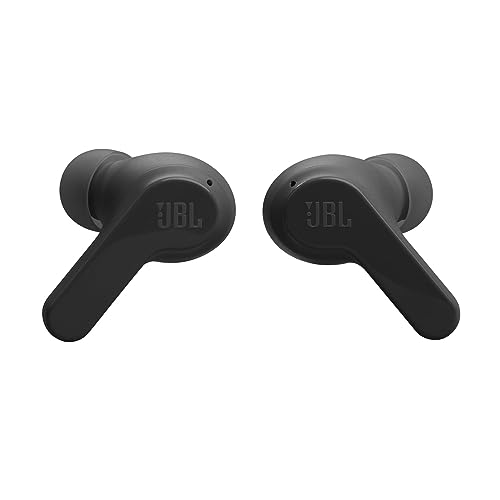
The JBL Vibe Beam achieves IP54 rating for the earbuds themselves and IPX2 for the charging case—adequate protection for most users but not matching the AirPods Pro 3's comprehensive weather resistance. At 4.4 grams per earbud, they're noticeably lighter, which many users find more comfortable for all-day wear. The build quality feels solid for the price category, though obviously not matching premium materials.
For home entertainment, both products offer interesting capabilities. The AirPods Pro 3's Personalized Spatial Audio creates an immersive experience for movies and TV shows, particularly content mastered for surround sound. The low latency with Apple TV makes them practical for late-night viewing without disturbing others.
The JBL Vibe Beam's extended battery life makes them ideal for long viewing sessions, while the bass emphasis can make action movies more engaging. However, the lack of spatial audio processing means they won't create the same immersive experience as the AirPods Pro 3.
The decision ultimately depends on your priorities, ecosystem, and usage patterns. Choose the AirPods Pro 3 if you're deeply integrated into Apple's ecosystem and regularly encounter noise environments where ANC provides significant value—commuting on public transport, frequent air travel, or working in noisy offices. The health monitoring features add value for fitness enthusiasts already using Apple's health platforms.
The premium also makes sense if you frequently use your earbuds for calls and video meetings, where the advanced computational audio processing provides clearer communication. Content creators and professionals who need accurate audio reproduction will appreciate the neutral tuning and advanced features.
Choose the JBL Vibe Beam if battery anxiety frustrates you with current earbuds, if you use multiple device platforms regularly, or if you prefer bass-emphasized sound that makes popular music more engaging. The practical approach excels for daily commuting, exercise (where extended battery life matters more than health monitoring), and general music listening.
The Vibe Beam also makes sense as a secondary pair—something to throw in a gym bag or travel kit without worrying about losing expensive technology.
At the time of writing, the price difference represents the core decision point. The AirPods Pro 3 costs approximately 8 times more than the JBL Vibe Beam, but doesn't provide 8 times better basic functionality. Instead, you're paying for cutting-edge technology, premium materials, ecosystem integration, and advanced features that may or may not align with your usage patterns.
The JBL Vibe Beam delivers about 90% of the core wireless earbud experience—good sound quality, reliable connectivity, comfortable fit, and excellent battery life—at roughly 12% of the premium price. For many users, this represents exceptional value that's hard to argue against.
However, if you regularly encounter scenarios where the AirPods Pro 3's advanced features provide genuine utility—noisy commutes, frequent video calls, fitness tracking, or desire for the absolute best audio technology—the premium can be justified.
The choice isn't really between good and better audio products; it's between different approaches to solving personal audio needs. The AirPods Pro 3 pushes technological boundaries and integrates deeply with Apple's ecosystem, while the JBL Vibe Beam focuses on executing fundamentals excellently at an accessible price point. Both succeed admirably at their intended goals, making this less about which is objectively better and more about which philosophy aligns with your priorities and usage patterns.
| Apple AirPods Pro 3 | JBL Vibe Beam |
|---|---|
| Active Noise Cancellation - Essential for commuting and focus | |
| Advanced ANC with 2x noise reduction vs previous generation, adaptive transparency mode | No ANC, only passive isolation with Smart Ambient features |
| Battery Life - Determines daily usability without charging anxiety | |
| Up to 8 hours earbuds with ANC (case capacity unspecified) | 8 hours earbuds + 24 hours case = 32 hours total, 10-min quick charge |
| Audio Tuning - Affects how music sounds and personal preference | |
| Flat, reference tuning with Adaptive EQ and Personalized Spatial Audio | V-shaped "Deep Bass Sound" tuning optimized for popular music |
| Ecosystem Integration - Important if you're locked into one platform | |
| Deep Apple integration: seamless switching, Siri, health tracking, auto-updates | Universal Bluetooth 5.2 compatibility with JBL Headphones app |
| Health Features - Value for fitness enthusiasts | |
| Heart rate monitoring with 50+ workout types, fitness app integration | None - standard fitness tracking via connected device only |
| Water Resistance - Critical for workouts and weather protection | |
| IP57 rating (superior dust and water protection) | IP54 earbuds, IPX2 case (basic splash protection) |
| Smart Features - Advanced functionality beyond basic audio | |
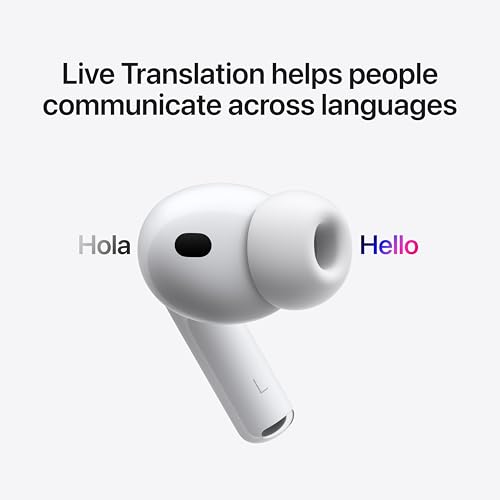
| Live translation, computational audio, head gesture controls | Smart Ambient modes, VoiceAware call control, Find My Buds |
| Driver Technology - Foundation of sound quality | |
| Custom Apple drivers with H2 chip computational processing | 8mm dynamic drivers with traditional analog tuning |
| Price Category - Value proposition for different budgets | |
| Premium tier with cutting-edge technology | Budget tier focusing on practical fundamentals |
The Apple AirPods Pro 3 deliver more technically accurate sound with their flat, reference tuning and advanced computational audio processing. They feature Personalized Spatial Audio and Adaptive EQ that adjusts to your ear shape. The JBL Vibe Beam offers a more fun, bass-heavy sound signature that many people prefer for popular music genres like hip-hop and electronic. For audiophiles seeking accuracy, choose the AirPods Pro 3. For those who want punchy, engaging sound, the JBL Vibe Beam excels.
Only the Apple AirPods Pro 3 features active noise cancellation, with advanced ANC that's claimed to be twice as effective as the previous generation. The JBL Vibe Beam relies on passive noise isolation through its closed design and ear tip seal. If you need ANC for commuting, flights, or noisy environments, the AirPods Pro 3 is essential. The JBL Vibe Beam works fine for quieter environments but won't block consistent low-frequency noise.
Both the Apple AirPods Pro 3 and JBL Vibe Beam provide up to 8 hours of continuous playback from the earbuds themselves. However, the JBL Vibe Beam significantly outperforms with its charging case, offering 24 additional hours for 32 hours total battery life. The JBL Vibe Beam also includes speed charging that provides 2 hours of playback from just 10 minutes of charging, making it superior for heavy users.
Both earbuds handle calls well but with different strengths. The Apple AirPods Pro 3 uses computational audio processing for advanced noise reduction and integrates with iOS for caller ID announcements. The JBL Vibe Beam features VoiceAware technology that lets you control how much of your own voice you hear during calls. For business users in the Apple ecosystem, the AirPods Pro 3 edges ahead, while the JBL Vibe Beam offers solid call quality across all platforms.
The Apple AirPods Pro 3 includes heart rate monitoring that tracks 50+ workout types and integrates with Apple's Fitness app, plus superior IP57 water resistance. The JBL Vibe Beam offers IP54 protection and exceptional 32-hour battery life that eliminates charging concerns during long training periods. Choose the AirPods Pro 3 if you want comprehensive fitness tracking, or the JBL Vibe Beam if you prioritize battery endurance and basic sweat protection.
The JBL Vibe Beam works universally with any Bluetooth device including iPhone, Android, Windows, and gaming consoles. The Apple AirPods Pro 3 technically works with non-Apple devices but loses most advanced features like seamless switching, health monitoring, and automatic updates. For multi-platform users, the JBL Vibe Beam is the clear choice. Apple ecosystem users should stick with the AirPods Pro 3 for full functionality.
Comfort depends on individual ear shape, but the JBL Vibe Beam weighs less at 4.4g per earbud compared to the heavier Apple AirPods Pro 3. The AirPods Pro 3 offers five ear tip sizes including XXS for better fit customization and foam-infused tips. The JBL Vibe Beam includes three standard silicone tip sizes. For extended wear, the lighter JBL Vibe Beam may be more comfortable, while the AirPods Pro 3 offers better fit options.
The Apple AirPods Pro 3 excels for video content with Personalized Spatial Audio that creates immersive surround sound effects and low latency with Apple TV. The JBL Vibe Beam offers great battery life for long viewing sessions and bass-heavy sound that makes action movies more engaging. For home theater use, the AirPods Pro 3 provides a more cinematic experience, while the JBL Vibe Beam is better for extended binge-watching without charging interruptions.
At the time of writing, there's a significant price gap between these products. The Apple AirPods Pro 3 represents premium pricing with cutting-edge technology, while the JBL Vibe Beam offers exceptional value in the budget category. The JBL Vibe Beam costs approximately one-eighth the price of the AirPods Pro 3, making it an outstanding value proposition for users who don't need advanced features like ANC or health monitoring.
The Apple AirPods Pro 3 integrates seamlessly with iOS settings and receives automatic updates, but offers limited customization options. The JBL Vibe Beam works with the comprehensive JBL Headphones app that provides parametric EQ adjustment, sound presets, and feature customization across all platforms. For users who like tweaking their audio experience, the JBL Vibe Beam offers more flexibility, while the AirPods Pro 3 focuses on automatic optimization.
Neither the Apple AirPods Pro 3 nor JBL Vibe Beam supports true multipoint connection to multiple devices simultaneously. However, the AirPods Pro 3 offers seamless automatic switching between Apple devices signed into the same iCloud account. The JBL Vibe Beam requires manual reconnection when switching between devices but works with any Bluetooth device. Apple users get more convenient switching with the AirPods Pro 3, while the JBL Vibe Beam offers universal compatibility.
The JBL Vibe Beam is the obvious choice for budget-conscious buyers, delivering excellent sound quality, 32-hour battery life, and solid build quality at a fraction of premium earbud prices. You'll miss advanced features like active noise cancellation and health monitoring, but get 90% of the core wireless earbud experience. The Apple AirPods Pro 3 justifies its premium pricing with cutting-edge technology, but the JBL Vibe Beam provides exceptional value for everyday listening needs.
We've done our best to create useful and informative comparisons to help you decide what product to buy. Our research uses advanced automated methods to create this comparison and perfection is not possible - please contact us for corrections or questions. These are the sites we've researched in the creation of this article: youtube.com - apple.com - apple.com - apple.com - phonearena.com - forum.headphones.com - macrumors.com - youtube.com - t-mobile.com - apple.com - youtube.com - support.apple.com - media.distrelec.com - support.apple.com - en.wikipedia.org - bestbuy.com - jbl.com - rtings.com - jbl.com - youtube.com - youtube.com - audio46.com - jbl.com - soundguys.com - bestbuy.com - walmart.com - uclastore.com - bestbuy.com - manuals.plus

Privacy Policy
Terms and Conditions - Affiliate Policy
Home Security
© Copyright 2008-2026.
11816 Inwood Rd #1211, Dallas, TX 75244