

True wireless earbuds have completely transformed how we listen to audio on the go. Whether you're commuting, working out, or just relaxing at home, these tiny devices pack impressive technology into a completely cord-free experience. But with options ranging from budget-friendly to premium audiophile models, choosing the right pair can feel overwhelming.
Today we're comparing two very different approaches to true wireless earbuds: the JBL Vibe Beam and the Technics AZ80. These represent opposite ends of the spectrum—one prioritizes incredible value and everyday usability, while the other focuses on premium audio quality and advanced features. Understanding their differences will help you decide which philosophy matches your needs and budget.
Before diving into specifics, let's establish what actually matters when choosing earbuds. Sound quality obviously tops the list, but it's more nuanced than just "good" or "bad." You need to consider the driver size (the tiny speaker inside each earbud), frequency response (the range of sounds they can reproduce), and tuning philosophy (whether they emphasize bass, vocals, or try to sound neutral).
Battery life has become increasingly crucial as we rely on earbuds throughout our day. The earbuds themselves typically provide 6-8 hours of listening, while the charging case adds multiple additional charges for 20-30+ hours total. Quick charging features can provide several hours of playback from just a 10-15 minute charge.
Comfort and fit determine whether you'll actually enjoy using your earbuds for extended periods. Poor-fitting earbuds cause fatigue, reduce sound quality, and fall out during movement. Water resistance protects against sweat and rain, while build quality affects long-term durability.
Modern features like active noise cancellation (ANC), ambient sound modes, and app-based customization have become major differentiators. ANC uses microphones and processing to cancel out background noise, while ambient modes let you hear your surroundings without removing the earbuds.
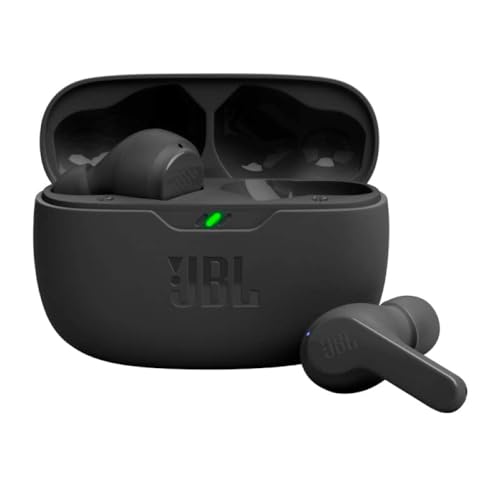
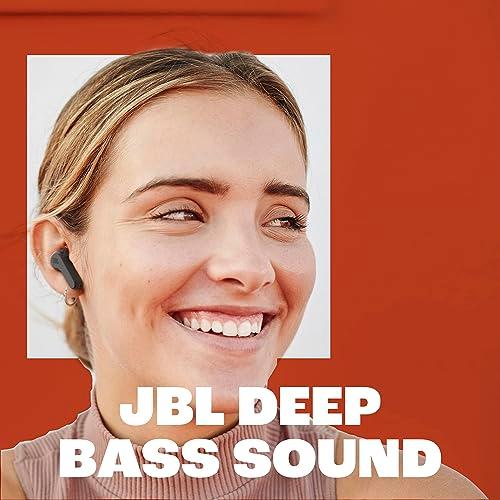
The JBL Vibe Beam, released in 2022, represents JBL's approach to bringing their signature sound to an affordable true wireless package. JBL has spent decades perfecting their "fun" audio signature that emphasizes bass and energy, making music feel more exciting and engaging. The Vibe Beam carries this philosophy forward while adding smart features typically found in more expensive models.
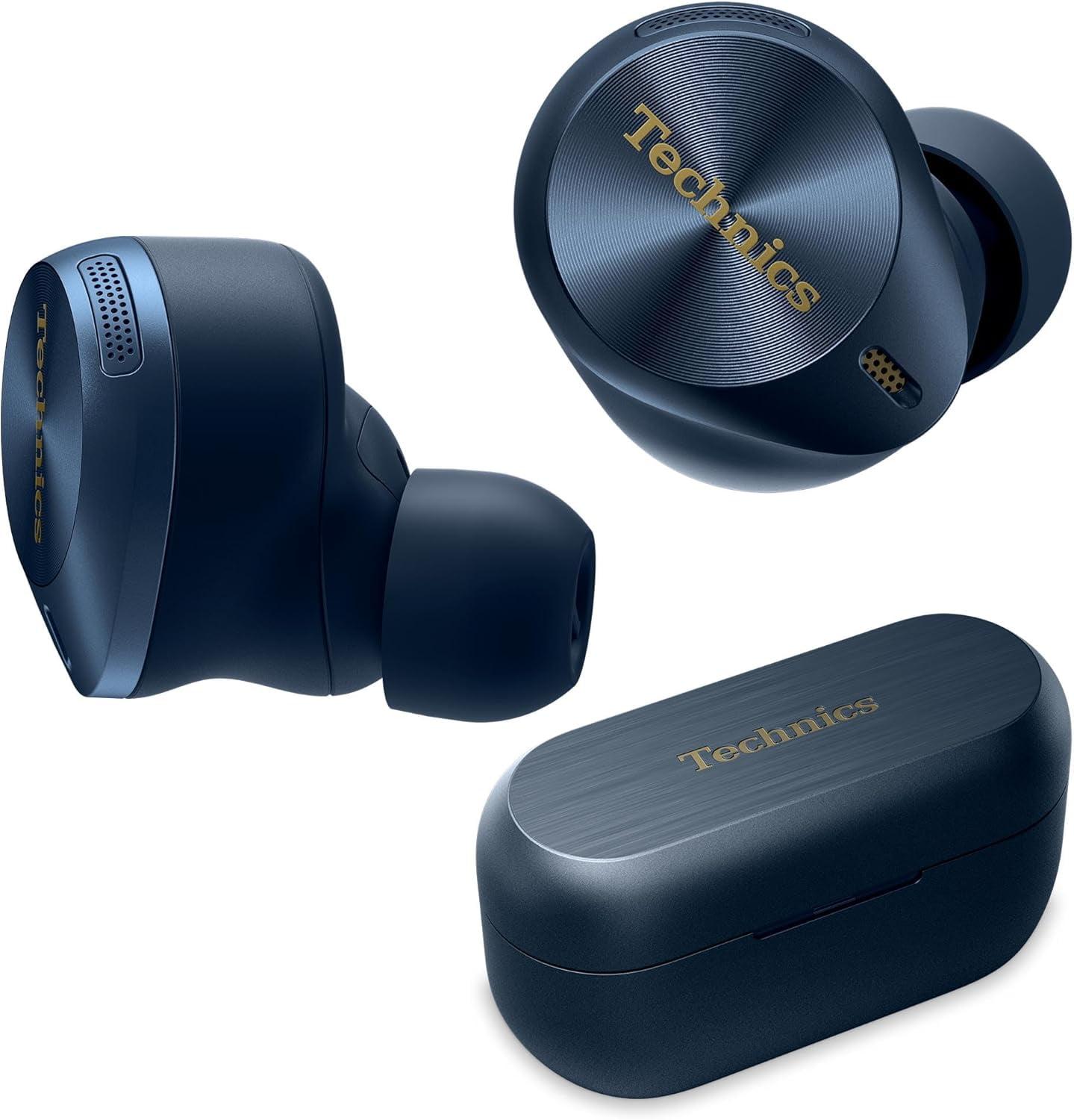
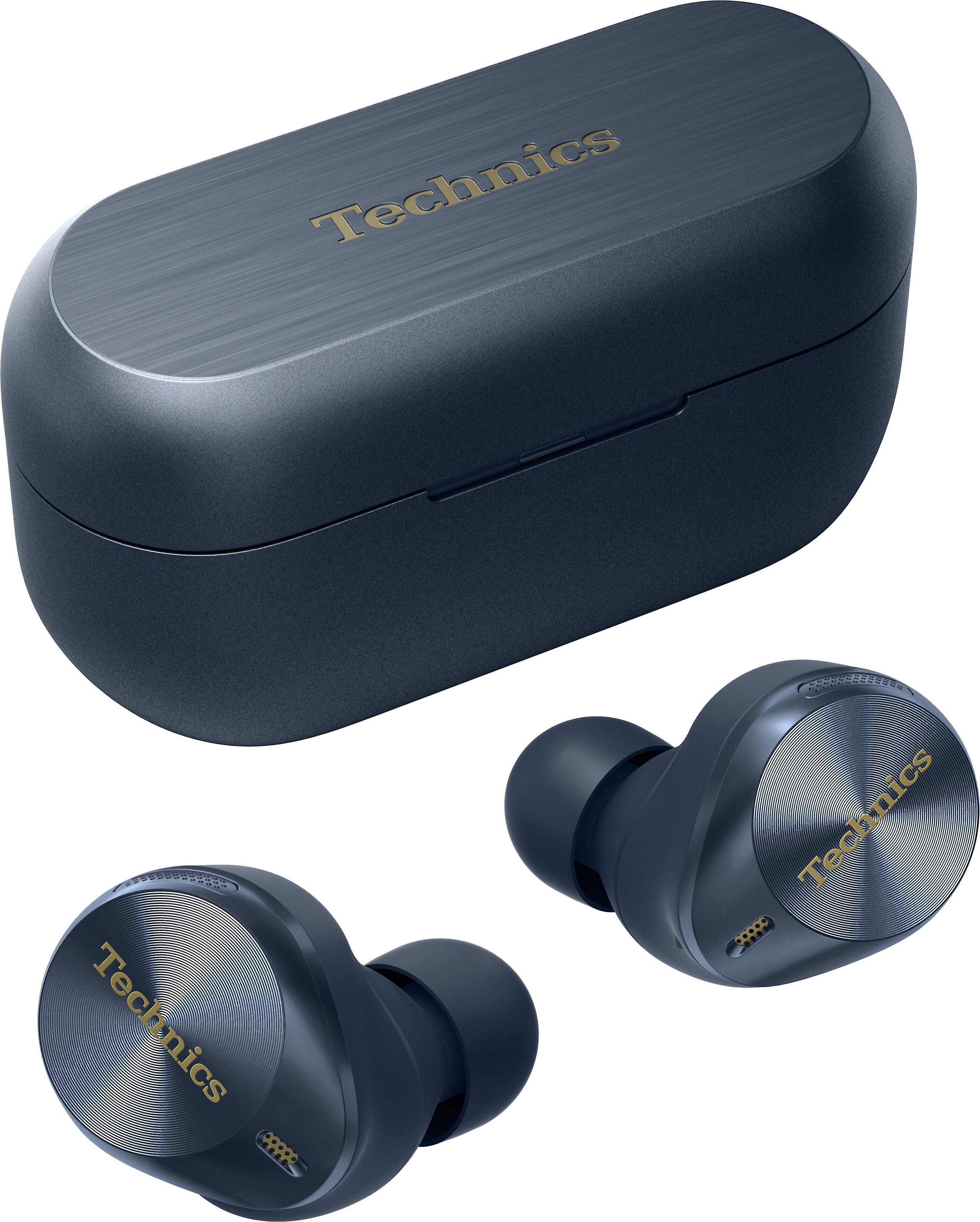
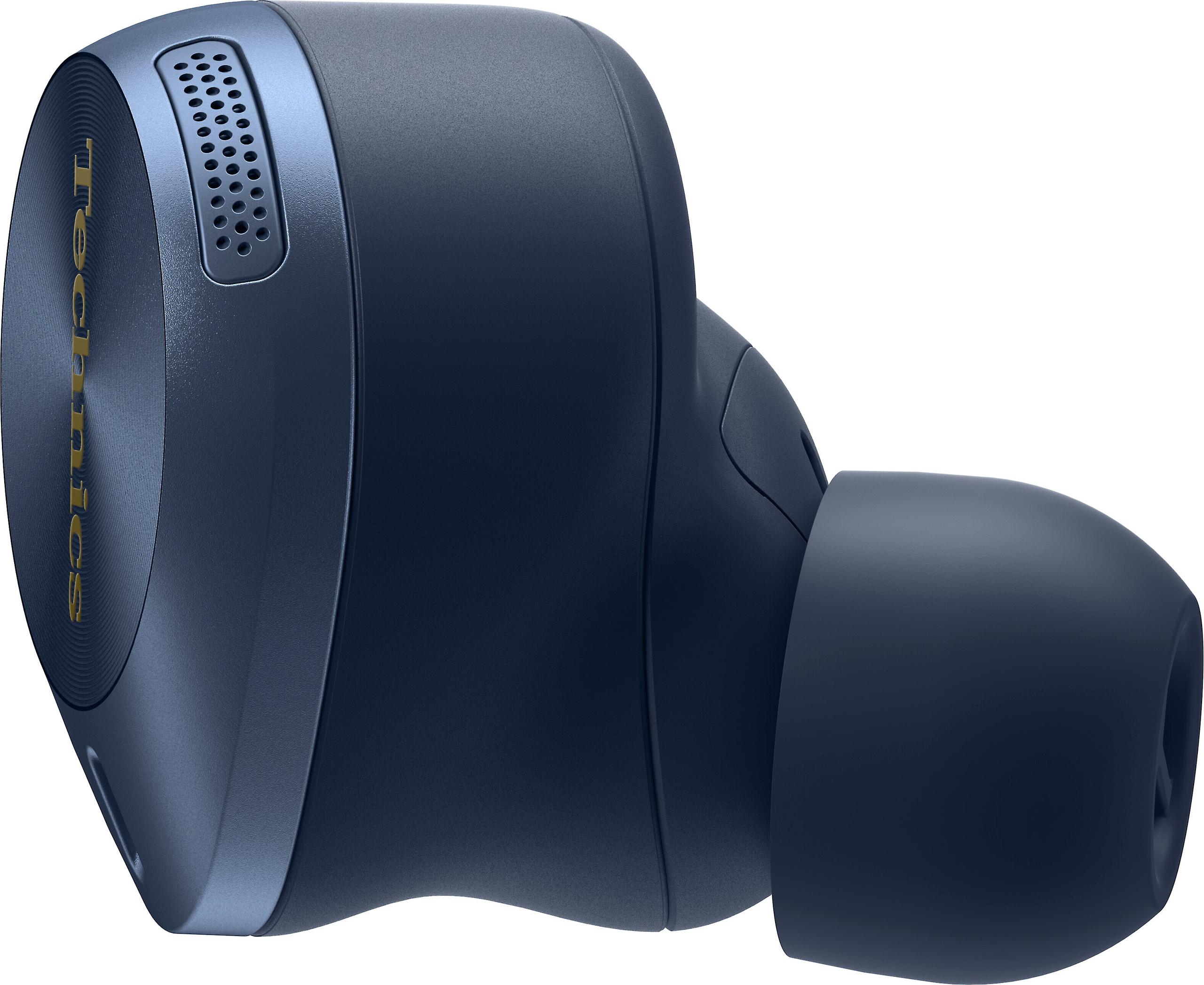
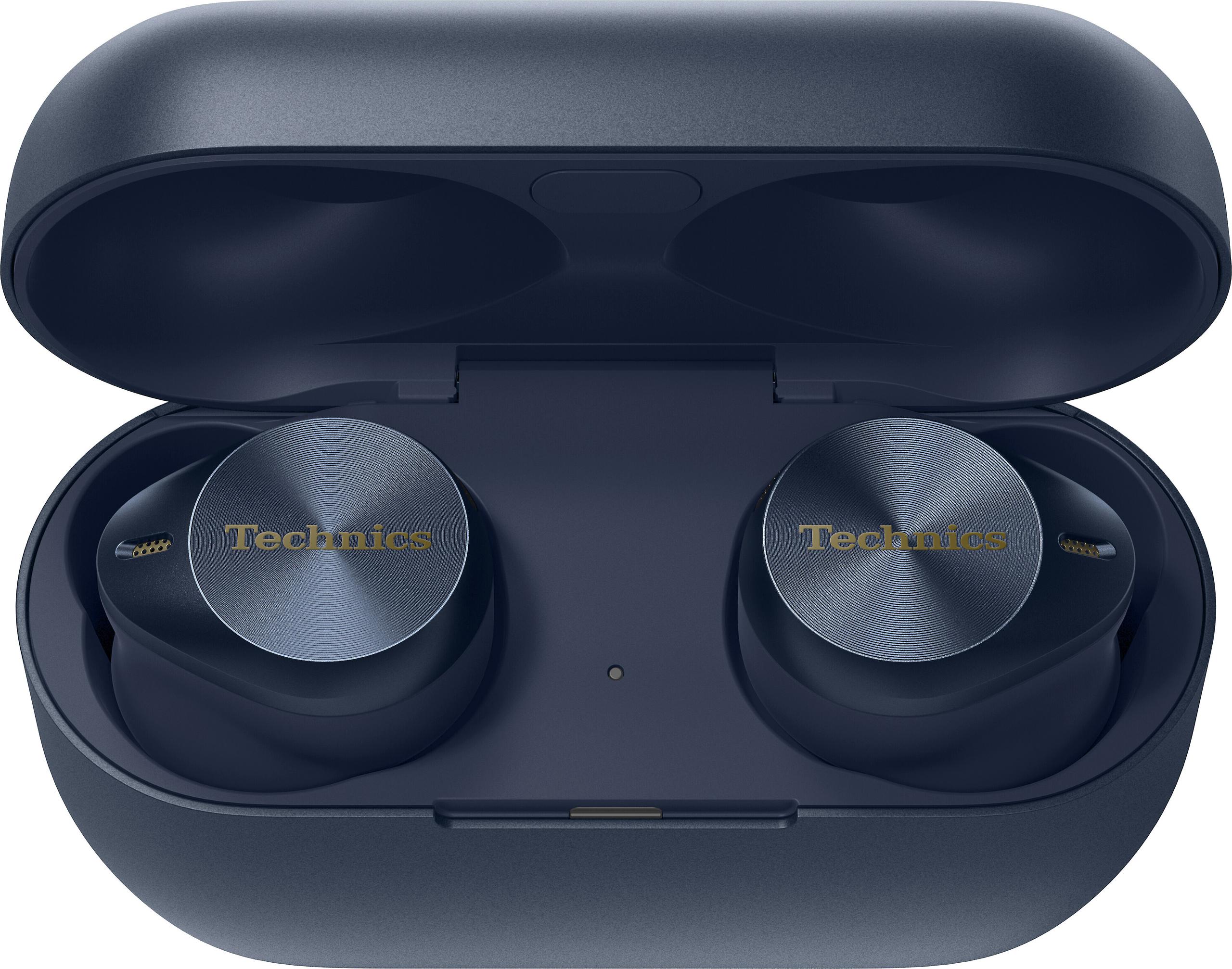
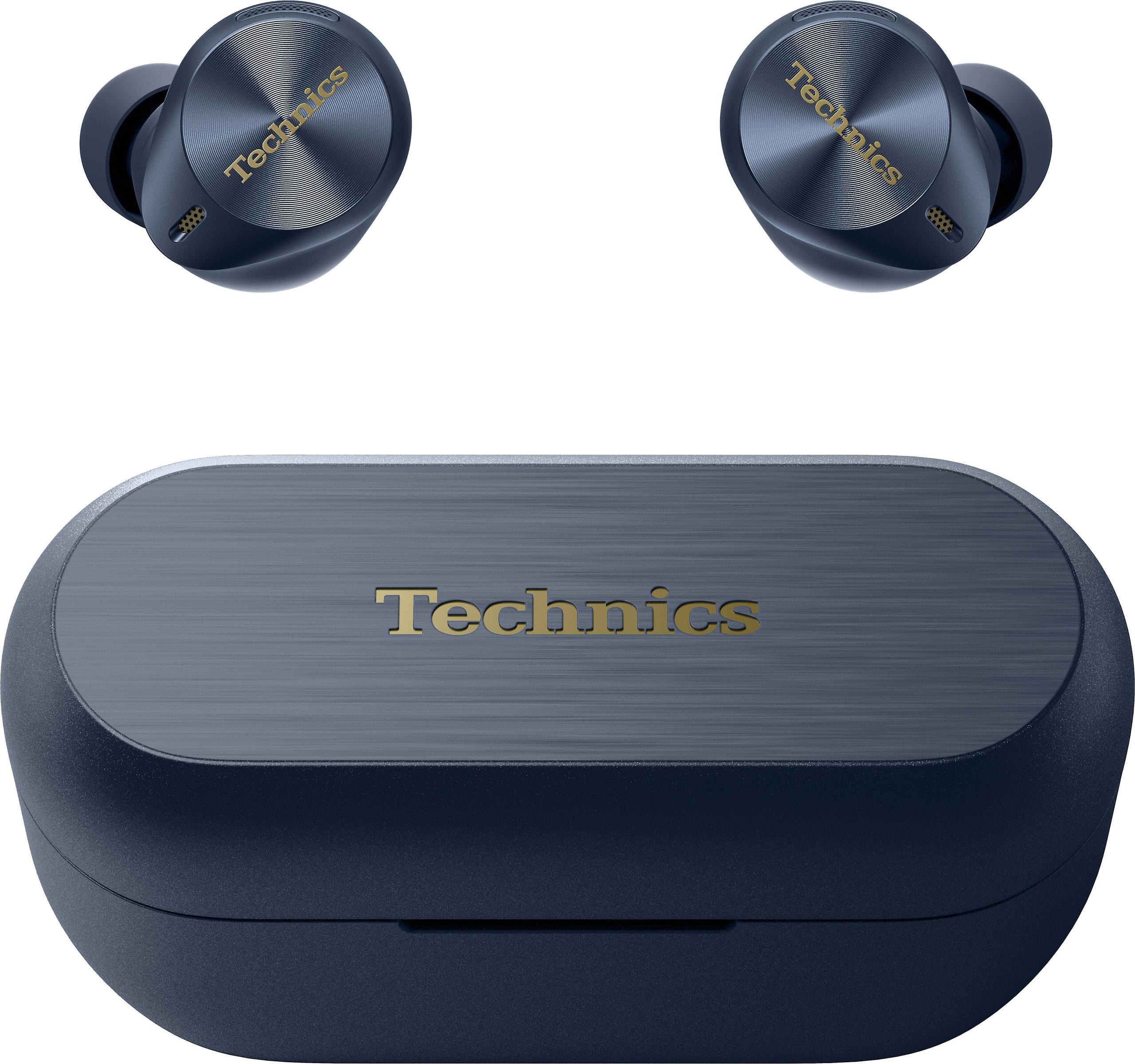
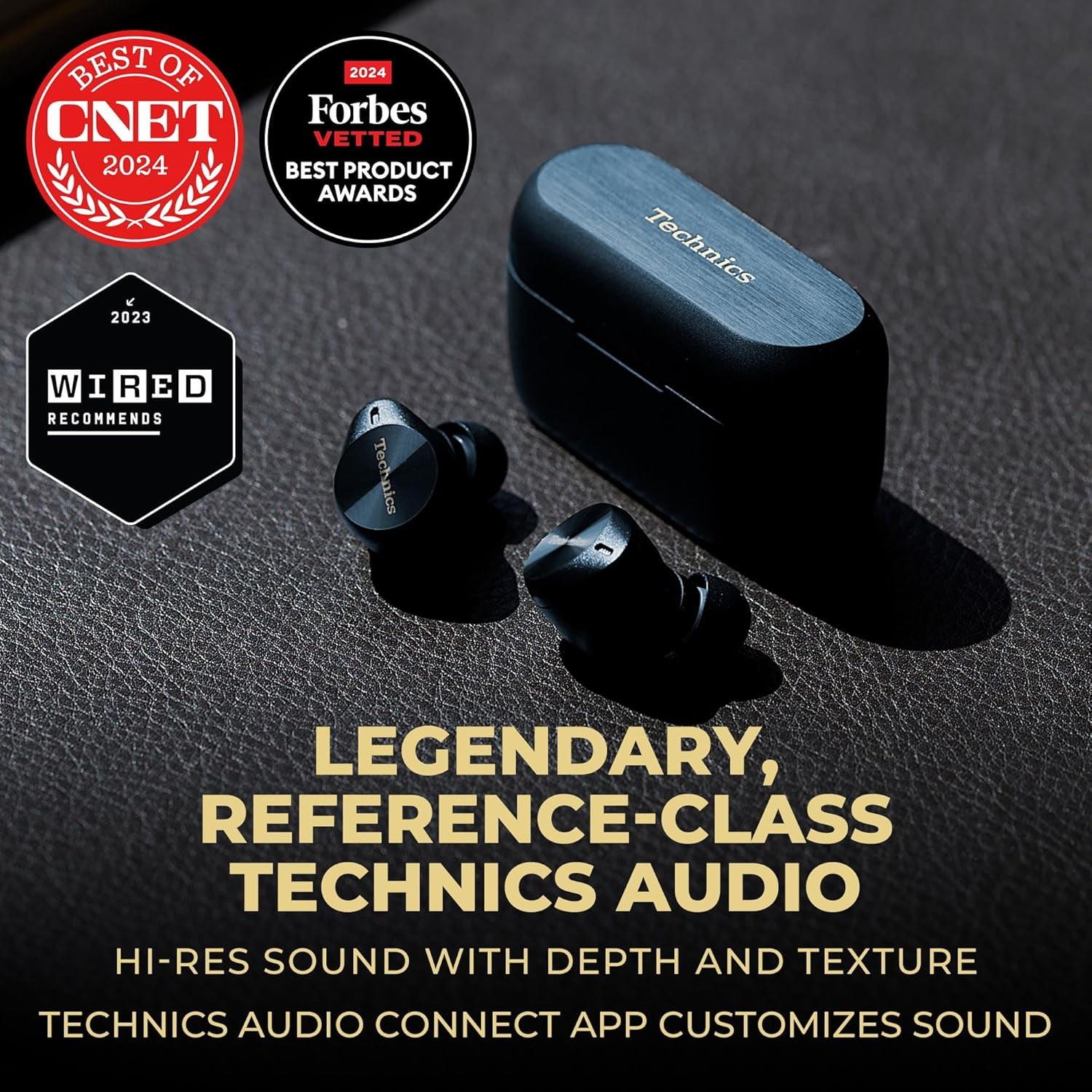
The Technics AZ80, launched in 2024, showcases how far premium earbuds have evolved since the category's early days. Technics, the audio brand behind legendary turntables and hi-fi equipment, brings their decades of audio engineering expertise to the wireless earbud space. The AZ80 represents their flagship effort, incorporating advanced driver technology and signal processing that would have been impossible in compact wireless earbuds just a few years ago.
Since 2022, we've seen significant improvements in battery efficiency, noise cancellation algorithms, and codec support for higher-quality wireless audio transmission. The Technics AZ80 benefits from these advances, offering features like LDAC codec support (which transmits much higher quality audio over Bluetooth) and multi-device connectivity that seamlessly switches between your phone, laptop, and tablet.
This is where these two earbuds reveal their fundamentally different approaches. The JBL Vibe Beam uses 8mm dynamic drivers—relatively standard for budget earbuds—but JBL's tuning makes them special. Their frequency response covers 20Hz to 20kHz, which encompasses the full range of human hearing. However, JBL's "Deep Bass Sound" signature deliberately emphasizes the low frequencies between 40-200Hz, giving drums, bass guitars, and electronic music more impact and presence.
In practice, this means the JBL Vibe Beam makes most music sound more energetic and fun. Pop songs feel punchier, hip-hop tracks have satisfying rumble, and even acoustic music gets a subtle warmth that many people find appealing. The midrange, where vocals live, remains clear and present, though it doesn't have the analytical precision of more expensive earbuds.
The Technics AZ80 takes a completely different approach with larger 10mm drivers featuring aluminum alloy diaphragms—the part of the driver that actually moves air to create sound. More importantly, these earbuds extend their frequency response up to 40kHz, well beyond human hearing limits. This might sound like marketing, but the extended high-frequency response actually improves how the earbuds reproduce the harmonics and overtones that give instruments their realistic timbre and spatial characteristics.
LDAC codec support sets the Technics AZ80 apart significantly. Standard Bluetooth audio compresses music files to about 10% of their original size, losing subtle details in the process. LDAC transmits roughly three times more data, preserving much more of the original recording's information. If you listen to high-resolution audio files or use streaming services' lossless tiers, this difference becomes immediately apparent in the improved clarity and depth.
From our research into professional reviews and user feedback, the Technics AZ80 consistently receives praise for its ability to reveal details in familiar recordings that were previously buried. Classical music benefits enormously from the extended frequency response and superior driver quality, while jazz and acoustic recordings showcase improved instrument separation and realistic soundstage—the sense of where different instruments are positioned in space.
However, the JBL Vibe Beam shouldn't be dismissed for casual listening. Its tuning philosophy aligns well with how most people actually listen to music. The enhanced bass makes workout playlists more motivating, while the overall warm character reduces listening fatigue during long sessions. The customizable EQ in JBL's app also allows some personalization, though it can't fundamentally change the earbuds' acoustic characteristics.
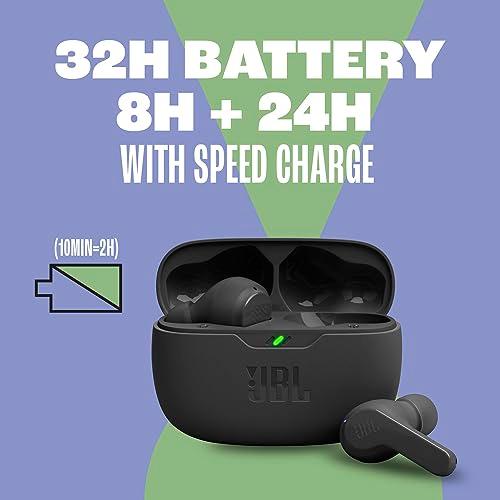
Battery performance reveals another fundamental difference in design priorities. The JBL Vibe Beam delivers exceptional longevity with 8 hours from the earbuds themselves plus an additional 24 hours from the charging case, totaling 32 hours. This approaches the theoretical limits of what's possible with current battery technology in this form factor.
More importantly, the JBL Vibe Beam includes speed charging that provides 2 hours of playback from just 10 minutes of charging. This feature proves invaluable in real-world use—you can quickly top up during a coffee break or while getting ready in the morning.
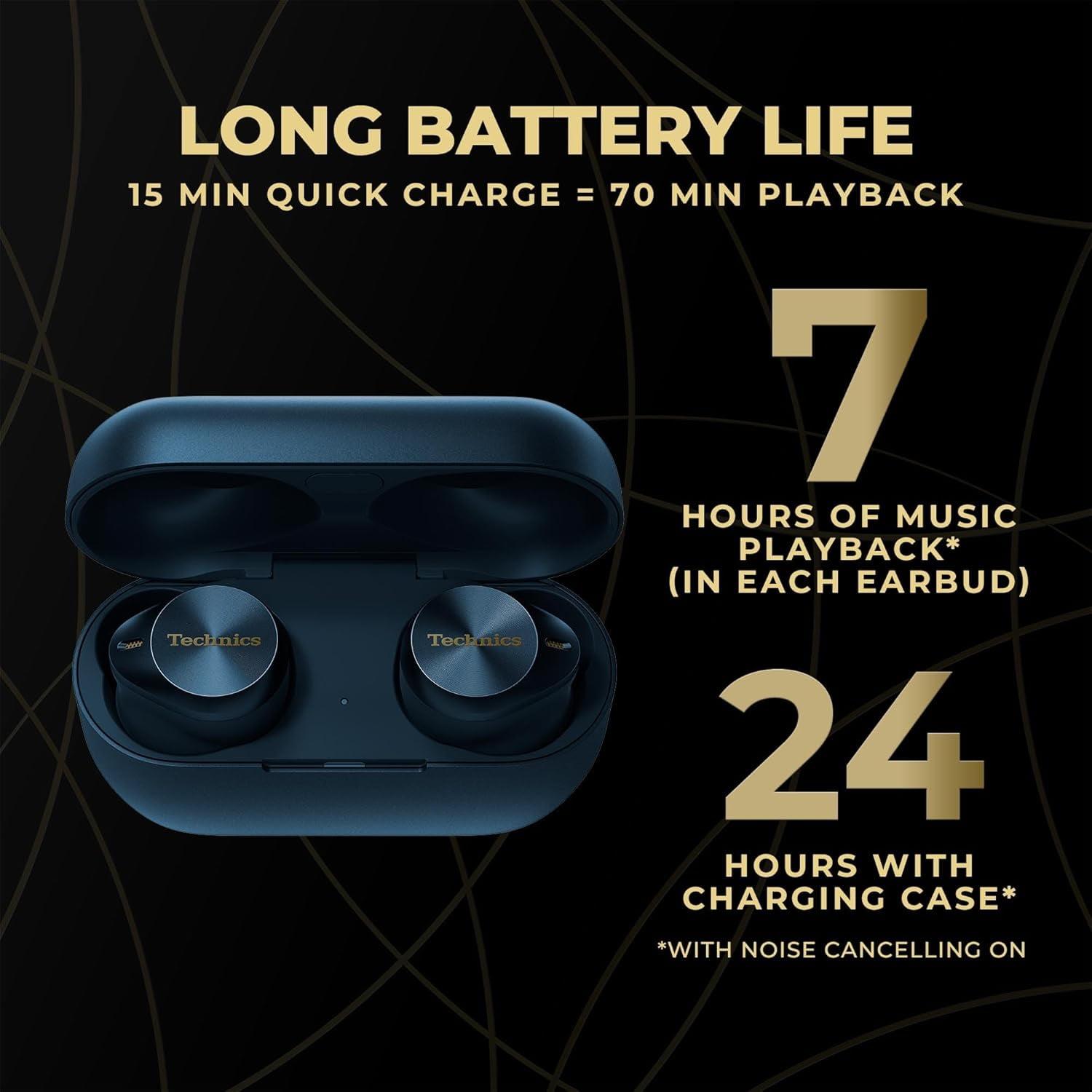
The Technics AZ80 provides 7 hours from the earbuds plus 17 additional hours from the case, totaling 24 hours. While still competitive, this shorter battery life reflects the power requirements of the larger drivers, active noise cancellation processing, and more sophisticated Bluetooth connectivity features. The wireless charging case adds convenience, allowing you to charge by simply placing it on a Qi-compatible wireless charger.
For most users, both offer sufficient battery life for daily use. However, if you frequently travel, work long shifts, or simply prefer not thinking about charging, the JBL Vibe Beam's superior longevity becomes a significant practical advantage.
The difference in noise management approaches highlights each product's target use case. The JBL Vibe Beam relies entirely on passive noise isolation—the physical seal created by the eartips in your ear canal. This approach effectively blocks mid and high-frequency sounds like conversations, keyboard typing, and air conditioning, but struggles with low-frequency rumble from engines, HVAC systems, and traffic.
JBL compensates with Smart Ambient Technology, offering TalkThru and Ambient Aware modes. TalkThru lowers your music volume while amplifying nearby voices, making quick conversations possible without removing the earbuds. Ambient Aware lets you maintain situational awareness by allowing important environmental sounds through while keeping your music playing. These features work well for daily activities where complete isolation isn't desirable or safe.
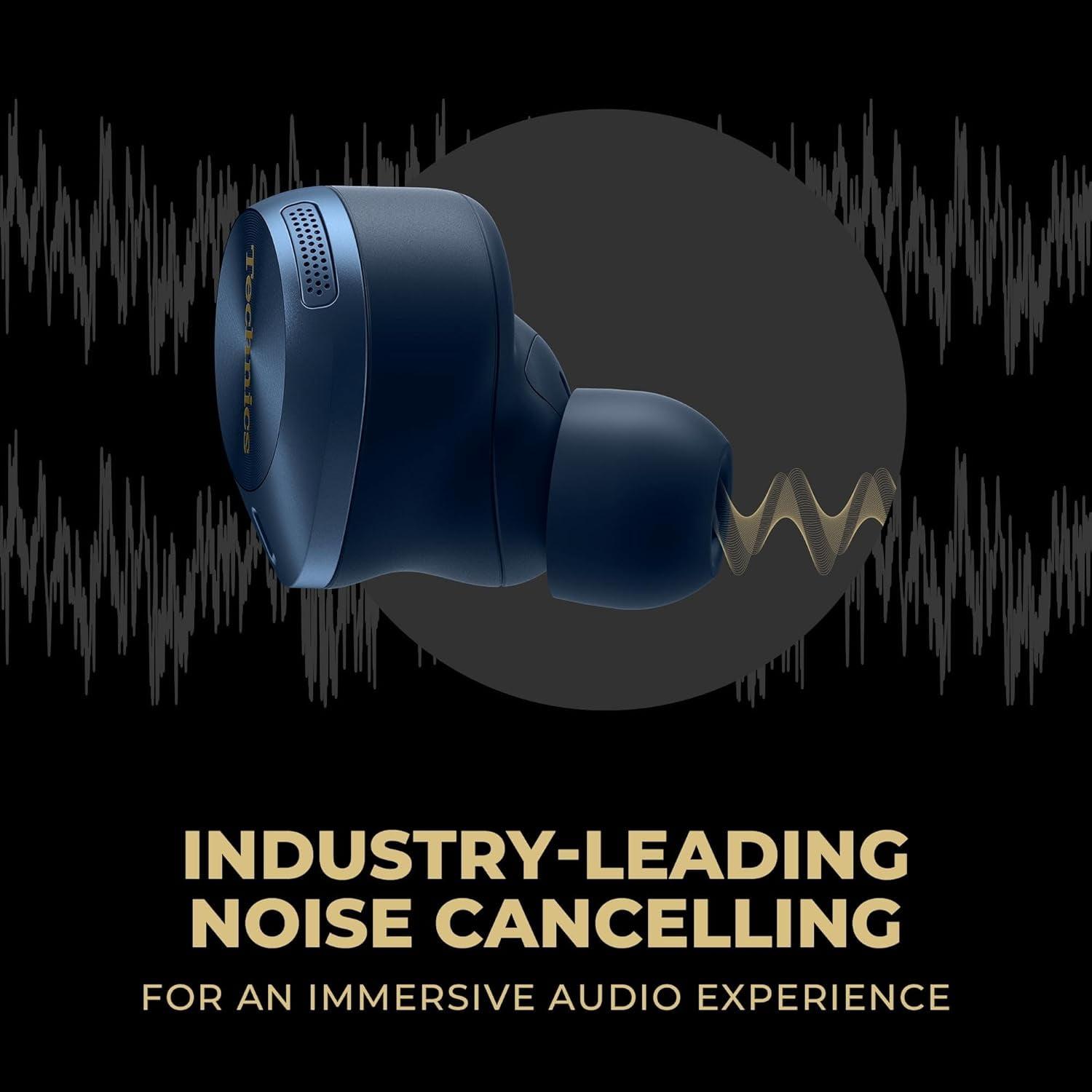
The Technics AZ80 employs Dual Hybrid Active Noise Cancelling, using both feedforward microphones (facing outward) and feedback microphones (facing inward) to detect and cancel unwanted sounds. This system actively generates sound waves that are exactly opposite to incoming noise, effectively canceling it out. The result is dramatic reduction in low-frequency noise that passive isolation can't address.
Active noise cancellation particularly excels in consistent noise environments like airplane cabins, train cars, or office spaces with HVAC systems. The Technics AZ80 creates a much quieter environment for focusing on audio content or simply enjoying silence. However, ANC requires additional battery power and processing, contributing to the shorter overall battery life.
For home theater use, both approaches have merit. The JBL Vibe Beam's ambient awareness features work well for casual TV watching where you might want to hear family members or phone calls. The Technics AZ80's noise cancellation creates a more immersive experience for serious movie watching, especially if you live in a noisy environment or apartment building.
Modern earbuds serve double duty as hands-free calling devices, and this is where the Technics AZ80 demonstrates clear superiority. Its JustMyVoice technology employs eight MEMS (Micro-Electro-Mechanical Systems) microphones—tiny, highly sensitive microphones that can be precisely positioned and tuned. This array allows sophisticated beamforming, which focuses pickup on your voice while rejecting background noise from other directions.
The result is dramatically clearer call quality, especially in noisy environments like coffee shops, busy streets, or open offices. Professional reviews consistently highlight the Technics AZ80's ability to isolate voices from background noise, making it genuinely suitable for important business calls.
The JBL Vibe Beam includes VoiceAware technology, which lets you adjust how much of your own voice you hear during calls—eliminating that disconnected feeling some people experience with noise-canceling microphones. While call quality is adequate for casual conversations, it doesn't match the Technics AZ80's performance in challenging acoustic environments.
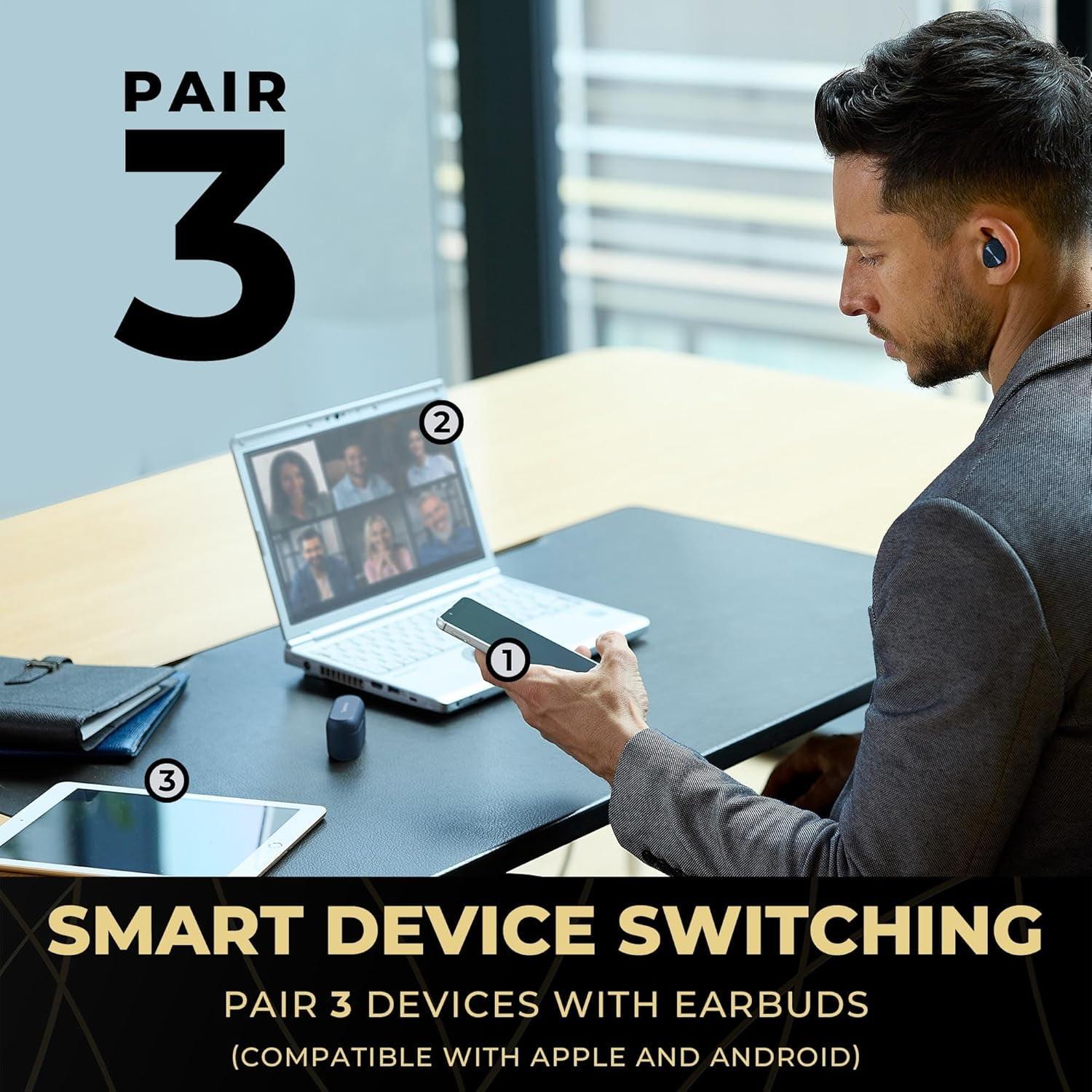
Connectivity represents another significant differentiator. The Technics AZ80 offers industry-leading 3-device multipoint connectivity, meaning it can simultaneously connect to your laptop, tablet, and phone. When a call comes in on your phone while you're listening to music from your laptop, the earbuds automatically switch to handle the call, then return to your music afterward. This seamless device switching proves invaluable for people who regularly use multiple devices throughout their day.
The JBL Vibe Beam uses standard Bluetooth 5.2 with reliable single-device pairing. While it can store multiple device pairings, switching between them requires manual disconnection and reconnection—a minor inconvenience that becomes annoying with frequent device switching.
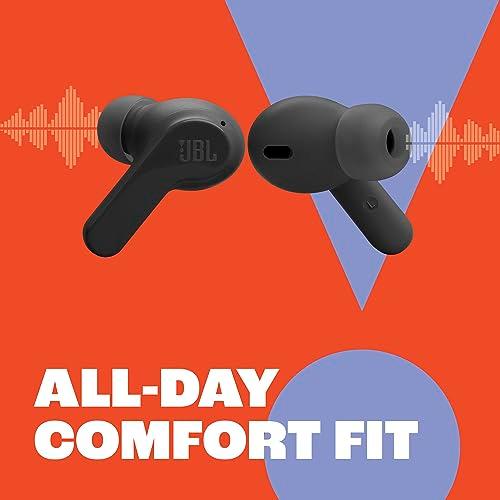
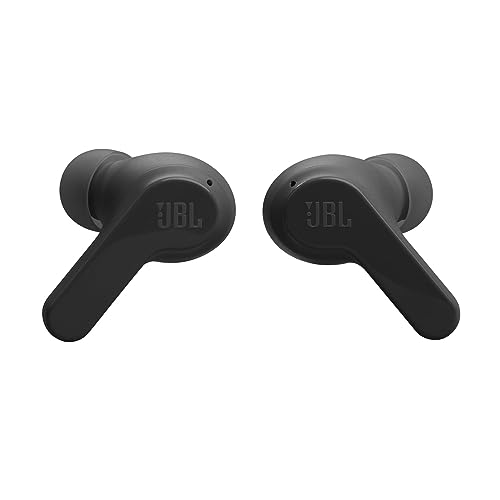
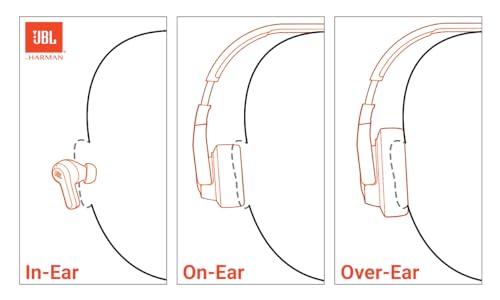
Physical comfort often determines whether expensive earbuds become daily drivers or expensive drawer decorations. The JBL Vibe Beam excels here with its lightweight design at just 4.4g per earbud. The stick-closed design follows the natural curve of your ear, distributing weight evenly and reducing pressure points during extended wear.
The ergonomic shape works well for most ear sizes and shapes, though some users with particularly small or uniquely shaped ears report fit challenges. Three sizes of eartips help optimize the seal and comfort, though this is fewer options than some competitors provide.
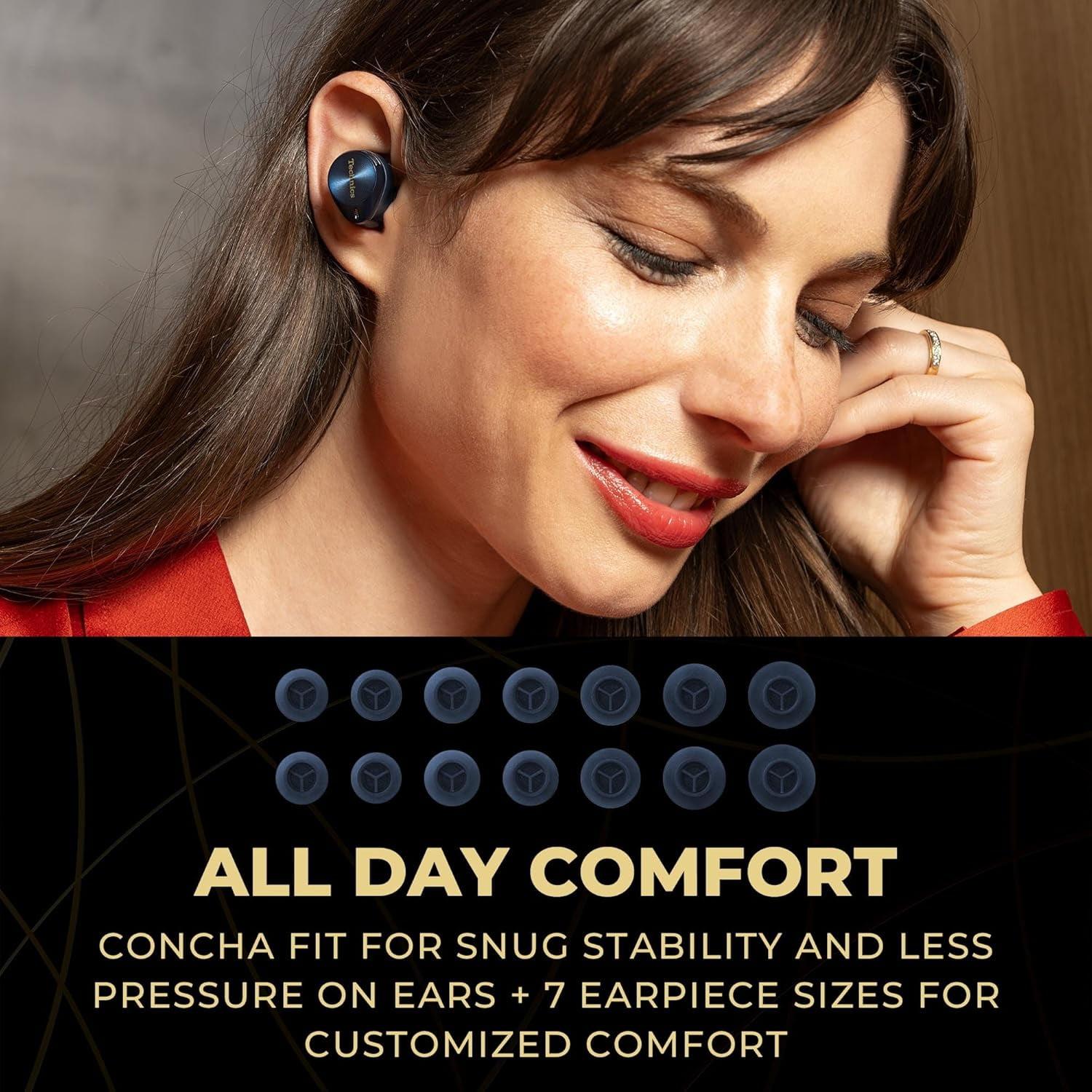
The Technics AZ80 reflects its premium positioning with higher-quality materials and construction, but weighs noticeably more per earbud. The seven different eartip sizes demonstrate serious attention to fit optimization—proper eartip selection dramatically affects both comfort and sound quality by ensuring optimal ear canal sealing.
Water resistance differs between the models, with the JBL Vibe Beam offering IP54 rating for the earbuds (protection against dust and splashing water) and IPX2 for the charging case (basic splash protection). The Technics AZ80 provides IPX4 rating for the earbuds (protection against splashing water from any direction) but doesn't specify case protection.
Both ratings handle sweat from workouts and light rain, though neither is suitable for swimming or complete submersion. The JBL Vibe Beam's slightly superior dust protection makes it marginally better for outdoor activities in dusty conditions.
At the time of writing, these earbuds occupy completely different market segments with prices reflecting their target audiences. The JBL Vibe Beam positions itself as exceptional value, delivering features and performance typically found in much more expensive models. When you consider the 32-hour battery life, comfortable fit, app-based customization, and JBL's refined sound signature, the value proposition becomes compelling for budget-conscious buyers.
The Technics AZ80 commands a significant premium that reflects its advanced features and superior audio engineering. The larger, higher-quality drivers, active noise cancellation, LDAC support, multi-device connectivity, and premium build quality justify the price for users who will utilize these capabilities.
However, value isn't just about features—it's about matching capabilities to your actual needs. If you primarily listen to music casually, make occasional calls, and want reliable all-day battery life, paying extra for LDAC support and advanced noise cancellation may not make sense. Conversely, if you're an audio enthusiast with high-resolution music files, work in noisy environments, and regularly switch between multiple devices, the Technics AZ80's premium features become essential rather than luxury additions.
For students and casual users, the JBL Vibe Beam often proves ideal. The extended battery life handles all-day use without anxiety about running out of power. The fun sound signature makes studying with background music more enjoyable, while the ambient awareness features maintain safety when walking across campus or commuting.
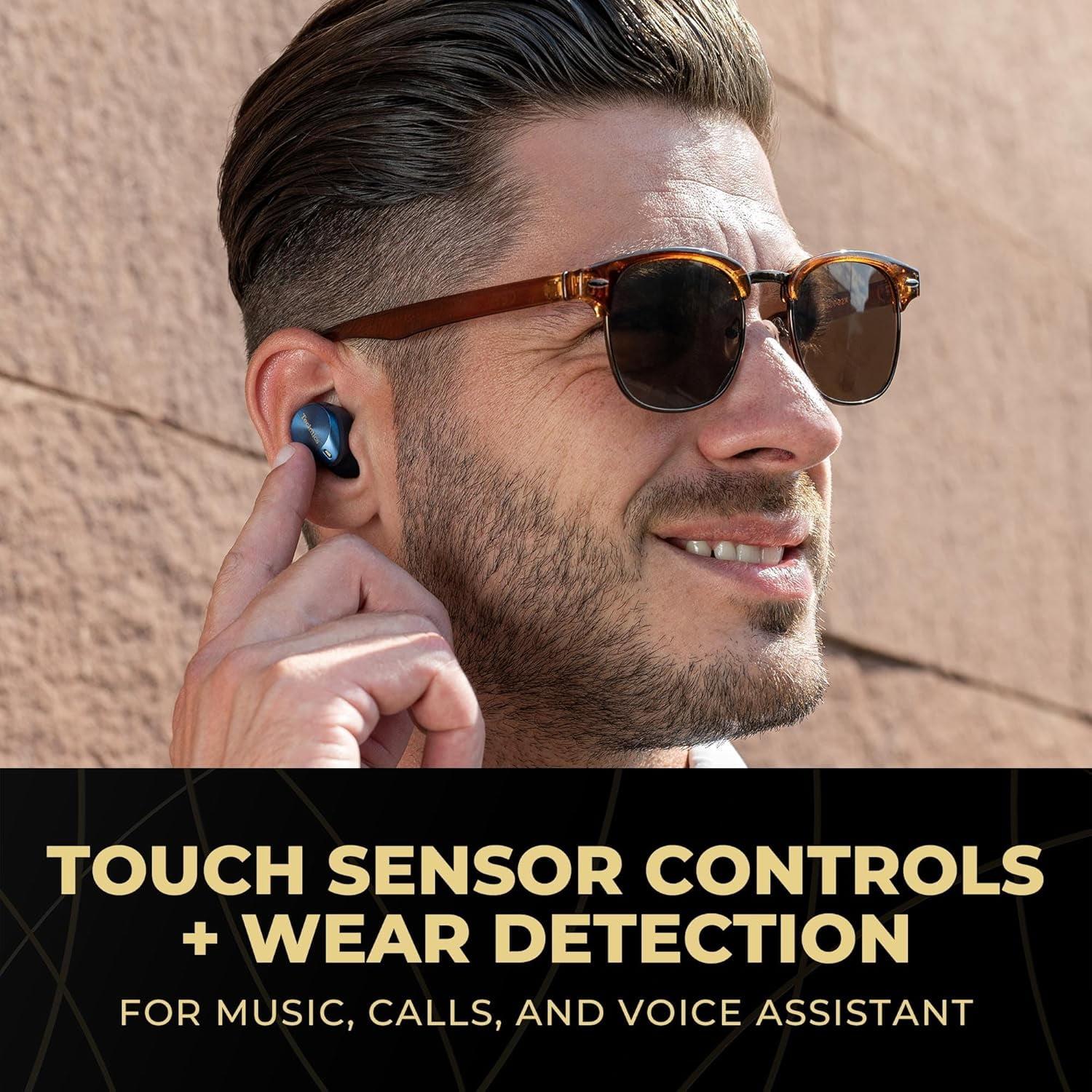
The Technics AZ80 excels for professionals who need reliable call quality and seamless device switching. If you regularly join video calls from your laptop while staying connected to your phone for important calls, the multipoint connectivity becomes invaluable. The active noise cancellation creates a professional acoustic environment even in busy offices or coffee shops.
For home entertainment, both have their place. The JBL Vibe Beam works well for casual TV watching, especially late-night viewing where you want to maintain some awareness of your environment. The Technics AZ80 creates a more immersive experience for serious movie watching or gaming, particularly if you have a noisy living situation.
Audio enthusiasts will gravitate toward the Technics AZ80 for its technical capabilities, though it's worth noting that truly critical listening might still favor over-ear headphones for ultimate sound quality and comfort during long sessions.
Choose the JBL Vibe Beam if you're new to true wireless earbuds, have a limited budget, or prioritize practical features like extended battery life and comfortable all-day wear. They're particularly appealing if you enjoy bass-forward music genres, prefer a fun rather than analytical sound signature, and don't need advanced features like active noise cancellation or multi-device connectivity.
The Technics AZ80 makes sense if audio quality is your primary concern, you regularly use multiple devices, work in noisy environments requiring active noise cancellation, or make frequent important phone calls. They're best suited for audio enthusiasts who have high-resolution music collections and will appreciate the technical improvements in driver quality and codec support.
Consider your actual usage patterns honestly. If you typically listen to music from standard streaming services on your phone during commutes and casual activities, the JBL Vibe Beam's practical advantages may serve you better than the Technics AZ80's technical superiority. However, if you're the type of person who notices differences in audio quality, values the latest technology, and uses earbuds as primary audio devices across multiple scenarios, the Technics AZ80's premium features justify their cost.
Both represent excellent options within their respective market segments, proving that today's true wireless earbud market offers compelling choices whether you prioritize value and practicality or ultimate performance and features.
| JBL Vibe Beam True Wireless Earbuds | Technics AZ80 Premium Hi-Fi True Wireless Noise Cancelling Earbuds |
|---|---|
| Driver Size - Larger drivers typically produce better bass and overall sound quality | |
| 8mm dynamic drivers | 10mm free-edge aluminum alloy diaphragm drivers |
| Frequency Response - Higher range indicates better detail reproduction | |
| 20Hz - 20kHz (standard human hearing range) | 20Hz - 40kHz (Hi-Res Audio capable, extends beyond hearing) |
| Battery Life - Critical for all-day use without charging anxiety | |
| 8 hours + 24 hours case = 32 hours total | 7 hours + 17 hours case = 24 hours total |
| Quick Charging - Essential for busy lifestyles | |
| 10 minutes = 2 hours playback | Standard charging speed |
| Active Noise Cancellation - Game-changer for noisy environments | |
| None (passive isolation only) | Dual Hybrid ANC with feedforward/feedback mics |
| Water Resistance - Important for workouts and weather protection | |
| IP54 earbuds, IPX2 case (dust + splash resistant) | IPX4 earbuds (splash resistant from all directions) |
| Bluetooth Codec Support - Higher quality codecs preserve more audio detail | |
| SBC, AAC (standard quality) | SBC, AAC, LDAC (high-resolution wireless audio) |
| Multi-Device Connectivity - Crucial for switching between phone, laptop, tablet | |
| Single device connection (manual switching required) | 3-device simultaneous multipoint connection |
| Call Quality Technology - Important for business calls and clarity | |
| VoiceAware for natural call sound | JustMyVoice with 8 MEMS microphones for superior clarity |
| Weight Per Earbud - Affects comfort during extended wear | |
| 4.4g each (lightweight for all-day comfort) | Heavier premium construction |
| Ambient Sound Features - Useful for safety and quick conversations | |
| Smart Ambient with TalkThru and Ambient Aware modes | Standard transparency modes |
| Charging Case Features - Convenience and practicality considerations | |
| Wired charging only | Wireless charging (Qi compatible) + wired |
| Target Market - Who each product serves best | |
| Budget-conscious users wanting reliable performance | Audio enthusiasts and professionals needing premium features |
The Technics AZ80 delivers superior sound quality with larger 10mm drivers, extended frequency response up to 40kHz, and LDAC codec support for high-resolution audio. The JBL Vibe Beam offers good sound with JBL's signature bass-forward tuning that makes music fun and engaging, but can't match the technical precision of the Technics AZ80.
The JBL Vibe Beam provides exceptional battery life with 32 hours total (8 hours earbuds + 24 hours case), significantly outperforming the Technics AZ80 which offers 24 hours total (7 hours earbuds + 17 hours case). For all-day use without charging concerns, the JBL Vibe Beam is the clear winner.
Only the Technics AZ80 features active noise cancellation with dual hybrid ANC technology that actively blocks background noise. The JBL Vibe Beam relies on passive noise isolation through ear tip seal, which blocks some noise but isn't as effective as the active system in the Technics AZ80.
The Technics AZ80 excels at call quality with JustMyVoice technology using 8 MEMS microphones for superior voice clarity and background noise rejection. While the JBL Vibe Beam handles basic calls adequately with VoiceAware technology, it can't match the professional-grade call performance of the Technics AZ80.
The Technics AZ80 offers industry-leading 3-device multipoint connectivity, allowing simultaneous connection to your phone, laptop, and tablet with seamless switching. The JBL Vibe Beam only supports single-device connection, requiring manual switching between paired devices.
The JBL Vibe Beam typically wins for extended comfort due to their lightweight design at 4.4g per earbud and ergonomic stick-closed shape. The Technics AZ80 uses premium materials but weighs more, though it includes seven eartip sizes compared to three with the JBL Vibe Beam.
Both earbuds handle workouts well with water resistance - the JBL Vibe Beam offers IP54 rating (dust and splash resistant) while the Technics AZ80 provides IPX4 rating (splash resistant from all directions). The lighter JBL Vibe Beam may stay secure better during vigorous exercise.
The JBL Vibe Beam provides exceptional value with solid performance, long battery life, and useful features at a budget-friendly price point. The Technics AZ80 costs significantly more but justifies the premium with superior audio quality, active noise cancellation, and advanced features for demanding users.
Both work well for entertainment, but serve different needs. The JBL Vibe Beam offers ambient awareness features useful for casual TV watching when you want to hear family members. The Technics AZ80 provides more immersive movie watching with active noise cancellation and superior sound quality for home theater use.
The JBL Vibe Beam features superior quick charging with 10 minutes providing 2 hours of playback time. The Technics AZ80 offers wireless charging convenience through its Qi-compatible case but doesn't match the speed charging capability of the JBL Vibe Beam.
The Technics AZ80 excels with high-resolution audio through LDAC codec support, transmitting much more audio data than standard Bluetooth for better sound quality with lossless music files. The JBL Vibe Beam uses standard SBC and AAC codecs, which work fine for most streaming services but can't utilize high-resolution audio files.
First-time true wireless earbud buyers typically prefer the JBL Vibe Beam for its user-friendly design, exceptional battery life, comfortable fit, and straightforward operation at an accessible price. The Technics AZ80 is better suited for experienced users who will appreciate and utilize its advanced features and premium audio capabilities.
We've done our best to create useful and informative comparisons to help you decide what product to buy. Our research uses advanced automated methods to create this comparison and perfection is not possible - please contact us for corrections or questions. These are the sites we've researched in the creation of this article: bestbuy.com - jbl.com - rtings.com - jbl.com - youtube.com - youtube.com - audio46.com - jbl.com - soundguys.com - bestbuy.com - walmart.com - uclastore.com - bestbuy.com - manuals.plus - stereonet.com - us.technics.com - us.technics.com - rtings.com - head-fi.org - bestbuy.com - soundguys.com - head-fi.org - youtube.com - loudnwireless.com - youtube.com - cnet.com - technics.com - technics.com - bestbuy.com - target.com - us.technics.com - technics.com - youtube.com - head-fi.org - nnty.fun - us.technics.com - bhphotovideo.com - bestbuy.com - us.technics.com - audiosciencereview.com - youtube.com - head-fi.org - head-fi.org - jbhifi.com.au

Privacy Policy
Terms and Conditions - Affiliate Policy
Home Security
© Copyright 2008-2026.
11816 Inwood Rd #1211, Dallas, TX 75244