

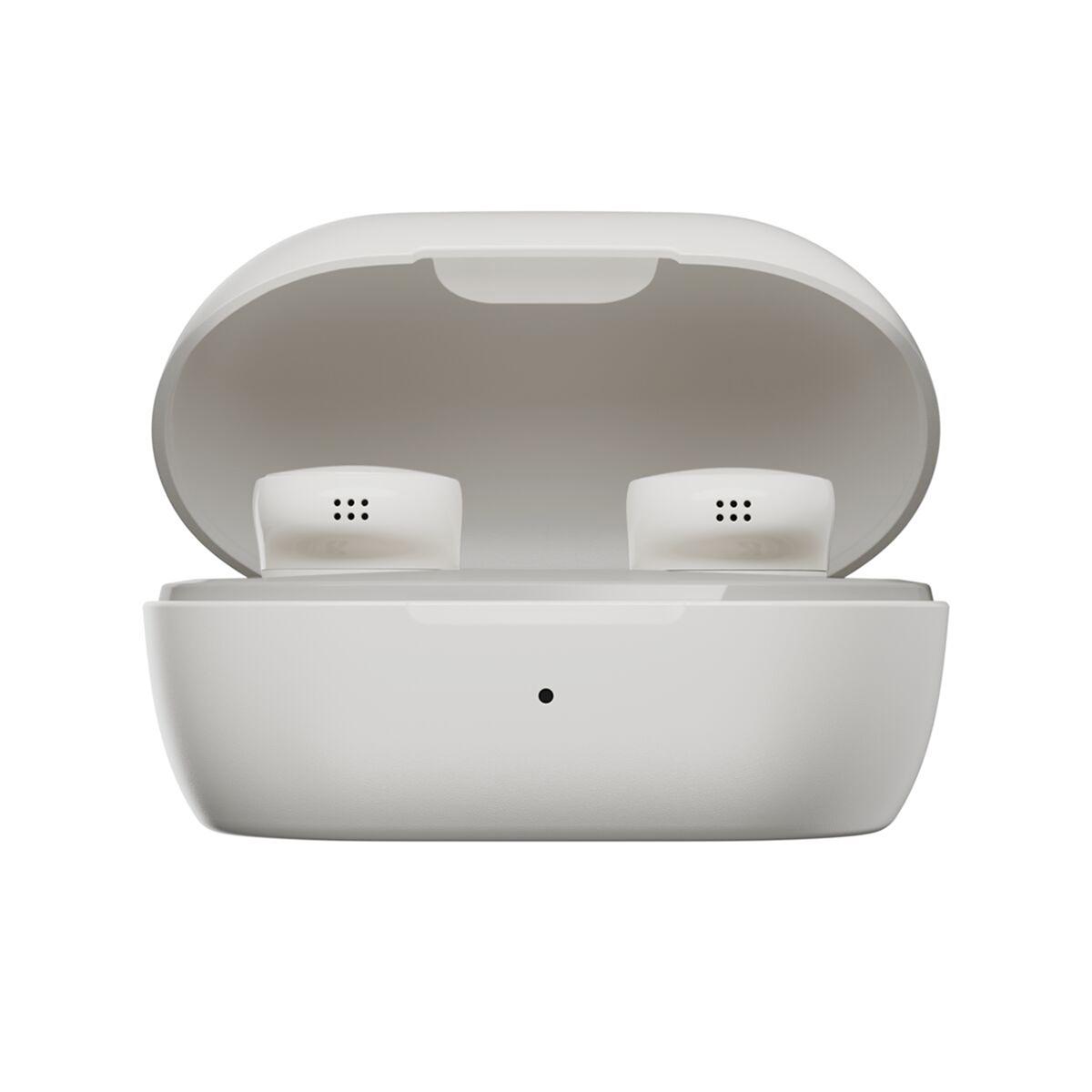
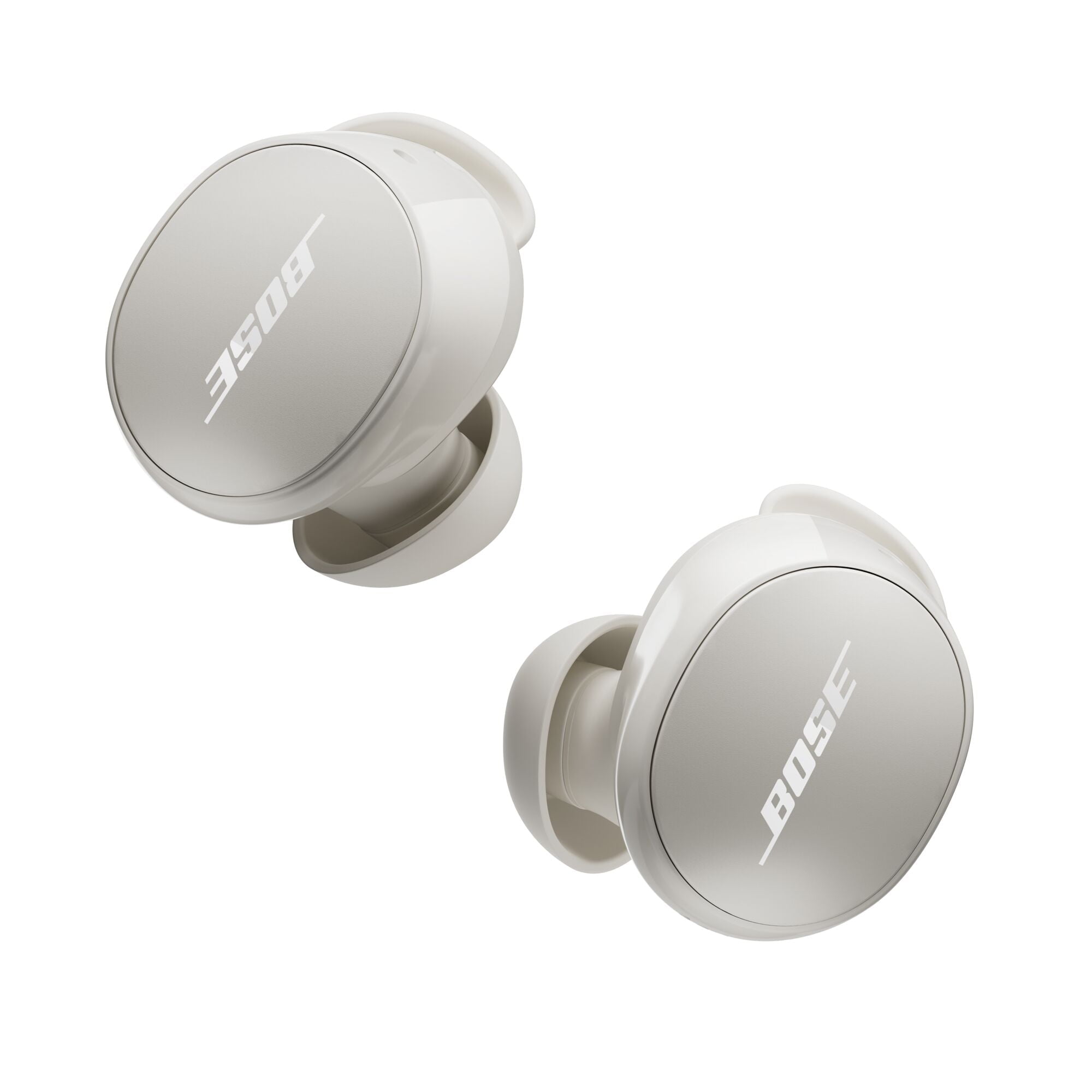

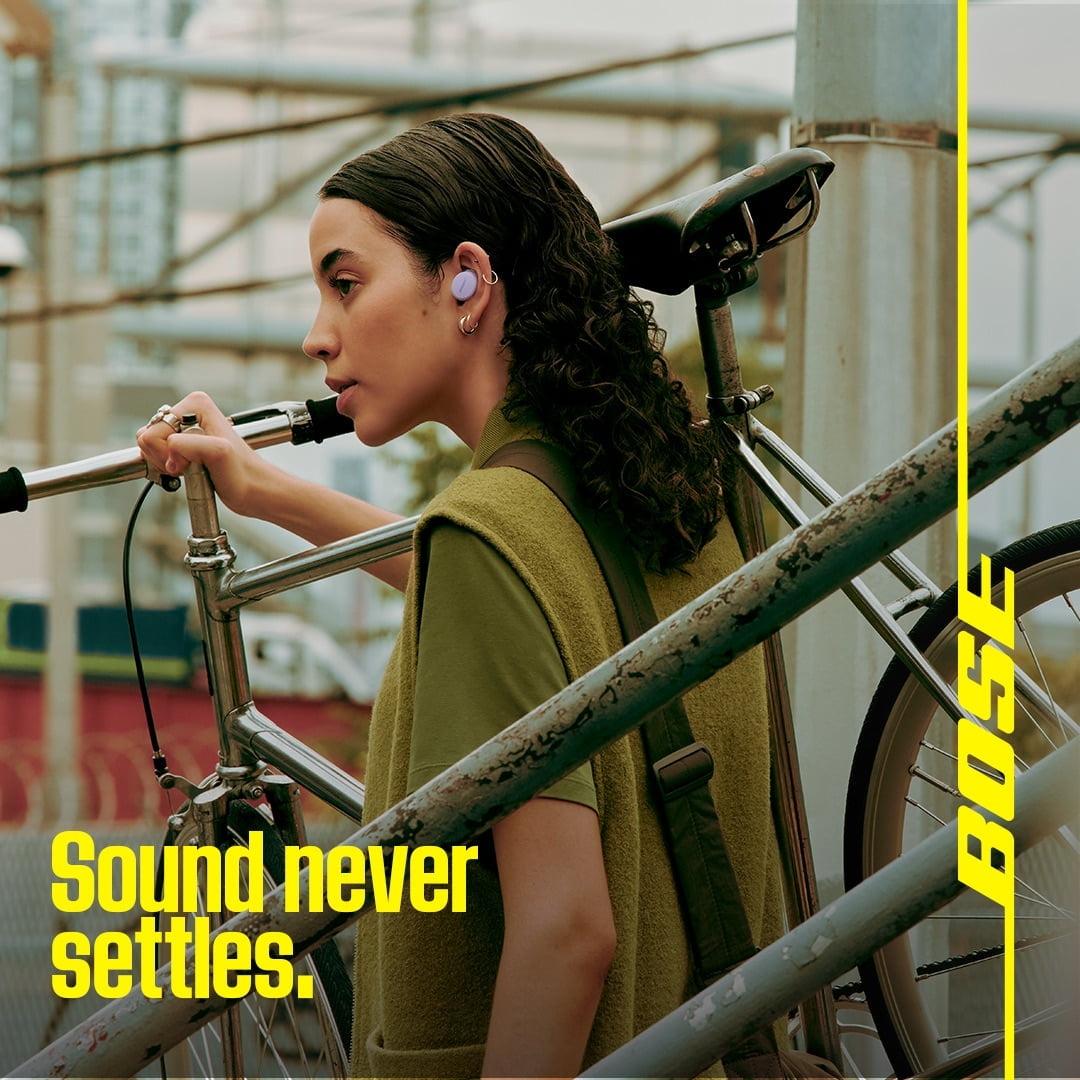
If you're shopping for true wireless earbuds in 2024, you've probably noticed the market has split into two distinct camps: budget-friendly options that deliver surprising quality, and premium models packed with advanced features. The JBL Vibe Beam and Bose QuietComfort earbuds perfectly represent this divide, offering dramatically different approaches to portable audio at vastly different price points.
At the time of writing, you can pick up the JBL Vibe Beam for around a third of what you'd pay for the Bose QuietComfort earbuds. But here's the thing about audio gear – price doesn't always tell the whole story. Sometimes you're paying for features you'll never use, and sometimes that extra investment transforms your daily listening experience.
Let's dive deep into what makes these earbuds tick and help you figure out which approach makes sense for your ears and your wallet.
The true wireless earbud market has exploded since Apple popularized the category with AirPods back in 2016. What started as a luxury convenience has become the standard way most people consume audio on the go. Today's earbuds pack sophisticated technology into packages smaller than a bottle cap, delivering everything from studio-quality sound to advanced noise cancellation.
When evaluating any pair of true wireless earbuds, you're essentially weighing five key factors: sound quality, noise management, battery life, comfort, and connectivity. The challenge is that improvements in each area require different technologies, and those technologies cost money to implement well.
Sound quality depends on driver size and tuning – the tiny speakers inside each earbud. Noise management can be passive (physical blocking) or active (electronic cancellation using microphones and processing). Battery life involves balancing power-hungry features with limited space for batteries. Comfort requires extensive ergonomic research and multiple size options. Connectivity demands the latest Bluetooth standards and sophisticated antenna design.
The JBL Vibe Beam and Bose QuietComfort represent two philosophies for tackling these challenges. JBL focused on delivering solid fundamentals at an accessible price, while Bose pursued premium features regardless of cost.
The JBL Vibe Beam launched in 2023 as part of JBL's effort to democratize quality audio. Released during a time when inflation was pushing many tech products beyond reach for average consumers, JBL made conscious decisions to prioritize the features that matter most for everyday listening while cutting costs elsewhere.
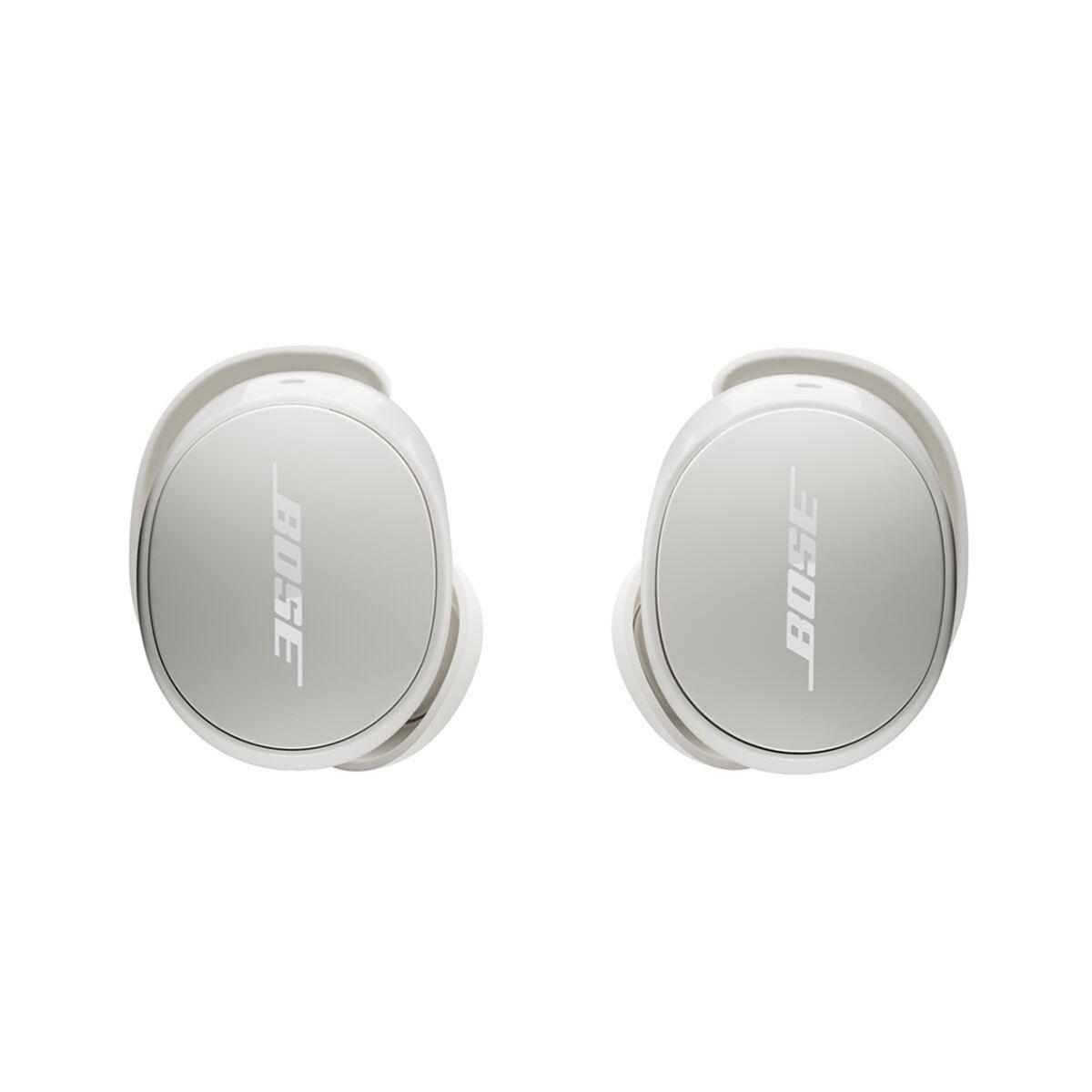
The Bose QuietComfort earbuds arrived in 2024, representing Bose's attempt to bring their legendary noise cancellation technology to a more accessible price point than their flagship models. Even so, these earbuds incorporate years of Bose's acoustic research and represent a significant investment in premium audio technology.
Both products benefit from improvements in Bluetooth technology, battery efficiency, and miniaturization that have occurred over the past few years. The JBL Vibe Beam uses Bluetooth 5.2, while the Bose QuietComfort steps up to Bluetooth 5.3 – the difference being improved connection stability and lower power consumption in the newer standard.
Here's where things get interesting. Based on our research into professional reviews and user feedback, both earbuds deliver sound quality that punches above their respective weight classes, but they take different approaches to get there.
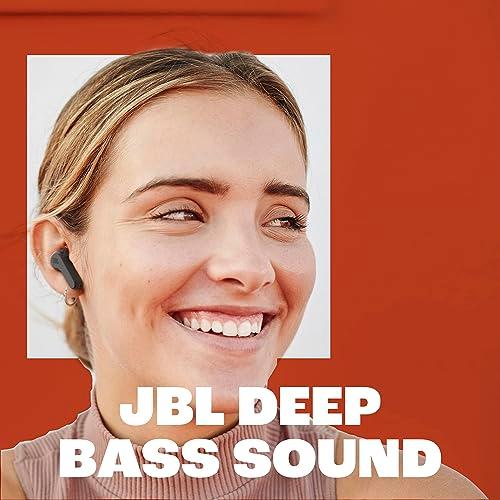
The JBL Vibe Beam employs 8mm dynamic drivers – relatively large for budget earbuds – paired with JBL's "Deep Bass Sound" tuning. This isn't marketing speak; it's a deliberately sculpted frequency response that emphasizes the low end without completely overwhelming the mids and highs. Think of it like a subtle bass boost that makes everything from hip-hop to rock feel more engaging without turning vocals into mush.
What makes this tuning work is JBL's decades of experience in audio. They understand that most people streaming music from their phones want their music to sound exciting, not necessarily accurate. The JBL Vibe Beam delivers on that promise with a sound signature that's warm, punchy, and immediately satisfying.
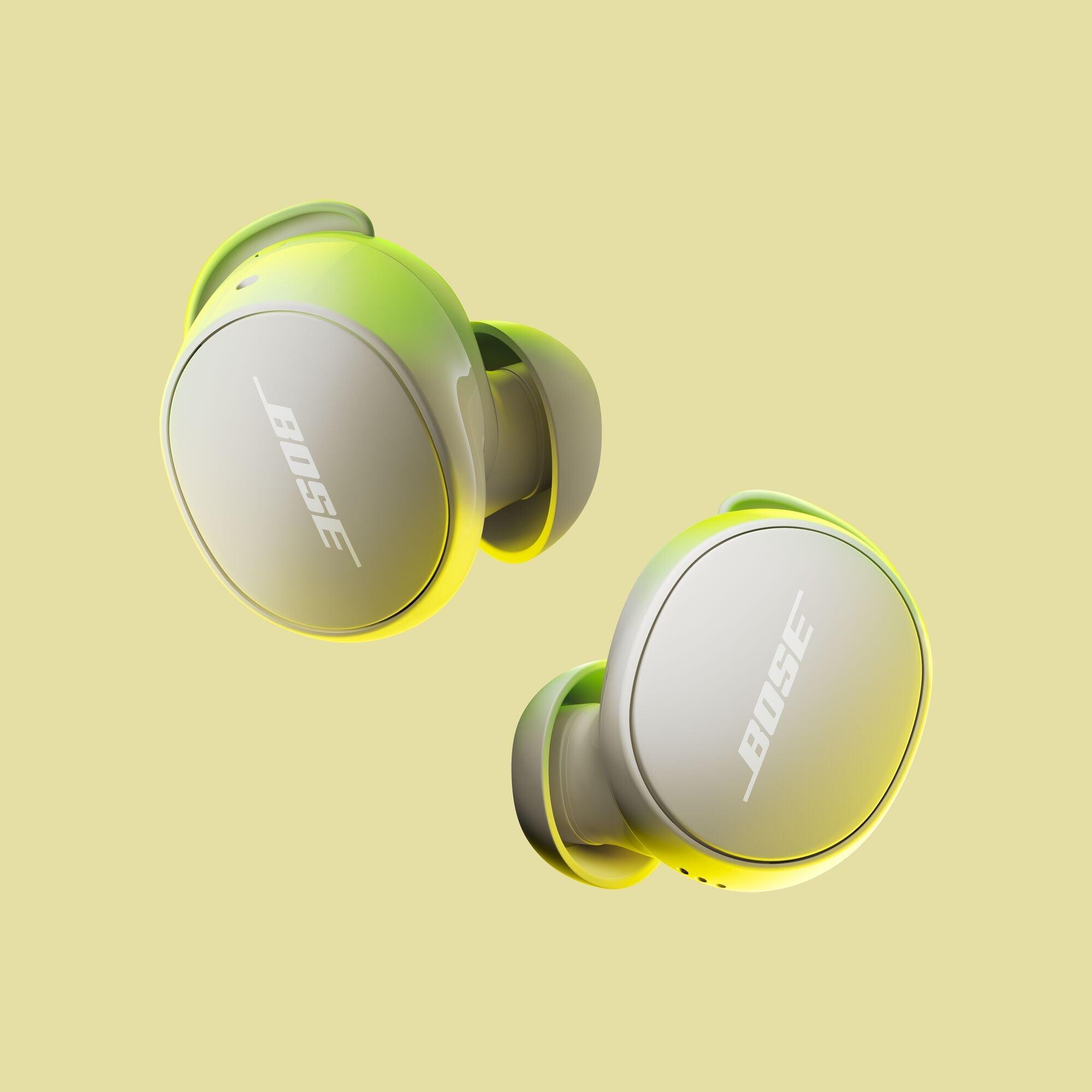
The Bose QuietComfort takes a more sophisticated approach with their CustomTune technology. This system uses built-in microphones to analyze your ear canal shape and automatically adjusts both the audio and noise cancellation to match. It's like having a sound engineer customize the earbuds specifically for your ears every time you put them in.
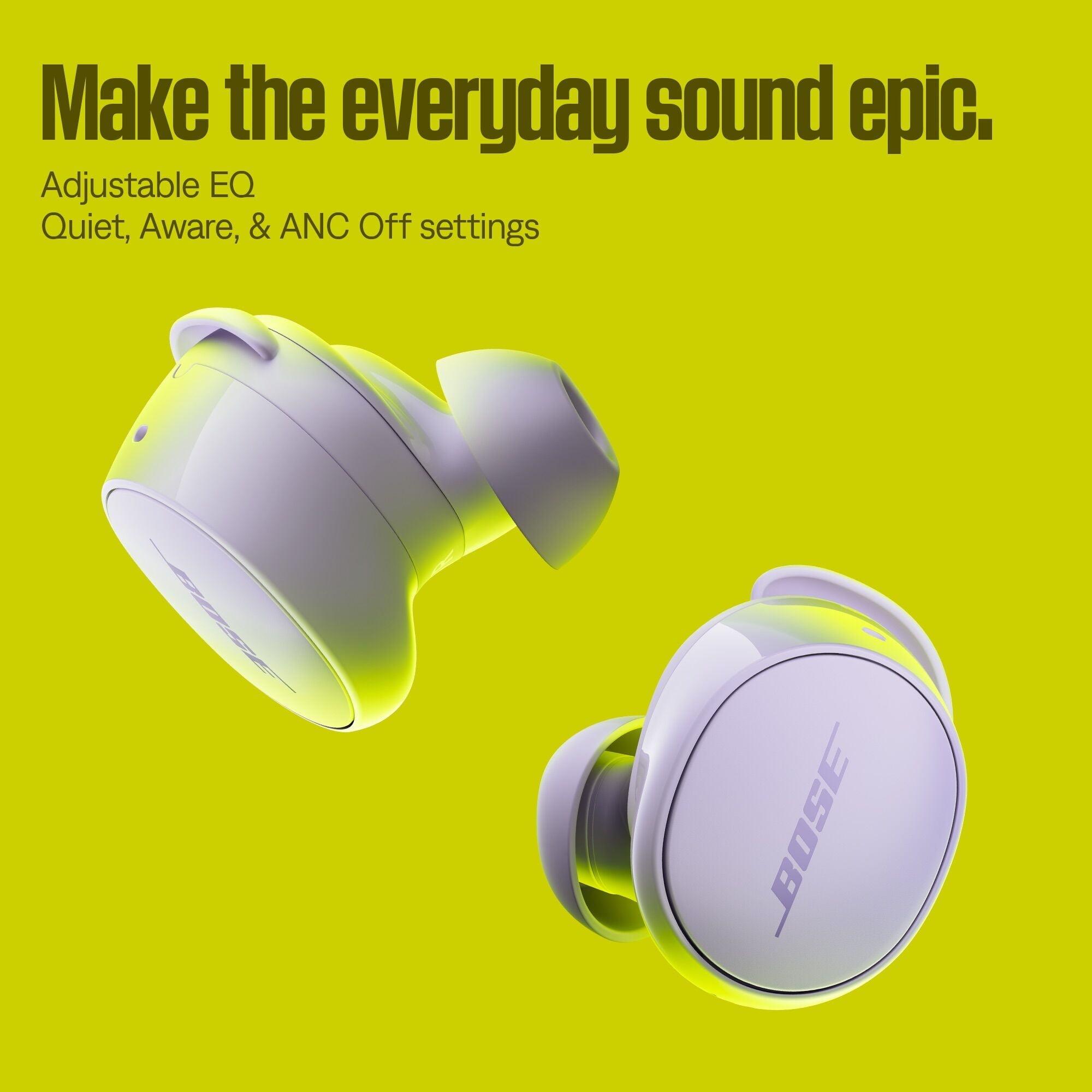
Reviews consistently praise the Bose QuietComfort for their fuller, more nuanced sound presentation. The U-shaped frequency response (boosted bass and treble with balanced mids) creates an engaging listening experience that works well across genres. More importantly, the 5-band EQ in Bose's app lets you fine-tune the sound to your preferences – something the JBL Vibe Beam offers in a more limited way.
The performance gap becomes most apparent in complex musical passages. The Bose QuietComfort maintains better separation between instruments and creates a wider soundstage – the sense of space around the music. For casual listening, this might not matter much, but if you're someone who notices when the guitar gets lost behind the drums, you'll appreciate Bose's more refined approach.
This is where the two earbuds diverge most dramatically. The JBL Vibe Beam relies entirely on passive noise isolation – the physical blocking that comes from shoving silicone tips into your ear canals. It's the same principle as foam earplugs, and when you get a good seal, it works reasonably well for blocking out steady background noise like air conditioning or distant traffic.
JBL does include their "Smart Ambient" technology, which isn't noise cancellation but rather selective sound management. The TalkThru mode drops your music volume and amplifies voices so you can have quick conversations without removing the earbuds. Ambient Aware keeps your music playing while mixing in environmental sounds for safety. These features work well for what they are, but they're fundamentally different from active noise cancellation.
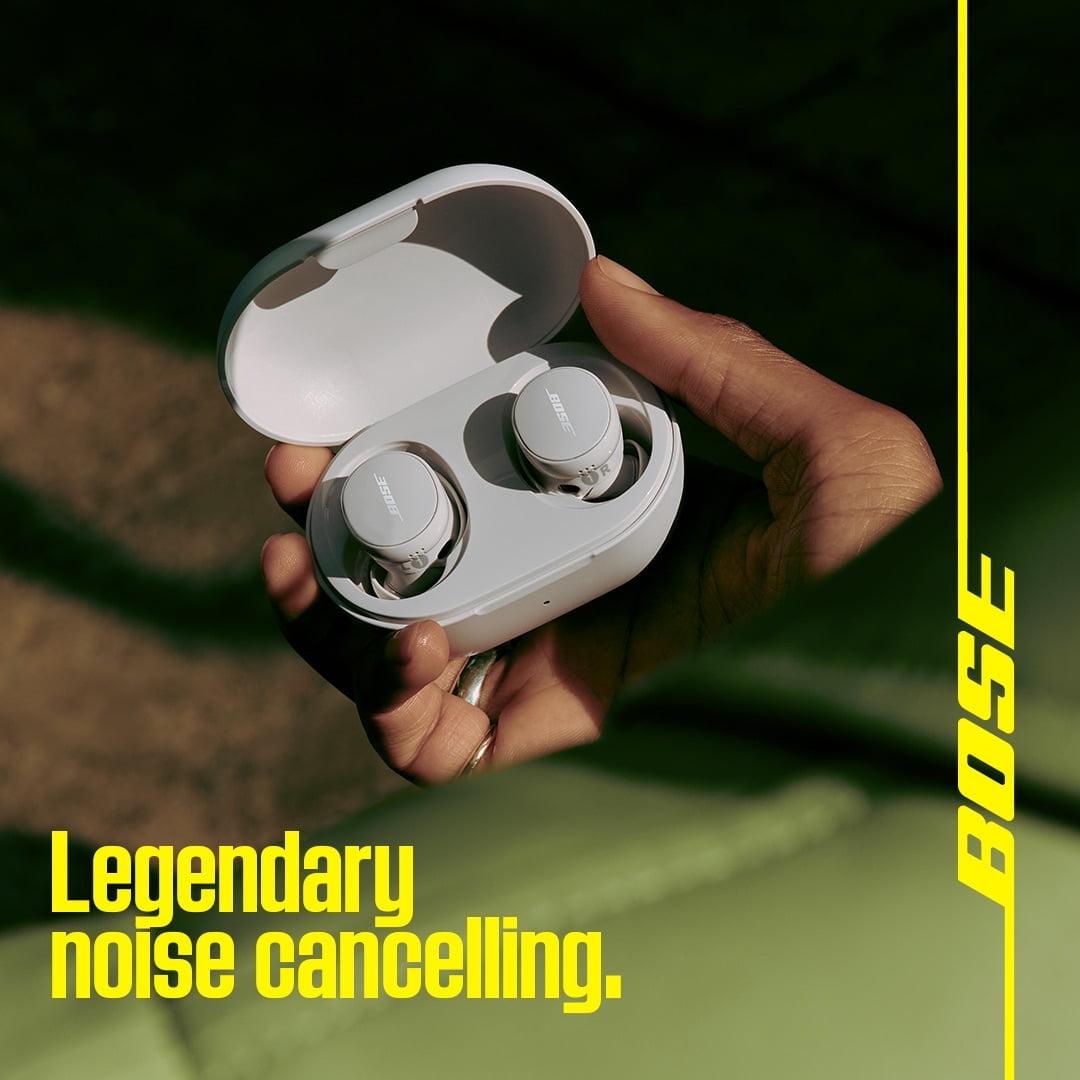
The Bose QuietComfort earbuds pack genuine active noise cancellation (ANC) – the technology that made Bose famous in aviation headphones. ANC works by using external microphones to detect ambient noise, then generating opposite sound waves to cancel it out. It's particularly effective against consistent, low-frequency noise like airplane engines, air conditioning, or traffic rumble.
Based on measurements from audio reviewers, the Bose QuietComfort reduces ambient noise by over 80% across most frequencies. That's transformative if you commute on public transit, work in noisy offices, or travel frequently. The difference between good passive isolation and effective ANC is like the difference between closing your bedroom door and moving to a library.
Bose includes an "Aware" mode that's more sophisticated than JBL's ambient options. Instead of just mixing in outside sound, it processes the audio to maintain natural spatial awareness while still providing some noise reduction. It's genuinely useful for walking in busy areas or staying alert to announcements.
For most people using earbuds at home or in reasonably quiet environments, the JBL Vibe Beam's passive isolation might be perfectly adequate. But if you're fighting genuine noise pollution in your daily life, the Bose QuietComfort offers a solution that passive isolation simply can't match.
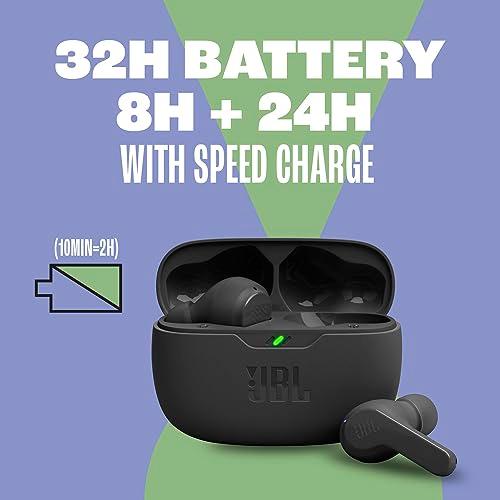
Both earbuds deliver impressive battery performance, though they achieve it differently. The JBL Vibe Beam provides up to 32 hours of total playback time – 8 hours from the earbuds themselves plus 24 additional hours from the charging case. That's genuinely excellent for any price range and competitive with earbuds costing several times more.
The Bose QuietComfort offers slightly longer per-charge listening at 8.5 hours from the earbuds, with the case providing enough power for about 31.5 total hours. The difference is marginal, but Bose includes wireless charging for the case, which adds convenience if you already have wireless charging pads at home or work.
Both earbuds support fast charging, giving you hours of additional playback from just a few minutes plugged in. This feature has become essential as earbuds have become our primary audio devices – running out of battery during a long commute or work session is genuinely disruptive.
The real-world battery life depends heavily on how you use the earbuds. Active noise cancellation is power-hungry, so the Bose QuietComfort will drain faster with ANC enabled. Conversely, the JBL Vibe Beam can potentially exceed its rated battery life if you're listening at moderate volumes without using ambient modes.
For most users, both earbuds provide enough battery life to get through even long days without anxiety. The JBL Vibe Beam might edge out slightly for total longevity, while the Bose QuietComfort offers more convenience features around charging.
Comfort is incredibly personal – what works for one person's ears might be torture for someone else. That said, both manufacturers have done their homework here.
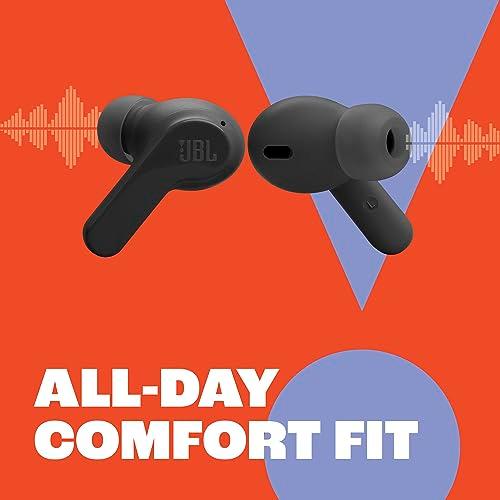
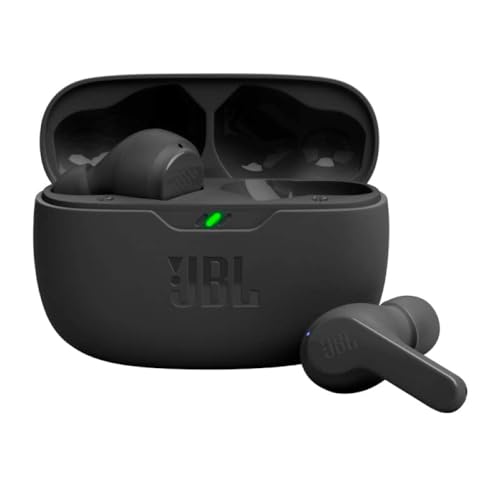
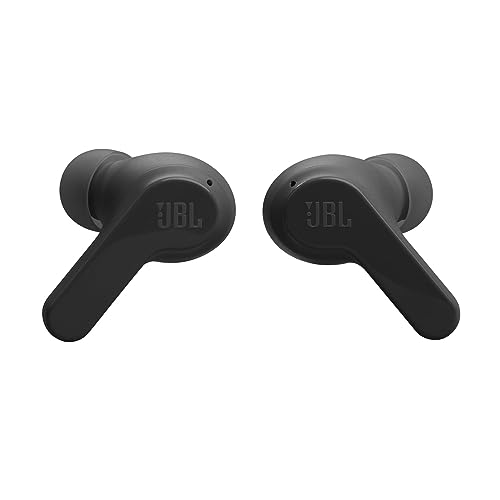
The JBL Vibe Beam uses a "stick-closed" design that's incredibly lightweight at just 4.4 grams per earbud. For comparison, that's lighter than a nickel. The compact form factor works well for smaller ears, and the three included eartip sizes help most people find a secure seal. The IP54 water and dust resistance rating means these earbuds can handle sweaty workouts and caught-in-the-rain moments without worry.
However, user feedback suggests the JBL Vibe Beam can be tricky to remove from the charging case, and some people find them less secure during vigorous movement. The lightweight design that makes them comfortable for extended wear can work against them if you're jogging or doing active sports.
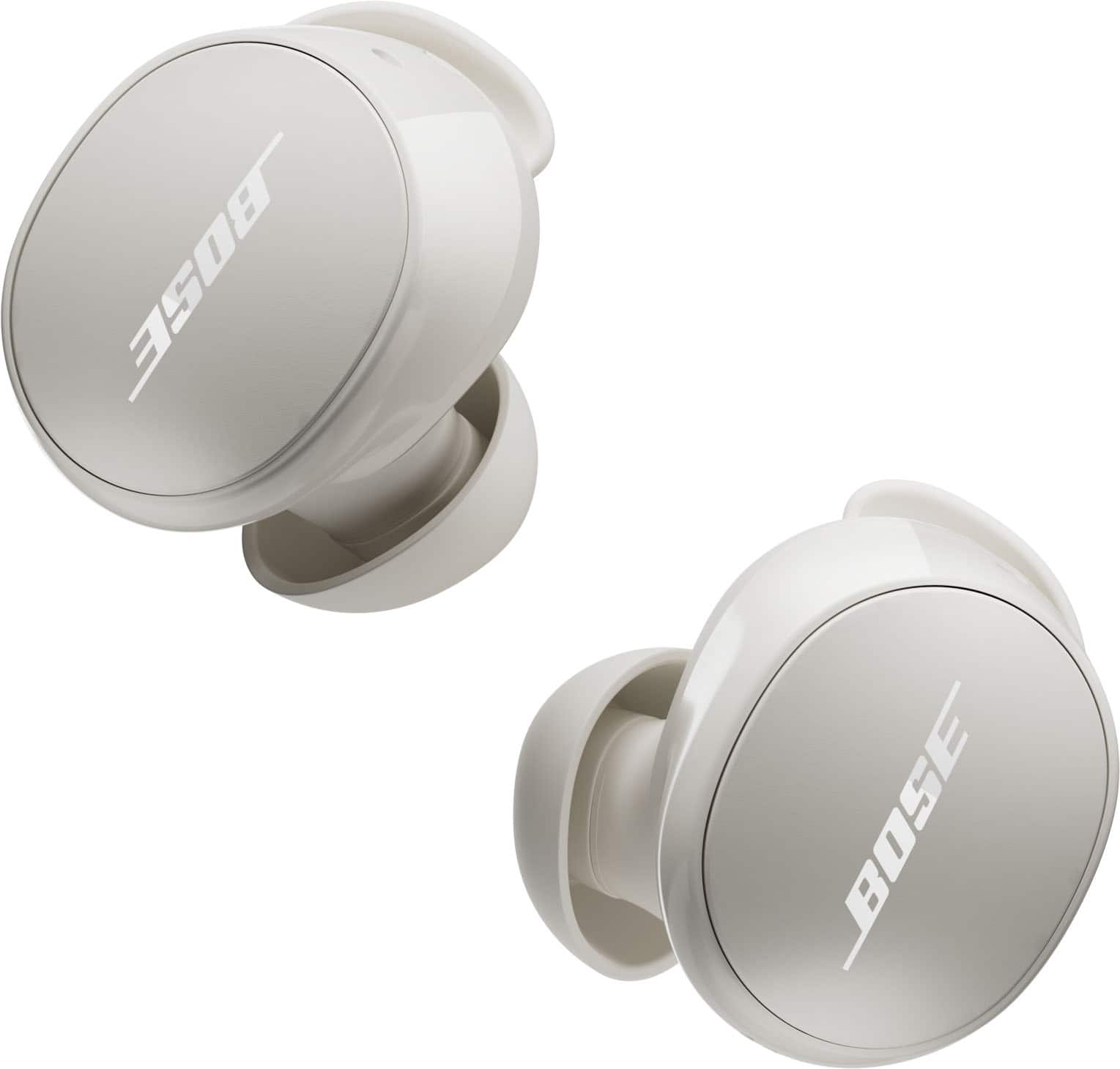
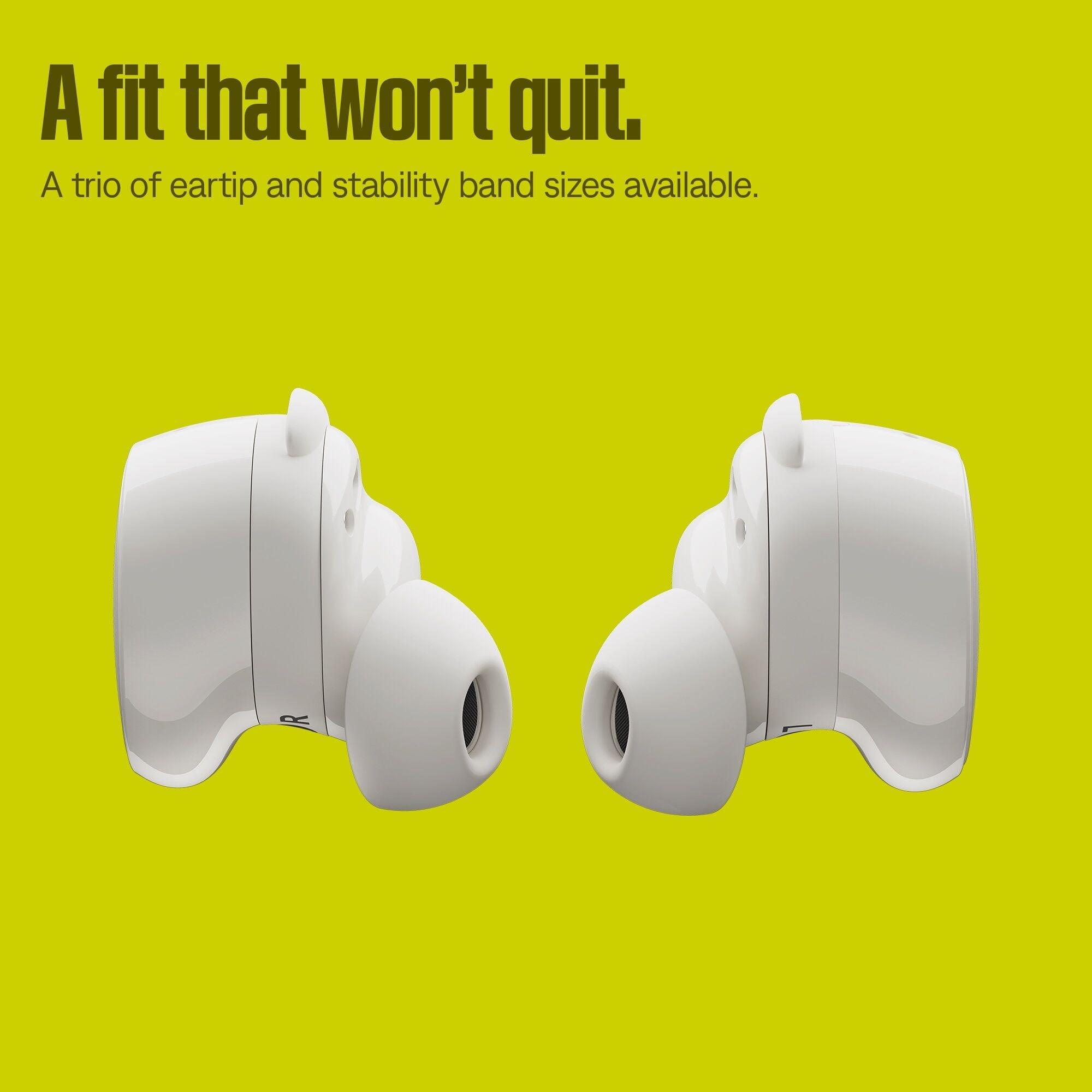
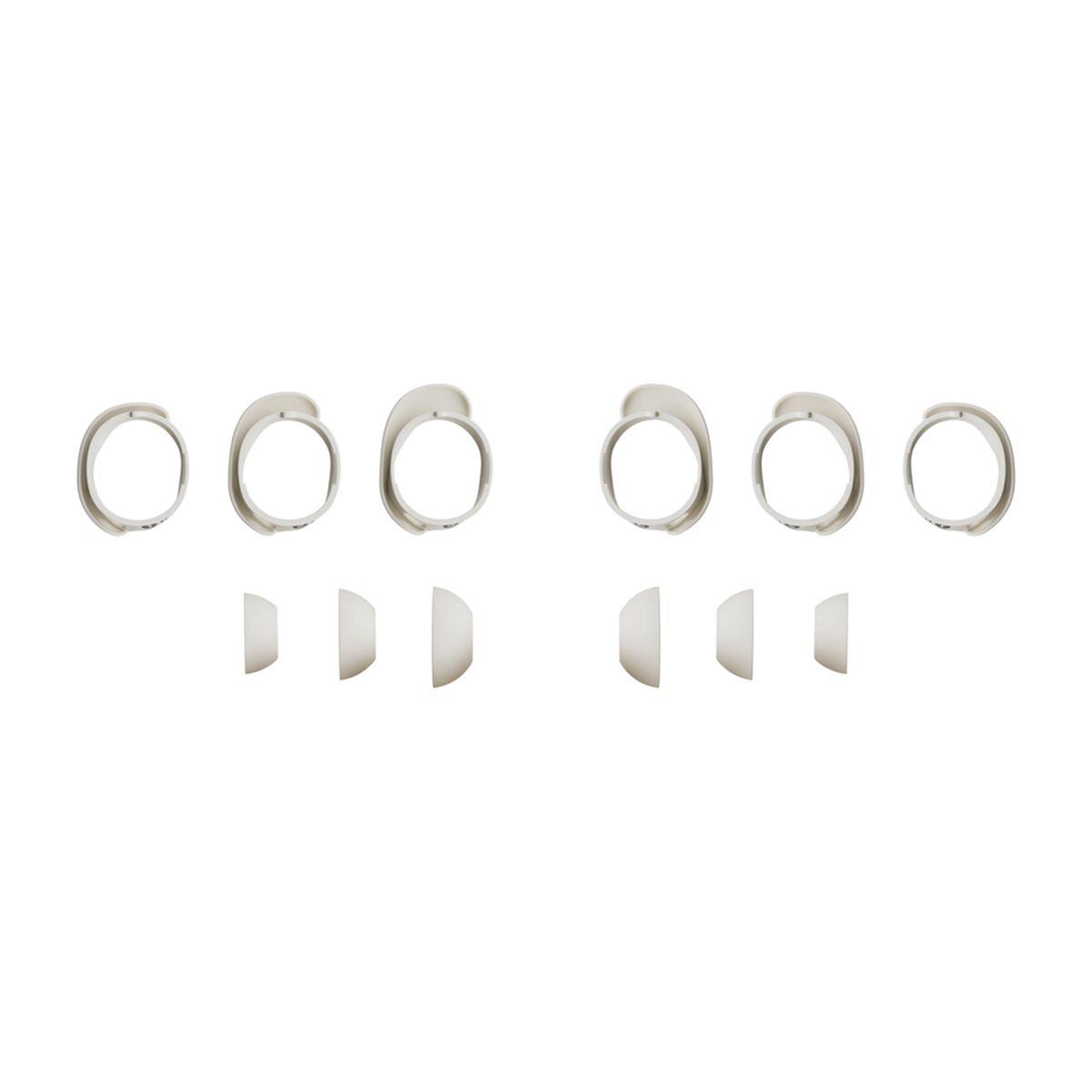
The Bose QuietComfort earbuds are heavier but distribute their weight well. Bose includes their "Fit Kit" with multiple sizes of both silicone eartips and stability bands – little wings that hook into the contours of your outer ear for additional security. This system works exceptionally well for most people and provides the secure fit necessary for effective noise cancellation.
Build quality favors Bose, with premium materials and more sophisticated engineering throughout. The JBL Vibe Beam feels solid for the price but doesn't match the premium feel of more expensive earbuds. Both should survive normal use, but the Bose earbuds inspire more confidence for long-term durability.
Modern earbuds are essentially tiny computers, and their software features can be as important as their audio performance. Here's where the price difference becomes most apparent.
The JBL Vibe Beam covers the basics well with Bluetooth 5.2, reliable pairing, and the ability to use either earbud independently. The JBL Headphones app provides EQ adjustments and controls for the ambient sound modes, plus a "Find My Buds" feature that plays tones to help locate lost earbuds.
The Bose QuietComfort steps up significantly with Bluetooth 5.3 and multipoint connectivity. Multipoint lets the earbuds maintain connections to two devices simultaneously – incredibly useful if you switch between your phone and laptop throughout the day. Instead of manually disconnecting and reconnecting, the earbuds automatically switch to whichever device is actively playing audio.
Bose's app integration is more comprehensive, with detailed customization options, firmware updates, and advanced features like the CustomTune ear analysis. The touch controls are also more sophisticated, with customizable shortcuts and more precise gesture recognition.
For home theater use, neither earbud is ideal due to Bluetooth latency, but both work adequately for casual TV watching. The Bose QuietComfort with their superior ANC might actually be better for this use case if you're trying to avoid disturbing others late at night.
At the time of writing, the JBL Vibe Beam represents one of the best values in true wireless earbuds. You're getting sound quality, battery life, and features that were unthinkable at this price point just a few years ago. For many people, these earbuds will satisfy 90% of their needs at 25% of the cost of premium alternatives.
The remaining 10% is where the Bose QuietComfort justifies its premium pricing. You're paying for genuinely transformative noise cancellation, more sophisticated audio processing, premium materials, and advanced connectivity features. Whether those improvements are worth the significant price jump depends entirely on your priorities and usage patterns.
Think of it this way: if you use earbuds primarily for music while commuting, exercising, or doing household tasks, the JBL Vibe Beam will likely exceed your expectations. But if you're fighting noise pollution daily, make frequent calls, or consider audio quality a genuine priority rather than just a nice-to-have, the Bose QuietComfort offers solutions that cheaper earbuds simply cannot match.
The JBL Vibe Beam makes sense if you want excellent value without compromises on the fundamentals. Choose these if you're new to true wireless earbuds, need a backup pair, prioritize battery life and durability, or simply don't want to spend premium prices for features you might not use. They're particularly good for students, casual listeners, and anyone who primarily uses earbuds for music rather than calls or noise-sensitive environments.
The Bose QuietComfort is worth the investment if active noise cancellation will genuinely improve your daily life, you frequently switch between devices, you make regular calls and need excellent microphone performance, or you're an audio enthusiast who appreciates the finer points of sound reproduction. They're ideal for commuters, frequent travelers, remote workers, and anyone who considers their earbuds an essential daily tool rather than just an accessory.
Ultimately, both earbuds excel in their respective segments. The JBL Vibe Beam proves that great audio doesn't require premium prices, while the Bose QuietComfort demonstrates why some features are worth paying extra for. Your choice should depend on which philosophy better matches your needs, expectations, and budget. Either way, you'll end up with earbuds that would have seemed impossibly good just a few years ago – that's the beauty of a rapidly evolving market that keeps pushing the boundaries of what's possible.
| JBL Vibe Beam True Wireless Earbuds | Bose QuietComfort Wireless Earbuds |
|---|---|
| Active Noise Cancellation - Essential for noisy environments like commutes and offices | |
| None (passive isolation only) | Advanced ANC with 80%+ noise reduction |
| Battery Life - Critical for all-day use without charging anxiety | |
| 32 hours total (8h + 24h case) | 31.5 hours total (8.5h + 23h case) |
| Sound Quality Approach - Determines your music listening experience | |
| JBL Deep Bass Sound with warm, engaging tuning | CustomTune technology with premium audio processing |
| Driver Size - Larger drivers typically produce better bass and overall sound | |
| 8mm dynamic drivers | Not specified (proprietary Bose drivers) |
| Water Resistance - Important for workouts and weather protection | |
| IP54 (earbuds), IPX2 (case) - excellent protection | IPX4 (earbuds) - good sweat/splash resistance |
| Weight Per Earbud - Affects comfort during extended wear | |
| 4.4g (ultra-lightweight) | Heavier but well-balanced design |
| Bluetooth Version - Newer versions offer better connectivity and efficiency | |
| Bluetooth 5.2 | Bluetooth 5.3 with multipoint connectivity |
| App Features - Determines customization and control options | |
| Basic EQ and ambient controls | Advanced 5-band EQ, CustomTune, comprehensive settings |
| Charging Options - Convenience factor for daily use | |
| USB-C wired charging only | USB-C wired + wireless charging case |
| Ambient Sound Control - Lets you hear surroundings when needed | |
| Smart Ambient (TalkThru/Ambient Aware modes) | Aware Mode with advanced processing |
| Target User - Who gets the best value from each product | |
| Budget-conscious users wanting excellent fundamentals | Premium users needing ANC and advanced features |
The Bose QuietComfort earbuds deliver superior sound quality with their CustomTune technology and premium audio processing. However, the JBL Vibe Beam offers surprisingly good sound with enhanced bass that many users find engaging and satisfying for everyday listening at a much lower price point.
Yes, this is the biggest difference between them. The Bose QuietComfort features advanced active noise cancellation that blocks over 80% of ambient noise, making them ideal for commuting and noisy environments. The JBL Vibe Beam only offers passive noise isolation through the ear tips, which is adequate for moderate noise but can't compete with true ANC.
Both offer excellent battery life, with the Bose QuietComfort slightly edging out at 8.5 hours per charge compared to 8 hours for the JBL Vibe Beam. However, the JBL Vibe Beam provides 32 total hours with the case versus 31.5 hours for the Bose, making the difference negligible for most users.
The JBL Vibe Beam are better for workouts due to their superior IP54 water and dust resistance rating and ultra-lightweight 4.4g design. While the Bose QuietComfort have IPX4 protection and stability bands for secure fit, they're heavier and more expensive to risk damaging during intense exercise.
Only the Bose QuietComfort offer multipoint connectivity, allowing you to stay connected to two devices at once and automatically switch between them. The JBL Vibe Beam use standard Bluetooth 5.2 and require manual switching between devices.
Both handle phone calls well, but the Bose QuietComfort provide superior call quality with advanced microphone processing and noise cancellation that blocks background noise from your voice. The JBL Vibe Beam include VoiceAware technology for decent call quality at their price point.
Comfort depends on your ear shape, but the JBL Vibe Beam are extremely lightweight at 4.4g per earbud, making them comfortable for extended wear. The Bose QuietComfort are heavier but include a comprehensive Fit Kit with multiple ear tip and stability band sizes for a more secure, customized fit.
Neither the JBL Vibe Beam nor Bose QuietComfort are ideal for home theater use due to Bluetooth audio delay. However, for casual TV watching, the Bose QuietComfort might be better if you need to avoid disturbing others, as their noise cancellation works both ways to contain sound leakage.
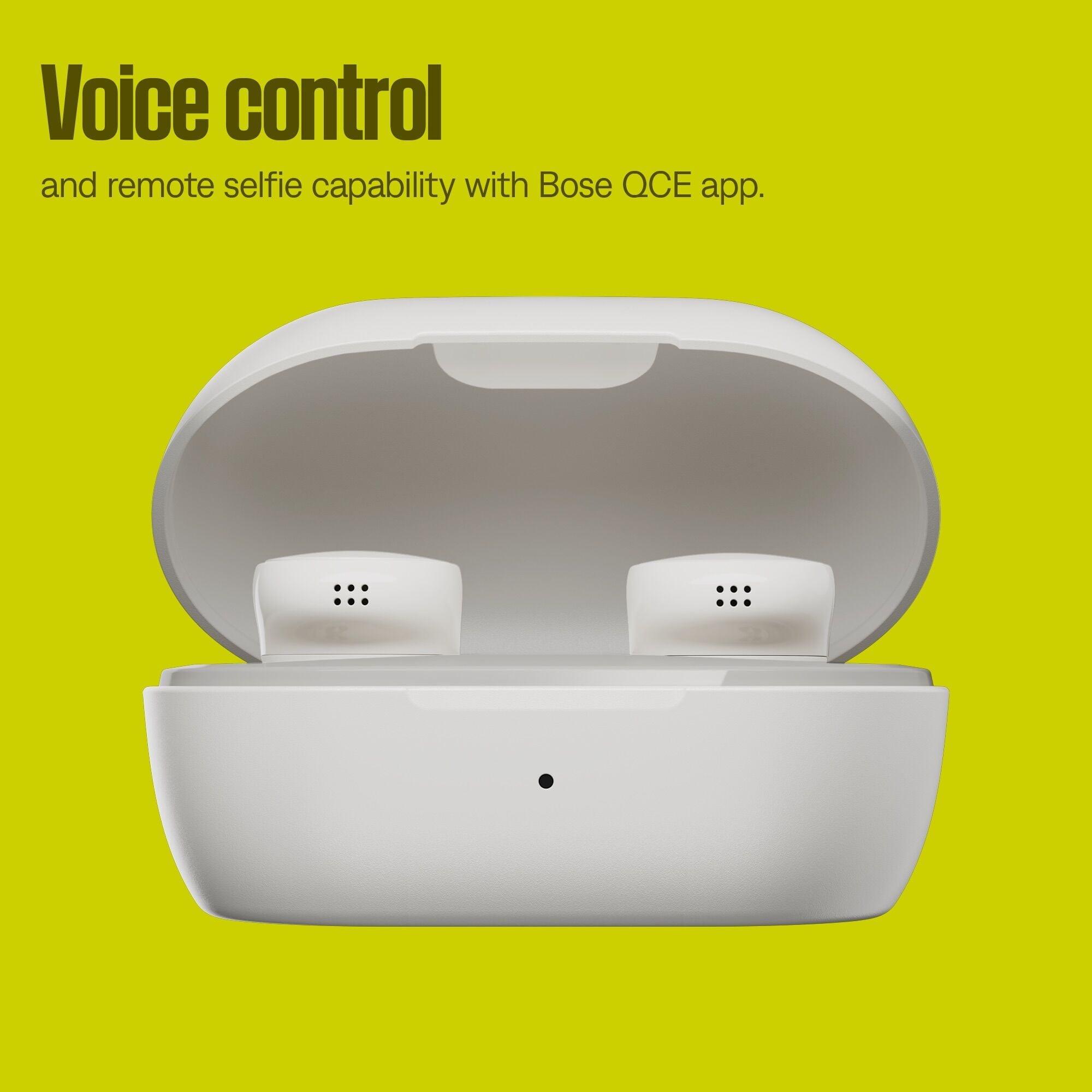
The Bose QuietComfort provide significantly more advanced app features through the Bose QCE app, including 5-band EQ, CustomTune ear analysis, and comprehensive controls. The JBL Vibe Beam offer basic EQ adjustments and ambient sound controls through the JBL Headphones app.
Yes, the JBL Vibe Beam will satisfy 90% of users' needs with excellent sound quality, great battery life, and solid build quality. You should only consider the Bose QuietComfort if you specifically need active noise cancellation, make frequent calls, or want premium audio features.
Both offer fast charging capabilities. The JBL Vibe Beam provide 2 hours of playback from a 10-minute charge, while the Bose QuietComfort offer similar quick charging performance. However, the Bose QuietComfort include wireless charging convenience that the JBL Vibe Beam lack.
Choose the JBL Vibe Beam if you want excellent value, don't need noise cancellation, and primarily use earbuds for music and casual calls. Pick the Bose QuietComfort if you commute in noisy environments, need premium call quality, want advanced features like multipoint connectivity, or consider active noise cancellation essential for your daily routine.
We've done our best to create useful and informative comparisons to help you decide what product to buy. Our research uses advanced automated methods to create this comparison and perfection is not possible - please contact us for corrections or questions. These are the sites we've researched in the creation of this article: bestbuy.com - jbl.com - rtings.com - jbl.com - youtube.com - youtube.com - audio46.com - jbl.com - soundguys.com - bestbuy.com - walmart.com - uclastore.com - bestbuy.com - manuals.plus - whathifi.com - soundguys.com - bestbuy.com - bose.com - cnet.com - businessinsider.com - bestbuy.com - global.bose.com - cdw.com - bhphotovideo.com - soundguys.com - connection.com - homesolutionsmn.com - govconnection.com - abt.com - eetgroup.com - beachaudio.com - bose.com - coursehero.com - boseapac.com - coursehero.com - bose.com - youtube.com - brandsmartusa.com - bose.com - bose.com - adorama.com - sears.com

Privacy Policy
Terms and Conditions - Affiliate Policy
Home Security
© Copyright 2008-2026.
11816 Inwood Rd #1211, Dallas, TX 75244