


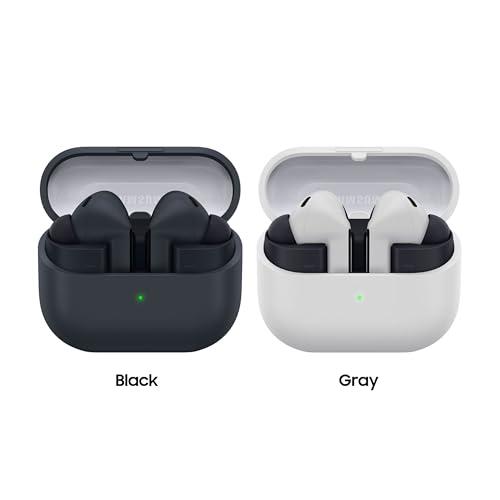
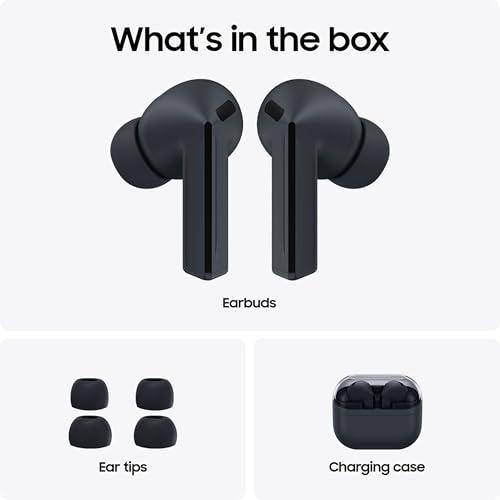
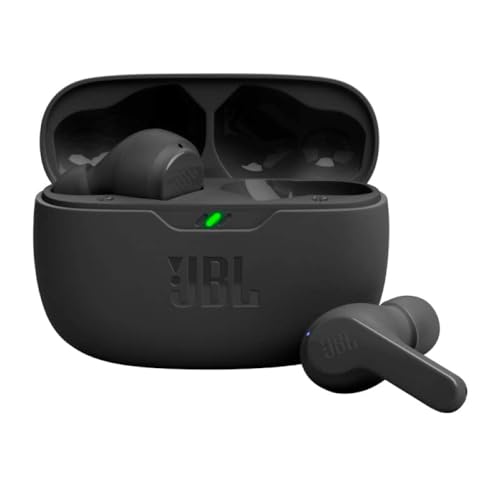

The wireless earbuds market has exploded over the past few years, giving us more choices than ever before. But with so many options, it's easy to get overwhelmed trying to figure out which pair will actually work for your lifestyle and budget. Today we're comparing two very different approaches to wireless audio: the Samsung Galaxy Buds 3 FE and the JBL Vibe Beam.
These earbuds sit at opposite ends of the price spectrum, but both promise to deliver quality wireless audio in their own ways. The Samsung Galaxy Buds 3 FE represents what happens when you pack premium features into a mid-range package, while the JBL Vibe Beam shows how good budget wireless earbuds can be when done right. Let's break down everything you need to know to make the right choice.
Before diving into the comparison, it's worth understanding what separates great wireless earbuds from mediocre ones. The most important factors include sound quality (how good your music actually sounds), comfort (whether you can wear them for hours without pain), battery life (how long they last between charges), and special features like noise cancellation.
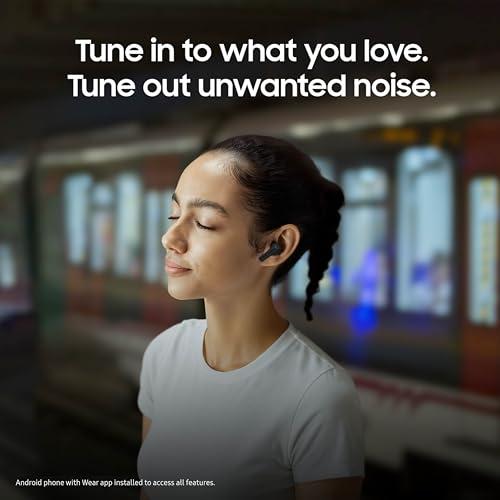
Active Noise Cancellation (ANC) deserves special attention because it's become increasingly important. ANC uses tiny microphones to detect outside noise, then plays opposite sound waves through the earbuds to cancel it out—like creating silence by adding more sound. It's incredibly effective for blocking out airplane engines, subway rumble, or office chatter, making it a game-changing feature for many users.
The wireless earbuds category has evolved rapidly since the first truly wireless models appeared around 2016. Early versions suffered from poor battery life, frequent connection drops, and limited features. But by 2023-2024, when both the Samsung Galaxy Buds 3 FE and JBL Vibe Beam were released, manufacturers had solved most of these fundamental problems and started focusing on advanced features and value.
Sound quality might seem straightforward, but it's actually where these two earbuds reveal their biggest differences. The Samsung Galaxy Buds 3 FE uses larger 11mm dynamic drivers—these are the tiny speakers inside each earbud that convert electrical signals into sound waves. Larger drivers generally mean better bass response and more detailed sound overall.
What makes the Samsung model particularly impressive is its audio tuning. Based on professional reviews and user feedback, the Galaxy Buds 3 FE delivers what audio engineers call a "balanced sound signature," meaning it doesn't overly emphasize any particular frequency range. This results in music that sounds closer to what the artist intended, with clear vocals, detailed instruments, and controlled bass that adds impact without overwhelming everything else.
The Samsung earbuds also support the company's Seamless Codec technology, which transmits near-lossless audio quality when paired with recent Samsung phones. Think of audio codecs like different languages your earbuds and phone use to communicate—some are more efficient and preserve more audio detail than others.
The JBL Vibe Beam, with its smaller 8mm drivers, takes a different approach. JBL has tuned these earbuds for what they call "Deep Bass Sound," emphasizing low-frequency impact that makes electronic music, hip-hop, and rock feel more powerful. While the overall sound quality is impressive for the price point, it can't match the technical precision and detail retrieval of the Samsung model.
However, here's where budget earbuds can surprise you: many users report that the JBL Vibe Beam sounds significantly better than expected, sometimes comparing favorably to earbuds costing three or four times more. The key is managing expectations—you won't get audiophile-level detail, but you'll get engaging, enjoyable sound that makes your music fun to listen to.
This is where these two products diverge most dramatically. The Samsung Galaxy Buds 3 FE includes what Samsung calls "Enhanced Active Noise Cancellation," and based on professional testing, it's remarkably effective. Independent measurements show the Samsung earbuds can reduce outside noise by approximately 86% when ANC is activated, putting them in the same league as much more expensive models.
What makes this particularly impressive is that the Galaxy Buds 3 FE reportedly outperforms Samsung's own more expensive Buds3 Pro in certain noise cancellation scenarios. The ANC works across a wide range of frequencies, meaning it handles everything from low-frequency rumble (like airplane engines) to mid-range noise (like conversations and office equipment).
The JBL Vibe Beam, on the other hand, offers no active noise cancellation at all. This isn't necessarily a deal-breaker—the earbuds still provide passive noise isolation through their physical design and ear tip seal, which blocks some outside sound naturally. But passive isolation can only do so much, especially against consistent low-frequency noise like traffic or air conditioning.
For many people, this single difference will determine which earbuds to choose. If you commute on public transportation, work in noisy environments, or travel frequently, the ANC capability of the Samsung Galaxy Buds 3 FE becomes essential rather than optional.
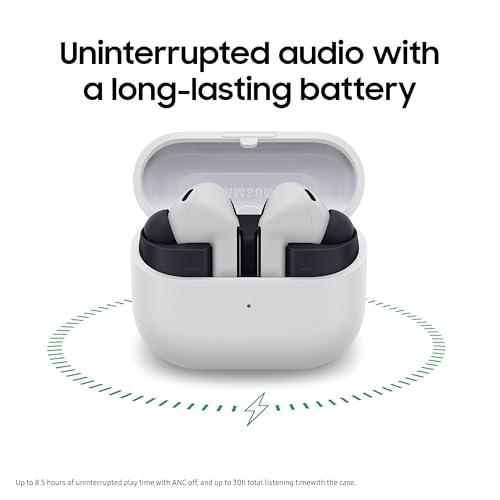
Both earbuds offer solid battery performance, but with different strengths. The Samsung Galaxy Buds 3 FE provides up to 8.5 hours of playback per charge when ANC is disabled, or about 6 hours with ANC running. The charging case adds another 24-30 hours of total listening time, and the case supports wireless charging—just drop it on any Qi-compatible charging pad.
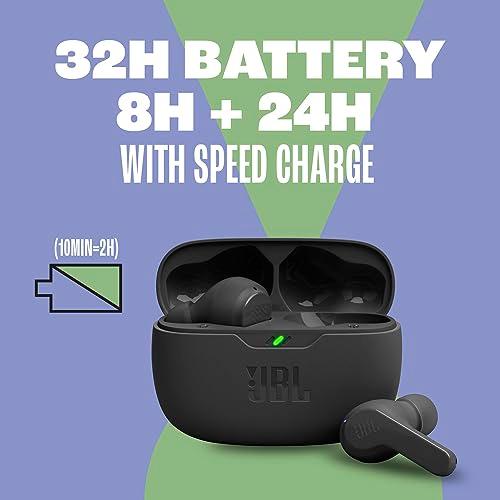
The JBL Vibe Beam matches the Samsung's raw battery numbers with 8 hours per charge and 24 additional hours from the case, totaling 32 hours. However, since it lacks ANC, there's no power drain from noise cancellation processing. The JBL also includes speed charging that gives you 2 hours of playback from just 10 minutes of charging, which can be a lifesaver when you're rushing out the door.
Wireless charging might seem like a minor convenience, but it's surprisingly useful in practice. Being able to just drop your earbuds case on your nightstand charger or office charging pad eliminates the need to fumble with cables. For users who charge their phones wirelessly, this feature maintains a cable-free ecosystem.
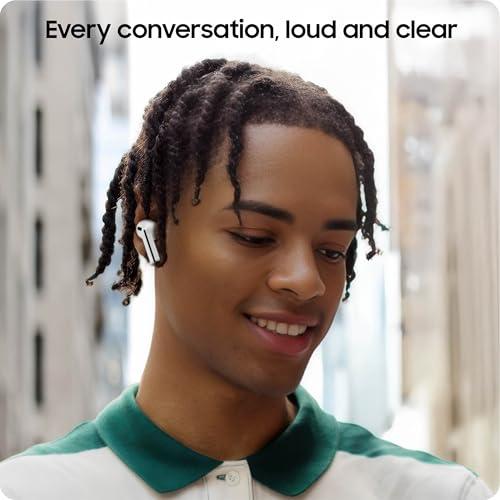
Phone calls reveal another significant difference between these earbuds. The Samsung Galaxy Buds 3 FE includes what Samsung calls "Crystal Clear Call" technology, which uses machine learning algorithms to isolate your voice from background noise. The earbuds have three microphones positioned to optimize voice pickup, and reviews consistently praise their ability to maintain clear conversations even in noisy environments.
The JBL Vibe Beam handles calls adequately with its VoiceAware feature, which lets you control how much of your own voice you hear during calls. This prevents the "talking in a tunnel" feeling common with earbuds, but the overall call quality and noise rejection doesn't match Samsung's more sophisticated system.
If you spend significant time on conference calls, customer service calls, or just talking to family and friends, the superior microphone system in the Galaxy Buds 3 FE becomes a practical advantage worth considering.
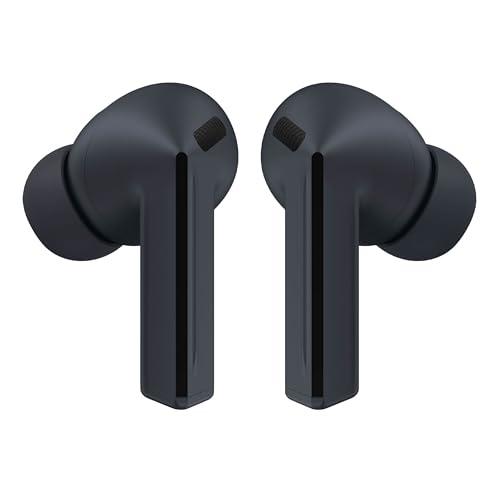
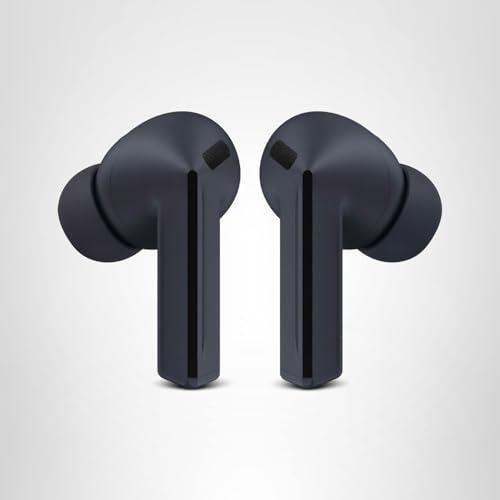
The Samsung Galaxy Buds 3 FE features Samsung's distinctive "Blade" design—an elongated stem extending from each earbud that houses controls and microphones. While this might look unusual at first, it serves practical purposes: the blade provides more surface area for gesture controls and positions microphones closer to your mouth for better call quality.
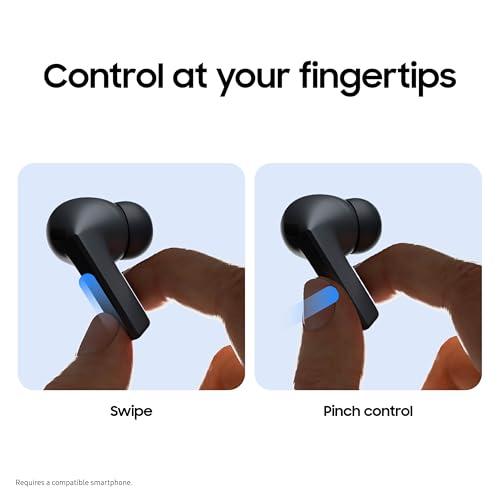
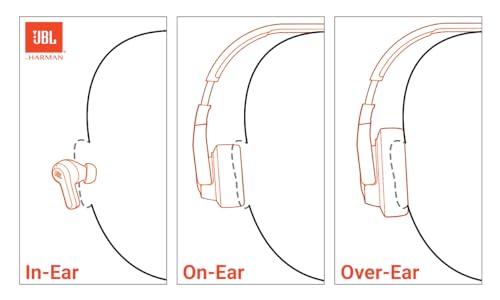
The Samsung earbuds use a traditional canal design with sealed ear tips, creating a secure fit that improves both comfort and passive noise isolation. The gesture controls are intuitive—pinch to play/pause, swipe for volume control—and work reliably once you learn them.
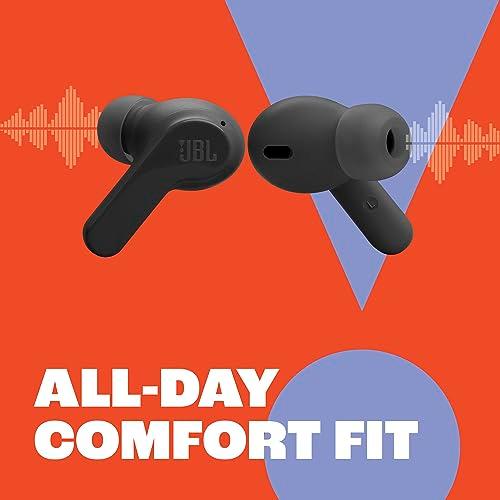
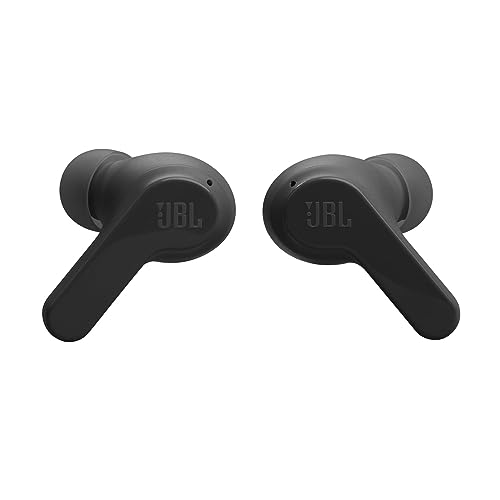
The JBL Vibe Beam opts for a more conventional stick design that many users find immediately comfortable. The earbuds are notably lightweight, and the three included ear tip sizes help achieve a secure fit for most ear shapes. However, some users report stability issues during vigorous activities like running or working out.
Both earbuds carry IP54 water resistance ratings, meaning they can handle sweat, rain, and dust without problems. This makes them suitable for workouts and outdoor activities, though neither should be submerged in water.
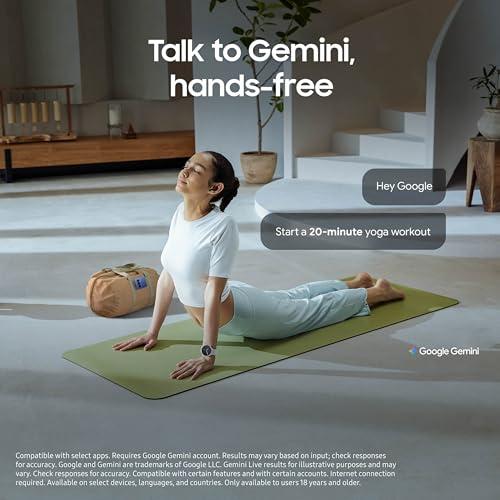
Here's where the Samsung Galaxy Buds 3 FE really shows its premium aspirations. The earbuds integrate with Galaxy AI for real-time language translation—imagine having a conversation with someone speaking a different language while your earbuds translate in real-time. They also support hands-free Google Gemini access, letting you ask questions or control your phone without touching anything.
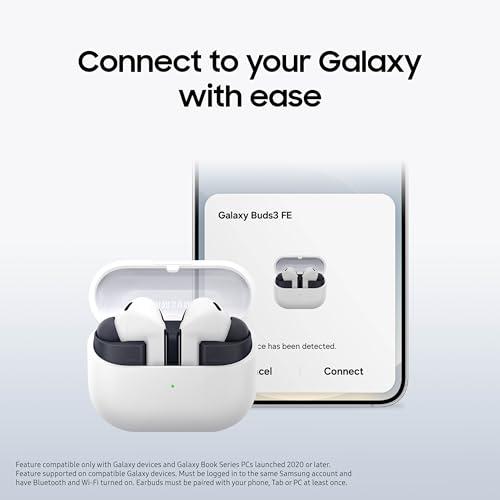
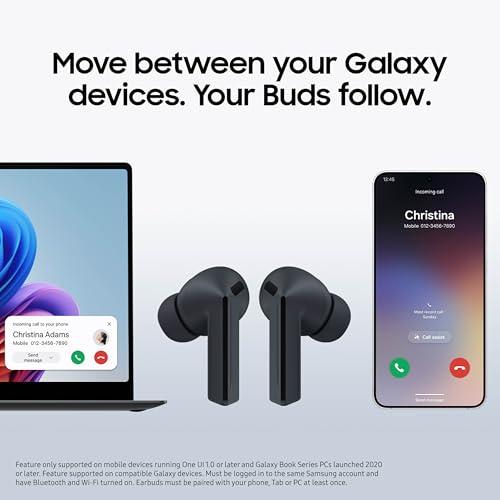
The Auto Switch feature seamlessly transfers audio between your Samsung devices, so music can jump from your phone to your tablet to your laptop automatically based on what you're using. For users invested in Samsung's ecosystem, these integrations create a remarkably smooth experience.
The JBL Vibe Beam keeps things simpler with Smart Ambient technology that includes Ambient Aware and TalkThru modes. Ambient Aware lets you hear your surroundings while listening to music—useful for staying safe while walking. TalkThru automatically lowers music volume and amplifies voices when you need to have a quick conversation without removing the earbuds.
Both earbuds work with their respective smartphone apps for customization, but Samsung's app offers more extensive control with 6 EQ presets plus a custom 9-band equalizer for fine-tuning sound to your preferences.
While neither earbud is specifically designed for home theater use, both can serve as personal audio solutions for late-night movie watching or gaming. The Samsung Galaxy Buds 3 FE supports 360 Audio, which creates a spatial sound experience that simulates surround sound. This can enhance movie watching and gaming by providing better directional audio cues.
The Galaxy Buds 3 FE's superior ANC also makes them better for immersive media consumption, blocking out household distractions like air conditioning, appliances, or other family members. However, both earbuds use Bluetooth audio, which introduces a small delay that might be noticeable when watching video content on some devices.
For serious home theater use, dedicated over-ear headphones or a proper surround sound system will always be superior, but these earbuds work well as personal viewing solutions.
At the time of writing, the Samsung Galaxy Buds 3 FE costs roughly four times more than the JBL Vibe Beam, which raises the fundamental question: are the extra features worth the significant price difference?
The JBL Vibe Beam represents exceptional value for budget-conscious users who primarily want reliable wireless audio for music and occasional calls. They deliver surprisingly good sound quality, solid battery life, and useful features like Ambient Aware mode. For students, casual listeners, or anyone wanting their first pair of wireless earbuds, they're an excellent entry point into the category.
The Samsung Galaxy Buds 3 FE justifies its higher price through features that solve real problems: ANC for noisy environments, superior call quality for frequent phone users, wireless charging for convenience, and smart features for Samsung device owners. If you commute regularly, work in noisy spaces, or rely heavily on phone calls, these features translate into daily quality-of-life improvements.
Choose the JBL Vibe Beam if you're new to wireless earbuds, have a limited budget, or primarily listen to music in quiet environments. They're also ideal as backup earbuds or for situations where losing them would be frustrating but not financially devastating. The sound quality will impress most casual listeners, and the battery life supports all-day use.
The Samsung Galaxy Buds 3 FE makes more sense for users who need ANC, frequently make calls, own Samsung devices, or want premium features without flagship pricing. They're particularly valuable for commuters who deal with subway noise, office workers in open environments, or travelers who want to reduce airplane cabin noise.
Based on our research into user reviews and professional testing, the Samsung Galaxy Buds 3 FE consistently delivers performance that exceeds its price point, often matching or outperforming more expensive alternatives. The JBL Vibe Beam similarly overachieves in the budget category, offering features and sound quality that were unthinkable at this price point just a few years ago.
The decision ultimately comes down to your specific needs and budget. The JBL Vibe Beam proves that good wireless earbuds don't have to be expensive, while the Samsung Galaxy Buds 3 FE shows how much value you can pack into a mid-range product when you focus on the features that matter most to real users.
| Samsung Galaxy Buds 3 FE | JBL Vibe Beam |
|---|---|
| Active Noise Cancellation - Essential for commuting and noisy environments | |
| Enhanced ANC reduces ~86% of outside noise, outperforms many premium models | No ANC - relies only on passive isolation from ear tips |
| Audio Quality - Core performance for music enjoyment | |
| 11mm drivers with balanced tuning, Samsung Seamless Codec support for near-lossless audio | 8mm drivers with JBL Deep Bass Sound tuning, good quality for the price point |
| Battery Life - How long they last between charges | |
| 8.5hrs earbuds + 30hrs case (ANC off), 6hrs + 24hrs (ANC on), wireless charging | 8hrs earbuds + 24hrs case, no wireless charging, 10-min speed charge for 2hrs |
| Call Quality - Important for phone calls and meetings | |
| Crystal Clear Call with 3 mics, machine learning noise isolation, excellent performance | Basic call quality with VoiceAware feature, adequate but not exceptional |
| Smart Features - Advanced functionality beyond basic audio | |
| Galaxy AI integration, real-time translation, Auto Switch, Google Gemini, 9-band EQ | Smart Ambient modes (Ambient Aware/TalkThru), basic app with parametric EQ |
| Design & Controls - Comfort and ease of use | |
| Distinctive Blade design with intuitive pinch/swipe gestures, secure canal fit | Ergonomic stick design, lightweight, some users report fit issues during activity |
| Water Resistance - Protection for workouts and weather | |
| IP54 rating (earbuds only) - good protection against sweat and splashes | IP54 rating (earbuds), IPX2 case - equivalent workout and weather protection |
| Connectivity - Wireless performance and compatibility | |
| Bluetooth 5.4, optimized for Samsung ecosystem with exclusive features | Bluetooth 5.2, universal compatibility but no advanced codec support |
| Value Proposition - What you get for your investment | |
| Premium mid-range with flagship features, best for Samsung Galaxy Buds 3 FE users who need ANC | Exceptional budget option, ideal for first-time wireless users or casual listeners |
The Samsung Galaxy Buds 3 FE delivers superior sound quality with larger 11mm drivers and balanced audio tuning that closely tracks professional target curves. The JBL Vibe Beam offers good sound for the price with JBL's signature bass-heavy tuning, but can't match the technical precision and detail of the Samsung model.
Yes, the Samsung Galaxy Buds 3 FE features Enhanced Active Noise Cancellation that reduces approximately 86% of outside noise, making it excellent for commuting and noisy environments. The JBL Vibe Beam has no active noise cancellation and relies only on passive isolation from the ear tips.
The JBL Vibe Beam provides up to 8 hours per charge with 32 hours total including the case. The Samsung Galaxy Buds 3 FE offers 8.5 hours with ANC off (6 hours with ANC on) plus 24-30 additional hours from the charging case, but includes wireless charging convenience.
The Samsung Galaxy Buds 3 FE justifies the higher price through premium features like active noise cancellation, superior call quality, wireless charging, and smart AI integration. The JBL Vibe Beam offers exceptional value for budget-conscious users who don't need advanced features but want reliable wireless audio.
The Samsung Galaxy Buds 3 FE excels at calls with Crystal Clear Call technology, three optimized microphones, and machine learning noise isolation that maintains clarity in noisy environments. The JBL Vibe Beam provides adequate call quality with VoiceAware features but lacks the advanced microphone processing.
Yes, both the Samsung Galaxy Buds 3 FE and JBL Vibe Beam work with iPhone via Bluetooth connectivity. However, the Samsung model's advanced features like Galaxy AI and Auto Switch only function with Samsung devices, while the JBL works universally across all platforms.
Both earbuds offer comfortable designs, but the Samsung Galaxy Buds 3 FE features a secure canal design with sealed ear tips that many users find stable for extended wear. The JBL Vibe Beam uses a lightweight ergonomic design that's initially comfortable, though some users report fit issues during physical activity.
Both earbuds have IP54 water resistance for sweat and splash protection. The Samsung Galaxy Buds 3 FE offers better stability with its canal design and secure fit, while the JBL Vibe Beam is lighter but may shift during vigorous exercise. Both are suitable for most workout activities.
The Samsung Galaxy Buds 3 FE offers extensive customization through the Galaxy Wearable app with 6 EQ presets, custom 9-band EQ, and advanced features like Find My Earbuds. The JBL Vibe Beam provides basic customization through the JBL Headphones app with parametric EQ and sound presets.
The Samsung Galaxy Buds 3 FE is better for media consumption with 360 Audio support that creates spatial sound effects and superior ANC that blocks household distractions. The JBL Vibe Beam works fine for casual viewing but lacks the immersive audio features and noise isolation.
The JBL Vibe Beam is ideal for first-time wireless earbud users due to its affordable price, simple operation, and surprisingly good performance that exceeds expectations. The Samsung Galaxy Buds 3 FE is better for users who know they want premium features like noise cancellation from the start.
For daily commuting, the Samsung Galaxy Buds 3 FE is the clear choice due to its excellent active noise cancellation that blocks subway, traffic, and airplane noise. The JBL Vibe Beam lacks ANC and won't effectively reduce the constant noise of public transportation or busy streets.
We've done our best to create useful and informative comparisons to help you decide what product to buy. Our research uses advanced automated methods to create this comparison and perfection is not possible - please contact us for corrections or questions. These are the sites we've researched in the creation of this article: soundguys.com - samsungmobilepress.com - hitechcentury.com - samsung.com - loudnwireless.com - samsung.com - scarbir.com - samsung.com - complyfoam.com - youtube.com - samsung.com - bestbuy.com - architeg-prints.com - samsung.com - bestbuy.com - jbl.com - rtings.com - jbl.com - youtube.com - youtube.com - audio46.com - jbl.com - soundguys.com - bestbuy.com - walmart.com - uclastore.com - bestbuy.com - manuals.plus

Privacy Policy
Terms and Conditions - Affiliate Policy
Home Security
© Copyright 2008-2026.
11816 Inwood Rd #1211, Dallas, TX 75244