

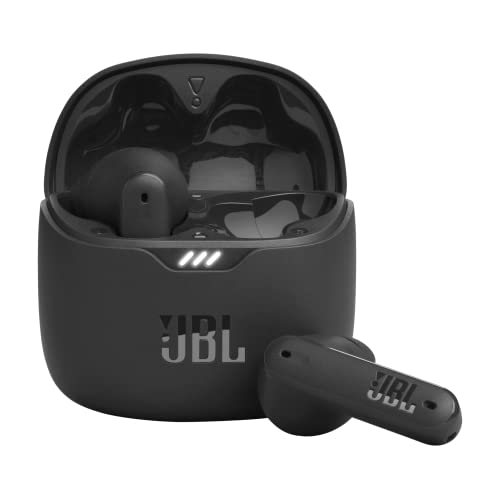


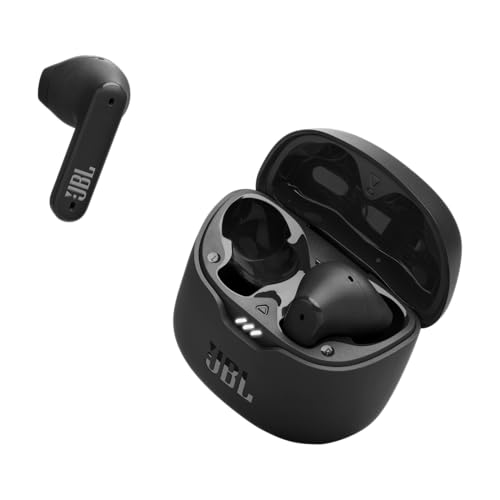
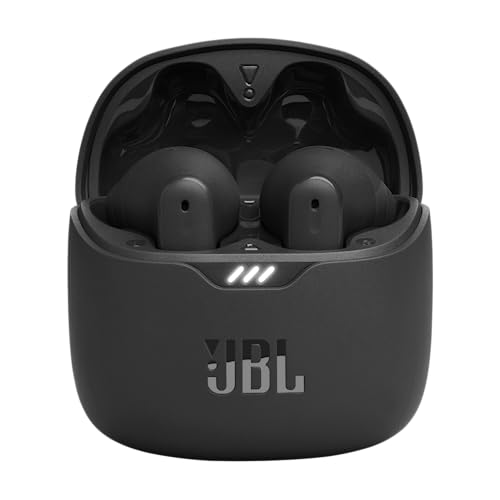
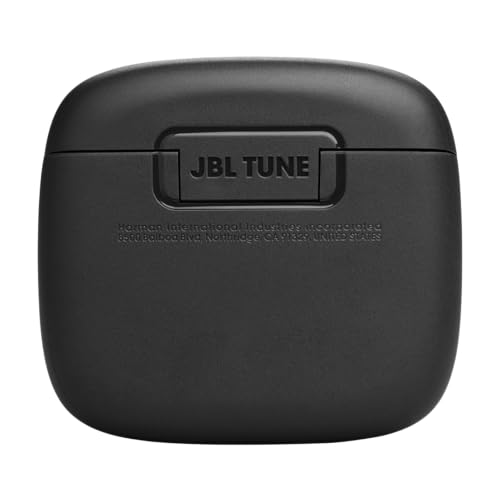
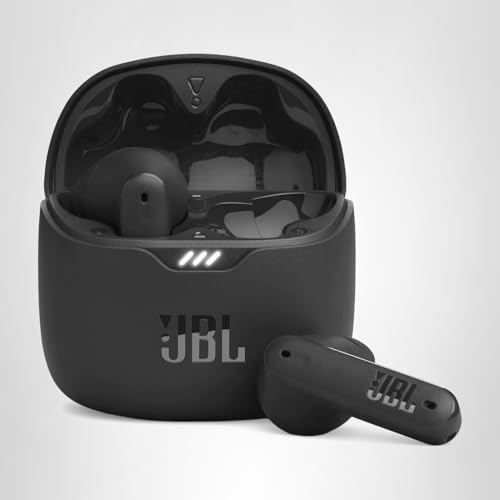
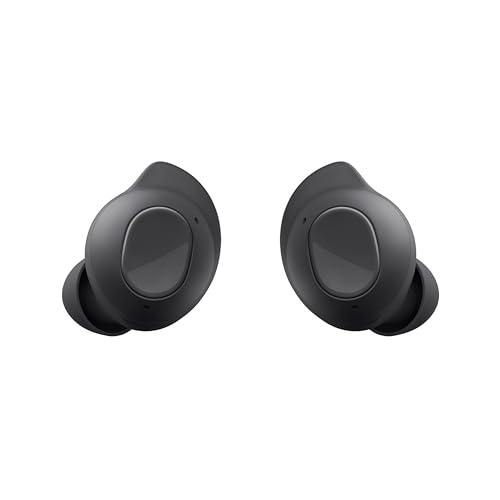
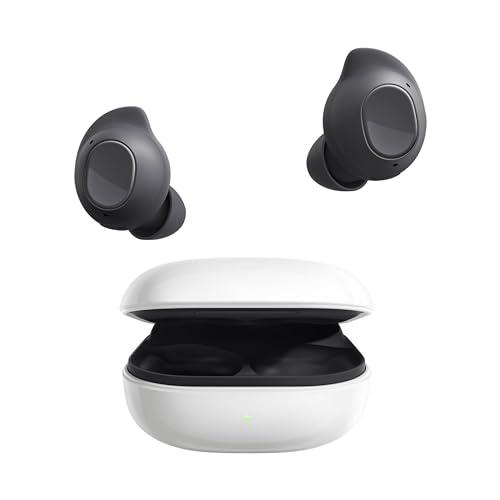
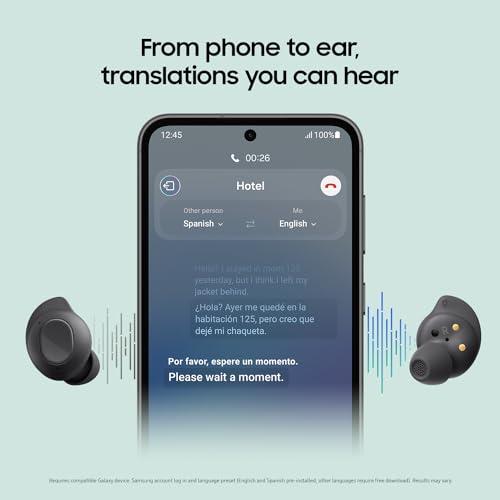
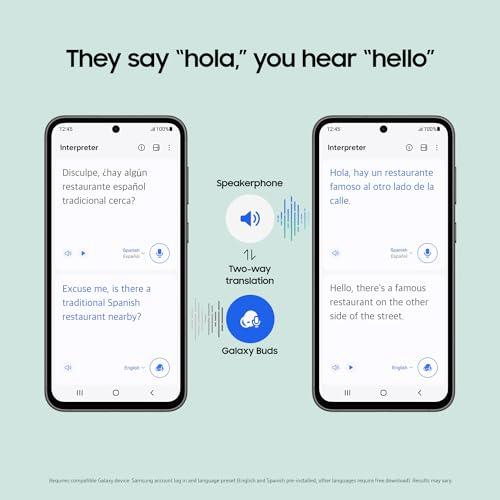

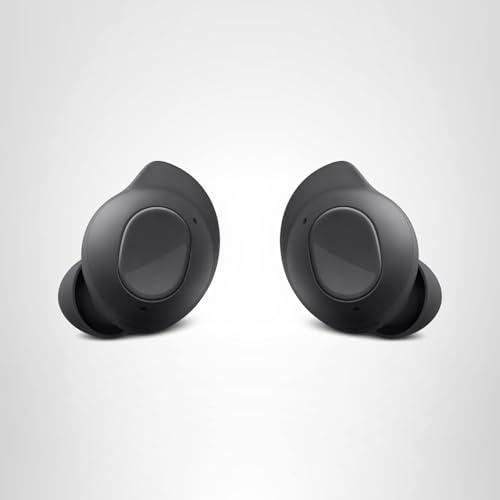
The world of budget true wireless earbuds has transformed dramatically since 2020. What used to cost $200+ is now available for under $100, and both the JBL Tune Flex (released in 2022) and Samsung Galaxy Buds FE (launched in 2023) prove this point brilliantly. These aren't your typical "good enough" budget options—they're genuinely impressive earbuds that happen to cost less.
At the time of writing, both models retail in the sub-$100 range, making them accessible to most buyers who want premium features without the premium price tag. But which one deserves your money? After diving deep into user reviews, expert opinions, and technical specifications, the answer depends entirely on how and where you plan to use them.
Before we dive into the specifics, let's talk about what actually matters in this price range. The most important factors are sound quality, Active Noise Cancellation (ANC)—which uses microphones to cancel out background noise—battery life, and comfort. Water resistance matters too, especially if you plan to use them during workouts.
The big game-changer in recent years has been the inclusion of ANC in budget models. This technology, which was exclusive to $200+ earbuds just a few years ago, now comes standard in many sub-$100 options. However, not all ANC implementations are created equal, and this is where our two contenders really start to differentiate themselves.
The JBL Tune Flex comes equipped with 12mm dynamic drivers—significantly larger than what you'll find in most earbuds at this price point. These drivers are tuned to deliver JBL's signature "Pure Bass Sound," which translates to a slightly V-shaped sound profile. In practical terms, this means the bass and treble are emphasized while the midrange (where vocals live) takes a slight backseat.
This tuning makes the JBL Tune Flex absolutely shine with electronic music, hip-hop, and pop. The bass has genuine punch and rumble that you can feel, not just hear. Rock music benefits from the crisp treble that makes cymbals sparkle, though some listeners might find it occasionally harsh on poorly recorded tracks.
What sets JBL apart is their companion app's 10-band EQ system. This level of customization is unusual in this price range and allows you to fine-tune the sound to your exact preferences. Whether you want more midrange for podcasts or even more bass for your workout playlist, the app delivers.
The Samsung Galaxy Buds FE, on the other hand, uses smaller 6.5mm drivers but employs a completely different tuning philosophy. Samsung has opted for a warm, bass-heavy signature that still maintains excellent midrange accuracy. This means vocals sound natural and clear—something that's often sacrificed in budget earbuds.
The soundstage (how spacious and wide music sounds) is notably impressive for closed-back earbuds, with outstanding stereo separation that makes it easy to pick out individual instruments in complex recordings. The frequency response is remarkably consistent, meaning the earbuds sound the same every time you put them on, assuming you get a good fit.
However, Samsung's customization options are more limited, offering just six EQ presets rather than JBL's granular control. For most users, this isn't a dealbreaker, but audio enthusiasts might feel constrained.
If you prioritize customization and love bass-heavy genres, the JBL Tune Flex is your pick. For those who value vocal clarity and want a more balanced, natural sound right out of the box, the Galaxy Buds FE takes the crown. Both are impressive for their price point, but they serve different listening preferences.
This is perhaps the biggest differentiator between these two models, and it's where the Samsung Galaxy Buds FE truly shines.
The ANC performance on the Galaxy Buds FE is genuinely shocking for a budget earbud. It can cancel up to 30 decibels of ambient noise—that's getting into premium territory. The system effectively handles the low-frequency rumble of airplane engines, train wheels, and air conditioning systems while the excellent passive isolation (the physical seal in your ear) takes care of higher-pitched sounds like conversation and dish clatter.
User reports consistently highlight that the Galaxy Buds FE performs comparably to Samsung's own Galaxy Buds2 Pro in real-world scenarios. For commuting, studying in noisy environments, or working in open offices, this level of noise cancellation is genuinely useful.
The JBL Tune Flex takes a more modest approach. Its ANC system works well for constant, low-frequency noise like the hum of an HVAC system or the steady rumble of highway driving. However, it struggles with variable sounds—office chatter, sudden noises, or the general din of busy environments.
This isn't necessarily a dealbreaker since the Tune Flex offers something unique: the choice between sealed and open ear tips. The open tips allow natural sound awareness while still providing some noise cancellation, making them perfect for situations where you need to stay aware of your surroundings.
If you commute on public transportation, work in noisy environments, or frequently travel, the Galaxy Buds FE's superior ANC makes a meaningful difference in daily usability. The JBL Tune Flex's weaker ANC is adequate for light background noise but won't provide the isolation you need in truly challenging acoustic environments.
Both earbuds deliver impressive battery performance that outpaces many more expensive options.
The JBL Tune Flex provides up to 8 hours of continuous playback per charge (dropping to 6 hours with ANC enabled), with the charging case adding another 24 hours for a total of 32 hours. The 10-minute Speed Charge feature is particularly handy, delivering 2 hours of playback when you're in a rush.
The Samsung Galaxy Buds FE offers similar performance: 8.5 hours per charge (6 hours with ANC) and 30 total hours with the case. While slightly less than JBL's offering, it's still more than adequate for most users.
Both use USB-C for charging, though neither offers wireless charging in their cases—a reasonable omission at this price point. The real-world difference between 30 and 32 hours of total battery life is negligible; both will easily last through long flights, road trips, or several days of normal use.
This is where we see another clear distinction. The Samsung Galaxy Buds FE generally delivers more natural-sounding voice reproduction during calls. The three-microphone array per earbud (two outer microphones plus one inner) does an excellent job separating your voice from background noise, making conversations clear even in moderately noisy environments.
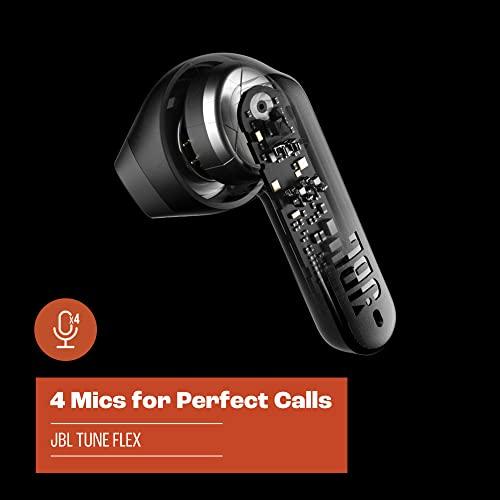
The JBL Tune Flex, despite featuring four microphones and VoiceAware technology (which lets you hear your own voice during calls), consistently receives criticism for making voices sound "robotic" or "unnatural." While the noise handling is decent, the fundamental voice quality doesn't match Samsung's offering.
For remote workers, frequent callers, or anyone who relies heavily on phone conversations, this difference matters significantly.
The JBL Tune Flex offers something genuinely unique in this price range: dual ear tip options. You get traditional sealing silicone tips in three sizes for maximum noise isolation, plus open ear tips that allow ambient sound awareness while maintaining some level of audio quality.
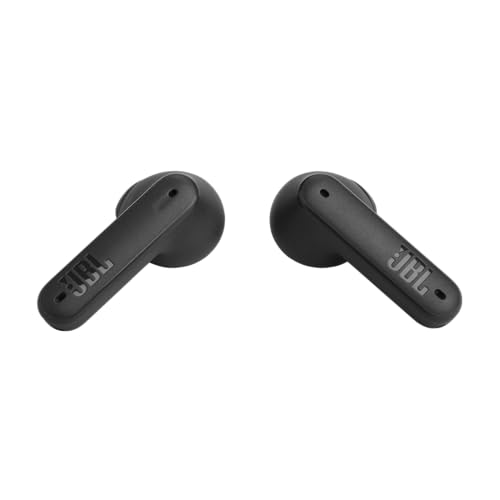
This versatility is brilliant for different situations. Use the sealing tips for commuting or focused listening, then switch to open tips for running outdoors or situations where you need situational awareness. The earbuds weigh just 4.8 grams each and feature IPX4 water resistance, making them suitable for workouts and light rain.
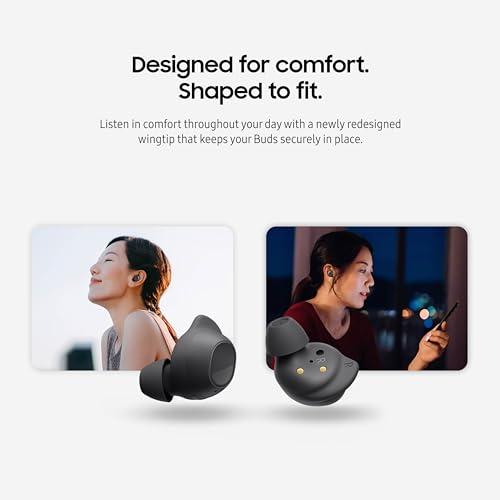
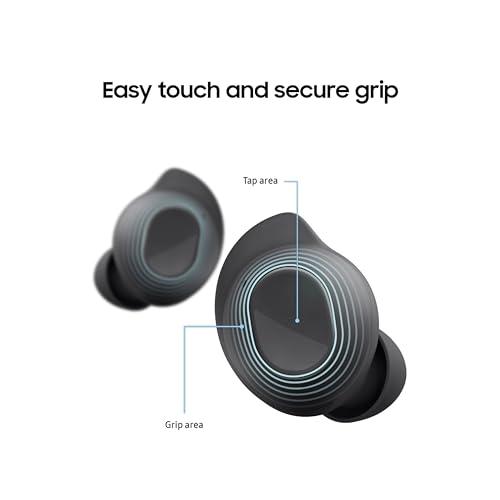
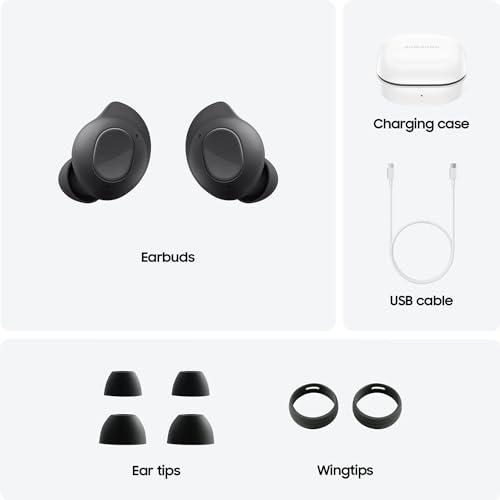
The Galaxy Buds FE takes a more traditional approach with included stability fins and three ear tip sizes. At 5.6 grams per earbud, they're slightly heavier but still comfortable for extended wear. The build quality feels solid and refined.
However, Samsung's IPX2 rating is significantly lower than JBL's IPX4. This means the Galaxy Buds FE can handle light splashing but isn't suitable for intense workouts or rain exposure. If you plan to exercise regularly with your earbuds, this is an important consideration.
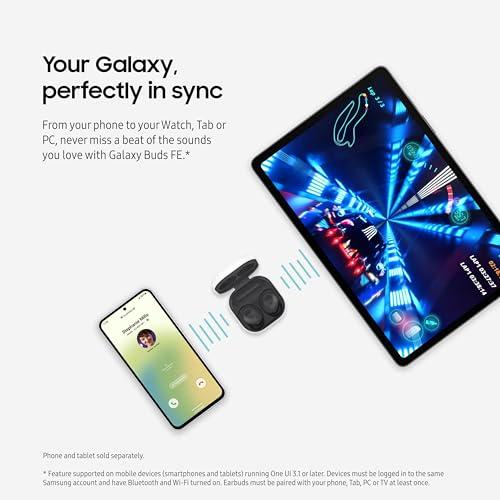
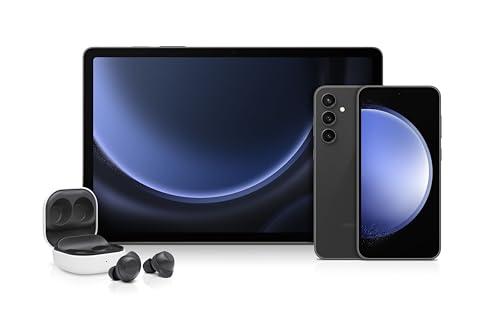
If you own Samsung Galaxy devices, the Galaxy Buds FE transforms into something special. The Samsung Scalable Codec provides higher-quality audio streaming than standard Bluetooth codecs, but only when connected to Galaxy phones, tablets, or laptops. Auto Switch seamlessly moves your connection between paired Samsung devices based on which one you're actively using.
The SmartThings Find integration helps locate lost earbuds, and Game Mode reduces audio latency for better synchronization during mobile gaming. These features genuinely enhance the user experience—but only within Samsung's ecosystem.
The JBL Tune Flex takes the opposite approach with universal multi-point connectivity. You can pair them with any Bluetooth devices and switch between them manually. This works across all brands and platforms, making them ideal for users who don't want to be locked into a specific ecosystem.
The JBL Headphones app works on both Android and iOS, providing access to that excellent 10-band EQ, customizable touch controls, and a "Find My Buds" feature.
While neither earbud is specifically designed for home theater use, both can enhance your TV watching experience, especially late at night when you can't use speakers.
The Galaxy Buds FE's superior ANC makes them better for blocking out household noise while watching movies or shows. The balanced sound signature also handles dialogue well, making it easier to follow conversations in complex soundtracks.
The JBL Tune Flex's bass emphasis can make action movies more exciting, though the emphasized treble might make some soundtracks sound harsh. However, the comprehensive EQ options let you dial in a profile specifically for media consumption.
Both earbuds support low-latency modes on compatible devices, though Samsung's Game Mode (Galaxy devices only) provides better audio-video synchronization than JBL's implementation.
You own Galaxy devices and want seamless integration. The exclusive features like Auto Switch, Samsung Scalable Codec, and enhanced app integration genuinely improve the daily experience. The superior ANC performance makes these ideal for commuters, students in noisy environments, or anyone who needs effective noise isolation. The natural vocal reproduction and balanced sound signature work well for podcasts, audiobooks, and most music genres.
The better call quality makes these the obvious choice for remote workers or frequent phone users. Just remember the limited IPX2 water resistance if you plan to exercise with them.
You use multiple device brands and want universal compatibility. The innovative dual ear tip system provides unmatched versatility—perfect for users who need both noise isolation and situational awareness depending on the activity. The superior water resistance (IPX4) makes these suitable for workouts and outdoor activities.
The extensive app customization appeals to users who like to fine-tune their audio experience. If you love bass-heavy music genres or want the ability to dramatically alter the sound signature, JBL's approach is more flexible.
The longer battery life and faster quick-charging also make these better for frequent travelers or heavy users who don't want to worry about charging frequently.
Both the JBL Tune Flex and Samsung Galaxy Buds FE represent excellent value in the budget true wireless category, but they excel in different areas. The Galaxy Buds FE offers better core performance—superior ANC, more natural sound, and excellent call quality—making it the better choice for most users, especially those in the Samsung ecosystem.
The JBL Tune Flex counters with superior versatility, customization, and universal compatibility. Its unique dual ear tip system and comprehensive app control make it ideal for users who want one pair of earbuds that can adapt to multiple use cases.
At the time of writing, both models represent exceptional value compared to what was available just a few years ago. The inclusion of effective ANC, comprehensive app support, and impressive battery life in sub-$100 earbuds shows just how competitive this market has become. Whichever you choose, you're getting features that used to cost twice as much—a testament to how far budget audio has progressed.
| JBL Tune Flex True Wireless Earbuds | Samsung Galaxy Buds FE Wireless Earbuds |
|---|---|
| Driver Size - Larger drivers typically produce better bass and overall dynamics | |
| 12mm dynamic drivers (larger for punchier bass) | 6.5mm dynamic drivers (smaller but well-tuned) |
| Active Noise Cancellation - Essential for commuting and focus | |
| Basic ANC, effective for constant low-frequency noise only | Excellent ANC cancelling up to 30dB, comparable to premium models |
| Battery Life (Single Charge) - How long you can listen without the case | |
| 8 hours (6 hours with ANC on) | 8.5 hours (6 hours with ANC on) |
| Total Battery Life - Total listening time including charging case | |
| 32 hours (24 hours with ANC on) | 30 hours (21 hours with ANC on) |
| Water Resistance - Protection during workouts and weather | |
| IPX4 (sweat and rain resistant, suitable for workouts) | IPX2 (light splash only, not ideal for exercise) |
| Weight Per Earbud - Affects comfort during extended wear | |
| 4.8g each (comfortable for most users) | 5.6g each (slightly heavier but still lightweight) |
| Microphone Array - Impacts call quality and voice clarity | |
| 4 microphones total but robotic voice quality | 6 microphones total (3 per earbud) with natural call quality |
| Sound Customization - Ability to personalize audio to your taste | |
| 10-band EQ with extensive customization options | 6 basic EQ presets with limited adjustment |
| Multi-Device Connectivity - Switching between phones, laptops, tablets | |
| Universal multi-point connection across all brands | Auto Switch only between Samsung devices, no multi-point for other brands |
| Unique Design Features - Standout capabilities that differentiate each model | |
| Dual ear tip system (sealing + open tips for situational awareness) | Premium ANC performance and Samsung ecosystem integration |
| Bluetooth Codec Support - Audio quality over wireless connection | |
| Standard SBC, AAC codecs universally | SBC, AAC, plus Samsung Scalable Codec (Galaxy devices only) |
| Charging Speed - How quickly you can get back to listening | |
| 10 minutes = 2 hours playback (Speed Charge) | Standard USB-C charging, no quick charge specified |
The JBL Tune Flex delivers a bass-heavy, V-shaped sound signature that's excellent for hip-hop, EDM, and pop music, thanks to its larger 12mm drivers. The Samsung Galaxy Buds FE offers more balanced, natural sound with exceptional vocal clarity and midrange accuracy. For customization, the JBL Tune Flex provides a 10-band EQ, while Samsung offers 6 basic presets.
The Samsung Galaxy Buds FE significantly outperforms the JBL Tune Flex for call quality. Samsung's 6-microphone array (3 per earbud) delivers natural, clear voice reproduction, while users consistently report that the JBL Tune Flex makes voices sound robotic despite having 4 microphones total.
The Samsung Galaxy Buds FE offers superior Active Noise Cancellation, blocking up to 30dB of ambient noise and performing comparably to premium earbuds. The JBL Tune Flex provides basic ANC that works for constant low-frequency sounds but struggles with variable noise like office chatter or street sounds.
Both models offer similar battery performance. The JBL Tune Flex provides 8 hours per charge (6 with ANC) and 32 total hours with the case. The Samsung Galaxy Buds FE delivers 8.5 hours per charge (6 with ANC) and 30 total hours with the case. The JBL Tune Flex includes faster 10-minute Speed Charge for 2 hours of playback.
The JBL Tune Flex is better suited for workouts with its IPX4 water resistance rating, protecting against sweat and rain. The Samsung Galaxy Buds FE has only IPX2 rating, making it suitable for light splashing but not intense exercise or weather exposure.
Both offer excellent comfort, but with different approaches. The JBL Tune Flex weighs 4.8g per earbud and includes both sealing and open ear tips for versatility. The Samsung Galaxy Buds FE weighs 5.6g per earbud and includes stability fins with three ear tip sizes for a secure, stable fit.
The JBL Tune Flex offers universal compatibility with multi-point connection across any Bluetooth devices. The Samsung Galaxy Buds FE works with all devices via standard Bluetooth but provides enhanced features like Auto Switch and Samsung Scalable Codec only with Galaxy devices.
The Samsung Galaxy Buds FE is generally better for home entertainment due to its superior noise cancellation for blocking household distractions and balanced sound signature that handles dialogue clearly. Both support low-latency modes, though Samsung's Game Mode works only with Galaxy devices.
The JBL Tune Flex offers more extensive customization through the JBL Headphones App with 10-band EQ, customizable controls, and Find My Buds. The Samsung Galaxy Buds FE uses the Galaxy Wearable App with basic EQ presets and Samsung-specific features like SmartThings Find integration.
The JBL Tune Flex supports universal multi-point connection, allowing seamless switching between different brand devices. The Samsung Galaxy Buds FE only offers multi-device features within the Samsung ecosystem through Auto Switch, with no multi-point support for non-Samsung devices.
The JBL Tune Flex stands out with its innovative dual ear tip system, allowing users to switch between sealed tips for noise isolation and open tips for situational awareness. The Samsung Galaxy Buds FE is unique for delivering premium-level ANC performance and natural sound quality at a budget price point.
Choose the Samsung Galaxy Buds FE if you own Samsung devices, prioritize excellent noise cancellation, or need superior call quality. Choose the JBL Tune Flex if you want maximum customization, better water resistance, universal device compatibility, or prefer the flexibility of both sealed and open listening modes.
We've done our best to create useful and informative comparisons to help you decide what product to buy. Our research uses advanced automated methods to create this comparison and perfection is not possible - please contact us for corrections or questions. These are the sites we've researched in the creation of this article: rtings.com - hometechnologyreview.com - youtube.com - bestbuy.com - soundguys.com - bestbuy.com - crutchfield.com - bgr.com - robbsutton.com - majorhifi.com - versus.com - crutchfield.com - youtube.com - versus.com - jbl.com - global.jbl.com - pcrichard.com - musicarts.com - scribd.com - global.jbl.com - robot-advance.com - gzhls.at - bestbuy.com - att.com - ro.harmanaudio.com - rtings.com - soundguys.com - scarbir.com - versus.com - headphones.com - androidcentral.com - youtube.com - scarbir.com - r1.community.samsung.com - rtings.com - soundguys.com - loudnwireless.com - youtube.com - youtube.com - loudnwireless.com - samsung.com - soundguys.com - samsung.com - samsung.com - samsung.com - head-fi.org - samsung.com - sammobile.com - soundguys.com - techradar.com - youtube.com - news.samsung.com

Privacy Policy
Terms and Conditions - Affiliate Policy
Home Security
© Copyright 2008-2026.
11816 Inwood Rd #1211, Dallas, TX 75244