


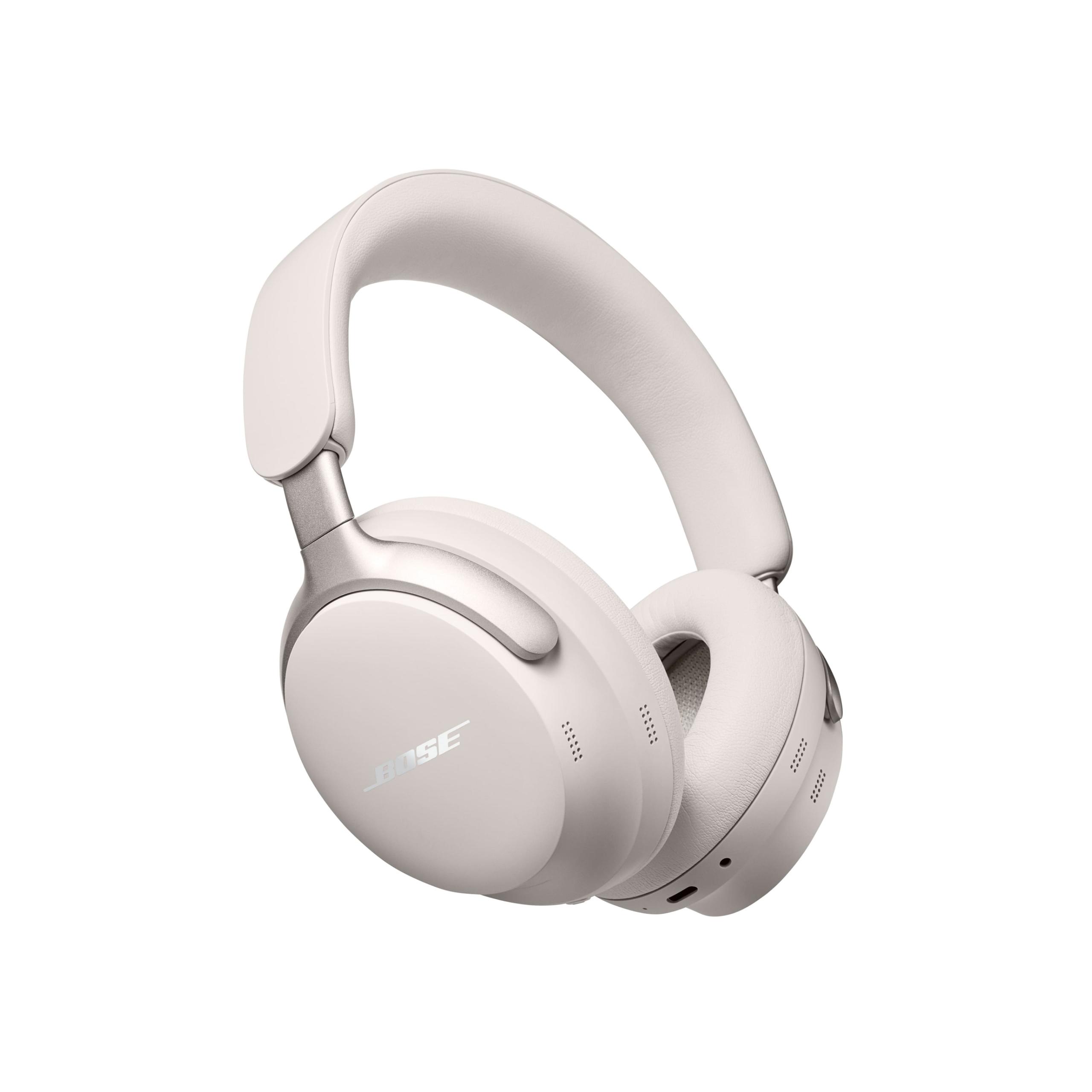

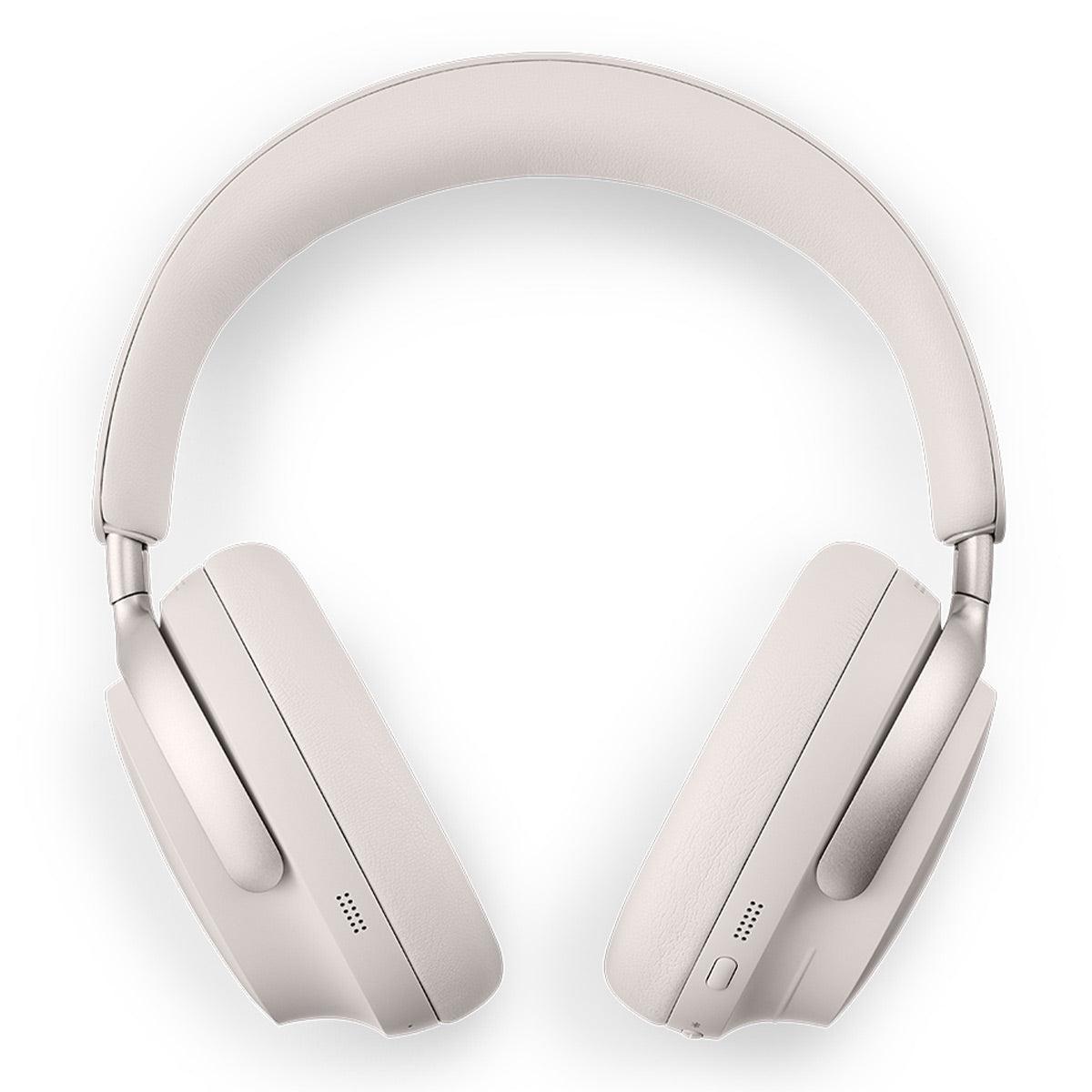
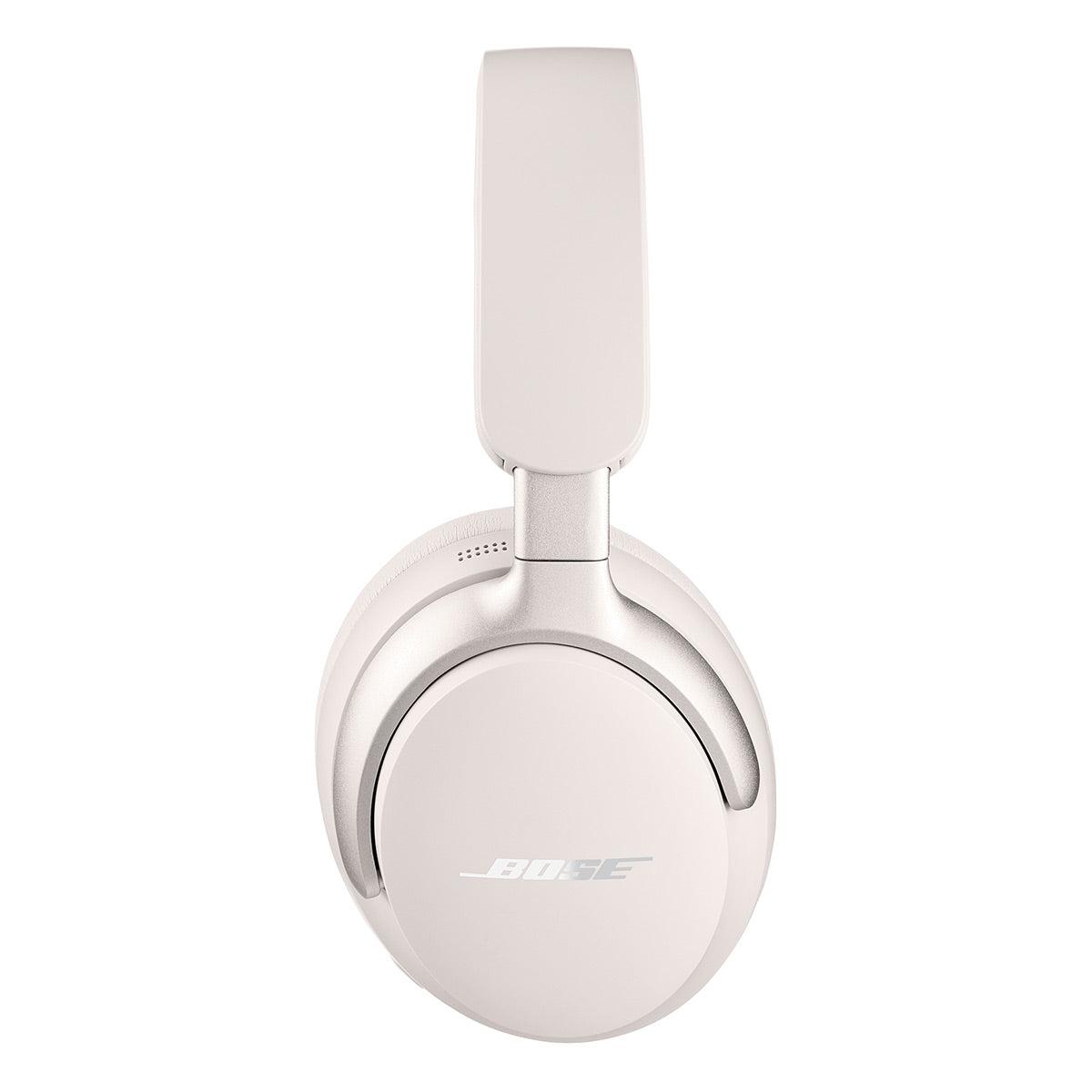
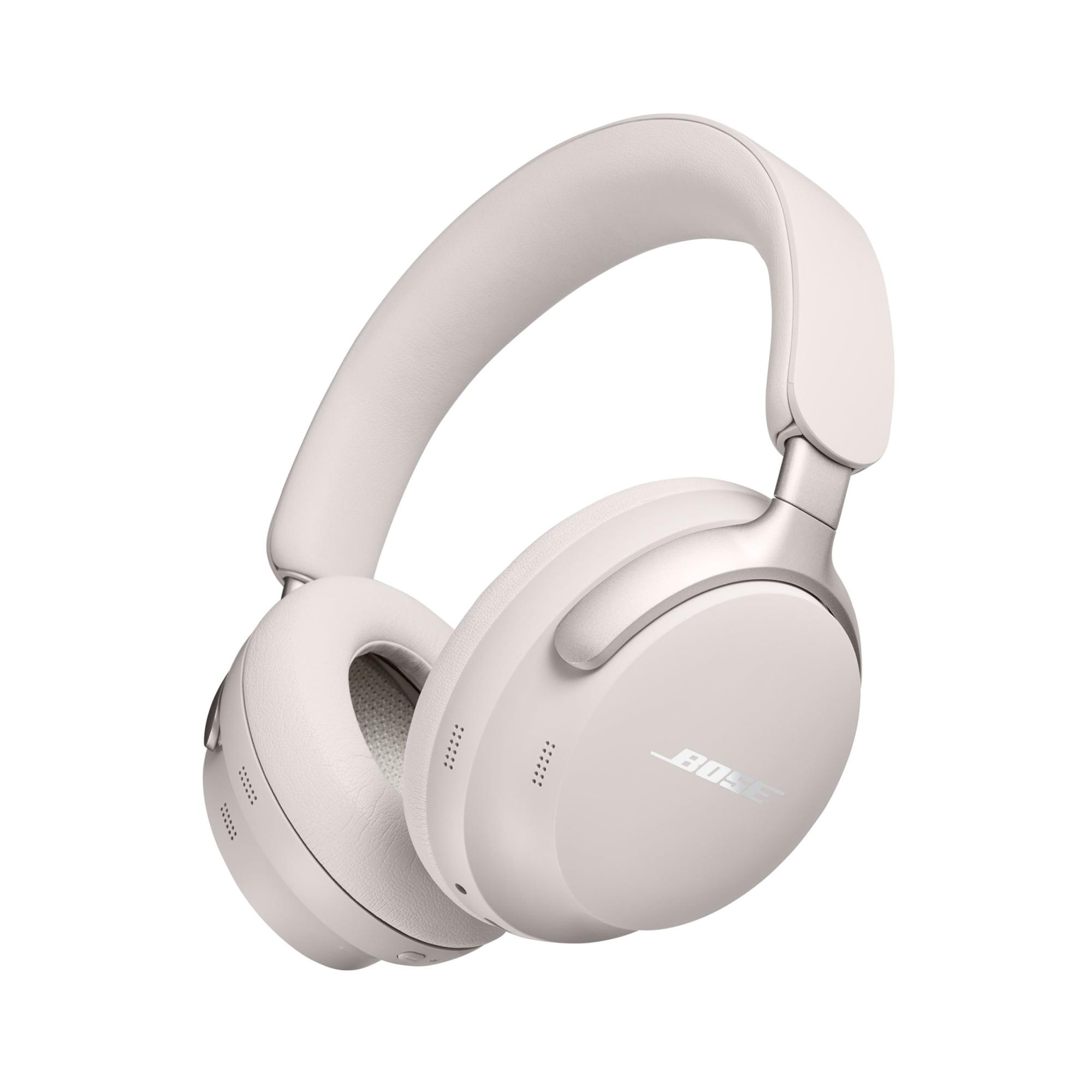
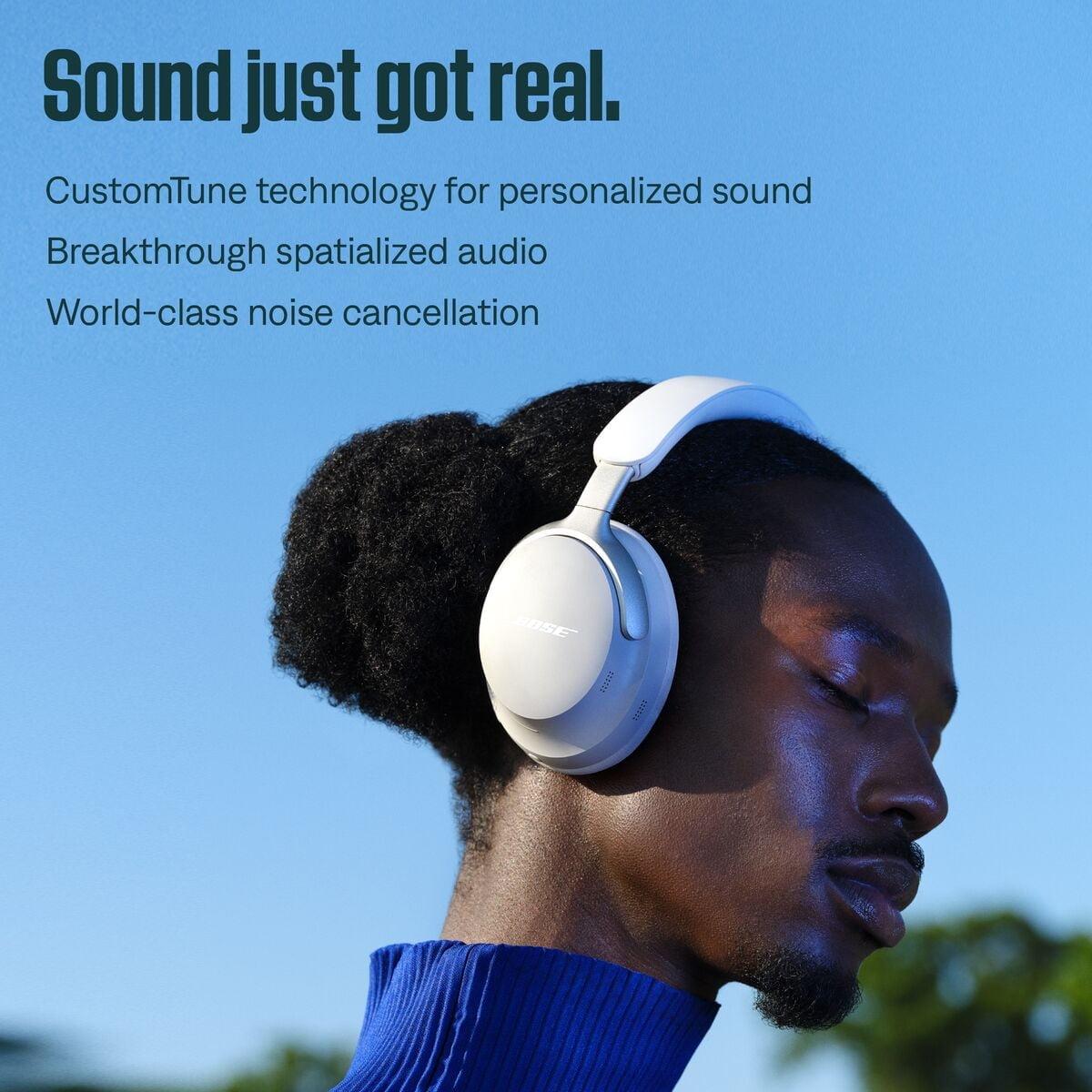

When I'm helping friends choose wireless noise-cancelling headphones, the conversation almost always comes down to one fundamental question: "How much am I willing to spend for significantly better performance?" The comparison between the Sennheiser HD 450BT and Bose QuietComfort Ultra perfectly illustrates this dilemma, representing two distinct philosophies in the wireless headphone market.
Before diving into the specifics, it's worth understanding what makes noise-cancelling headphones tick. These devices use active noise cancellation (ANC) – a technology that employs microphones to detect external sounds and generates opposing sound waves to cancel them out. Think of it like noise-fighting noise. This is different from passive isolation, which simply blocks sound through physical barriers like thick ear cushions.
The wireless aspect means they connect to your devices via Bluetooth, eliminating the need for cables while maintaining high-quality audio transmission. Modern wireless headphones have evolved far beyond the early days of poor sound quality and constant dropouts that plagued Bluetooth audio in the 2000s and early 2010s.
When evaluating any pair in this category, you'll want to consider noise cancellation effectiveness, audio quality, comfort for extended wear, battery life, and the overall feature set. The balance of these factors, combined with price, determines the value proposition of each model.
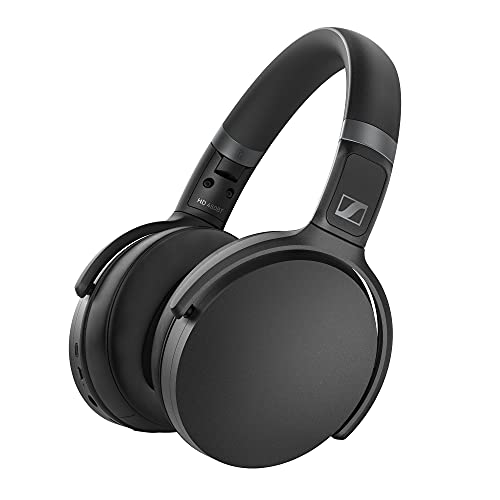
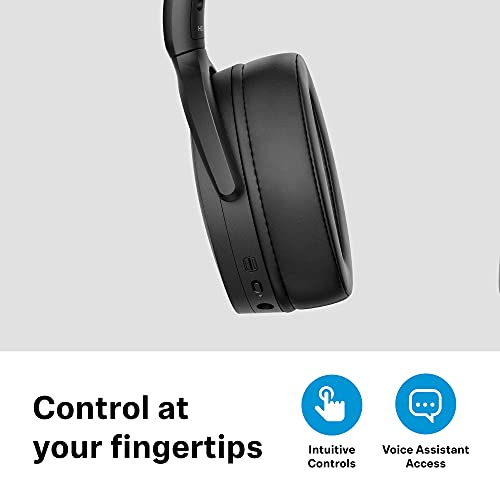
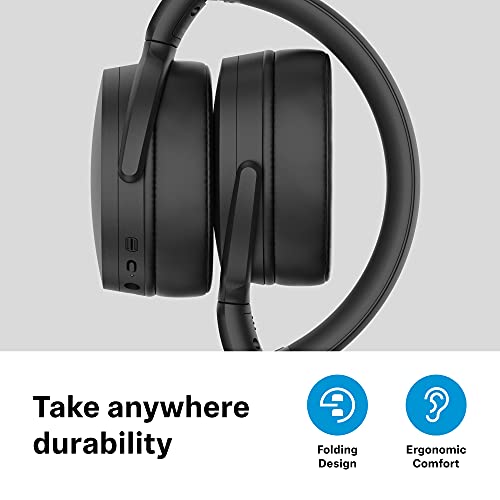
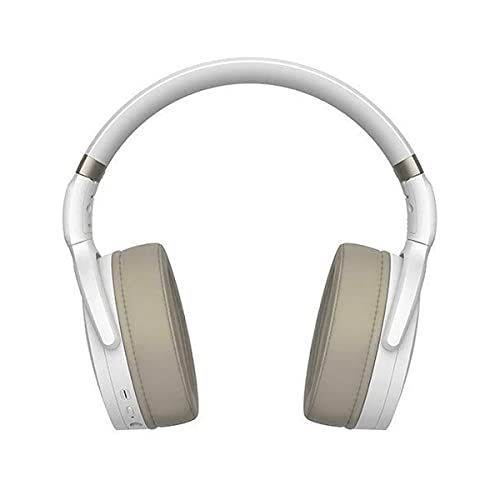
The Sennheiser HD 450BT, released in 2020, represents what I'd call the "sweet spot" approach to wireless noise-cancelling headphones. Sennheiser, a German audio company with decades of professional audio experience, designed these to deliver solid performance across all key areas without the premium pricing of flagship models.
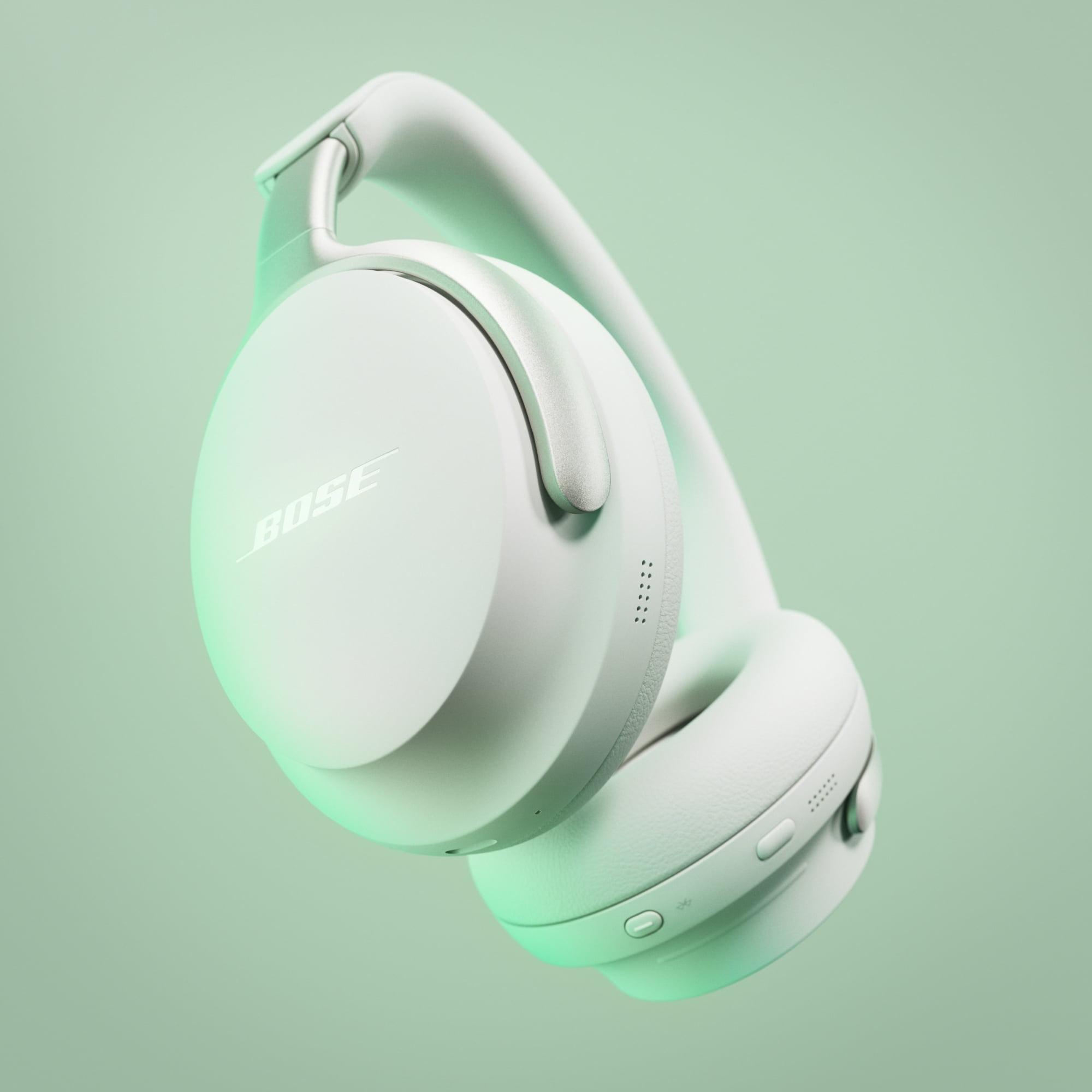
In contrast, the Bose QuietComfort Ultra, launched in 2023, embodies the "no-compromise" philosophy. Bose has been pioneering noise cancellation technology since the 1980s, and the QuietComfort Ultra represents their latest advancement in consumer audio technology. At the time of writing, you can expect to pay roughly twice as much for the Bose compared to the Sennheiser.
This price gap isn't arbitrary – it reflects genuine differences in materials, technology, and performance. But whether those differences justify the cost depends entirely on your specific needs and priorities.
If you're considering noise-cancelling headphones, the ANC performance is likely your primary concern. This is where the gap between these two models becomes most apparent, and where the Bose QuietComfort Ultra justifies much of its premium pricing.
The Sennheiser HD 450BT offers what I'd describe as "practical" noise cancellation. It effectively reduces consistent background sounds like air conditioning, computer fans, and general office chatter. For working from home or casual commuting, it does the job well. The ANC system uses external microphones to detect ambient noise and applies digital processing to counteract it. However, it's a relatively basic implementation – there's simply an on/off switch with no fine-tuning options.
The Bose QuietComfort Ultra, however, operates in a different league entirely. Bose's hybrid ANC system uses both internal and external microphones to create a more comprehensive sound barrier. What makes it particularly impressive is the CustomTune technology – a feature that analyzes your individual ear shape every time you put the headphones on. Using internal microphones, the system measures how sound bounces around your specific ear canals and automatically adjusts both the audio output and noise cancellation accordingly.
This personalization matters more than you might think. Everyone's ears are shaped differently, and these variations affect how sound waves interact with your ear canal. What sounds balanced to one person might sound bass-heavy or tinny to another. The CustomTune system essentially creates a personalized acoustic profile, ensuring optimal performance for your unique hearing anatomy.
The Bose QuietComfort Ultra also offers multiple ANC modes. Quiet Mode provides maximum isolation for focus or sleep, while Aware Mode allows ambient sound through so you can maintain situational awareness. The Immersion Mode combines full noise cancellation with Bose's spatial audio technology for what they call the most enveloping experience possible.
For frequent travelers, especially those who spend time on airplanes, the difference in noise cancellation quality between these two models is night and day. The Bose QuietComfort Ultra can make a noisy airplane cabin feel nearly silent, while the Sennheiser HD 450BT reduces the noise to a manageable level but doesn't eliminate it entirely.
Both headphones deliver enjoyable listening experiences, but they take different approaches to sound reproduction. Understanding these differences helps explain why some listeners strongly prefer one over the other.
The Sennheiser HD 450BT follows Sennheiser's traditional approach of relatively neutral, balanced sound. The frequency response – how loudly different pitches are reproduced – aims for accuracy rather than excitement. Bass is present and well-controlled without overwhelming the midrange where vocals and most instruments live. The treble (high frequencies) can be slightly understated, which some find smoothing for long listening sessions but others might find lacking in sparkle and detail.
This balanced approach makes the Sennheiser HD 450BT versatile across different music genres. Whether you're listening to classical music, podcasts, rock, or electronic music, nothing sounds dramatically out of place. It's what audio engineers might call a "safe" tuning – unlikely to offend anyone, though it might not excite everyone either.
The Bose QuietComfort Ultra takes a more consumer-oriented approach, prioritizing engagement and enjoyment over strict neutrality. The sound signature is warmer and more dynamic, with fuller bass response and a presentation that places instruments and vocals more prominently in the mix. This creates what many describe as a more immersive and exciting listening experience.
The CustomTune technology in the Bose QuietComfort Ultra also optimizes the frequency response for your individual hearing profile. This personalization can make a significant difference in how balanced and natural the sound appears to your ears specifically.
One unique feature of the Bose QuietComfort Ultra is Immersive Audio – Bose's take on spatial audio technology. This feature attempts to move the sound from "inside your head" to "in front of you," creating a more speaker-like experience. The effectiveness varies significantly depending on the source material and individual listener preferences. Some find it genuinely enhancing for certain types of music and movies, while others prefer traditional stereo reproduction.
Comfort becomes crucial when you're wearing headphones for hours at a time, whether for work, travel, or entertainment. Both models prioritize wearability, but they achieve it differently.
The Sennheiser HD 450BT uses a lightweight approach, weighing in at just 238 grams. The ear cushions provide adequate padding, and the headband distributes weight reasonably well. The clamping force – how tightly the headphones grip your head – is moderate, making them suitable for extended wear without becoming uncomfortable. The build is primarily plastic, which keeps costs down while maintaining durability for everyday use.
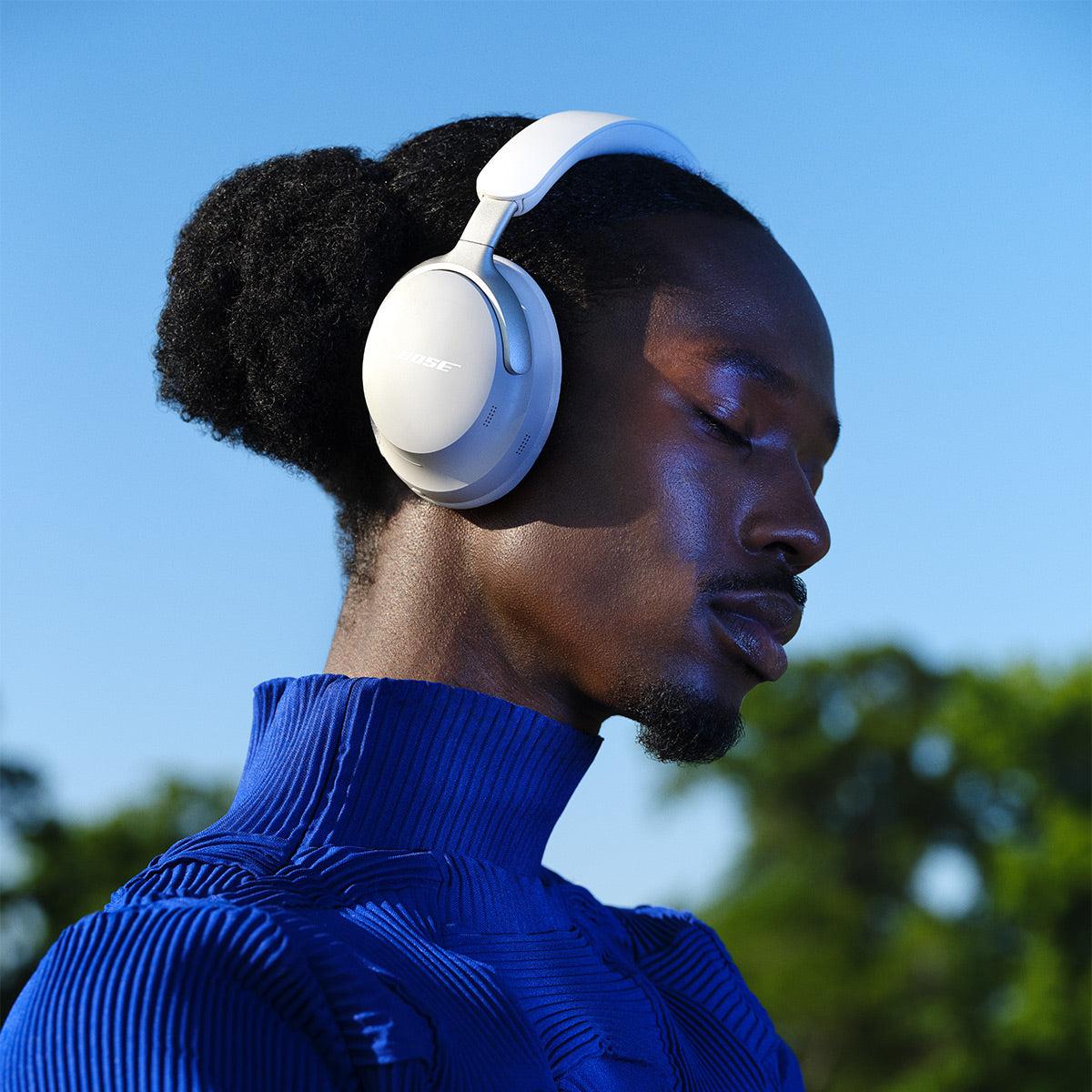
The Bose QuietComfort Ultra takes comfort more seriously, and it shows. At 253 grams, they're slightly heavier than the Sennheiser, but the weight distribution is superior. The ear cushions use premium protein leather that feels softer against your skin and creates a better seal for noise isolation. The headband padding is more substantial, and the clamping force is carefully calibrated to secure the headphones without creating pressure points.
After wearing both models for several hours, the comfort difference becomes apparent. The Bose QuietComfort Ultra simply disappears on your head in a way that the Sennheiser HD 450BT, while comfortable, doesn't quite achieve. For anyone planning to wear their headphones for extended periods – whether for long flights, all-day work sessions, or binge-watching sessions – this comfort advantage is meaningful.
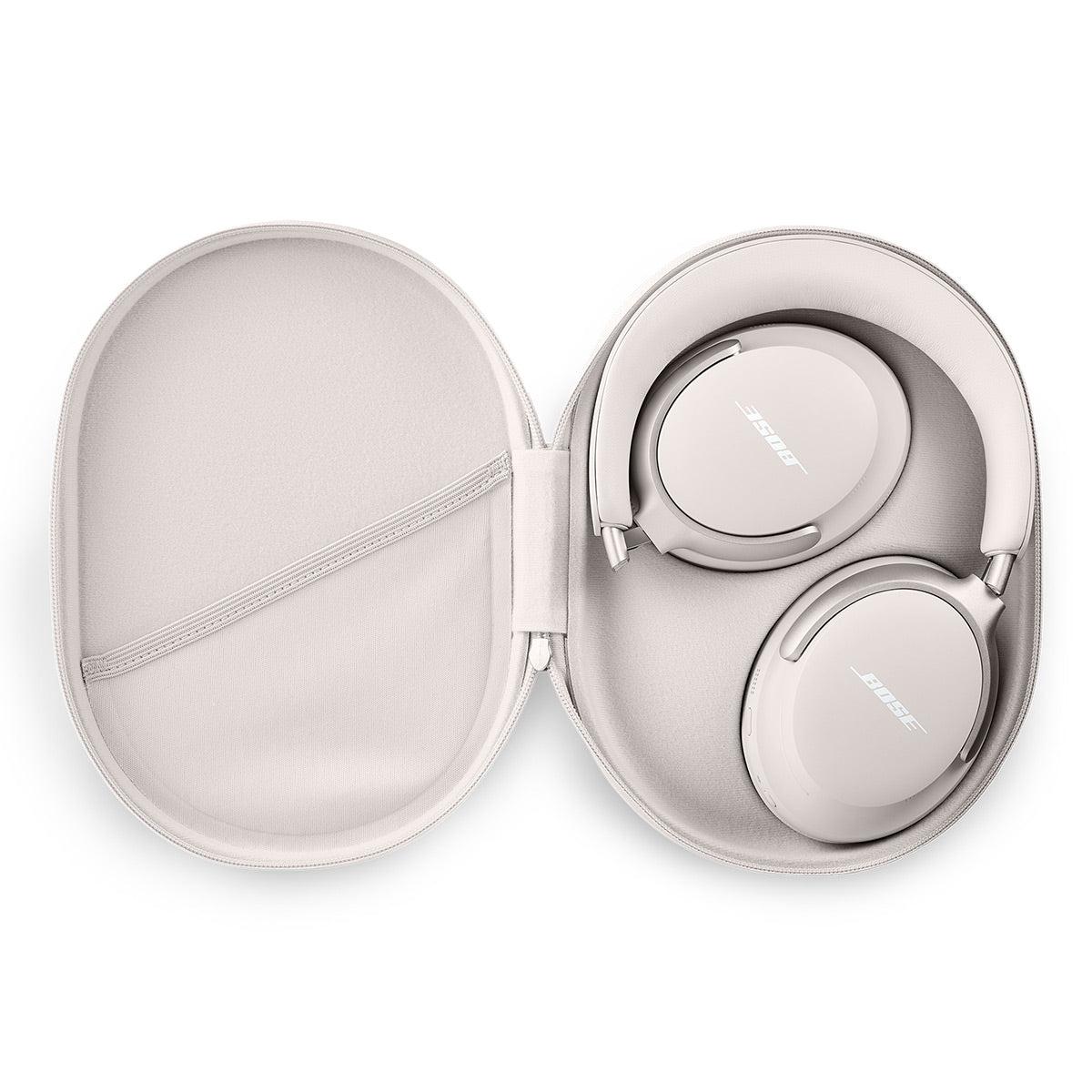
Both models fold for portability, but the Bose QuietComfort Ultra includes a more premium carrying case that better protects your investment during travel.
Battery performance is one area where the Sennheiser HD 450BT clearly outperforms its more expensive competitor, and it's a significant advantage that shouldn't be overlooked.
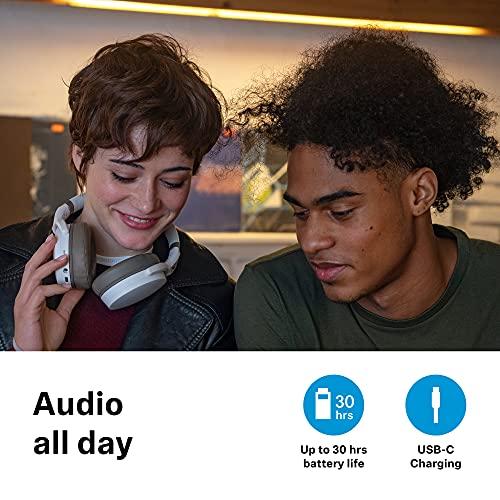
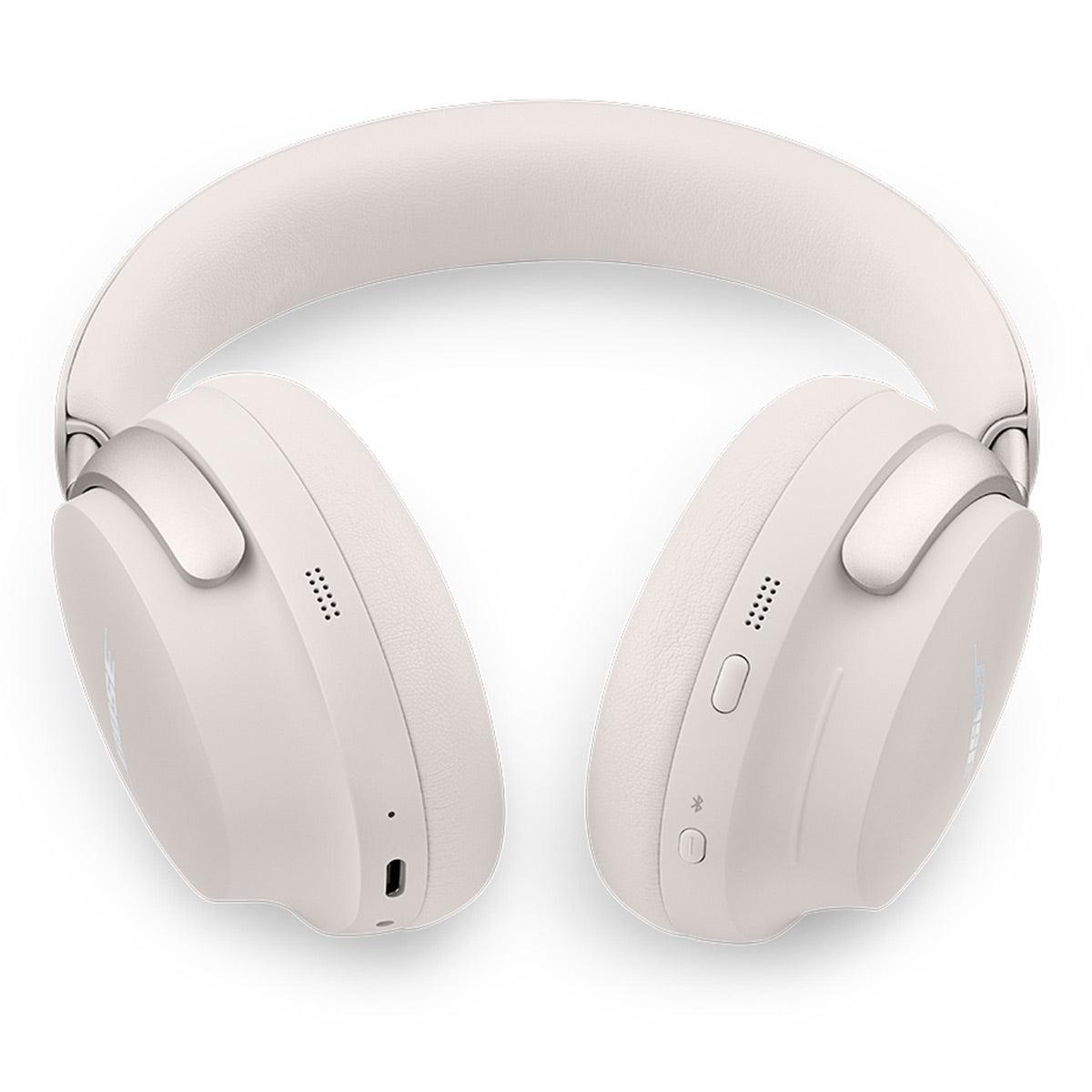
The Sennheiser HD 450BT delivers an impressive 30 hours of playback with both Bluetooth and active noise cancellation enabled. This exceptional battery life means you can use them for a full work week without charging, or handle even the longest international flights with power to spare. The charging is handled via USB-C, and a full charge takes about two hours.
The Bose QuietComfort Ultra provides 24 hours of battery life with ANC enabled, which drops to 18 hours when using the Immersive Audio features. While 24 hours is still respectable, it falls short of what many competing premium models offer. The charging also takes longer at three hours for a full charge, though a 15-minute quick charge provides about 2.5 hours of playback time.
For heavy users, this battery difference is substantial. An extra six hours of playback time means fewer charging interruptions and less anxiety about running out of power during critical listening sessions. The Sennheiser HD 450BT's battery advantage becomes even more pronounced if you frequently use features that drain battery faster.
Both headphones support modern Bluetooth connectivity, but they offer different feature sets that cater to different user priorities.
The Sennheiser HD 450BT uses Bluetooth 5.0 and supports multiple audio codecs, including aptX, aptX Low Latency, and AAC. The aptX Low Latency codec is particularly valuable for gamers and anyone who watches a lot of video content, as it significantly reduces the delay between audio and video. This might seem like a minor detail, but audio lag can be genuinely annoying when watching movies or playing games.
The headphones support multipoint connectivity, allowing you to connect to two devices simultaneously. This means you can have them connected to both your laptop and phone, automatically switching audio sources as needed. The Sennheiser Smart Control app provides basic EQ adjustments and firmware updates, though the app functionality is relatively limited compared to more premium offerings.
The Bose QuietComfort Ultra uses the newer Bluetooth 5.3 standard and supports aptX Adaptive, which automatically adjusts audio quality based on your connection strength and content type. The Bose Music app is significantly more comprehensive, offering detailed EQ customization, noise cancellation mode adjustments, and device management features.
One standout feature of the Bose QuietComfort Ultra is the capacitive touch strip for volume control, combined with customizable shortcut functions. The on-head detection automatically pauses music when you remove the headphones, which sounds minor but becomes genuinely convenient in daily use.
For gaming enthusiasts and home theater use, both headphones offer advantages, though in different scenarios.
The Sennheiser HD 450BT's aptX Low Latency support makes it particularly well-suited for gaming. Audio lag – the delay between when something happens on screen and when you hear it – can be genuinely disruptive for competitive gaming or immersive single-player experiences. The aptX Low Latency codec reduces this delay to nearly imperceptible levels, assuming your gaming device supports it.
For home theater use, the Sennheiser HD 450BT's more neutral sound signature can be advantageous for accurately reproducing movie soundtracks and dialogue. The balanced frequency response means you're hearing the audio mix as the sound engineers intended, rather than with added coloration.
The Bose QuietComfort Ultra's superior noise cancellation becomes valuable in noisy home environments, allowing you to enjoy movies and games without cranking the volume to overcome background distractions. The Immersive Audio feature, while hit-or-miss for music, can be more effective with movie content that's specifically mixed to take advantage of spatial audio processing.
The richer, more dynamic sound signature of the Bose QuietComfort Ultra can make action movies and games feel more exciting and engaging, though this comes at the cost of strict accuracy to the original audio mix.
It's worth noting that the Sennheiser HD 450BT, despite being released in 2020, remains relevant because its core strengths – battery life, codec support, and balanced sound – haven't been significantly outpaced by newer budget models. The wireless headphone market has stabilized somewhat, with most improvements happening in the premium segment.
The Bose QuietComfort Ultra, being a 2023 release, incorporates more recent advances in noise cancellation algorithms, Bluetooth connectivity, and personalized audio processing. The CustomTune technology represents a genuine innovation in how headphones adapt to individual users, though similar personalization features are beginning to appear in other premium models.
Since 2020, we've seen improvements in codec support, battery efficiency, and ANC processing power across the industry. However, the fundamental trade-offs between price, performance, and features remain consistent.
The choice between the Sennheiser HD 450BT and Bose QuietComfort Ultra ultimately depends on your specific priorities and budget constraints.
Choose the Sennheiser HD 450BT if you want solid performance across all categories without premium pricing. It's ideal for users who primarily listen at home or in moderately noisy environments, value exceptional battery life, and appreciate having budget remaining for other audio equipment or priorities. The aptX Low Latency support makes it particularly appealing for gamers and video content enthusiasts.
The Bose QuietComfort Ultra makes sense when you prioritize the absolute best noise cancellation and comfort, frequently travel in noisy environments, and value having the latest audio technologies. The premium you pay delivers meaningful improvements in key areas, particularly if you spend significant time in challenging acoustic environments.
At the time of writing, the price difference represents roughly a 100% premium for the Bose model. Whether that premium is justified depends on how much you value the superior noise cancellation, enhanced comfort, and advanced features. For occasional users, the Sennheiser HD 450BT likely provides better value. For frequent travelers or users who demand the best possible experience, the Bose QuietComfort Ultra can justify its higher cost through daily use benefits.
Both represent solid choices within their respective market segments, offering reliable performance and build quality from respected audio companies. The decision comes down to matching your specific needs and budget to the strengths each model offers.
| Sennheiser HD 450BT | Bose QuietComfort Ultra |
|---|---|
| Active Noise Cancellation - Critical for blocking distractions in noisy environments | |
| Basic ANC with on/off toggle, good for office/home use | Industry-leading hybrid ANC with CustomTune personalization, exceptional for travel |
| Battery Life - Determines how often you need to charge | |
| 30 hours (ANC + Bluetooth) - outstanding for heavy users | 24 hours (18 hours with spatial audio) - good but below premium average |
| Audio Codec Support - Affects sound quality and gaming/video lag | |
| aptX, aptX Low Latency, AAC - excellent for gaming | aptX Adaptive, AAC - optimizes automatically but no low-latency gaming |
| Weight and Comfort - Important for extended wear sessions | |
| 238g, comfortable padding, moderate clamping force | 253g, premium protein leather cushions, superior long-term comfort |
| Sound Signature - Determines your listening experience | |
| Balanced, neutral Sennheiser house sound | Warm, engaging sound with CustomTune personalization |
| Noise Cancellation Modes - Flexibility for different situations | |
| Simple on/off ANC control | Multiple modes (Quiet, Aware, Immersion) with app customization |
| Spatial Audio Features - Enhanced immersion for compatible content | |
| None - traditional stereo only | Bose Immersive Audio with head tracking (results vary by content) |
| App Functionality - Customization and control options | |
| Basic Sennheiser Smart Control app with limited EQ | Comprehensive Bose Music app with detailed EQ and mode controls |
| Build Materials - Affects durability and premium feel | |
| Primarily plastic construction, foldable design | Premium materials with aluminum accents, superior fit and finish |
| Multipoint Connectivity - Connect to multiple devices simultaneously | |
| Yes - connect to phone and computer at once | Yes - with more advanced device switching |
| Quick Charge Capability - How fast you can get back to listening | |
| 15 minutes = 1.5 hours playback | 15 minutes = 2.5 hours playbook |
| Release Year - Technology generation and feature currency | |
| 2020 - proven technology, stable performance | 2023 - latest ANC algorithms and personalization features |
The Bose QuietComfort Ultra offers significantly superior noise cancellation compared to the Sennheiser HD 450BT. Bose uses industry-leading hybrid ANC technology with CustomTune personalization that adapts to your ear shape, making it exceptional for travel and noisy environments. The Sennheiser HD 450BT provides basic but adequate noise cancellation suitable for office and home use.
The Sennheiser HD 450BT delivers 30 hours of battery life with ANC enabled, while the Bose QuietComfort Ultra provides 24 hours (or 18 hours with spatial audio features active). For heavy users who prioritize long listening sessions without frequent charging, the Sennheiser HD 450BT has a clear advantage.
The Sennheiser HD 450BT is better suited for gaming due to its aptX Low Latency codec support, which significantly reduces audio delay between what you see and hear. The Bose QuietComfort Ultra lacks low-latency codec support, making it less ideal for competitive gaming where audio timing matters.
Both offer good comfort, but the Bose QuietComfort Ultra excels with premium protein leather cushions and superior weight distribution that makes them virtually disappear during extended wear. The Sennheiser HD 450BT is comfortable and lighter at 238g, but doesn't match the luxury comfort of the Bose model for all-day use.
Sound quality depends on personal preference. The Sennheiser HD 450BT offers a balanced, neutral sound signature that's accurate across all music genres. The Bose QuietComfort Ultra provides a warmer, more engaging sound with CustomTune technology that personalizes audio to your hearing profile, making it more immersive but less neutral.
Yes, both models handle phone calls well. The Bose QuietComfort Ultra has a slight edge with better microphone technology and superior background noise reduction during calls. The Sennheiser HD 450BT provides clear voice quality that's perfectly adequate for work calls and casual conversations.
The Sennheiser HD 450BT offers exceptional value, delivering solid performance across all categories at a budget-friendly price point. While the Bose QuietComfort Ultra provides premium features and performance, you'll pay roughly double the price for those improvements, making value dependent on your specific needs and budget.
Both work well for home theater use. The Sennheiser HD 450BT offers neutral sound reproduction and low-latency codec support for accurate movie audio. The Bose QuietComfort Ultra provides superior noise cancellation for noisy homes and Immersive Audio spatial features that can enhance movie watching, though effectiveness varies by content.
The Bose QuietComfort Ultra uses newer Bluetooth 5.3 with aptX Adaptive codec and more advanced device switching. The Sennheiser HD 450BT uses Bluetooth 5.0 with multiple codec support including aptX Low Latency. Both support multipoint connectivity to connect two devices simultaneously.
The Bose QuietComfort Ultra offers faster quick charging, providing 2.5 hours of playback from a 15-minute charge compared to 1.5 hours from the Sennheiser HD 450BT. However, the Sennheiser's longer overall battery life means less frequent charging is needed.
Yes, the Bose QuietComfort Ultra comes with the comprehensive Bose Music app offering detailed EQ customization, multiple noise cancellation modes, and advanced device management. The Sennheiser HD 450BT includes the more basic Smart Control app with limited EQ adjustments and firmware updates.
Both models are foldable and travel-friendly, but the Bose QuietComfort Ultra includes a premium carrying case and offers significantly better noise cancellation for airplane and train travel. The Sennheiser HD 450BT is slightly lighter and offers longer battery life, making it excellent for extended travel where charging opportunities are limited.
We've done our best to create useful and informative comparisons to help you decide what product to buy. Our research uses advanced automated methods to create this comparison and perfection is not possible - please contact us for corrections or questions. These are the sites we've researched in the creation of this article: pocketnow.com - majorhifi.com - rtings.com - majorhifi.com - soundguys.com - rtings.com - bestbuy.com - versus.com - youtube.com - youtube.com - starkinsider.com - headphones.com - newsroom.sennheiser.com - headphonecheck.com - walmart.com - fullspecs.net - youtube.com - crutchfield.com - sennheiser-hearing.com - youtube.com - babblingboolean.com - techradar.com - whathifi.com - whathifi.com - whathifi.com - tomsguide.com - youtube.com - stereoguide.com - youtube.com - soundguys.com - soundguys.com - bose.com - headphonecheck.com - bose.com - cnet.com - bhphotovideo.com - boselatam.com - rtings.com - bestbuy.com - assets.bose.com - bose.com - bose.com.au - bose.com - boseapac.com

Privacy Policy
Terms and Conditions - Affiliate Policy
Home Security
© Copyright 2008-2026.
11816 Inwood Rd #1211, Dallas, TX 75244