

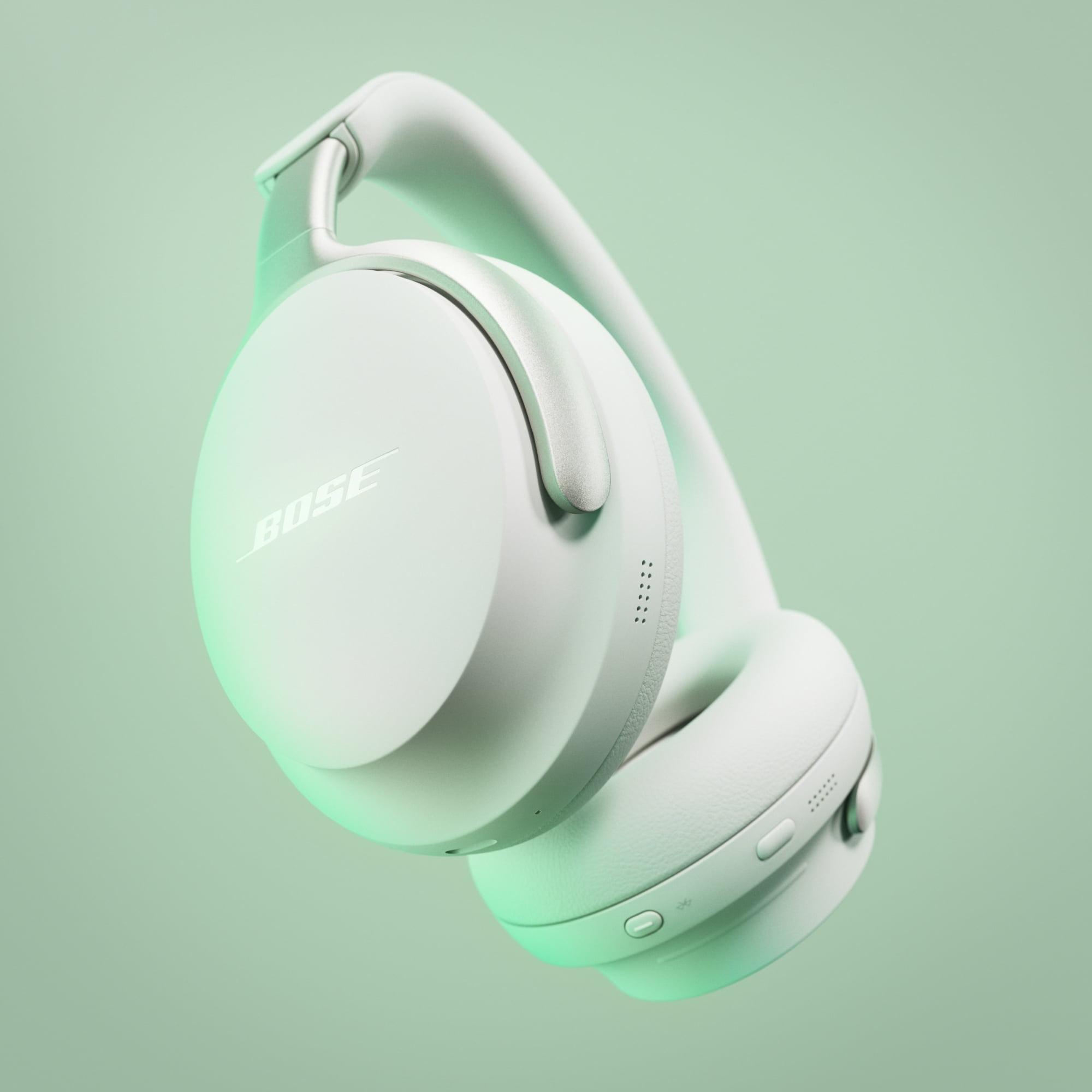
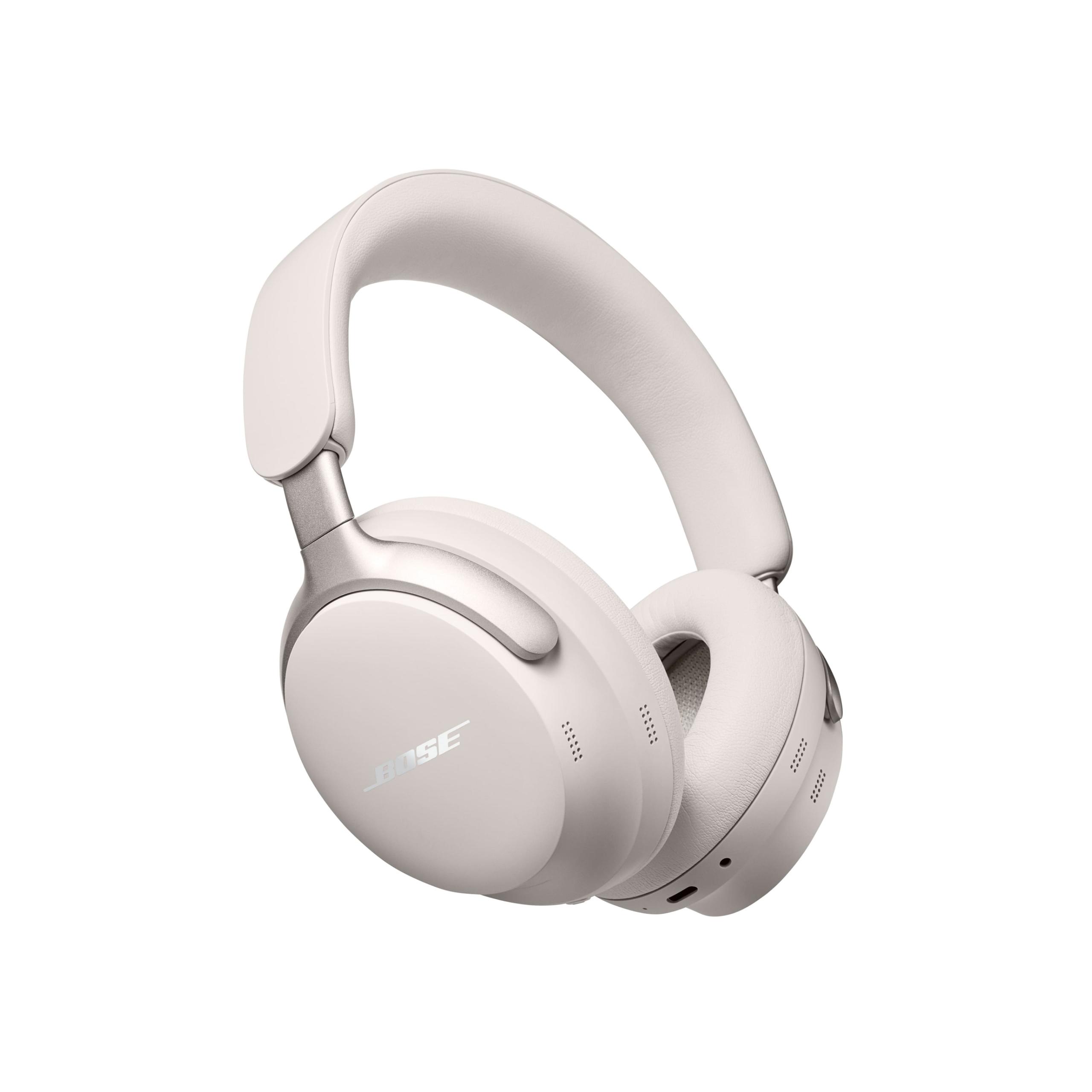
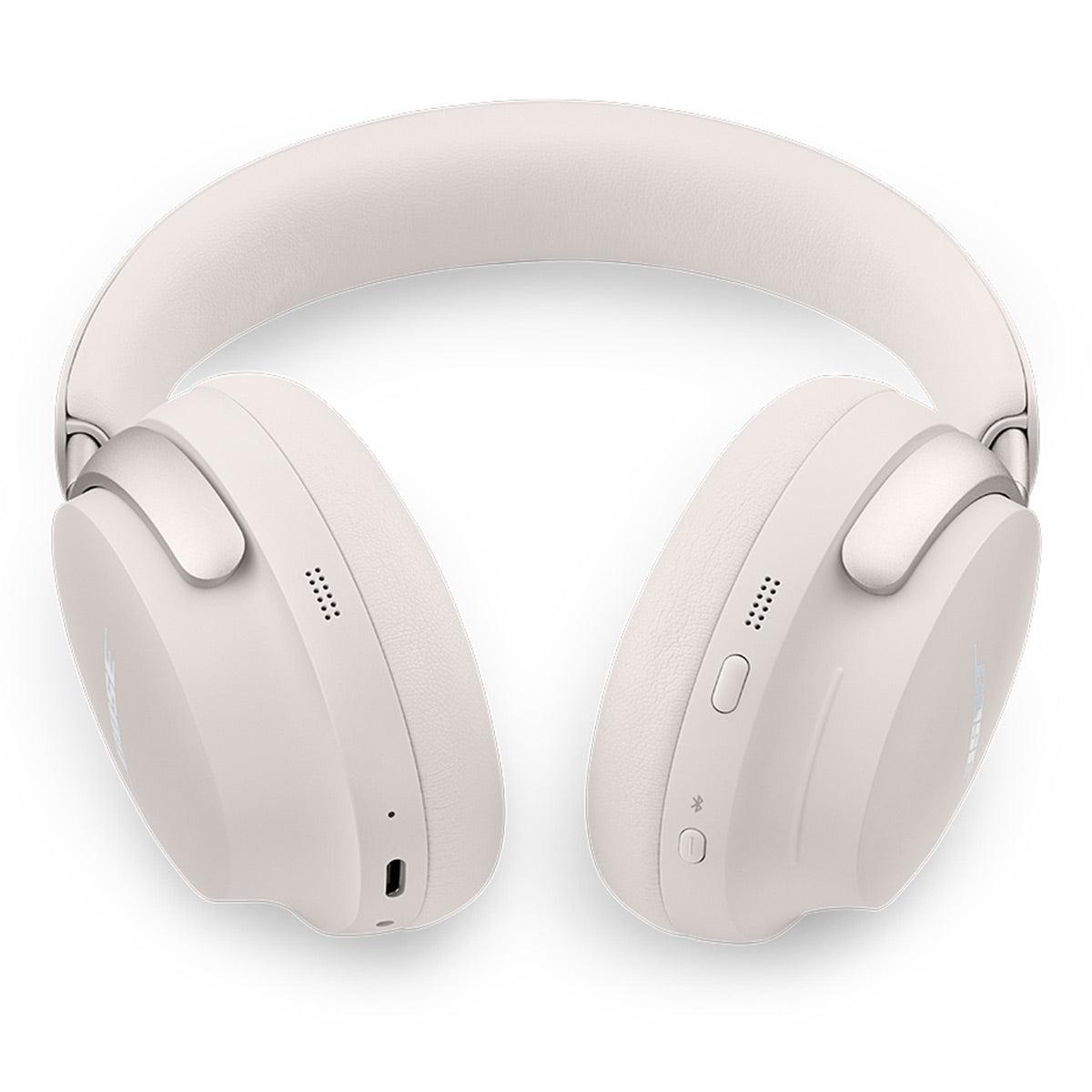
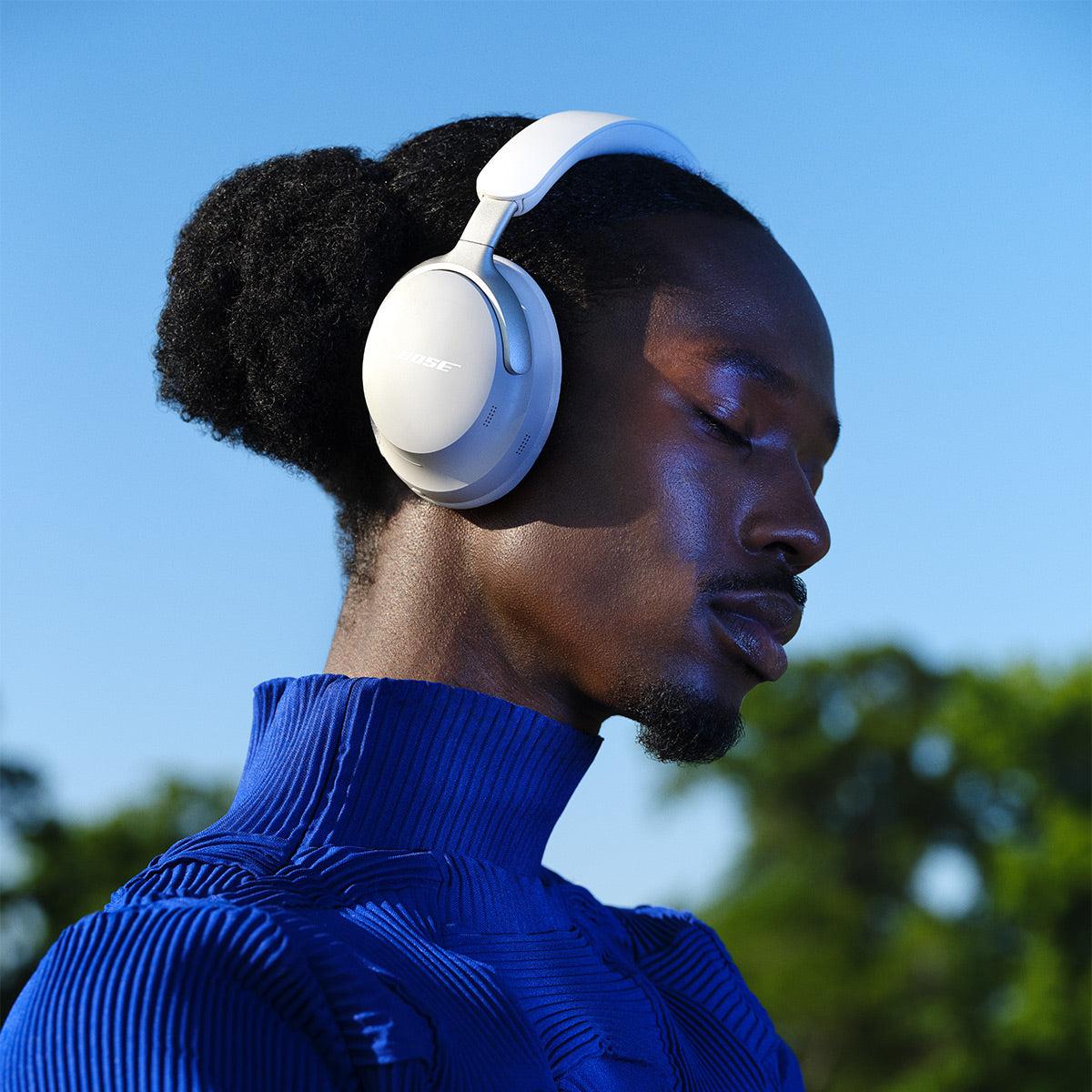
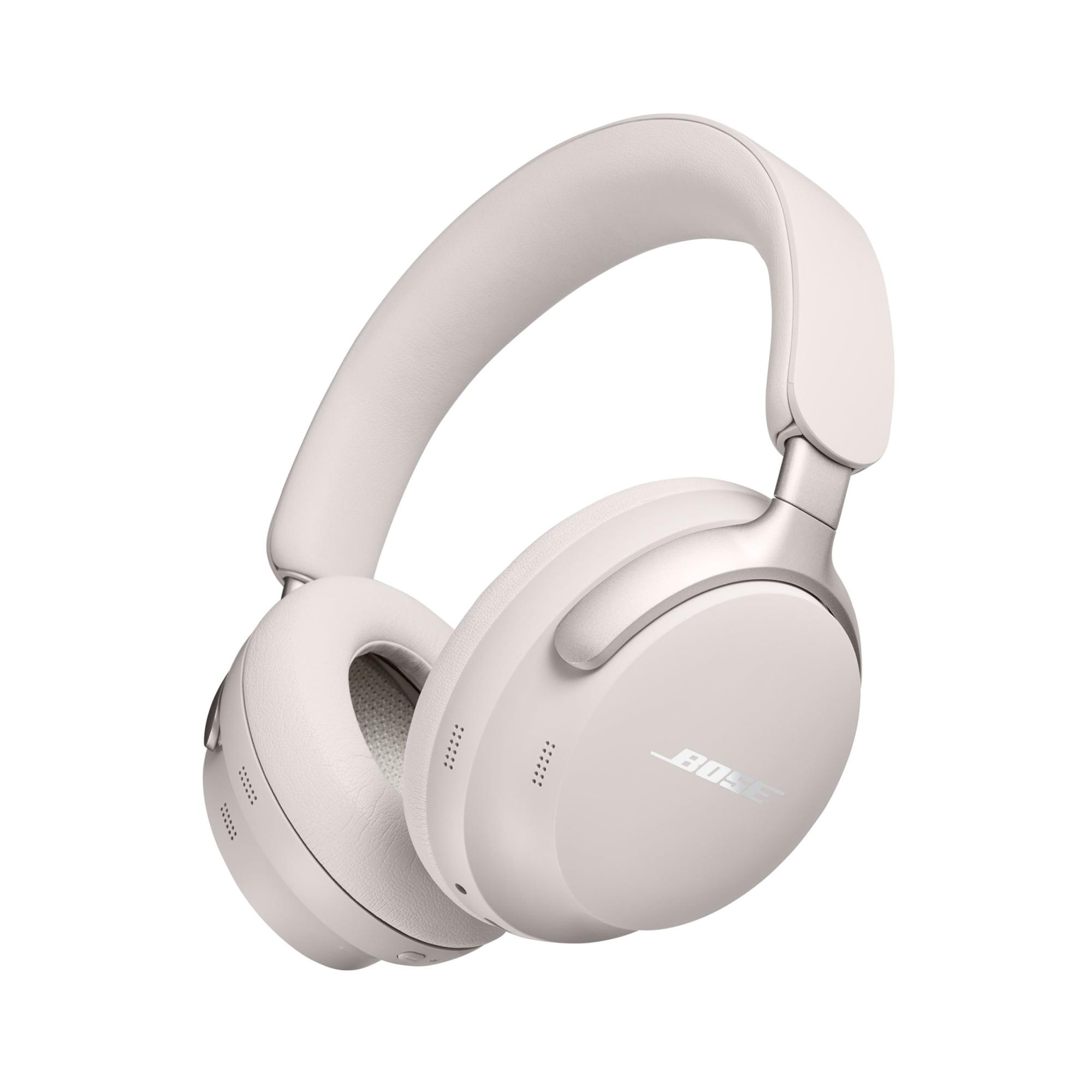

When you're ready to spend serious money on wireless noise-canceling headphones, two models consistently rise to the top of most audiophile wish lists: the Focal Bathys at $699 and the Bose QuietComfort Ultra at $429. But here's the thing—these headphones couldn't be more different in their approach to premium audio, despite both targeting the same discerning listeners.
I've spent considerable time with both models, and what struck me immediately is how they represent completely different philosophies. The Focal Bathys feels like a high-end studio monitor that learned to go wireless, while the Bose QuietComfort Ultra feels like the perfection of everything people actually want from wireless headphones. Let me walk you through what makes each special and help you figure out which one deserves your hard-earned cash.
Before diving into the specifics, it's worth understanding what separates premium wireless headphones from the dozens of cheaper options flooding the market. We're talking about models that cost $400+ and promise to deliver both exceptional sound quality and effective active noise cancellation (ANC)—that's the technology that uses microphones to detect outside noise and creates opposite sound waves to cancel it out.
The challenge with this category is that engineering great sound and great noise cancellation often requires different compromises. Powerful ANC systems can color the sound signature, while prioritizing pure audio fidelity might mean accepting less effective noise blocking. Premium manufacturers try to solve this puzzle in different ways, which is exactly what we see with these two models.
The key considerations when shopping in this space include audio fidelity (how accurately they reproduce music), noise cancellation effectiveness, comfort for long listening sessions, build quality, and features like wireless codec support (these are compression algorithms that determine audio quality over Bluetooth). Getting all of these right simultaneously is incredibly difficult, which explains why truly great models are rare and expensive.
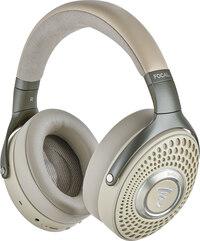
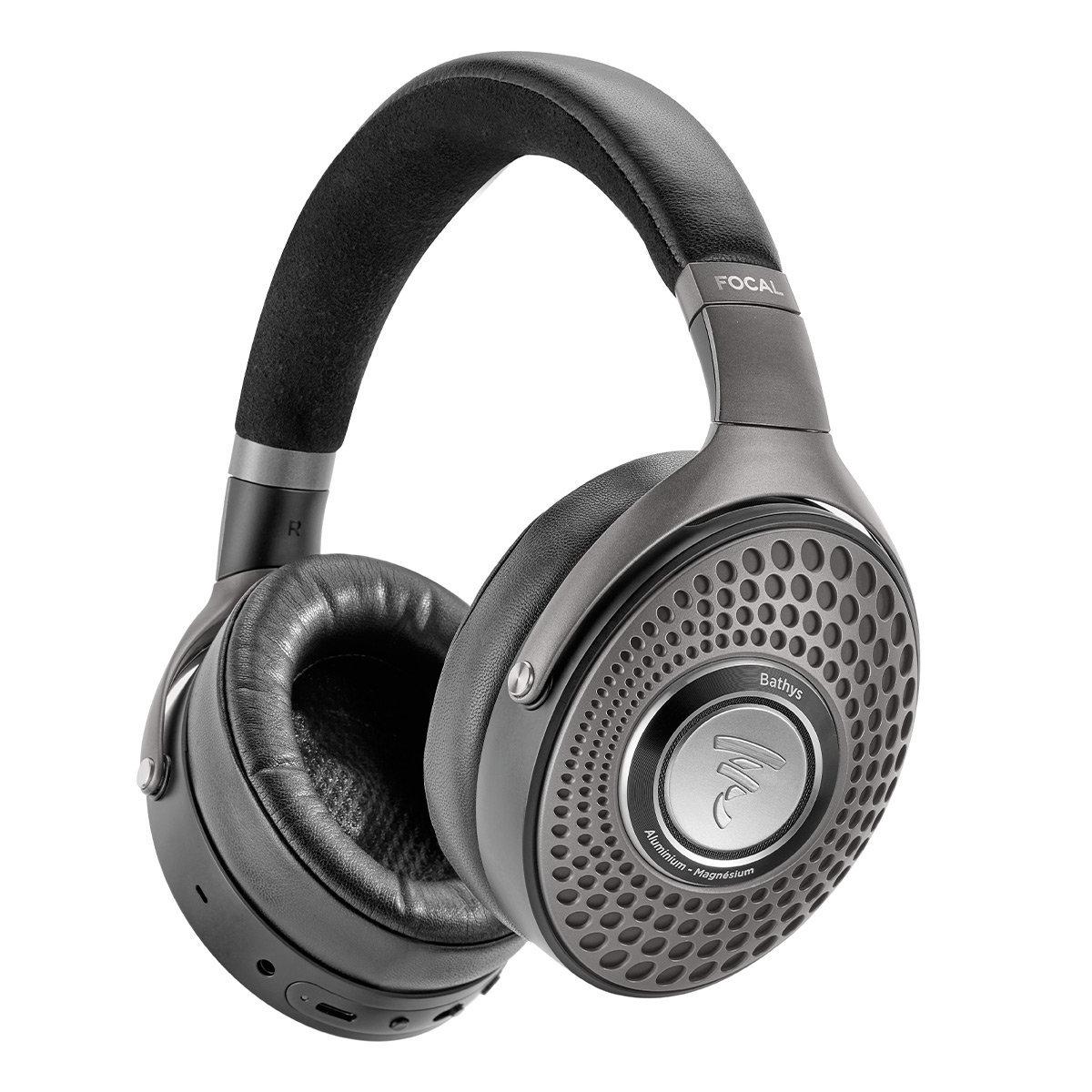
Released in October 2022, the Focal Bathys represents French audio company Focal's first serious attempt at wireless consumer headphones. Focal built their reputation making some of the world's most respected studio monitors and high-end speakers, so they approached wireless headphones like engineers rather than consumer electronics designers.
The star of the show is Focal's proprietary 40mm aluminum-magnesium 'M'-shaped dome driver, manufactured in their French facility. This isn't marketing speak—the driver design genuinely matters. The 'M' shape helps control resonances that can muddy sound, while the aluminum-magnesium alloy combines the rigidity needed for accurate bass with the damping properties that smooth out harsh frequencies. It's the same driver technology Focal uses in their professional studio monitors, just adapted for headphone use.
What makes the Focal Bathys truly unique is its USB-DAC mode. DAC stands for Digital-to-Analog Converter—it's the component that turns digital music files into analog signals your ears can hear. Most headphones rely on your phone or computer's built-in DAC, which is usually mediocre. The Bathys includes a high-quality DAC that supports up to 24-bit/192kHz audio resolution when connected via USB-C. To put that in perspective, CD quality is 16-bit/44.1kHz, so we're talking about significantly more musical information being preserved.
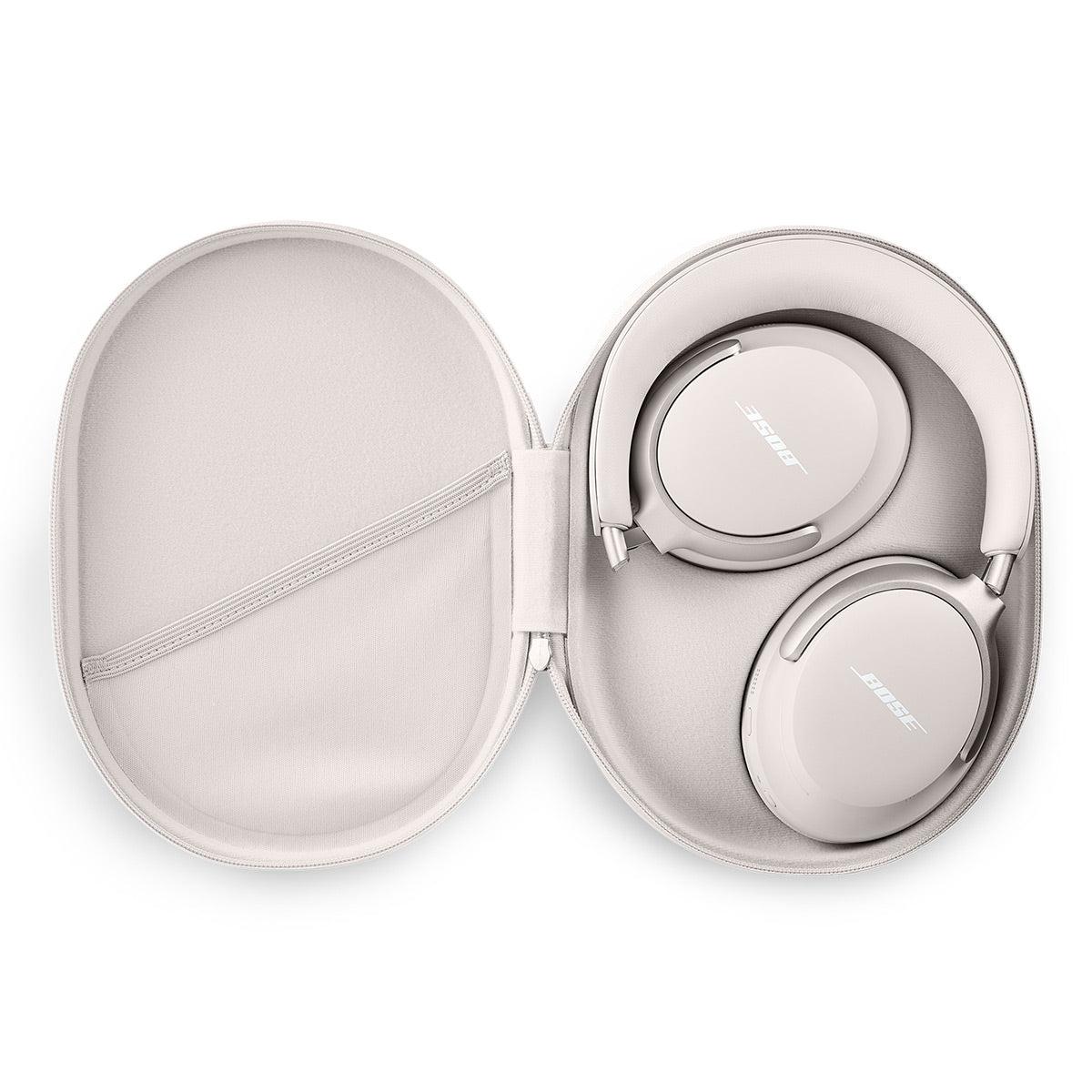
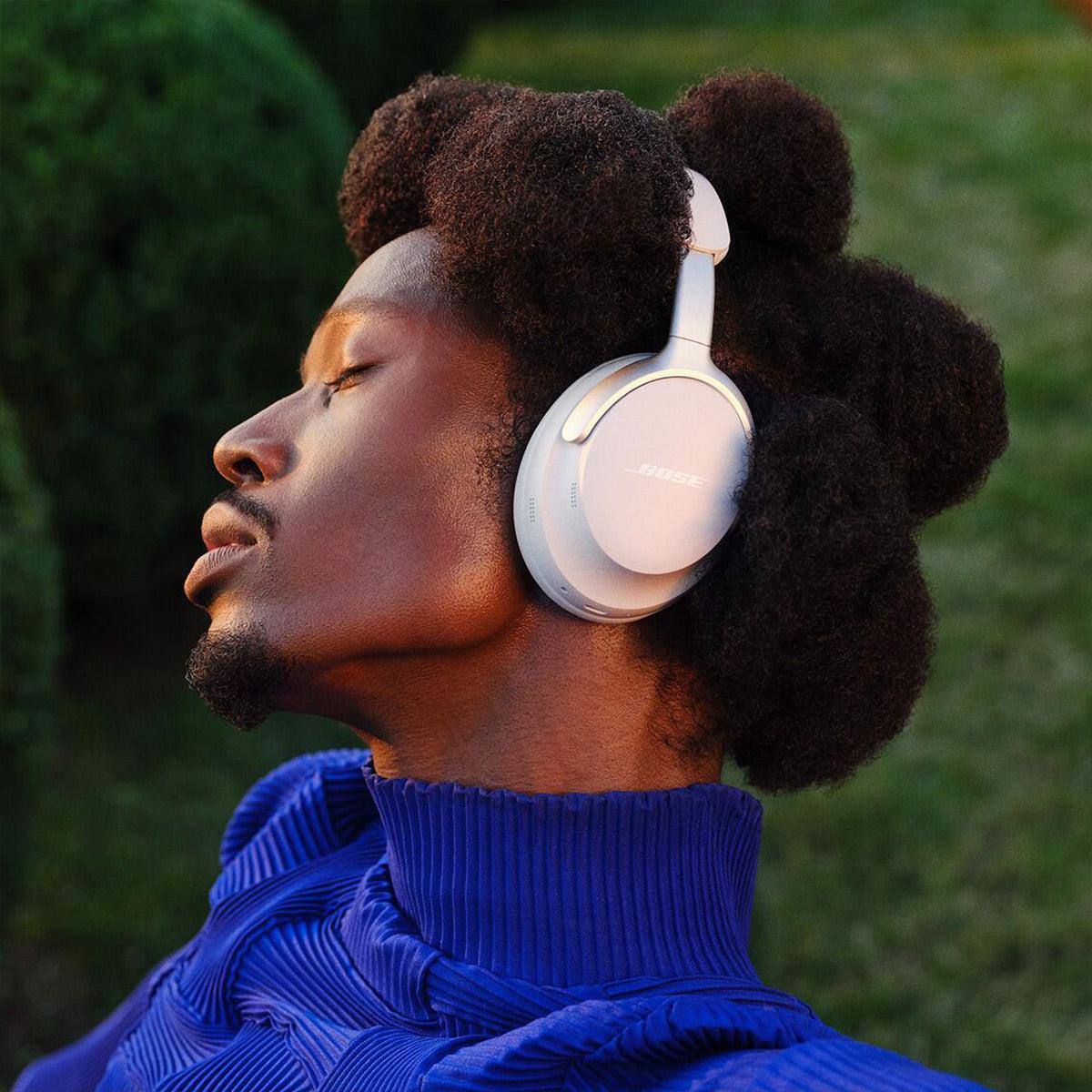
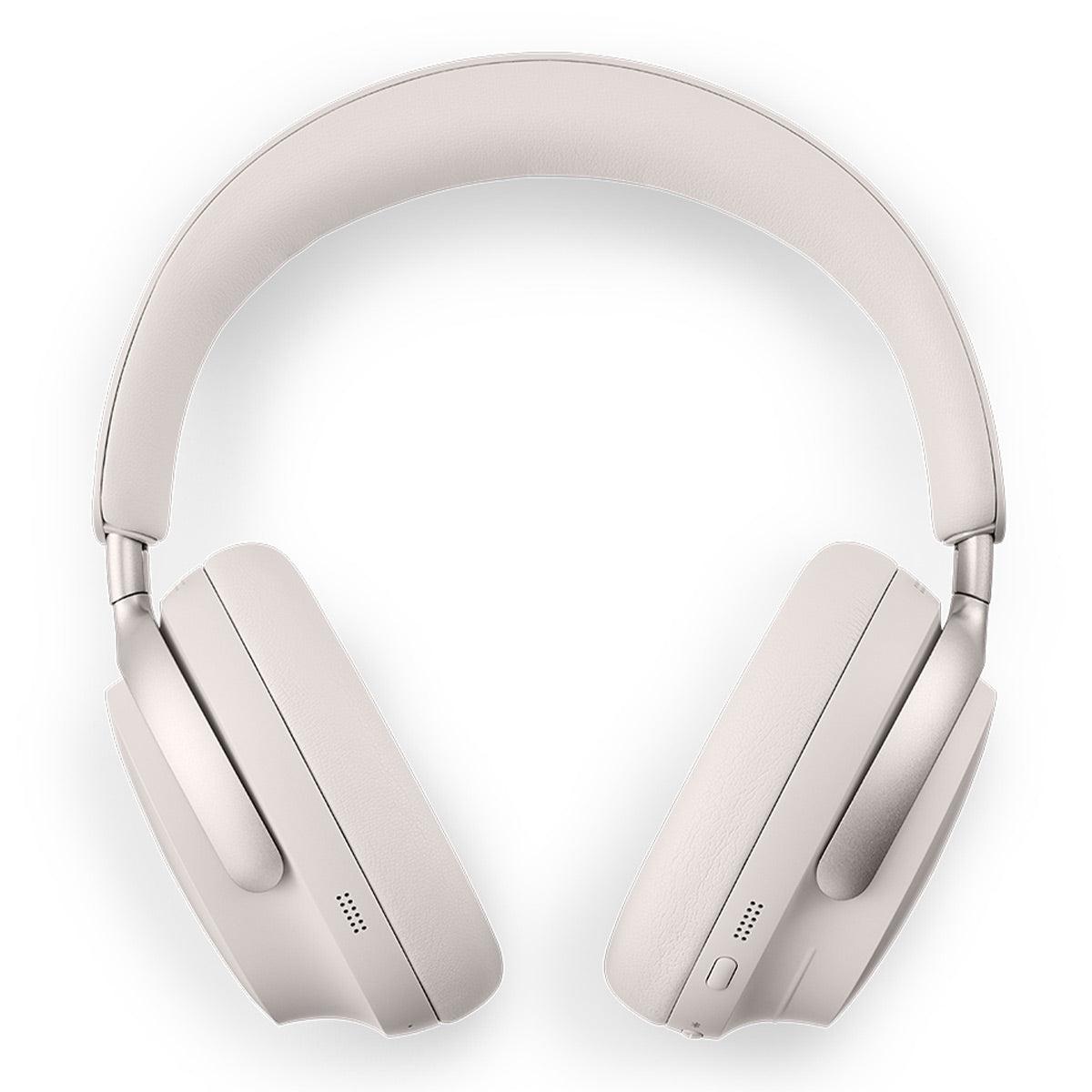
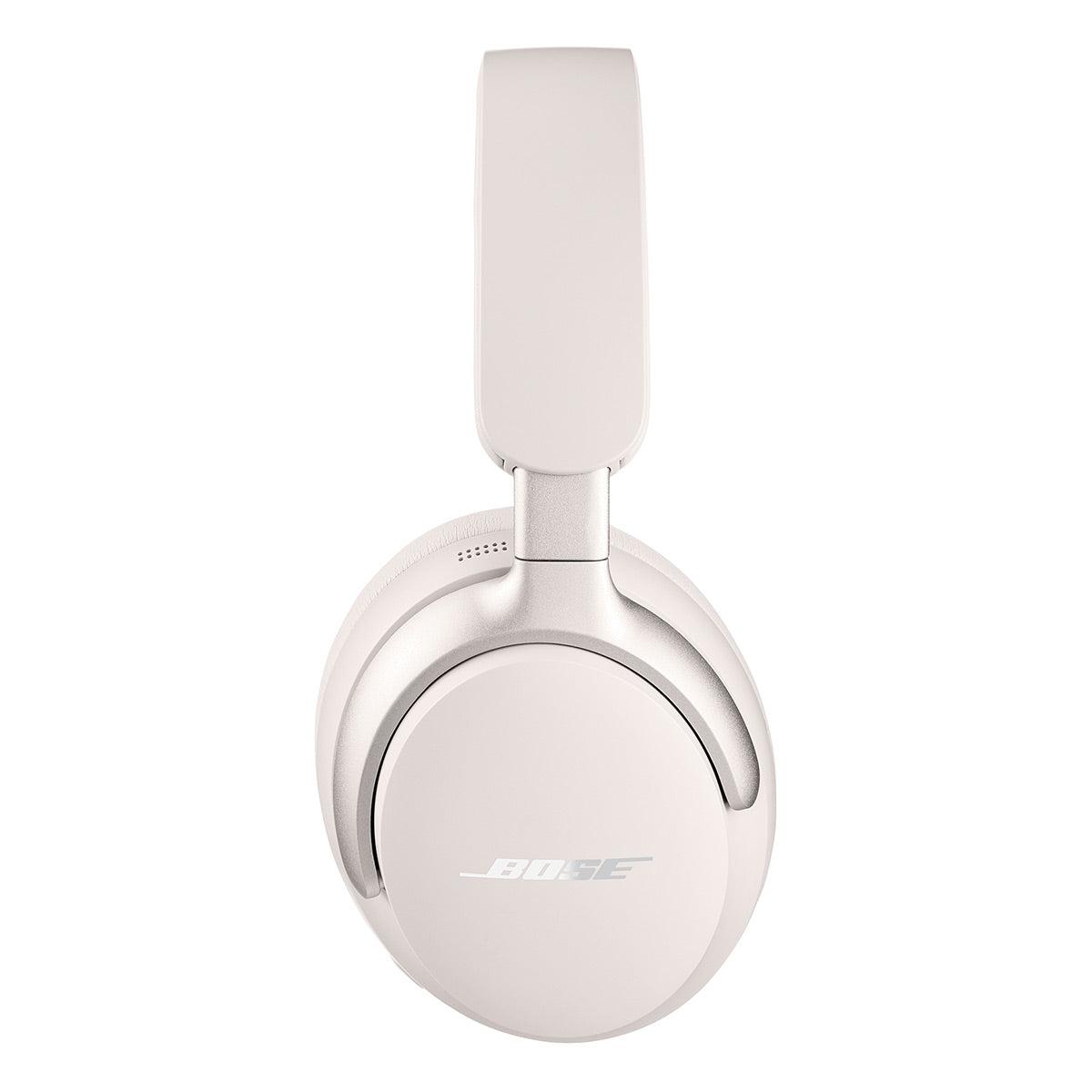
The Bose QuietComfort Ultra, released in September 2023, takes a completely different approach. Rather than starting with drivers and working outward, Bose began with the question: "What do people actually want from wireless headphones?" Their answer emphasizes comfort, noise cancellation, and user-friendly features over pure audiophile credentials.
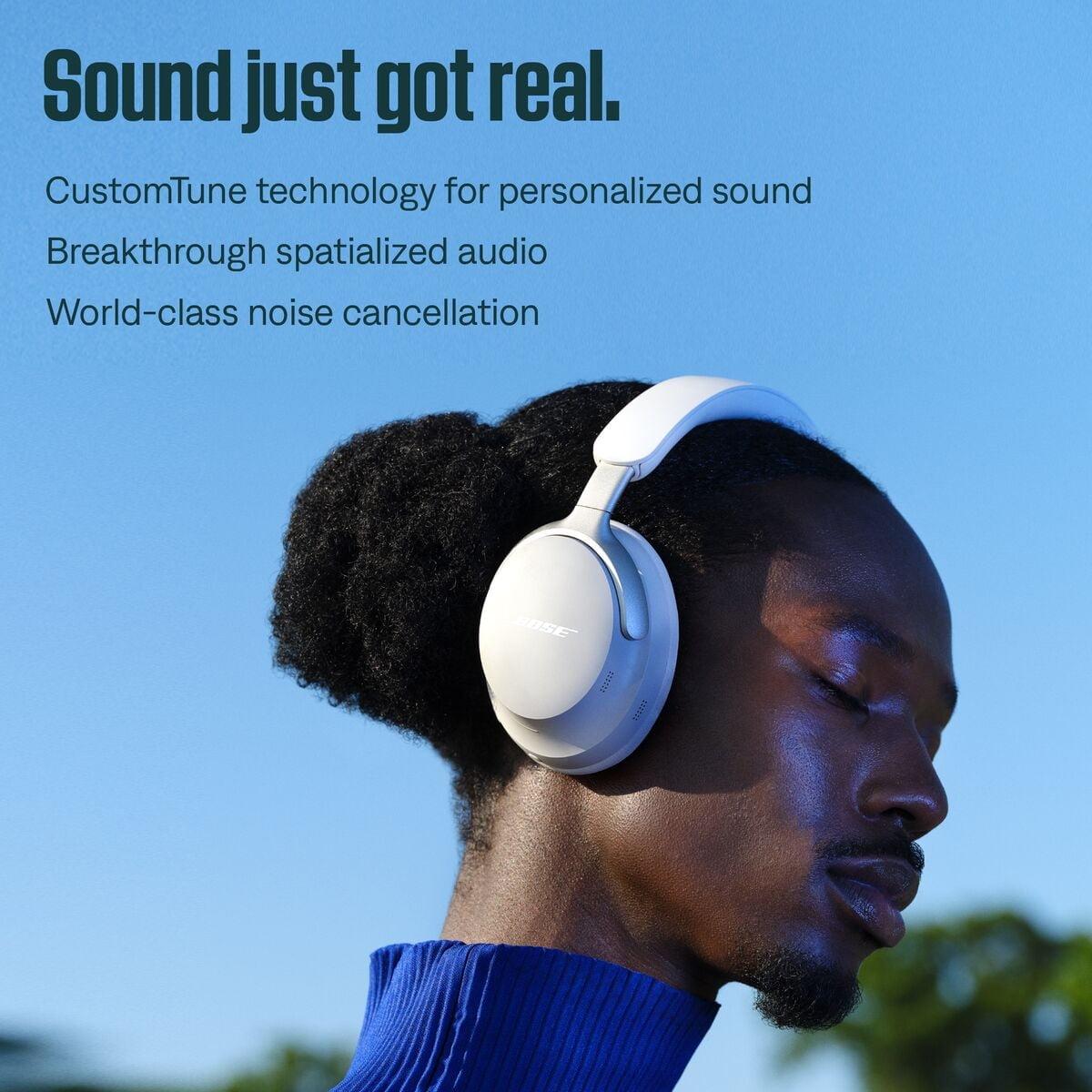
The standout technology here is CustomTune, which uses internal microphones to analyze your ear shape every time you put the headphones on. This isn't just a gimmick—ear shape significantly affects how we hear sound and how effectively noise cancellation works. By measuring acoustic reflections in your ear canal, the system automatically adjusts both audio tuning and ANC effectiveness for your specific anatomy.
The Bose QuietComfort Ultra also introduces Immersive Audio, Bose's take on spatial audio. Using head tracking technology, it creates the illusion that sound is coming from speakers placed around you rather than from inside your head. While spatial audio can sound artificial with some content, it genuinely enhances the experience with well-mixed music and movies.
This is where the fundamental differences between these headphones become crystal clear, and where your personal preferences will ultimately drive your decision.
The Focal Bathys delivers what I'd call a "reference" sound signature—relatively neutral with just enough warmth to remain engaging. The bass response is tight and controlled rather than boomy. When I listen to complex tracks like Pink Floyd's "Time," the bass drum hits have real impact without overwhelming the intricate guitar work and vocal harmonies happening in the midrange.
The midrange is where these headphones really shine. Vocals sit naturally in the mix with excellent clarity and detail retrieval. I consistently notice musical details through the Focal Bathys that get lost with other wireless headphones—subtle string resonances, breath sounds in vocal recordings, the way different instruments occupy distinct spaces in stereo recordings.
The treble is generally smooth, though it can get a bit aggressive at high volumes with certain recordings. The soundstage—how wide and spacious music sounds—is genuinely impressive for closed-back wireless headphones. Most wireless models sound like music is happening inside your head, but the Bathys creates a sense of space that approaches what you'd get from good wired headphones.
However, there's a slight dip in the mid-midrange that can push vocals and lead instruments slightly back in the mix. It's not dramatic, but it means these headphones work better for instrumental music and well-recorded vocals than for genres where forward, aggressive vocals are important.
The Bose QuietComfort Ultra takes a more consumer-friendly approach to tuning. There's more bass emphasis, which makes most music sound fuller and more engaging. The low end extends deep and has real impact—action movie soundtracks and electronic music benefit tremendously from this extra oomph.
The midrange is smooth and pleasant, with a slight warmth that flatters most recordings. Vocals sound natural and engaging, though not quite as detailed as what you get from the Focal Bathys. The treble is generally well-controlled, avoiding the harshness that plagues many consumer headphones.
Where the Bose QuietComfort Ultra falls short is in detail retrieval and imaging precision. The spatial audio features are cool, but they can't make up for the fact that these headphones don't resolve fine musical details as well as the Bathys. Complex orchestral pieces can sound a bit congested during busy passages.
That said, for most popular music genres—pop, rock, hip-hop, electronic—the Bose tuning is actually more immediately appealing than the Focal's more analytical approach. The question is whether you want headphones that make everything sound good, or headphones that reveal exactly what's in your recordings, warts and all.
This category isn't even close. The Bose QuietComfort Ultra delivers industry-leading active noise cancellation that makes the Focal Bathys seem almost quaint by comparison.
The Bathys offers three ANC modes: Silent (maximum cancellation), Soft (gentler cancellation for quieter environments), and Transparency (lets outside sound in). While adequate for coffee shops and offices, the ANC struggles with airplane cabin noise and loud public transportation. I found myself turning up the volume more than I'd like during flights.
The Bose QuietComfort Ultra, on the other hand, creates an almost eerie bubble of silence. The ANC system uses eight microphones to constantly monitor environmental noise and adjust cancellation in real-time. The Quiet mode is devastatingly effective against low-frequency rumbles—airplane engines, air conditioners, traffic noise—while still maintaining good sound quality.
The Aware mode deserves special mention. Unlike simple transparency modes that just let outside sound in, Aware mode actively manages what you hear. It lets through important sounds like voices and announcements while still blocking distracting background noise. There's even an ActiveSense feature that automatically activates noise cancellation when sudden loud noises occur, protecting your hearing while maintaining situational awareness.
For frequent travelers or anyone who needs to concentrate in noisy environments, this difference alone might justify choosing the Bose QuietComfort Ultra.
Comfort is highly personal, but there are objective differences worth discussing. The Focal Bathys weighs 350 grams compared to the Bose QuietComfort Ultra's 254 grams. That nearly 100-gram difference becomes very noticeable during extended listening sessions.
The Bathys feels more premium in your hands—the aluminum and magnesium construction, real leather headband, and microfiber earpads all scream quality. These headphones will likely last longer and age more gracefully than the primarily plastic Bose model. However, the firmer clamping force and additional weight make them less suitable for all-day wear.
The Bose QuietComfort Ultra prioritizes ergonomics over premium materials. The protein leather ear cushions are softer, the headband distributes weight more evenly, and the overall fit accommodates a wider range of head shapes comfortably. After four hours of listening, I barely notice I'm wearing them, while the Bathys start feeling heavy after about two hours.
For home theater use, this comfort difference matters more than you might expect. During long movie sessions, the lightweight Bose design prevents fatigue, while the Focal's weight can become distracting during extended viewing.
Both headphones support modern Bluetooth codecs including aptX Adaptive, which provides high-quality, low-latency wireless audio. However, their additional features reveal their different target audiences.
The Focal Bathys includes that unique USB-DAC mode I mentioned earlier. When connected to a computer or phone via USB-C, it bypasses Bluetooth entirely and functions as a high-quality wired DAC supporting up to 24-bit/192kHz resolution. This makes it genuinely useful for critical listening, audio production, or anyone with a collection of high-resolution music files. The battery life is excellent too—30+ hours wireless, extending to 42 hours in USB-DAC mode.
The Bose QuietComfort Ultra focuses on wireless convenience features. Multipoint Bluetooth lets you connect to two devices simultaneously—perfect for switching between phone calls and computer audio without manual reconnection. The spatial audio features work well with movies and some music, though they're more gimmicky than essential. Battery life is shorter at 24 hours (18 with spatial audio enabled), but still adequate for most users.
Both include companion apps with EQ adjustment, though the Focal app offers more precise control with a 5-band equalizer compared to Bose's simpler 3-band system.
For home theater use, both headphones have strengths, but your priorities will determine the better choice. The Focal Bathys delivers more accurate sound reproduction, which means you'll hear movie soundtracks exactly as the sound engineers intended. The USB-DAC mode can provide a direct, high-quality connection to your TV or media player if it has USB-C output.
However, the Bose QuietComfort Ultra might actually provide a more engaging movie experience for most people. The enhanced bass response makes action scenes more impactful, while the superior noise cancellation helps you focus on dialogue even if there's activity elsewhere in the house. The spatial audio features can genuinely enhance the cinematic experience with properly mixed content.
Comfort becomes crucial during movie marathons, where the Bose's lighter weight and better ergonomics provide a significant advantage over extended viewing sessions.
At $699, the Focal Bathys costs significantly more than the $429 Bose QuietComfort Ultra. Is the Focal worth the extra $270?
If you're primarily interested in sound quality and plan to use the USB-DAC feature regularly, the answer might be yes. The Bathys offers a level of audio fidelity that's genuinely rare in wireless headphones, plus functionality you simply can't get elsewhere.
However, for most users, the Bose QuietComfort Ultra provides better overall value. The superior noise cancellation, comfort, and user-friendly features create a more satisfying daily experience, even if the pure sound quality doesn't quite match the Focal.
Choose the Focal Bathys if you're a serious music lover who prioritizes sound quality above all else. If you have a collection of high-resolution music files, do any audio production work, or simply want the most accurate sound reproduction available in a wireless package, the extra cost is justified. Just be prepared for some comfort compromises and average noise cancellation.
Choose the Bose QuietComfort Ultra if you want the best overall wireless headphone experience. If you travel frequently, work in noisy environments, value all-day comfort, or simply want headphones that excel at everything rather than being exceptional in one area, the Bose delivers better practical value.
Both are excellent headphones that represent the pinnacle of their respective approaches. The Focal Bathys is for the listener who refuses to compromise on audio fidelity, while the Bose QuietComfort Ultra is for everyone else who wants the complete premium wireless experience. Your choice comes down to whether you're willing to accept practical limitations in pursuit of perfect sound, or prefer a more balanced approach that prioritizes the complete user experience.

Privacy Policy
Terms and Conditions - Affiliate Policy
Home Security
© Copyright 2008-2026.
11816 Inwood Rd #1211, Dallas, TX 75244