


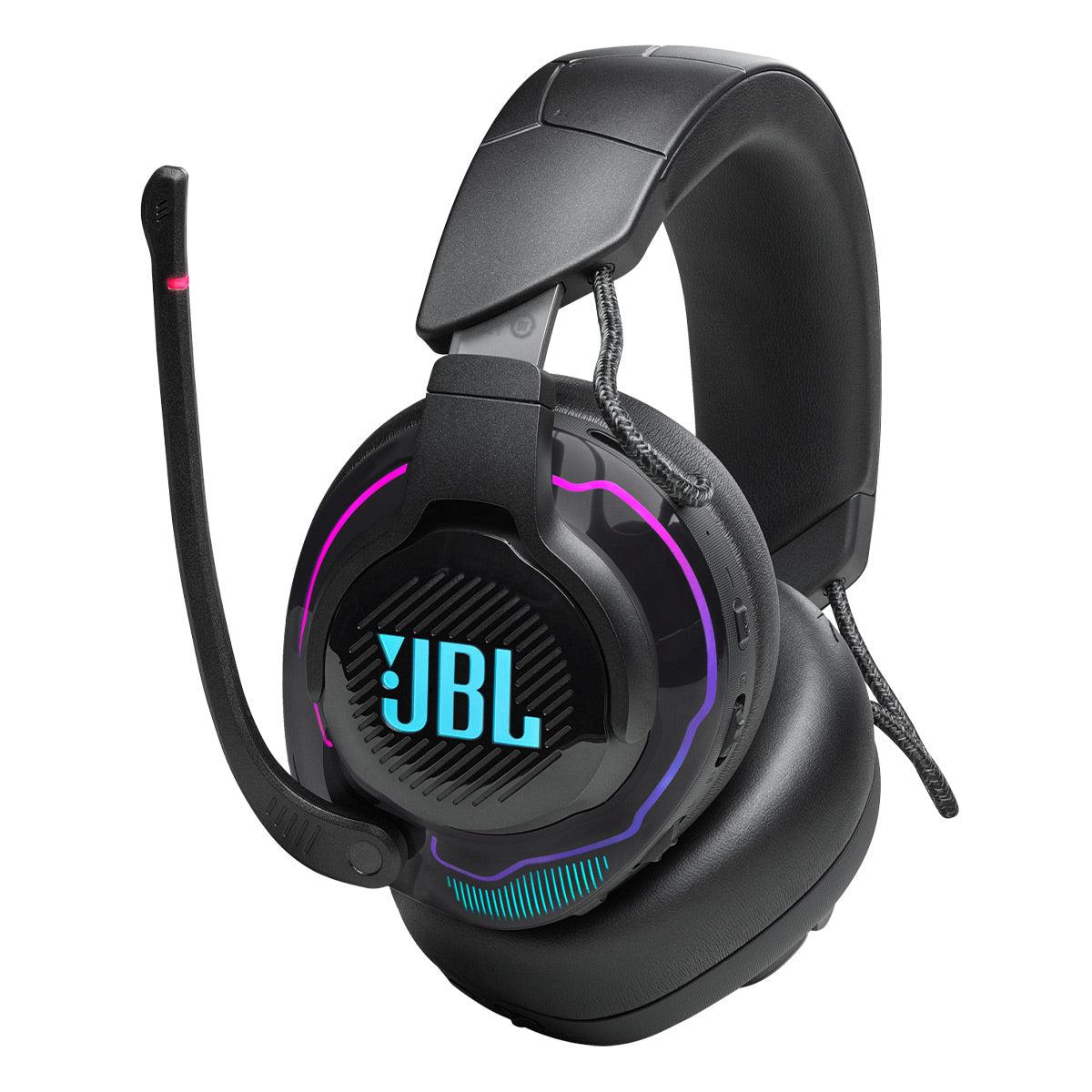
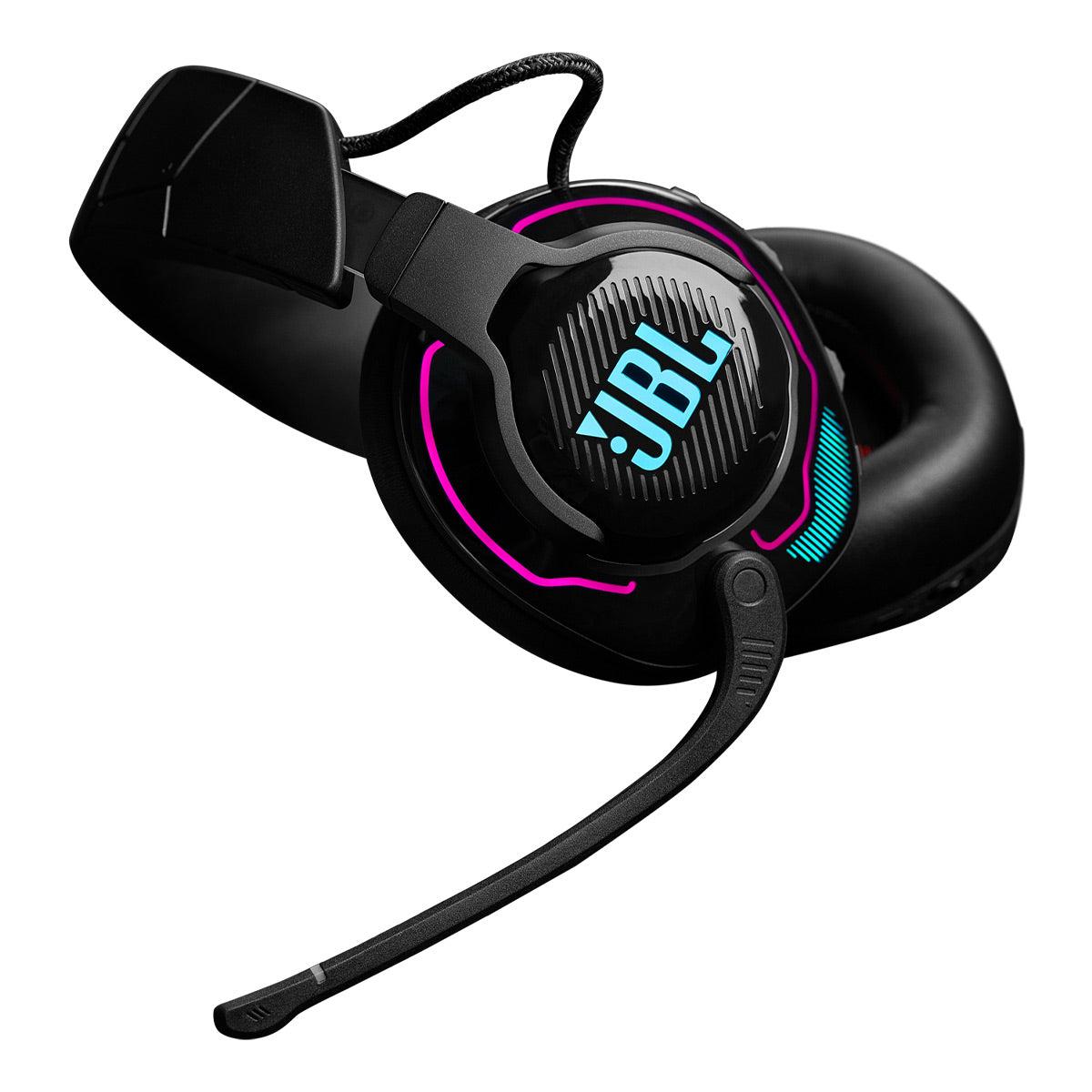
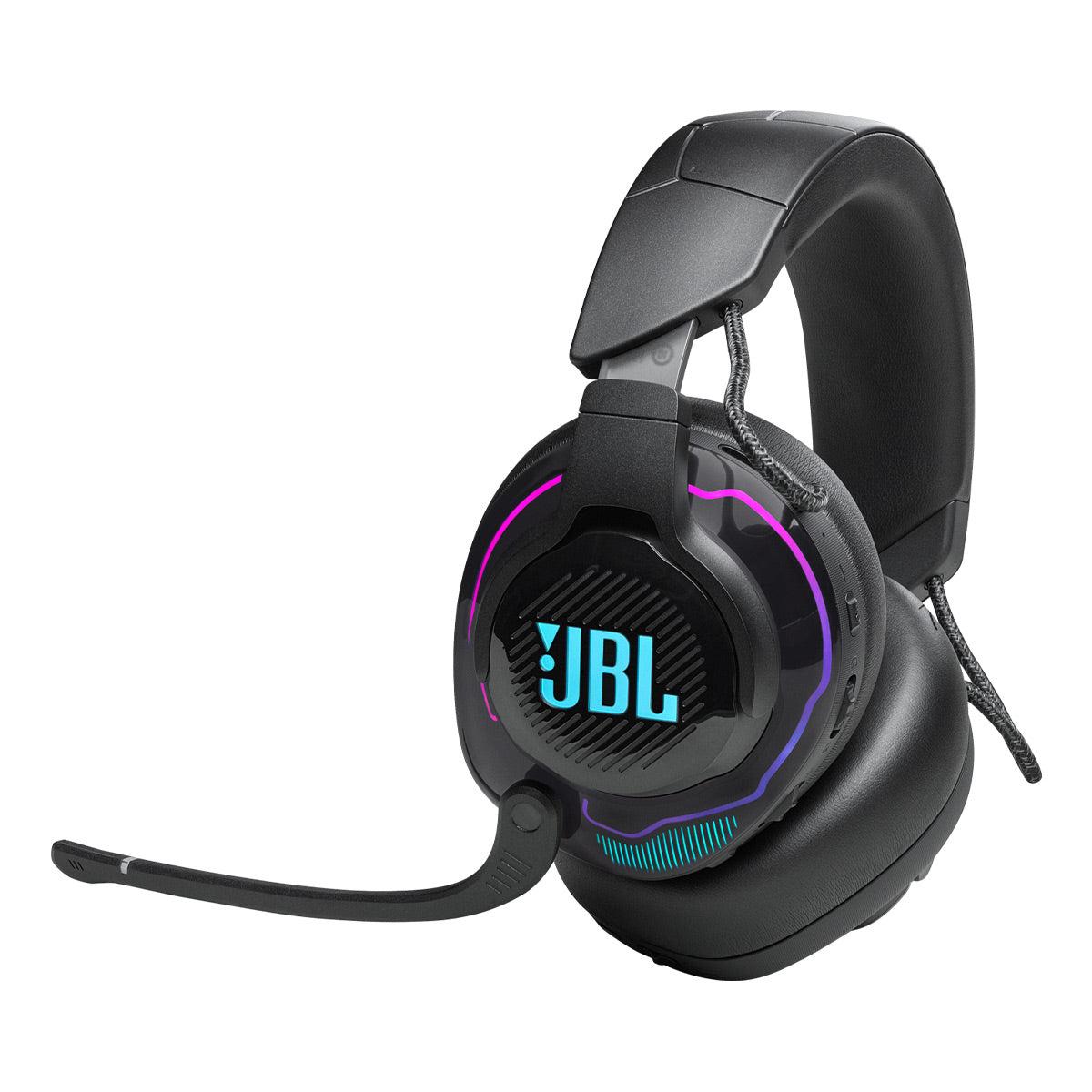
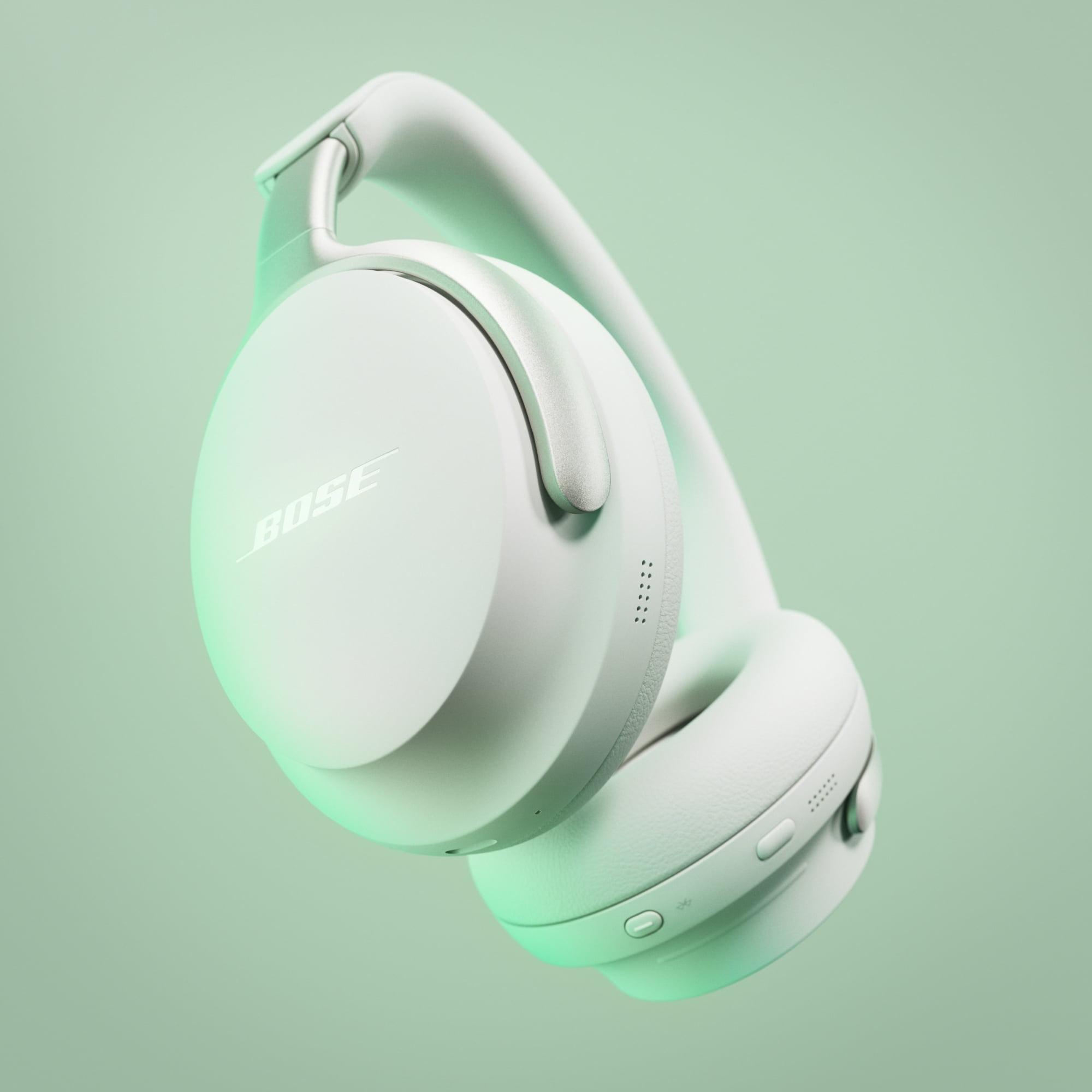
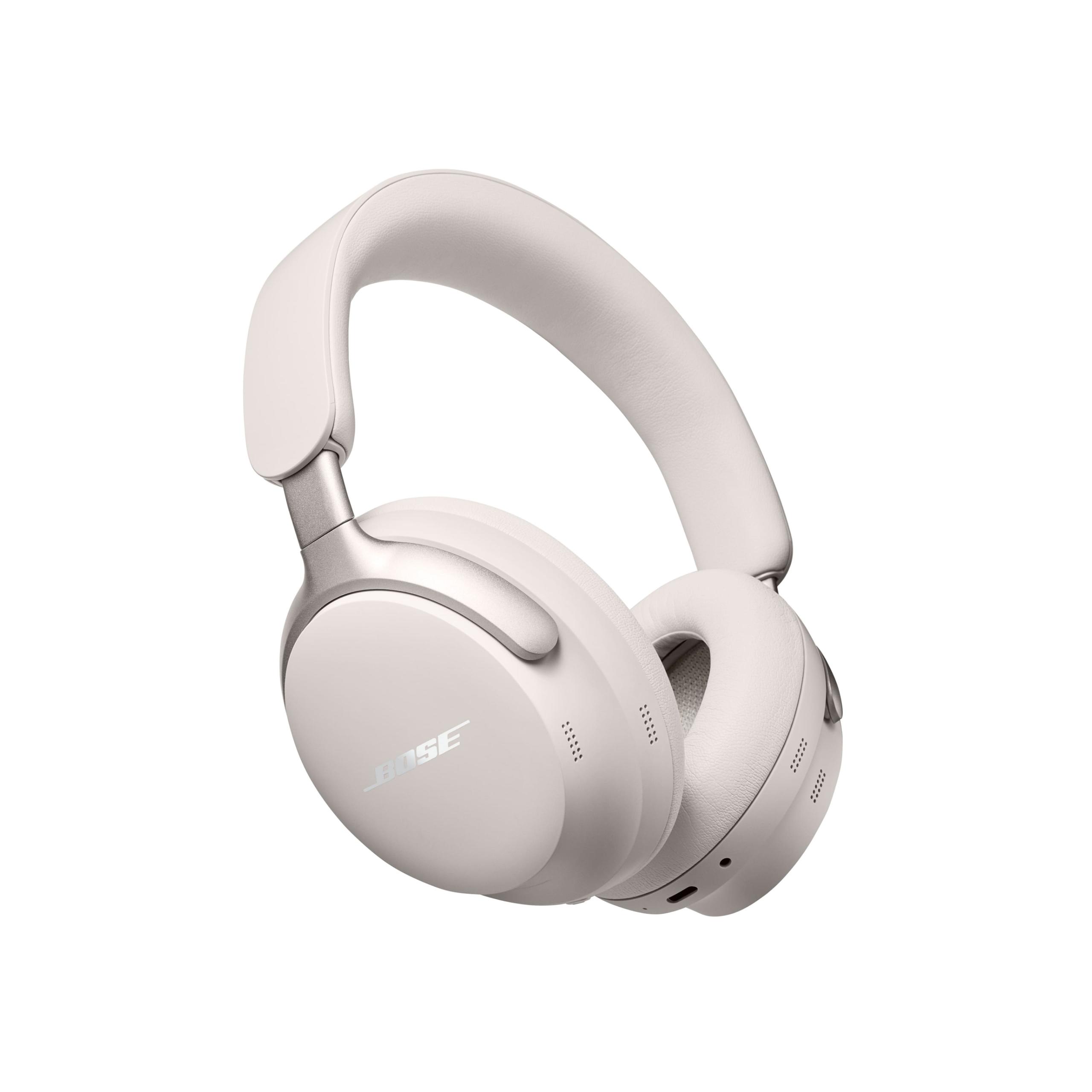
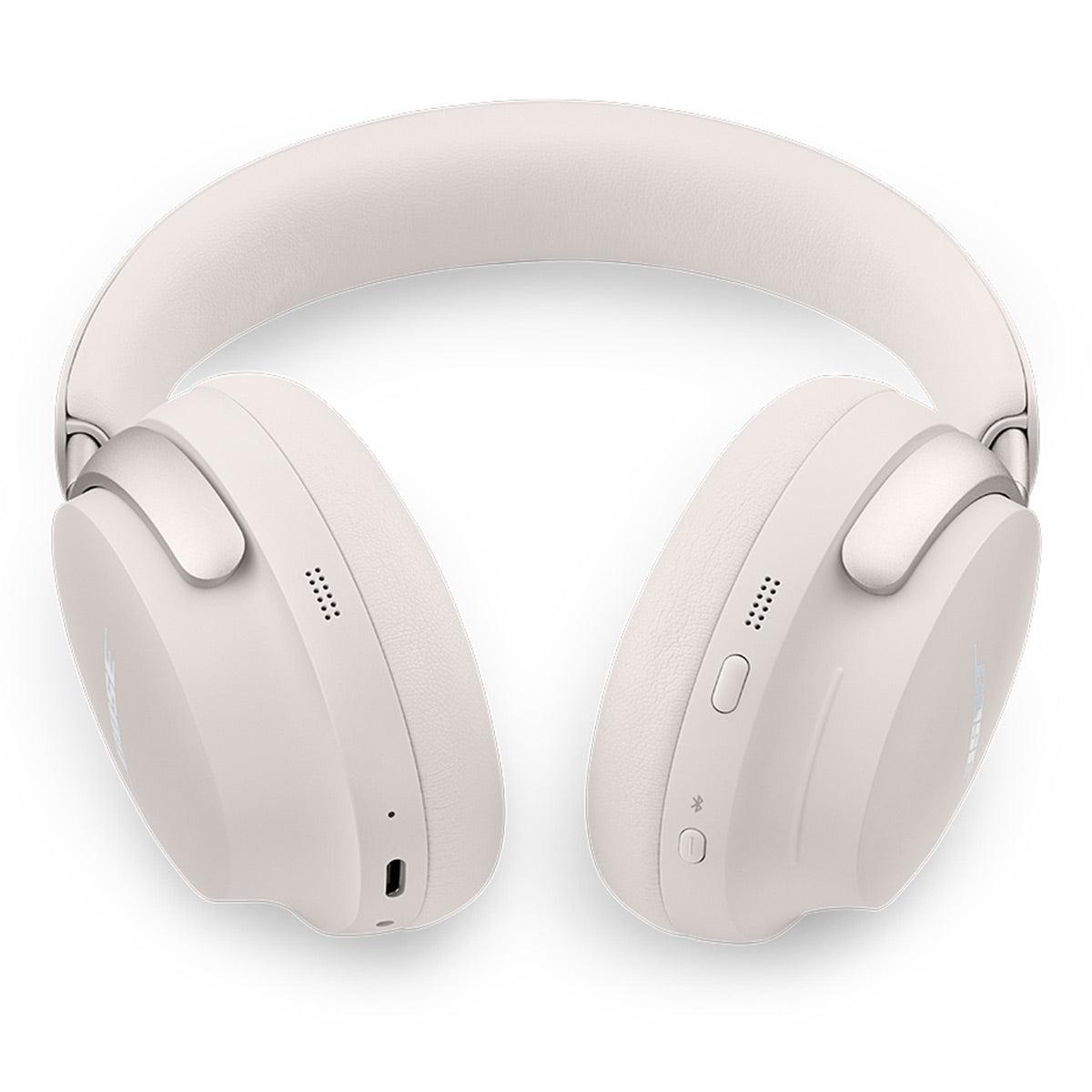
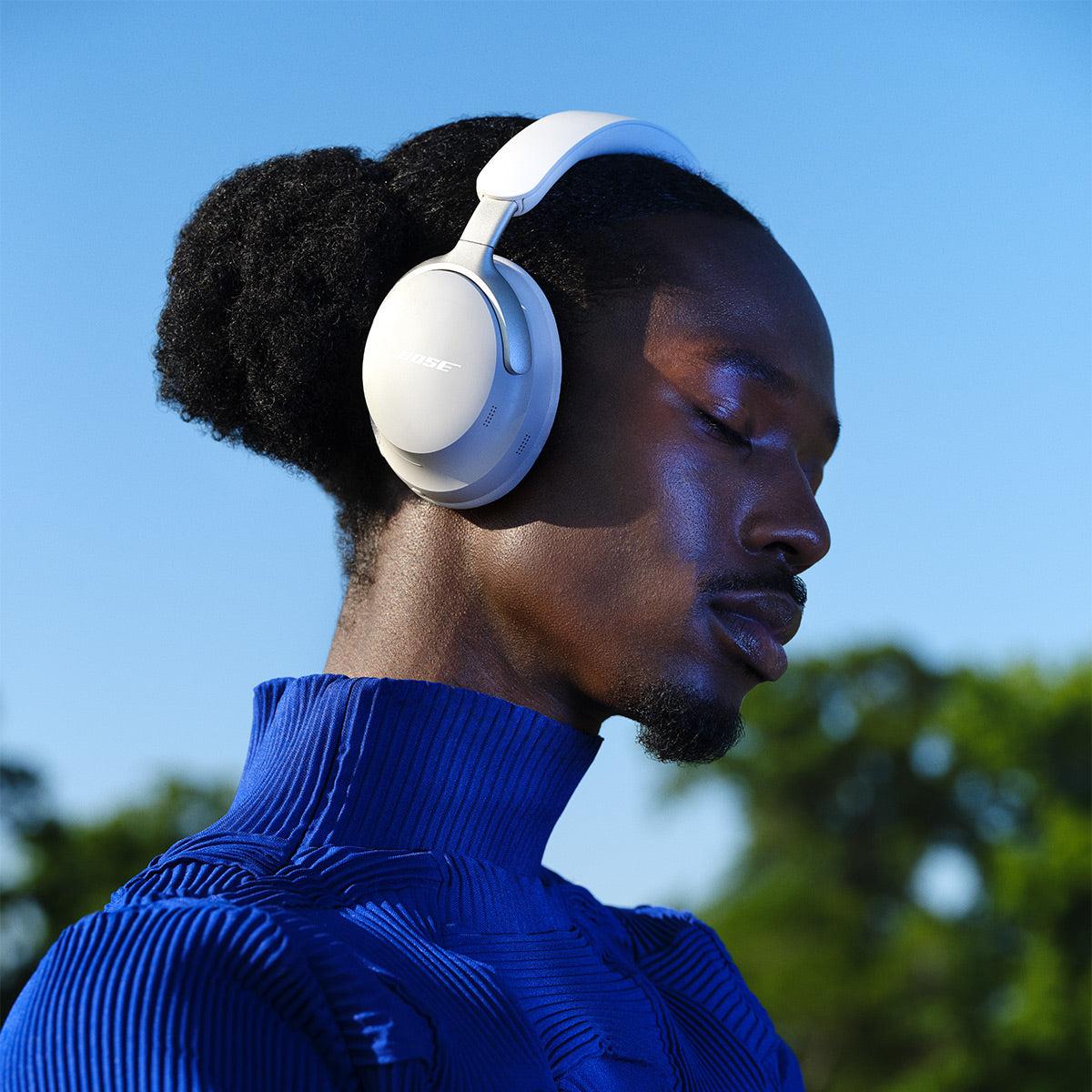
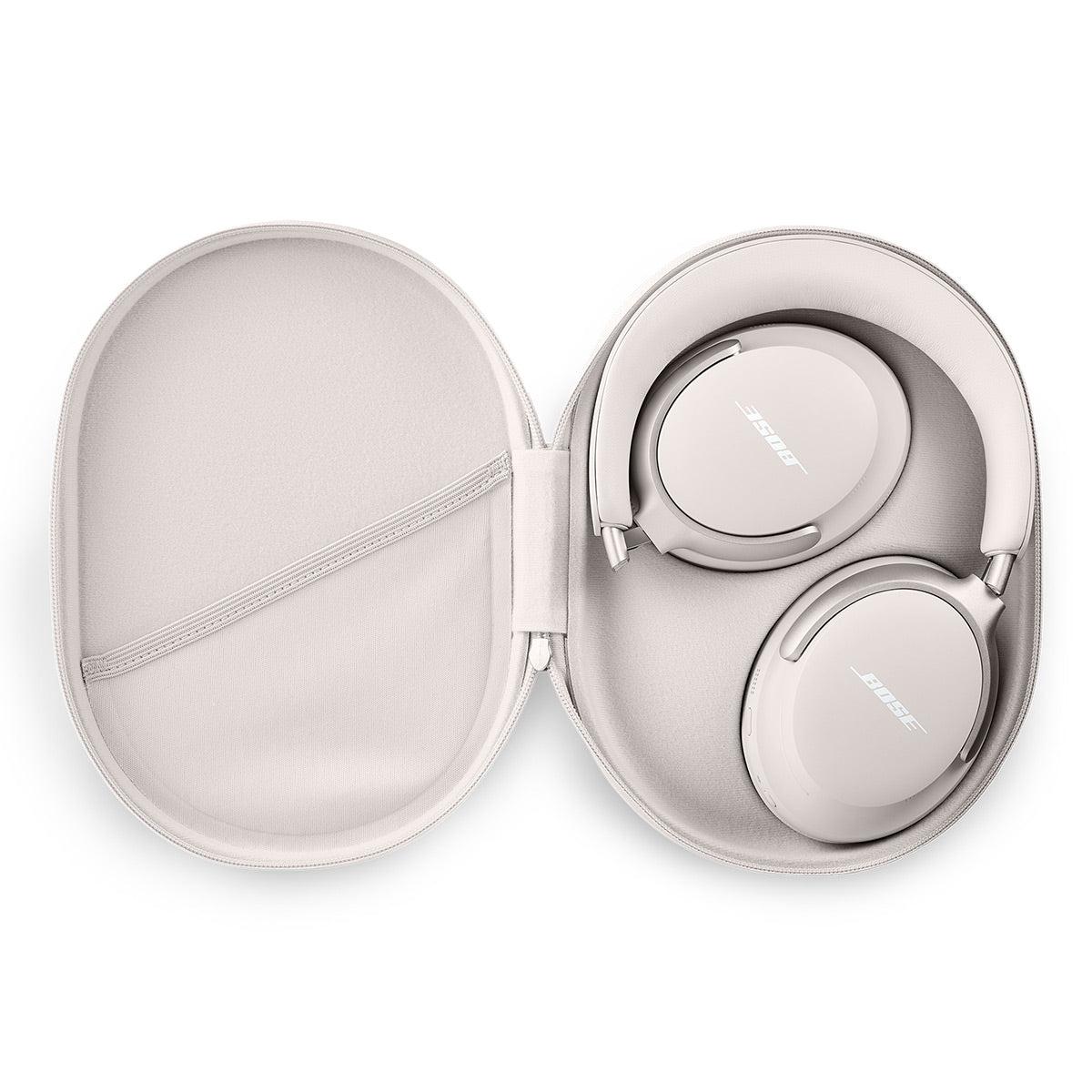
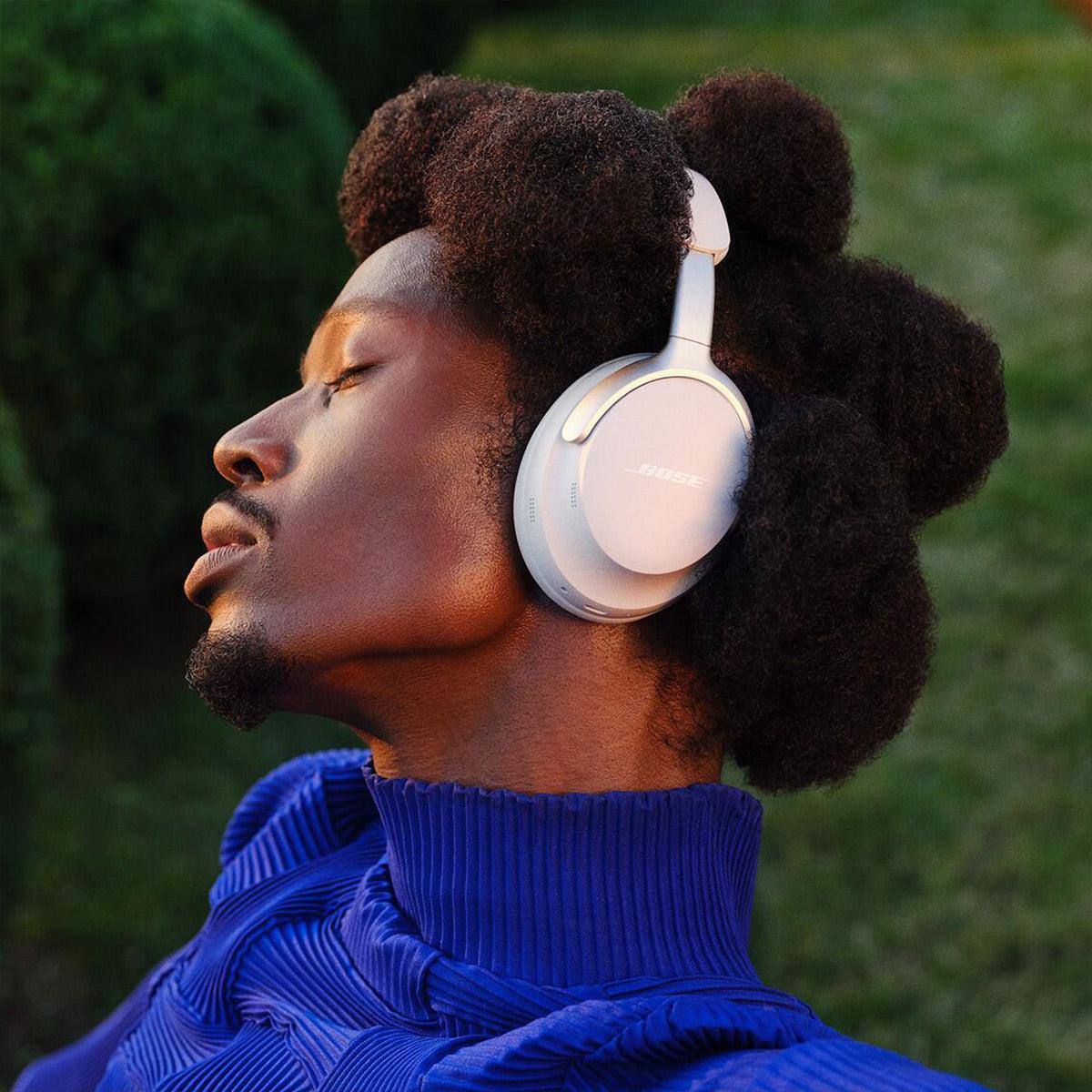
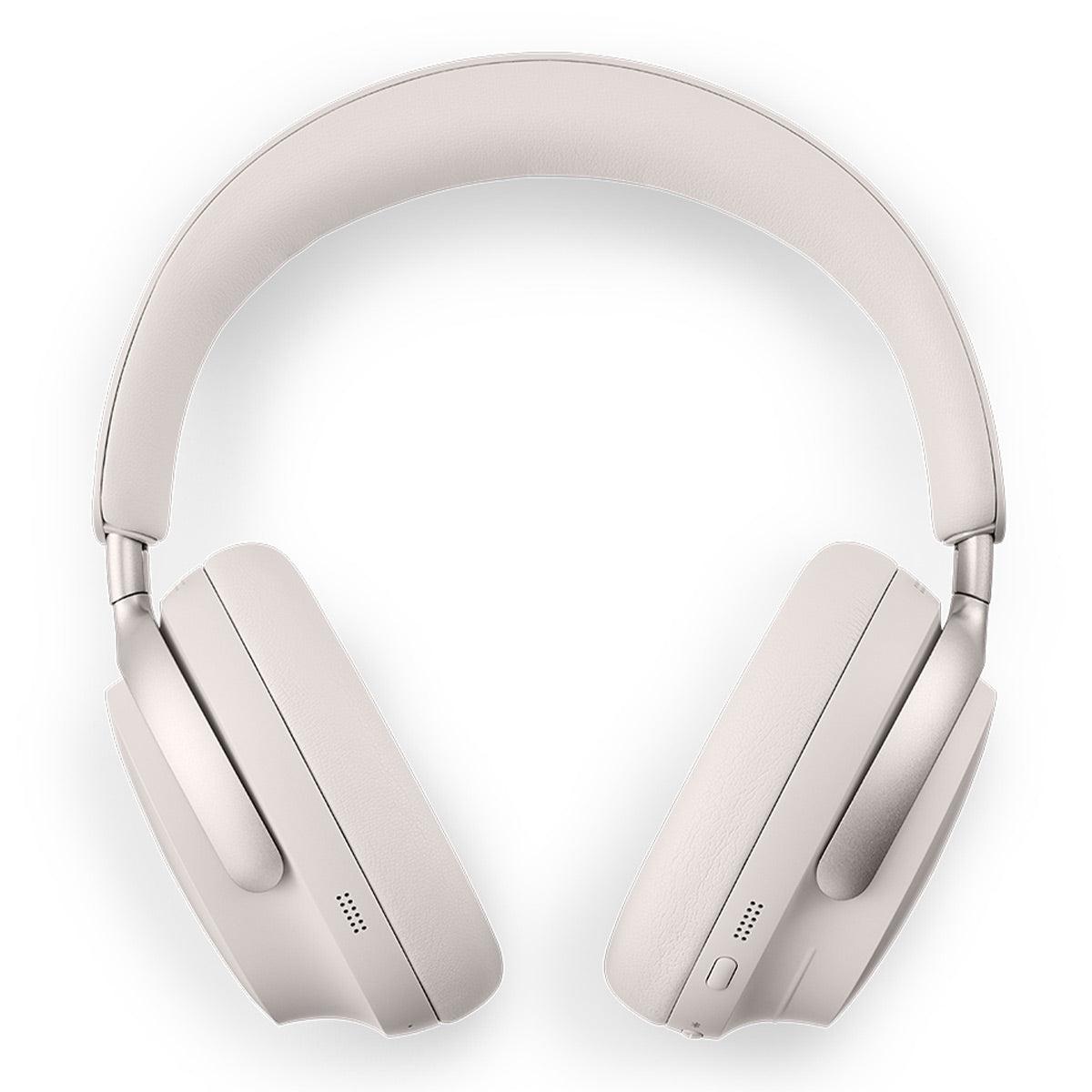
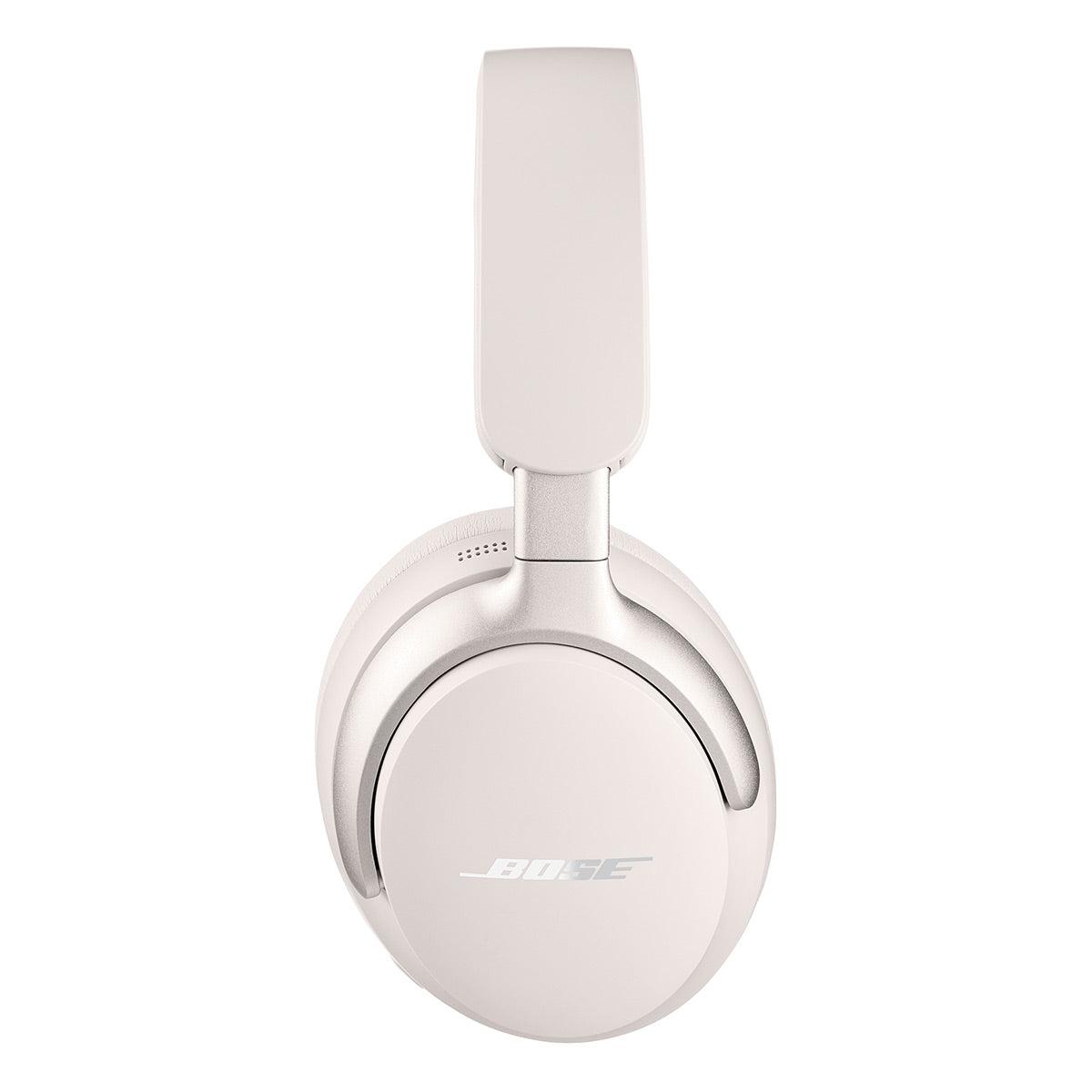
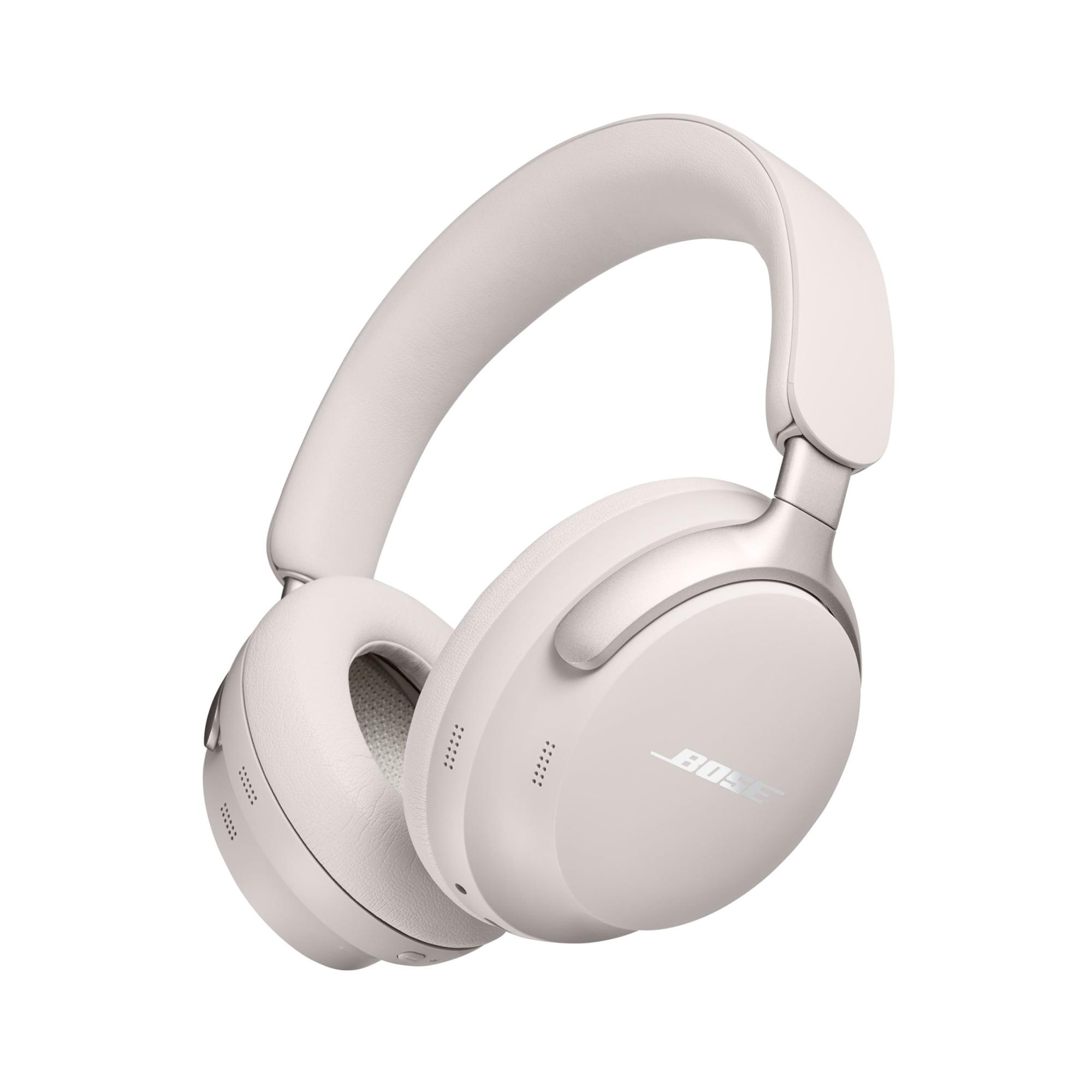
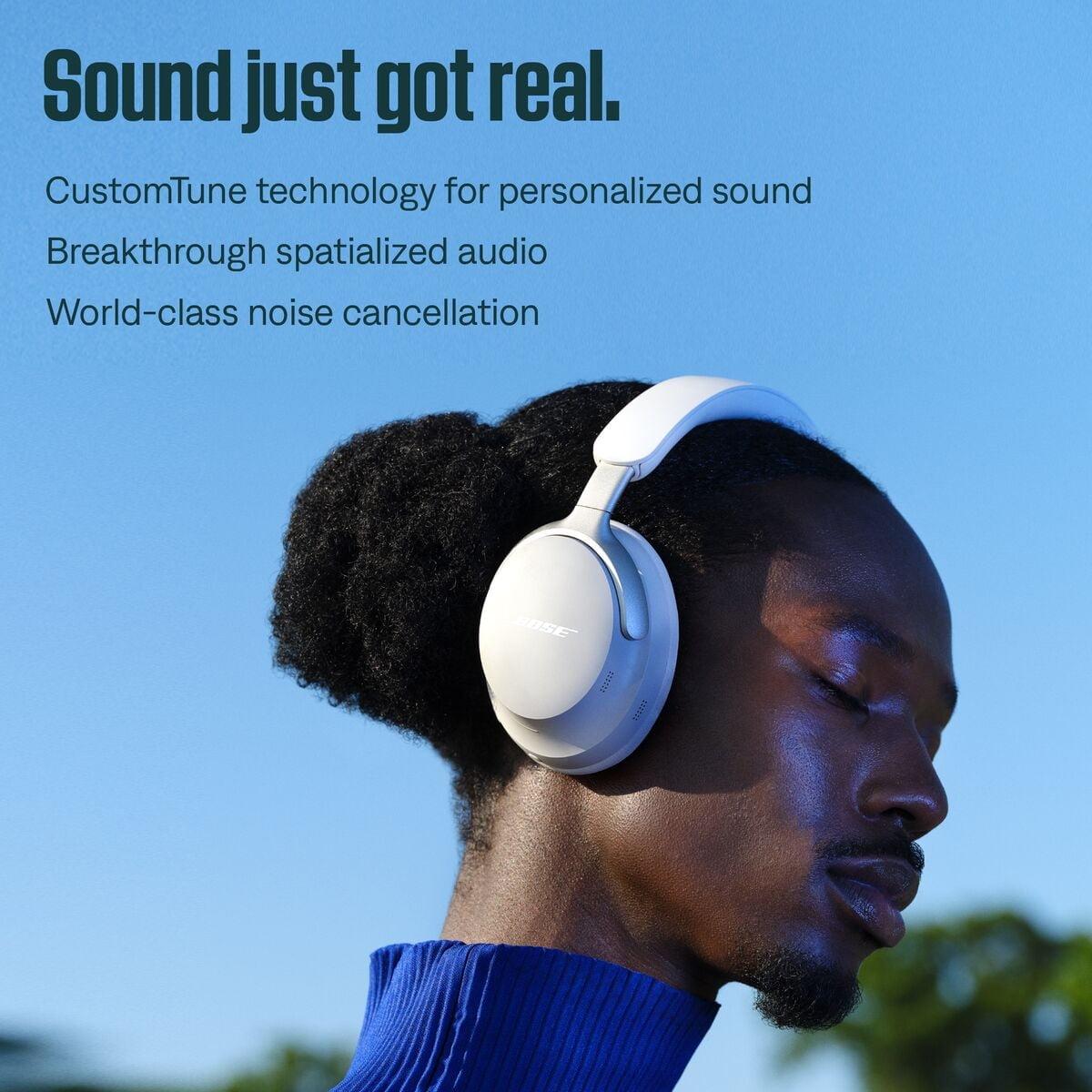
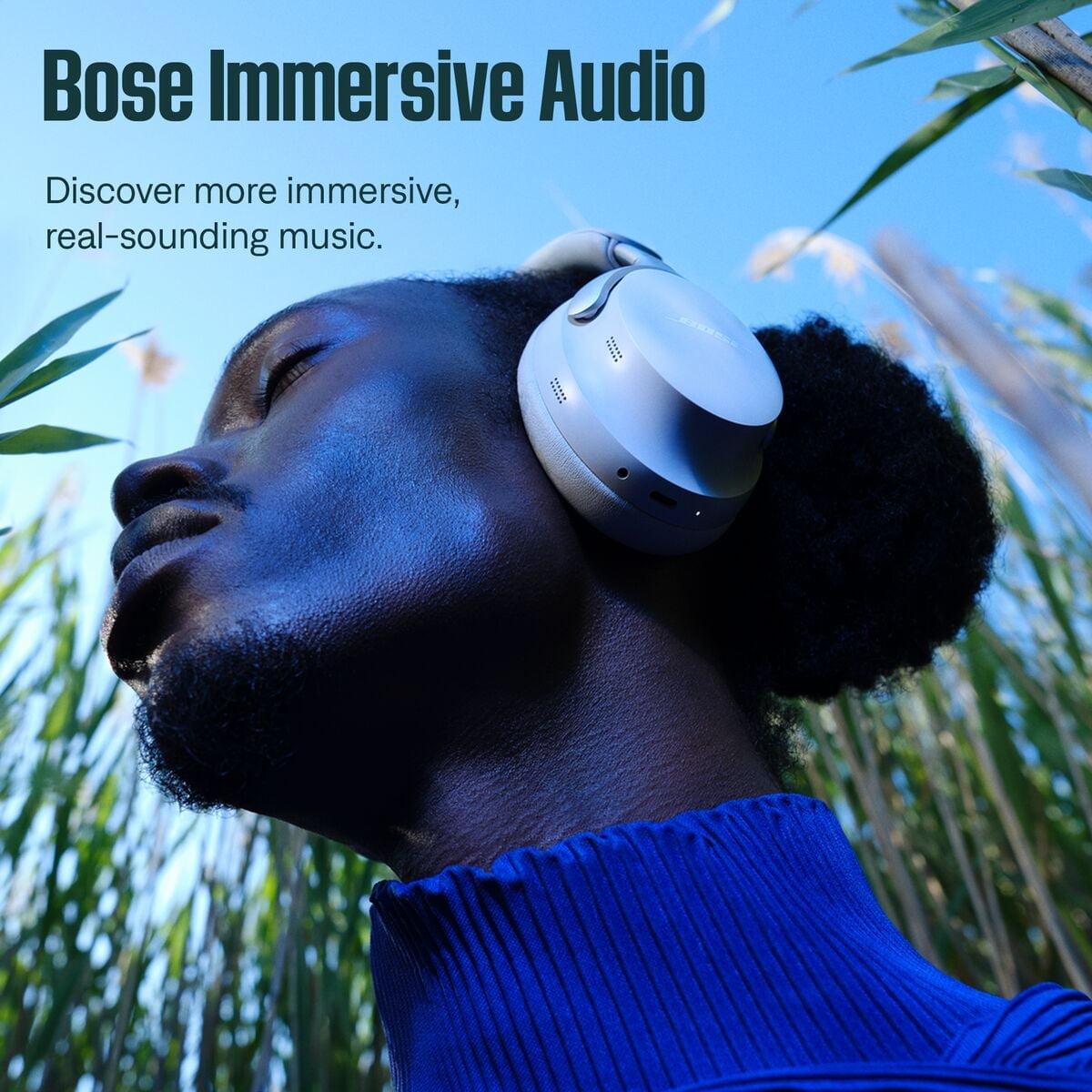
When shopping for high-end wireless headphones, you'll encounter two fundamentally different philosophies: gaming-focused headsets and premium consumer headphones. The JBL Quantum 910 (released in 2022) and Bose QuietComfort Ultra (launched in 2023) perfectly illustrate this divide. While both deliver wireless audio with noise cancellation, they take radically different approaches to achieving great sound.
Understanding these differences is crucial because picking the wrong type can leave you frustrated with features you don't need while missing the ones you do. Let's dive deep into what makes each approach unique and help you decide which fits your audio lifestyle.
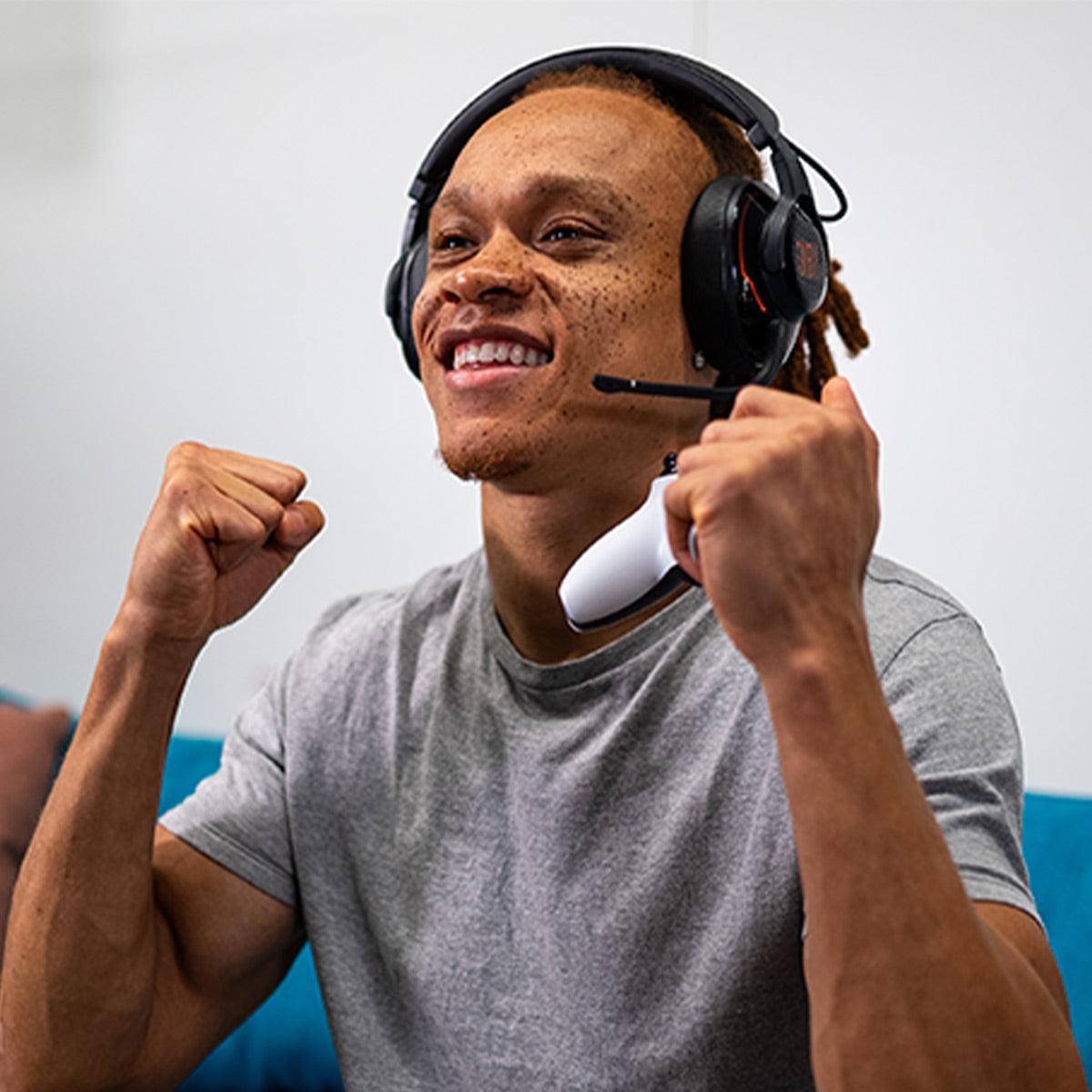
Gaming headsets and premium wireless headphones might look similar, but they're engineered with completely different priorities. Gaming headsets focus on competitive advantages—think precise directional audio for hearing enemy footsteps, crystal-clear voice communication with teammates, and technologies that give you an edge in multiplayer games. They're built for extended desktop gaming sessions, often sacrificing some general audio refinement for gaming-specific features.
Premium wireless headphones, on the other hand, prioritize exceptional music quality, industry-leading noise cancellation, and versatile daily use. They're designed to excel across all audio content—from jazz to podcasts to movie soundtracks—while seamlessly integrating into your mobile lifestyle.
The key considerations when choosing between these categories include your primary use case (gaming-focused versus all-around audio), audio priorities (competitive accuracy versus musical fidelity), communication needs (gaming voice chat versus general calls), and lifestyle requirements (desktop gaming versus mobile flexibility).
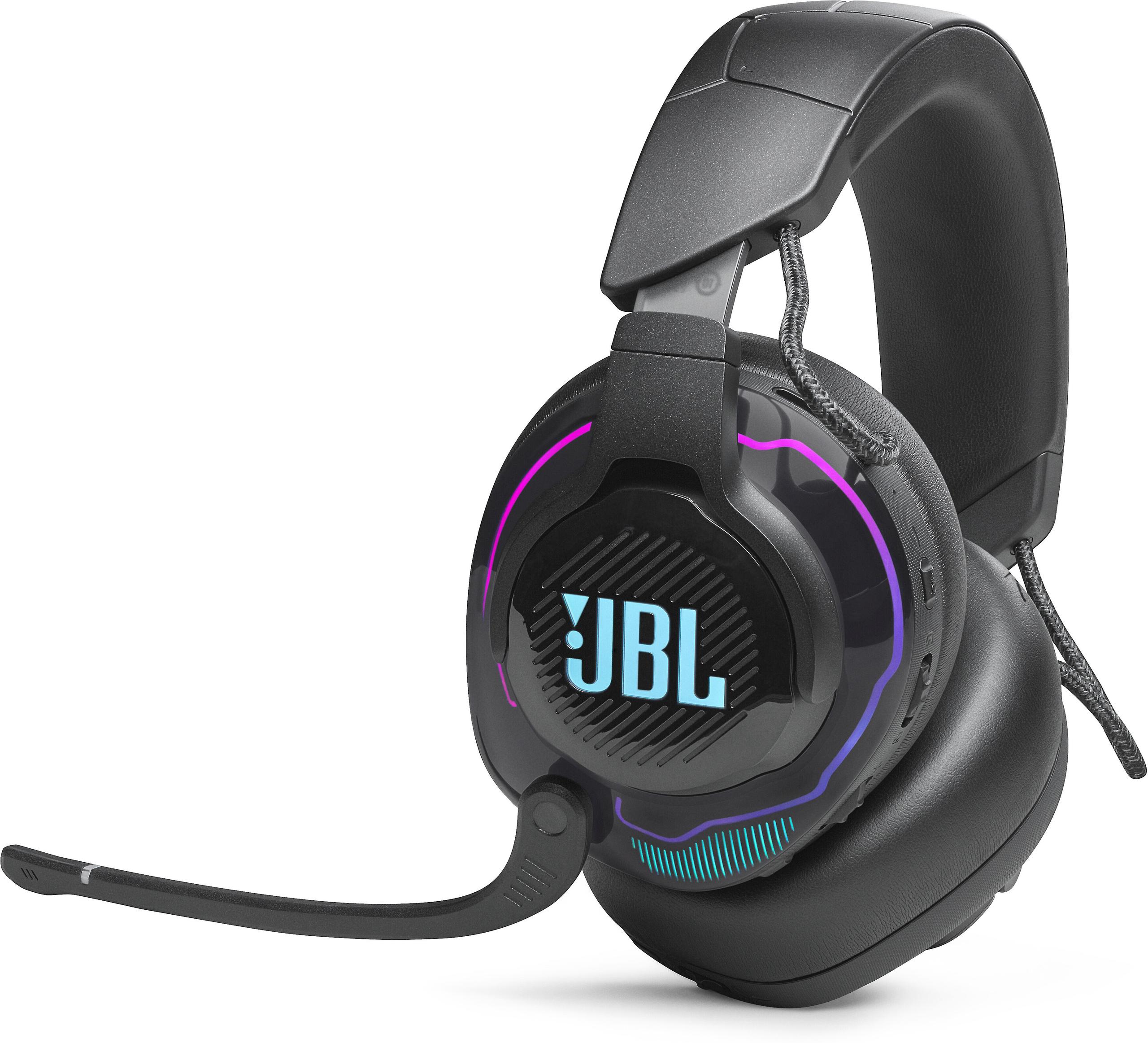
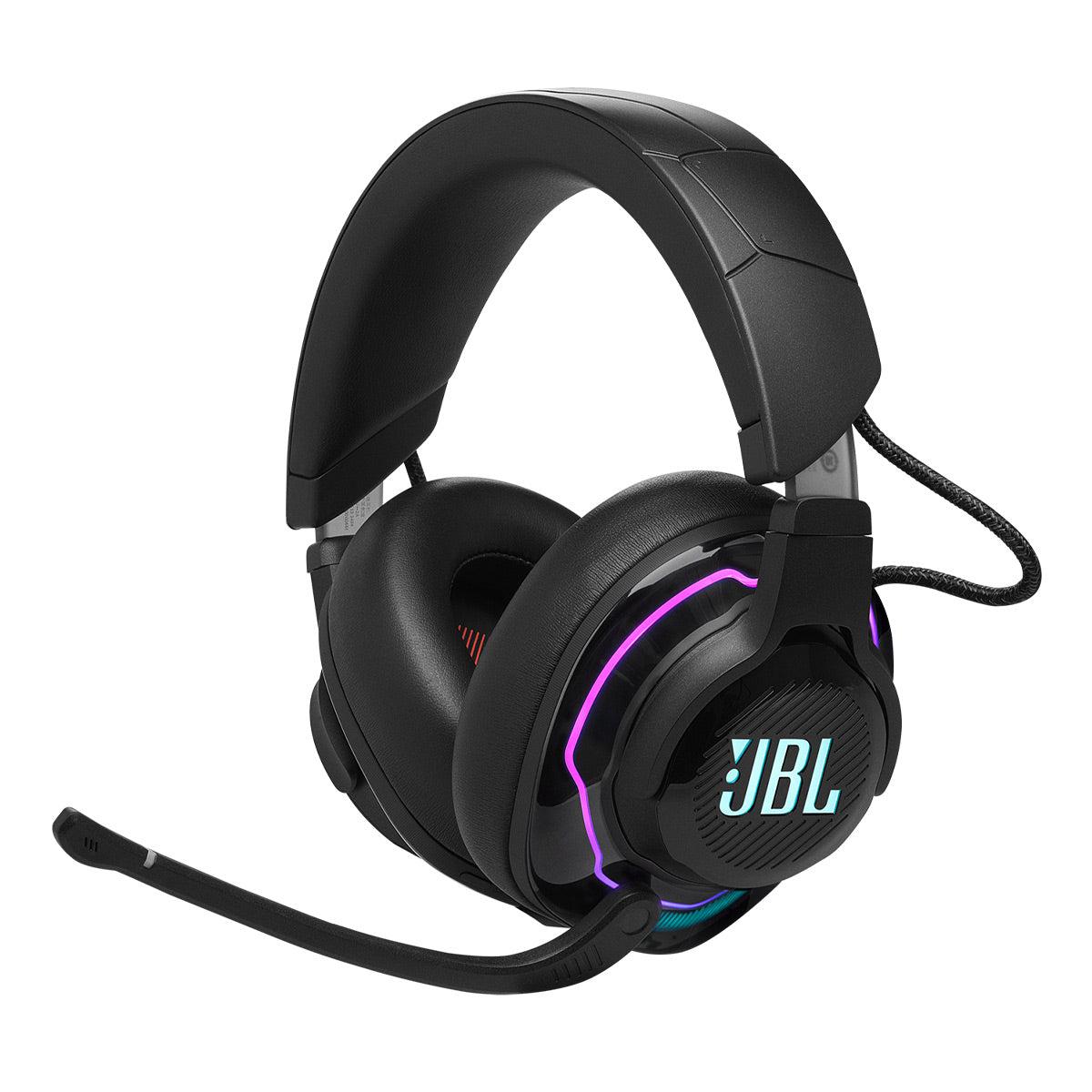
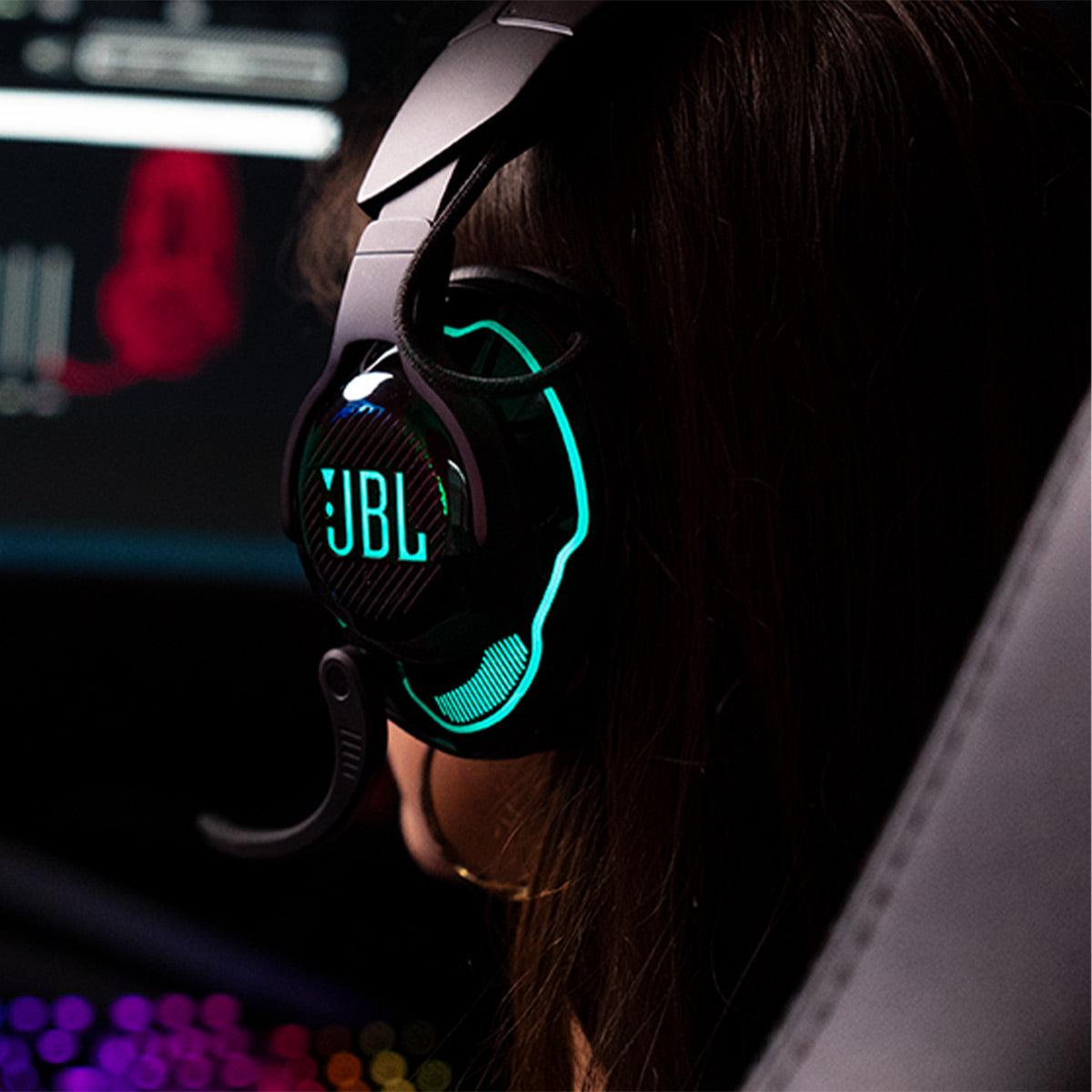
The JBL Quantum 910 represents JBL's flagship gaming headset philosophy, where every feature serves competitive gaming. At the heart of this approach is JBL QuantumSPHERE 360°, a sophisticated spatial audio system that uses head tracking to create a fixed, three-dimensional soundscape. When you turn your head, the audio environment stays anchored in space, just like real life. This isn't just a gimmick—in competitive games, it helps you pinpoint enemy locations with remarkable precision.
What makes this system special is its integration with the included calibration microphone. This tiny device measures how sound reflects in your specific room, creating a personalized audio profile. The system then uses an integrated head-tracking sensor to maintain spatial accuracy as you move. It's like having a professional audio engineer tune your headset specifically for your gaming setup.
The JBL Quantum 910 also excels at dual wireless connectivity, simultaneously maintaining a low-latency 2.4GHz connection for gaming audio and a Bluetooth connection for calls or music. This means you can take a phone call mid-game without disconnecting from your console or PC—something that's surprisingly rare in gaming headsets.
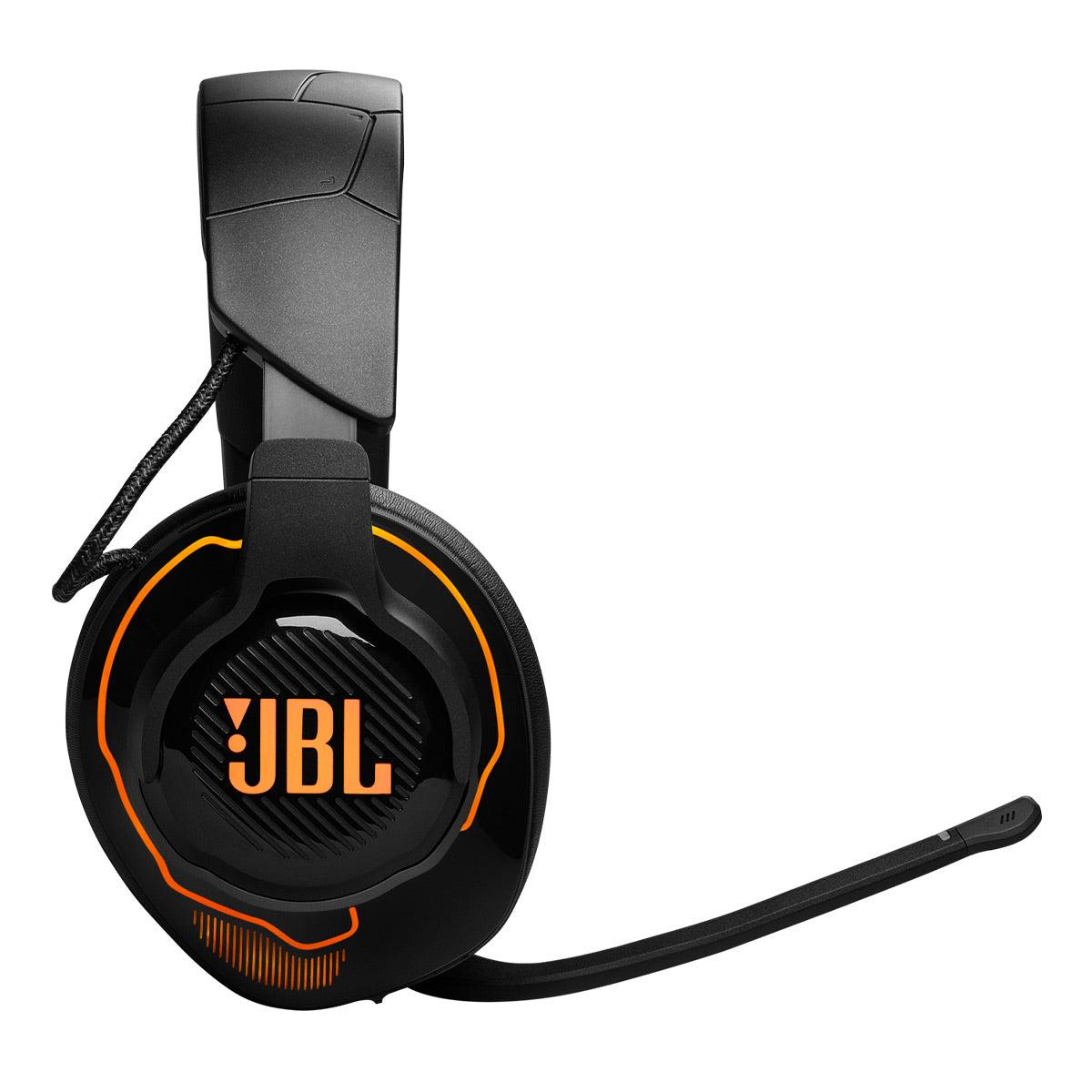
For voice communication, the headset includes a flip-to-mute boom microphone with echo and noise suppression. The boom design positions the microphone closer to your mouth compared to built-in mics, resulting in clearer voice pickup and better background noise rejection. The flip-to-mute feature provides instant privacy—just flip the mic up and you're automatically muted.
Battery life is where the JBL Quantum 910 truly shines. With up to 39 hours of continuous use, it outlasts virtually every competitor in its class. This isn't just marketing fluff—our research into user experiences consistently confirms these battery claims, with many gamers reporting they charge their headset maybe once per week even with heavy use.
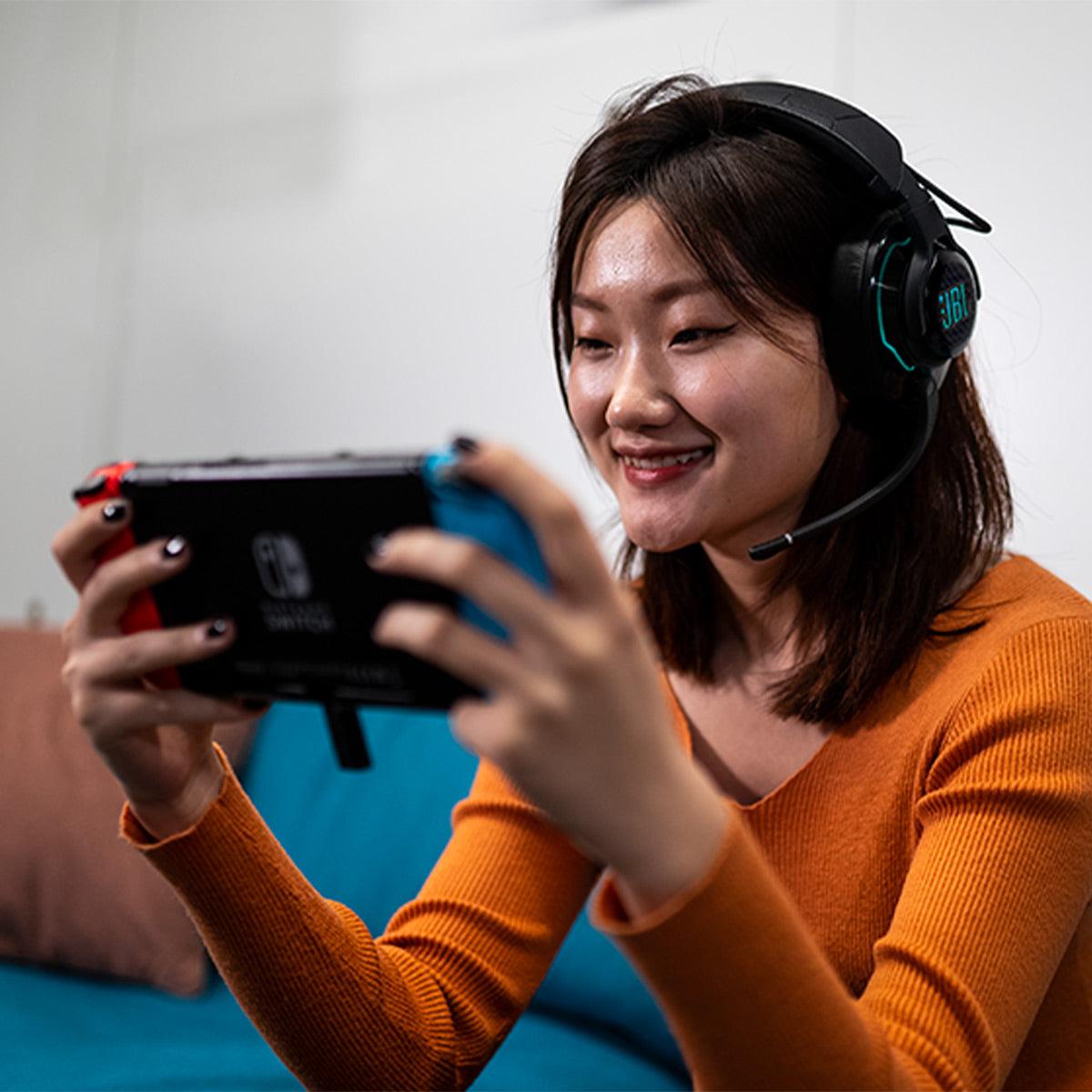
The headset supports an impressive range of platforms through different connection methods. On PC, you get the full feature set including head tracking and the QuantumENGINE software for customization. PlayStation consoles receive wireless connectivity with spatial audio through the USB dongle. Even Nintendo Switch works wirelessly when docked. For Xbox, mobile devices, and VR systems, the included 3.5mm cable provides universal compatibility, though you'll lose some advanced features.
The Bose QuietComfort Ultra takes a fundamentally different approach, prioritizing exceptional general audio quality and industry-leading noise cancellation. At its core is CustomTune Technology, a unique Bose innovation that analyzes your ear shape every time you put the headphones on. Using internal microphones, the system measures how sound reflects in your ear canals and automatically adjusts both audio performance and noise cancellation for your specific anatomy.
This personalization goes beyond simple EQ adjustments. The system actually modifies how the active noise cancellation works based on your ear shape, ensuring optimal noise reduction regardless of whether you have large or small ears, wear glasses, or have other factors that affect headphone fit.
The noise cancellation itself represents the current gold standard in the industry. The Bose QuietComfort Ultra uses a hybrid ANC system with microphones both inside and outside the earcups. The external mics detect incoming noise, while internal mics monitor what actually reaches your ears, allowing the system to make real-time adjustments. The result is noise reduction that's noticeably more effective than most competitors, particularly for low-frequency sounds like airplane engines or air conditioning.
For spatial audio, Bose includes Immersive Audio with head tracking, but applies it differently than gaming-focused systems. Rather than creating a competitive advantage, Bose's implementation focuses on making music and movies feel more natural and lifelike. The technology places the soundstage in front of you instead of inside your head, creating a more speaker-like listening experience.
The Bose QuietComfort Ultra excels at multipoint connectivity, seamlessly managing connections to two devices simultaneously. Unlike the JBL's gaming-focused dual connectivity, Bose optimizes this feature for lifestyle use—automatically pausing music on your phone when a work call comes in on your laptop, then resuming afterward.
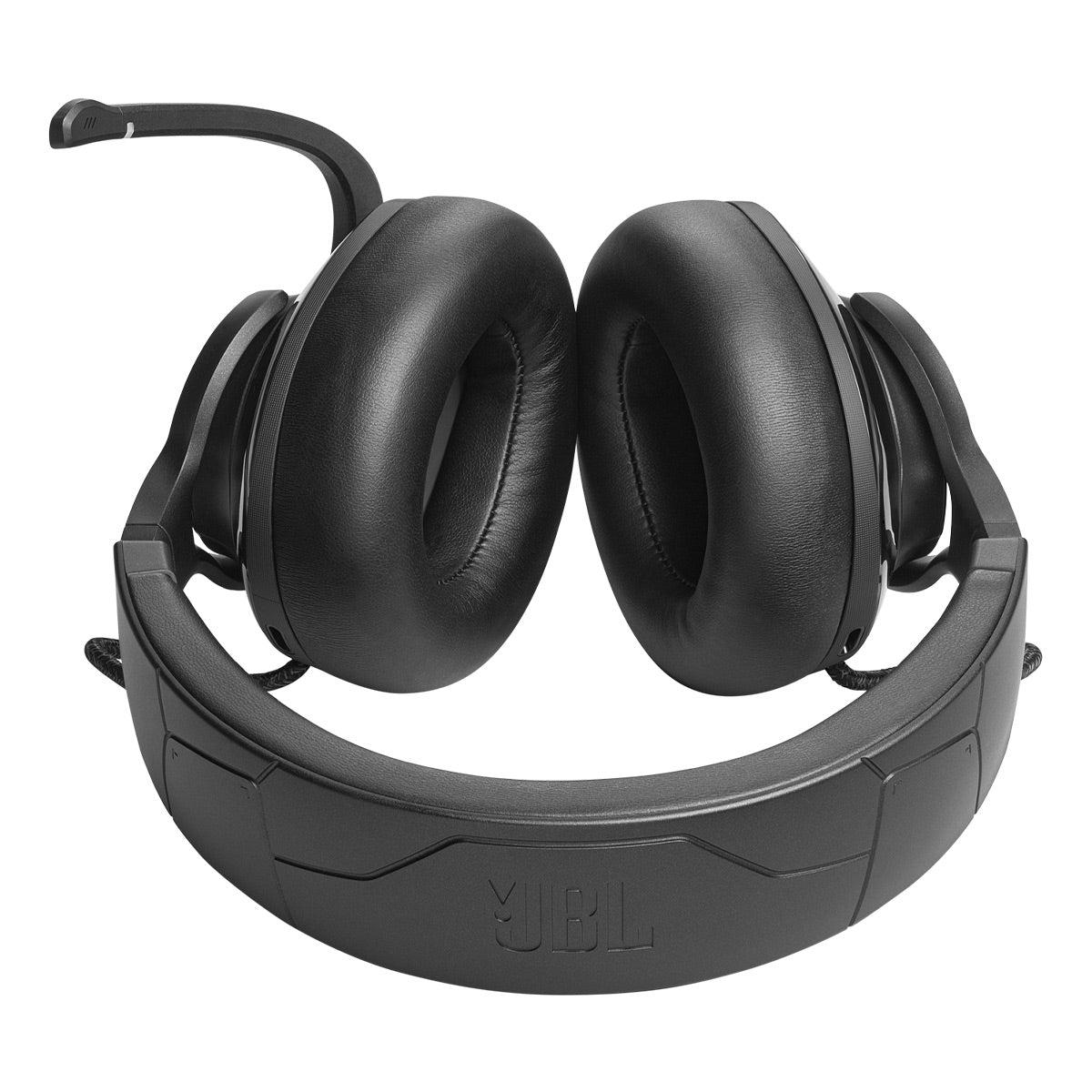
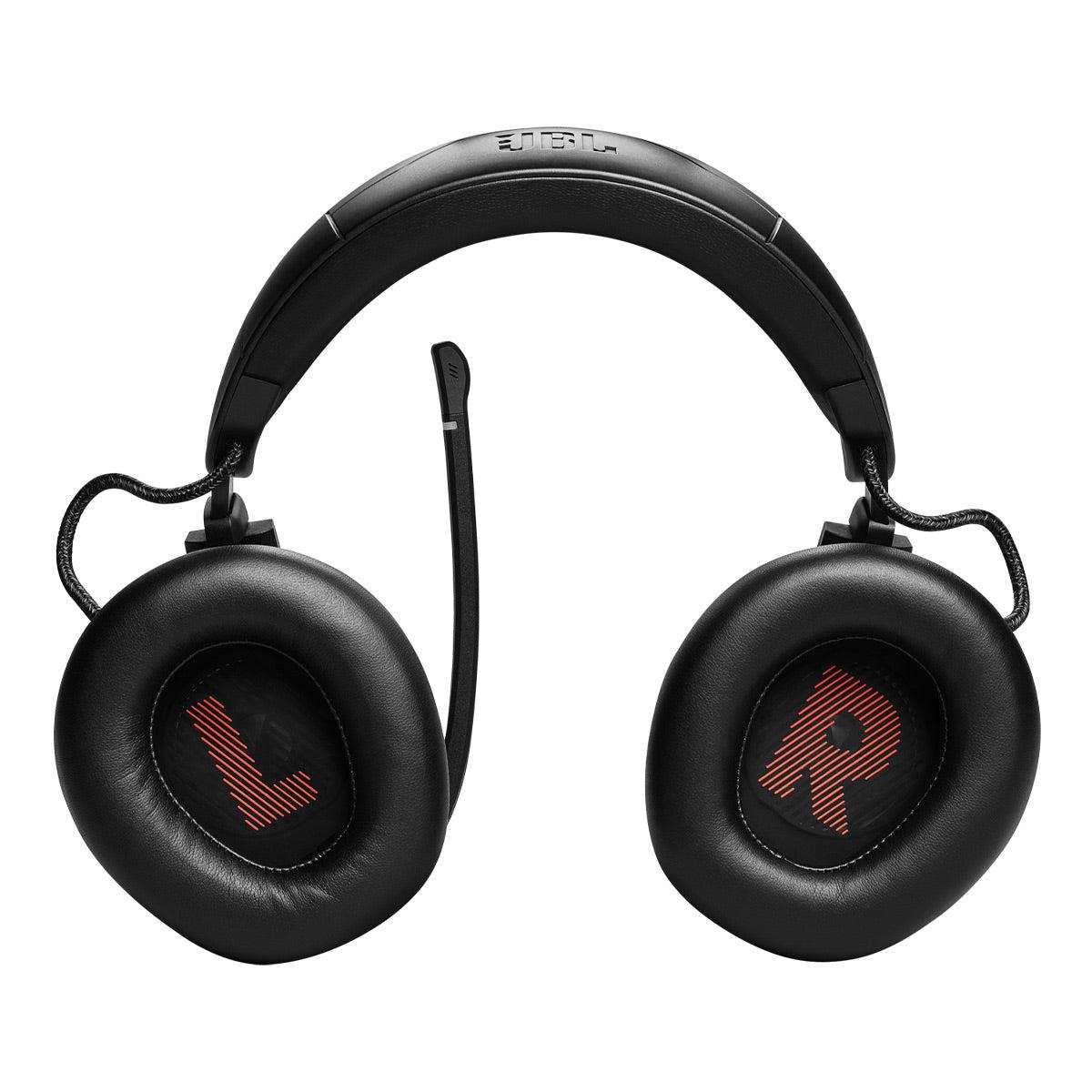
Comfort receives special attention with protein leather ear cushions and an even-pressure headband that distributes weight evenly across your head. At approximately 253 grams, these headphones feel substantially lighter than the JBL's 420-gram weight, making them better suited for extended mobile use.
The audio quality comparison reveals the fundamental philosophical differences between these products. The JBL Quantum 910 delivers what JBL calls their QuantumSOUND Signature—an audio profile specifically tuned by JBL's audio engineers for gaming. This tuning emphasizes certain frequency ranges that enhance gaming audio cues while maintaining Hi-Res audio certification.
In stereo mode, the JBL produces excellent sound with strong bass response and clear highs that work well for both gaming and music. However, engaging the spatial audio modes can compromise tonal balance for music listening. Users frequently report that while QuantumSPHERE 360° provides impressive gaming advantages, it makes music sound distant and less engaging—like "listening to a radio in another room," as one reviewer aptly described it.
The Bose QuietComfort Ultra prioritizes overall audio fidelity with a warm, balanced signature that excels across all content types. The CustomTune technology ensures this balanced response is maintained regardless of your ear shape, something no other manufacturer currently offers. For music, movies, and podcasts, the Bose delivers superior clarity and natural sound reproduction.
The performance difference becomes clear when you consider use cases: the JBL gives you a competitive edge in games but requires compromises for general listening, while the Bose excels at everything except gaming-specific features.
Here's where the category differences become most apparent. The Bose QuietComfort Ultra delivers industry-benchmark noise cancellation that dramatically reduces background noise across all frequencies. Whether you're on an airplane, in a noisy coffee shop, or trying to focus in an open office, the Bose creates an almost eerie silence that lets you fully immerse in your audio content.
The JBL Quantum 910 includes active noise cancellation, but it's tuned specifically for gaming environments. Rather than maximum noise reduction, JBL optimized their ANC to reduce distracting background sounds while preserving important gaming audio cues. This approach makes sense for gaming but provides less isolation in general use scenarios.
For home theater use, this difference becomes particularly relevant. The Bose's superior noise cancellation makes it excellent for late-night movie watching without disturbing others, while the JBL's gaming-tuned ANC might not provide enough isolation from household noise during intense movie scenes.
Battery performance reveals another key difference in design philosophy. The JBL Quantum 910's 39-hour battery life reflects gaming priorities—you want your headset ready for marathon gaming sessions and weekend tournaments without worrying about charging. The headset also supports play-and-charge functionality, so even if you forget to charge, you can keep playing while plugged in.
The Bose QuietComfort Ultra provides 24 hours of battery life (18 hours with spatial audio enabled), which is excellent for general use but shorter than the JBL. However, Bose's 15-minute quick charge providing 2.5 hours of playback reflects mobile lifestyle priorities—you need enough juice for your commute or workout, not necessarily all-day gaming.
Both headphones offer advanced Bluetooth connectivity, but implement it differently. The JBL's simultaneous 2.4GHz and Bluetooth connections cater to gaming scenarios where you need low-latency game audio plus phone connectivity. The Bose's Bluetooth 5.3 with multipoint focuses on seamless device switching for work and lifestyle scenarios.
Voice communication capabilities highlight the starkest difference between these approaches. The JBL Quantum 910's boom microphone is specifically designed for gaming communication. Its close proximity to your mouth provides excellent voice pickup, while the noise suppression technology ensures your teammates hear you clearly even in noisy environments. The Discord certification means the headset meets professional standards for gaming voice chat.
The Bose QuietComfort Ultra relies on built-in microphones for calls, which provide adequate quality for phone calls and video conferences but lack the precision and noise rejection of a dedicated boom mic. For general use, this works fine—the microphone array does an impressive job of isolating your voice from background noise. However, for competitive gaming where clear team communication can determine victory or defeat, the built-in mic approach falls short.
At the time of writing, both headphones occupy the premium price tier, though the JBL typically costs somewhat less than the Bose. The value equation depends entirely on your use case and priorities.
The JBL Quantum 910 delivers exceptional value for dedicated gamers. You're getting professional-level gaming features—head tracking, spatial audio, extended battery life, and multi-platform compatibility—at a price that's reasonable for the feature set. The gaming-specific optimizations provide real competitive advantages that can improve your performance in multiplayer games.
However, if gaming represents less than half your listening time, the JBL's value proposition weakens. You're paying for specialized features you won't use while accepting compromises in general audio quality and portability.
The Bose QuietComfort Ultra commands a premium price but delivers best-in-class performance for general audio use. The superior noise cancellation, audio quality, and comfort make it excellent value for frequent travelers, remote workers, or anyone who prioritizes audio quality across diverse content types.
For home theater use, the Bose's superior noise cancellation and general audio quality make it the better choice for movie watching and music listening. The customizable EQ through the Bose Music app allows fine-tuning for your specific room and preferences.
Both headphones benefit from recent technological advances that weren't available in earlier generations. The JBL Quantum 910 represents significant improvements in wireless gaming technology, with simultaneous dual connections and extended battery life that were challenging to achieve in earlier wireless gaming headsets.
The Bose QuietComfort Ultra incorporates Bose's latest CustomTune and spatial audio technologies, representing meaningful evolution from their previous QuietComfort models. The automatic ear shape analysis and adaptive tuning capabilities represent genuinely new approaches to personalizing audio performance.
Looking forward, both companies continue advancing their respective technologies. Gaming headsets are likely to see further improvements in spatial audio accuracy and cross-platform compatibility, while premium headphones will probably focus on enhanced personalization and even better noise cancellation algorithms.
Choose the JBL Quantum 910 if gaming represents your primary use case and you value competitive advantages over general audio refinement. It's particularly compelling if you game across multiple platforms, participate in team-based multiplayer games, or prioritize extremely long battery life. The headset excels for users who primarily listen at a gaming desk and don't need highly portable headphones.
The JBL Quantum 910 also makes sense if you're budget-conscious but still want premium gaming features. Despite its gaming focus, it handles music and movies adequately when used in stereo mode, making it a reasonable all-around choice for gaming-focused users.
Choose the Bose QuietComfort Ultra if you prioritize superior overall audio quality, industry-leading noise cancellation, and versatile daily use. It's the clear winner for frequent travelers, anyone who works in noisy environments, or users who want the best possible sound quality for music and movies.
The Bose is also the better choice if comfort during mobile use matters to you. Its lighter weight and premium materials make it substantially more comfortable for extended wear while commuting, traveling, or moving around your home.
For home theater use specifically, the Bose QuietComfort Ultra provides superior performance thanks to its excellent noise cancellation and balanced audio signature that works well across all movie content types.
The fundamental question remains: Are you buying primarily for gaming, or for general audio use that occasionally includes gaming? Your honest answer to this question should guide your decision, as each product excels in its intended domain while making compromises in the other.
| JBL Quantum 910 Wireless Gaming Headset | Bose QuietComfort Ultra Wireless Headphones |
|---|---|
| Primary Use Case - Determines which features you'll actually benefit from | |
| Gaming-focused with competitive spatial audio and voice communication | Premium all-around audio for music, calls, and media consumption |
| Weight - Critical for comfort during extended use | |
| 420g (heavier, designed for stationary gaming) | 253g (lighter, better for mobile use and travel) |
| Battery Life - Essential for uninterrupted use | |
| 39 hours (exceptional for marathon gaming sessions) | 24 hours standard, 18 with spatial audio (good for daily use) |
| Noise Cancellation - Determines isolation quality | |
| Gaming-tuned ANC (reduces distractions while preserving game audio) | Industry-leading ANC (superior isolation for travel and focus) |
| Audio Quality Approach - Affects what content sounds best | |
| Gaming-optimized with Hi-Res certification (excellent for games, good for music) | Premium balanced signature with CustomTune personalization (excellent for all content) |
| Microphone - Critical for communication quality | |
| Flip-to-mute boom mic with Discord certification (professional gaming communication) | Built-in microphone array (adequate for calls, not optimized for gaming) |
| Spatial Audio Technology - Creates immersive 3D sound | |
| QuantumSPHERE 360° with head tracking (competitive gaming advantage) | Immersive Audio with head tracking (natural music and movie experience) |
| Connectivity Options - Determines device compatibility | |
| 2.4GHz wireless + Bluetooth + 3.5mm (multi-platform gaming focus) | Bluetooth 5.3 with multipoint + 3.5mm (seamless device switching) |
| Platform Optimization - Where you get the best experience | |
| PC (full features), PlayStation/Switch (wireless), Xbox (wired only) | Universal compatibility with all devices and platforms |
| Comfort Design - Affects wearability for long sessions | |
| Gaming-focused padding with stationary use design | Premium materials optimized for mobile comfort and portability |
| Special Features - Unique capabilities that set each apart | |
| Dual wireless connections, game/chat balance dial, RGB lighting | CustomTune ear analysis, multiple ANC modes, premium travel case |
The JBL Quantum 910 Wireless Gaming Headset is significantly better for gaming. It features specialized gaming technologies like QuantumSPHERE 360° spatial audio with head tracking, a flip-to-mute boom microphone with Discord certification, and game/chat balance controls. The Bose QuietComfort Ultra Wireless Headphones lack gaming-specific features like a boom microphone and spatial audio optimized for competitive gaming.
The Bose QuietComfort Ultra Wireless Headphones delivers superior music quality with its balanced audio signature and CustomTune technology that personalizes sound to your ear shape. While the JBL Quantum 910 Wireless Gaming Headset offers Hi-Res certified audio, it's tuned specifically for gaming and may compromise music quality when spatial audio modes are enabled.
The JBL Quantum 910 Wireless Gaming Headset offers exceptional 39-hour battery life, making it ideal for extended gaming sessions. The Bose QuietComfort Ultra Wireless Headphones provides 24 hours of standard use (18 hours with spatial audio enabled), which is excellent for daily use but shorter than the JBL for marathon sessions.
The Bose QuietComfort Ultra Wireless Headphones features industry-leading active noise cancellation that's superior for travel, work, and general use. The JBL Quantum 910 Wireless Gaming Headset includes ANC but it's specifically tuned for gaming environments rather than maximum noise isolation.
The JBL Quantum 910 Wireless Gaming Headset excels at voice communication with its dedicated boom microphone and noise suppression, making it excellent for gaming chat and calls. The Bose QuietComfort Ultra Wireless Headphones uses built-in microphones that provide good call quality but aren't as optimized for voice communication as a boom mic.
Comfort depends on your use case. The Bose QuietComfort Ultra Wireless Headphones is lighter (253g) with premium materials, making it more comfortable for mobile use and travel. The JBL Quantum 910 Wireless Gaming Headset is heavier (420g) but designed with padding optimized for stationary gaming sessions.
Both support multiple devices but differently. The JBL Quantum 910 Wireless Gaming Headset can simultaneously connect via 2.4GHz wireless and Bluetooth, perfect for gaming while staying connected to your phone. The Bose QuietComfort Ultra Wireless Headphones offers Bluetooth multipoint for seamless switching between two devices like your laptop and phone.
The Bose QuietComfort Ultra Wireless Headphones is better for home theater use thanks to its superior noise cancellation for late-night viewing, balanced audio signature for movie soundtracks, and spatial audio optimized for cinematic content. The JBL Quantum 910 Wireless Gaming Headset works for movies but is optimized more for gaming audio than cinematic experiences.
Both occupy the premium tier with the JBL Quantum 910 Wireless Gaming Headset typically costing less than the Bose QuietComfort Ultra Wireless Headphones. The JBL offers better value for dedicated gamers, while the Bose provides better value for users prioritizing premium audio quality and noise cancellation across all use cases.
The JBL Quantum 910 Wireless Gaming Headset offers more gaming-focused connectivity with low-latency 2.4GHz wireless plus Bluetooth, supporting multiple gaming platforms. The Bose QuietComfort Ultra Wireless Headphones features advanced Bluetooth 5.3 with better general device compatibility and seamless switching between connected devices.
The Bose QuietComfort Ultra Wireless Headphones is designed for portability with its lightweight build, foldable design, and premium carry case. The JBL Quantum 910 Wireless Gaming Headset is bulkier with a non-detachable boom microphone, making it less suitable for travel and more appropriate for desktop gaming setups.
Choose the JBL Quantum 910 Wireless Gaming Headset if gaming is your primary use case and you need competitive features like spatial audio, voice communication, and multi-platform gaming support. Select the Bose QuietComfort Ultra Wireless Headphones if you prioritize superior overall audio quality, best-in-class noise cancellation, and versatile daily use for music, calls, and media consumption.
We've done our best to create useful and informative comparisons to help you decide what product to buy. Our research uses advanced automated methods to create this comparison and perfection is not possible - please contact us for corrections or questions. These are the sites we've researched in the creation of this article: techradar.com - stereoguide.com - ausdroid.net - majorhifi.com - ign.com - youtube.com - soundguys.com - versus.com - impulsegamer.com - versus.com - jbl.com - jbl.com.tw - crutchfield.com - th.jbl.com - harmanaudio.com - jbl.com - jbl.com - youtube.com - bestbuy.com - harmanaudio.com - jbl.com - th.jbl.com - bhphotovideo.com - techradar.com - whathifi.com - whathifi.com - whathifi.com - tomsguide.com - youtube.com - stereoguide.com - youtube.com - soundguys.com - soundguys.com - bose.com - headphonecheck.com - bose.com - cnet.com - bhphotovideo.com - boselatam.com - rtings.com - bestbuy.com - assets.bose.com - bose.com - bose.com.au - bose.com - boseapac.com

Privacy Policy
Terms and Conditions - Affiliate Policy
Home Security
© Copyright 2008-2026.
11816 Inwood Rd #1211, Dallas, TX 75244