

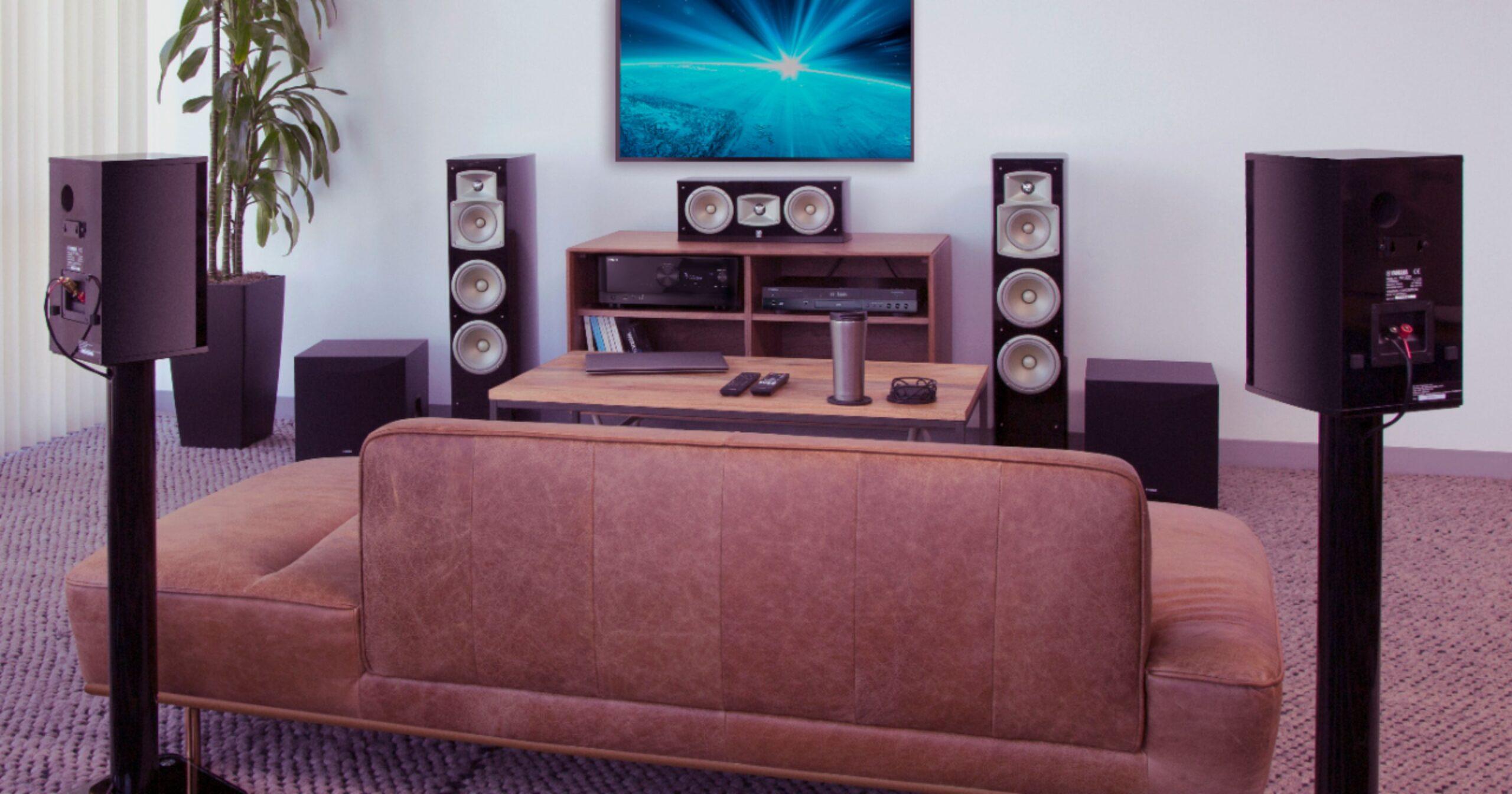
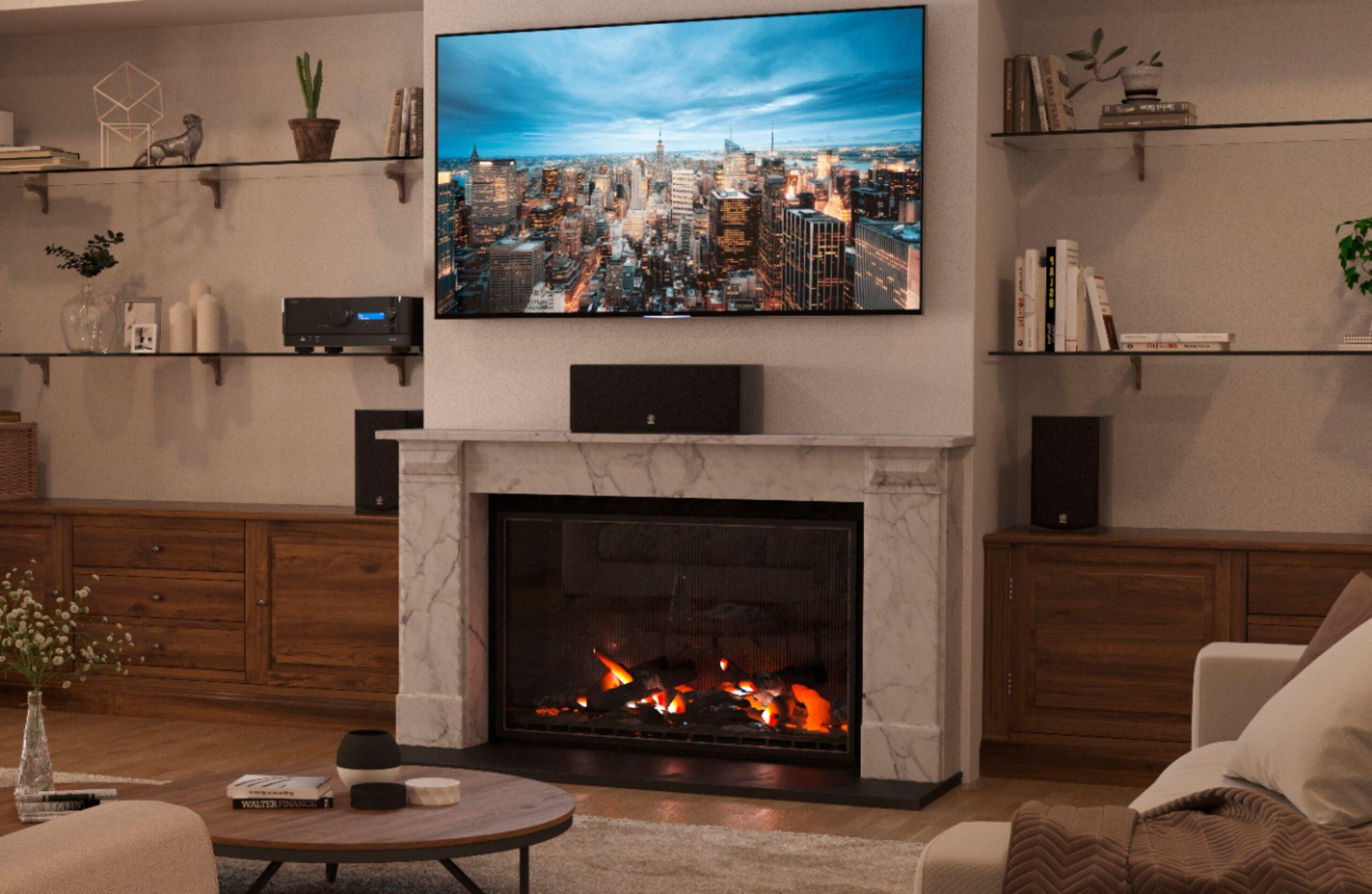
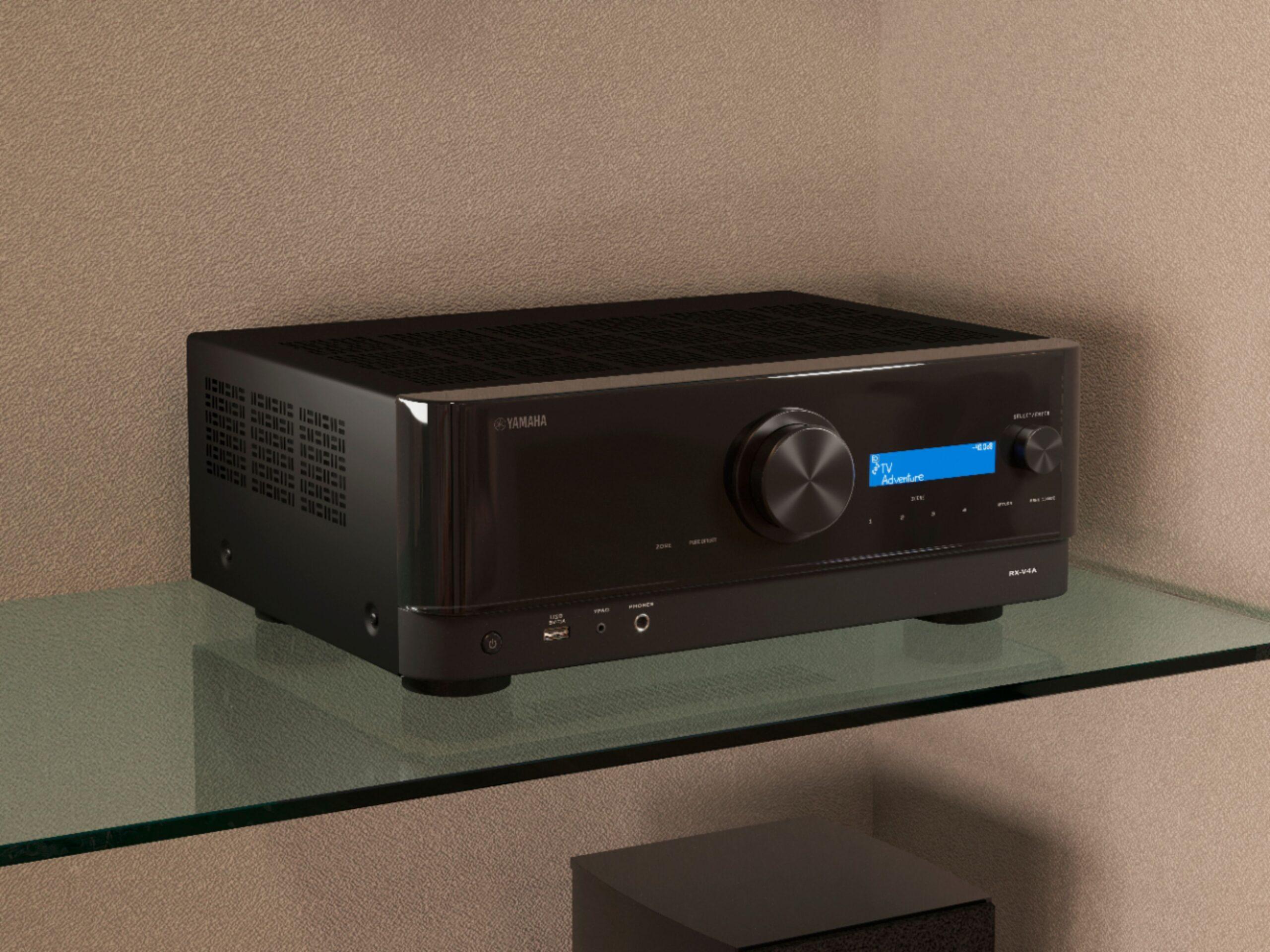
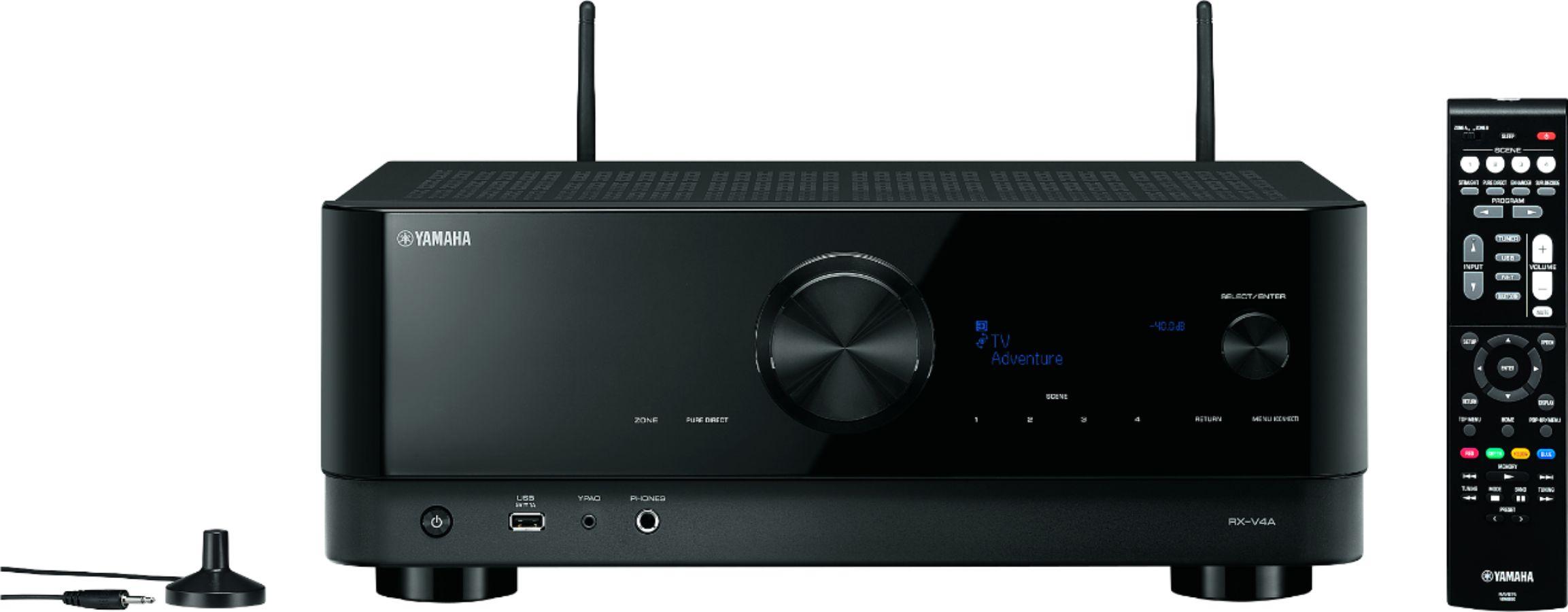
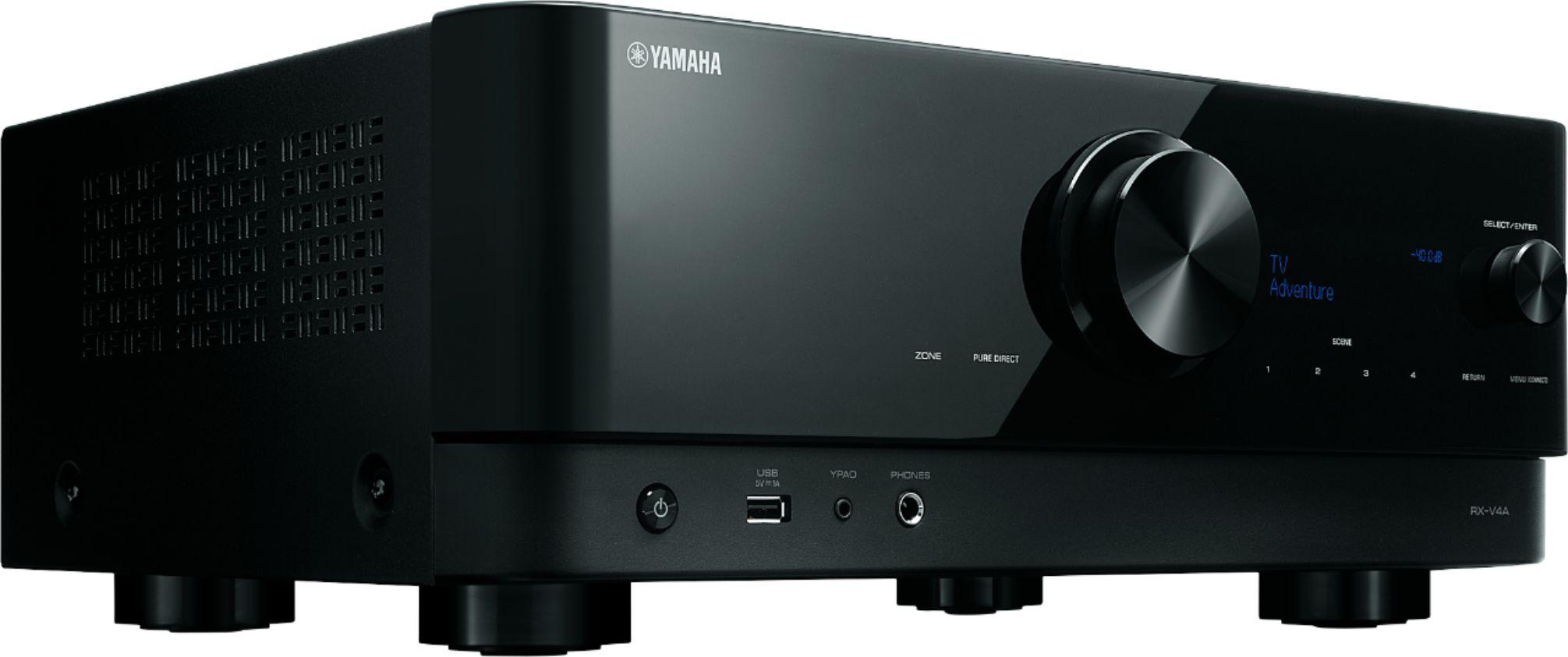
When you're building a home theater system, the AV receiver sits at the heart of everything. It's the brain that takes audio and video signals from your streaming devices, gaming consoles, and Blu-ray players, then processes and amplifies them for your speakers and TV. Getting this choice right can make or break your entire entertainment experience.
Today we're comparing two receivers from different ends of the market spectrum: the Denon AVR-X2800H (released in 2022) and the Yamaha RX-V4A (launched in 2020). These represent vastly different approaches to home theater – one prioritizes advanced features and future-proofing, while the other focuses on essential functionality at an accessible price point.
Before diving into specifics, let's establish what matters most in an AV receiver. The channel configuration tells you how many speakers you can connect – a 7.2 receiver can power seven main speakers plus two subwoofers, while a 5.2 handles five speakers and two subs. The ".2" refers to subwoofer outputs, which handle the deep bass frequencies that make explosions feel real and music sound full.
Power output, measured in watts per channel, determines how loud your system can play and how well it controls your speakers. Room correction technology uses microphones to measure your room's acoustics and automatically adjusts the sound to compensate for issues like hard walls or odd-shaped spaces. Video processing capabilities determine what resolutions and formats your receiver can handle – crucial as we move into the 8K era.
Connectivity options include HDMI inputs (the digital connections that carry both audio and video), streaming capabilities for services like Spotify, and wireless features like Bluetooth and Wi-Fi. The quality of these implementations can dramatically affect your daily experience with the system.
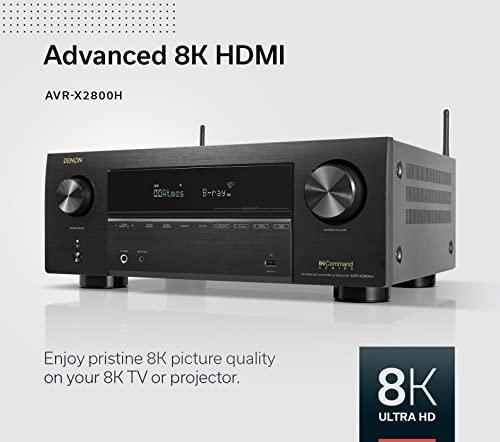
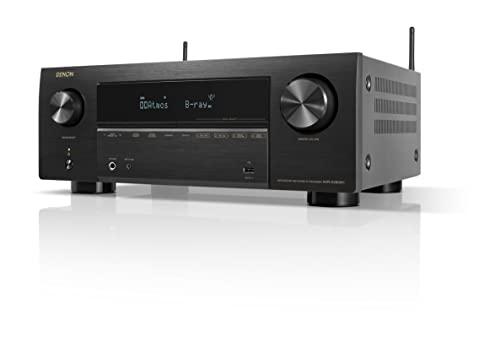
The Denon AVR-X2800H represents Denon's mid-range flagship approach. At the time of writing, it commands a premium price that reflects its position as a feature-rich receiver designed for serious home theater enthusiasts. Released in 2022, it incorporates the latest HDMI 2.1 standards that emerged to support next-generation gaming consoles and 8K content.
In contrast, the Yamaha RX-V4A targets budget-conscious buyers who want reliable performance without paying for advanced features they may never use. Despite being released two years earlier in 2020, it still handles current technology demands adequately while maintaining Yamaha's reputation for long-term reliability.
The price gap between these models is substantial – we're talking about a difference that could fund several other home theater components. This raises the crucial question: when does paying more actually deliver meaningful benefits?
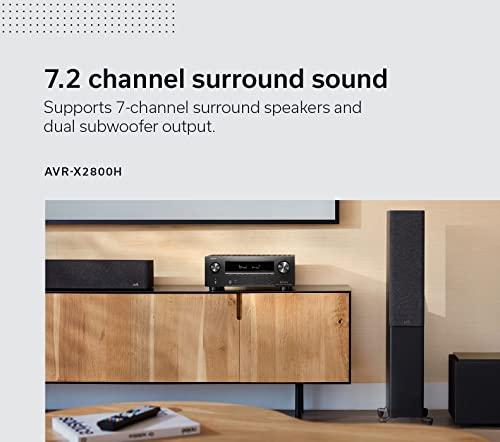
The most fundamental difference lies in channel count. The Denon AVR-X2800H offers 7.2 channels with 95 watts per channel, while the Yamaha RX-V4A provides 5.2 channels at 80 watts per channel. This might seem like simple math, but the implications run deeper.
That extra power and two additional channels in the Denon enable more sophisticated surround sound configurations. You can set up a proper 5.1.2 Dolby Atmos system, where the ".2" represents overhead or height speakers that create truly three-dimensional sound. When a helicopter flies overhead in a movie, you'll actually hear it move from behind you, over your head, and toward the front – an effect that's impossible with a traditional 5.1 setup.
The Yamaha's 5.2 configuration limits you to traditional surround sound or very basic Atmos configurations. For many rooms and budgets, this is perfectly adequate. But if you have the space and speakers for a more complex setup, the limitation becomes obvious quickly.
Based on extensive review analysis, these receivers present distinctly different sonic characters. The Denon AVR-X2800H delivers what most reviewers describe as a warmer, more refined sound signature. This translates to smoother treble frequencies that won't fatigue your ears during long movie sessions, and a balanced midrange that makes dialogue exceptionally clear – crucial for understanding conversations in action scenes.
The Yamaha RX-V4A takes a more neutral approach, delivering what many describe as spacious, precise sound that's particularly effective for big blockbuster films. Yamaha's processing tends to create a wider soundstage, making your room feel larger during movie playback. However, some listeners find this approach more clinical and less engaging for music listening.
In our research across multiple professional reviews and user feedback, the Denon consistently receives praise for its ability to handle both movies and music with equal competence. The Yamaha excels specifically in home theater applications but doesn't quite match the Denon's musical prowess.
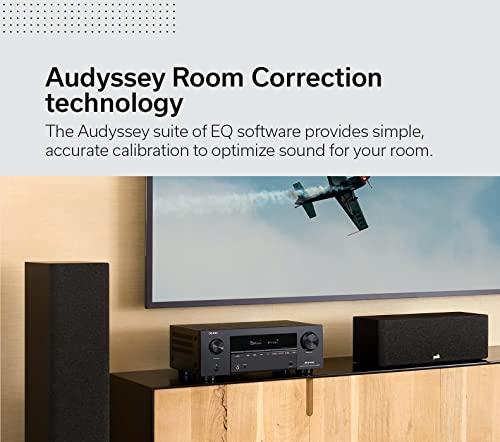
This is where the Denon AVR-X2800H truly justifies its higher price point. Its Audyssey MultEQ XT system represents professional-grade room correction technology. The included microphone measures your room's acoustics from up to eight different listening positions, then automatically adjusts frequency response, speaker distances, and levels to optimize sound quality.
Room correction might sound like marketing fluff, but it's genuinely transformative. Most rooms have acoustic problems – hard surfaces that create echoes, furniture that absorbs certain frequencies, or irregular shapes that cause sound waves to interact poorly. Good room correction can turn a mediocre-sounding room into something approaching professional studio quality.
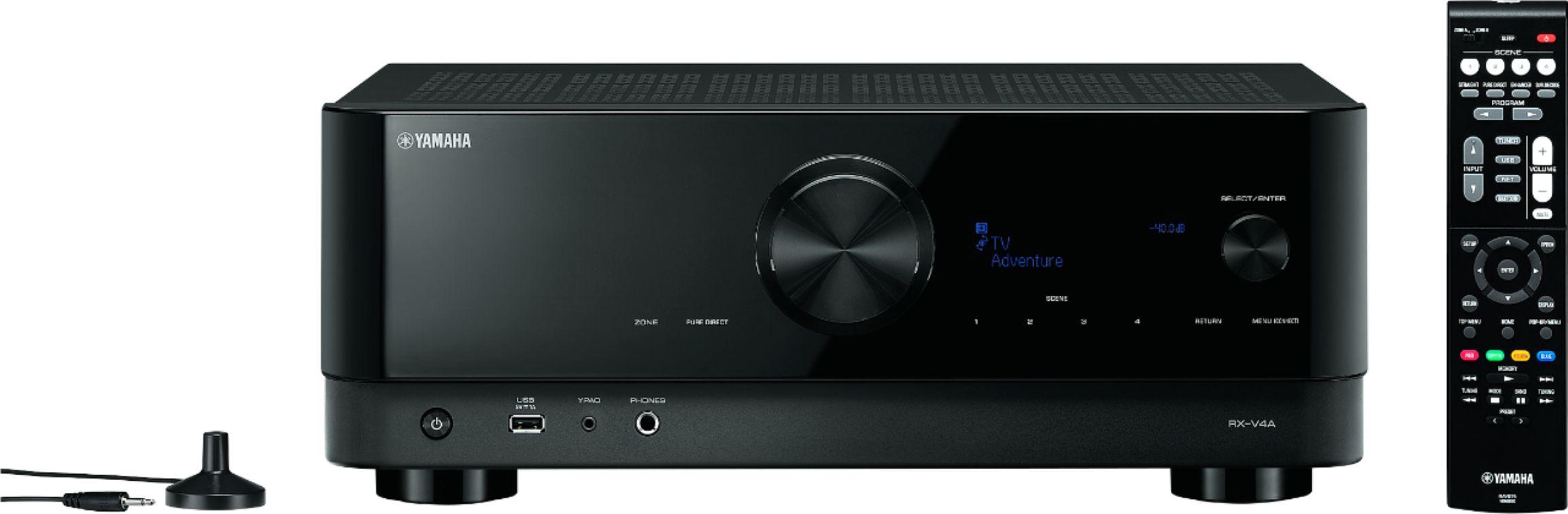
The Yamaha RX-V4A includes basic YPAO (Yamaha Parametric Acoustic Optimizer) correction, which handles fundamental adjustments but lacks the sophistication of the Denon's system. For many users in well-designed rooms, this basic correction suffices. But in challenging acoustic environments – rooms with high ceilings, hard surfaces, or irregular layouts – the difference becomes night and day.
Both receivers handle current 4K content admirably, but the Denon AVR-X2800H provides significantly better future-proofing. Its three HDMI 2.1 inputs support 8K/60Hz and 4K/120Hz passthrough with the full 40Gbps bandwidth these formats require. This means you can connect multiple next-generation gaming consoles, Apple TV units, and other high-bandwidth sources without compromising quality.
The Yamaha RX-V4A handles 8K and 4K content but with fewer dedicated high-bandwidth inputs. For current needs, this rarely presents problems. But as more devices adopt these higher resolutions and refresh rates, you might find yourself managing connections more carefully.
Both receivers support all major HDR (High Dynamic Range) formats including HDR10, HDR10+, Dolby Vision, and HLG. HDR represents a more significant visual improvement than resolution alone – it delivers brighter highlights, deeper shadows, and more realistic colors that stay true to filmmakers' intentions.
Modern gaming demands low latency and smooth motion. Both receivers include ALLM (Auto Low Latency Mode), which automatically switches your TV to its fastest input mode when it detects gaming content. VRR (Variable Refresh Rate) eliminates screen tearing and stuttering by synchronizing your display's refresh rate with your console's output.
The Denon AVR-X2800H edges ahead with more HDMI 2.1 inputs, making it easier to connect multiple gaming consoles without constantly swapping cables. For serious gamers with both PlayStation 5 and Xbox Series X systems, this convenience factor matters significantly.
The Denon AVR-X2800H provides six HDMI inputs total, with three supporting the latest HDMI 2.1 standard. It also includes analog inputs for older components and a phono input for turntables – a nice touch for vinyl enthusiasts.
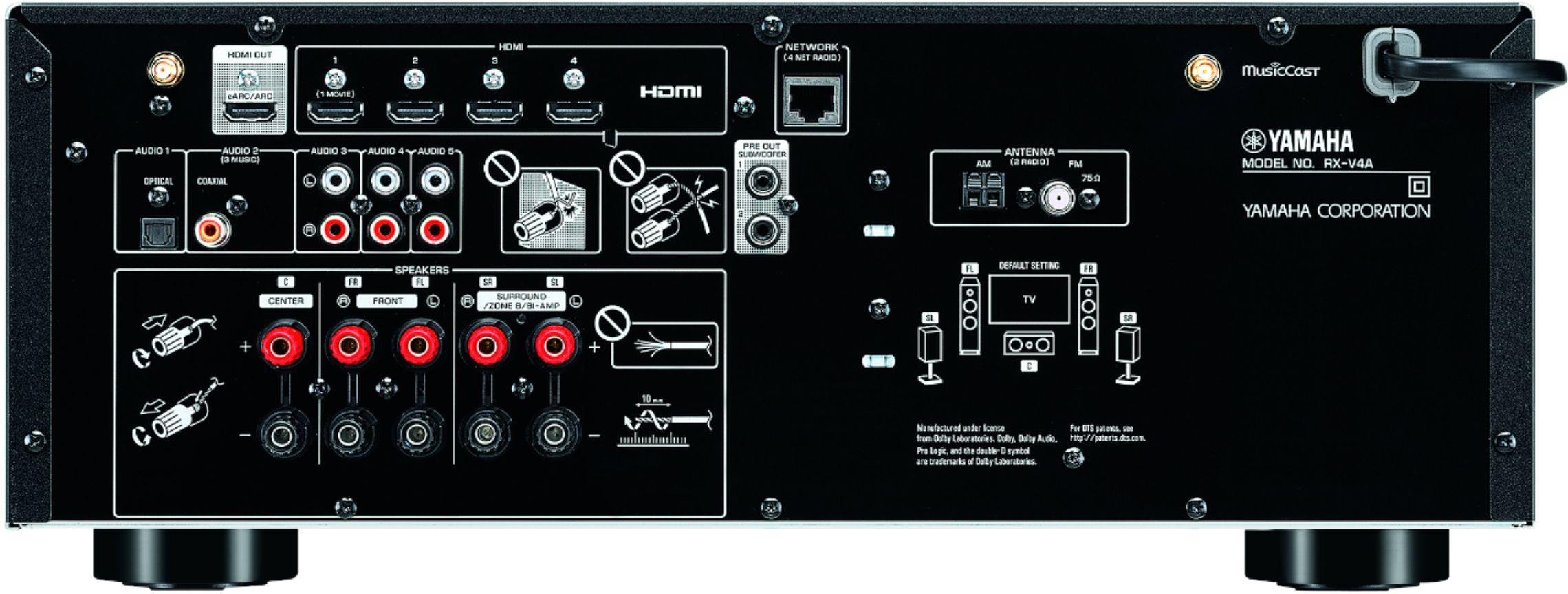
The Yamaha RX-V4A offers four HDMI inputs, which covers most users' needs but might require an HDMI switch for connection-heavy setups. The reduced input count reflects its entry-level positioning but rarely creates practical problems for typical installations.
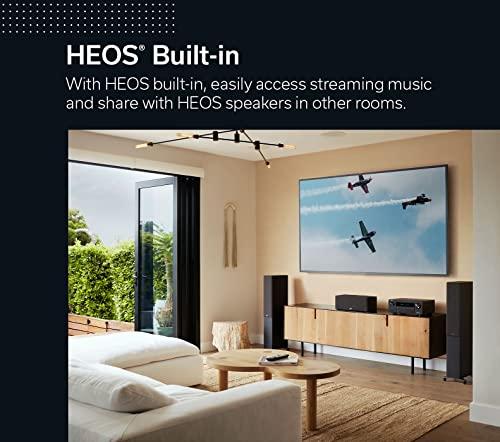
Both receivers include comprehensive wireless connectivity, but their streaming platforms differ significantly. The Denon AVR-X2800H uses the HEOS platform, which integrates with popular services like Spotify, Tidal, and Amazon Music. However, user feedback consistently criticizes HEOS for being clunky and occasionally frustrating to navigate.
The Yamaha RX-V4A employs MusicCast, which generally receives more positive user feedback for its interface design and reliability. Both systems support voice control through Alexa and Google Assistant, plus AirPlay 2 for Apple device users.
In practical terms, most users will primarily stream through connected devices like Apple TV or Roku rather than the receiver's built-in apps. But when you want to quickly play background music while cooking or entertaining, the streaming platform's usability becomes important.
Yamaha has cultivated a decades-long reputation for exceptional reliability. Many users report their Yamaha receivers operating flawlessly for 10-15 years or more. This reliability stems from conservative engineering approaches and robust component selection that prioritizes longevity over absolute cutting-edge performance.
The Denon AVR-X2800H features upgraded power supplies and capacitors compared to previous generations, reflecting Denon's commitment to build quality in their mid-range models. While newer to market than some Yamaha designs, Denon has established solid reliability credentials in recent years.
For long-term ownership, both brands offer good prospects. Yamaha's track record provides more confidence, but Denon's recent improvements suggest similar durability. The key difference lies in feature complexity – more advanced systems inherently present more potential failure points, though modern manufacturing has largely mitigated these concerns.
The Denon AVR-X2800H offers several unique features that justify its premium positioning. Bi-amping capability allows you to dedicate separate amplifier channels to your front speakers' woofers and tweeters, potentially improving dynamics and clarity. Zone 2 functionality enables independent audio in a second room – perfect for playing different music in the kitchen while watching movies in the living room.
Multiple speaker presets let you store different configurations for various content types or listening preferences. The receiver remembers your preferred settings for movies versus music, automatically switching when you change inputs.
The Yamaha RX-V4A takes a "set it and forget it" approach that many users prefer. Its simpler feature set reduces configuration complexity while still delivering excellent core performance. The MusicCast app provides straightforward control without overwhelming options or confusing menus.
For users who want great sound without diving deep into audio tweaking, this simplicity represents a genuine advantage. Sometimes having fewer options leads to better actual results because you're more likely to optimize the features you do have.
When evaluating AV receivers, certain performance characteristics prove more important than others. Power output matters, but headroom and dynamic range often matter more than raw wattage numbers. The ability to handle sudden loud sounds without compression or distortion separates good receivers from great ones.
Signal-to-noise ratio affects how quiet your system sounds during silent passages – crucial for dramatic movie scenes. Both receivers excel here, but the Denon AVR-X2800H edges ahead with slightly better specifications.
Room correction effectiveness dramatically impacts real-world performance more than most other specifications. A receiver with excellent room correction and modest power often outperforms a high-power unit with basic correction in typical home environments.
HDMI implementation quality affects daily usability through handshaking reliability, format compatibility, and switching speed. Both receivers handle these basics well, but the Denon's more extensive HDMI 2.1 support provides measurable advantages for demanding applications.
Have a dedicated home theater room where advanced features provide tangible benefits. If you're planning a 7.1 or Atmos speaker configuration, the additional channels and sophisticated room correction justify the investment. The superior HDMI implementation matters if you frequently switch between multiple high-quality sources or plan to adopt 8K content as it becomes available.
Budget flexibility allows you to invest in premium features that enhance daily usability. The better room correction alone can transform challenging acoustic environments into excellent-sounding spaces.
Your room size and budget align with 5.1 surround sound capabilities. Many living rooms work perfectly with this configuration, and the money saved can fund better speakers or other system components. The excellent reliability record and user-friendly interface appeal to users who prioritize simplicity over advanced features.
You're building your first serious home theater system and want proven performance without complexity. The Yamaha RX-V4A delivers genuinely excellent results for most applications while leaving room in your budget for acoustic treatments or speaker upgrades that often provide more noticeable improvements than receiver features.
These receivers serve different markets effectively, and both deserve recommendation within their intended contexts. The Denon AVR-X2800H represents the better choice for serious home theater enthusiasts who can utilize its advanced features and future-proofing capabilities. Its superior room correction, additional channels, and extensive connectivity options provide real benefits that justify the premium pricing for users who need these capabilities.
The Yamaha RX-V4A delivers exceptional value for users seeking reliable, high-quality performance without paying for features they won't use. Its straightforward operation, excellent build quality, and effective basic feature set make it ideal for first-time buyers or those prioritizing simplicity and reliability.
At the time of writing, the price gap between these models could fund significant speaker upgrades or acoustic room treatments. For many users, investing that difference in better speakers or room acoustics will provide more noticeable improvements than the receiver's advanced features. However, if you're building a no-compromise home theater system and can utilize the additional capabilities, the Denon AVR-X2800H provides excellent value within its price class.
The key lies in honest assessment of your needs, room requirements, and long-term plans. Both receivers will serve their intended audiences well – the question is determining which audience you belong to.
| Denon AVR-X2800H | Yamaha RX-V4A |
|---|---|
| Channel Configuration - Determines speaker layout possibilities and room size compatibility | |
| 7.2 channels (supports complex Dolby Atmos setups) | 5.2 channels (traditional surround sound only) |
| Power Output - Affects volume levels and speaker control | |
| 95 watts per channel (drives larger speakers effectively) | 80 watts per channel (adequate for most home setups) |
| Room Correction Technology - Critical for optimizing sound in real rooms | |
| Audyssey MultEQ XT (professional-grade, 8-position calibration) | Basic YPAO (simple but effective for most rooms) |
| HDMI 2.1 Inputs - Essential for next-gen gaming and 8K content | |
| 3 HDMI 2.1 inputs (future-proof connectivity) | Limited HDMI 2.1 support (adequate for current needs) |
| Total HDMI Inputs - Determines how many devices you can connect | |
| 6 HDMI inputs total | 4 HDMI inputs total |
| 8K/4K Video Support - Important for high-resolution content and gaming | |
| 8K/60Hz, 4K/120Hz passthrough with upscaling | 8K/60Hz, 4K/120Hz basic support |
| Streaming Platform - Affects daily usability for music and audio | |
| HEOS (feature-rich but criticized for complexity) | MusicCast (user-friendly and reliable) |
| Additional Features - Extra capabilities that justify higher cost | |
| Bi-amp mode, Zone 2, phono input, speaker presets | Basic feature set focused on core functionality |
| Sound Signature - Affects how music and movies actually sound | |
| Warmer, refined sound excellent for both movies and music | Neutral, spacious sound optimized for home theater |
| Target Market - Who each receiver is designed for | |
| Serious home theater enthusiasts with larger rooms | Budget-conscious users seeking reliable performance |
| Release Year - Indicates how current the technology is | |
| 2022 (latest HDMI 2.1 and processing standards) | 2020 (proven technology, still very capable) |
The primary difference is channel configuration and target market. The Denon AVR-X2800H is a 7.2-channel receiver designed for serious home theater setups, while the Yamaha RX-V4A is a 5.2-channel receiver focused on essential features at an affordable price point.
For smaller rooms, the Yamaha RX-V4A is often the better choice. Its 5.2-channel configuration and 80 watts per channel provide plenty of power for most living spaces, while the simpler feature set keeps costs down and reduces complexity.
Yes, both the Denon AVR-X2800H and Yamaha RX-V4A support 4K and 8K video passthrough. However, the Denon offers more HDMI 2.1 inputs (3 vs limited) and better future-proofing for high-bandwidth content like 4K/120Hz gaming.
The Denon AVR-X2800H has significantly superior room correction with its Audyssey MultEQ XT system, which can measure and optimize up to 8 listening positions. The Yamaha RX-V4A uses basic YPAO correction that's adequate for most rooms but less sophisticated.
Both receivers support modern gaming features like ALLM and VRR. The Denon AVR-X2800H is better for serious gamers due to its three HDMI 2.1 inputs, allowing multiple next-gen consoles to be connected simultaneously without switching cables.
Yamaha has a longer track record of exceptional reliability, with many Yamaha RX-V4A users reporting 10+ years of trouble-free operation. The Denon AVR-X2800H uses quality components but has more complex features that could theoretically present more failure points.
The Denon AVR-X2800H supports proper Dolby Atmos configurations like 5.1.2 with dedicated height speakers. The Yamaha RX-V4A can handle basic Atmos but is limited by its 5.2-channel configuration, restricting your speaker layout options.
The Yamaha RX-V4A generally receives better user feedback for its MusicCast streaming platform, which is considered more user-friendly. The Denon AVR-X2800H uses HEOS, which offers more features but is often criticized for being less intuitive to navigate.
The Denon AVR-X2800H offers 6 HDMI inputs total, while the Yamaha RX-V4A provides 4 HDMI inputs. For most users, 4 inputs cover essential devices, but the additional inputs on the Denon provide more flexibility for complex setups.
Value depends on your needs. The Yamaha RX-V4A offers exceptional value for budget-conscious buyers seeking reliable performance. The Denon AVR-X2800H provides better value for enthusiasts who can utilize its advanced features and future-proofing capabilities.
The Denon AVR-X2800H supports Zone 2 functionality for independent audio in a second room, plus HEOS multi-room streaming. The Yamaha RX-V4A offers MusicCast multi-room capabilities but lacks dedicated Zone 2 amplified outputs for a second room.
For first-time buyers, the Yamaha RX-V4A is often the smarter choice due to its simplicity, reliability, and lower cost. The money saved can be invested in better speakers or room treatments. Choose the Denon AVR-X2800H only if you specifically need 7+ channels or advanced features for a dedicated theater room.
We've done our best to create useful and informative comparisons to help you decide what product to buy. Our research uses advanced automated methods to create this comparison and perfection is not possible - please contact us for corrections or questions. These are the sites we've researched in the creation of this article: theaudiotailor.com.au - ecoustics.com - simplehomecinema.com - whathifi.com - audioadvisor.com - youtube.com - bestbuy.com - e-catalog.com - crutchfield.com - avsforum.com - crutchfield.com - whathifi.com - richersounds.com - bestbuy.com - accessories4less.com - projectorscreen.com - adiglobaldistribution.us - youtube.com - bestbuy.com - bestbuy.com - sweetwater.com - bestbuy.com - europe.yamaha.com - audioadvice.com - crutchfield.com - usa.yamaha.com - my.yamaha.com - bestbuy.com - crutchfield.com - proaudiobrands.com - justanswer.com - avstore.in

Privacy Policy
Terms and Conditions - Affiliate Policy
Home Security
© Copyright 2008-2026.
11816 Inwood Rd #1211, Dallas, TX 75244