

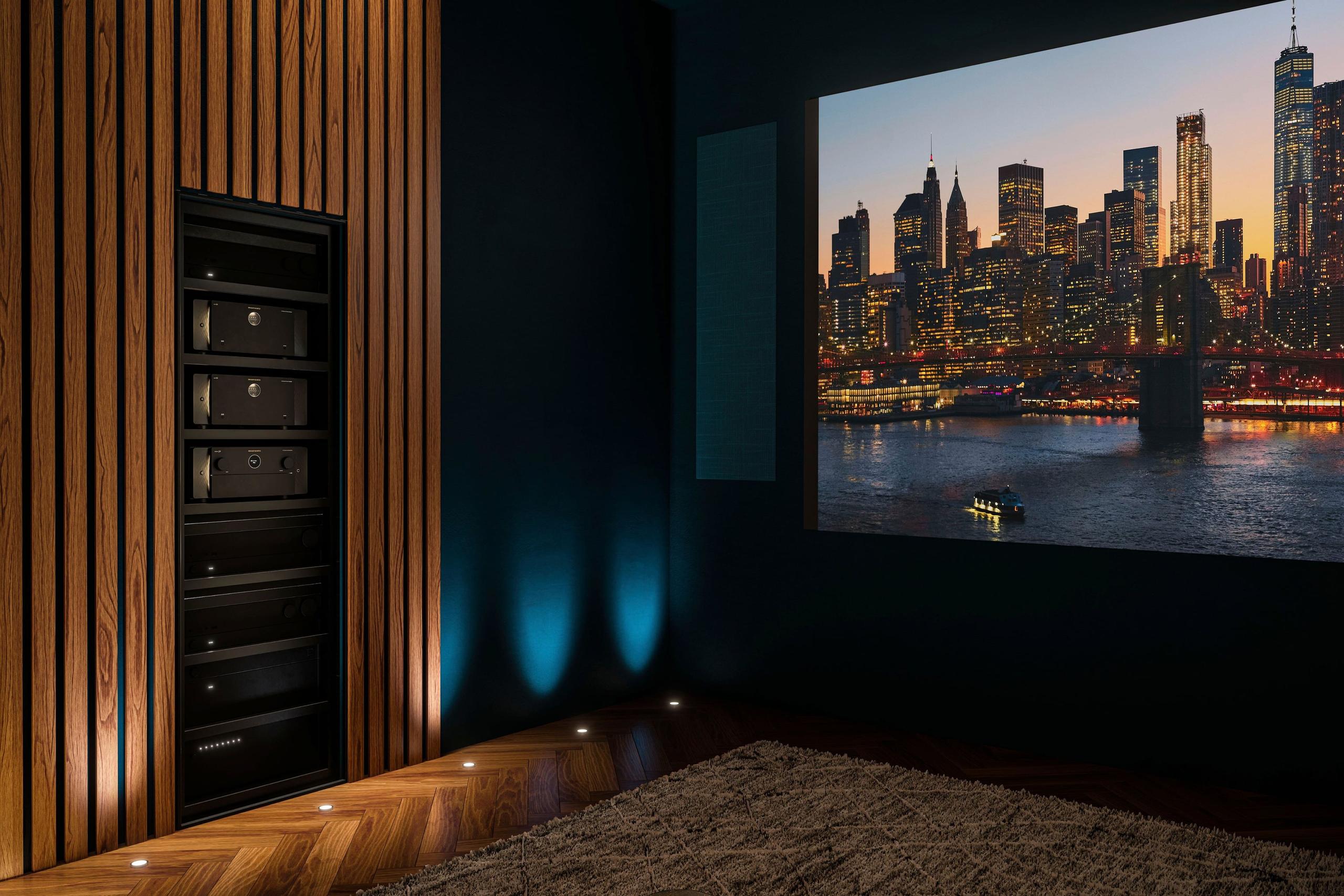
When you're ready to build or upgrade your home theater system, the AV receiver you choose becomes the beating heart of your entire setup. It's the component that takes all your video sources, processes the audio into surround sound magic, and powers your speakers. But with receivers ranging from a few hundred to several thousand dollars, knowing where to spend your money can feel overwhelming.
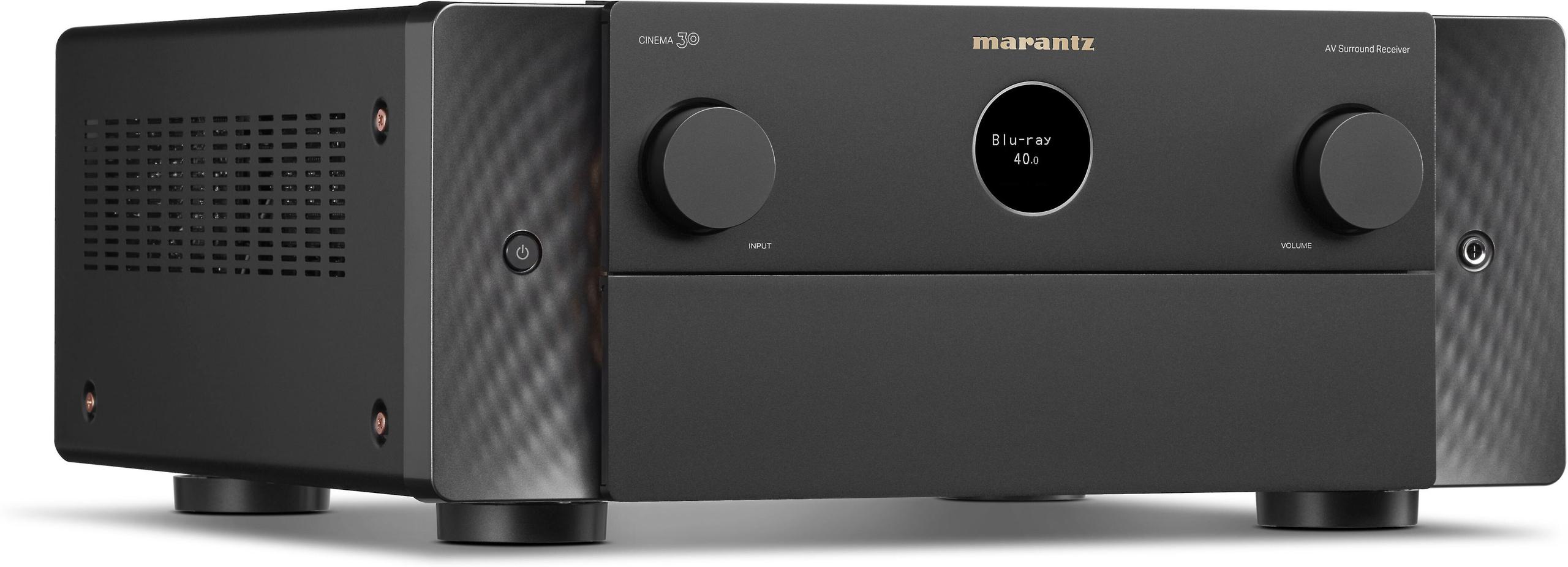
Today we're comparing two receivers that represent completely different philosophies: the Denon AVR-X2800H, which launched in 2022 as an award-winning mid-range champion, and the Marantz CINEMA 30, a 2024 flagship that pulls out all the stops. At the time of writing, you're looking at roughly $900 versus $4,500 – a gap that immediately tells you these serve very different audiences.
Before diving into the comparison, let's establish what really matters in an AV receiver. Think of it as the conductor of an orchestra – it needs to manage multiple audio channels simultaneously, process complex surround sound formats like Dolby Atmos (which places sounds in three-dimensional space above and around you), and handle all your video sources while maintaining picture quality.
The key performance factors are channel count (how many speakers you can connect), power output (how loud and clean your system can play), video capabilities (4K, 8K, gaming features), and room correction technology (software that measures your room's acoustics and adjusts the sound accordingly). These elements determine not just how your system sounds today, but how well it'll serve you as your needs evolve.
What's particularly interesting about receivers released since 2022 is their focus on gaming features. The latest gaming consoles demand 4K video at 120 frames per second, and receivers have had to adapt with HDMI 2.1 connectivity and features like Variable Refresh Rate (VRR) that eliminates screen tearing during fast action.
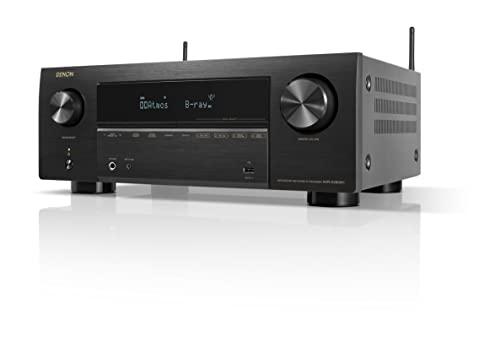
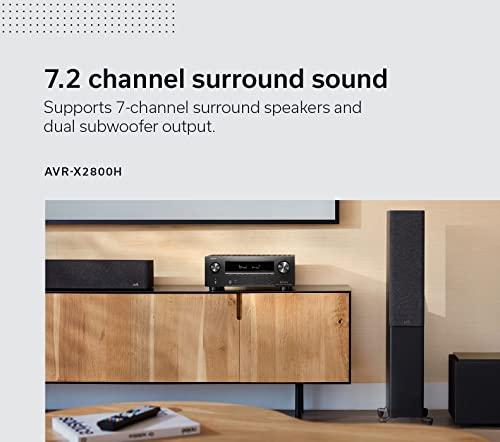
The Denon AVR-X2800H represents what happens when engineers focus on delivering maximum value rather than maximum features. With seven channels of amplification producing 95 watts per channel, it's designed around the most popular home theater configurations: traditional 7.1 surround sound or the increasingly popular 5.1.2 Dolby Atmos setup, where two additional speakers fire upward to create overhead effects.
What makes this receiver special isn't just its power output, but how cleanly it delivers that power. The discrete amplifier design means each channel gets its own dedicated amplification circuit, rather than sharing resources. This translates to better channel separation – you'll hear more precise placement of sound effects and cleaner dialogue during complex action scenes.
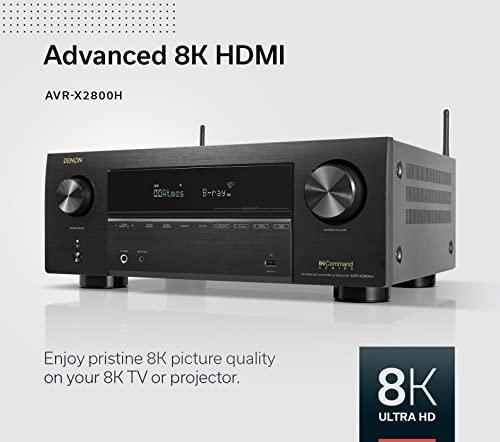
The Denon AVR-X2800H includes three HDMI 2.1 inputs capable of handling 8K video at 60 frames per second or 4K at 120fps, plus three additional HDMI 2.0 ports for older sources. This might sound like overkill, but consider that modern gaming consoles, streaming devices, and Blu-ray players all compete for these connections. Having options means you won't need an HDMI switch box down the road.
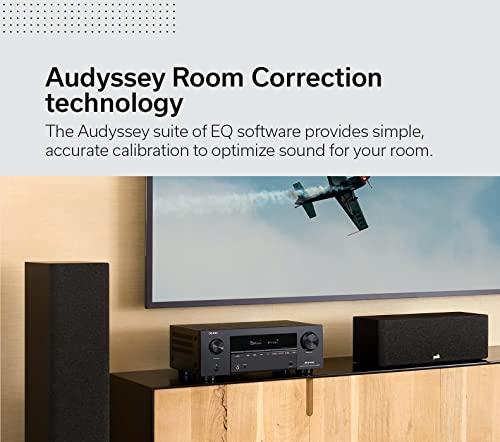
Room correction comes via Audyssey MultEQ XT, which uses a supplied microphone to measure your room's acoustics from multiple listening positions. The system then creates custom equalizer curves to compensate for room issues like hard surfaces that create echo or furniture placement that blocks certain frequencies. It's not the most advanced system available, but it's surprisingly effective for most rooms.
Where the Denon AVR-X2800H really shines is in its refined sound signature. Denon historically leaned toward a bold, punchy sound that could become fatiguing during long listening sessions. The 2022 model maintains that authoritative weight but adds a more refined treble and better dialogue clarity. The result feels more balanced across different content types, whether you're watching explosive action movies or streaming music.
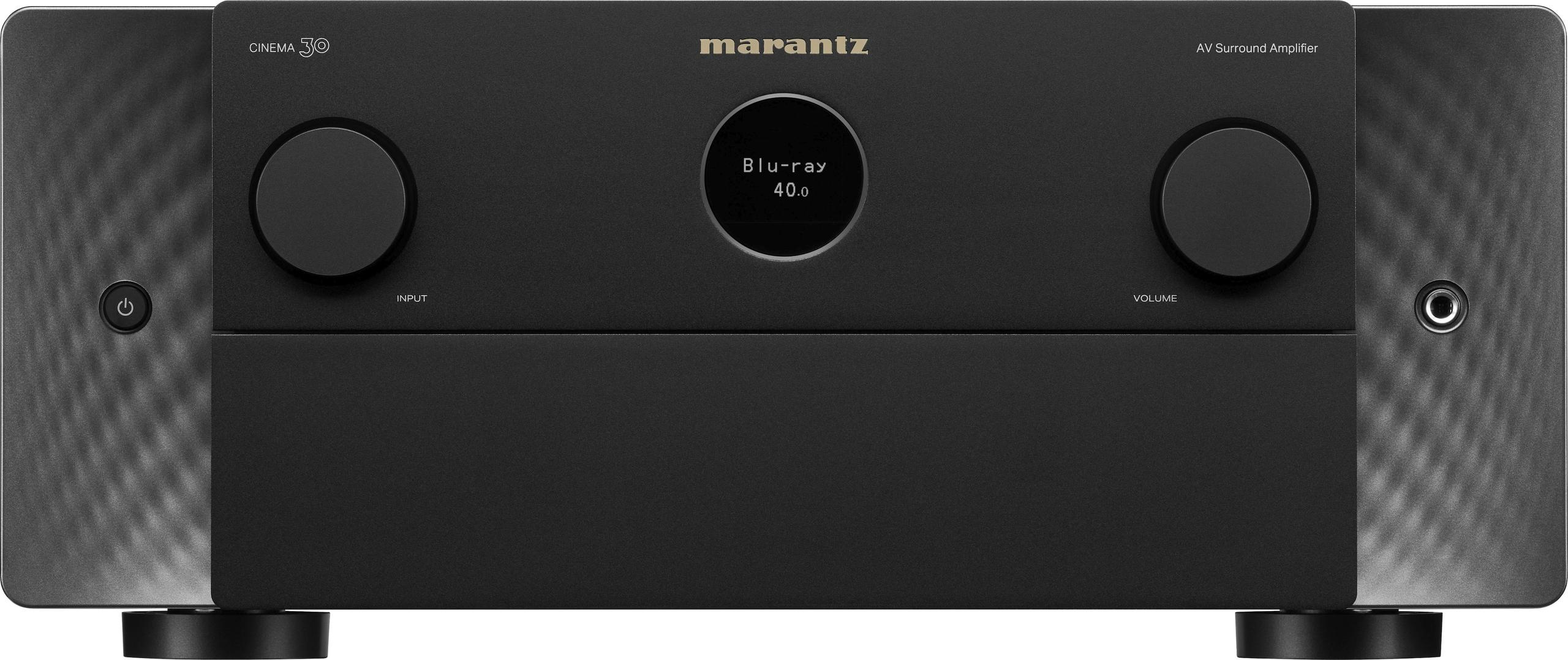
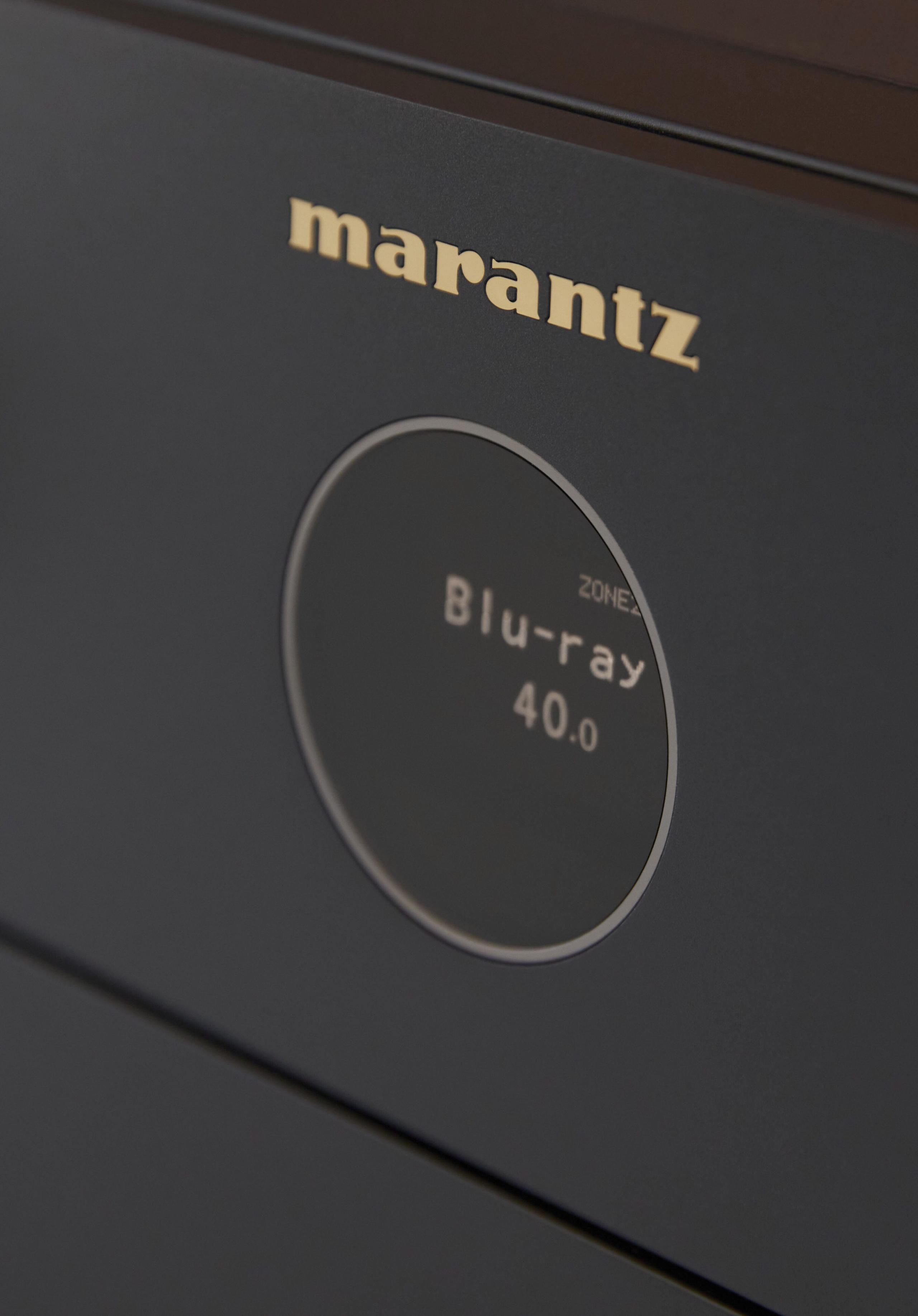
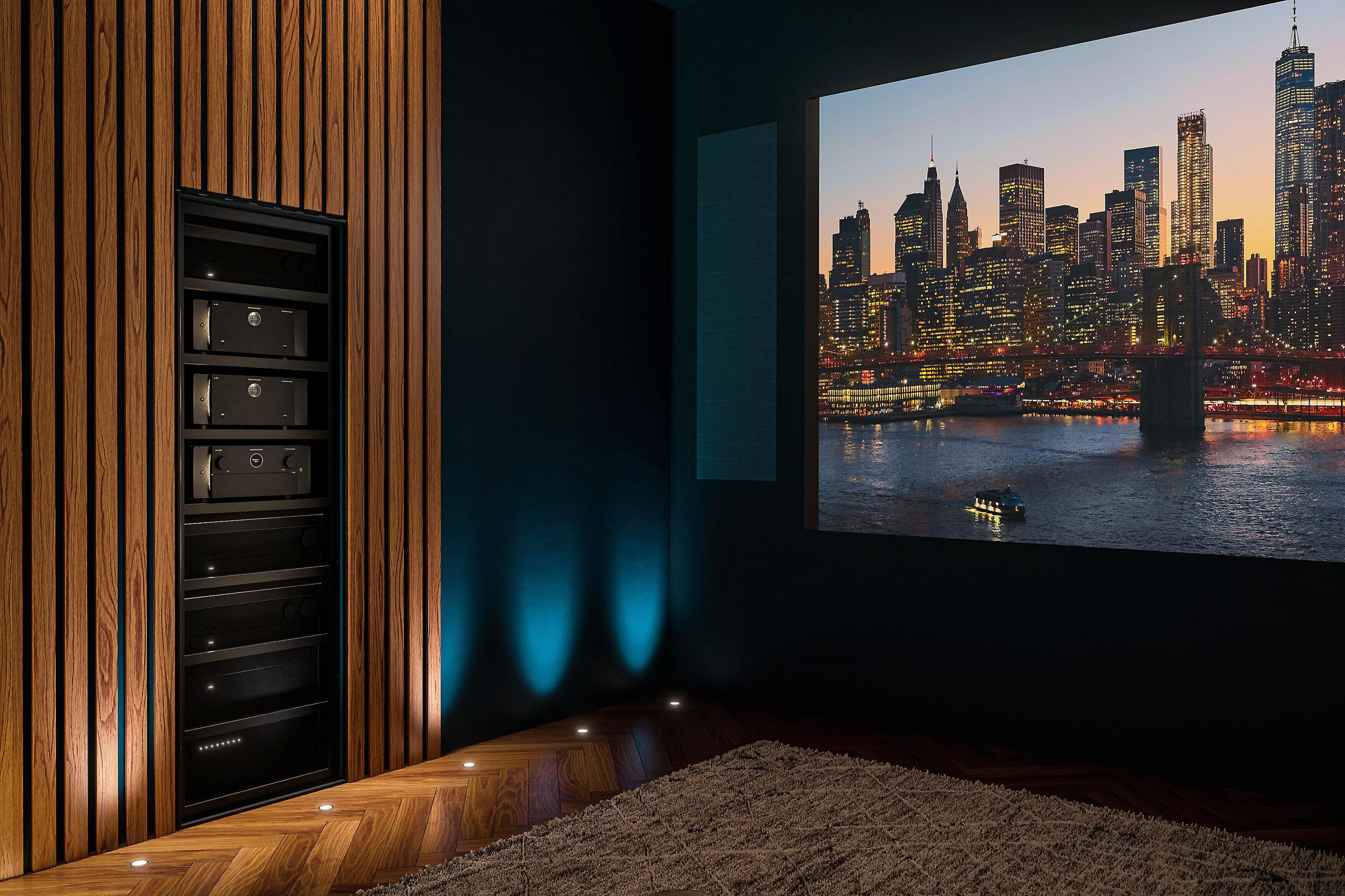
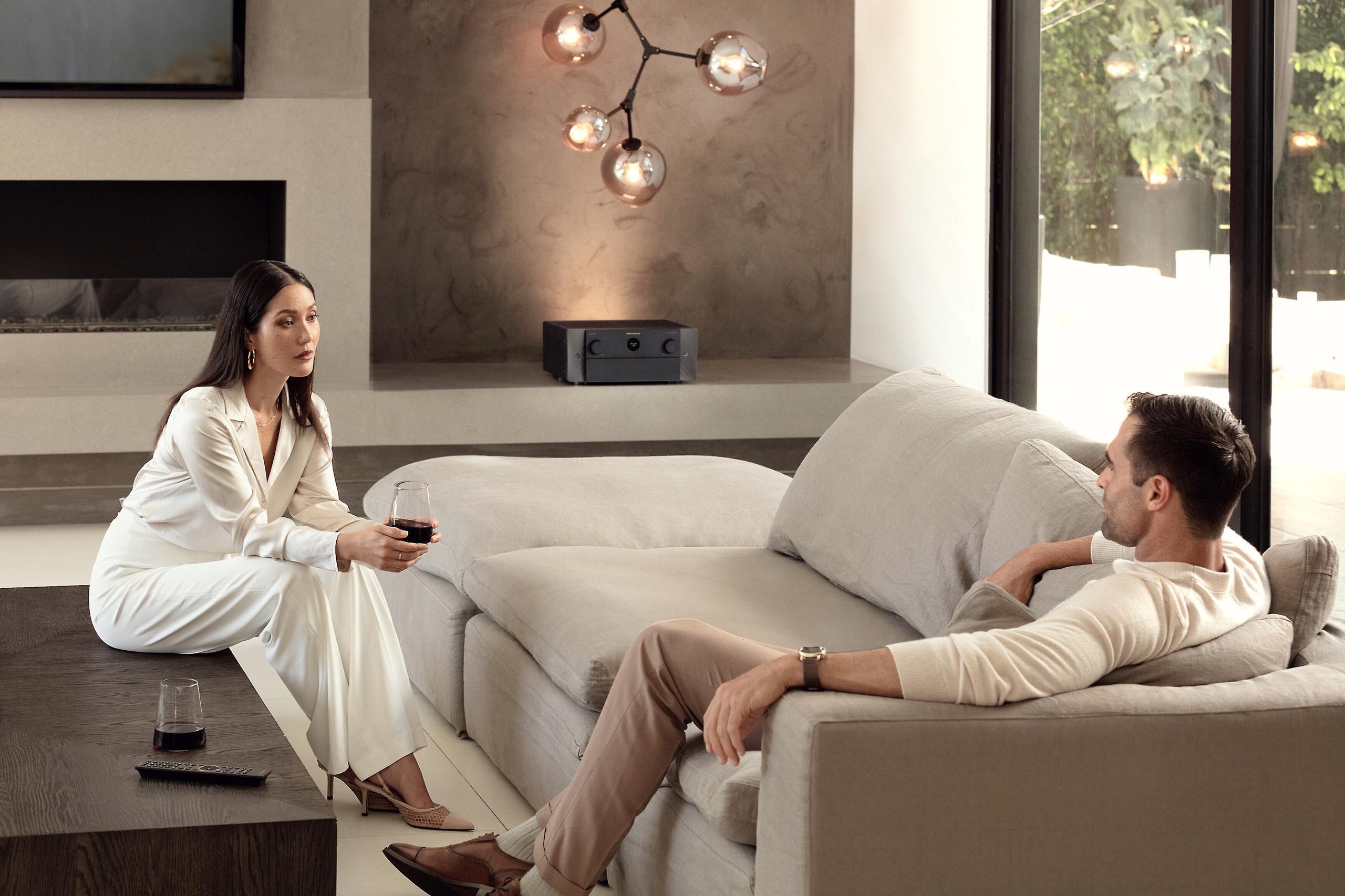
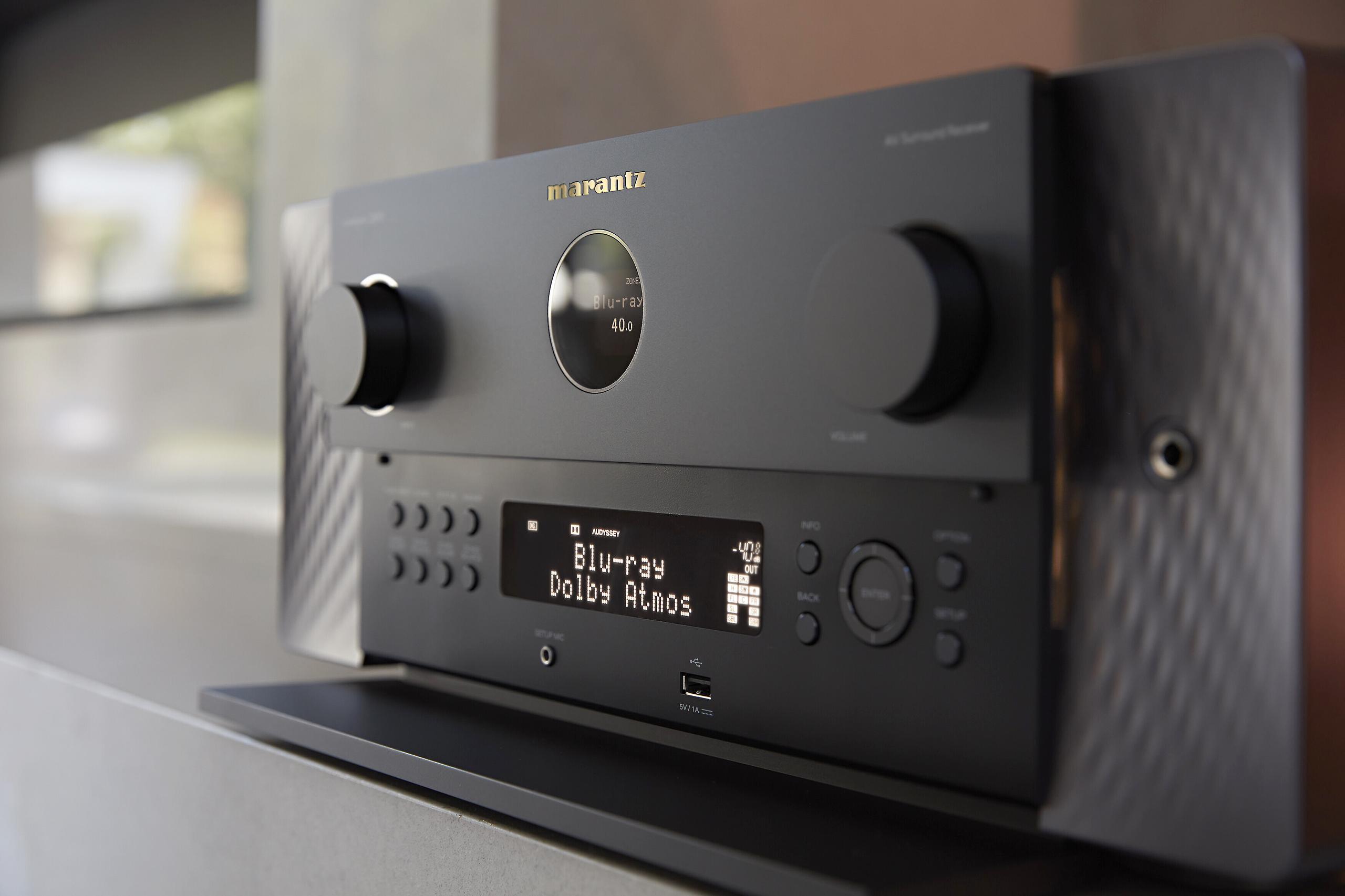
Step up to the Marantz CINEMA 30, and you're entering a completely different league. This 2024 release packs 11 channels of amplification, each delivering 140 watts – nearly 50% more power per channel than the Denon. But raw numbers only tell part of the story.
The real advantage lies in configuration flexibility. While the Denon AVR-X2800H maxes out at 5.1.2 Dolby Atmos (five main speakers, one subwoofer, two height speakers), the Marantz CINEMA 30 can drive a full 7.1.4 system – seven main speakers, one sub, and four overhead speakers for truly enveloping three-dimensional audio. For those with smaller rooms, extra channels can be assigned to different zones, letting you play music in the kitchen while someone watches movies in the theater room.
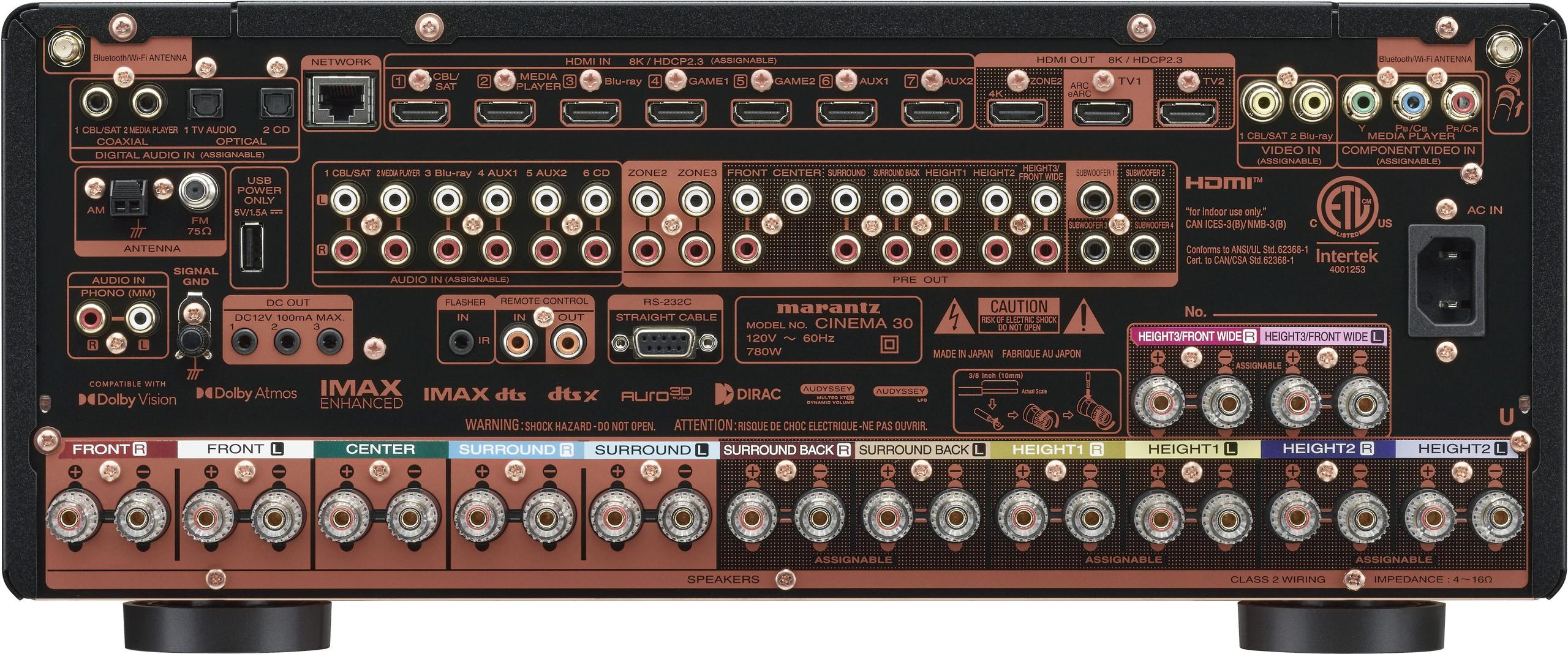
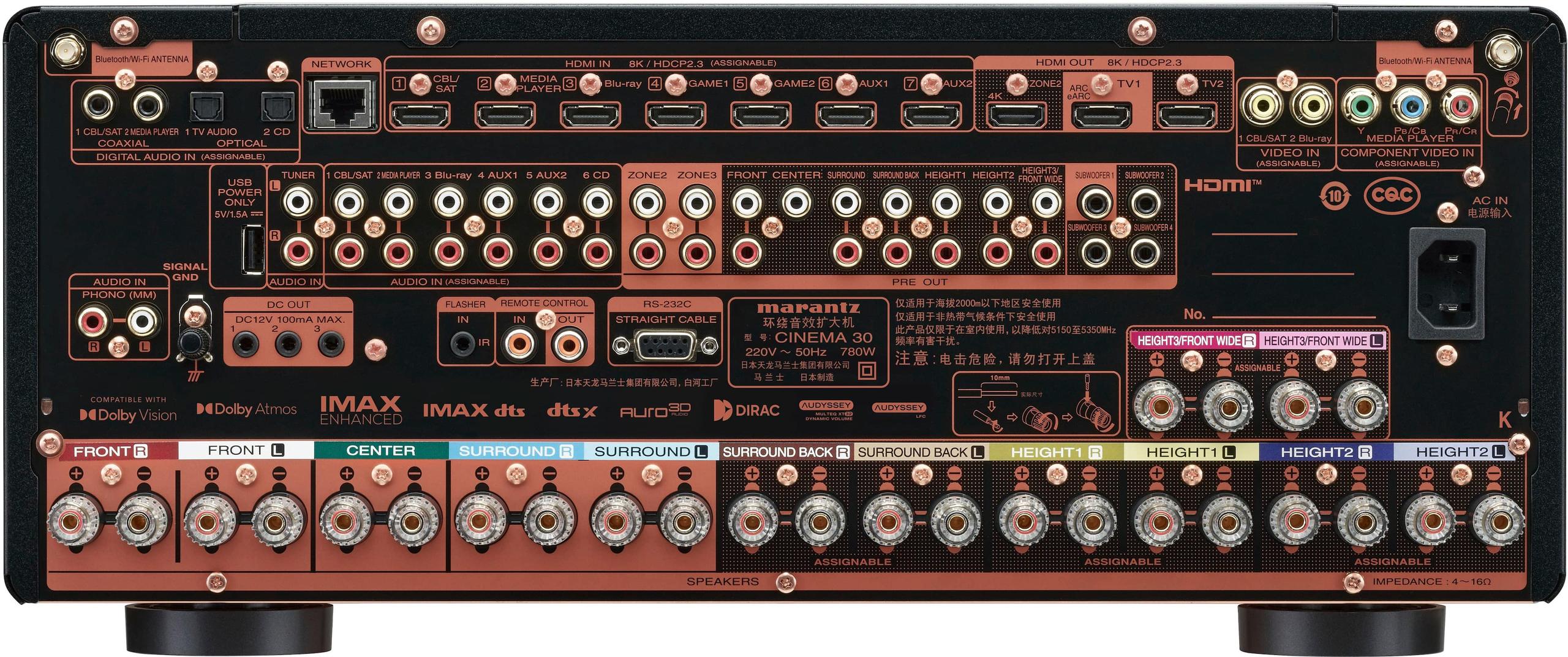
The HDMI implementation reflects this flagship positioning. All seven inputs support HDMI 2.1 with 8K capability, compared to just three on the Denon. More importantly, the Marantz CINEMA 30 includes three HDMI outputs, enabling complex setups like feeding both a projector and a TV simultaneously, or routing 4K video to a second zone while maintaining 8K in the main room.
Room correction represents perhaps the biggest performance gap between these receivers. The Marantz CINEMA 30 includes Audyssey MultEQ XT32, a more sophisticated system that measures 512 points across the frequency spectrum compared to the Denon's 8-point system. Even better, it supports optional Dirac Live room correction, which many consider the gold standard for acoustic optimization. Dirac Live analyzes thousands of measurement points and can correct both frequency response and timing issues, often dramatically improving sound quality in challenging rooms.
The Marantz CINEMA 30 also supports advanced surround formats beyond basic Dolby Atmos and DTS:X. IMAX Enhanced brings the cinema experience home with specially mastered content, while Auro-3D creates immersive audio using a different speaker configuration philosophy. These formats remain niche, but they represent the cutting edge of home audio technology.
When it comes to actual sound quality, both receivers deliver excellent performance within their respective categories, but they take notably different approaches. The Denon AVR-X2800H focuses on impact and clarity, with a sound signature that makes action movies feel visceral without becoming harsh. Dialogue remains clear even during complex scenes, and music playback is surprisingly refined for a receiver in this price range.
Based on extensive user feedback and professional reviews, the Denon tends to favor a slightly forward presentation that puts you in the middle of the action. Bass response feels tight and controlled, while the midrange – where most dialogue lives – remains clean and natural. The treble strikes a nice balance between detail and smoothness, avoiding the harsh digital edge that plagued earlier budget receivers.
The Marantz CINEMA 30 takes a more sophisticated approach, delivering what reviewers consistently describe as smooth, refined, and controlled sound with seriously large-scale presentation. The additional power headroom means it never feels strained, even at high volumes or during demanding passages. The sound signature leans slightly toward the musical side, making it equally compelling for both movies and serious music listening.
What's particularly impressive about the Marantz is its ability to maintain composure during complex soundtracks. Where lesser receivers might compress dynamics or lose detail when multiple channels demand power simultaneously, the Marantz CINEMA 30 delivers each element with clarity and proper spatial placement. This translates to more realistic soundscapes where you can follow individual elements within the mix.
Both receivers handle modern video demands competently, but with different emphases. The Denon AVR-X2800H provides three HDMI 2.1 ports with full gaming feature support including Variable Refresh Rate, Auto Low Latency Mode, and Quick Frame Transport. For most users, three HDMI 2.1 inputs prove sufficient for a gaming console, streaming device, and future expansion.
The 8K upscaling on all inputs means even older content benefits from improved clarity on 8K displays, though native 8K content remains rare. More practically, the 4K/120Hz support ensures smooth gaming on PlayStation 5 or Xbox Series X, while HDR support (including HDR10, HDR10+, and Dolby Vision) delivers enhanced contrast and color on compatible displays.
The Marantz CINEMA 30 goes further with seven HDMI 2.1 inputs, eliminating any connectivity concerns for complex systems. The three HDMI outputs enable sophisticated routing scenarios, like feeding a main display and a second zone simultaneously. However, both receivers share the same 40Gbps HDMI bandwidth limitation rather than the full 48Gbps HDMI 2.1 specification – a future-proofing consideration for the most demanding applications.
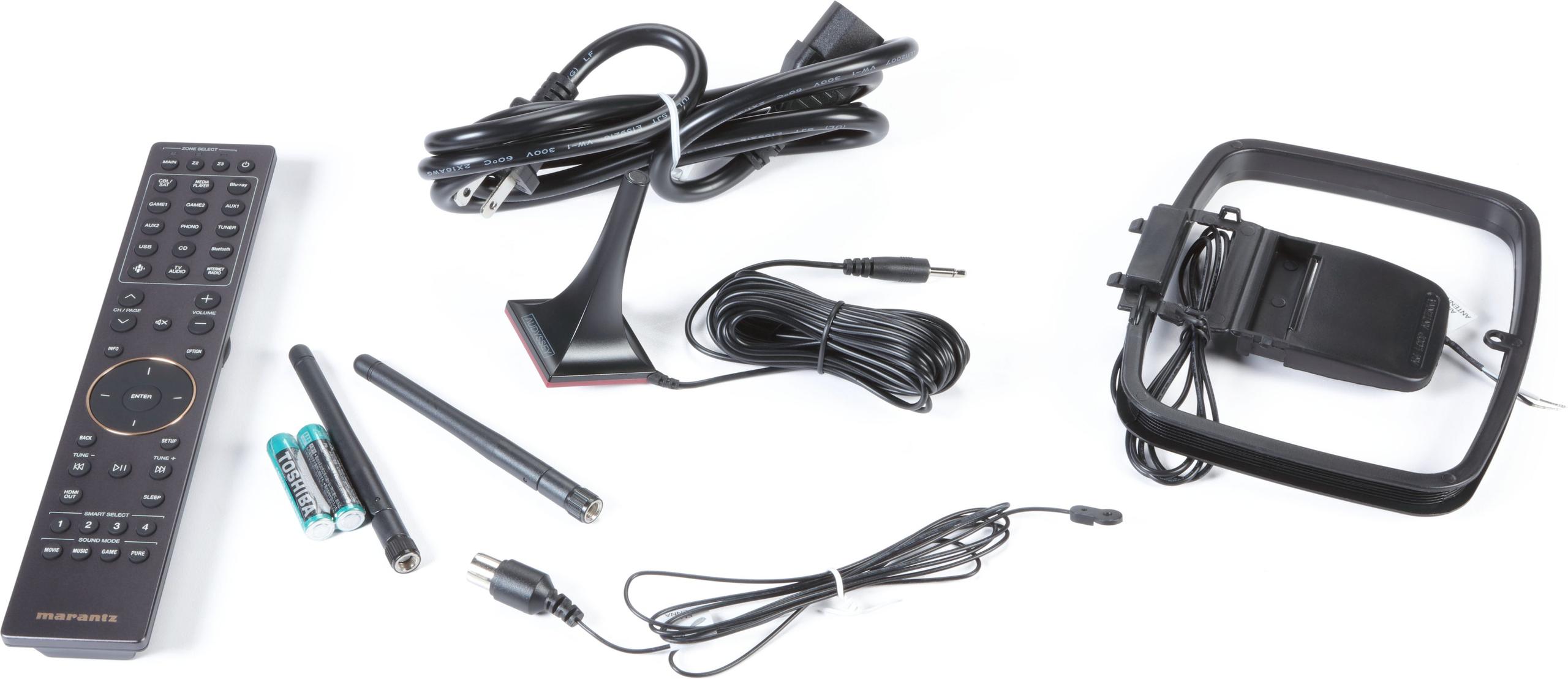
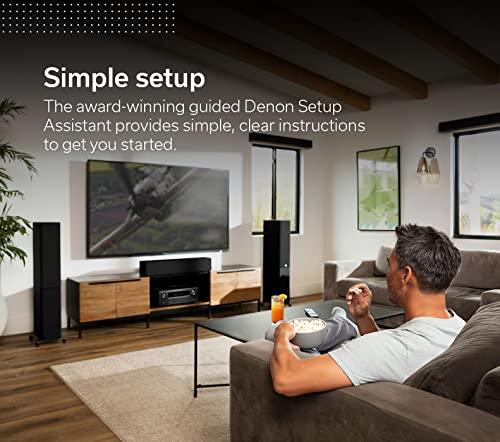
The Denon AVR-X2800H prioritizes ease of use with a modernized interface that guides you through initial setup. The room correction process is straightforward: place the microphone at your main listening position, press a button, and let the system work. Additional measurement positions can improve results, but the basic process delivers solid performance without complexity.
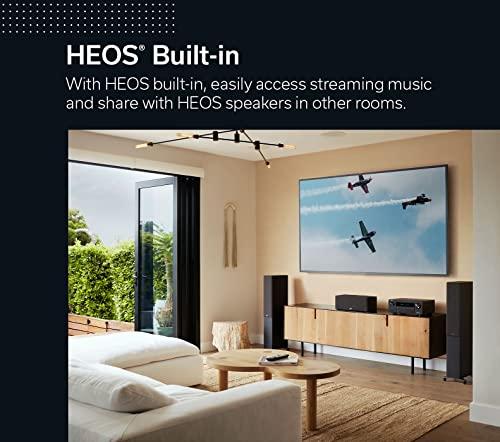
Daily operation remains intuitive thanks to Denon's refined remote and on-screen menus. The HEOS streaming platform integrates seamlessly, supporting popular services like Spotify, Amazon Music, and Apple Music. Voice control through Alexa or Google Assistant adds convenience for basic functions.
The Marantz CINEMA 30 demands more from its users but rewards the investment. Initial setup involves more decisions about speaker configurations, amplifier assignments, and room correction parameters. The payoff comes in greater flexibility and potentially better performance, but it assumes a higher level of technical comfort.
Professional installers particularly appreciate the Marantz CINEMA 30's extensive control options, including RS-232 and IP control for integration with home automation systems. Multiple trigger outputs can automatically power on external amplifiers or lower projection screens when the receiver activates.
At the time of writing, the price gap between these receivers reflects their different target markets rather than a simple good/better/best hierarchy. The Denon AVR-X2800H delivers remarkable performance for its price point, earning multiple industry awards by bringing features previously reserved for expensive models to the mainstream market.
Consider what you get for that mid-range investment: modern gaming features, solid amplification, effective room correction, and comprehensive streaming capabilities. For most home theater setups, it provides everything needed for an engaging experience without compromises that significantly impact enjoyment.
The Marantz CINEMA 30 costs roughly five times more but serves a fundamentally different purpose. You're paying for ultimate flexibility, reference-quality performance, and features that benefit large, dedicated theater rooms. The additional channels, advanced room correction, and superior build quality justify the premium for serious enthusiasts but offer diminishing returns for casual users.
The Denon AVR-X2800H makes sense for the majority of home theater enthusiasts. If you're setting up a living room system or a modest dedicated theater, have a reasonable budget, and want modern features without complexity, it's an excellent choice. The seven-channel amplification handles most popular speaker configurations, while the three HDMI 2.1 inputs future-proof your investment for gaming and streaming.
Choose the Denon if you're upgrading from an older receiver, building your first serious home theater, or simply want great performance without breaking the bank. It's particularly appealing for gaming-focused setups where HDMI 2.1 features matter more than ultimate audio refinement.
The Marantz CINEMA 30 targets serious enthusiasts with specific requirements. If you have a large, dedicated theater room, plan to install nine or more speakers, or demand the absolute best performance regardless of cost, the additional investment makes sense. The superior room correction alone can transform challenging acoustic environments in ways the Denon simply cannot match.
Professional installers working on high-end projects will appreciate the Marantz's extensive customization options and bullet-proof reliability. The additional HDMI inputs and outputs enable complex routing scenarios, while the premium components ensure long-term performance under demanding conditions.
Both receivers excel within their intended markets, making this less about picking a winner and more about matching needs to capabilities. The Denon AVR-X2800H represents exceptional value engineering – delivering premium features at a mainstream price point. The Marantz CINEMA 30 embodies no-compromise performance for users who demand the absolute best.
For most readers, the Denon provides everything needed for an outstanding home theater experience while leaving budget for better speakers or room treatments that often yield greater improvements than receiver upgrades. However, if you're building a reference-quality system and have the room and budget to take advantage of its capabilities, the Marantz justifies its premium positioning with measurably superior performance and flexibility.
The key is honest assessment of your needs, room, and budget. Both receivers will serve their intended users well – the question is which category describes your specific situation and priorities.
| Denon AVR-X2800H | Marantz CINEMA 30 |
|---|---|
| Channel Count - Determines maximum speaker configuration and room size capability | |
| 7 channels (supports up to 5.1.2 Dolby Atmos) | 11 channels (supports up to 7.1.4 Dolby Atmos without external amps) |
| Power Output - Affects volume capability and speaker compatibility | |
| 95W per channel (8Ω, 2ch driven) | 140W per channel (8Ω, 2ch driven) |
| HDMI 2.1 Inputs - Critical for 4K/120Hz gaming and 8K content | |
| 3 HDMI 2.1 ports (sufficient for most setups) | 7 HDMI 2.1 ports (future-proof for complex systems) |
| HDMI Outputs - Enables multi-display or zone configurations | |
| 2 outputs (main display plus one zone) | 3 outputs (supports complex routing and multiple zones) |
| Room Correction Technology - Automatically optimizes sound for your specific room | |
| Audyssey MultEQ XT (effective for most rooms) | Audyssey MultEQ XT32 + optional Dirac Live (premium correction for challenging acoustics) |
| Subwoofer Outputs - Determines bass management flexibility | |
| 2 subwoofer outputs | 4 independent subwoofer outputs |
| Advanced Audio Formats - Supports latest immersive sound technologies | |
| Dolby Atmos, DTS:X, DTS Virtual:X | Dolby Atmos, DTS:X Pro, IMAX Enhanced, Auro-3D, Sony 360 Reality Audio |
| Build Quality and Components - Affects long-term reliability and performance | |
| Solid construction with quality components | Premium Japanese construction with HDAM modules and toroidal transformer |
| Multi-Zone Capability - Allows independent audio in different rooms | |
| Zone 2 audio support | 2 full zones with independent HDMI and audio |
| Target User - Who benefits most from each receiver's feature set | |
| Mainstream enthusiasts, gamers, first-time upgraders | Serious audiophiles, large theaters, professional installations |
The primary difference is channel count and target market. The Denon AVR-X2800H offers 7 channels of amplification designed for mainstream home theaters, while the Marantz CINEMA 30 provides 11 channels for large, high-end installations. The Marantz also costs significantly more but delivers premium performance and features.
Both receivers support modern gaming features like 4K/120Hz and Variable Refresh Rate, but the Denon AVR-X2800H offers excellent gaming performance at a more accessible price point. The Marantz CINEMA 30 has more HDMI 2.1 inputs (7 vs 3) but provides diminishing returns for typical gaming setups.
The Denon AVR-X2800H can drive up to 7 speakers directly, supporting configurations like 7.1 surround or 5.1.2 Dolby Atmos. The Marantz CINEMA 30 can power 11 speakers directly and supports up to 13.4 channel configurations with its additional preamp outputs.
The Marantz CINEMA 30 offers superior room correction with Audyssey MultEQ XT32 and optional Dirac Live support, which can dramatically improve sound in challenging rooms. The Denon AVR-X2800H includes Audyssey MultEQ XT, which is effective for most typical listening environments.
Yes, both the Denon AVR-X2800H and Marantz CINEMA 30 support 8K/60Hz video passthrough and upscaling. However, the Denon has 3 HDMI 2.1 inputs while the Marantz provides 7, offering more flexibility for multiple 8K sources.
Both receivers handle music well, but the Marantz CINEMA 30 delivers more refined musical performance with its premium components and superior room correction. The Denon AVR-X2800H still provides excellent music playback that satisfies most listeners at a much lower cost.
The Denon AVR-X2800H outputs 95 watts per channel, while the Marantz CINEMA 30 delivers 140 watts per channel. The additional power in the Marantz provides better headroom for demanding speakers and larger rooms.
The Denon AVR-X2800H is generally easier to set up with its streamlined interface and straightforward room correction process. The Marantz CINEMA 30 offers more configuration options but requires more technical knowledge to fully optimize its advanced features.
The Denon AVR-X2800H supports Zone 2 for basic multi-room audio. The Marantz CINEMA 30 provides more sophisticated multi-zone capabilities with independent HDMI and audio outputs for two additional zones, making it better for whole-home audio systems.
The Denon AVR-X2800H delivers exceptional value by bringing premium features to a mainstream price point. The Marantz CINEMA 30 provides outstanding performance but at a significant cost premium that's only justified for high-end installations requiring its advanced capabilities.
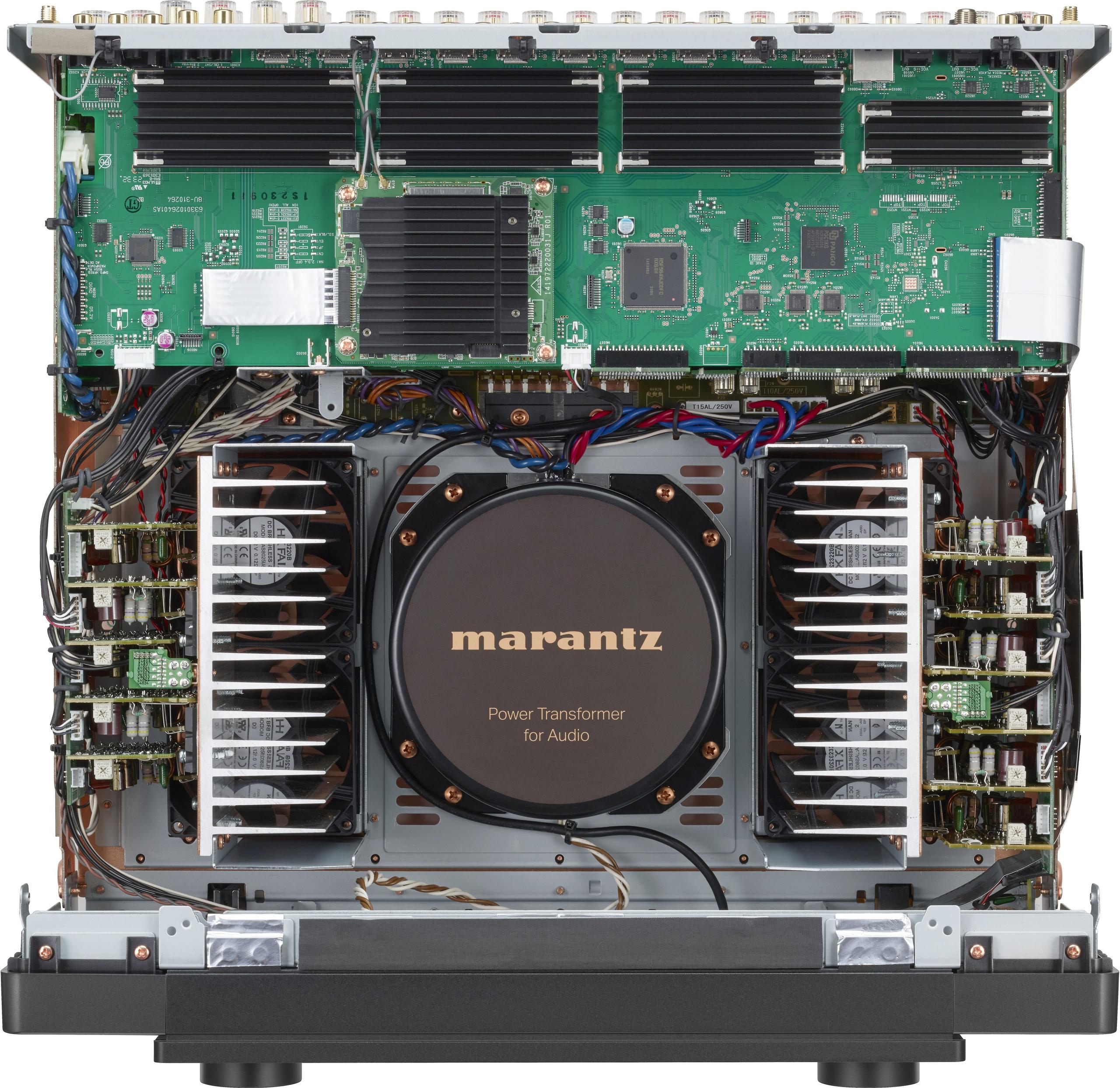
Both receivers are well-built, but the Marantz CINEMA 30 features premium Japanese construction with high-grade components like HDAM modules and toroidal transformers. The Denon AVR-X2800H offers solid construction appropriate for its price range with reliable long-term performance.
Choose the Denon AVR-X2800H if you want excellent performance for a typical living room or medium-sized theater without breaking the bank. Select the Marantz CINEMA 30 if you have a large, dedicated theater room, plan to use 9+ speakers, and demand the absolute best performance regardless of cost.
We've done our best to create useful and informative comparisons to help you decide what product to buy. Our research uses advanced automated methods to create this comparison and perfection is not possible - please contact us for corrections or questions. These are the sites we've researched in the creation of this article: theaudiotailor.com.au - ecoustics.com - simplehomecinema.com - whathifi.com - audioadvisor.com - youtube.com - bestbuy.com - e-catalog.com - crutchfield.com - avsforum.com - crutchfield.com - whathifi.com - richersounds.com - bestbuy.com - accessories4less.com - projectorscreen.com - adiglobaldistribution.us - youtube.com - bestbuy.com - bestbuy.com - sweetwater.com - hometheaterhifi.com - valueelectronics.com - youtube.com - everydayaudiophile.com - safeandsoundhq.com - marantz.com - marantz.com - marantz.com - projectorscreen.com - audioholics.com - stereonet.com - stereonet.com

Privacy Policy
Terms and Conditions - Affiliate Policy
Home Security
© Copyright 2008-2026.
11816 Inwood Rd #1211, Dallas, TX 75244