

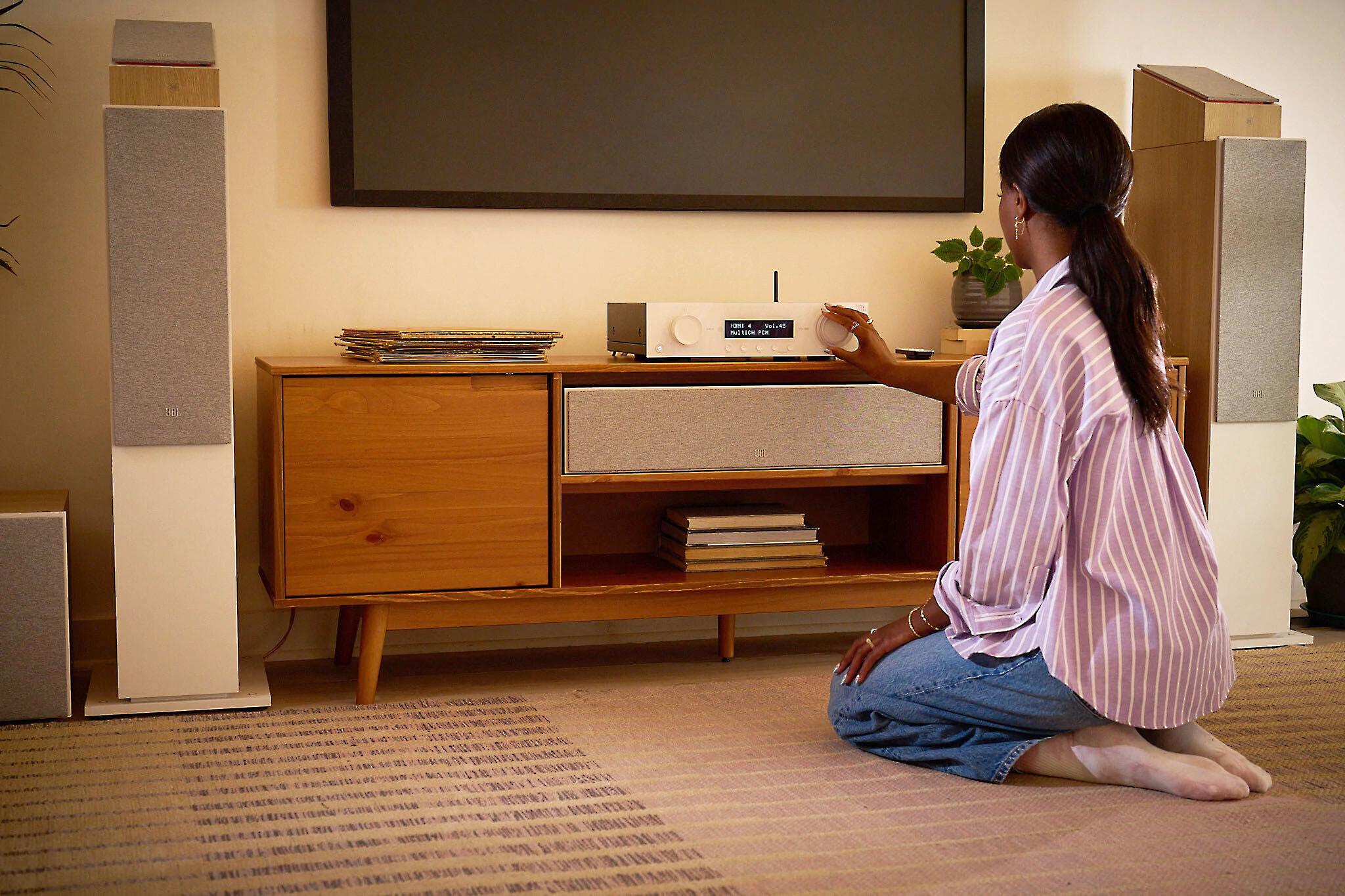
If you're shopping for an AV receiver in 2024, you're entering a world where the right choice can make or break your home theater experience. An AV receiver is essentially the brain of your entertainment system – it takes all your video sources like gaming consoles, streaming devices, and cable boxes, then routes the video to your TV while amplifying the audio to power your speakers. Think of it as a sophisticated traffic controller that also happens to make everything sound amazing.
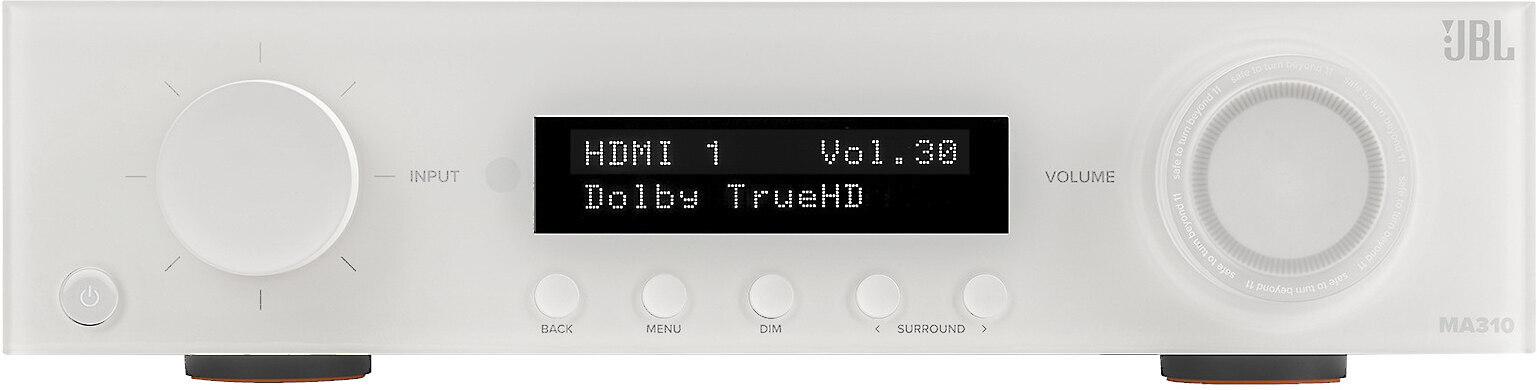
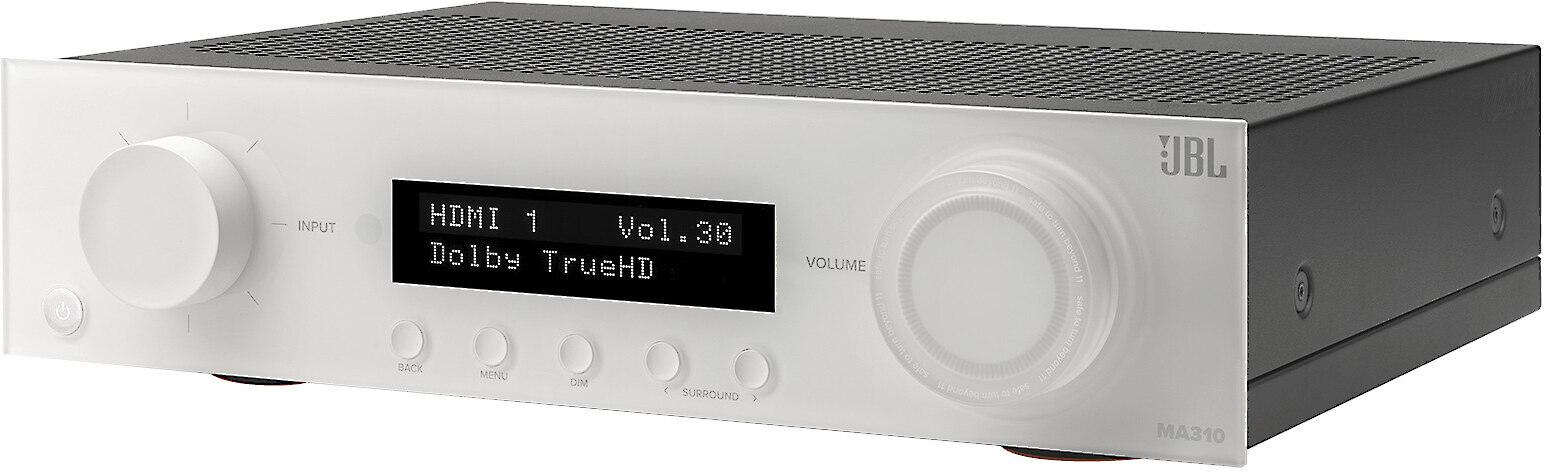
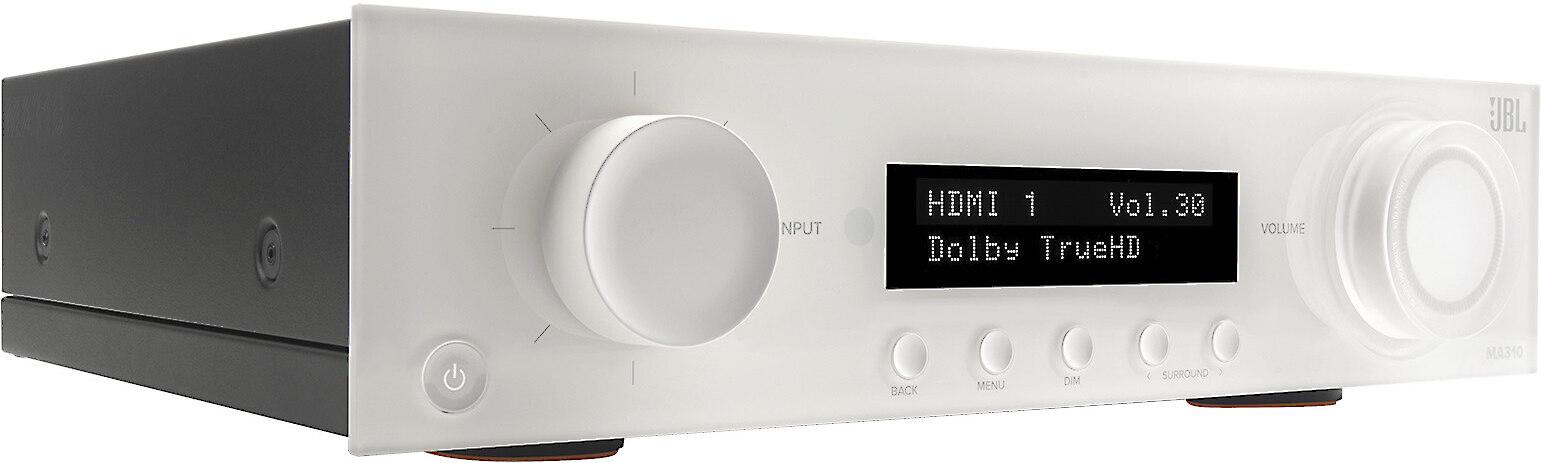
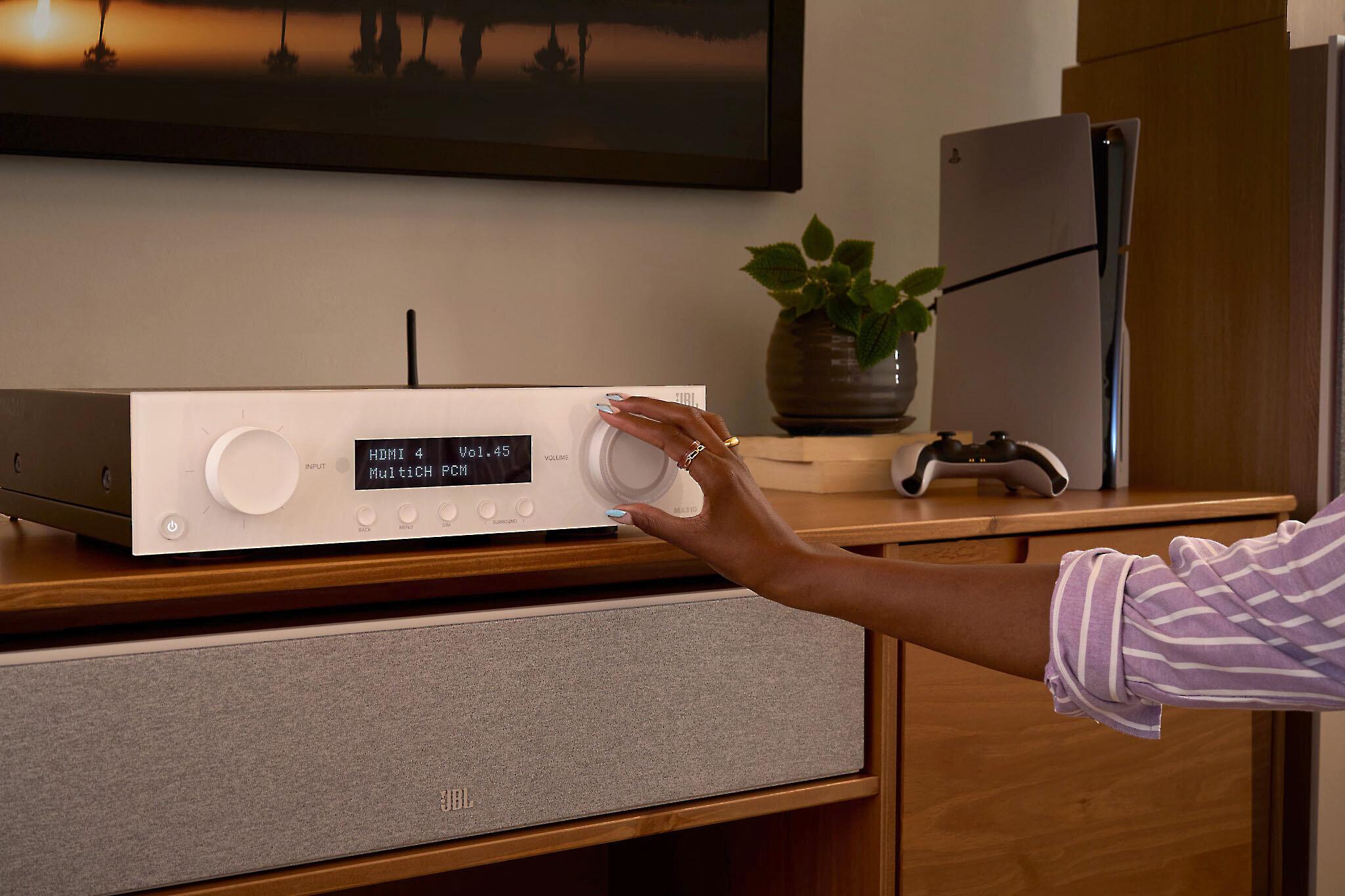
The challenge is that receivers range from basic models under $400 to flagship units costing several thousand dollars. Today we're comparing two receivers that represent very different approaches to home theater: the Denon AVR-X2800H, released in 2022 as part of Denon's mid-range lineup, and the JBL MA310, launched in 2024 as JBL's entry into the affordable receiver market.
Before diving into specifics, let's talk about what really matters when choosing a receiver. The most important factors are channel configuration (how many speakers you can connect), power output (how loud and clear your system can get), video capabilities (what resolutions and features are supported), and connectivity options (how you get content into the system).
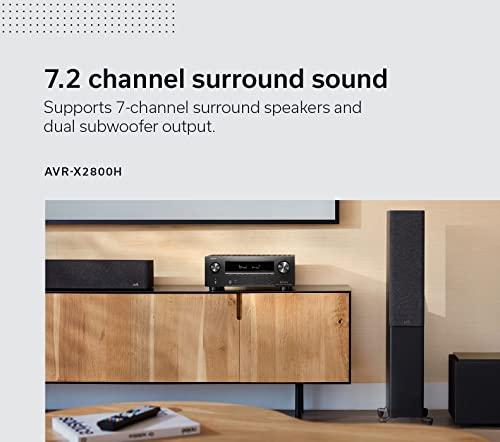
Channel configuration is expressed in numbers like 5.2 or 7.2. The first number tells you how many main speakers the receiver can power, while the second indicates how many subwoofers it can manage. More channels generally mean more immersive surround sound, but they also require more speakers and space.
Power output, measured in watts per channel, determines how effectively the receiver can drive your speakers. However, raw wattage numbers can be misleading – the quality of amplification matters just as much as the quantity.
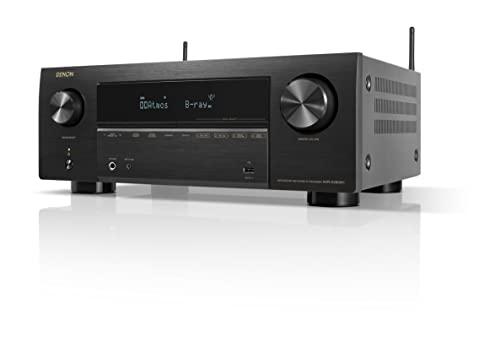
The Denon AVR-X2800H represents the traditional approach to AV receivers – pack in every feature an enthusiast might want, from advanced room correction to cutting-edge video processing. At roughly three times the cost of budget alternatives at the time of writing, it targets users who want a long-term investment that won't become obsolete quickly.
The JBL MA310, by contrast, strips away complexity in favor of simplicity and value. Released two years after the Denon, it reflects a newer trend toward minimalist receivers that focus on doing the basics exceptionally well rather than offering every possible feature.
When it comes to pure audio performance, the differences between these receivers are significant and immediately noticeable. The Denon AVR-X2800H delivers 95 watts per channel through its seven-channel Class AB amplifier design. Class AB amplification, while less energy-efficient than newer designs, typically provides superior sound quality with lower distortion and better dynamic range.
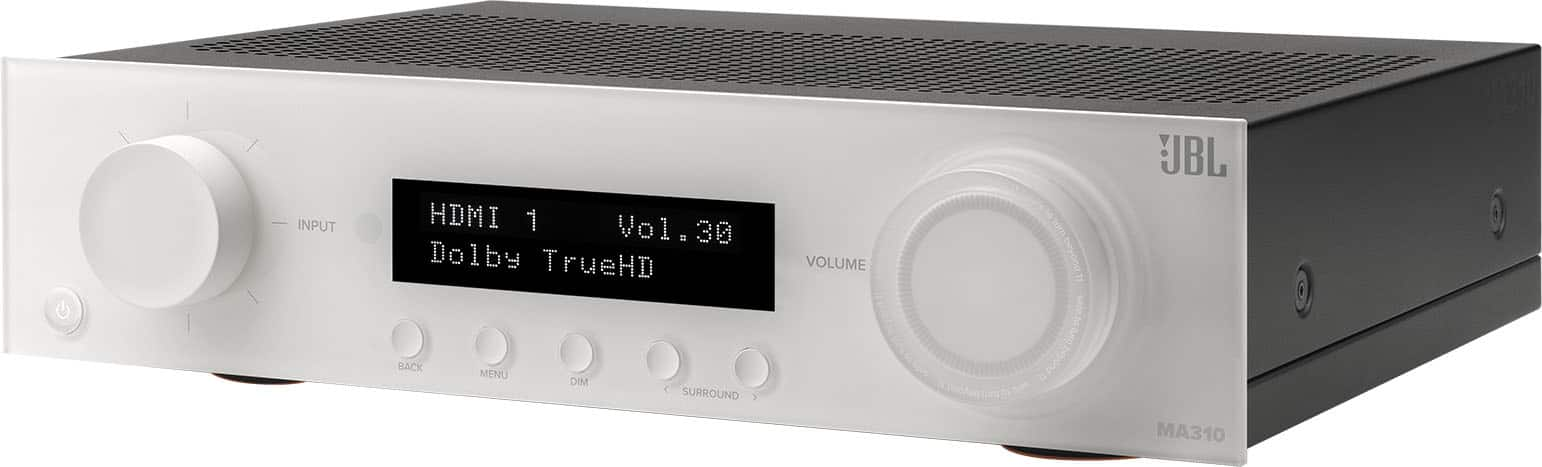
The JBL MA310 takes a different approach with its Class D amplification delivering 60 watts per channel across five channels. Class D amplifiers are more energy-efficient and generate less heat, but they've historically been associated with slightly harsher sound quality, though modern implementations have largely closed this gap.
In our research across multiple expert reviews and user feedback, the power difference becomes most apparent when driving demanding speakers. The Denon's extra 35 watts per channel might not sound like much on paper, but it translates to significantly better headroom for dynamic peaks – those explosive movie moments or sudden musical crescendos that separate good systems from great ones.
More importantly, the Denon AVR-X2800H supports true Dolby Atmos and DTS:X processing in configurations up to 5.1.2 (five main channels, one subwoofer, and two height channels). Dolby Atmos creates three-dimensional soundscapes by treating individual sounds as objects that can be placed precisely in space, including overhead. The effect is transformative for movies, making you feel like you're inside the action rather than just watching it.
The JBL MA310 is limited to traditional 5.1 surround sound processing. While it handles Dolby Digital and DTS formats competently, it can't create the overhead effects that make modern movie soundtracks truly immersive. For users primarily watching older content or those without dedicated height speakers, this limitation might not matter. But for anyone building a system in 2024, the lack of Atmos support feels like a significant compromise.
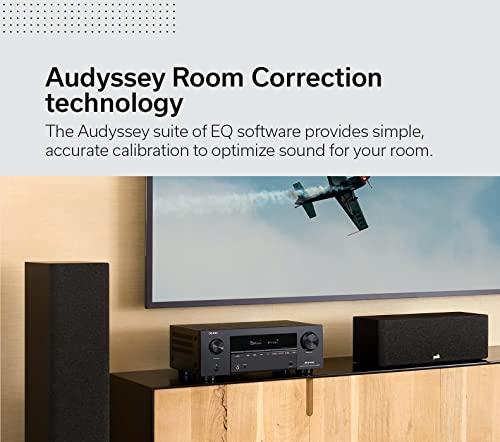
One of the most underappreciated aspects of receiver performance is room correction – automated systems that measure your room's acoustics and adjust the sound accordingly. Every room has unique characteristics that can muddy bass response, create harsh reflections, or cause certain frequencies to disappear entirely.
The Denon AVR-X2800H includes Audyssey MultEQ XT, which uses a included microphone to measure your room from up to eight different listening positions. It then creates a detailed acoustic map and applies precise corrections to optimize the sound. In practice, this means dialogue that's consistently clear, bass that's tight rather than boomy, and an overall more balanced sound that adapts to your specific room.
The JBL MA310 offers EZ Set EQ, a simplified room correction system that provides basic optimization. While better than no room correction at all, it lacks the sophistication and precision of the Denon's system. Users consistently report that proper room correction can make a bigger difference in sound quality than upgrading to more expensive speakers, making this a crucial differentiator.
The video processing differences between these receivers reflect their different target markets and release timing. The Denon AVR-X2800H was designed when 8K TVs were beginning to appear but weren't yet mainstream, while the JBL MA310 launched when 4K had become the standard.
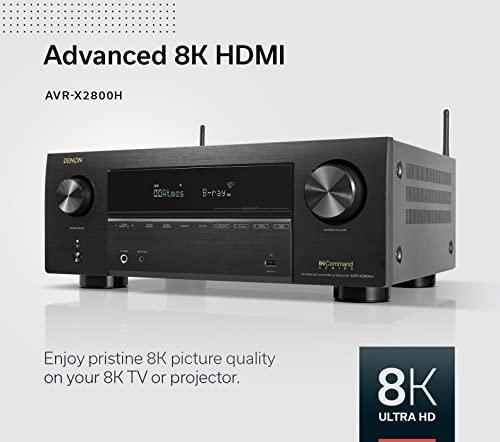
The Denon supports 8K video at 60Hz and 4K at 120Hz through three of its six HDMI inputs, with full 40Gbps bandwidth on its HDMI 2.1 connections. This might sound like overkill, but it's increasingly relevant for gaming. Modern consoles like the PlayStation 5 and Xbox Series X can output 4K at 120Hz for smoother gameplay, and some can even upscale to 8K for certain games.
Gaming features like Variable Refresh Rate (VRR), which eliminates screen tearing, and Auto Low Latency Mode (ALLM), which automatically switches your TV to its fastest response mode, are supported on the Denon AVR-X2800H. These features can make a noticeable difference in competitive gaming, reducing input lag and providing smoother motion.
The JBL MA310 maxes out at 4K/60Hz through standard HDMI 2.0 connections. For most current content, this is perfectly adequate. Netflix, Disney+, and other streaming services primarily offer 4K at 24-30fps, well within the MA310's capabilities. However, the lack of 120Hz support means gaming enthusiasts might find themselves limited as games increasingly support higher refresh rates.
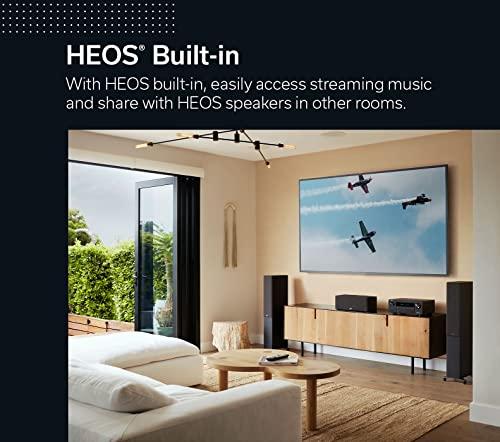
Perhaps nowhere is the philosophical difference between these receivers more apparent than in their connectivity options. The Denon AVR-X2800H embraces the reality of modern media consumption with built-in Wi-Fi, support for AirPlay 2, Spotify Connect, and integration with voice assistants like Alexa and Google Assistant. It includes HEOS multi-room technology, allowing you to extend music throughout your home and control everything from a smartphone app.
The receiver also includes a built-in phono preamp for turntables – a feature that might seem old-fashioned but reflects vinyl's resurgence among audio enthusiasts. This eliminates the need for an external preamp, simplifying setup and saving money for vinyl collectors.
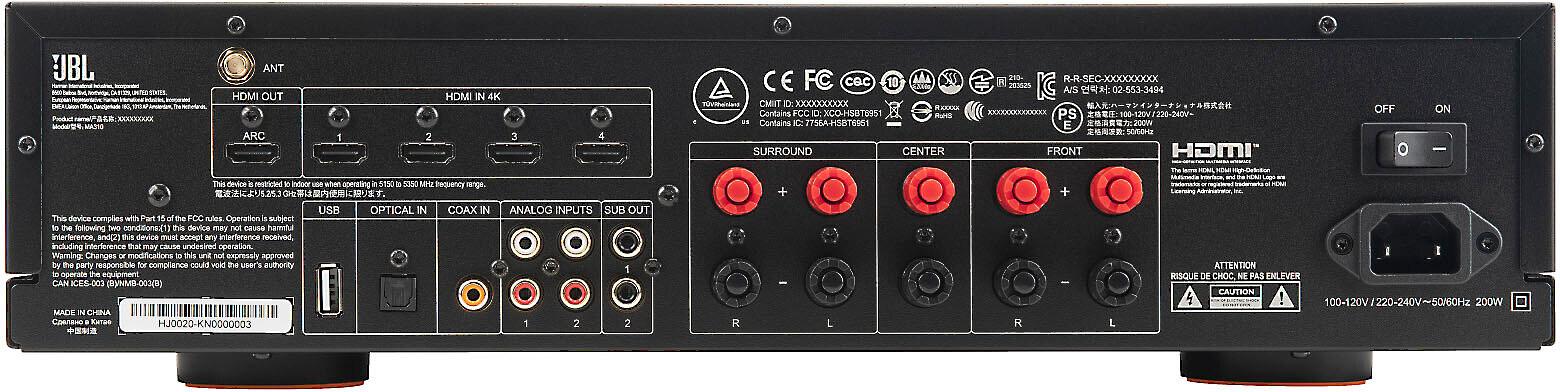
The JBL MA310 takes a dramatically different approach, offering only Bluetooth for wireless connectivity. There's no Wi-Fi, no streaming services integration, and no smartphone app control. While this might seem like a major limitation, it also means simpler setup and fewer potential technical issues.
For users whose content primarily comes from cable boxes, game consoles, and the occasional Bluetooth stream from their phone, the JBL's approach works fine. But for households that rely heavily on streaming music services, podcasts, or want to control their system with voice commands, the Denon's comprehensive connectivity becomes a daily convenience.
Both receivers reflect their manufacturers' different approaches to build quality and longevity. The Denon AVR-X2800H uses a traditional linear power supply and discrete amplification components, resulting in a heavier, more substantial unit that generates more heat but typically offers superior long-term reliability and better sound quality under demanding conditions.
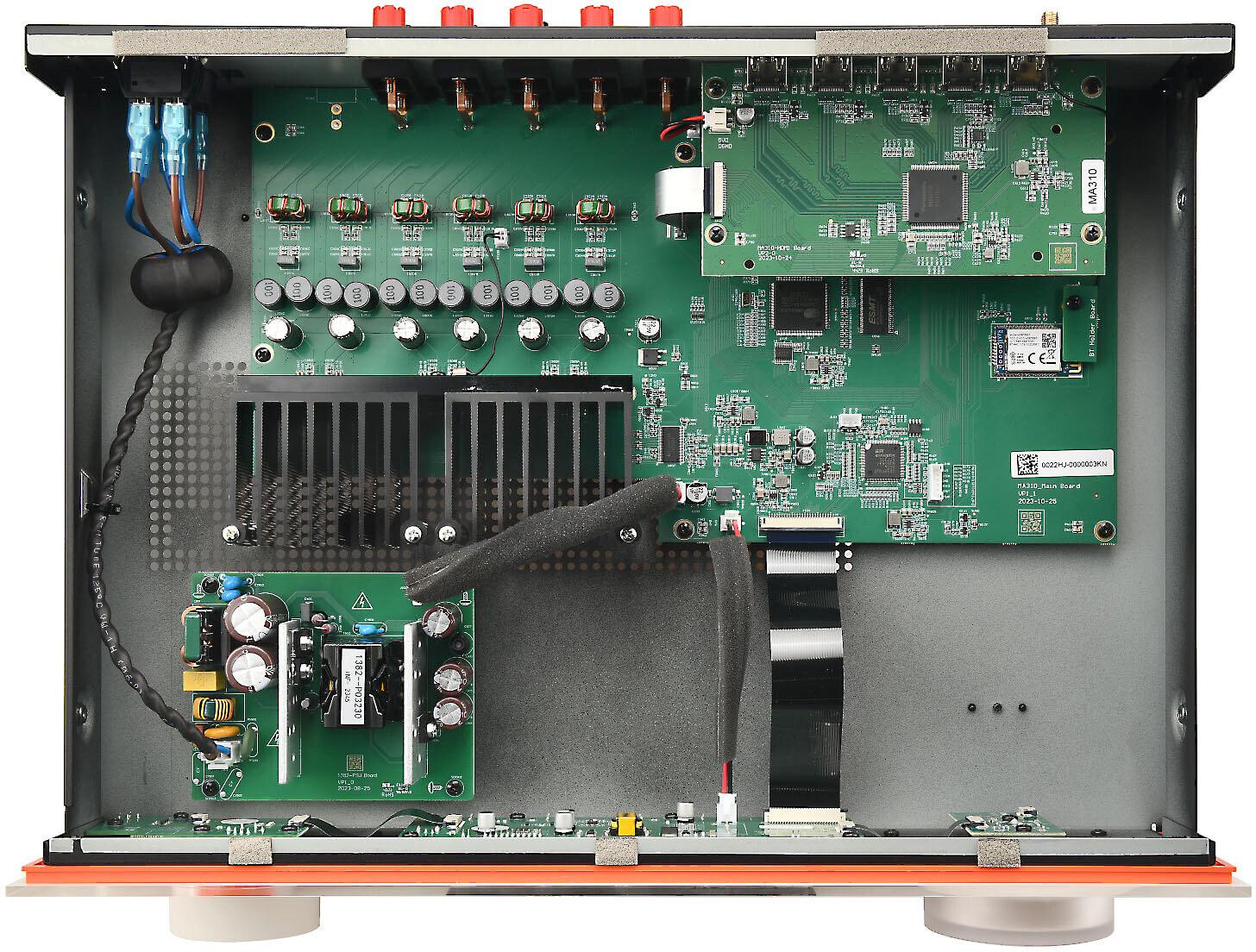
The JBL MA310 weighs significantly less thanks to its switching power supply and integrated amplifier design. While this makes it easier to install and more energy-efficient, it also means there's less thermal mass to handle sustained high-power operation. For moderate listening levels in smaller rooms, this isn't a concern, but users pushing the limits might find the JBL less forgiving.
User reports and professional reviews consistently highlight the Denon's robust construction and reliable operation, even after years of use. The JBL, being newer to market, has a shorter track record, but early user feedback suggests solid build quality within its price category.
Based on extensive research into user reviews and professional evaluations, several patterns emerge in how these receivers perform in actual home theaters. The Denon AVR-X2800H consistently impresses users with its dialogue clarity and spatial imaging – the ability to precisely place sounds within the listening area. Movies feel more enveloping, with effects that seem to come from specific locations rather than just from the general direction of the speakers.
Music playback through the Denon reveals good imaging and a clean midrange that works well for both critical listening and background music. The room correction system receives particular praise for its ability to tame problematic room acoustics, with many users noting improved bass response and reduced harshness after calibration.
The JBL MA310 earns positive feedback for its straightforward setup and clean sound when properly matched with efficient speakers. Users consistently note that it performs best with bookshelf speakers rather than demanding floor-standing models. The sound is described as adequate rather than exceptional – perfectly acceptable for casual viewing but lacking the refinement and power for serious home theater enthusiasts.
Several users noted that the JBL sounds "thin" when pushed hard or when paired with inefficient speakers, suggesting that careful speaker selection is crucial for optimal performance. However, when properly matched, users appreciate its reliability and ease of use.
At the time of writing, the JBL MA310 costs roughly one-third the price of the Denon AVR-X2800H, making the value comparison complex. The JBL delivers about 80% of the basic AV receiver functionality at 35% of the cost, making it an excellent value for users whose needs align with its capabilities.
However, the Denon's additional features – 8K video support, advanced room correction, comprehensive streaming, and superior amplification – represent genuine long-term value for users who will utilize them. The question becomes whether you're paying for features you'll actually use or just accumulating complexity you don't need.
For apartment dwellers or those building secondary systems, the JBL's value proposition is compelling. For dedicated home theater rooms or primary entertainment systems expected to serve for many years, the Denon's higher upfront cost often proves justified through better performance and future-proofing.
The Denon AVR-X2800H makes sense for several specific user profiles. Gaming enthusiasts will appreciate the 4K/120Hz and VRR support for modern consoles. Users with larger rooms or demanding speakers need the extra power and superior amplifier design. Anyone planning to install height speakers for Dolby Atmos requires the Denon's advanced processing capabilities.
Households heavily invested in streaming services will find the comprehensive connectivity options invaluable for daily use. Vinyl collectors benefit from the built-in phono preamp, while users wanting to expand into multi-room audio can leverage the HEOS platform.
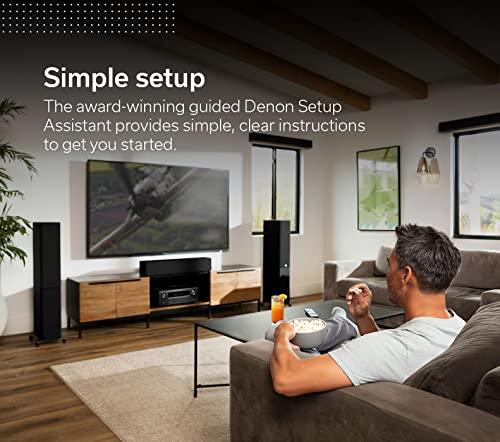
The JBL MA310 suits different needs equally well. Budget-conscious users who need functional surround sound without premium features find excellent value here. Apartment dwellers or those with smaller rooms don't need the Denon's extra power and complexity. Users primarily watching cable TV or using game consoles as their main sources might never miss the advanced streaming features.
Perhaps most importantly, the JBL appeals to users who want their technology to be invisible – to work reliably without requiring constant attention or updates. Its simplified feature set means fewer things can go wrong and less learning curve for family members.
Your choice between the Denon AVR-X2800H and JBL MA310 ultimately depends on matching the receiver's capabilities to your specific needs and expectations. The Denon represents a comprehensive, future-focused approach that handles virtually any home theater scenario but requires a significant investment. The JBL offers solid performance for fundamental needs at a much more accessible price point.
If you're building a dedicated home theater room, plan to use modern gaming consoles extensively, or want a system that will remain current for many years, the Denon's additional capabilities justify the higher cost. If you need reliable surround sound for casual viewing, have budget constraints, or prefer simpler technology, the JBL delivers excellent value.
Neither receiver is objectively better – they're designed for different users with different priorities. The key is honest self-assessment about your actual needs versus your audiophile ambitions, your room size and speaker plans, and your long-term expectations for the system.
| Denon AVR-X2800H | JBL MA310 |
|---|---|
| Channel Configuration - Determines how many speakers you can connect and surround sound complexity | |
| 7.2 channels (supports full Dolby Atmos 5.1.2 setups) | 5.2 channels (traditional surround sound only) |
| Power Output - Affects volume levels and compatibility with demanding speakers | |
| 95W per channel (Class AB amplification, better for large speakers) | 60W per channel (Class D amplification, adequate for bookshelf speakers) |
| Video Support - Future-proofing for gaming and upcoming content standards | |
| 8K/60Hz, 4K/120Hz with HDMI 2.1 (gaming-ready) | 4K/60Hz only with HDMI 2.0 (current content compatible) |
| HDMI Ports - More inputs mean fewer device swapping headaches | |
| 6 inputs, 2 outputs (3 are 8K-capable HDMI 2.1) | 4 inputs, 1 output (all standard HDMI 2.0) |
| Room Correction - Automatically optimizes sound for your specific room acoustics | |
| Audyssey MultEQ XT (8-position measurement, professional-grade) | EZ Set EQ (basic room optimization) |
| Streaming Connectivity - How you access music and control the system | |
| Wi-Fi, AirPlay 2, Spotify Connect, HEOS multiroom, voice assistants | Bluetooth 5.1 only (no network streaming) |
| Audio Formats - Support for immersive surround sound technologies | |
| Dolby Atmos, DTS:X, Height Virtualization (3D audio) | Dolby Digital, DTS 5.1 (traditional surround only) |
| Turntable Support - Important for vinyl collectors | |
| Built-in MM phono preamp included | Requires external phono preamp |
| Gaming Features - Reduces lag and improves console gaming experience | |
| VRR, ALLM, QFT support (optimized for PS5/Xbox Series X) | Standard HDMI-CEC only |
| Physical Size - Consider your cabinet space and ventilation needs | |
| Larger, heavier unit requiring good ventilation | Compact, lightweight design for tight spaces |
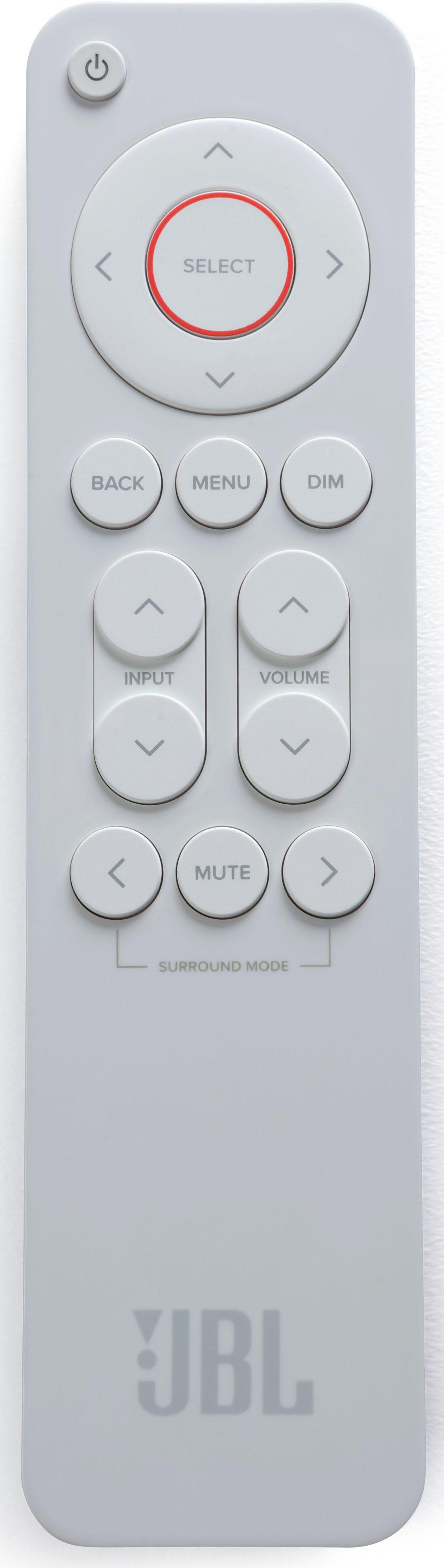
The JBL MA310 is more beginner-friendly due to its simplified setup process and streamlined feature set. It focuses on essential AV receiver functions without overwhelming new users with complex menus and advanced options. The Denon AVR-X2800H offers more features but requires more technical knowledge to fully utilize its capabilities.
The Denon AVR-X2800H delivers significantly better sound quality with 95W per channel versus the JBL MA310's 60W per channel. The Denon also supports advanced audio formats like Dolby Atmos and DTS:X for immersive 3D sound, while the JBL is limited to traditional 5.1 surround sound processing.
The Denon AVR-X2800H is better suited for modern gaming with support for 4K/120Hz, Variable Refresh Rate (VRR), and Auto Low Latency Mode for PS5 and Xbox Series X. The JBL MA310 supports 4K/60Hz gaming but lacks the advanced gaming features that enhance the latest console experience.
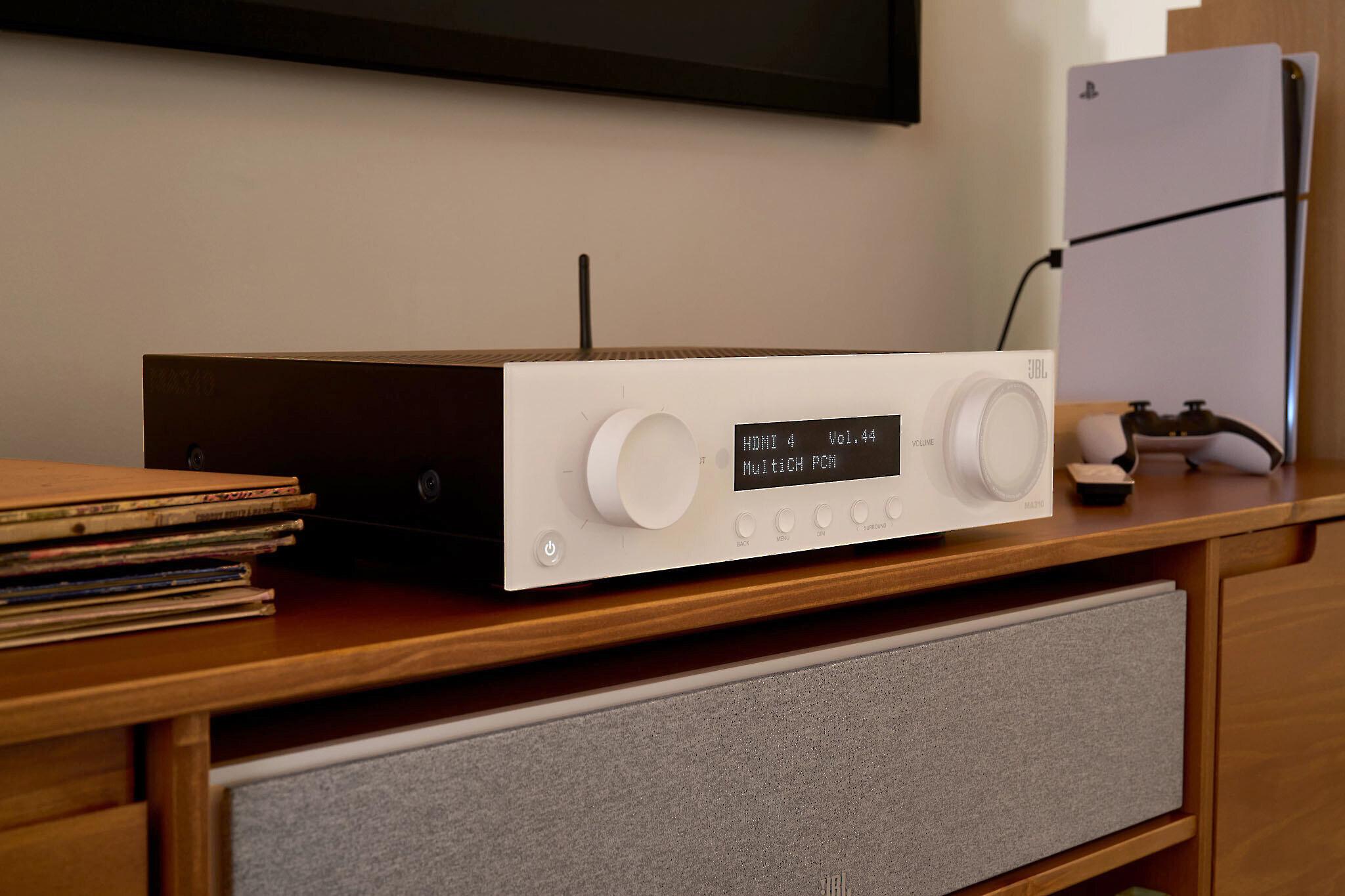
The JBL MA310 is ideal for small spaces due to its compact size, lower power output, and simplified operation. It's designed to work well with bookshelf speakers in smaller rooms. The Denon AVR-X2800H is better suited for medium to large rooms where its extra power and advanced features can be fully utilized.
If you plan to set up a full home theater with ceiling or height speakers for Dolby Atmos, you'll need the Denon AVR-X2800H's 7.2 channel configuration. For basic surround sound with front, rear, center, and subwoofer speakers, the JBL MA310's 5.2 channels are sufficient.
The Denon AVR-X2800H provides comprehensive streaming with built-in Wi-Fi, AirPlay 2, Spotify Connect, and voice assistant support. The JBL MA310 only offers Bluetooth connectivity, making the Denon much better for users who stream music from various online services.
Only the Denon AVR-X2800H supports 8K video passthrough at 60Hz, making it future-proof for upcoming 8K content. The JBL MA310 maxes out at 4K/60Hz, which is adequate for current content but may become limiting as 8K adoption increases.
The JBL MA310 offers excellent value for basic home theater needs at a significantly lower cost. However, the Denon AVR-X2800H provides better long-term value if you need its advanced features like 8K support, Dolby Atmos processing, and comprehensive streaming capabilities.
The Denon AVR-X2800H includes a built-in phono preamp for direct turntable connection. The JBL MA310 requires an external phono preamp to connect a turntable, adding to the overall system cost for vinyl enthusiasts.
The Denon AVR-X2800H features advanced Audyssey MultEQ XT room correction that measures from eight listening positions for precise acoustic optimization. The JBL MA310 offers basic EZ Set EQ, which provides some room correction but lacks the sophistication of the Denon's system.
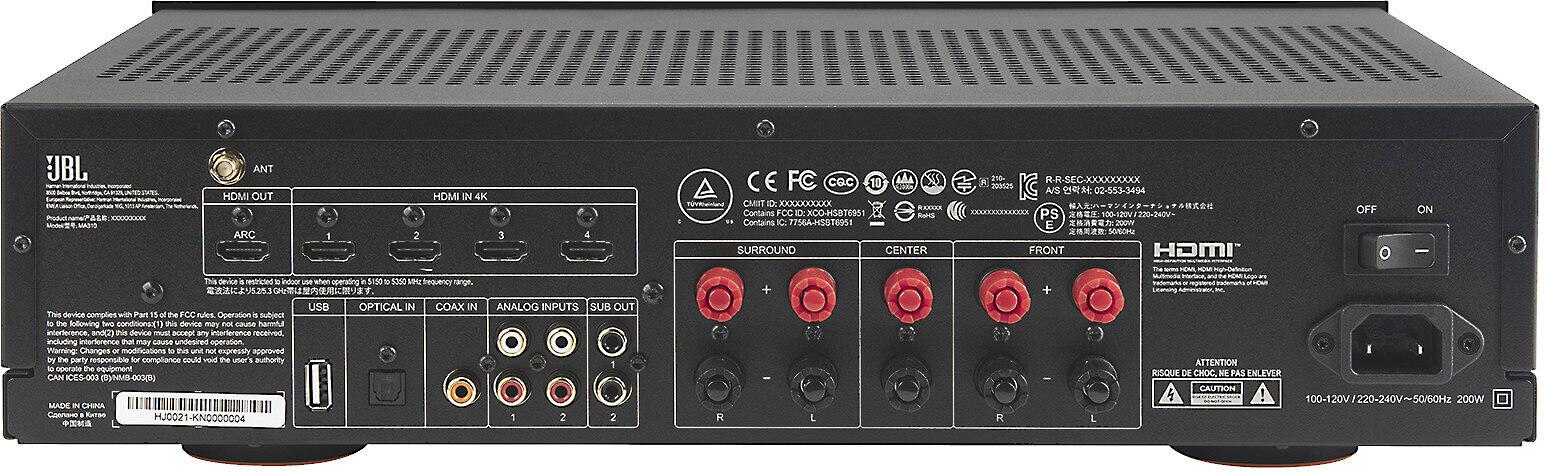
The Denon AVR-X2800H offers 6 HDMI inputs and 2 outputs, with three inputs supporting full 8K capabilities. The JBL MA310 provides 4 HDMI inputs and 1 output, all supporting 4K. The Denon offers more connectivity options for complex home theater setups.
For a dedicated home theater, the Denon AVR-X2800H is the better choice due to its higher power output, Dolby Atmos support, advanced room correction, and 8K video capabilities. The JBL MA310 is better suited for casual viewing setups or secondary rooms where simplicity and cost are priorities.
We've done our best to create useful and informative comparisons to help you decide what product to buy. Our research uses advanced automated methods to create this comparison and perfection is not possible - please contact us for corrections or questions. These are the sites we've researched in the creation of this article: theaudiotailor.com.au - ecoustics.com - simplehomecinema.com - whathifi.com - audioadvisor.com - youtube.com - bestbuy.com - e-catalog.com - crutchfield.com - avsforum.com - crutchfield.com - whathifi.com - richersounds.com - bestbuy.com - accessories4less.com - projectorscreen.com - adiglobaldistribution.us - youtube.com - bestbuy.com - bestbuy.com - sweetwater.com - bestbuy.com - av-connection.com - mm.jbl.com - bestbuy.com - safeandsoundhq.com - crutchfield.com - nfm.com - jbl.com - musicdirect.com - crutchfield.com - skybygramophone.com - youtube.com

Privacy Policy
Terms and Conditions - Affiliate Policy
Home Security
© Copyright 2008-2026.
11816 Inwood Rd #1211, Dallas, TX 75244