

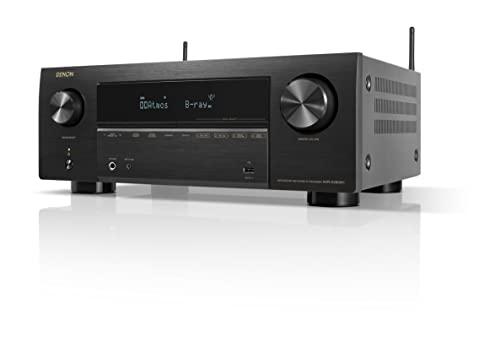
When you're building or upgrading a home theater system, the AV receiver becomes the beating heart of your setup. It's the component that takes all your video sources—gaming consoles, streaming devices, Blu-ray players—and your audio processing needs, then delivers them to your TV and speakers with the power and precision that makes movie night feel cinematic.
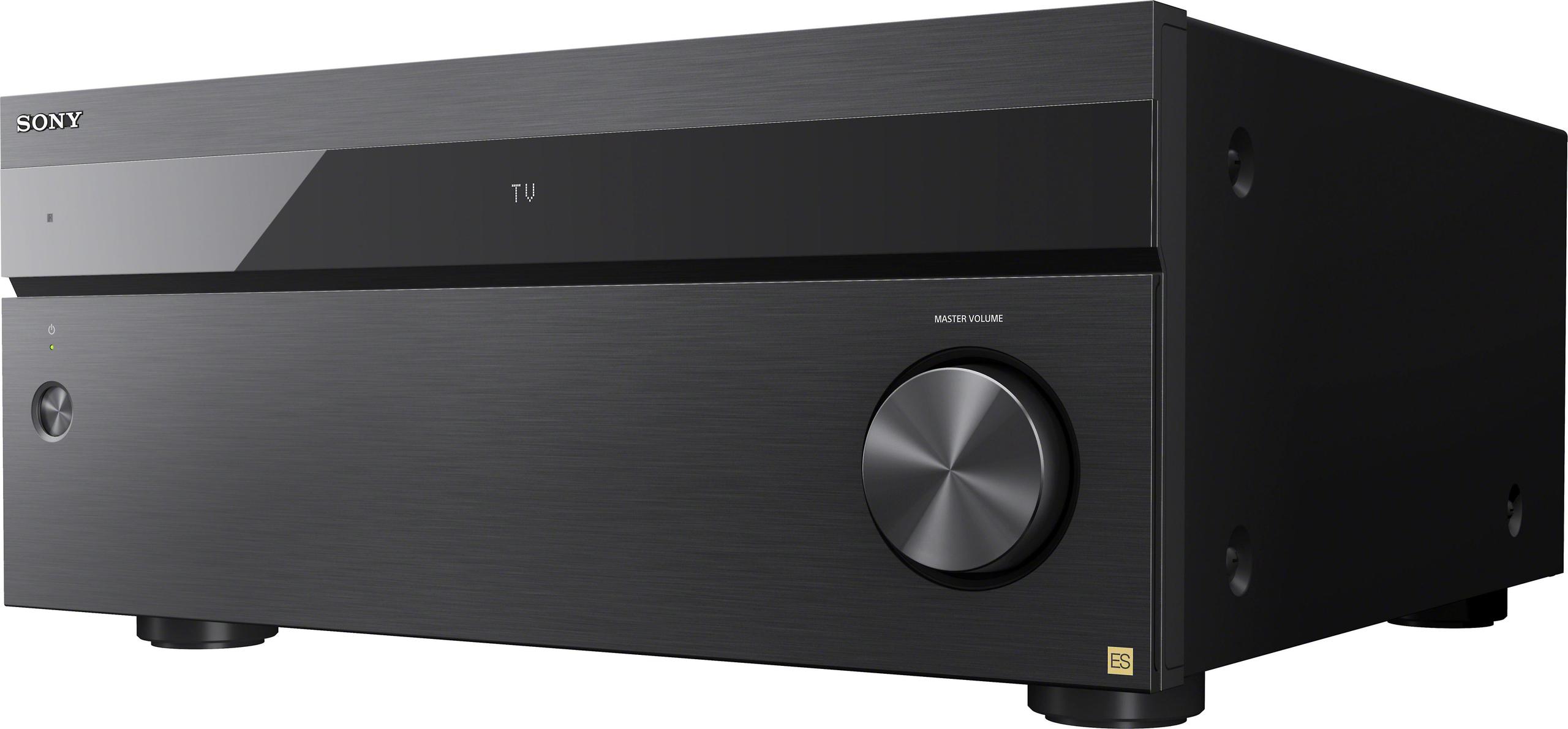
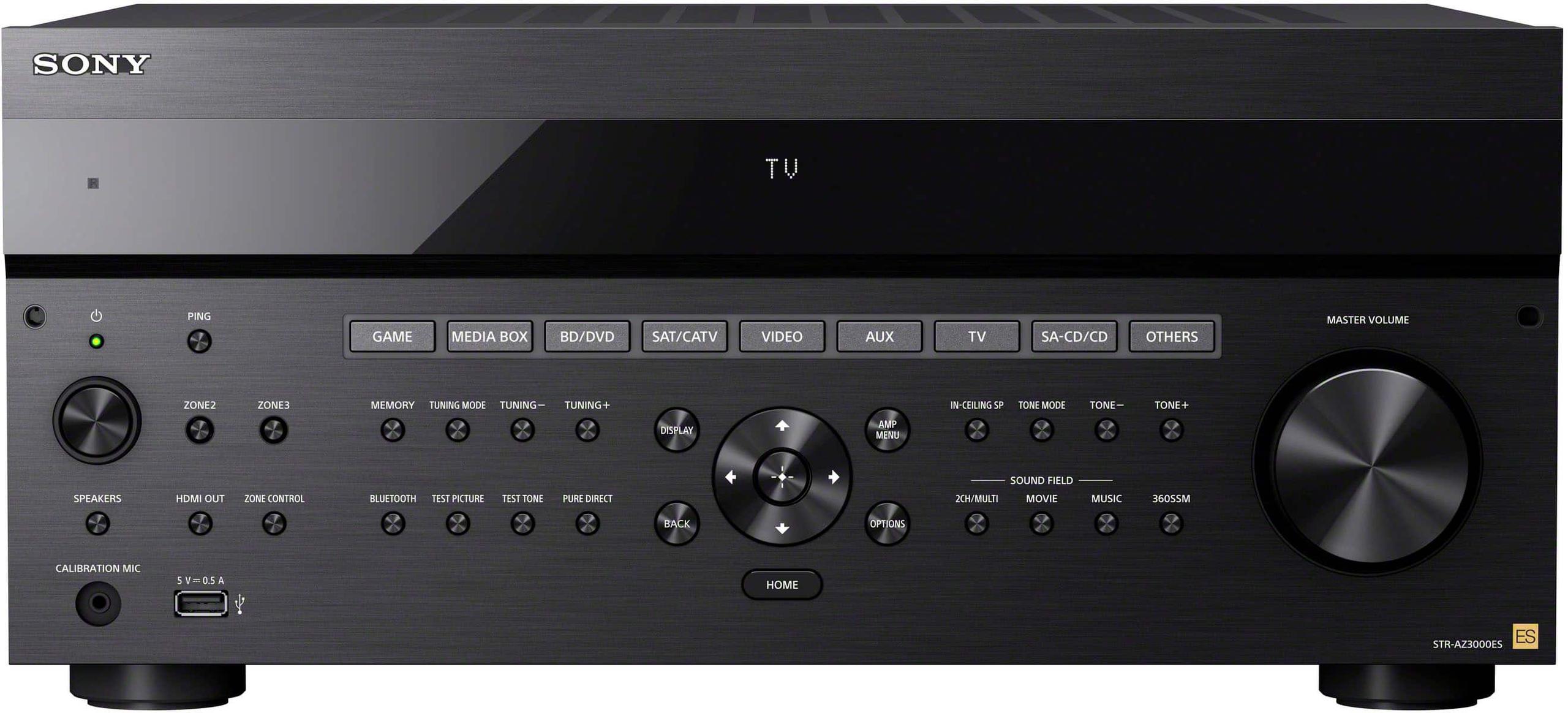
The challenge lies in choosing between receivers that seem similar on paper but serve quite different purposes in practice. Today we're comparing two popular options: the Denon AVR-X2800H, released in 2022, and the Sony STR-AZ3000ES, which arrived in 2023. While both handle modern 8K video and immersive audio formats, they target different users and budgets, with the Sony commanding nearly double the price of the Denon at the time of writing.
Before diving into specifics, it's worth understanding what separates a good AV receiver from a great one. The fundamental job description sounds simple: amplify audio signals to drive your speakers while processing and switching video signals to your display. But modern receivers have evolved into sophisticated computers that decode complex audio formats, calibrate your room's acoustics, stream music from the internet, and integrate with smart home systems.
The most important performance characteristics center around amplification quality, channel processing capabilities, room correction effectiveness, video format support, and connectivity options. Power output numbers can be misleading—a receiver rated at 100 watts per channel might sound weaker than one rated at 80 watts if the power supply design, amplifier topology, and current delivery capabilities differ significantly.
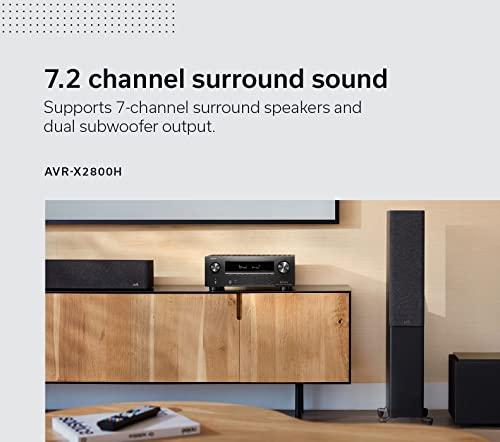
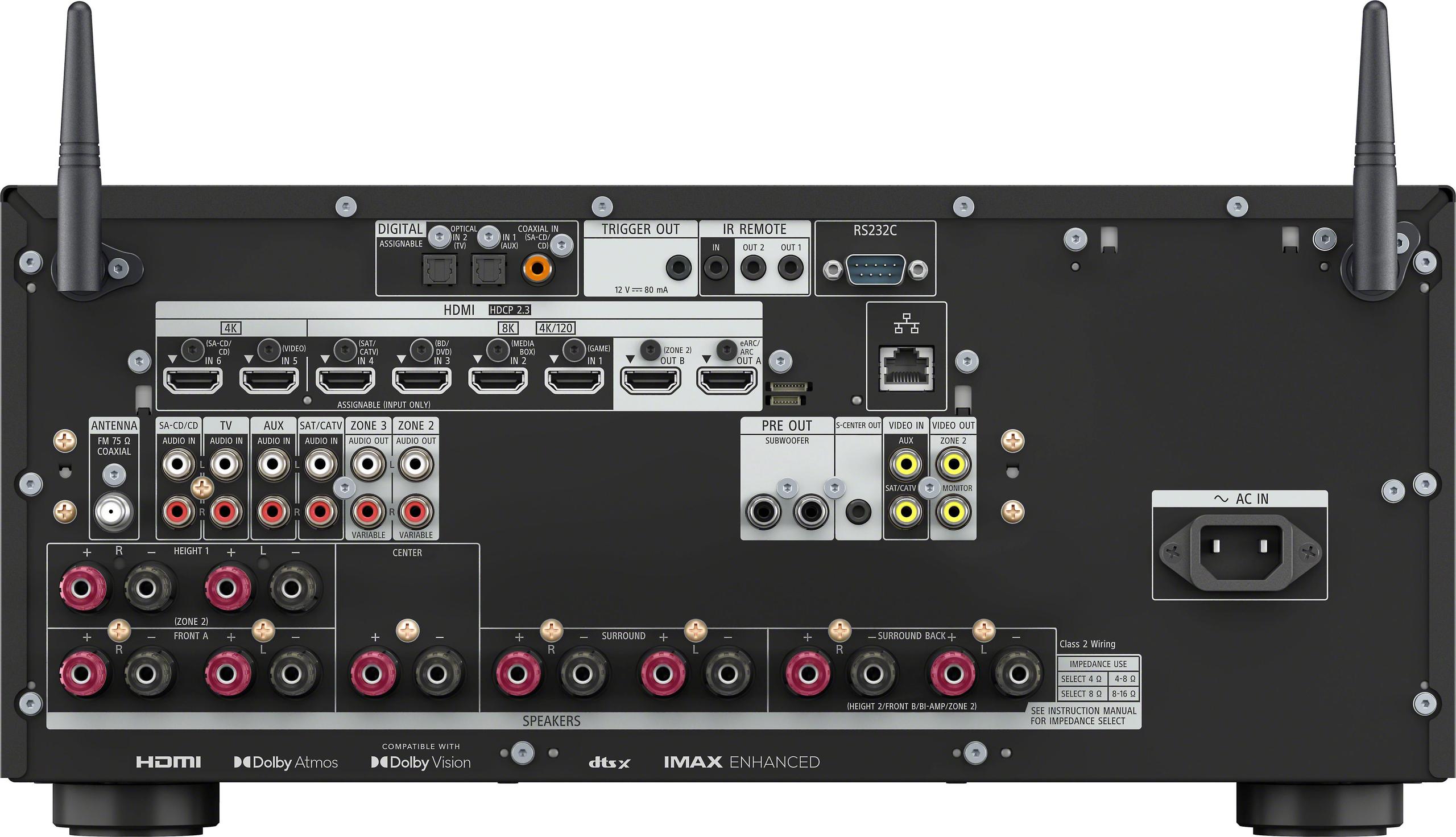
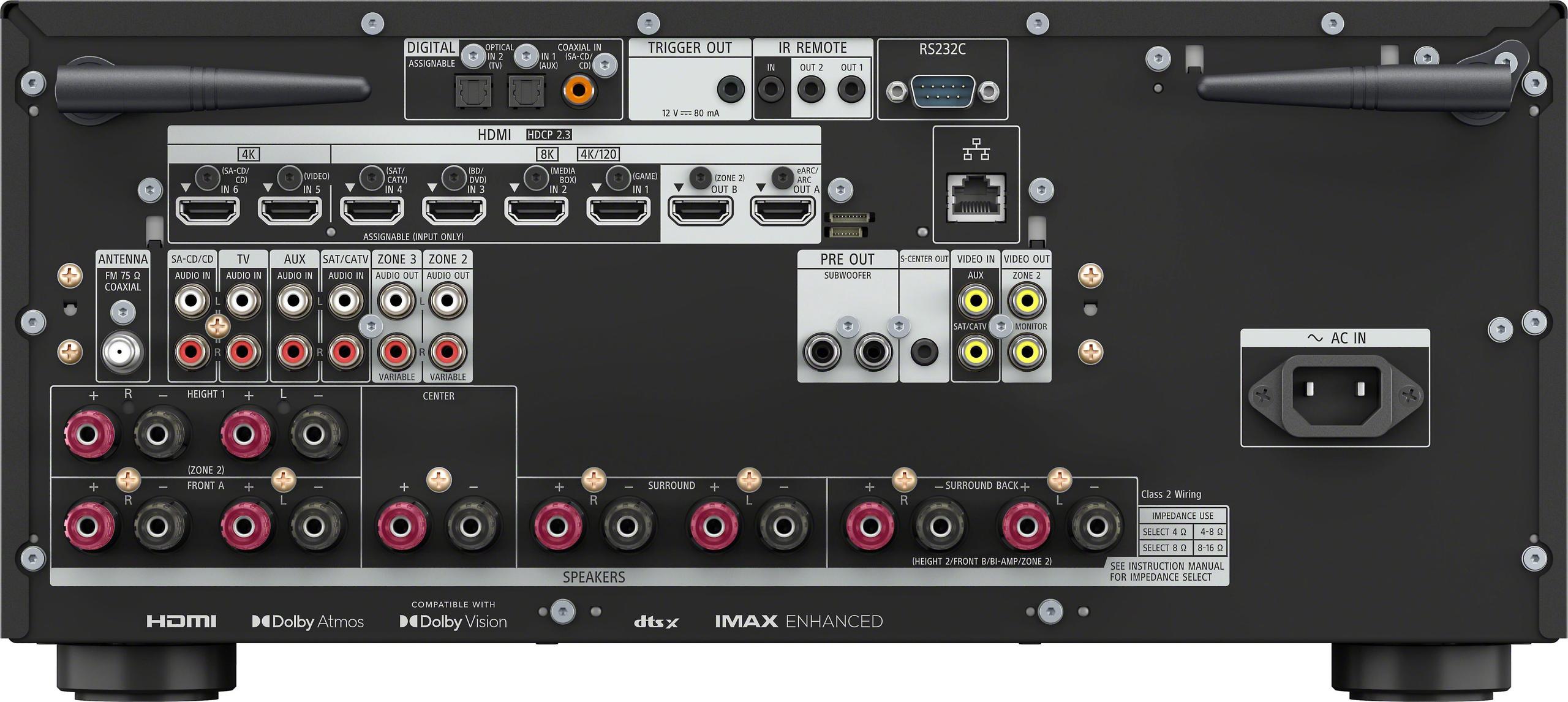
Channel configuration matters enormously for your future flexibility. A 7.2-channel receiver like the Denon AVR-X2800H can drive seven speakers plus two subwoofers, typically configured as a 5.1.2 Dolby Atmos setup (five main channels, one subwoofer, two height speakers). The Sony STR-AZ3000ES, with its 9.2 capability, can handle more complex arrangements like 5.1.4 or 7.1.2 configurations, giving you more overhead sound effects for truly enveloping audio experiences.
The amplification story reveals the first major difference between these receivers. The Denon AVR-X2800H delivers 95 watts per channel using a Class AB discrete amplifier design. This might sound modest compared to the Sony STR-AZ3000ES's 110 watts per channel, but amplifier specifications require context.
Class AB amplification, used in both receivers, provides excellent sound quality by combining the efficiency benefits of Class B with the low distortion characteristics of Class A operation. The "discrete" aspect of the Denon's design means each channel uses separate, dedicated amplifier circuits rather than sharing components—this typically results in better channel separation and more consistent performance across all speakers.
Power ratings become meaningful when you consider your room size and speaker efficiency. Most bookshelf and tower speakers designed for home theater use have efficiency ratings between 85-90 dB, meaning they produce that volume level with just one watt of input power measured at one meter distance. For typical listening distances of 8-12 feet in moderate-sized rooms, even 50 watts provides substantial volume levels. The difference between 95 and 110 watts per channel translates to less than 1 dB of maximum volume capability—barely audible to most listeners.
More important than peak power is current delivery capability, which affects how well a receiver handles demanding speaker loads and dynamic audio passages. Based on our research into user experiences and professional measurements, both receivers demonstrate solid current delivery, but the Sony STR-AZ3000ES shows advantages when driving multiple challenging speakers simultaneously, particularly in larger room environments.
The channel count difference becomes significant for complex speaker arrangements. The Denon AVR-X2800H's seven channels work excellently for most home theaters, supporting configurations like traditional 7.1 surround sound or modern 5.1.2 Dolby Atmos setups. The Sony STR-AZ3000ES's nine channels enable more ambitious installations, such as 5.1.4 Atmos configurations that place four height speakers around the listening area for more precise overhead sound placement.
Room correction technology represents one of the most impactful features in modern AV receivers, yet it's often overlooked by buyers focusing on power specifications. Both receivers include sophisticated room correction systems, but they take different approaches.
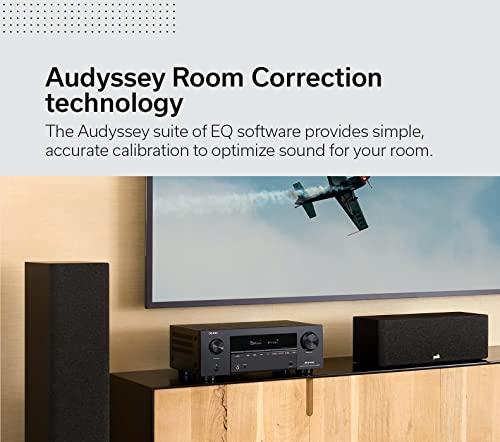
The Denon AVR-X2800H employs Audyssey MultEQ XT, a well-established room correction system that measures your room's acoustic characteristics using a supplied microphone placed in up to eight different listening positions. The system then applies digital filters to compensate for room-induced peaks and nulls in frequency response, adjusting timing delays to ensure all speakers appear equidistant from your listening position.
Audyssey's strength lies in its maturity and reliability. The system has been refined over many years and generally produces predictable, musicallysatisfying results across various room types. It includes Dynamic EQ, which maintains tonal balance at lower listening volumes—particularly useful for late-night movie watching when you can't blast the soundtrack at reference levels.
The Sony STR-AZ3000ES counters with Digital Cinema Auto Calibration IX, Sony's proprietary room correction technology. This system goes beyond basic frequency and timing adjustments to include automatic phase matching between speakers—ensuring that sound waves from different speakers arrive at your listening position in proper alignment. The Sony also features 360 Spatial Sound Mapping, a technology that creates a virtual sound field that adapts to your specific room dimensions and speaker placement.
Based on user feedback and professional reviews, Sony's room correction tends to produce more dramatic changes to the sound signature, which can be beneficial in challenging acoustic environments but may require more fine-tuning to match personal preferences. The Audyssey system typically requires less adjustment out of the box but offers extensive customization through companion smartphone apps.
For immersive audio format support, both receivers handle Dolby Atmos and DTS:X processing capably. The Denon AVR-X2800H includes Dolby Atmos Height Virtualization, which creates the impression of overhead sound effects even when using traditional surround speakers rather than dedicated height speakers. This feature proves particularly valuable in rooms where ceiling-mounted or upfiring speakers aren't practical.
The Sony STR-AZ3000ES supports additional formats including IMAX Enhanced, which provides specially optimized sound processing for content mastered in IMAX theaters. While IMAX Enhanced content remains limited, the format shows promise for delivering more dynamic and impactful audio experiences from compatible movies and streaming content.
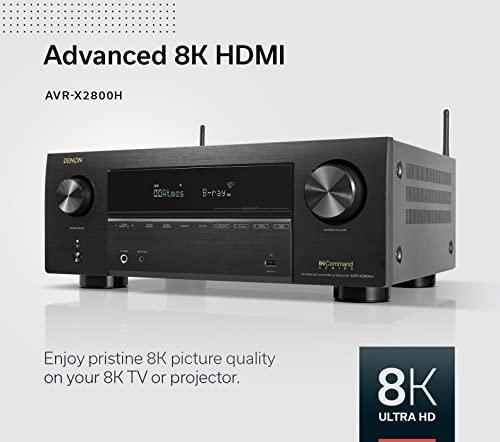
Video processing capabilities have become increasingly important as display technology advances. Both receivers support the current pinnacle of consumer video formats: 8K resolution at 60Hz refresh rates and 4K at 120Hz—the latter being particularly important for modern gaming consoles that can output games at these high refresh rates for smoother motion.
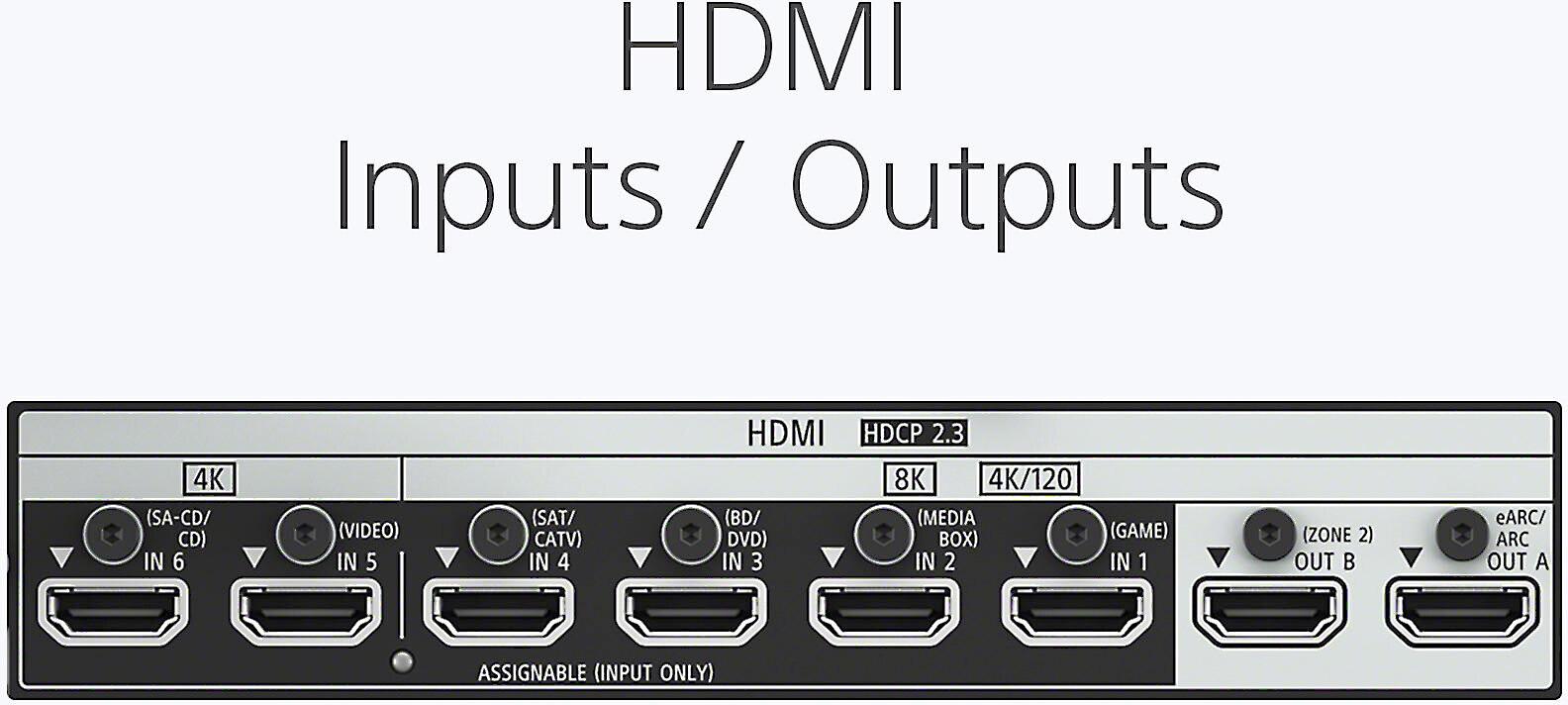
The HDMI connectivity story reveals subtle but important differences. The Denon AVR-X2800H provides six HDMI inputs with three supporting full HDMI 2.1 specifications, while the Sony STR-AZ3000ES offers seven inputs with four HDMI 2.1 connections. For users with multiple gaming consoles, streaming devices, and other high-bandwidth sources, the Sony's additional HDMI 2.1 input provides more flexibility without requiring input switching for high-refresh gaming.
Both receivers support the gaming-focused features that modern consoles require: Variable Refresh Rate (VRR) eliminates screen tearing by allowing displays to match console output frame rates, Auto Low Latency Mode (ALLM) automatically switches TVs to their fastest processing mode when gaming sources are detected, and Quick Frame Transport (QFT) reduces processing delays for more responsive gaming experiences.
HDR (High Dynamic Range) support covers all major formats including HDR10, HDR10+, Dolby Vision, and Hybrid Log Gamma. These formats expand the brightness and color range that displays can reproduce, resulting in more realistic and visually striking images. Both receivers handle HDR passthrough without compromise, maintaining full quality while adding audio processing.
The 8K upscaling capabilities deserve particular attention. While native 8K content remains scarce, both receivers can upscale lower-resolution sources to 8K output, potentially improving image quality on 8K displays. The effectiveness of upscaling varies by source material and display characteristics, but having this capability provides some future-proofing as 8K content becomes more available.
Modern AV receivers function as entertainment hubs that extend far beyond traditional home theater duties. The connectivity and smart features reveal where these two models diverge most significantly in their target audiences.
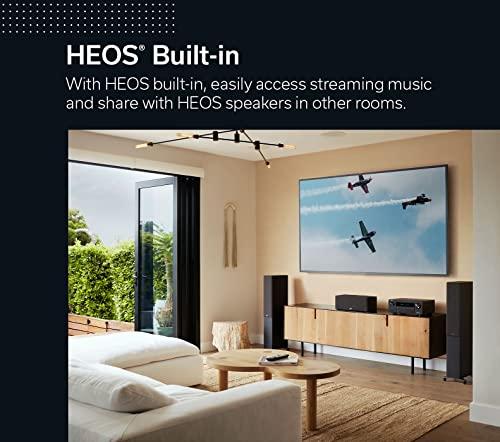
The Denon AVR-X2800H includes HEOS multiroom audio technology, allowing integration with other HEOS-compatible devices throughout your home. You can stream music to multiple rooms simultaneously or create grouped zones for whole-home audio experiences. The receiver supports popular streaming services through built-in Wi-Fi, including Spotify Connect, and works with voice assistants like Alexa and Google Assistant for hands-free control.
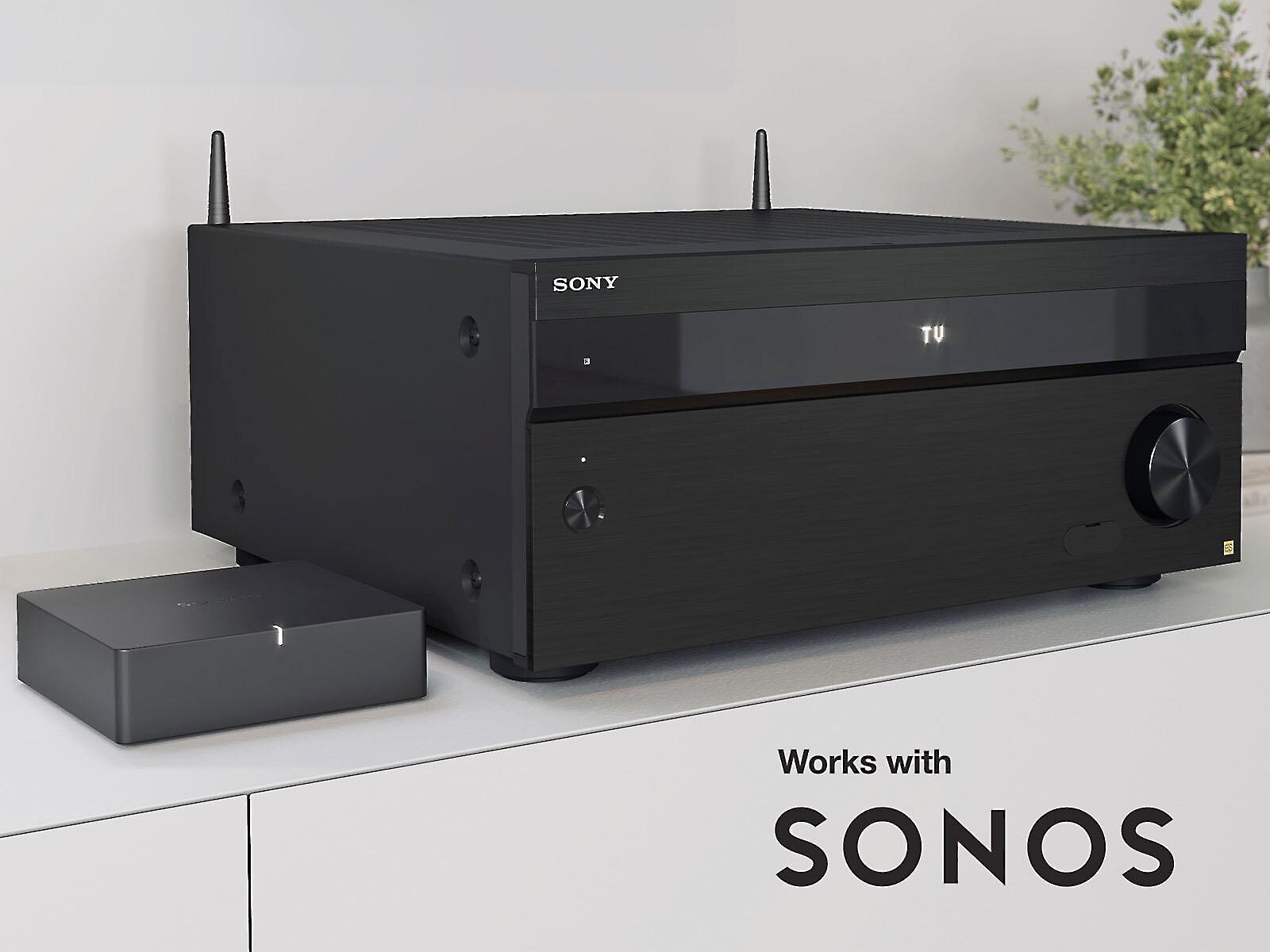
The Sony STR-AZ3000ES takes smart integration several steps further with "Works with Sonos" compatibility, enabling seamless integration into existing Sonos multiroom systems. This proves particularly valuable for users who have already invested in Sonos speakers throughout their homes and want their main theater system to participate in the same ecosystem.
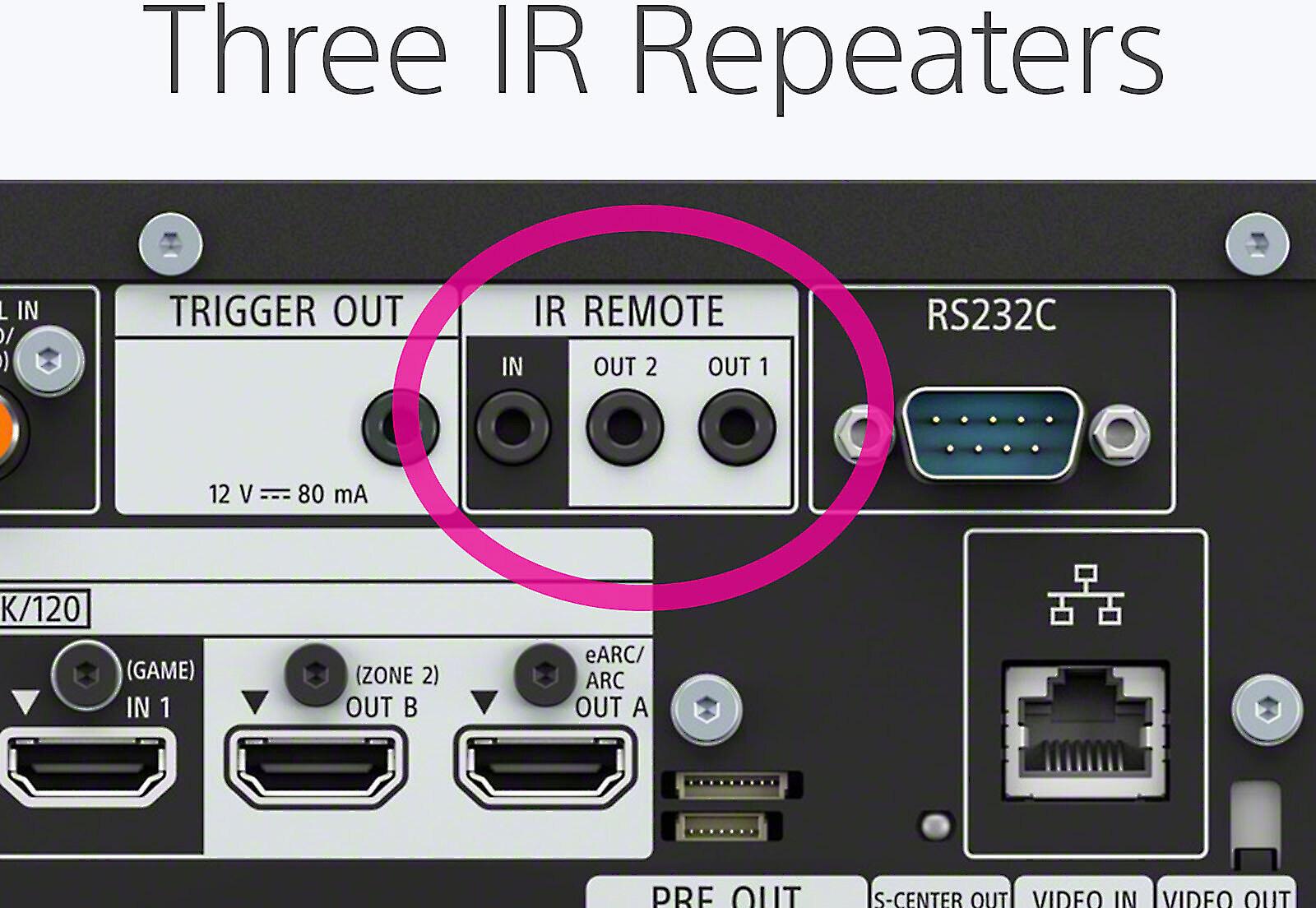
More importantly for custom installation environments, the Sony includes Control4 SDDP support and enhanced IP control capabilities. These features matter primarily to professional installers and users with sophisticated home automation systems, but they enable much deeper integration with lighting, climate control, and other smart home functions.
The Sony's Google Chromecast built-in functionality provides more comprehensive streaming capabilities compared to the Denon's more basic Wi-Fi streaming implementation. Chromecast support means virtually any smartphone, tablet, or computer can stream content directly to the receiver, regardless of the specific apps installed.
At the time of writing, the price difference between these receivers is substantial—the Sony STR-AZ3000ES costs nearly twice as much as the Denon AVR-X2800H. This price premium raises important questions about value and necessity.
The Denon AVR-X2800H delivers exceptional value by including all the features most home theater enthusiasts actually need: modern video format support, effective room correction, reliable amplification for typical speaker loads, and solid streaming capabilities. Unless you specifically need nine-channel amplification or advanced smart home integration, the Denon provides a complete, future-ready solution at a much more accessible price point.
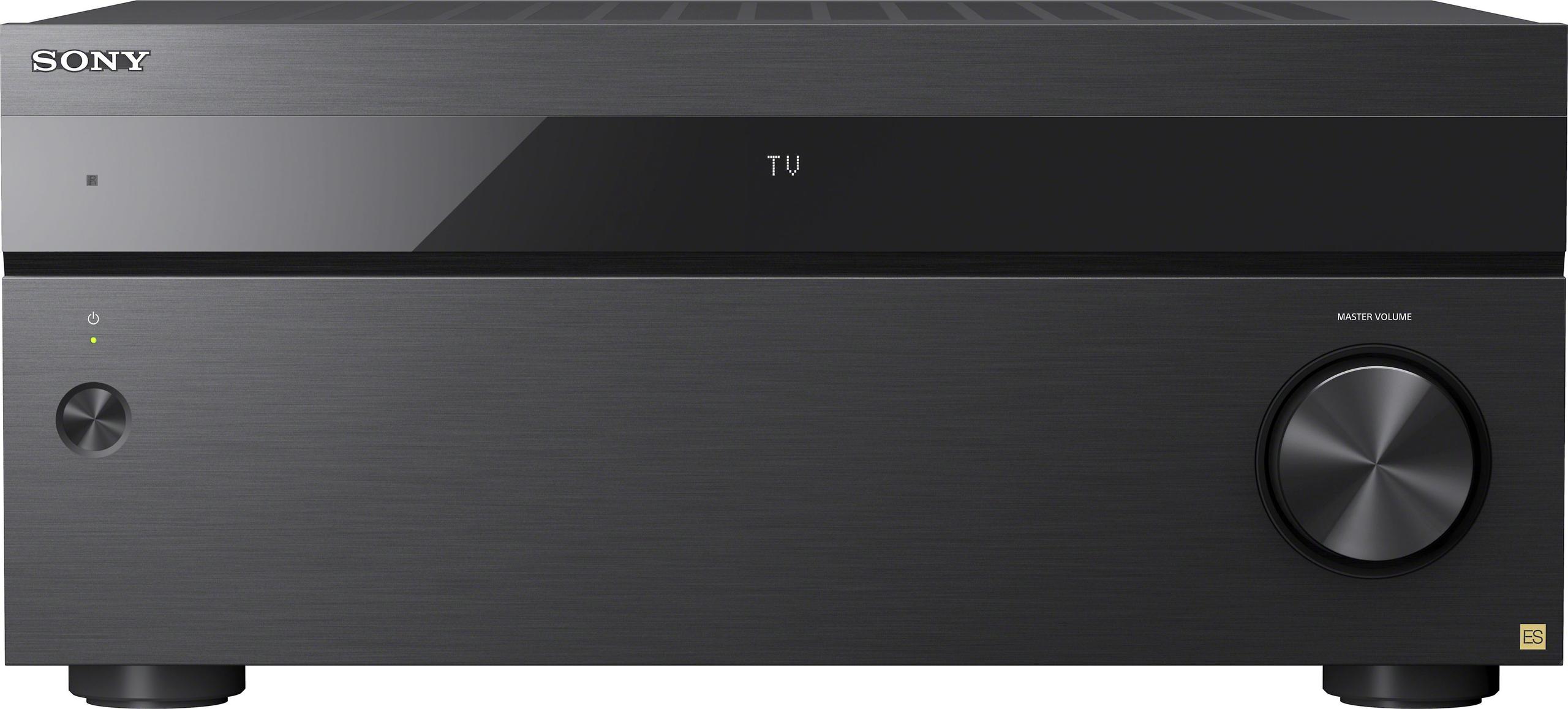
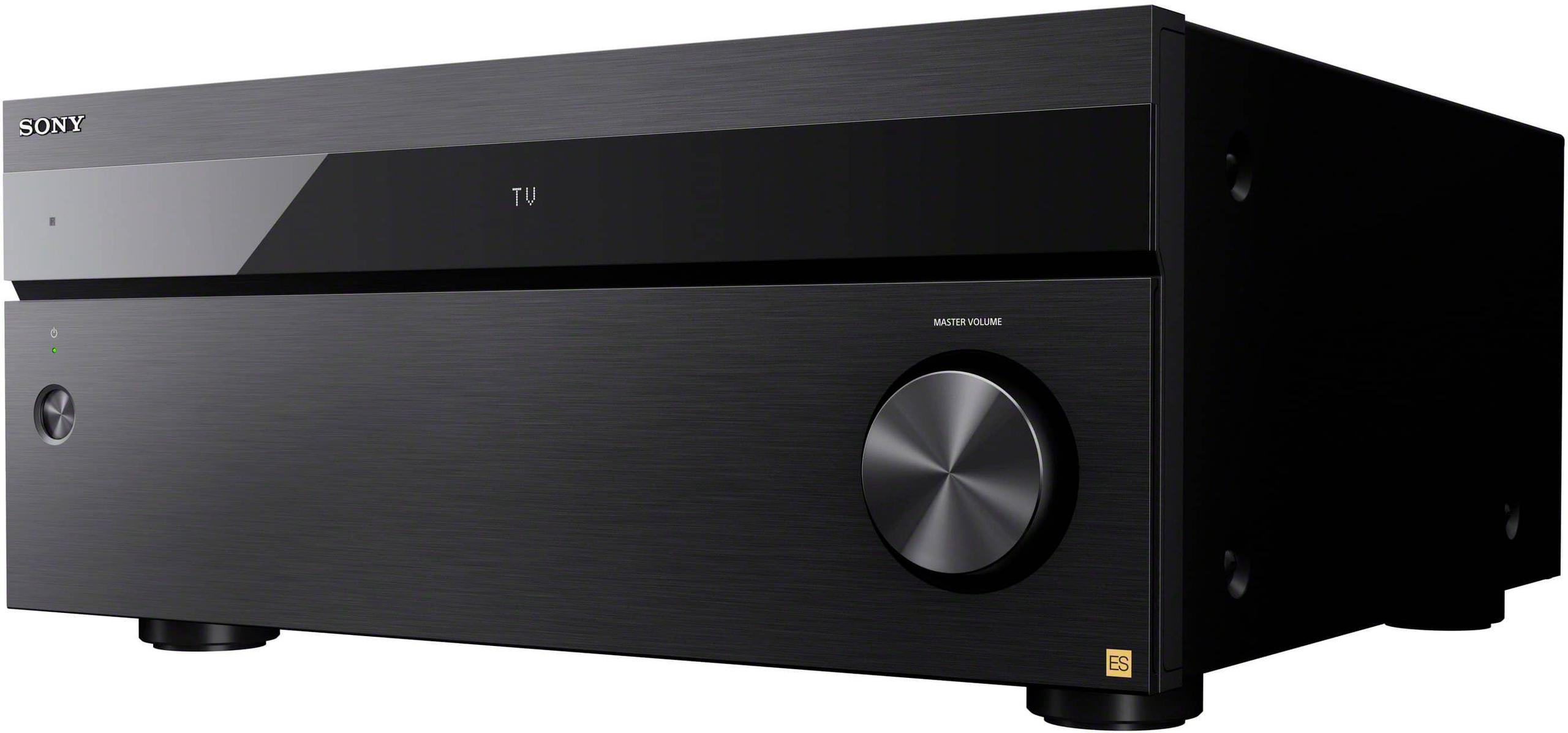
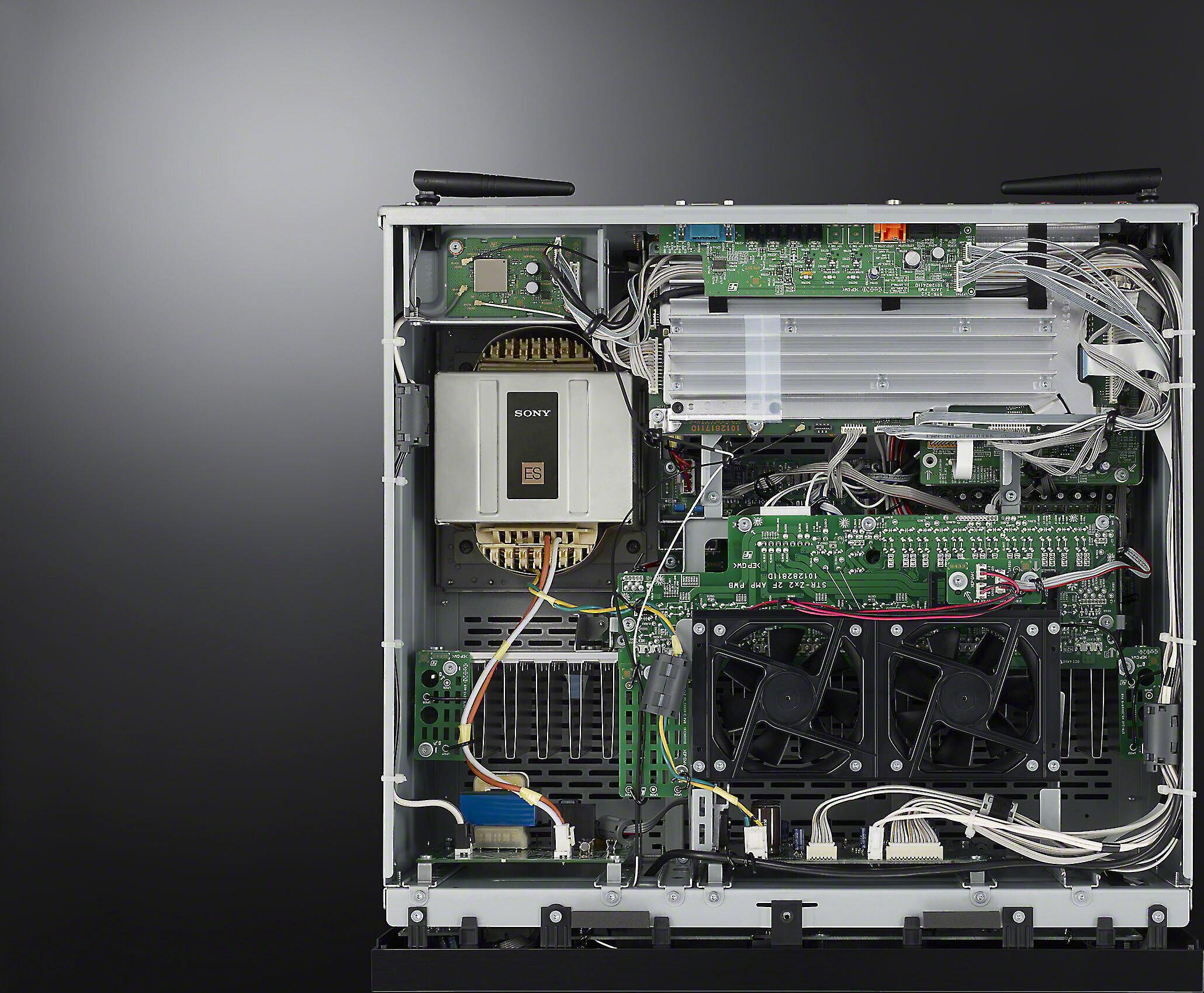
The Sony STR-AZ3000ES's premium reflects its ES-series positioning—Sony's designation for products designed to meet professional installation standards. The additional cost buys you more amplifier channels, enhanced smart features, superior build quality, and a longer warranty period. For users who need these specific capabilities, the Sony justifies its higher price.
However, the value equation becomes murky for typical users. The core performance differences in amplification quality, audio processing, and video handling don't justify nearly doubling the investment for most home theater applications. The Sony makes sense for specific scenarios but represents overkill for mainstream use.
Based on extensive research into user experiences and professional reviews, both receivers perform excellently in their intended roles, but user satisfaction patterns reveal important insights.
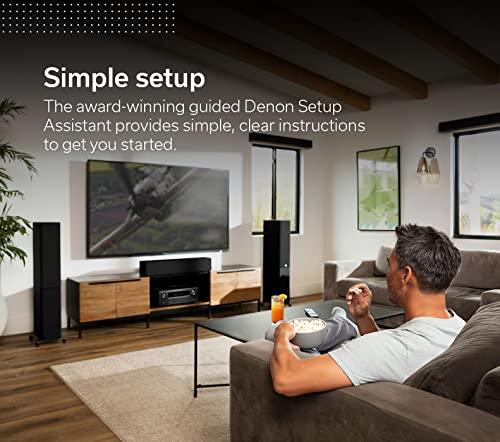
Denon AVR-X2800H owners consistently praise the receiver's reliability, sound quality, and ease of setup. The Audyssey room correction system generally produces satisfying results without extensive tweaking, and the receiver handles demanding movie soundtracks and music playback with equal competence. Common compliments focus on dialogue clarity, immersive surround effects, and solid build quality that inspires confidence.
The main criticisms center around the complexity of advanced menu systems and occasional connectivity quirks with certain streaming services—issues that affect most modern AV receivers regardless of brand. Users appreciate the receiver's ability to drive challenging speakers effectively, even those with lower impedance ratings that can stress lesser amplifiers.
Sony STR-AZ3000ES users highlight the superior smart features and integration capabilities, but reviews reveal more mixed experiences. The room correction system can produce excellent results but often requires more fine-tuning to achieve optimal sound. Users praise the 360 Spatial Sound Mapping when it works well, but setup complexity increases significantly compared to more straightforward systems.
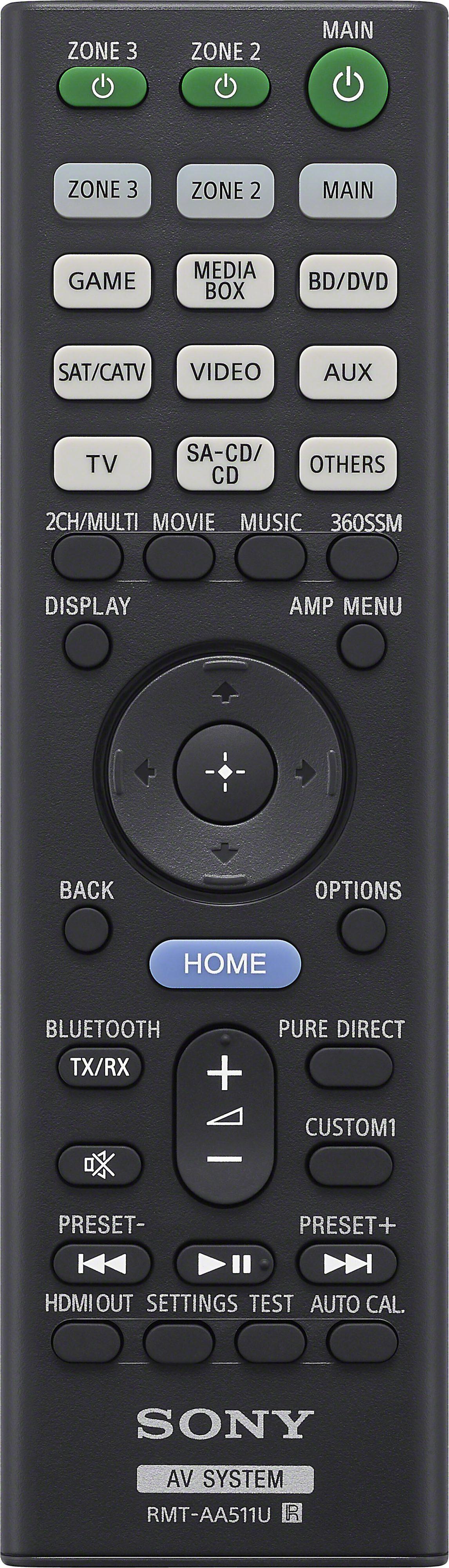
A notable concern in user feedback involves the Sony's remote control quality, with multiple reports of premature failure and cheap construction—surprising for a premium product. The receiver's audio performance receives consistent praise, particularly for complex multichannel content and music reproduction.
The decision between these receivers should align closely with your specific needs, room characteristics, and long-term plans.
Choose the Denon AVR-X2800H if you want proven performance at an excellent price point. This receiver handles everything most home theater enthusiasts need: modern gaming console support, immersive audio formats, effective room correction, and reliable amplification for typical speaker configurations. It's particularly well-suited for medium-sized rooms with 5.1 to 7.1 speaker arrangements and represents outstanding value for the features provided.
The Denon makes sense for users who prioritize straightforward operation, proven reliability, and cost-effectiveness over cutting-edge features. If your primary use involves movie watching, gaming, and music listening in a dedicated theater room or living room setup, the Denon AVR-X2800H delivers satisfying performance without unnecessary complexity or expense.
Choose the Sony STR-AZ3000ES if you need specific advanced features that justify the substantial price premium. The additional amplifier channels enable more complex speaker configurations, the enhanced smart home integration capabilities serve users with sophisticated automation systems, and the ES-series build quality provides added durability and longer warranty coverage.
The Sony particularly suits larger rooms requiring nine or more channels of amplification, installations where Sonos integration provides significant value, or scenarios where professional installation features justify the additional investment. Users who prioritize having the latest proprietary audio technologies and don't mind more complex setup procedures will appreciate the Sony's advanced capabilities.
For most readers, the Denon AVR-X2800H represents the better choice. It provides complete, modern functionality at roughly half the price, with performance differences that won't be meaningful in typical home theater applications. The Sony STR-AZ3000ES serves specific needs excellently but represents overkill for mainstream use cases.
The key is honest assessment of your actual requirements versus aspirational features you might never use. Both receivers will deliver years of satisfying performance, but the Denon offers a much better value proposition for most buyers while the Sony serves specialized needs that few users actually require.
| Denon AVR-X2800H | Sony STR-AZ3000ES |
|---|---|
| Channel Count - Determines maximum speaker configuration and future flexibility | |
| 7.2 channels (supports up to 5.1.2 Dolby Atmos) | 9.2 channels (supports up to 5.1.4 or 7.1.2 Dolby Atmos) |
| Power Output - Affects volume levels and ability to drive demanding speakers | |
| 95W per channel (8Ω, 2-channel driven) | 110W per channel (8Ω, 2-channel driven) |
| Room Correction System - Critical for optimizing sound in your specific room | |
| Audyssey MultEQ XT (proven, reliable, easy setup) | Digital Cinema Auto Calibration IX (advanced but more complex) |
| HDMI 2.1 Inputs - Important for gaming consoles and future 8K sources | |
| 3 out of 6 total HDMI inputs support 2.1 | 4 out of 7 total HDMI inputs support 2.1 |
| Video Support - Ensures compatibility with latest displays and gaming | |
| 8K/60Hz, 4K/120Hz, HDR10/HDR10+/Dolby Vision | 8K/60Hz, 4K/120Hz, HDR10/HDR10+/Dolby Vision, IMAX Enhanced |
| Smart Features - Affects streaming capabilities and smart home integration | |
| HEOS multiroom, basic voice control, AirPlay 2 | Works with Sonos, Chromecast built-in, Control4 support |
| Audio Format Support - Determines which immersive sound formats you can enjoy | |
| Dolby Atmos, DTS:X, Height Virtualization | Dolby Atmos, DTS:X, IMAX Enhanced, 360 Reality Audio |
| Build Quality & Warranty - Reflects long-term reliability and manufacturer confidence | |
| Standard consumer grade, typical warranty | ES-series professional grade, 5-year warranty |
| Target User - Who each receiver is designed for | |
| Mainstream home theater enthusiasts seeking excellent value | Custom installers and users needing advanced integration features |
The Denon AVR-X2800H is better for most home theaters due to its excellent value proposition and proven performance. It handles all modern audio and video formats while providing reliable amplification for typical 5.1 to 7.1 speaker setups. The Denon AVR-X2800H offers everything most users need at a significantly lower price point than the Sony STR-AZ3000ES.
The Denon AVR-X2800H supports up to 7.2 channels, allowing configurations like 7.1 surround sound or 5.1.2 Dolby Atmos setups. The Sony STR-AZ3000ES supports up to 9.2 channels, enabling more complex arrangements like 5.1.4 or 7.1.2 Dolby Atmos configurations with additional height speakers for more immersive overhead sound effects.
The Sony STR-AZ3000ES delivers 110 watts per channel compared to the Denon AVR-X2800H's 95 watts per channel. However, this 15-watt difference translates to less than 1 dB of additional volume capability, making it barely audible in real-world use. Both receivers provide sufficient power for typical home theater applications.
Yes, both the Denon AVR-X2800H and Sony STR-AZ3000ES support 8K/60Hz and 4K/120Hz video pass-through with full HDR format compatibility. They both include gaming features like Variable Refresh Rate (VRR), Auto Low Latency Mode (ALLM), and Quick Frame Transport (QFT) for optimal gaming console performance.
The Denon AVR-X2800H is generally easier to set up and use, with its Audyssey room correction system typically requiring less fine-tuning out of the box. The Sony STR-AZ3000ES offers more advanced features but requires more complex setup procedures and may need additional calibration to achieve optimal performance.
The Denon AVR-X2800H provides 6 HDMI inputs with 3 supporting HDMI 2.1, while the Sony STR-AZ3000ES offers 7 HDMI inputs with 4 supporting HDMI 2.1. The Sony's additional HDMI 2.1 input provides more flexibility for users with multiple gaming consoles and high-bandwidth sources.
The Sony STR-AZ3000ES offers superior smart features with Works with Sonos integration, Chromecast built-in, and Control4 support for professional installations. The Denon AVR-X2800H includes HEOS multiroom audio and basic streaming capabilities, which are sufficient for most users but less comprehensive than the Sony's offerings.
Yes, the Denon AVR-X2800H uses Audyssey MultEQ XT room correction, known for reliable and musicallysatisfying results. The Sony STR-AZ3000ES features Digital Cinema Auto Calibration IX with 360 Spatial Sound Mapping, offering more advanced processing but requiring more setup complexity to achieve optimal results.
The Sony STR-AZ3000ES supports additional formats including IMAX Enhanced and Sony's 360 Reality Audio beyond the standard Dolby Atmos and DTS:X that both receivers handle. However, the Denon AVR-X2800H includes Dolby Atmos Height Virtualization, which creates overhead effects without dedicated height speakers.
The Sony STR-AZ3000ES features ES-series professional-grade construction with a 5-year warranty, reflecting Sony's premium positioning. The Denon AVR-X2800H offers solid consumer-grade build quality with reliable performance, though without the premium materials and extended warranty of the Sony model.
The Denon AVR-X2800H provides significantly better value for most buyers, delivering all essential modern features at roughly half the cost of the Sony STR-AZ3000ES. Unless you specifically need 9+ channel amplification or advanced smart home integration, the Denon AVR-X2800H represents the more cost-effective choice.
Choose the Denon AVR-X2800H if you want excellent performance and modern features at a reasonable price for typical home theater setups. Choose the Sony STR-AZ3000ES if you need 9+ channel capability, require advanced smart home integration features, or are building a custom installation where the premium features justify the higher cost.
We've done our best to create useful and informative comparisons to help you decide what product to buy. Our research uses advanced automated methods to create this comparison and perfection is not possible - please contact us for corrections or questions. These are the sites we've researched in the creation of this article: theaudiotailor.com.au - ecoustics.com - simplehomecinema.com - whathifi.com - audioadvisor.com - youtube.com - bestbuy.com - e-catalog.com - crutchfield.com - avsforum.com - crutchfield.com - whathifi.com - richersounds.com - bestbuy.com - accessories4less.com - projectorscreen.com - adiglobaldistribution.us - youtube.com - bestbuy.com - bestbuy.com - sweetwater.com - crutchfield.com - merlinstv.com - avsforum.com - youtube.com - musicloversaudio.com - skybygramophone.com - snapav.com - sweetwater.com - crutchfield.com - ca.community.sony.com

Privacy Policy
Terms and Conditions - Affiliate Policy
Home Security
© Copyright 2008-2026.
11816 Inwood Rd #1211, Dallas, TX 75244