

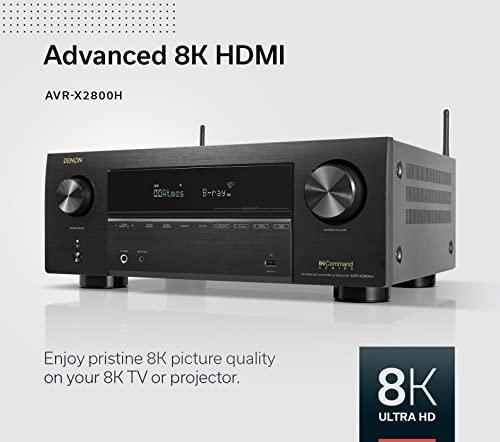
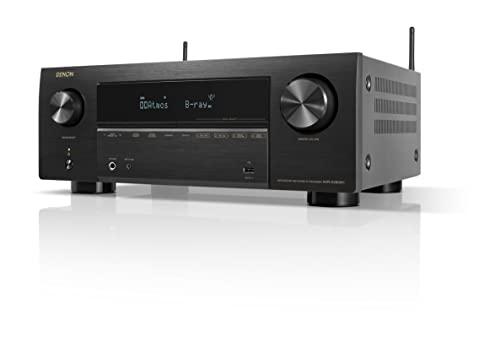
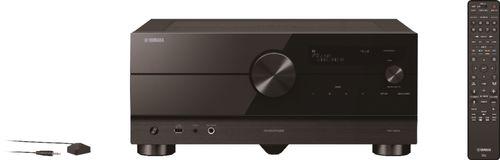
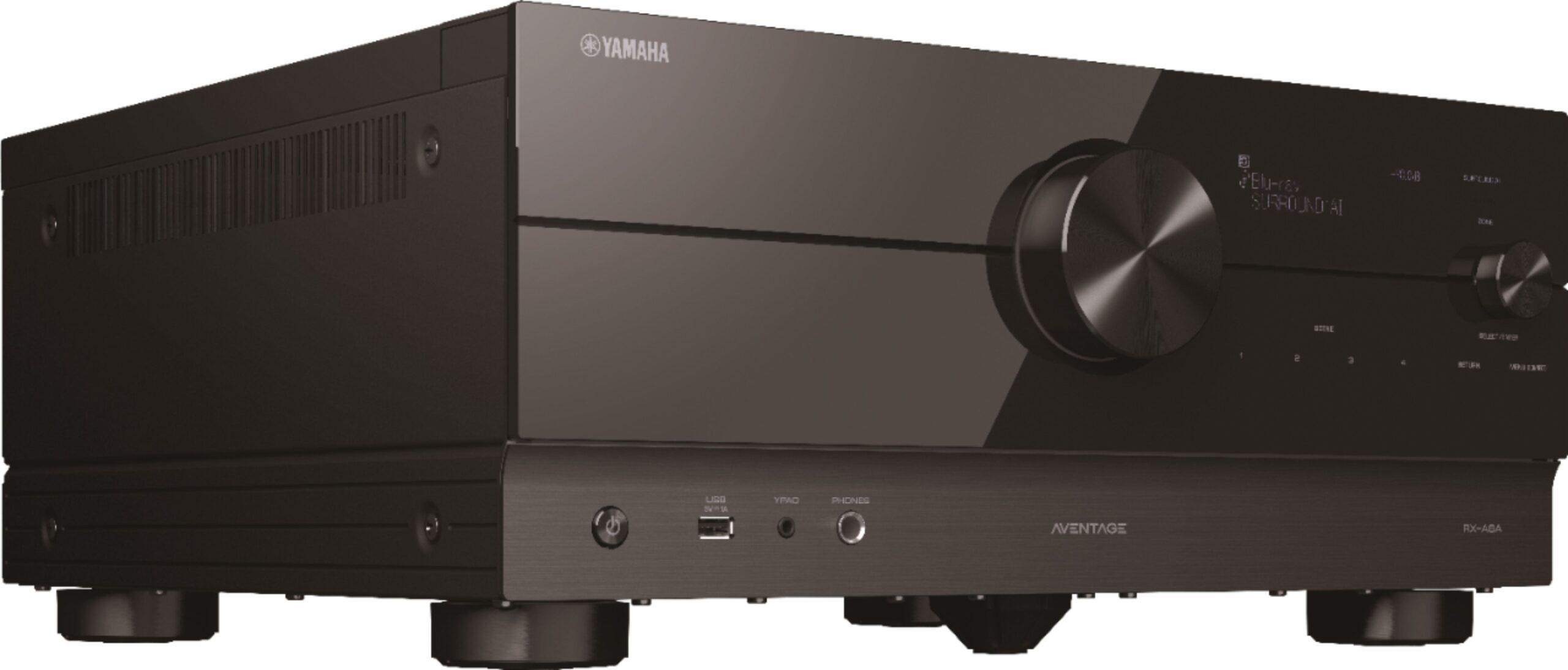
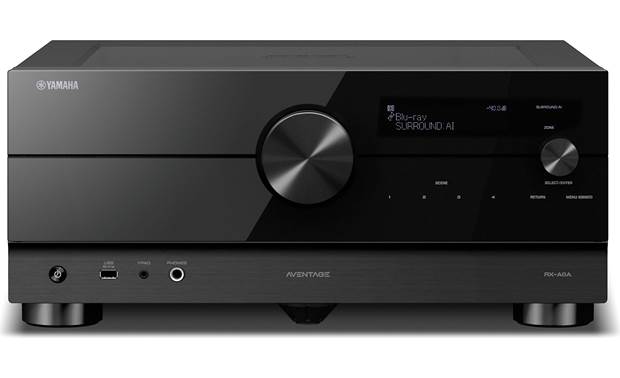
When you're shopping for an AV receiver—the brain of your home theater system—you'll quickly discover that the market splits into distinct tiers. The Denon AVR-X2800H (released in 2022) and Yamaha AVENTAGE RX-A6A (released in 2021) perfectly illustrate this divide, representing the sweet spot of mid-range value versus premium performance.
Both receivers handle the core job of taking audio and video signals from your sources and routing them to your speakers and TV. But the way they approach this task, and the quality they deliver, differs significantly. Understanding these differences will help you decide whether paying premium prices actually gets you premium value for your specific setup.
Before diving into specifics, it's worth understanding what separates good receivers from great ones. Power output—measured in watts per channel—determines how loud and clean your speakers will sound. Think of it like horsepower in a car: more power means you can drive bigger "loads" (speakers) without strain.
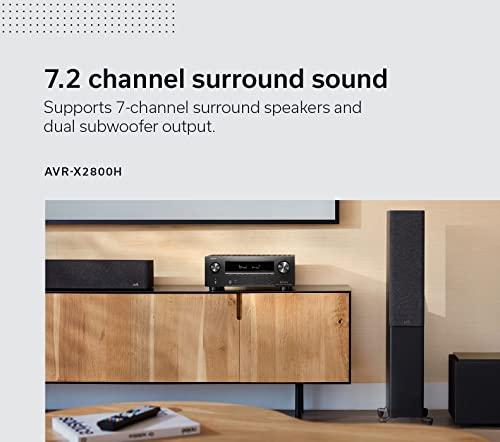
Channel configuration tells you how many speakers you can connect. A 7.2 receiver supports seven main speakers plus two subwoofers, while 9.2 adds two more speakers—crucial for advanced surround sound formats like Dolby Atmos (object-based audio that moves sounds around and above you) or complex room layouts.
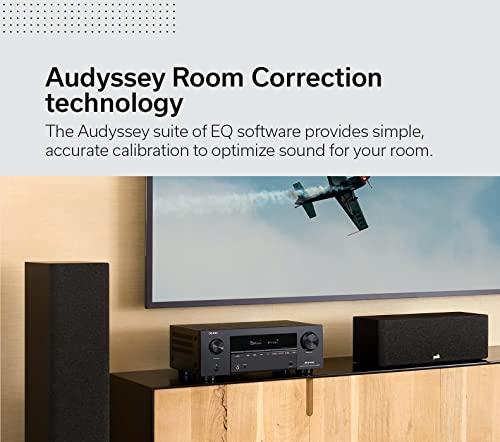
Room correction technology uses microphones to measure your space's acoustics, then adjusts the sound automatically. It's like having an audio engineer tune your system for your specific room. Video processing handles everything from basic signal routing to upscaling (improving lower-resolution content) and supporting the latest formats like 8K video and HDR (High Dynamic Range, which provides better contrast and color).
The Denon AVR-X2800H represents what happens when a company focuses on delivering maximum value. At the time of writing, it costs roughly half what you'd pay for the Yamaha AVENTAGE RX-A6A, yet includes most features that typical users actually need. It's Denon's approach to democratizing good home theater—bringing advanced technologies like 8K video support and Dolby Atmos processing to buyers who don't want to spend premium prices.
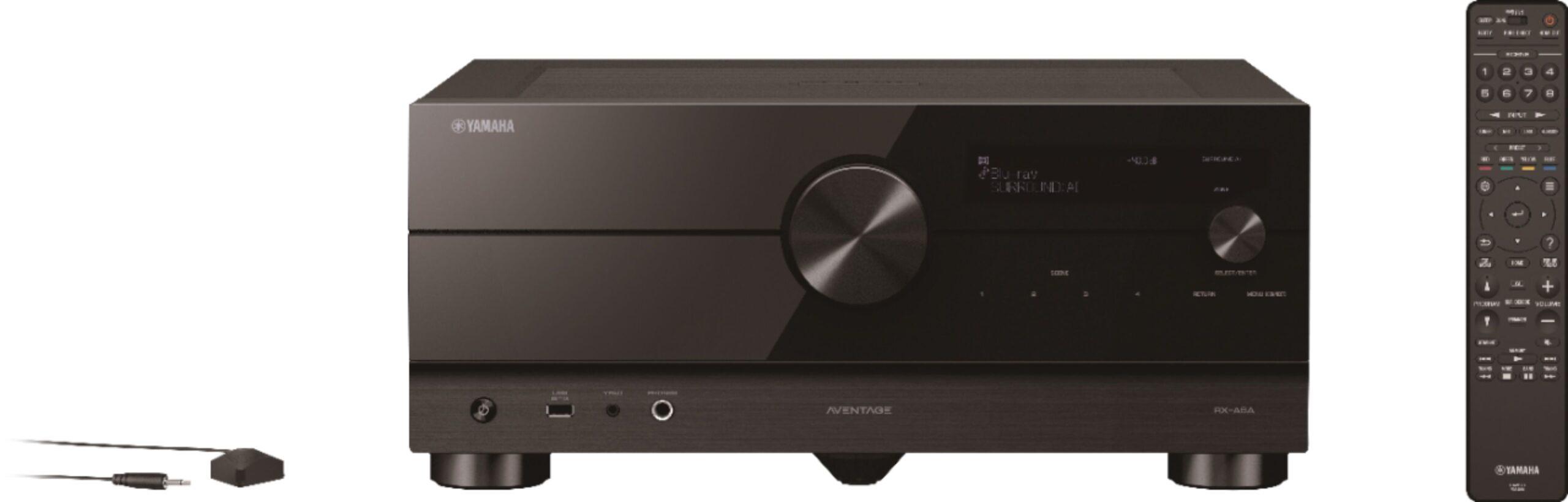
The Yamaha AVENTAGE RX-A6A, meanwhile, embodies the premium approach. It costs significantly more but delivers substantially more power, additional channels, and the kind of build quality that serious audiophiles demand. Yamaha designed it for buyers who view their home theater as a long-term investment and want components that won't become bottlenecks as they upgrade speakers or expand their systems.
Since 2021-2022, both manufacturers have continued refining their approaches. Denon has focused on bringing more premium features down to mid-range pricing, while Yamaha has doubled down on build quality and power delivery in their AVENTAGE line.
This is where the Yamaha RX-A6A flexes its premium muscles. With 150 watts per channel compared to the Denon's 95 watts, the Yamaha can drive larger speakers in bigger rooms without breaking a sweat. But raw numbers only tell part of the story.
The real difference becomes apparent when you're watching an action movie at reference levels—the volume that movie theaters use. The Denon AVR-X2800H handles this fine in medium-sized rooms (think 12x15 feet), but push it harder and you'll notice compression during intense scenes. Explosions might lose their punch, and dialogue can become strained when competing with background effects.
The Yamaha RX-A6A, with its beefier power supply and higher-quality amplifier components, maintains composure even when pushed hard. Users consistently report that it delivers clean, unstrained sound even during the most demanding movie scenes. This isn't just about being louder—it's about maintaining clarity and dynamics when the action gets intense.
Channel count matters too, but perhaps not how you'd expect. The Yamaha's 9.2 channels versus the Denon's 7.2 might seem like a minor difference, but those extra channels enable more sophisticated speaker layouts. You could run a 7.2.2 Dolby Atmos setup (seven main speakers, two subwoofers, two height speakers) or even a full 9.1 surround configuration for truly immersive experiences.
Most buyers, however, will be perfectly happy with 7.2 channels. Unless you're planning a dedicated theater room or have a particularly large space, the Denon's channel count covers the vast majority of real-world setups.
Here's where personal preference becomes crucial. These receivers approach sound reproduction differently, and understanding these differences can help you choose the right match for your ears.
The Yamaha RX-A6A delivers what audio enthusiasts call a "neutral" sound signature. It reproduces audio very accurately, without adding coloration or warmth. This makes it excellent for critical listening—you hear exactly what the content creators intended. The trade-off is that this precision can sometimes feel clinical or "cold," especially during casual viewing sessions.
The Denon AVR-X2800H takes a warmer approach. It adds a subtle richness that makes dialogue more natural and music more engaging during relaxed listening. This warmer character makes it more forgiving with lower-quality sources (like streaming audio) but means you're not getting the most clinically accurate reproduction.
Both receivers include sophisticated room correction systems, but they work differently. The Yamaha's YPAO (Yamaha Parametric Acoustic Optimizer) system focuses on precise frequency response correction and can handle complex acoustic problems. The Denon's Audyssey MultEQ system adds dynamic features like automatic volume leveling and nighttime modes that maintain dialogue clarity at lower volumes—practical features that many users find more useful than ultimate accuracy.
The Yamaha includes a superior DAC (Digital-to-Analog Converter)—the component that converts digital audio files into analog signals your speakers can reproduce. Its 384kHz/32-bit processing versus the Denon's 192kHz/32-bit capability makes a measurable difference with high-resolution audio files, though most users won't notice this improvement with typical streaming sources.
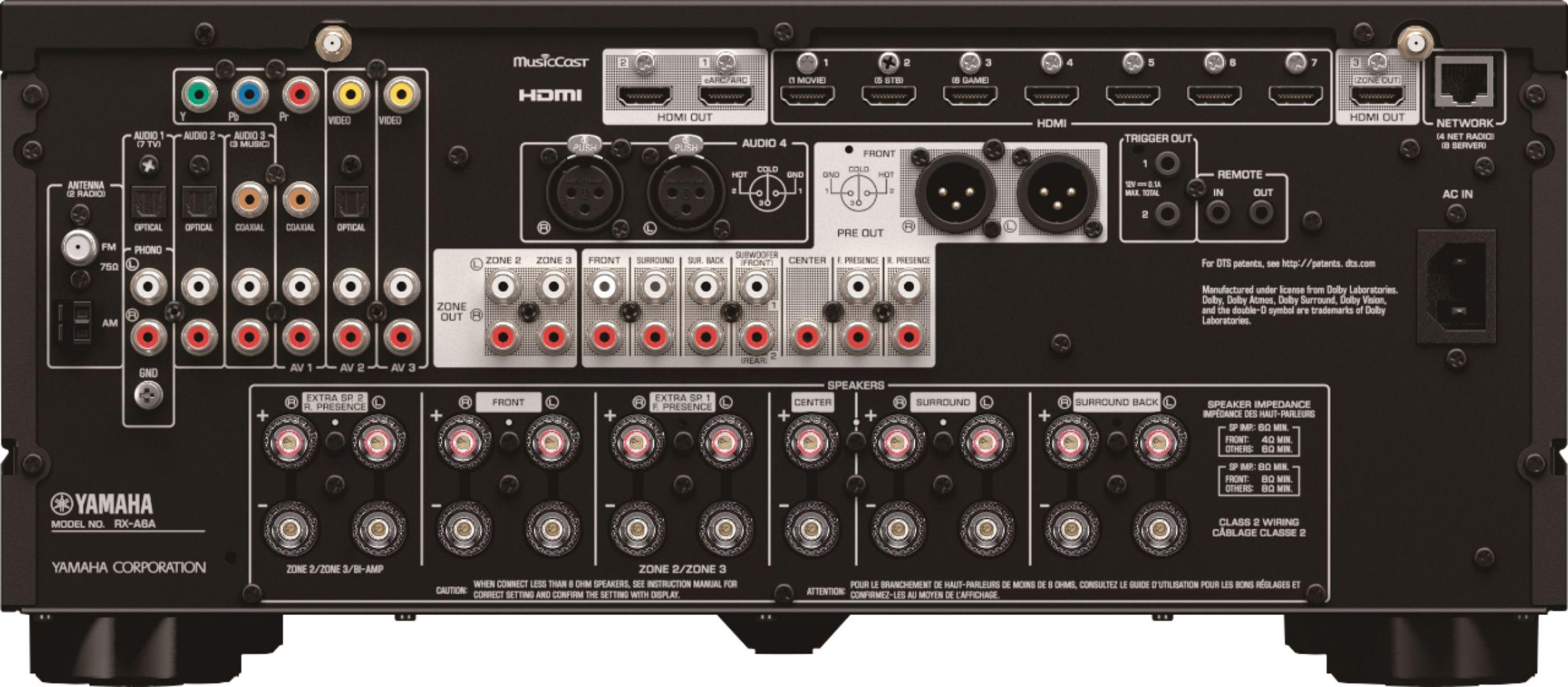
Both receivers handle modern video standards well, but with different approaches to connectivity. The Denon AVR-X2800H provides six HDMI inputs with three supporting the latest HDMI 2.1 standard—enough for most setups. The Yamaha RX-A6A goes further with seven inputs and three outputs, making it better suited for complex systems with multiple displays or recording setups.
For gaming, both receivers support the essential modern features: Auto Low Latency Mode (ALLM) reduces input lag when gaming, Variable Refresh Rate (VRR) eliminates screen tearing, and Quick Frame Transport (QFT) minimizes display lag. These features are crucial if you're serious about gaming on modern consoles like PlayStation 5 or Xbox Series X.
The 8K and 4K/120Hz support on both units provides excellent future-proofing. While 8K content remains rare at the time of writing, having this capability ensures your receiver won't become obsolete as content and display technology evolve.
HDR support is comprehensive on both, though the Denon includes HDR10+ out of the box while the Yamaha requires a firmware update. This isn't a major difference, but it illustrates Denon's focus on including cutting-edge features at launch.
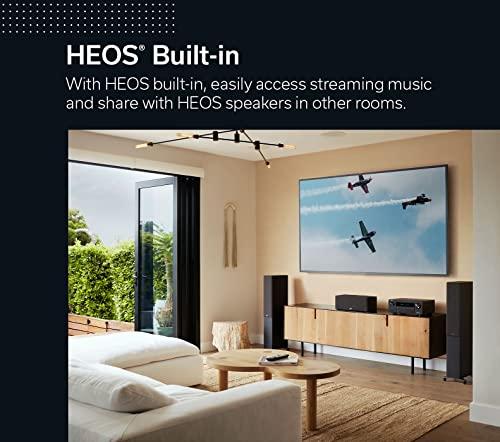
Multi-room audio capabilities highlight another key difference. The Yamaha RX-A6A supports three separate audio zones through its MusicCast system, letting you play different music in three different rooms simultaneously. The Denon AVR-X2800H handles two zones through its HEOS system.
Both systems work well for wireless streaming from phones, tablets, and computers, but MusicCast offers more flexibility for complex whole-home audio installations. If you're planning to expand beyond a single theater room, the Yamaha's additional zone support becomes valuable.
Voice control integration works seamlessly on both receivers through Amazon Alexa and Google Assistant. You can adjust volume, change inputs, and control playback without reaching for a remote—a feature that becomes surprisingly addictive once you start using it.
Wireless connectivity is solid on both units, with dual-band Wi-Fi and Bluetooth support. The Yamaha adds more professional features like DC triggers (which automatically turn connected equipment on and off) and more extensive control integration options—features that professional installers appreciate but most users won't miss.
At the time of writing, the price difference between these receivers is substantial—roughly double for the Yamaha RX-A6A compared to the Denon AVR-X2800H. Understanding what that premium buys you is crucial for making the right decision.
The Denon represents exceptional value for most buyers. It includes all the modern features you need: 8K video support, Dolby Atmos processing, room correction, streaming capabilities, and enough power for typical home theater setups. The build quality is solid, the interface is user-friendly, and Denon's reputation for reliability means it should serve you well for years.
The Yamaha premium pays for several key upgrades: significantly more power, two additional amplifier channels, superior build quality with premium components, enhanced multi-room capabilities, and the kind of meticulous engineering that audiophiles value. The ESS SABRE DAC alone costs more than many budget receivers.
But here's the crucial question: will you actually benefit from these premium features? If you have efficient speakers in a medium-sized room, the Denon's power will be perfectly adequate. If you're not planning complex multi-room installations, those extra zones won't matter. And if you're primarily watching streaming content rather than high-resolution audio files, the superior DAC provides minimal practical benefit.
Based on extensive research into user experiences and professional reviews, both receivers deliver on their promises but excel in different scenarios.
The Denon AVR-X2800H consistently receives praise for its engaging sound character and exceptional value. Users report that dialogue clarity is excellent, and the warm sound signature makes both movies and music enjoyable during casual listening. The room correction system, while perhaps not as sophisticated as more expensive options, does an effective job of optimizing sound for typical room layouts.
Where the Denon shows its limits is in very large rooms or with demanding speakers. Some users with inefficient speakers report that it can sound strained during intense movie scenes at high volumes. But for the majority of setups—medium rooms with reasonably efficient speakers—it performs admirably.
The Yamaha RX-A6A earns consistent praise for its authority and composure. Users report that it maintains clean, detailed sound even when pushed hard, and its precise sound reproduction makes it excellent for both critical music listening and movie watching. The additional power reserves mean it never sounds strained, even during the most demanding content.
However, some users find the Yamaha's neutral sound signature less immediately engaging than warmer alternatives. It requires higher-quality speakers to truly shine, as its accurate reproduction will reveal any weaknesses in your speaker system.
Choose the Denon AVR-X2800H if:
You have a typical living room or dedicated theater under 2,500 cubic feet. The receiver excels in these environments, providing plenty of clean power without the premium associated with excess capability. It's perfect for standard 5.1 or 7.1 surround setups and offers excellent value if you prioritize features over ultimate power.
Budget-conscious buyers will find the Denon hard to beat. It includes virtually all modern features at a price point that makes high-quality home theater accessible. The warm sound signature also makes it forgiving with lower-quality sources, which is valuable if you do a lot of streaming or watch broadcast TV.
Choose the Yamaha AVENTAGE RX-A6A if:
You're building a serious home theater system in a large room. The additional power and channels enable more sophisticated speaker configurations, and the premium components ensure the receiver won't become a bottleneck as you upgrade other components.
Audiophiles who prioritize accuracy and detail will appreciate the Yamaha's neutral sound signature and superior DAC. If you listen to high-resolution music files or want the most accurate reproduction possible, the premium is justified.
Complex installations also benefit from the Yamaha's additional features. The extra HDMI connections, multiple zones, and professional installation features make it suitable for sophisticated whole-home systems.
Both receivers succeed in their intended markets, but they serve different buyers with different priorities. The Denon AVR-X2800H democratizes advanced home theater features, bringing 8K support, Dolby Atmos processing, and solid amplification to a price point that most buyers can afford. It represents the sweet spot where features, performance, and value intersect.
The Yamaha AVENTAGE RX-A6A justifies its premium pricing through superior power delivery, additional flexibility, and audiophile-grade components. It's built for buyers who view their home theater as a long-term investment and want components that won't limit their system's potential.
For most buyers, the Denon provides better value—you get 90% of what the premium option offers at roughly half the price. But if you have the budget and the system to benefit from the Yamaha's capabilities, it delivers genuine performance advantages that justify the premium.
The key is honest self-assessment: consider your room size, speaker requirements, budget, and how seriously you take audio quality. Match these factors to each receiver's strengths, and the right choice becomes clear.
| Denon AVR-X2800H | Yamaha AVENTAGE RX-A6A |
|---|---|
| Power Output - Determines how loud and clear your speakers will sound in larger rooms | |
| 95W per channel (8Ω, sufficient for most setups) | 150W per channel (8Ω, excellent for demanding speakers) |
| Channel Configuration - Number of speakers you can connect | |
| 7.2 channels (handles most common home theater layouts) | 9.2 channels (supports complex Atmos and multi-room setups) |
| Sound Signature - How the receiver colors or presents audio | |
| Warm, engaging sound that's forgiving with streaming content | Neutral, precise reproduction preferred by audiophiles |
| Room Correction System - Automatically optimizes sound for your space | |
| Audyssey MultEQ XT with dynamic features for everyday use | YPAO with 3D measurement for precise acoustic correction |
| DAC Quality - Converts digital audio to analog for your speakers | |
| 192kHz/32-bit TI DACs (excellent for typical use) | 384kHz/32-bit ESS SABRE Ultra DAC (superior for hi-res audio) |
| HDMI Connectivity - Ports for connecting devices and displays | |
| 6 inputs/2 outputs (3 inputs support 8K/4K120Hz) | 7 inputs/3 outputs (all support latest video standards) |
| Multi-Room Audio - Play different music in separate rooms | |
| HEOS system supports 2 zones | MusicCast system supports 3 zones |
| Release Year - Indicates how current the technology is | |
| 2022 (latest Denon mid-range features) | 2021 (established premium AVENTAGE platform) |
| Build Quality - Component quality and long-term reliability | |
| Solid construction with efficient design | Premium components with audiophile-grade parts |
| Best For - Who should consider each receiver | |
| Budget-conscious buyers with medium rooms and standard setups | Large rooms, complex installations, and serious audiophiles |
The Denon AVR-X2800H is better for most home theaters because it offers excellent performance at a more accessible price point. It provides 7.2 channels with enough power for typical room sizes and includes all modern features like 8K support and Dolby Atmos. Unless you have a very large room or plan complex speaker configurations, the Denon AVR-X2800H delivers everything most users need.
The main difference is power and channel count. The Yamaha AVENTAGE RX-A6A delivers 150 watts per channel across 9.2 channels, while the Denon AVR-X2800H provides 95 watts per channel across 7.2 channels. The Yamaha RX-A6A is designed for larger rooms and more complex speaker setups, while the Denon targets standard home theater configurations.
Both receivers offer excellent sound quality but with different characteristics. The Yamaha AVENTAGE RX-A6A provides neutral, precise audio reproduction preferred by audiophiles, while the Denon AVR-X2800H offers a warmer, more engaging sound that's forgiving with various content types. Your preference depends on whether you prioritize accuracy or musicality.
Yes, both the Denon AVR-X2800H and Yamaha AVENTAGE RX-A6A support 8K video, 4K/120Hz gaming, Auto Low Latency Mode (ALLM), and Variable Refresh Rate (VRR). The Yamaha offers more HDMI inputs (7 vs 6), but both provide adequate connectivity for modern gaming consoles and streaming devices.
The Yamaha AVENTAGE RX-A6A is significantly better for large rooms due to its 150-watt power output per channel compared to the Denon's 95 watts. The extra power ensures clean, unstrained audio even at high volumes in spaces over 2,500 cubic feet. For medium-sized rooms, the Denon AVR-X2800H provides sufficient power.
Both receivers support multi-room audio, but the Yamaha AVENTAGE RX-A6A offers more flexibility with 3-zone MusicCast capability versus the Denon AVR-X2800H's 2-zone HEOS system. If you plan to distribute audio throughout multiple rooms in your home, the Yamaha provides better expansion options.
The Denon AVR-X2800H offers better value for most buyers, providing essential modern features at a more accessible price point. While the Yamaha AVENTAGE RX-A6A delivers premium performance, the Denon includes 90% of what most users need at roughly half the cost, making it the better value choice for typical home theaters.
The Denon AVR-X2800H uses Audyssey MultEQ XT with practical features like Dynamic Volume and nighttime modes, while the Yamaha AVENTAGE RX-A6A employs YPAO (Yamaha Parametric Acoustic Optimizer) with 3D measurement capabilities. Both systems effectively optimize sound for your room, with the Yamaha offering more precise correction.
For critical music listening, the Yamaha AVENTAGE RX-A6A excels with its neutral sound signature and superior 384kHz/32-bit DAC that accurately reproduces high-resolution audio files. For casual music enjoyment, the Denon AVR-X2800H's warmer sound character makes streaming music and various sources more engaging and pleasant.
Yes, both the Denon AVR-X2800H and Yamaha AVENTAGE RX-A6A fully support Dolby Atmos and DTS:X surround sound formats. The Yamaha can handle more complex Atmos configurations due to its 9.2 channels, while the Denon supports standard Atmos setups that work perfectly for most home theaters.
The Yamaha AVENTAGE RX-A6A features superior build quality with premium components, including an ESS SABRE Ultra DAC and robust power supply designed for audiophile applications. The Denon AVR-X2800H offers solid construction suitable for reliable long-term use, but the Yamaha uses higher-grade components throughout.
For your first home theater, the Denon AVR-X2800H is the better choice because it provides all essential features at a more approachable price point, has a user-friendly interface, and offers a warmer sound that's forgiving with various content sources. You can always upgrade later, but the Denon will serve most users excellently for years.
We've done our best to create useful and informative comparisons to help you decide what product to buy. Our research uses advanced automated methods to create this comparison and perfection is not possible - please contact us for corrections or questions. These are the sites we've researched in the creation of this article: theaudiotailor.com.au - ecoustics.com - simplehomecinema.com - whathifi.com - audioadvisor.com - youtube.com - bestbuy.com - e-catalog.com - crutchfield.com - avsforum.com - crutchfield.com - whathifi.com - richersounds.com - bestbuy.com - accessories4less.com - projectorscreen.com - adiglobaldistribution.us - youtube.com - bestbuy.com - bestbuy.com - sweetwater.com - soundandvision.com - new-age-electronics.com - klarna.com - crutchfield.com - whathifi.com - us.puretheatre.com - listeningpost.co.nz - bestbuy.com - audioholics.com - usa.yamaha.com - shop.usa.yamaha.com

Privacy Policy
Terms and Conditions - Affiliate Policy
Home Security
© Copyright 2008-2026.
11816 Inwood Rd #1211, Dallas, TX 75244