


When you're building a home theater system, the AV receiver acts as your command center—it's the brain that processes audio and video signals, amplifies sound to your speakers, and connects all your devices together. Think of it as the conductor of your entertainment orchestra, coordinating everything from your streaming device to your subwoofer.
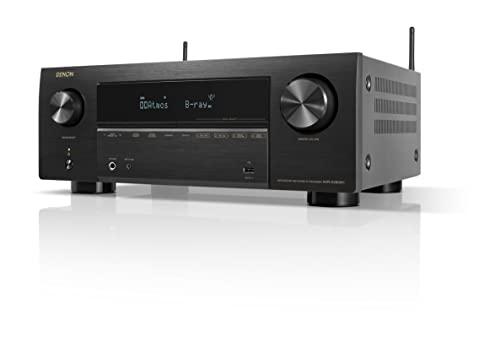
The receiver market spans from budget-friendly options under $300 to flagship models costing thousands. Today we're comparing two receivers that represent different philosophies: the Pioneer VSX-534, an entry-level 5.2 channel unit that prioritizes audio quality and value, versus the Denon AVR-X2800H, a mid-tier 7.2 channel powerhouse loaded with future-proofing features.
Before diving into specifics, let's establish what really matters when choosing a receiver. The channel count tells you how many speakers you can connect—a 5.2 system supports five main speakers plus two subwoofers, while 7.2 adds two more speakers for enhanced surround sound. Power output determines how loud your system can go and which speakers it can drive effectively.
Video processing capabilities have become increasingly important, especially with gaming consoles now outputting 4K at 120Hz. Features like Variable Refresh Rate (VRR) eliminate screen tearing, while Auto Low Latency Mode (ALLM) reduces input lag for competitive gaming. These weren't considerations five years ago, but they're essential today.
Room correction technology uses microphones to measure your space's acoustics and adjusts the sound accordingly. Without it, your expensive speakers might sound mediocre due to room reflections and standing waves—acoustic phenomena that can muddy dialogue or create boomy bass.
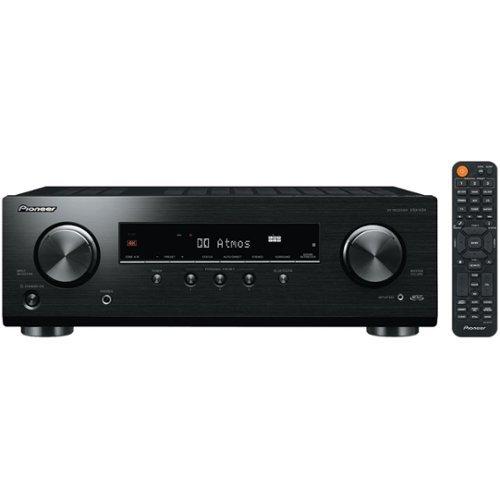
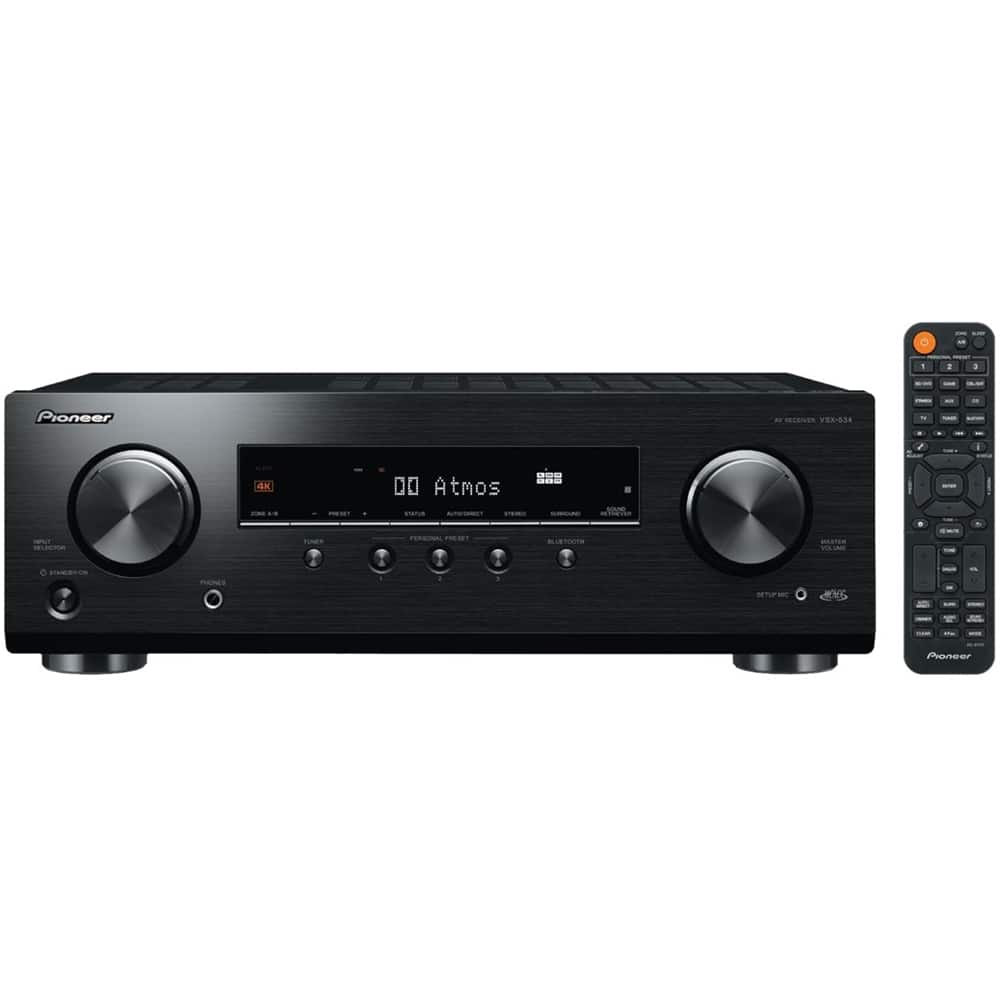
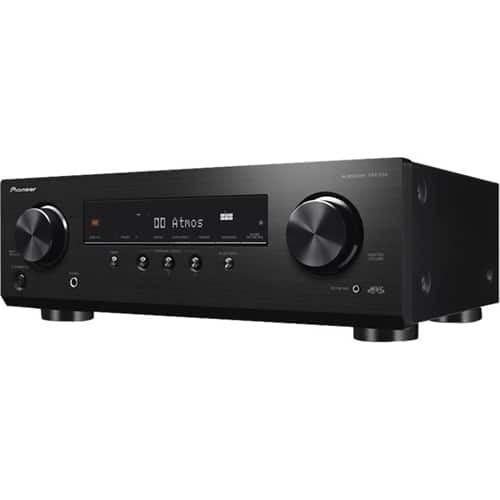
The Pioneer VSX-534 launched in 2019 as Pioneer's entry-level offering, designed when 4K was still becoming mainstream and before gaming's shift to 120Hz displays. At the time of writing, it represents exceptional value in the sub-$400 category, focusing on solid audio performance without unnecessary frills.
The Denon AVR-X2800H arrived in late 2022, reflecting three years of technological advancement. Priced in the $800+ range at the time of writing, it targets users who want current-generation features and future compatibility. This timing difference is crucial—the Denon incorporates lessons learned from the streaming boom and gaming revolution that occurred after the Pioneer's release.
Here's where things get interesting. The Pioneer VSX-534 delivers 135 watts per channel into 6 ohms across five channels, using Pioneer's Direct Energy amplification design. This approach prioritizes clean, efficient power delivery with wide frequency response—particularly beneficial for high-resolution audio formats like FLAC or DSD files.
The Denon AVR-X2800H provides 95 watts per channel into 8 ohms across seven channels using Class AB discrete amplification. While the per-channel power seems lower, the 8-ohm rating is more conservative—most speakers today are 6 or 4 ohms, where this receiver actually delivers more power. More importantly, those two extra channels enable significantly more immersive audio configurations.
Based on our research into user experiences, the Pioneer excels at driving bookshelf speakers and smaller tower speakers in medium-sized rooms. Its amplification character leans slightly warm with good midrange clarity—perfect for dialogue-heavy content and music listening. The Denon demonstrates more authority with demanding speakers and larger rooms, partly due to its robust power supply design that maintains performance when driving multiple channels simultaneously.
Both receivers support modern immersive audio formats like Dolby Atmos and DTS:X, which create three-dimensional soundscapes by precisely placing sounds in space around you. However, their room correction systems take different approaches.
The Pioneer VSX-534 uses MCACC (Multi-Channel Acoustic Calibration), which offers extensive manual adjustment options after automated measurement. You can fine-tune speaker distances, levels, and crossover frequencies with surgical precision. This appeals to audio enthusiasts who enjoy tweaking settings, but it can overwhelm newcomers with its complexity.
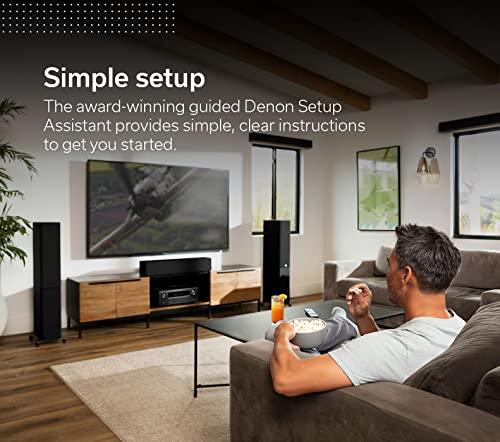
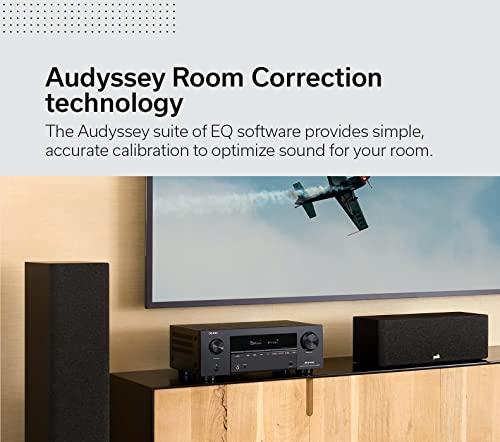
The Denon AVR-X2800H employs Audyssey MultEQ XT, which emphasizes simplicity and automation. After measuring your room with the included microphone, it automatically applies corrections that work well for most situations. While less customizable than MCACC, Audyssey typically delivers better results for casual users who want great sound without extensive setup.
Regarding DAC (Digital-to-Analog Converter) specifications, the Pioneer features a 32-bit/384kHz AKM chip, while the Denon uses 32-bit/192kHz Texas Instruments DACs on all channels. In practical terms, both exceed what you'll encounter in real content—most high-resolution music tops out at 192kHz/24-bit anyway. The Denon's advantage lies in having dedicated DACs for each channel, ensuring perfect channel matching and eliminating potential crosstalk.
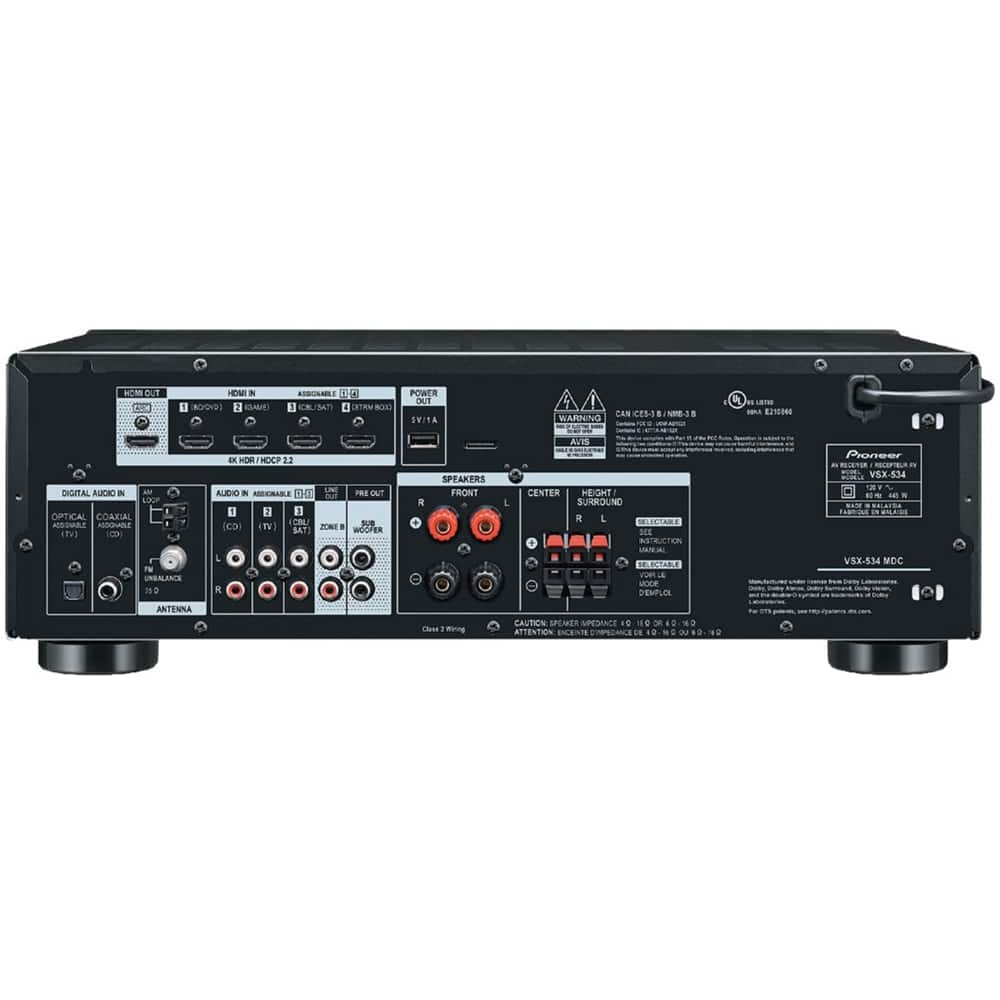
This is where the three-year technology gap becomes most apparent. The Pioneer VSX-534 handles 4K/60Hz video with HDR10, HLG, and Dolby Vision support—perfectly adequate for most current content including Netflix 4K and Ultra HD Blu-rays. It features four HDMI inputs using the HDMI 2.0 standard, which was cutting-edge when it launched.
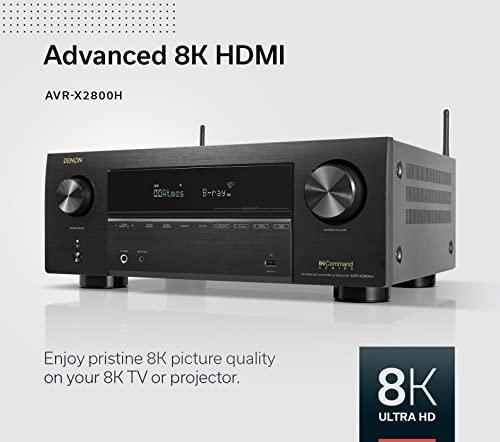
The Denon AVR-X2800H leaps forward with 8K/60Hz and 4K/120Hz capabilities across three of its six HDMI inputs, utilizing the newer HDMI 2.1 standard. This matters significantly for PlayStation 5 and Xbox Series X owners, as these consoles can output 4K at 120Hz in supported games, creating smoother motion and reduced input lag.
Gaming features tell the real story here. The Denon supports Variable Refresh Rate (VRR), which synchronizes your display's refresh rate with the game's frame rate to eliminate screen tearing. Auto Low Latency Mode (ALLM) automatically switches your TV to game mode when it detects gaming content. Quick Frame Transport (QFT) reduces processing delays for more responsive gameplay.
Based on consensus from gaming-focused reviews, these features make a noticeable difference in competitive gaming scenarios. The Pioneer remains perfectly capable for casual gaming and movie watching, but serious gamers will appreciate the Denon's advanced capabilities.
The Pioneer VSX-534 takes a traditional approach to connectivity, offering Bluetooth 4.2 for wireless audio streaming but lacking Wi-Fi capabilities. This means you'll need external devices like Apple TV, Roku, or gaming consoles for streaming services. Some users actually prefer this approach—it keeps the receiver focused on audio processing while relegating streaming to dedicated, frequently-updated devices.
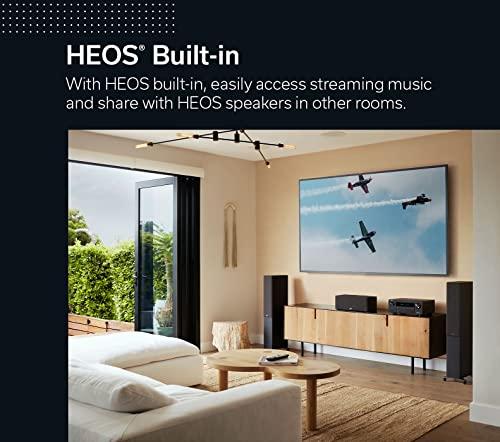
The Denon AVR-X2800H embraces the modern smart home ecosystem with built-in HEOS multiroom streaming, Wi-Fi connectivity, and voice assistant support for Alexa, Google Assistant, and Siri. You can stream directly from services like Spotify, Tidal, and Deezer without additional hardware. AirPlay 2 support allows seamless integration with Apple devices.
From our research into user feedback, the streaming convenience factor varies significantly by household. Tech-savvy users often prefer the Pioneer's simplicity, while families with mixed device ecosystems gravitate toward the Denon's integrated approach.
This difference fundamentally shapes what each receiver can accomplish. The Pioneer VSX-534 supports traditional 5.1 surround sound (five speakers plus one subwoofer) or 5.0.2 configurations for Dolby Atmos with two height speakers. This covers most home theater needs effectively, creating immersive surround sound that dramatically improves movie watching over stereo systems.
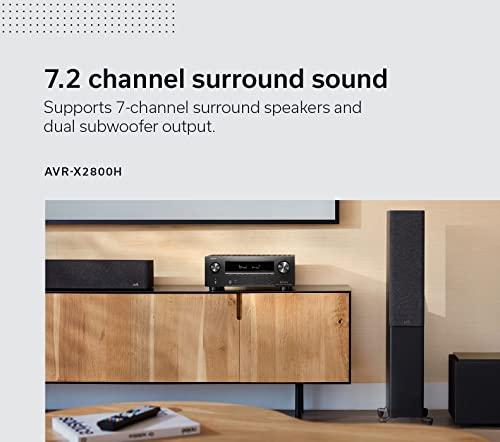
The Denon AVR-X2800H's two additional channels unlock more ambitious configurations: 7.1 surround sound with dedicated rear speakers, 5.1.2 Atmos with both height and surround speakers, or even bi-amping your front speakers for improved dynamics. Bi-amping uses two amplifier channels per speaker, potentially improving control and reducing distortion, though the benefits depend on your speakers' design.
Based on room acoustics research, the jump from 5.1 to 7.1 provides noticeable improvements in larger rooms (over 15x12 feet), where rear speakers can create more convincing surround effects. In smaller spaces, the Pioneer's 5.1 configuration often delivers equally satisfying results at lower cost and complexity.
At the time of writing, the Pioneer VSX-534 offers remarkable value in the sub-$400 category. You get solid amplification, advanced audio processing, 4K HDR support, and excellent build quality from a respected manufacturer. For users building their first serious home theater or upgrading from a soundbar, it delivers transformative improvements in audio quality without overwhelming complexity.
The Denon AVR-X2800H, priced around $800+ at the time of writing, costs roughly double but provides significantly more capability. Those extra dollars buy future-proofing through 8K support, gaming-optimized features, expanded surround sound options, and comprehensive smart connectivity. For users planning to keep their receiver for five or more years, this investment makes financial sense.
The price gap reflects more than just feature differences—it represents different product philosophies. The Pioneer maximizes audio quality per dollar, while the Denon emphasizes versatility and longevity.
Choose the Pioneer VSX-534 if you prioritize audio quality over connectivity features. It excels in smaller to medium-sized rooms where its 135-watt amplification provides ample power for most bookshelf and tower speakers. This receiver appeals to users who prefer dedicated streaming devices and want straightforward operation without smart home integration complexity.
The Pioneer also suits audio enthusiasts who enjoy fine-tuning their system's sound through MCACC's extensive adjustment options. If you primarily watch movies and listen to music rather than gaming extensively, its 4K/60Hz capabilities remain perfectly adequate for years to come.
Select the Denon AVR-X2800H if future-proofing and flexibility matter more than immediate cost savings. Gaming enthusiasts with current-generation consoles will particularly appreciate its 4K/120Hz capabilities and advanced gaming features. The receiver's seven-channel configuration enables more sophisticated surround sound as your system grows.
The Denon makes most sense for users who want integrated streaming, voice control, and multiroom audio capabilities built-in rather than relying on external devices. Its Audyssey room correction system delivers excellent results with minimal user intervention, making it ideal for less technically-inclined users who want great sound without extensive tweaking.
Both receivers represent excellent value in their respective categories, but they serve different needs and budgets. The Pioneer VSX-534 proves that entry-level doesn't mean compromised—it delivers genuinely impressive audio performance with solid 4K video capabilities at an accessible price point. For users focused on audio quality and traditional home theater needs, it provides outstanding bang for the buck.
The Denon AVR-X2800H justifies its higher cost through comprehensive modern features, superior gaming capabilities, and future-compatibility that extends its useful life. While it costs significantly more upfront, users who value convenience, advanced features, and long-term relevance will find it delivers excellent value over time.
Your choice should align with your specific needs, room size, and upgrade timeline. If you're building a system to last through the next technology transition, the Denon's investment pays dividends. For immediate satisfaction with traditional home theater content, the Pioneer delivers exceptional performance that will satisfy most users for years to come.
| Denon AVR-X2800H | Pioneer VSX-534 |
|---|---|
| Channel Configuration - Determines speaker layout possibilities | |
| 7.2 channels (enables 7.1 surround or 5.1.2 Atmos) | 5.2 channels (limited to 5.1 surround or 5.0.2 Atmos) |
| Power Output - Affects volume levels and speaker compatibility | |
| 95W per channel (8 ohms, conservative rating) | 135W per channel (6 ohms, higher per-channel power) |
| Video Processing - Critical for gaming and future-proofing | |
| 8K/60Hz, 4K/120Hz with HDMI 2.1 gaming features | 4K/60Hz only, no advanced gaming features |
| HDMI Connectivity - Determines device connection options | |
| 6 inputs (3 HDMI 2.1), 2 outputs with eARC | 4 inputs (HDMI 2.0), 1 output with ARC |
| Room Correction - Optimizes sound for your specific space | |
| Audyssey MultEQ XT (automated, user-friendly) | MCACC (highly customizable, more complex setup) |
| Smart Features - Built-in streaming and connectivity | |
| HEOS multiroom, Wi-Fi, voice assistants, streaming services | Bluetooth only, requires external streaming devices |
| DAC Quality - Affects audio fidelity from digital sources | |
| 32-bit/192kHz TI DACs on all channels | 32-bit/384kHz AKM DAC (higher spec, shared across channels) |
| Gaming Capabilities - Important for console owners | |
| VRR, ALLM, QFT for PS5/Xbox Series X optimization | Basic HDMI passthrough, no gaming enhancements |
| Release Year - Indicates technology generation | |
| 2022 (current-gen features and future-proofing) | 2019 (proven technology, limited modern features) |
| Best For - Target user and use cases | |
| Future-focused users wanting 7+ channels and gaming features | Budget-conscious users prioritizing audio quality over connectivity |
The primary difference is channel configuration and feature level. The Denon AVR-X2800H is a 7.2 channel mid-tier receiver with 8K video support and advanced gaming features, while the Pioneer VSX-534 is a 5.2 channel entry-level receiver focused on core home theater functionality at a lower price point.
The Denon AVR-X2800H is significantly better for gaming, especially with PlayStation 5 or Xbox Series X. It supports 4K/120Hz passthrough, Variable Refresh Rate (VRR), Auto Low Latency Mode (ALLM), and other HDMI 2.1 gaming features. The Pioneer VSX-534 lacks these advanced gaming capabilities and is limited to 4K/60Hz.
The Pioneer VSX-534 supports up to 5.2 configurations (5 speakers plus 2 subwoofers), allowing for 5.1 surround sound or 5.0.2 Dolby Atmos setups. The Denon AVR-X2800H supports 7.2 configurations, enabling 7.1 surround sound, 5.1.2 Atmos, or other advanced speaker arrangements.
Both offer excellent room correction with different approaches. The Denon AVR-X2800H uses Audyssey MultEQ XT, which is more automated and user-friendly. The Pioneer VSX-534 features MCACC room correction, which provides more detailed manual adjustment options but requires more technical knowledge to optimize.
No, only the Denon AVR-X2800H supports 8K/60Hz video passthrough and upscaling. The Pioneer VSX-534 is limited to 4K/60Hz video processing, which is adequate for current content but less future-proof.
The Denon AVR-X2800H offers superior streaming capabilities with built-in HEOS multiroom, Wi-Fi, and direct access to services like Spotify and Tidal. The Pioneer VSX-534 only provides Bluetooth connectivity, requiring external devices for streaming services.
The Pioneer VSX-534 delivers 135 watts per channel across 5 channels, while the Denon AVR-X2800H provides 95 watts per channel across 7 channels. The Pioneer offers more power per channel, but the Denon supports more speakers overall.
For small to medium rooms, the Pioneer VSX-534 often provides excellent performance with its higher per-channel power output and 5.1 configuration. However, the Denon AVR-X2800H offers more flexibility and future-proofing if you plan to expand your system later.
Yes, both the Denon AVR-X2800H and Pioneer VSX-534 support Dolby Atmos and DTS:X immersive audio formats. The Denon can handle more complex Atmos configurations due to its additional channels, while the Pioneer is limited to simpler Atmos setups.
Value depends on your needs. The Pioneer VSX-534 offers exceptional value for basic home theater setups with strong audio performance at an entry-level price. The Denon AVR-X2800H provides better long-term value for users wanting advanced features, gaming capabilities, and future-proofing.
The Denon AVR-X2800H features 6 HDMI inputs (3 supporting HDMI 2.1) and 2 outputs, providing more connectivity options. The Pioneer VSX-534 offers 4 HDMI inputs and 1 output, using older HDMI 2.0 standards but sufficient for most basic setups.
The Denon AVR-X2800H is clearly better for future-proofing with its 8K support, HDMI 2.1 features, and modern smart connectivity. Released in 2022, it incorporates current-generation technology. The Pioneer VSX-534, from 2019, focuses on proven technology but lacks modern gaming and video features.
We've done our best to create useful and informative comparisons to help you decide what product to buy. Our research uses advanced automated methods to create this comparison and perfection is not possible - please contact us for corrections or questions. These are the sites we've researched in the creation of this article: theaudiotailor.com.au - ecoustics.com - simplehomecinema.com - whathifi.com - audioadvisor.com - youtube.com - bestbuy.com - e-catalog.com - crutchfield.com - avsforum.com - crutchfield.com - whathifi.com - richersounds.com - bestbuy.com - accessories4less.com - projectorscreen.com - adiglobaldistribution.us - youtube.com - bestbuy.com - bestbuy.com - sweetwater.com - crutchfield.com - stereonet.com - walmart.com - audiolab.com - hifiheaven.net - assets.pioneerhomeusa.com - manua.ls - pioneerav.ca - pioneer-shop.gr - justanswer.co.uk

Privacy Policy
Terms and Conditions - Affiliate Policy
Home Security
© Copyright 2008-2026.
11816 Inwood Rd #1211, Dallas, TX 75244