

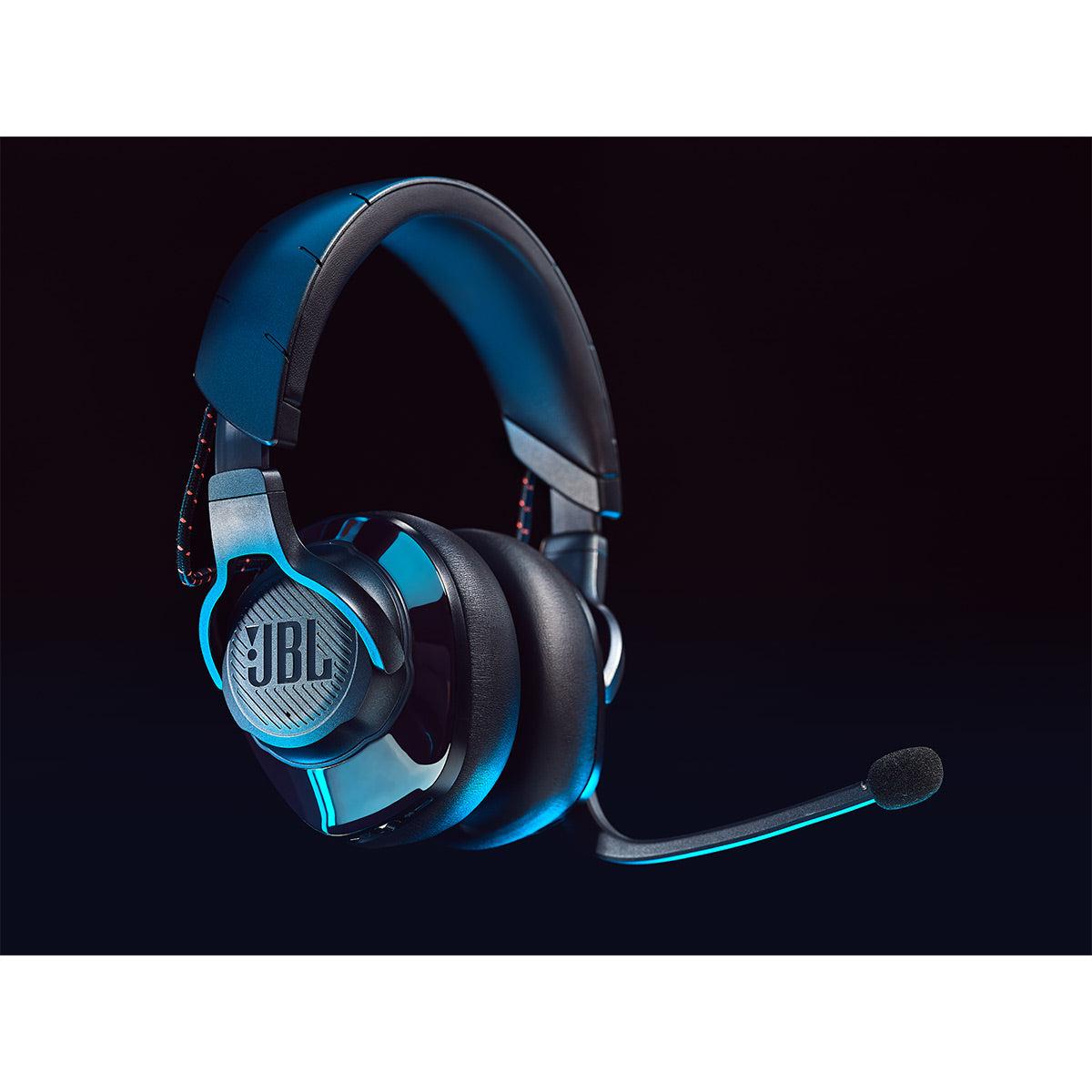
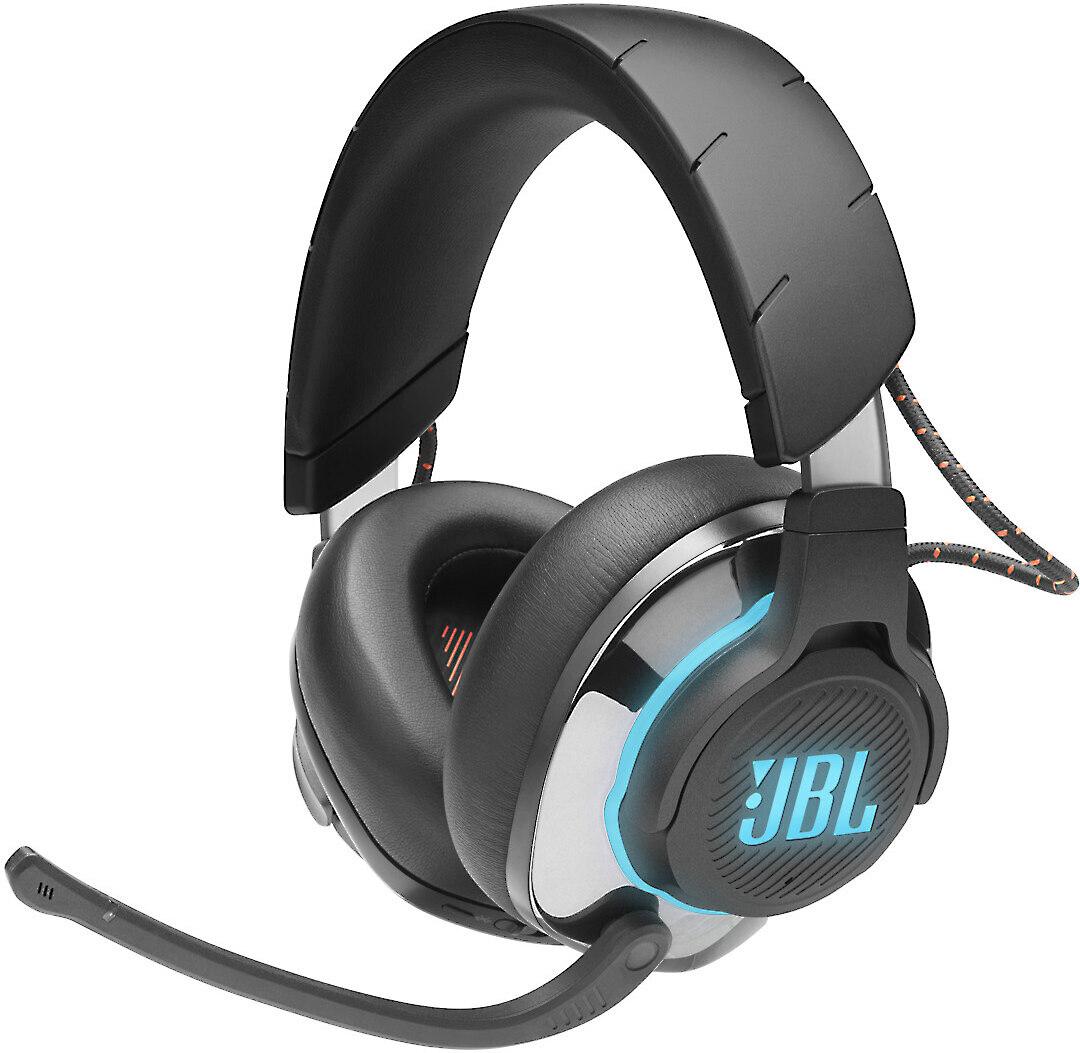
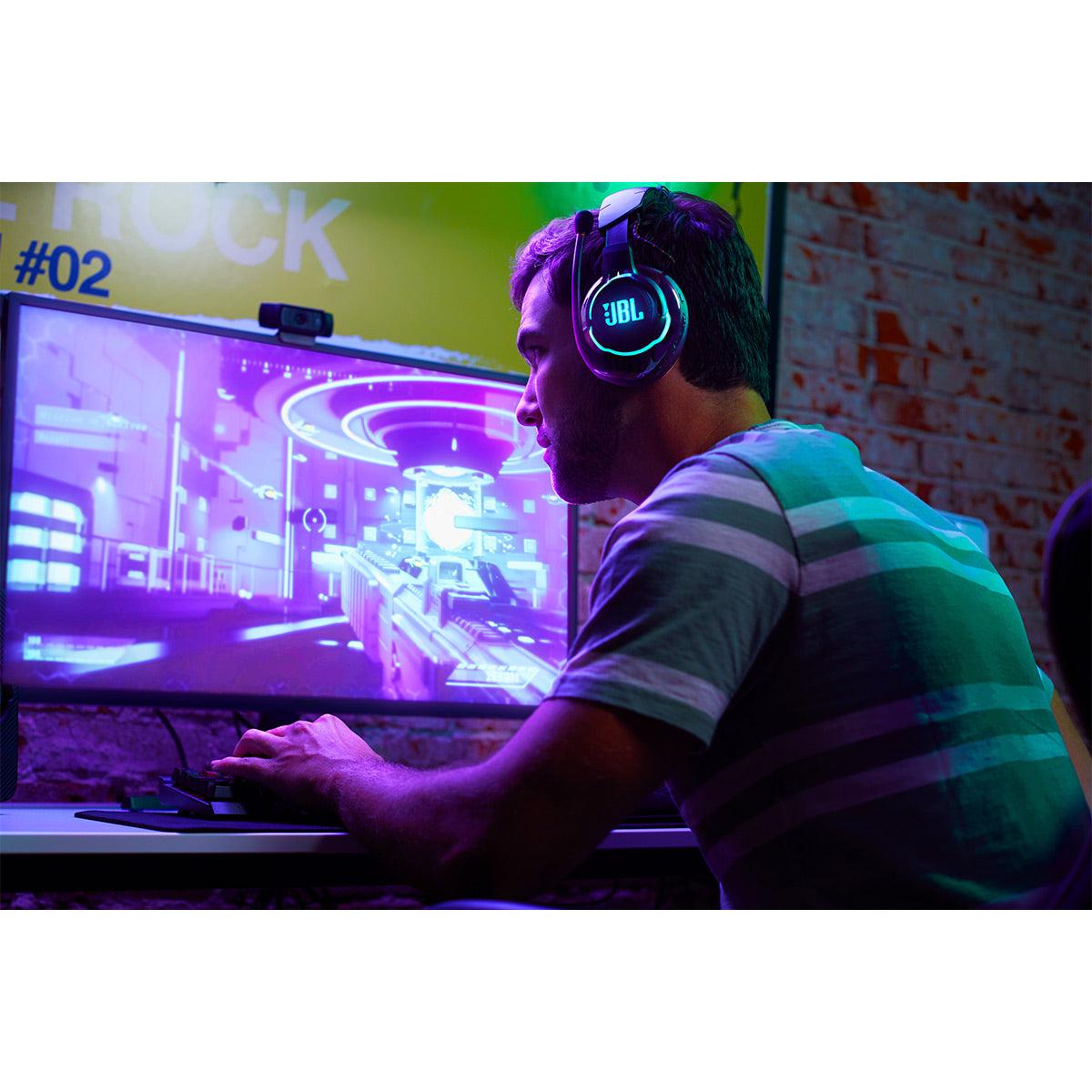
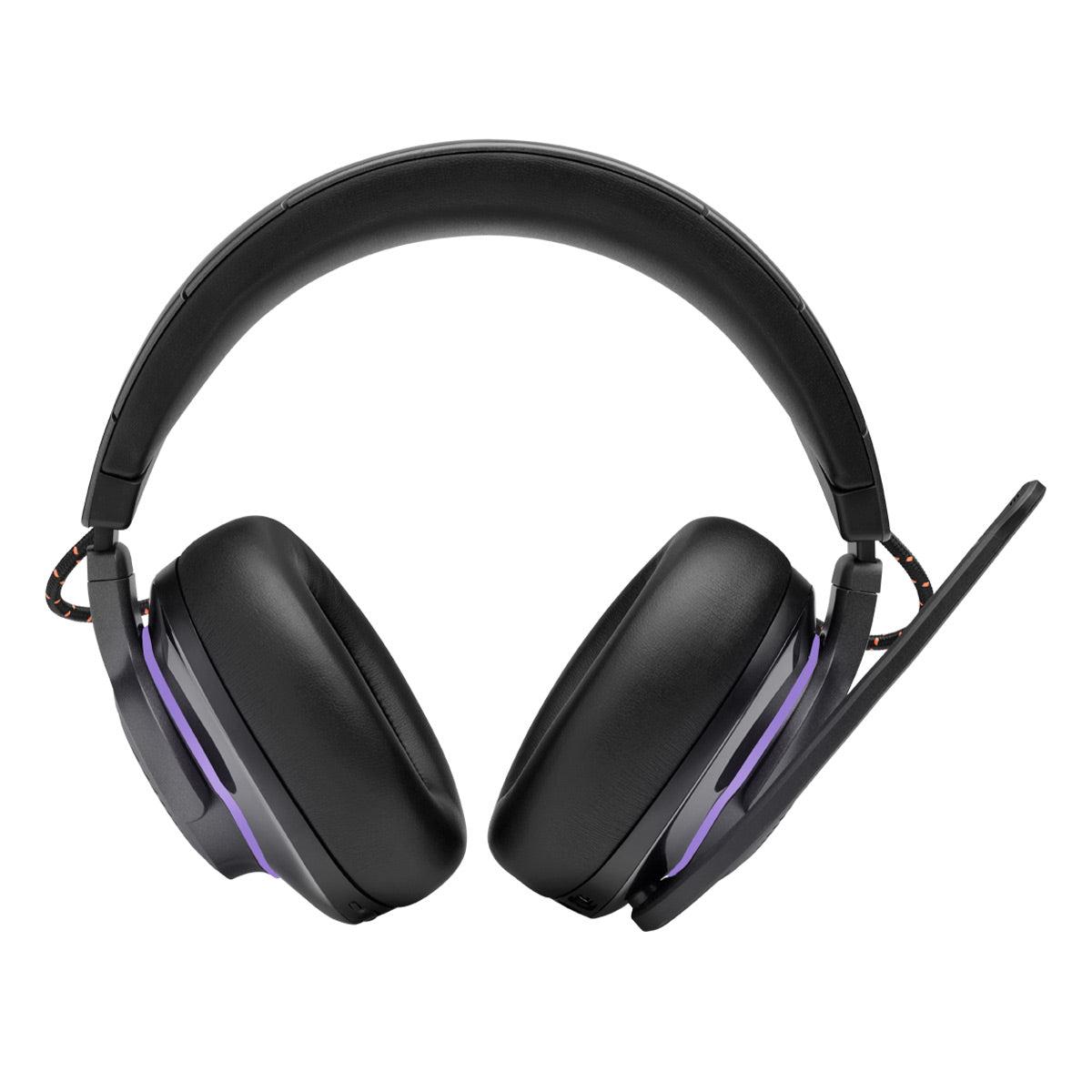
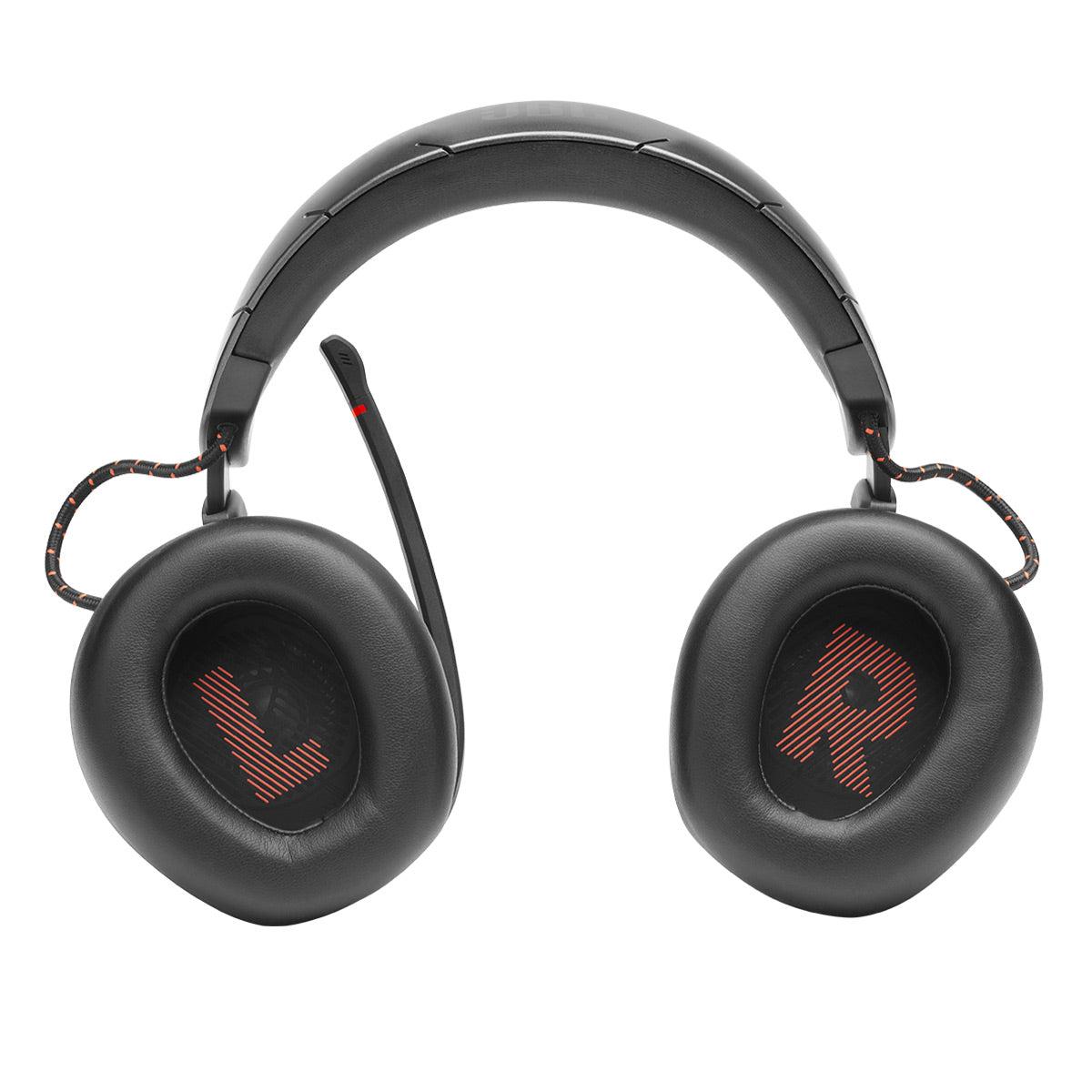
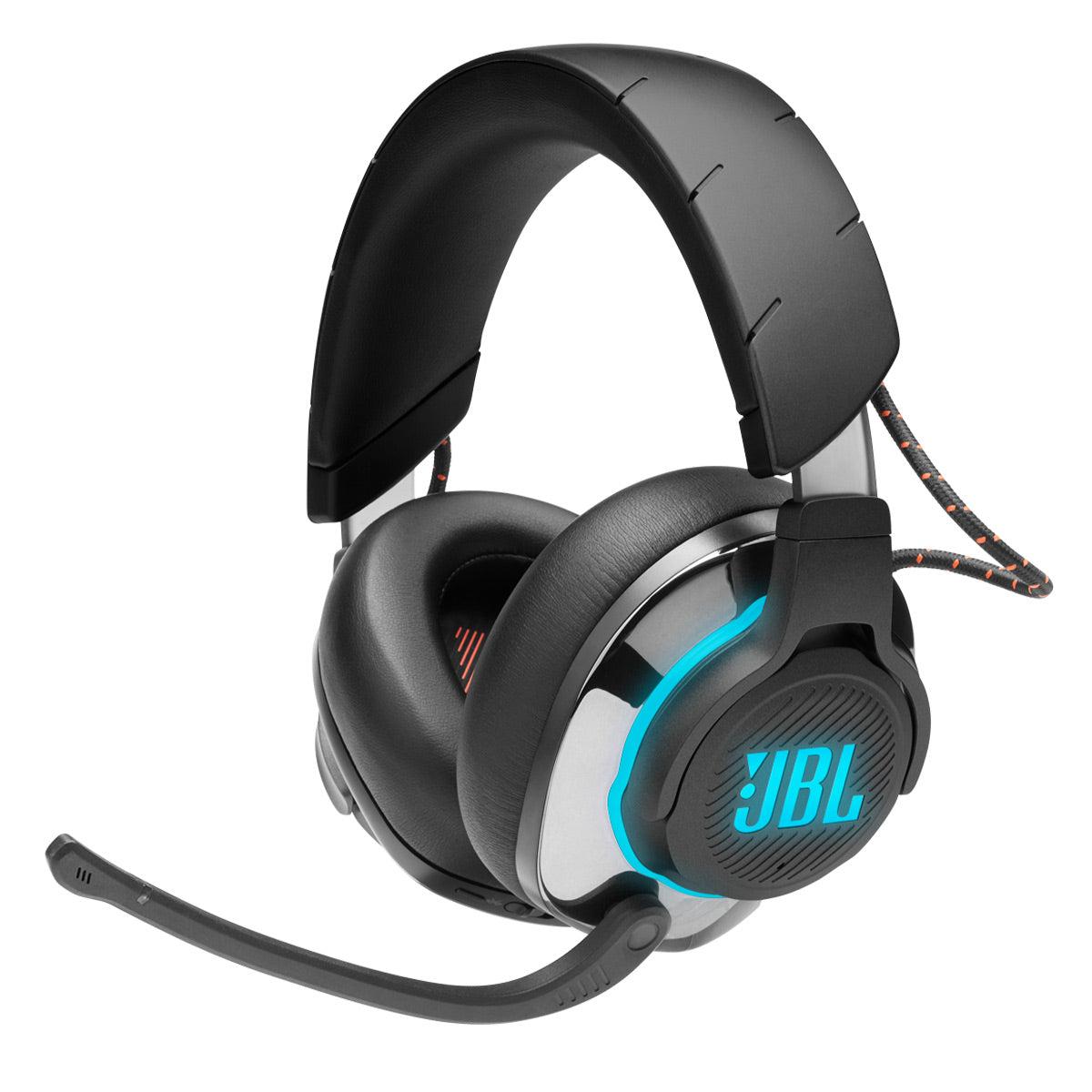
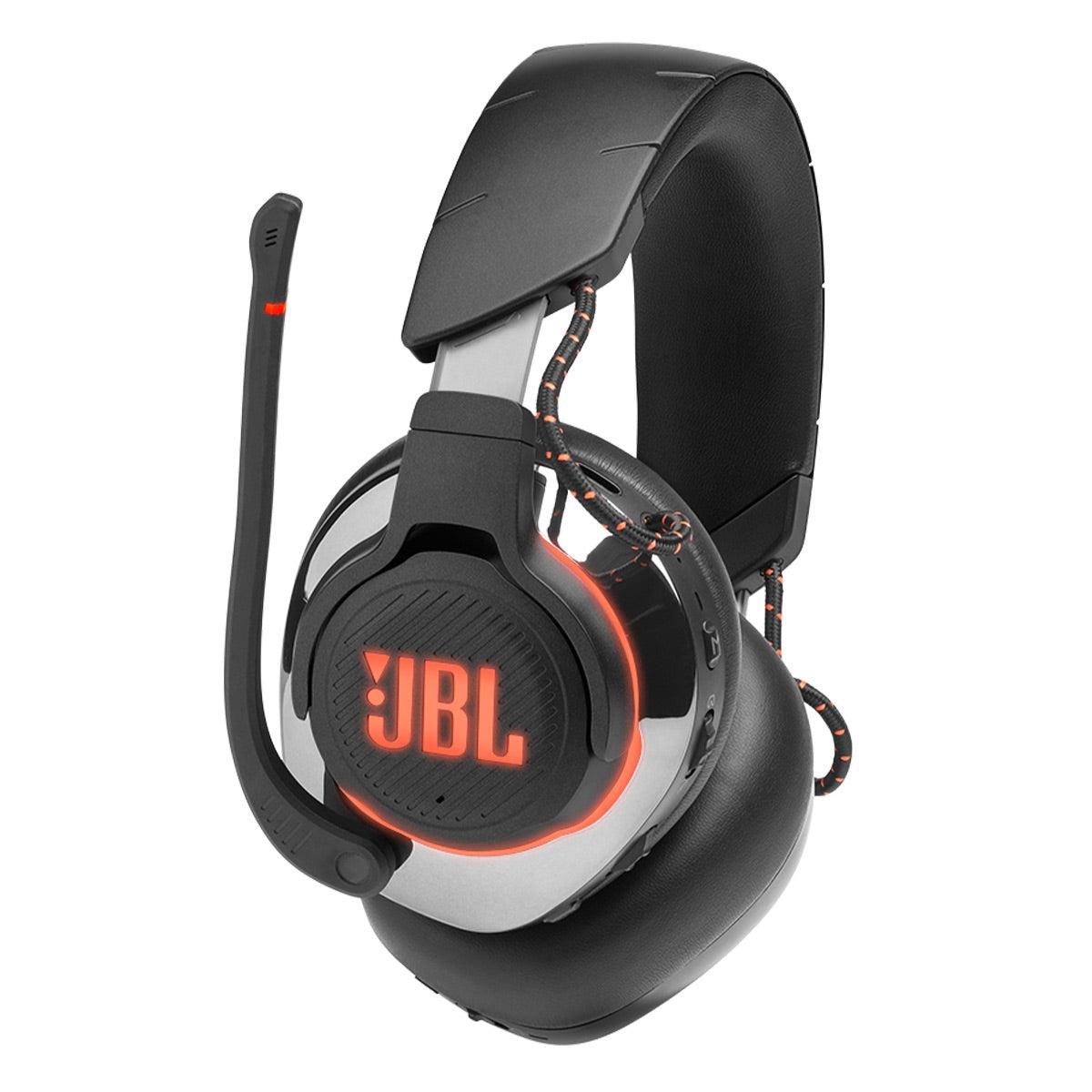
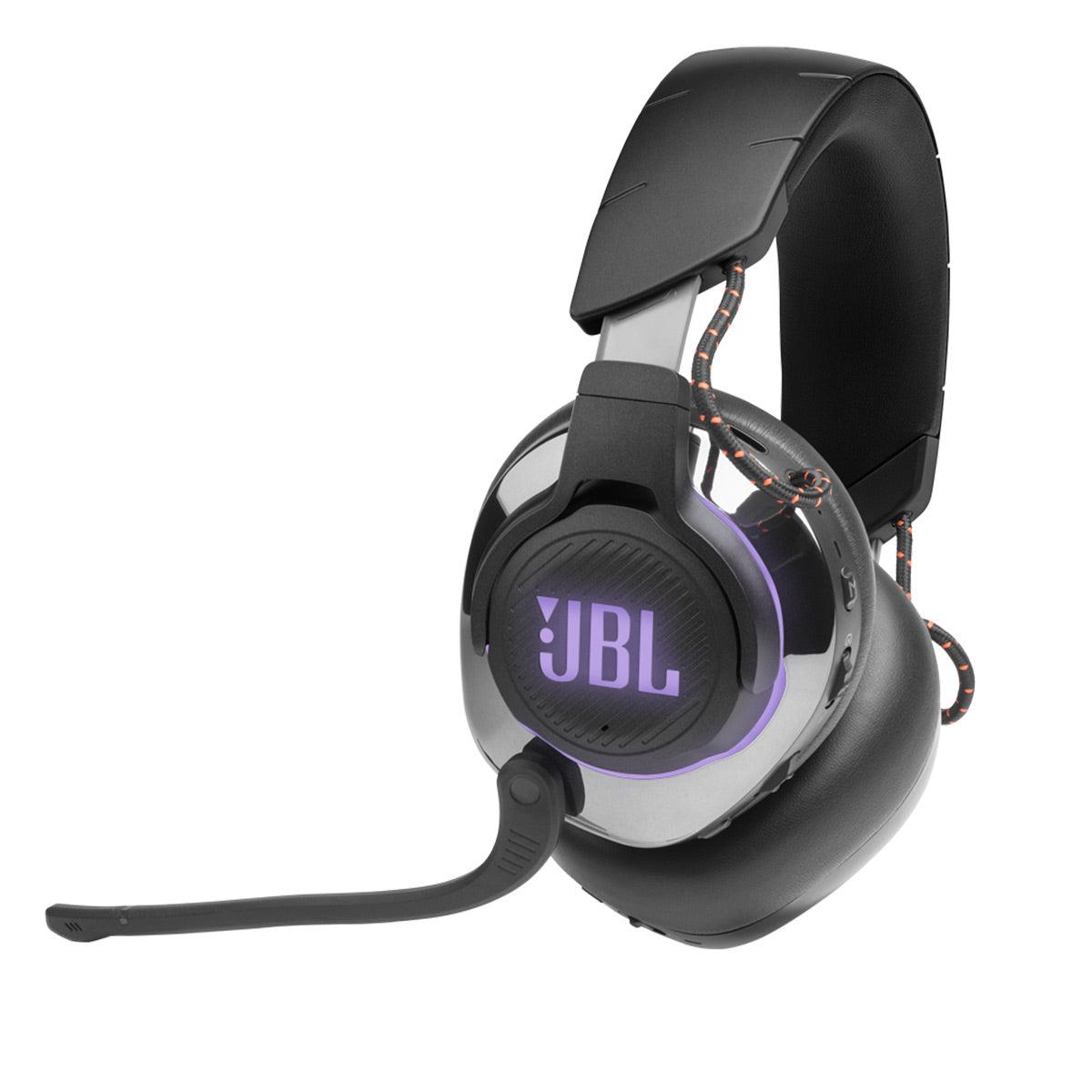
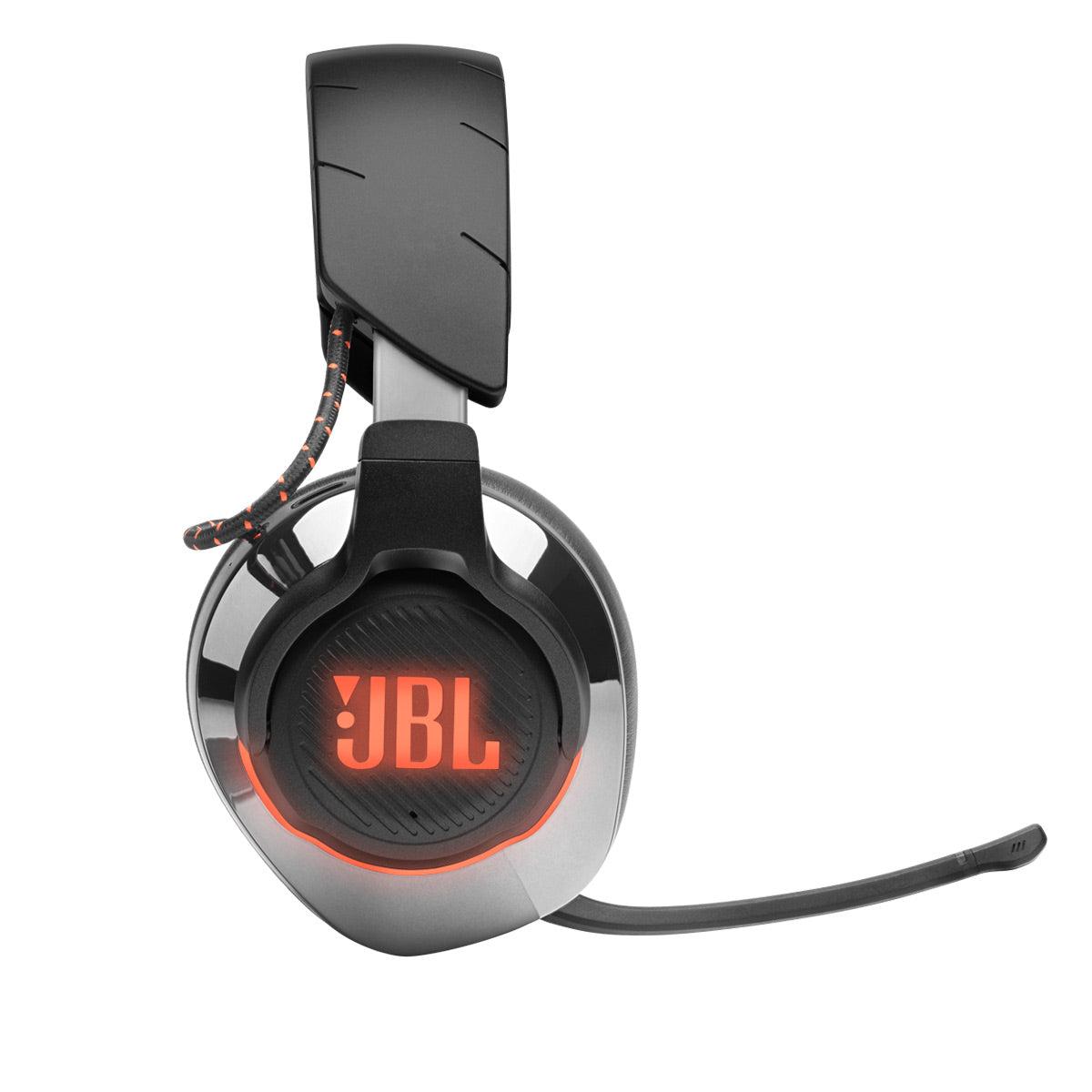
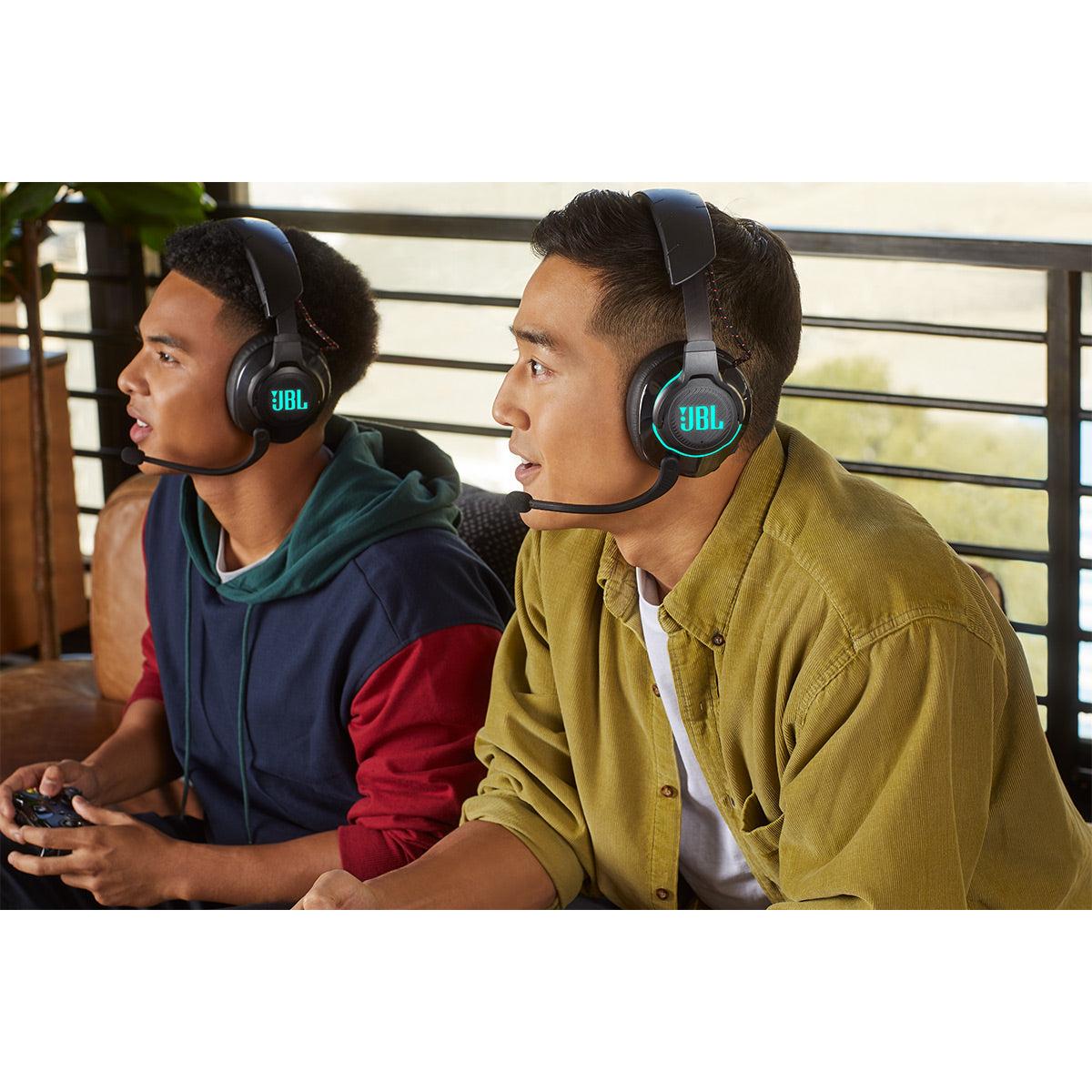
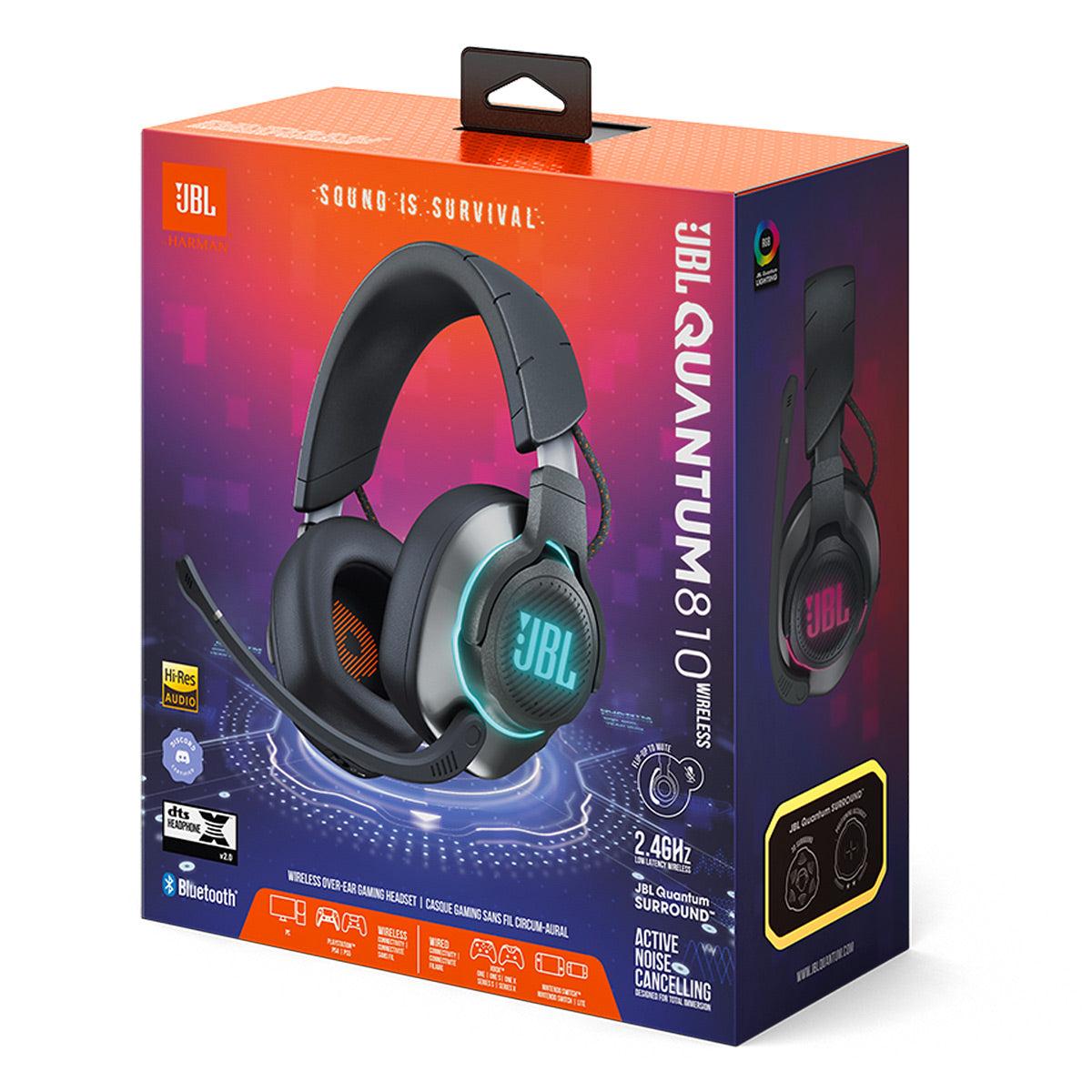
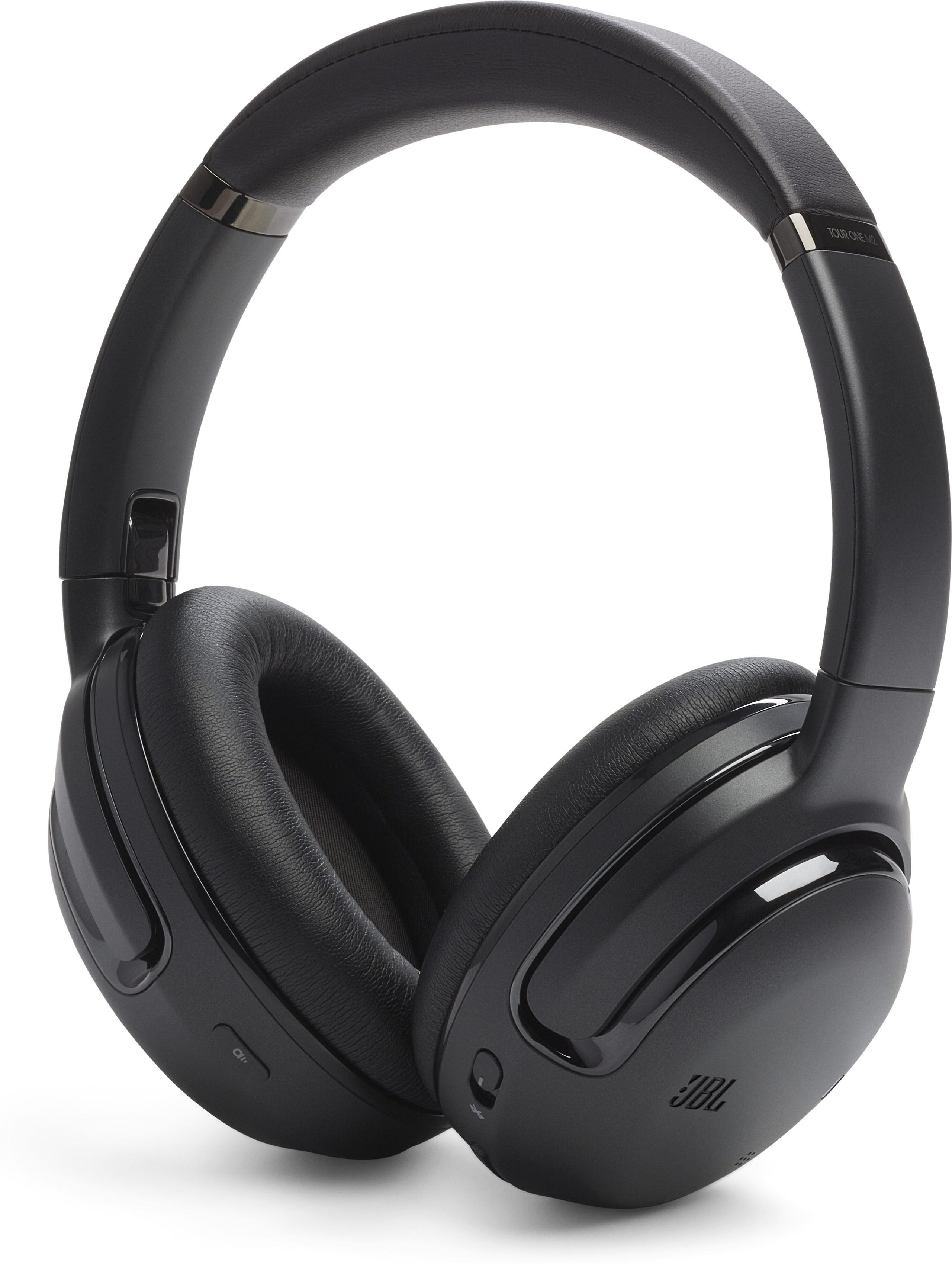
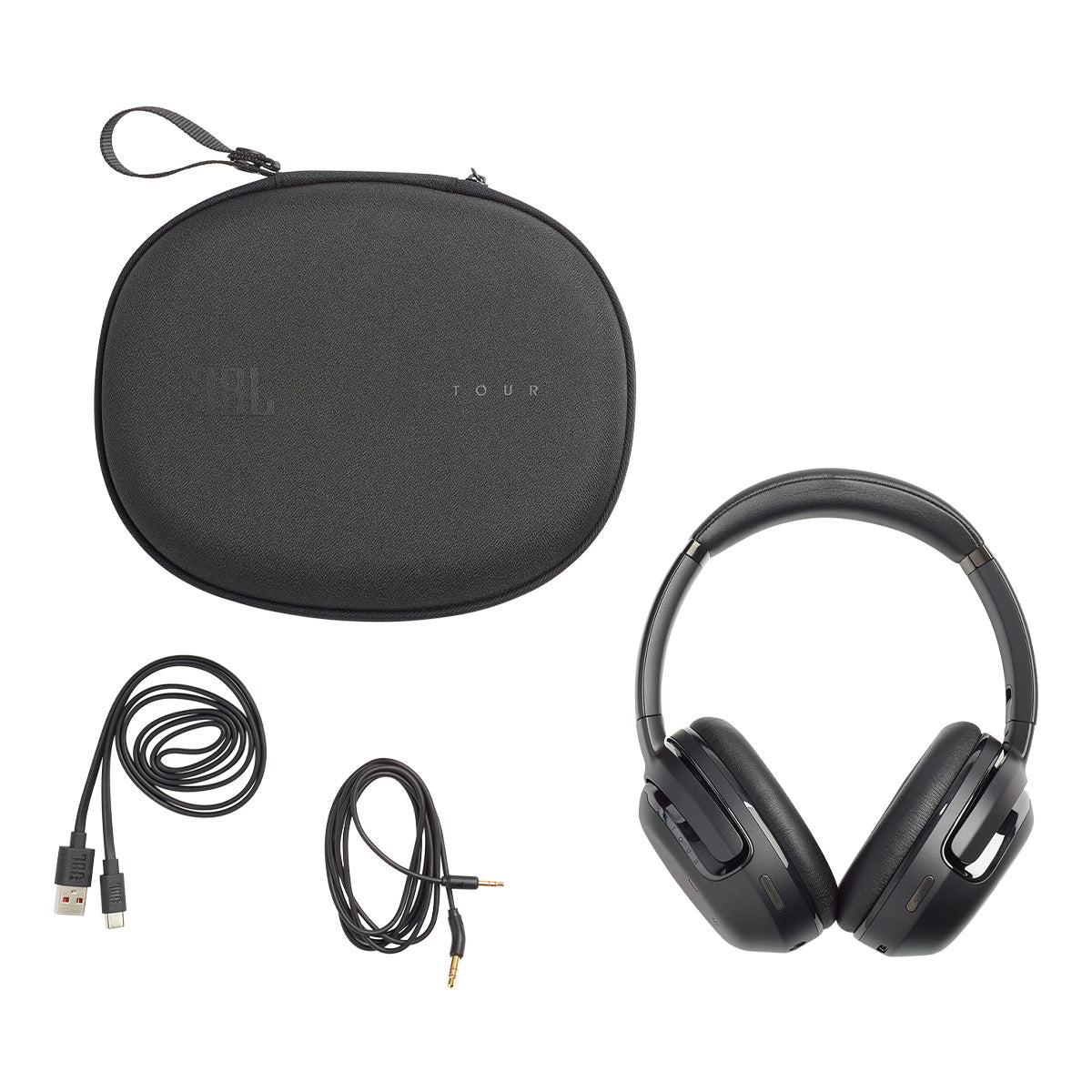
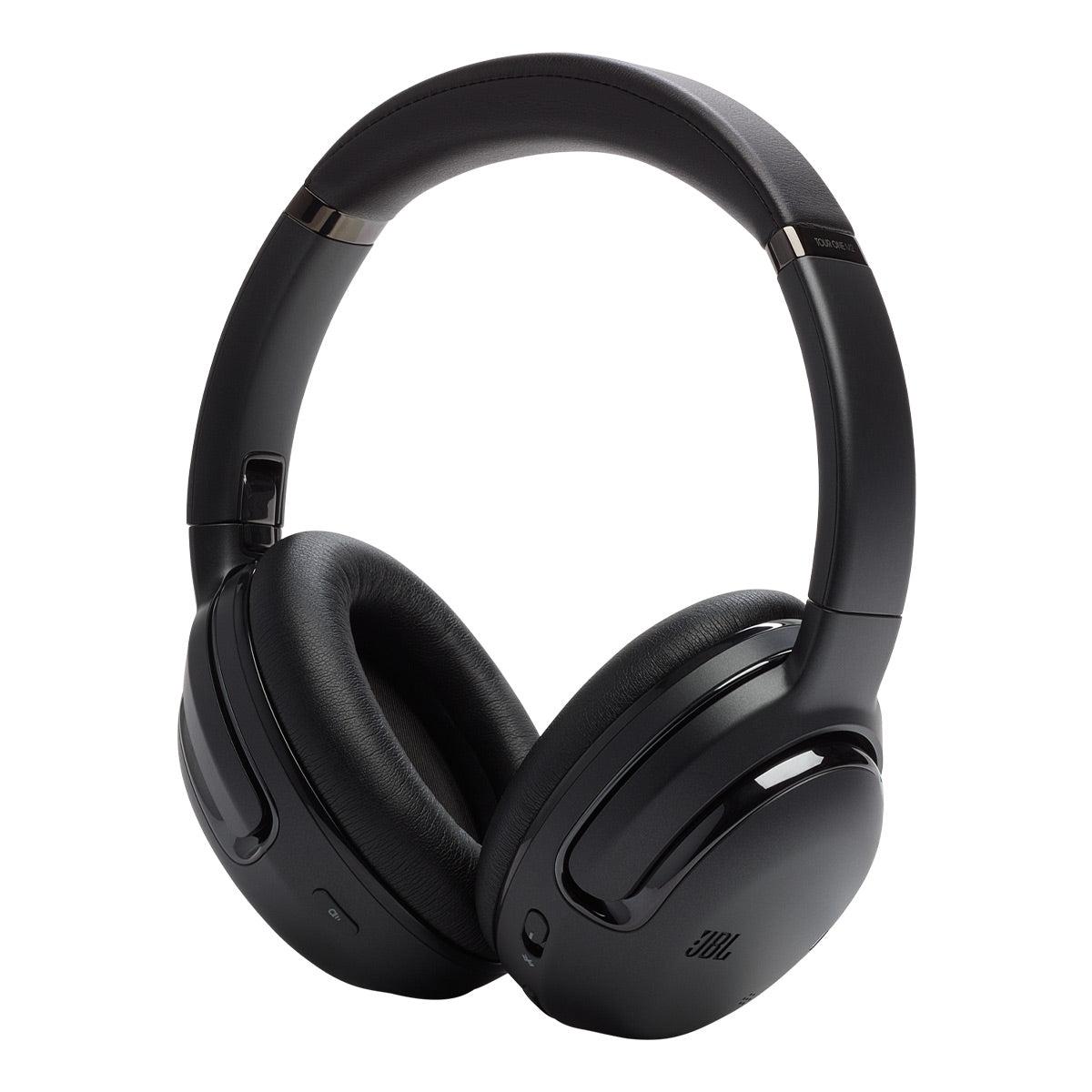
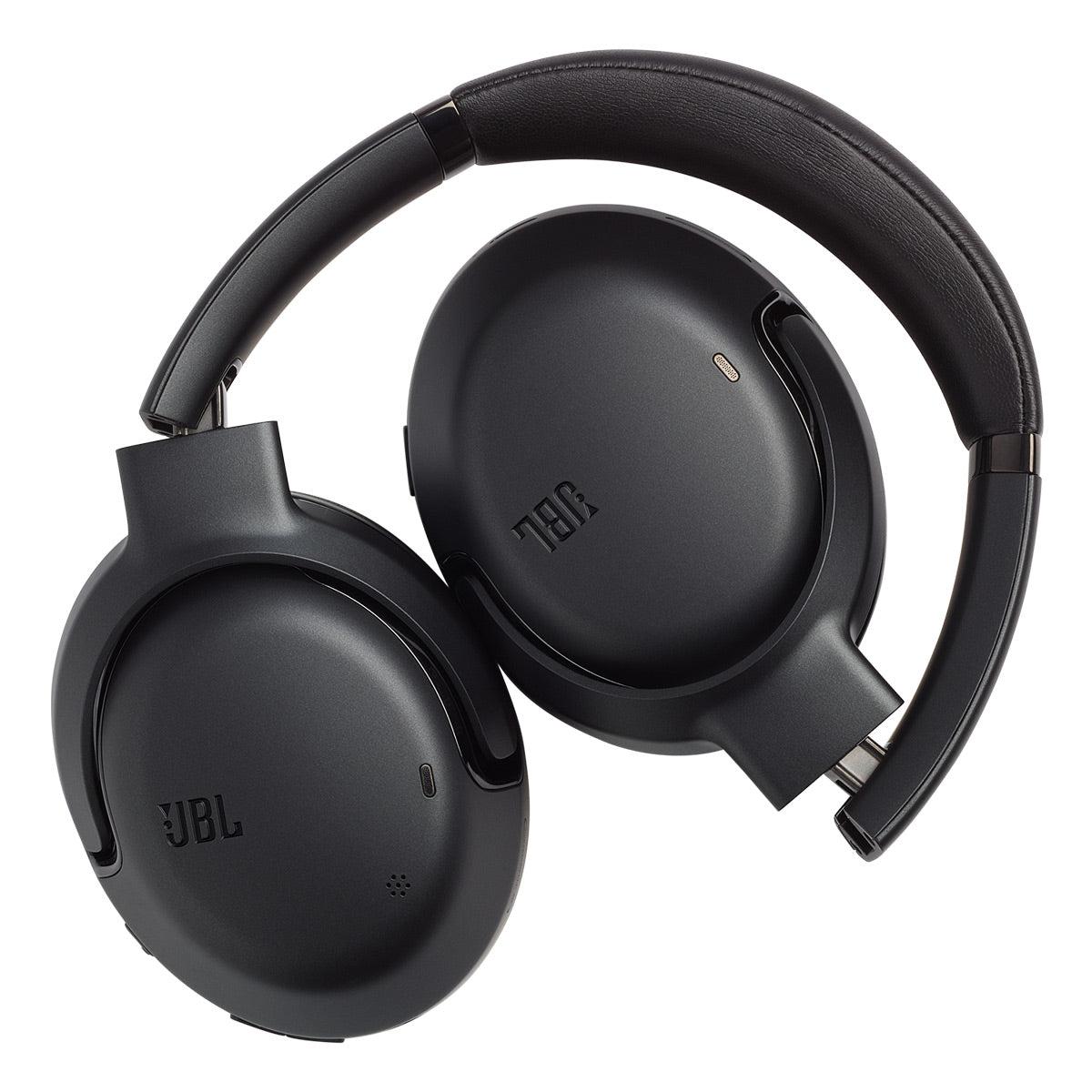
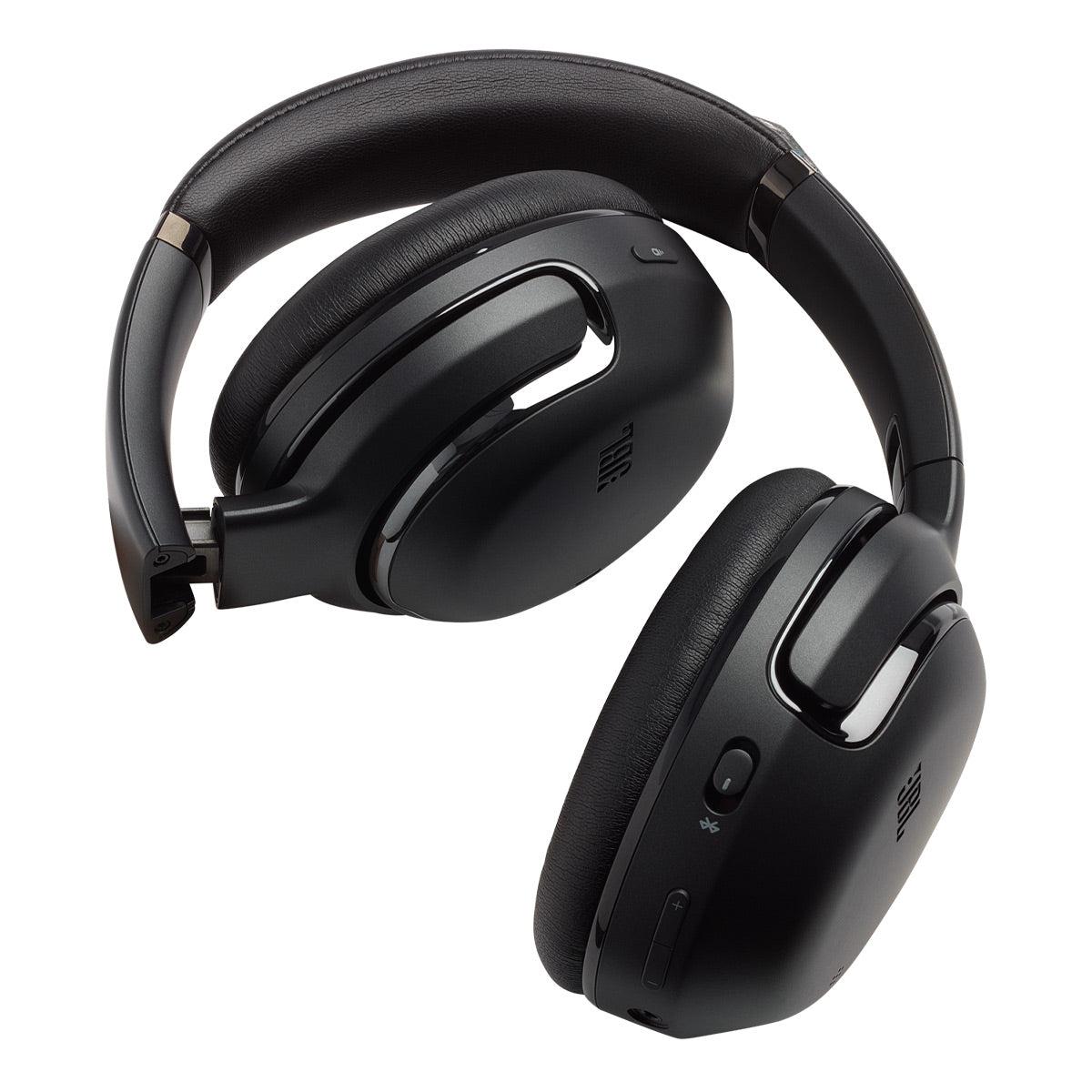

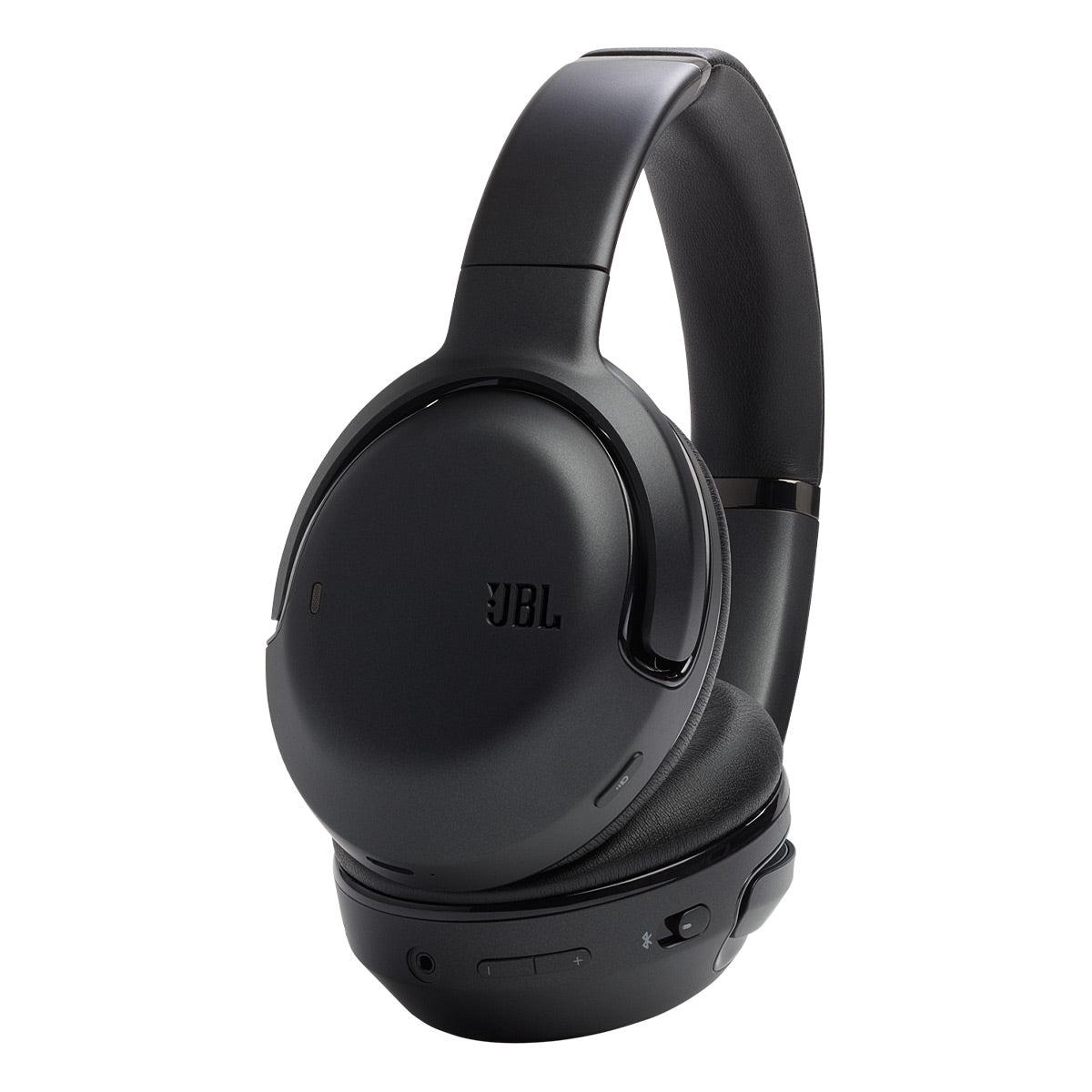

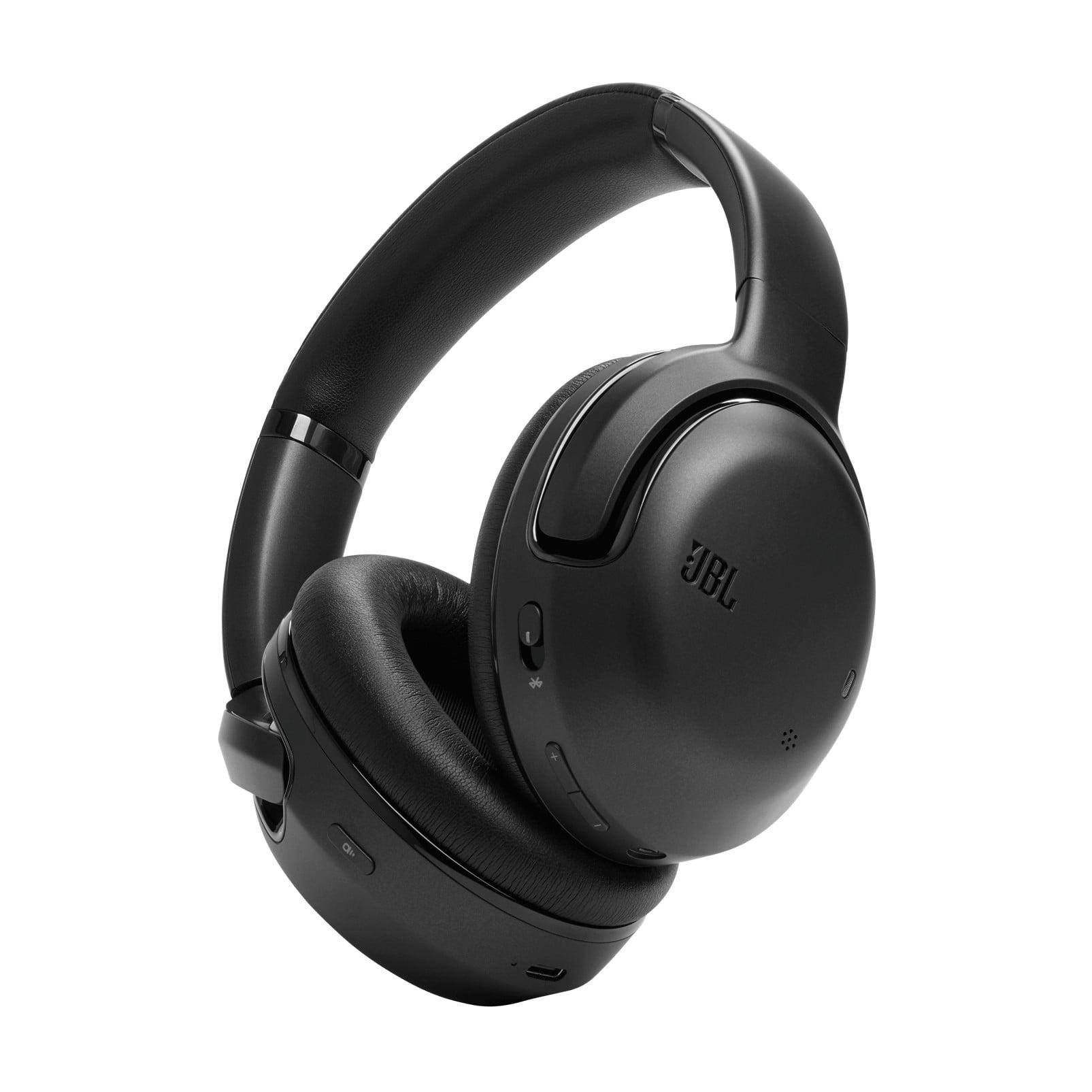

When JBL launched both the Quantum 810 gaming headset and Tour One M2 premium headphones in recent years, they created an interesting dilemma for consumers. These aren't just two headphones from the same brand—they represent completely different philosophies about what wireless audio should accomplish. The Quantum 810 arrived in 2021 as part of JBL's serious push into competitive gaming, while the Tour One M2 debuted in 2022 as their flagship consumer audio product. Both have seen firmware updates and feature improvements since launch, making them more capable today than when they first hit the market.
The fundamental difference between these products isn't just marketing—it's engineering philosophy. Gaming headsets like the Quantum 810 prioritize spatial accuracy (knowing exactly where sounds come from) and low latency (minimal delay between audio signal and what you hear). Consumer headphones like the Tour One M2 focus on frequency balance (making all types of music sound natural) and versatility (working well across many different situations).
This matters more than you might think. A gaming headset tuned to highlight footsteps and gunfire will make your favorite songs sound unnatural, with exaggerated bass and harsh treble. Conversely, headphones tuned for musical accuracy might blur the precise directional cues that help you win competitive matches. Neither approach is wrong—they're just solving different problems.
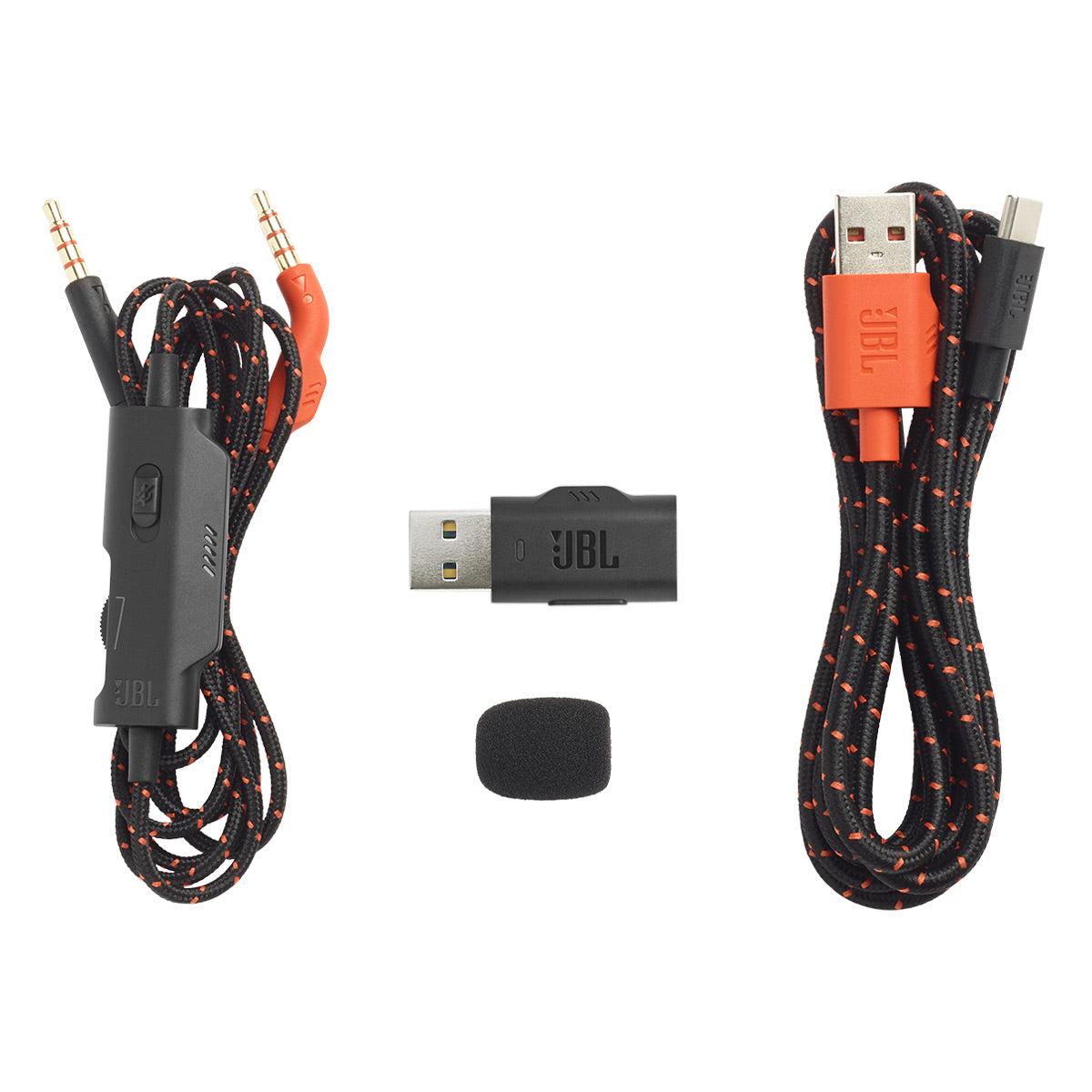
The Quantum 810 doesn't mess around when it comes to gaming features. Its 2.4GHz wireless connection uses a USB dongle that creates a dedicated channel between the headset and your gaming device. This bypasses the audio compression and delays inherent in Bluetooth, delivering what's essentially wired performance without the cable. During our research into user experiences, this low-latency connection consistently impressed gamers who tried switching back to Bluetooth headphones—the difference in competitive games is immediately noticeable.
The headset's 50mm neodymium drivers are specifically tuned for gaming audio signatures. Neodymium magnets are stronger than regular magnets, allowing the driver to move air more precisely and create better bass response. Combined with JBL's QuantumSURROUND technology, these drivers create a three-dimensional soundscape that helps pinpoint enemy locations. The system works by processing stereo audio and adding acoustic cues that trick your brain into perceiving direction and distance.
DTS Headphone:X v2.0 takes this further by creating virtual surround sound from any stereo source. This technology maps sounds to specific locations around your head, so explosions feel like they're happening behind you while dialogue stays centered. The processing is remarkably sophisticated—it accounts for how sound waves interact with your head and ears to create convincing positional audio.
The Discord-certified chat mixing dial solves a persistent gaming problem: balancing game audio with voice chat. Instead of alt-tabbing to adjust software settings, you can instantly dial in the perfect mix. This certification means Discord's engineers tested and approved the implementation, ensuring compatibility with their platform's audio processing.
However, the Quantum 810 makes compromises for gaming optimization. Its frequency response emphasizes bass impact and treble clarity at the expense of midrange smoothness. This makes explosions feel powerful and helps you hear enemy movements, but it can make music sound unnatural. The gaming-optimized Active Noise Cancelling also differs from typical ANC—it reduces distracting background noise while preserving directional audio cues that might be crucial for gameplay.
The Tour One M2 approaches audio from an entirely different angle. Its 40mm dynamic drivers might seem smaller than the Quantum's 50mm units, but they're optimized for Hi-Res Audio certification. This means they can accurately reproduce frequencies up to 40kHz—well beyond human hearing range—which theoretically preserves the subtle harmonics that make music feel more natural.
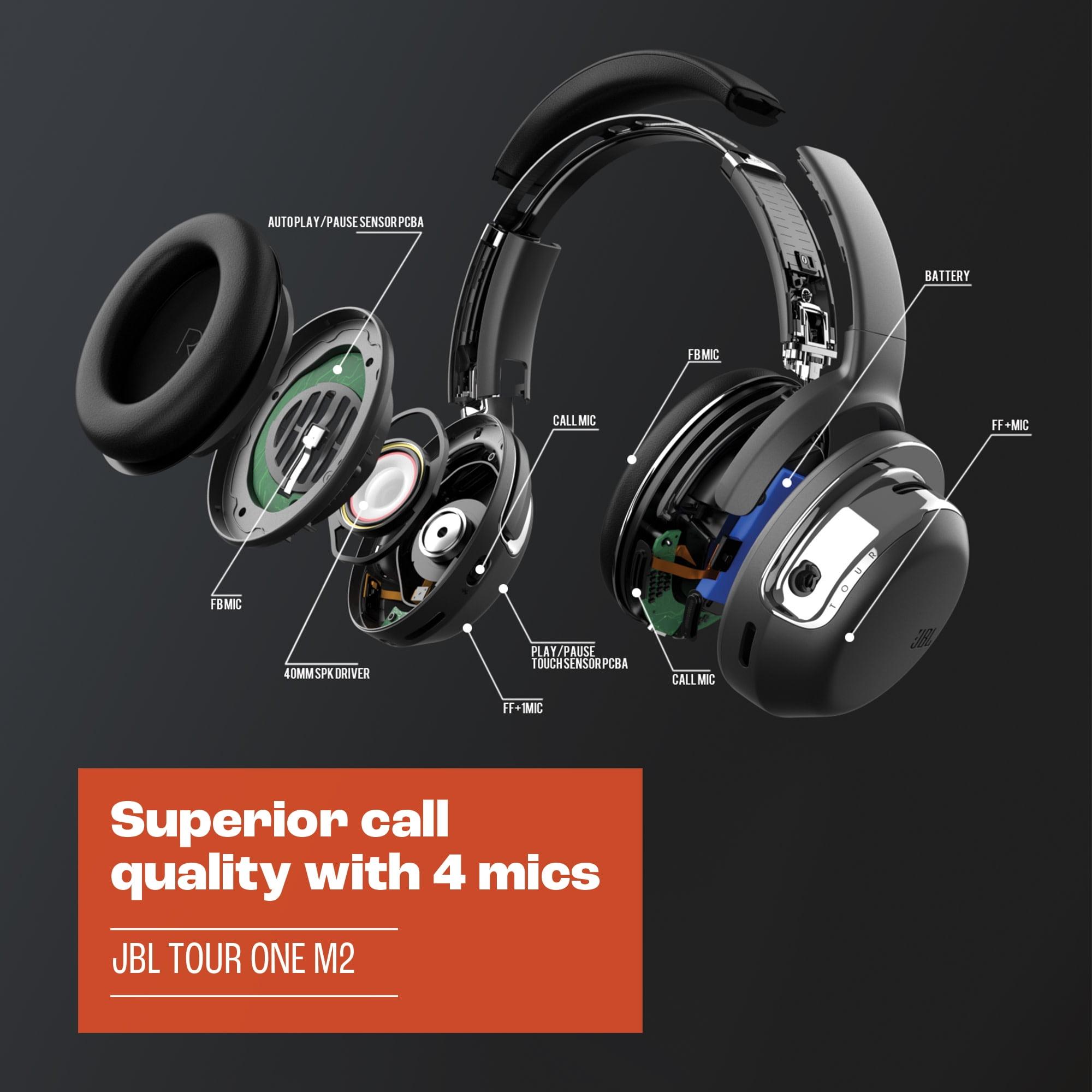
True Adaptive Noise Cancelling represents a significant advancement over traditional ANC systems. Most noise-cancelling headphones use fixed algorithms, but the Tour One M2 employs four noise-sensing microphones that continuously monitor your environment and adjust cancellation in real-time. Walking from a quiet room to a busy street triggers automatic adjustments without user intervention. Based on our research into user feedback, this system excels at handling changing environments—something particularly valuable for commuters and travelers.
The Personi-Fi 2.0 feature deserves special attention because it addresses a fundamental problem in audio: everyone's hearing is different. The system conducts a brief hearing test through the JBL app, then creates a custom sound profile that compensates for your specific hearing characteristics. While skeptics might dismiss this as a gimmick, user reports consistently indicate meaningful improvements in sound quality, particularly for people with mild hearing loss or age-related frequency roll-off.
JBL Spatial Sound differs from gaming surround sound by focusing on musical immersion rather than competitive positioning. It creates a wider, more enveloping soundstage that makes you feel surrounded by the performance rather than listening through headphones. This works particularly well for orchestral music, live recordings, and immersive movie soundtracks.
Modern headphones need excellent call performance, and here the Tour One M2 pulls significantly ahead. Its 4-mic crystal call algorithm uses multiple microphones to isolate your voice from background noise. The system employs beamforming technology, which focuses microphone pickup in specific directions while suppressing sounds from other areas.
The Smart Talk feature showcases impressive voice recognition technology. When you start speaking, the headphones automatically pause your music and activate ambient sound mode, allowing natural conversation without removing the headset. Once you stop talking, everything returns to normal. This might sound minor, but it eliminates the awkward dance of pausing music and adjusting settings every time someone wants to chat.
VoiceAware technology addresses another common complaint about closed-back headphones: you can't hear your own voice naturally during calls. The system pipes a controlled amount of your voice back through the speakers, preventing the muffled sensation that makes people talk too loudly during phone calls.
The Quantum 810 features a dedicated boom microphone with flip-up mute functionality—a design that typically provides better voice pickup than built-in mics. However, user experiences suggest the Tour One M2's multi-mic system actually delivers clearer calls in noisy environments, thanks to its sophisticated noise rejection algorithms.
Battery performance tells an interesting story about different priorities. The Tour One M2 achieves an impressive 50 hours of playback with ANC disabled, or 30 hours with ANC active. This extended runtime reflects efficient Bluetooth 5.3 implementation and optimized power management. The 2-hour charging time means you're rarely tethered to a wall outlet for long.
The Quantum 810 offers 43 hours of battery life with its more power-hungry 2.4GHz wireless system and larger drivers. While slightly shorter than the Tour One M2's maximum, this runtime easily handles even marathon gaming sessions. The play-and-charge capability means you never have to stop gaming to recharge—just plug in the USB cable and continue playing.
Weight differences matter more than spec sheets suggest. The Tour One M2 weighs just 272 grams, making it comfortable for all-day wear. The Quantum 810 tips the scales at 418 grams—not uncomfortable for gaming sessions, but noticeably heavier for extended daily use. This weight difference reflects the Quantum's larger drivers, more robust build, and additional gaming hardware.
The connectivity approaches reveal each product's core philosophy. The Quantum 810 offers dual wireless connectivity: 2.4GHz for gaming and Bluetooth 5.2 for mobile devices. This flexibility lets you take calls on your phone while maintaining low-latency gaming audio on your PC. However, the full feature set only works on PC—console users miss out on surround sound processing and RGB customization.
The Tour One M2 relies primarily on Bluetooth 5.3, which includes support for LE Audio—a newer standard that promises better battery life and audio quality. The headphones support multi-point connection, allowing simultaneous pairing with two devices. Unfortunately, both models lack support for high-resolution codecs like LDAC or aptX, which some competitors offer.
For home theater use, these products serve different purposes. The Quantum 810 excels with action movies and gaming content, where its bass emphasis and surround processing create an immersive, cinema-like experience. The DTS Headphone:X processing works particularly well with movies that have aggressive surround sound mixes.
The Tour One M2 provides a more balanced approach for varied content. Its accurate frequency response doesn't favor any particular genre, making it equally suitable for dialogue-heavy dramas and explosive action sequences. The JBL Spatial Sound processing creates convincing width and depth without the sometimes artificial feel of gaming-oriented surround systems.
However, neither headphone supports advanced home theater features like Dolby Atmos processing or head tracking for spatial audio—features found in some premium competitors. For serious home theater enthusiasts, dedicated surround systems or headphones specifically designed for cinema use might provide better results.
At the time of writing, both headphones occupy premium price territories, but they offer value in different ways. The Quantum 810 justifies its cost through specialized gaming features that would require multiple products to replicate—a gaming headset, RGB lighting system, and chat mixing solution. For dedicated gamers, this consolidation provides clear value.
The Tour One M2 competes directly with established premium headphones from Sony, Bose, and Sennheiser. Its combination of adaptive ANC, personalized sound profiling, and extensive battery life positions it favorably against these alternatives, particularly considering JBL's reputation for durability and customer support.
Both products have benefited from firmware updates since release. The Quantum 810 received improvements to its ANC algorithms and chat mixing precision, while also gaining compatibility with additional gaming platforms. The Tour One M2 saw enhancements to its adaptive ANC responsiveness and Smart Talk accuracy through app updates.
These improvements highlight a key advantage of modern wireless headphones: they can get better over time. However, the fundamental hardware limitations remain—the Quantum's gaming focus and the Tour One's consumer orientation are baked into their basic design.
The Quantum 810 makes sense for users where gaming represents their primary headphone use. If you spend hours in competitive multiplayer games, stream content, or participate in voice chat regularly, its specialized features justify the investment. The low-latency wireless, positional audio, and chat mixing capabilities provide tangible advantages that generic headphones can't match.
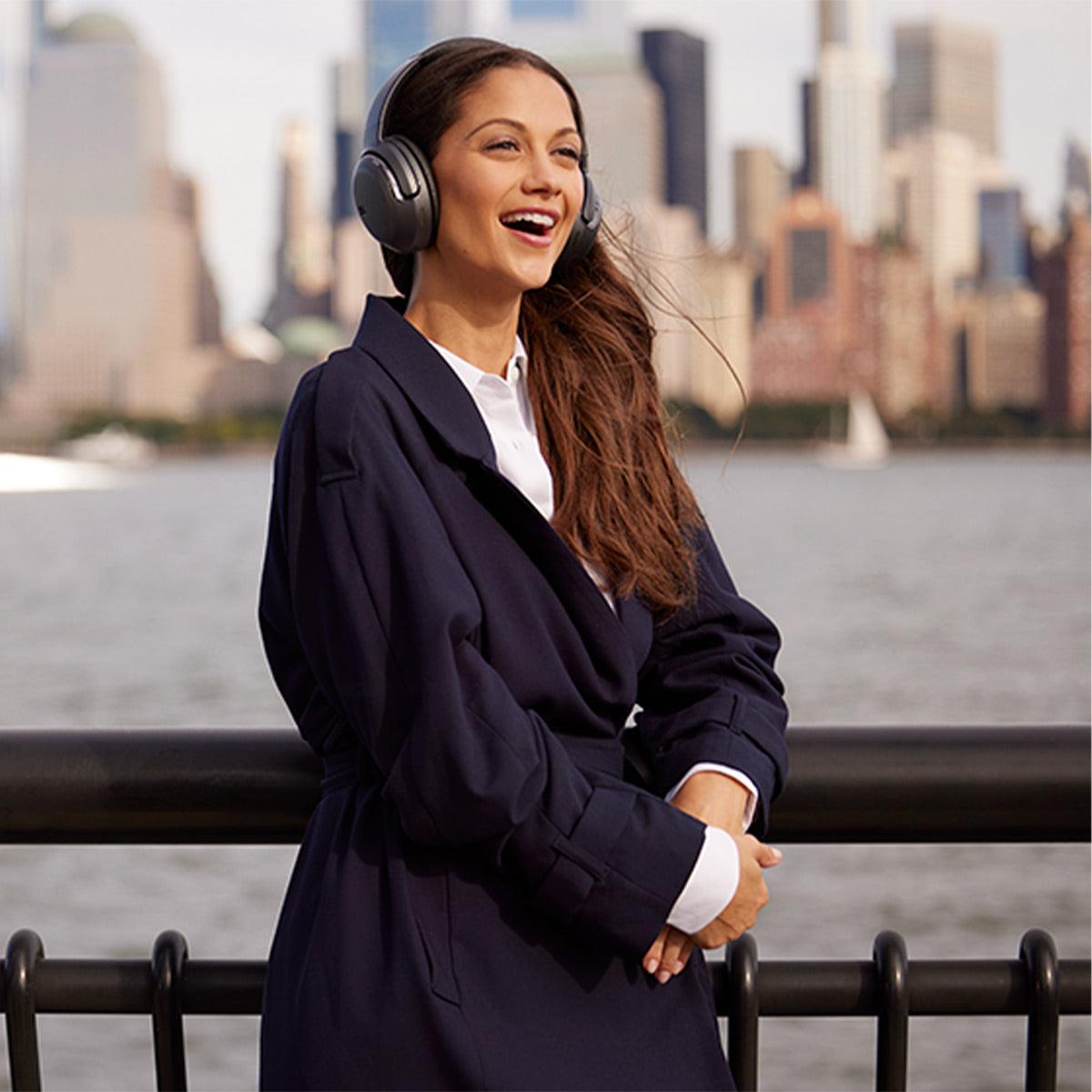
Choose the Tour One M2 if your headphone use spans multiple activities throughout the day. Commuters, remote workers, music enthusiasts, and anyone who needs one excellent pair of headphones for varied use will appreciate its versatility. The adaptive ANC, superior call quality, and balanced sound signature make it a better all-around choice.
Consider your usage split carefully: if gaming represents less than half your listening time, the Tour One M2 probably offers better overall value. Its lighter weight, longer battery life, and superior call performance make it more practical for daily use. However, if competitive gaming dominates your audio needs, the Quantum 810 provides specialized capabilities that justify its gaming-focused approach.
Both headphones excel in their intended roles, making the choice less about which is "better" and more about which philosophy aligns with your primary use case. The gaming-focused Quantum 810 and versatile Tour One M2 represent JBL's understanding that different users need fundamentally different solutions, even when those solutions share similar form factors and price points.
| JBL Quantum 810 Wireless Gaming Headset | JBL Tour One M2 Wireless Over-Ear Headphones |
|---|---|
| Driver Size - Larger drivers typically produce more powerful bass and volume | |
| 50mm neodymium drivers (gaming-tuned for impact) | 40mm dynamic drivers (Hi-Res certified for accuracy) |
| Weight - Critical for comfort during extended use | |
| 418g (heavier but acceptable for gaming sessions) | 272g (significantly lighter for all-day wear) |
| Battery Life - Determines how long you can use without charging | |
| 43 hours (with play-and-charge capability) | 50 hours without ANC, 30 hours with ANC (longer overall) |
| Wireless Technology - Affects audio quality and compatibility | |
| 2.4GHz RF + Bluetooth 5.2 (low-latency gaming focus) | Bluetooth 5.3 with LE Audio (universal compatibility) |
| Active Noise Cancelling - Blocks external distractions | |
| Gaming-optimized ANC (preserves directional audio cues) | True Adaptive ANC with 4-mic system (automatically adjusts) |
| Microphone System - Important for calls and gaming communication | |
| Directional boom mic with flip-up mute (gaming-focused) | 4-mic crystal call algorithm (superior call quality) |
| Audio Processing - Enhances the listening experience | |
| JBL QuantumSURROUND + DTS Headphone:X v2.0 (gaming positioning) | JBL Spatial Sound + Personi-Fi 2.0 (personalized music) |
| Gaming Features - Specialized tools for competitive play | |
| Discord-certified chat mixing, RGB lighting, surround sound | None (consumer-focused design) |
| Charging Time - How long to reach full battery | |
| 3.5 hours (but can play while charging) | 2 hours (faster but no simultaneous play/charge) |
| Primary Use Case - What each product does best | |
| Competitive gaming, streaming, console gaming | Music listening, calls, travel, daily wear |
| Frequency Response - Range of sounds the headphones can produce | |
| 20Hz-40kHz passive (gaming-tuned emphasis) | 20Hz-40kHz passive (Hi-Res certified balance) |
| Smart Features - Automated convenience functions | |
| Flip-to-mute mic, RGB customization | Smart Talk, Personal Sound Amplification, voice recognition |
| Platform Compatibility - Which devices get full features | |
| PC (full features), PlayStation, Xbox, Switch (limited) | Universal Bluetooth devices, iOS/Android apps for customization |
The JBL Quantum 810 is significantly better for gaming. It features dedicated 2.4GHz wireless connectivity for low-latency audio, JBL QuantumSURROUND technology for precise positional audio, and DTS Headphone:X v2.0 surround sound processing. The Tour One M2 uses Bluetooth which introduces audio delay, making it unsuitable for competitive gaming where timing matters.
The JBL Quantum 810 uses 50mm drivers tuned specifically for gaming with emphasized bass and treble to highlight footsteps and explosions. The JBL Tour One M2 features 40mm Hi-Res certified drivers with balanced frequency response designed for accurate music reproduction. For music listening, the Tour One M2 sounds more natural, while the Quantum 810 excels at gaming audio.
The JBL Tour One M2 offers superior battery life with up to 50 hours of playback (30 hours with ANC on). The JBL Quantum 810 provides 43 hours of battery life but includes play-and-charge capability, meaning you can game while charging. Both offer excellent endurance for their respective use cases.
The JBL Tour One M2 is significantly better for phone calls, featuring a 4-mic crystal call algorithm with advanced noise rejection. It also includes Smart Talk technology that automatically pauses music when you speak. The JBL Quantum 810 has a boom microphone designed primarily for gaming chat rather than phone calls.
The JBL Tour One M2 is more comfortable for extended wear, weighing only 272g compared to the JBL Quantum 810's 418g. The lighter Tour One M2 is designed for all-day use with premium materials, while the heavier Quantum 810 is built for gaming durability but can cause fatigue during very long sessions.
The JBL Tour One M2 offers universal compatibility through Bluetooth 5.3 and works with all smartphones, tablets, and computers. The JBL Quantum 810 provides dual connectivity with 2.4GHz wireless (via USB dongle) and Bluetooth, but full gaming features only work on PC. Console users get basic audio without surround sound processing.
The JBL Tour One M2 has superior noise cancelling with True Adaptive ANC that automatically adjusts to your environment using four microphones. The JBL Quantum 810 features gaming-optimized ANC that reduces background noise while preserving important directional audio cues for competitive gaming.
Both work for home theater, but serve different purposes. The JBL Quantum 810 excels with action movies thanks to its bass emphasis and DTS Headphone:X surround processing. The JBL Tour One M2 provides more balanced audio suitable for all movie genres with its accurate frequency response and JBL Spatial Sound technology.
The JBL Tour One M2 charges faster at 2 hours from empty but cannot be used while charging. The JBL Quantum 810 takes 3.5 hours to charge but supports simultaneous play-and-charge, allowing uninterrupted gaming sessions. Both use USB-C charging.
The JBL Tour One M2 is designed specifically for music with Hi-Res certified drivers, balanced frequency response, and Personi-Fi 2.0 technology that creates personalized sound profiles. The JBL Quantum 810 is tuned for gaming with enhanced bass and treble that can make music sound unnatural or colored.
The JBL Quantum 810 offers gaming-specific features like Discord-certified chat mixing, RGB lighting, and flip-to-mute boom microphone. The JBL Tour One M2 includes lifestyle features like Smart Talk voice recognition, Personal Sound Amplification, and True Adaptive noise cancelling that adjusts to your environment automatically.
Choose the JBL Quantum 810 if gaming is your primary use and you need competitive advantages through low-latency audio and positional sound. Choose the JBL Tour One M2 if you want versatile headphones for music, calls, and daily use with superior comfort and adaptive noise cancelling. Consider how you'll use them most often to make the best decision.
We've done our best to create useful and informative comparisons to help you decide what product to buy. Our research uses advanced automated methods to create this comparison and perfection is not possible - please contact us for corrections or questions. These are the sites we've researched in the creation of this article: techradar.com - youtube.com - gamingtrend.com - gamingaustralia.com.au - youtube.com - jbl.com - jbl.com - youtube.com - harmanaudio.com - versus.com - microcenter.com - crutchfield.com - jbl.com - mm.jbl.com - cdwg.com - jbl.com - en.jblthailand.com - nfm.com - jblonlinestore.com - scribd.com - harmanaudio.com - samsung.com - tomsguide.com - majorhifi.com - audio46.com - synced.sg - majorhifi.com - versus.com - youtube.com - youtube.com - peterfalkingham.com - youtube.com - jbl.com - manuals.plus - bhphotovideo.com - device.report - jblonlinestore.com - bhphotovideo.com - jbl.com.my - en.jblthailand.com - harmanhouse.com - versus.com - consumerreports.org - bestbuy.com - th.jbl.com - jbl.com - theindianaudiophileforum.com

Privacy Policy
Terms and Conditions - Affiliate Policy
Home Security
© Copyright 2008-2026.
11816 Inwood Rd #1211, Dallas, TX 75244