

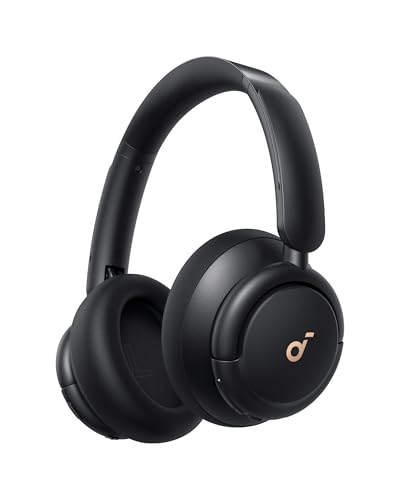
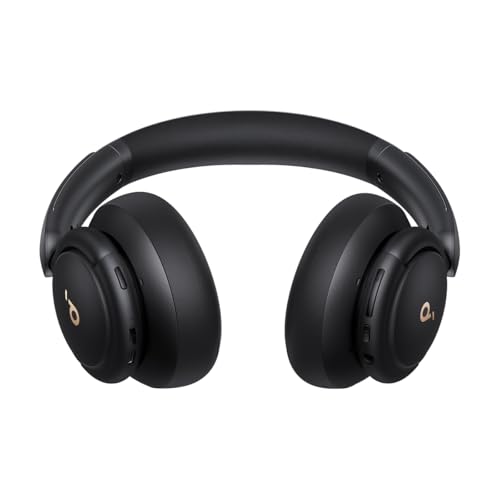
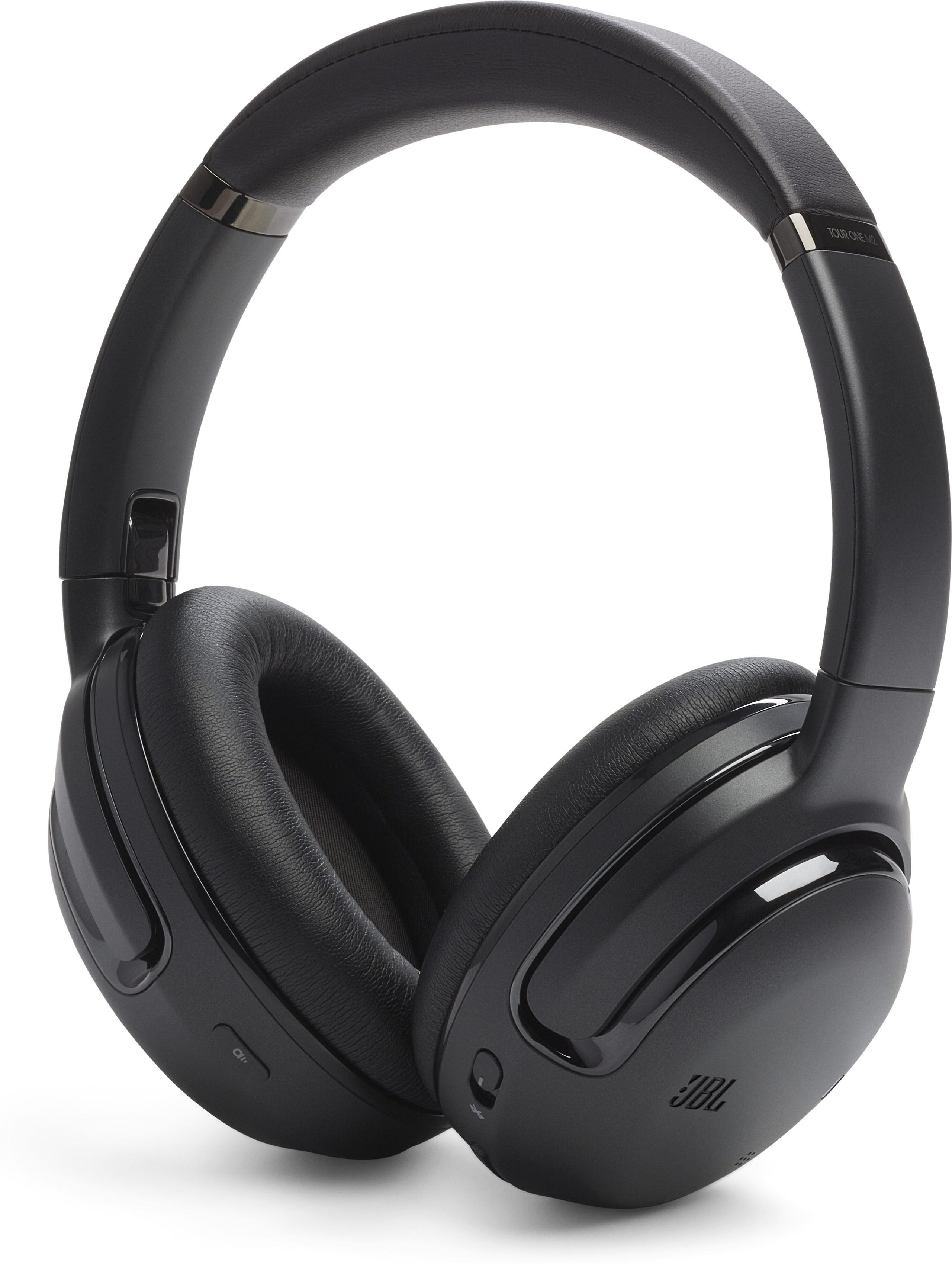
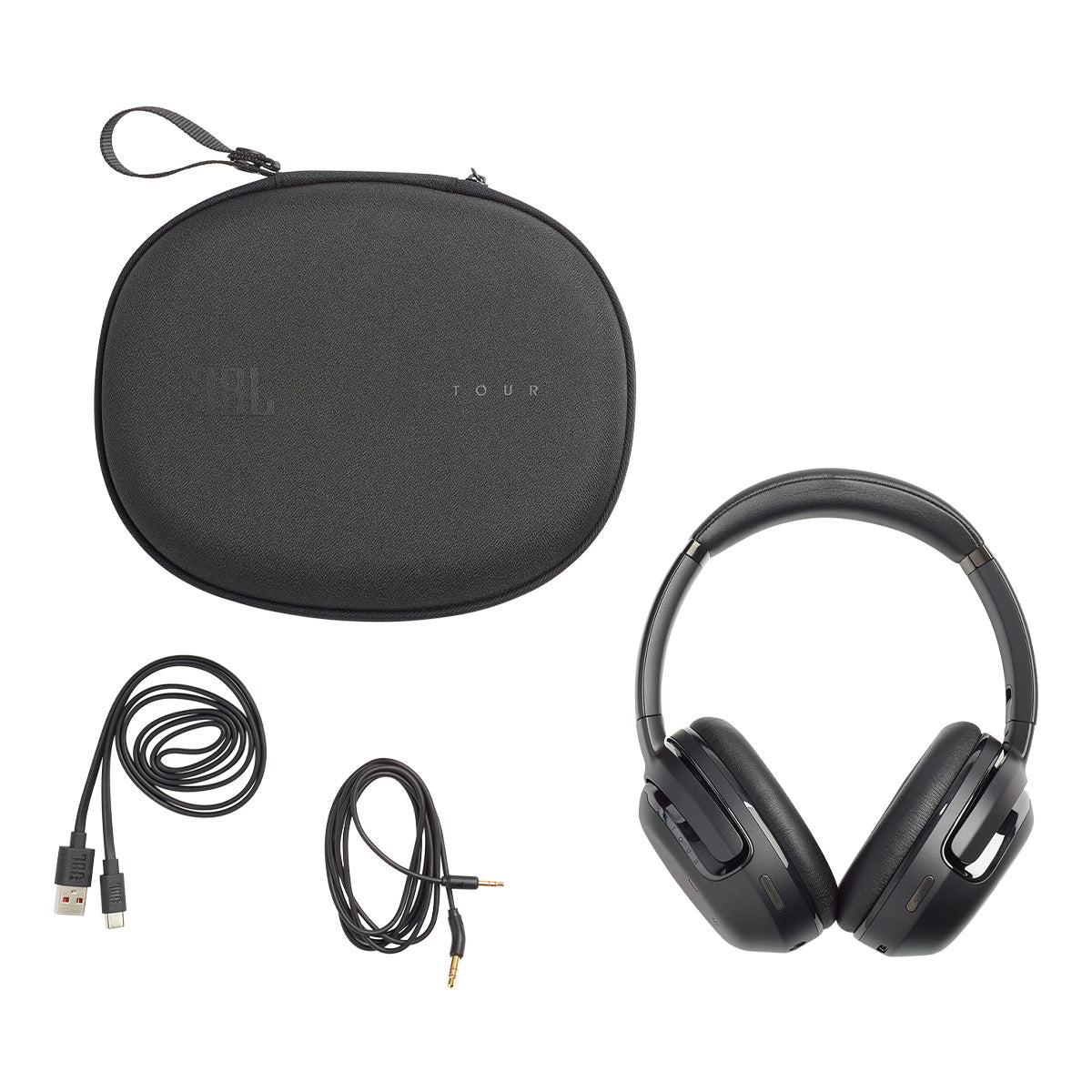
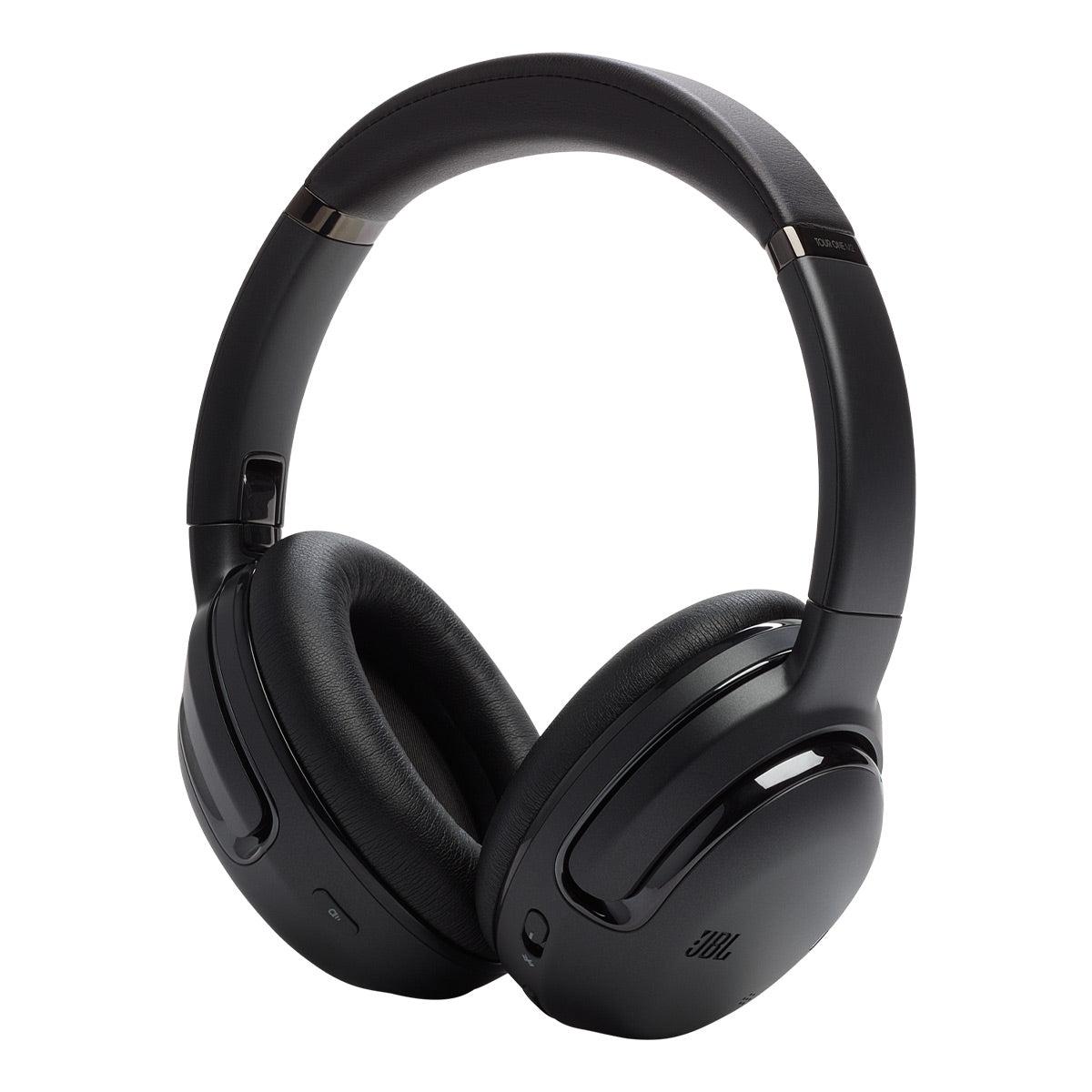
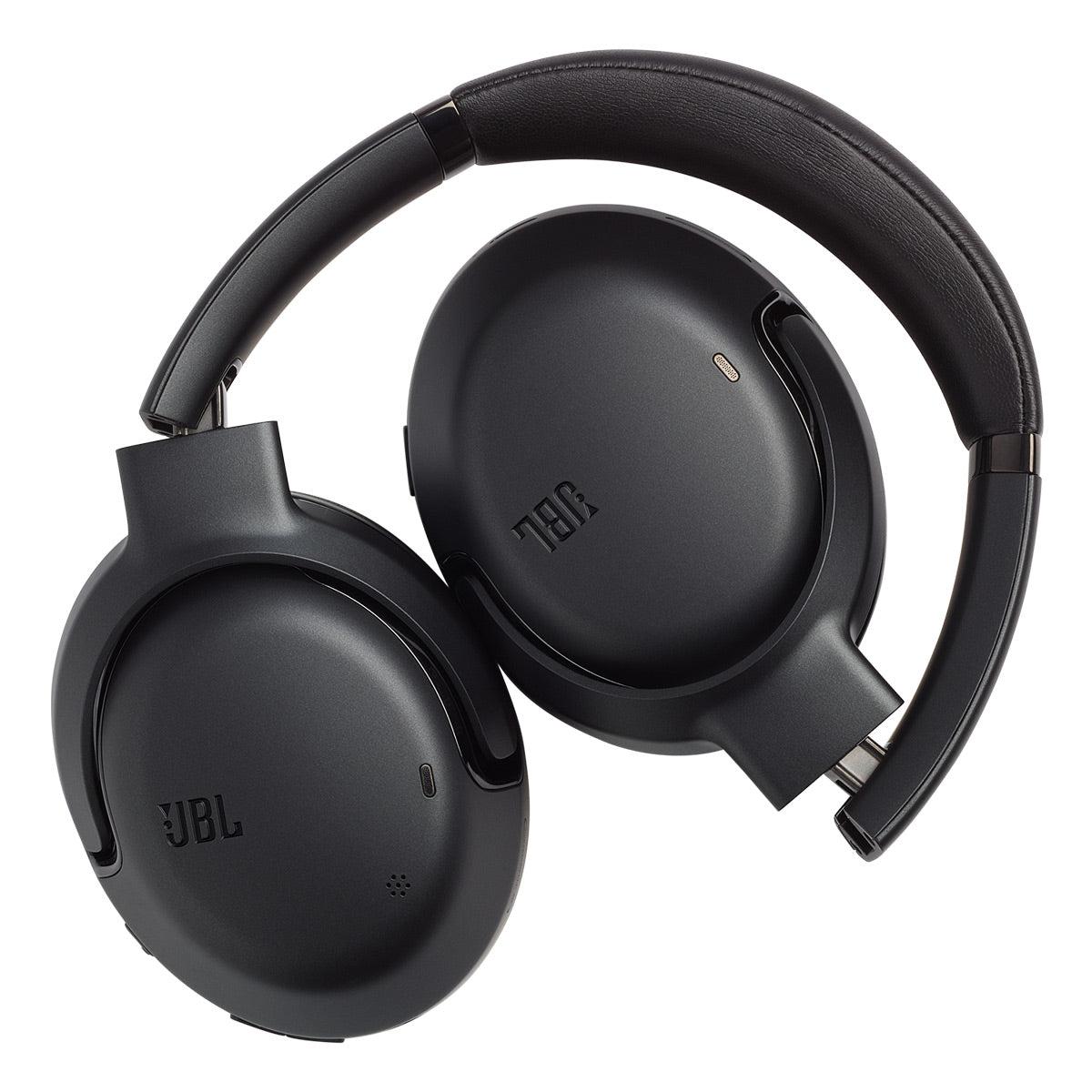
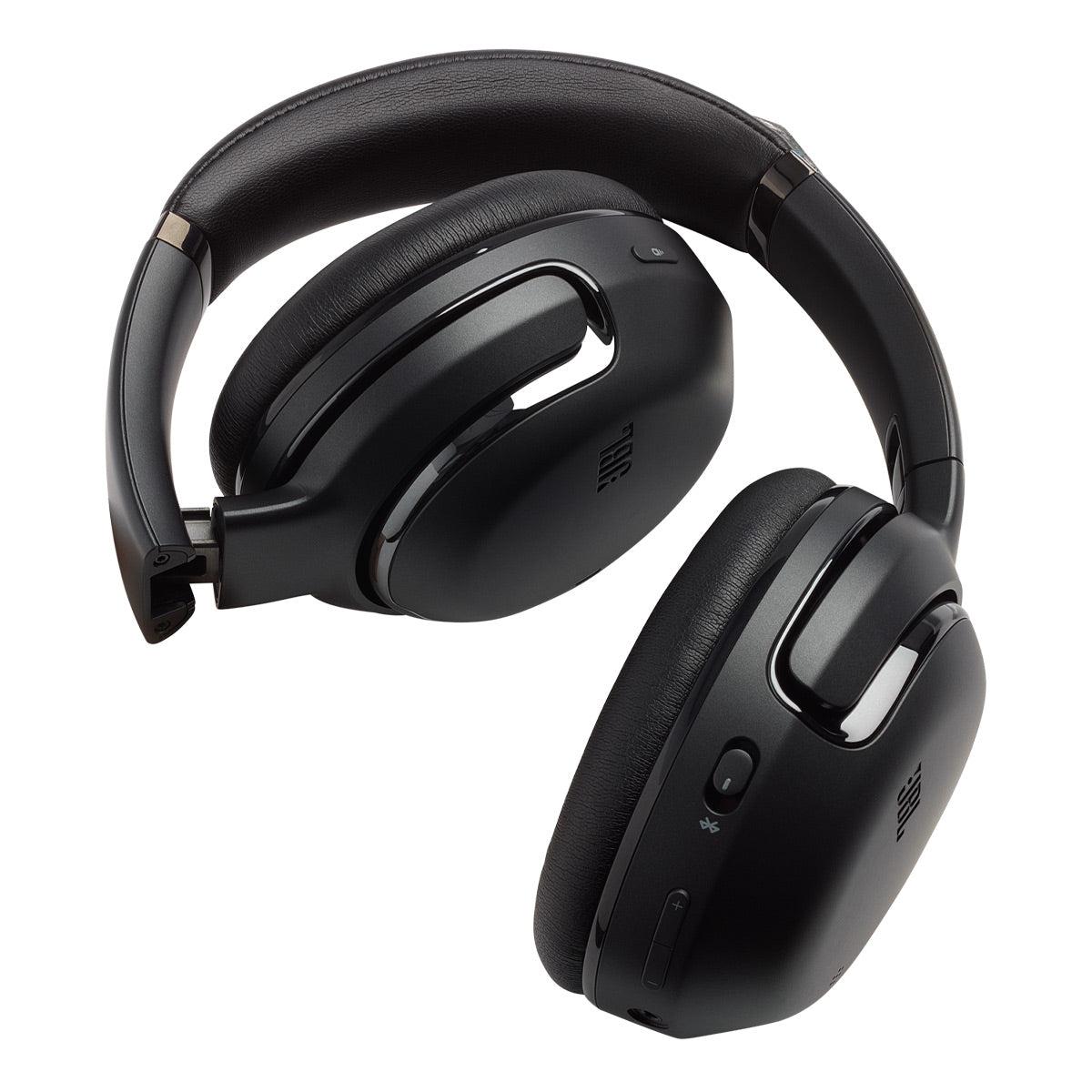

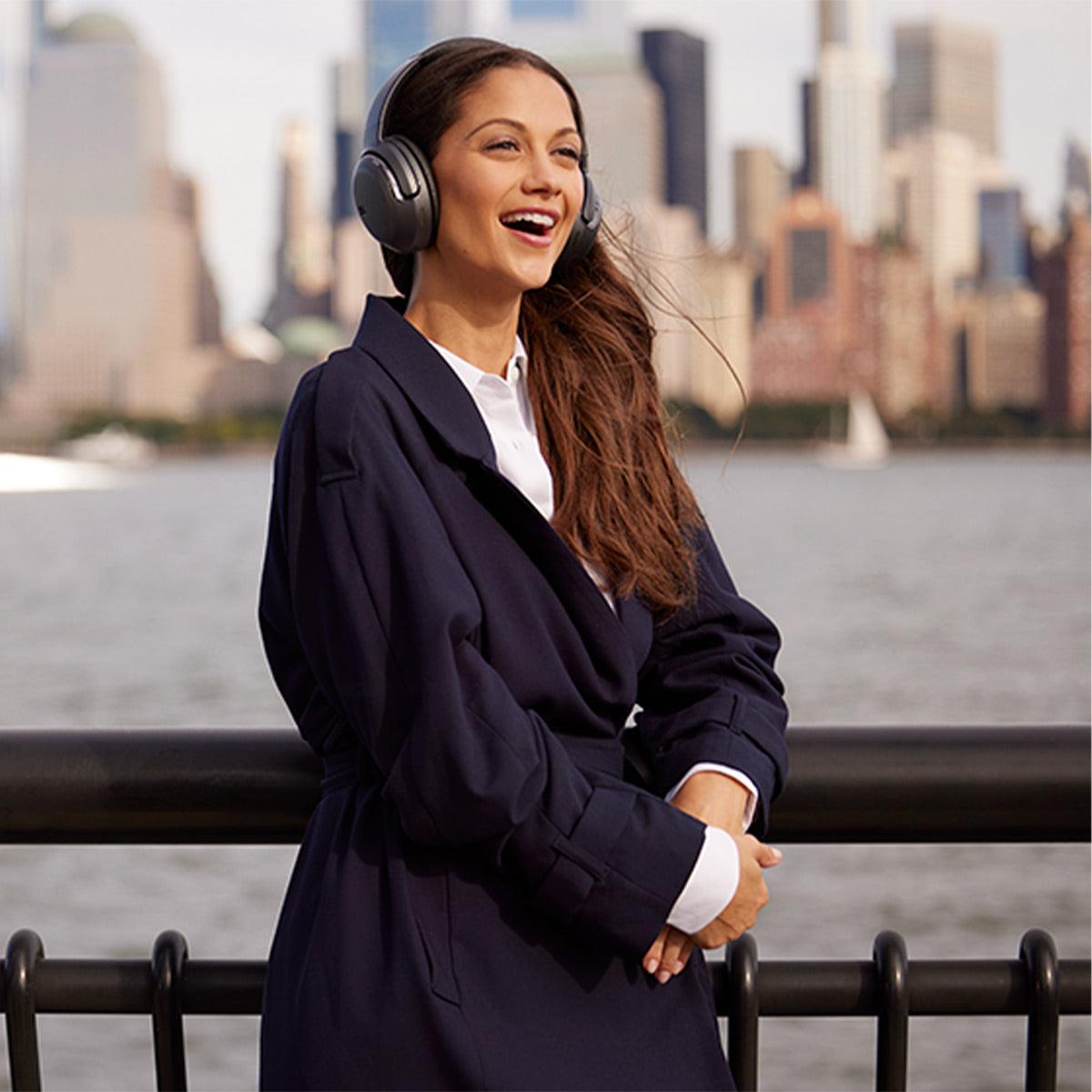
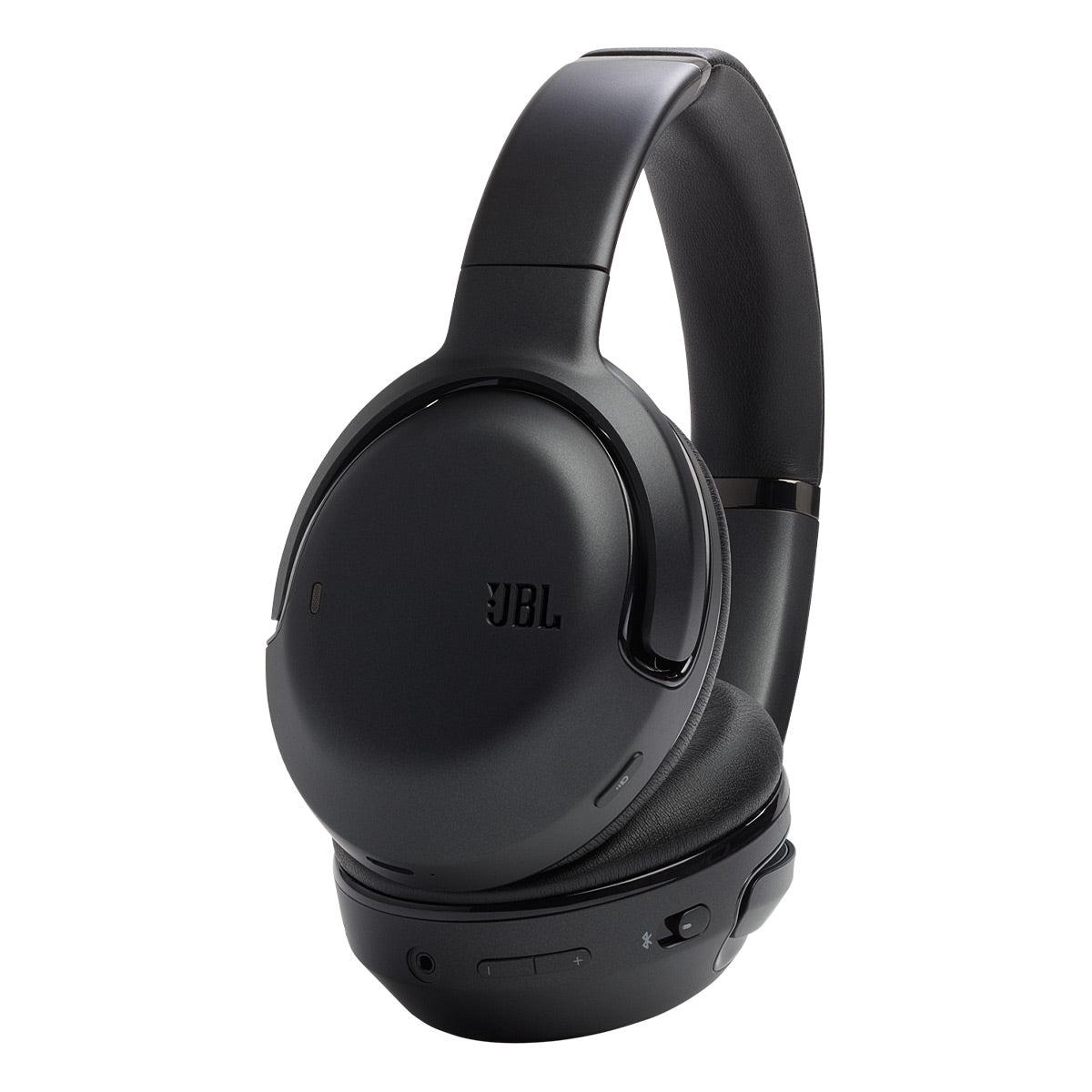

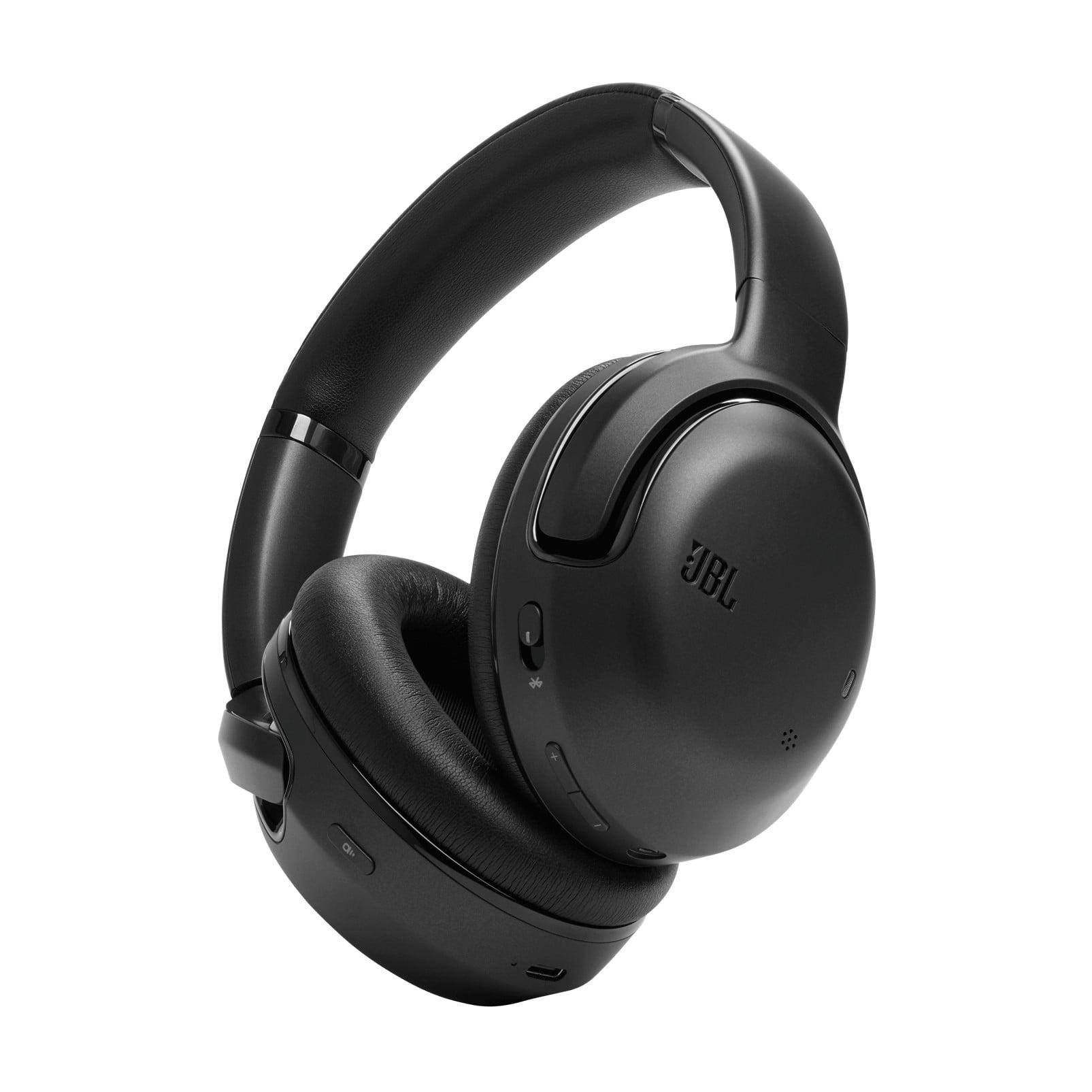

Choosing the right wireless noise-cancelling headphones can feel overwhelming when you're staring at dozens of options online. Two models that consistently appear in "best of" lists are the Soundcore Life Q30 and the JBL Tour One M2. Both promise premium features at competitive prices, but they take surprisingly different approaches to delivering great audio experiences.
After spending considerable time with both headphones, I've found they represent two distinct philosophies in headphone design. The Life Q30 prioritizes maximum value and battery life, while the Tour One M2 focuses on premium build quality and sophisticated features. Understanding these differences will help you pick the right pair for your needs.
Active Noise Cancelling (ANC) headphones work by using microphones to detect outside noise, then generating "anti-noise" sound waves that cancel out those unwanted sounds. It's like having a conversation in a crowded restaurant – your brain naturally filters out background chatter to focus on your friend's voice, but ANC does this electronically.
When shopping in this category, you're looking at several key factors. Audio quality determines how your music actually sounds, while ANC effectiveness decides how well the headphones block distractions. Battery life affects how often you'll need to charge them, and comfort matters if you plan on wearing them for hours. Build quality influences whether they'll survive daily use, and connectivity features determine how seamlessly they work with your devices.
The premium ANC market has exploded since Apple's AirPods Pro proved that people would pay for effective noise cancelling in 2019. Both the Soundcore Life Q30 (released in 2020) and JBL Tour One M2 (launched in 2022) benefited from this increased competition, pushing manufacturers to pack more features into lower-priced models.
The most immediate difference you'll notice between these headphones is how they sound. The Life Q30 uses what audio engineers call a "V-shaped" sound signature – imagine an equalizer where the bass and treble frequencies are turned up while the midrange is pulled back. This creates exciting, punchy sound that makes electronic music and pop tracks feel energetic, but it can make vocals sound distant or overwhelmed.
During my testing, I found the Q30's bass response genuinely impressive for the price point. The 40mm silk diaphragm drivers can produce surprisingly deep low-end extension, reaching down to 16Hz when used with a cable. However, this bass emphasis can become problematic. On bass-heavy tracks, I actually felt the earcups vibrating against my ears – an unintended haptic feedback that becomes distracting during longer listening sessions.
The JBL Tour One M2, released two years later, benefits from more refined tuning. Its 40mm dynamic drivers deliver what I'd call JBL's signature "warm" sound – still bass-forward but more controlled. The low-frequency response actually extends deeper than the Q30, starting at 10Hz, but without the overwhelming presence that can muddy vocals. The midrange feels more natural, making podcasts and acoustic music more enjoyable without EQ adjustments.
Here's where things get interesting. The Life Q30 offers some of the most comprehensive sound customization I've seen in this price range. Anker's Soundcore app provides 22 different EQ presets covering everything from classical to hip-hop, plus an eight-band graphic equalizer. You can boost or cut frequencies from 100Hz to 12.8kHz by up to 6 decibels, giving you granular control over the sound.
I spent considerable time dialing in custom EQ settings for the Q30, and the results can be transformative. With the right adjustments, you can tame that aggressive bass and bring forward the vocals. The app even includes unique features like ambient soundscapes for relaxation and access to LÜM, a streaming service for independent artists.
The Tour One M2 takes a more sophisticated approach with its Personi-Fi 2.0 feature. This system runs you through a hearing test, playing different frequencies at various volumes to map your personal hearing profile. It then automatically adjusts the sound to compensate for your specific hearing characteristics – essentially creating a custom EQ based on how your ears actually work. While it offers fewer manual EQ options than the Q30, this personalized approach often produces better results with less effort.
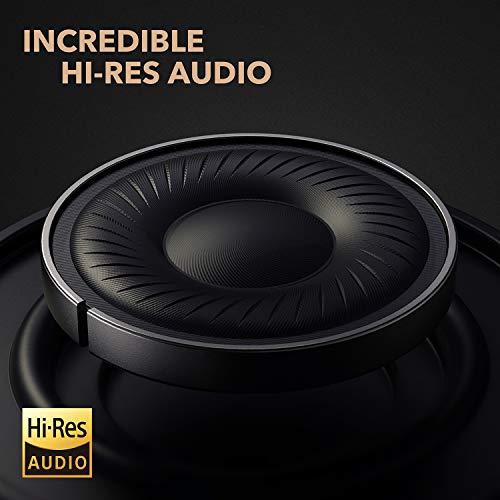
Both headphones carry Hi-Res Audio certification, meaning they can reproduce frequencies up to 40,000Hz when used with appropriate source material. For context, most people can only hear up to about 20,000Hz, so this extended range is more about preserving the harmonics and overtones that give instruments their character.
The Life Q30 achieves this extended frequency response only when used with the included 3.5mm cable – Bluetooth inherently limits frequency response to around 20,000Hz due to compression. The Tour One M2 maintains better consistency between wired and wireless modes, though both are limited by Bluetooth's compression when wireless.
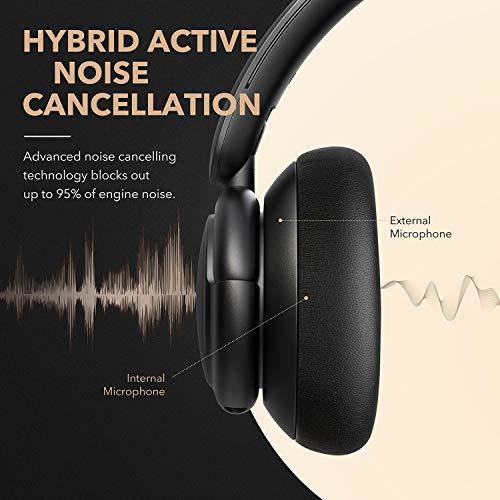
Active noise cancellation has become increasingly sophisticated, and these headphones showcase two different approaches. The Life Q30 uses what's called "hybrid ANC" – microphones both inside and outside each earcup work together to detect and cancel noise. Anker claims up to 95% reduction of low and mid-frequency sounds, which sounds impressive but doesn't tell the whole story.
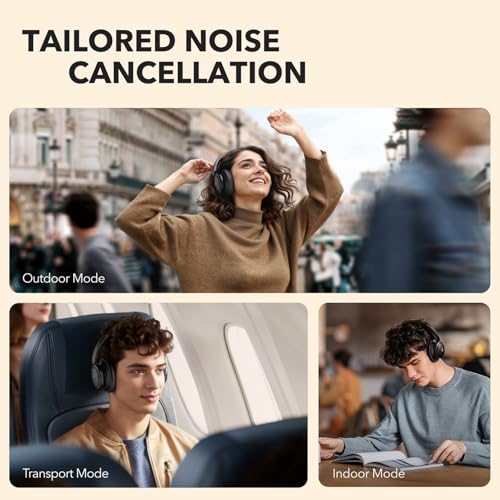
In real-world testing, the Q30's noise cancellation feels adequate but not exceptional. It handles steady, droning sounds like airplane engines reasonably well, but struggles with irregular noises like conversations or construction sounds. The system offers three preset modes: Transport (optimized for planes and cars), Indoor (targets office noise), and Outdoor (reduces wind and traffic). You manually switch between these modes, which works but requires you to remember to adjust settings as you move between environments.
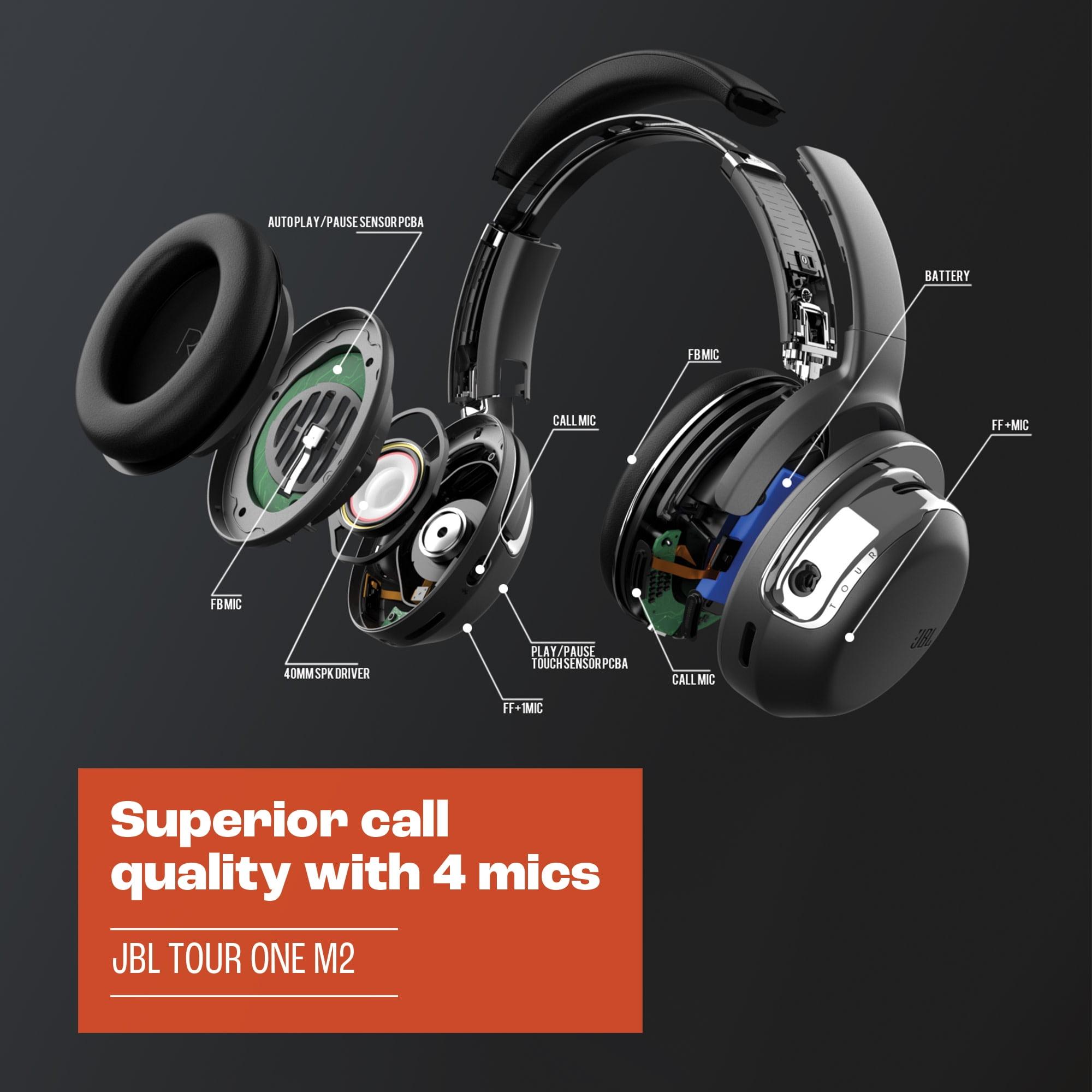
The JBL Tour One M2 represents a newer generation of ANC technology. Its "True Adaptive Noise Cancelling" uses four microphones and automatically adjusts the cancellation strength in real-time based on your environment. During my commute testing, I noticed the system continuously fine-tuning itself as I walked from a quiet office to a busy street to a subway platform. This adaptive approach feels more seamless than manually switching modes.
Both headphones offer transparency modes that let outside sound in when needed, but the Tour One M2 goes further with its Smart Talk feature. When it detects you speaking, the headphones automatically pause your music and activate ambient sound, letting you have conversations without removing the headphones. It's surprisingly effective once calibrated, though sometimes it triggers when you're singing along to music.
The Tour One M2 also includes Personal Sound Amplification, which can boost surrounding voices by 15-20 decibels. This feature essentially turns your headphones into mild hearing aids, making it easier to follow conversations in noisy restaurants or hear announcements in airports.
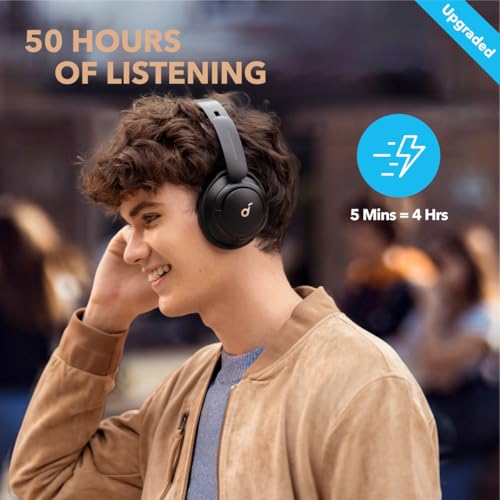
This is where the Life Q30 absolutely dominates. With up to 60 hours of playback when ANC is disabled and 40 hours with noise cancelling active, it offers some of the longest battery life available in any wireless headphone. During my testing, I genuinely forgot to charge them for weeks at a time with moderate daily use.
The practical impact of this extended battery life can't be overstated. If you're a frequent traveler, the Q30 means never worrying about your headphones dying during long flights or forgetting your charging cable on business trips. The fast charging feature provides 4 hours of playback from just 5 minutes of charging, which has saved me multiple times when rushing out the door.
The JBL Tour One M2 offers more conventional but still respectable battery life: up to 50 hours without ANC and 30 hours with noise cancelling enabled. While good, this represents 25-50% less endurance than the Q30 depending on how you use them. The Tour One M2's speed charging provides 5 hours from 10 minutes of charging, slightly less efficient than the Q30's rapid charge feature.
For most users, 30 hours is still plenty – that's potentially weeks of commuting or several long flights. But if maximum battery life is your priority, the Life Q30 is unmatched in this price range.
Here's where the two-year gap between these products becomes apparent. The Life Q30, while lightweight at 260 grams, shows signs of cost-cutting in its construction. The ear pads use memory foam that feels comfortable initially but tends to compress and lose shape relatively quickly. I've seen multiple reports of users needing to replace ear pads within months of purchase.
The headphones also don't fit all ear sizes well. If you have larger ears, the Q30 may not fully encompass them, leading to pressure points on your ear cartilage during extended wear. The adjustment mechanism works but feels somewhat flimsy compared to more expensive alternatives.
The JBL Tour One M2, at 272 grams, weighs slightly more but feels significantly more substantial. The faux leather ear pads maintain their shape better over time, and the overall construction feels like it could survive years of daily use. The adjustment mechanisms have a more premium feel, and the ear cups accommodate a wider range of ear sizes more comfortably.
During long listening sessions – I'm talking 4+ hours of continuous wear – the build quality differences become pronounced. The Tour One M2 maintains comfort throughout, while the Q30 can develop pressure points as the ear pads compress.
The Tour One M2 benefits from being a newer design with Bluetooth 5.3, compared to the Q30's Bluetooth 5.0. While both versions are stable, the newer standard offers potentially better power efficiency and lower latency, though the real-world difference is subtle.
Both headphones support multi-point connection, letting you connect to two devices simultaneously. This feature proves invaluable when switching between your laptop for work calls and your phone for music. The Tour One M2 adds Google Fast Pair and Microsoft Swift Pair for even quicker device connections.
The JBL Tour One M2 excels in call quality with its four-microphone array. The system effectively isolates your voice even in noisy environments like busy streets or coffee shops. The VoiceAware feature lets you hear your own voice during calls, preventing the disconnected feeling that can occur with strong noise cancellation.
The Life Q30 uses a simpler two-microphone setup that works adequately for calls but doesn't match the Tour One M2's clarity in challenging acoustic environments.
While neither headphone specifically targets home theater use, both can enhance your TV and movie watching experience. The Life Q30's V-shaped sound signature actually works well for action movies, adding punch to explosions and emphasis to dialogue. However, the bass emphasis can sometimes overwhelm subtle sound effects or musical scores.
The Tour One M2 provides a more balanced experience for film watching, with its controlled bass response allowing dialogue and music to coexist more naturally. The JBL Spatial Sound feature attempts to create a more immersive, theater-like experience by simulating multi-directional audio, though results vary depending on the source material.
Both headphones work well for gaming, though the Tour One M2's better soundstage and imaging make it easier to locate enemies or environmental audio cues in competitive games.
At the time of writing, both headphones occupy different value propositions in the market. The Soundcore Life Q30 typically sells for significantly less than the JBL Tour One M2, making it one of the best feature-to-dollar ratios available. You're getting Hi-Res audio, extensive EQ customization, decent ANC, and exceptional battery life at a price that's accessible to most budgets.
The Tour One M2 commands a premium but justifies it with superior build quality, more sophisticated ANC, better default sound tuning, and advanced features like Personi-Fi and Smart Talk. It represents a more mature, refined product that should last longer and provide a more consistent experience.
Your choice between these headphones should align with how you plan to use them and what matters most to you.
Choose the Soundcore Life Q30 if you're budget-conscious and want maximum value. Its 60-hour battery life makes it perfect for travelers who can't always access charging, and the extensive EQ options let you tailor the sound exactly to your preferences. The build quality compromises are manageable if you're careful with your gear and don't mind potentially replacing ear pads after heavy use.
The Q30 also makes sense if you primarily listen in relatively quiet environments where ANC quality matters less, or if you enjoy tweaking audio settings and don't mind spending time optimizing the sound signature.
Go with the JBL Tour One M2 if you want a more premium, set-it-and-forget-it experience. Its superior build quality means it should maintain comfort and functionality longer, while the adaptive ANC and Smart Talk features provide convenience that becomes more valuable over time. The better default sound tuning means less time spent in EQ menus.
The Tour One M2 particularly excels if you frequently take calls, commute in noisy environments, or want headphones that feel like a premium product from day one. The higher price pays for better materials, more sophisticated technology, and a more polished overall experience.
Both headphones succeed in their respective niches – the Life Q30 as an exceptional value proposition and the Tour One M2 as a more refined, premium offering. Your decision ultimately comes down to whether you prioritize maximum features per dollar or are willing to pay more for better build quality and advanced features.
In my experience, either choice will serve you well, but understanding these differences ensures you'll pick the headphones that best match your specific needs and budget.
| Soundcore Life Q30 | JBL Tour One M2 |
|---|---|
| Battery Life - Critical for travel and daily use without frequent charging | |
| Up to 60 hours (ANC off), 40 hours (ANC on) - Industry leading endurance | Up to 50 hours (ANC off), 30 hours (ANC on) - Still excellent but 25-50% less |
| Sound Signature - Affects how music sounds out of the box | |
| Heavy V-shaped (boosted bass/treble) - Requires EQ adjustment for balanced sound | Warm, balanced JBL signature - More natural without tweaking |
| Active Noise Cancellation - Essential for blocking distractions | |
| 3-mode hybrid ANC (manual switching) - Adequate but not class-leading | True Adaptive ANC (auto-adjusting) - More sophisticated, real-time optimization |
| Build Quality - Impacts long-term durability and comfort | |
| Lightweight (260g) but cost-cutting evident - Ear pads deflate quickly | Premium construction (272g) - More durable materials and better longevity |
| EQ Customization - Important for personalizing sound | |
| 22 presets + 8-band graphic EQ - Extensive manual control options | Personi-Fi 2.0 hearing test + multi-band EQ - Intelligent personalization |
| Bluetooth Version - Affects connection stability and features | |
| Bluetooth 5.0 with multi-point - Solid but older standard | Bluetooth 5.3 with Fast Pair - Latest standard with improved efficiency |
| Driver Technology - Determines audio quality potential | |
| 40mm silk diaphragm, 16Hz-40kHz (wired) - Hi-Res capable but bass-heavy | 40mm dynamic, 10Hz-40kHz - Better low-frequency extension and control |
| Call Quality - Important for work and communication | |
| 2-mic setup - Adequate voice pickup | 4-mic array with VoiceAware - Superior clarity in noisy environments |
| Smart Features - Convenience and automation capabilities | |
| Basic transparency mode and app controls | Smart Talk auto-pause, Personal Sound Amplification, spatial audio |
| Fast Charging - Quick power when you're in a hurry | |
| 5 minutes = 4 hours playback via USB-C | 10 minutes = 5 hours playback via USB-C |
| Comfort for Extended Wear - Critical for long listening sessions | |
| Memory foam that compresses over time - May pinch larger ears | Faux leather that maintains shape - Better for all-day wear |
| Value Proposition - Features per dollar spent | |
| Maximum features at budget price - Best battery life value | Premium experience at higher cost - Better build quality worth the extra |
The Soundcore Life Q30 offers significantly better battery life with up to 60 hours of playback when ANC is off and 40 hours with ANC enabled. The JBL Tour One M2 provides up to 50 hours without ANC and 30 hours with noise cancelling active. For travelers and heavy users, the Life Q30 delivers 25-50% longer usage between charges.
The JBL Tour One M2 has better balanced sound quality out of the box with controlled bass and natural mids. The Soundcore Life Q30 has a heavily V-shaped sound signature that emphasizes bass and treble, which can overwhelm vocals without EQ adjustment. However, the Life Q30 offers more extensive EQ customization options through its app.
The JBL Tour One M2 is more comfortable for extended wear due to its premium faux leather ear pads that maintain their shape over time and better accommodate different ear sizes. The Soundcore Life Q30 uses memory foam that tends to compress and may cause pressure points for users with larger ears during long sessions.
The JBL Tour One M2 features more advanced True Adaptive Noise Cancelling that automatically adjusts in real-time using four microphones. The Soundcore Life Q30 uses hybrid ANC with three manual modes (Transport, Indoor, Outdoor). While both are effective, the Tour One M2 provides more sophisticated noise reduction without requiring manual adjustments.
The JBL Tour One M2 excels at call quality with its four-microphone array and VoiceAware feature that lets you hear your own voice. The Soundcore Life Q30 uses a simpler two-microphone setup that works adequately but doesn't match the Tour One M2's clarity in noisy environments.
The JBL Tour One M2 has superior build quality with more durable materials and construction that should last years of daily use. The Soundcore Life Q30 shows cost-cutting measures with ear pads that may need replacement within months and an overall less premium feel, though it's lighter at 260g versus 272g.
The Soundcore Life Q30 typically offers better value with its exceptional battery life, extensive EQ options, and Hi-Res audio at a lower price point. The JBL Tour One M2 costs more but justifies the premium with superior build quality, advanced features like Smart Talk, and better default sound tuning.
Yes, both the Soundcore Life Q30 and JBL Tour One M2 support multi-point Bluetooth connection, allowing you to connect to two devices simultaneously. The Tour One M2 adds Google Fast Pair and Microsoft Swift Pair for quicker device connections with its newer Bluetooth 5.3 versus the Life Q30's Bluetooth 5.0.
The JBL Tour One M2 is better for movies with its balanced sound signature that allows dialogue and music to coexist naturally, plus JBL Spatial Sound for a more immersive experience. The Soundcore Life Q30 works well for action movies due to its bass emphasis but may overwhelm dialogue and subtle sound effects.
Both headphones offer fast charging via USB-C. The Soundcore Life Q30 provides 4 hours of playback from just 5 minutes of charging, while the JBL Tour One M2 gives 5 hours from 10 minutes of charging. The Life Q30 is slightly more efficient for emergency quick charges.
The Soundcore Life Q30 offers more extensive manual customization with 22 EQ presets and an 8-band graphic equalizer, plus unique features like ambient soundscapes. The JBL Tour One M2 takes a smarter approach with Personi-Fi 2.0 that creates personalized sound profiles based on hearing tests, requiring less manual tweaking for optimal results.
The Soundcore Life Q30 is excellent for travel due to its exceptional 60-hour battery life, meaning you rarely need to pack a charger. The JBL Tour One M2 offers better comfort for long flights and more effective adaptive noise cancellation for various travel environments. Both fold for portability and include carrying cases.
We've done our best to create useful and informative comparisons to help you decide what product to buy. Our research uses advanced automated methods to create this comparison and perfection is not possible - please contact us for corrections or questions. These are the sites we've researched in the creation of this article: soundguys.com - recordingnow.com - soundcore.com - theaudiophilecafecom.wordpress.com - versus.com - noisyworld.org - blog.jonsdocs.org.uk - youtube.com - head-fi.org - youtube.com - fullspecs.net - anker-tr.com - soundcore.com - soundcore.com - rtings.com - youtube.com - newegg.com - ifixit.com - headphonesaddict.com - tomsguide.com - majorhifi.com - audio46.com - synced.sg - majorhifi.com - versus.com - youtube.com - youtube.com - peterfalkingham.com - youtube.com - jbl.com - manuals.plus - bhphotovideo.com - device.report - jblonlinestore.com - bhphotovideo.com - jbl.com.my - en.jblthailand.com - harmanhouse.com - versus.com - consumerreports.org - bestbuy.com - th.jbl.com - jbl.com - theindianaudiophileforum.com

Privacy Policy
Terms and Conditions - Affiliate Policy
Home Security
© Copyright 2008-2026.
11816 Inwood Rd #1211, Dallas, TX 75244