

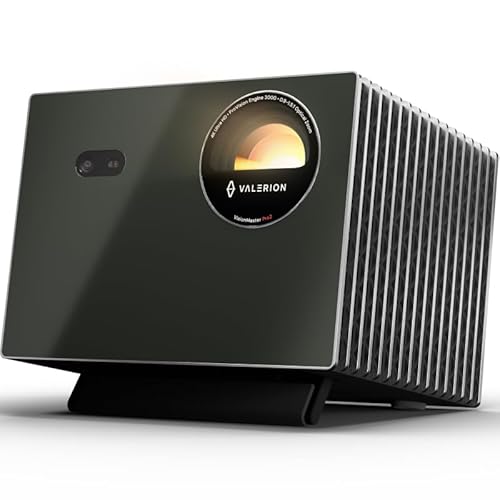
When you're ready to move beyond the limitations of even the largest TV, projectors open up a world of truly cinematic experiences. But choosing the right projector can be overwhelming, especially when comparing models from completely different eras and philosophies. Today we're looking at two fascinating projectors that represent opposite ends of the spectrum: the modern Valerion VisionMaster Pro 2 and the reference-grade JVC DLA-NX9.
Before diving into these specific models, it's worth understanding what separates good projectors from great ones. The most critical factors are contrast ratio (how deep the blacks can get compared to the brightest whites), brightness measured in lumens (how well it performs with ambient light), color accuracy (how faithfully it reproduces what directors intended), and resolution (the sharpness and detail you'll see).
The projector market has evolved dramatically in recent years. Laser light sources have largely replaced traditional lamps, smart features have become standard, and gaming performance has become a major selling point. This evolution creates interesting scenarios where newer, less expensive projectors can offer features that flagship models from just a few years ago simply don't have.
The Valerion VisionMaster Pro 2, launched in 2024, represents the modern lifestyle projector approach. It's designed for versatility – equally capable of delivering an intense gaming session, streaming the latest Netflix series, or hosting movie night with friends. At the time of writing, it sits in the premium lifestyle category but remains accessible to enthusiasts rather than requiring a luxury budget.
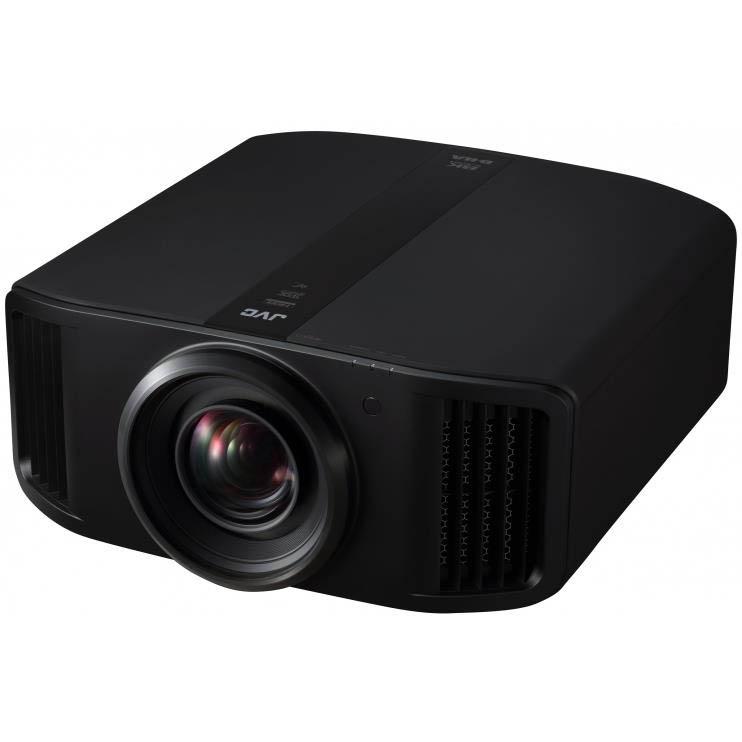
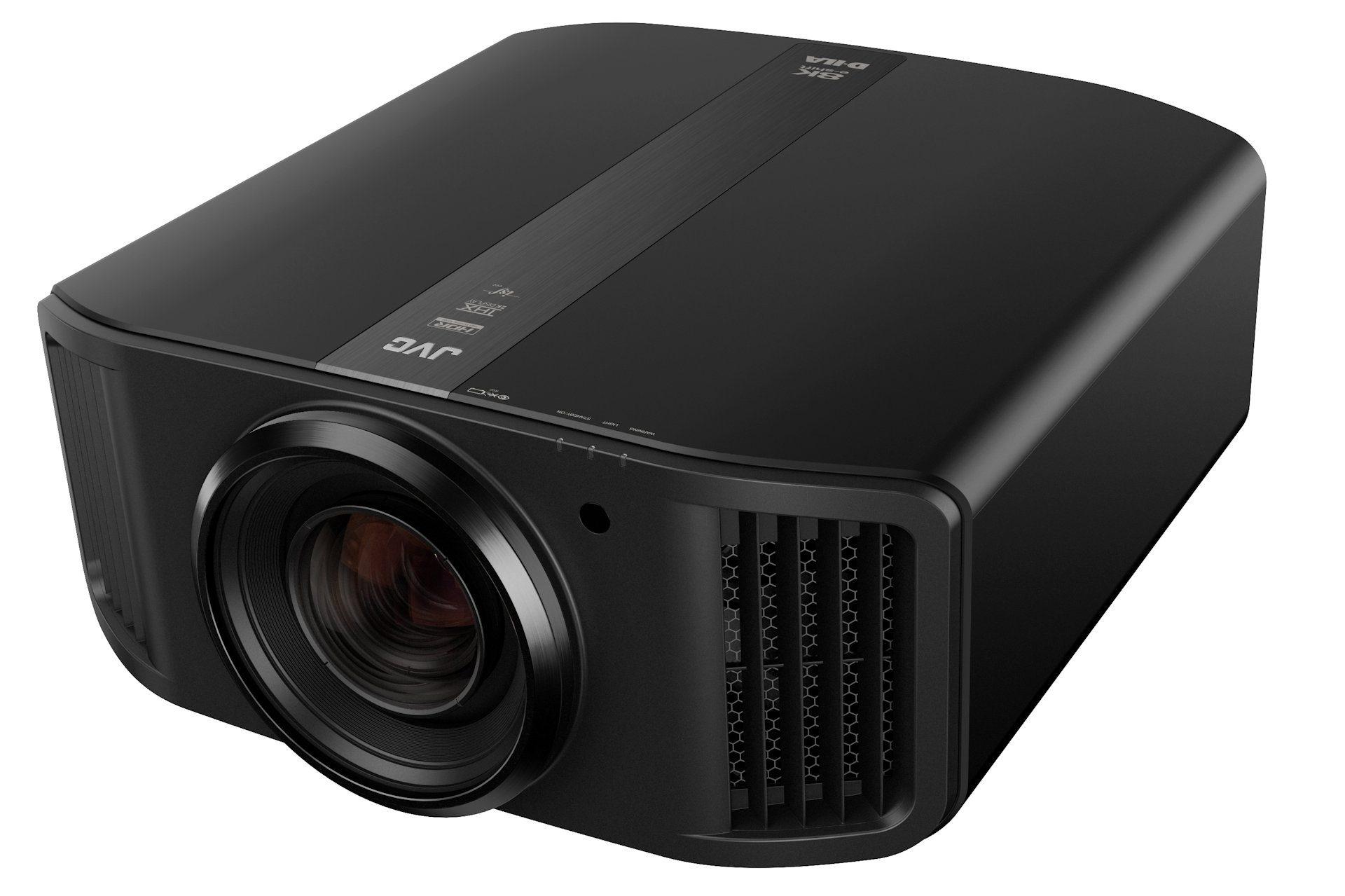
The JVC DLA-NX9, released in 2018 and now discontinued, was JVC's flagship reference projector designed for one purpose: delivering the absolute best image quality possible in a dedicated home theater. When it launched, it commanded a price point roughly six times higher than what the Valerion costs today, positioning it firmly in the luxury category.
This is where things get really interesting, because these projectors take fundamentally different approaches to creating the image you see.
The Valerion VisionMaster Pro 2 uses a single 0.47-inch DLP (Digital Light Processing) chip made by Texas Instruments. DLP technology works by using millions of tiny mirrors that tilt back and forth incredibly fast to create images. To achieve 4K resolution, it uses something called XPR pixel-shifting – essentially, the chip shows the image in multiple slightly offset positions so quickly that your eye perceives it as a single, higher-resolution image.
The JVC DLA-NX9 takes a completely different approach with three massive 0.69-inch D-ILA chips – one each for red, green, and blue. D-ILA (Direct Drive Image Light Amplifier) is JVC's version of reflective LCD technology, where liquid crystals control light reflection rather than mirrors. Having three separate chips means each color gets dedicated processing, and these chips are truly native 4K – no pixel-shifting tricks needed.
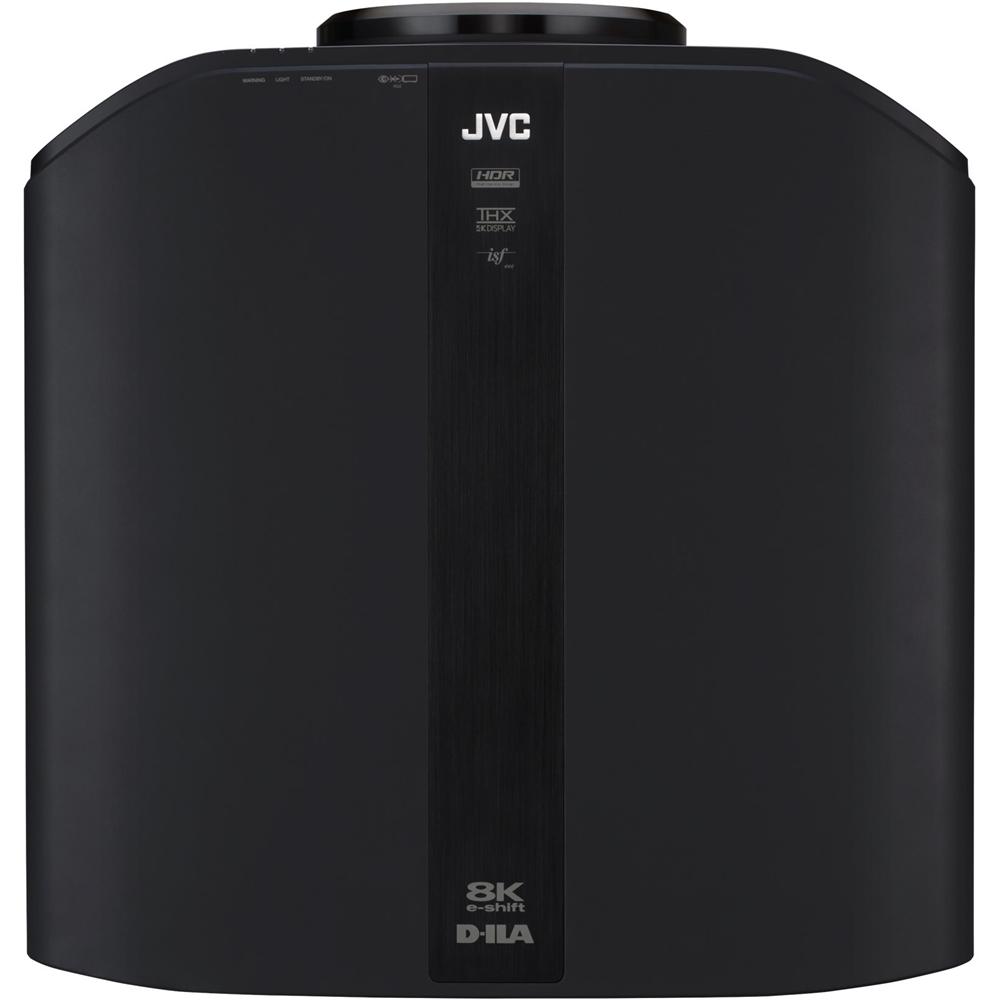
But JVC doesn't stop there. The DLA-NX9 adds its proprietary 8K e-shift technology on top of the native 4K chips. This shifts pixels by exactly half a pixel diagonally, effectively quadrupling the perceived resolution to 8192x4320. It's important to understand this doesn't mean the projector can accept 8K input signals – the HDMI inputs max out at 4K. Instead, it's taking 4K content and processing it to appear as sharp as native 8K would look.
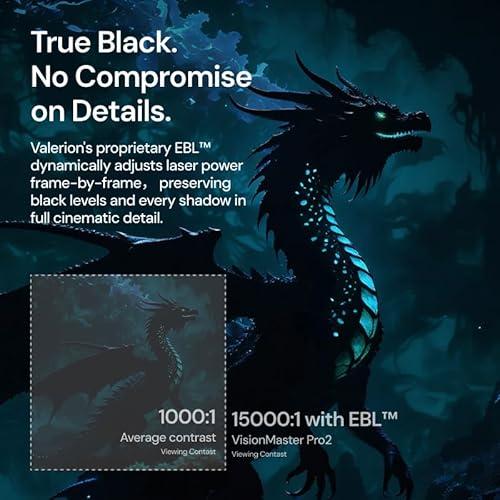
Here's where the JVC DLA-NX9 absolutely dominates, and it's arguably the most important difference between these projectors. The JVC achieves a native contrast ratio of 100,000:1, meaning the brightest whites are 100,000 times brighter than the darkest blacks it can produce. With dynamic processing, this extends to an almost unbelievable 1,000,000:1.
The Valerion VisionMaster Pro 2, while respectable for its category, manages 4,000:1 native contrast and 15,000:1 dynamic. That's a 25-fold difference in native contrast performance – and you absolutely will notice this difference when watching dark scenes in movies or playing atmospheric games.
Why does contrast matter so much? It's what makes images look three-dimensional and realistic rather than flat. When a projector can produce truly deep blacks, bright elements in the same scene appear more vibrant by comparison. This is especially crucial for HDR content, where the whole point is to capture the full range from deep shadows to bright highlights that exists in real life.
From our research into user experiences, this contrast difference is the single most commented-upon distinction. JVC owners consistently rave about the "inky blacks" and how shadows maintain detail even in the darkest scenes. Valerion VisionMaster Pro 2 users, while generally satisfied with the image quality for the price point, often mention that black levels are "adequate" or "better than expected" – language that suggests good performance within limits rather than reference-grade excellence.
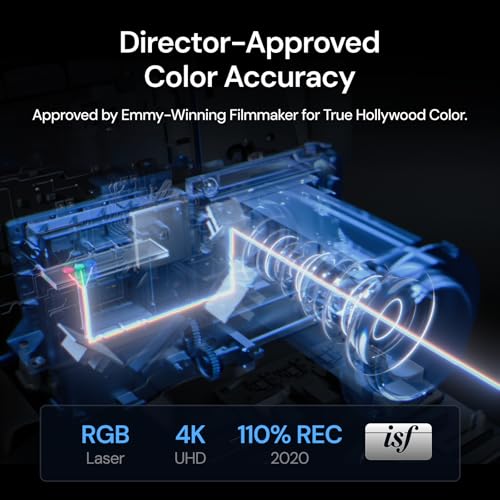
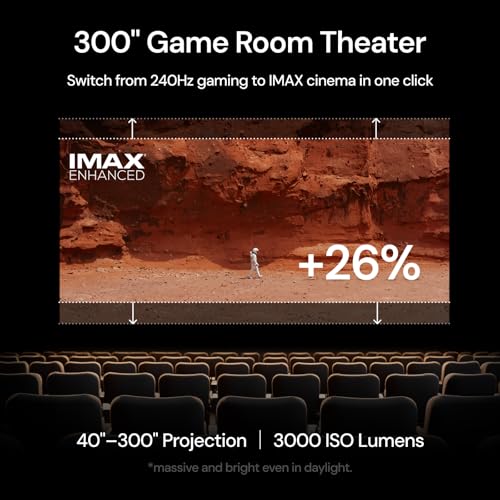
Interestingly, the Valerion VisionMaster Pro 2 fights back strongly in color performance and brightness. Its RGB triple-laser system produces 3,000 ISO lumens compared to the JVC's 2,200 ANSI lumens, and covers an impressive 110% of the Rec.2020 color space. Rec.2020 is the color standard for future 4K and 8K content, so covering more than 100% of it means this projector can display colors that are more saturated and vivid than the standard requires.
The laser light source also brings practical advantages. It's rated for over 25,000 hours of operation with no maintenance, meaning you could watch 6-7 hours daily for over 10 years without needing any service. The JVC DLA-NX9 uses a traditional 265-watt NSH lamp that needs replacement approximately every 4,500 hours in low mode – a significant ongoing cost and maintenance consideration.
This brightness advantage means the Valerion can handle rooms with more ambient light. While neither projector will work well in a bright living room during daytime, the Valerion can tolerate some light leakage from hallways or dim accent lighting that would wash out the JVC's image.
The six-year gap between these projectors becomes most apparent when looking at modern conveniences and compatibility.
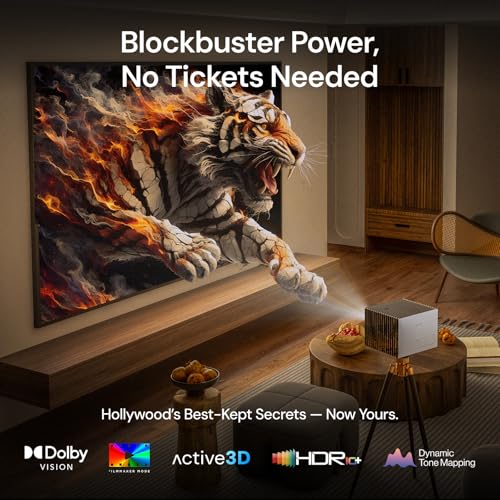
The Valerion VisionMaster Pro 2 supports every major HDR format you're likely to encounter: Dolby Vision, HDR10+, HDR10, HLG, and even IMAX Enhanced. Dolby Vision and HDR10+ are particularly important because they include scene-by-scene or frame-by-frame metadata that tells the projector exactly how to display each moment for optimal impact.
The JVC DLA-NX9, despite its premium positioning, only supports HDR10 and HLG. This was perfectly adequate in 2018, but Dolby Vision has since become the premium HDR format found on most high-end content from Netflix, Disney+, and Ultra HD Blu-ray discs.
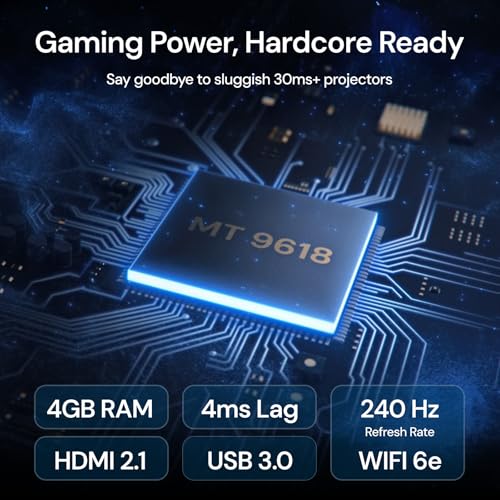
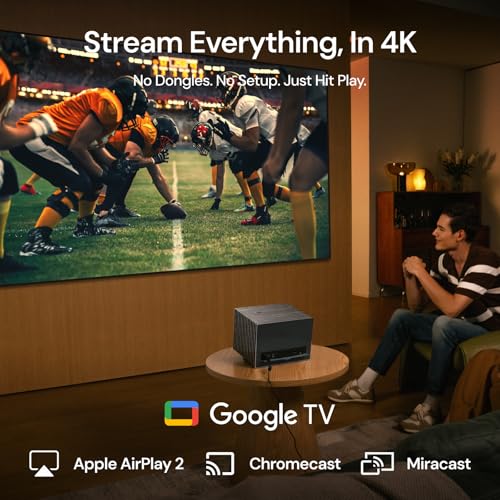
This is where the generational difference becomes stark. The Valerion VisionMaster Pro 2 runs Google TV OS with Netflix, Disney+, Prime Video, YouTube, and other major streaming apps built right in. It supports WiFi 6e, Bluetooth 5.2, and wireless casting via AirPlay 2, Chromecast, and Miracast. You could literally just plug it into power and start watching content immediately.
The JVC DLA-NX9 has no smart features whatsoever. No WiFi, no streaming apps, no wireless connectivity beyond basic network control. You'll need external devices for everything – Apple TV, Nvidia Shield, gaming consoles – and that's actually by design. JVC's philosophy was that dedicated external devices would always outperform built-in smart features, and external devices could be upgraded independently. In 2018, this made sense. Today, it feels outdated, especially when the built-in smart features work well and eliminate cable clutter.
Gaming represents the starkest difference between these projectors, and it perfectly illustrates how much the market has evolved since 2018.
The Valerion VisionMaster Pro 2 is explicitly designed for modern gaming. It achieves 4ms input lag at 1080p/240Hz, 8ms at 1080p/120Hz, and 15ms at 4K/60Hz. Input lag is the delay between when you press a button and when the action appears on screen – for competitive gaming, anything under 20ms is considered excellent, and under 10ms is tournament-level performance.
It includes ALLM (Auto Low Latency Mode) that automatically switches to gaming mode when it detects a console, supports variable refresh rates, and even has gaming-specific features like crosshair overlays and dark detail enhancement to help spot enemies in shadows.
The JVC DLA-NX9 simply wasn't designed with gaming in mind. Released before the PlayStation 5 and Xbox Series X existed, it has no low-latency modes, no VRR support, and maxes out at 4K/60Hz. This doesn't make it unsuitable for casual gaming, but serious gamers will find it frustrating compared to modern alternatives.
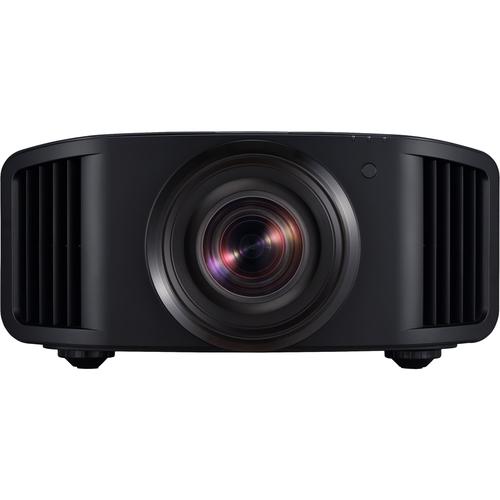
The JVC DLA-NX9 shines in professional installation scenarios. Its premium 100mm diameter all-glass lens with 18 elements provides 2x powered zoom and full motorized lens shift – you can move the image up, down, left, or right without physically moving the projector. This makes it incredibly flexible for ceiling mounting in custom theaters where the ideal projector location might not align perfectly with the screen.
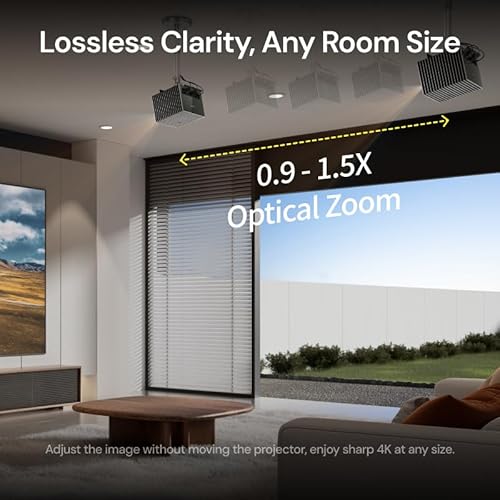
The Valerion VisionMaster Pro 2 takes a more consumer-friendly approach. It has 1.67x manual zoom and powered focus, but no lens shift. This means you need to position the projector more precisely relative to your screen. However, it compensates with automatic keystone correction and screen alignment features that simplify setup for casual users.
The Valerion weighs just 15.4 pounds and measures roughly 10 x 7 x 9 inches – you could reasonably move it between rooms or take it to friends' houses for movie nights. The JVC DLA-NX9 weighs 48 pounds and measures about 20 x 9 x 20 inches. This is a permanent installation piece that requires robust ceiling mounting.
Based on our analysis of user reviews and expert opinions, the most critical performance factors vary by use case:
For home theater enthusiasts, contrast ratio dominates everything else. The ability to see detail in dark scenes while maintaining bright highlights is what creates that "wow factor" that makes projection worthwhile over large TVs. Color accuracy comes second, followed by brightness for the specific room conditions.
For gamers, input lag is paramount, followed by brightness (since gaming often happens in mixed lighting), then color vibrancy. Contrast, while nice, matters less than responsive performance.
For versatile family use, brightness becomes most important since you'll often use the projector in mixed lighting conditions, followed by ease of use and smart features, then color performance.
You want a modern, versatile projector that excels at multiple tasks. This is perfect for gaming enthusiasts who also watch movies, families who want easy streaming access, or anyone setting up their first projector system. The combination of excellent brightness, laser longevity, smart features, and gaming performance makes it incredibly practical for real-world use.
The Valerion makes particular sense if you're in a multi-purpose room where some ambient light is unavoidable, or if you value the convenience of having everything built-in rather than managing multiple external devices.
You have a dedicated, completely dark theater room and prioritize ultimate image quality above everything else. The contrast performance is genuinely in a different league, and if you're the type of person who notices and cares about the difference between good and reference-grade picture quality, the JVC will spoil you for anything else.
However, be prepared for the complexity and ongoing costs. You'll need external streaming devices, the lamp will eventually need replacement, and the professional installation requirements mean this isn't a casual purchase.
Here's my honest take after researching both projectors extensively: the JVC DLA-NX9 produces significantly better images in its ideal environment – a completely dark, dedicated theater room. The contrast difference is substantial and immediately visible in dark scenes. If you're building a serious home theater and money isn't the primary concern, the JVC's image quality justifies its premium positioning.
But for most people, the Valerion VisionMaster Pro 2 makes more sense. The image quality is genuinely excellent for its price point, the modern features are incredibly convenient, and the gaming performance opens up use cases the JVC simply can't handle. The brightness advantage also makes it more practical in real-world room conditions.
The technology evolution since 2018 has been remarkable. Features that required flagship pricing six years ago – like excellent 4K processing, wide color gamuts, and smart connectivity – are now available in much more affordable packages. Meanwhile, entirely new requirements like low-latency gaming and comprehensive HDR support have emerged.
At the time of writing, the Valerion VisionMaster Pro 2 represents exceptional value for anyone wanting a premium projector experience without the complexity and cost of reference-grade equipment. The JVC DLA-NX9, while technically superior in pure image quality, feels like yesterday's technology at yesterday's premium prices – impressive for its time, but difficult to recommend given its limitations and discontinued status.
The sweet spot for most enthusiasts lies in getting very good image quality with excellent modern features rather than perfect image quality with significant compromises everywhere else. The Valerion hits that sweet spot perfectly.
| Valerion VisionMaster Pro 2 | JVC DLA-NX9 |
|---|---|
| Contrast Ratio - The most critical spec for deep blacks and cinematic image quality | |
| 4,000:1 native (15,000:1 dynamic) - Good for lifestyle projectors | 100,000:1 native (1,000,000:1 dynamic) - Reference-grade cinema quality |
| Resolution Technology - How each projector creates 4K+ images | |
| Single 0.47" DLP chip with XPR pixel-shifting to 4K | Three 0.69" native 4K D-ILA chips with 8K e-shift processing |
| Brightness - Determines performance with ambient light | |
| 3,000 ISO lumens (excellent for mixed lighting) | 2,200 ANSI lumens (requires dark room for best results) |
| Light Source - Affects maintenance costs and longevity | |
| RGB triple laser (25,000+ hours, no maintenance) | 265W NSH lamp (4,500 hours, requires replacement) |
| Gaming Performance - Input lag for responsive gaming | |
| 4ms at 1080p/240Hz, 8ms at 120Hz, 15ms at 4K/60Hz | No low-latency mode (designed before current-gen consoles) |
| HDR Support - Modern high dynamic range formats | |
| Dolby Vision, HDR10+, HDR10, HLG, IMAX Enhanced | HDR10 and HLG only (lacks newer Dolby Vision) |
| Smart Features - Built-in streaming and connectivity | |
| Google TV OS with Netflix, Disney+, WiFi 6e, Bluetooth 5.2 | No smart features - requires external streaming devices |
| Lens System - Installation flexibility and image adjustment | |
| 1.67x manual zoom, powered focus, no lens shift | 2x powered zoom, motorized lens shift (±100% vertical) |
| Color Gamut - Range of colors the projector can display | |
| 110% Rec.2020 with ISF certification | Beyond DCI-P3 range with 10-bit processing |
| Physical Size - Portability and installation requirements | |
| 15.4 lbs, 10.2" x 7.3" x 9.2" (lifestyle friendly) | 48 lbs, 19.6" x 9.3" x 20.4" (permanent installation) |
| Release Date & Status - Technology generation and availability | |
| December 2024 (current technology) | November 2018 (discontinued, 6-year-old design) |
| Target Use Case - Ideal room and usage scenarios | |
| Versatile gaming/streaming in multi-purpose rooms | Dedicated dark theater rooms for cinema purists |
The Valerion VisionMaster Pro 2 is significantly better for gaming with ultra-low input lag of just 4ms at 1080p/240Hz and 8ms at 120Hz. It includes ALLM (Auto Low Latency Mode), gaming-specific features like crosshair overlays, and supports high refresh rates. The JVC DLA-NX9 wasn't designed for gaming and lacks low-latency modes or modern gaming features, making it unsuitable for competitive gaming.
The biggest difference is contrast ratio. The JVC DLA-NX9 delivers exceptional 100,000:1 native contrast for incredibly deep blacks and reference-grade image quality, while the Valerion VisionMaster Pro 2 offers 4,000:1 native contrast - good for its category but not cinema-grade. The JVC also features true native 4K chips with 8K e-shift processing, versus the Valerion's single DLP chip with pixel-shifting technology.
The Valerion VisionMaster Pro 2 is brighter at 3,000 ISO lumens compared to the JVC DLA-NX9's 2,200 ANSI lumens. This makes the Valerion better for rooms with some ambient light, while the JVC requires a completely dark theater room to perform at its best.
Only the Valerion VisionMaster Pro 2 has smart features, running Google TV OS with built-in Netflix, Disney+, Prime Video, and other streaming apps. The JVC DLA-NX9 has no smart features and requires external streaming devices like Apple TV or Nvidia Shield for content access.
The Valerion VisionMaster Pro 2 supports all major HDR formats including Dolby Vision, HDR10+, HDR10, HLG, and IMAX Enhanced. The JVC DLA-NX9 only supports HDR10 and HLG, missing the newer Dolby Vision and HDR10+ formats that are common on premium streaming content.
The Valerion VisionMaster Pro 2 uses a laser light source rated for 25,000+ hours with no maintenance required. The JVC DLA-NX9 uses a traditional lamp that needs replacement approximately every 4,500 hours, creating ongoing maintenance costs and downtime.
The Valerion VisionMaster Pro 2 is more user-friendly with automatic keystone correction, screen alignment, and obstacle avoidance features. However, the JVC DLA-NX9 offers superior installation flexibility with motorized lens shift (±100% vertical, ±43% horizontal) and 2x powered zoom, making it better for custom theater installations despite requiring professional setup.
Both work for home theater but serve different needs. The JVC DLA-NX9 excels in dedicated dark theater rooms with its reference-grade contrast and color accuracy. The Valerion VisionMaster Pro 2 is better for versatile home entertainment in multi-purpose rooms, offering excellent brightness and modern streaming features.
The Valerion VisionMaster Pro 2 is compact and portable at 15.4 pounds and roughly 10x7x9 inches. The JVC DLA-NX9 is much larger at 48 pounds and approximately 20x9x20 inches, designed for permanent ceiling installation in dedicated theater rooms.
The Valerion VisionMaster Pro 2 offers modern connectivity with HDMI 2.1 ports, WiFi 6e, Bluetooth 5.2, USB 3.0, and wireless casting via AirPlay 2 and Chromecast. The JVC DLA-NX9 has HDMI 2.0b inputs and basic control connections but lacks wireless connectivity and modern features.
The JVC DLA-NX9 can process content to 8K resolution (8192x4320) using its e-shift technology, but it cannot accept 8K input signals due to HDMI 2.0b limitations. The Valerion VisionMaster Pro 2 focuses on excellent 4K performance rather than 8K processing.
The Valerion VisionMaster Pro 2 typically offers better value with modern features, excellent gaming performance, laser longevity, and built-in smart capabilities. The JVC DLA-NX9, while superior in pure image quality, commands a premium price for reference-grade performance that mainly benefits dedicated home theater setups with controlled lighting conditions.
We've done our best to create useful and informative comparisons to help you decide what product to buy. Our research uses advanced automated methods to create this comparison and perfection is not possible - please contact us for corrections or questions. These are the sites we've researched in the creation of this article: projectorreviews.com - projectorcentral.com - projectorcentral.com - soundandvision.com - valerion.com - projector-database.com - rtings.com - valerion.com - techradar.com - valueelectronics.com - digitalcameraworld.com - youtube.com - youtube.com - bestbuy.com - youtube.com - projectorscreen.com - avsforum.com - crutchfield.com - avnirvana.com - flanners.com - projectorcentral.com - soundandvision.com - jvc.com - eu.jvc.com - directappliance.com

Privacy Policy
Terms and Conditions - Affiliate Policy
Home Security
© Copyright 2008-2026.
11816 Inwood Rd #1211, Dallas, TX 75244