



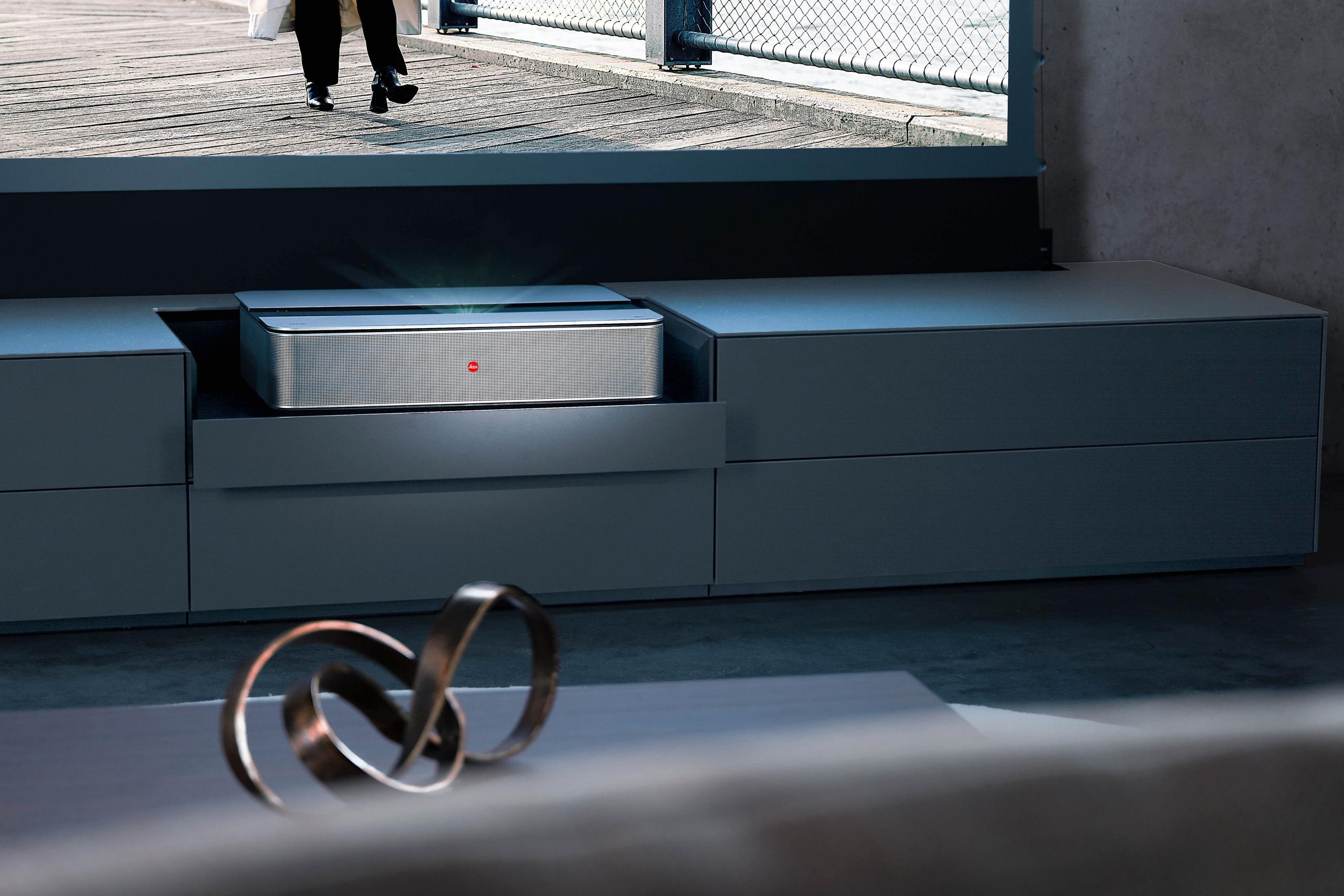
When shopping for a 4K home cinema projector, you'll quickly discover that where you place the projector matters just as much as what it can display. The projection world has split into two distinct camps: traditional standard throw projectors that mount on your ceiling or sit on a shelf behind your seating, and ultra-short throw (UST) models that perch just inches from your wall like an oversized soundbar.
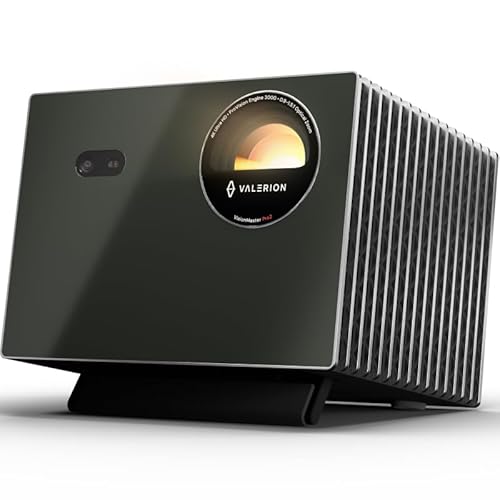
This fundamental difference shapes everything from installation complexity to image quality, and understanding these trade-offs is crucial before making what's likely a multi-thousand dollar investment. Today we're comparing two projectors that represent each approach: the Valerion VisionMaster Pro 2, a versatile standard throw model released in 2024, and the Leica Cine 1 120", a luxury UST projector that arrived in 2023.
The projector landscape has evolved dramatically over the past few years. Gone are the days of dim, lamp-based projectors that required complete darkness and frequent bulb replacements. Modern laser projectors can fill a screen with vibrant images even in moderately lit rooms, and their light sources last 25,000 hours or more—that's over a decade of heavy use.
Standard throw projectors like the Valerion VisionMaster Pro 2 require placement anywhere from 4 to 20 feet from your screen, depending on how large you want the image. This distance requirement means ceiling mounting or finding shelf space behind your seating area, but it also provides incredible flexibility in screen sizes and room layouts.
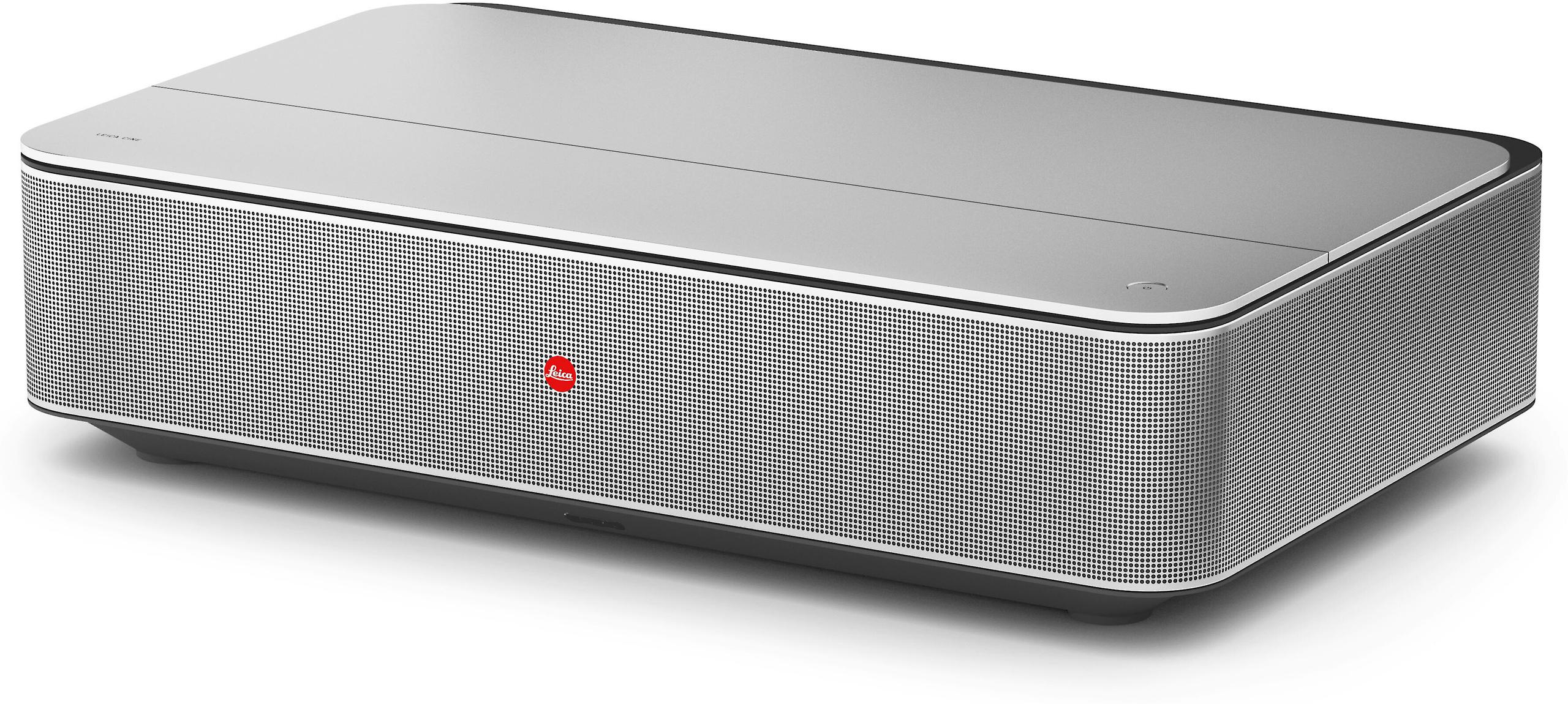
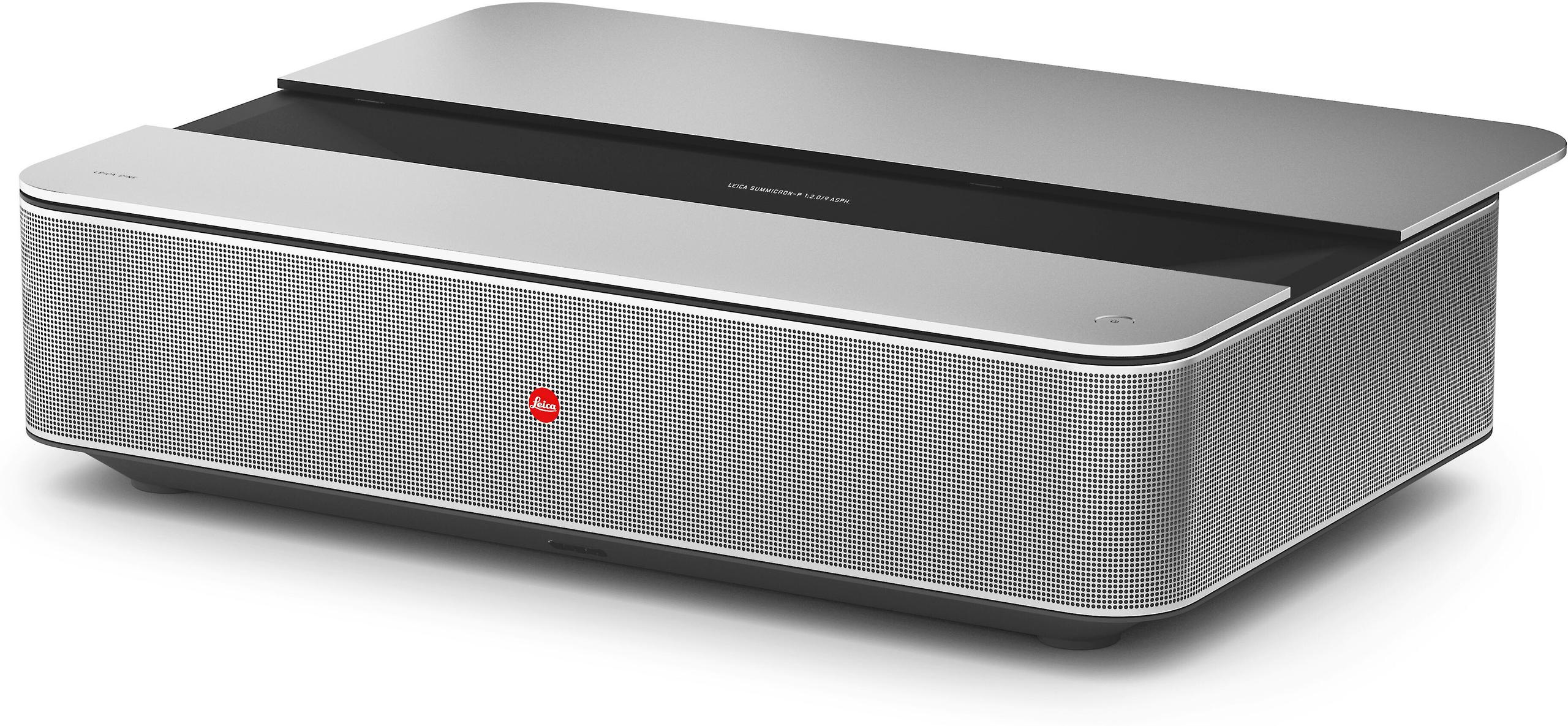
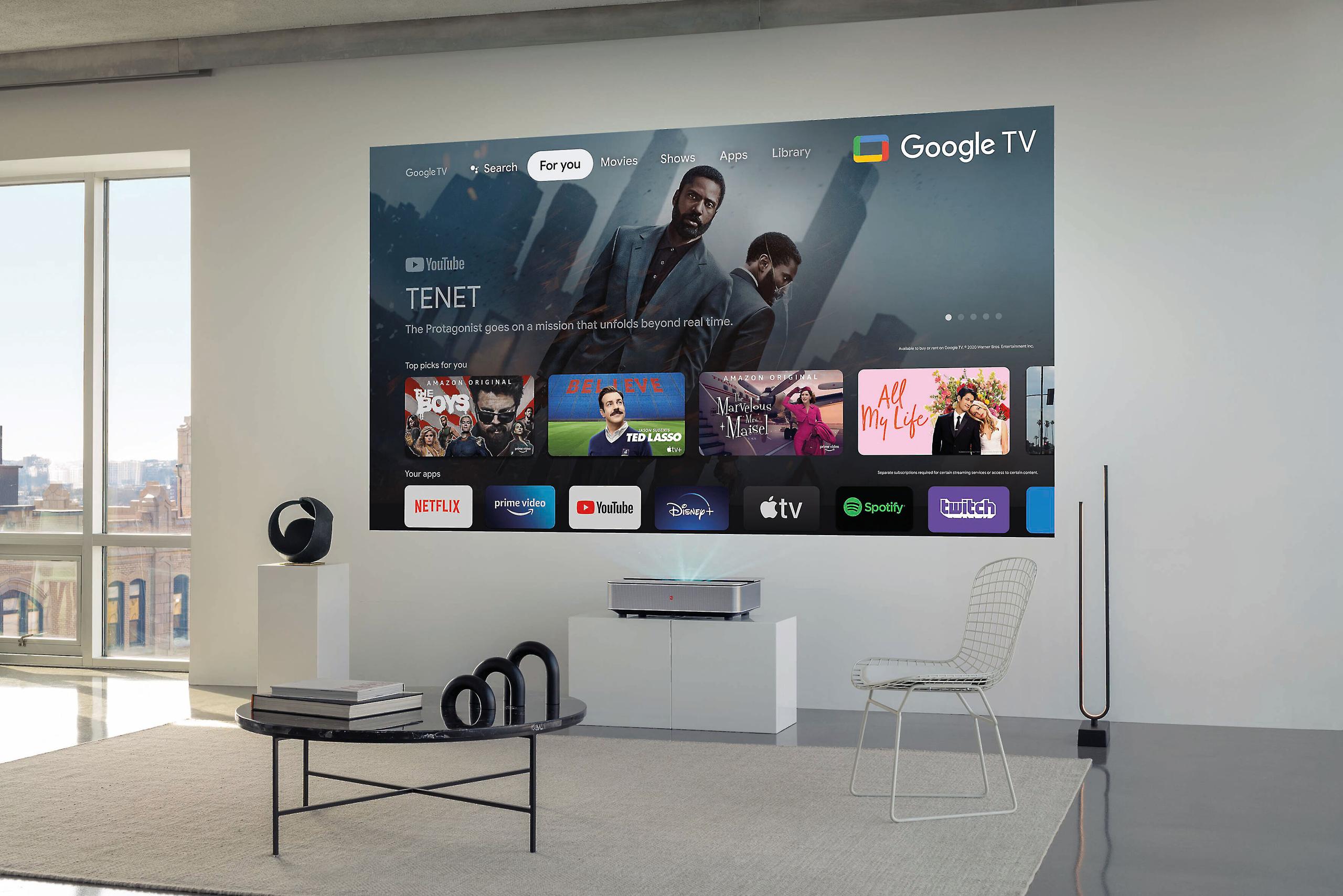
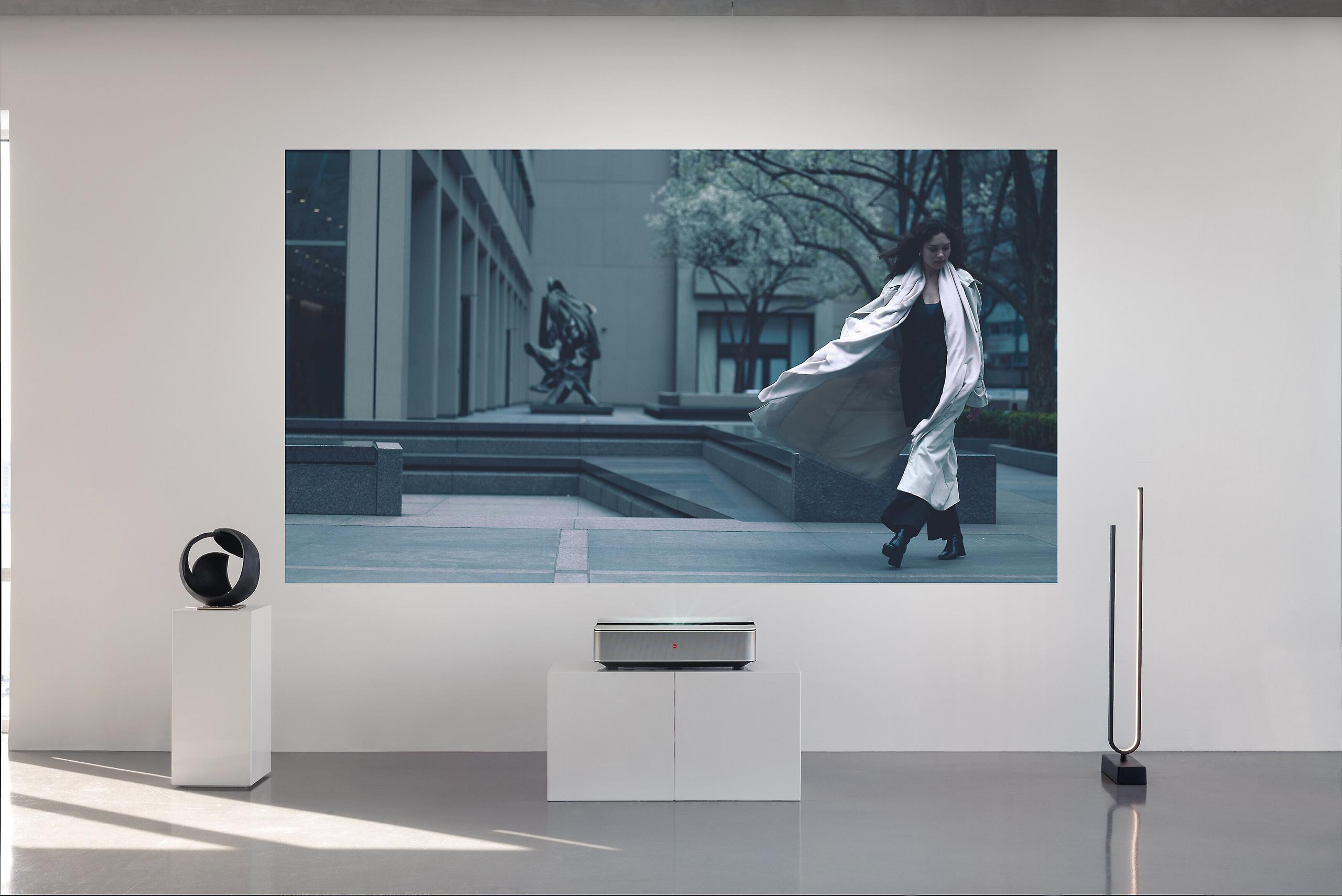
Ultra-short throw projectors like the Leica Cine 1 120" flip this concept entirely. They sit just 2-3 feet from your wall and project upward at an extreme angle, creating large images from impossibly short distances. Think of them as television replacements that happen to use projection technology rather than a traditional panel.
Both categories now use DLP (Digital Light Processing) technology with pixel-shifting to achieve 4K resolution. Pixel-shifting takes a 1080p chip and rapidly moves the image to create additional detail, effectively doubling the resolution in both directions. While not technically "native" 4K like you'd find in premium home theater projectors costing $10,000+, the results are sharp and detailed enough that most viewers can't tell the difference.
The Valerion VisionMaster Pro 2 positions itself as a performance-focused projector for enthusiasts who want premium features without premium pricing. At roughly one-third the cost of the Leica at the time of writing, it emphasizes raw capability over luxury appointments.
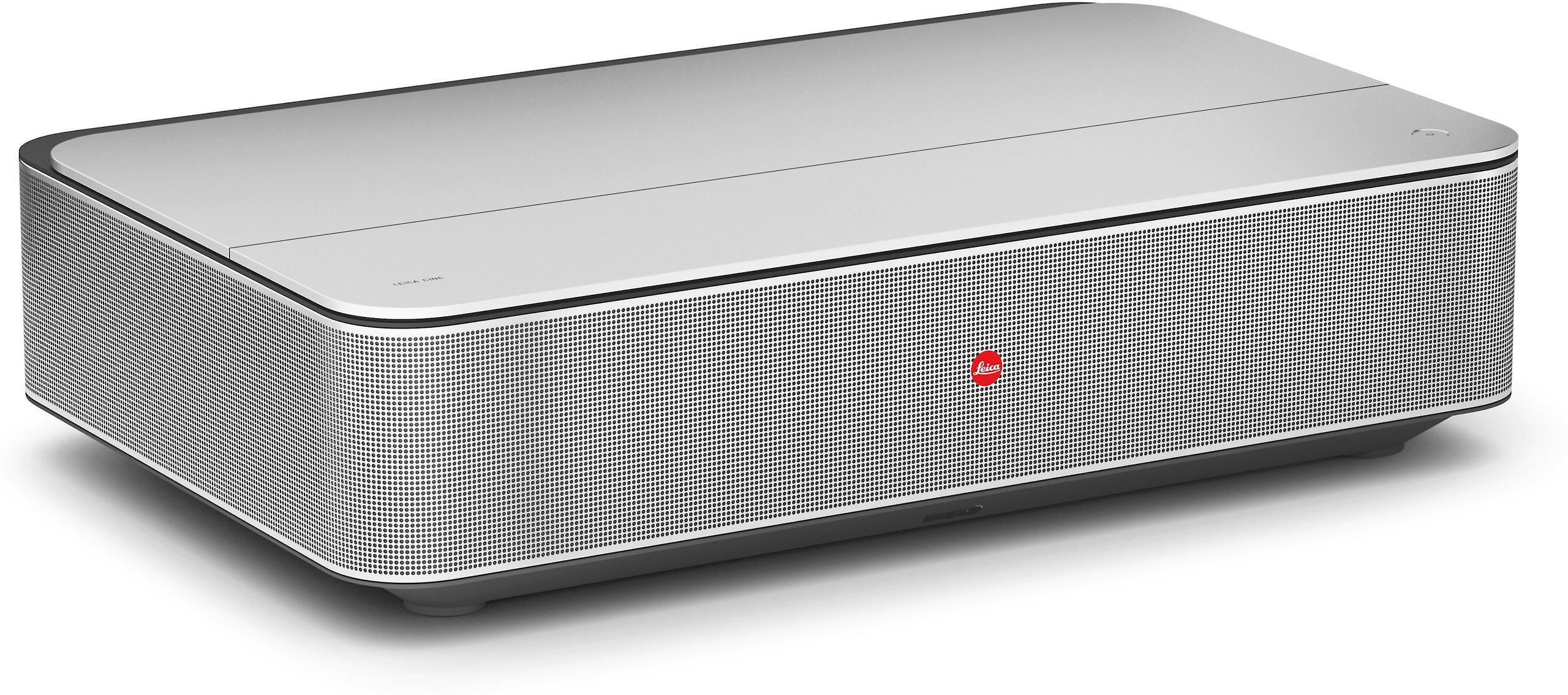
The Leica Cine 1 120", conversely, carries the prestigious Leica brand into projection with a focus on premium build quality, elegant design, and installation simplicity. You're paying significantly more, but you're getting the kind of refined experience Leica is known for in the photography world.
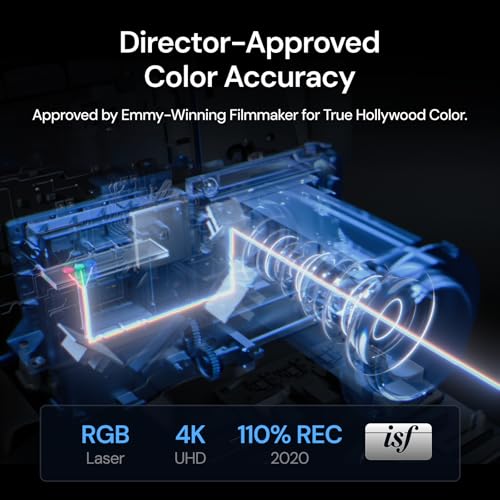
Both projectors use triple RGB laser technology, which represents a major advancement over older single-laser designs. Traditional projectors often used a blue laser with a phosphor wheel to create other colors, leading to compromised color accuracy. Triple laser systems use separate red, green, and blue lasers for pure, saturated colors that cover more of the visible color spectrum than most TVs can display.
The Valerion VisionMaster Pro 2 claims coverage of 110% of the Rec.2020 color space—that's the ultra-wide color standard for 4K content. This means it can display colors that simply don't exist on standard TVs, creating more lifelike skin tones and vibrant landscapes. More importantly, it includes ISF (Imaging Science Foundation) certified calibration modes, meaning color accuracy has been professionally tuned rather than left to factory guesswork.
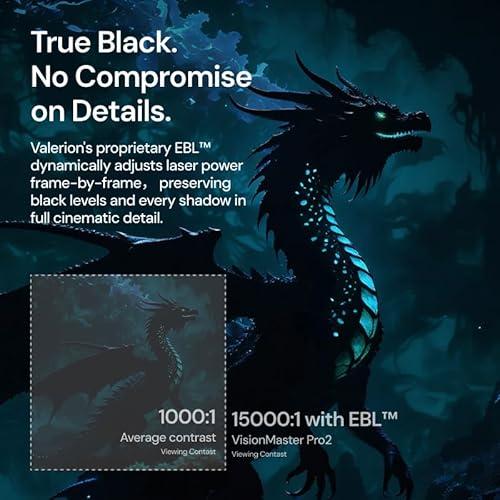
Where the Valerion really shines is contrast performance. Its 4,000:1 native contrast ratio might not sound impressive compared to OLED TVs with their infinite contrast, but it's exceptional for a lifestyle projector. The Enhanced Black Level technology dynamically adjusts laser output for darker scenes, creating those inky blacks that make movie watching feel cinematic. Our research into professional reviews consistently highlights this superior contrast performance compared to competitive UST projectors.
The Leica Cine 1 120" takes a different approach, emphasizing optical precision over raw contrast numbers. Its aspherical glass lens—the same type of precision optics Leica uses in their legendary cameras—delivers edge-to-edge sharpness that plastic lens systems simply can't match. If you've ever noticed how projected images sometimes look softer at the corners, the Leica's glass optics largely eliminate this issue.
However, the Leica shows its limitations in contrast performance with just 1,000:1 native contrast. While it claims astronomical dynamic contrast ratios in the millions, these numbers are largely marketing—what matters is how dark the blacks look in real viewing conditions. Based on expert reviews, the Valerion delivers noticeably better contrast in actual movie watching scenarios.
This is where the projectors diverge most dramatically. Modern gaming, especially on PlayStation 5 and Xbox Series X consoles, demands low input lag—the delay between pressing a button and seeing the response on screen. Competitive gamers consider anything over 20ms problematic, while casual players might not notice delays up to 40ms.
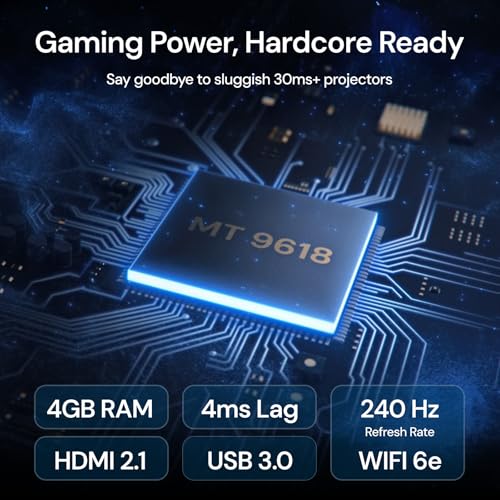
The Valerion VisionMaster Pro 2 excels here with gaming-focused engineering. Its 4ms input lag at 1080p/240Hz makes it faster than many gaming monitors, while even 4K/60Hz gaming maintains a responsive 15ms delay. The projector includes HDMI 2.1 ports with features like Auto Low Latency Mode (ALLM), which automatically switches to game mode when it detects console input.
The Leica Cine 1 120", with 60ms input lag, feels sluggish for any gaming beyond casual puzzle games. This isn't necessarily a design flaw—many UST projectors prioritize image processing over gaming speed—but it effectively eliminates gaming as a use case. If anyone in your household plays video games regularly, this performance gap alone might determine your choice.
The installation experience differs fundamentally between these projector types. The Leica Cine 1 120" offers television-like simplicity: place it on a media console or dedicated stand, plug it in, and you're watching a 120-inch image. No ceiling mounting, no cable runs across the room, no shadows when people walk between the projector and screen.
This convenience comes with significant limitations. The Leica produces a fixed image size around 120 inches with no zoom capability—what you get is what you get. The ultra-short throw design also requires compatible ALR (Ambient Light Rejecting) screens for optimal performance. These specialized screens cost $2,000-5,000 and use micro-structures to reflect projected light toward viewers while rejecting ambient light from other directions.
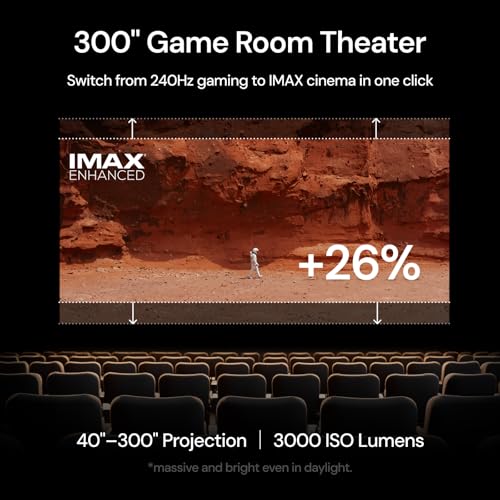
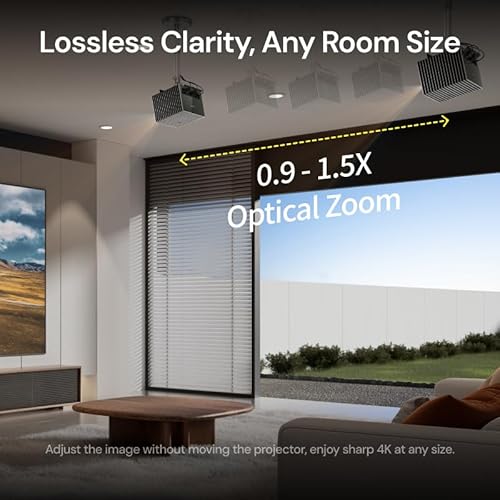
The Valerion VisionMaster Pro 2 requires more planning but offers exponentially more flexibility. Its 1.67x optical zoom lens allows image sizes from 40 inches up to a massive 300 inches, adapting to different rooms and viewing preferences. The powered focus and automatic keystone correction simplify setup, though you'll still need ceiling mounting or a sturdy rear shelf.
This flexibility extends beyond just size. Want a 150-inch screen for movie nights but 80 inches for casual TV? The Valerion handles both with its zoom lens. Planning to move homes? It adapts to different room configurations. The Leica works beautifully in its intended 120-inch format but offers no adaptability.
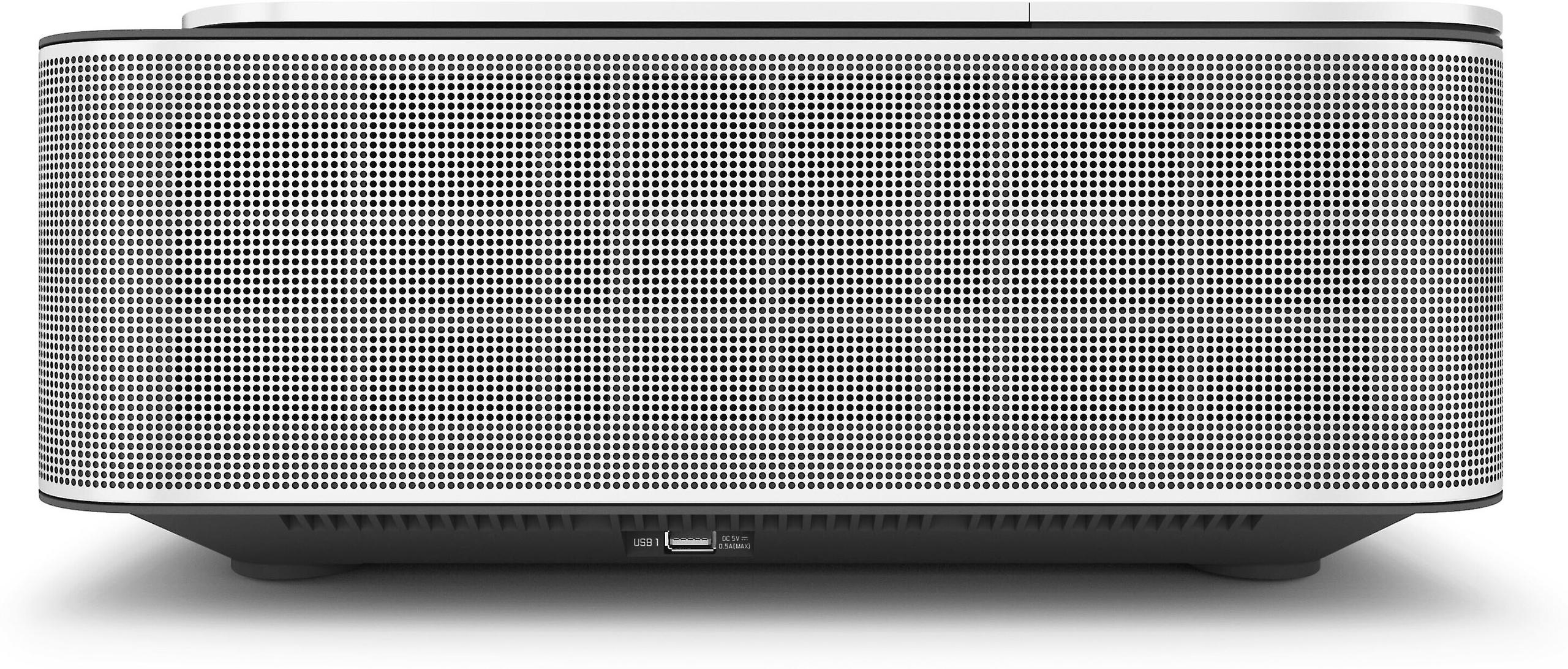
Both projectors include integrated speakers, though external sound systems remain recommended for serious home theater use. The Leica Cine 1 120" provides more powerful audio with dual 25-watt speakers supporting Dolby Atmos processing. The sound system creates a more immersive audio experience that might satisfy casual viewing without additional speakers.
The Valerion VisionMaster Pro 2 includes more modest dual 12-watt speakers with DTS Virtual:X processing. While adequate for background viewing, serious movie watching will benefit from a dedicated sound bar or surround system.
In practice, most users investing in premium projectors eventually add external audio, making this difference less crucial than core projection performance.
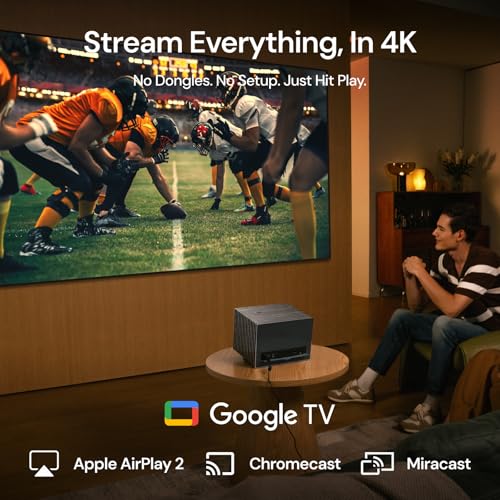
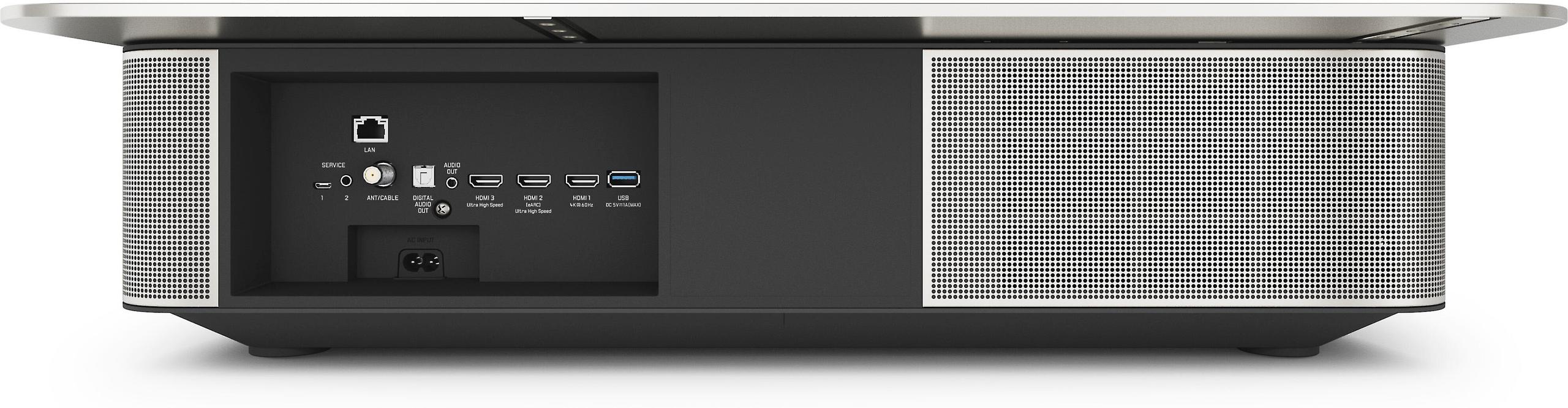
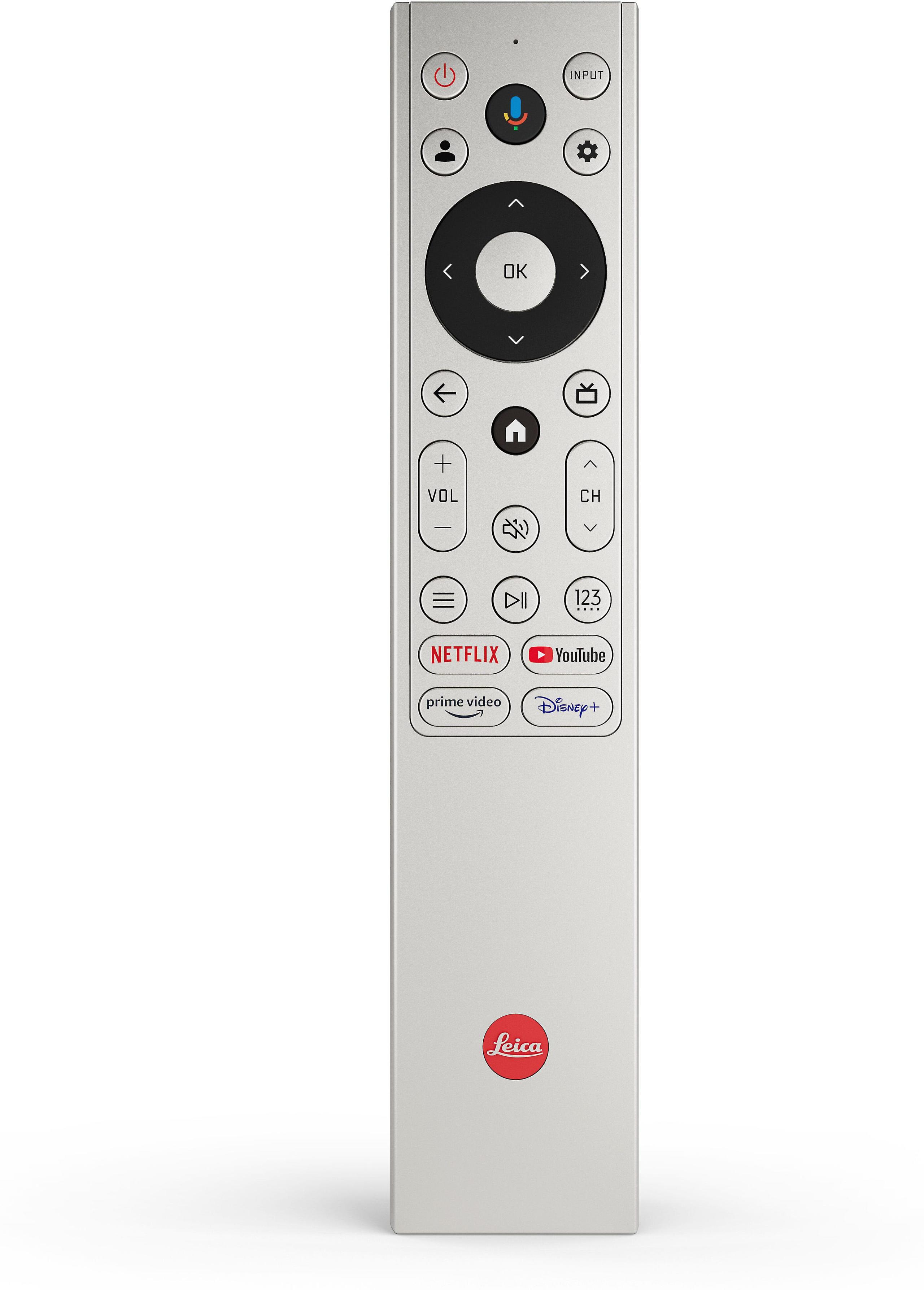
Both projectors run Google TV operating systems with access to Netflix, YouTube, Disney+, and other major streaming services. The Valerion includes slightly more advanced connectivity with WiFi 6E and dual HDMI 2.1 ports, future-proofing for upcoming gaming and streaming standards.
The Leica includes an integrated TV tuner for over-the-air broadcasting, a nice touch for cord-cutters who still want local news and sports. Both support wireless casting from phones and tablets.
At the time of writing, the Valerion VisionMaster Pro 2 costs roughly one-third the price of the Leica Cine 1 120", creating a dramatic value proposition difference. The Valerion delivers superior contrast, exceptional gaming performance, installation flexibility, and professional color calibration at the lower price point.
The Leica justifies its premium through build quality, optical precision, installation convenience, and brand prestige. Its aluminum chassis, motorized lens cover, and three-year warranty suggest better long-term durability, while the glass optics provide unmatched sharpness.
However, the performance gaps favor the Valerion in most measurable ways. Unless installation convenience or luxury aesthetics are paramount, the Valerion offers dramatically better value for actual viewing experience.
Gaming-Focused Households: The Valerion VisionMaster Pro 2 is essentially the only choice here. Its gaming performance makes competitive play viable on a massive screen, while the Leica relegates gaming to an afterthought.
Luxury Living Room Integration: The Leica Cine 1 120" excels in formal spaces where traditional projector installation seems inappropriate. Its elegant design and television-like operation appeal to users who want premium cinema without obvious compromises.
Multi-Purpose Entertainment Spaces: The Valerion adapts to changing needs with its size flexibility. Family movie night on a 200-inch screen, casual TV on 100 inches, presentations at 80 inches—all possible with lens adjustments.
Dedicated Home Theaters: Both work well, but the choice depends on priorities. The Valerion provides better contrast for movie watching, while the Leica offers luxury refinement and simpler installation.
Since 2023, laser projector technology has continued advancing rapidly. Both projectors represent current-generation capabilities with their triple laser systems and 25,000+ hour light source longevity. The Valerion, being newer, includes more recent connectivity standards like WiFi 6E and advanced HDMI 2.1 implementation.
Looking forward, both projectors should remain relevant for 5-7 years, though the Valerion's superior gaming capabilities position it better for upcoming console generations and PC gaming advances.
Choose the Valerion VisionMaster Pro 2 if you value performance, flexibility, and exceptional value. Its superior contrast, gaming capabilities, and installation versatility serve most users better than the alternatives. The significant cost savings allow budget allocation toward screens, sound systems, or room treatments that enhance the overall experience.
Choose the Leica Cine 1 120" if installation simplicity and luxury presentation matter more than raw performance. It's genuinely the most elegant projector solution for users who want television-like convenience with cinema-sized images and aren't concerned with gaming performance.
For most households, the Valerion provides better overall value and capability. However, the Leica serves specific use cases where its premium approach justifies the significant cost difference. Consider your priorities carefully—this decision will shape your home entertainment for years to come.
The projection market offers compelling options for every budget and use case. Both projectors represent excellent engineering in their respective categories, just with fundamentally different philosophies about how home cinema should work.
| Valerion VisionMaster Pro 2 | Leica Cine 1 120" |
|---|---|
| Projector Type - Determines installation complexity and room requirements | |
| Standard throw (requires 4-20ft distance, ceiling mount typical) | Ultra-short throw (sits 2ft from wall, tabletop friendly) |
| Image Size Flexibility - How adaptable the projector is to different spaces | |
| 40" to 300" with 1.67x optical zoom (extremely flexible) | Fixed 120" only, no zoom (zero flexibility) |
| Gaming Input Lag - Critical for responsive gaming experience | |
| 4ms at 1080p/240Hz, 15ms at 4K/60Hz (excellent for competitive gaming) | 60ms at 4K/60Hz (too slow for serious gaming) |
| Native Contrast Ratio - Most important factor for deep blacks and movie quality | |
| 4,000:1 native (superior black levels, cinematic experience) | 1,000:1 native (average blacks, bright room focused) |
| Brightness Output - Determines usability in ambient light | |
| 3,000 ISO lumens (very bright for standard throw) | 3,000 ANSI lumens (excellent for UST, daylight capable) |
| Color Accuracy - Professional calibration quality out of box | |
| ISF-certified modes, 110% Rec.2020 coverage (professional grade) | Leica Image Optimization, >100% BT.2020 (premium tuning) |
| Light Source Technology - Longevity and maintenance requirements | |
| Triple RGB laser, 25,000+ hour life (maintenance-free) | Triple RGB laser, 25,000+ hour life (maintenance-free) |
| Build Quality and Design - Premium materials and aesthetics | |
| Compact plastic chassis, 15.4 lbs (functional design) | Premium aluminum body, 33.3 lbs, motorized lens cover (luxury) |
| Audio System - Built-in sound capability | |
| 2x 12W speakers with DTS Virtual:X (basic audio) | 2x 25W speakers with Dolby Atmos (significantly better) |
| Installation Requirements - Setup complexity and room impact | |
| Ceiling mount or rear shelf, cable management needed | Simple tabletop placement, minimal setup |
| Screen Compatibility - Additional equipment needs | |
| Works with any projection screen or white wall | Requires expensive ALR screen for optimal performance |
| Connectivity Options - Future-proofing and device support | |
| 2x HDMI 2.1, 1x HDMI 2.0 eARC, WiFi 6E (cutting-edge) | 2x HDMI 2.1, 1x HDMI 2.0, WiFi 6, TV tuner (comprehensive) |
| Lens Quality - Image sharpness across the screen | |
| Plastic lens system with powered focus (good sharpness) | Aspherical glass Leica Summicron lens (exceptional edge-to-edge sharpness) |
| Value Proposition - Performance per dollar at time of writing | |
| Exceptional value with superior performance at lower cost | Premium luxury experience with significant price premium |
The Valerion VisionMaster Pro 2 is dramatically better for gaming with just 4ms input lag at 1080p/240Hz and 15ms at 4K/60Hz. The Leica Cine 1 120" has 60ms input lag, making it unsuitable for competitive gaming or fast-paced action games. If gaming is important, the Valerion VisionMaster Pro 2 is the clear choice.
Standard throw projectors like the Valerion VisionMaster Pro 2 need to be placed 4-20 feet from the screen, typically requiring ceiling mounting. Ultra-short throw projectors like the Leica Cine 1 120" sit just 2 feet from the wall and can be placed on a media console, offering TV-like installation simplicity.
The Valerion VisionMaster Pro 2 offers significantly more flexibility with image sizes from 40" to 300" thanks to its 1.67x optical zoom. The Leica Cine 1 120" is fixed at approximately 120" with no zoom capability, so you get only one size option.
The Valerion VisionMaster Pro 2 delivers superior contrast with 4,000:1 native contrast ratio, providing deeper blacks for better movie watching. The Leica Cine 1 120" offers only 1,000:1 native contrast, which is average for ultra-short throw projectors but noticeably inferior for dark room viewing.
The Leica Cine 1 120" is much easier to install - simply place it on a table or media console near the wall and plug it in. The Valerion VisionMaster Pro 2 typically requires ceiling mounting or finding appropriate shelf space behind your seating area, plus cable management.
The Leica Cine 1 120" performs best with expensive ALR (Ambient Light Rejecting) screens that can cost $2,000-5,000 for optimal image quality. The Valerion VisionMaster Pro 2 works well with any standard projection screen or even a white wall.
The Leica Cine 1 120" has significantly better audio with dual 25W speakers and Dolby Atmos support. The Valerion VisionMaster Pro 2 has more basic dual 12W speakers with DTS Virtual:X. However, both benefit from external sound systems for serious home theater use.
Both projectors offer 3,000 lumens brightness, making them suitable for moderately lit rooms. The Leica Cine 1 120" may appear slightly brighter due to its ultra-short throw design and recommended ALR screen combination, while the Valerion VisionMaster Pro 2 performs excellently with proper light control.
The Valerion VisionMaster Pro 2 offers dramatically better value, costing roughly one-third the price while delivering superior contrast, gaming performance, and installation flexibility. The Leica Cine 1 120" commands a significant premium for luxury build quality and installation convenience.
The Valerion VisionMaster Pro 2 offers more advanced connectivity with WiFi 6E and optimized HDMI 2.1 implementation for gaming. The Leica Cine 1 120" includes a TV tuner for over-the-air broadcasts and comprehensive smart features, though both run Google TV and support major streaming services.
For dedicated home theaters, the Valerion VisionMaster Pro 2 typically performs better due to its superior 4,000:1 contrast ratio, which creates more cinematic blacks in dark rooms. The Leica Cine 1 120" works well too but is optimized more for living room environments with ambient light.
The Leica Cine 1 120" features premium aluminum construction, motorized lens cover, and a 3-year warranty, suggesting superior long-term durability. The Valerion VisionMaster Pro 2 has functional plastic construction with a 1-year warranty but offers excellent performance reliability at a much lower cost.
We've done our best to create useful and informative comparisons to help you decide what product to buy. Our research uses advanced automated methods to create this comparison and perfection is not possible - please contact us for corrections or questions. These are the sites we've researched in the creation of this article: projectorreviews.com - projectorcentral.com - projectorcentral.com - soundandvision.com - valerion.com - projector-database.com - rtings.com - valerion.com - techradar.com - valueelectronics.com - digitalcameraworld.com - youtube.com - youtube.com - bestbuy.com - trustedreviews.com - leicacamerausa.com - hometechnologyreview.com - projectorreviews.com - richersounds.com - whathifi.com - crutchfield.com - projectorcentral.com - cdn11.bigcommerce.com - leicarumors.com - leica-camera.com

Privacy Policy
Terms and Conditions - Affiliate Policy
Home Security
© Copyright 2008-2026.
11816 Inwood Rd #1211, Dallas, TX 75244