

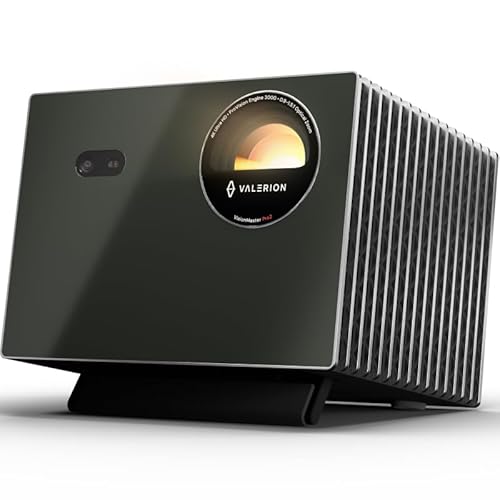

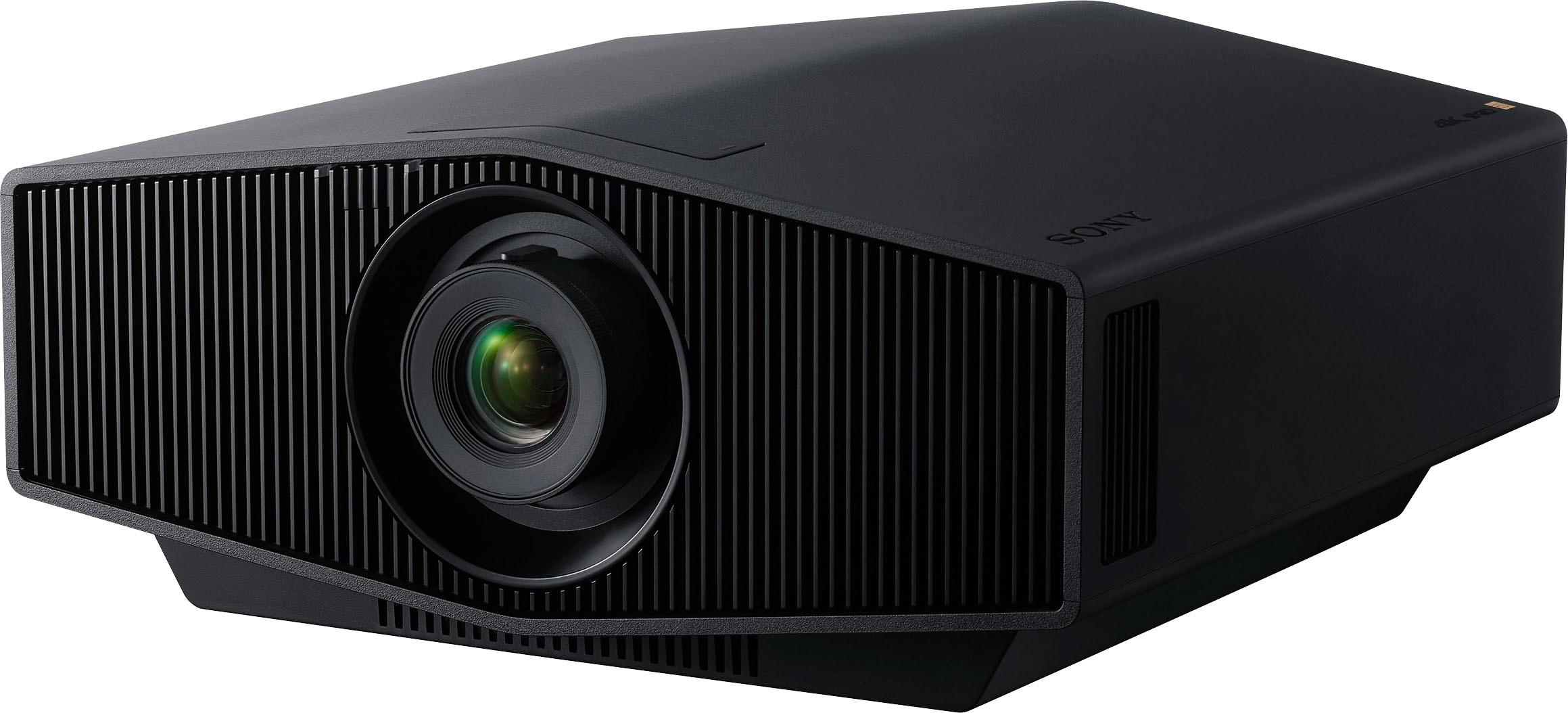
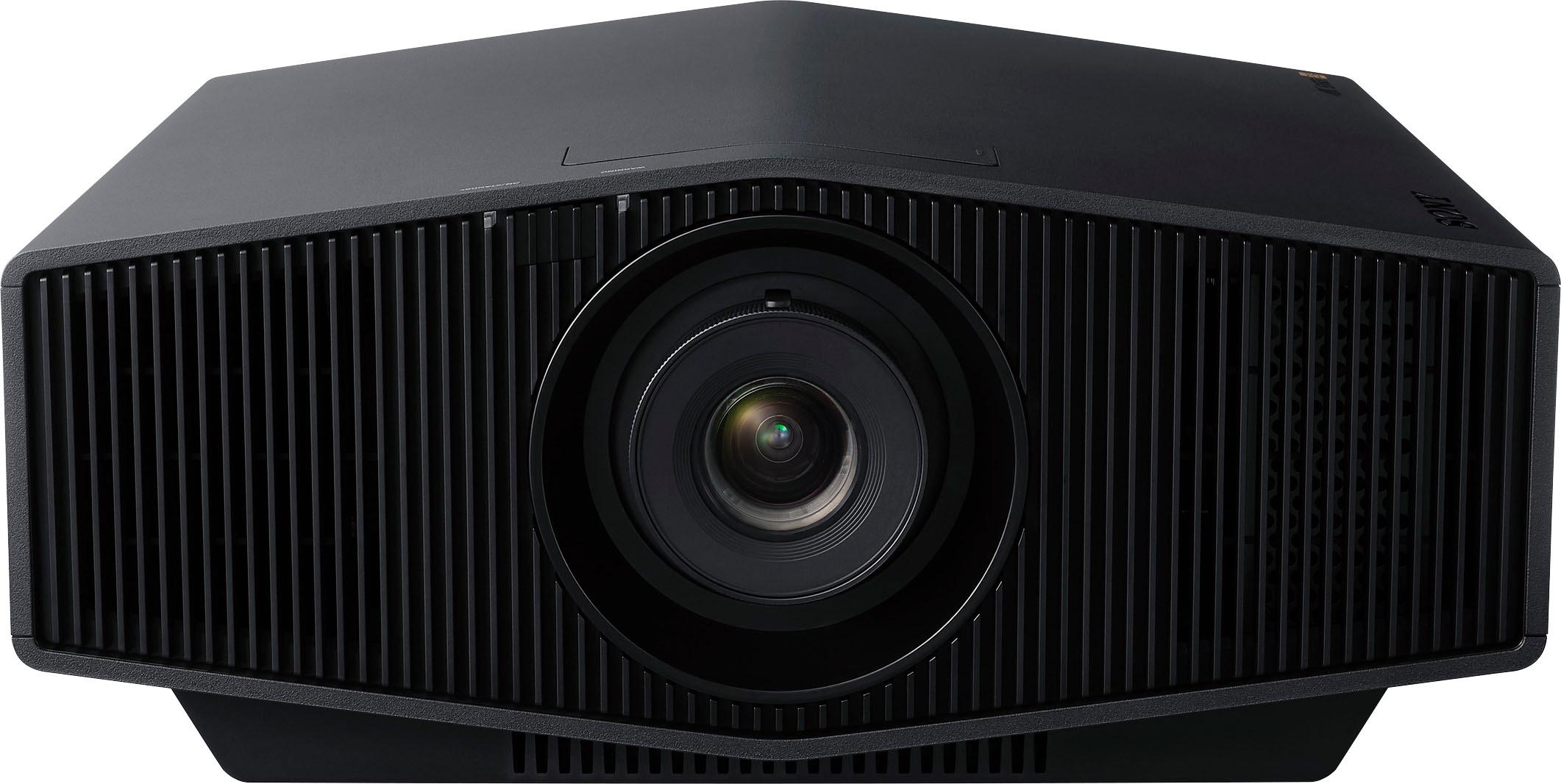
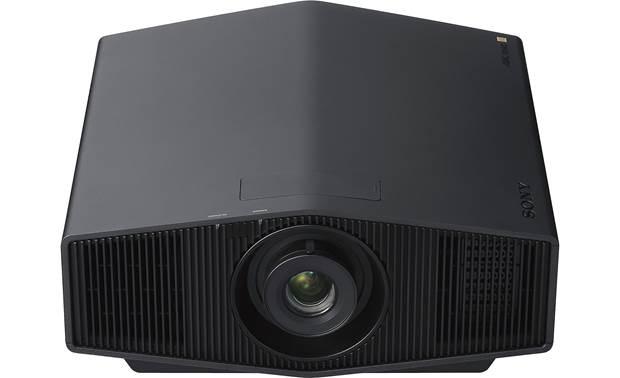
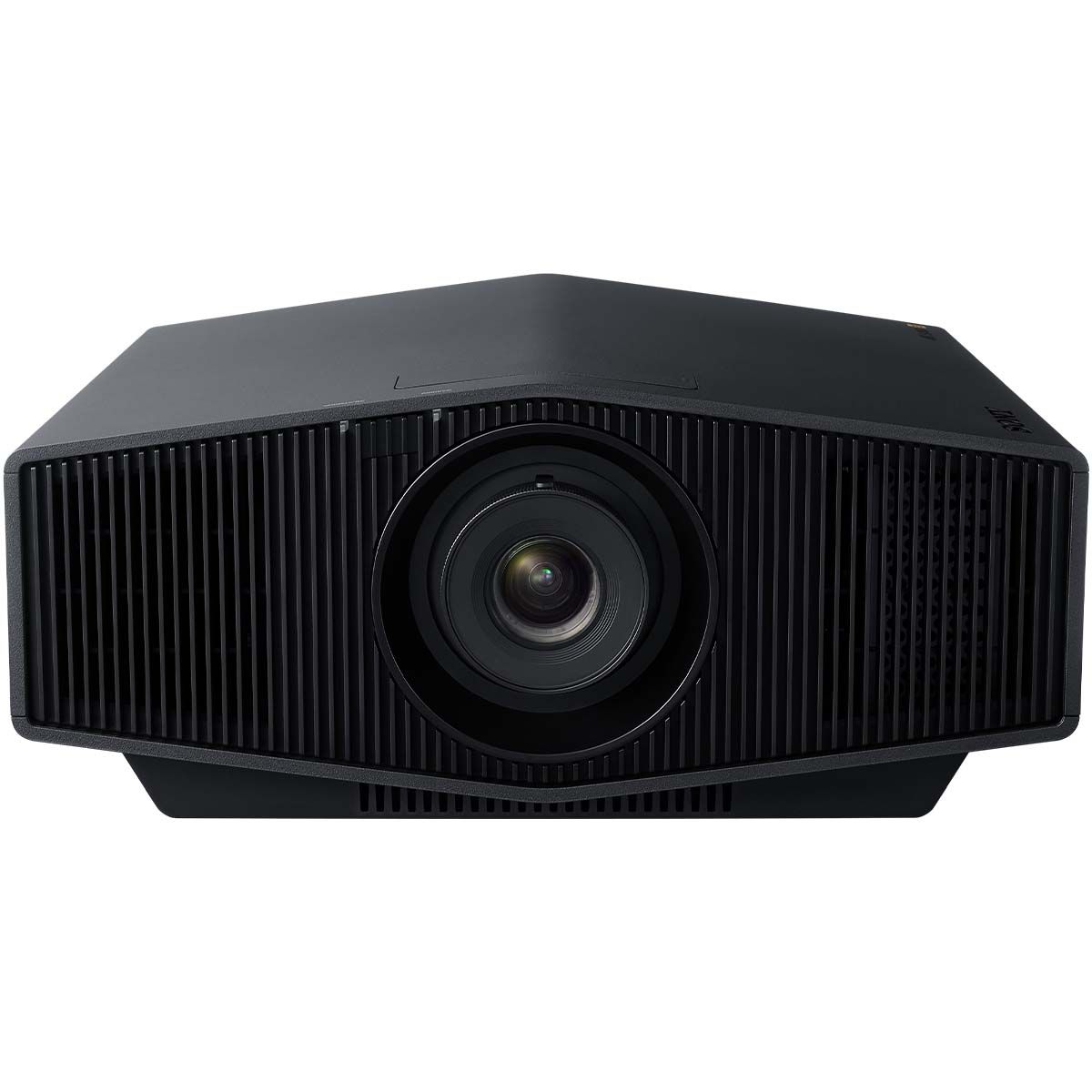
The world of premium 4K laser projectors has evolved dramatically over the past few years, with manufacturers pushing boundaries on brightness, color accuracy, and smart features. Two standout options that represent different philosophies in this space are the Valerion VisionMaster Pro 2 and the Sony VPL-XW5000ES. While both deliver stunning 4K visuals using laser light sources, they take fundamentally different approaches to achieving that goal.
Understanding these differences is crucial because, at the time of writing, we're talking about a significant investment either way. The Valerion VisionMaster Pro 2 positions itself as a premium lifestyle projector that doesn't require you to break the bank, while the Sony VPL-XW5000ES represents Sony's "entry-level" native 4K laser offering—though that term is relative when discussing projectors with this level of sophistication.
Both projectors emerged in the early 2020s during a period of rapid advancement in laser projection technology. The Sony VPL-XW5000ES arrived in 2022 as Sony's most affordable way to get true native 4K SXRD (Silicon X-tal Reflective Display) technology with their flagship image processing. The Valerion VisionMaster Pro 2, launched in 2024, represents a newer generation of lifestyle projectors that pack flagship features into a more accessible package.
The laser light source in both projectors is a game-changer compared to older lamp-based models. Instead of replacing expensive bulbs every few thousand hours, these laser engines run for 20,000-25,000+ hours—essentially the lifetime of the projector for most users. This eliminates ongoing maintenance costs and provides consistent brightness throughout the projector's life.
What sets the premium laser projector category apart is the combination of cinema-quality visuals, flexible installation options, and long-term reliability. These aren't portable projectors you'll move around frequently—they're designed as permanent installations for dedicated home theaters or high-end entertainment spaces.
Here's where things get interesting, and frankly, where your decision might be made. The Sony VPL-XW5000ES uses true native 4K SXRD panels with 8.3 million individual pixels—each pixel displays exactly what it should for genuine 4K resolution. The Valerion VisionMaster Pro 2 takes a different approach with a 0.47-inch DLP (Digital Light Processing) chip that uses XPR pixel-shifting technology.
Pixel-shifting sounds complicated, but it's actually clever engineering. The Valerion starts with a 1080p resolution chip but rapidly moves those pixels to four different positions faster than your eye can detect, creating the impression of 4K resolution. Think of it like a high-speed magician's trick—you see the final result (4K-like detail) even though the underlying technology is working differently.
Both approaches have merit, but they create different viewing experiences. The Sony's native 4K panels deliver pixel-perfect accuracy, especially noticeable in fine textures, architectural details, and geometric patterns. You'll see this difference most clearly in scenes with small text, building facades, or fabric textures where every detail matters.
The Valerion's pixel-shifting creates excellent perceived sharpness that most viewers find indistinguishable from native 4K in normal viewing conditions. However, eagle-eyed viewers might notice subtle artifacts during fast motion sequences or when viewing certain patterns up close.
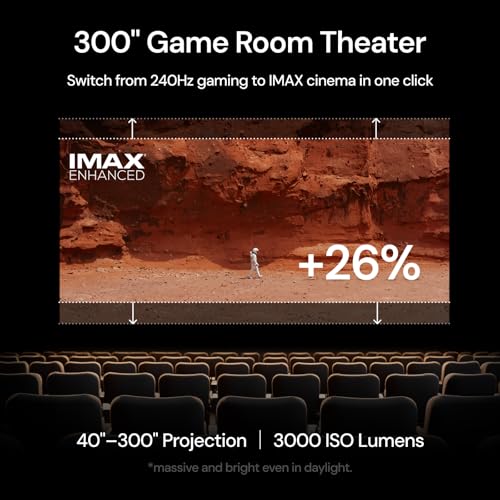
One of the most significant practical differences between these projectors is brightness output. The Valerion VisionMaster Pro 2 pumps out 3,000 ISO lumens using its RGB triple-laser system, while the Sony VPL-XW5000ES delivers 2,000 lumens with its Z-Phosphor laser engine.
This 1,000-lumen difference matters more than you might think. Lumens measure how much light the projector can produce, and more lumens mean you can enjoy vibrant images in brighter rooms or on larger screens. The Valerion can handle moderate ambient light—think family movie nights with some lights on or afternoon viewing with curtains partially open. The Sony performs best in controlled lighting conditions where you can dim or eliminate ambient light.
For screen size reference, the Valerion can drive screens up to 300 inches while maintaining good image quality, making it suitable for large media rooms or even commercial installations. The Sony excels on screens up to around 150-200 inches, which is still massive by home theater standards but requires more careful light control.
However, brightness isn't everything. The Sony uses its lower light output more efficiently through what Sony calls Wide Dynamic Range Optics. This technology maximizes light control and color accuracy, so while you get fewer raw lumens, each lumen is used more effectively to create naturally vibrant colors.
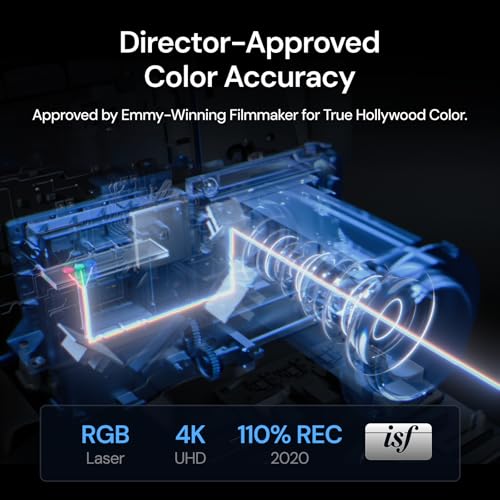
Color reproduction reveals another philosophical difference between these projectors. The Valerion VisionMaster Pro 2 covers an impressive 110% of the Rec.2020 color space—that's the ultra-wide color standard used for premium HDR content. This creates incredibly saturated, vibrant colors that pop off the screen and work well for both HDR movies and gaming content.
The Sony VPL-XW5000ES focuses on the DCI-P3 color space, which is the standard used in commercial movie theaters. It covers about 95% of this space with Sony's Triluminos Pro color engine. While this might sound less impressive on paper, it's actually calibrated for accuracy rather than maximum saturation.
Here's where our research into expert and user reviews reveals an important consideration: the Valerion shows some color calibration instability over time. Professional reviewers noted that while initial color accuracy was excellent, the projector's color performance would drift and require recalibration more frequently than expected. This suggests that while the Valerion can achieve impressive colors, maintaining that performance long-term requires more attention.
The Sony, by contrast, maintains consistent color accuracy over time—a crucial factor for serious home theater enthusiasts who want their investment to perform reliably for years without constant tweaking.
The Sony VPL-XW5000ES includes Sony's X1 Ultimate processor, the same chip found in their flagship $80,000+ projectors. This isn't marketing fluff—it's a genuine differentiator that affects everything you watch.
The X1 Ultimate processor analyzes content frame-by-frame and makes intelligent adjustments to optimize different elements within each scene. Its Object-Based HDR Remastering feature can identify and separately process a person's face, the sky behind them, and the building in the background, applying different contrast and color corrections to each element. This creates more realistic, nuanced images with better depth and dimensionality.
Sony's Dynamic HDR Enhancer takes this further by analyzing HDR content scene-by-scene and adjusting both the image processing and the laser light output simultaneously. Dark scenes get deeper blacks while bright scenes maintain highlight detail—all automatically.
The Valerion VisionMaster Pro 2 includes competent processing with dynamic tone mapping and support for multiple HDR formats (Dolby Vision, HDR10+, HLG, IMAX Enhanced), but it's not as sophisticated as Sony's flagship-level processing. For most content, this difference won't be dramatic, but with complex HDR material or lower-quality source content, the Sony's processing advantage becomes apparent.
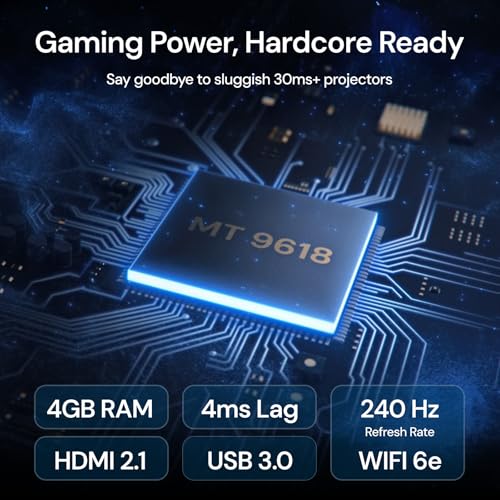
If gaming is important to your setup, the Valerion VisionMaster Pro 2 clearly wins this category. Its input lag measurements are impressive: just 4ms at 1080p/240Hz, 8ms at 1080p/120Hz, and 15ms at 4K/60Hz. For context, anything under 20ms is considered excellent for gaming, and the Valerion's performance rivals dedicated gaming monitors.
The projector includes HDMI 2.1 connectivity, which enables variable refresh rate support and other gaming-focused features that work seamlessly with modern gaming consoles and high-end PCs. Its high brightness also helps in gaming scenarios where you might not want to completely darken the room.
The Sony VPL-XW5000ES isn't specifically optimized for gaming, focusing instead on cinematic performance. While it can certainly handle gaming content, it lacks the ultra-low input lag and gaming-specific features that make the Valerion special for this use case.
Here's where these projectors reveal their different target audiences. The Valerion VisionMaster Pro 2 includes numerous automated features: motorized focus, auto-keystone correction, obstacle avoidance, and screen alignment. It's designed for users who want excellent results without extensive calibration knowledge.
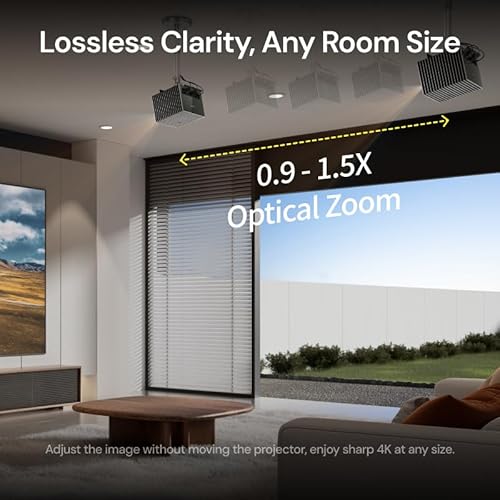
However, the Valerion lacks lens shift—a feature that allows you to adjust the image position optically rather than digitally. This means placement must be more precise to avoid using keystone correction, which can reduce image quality. The projector's shorter throw ratio (0.9:1 to 1.5:1) does allow larger images from closer distances, which helps in smaller rooms.
The Sony VPL-XW5000ES takes a more traditional approach with extensive manual controls and lens shift capabilities that allow greater installation flexibility. Its Picture Position Memory feature can store different zoom, focus, and lens shift settings for various aspect ratios—perfect for switching between standard movies and ultra-wide content.
This reflects their different design philosophies: the Valerion prioritizes ease of use and automation, while the Sony provides more precise control for custom installations.
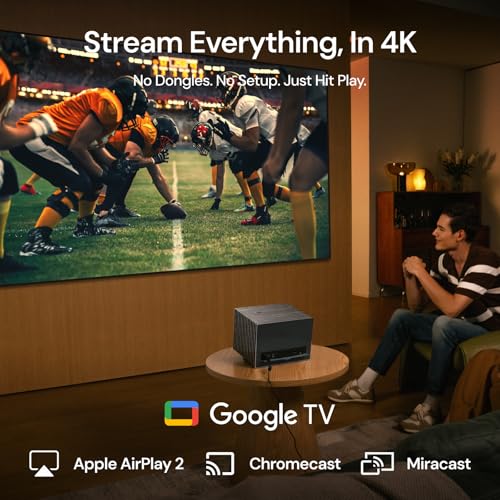
The Valerion VisionMaster Pro 2 runs Google TV OS with built-in access to Netflix, YouTube, Prime Video, and other major streaming platforms. It includes dual 12-watt speakers with DTS:X support, Wi-Fi 6E, and Bluetooth 5.2 connectivity. This makes it a complete entertainment system that doesn't require external streaming devices or audio systems to get started.
The Sony VPL-XW5000ES takes a purist approach with no built-in smart features or speakers. This might seem like a limitation, but it reflects Sony's philosophy that serious home theater enthusiasts prefer dedicated external components for streaming and audio. This approach also means the Sony won't become outdated as streaming platforms evolve—you can simply upgrade your external streaming device.
Based on extensive user feedback and professional reviews, both projectors deliver excellent performance within their intended use cases. Valerion users consistently praise the projector's brightness, gaming performance, and convenience features, often noting that it exceeded their expectations for a lifestyle projector in this price range.
However, some users report the color calibration stability issues we mentioned earlier, with one professional reviewer documenting significant color drift just 12 hours after calibration. This suggests the Valerion might require more frequent attention to maintain optimal performance.
Sony VPL-XW5000ES users emphasize the projector's exceptional image quality and professional-grade processing, often describing it as delivering cinema-quality visuals that rival much more expensive projectors. The consistent feedback is that while it requires more setup attention and external components, the image quality justifies the additional complexity.
Choose the Valerion VisionMaster Pro 2 if:
You want a complete entertainment solution that handles both movies and gaming excellently. The higher brightness makes it suitable for rooms that aren't completely light-controlled, and the built-in smart features eliminate the need for additional components. It's ideal for family entertainment spaces that serve multiple purposes throughout the day.
The Valerion also makes sense if you're building your first serious projection setup and want something that delivers impressive results without requiring extensive calibration knowledge or additional equipment purchases.
Choose the Sony VPL-XW5000ES if:
Image quality is your absolute priority and you're willing to invest in proper installation and external components. The native 4K resolution and flagship-level processing create reference-quality images that will satisfy the most demanding videophiles.
The Sony is the better choice for dedicated home theaters with controlled lighting, custom installation requirements, or situations where long-term color accuracy and stability matter more than convenience features.
Both projectors represent excellent value in their respective categories, though at the time of writing, they target different price points and user needs. The Valerion VisionMaster Pro 2 delivers remarkable performance and features for its price point, making flagship-level projection accessible to more users. The Sony VPL-XW5000ES costs more but provides the image quality and processing sophistication that justify its premium positioning.
Your room conditions, viewing priorities, and system integration preferences should ultimately guide your choice. If you need high brightness and want everything integrated into one device, the Valerion delivers exceptional value. If you're building a dedicated home theater focused on reference-quality images and have the budget for additional components, the Sony provides an uncompromising cinematic experience that will satisfy for years to come.
The projection technology in both represents the current state-of-the-art in laser projection, and either choice will deliver a viewing experience that far exceeds traditional display technologies. The question isn't whether you'll be impressed—it's which approach better matches your specific needs and viewing environment.
| Valerion VisionMaster Pro 2 | Sony VPL-XW5000ES |
|---|---|
| Display Technology - Fundamental difference affecting image sharpness and motion handling | |
| 0.47" DLP with XPR pixel-shifting to 4K | Native 4K SXRD panels (8.3 million true pixels) |
| Brightness - Critical for room lighting flexibility and screen size capability | |
| 3,000 ISO lumens (excellent for ambient light) | 2,000 lumens (requires controlled lighting) |
| Light Source Technology - Affects color performance and maintenance | |
| RGB Triple Laser (25,000+ hour lifespan) | Z-Phosphor Laser (20,000 hour lifespan) |
| Color Gamut - Impacts color vibrancy and HDR performance | |
| 110% Rec.2020 (wide gamut, some stability issues) | 95% DCI-P3 (cinema-accurate, stable calibration) |
| Image Processing - Determines HDR quality and upscaling performance | |
| Dynamic tone mapping, multiple HDR formats | X1 Ultimate processor with Object-Based HDR Remastering |
| Gaming Performance - Essential for console and PC gaming | |
| 4ms lag at 1080p/240Hz, HDMI 2.1, gaming modes | Standard input lag, cinema-focused processing |
| Installation Flexibility - Affects placement options and setup complexity | |
| 0.9-1.5:1 throw ratio, no lens shift, auto-keystone | Traditional throw ratios with lens shift capability |
| Smart Features - Determines need for external streaming devices | |
| Google TV OS, built-in speakers, WiFi 6E | No smart features or speakers (external components required) |
| Contrast Performance - Affects black levels and dynamic range | |
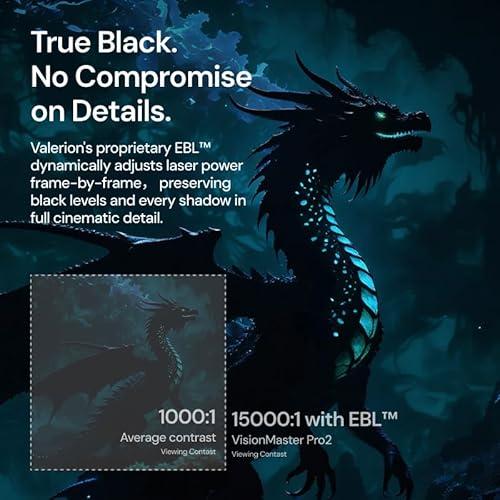
| 15,000:1 dynamic contrast with Enhanced Black Level | Wide Dynamic Range Optics for consistent contrast |
| Target Use Case - Best application for each projector | |
| Multi-purpose entertainment rooms, gaming, lifestyle | Dedicated home theaters, reference image quality |
The Valerion VisionMaster Pro 2 is significantly better for gaming with ultra-low input lag of just 4ms at 1080p/240Hz and 15ms at 4K/60Hz. It includes HDMI 2.1 ports and gaming-specific features, while the Sony VPL-XW5000ES focuses on cinematic performance rather than gaming optimization.
The Sony VPL-XW5000ES uses true native 4K with 8.3 million individual pixels for pixel-perfect accuracy. The Valerion VisionMaster Pro 2 uses DLP pixel-shifting technology that rapidly moves 1080p pixels to create 4K-like detail. Native 4K provides better fine detail reproduction, especially in textures and geometric patterns.
The Valerion VisionMaster Pro 2 produces 3,000 ISO lumens compared to the Sony VPL-XW5000ES's 2,000 lumens. This extra brightness makes the Valerion better for rooms with ambient light or larger screen sizes, while the Sony performs best in controlled lighting conditions.
The Valerion VisionMaster Pro 2 runs Google TV OS with built-in Netflix, YouTube, and other streaming apps, plus WiFi 6E connectivity. The Sony VPL-XW5000ES has no smart features and requires external streaming devices like Apple TV or Roku for accessing content.
The Sony VPL-XW5000ES offers superior long-term color accuracy with stable calibration and cinema-standard DCI-P3 color space coverage. While the Valerion VisionMaster Pro 2 covers a wider 110% Rec.2020 color gamut, it has documented color stability issues that may require frequent recalibration.
The Valerion VisionMaster Pro 2 features automated setup with motorized focus and auto-keystone correction but lacks lens shift, requiring precise placement. The Sony VPL-XW5000ES offers more professional installation flexibility with lens shift capabilities and manual controls for custom theater setups.
The Sony VPL-XW5000ES excels in dedicated home theaters with its native 4K resolution, flagship X1 Ultimate processor, and professional-grade image processing. The Valerion VisionMaster Pro 2 works better for multi-purpose entertainment rooms that need brightness and smart features.
Both projectors offer excellent laser longevity with the Valerion VisionMaster Pro 2 rated for 25,000+ hours and the Sony VPL-XW5000ES lasting 20,000 hours. Both essentially eliminate bulb replacement costs and provide consistent brightness throughout their operational life.
The Valerion VisionMaster Pro 2 includes dual 12-watt speakers with DTS:X support for a complete entertainment solution. The Sony VPL-XW5000ES has no built-in speakers, requiring external audio systems for sound, which allows for higher-quality dedicated audio components.
The Sony VPL-XW5000ES provides superior HDR processing with its X1 Ultimate processor featuring Object-Based HDR Remastering and Dynamic HDR Enhancer. While the Valerion VisionMaster Pro 2 supports more HDR formats including Dolby Vision, the Sony delivers more sophisticated scene-by-scene optimization.
The Valerion VisionMaster Pro 2 weighs 15.4 pounds with compact dimensions designed for lifestyle use. The Sony VPL-XW5000ES is heavier at approximately 28 pounds, reflecting its more robust construction for permanent home theater installations.
The Valerion VisionMaster Pro 2 provides excellent value with comprehensive features at a lower entry point, ideal for users wanting convenience and performance. The Sony VPL-XW5000ES offers superior long-term value for serious home theater enthusiasts prioritizing reference-quality images and stable performance over time.
We've done our best to create useful and informative comparisons to help you decide what product to buy. Our research uses advanced automated methods to create this comparison and perfection is not possible - please contact us for corrections or questions. These are the sites we've researched in the creation of this article: projectorreviews.com - projectorcentral.com - projectorcentral.com - soundandvision.com - valerion.com - projector-database.com - rtings.com - valerion.com - techradar.com - valueelectronics.com - digitalcameraworld.com - youtube.com - youtube.com - bestbuy.com - whathifi.com - pro.sony - projectorscreen.com - bestbuy.com - bestbuy.com - bestbuy.com - bestbuy.com - pro.sony - abt.com - projectorreviews.com - merlinstv.com - hometheaterhifi.com

Privacy Policy
Terms and Conditions - Affiliate Policy
Home Security
© Copyright 2008-2026.
11816 Inwood Rd #1211, Dallas, TX 75244