

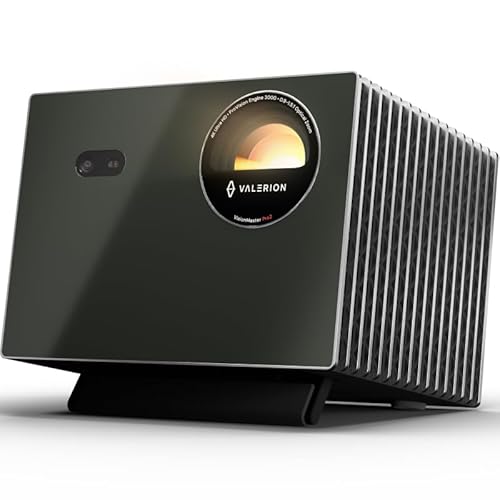


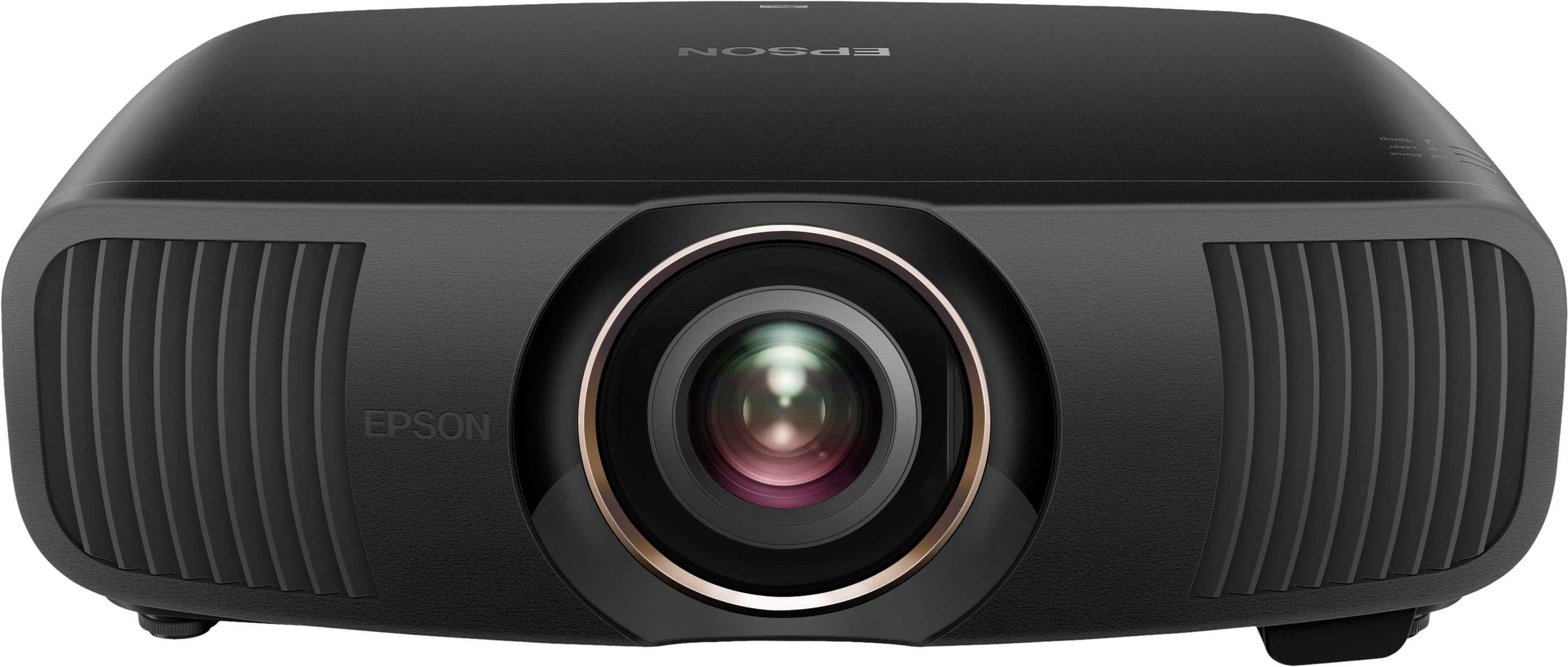
When you're ready to transform your living room or basement into a proper home theater, picking the right projector can feel overwhelming. Two standout options that caught our attention are the Valerion VisionMaster Pro 2 and the Epson QB1000, but they take very different approaches to delivering that big-screen experience you're after.
Before diving into specifics, let's talk about what actually matters when you're projecting movies, games, or shows onto a 100-300 inch screen. The most important factors boil down to how bright and colorful the image looks, how deep the blacks appear (this creates that cinematic depth), and how easy the projector is to set up and live with daily.
Display technology is the foundation of everything. Single-chip DLP projectors like the Valerion VisionMaster Pro 2 use a tiny mirror chip that flips millions of times per second, combined with a spinning color wheel or laser system. This creates incredibly sharp images but can sometimes produce a "rainbow effect" – brief flashes of red, green, and blue that some people notice during fast motion scenes. Three-chip 3LCD projectors like the Epson QB1000 use separate panels for red, green, and blue light, eliminating rainbow effects entirely but requiring more complex engineering.
Laser light sources have largely replaced traditional bulbs in premium projectors. They last 20,000+ hours (versus 3,000-5,000 for bulbs), maintain consistent brightness over time, and turn on instantly without warm-up periods. Both projectors use laser technology, but implement it differently.
The color gamut – essentially how many different colors a projector can display – has become increasingly important as content creators use wider color palettes. Think of it like the difference between a basic box of 24 crayons versus a professional artist's set of 120 colors.
The Valerion VisionMaster Pro 2, released in 2024, positions itself as a premium lifestyle projector that doesn't require compromises. At roughly half the cost of traditional high-end projectors (at the time of writing), it packs professional-grade features into a more accessible package. Valerion designed it for people who want exceptional performance for movies, gaming, and streaming without needing a dedicated theater room or professional installation.
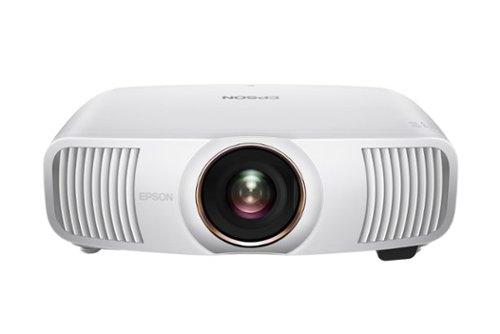
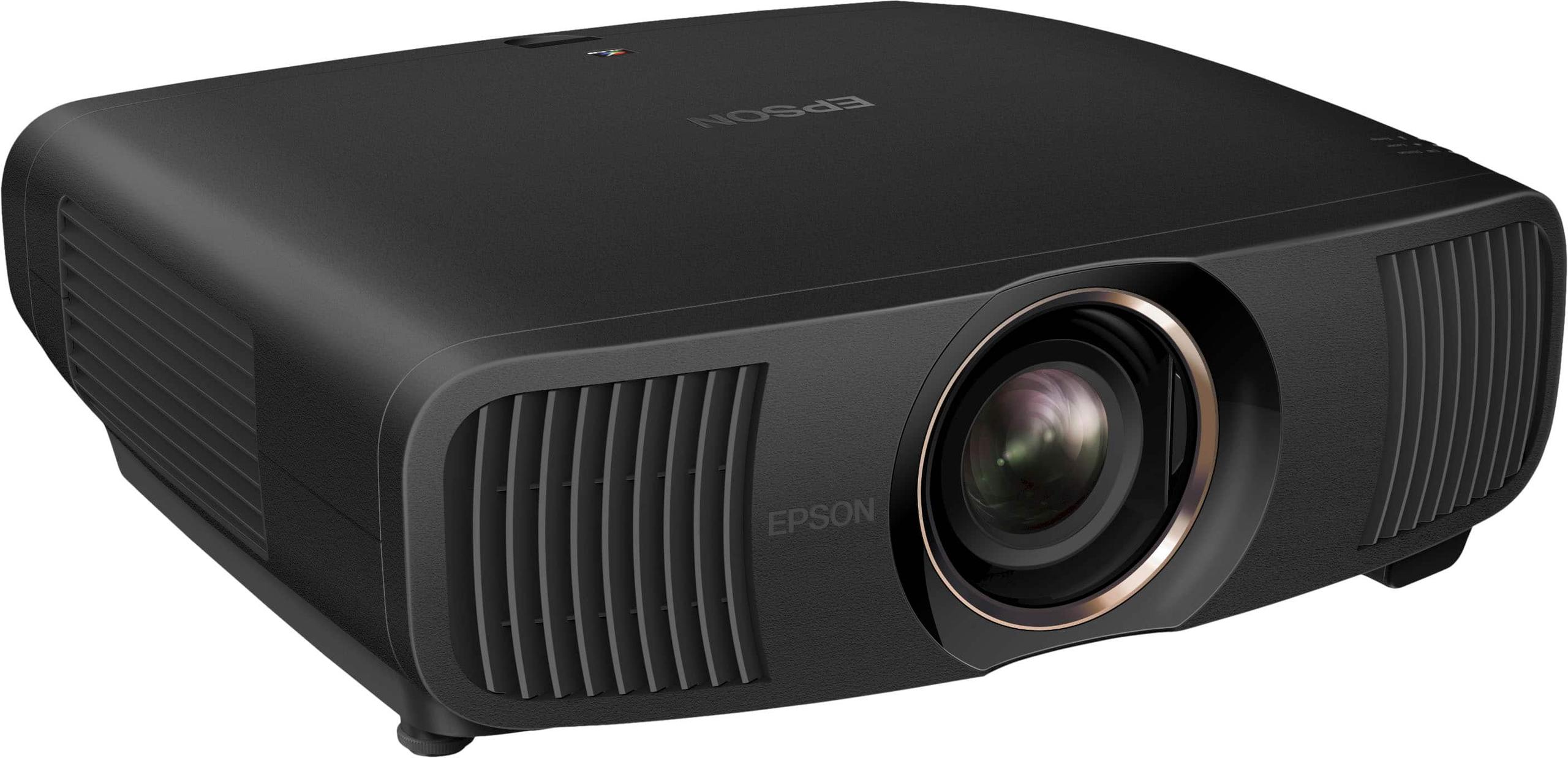
The Epson QB1000, also released in 2024, represents Epson's most advanced home theater projector to date. It's built for serious enthusiasts who prioritize absolute image quality above all else, particularly in dedicated theater environments. This projector costs significantly more than the Valerion but targets users building reference-quality home theaters.
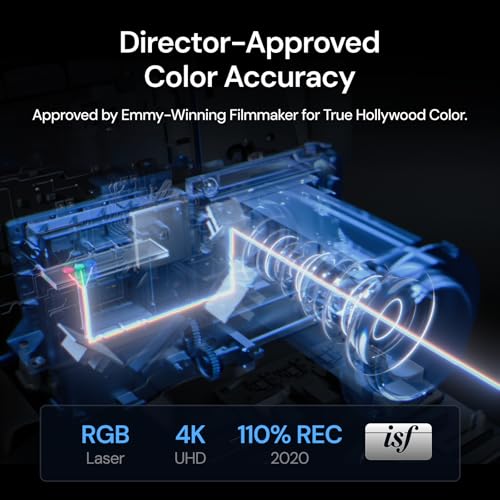
The Valerion VisionMaster Pro 2 absolutely excels in color reproduction, covering an impressive 110% of the Rec.2020 color space. To put this in perspective, most displays struggle to exceed 80% of this standard. This means the Valerion can display colors that appear more vibrant and lifelike than what most people are used to seeing, even from premium TVs.
This wide color gamut comes from its RGB triple laser system, which uses separate red, green, and blue lasers instead of a single laser with filters. When watching nature documentaries, animated movies, or playing modern games, the difference is striking – greens look more lush, reds more passionate, and blues deeper than you'd expect.
The Epson QB1000 takes a different approach, focusing on color accuracy and naturalness rather than maximum vibrancy. Its 3-chip 3LCD system displays 100% of the color information in every single frame, creating smoother color gradations and more realistic skin tones. While it may not have the Valerion's expanded color gamut, it delivers exceptionally accurate colors that match what filmmakers intended.
Here's where these projectors diverge dramatically. The Epson QB1000 features Epson's UltraBlack technology, which delivers a staggering 5,000,000:1 dynamic contrast ratio. This means the difference between the brightest whites and deepest blacks is enormous, creating that three-dimensional depth that makes movies feel more immersive.
In practical terms, when watching a scene with both bright explosions and dark shadows, the Epson can make those shadows disappear into true blackness while keeping highlights crisp. This is particularly important in dedicated theater rooms where you want that cinema-like experience.
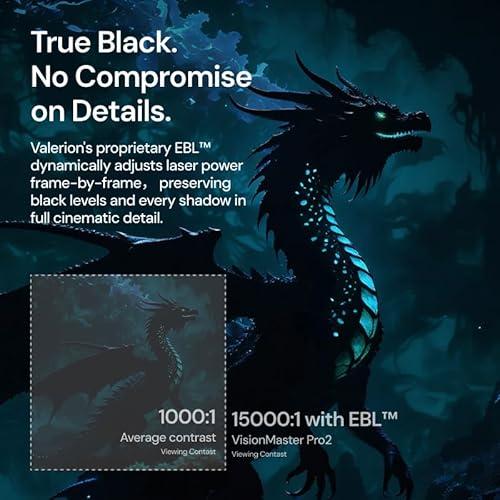
The Valerion VisionMaster Pro 2 offers a more modest but still impressive 15,000:1 dynamic contrast ratio with its Enhanced Black Level mode. While not matching the Epson's performance, it's more than adequate for mixed-use rooms with some ambient light, where deep blacks matter less than overall brightness and color pop.
Both projectors achieve 4K resolution, but through different methods. The Valerion uses Texas Instruments' XPR pixel-shifting technology with a 0.47-inch DLP chip, rapidly shifting pixels to create the full 8.29 million pixels that comprise 4K resolution. The result is genuinely sharp 4K imagery that looks crisp even on large screens.
The Epson QB1000 uses its own four-way pixel-shifting system combined with Epson's VRX Cinema lens – a 15-element all-glass design that delivers exceptional edge-to-edge sharpness. Based on expert reviews, the Epson's lens system produces some of the sharpest images available in home theater projectors, with perfect pixel alignment across the entire screen.
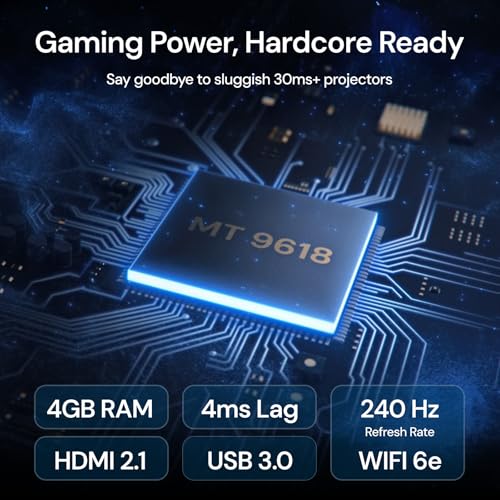
If gaming matters to you, the Valerion VisionMaster Pro 2 is the obvious choice. Its input lag measurements are genuinely impressive: 4 milliseconds at 1080p/240Hz, 8ms at 1080p/120Hz, and 15ms at 4K/60Hz. For context, competitive gamers typically want under 20ms of lag, and many gaming monitors struggle to achieve what the Valerion delivers.
The projector supports the latest HDMI 2.1 standards, Auto Low Latency Mode (which automatically switches to game mode when it detects a console), and includes gaming-specific features like crosshair overlays and enhanced dark detail for spotting enemies in shadows.
The Epson QB1000 offers respectable gaming performance with sub-20ms input lag at 4K/120Hz, which works fine for casual gaming but isn't quite at the competitive level. If you primarily play single-player games or aren't concerned with every millisecond of responsiveness, the Epson performs adequately.
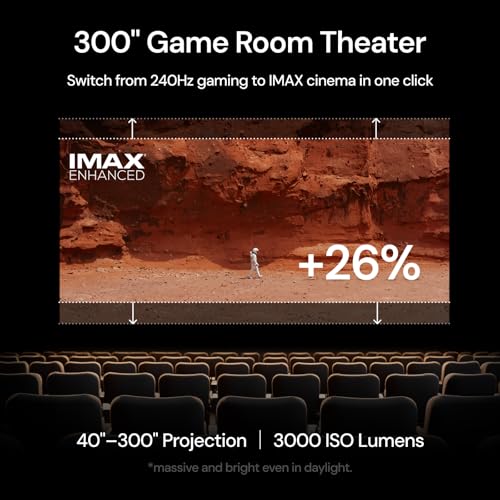
Both projectors deliver substantial brightness, but with different characteristics. The Valerion VisionMaster Pro 2 produces 3,000 ISO lumens, with real-world measurements around 2,500-2,550 lumens in standard picture modes. This is bright enough for moderate ambient light and ensures colors remain vibrant even when the room isn't completely dark.
The Epson QB1000 outputs 3,300 lumens of equal color and white brightness – an important distinction meaning it maintains the same brightness across all colors, not just white. This slight brightness advantage helps in mixed-use media rooms where you might watch sports during the day or have some lighting on.
The Valerion VisionMaster Pro 2 prioritizes ease of use with automated features that make setup straightforward. Auto focus ensures sharp images without manual adjustment, while auto keystone correction fixes geometric distortion if the projector isn't perfectly aligned with your screen. Auto screen alignment and obstacle avoidance help position the image correctly even in challenging room layouts.
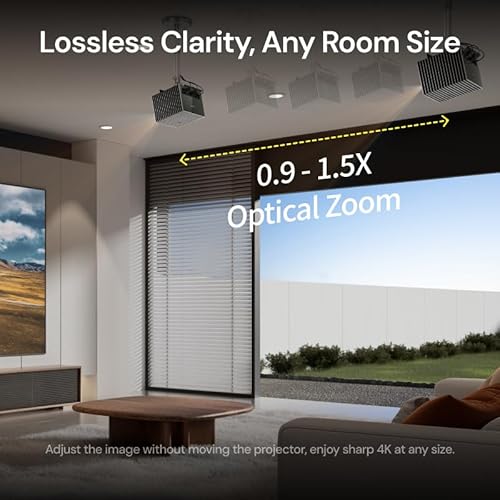
The projector's compact 15.4-pound design makes it easy to place on a shelf or ceiling mount, and its 1.67x manual zoom provides decent flexibility for different throw distances (the distance between projector and screen).
The Epson QB1000 takes a professional installation approach with advanced features that provide ultimate flexibility but require more expertise. Its 3-axis motorized lens shift allows precise horizontal and vertical image adjustment (up to 96% horizontally and 47% vertically) without any image quality loss.
This lens shift capability is crucial for permanent installations where the projector might be mounted off-center from the screen. The Epson can store up to 10 different lens memory presets, useful if you switch between different aspect ratios or screen positions for various content types.
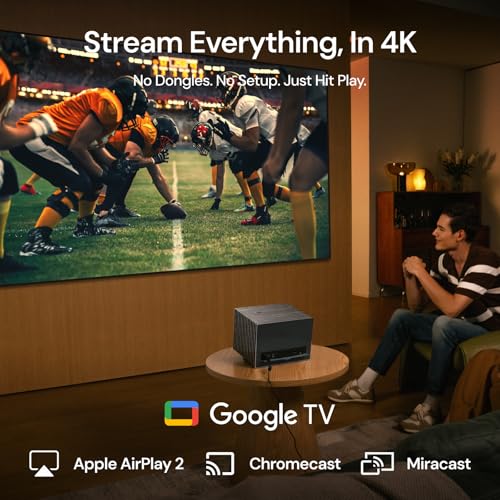
The Valerion VisionMaster Pro 2 includes Google TV operating system with built-in access to Netflix, YouTube, Prime Video, Disney+, and other major streaming services. This "all-in-one" approach means you can start watching content immediately without additional devices. The projector supports Wi-Fi 6E for fast streaming, AirPlay 2 and Chromecast for wireless casting, and integrates with Google Home, Apple HomeKit, and Amazon Alexa smart home systems.
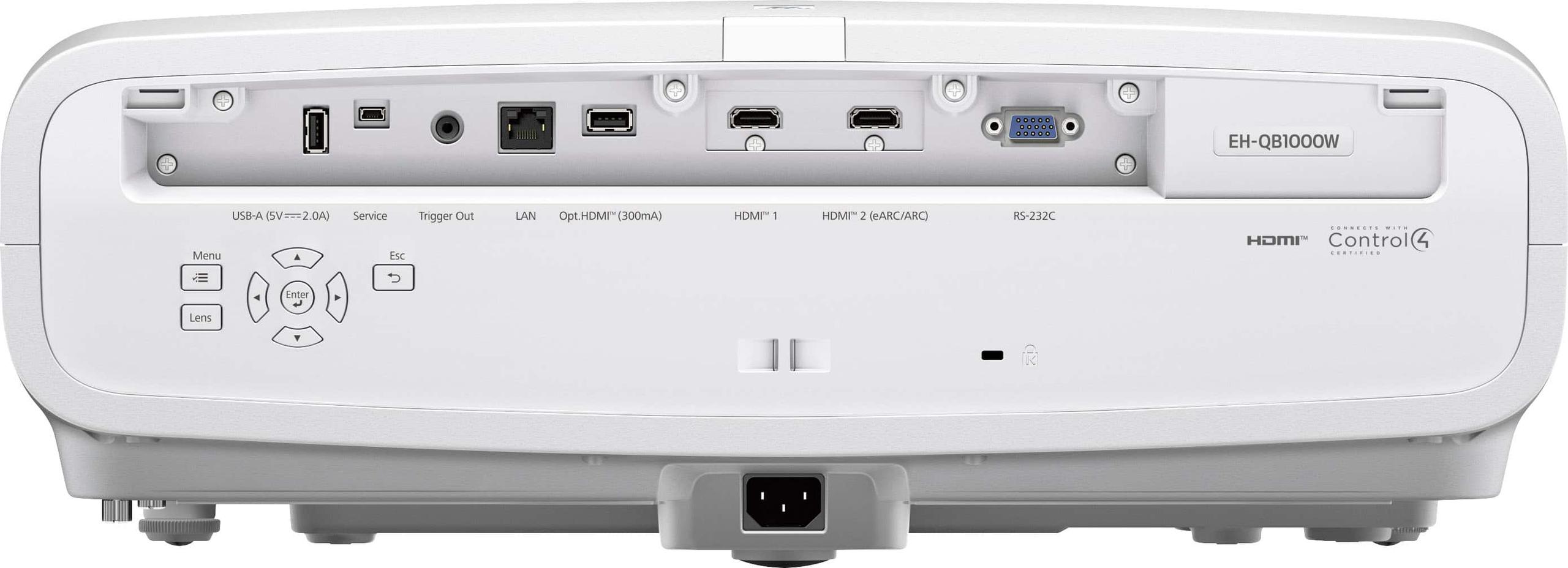
The Epson QB1000 doesn't include built-in streaming apps, instead focusing on integration with external media players and professional control systems like Control4 and Crestron. This approach appeals to home theater enthusiasts who prefer dedicated streaming devices or media servers and want the projector to focus purely on image quality.
The Valerion VisionMaster Pro 2 includes dual 12-watt speakers with DTS Virtual:X support, providing surprisingly decent audio for a projector. While not matching a dedicated sound system, it's adequate for casual viewing and eliminates the immediate need for external speakers.
The Epson QB1000 is designed assuming you'll use a separate audio system, as most serious home theater setups include dedicated receivers and speakers that far surpass any built-in projector audio.
At the time of writing, the Valerion VisionMaster Pro 2 costs roughly one-third of the Epson QB1000, making the value comparison particularly interesting. The Valerion delivers approximately 75% of the Epson's image quality while adding superior gaming performance, built-in smart features, and easier setup – all at a significantly lower price.
The Valerion represents exceptional value for users who want professional-grade projection without professional pricing. Its wide color gamut actually exceeds what many projectors costing twice as much can achieve, and the gaming performance rivals dedicated gaming projectors.
The Epson QB1000 justifies its premium pricing through uncompromising image quality, particularly in contrast performance and black levels. The difference in dynamic contrast (5,000,000:1 versus 15,000:1) isn't just a number – it translates to visibly deeper blacks and more three-dimensional images that create a more immersive viewing experience.
Choose the Valerion VisionMaster Pro 2 if you're building a modern entertainment space that serves multiple purposes. It's perfect for family rooms, gaming setups, or casual home theaters where convenience and versatility matter as much as image quality. The combination of excellent color reproduction, outstanding gaming performance, and built-in smart features makes it ideal for users who want a complete solution without complexity.
The Valerion also makes sense if you're sensitive to value and want to maximize performance per dollar spent. You'll get genuinely impressive results that compete with projectors costing much more, plus modern features that many expensive projectors lack.
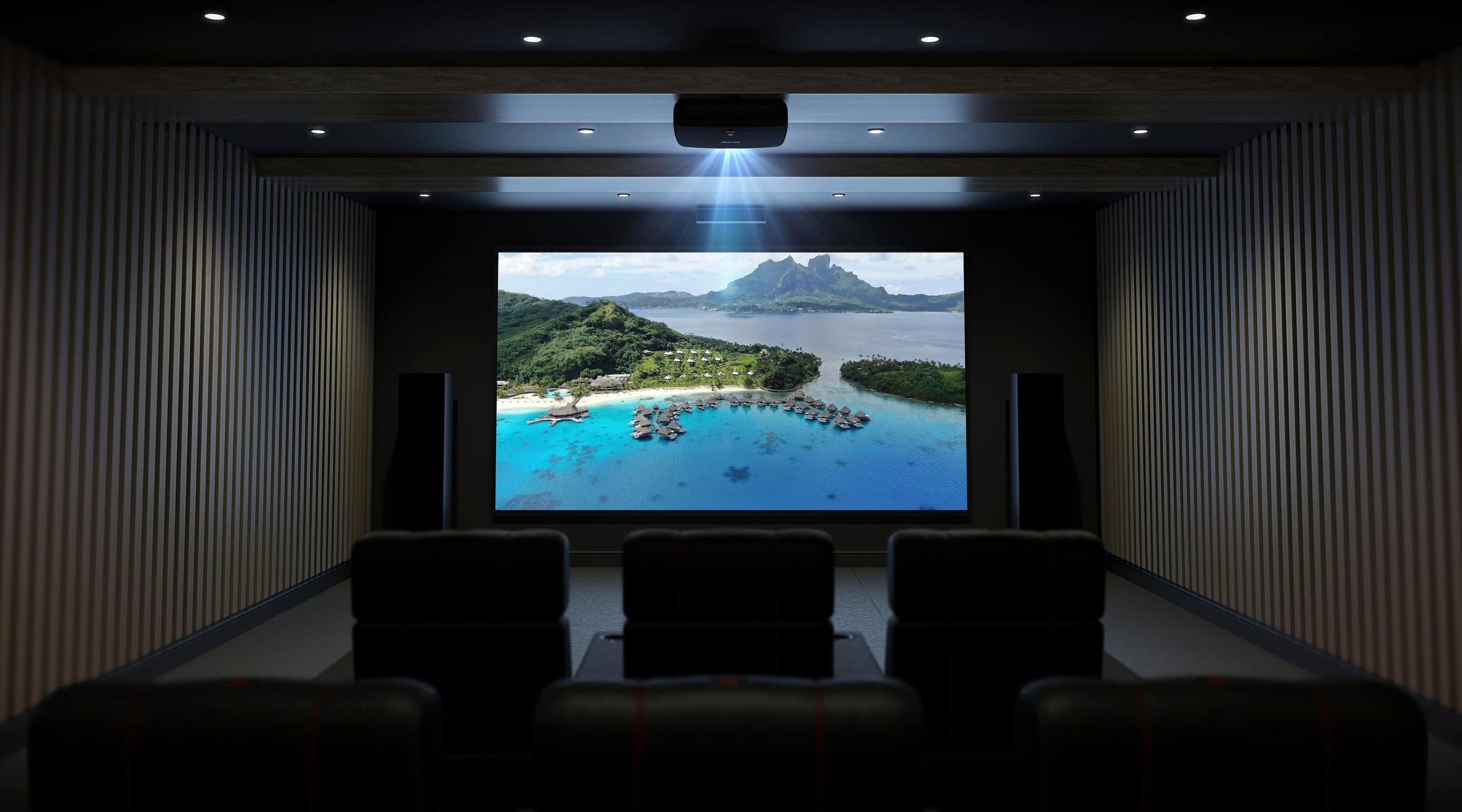
Choose the Epson QB1000 if you're building a dedicated home theater where image quality is the primary concern. It's designed for dark room viewing where its superior contrast performance can truly shine. The professional-grade installation features, proven 3LCD reliability, and complete absence of rainbow effects make it worth the premium for serious enthusiasts.
The Epson also makes sense if you're working with a custom installer and want maximum placement flexibility, or if you plan to integrate with high-end audio/video equipment and control systems.
Both projectors represent significant achievements in home theater technology, but serve different audiences. The Valerion VisionMaster Pro 2 democratizes premium projection by delivering exceptional performance at an accessible price point, while the Epson QB1000 provides reference-quality imaging for those who prioritize absolute picture quality.
Your decision ultimately comes down to how you plan to use the projector and what compromises, if any, you're willing to make. The Valerion offers remarkable value and versatility, while the Epson delivers uncompromising performance for dedicated theater applications. Either choice will transform your viewing experience – the question is which approach better matches your needs, space, and budget.
| Valerion VisionMaster Pro 2 | Epson QB1000 |
|---|---|
| Display Technology - Affects rainbow artifacts and color consistency | |
| Single-chip DLP with XPR pixel-shifting (potential rainbow effect) | 3-chip 3LCD with 4-way pixel-shifting (no rainbow artifacts) |
| Brightness - Critical for ambient light performance | |
| 3,000 ISO lumens (excellent for most rooms) | 3,300 lumens equal color/white (slight edge in bright spaces) |
| Color Gamut - Determines color vibrancy and saturation | |
| 110% Rec.2020 (exceptionally wide, ultra-vibrant colors) | Standard 3LCD gamut (accurate, natural colors) |
| Contrast Ratio - Key for deep blacks and image depth | |
| 15,000:1 dynamic (good for the price point) | 5,000,000:1 dynamic with UltraBlack™ (reference-level depth) |
| Gaming Input Lag - Essential for responsive gaming | |
| 4ms at 1080p/240Hz, 8ms at 120Hz, 15ms at 4K/60Hz (elite gaming) | Sub-20ms at 4K/120Hz (casual gaming friendly) |
| HDR Support - Modern content compatibility | |
| Dolby Vision, HDR10+, IMAX Enhanced (comprehensive) | HDR10, HDR10+ (solid but missing Dolby Vision) |
| Lens System - Installation flexibility and image quality | |
| 1.67x manual zoom, powered focus (decent flexibility) | 3-axis motorized lens shift, 15-element VRX lens (professional grade) |
| Smart Features - Built-in streaming convenience | |
| Google TV OS with Netflix, YouTube, Disney+ built-in | No built-in apps (designed for external players) |
| Light Source Lifespan - Long-term ownership cost | |
| 25,000+ hour RGB triple laser | 20,000 hour laser array |
| Setup Convenience - Ease of installation | |
| Auto focus, keystone, screen alignment, obstacle avoidance | Manual setup with professional calibration tools |
| Size & Weight - Portability and placement options | |
| 15.4 lbs, 10.2" x 7.3" x 9.2" (lifestyle friendly) | Professional installation size (permanent mount focused) |
| Connectivity - Modern device compatibility | |
| 2x HDMI 2.1, 1x HDMI 2.0 eARC, Wi-Fi 6E, Bluetooth 5.2 | HDMI 2.1 with 40Gbps, Control4/Crestron certified |
| Target User - Best suited for | |
| Gamers, families, value-conscious buyers wanting convenience | Dedicated theater enthusiasts prioritizing ultimate image quality |
The Valerion VisionMaster Pro 2 is significantly better for gaming with ultra-low input lag of just 4ms at 1080p/240Hz and 8ms at 1080p/120Hz. The Epson QB1000 has respectable gaming performance under 20ms at 4K/120Hz, but the Valerion is clearly designed for competitive gaming with features like crosshair assist and ALLM support.
The Epson QB1000 delivers superior contrast with 5,000,000:1 dynamic contrast ratio and deeper blacks, while the Valerion VisionMaster Pro 2 excels in color vibrancy with 110% Rec.2020 color gamut coverage. The Epson focuses on cinematic depth and accuracy, while the Valerion prioritizes vibrant, punchy colors.
Both projectors offer excellent brightness, with the Epson QB1000 slightly ahead at 3,300 lumens versus the Valerion VisionMaster Pro 2's 3,000 lumens. The difference is minimal in practice, and both handle moderate ambient light well for their respective price categories.
Yes, both the Valerion VisionMaster Pro 2 and Epson QB1000 deliver true 4K UHD resolution through pixel-shifting technology. The Valerion uses Texas Instruments XPR technology while the Epson employs 4-way pixel-shifting to achieve the full 8.29 million pixels.
The Valerion VisionMaster Pro 2 includes Google TV OS with built-in Netflix, YouTube, Disney+, and other streaming apps, plus Wi-Fi 6E and voice control. The Epson QB1000 has no built-in streaming apps and is designed to work with external media players and professional control systems.
The Epson QB1000 offers superior installation flexibility with 3-axis motorized lens shift allowing up to 96% horizontal and 47% vertical adjustment without image quality loss. The Valerion VisionMaster Pro 2 provides automated setup features like auto focus and keystone correction but lacks lens shift capabilities.
The Epson QB1000 is designed specifically for dedicated home theaters with its superior contrast performance, deeper blacks, and professional-grade features. The Valerion VisionMaster Pro 2 works well in home theaters but is more versatile for mixed-use entertainment rooms.
The Valerion VisionMaster Pro 2 laser light source is rated for 25,000+ hours, while the Epson QB1000 offers 20,000 hours. Both provide maintenance-free operation far exceeding traditional lamp-based projectors that typically last 3,000-5,000 hours.
The Valerion VisionMaster Pro 2 offers exceptional value, delivering professional-grade performance with gaming features and smart capabilities at a significantly lower price point. The Epson QB1000 justifies its premium pricing with reference-quality image performance and professional installation features.
Both support HDR content, but the Valerion VisionMaster Pro 2 offers more comprehensive HDR support including Dolby Vision, HDR10+, and IMAX Enhanced. The Epson QB1000 supports HDR10 and HDR10+ but lacks Dolby Vision compatibility.
The Valerion VisionMaster Pro 2 operates at 28 dB, making it very quiet for most viewing scenarios. The Epson QB1000 is also designed for quiet operation typical of premium home theater projectors, though specific noise levels aren't detailed in available specifications.
Both the Valerion VisionMaster Pro 2 and Epson QB1000 can handle large screen sizes from 40 inches up to 300+ inches. The Valerion has a throw ratio of 0.9:1 to 1.5:1, while the Epson offers professional-grade optics suitable for custom theater installations with various screen sizes.
We've done our best to create useful and informative comparisons to help you decide what product to buy. Our research uses advanced automated methods to create this comparison and perfection is not possible - please contact us for corrections or questions. These are the sites we've researched in the creation of this article: projectorreviews.com - projectorcentral.com - projectorcentral.com - soundandvision.com - valerion.com - projector-database.com - rtings.com - valerion.com - techradar.com - valueelectronics.com - digitalcameraworld.com - youtube.com - youtube.com - bestbuy.com - bestbuy.com - news.epson.com - projectorcentral.com - avscience.com - projectorscreen.com - epson.com - dreamediaav.com - epson.ca - epson.com - bestbuy.com - hifiheaven.net - bjorns.com - thepowercentre.ca - audiogeneral.com

Privacy Policy
Terms and Conditions - Affiliate Policy
Home Security
© Copyright 2008-2026.
11816 Inwood Rd #1211, Dallas, TX 75244