

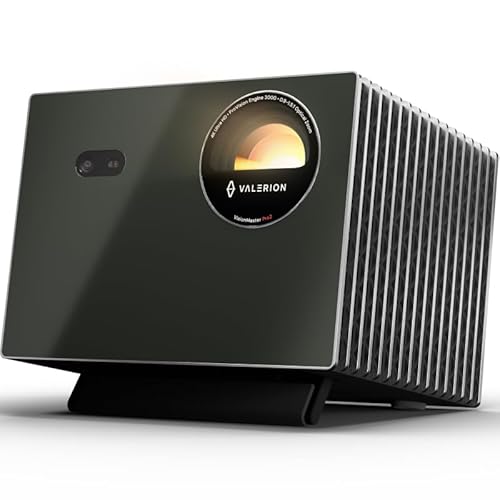
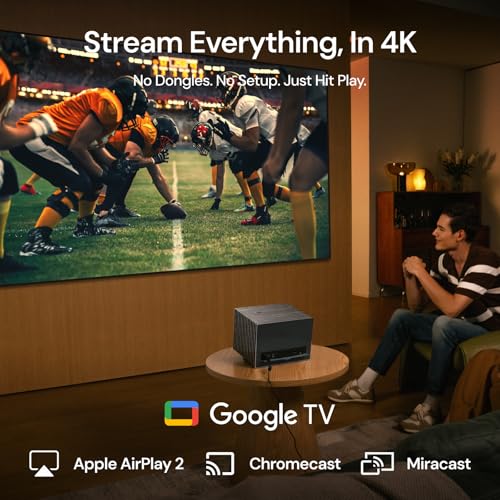
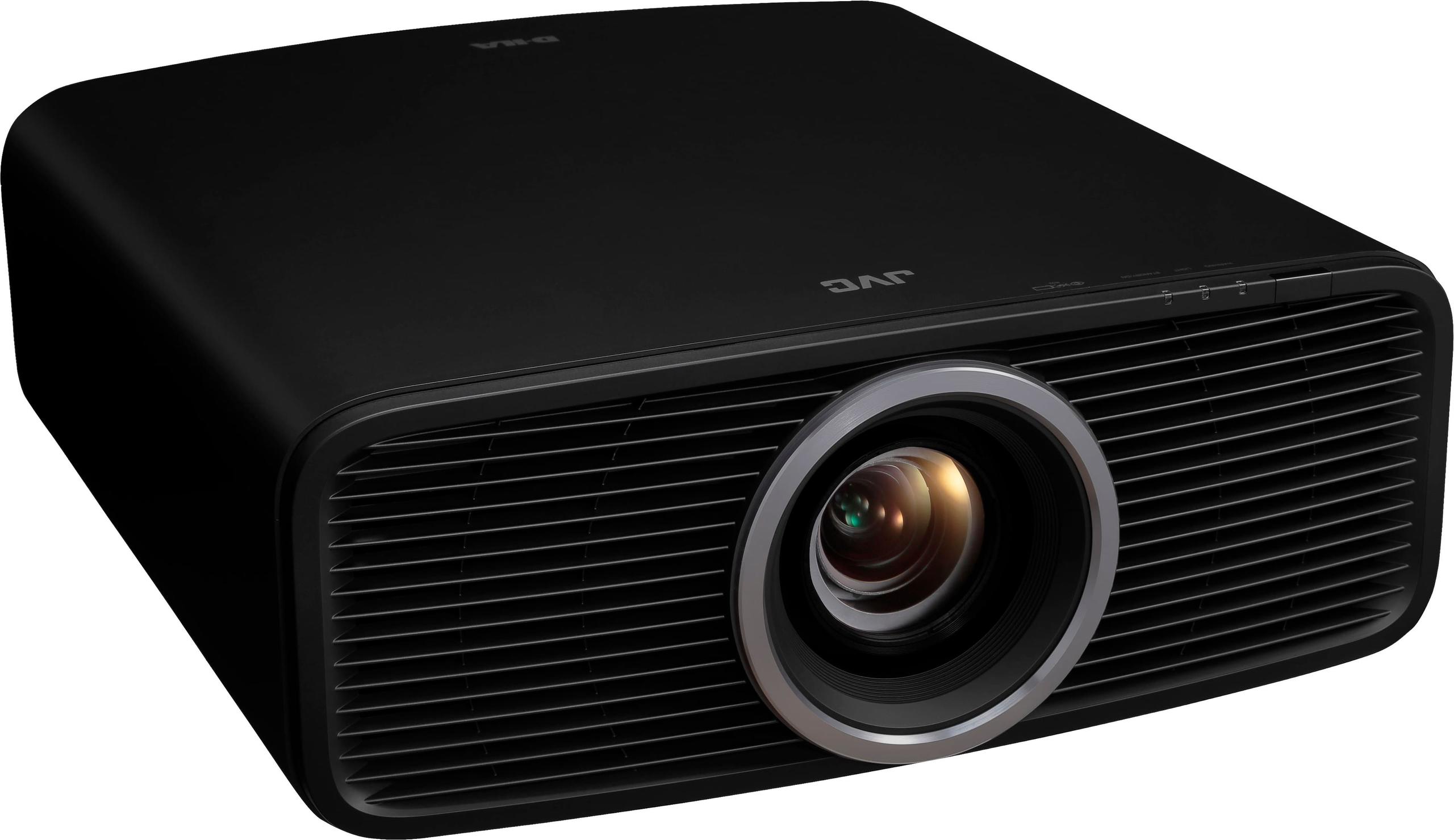
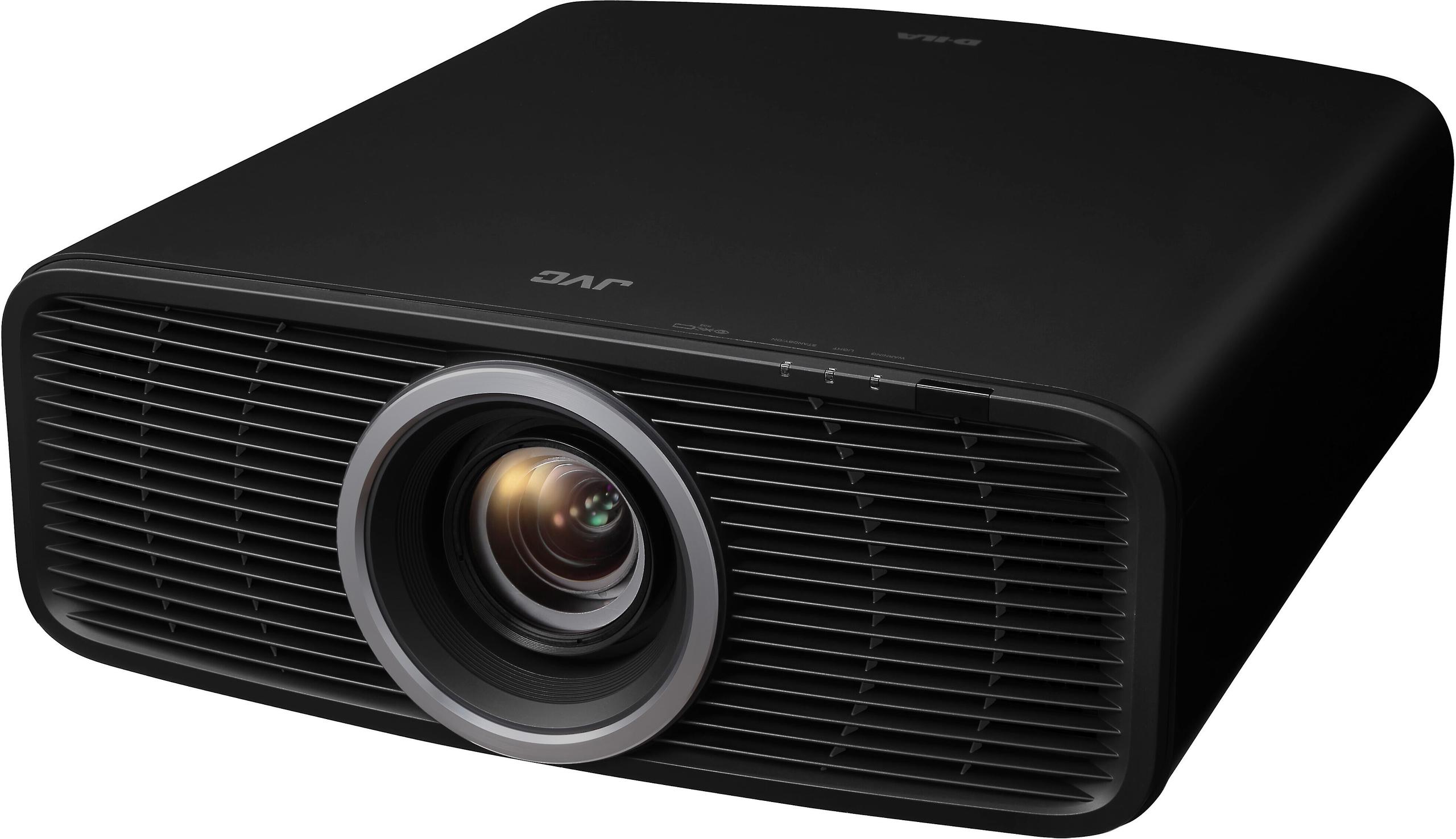

The world of home theater projectors can feel overwhelming, especially when you're comparing products that seem similar on paper but serve completely different purposes. That's exactly what we're dealing with when looking at the Valerion VisionMaster Pro 2 and the JVC DLA-NZ500. Released in late 2024 and 2024 respectively, these projectors represent two distinct philosophies in home entertainment—and understanding their differences is crucial for making the right choice.
At the time of writing, these projectors sit in vastly different price brackets, with the JVC costing more than double the Valerion. But before you assume the more expensive option is automatically better, let's dive into what makes each special and why the "better" choice depends entirely on how you plan to use your projector.
The home theater projector market has evolved into two clear camps. Lifestyle projectors like the Valerion VisionMaster Pro 2 are designed to be versatile, user-friendly devices that can adapt to different rooms and situations. Think of them as the Swiss Army knives of projection—they do many things well enough to satisfy most users without requiring a dedicated theater room or professional installation.
Dedicated cinema projectors like the JVC DLA-NZ500 take the opposite approach. They're designed specifically for dark, controlled environments where image quality is the only consideration that matters. These projectors often lack modern conveniences in favor of delivering the best possible picture quality.
The key factors that separate these categories include brightness levels (measured in lumens—essentially how much light the projector can produce), contrast ratios (the difference between the darkest blacks and brightest whites), installation flexibility, and feature sets. Understanding where each projector excels helps you match the right tool to your specific needs.
Here's where things get really interesting. Despite both being called "4K projectors," the Valerion and JVC achieve their 4K resolution through fundamentally different technologies, and this difference affects everything about how they perform.
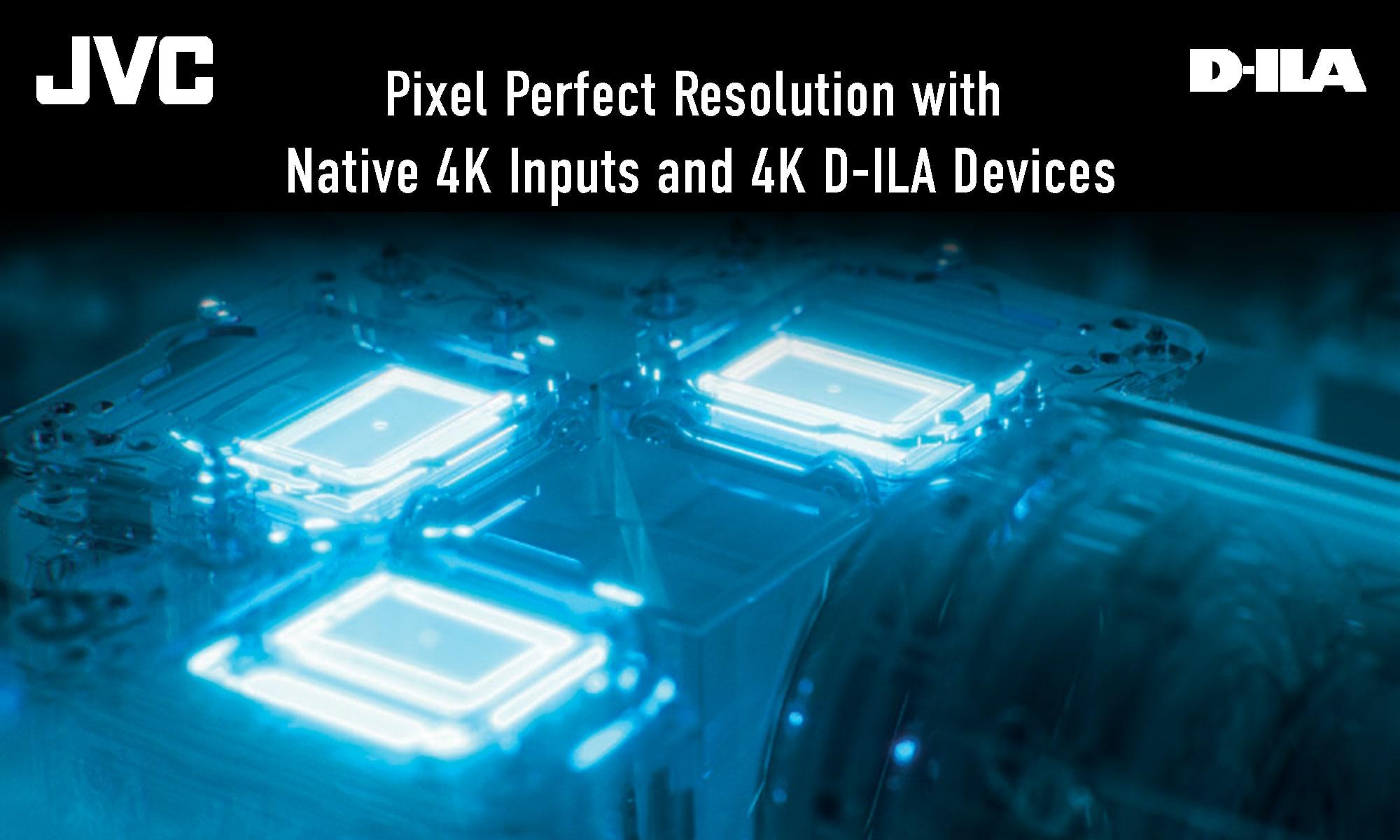
The JVC DLA-NZ500 uses what's called D-ILA technology with three separate imaging chips, each containing 0.69 inches of actual 4K pixels. When we say "native 4K," we mean that every single one of the 8.8 million pixels in a 4K image has its own physical location on these chips. It's like having a massive grid of tiny mirrors, each one controlling a specific pixel. This creates what many consider the gold standard for sharpness and detail.
The Valerion VisionMaster Pro 2 uses a DLP chip with XPR pixel-shifting technology—a 0.47-inch chip that physically contains 1920 x 1080 pixels (the same as standard HD) but rapidly shifts these pixels to create the appearance of 4K resolution. Imagine each pixel doing a tiny dance four times for every frame, creating four slightly offset positions that your eye perceives as four separate pixels. This technology has improved dramatically over the past few years, and modern pixel-shifting can create very convincing 4K images, though purists will argue it's not "true" 4K.
Both approaches work, but they have different strengths. The JVC's native 4K excels with fine details like text and intricate patterns, while the Valerion's pixel-shifting works extremely well for movies and games where the content is already optimized for the technology.
If there's one specification that separates these projectors more than any other, it's contrast ratio—and the difference is massive. Contrast ratio measures how much brighter the whitest whites are compared to the darkest blacks a projector can produce. Higher contrast creates more realistic images because real life has an enormous range between bright sunlight and deep shadows.
The JVC DLA-NZ500 delivers a native contrast ratio of 40,000:1, meaning its whites are 40,000 times brighter than its blacks. This isn't achieved through any processing tricks—it's just how dark the projector can make its blacks naturally. When you're watching a scene like the cave sequences in recent Batman movies, the JVC can make those shadows genuinely dark while keeping details visible.
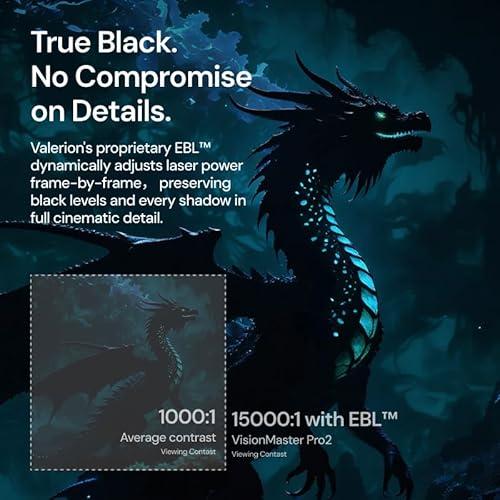
The Valerion VisionMaster Pro 2, by comparison, has a native contrast of 4,000:1—still respectable, but ten times lower than the JVC. However, it includes Enhanced Black Level (EBL) mode, a dynamic system that can boost contrast to 15,000:1 by analyzing each scene and adjusting the laser brightness accordingly. This helps significantly, but it's still processing-dependent rather than natural.
In practical terms, this means the JVC will always show deeper blacks and better shadow detail in dark scenes. If you've ever noticed that some projectors make dark movie scenes look gray rather than truly black, that's a contrast issue. The JVC virtually eliminates this problem, while the Valerion minimizes it with its dynamic processing.
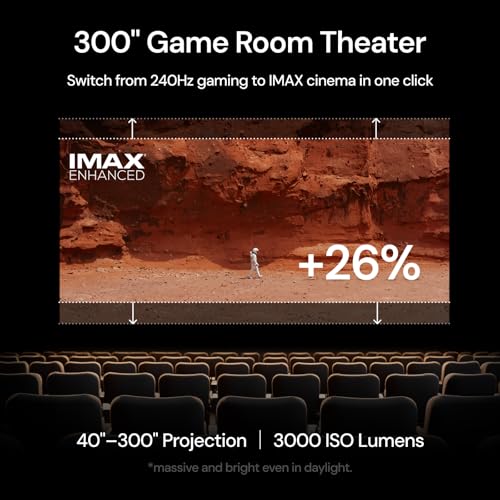
Here's where the Valerion VisionMaster Pro 2 strikes back. It produces 3,000 lumens compared to the JVC's 2,000 lumens—a 50% brightness advantage that makes a real difference in how and where you can use the projector.
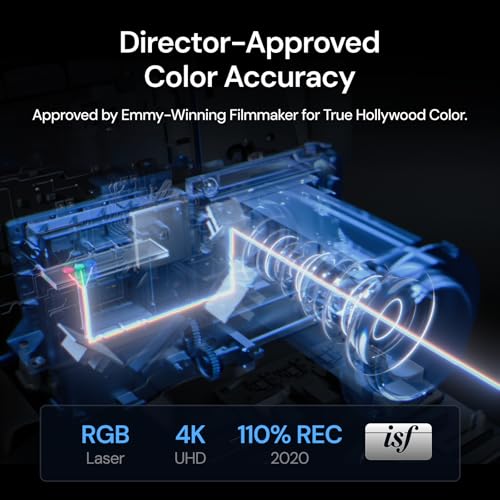
Lumens measure the total amount of light a projector can produce. More lumens mean you can use the projector in brighter rooms, project larger images, or both. The Valerion's extra brightness comes from its RGB triple laser system, which uses separate red, green, and blue lasers to create light. This approach typically produces more total light output and covers a wider color gamut (the range of colors a display can reproduce).
The Valerion claims to cover 110% of the Rec.2020 color space, which is the emerging standard for ultra-high-definition content. The JVC covers 100% of the current Rec.709 standard with excellent accuracy but doesn't extend as far into the expanded color spaces that newer content is starting to use.
Both projectors use laser light sources, which last 20,000+ hours without maintenance—a huge advantage over older lamp-based projectors that needed replacement bulbs every few thousand hours. The laser technology has matured significantly since these projectors were released, becoming more efficient and color-accurate than earlier implementations.
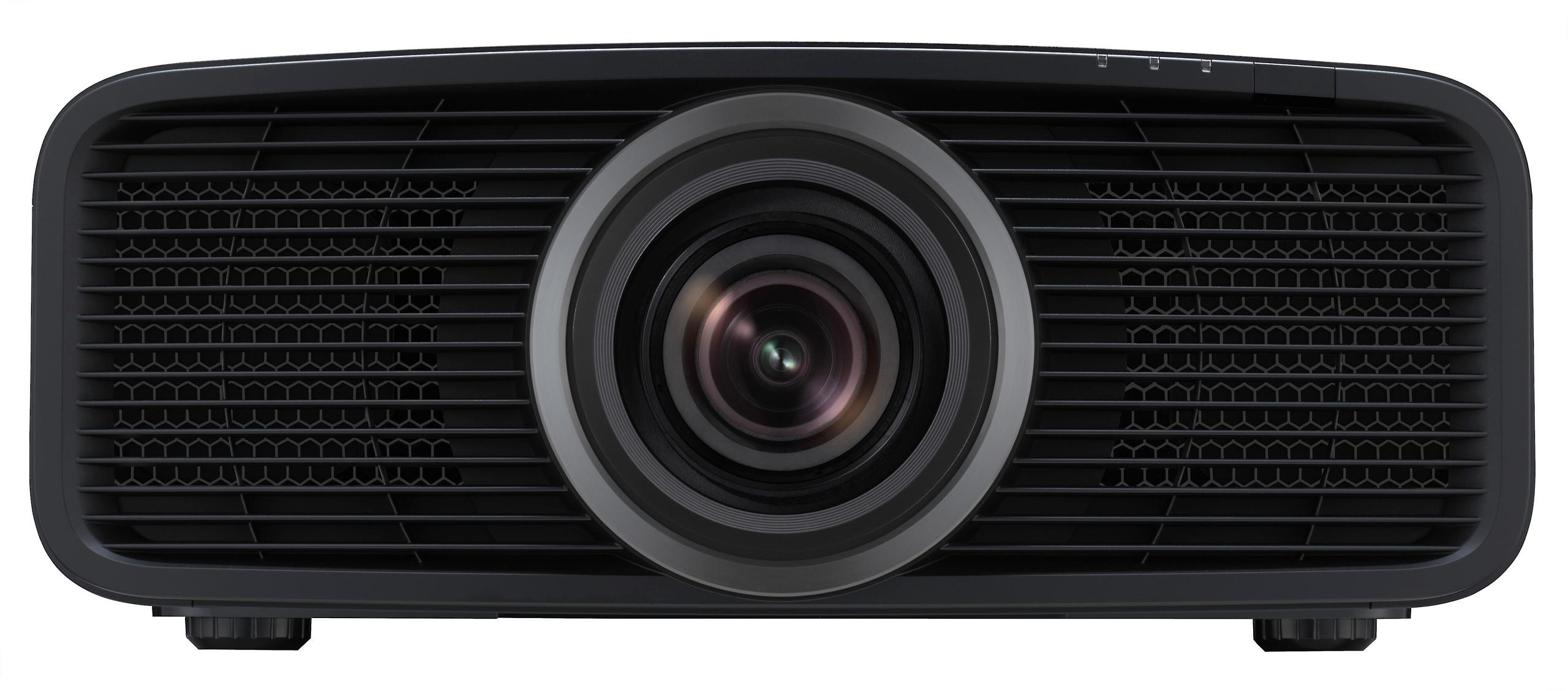
The installation story reveals another fundamental difference in design philosophy. The JVC DLA-NZ500 includes a professional-grade lens system with full lens shift capability—you can move the projected image up, down, left, or right by significant amounts without moving the projector itself. This is crucial for installations where the projector can't be placed in the perfect center position relative to your screen.
The Valerion VisionMaster Pro 2 lacks lens shift entirely, meaning it must be positioned quite precisely relative to your screen. However, it compensates with automatic keystone correction and obstacle avoidance—software solutions that can digitally adjust the image shape and avoid projecting onto objects in front of the screen.
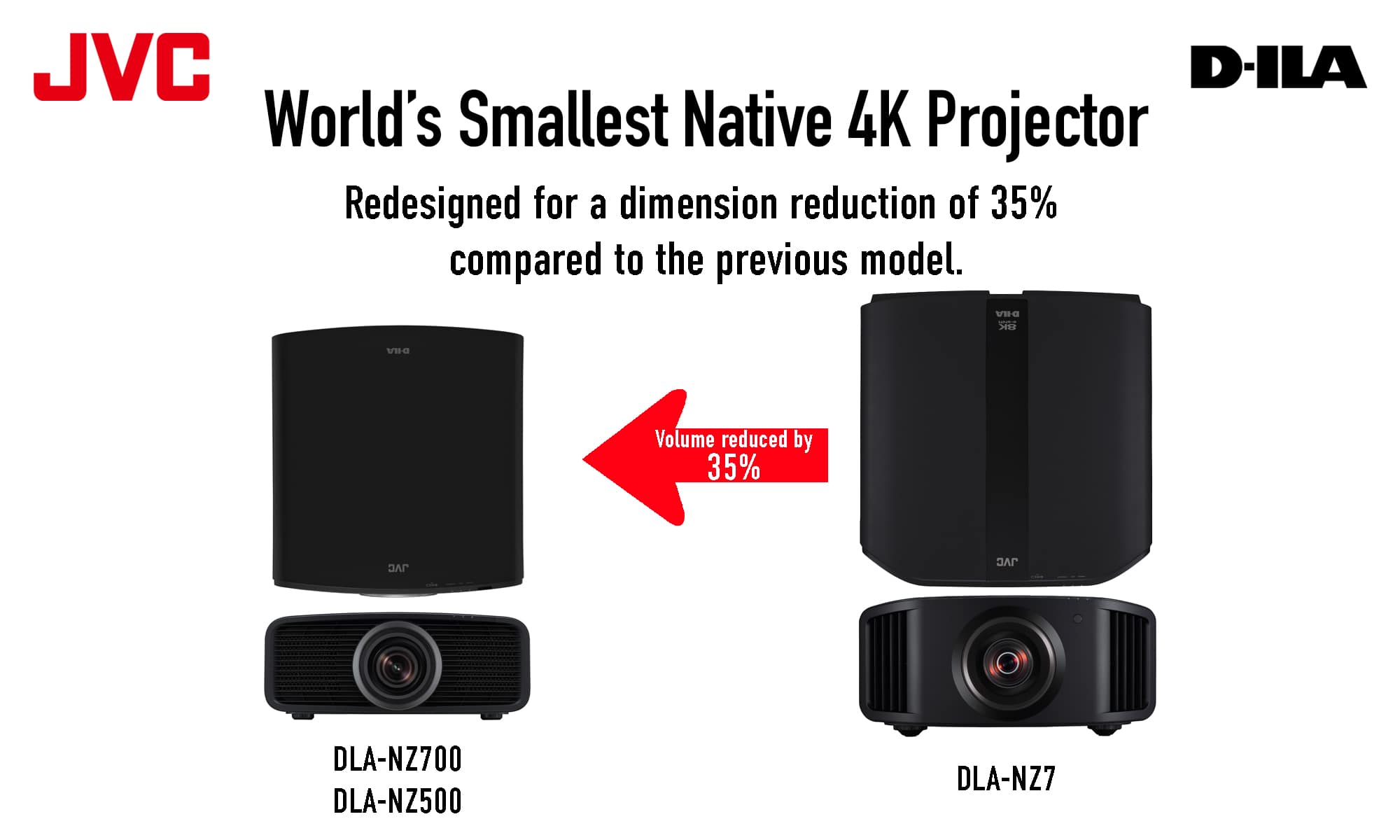
In terms of physical size, the contrast is stark. The Valerion weighs just over 15 pounds and measures roughly the size of a desktop computer, making it genuinely portable. The JVC weighs more than 32 pounds and requires a substantial mounting setup or shelf—it's clearly designed for permanent installation.
The noise levels tell an interesting story too. Despite being much smaller, the Valerion runs at 28 decibels, while the larger JVC operates at just 23 decibels. The JVC's larger chassis allows for better heat dissipation and quieter fan operation, which matters in a quiet theater environment.
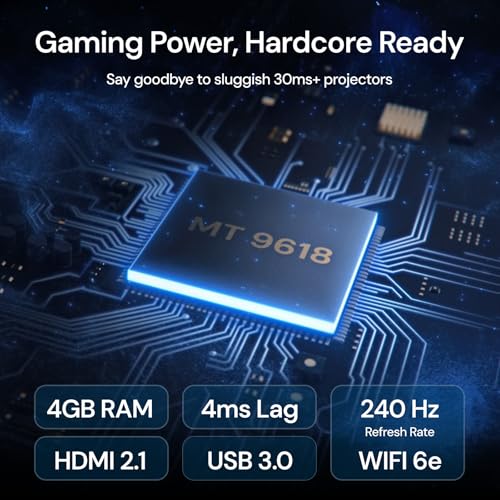
Gaming performance represents perhaps the clearest example of how these projectors target different users. The Valerion VisionMaster Pro 2 was designed with gaming in mind, offering input lag as low as 4 milliseconds at 1080p/240Hz. Input lag is the delay between when you press a button and when the action appears on screen—crucial for competitive gaming where every millisecond counts.
The Valerion supports high refresh rates up to 240Hz, includes gaming-specific features like crosshair overlays and dark detail enhancement, and works seamlessly with modern gaming consoles. Its HDMI 2.1 ports support the latest gaming standards, including Variable Refresh Rate (VRR) and Auto Low Latency Mode (ALLM).
The JVC DLA-NZ500 takes a completely different approach—it essentially ignores gaming. There's no low-latency mode, no support for high refresh rates beyond 60Hz, and no gaming-specific features. This isn't an oversight; it's a deliberate choice to focus entirely on movie playback quality. The JVC is designed for users who have separate gaming setups or simply don't game on their home theater projector.
The feature comparison reveals the lifestyle versus dedicated cinema divide most clearly. The Valerion VisionMaster Pro 2 runs Google TV OS with full access to Netflix, YouTube, Disney+, and other streaming services built right in. It includes WiFi 6E, Bluetooth 5.2, voice control through Google Assistant and Alexa, and even decent built-in speakers with DTS Virtual:X surround processing.
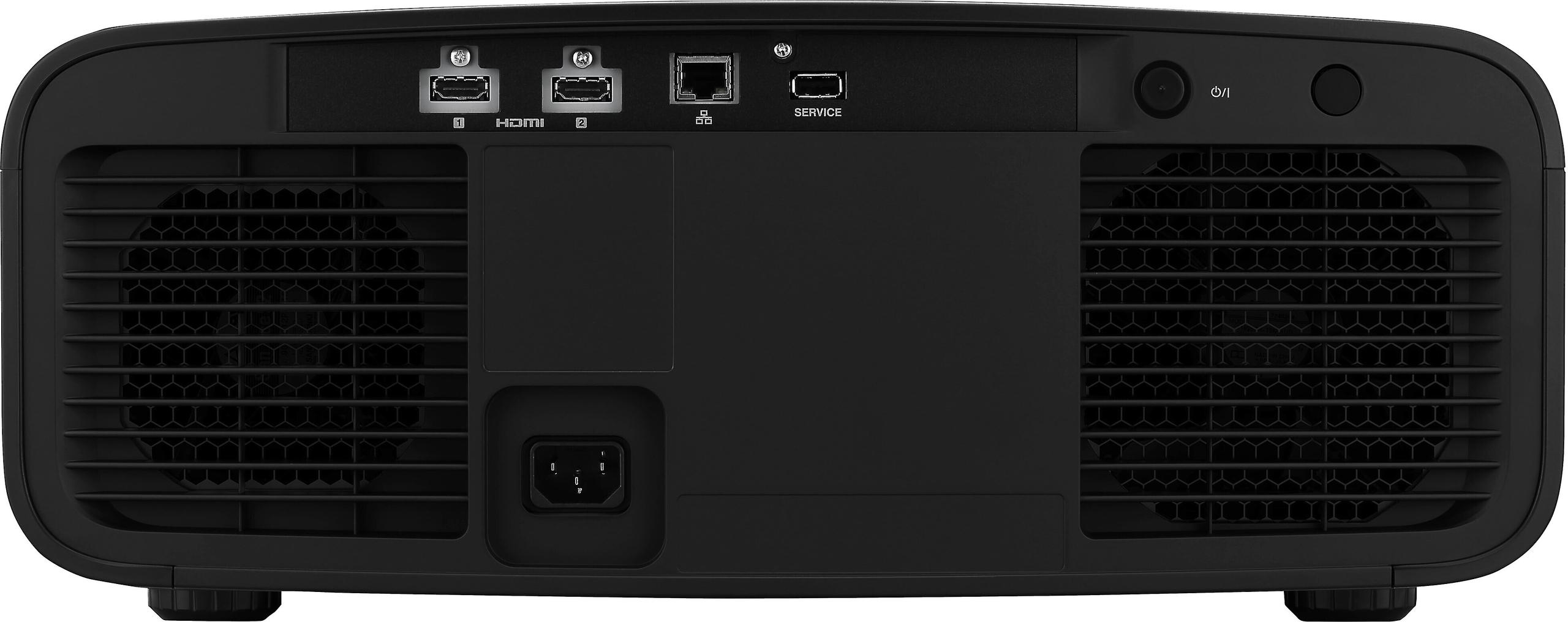
The JVC DLA-NZ500 includes none of these features. It has two HDMI inputs and that's essentially it for connectivity. No streaming apps, no wireless connectivity, no speakers, no voice control. It's designed to work with external devices—streaming boxes, game consoles, Blu-ray players—with the projector handling only the image display.
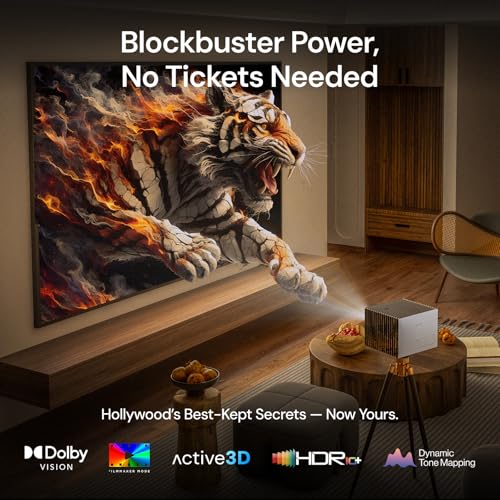
This difference extends to HDR (High Dynamic Range) support as well. The Valerion supports every major HDR format including Dolby Vision, HDR10+, and IMAX Enhanced. The JVC supports HDR10 and HDR10+ but not Dolby Vision, which is increasingly common on streaming services.
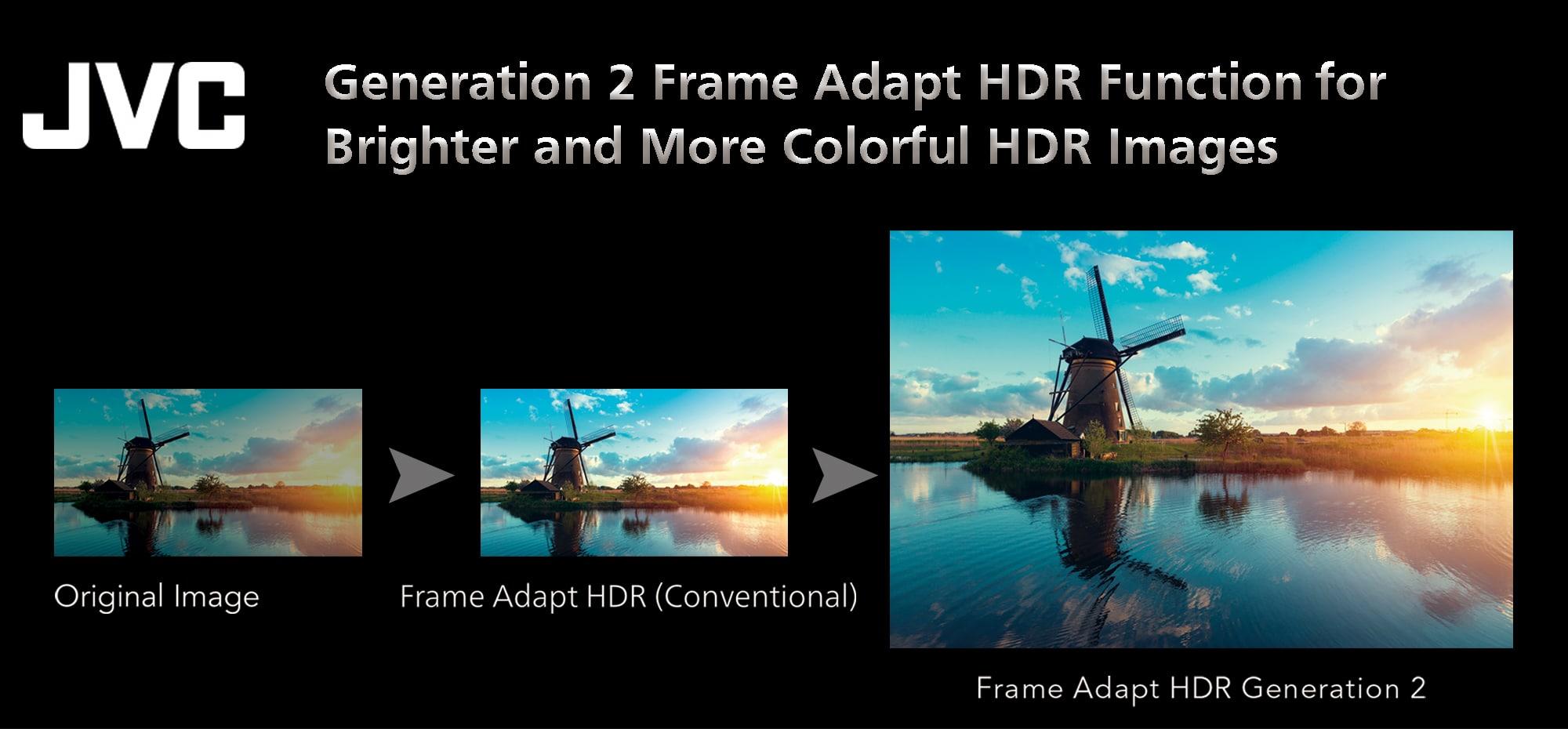
However, the JVC includes more sophisticated tone mapping—the process of optimizing HDR content for the projector's capabilities. Its Frame Adapt HDR analyzes content frame-by-frame and adjusts the image processing accordingly, often producing better results than simpler tone mapping approaches.
Based on extensive review analysis and user feedback, several patterns emerge. The JVC DLA-NZ500 consistently receives praise for image quality, particularly in dark scenes. Users regularly comment that dark movie sequences finally look "right"—with genuine blacks and visible shadow details that many other projectors struggle to reproduce.
The Valerion VisionMaster Pro 2 gets high marks for versatility and ease of use. Users appreciate being able to move it between rooms, use it for daytime presentations, and have everything work without additional equipment. The gaming performance particularly impresses users coming from traditional home theater projectors.
Color accuracy is interesting—both projectors can achieve excellent results, but through different paths. The JVC tends to be more accurate out of the box, while the Valerion benefits significantly from calibration but offers more flexibility for different viewing preferences.
The brightness difference matters more in practice than the numbers suggest. The Valerion's extra lumens make it usable in situations where the JVC simply wouldn't work well—family movie nights with some lights on, presentations, or very large screens.
The Valerion VisionMaster Pro 2 makes the most sense if you want a single device that can handle multiple roles. It's ideal for people who don't have a dedicated theater room, who want to use the projector for gaming, or who prefer the convenience of built-in streaming. The extra brightness makes it more forgiving of less-than-perfect room conditions, and the compact size means you can actually move it when needed.
I'd particularly recommend the Valerion for families with varied entertainment needs, gamers who want big-screen experiences, or anyone setting up their first home theater system. The all-in-one nature eliminates the complexity and additional cost of separate streaming devices and audio systems.
The JVC DLA-NZ500 is for the image quality purists. If you have a dedicated, light-controlled theater space and care more about the best possible picture quality than convenience features, the JVC delivers an experience that the Valerion simply cannot match. The superior contrast creates a more immersive, realistic image that becomes addictive once you're used to it.
I'd choose the JVC for dedicated home theater enthusiasts who already have streaming devices and audio systems, or for anyone who primarily watches movies in dark environments. If you've been frustrated by gray blacks and poor shadow detail in dark scenes, the JVC will likely be a revelation.
At the time of writing, the JVC costs significantly more than the Valerion—more than double, in fact. This price difference reflects the fundamental technology gap: native 4K D-ILA panels are expensive to manufacture, and the precision optics required for professional installations add substantial cost.
The question becomes whether the image quality improvement justifies the price premium for your specific situation. If you have the right room and primarily watch movies, the JVC's superior contrast and native 4K resolution create a noticeably better experience. But if you need versatility, modern features, and the ability to use the projector in various situations, the Valerion delivers much more functionality for significantly less money.
Both projectors represent good value within their respective categories, but they're solving different problems. The Valerion maximizes features and flexibility per dollar, while the JVC maximizes image quality per dollar in the right environment.
Your choice should align with your space, usage patterns, and priorities. If you're building a dedicated theater room and want the best possible image quality, the JVC DLA-NZ500 is worth the premium. Its superior contrast and native 4K resolution create an experience that justifies the investment for serious movie enthusiasts.
If you need a versatile projector that can adapt to different situations, serve multiple entertainment needs, and work well without additional equipment, the Valerion VisionMaster Pro 2 offers exceptional value and capability.
Neither choice is wrong—they're just very different tools designed for different users. The key is honestly assessing how you'll actually use your projector and choosing the one that best matches those real-world requirements.
| Valerion VisionMaster Pro 2 | JVC DLA-NZ500 |
|---|---|
| Display Technology - Determines image sharpness and detail quality | |
| 0.47" DLP with XPR pixel-shifting to 4K | Native 4K D-ILA (three 0.69" panels) |
| Native Contrast Ratio - Most critical spec for dark scene performance | |
| 4,000:1 native (15,000:1 with dynamic processing) | 40,000:1 native (10x better black levels) |
| Brightness Output - Determines usability in ambient light | |
| 3,000 ISO lumens (50% brighter, better for lit rooms) | 2,000 lumens (requires darker environment) |
| Lens System - Affects installation flexibility | |
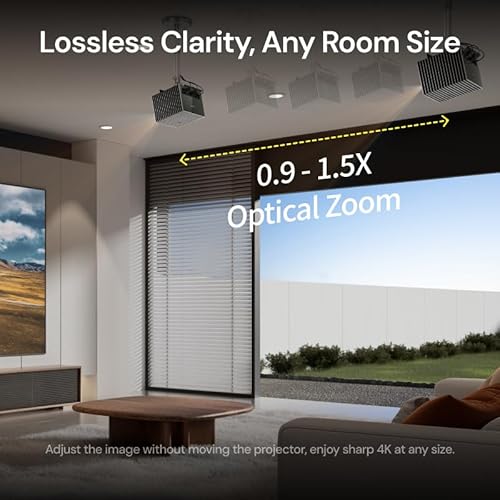
| 1.67x zoom, powered focus, no lens shift | 1.6x zoom, motorized focus/zoom, full lens shift |
| Gaming Performance - Input lag for responsive gaming | |
| 4ms at 1080p/240Hz, gaming-optimized features | No low-latency mode, 60Hz maximum |
| Smart Features - Built-in streaming and connectivity | |
| Google TV OS, WiFi 6E, streaming apps, voice control | No smart features, HDMI inputs only |
| HDR Support - Advanced video format compatibility | |
| Dolby Vision, HDR10+, IMAX Enhanced | HDR10, HDR10+ (no Dolby Vision) |
| Audio System - Built-in sound capabilities | |
| Dual 12W speakers with DTS Virtual:X | No built-in speakers |
| Physical Size - Portability and installation requirements | |
| 15.4 lbs, compact desktop size, portable | 32.2 lbs, large chassis, permanent installation |
| Light Source Lifespan - Long-term maintenance costs | |
| RGB triple laser, 25,000+ hours | BLU-Escent laser, 20,000 hours |
| Target Use Case - Best suited for | |
| Versatile lifestyle projector, gaming, mixed lighting | Dedicated dark theater, pure image quality focus |
The JVC DLA-NZ500 is superior for dedicated home theater rooms due to its 40,000:1 native contrast ratio, which delivers deeper blacks and better shadow detail in dark scenes. However, the Valerion VisionMaster Pro 2 offers more versatility with built-in streaming, higher brightness for rooms with ambient light, and gaming capabilities that make it better for mixed-use entertainment spaces.
The JVC DLA-NZ500 uses native 4K with three separate imaging chips containing 8.8 million physical pixels. The Valerion VisionMaster Pro 2 uses pixel-shifting technology that rapidly moves 1080p pixels to create 4K resolution. While both produce 4K images, the JVC delivers sharper text and fine details, while the Valerion works excellently for movies and gaming.
The Valerion VisionMaster Pro 2 produces 3,000 lumens compared to the JVC DLA-NZ500's 2,000 lumens. This 50% brightness advantage makes the Valerion much better for rooms with ambient light, daytime viewing, or larger screens. The JVC requires a darker, controlled environment to perform optimally.
The Valerion VisionMaster Pro 2 runs Google TV OS with Netflix, YouTube, Disney+, and other streaming apps built-in, plus WiFi and voice control. The JVC DLA-NZ500 has no smart features and requires external streaming devices. The Valerion is a complete entertainment system, while the JVC focuses solely on image display.
The Valerion VisionMaster Pro 2 excels for gaming with 4ms input lag at high refresh rates, support for 240Hz, and gaming-specific features. The JVC DLA-NZ500 lacks gaming optimization entirely, with no low-latency mode and limited to 60Hz refresh rates. For gaming, the Valerion is clearly the better choice.
The JVC DLA-NZ500 delivers 40,000:1 native contrast, while the Valerion VisionMaster Pro 2 offers 4,000:1 native contrast (15,000:1 with processing). This 10x difference means the JVC produces significantly deeper blacks and better performance in dark movie scenes, making it superior for cinematic viewing in dark rooms.
The Valerion VisionMaster Pro 2 weighs 15.4 pounds with a compact desktop size, making it easily portable between rooms. The JVC DLA-NZ500 weighs over 32 pounds with a large chassis designed for permanent installation. The Valerion is clearly better for users who want mobility and flexibility.
The Valerion VisionMaster Pro 2 supports Dolby Vision, HDR10+, HDR10, and IMAX Enhanced for maximum compatibility with streaming services and UHD Blu-rays. The JVC DLA-NZ500 supports HDR10 and HDR10+ but lacks Dolby Vision support. The Valerion offers broader HDR format compatibility.
The JVC DLA-NZ500 includes lens shift and professional-grade optics that facilitate custom installation but typically requires professional mounting. The Valerion VisionMaster Pro 2 lacks lens shift but includes auto-keystone correction and obstacle avoidance for easier DIY setup. The JVC is more installation-flexible but complex, while the Valerion is more user-friendly.
The Valerion VisionMaster Pro 2 offers exceptional value with its all-in-one feature set, smart capabilities, gaming performance, and good image quality at a lower price point. The JVC DLA-NZ500 costs significantly more but delivers superior image quality for dedicated theater use. Value depends on whether you prioritize features and versatility (Valerion) or ultimate image quality (JVC).
Both projectors use maintenance-free laser technology. The Valerion VisionMaster Pro 2 uses RGB triple laser rated for 25,000+ hours, while the JVC DLA-NZ500 uses BLU-Escent laser technology rated for 20,000 hours. Both offer years of use without bulb replacements, with the Valerion having a slight longevity advantage.
The JVC DLA-NZ500 operates at 23 decibels thanks to its larger chassis and better heat dissipation, making it virtually silent in a theater environment. The Valerion VisionMaster Pro 2 runs at 28 decibels, which is audible but acceptable for most users. For critical listening environments, the JVC is noticeably quieter despite the Valerion being perfectly usable.
We've done our best to create useful and informative comparisons to help you decide what product to buy. Our research uses advanced automated methods to create this comparison and perfection is not possible - please contact us for corrections or questions. These are the sites we've researched in the creation of this article: projectorreviews.com - projectorcentral.com - projectorcentral.com - soundandvision.com - valerion.com - projector-database.com - rtings.com - valerion.com - techradar.com - valueelectronics.com - digitalcameraworld.com - youtube.com - youtube.com - bestbuy.com - projectorscreen.com - valueelectronics.com - youtube.com - projectorcentral.com - avsforum.com - youtube.com - eu.jvc.com - jvc.com - crutchfield.com - projectorreviews.com - avsforum.com - audioadvice.com

Privacy Policy
Terms and Conditions - Affiliate Policy
Home Security
© Copyright 2008-2026.
11816 Inwood Rd #1211, Dallas, TX 75244