

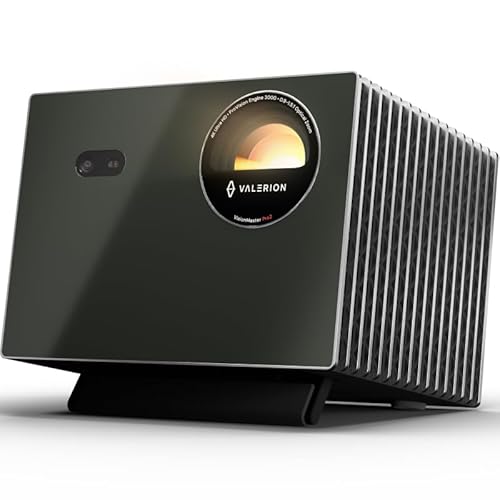

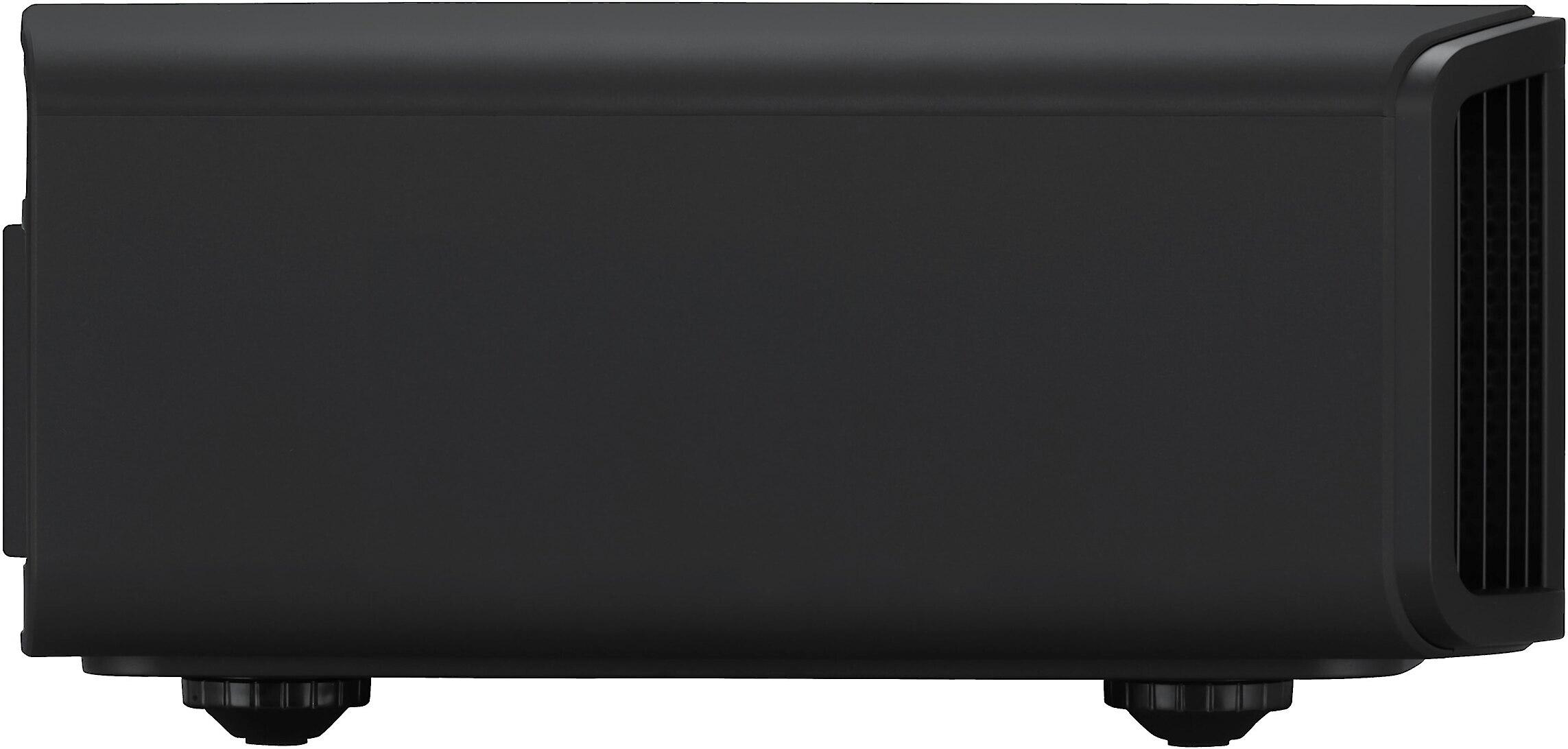
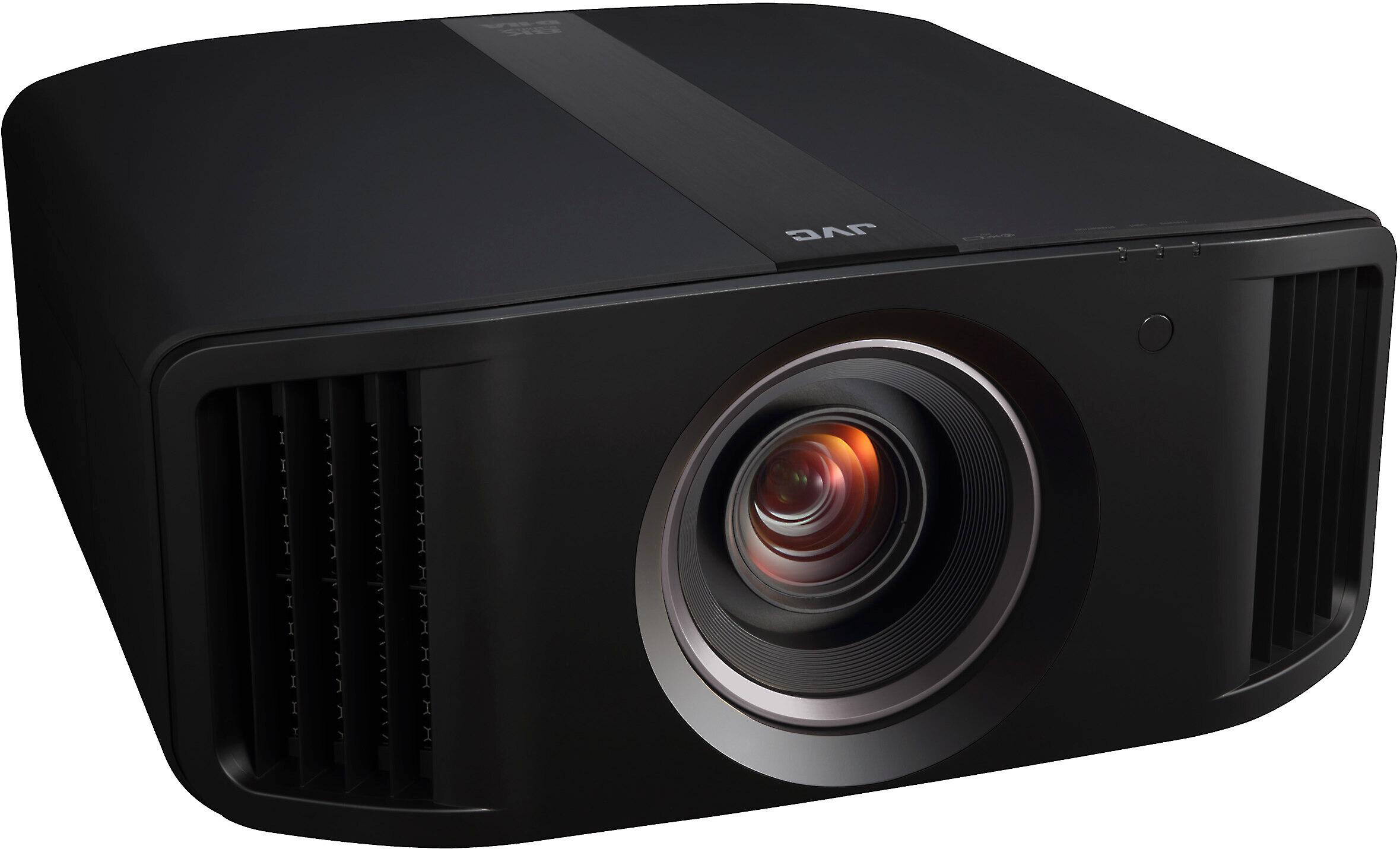
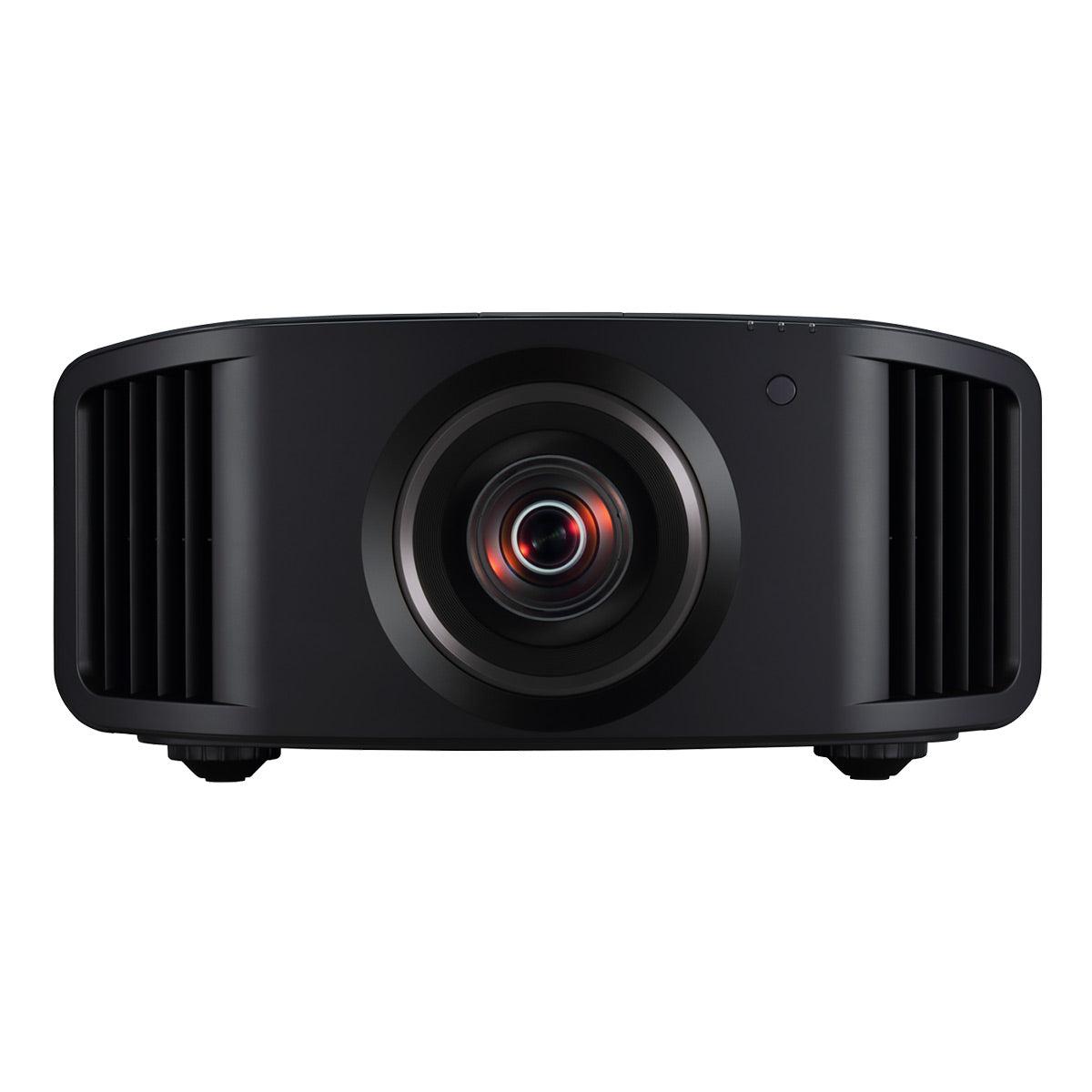
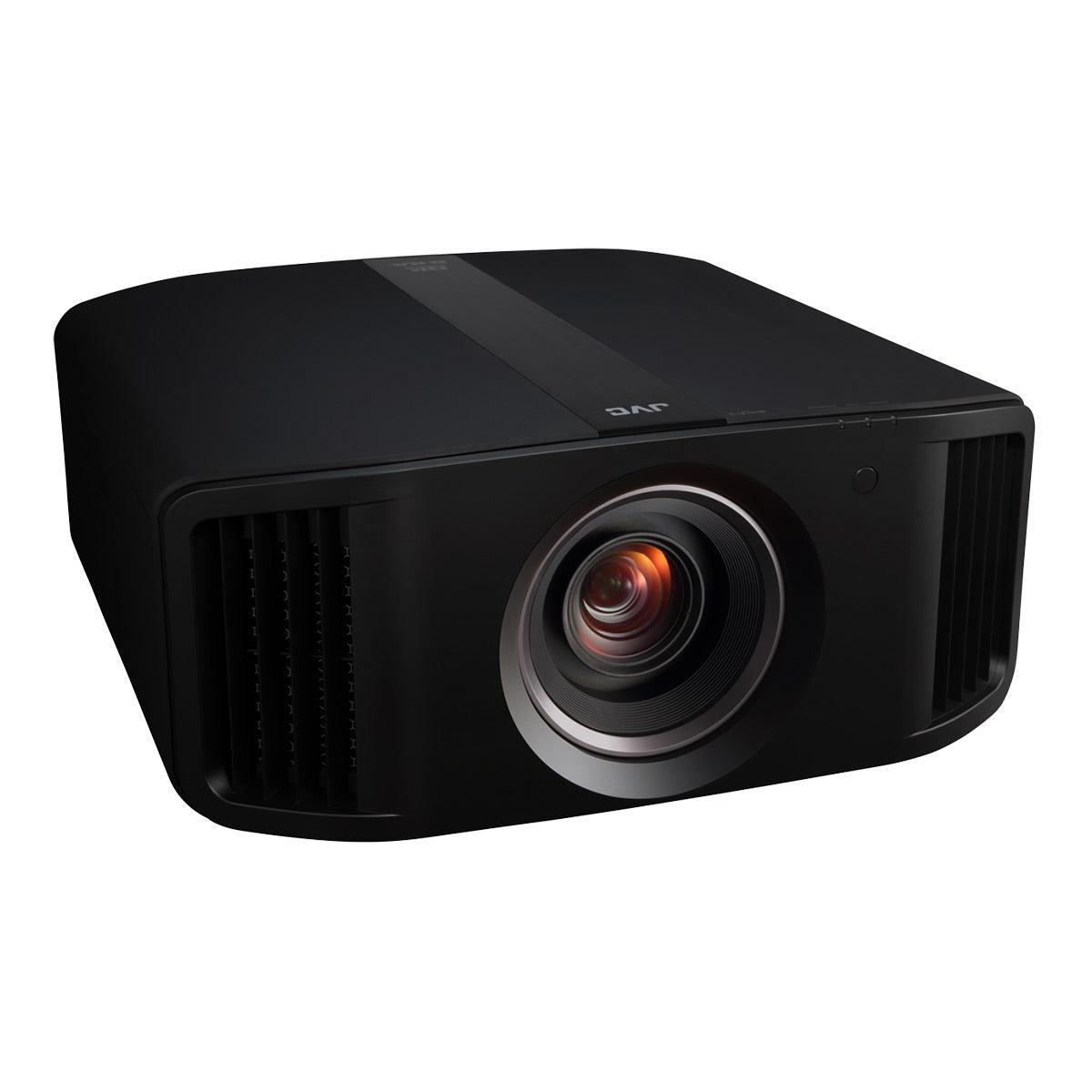
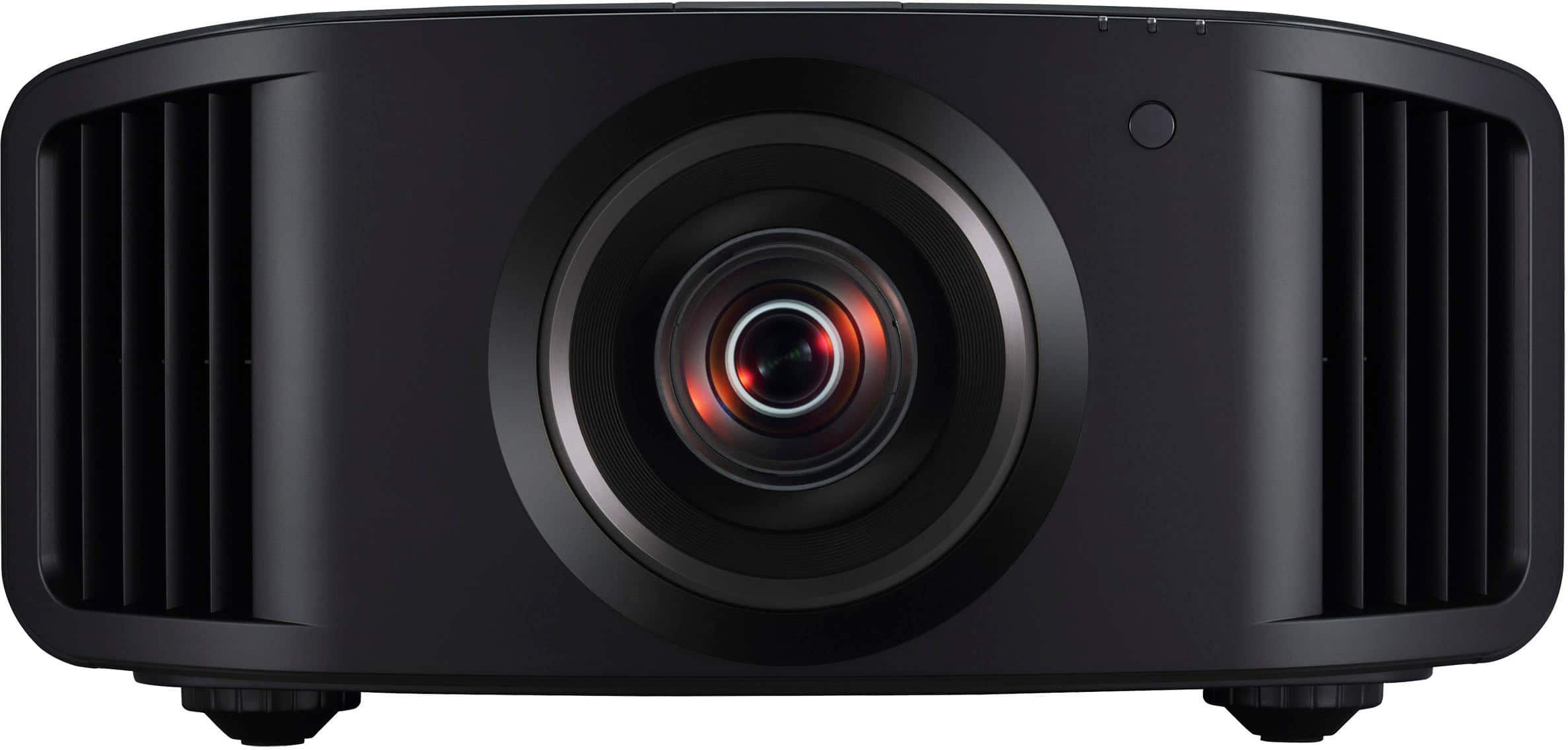
When shopping for a home theater projector in 2024, you'll quickly discover that not all 4K projectors are created equal. Today we're comparing two fascinating projectors that represent completely different approaches to home cinema: the Valerion VisionMaster Pro 2, a feature-packed lifestyle projector that launched in late 2024, and the JVC DLA-NZ800, a reference-grade cinema projector that arrived earlier in 2024.
At the time of writing, these projectors sit at opposite ends of the pricing spectrum—the Valerion costs roughly one-fifth the price of the JVC. But this isn't simply a case of "you get what you pay for." Each projector excels in different areas and serves distinctly different needs.
Before diving into specifics, let's establish what separates good projectors from great ones. The most critical factors are contrast ratio (how deep the blacks look compared to bright whites), color accuracy (how realistic colors appear), brightness (measured in lumens—higher numbers mean better performance in lit rooms), and resolution (the number of pixels creating the image).
Modern projectors use laser light sources instead of traditional bulbs, lasting 20,000+ hours compared to 3,000-4,000 hours for older lamp-based models. This means you'll likely never need to replace the light source during normal ownership.
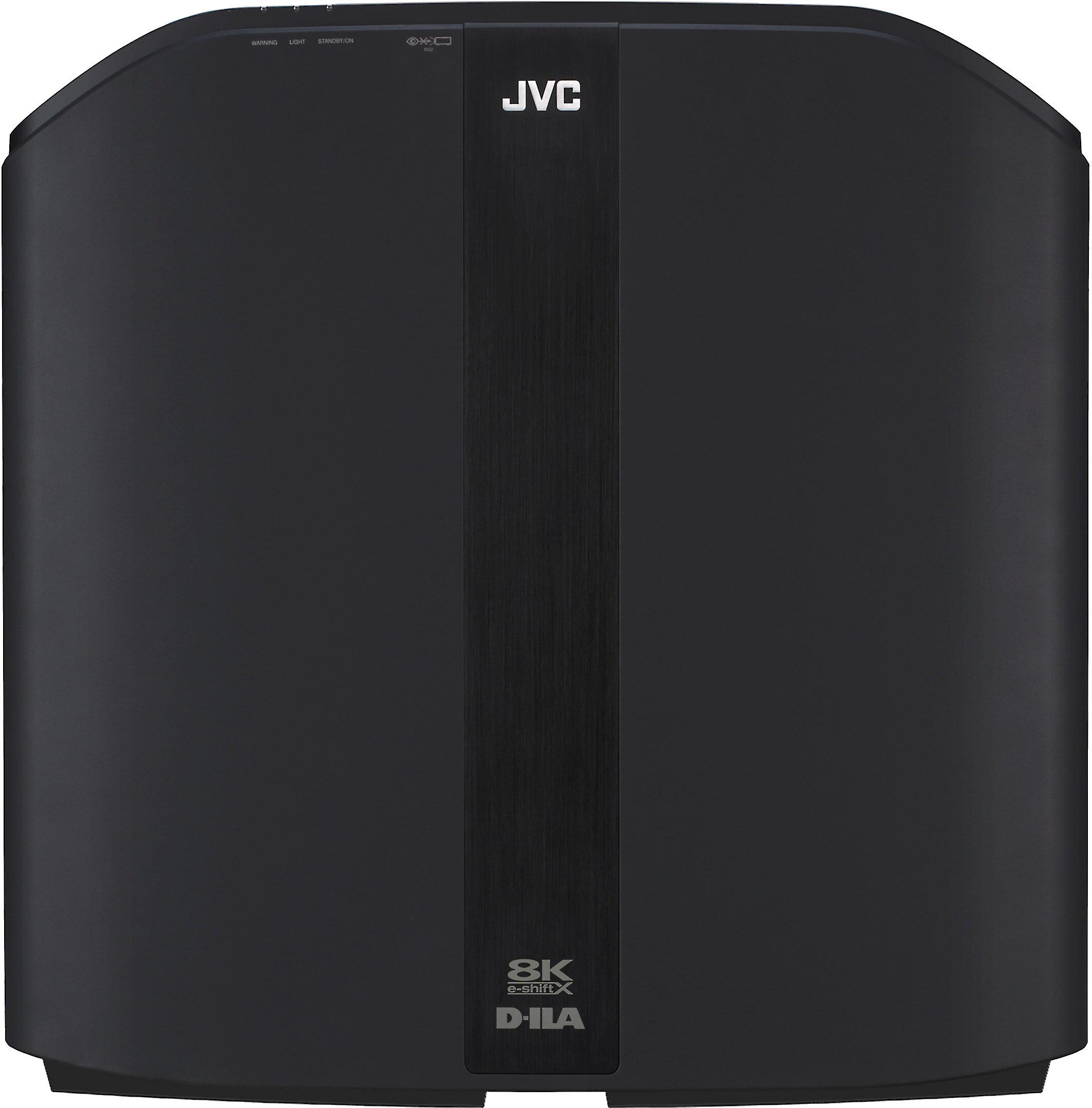
The Valerion VisionMaster Pro 2 uses single-chip DLP technology—think of it as one very sophisticated mirror that flips millions of times per second to create images. The JVC DLA-NZ800 uses three-chip D-ILA technology—essentially three separate imaging chips working together, one for each primary color. This fundamental difference affects everything from image quality to price.
The biggest technical difference between these projectors lies in their imaging systems. The JVC uses three separate 0.69-inch native 4K D-ILA chips—one each for red, green, and blue. D-ILA stands for "Direct Drive Image Light Amplifier," JVC's proprietary technology that's similar to LCD but with better contrast and no visible pixel structure.
This three-chip approach eliminates rainbow artifacts—brief flashes of red, green, and blue that some people notice with single-chip projectors, especially during quick eye movements or fast-moving scenes. It also allows for incredibly precise color reproduction since each color gets its own dedicated chip.
The Valerion, meanwhile, uses Texas Instruments' proven single-chip DLP system with a 0.47-inch chip and XPR pixel-shifting technology. This system creates 4K resolution by rapidly shifting pixels to fill in gaps, effectively quadrupling the detail from the base 1080p chip. While not "true" native 4K like the JVC, the results are sharp and detailed enough that most viewers can't tell the difference in normal viewing.
Based on our research into user experiences, the rainbow effect on modern DLP projectors like the Valerion has become quite rare and mild. Most people never notice it, though it's worth considering if you're particularly sensitive to motion artifacts.
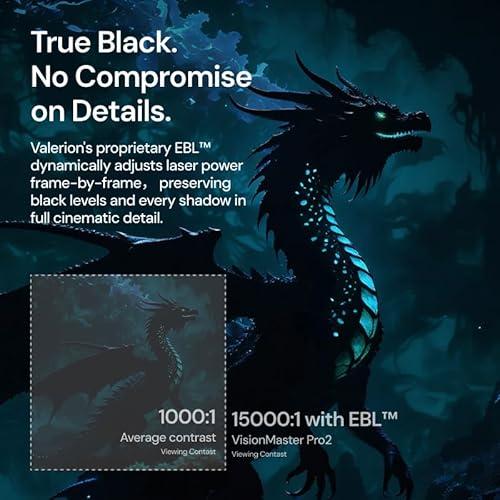
Here's where the price difference becomes most apparent. The JVC DLA-NZ800 delivers a native contrast ratio of 100,000:1—meaning the brightest whites are 100,000 times brighter than the deepest blacks. This is extraordinary performance that creates incredibly realistic shadow detail and depth.
The Valerion VisionMaster Pro 2 offers a 4,000:1 native contrast ratio, which is still quite good for its price range but represents a massive difference in dark scene performance. In a side-by-side comparison, the JVC would show significantly more detail in dark movie scenes, with shadows that actually look black rather than dark gray.
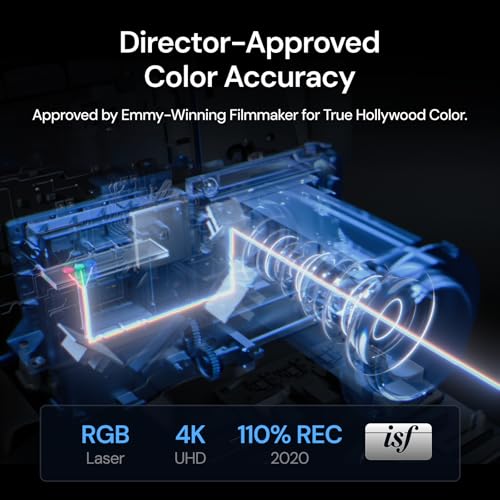
However, contrast isn't everything. The Valerion covers 110% of the Rec.2020 color space—an incredibly wide color gamut that produces exceptionally vibrant, saturated colors. This ultra-wide color coverage actually exceeds what the JVC can display, making nature documentaries and animated content particularly stunning on the Valerion.
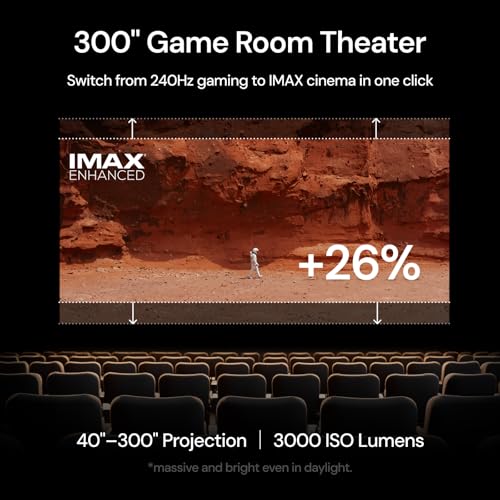
Brightness levels favor the Valerion slightly at 3,000 ISO lumens versus 2,700 ANSI lumens for the JVC. In practical terms, both are bright enough for dedicated home theaters, but the Valerion performs better in rooms with some ambient light—great for basement family rooms or living rooms with occasional light leak.
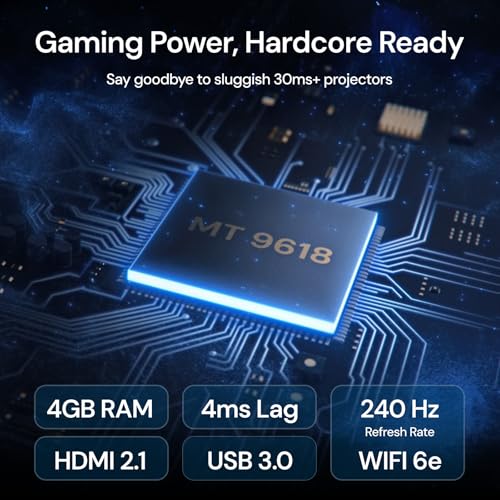
If gaming matters to you, the Valerion VisionMaster Pro 2 isn't just better—it's in a completely different league. With input lag as low as 4 milliseconds at 1080p/240Hz, it rivals the fastest gaming monitors available. Even at 4K/60Hz, its 15ms input lag is excellent for projector standards.
Input lag measures the delay between when your controller sends a signal and when you see the result on screen. For competitive gaming, every millisecond matters. The Valerion includes gaming-specific features like crosshair overlays, dark detail enhancement for spotting enemies in shadows, and ALLM (Auto Low Latency Mode) that automatically switches to the fastest response mode when it detects a gaming console.
The JVC DLA-NZ800 includes low latency modes but isn't specifically optimized for gaming. Its strengths lie elsewhere—in creating the most cinematic, film-like experience possible. If you're primarily gaming, especially competitive multiplayer games, the Valerion is the obvious choice.
Professional installers love the JVC DLA-NZ800 for good reason. Its motorized lens offers 2x optical zoom and extensive lens shift—the ability to physically move the lens position without affecting image quality. With ±80% vertical and ±34% horizontal shift, you can mount the JVC significantly off-center from your screen and still get a perfectly rectangular image.
This flexibility is crucial for custom installations where the ideal projector position might be blocked by beams, air vents, or architectural features. The JVC also includes lens memory, storing multiple zoom and focus positions for different aspect ratios or screen sizes.
The Valerion VisionMaster Pro 2 takes a different approach, prioritizing ease of use over installation flexibility. It lacks lens shift entirely, relying on digital keystone correction to fix image geometry. While this works, digital corrections slightly reduce image quality since the projector must stretch or compress pixels.
However, the Valerion compensates with impressive automatic features: auto-focus, auto screen alignment, and even obstacle avoidance that adjusts the image if something blocks part of the projection. For many users, especially those doing their own setup, these automated features are more valuable than manual lens adjustments.
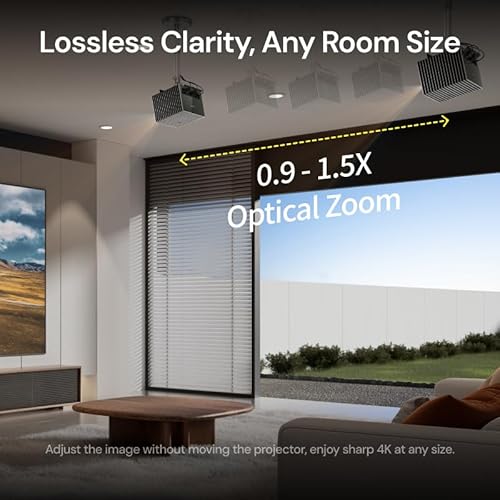
The Valerion also offers a much shorter throw distance, projecting large images from closer positions—ideal for smaller rooms where you can't place a projector far from the screen.
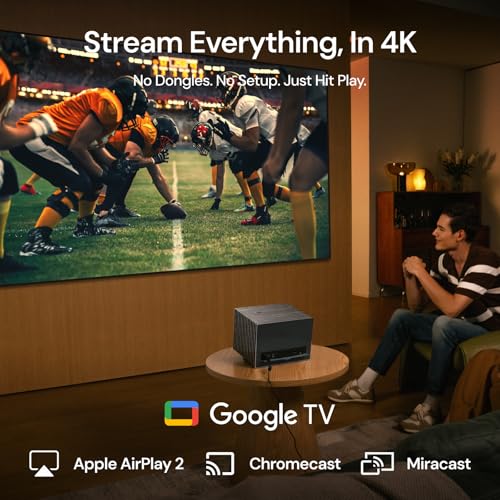
This category isn't even close. The Valerion VisionMaster Pro 2 runs Google TV OS with access to Netflix, YouTube, Prime Video, Disney+, Apple TV+, and other major streaming platforms. It supports voice control through Google Assistant and Alexa, integrates with smart home systems, and can wirelessly stream content from phones, tablets, and computers via AirPlay 2, Chromecast, and Miracast.
The built-in dual 12W DTS:X speakers won't replace a dedicated sound system, but they're surprisingly capable for casual viewing and much better than most projector speakers. The Valerion essentially functions as a complete entertainment system straight out of the box.
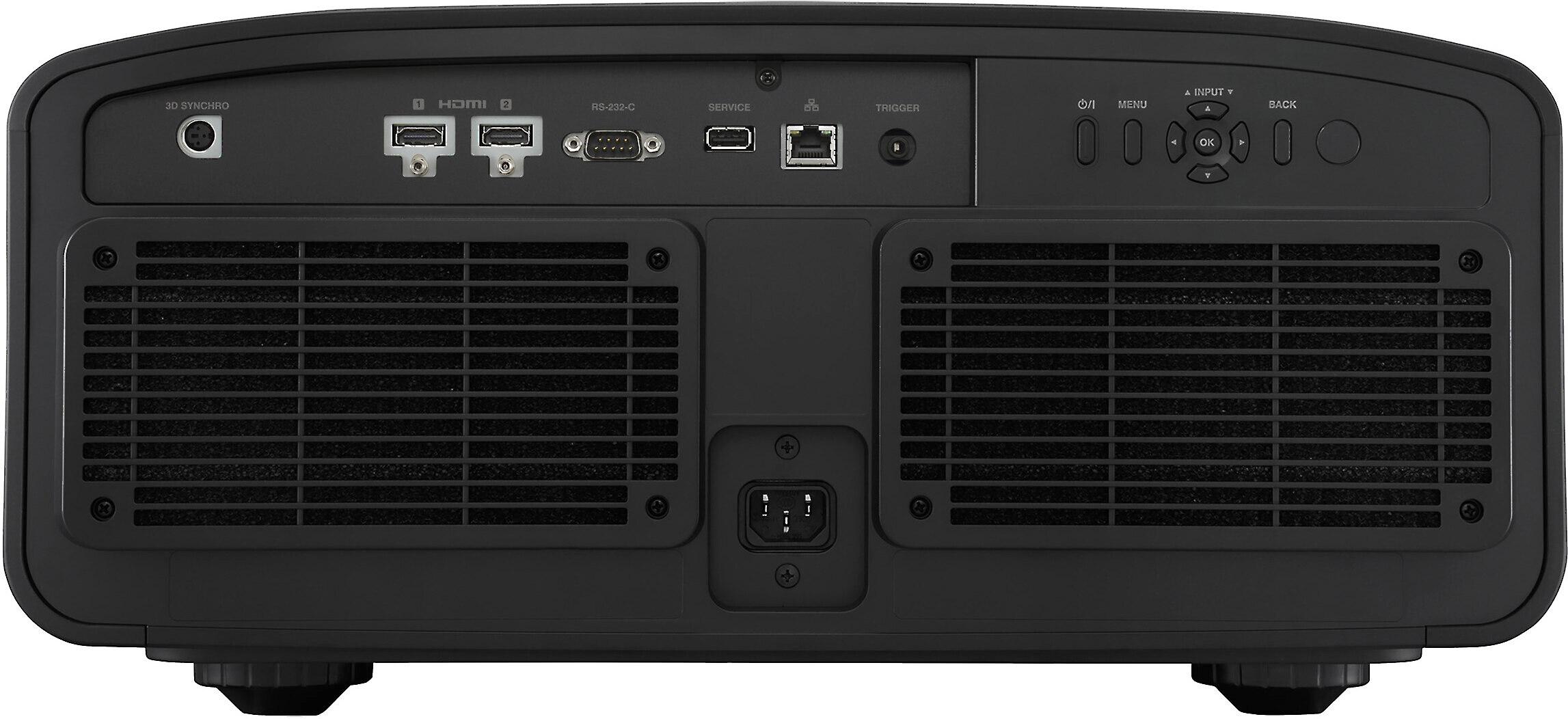
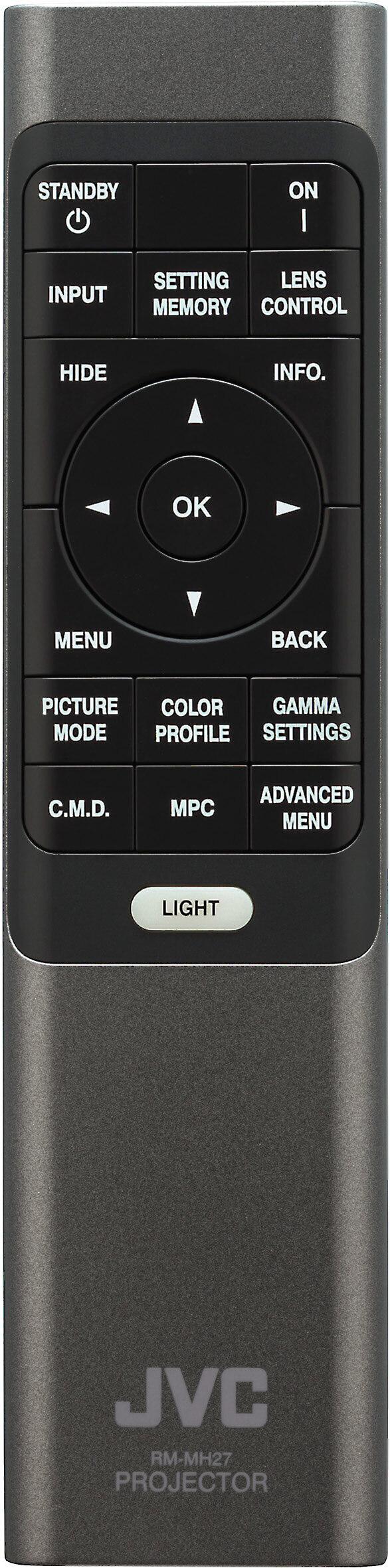
The JVC DLA-NZ800 has zero smart features—no apps, no Wi-Fi, no built-in speakers. It's purely a display device that requires external sources for all content. While this keeps the projector focused on image quality without potential software complications, it means additional complexity and cost for sources, audio systems, and streaming devices.
Based on current market trends, most buyers prefer integrated smart features. The convenience of having everything built-in, especially for families with varying tech comfort levels, shouldn't be underestimated.
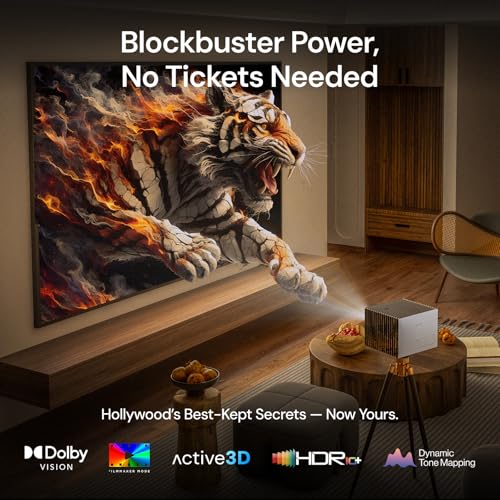
Both projectors support modern HDR (High Dynamic Range) content, which provides brighter highlights and more color detail than standard video. The Valerion supports Dolby Vision, HDR10+, and IMAX Enhanced—essentially every HDR format you'll encounter on streaming services and 4K Blu-rays.
The JVC uses proprietary Frame Adapt HDR processing that analyzes each scene in real-time to optimize the dynamic range for the projector's capabilities. Combined with its exceptional contrast ratio, HDR content looks remarkably realistic—bright sunny skies genuinely appear bright while maintaining shadow detail.
For future-proofing, the JVC offers 8K upscaling through its Gen2 8K/e-shiftX technology, creating 8192×4320 pixel images from 4K or lower resolution content. While native 8K content remains rare, this processing noticeably improves the sharpness and detail of high-quality 4K sources.
The engineering difference between these projectors becomes obvious when comparing their construction. The JVC DLA-NZ800 weighs over 50 pounds with hand-selected components, a premium all-glass lens, and aluminum construction throughout. JVC includes a three-year warranty with first-year advance replacement—they'll send you a replacement projector before you even ship back a defective unit.
The Valerion weighs just over 15 pounds with a more compact, lifestyle-oriented design. While well-built for its category, it's clearly designed for portability and convenience rather than ultimate longevity. The standard one-year warranty reflects its different market positioning.
The JVC DLA-NZ800 performs best in dedicated home theaters with controlled lighting. Its incredible contrast ratio and deep blacks are most impressive in dark environments where you can appreciate subtle shadow details and the complete absence of light leak from black letterbox bars.
Room treatments like blackout curtains, dark wall colors, and minimal reflective surfaces maximize the JVC's performance. It's designed for serious movie watching where image quality takes priority over everything else.
The Valerion VisionMaster Pro 2 excels in more flexible environments. Its higher brightness and vibrant colors work well in basement family rooms, living rooms, or anywhere you might have some ambient light. The built-in smart features and speakers make it perfect for casual streaming, gaming sessions, and family movie nights without requiring additional components.
Choose the Valerion VisionMaster Pro 2 if:
Choose the JVC DLA-NZ800 if:
After extensive research into user experiences and professional reviews, both projectors excel in their intended roles. The JVC DLA-NZ800 delivers uncompromising image quality that justifies its premium price for serious home theater enthusiasts. Its contrast performance remains largely unmatched in the consumer projector market.
The Valerion VisionMaster Pro 2 represents exceptional value, delivering impressive 4K performance with gaming capabilities and smart features that would cost significantly more as separate components. For most buyers, especially those new to projection or with mixed-use requirements, it offers a more practical entry into high-quality home cinema.
The five-fold price difference between these projectors reflects fundamentally different engineering philosophies rather than simple quality tiers. The JVC prioritizes absolute image quality above all else, while the Valerion balances very good performance with convenience, features, and value.
Consider your room, your primary uses, and your total system budget. Both projectors deliver excellent 4K performance, but they're designed for different users with different priorities. The "better" choice depends entirely on what matters most to you and how you plan to use your projector.
| Valerion VisionMaster Pro 2 | JVC DLA-NZ800 |
|---|---|
| Display Technology - Affects image quality, color accuracy, and rainbow artifacts | |
| Single-chip 0.47" DLP with XPR pixel-shifting | Three-chip 0.69" native 4K D-ILA |
| Native Contrast Ratio - Most important spec for deep blacks and shadow detail | |
| 4,000:1 (good for price range) | 100,000:1 (reference-grade performance) |
| Resolution - Determines image sharpness and detail | |
| 4K via pixel-shifting (3840×2160) | True native 4K (4096×2160) with 8K upscaling |
| Brightness - Critical for ambient light performance | |
| 3,000 ISO lumens (excellent for most rooms) | 2,700 ANSI lumens (ideal for dark theaters) |
| Color Gamut - Affects color vibrancy and accuracy | |
| 110% Rec.2020 (exceptionally wide) | >100% DCI-P3 (cinema standard) |
| Gaming Input Lag - Essential for responsive gaming | |
| 4ms at 1080p/240Hz, 15ms at 4K/60Hz (elite gaming) | Low latency mode available (cinema-focused) |
| Lens Flexibility - Determines installation options | |
| 1.67x manual zoom, no lens shift (digital keystone) | 2x motorized zoom with ±80% vertical, ±34% horizontal shift |
| Smart Features - Convenience and ease of use | |
| Google TV OS, streaming apps, voice control, WiFi 6e | None (requires external sources) |
| Built-in Audio - Eliminates need for external speakers | |
| Dual 12W DTS:X speakers | No built-in speakers |
| Weight and Portability - Installation flexibility | |
| 15.4 lbs (portable between rooms) | 50.9 lbs (permanent installation) |
| Light Source Life - Long-term operating costs | |
| RGB triple laser (25,000+ hours) | BLU-Escent laser (20,000 hours) |
| HDR Support - Premium content compatibility | |
| Dolby Vision, HDR10+, IMAX Enhanced | HDR10+ with Frame Adapt HDR processing |
| Warranty Coverage - Peace of mind and support | |
| 1 year standard warranty | 3 years with first-year advance replacement |
| Target Use Case - Who each projector serves best | |
| Gaming, lifestyle, multi-room versatility | Dedicated home theater, reference cinema quality |
For dedicated home theaters, the JVC DLA-NZ800 is superior due to its exceptional 100,000:1 contrast ratio that delivers deep blacks and incredible shadow detail. The Valerion VisionMaster Pro 2 offers excellent performance for the price but can't match the reference-grade image quality of the JVC in dark viewing environments.
The fundamental difference is technology and target market. The JVC DLA-NZ800 uses premium three-chip D-ILA technology for reference cinema quality, while the Valerion VisionMaster Pro 2 uses single-chip DLP with smart features for versatile lifestyle use. The JVC costs approximately five times more but delivers professional-grade performance.
The Valerion VisionMaster Pro 2 dominates gaming performance with ultra-low 4ms input lag at high refresh rates and gaming-specific features like crosshair overlays. The JVC DLA-NZ800 focuses on cinematic quality rather than gaming responsiveness, making the Valerion the clear choice for gamers.
Only the Valerion VisionMaster Pro 2 includes smart features with Google TV OS, Netflix, YouTube, and other streaming apps built-in. The JVC DLA-NZ800 has no smart capabilities and requires external streaming devices for all content, focusing purely on display performance.
The Valerion VisionMaster Pro 2 handles ambient light better with 3,000 lumens brightness and vibrant colors that maintain impact in moderately lit rooms. The JVC DLA-NZ800 at 2,700 lumens performs best in controlled lighting where its superior contrast can be fully appreciated.
The JVC DLA-NZ800 offers superior installation flexibility with motorized lens shift (±80% vertical, ±34% horizontal) and 2x optical zoom, ideal for custom installations. The Valerion VisionMaster Pro 2 lacks lens shift but compensates with auto-focus and shorter throw distances for easier DIY setup.
The JVC DLA-NZ800 features premium construction with hand-selected components and a 3-year warranty with advance replacement. The Valerion VisionMaster Pro 2 offers solid build quality for its category with a standard 1-year warranty, reflecting its more accessible market positioning.
The contrast difference is dramatic: the JVC DLA-NZ800 delivers 100,000:1 native contrast versus 4,000:1 for the Valerion VisionMaster Pro 2. This 25x difference means significantly deeper blacks and better shadow detail on the JVC, crucial for dark scene performance in movies.
The Valerion VisionMaster Pro 2 provides exceptional value with 4K performance, smart features, gaming capabilities, and built-in speakers at a fraction of the JVC's cost. The JVC DLA-NZ800 justifies its premium only for serious enthusiasts prioritizing ultimate image quality.
Both support HDR, but differently. The Valerion VisionMaster Pro 2 supports Dolby Vision, HDR10+, and IMAX Enhanced for broad compatibility. The JVC DLA-NZ800 uses proprietary Frame Adapt HDR processing that, combined with its exceptional contrast, delivers more dramatic HDR performance.
The Valerion VisionMaster Pro 2 weighs just 15.4 pounds and includes built-in speakers, making it suitable for multi-room use or occasional portability. The JVC DLA-NZ800 at over 50 pounds is designed for permanent installation in dedicated theater rooms.
Consider your primary use (gaming vs. cinema), room environment (ambient light vs. dark theater), installation needs (DIY vs. professional), and budget. Choose the Valerion VisionMaster Pro 2 for versatility and value, or the JVC DLA-NZ800 for uncompromising image quality in dedicated home theaters.
We've done our best to create useful and informative comparisons to help you decide what product to buy. Our research uses advanced automated methods to create this comparison and perfection is not possible - please contact us for corrections or questions. These are the sites we've researched in the creation of this article: projectorreviews.com - projectorcentral.com - projectorcentral.com - soundandvision.com - valerion.com - projector-database.com - rtings.com - valerion.com - techradar.com - valueelectronics.com - digitalcameraworld.com - youtube.com - youtube.com - bestbuy.com - techradar.com - valueelectronics.com - stereonet.com - youtube.com - sound-advice.online - eu.jvc.com - shop.avispl.com - audioadvice.com - paulsonsav.com - nfm.com

Privacy Policy
Terms and Conditions - Affiliate Policy
Home Security
© Copyright 2008-2026.
11816 Inwood Rd #1211, Dallas, TX 75244