

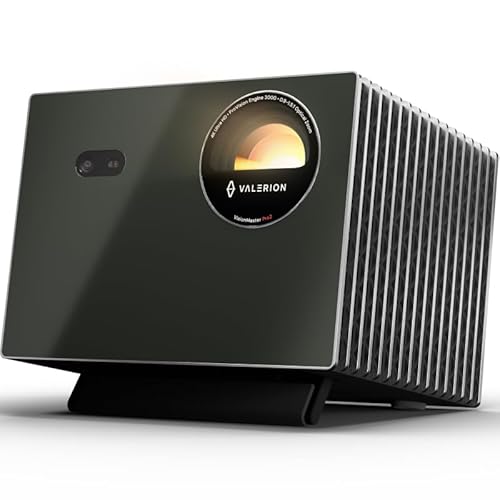
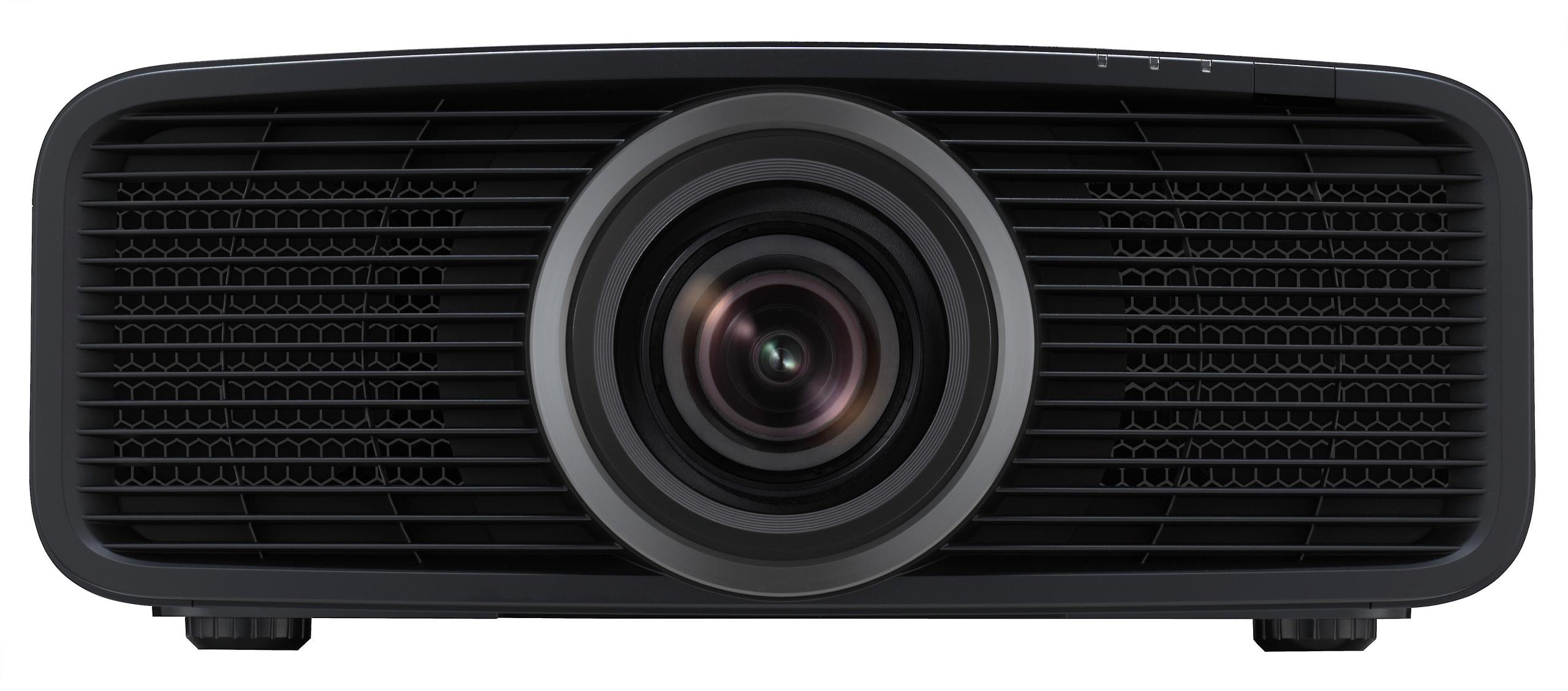

The 4K projector market has exploded in recent years, offering everything from portable gaming projectors to reference-quality cinema systems. Today we're comparing two projectors that represent opposite ends of this spectrum: the Valerion VisionMaster Pro 2 and the JVC DLA-NZ700. While both deliver 4K content, they take fundamentally different approaches to home projection.
Understanding the difference between lifestyle and dedicated home theater projectors is crucial before diving into specifics. Lifestyle projectors prioritize convenience, brightness, and versatility—they're designed to work well in living rooms with some ambient light while offering built-in smart features. Dedicated theater projectors focus solely on image quality, sacrificing convenience features for superior contrast ratios and color accuracy in light-controlled environments.
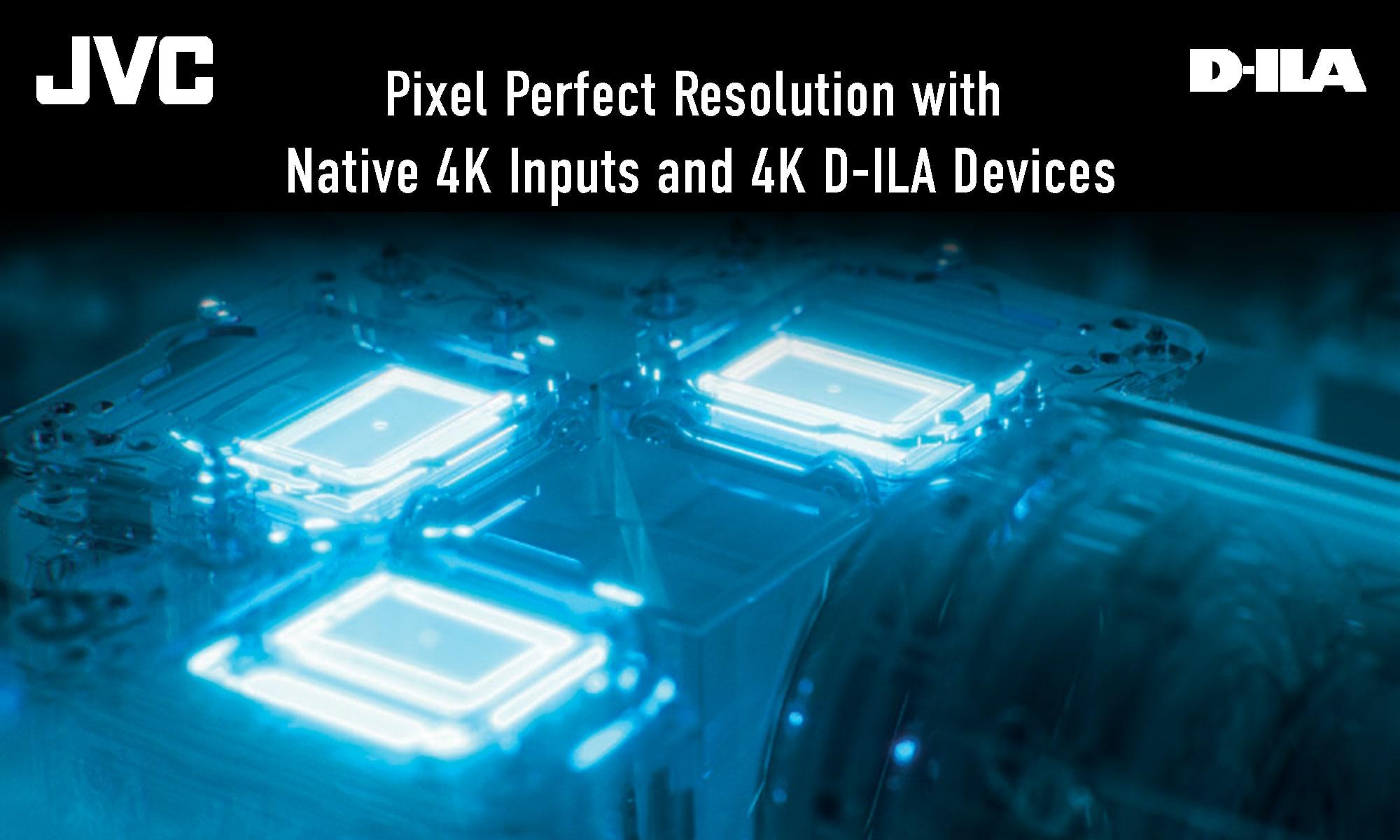
One of the most important distinctions between these projectors lies in how they create 4K images. The JVC DLA-NZ700 uses true native 4K technology with three 0.69-inch D-ILA (Direct-Drive Image Light Amplification) chips that physically display all 8.8 million pixels simultaneously. Think of it like having a microscopic grid where each square represents one pixel—the JVC has over 8 million individual squares displaying unique information at every moment.
The Valerion VisionMaster Pro 2, conversely, uses Texas Instruments' XPR (eXtreme Pixel Resolution) technology with a 0.47-inch DLP (Digital Light Processing) chip. This system starts with a native 1080p resolution and rapidly shifts each pixel four times to create the appearance of 4K. It's like taking a 1080p image and quickly moving it in tiny increments—so fast your eye perceives it as a higher resolution image.
Both approaches have merit. Native 4K provides sharper fine details and eliminates any potential artifacts from pixel shifting, making it ideal for critical viewing at close distances. Pixel-shifted 4K, however, still delivers an excellent 4K experience for most content while keeping costs reasonable and enabling more compact designs.
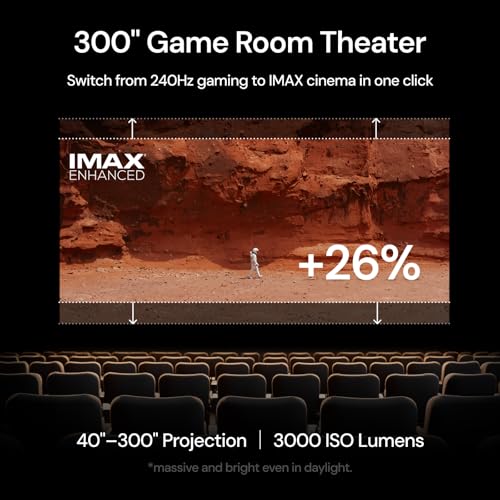
Brightness, measured in lumens, determines how well a projector performs in rooms with ambient light. The Valerion VisionMaster Pro 2 outputs 3,000 ISO lumens using an RGB triple-laser system, while the JVC DLA-NZ700 produces 2,300 ANSI lumens with its Blu-Escent laser technology.
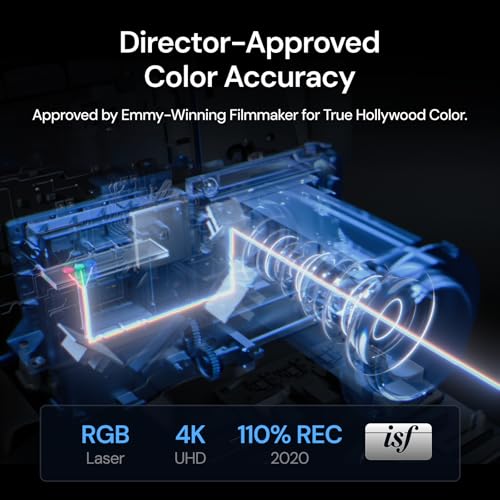
The difference in laser technology is significant. The Valerion's RGB (Red, Green, Blue) triple-laser system uses three separate colored lasers to create the full color spectrum. This approach delivers exceptional color vibrancy and maintains consistent color accuracy even at maximum brightness. It's particularly effective in rooms with some ambient light, making daytime viewing enjoyable.
JVC's Blu-Escent technology uses a blue laser diode that excites phosphors to create other colors. While this produces slightly less brightness, it's optimized for the deep blacks and contrast that make the JVC DLA-NZ700 exceptional in dark rooms. The trade-off between brightness and contrast is intentional—JVC prioritized image quality in controlled environments over versatility in various lighting conditions.
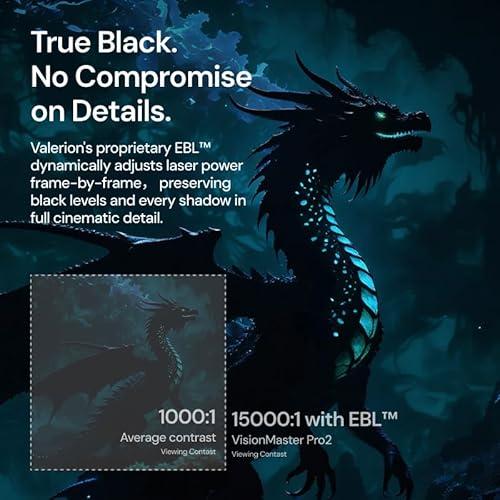
Contrast ratio—the difference between the brightest whites and deepest blacks—is arguably the most important factor for perceived image quality. This is where the JVC DLA-NZ700 absolutely dominates with its 80,000:1 native contrast ratio compared to the Valerion VisionMaster Pro 2's 4,000:1.
To put this in perspective, imagine looking at a starry night sky. The JVC can display stars that appear to float in genuinely black space, while the Valerion would show those same stars against a slightly gray background. This difference becomes immediately apparent when watching dark scenes in movies—the JVC renders shadow details and gradations that simply aren't visible on most other projectors.
The Valerion VisionMaster Pro 2 compensates with Enhanced Black Level (EBL) technology and dynamic contrast that can reach 15,000:1, but this still doesn't approach the JVC's native performance. However, the Valerion's lower contrast is less noticeable in brighter rooms where ambient light would wash out those deep blacks anyway.
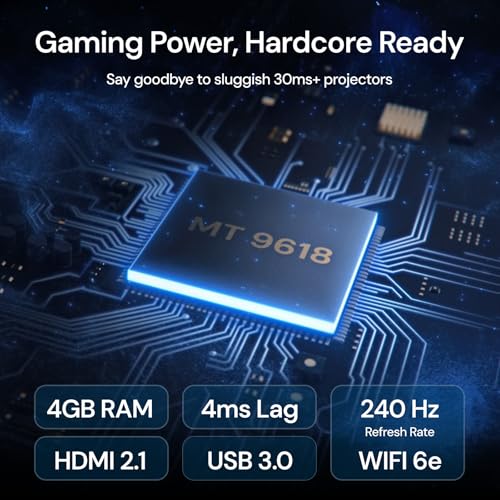
Gaming performance reveals the biggest philosophical difference between these projectors. The Valerion VisionMaster Pro 2 is specifically engineered for gaming with ultra-low input lag measurements: 4ms at 1080p/240Hz, 8ms at 1080p/120Hz, and 15ms at 4K/60Hz. Input lag is the delay between when you press a controller button and when the action appears on screen—crucial for competitive gaming.
These lag figures put the Valerion VisionMaster Pro 2 in the same league as dedicated gaming monitors, something unprecedented for projectors. It also supports ultrawide aspect ratios like 21:9 and 32:9, creating an immersive gaming experience that wraps around your peripheral vision.
The JVC DLA-NZ700, while capable of accepting 4K/120Hz signals, doesn't optimize for gaming. Input lag isn't specified but likely ranges from 30-50ms—acceptable for casual gaming but unsuitable for competitive play. This isn't a flaw; it's a design choice reflecting the projector's cinema-focused mission.
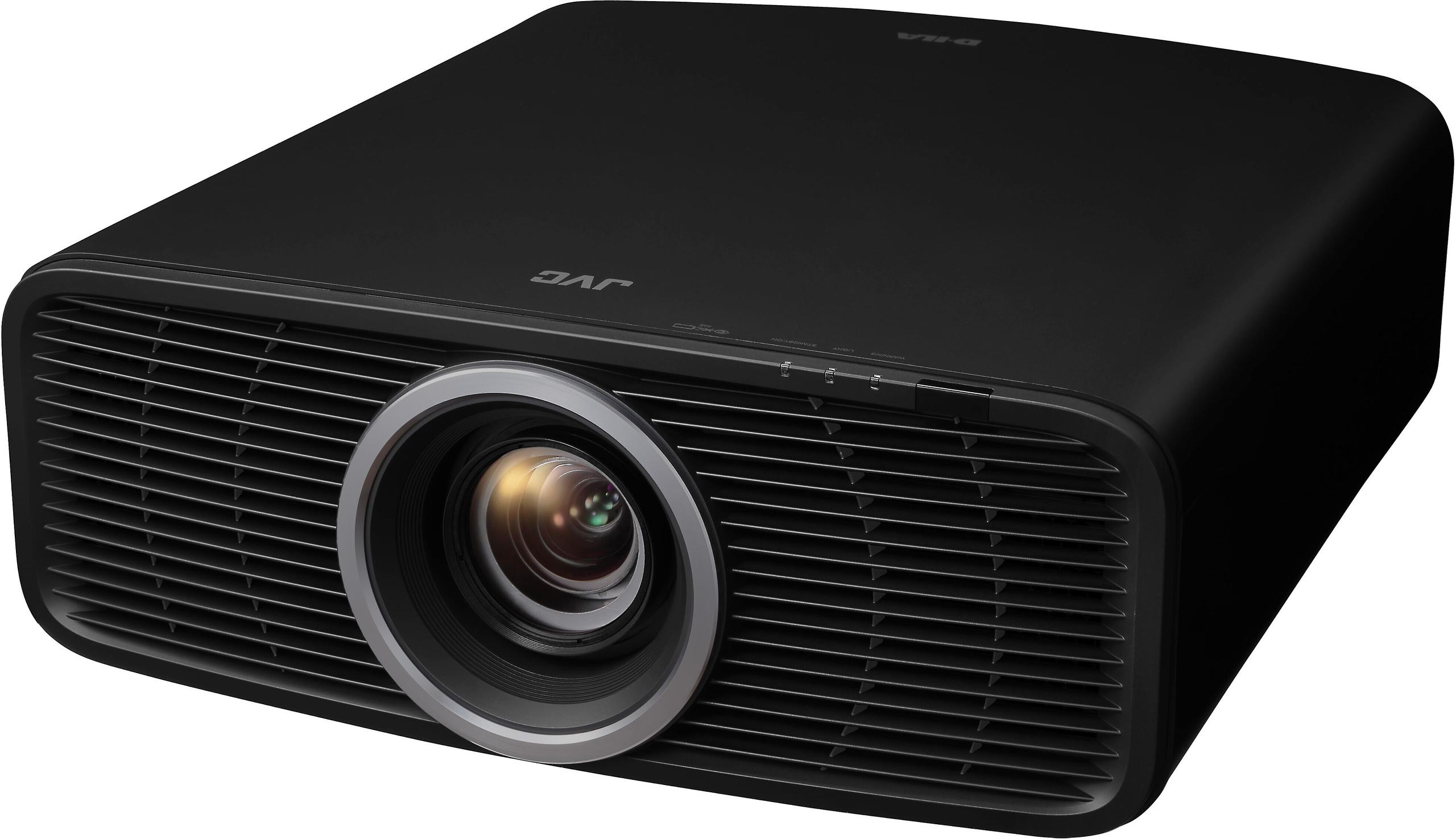
Installation requirements highlight another key difference. The JVC DLA-NZ700 offers extensive motorized lens shift—up to 70% vertical and 28% horizontal adjustment—plus a 1.6x zoom range. Lens shift allows you to move the image without moving the projector, essential for ceiling mounting when you can't position the projector perfectly centered.
The projector also features a large 80mm aperture lens with 15 elements arranged in 11 groups—specs you'd find on professional camera lenses. This optical system delivers edge-to-edge sharpness and minimal distortion, but it also makes the projector substantially larger and heavier at over 32 pounds.
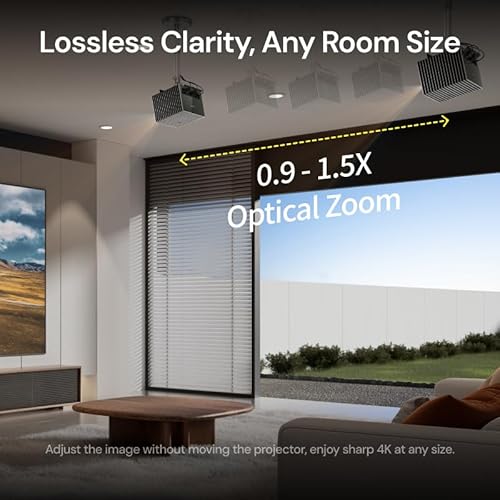
The Valerion VisionMaster Pro 2 takes a different approach with no lens shift capability, instead relying on digital keystone correction and auto-alignment features. While this limits precise placement options, the projector compensates with a shorter throw ratio (0.9:1 to 1.5:1) that works better in smaller rooms and includes auto-focus and obstacle avoidance for simplified setup.
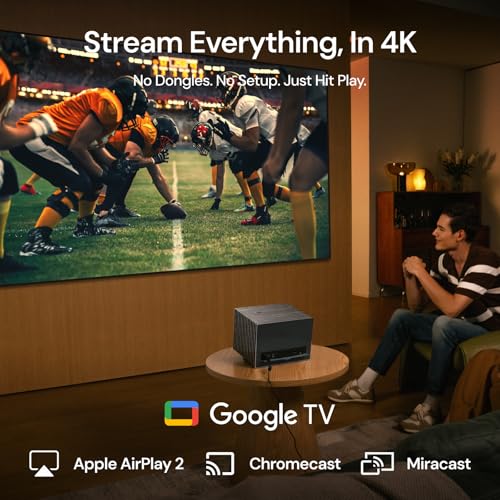
The convenience factor strongly favors the Valerion VisionMaster Pro 2. It runs Google TV OS with direct access to Netflix, YouTube, Disney+, Prime Video, and other major streaming platforms. WiFi 6E and Bluetooth 5.2 enable wireless streaming via AirPlay 2, Chromecast, and Miracast. Built-in 24W DTS Virtual:X speakers eliminate the need for external audio systems for casual viewing.
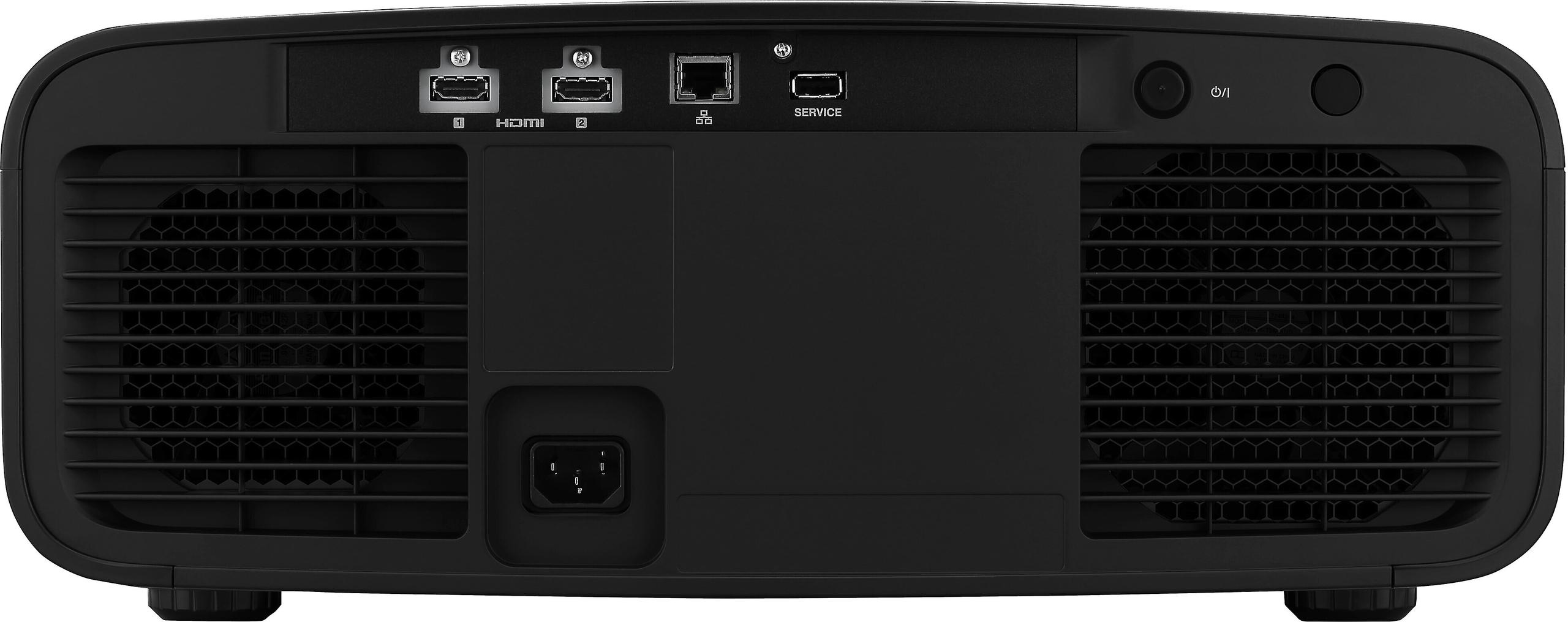
The JVC DLA-NZ700 deliberately excludes these features, offering no smart OS, WiFi, Bluetooth, or built-in speakers. This purist approach keeps the signal path clean and eliminates potential interference with image processing, but it requires external streaming devices and audio systems.
Both approaches have merit. The Valerion's integration appeals to users wanting a single-box solution, while the JVC's separation allows enthusiasts to choose best-in-class components for each function.
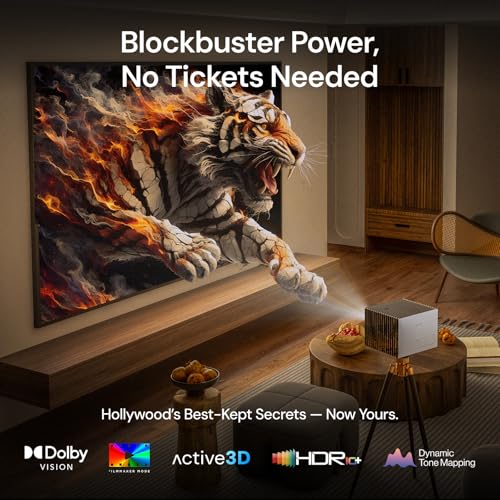
Both projectors support wide color gamuts and HDR (High Dynamic Range), but with different implementations. The Valerion VisionMaster Pro 2 claims coverage of 110% of the Rec.2020 color space—the ultra-wide standard for future TV broadcasts—while supporting Dolby Vision, HDR10+, IMAX Enhanced, and Filmmaker Mode.
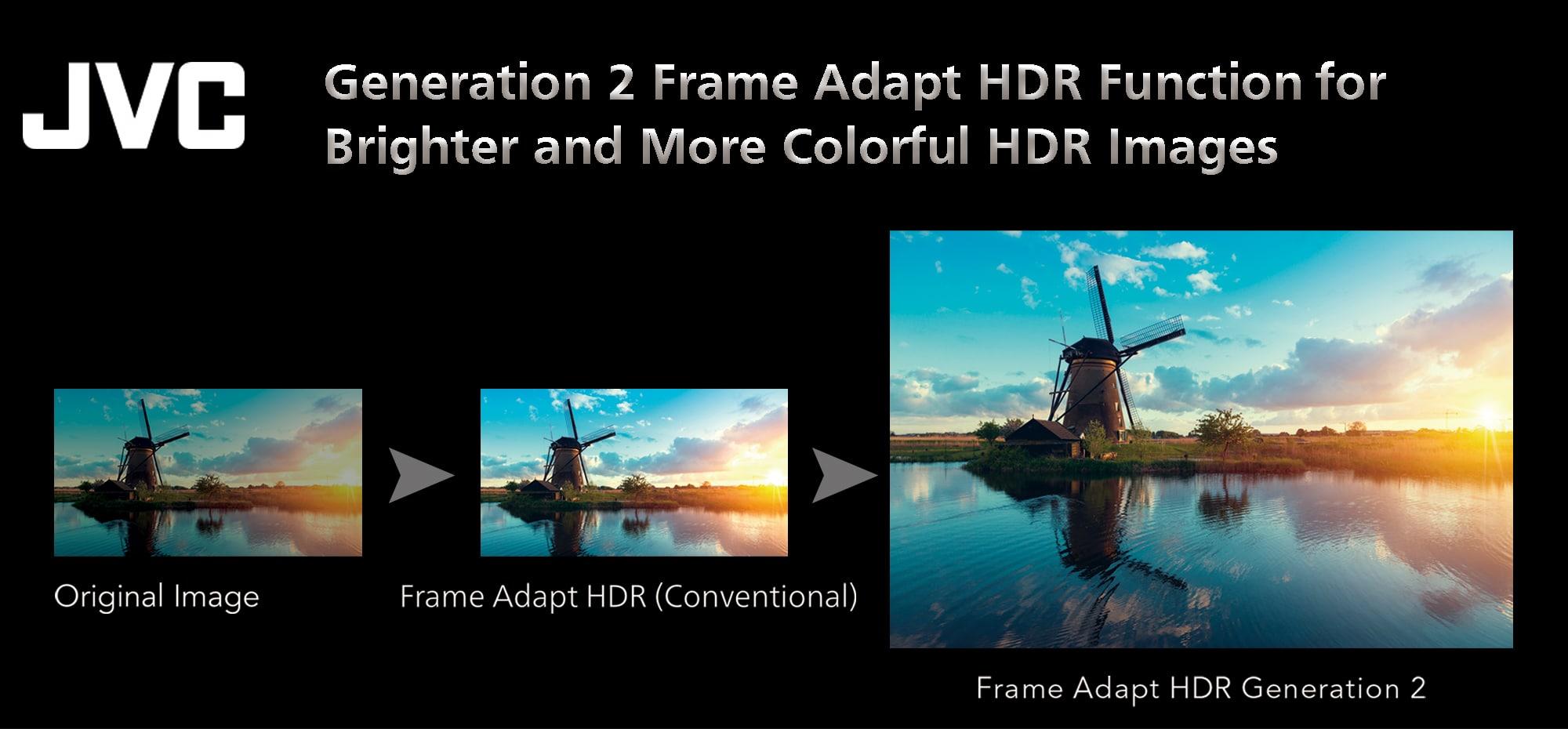
The JVC DLA-NZ700 covers 100% of the DCI-P3 digital cinema standard with 12-bit color processing. Its Frame Adapt HDR technology includes Deep Black Tone Control, which analyzes each frame to optimize dark detail while maintaining highlight information. This scene-by-scene optimization often produces more natural-looking HDR than static tone mapping.
Color accuracy out of the box favors the JVC, though both projectors offer ISF (Imaging Science Foundation) calibration modes for professional tuning. The Valerion's wider claimed color gamut sounds impressive, but the JVC's more conservative DCI-P3 coverage might actually produce more accurate colors for most content.
Based on extensive research of expert reviews and user feedback, the performance differences become clear in practical use. The JVC DLA-NZ700 excels in dedicated theater environments with light control, delivering reference-quality images with deep blacks and exceptional detail. Movies like "Blade Runner 2049" or "Dune" showcase the projector's ability to render subtle gradations in dark scenes that lesser projectors simply can't reproduce.
The Valerion VisionMaster Pro 2 shines in versatile environments. Its superior brightness maintains color saturation and image pop even with some ambient light, making it excellent for sports, gaming, and casual movie watching in living rooms. The built-in smart features and gaming optimizations create a more convenient, all-in-one entertainment experience.
At the time of writing, the JVC DLA-NZ700 costs roughly three times more than the Valerion VisionMaster Pro 2. However, total system costs reveal a more complex picture. The Valerion includes features that would cost hundreds more separately: smart TV functionality, audio system, and gaming optimizations.
The JVC requires additional components: a streaming device ($100-300), audio system ($500-2000+), and often professional installation ($300-800). The total system cost difference is substantial, though the JVC's three-year warranty with advanced replacement offers more protection than the Valerion's standard coverage.
The decision between these projectors depends entirely on your priorities and environment. Choose the Valerion VisionMaster Pro 2 if you want a versatile entertainment system that works well in various lighting conditions, includes gaming optimization, and offers modern smart features in one package. It's ideal for families or gamers who need flexibility and convenience.
The JVC DLA-NZ700 suits dedicated enthusiasts with properly configured theater rooms who prioritize absolute image quality above all else. If you have light control, external audio systems, and appreciate reference-quality cinema reproduction, the JVC's superior contrast and native 4K resolution justify the premium.
Released in 2024, both projectors represent the current state-of-the-art in their respective categories. The Valerion showcases how lifestyle projectors have evolved to include serious gaming capabilities and smart features, while the JVC demonstrates continued advancement in D-ILA technology and laser light sources for ultimate image quality.
Neither projector is objectively better—they serve different needs excellently. The Valerion VisionMaster Pro 2 offers exceptional versatility and value for users wanting a modern, all-in-one projection system. The JVC DLA-NZ700 delivers uncompromising image quality for cinema purists willing to invest in a complete dedicated theater system.
Most buyers will find the Valerion provides 90% of the image quality at a third of the system cost, plus conveniences the JVC lacks. However, for serious enthusiasts with proper viewing environments, the JVC's superior contrast and native resolution create a genuinely reference-quality experience worth the premium investment.
The choice ultimately comes down to whether you prioritize versatile convenience or absolute image quality in your home projection system.
| Valerion VisionMaster Pro 2 | JVC DLA-NZ700 |
|---|---|
| 4K Technology - How the projector creates 4K images affects sharpness and detail | |
| Pixel-shifted 4K (0.47" DLP with XPR) - Excellent 4K for most content | Native 4K (0.69" D-ILA) - True 4K with superior fine detail |
| Brightness - Critical for rooms with ambient light | |
| 3,000 ISO lumens (RGB triple-laser) - Excellent for bright rooms | 2,300 ANSI lumens (Blu-Escent laser) - Optimized for dark theaters |
| Contrast Ratio - Most important factor for perceived image quality | |
| 4,000:1 native / 15,000:1 dynamic - Good blacks for lifestyle use | 80,000:1 native - Reference-level deep blacks and shadow detail |
| Gaming Performance - Essential for console and PC gaming | |
| Ultra-low 4ms input lag at 1080p/240Hz, supports 21:9/32:9 aspect ratios | Standard input lag (~30-50ms), no gaming optimizations |
| Installation Flexibility - Affects placement options and setup difficulty | |
| No lens shift, relies on keystone correction, 0.9-1.5:1 throw ratio | ±70% vertical/±28% horizontal lens shift, 1.28-2.05:1 throw ratio |
| Smart Features - Built-in convenience vs external components | |
| Google TV OS, WiFi 6E, streaming apps, 24W speakers included | No smart OS, requires external streaming device and audio system |
| Size & Weight - Impacts portability and installation requirements | |
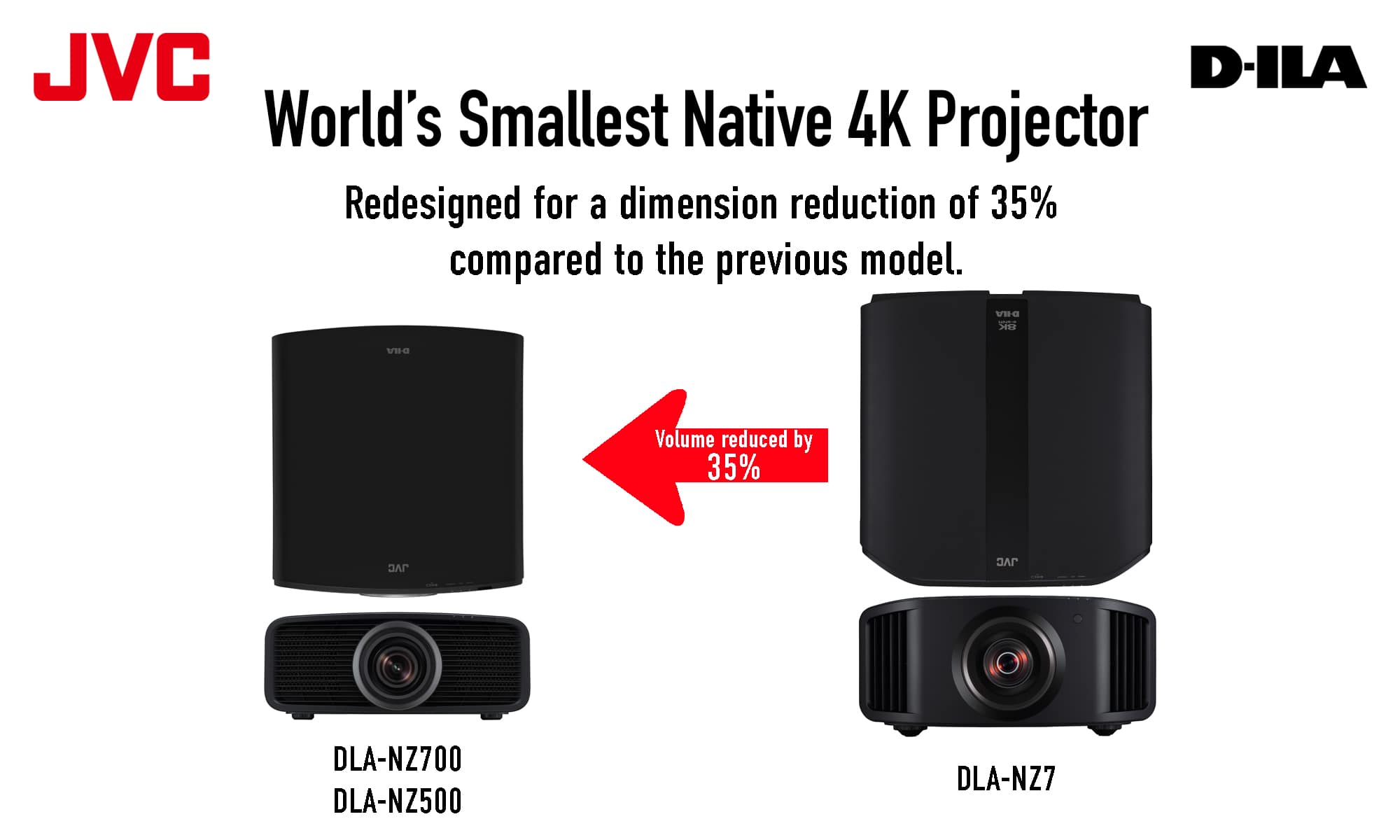
| 10.2" × 7.3" × 9.2", 15.4 lbs - Compact lifestyle design | 17.7" × 7.2" × 18.9", 32.6 lbs - Large dedicated theater projector |
| HDR Support - Advanced video formats for better color and contrast | |
| Dolby Vision, HDR10+, IMAX Enhanced, Filmmaker Mode | HDR10+, Frame Adapt HDR with Deep Black Tone Control |
| Color Gamut - Range of colors the projector can display | |
| 110% Rec.2020 coverage claimed - Exceptionally wide color range | 100% DCI-P3 coverage - Professional cinema standard accuracy |
| Light Source Lifespan - Long-term cost and maintenance | |
| 25,000+ hours RGB triple-laser - Slightly longer rated life | 20,000 hours Blu-Escent laser - Standard premium laser life |
| Target User - Who each projector is designed for | |
| Lifestyle users wanting gaming, streaming, and movies in one device | Home theater purists prioritizing ultimate image quality |
The JVC DLA-NZ700 is significantly better for dedicated home theater use due to its 80,000:1 contrast ratio and native 4K resolution. It delivers deeper blacks and superior shadow detail in dark rooms. The Valerion VisionMaster Pro 2 is better for multi-purpose living spaces with some ambient light.
The JVC DLA-NZ700 uses true native 4K with 8.8 million physical pixels displayed simultaneously, providing sharper fine details. The Valerion VisionMaster Pro 2 uses pixel-shifting technology that rapidly moves a 1080p image four times to create 4K, which still looks excellent but isn't quite as sharp for critical viewing.
The Valerion VisionMaster Pro 2 is brighter at 3,000 lumens compared to the JVC DLA-NZ700 at 2,300 lumens. The Valerion's RGB triple-laser system maintains better color accuracy in bright rooms, making it superior for daytime viewing and rooms with ambient light.
The Valerion VisionMaster Pro 2 is exceptional for gaming with 4ms input lag at high refresh rates and supports ultrawide gaming. The JVC DLA-NZ700 accepts gaming signals but has higher input lag and no gaming optimizations, making it less suitable for competitive gaming.
The Valerion VisionMaster Pro 2 includes Google TV OS with built-in Netflix, YouTube, and other streaming apps, plus WiFi and speakers. The JVC DLA-NZ700 has no smart features and requires external streaming devices, audio systems, and network connections.
The JVC DLA-NZ700 has dramatically better contrast at 80,000:1 native compared to the Valerion VisionMaster Pro 2 at 4,000:1. This translates to much deeper blacks and better shadow detail, especially important for movie watching in dark rooms.
The JVC DLA-NZ700 offers extensive motorized lens shift for flexible ceiling mounting but typically requires professional installation. The Valerion VisionMaster Pro 2 has no lens shift but includes auto-focus and keystone correction for easier DIY setup.
The Valerion VisionMaster Pro 2 offers better overall value with built-in smart features, gaming optimization, and bright output at a much lower price point. The JVC DLA-NZ700 provides superior image quality but requires additional components and costs significantly more.
The Valerion VisionMaster Pro 2 supports Dolby Vision, HDR10+, IMAX Enhanced, and Filmmaker Mode. The JVC DLA-NZ700 supports HDR10+ and features advanced Frame Adapt HDR with scene-by-scene optimization, but lacks Dolby Vision support.
The Valerion VisionMaster Pro 2 laser system is rated for 25,000+ hours, while the JVC DLA-NZ700 laser lasts approximately 20,000 hours. Both offer much longer lifespans than traditional lamp-based projectors and maintain consistent brightness throughout their lifespan.
The Valerion VisionMaster Pro 2 is better for living rooms due to its higher brightness, built-in smart features, compact size, and ability to handle ambient light. The JVC DLA-NZ700 is designed for dedicated theater rooms with light control and requires external components.
The JVC DLA-NZ700 delivers superior image quality with native 4K resolution and 20x better contrast ratio, making it ideal for critical viewing. The Valerion VisionMaster Pro 2 provides excellent image quality for most users while offering better brightness and convenience features at a lower price point.
We've done our best to create useful and informative comparisons to help you decide what product to buy. Our research uses advanced automated methods to create this comparison and perfection is not possible - please contact us for corrections or questions. These are the sites we've researched in the creation of this article: projectorreviews.com - projectorcentral.com - projectorcentral.com - soundandvision.com - valerion.com - projector-database.com - rtings.com - valerion.com - techradar.com - valueelectronics.com - digitalcameraworld.com - youtube.com - youtube.com - bestbuy.com - simplehomecinema.com - soundapproach.com - jvc.com - projectorreviews.com - valueelectronics.com - youtube.com - crutchfield.com - stereonet.com - projectorcentral.com - manual3.jvckenwood.com

Privacy Policy
Terms and Conditions - Affiliate Policy
Home Security
© Copyright 2008-2026.
11816 Inwood Rd #1211, Dallas, TX 75244