

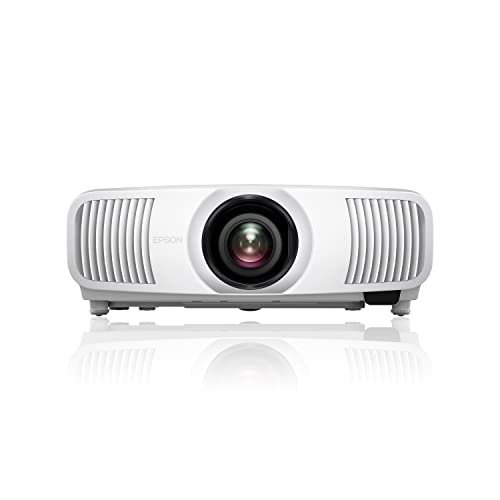
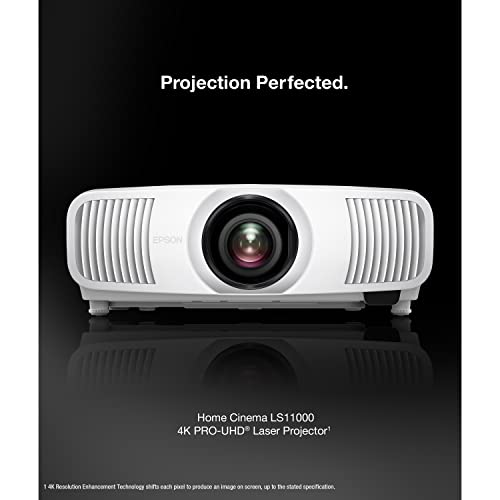

Finding the right projector for your home theater can feel overwhelming with so many technical specifications and marketing claims floating around. Today, I'm breaking down two compelling options that represent very different philosophies in home projection: the Epson Home Cinema LS11000 and the Valerion VisionMaster Pro 2. These projectors tackle the same goal—creating an immersive big-screen experience—but they take dramatically different approaches to get there.
Before diving into specifics, let's establish what makes a great home theater projector in 2024. The landscape has evolved significantly since both of these models launched—the Epson LS11000 arrived in 2022, while the Valerion VisionMaster Pro 2 hit the market in late 2024. That two-year gap represents major advances in smart features, gaming performance, and color technology.
Modern projectors need to handle multiple roles. They're not just for movie nights anymore—they're gaming displays, streaming hubs, and ambient entertainment systems. The key considerations include display technology (how the image is created), light source durability, installation flexibility, and increasingly, smart features that eliminate the need for external streaming devices.
The two most important performance metrics are brightness (measured in lumens) and contrast ratio (the difference between the darkest and brightest parts of an image). Brightness determines how well your projector performs in rooms with ambient light, while contrast creates that cinematic depth that makes images pop off the screen.
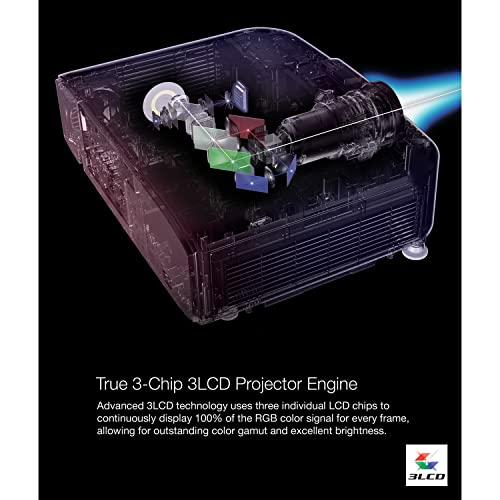
The Epson LS11000 represents the traditional premium home theater approach. It's built around Epson's 3LCD technology, which uses three separate LCD panels—one each for red, green, and blue light. This eliminates the "rainbow effect" (brief flashes of color) that some people see with single-chip DLP projectors. The Epson focuses on installation flexibility and pure image quality, assuming you'll handle streaming and audio through separate components.
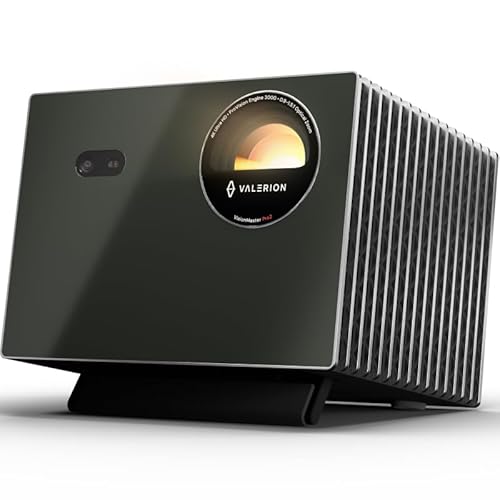
The Valerion VisionMaster Pro 2, on the other hand, embraces the modern lifestyle projector philosophy. It uses DLP (Digital Light Processing) technology with Texas Instruments' latest 0.47-inch chip and includes Google TV built right in. This is the "smartphone approach" to projectors—everything integrated into one device that's ready to go out of the box.
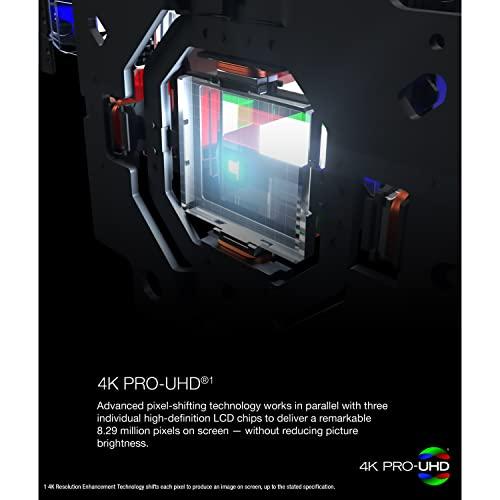
Here's where these projectors really diverge. The Epson LS11000 uses what's called "pixel-shifting" to create its 4K image. The projector starts with native 1080p LCD panels but uses Epson's "Precision Shift Glass Plate" technology to rapidly move each pixel in multiple directions. This creates 8.29 million distinct pixels on screen—true 4K resolution that's virtually indistinguishable from native 4K projectors when you're sitting at normal viewing distances.
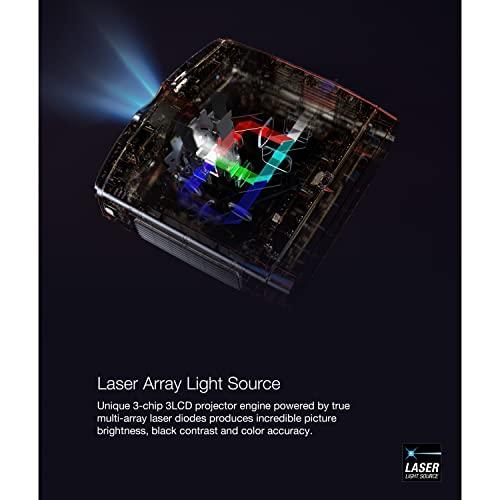
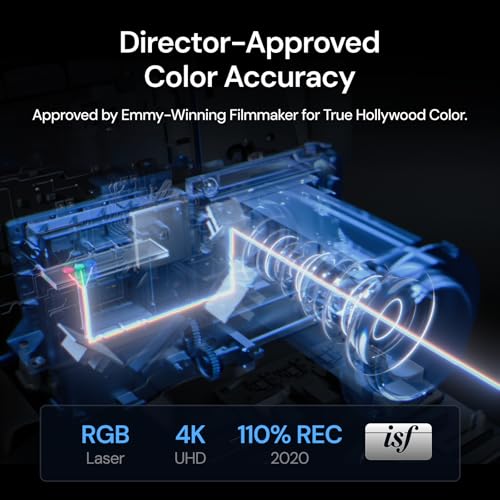
The Valerion VisionMaster Pro 2 also uses pixel-shifting, but with DLP's XPR technology. The key difference is the light source: while Epson uses a blue laser with a phosphor wheel to create colors, Valerion employs RGB triple-laser technology. This means separate red, green, and blue lasers combine to create the final image, resulting in dramatically wider color coverage—110% of the Rec.2020 color space compared to more typical coverage around 70-80%.
What does this mean for your viewing experience? The Valerion produces more vibrant, saturated colors that really pop during animated content or nature documentaries. The Epson, however, typically delivers more film-like, natural colors that many cinema enthusiasts prefer for movies.
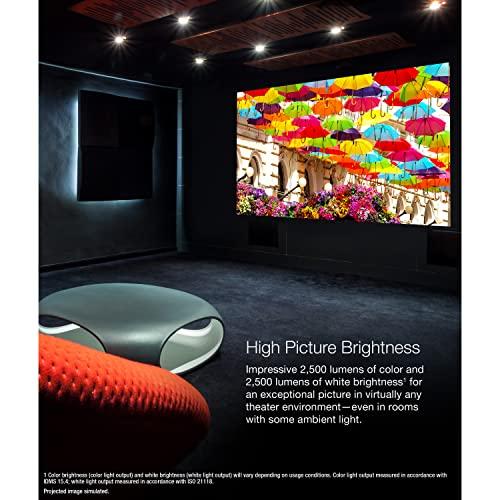
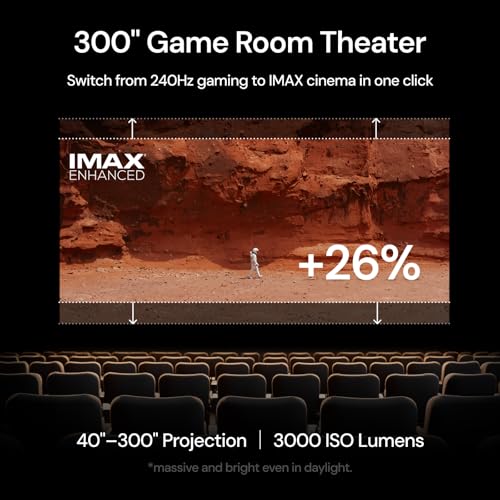
Brightness is where the Valerion VisionMaster Pro 2 takes a clear lead, producing 3,000 lumens compared to the Epson LS11000's 2,500 lumens. That 20% difference becomes significant if you're planning to use your projector in a room with ambient light or if you want HDR content to really shine. Higher brightness also means larger screen sizes remain viable—you could comfortably go up to a 150-inch screen with the Valerion in a moderately lit room.
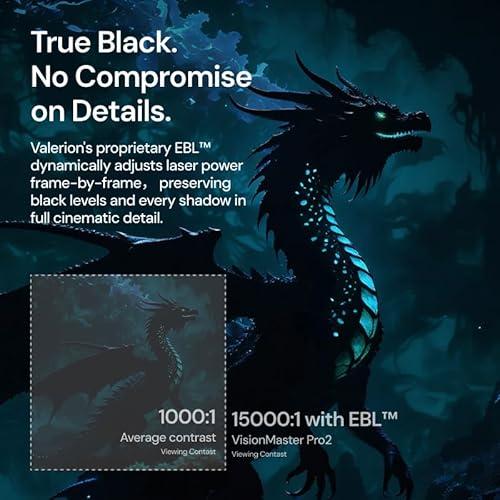
Contrast is where things get interesting. The Epson LS11000 claims an extraordinary 1,200,000:1 dynamic contrast ratio, while the Valerion specifies 15,000:1 dynamic contrast. These numbers require some interpretation—dynamic contrast uses iris adjustments and other techniques to maximize the difference between bright and dark scenes. In practical terms, both projectors deliver excellent black levels for their respective technologies, but the Epson's 3LCD panels typically produce deeper, more stable blacks than single-chip DLP systems.
From user reports and professional reviews, the Epson LS11000 excels in dark, cinematic scenes where shadow detail matters. The Valerion VisionMaster Pro 2 impresses more in bright, colorful content where its laser light source can flex its muscles.
This is where the Epson LS11000 absolutely dominates, and it's a difference that becomes crucial during actual installation. The Epson features motorized lens shift with an impressive range: ±96.3% vertical and ±47.1% horizontal adjustment. This means you can mount the projector significantly off-center from your screen and still get a perfectly rectangular image without digital correction.
I can't overstate how valuable this is in real-world installations. Most rooms don't have the luxury of perfect projector placement—there's usually a ceiling fan, structural beam, or furniture that forces compromises. With the Epson's lens shift, you can work around these obstacles while maintaining optimal image quality.
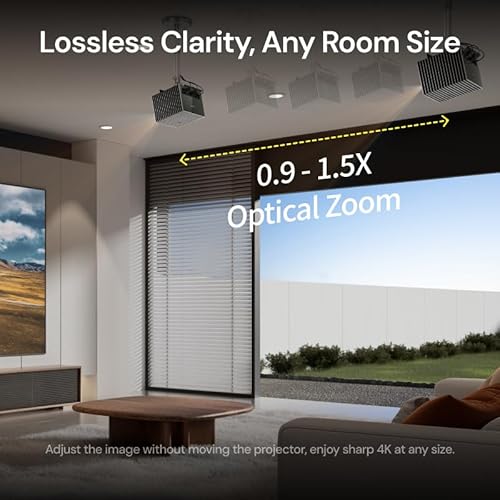
The Valerion VisionMaster Pro 2 lacks lens shift entirely, relying on digital keystone correction when perfect alignment isn't possible. While it includes automated setup features like auto-focus and obstacle avoidance, digital corrections inevitably compromise image sharpness and geometry. However, the Valerion's shorter throw ratio (0.9-1.5:1 versus Epson's 1.35-2.84:1) means it can create larger images from closer distances—a 100-inch image from just about 8 feet away.
The Epson LS11000 also includes motorized focus and zoom with lens memory settings. This means you can save different configurations for various content aspect ratios and switch between them at the touch of a button. Watching a 2.35:1 movie? The projector automatically adjusts zoom and position to fill your screen perfectly.
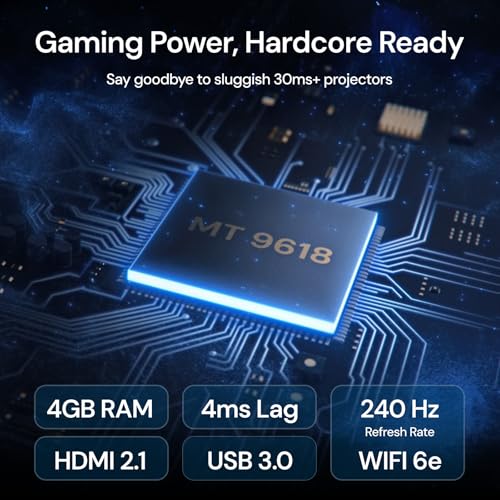
Gaming has become a major consideration for projector buyers, especially with the PlayStation 5 and Xbox Series X supporting 4K at 120Hz. The Valerion VisionMaster Pro 2 was clearly designed with gamers in mind, achieving impressive input lag numbers: just 4ms at 1080p/240Hz and 8ms at 1080p/120Hz. For competitive gaming, this puts it on par with dedicated gaming monitors.
The Valerion also includes gaming-specific features like crosshair overlays and dark scene enhancement to spot enemies hiding in shadows. Its ALLM (Auto Low Latency Mode) automatically switches to gaming mode when it detects a console, eliminating the need for manual adjustments.
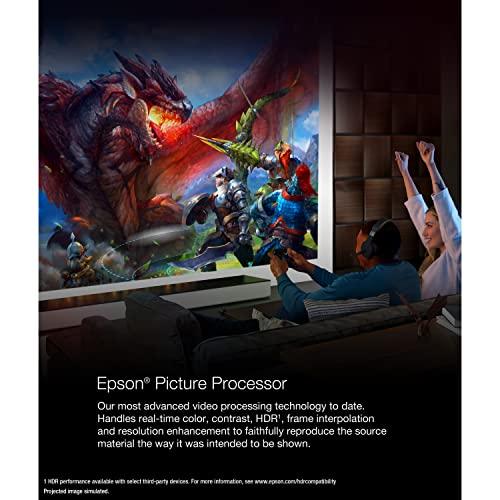
The Epson LS11000 maintains input lag below 20ms across all resolutions, which is perfectly adequate for casual gaming and most single-player experiences. It supports 4K HDR gaming at 120fps through its dual HDMI 2.1 ports, though it lacks the ultra-low latency modes that serious competitive gamers demand.
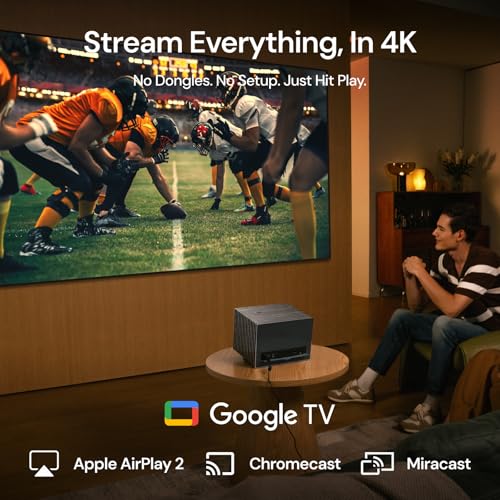
The Valerion VisionMaster Pro 2 includes Google TV with 4GB of RAM and 128GB of storage, essentially functioning as a giant Android tablet. You get direct access to Netflix, YouTube, Disney+, Prime Video, and other major streaming services without any external devices. The projector also supports AirPlay 2 and Chromecast for wireless streaming from phones and tablets.
This integration extends to smart home systems—the Valerion works with Google Home, Apple HomeKit, and Alexa for voice control. You can literally say "Hey Google, play Stranger Things" and have it start streaming directly to your projector.
The Epson LS11000 takes a more traditional approach, requiring external streaming devices like an Apple TV, Roku, or gaming console. While this might seem like a disadvantage, it actually offers more flexibility and longevity. Streaming platforms change their apps frequently, and built-in smart systems can become obsolete. External devices are easily upgraded, while integrated smart features are stuck with whatever hardware was built in.
The Valerion VisionMaster Pro 2 includes dual 12-watt speakers with DTS:X processing, while the Epson LS11000 has no built-in speakers at all. The Valerion's speakers are adequate for casual viewing but won't match a dedicated sound system's performance. For serious home theater use, both projectors benefit from external audio solutions.
At the time of writing, the Epson LS11000 commands a premium price reflecting its professional-grade features and installation flexibility. That motorized lens shift system alone justifies much of the cost difference—it's the kind of feature that professional installers charge thousands of dollars to replicate with mounting solutions.
The Valerion VisionMaster Pro 2 offers compelling value by including features that would require additional purchases with the Epson: smart streaming capabilities, built-in speakers, and optimized gaming performance. If you price out a comparable setup with external streaming devices and audio, the value gap narrows considerably.
Both projectors use laser light sources rated for 20,000+ hours of operation, essentially eliminating lamp replacement costs. However, the Epson LS11000 comes with a three-year warranty compared to the Valerion's two-year coverage, providing additional peace of mind for the higher investment.
The technology evolution since these models launched also matters. The Valerion's 2024 release means it incorporates more recent advances in laser technology, HDR processing, and smart features. The Epson's 2022 design, while still current, represents slightly older approaches to pixel-shifting and connectivity.
Choose the Epson Home Cinema LS11000 if you're building a dedicated home theater where installation flexibility matters most. Its motorized lens shift makes it ideal for challenging room layouts, and its cinema-focused image quality excels with movies and TV shows. This projector works best for users who prefer separate components and don't mind the additional complexity.
The Valerion VisionMaster Pro 2 makes more sense for living room installations where convenience and versatility matter. Its built-in smart features, superior gaming performance, and brighter output suit multi-purpose spaces. The lack of lens shift limits installation options, but its shorter throw ratio and automated setup features partially compensate.
Both projectors represent excellent engineering focused on different user priorities. The Epson LS11000 delivers the flexibility and image quality that serious home theater enthusiasts demand, while the Valerion VisionMaster Pro 2 offers modern convenience and gaming performance at a more accessible price point.
Your room setup ultimately matters more than specifications. If you have the flexibility to place a projector precisely and prefer separate streaming devices, the Epson provides superior long-term value. If you want everything integrated and ready to use immediately, the Valerion delivers impressive performance with modern features.
Consider visiting a dealer to see both technologies in person—the difference between 3LCD and DLP imaging is subtle but real, and your eyes are the ultimate judge of which approach you prefer for your home entertainment experience.
| Epson Home Cinema LS11000 | Valerion VisionMaster Pro 2 |
|---|---|
| Display Technology - Affects color accuracy and rainbow effect sensitivity | |
| 3LCD with three 0.74" LCD panels (eliminates rainbow effect) | Single-chip DLP with 0.47" DMD chip (may show mild rainbow effect) |
| 4K Resolution Method - How crisp the image actually looks | |
| 4K PRO-UHD pixel-shifting with Precision Shift Glass Plate | XPR pixel-shifting technology from Texas Instruments |
| Brightness - Critical for rooms with ambient light | |
| 2,500 ISO lumens (good for controlled lighting) | 3,000 ISO lumens (better for bright rooms) |
| Contrast Ratio - Determines black levels and image depth | |
| 1,200,000:1 dynamic (exceptional deep blacks) | 15,000:1 dynamic (good blacks for DLP) |
| Light Source Technology - Affects color gamut and lifespan | |
| Blue laser phosphor (20,000 hours) | RGB triple laser (25,000+ hours, 110% Rec.2020 color) |
| Lens Shift - Installation flexibility without image distortion | |
| Motorized ±96.3% vertical, ±47.1% horizontal | None (requires precise placement) |
| Zoom Range - Affects placement distance options | |
| 2.1x motorized zoom (1.35-2.84:1 throw ratio) | 1.67x manual zoom (0.9-1.5:1 throw ratio) |
| Gaming Input Lag - Lower is better for competitive gaming | |
| Below 20ms at all resolutions | 4ms at 1080p/240Hz, 8ms at 1080p/120Hz, 15ms at 4K/60Hz |
| Smart Features - Built-in streaming vs external device needs | |
| None (requires external streaming devices) | Google TV with Netflix, YouTube, Disney+, Prime Video built-in |
| HDR Format Support - Determines compatibility with premium content | |
| HDR10, HDR10+, HLG | HDR10, HDR10+, HLG, Dolby Vision, IMAX Enhanced |
| Audio System - Whether external speakers are required | |
| No built-in speakers | Dual 12W speakers with DTS:X |
| Connectivity - Gaming and streaming device compatibility | |
| 2x HDMI 2.1 (40Gbps), RS-232, 12V trigger | 2x HDMI 2.1, 1x HDMI 2.0 with eARC, WiFi 6e, Bluetooth 5.2 |
| Physical Size - Installation and portability considerations | |
| 28 lbs, 20.5" x 7.6" x 17.6" (larger, more permanent) | 15.4 lbs, 10.2" x 7.3" x 9.2" (compact, more portable) |
| Warranty Coverage - Long-term protection and support | |
| 3 years parts and labor | 2 years limited warranty |
| 3D Support - For immersive content viewing | |
| Not supported | Full HD active 3D with DLP-Link glasses |
The Epson Home Cinema LS11000 is better for dedicated home theaters due to its superior contrast ratio (1,200,000:1), motorized lens shift for flexible installation, and cinema-focused 3LCD technology that eliminates rainbow effects. The Valerion VisionMaster Pro 2 works better for living room setups with its higher brightness (3,000 lumens), built-in smart features, and compact design.
The primary difference is their approach: the Epson LS11000 is a traditional premium projector requiring external devices for streaming, while the Valerion VisionMaster Pro 2 is an all-in-one solution with Google TV built-in. The Epson uses 3LCD technology for better contrast, while the Valerion uses DLP with RGB triple lasers for wider color coverage.
The Valerion VisionMaster Pro 2 is brighter at 3,000 lumens compared to the Epson Home Cinema LS11000's 2,500 lumens. This 20% brightness advantage makes the Valerion better for rooms with windows or ambient lighting, while the Epson performs best in darker, controlled environments.
You'll need external streaming devices like Apple TV or Roku with the Epson LS11000 since it has no smart features. The Valerion VisionMaster Pro 2 includes Google TV with Netflix, YouTube, Disney+, and other apps built-in, eliminating the need for external streaming devices.
The Valerion VisionMaster Pro 2 is superior for gaming with ultra-low input lag of 4ms at 1080p/240Hz and gaming-specific features like crosshair assist. The Epson LS11000 maintains below 20ms input lag, which is adequate for casual gaming but not ideal for competitive play.
The Epson Home Cinema LS11000 offers much more installation flexibility with motorized lens shift (±96.3% vertical, ±47.1% horizontal) and 2.1x zoom, allowing off-center mounting without image distortion. The Valerion VisionMaster Pro 2 lacks lens shift and requires more precise placement, though it has a shorter throw ratio for closer installation.
The Valerion VisionMaster Pro 2 delivers more vibrant colors with its RGB triple laser covering 110% of Rec.2020 color space, making it ideal for animated content and nature documentaries. The Epson LS11000 produces more natural, film-like colors that cinema enthusiasts often prefer for movies.
Both the Epson LS11000 and Valerion VisionMaster Pro 2 use laser light sources that last 20,000+ hours without needing replacements, eliminating ongoing maintenance costs. The Valerion's RGB triple laser is rated for 25,000+ hours compared to the Epson's 20,000 hours.
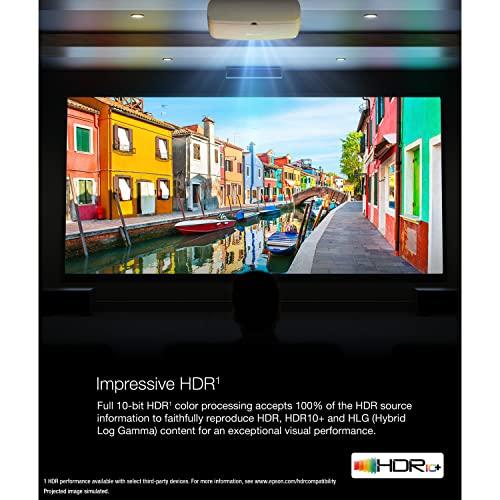
The Valerion VisionMaster Pro 2 supports more HDR formats including Dolby Vision and IMAX Enhanced, in addition to HDR10, HDR10+, and HLG. The Epson Home Cinema LS11000 supports HDR10, HDR10+, and HLG but lacks Dolby Vision compatibility.
The Valerion VisionMaster Pro 2 is more compact and portable at 15.4 pounds and 10.2" x 7.3" x 9.2". The Epson LS11000 is larger and heavier at 28 pounds and 20.5" x 7.6" x 17.6", designed more for permanent installation than portability.
Only the Valerion VisionMaster Pro 2 includes built-in audio with dual 12W speakers and DTS:X processing. The Epson Home Cinema LS11000 has no built-in speakers and requires an external audio system for sound.
The Epson LS11000 includes a 3-year warranty compared to the Valerion VisionMaster Pro 2's 2-year coverage. However, the Valerion offers better immediate value by including smart features and speakers that would require additional purchases with the Epson, making the total system cost comparison more complex.
We've done our best to create useful and informative comparisons to help you decide what product to buy. Our research uses advanced automated methods to create this comparison and perfection is not possible - please contact us for corrections or questions. These are the sites we've researched in the creation of this article: tvsbook.com - thesmarthomehookup.com - cepro.com - specsradar.com - projectorscreen.com - benq.com - projectorreviews.com - projectorscreen.com - youtube.com - projectorcentral.com - whathifi.com - projectorscreen.com - bestbuy.com - youtube.com - avsforum.com - versus.com - crutchfield.com - projectorcentral.com - shop.avispl.com - mediaserver.goepson.com - projectorscreen.com - bestbuy.com - simplehomecinema.com - dreamediaav.com - epson.com - projectorreviews.com - valerion.com - projectorcentral.com - soundandvision.com - valerion.com - projektoren-datenbank.com - rtings.com - youtube.com - techradar.com - valueelectronics.com - projectorcentral.com - hometechnologyreview.com - youtube.com - loprototypetech.com - hometheatershack.com - hometechnologyreview.com - bestbuy.com - en.homecinesolutions.fr

Privacy Policy
Terms and Conditions - Affiliate Policy
Home Security
© Copyright 2008-2026.
11816 Inwood Rd #1211, Dallas, TX 75244