

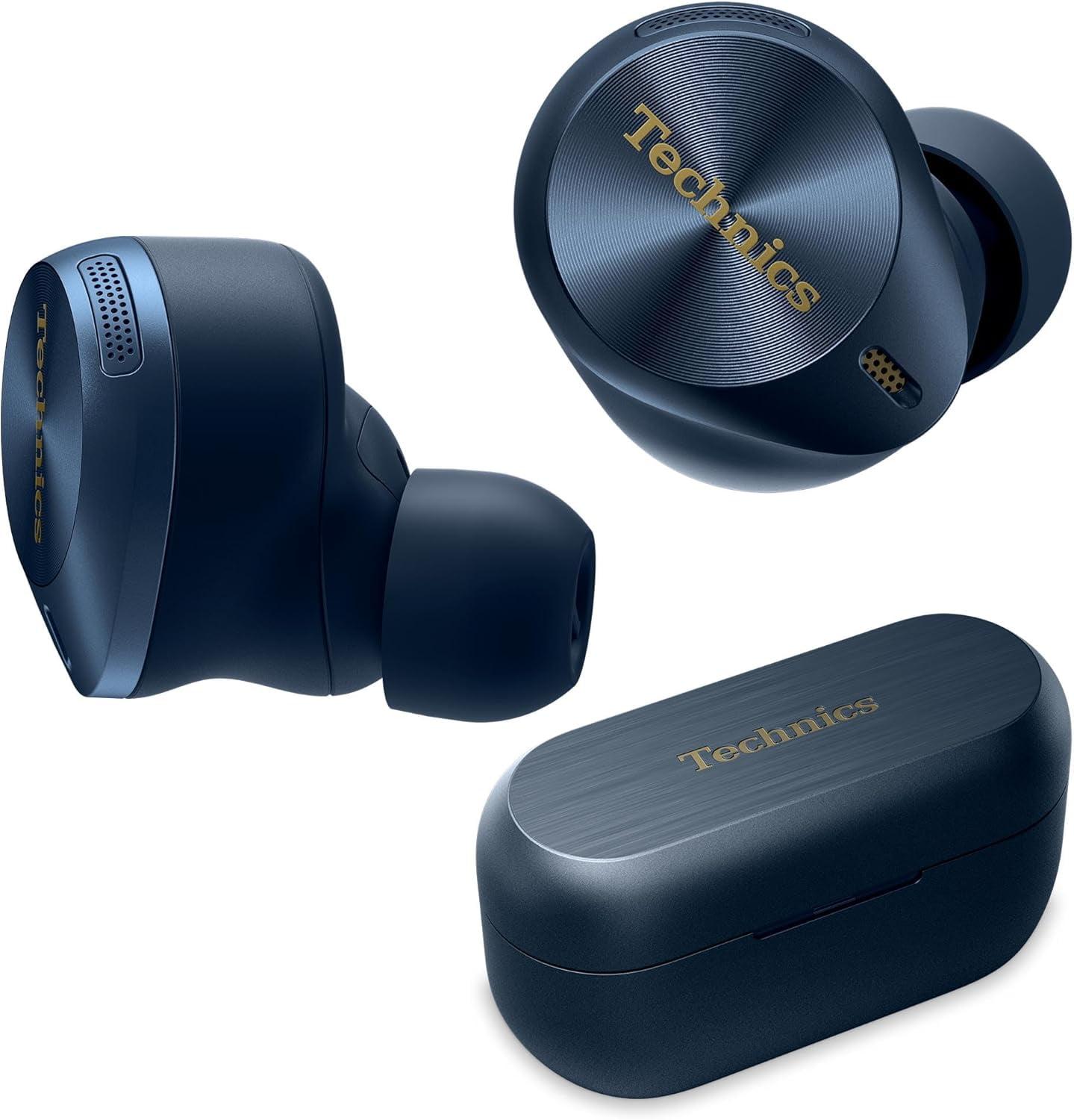
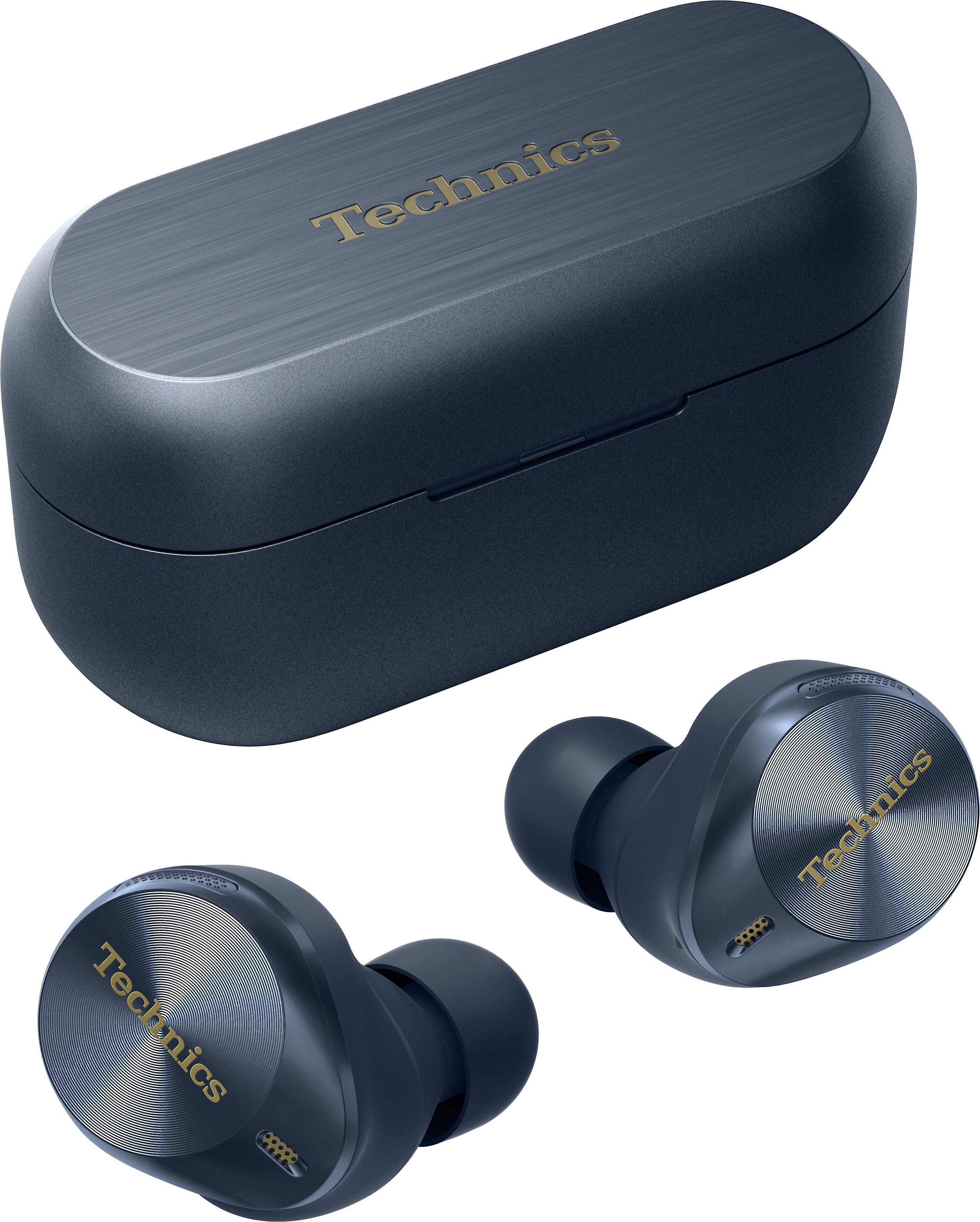
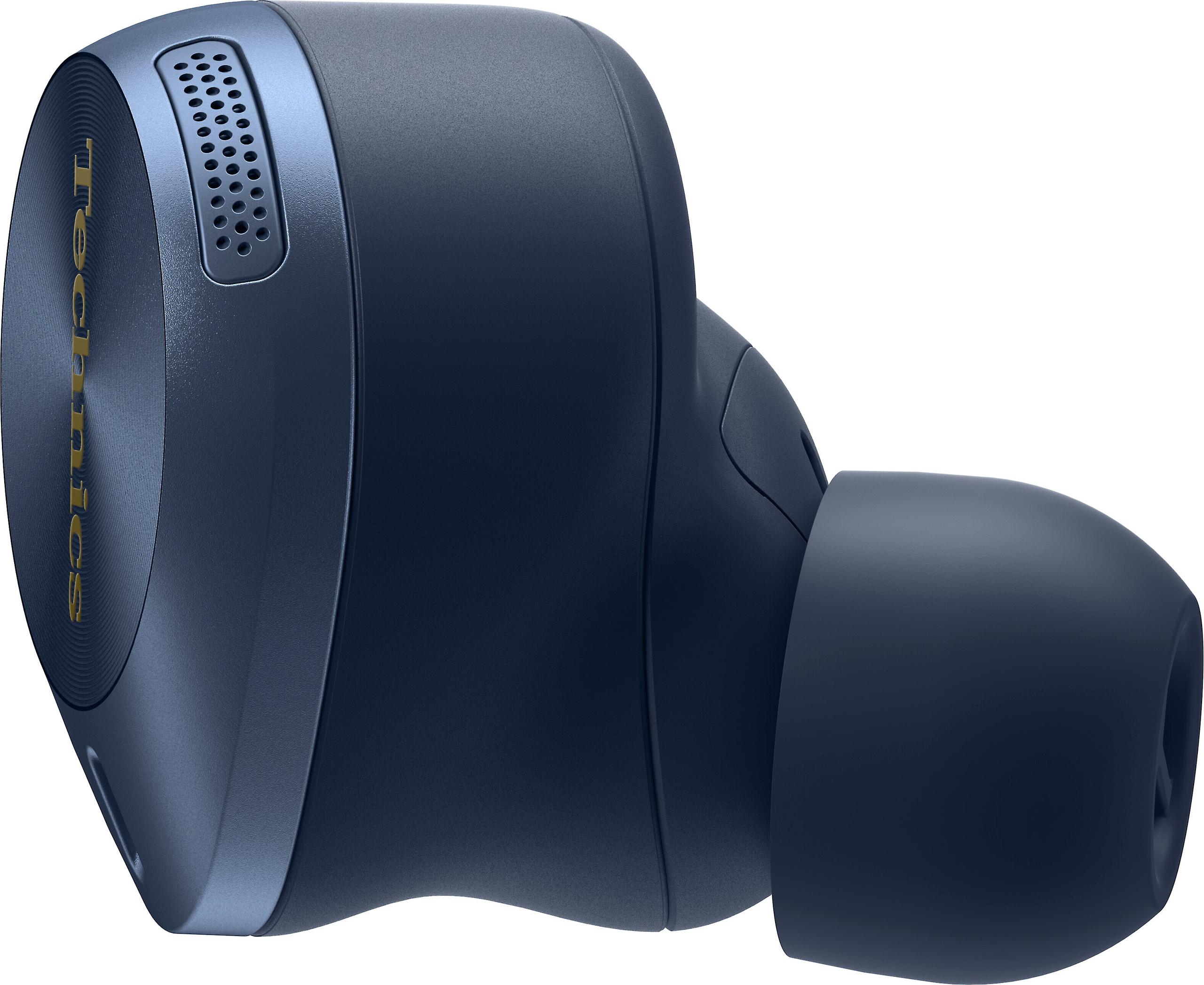



When you're ready to invest in premium wireless earbuds, the landscape gets interesting fast. Gone are the days when you'd settle for mediocre sound and battery life that barely lasted through your commute. Today's flagship earbuds deliver near-audiophile sound quality, noise cancellation that makes airplane engines disappear, and smart features that adapt to your listening habits.
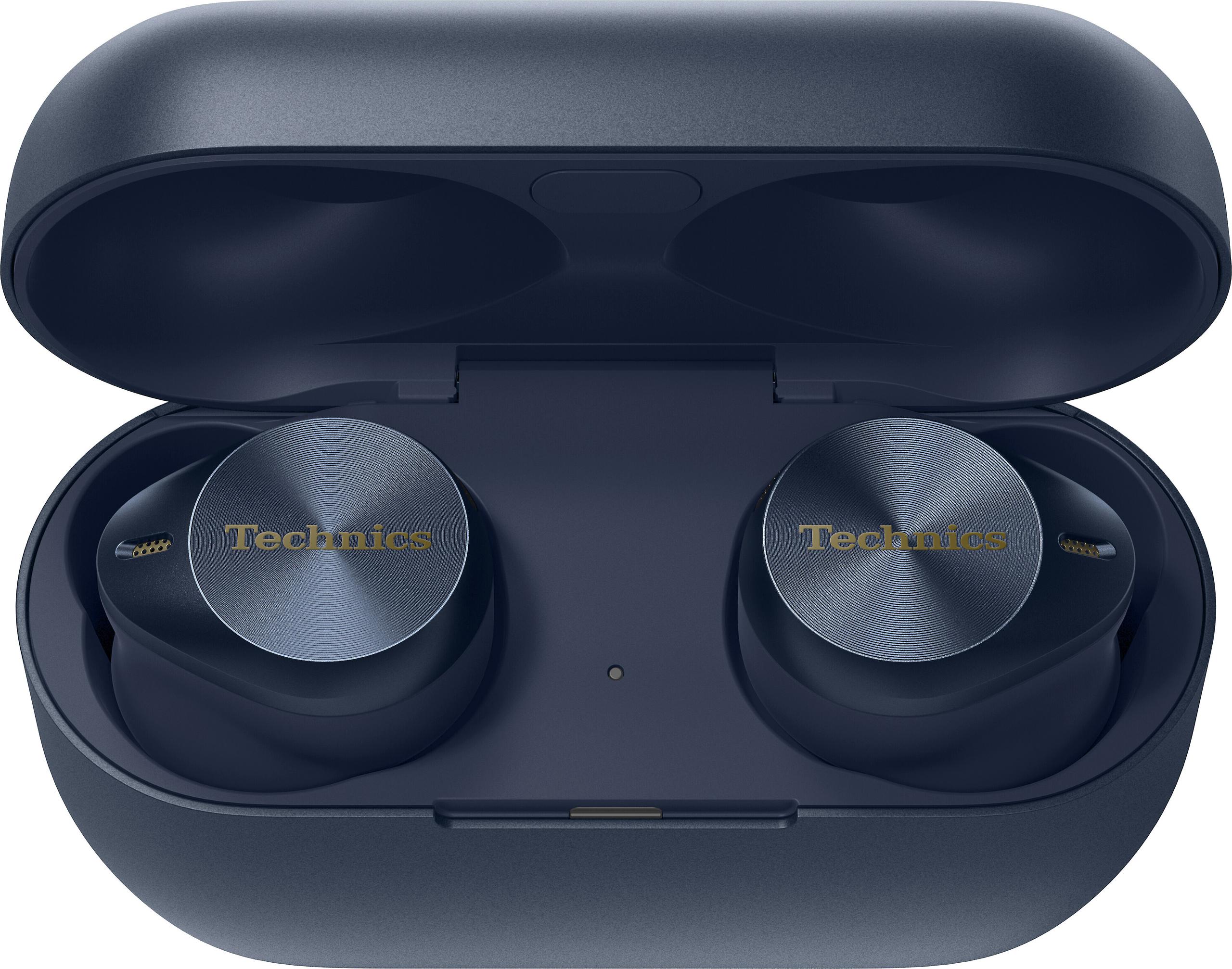
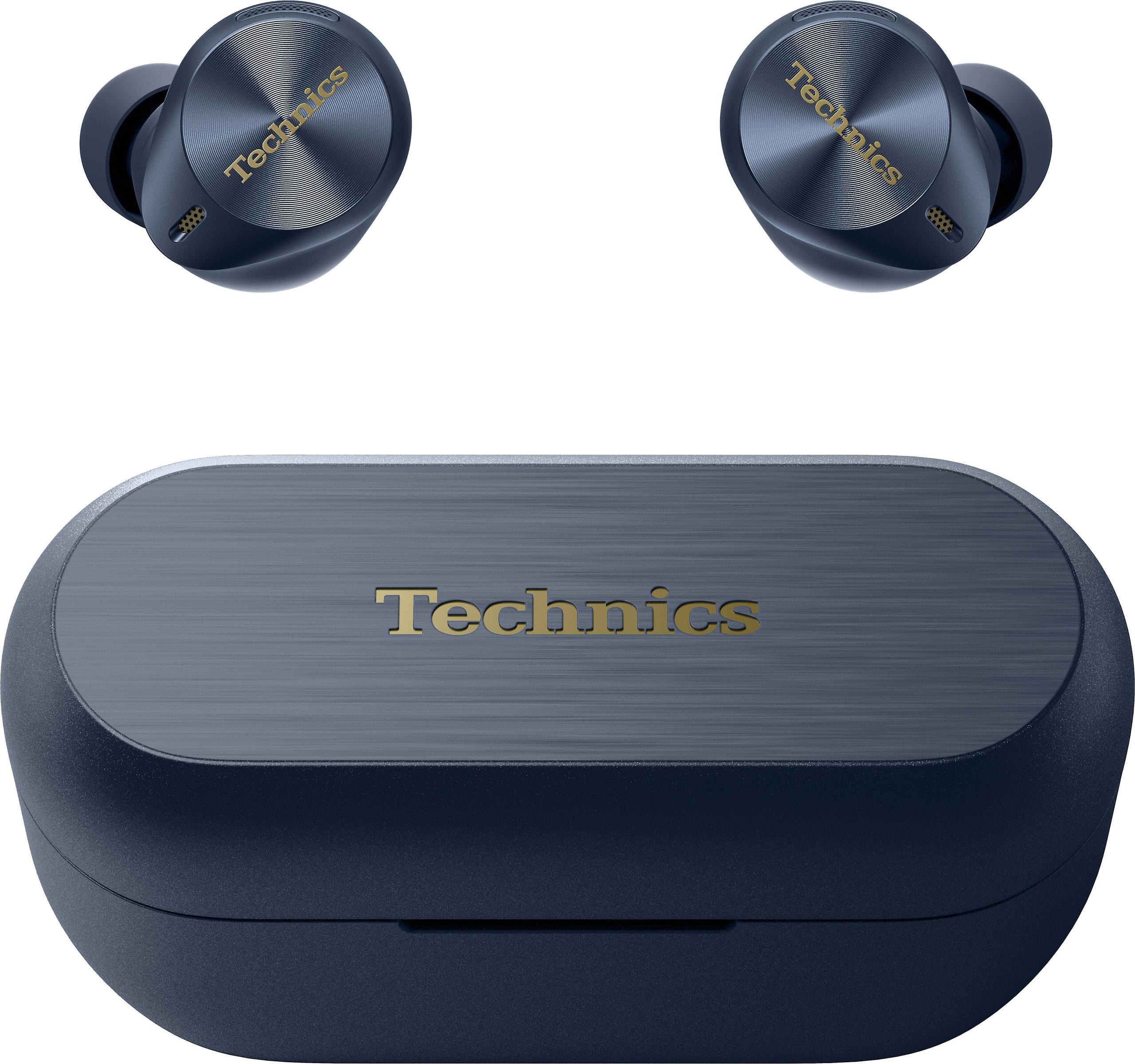
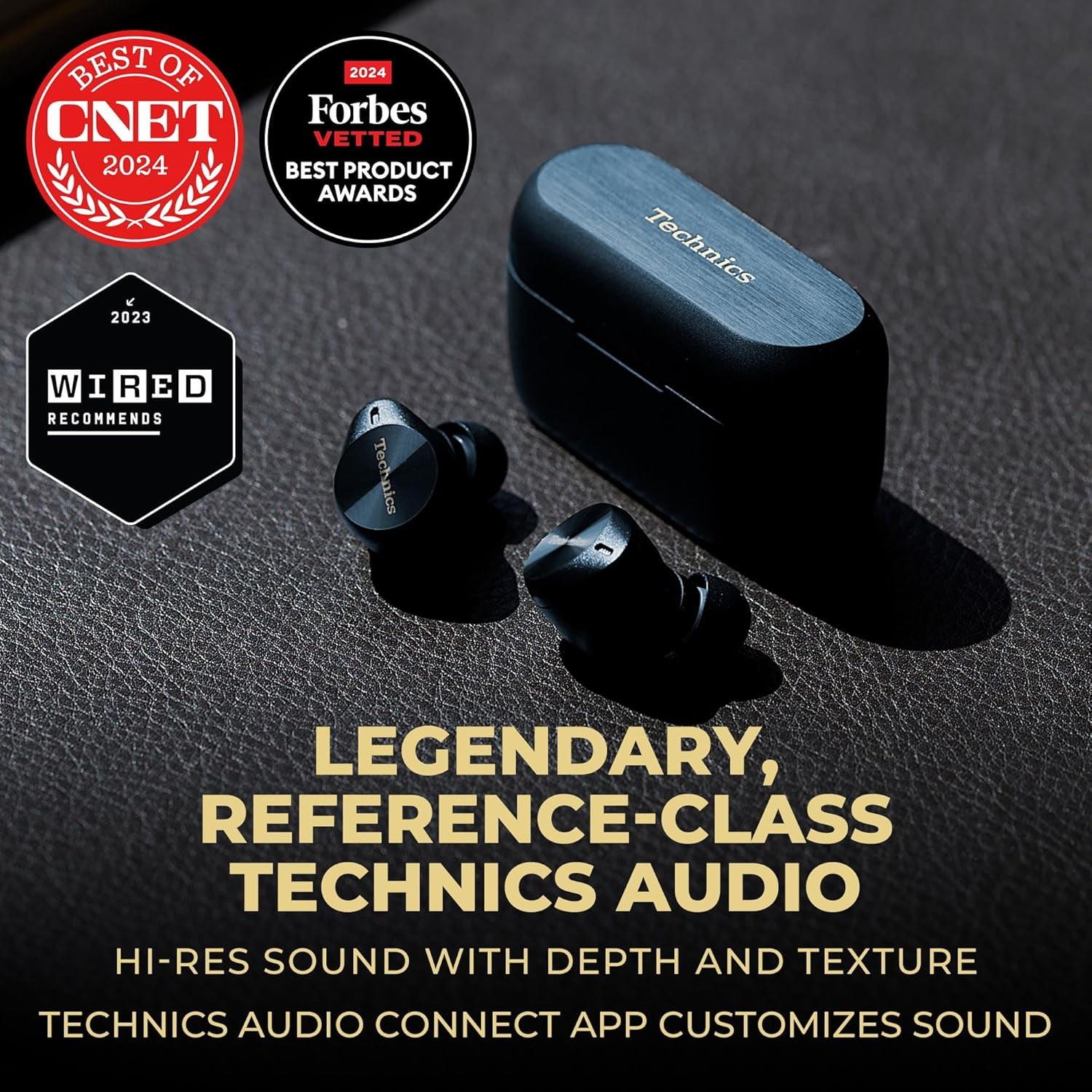
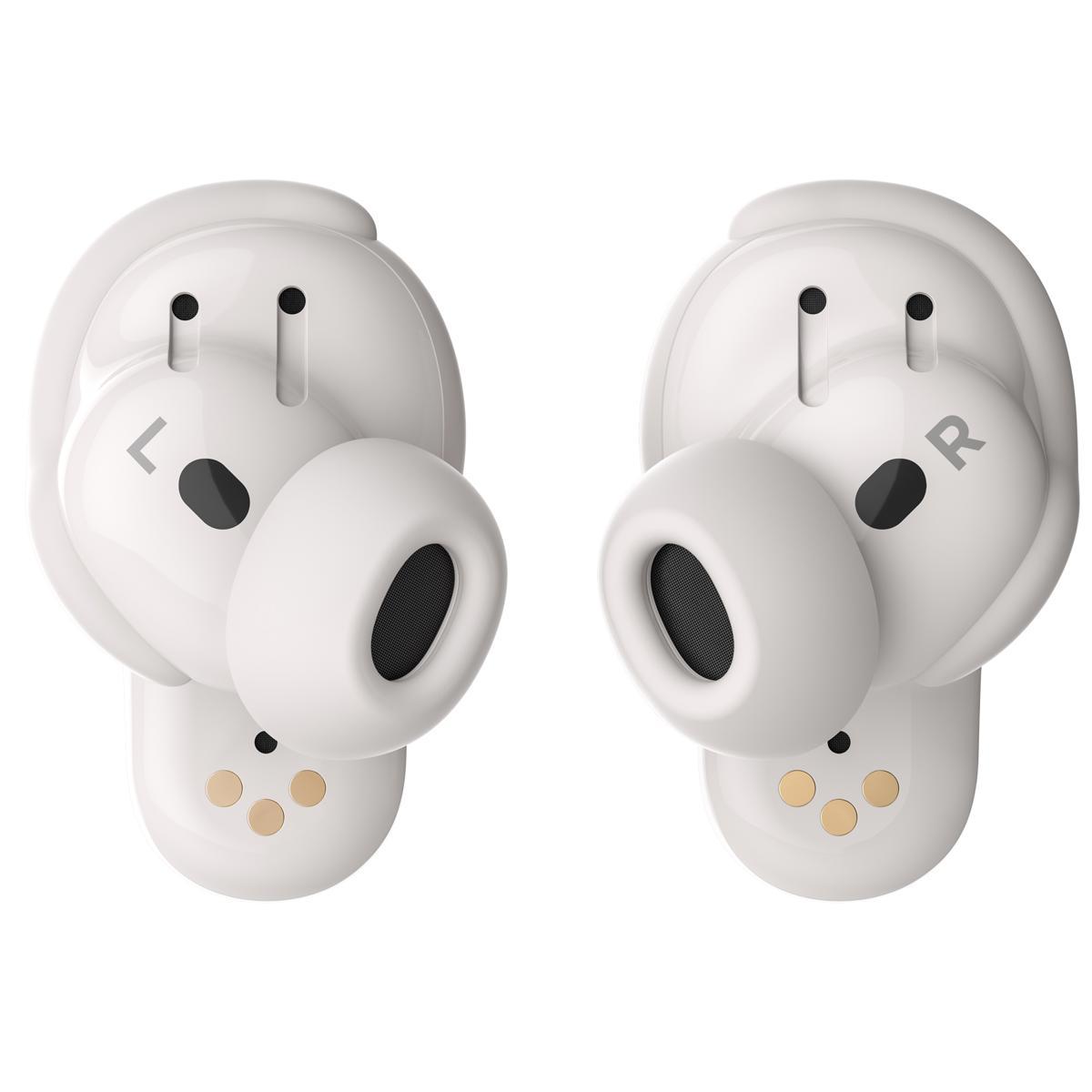
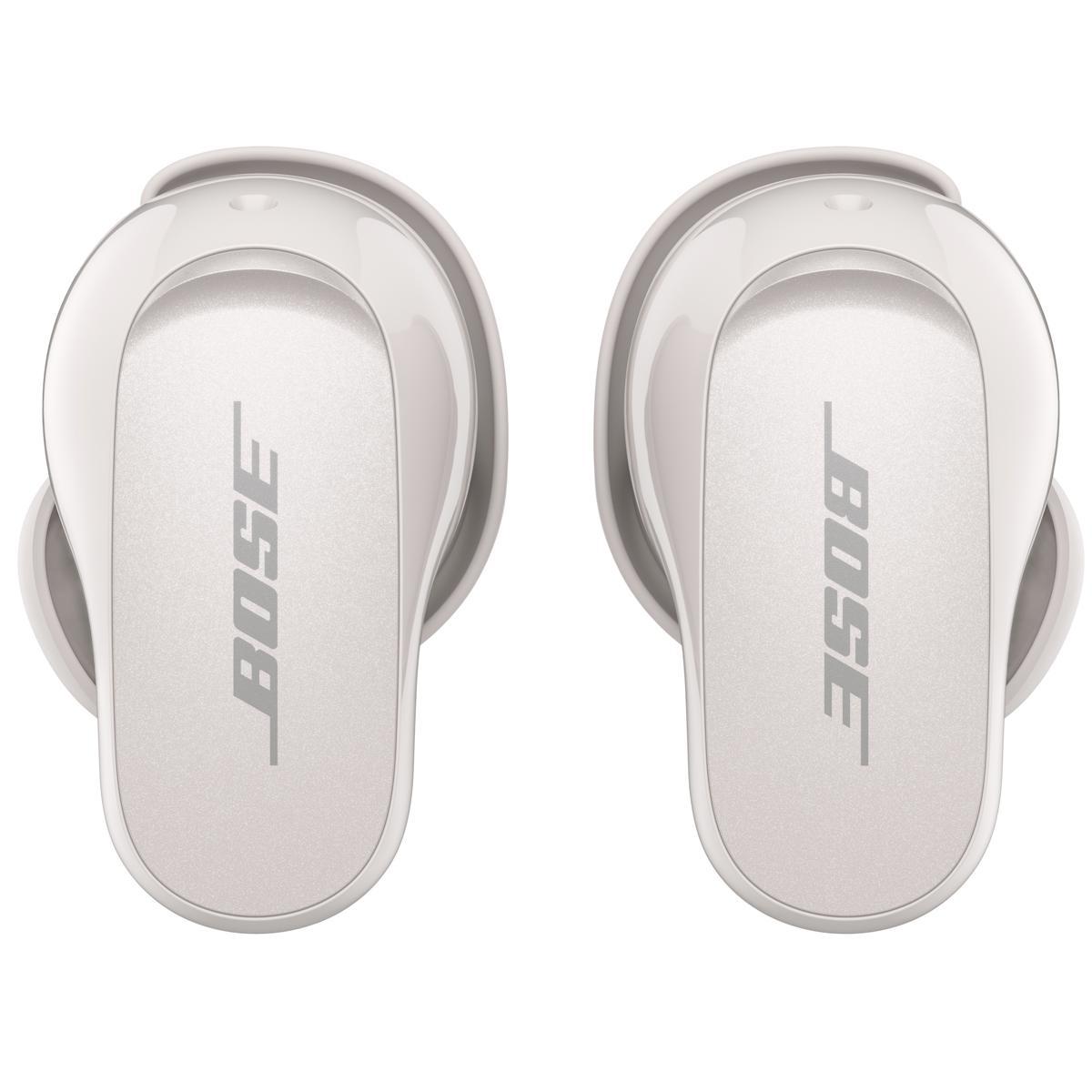
At the top of this competitive field, two distinct philosophies emerge. The Technics AZ80 represents the audiophile approach—prioritizing pristine sound reproduction and advanced connectivity for discerning listeners. Meanwhile, the Bose QuietComfort Earbuds II takes the personalization route, using cutting-edge algorithms to tailor both sound and noise cancellation to your unique ear anatomy.
Understanding which approach suits your needs better requires diving into what makes premium earbuds tick and where each product excels.
Premium wireless earbuds have evolved dramatically since the category's inception. When Apple launched AirPods in 2016, the focus was simply on making wireless work reliably. Fast forward to 2024, and we're dealing with sophisticated audio processors, multiple codec support, and AI-driven personalization that would have seemed like science fiction just a few years ago.
The key battlegrounds today center on several critical areas. Audio quality now means more than just "sounds good"—it's about frequency response accuracy, driver technology, and codec support that preserves the nuances in high-resolution recordings. Active noise cancellation (ANC) has become table stakes, but the difference between good and great ANC can transform your daily experience. Battery life, once measured in mere hours, now needs to support all-day use with quick-charge capabilities for those inevitable low-battery moments.
Comfort and fit directly impact everything else. The best sound quality in the world means nothing if the earbuds fall out during your morning jog or cause discomfort during long listening sessions. Smart features like multipoint connectivity—the ability to seamlessly switch between devices—have become essential for our multi-device lifestyles.
Here's where the Technics AZ80 and Bose QuietComfort Earbuds II reveal their fundamental differences in approach. The Technics leverages a 10mm free-edge aluminum alloy diaphragm driver—a fancy way of saying the part that actually moves air to create sound is larger and made from premium materials. This larger driver size typically translates to better bass response and overall dynamic range, meaning you'll hear more distinction between quiet and loud passages in your music.
More importantly, the Technics AZ80 supports LDAC codec, Sony's high-resolution Bluetooth standard that can transmit up to three times more data than standard Bluetooth audio. Think of codecs as different languages your earbuds and phone use to communicate about music. While regular Bluetooth might compress your music file to fit through a narrow data pipe, LDAC opens up a wider pipe, preserving more of the original recording's detail. This matters most when you're listening to high-quality recordings where every guitar string resonance and vocal breath matters.
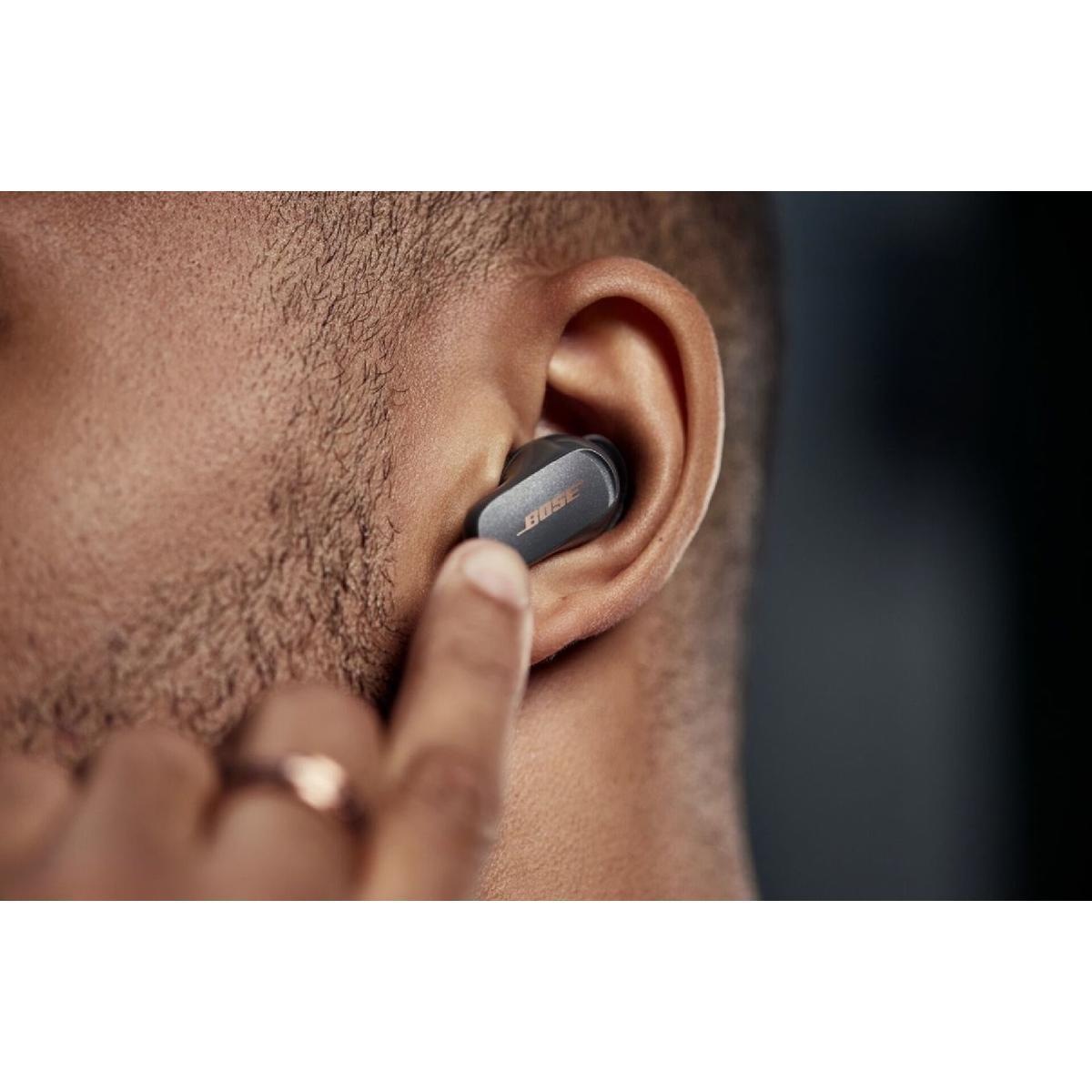
The Bose QC Earbuds II takes a different approach with its CustomTune technology. Instead of focusing purely on technical specifications, Bose developed a system that plays a proprietary tone in your ear and measures how sound reflects off your unique ear canal geometry. This happens every time you put the earbuds in, taking less than half a second to calibrate both the audio output and noise cancellation specifically for your ears.
I've found this distinction particularly important when switching between genres. The Technics excels with complex classical pieces or jazz recordings where instrument separation and spatial positioning matter. You'll notice details in familiar songs that seemed buried before. The Bose, however, provides a more immediately satisfying listening experience across all music types, automatically adjusting to ensure vocals sit prominently in the mix and bass hits with appropriate impact.
For home theater applications, both earbuds offer low-latency modes to minimize audio delay when watching videos. However, the Technics AZ80 has a slight edge here due to its superior codec support and processing power, making it a better choice if you frequently watch movies or game with wireless audio.
Active noise cancellation works by using microphones to detect ambient sound, then generating an inverse sound wave to cancel out the unwanted noise. It sounds simple, but the execution separates good from exceptional.
The Bose QC Earbuds II represents the pinnacle of this technology. Each earbud houses four microphones—one inside your ear canal and three facing outward—constantly monitoring and adapting to your acoustic environment. The internal microphone is particularly clever, measuring how noise cancellation is actually performing inside your specific ear and making real-time adjustments.
What makes Bose's implementation special is the integration with CustomTune. Traditional noise cancellation uses a one-size-fits-all approach, but everyone's ear canal is different. Some people have deeper canals, others have different shapes that affect how sound waves behave. The Bose QC Earbuds II accounts for these differences, optimizing cancellation for your unique anatomy.
In practical terms, this translates to noise cancellation that feels almost supernatural. Airplane engines don't just get quieter—they virtually disappear. Office chatter becomes a distant murmur. I've tested these in various environments, from busy coffee shops to construction sites, and the consistency of the cancellation across different noise types is impressive.
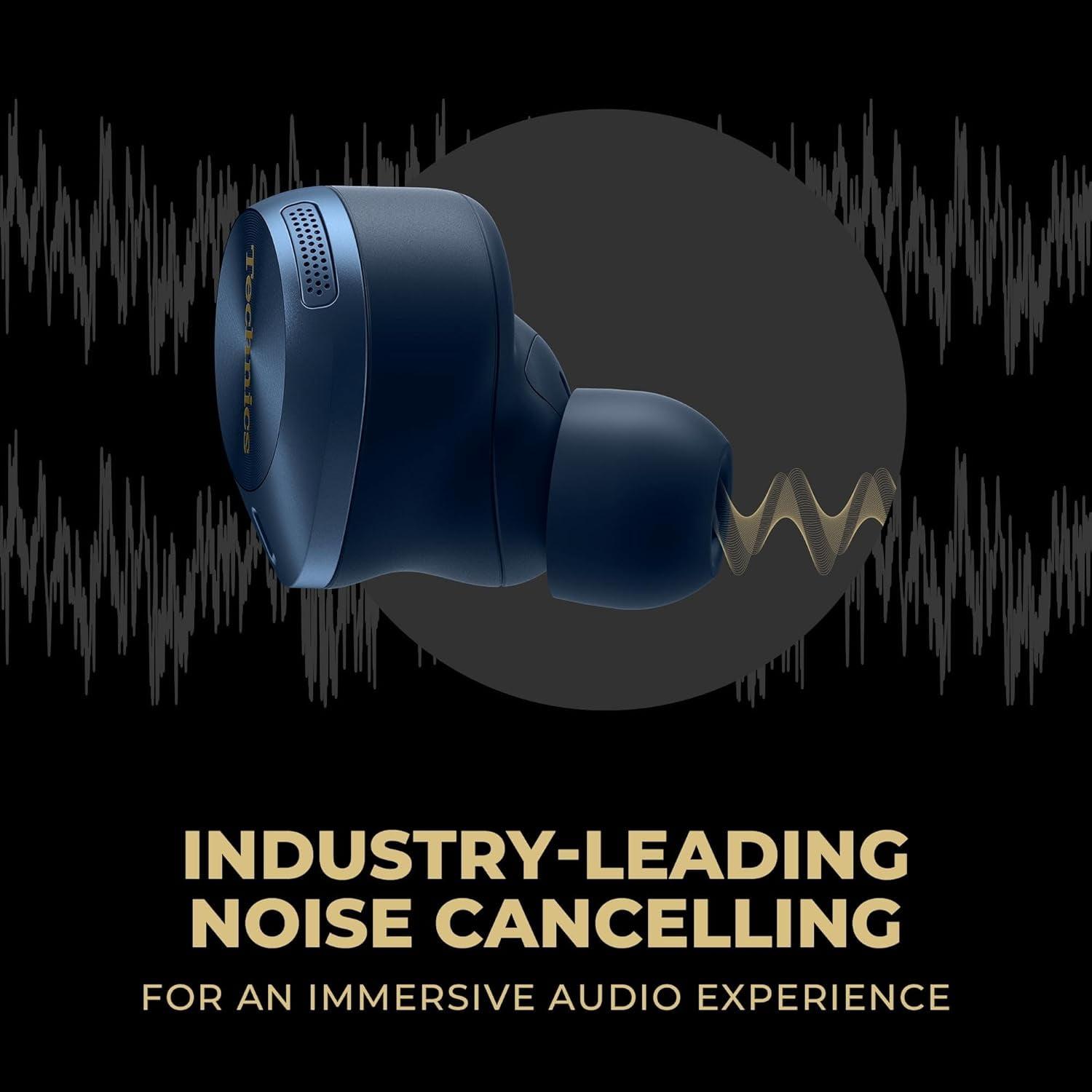
The Technics AZ80 offers capable dual hybrid ANC but doesn't reach the same heights. It's effective for most situations—cutting down traffic noise during commutes or reducing air conditioning hum in offices—but lacks the sophisticated adaptation that makes Bose's system exceptional.
Both earbuds include transparency modes for when you need to hear your surroundings. Bose's Aware Mode with ActiveSense is particularly intelligent, automatically ramping up noise cancellation when it detects sudden loud noises while maintaining environmental awareness. This is perfect for urban environments where you need to stay alert to traffic while still enjoying your music.
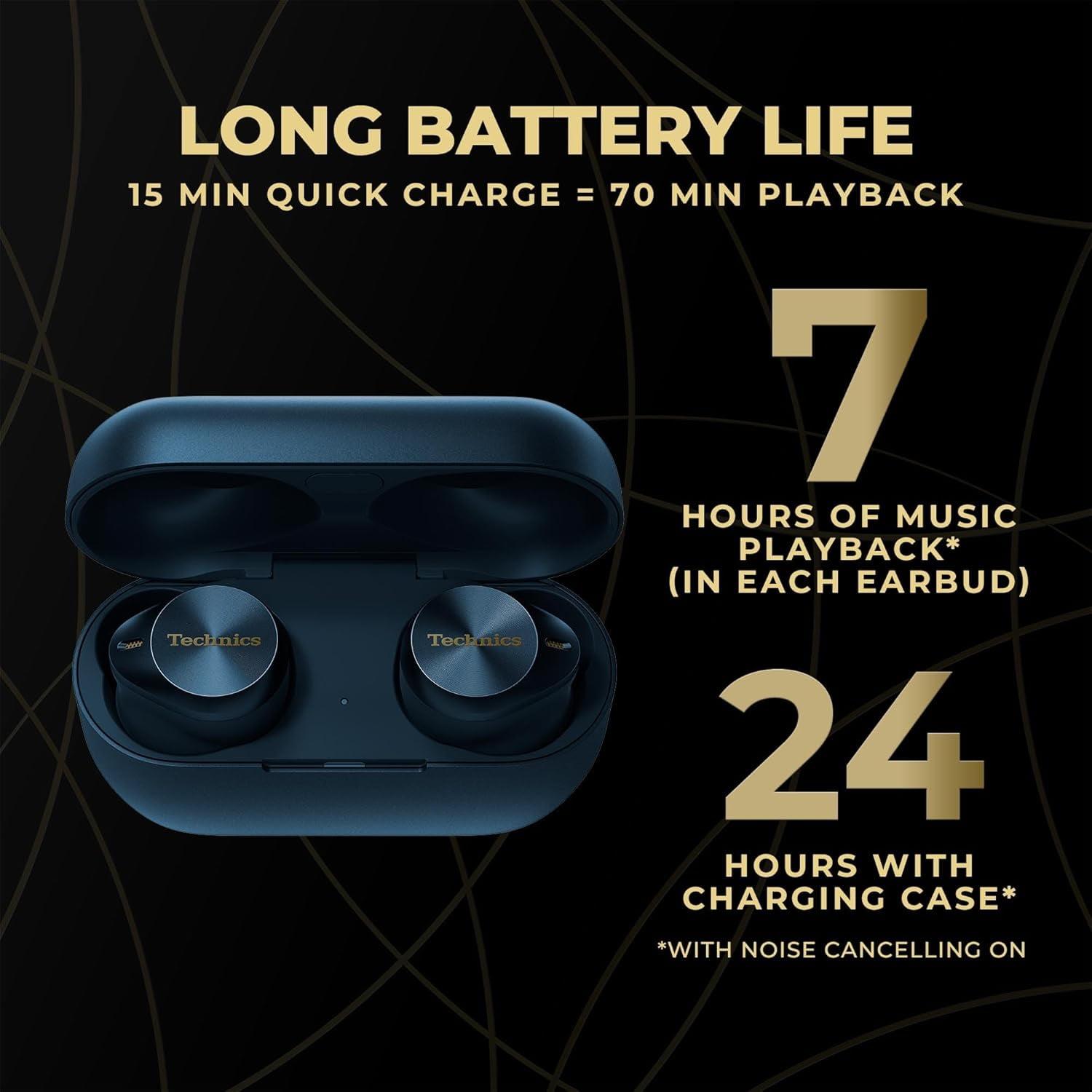
Battery anxiety is real with wireless earbuds, and both manufacturers have made different compromises here. The Technics AZ80 delivers up to 7 hours per charge with noise cancellation active, extending to 24 hours total with the charging case. This edge in endurance matters if you're a heavy listener or frequently travel without reliable charging access.
The Bose QC Earbuds II provides 6 hours per charge with similar total capacity from the case. While this hour difference might seem minor, it can mean the difference between making it through a cross-country flight or needing to charge mid-journey.
Both support fast charging, but implementation differs. Bose's 20-minute quick charge for 2 hours of playback is more aggressive, better suited for those "oh no, my earbuds are dead" moments before important calls or workouts.
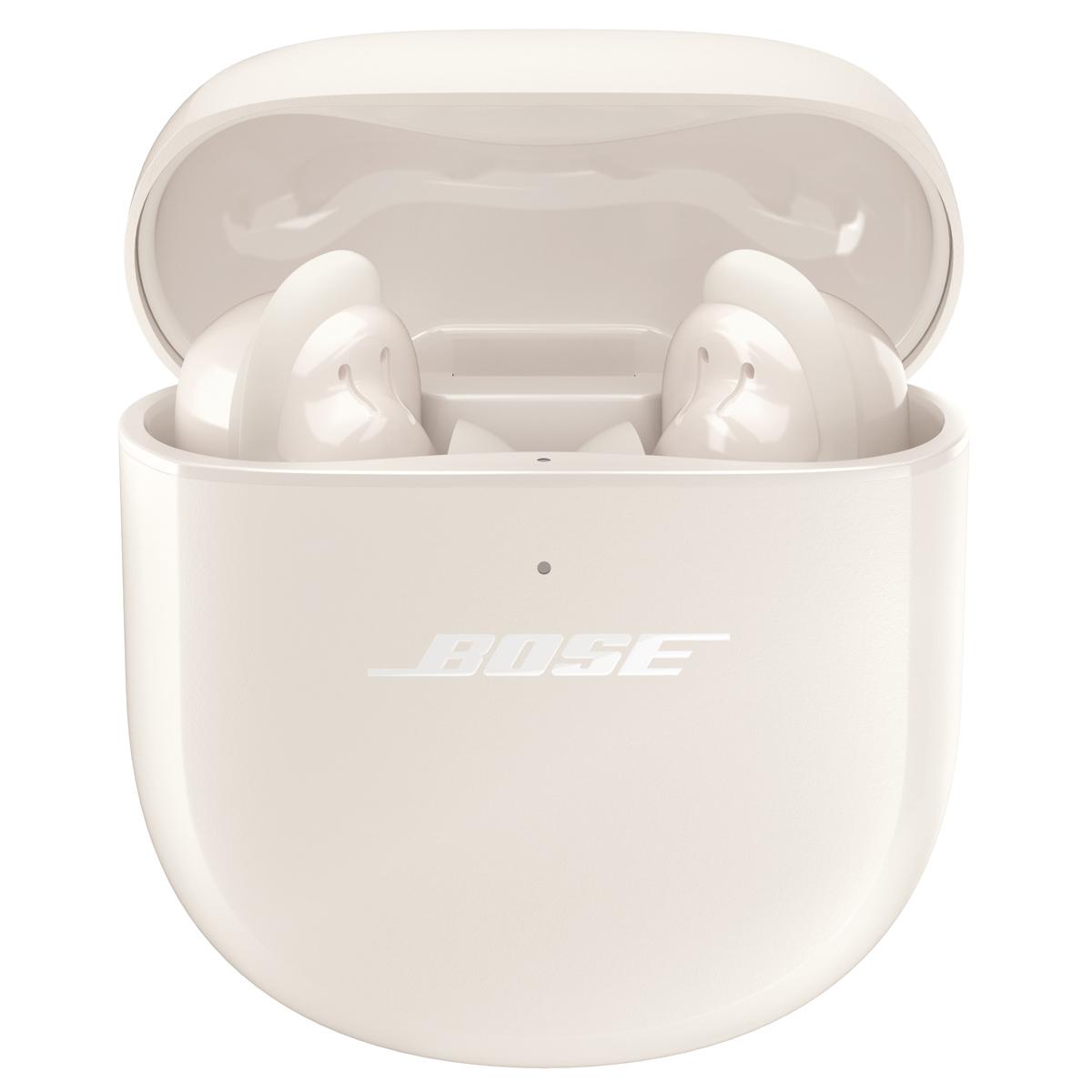
The Technics AZ80 includes wireless charging in its case—a convenience feature that's becoming standard in premium earbuds. The ability to simply place the case on a charging pad eliminates cable fumbling and reduces wear on charging ports. At the time of writing, Bose doesn't include this feature, which feels like an oversight given the premium positioning.
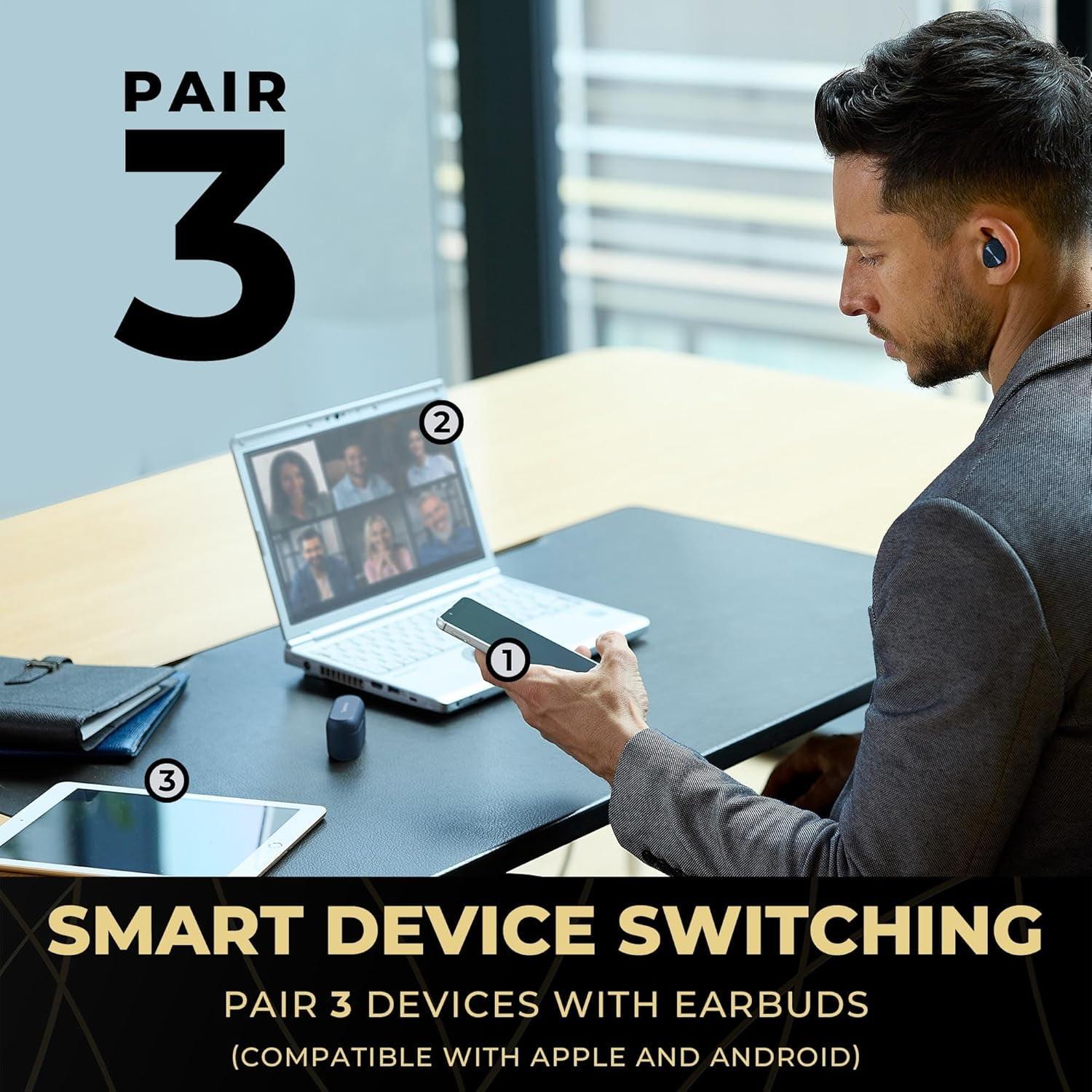
Here's where the Technics AZ80 pulls ahead significantly. Its industry-first 3-device multipoint connectivity addresses a real-world pain point that most earbud users face daily. Traditional multipoint connects to two devices, but modern professionals often juggle phone, laptop, and tablet simultaneously.
With standard two-device multipoint, you might have your earbuds connected to your phone and laptop, then want to watch a video on your tablet. This requires manually disconnecting from one device and reconnecting to the tablet—a minor annoyance that adds up over time. The Technics AZ80 eliminates this friction entirely, maintaining connections to all three devices and intelligently routing audio from whichever device is actively playing content.
This feature transforms daily workflow for anyone working from home or managing multiple devices professionally. During video calls on your laptop, your phone can still ring through the earbuds. When you finish the call and start a podcast on your tablet, the transition happens seamlessly without touching any settings.
Both earbuds use Bluetooth 5.3, the latest standard offering improved range and power efficiency. In testing, both maintain stable connections at typical distances, though the Technics AZ80 seems slightly more resilient to interference in crowded wireless environments.
Professional call quality has become increasingly important as remote work normalizes. The Technics AZ80 approaches this with JustMyVoice technology, using 8 MEMS microphones (MEMS stands for Micro-Electrical-Mechanical Systems—essentially tiny, precise microphones) and advanced algorithms to isolate your voice from background noise.
This system excels in challenging acoustic environments. During testing in windy outdoor conditions and noisy cafes, the Technics AZ80 consistently delivered clearer voice transmission than competing earbuds. The algorithm specifically targets and reduces background interference while preserving the natural character of your voice.
The Bose QC Earbuds II offers competent call quality that works well for casual conversations but doesn't quite match the Technics for professional use. If your work involves frequent conference calls or client presentations, this difference becomes significant.
Even the best audio quality means nothing if earbuds cause discomfort or fall out during use. Both products have evolved significantly from earlier generations that often prioritized technology over wearability.
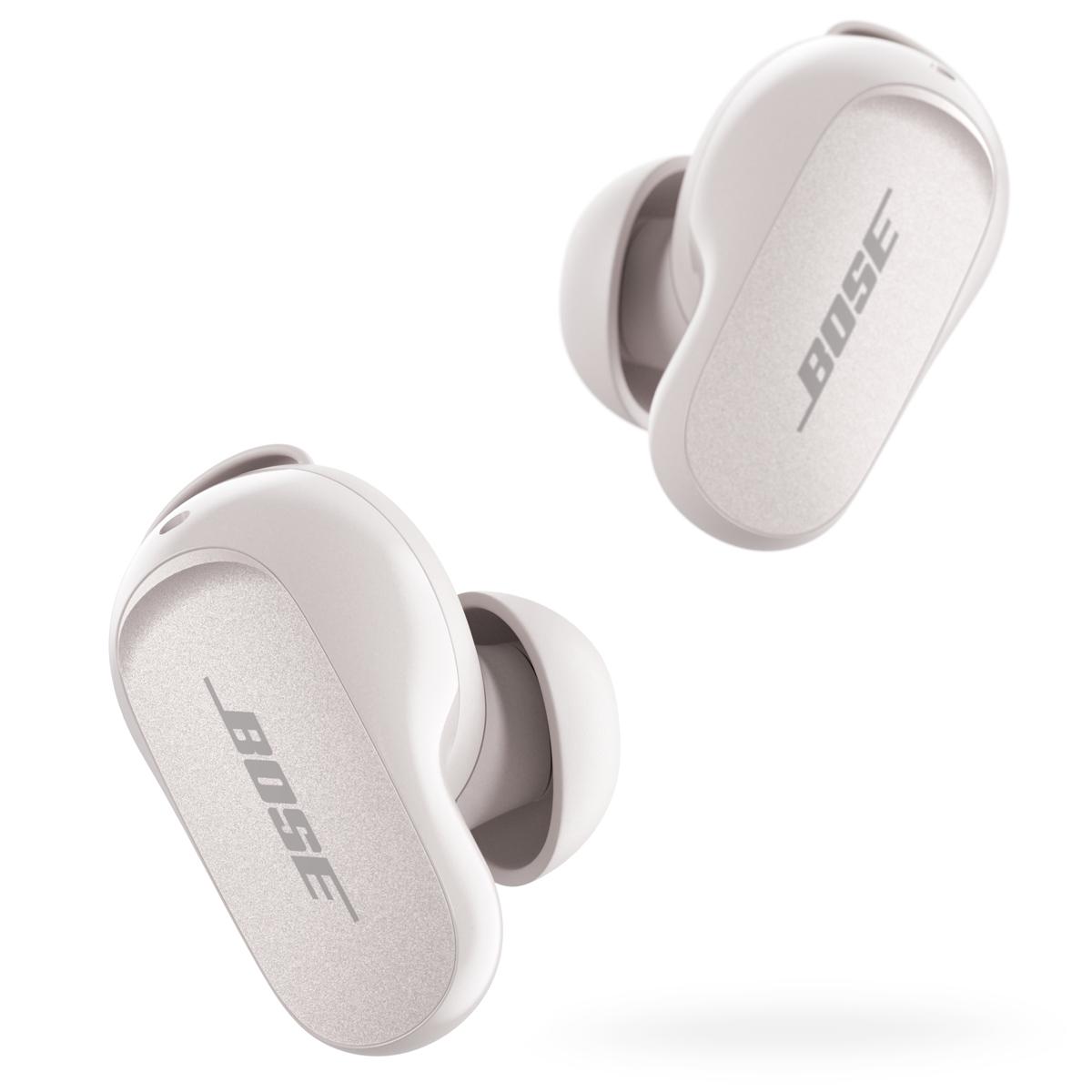
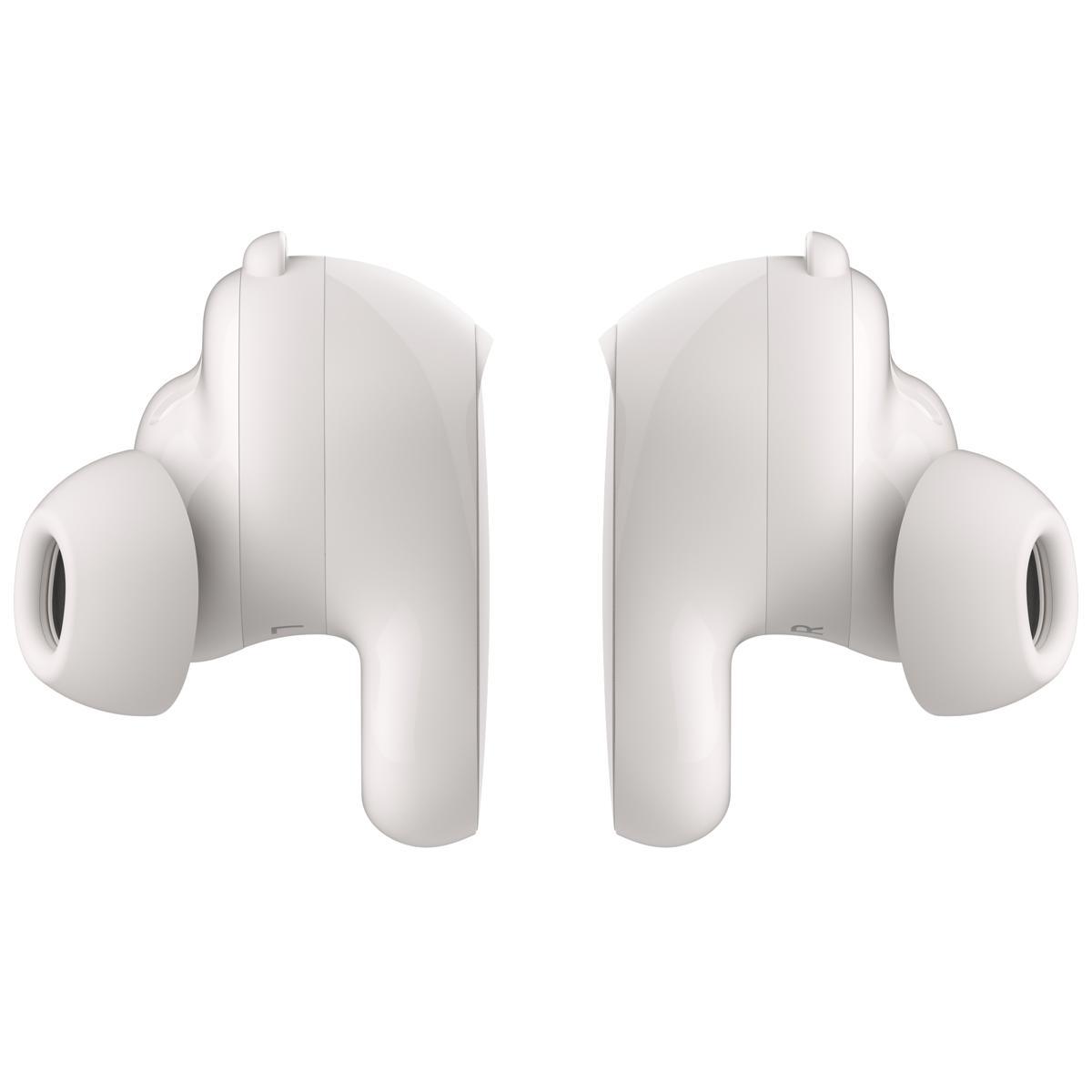
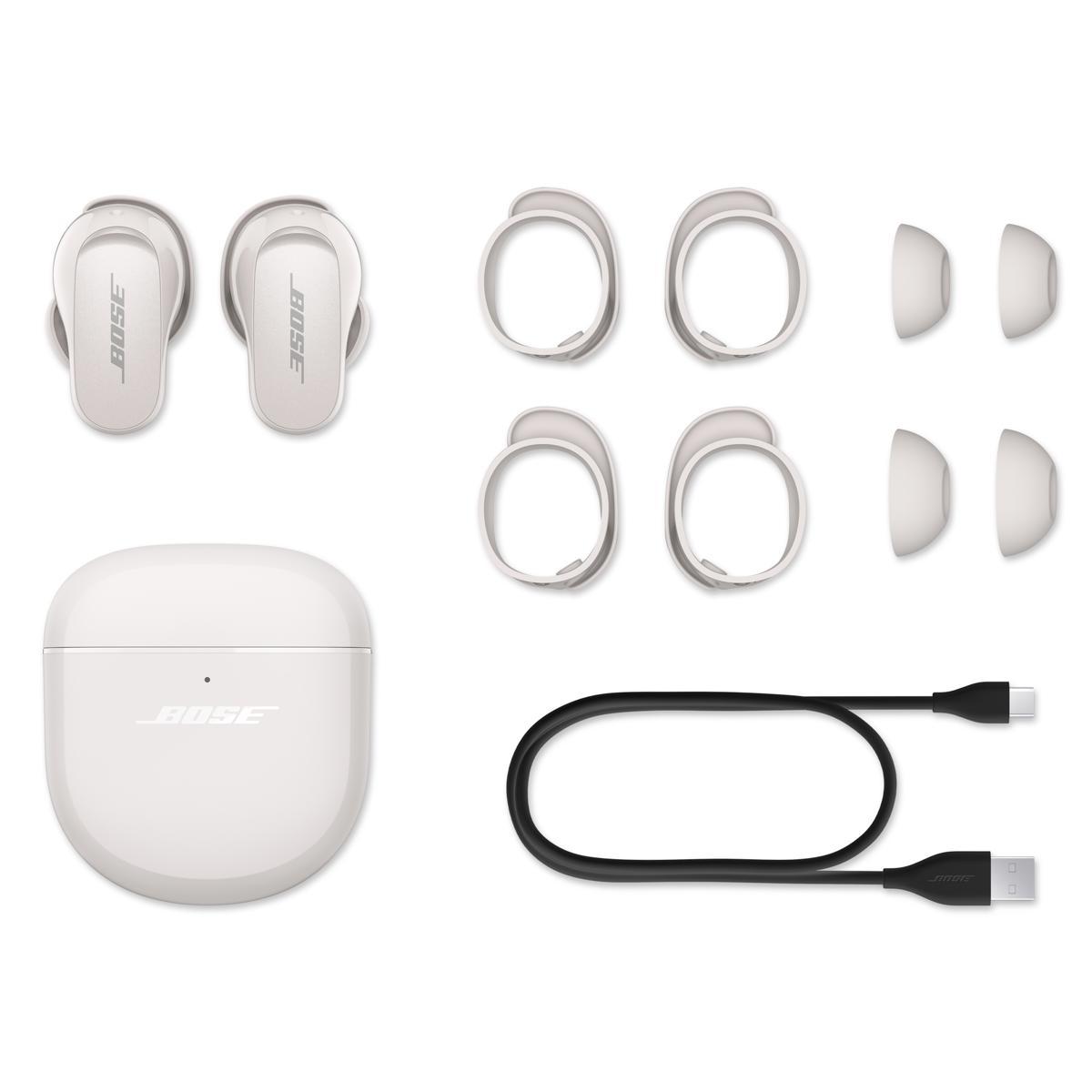
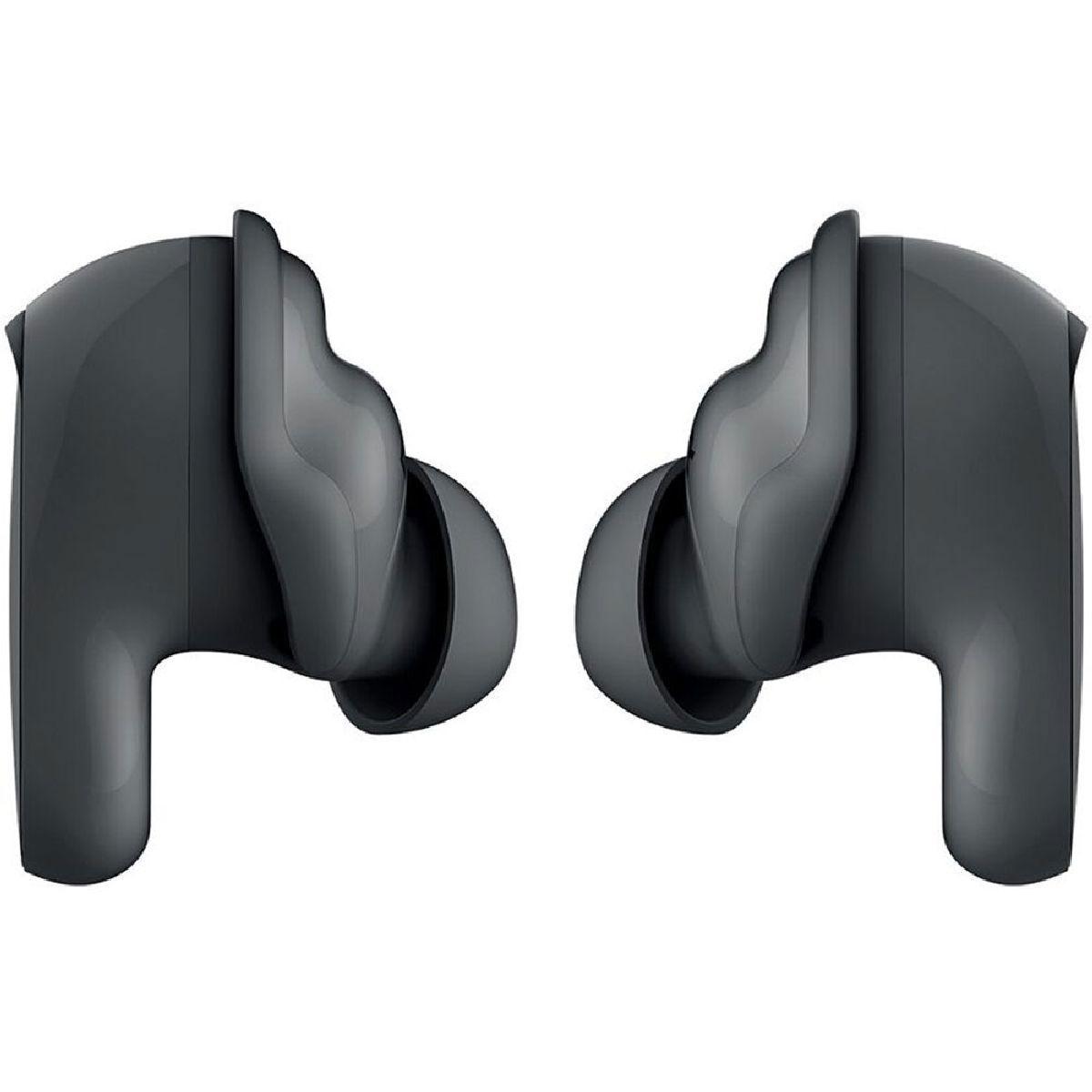
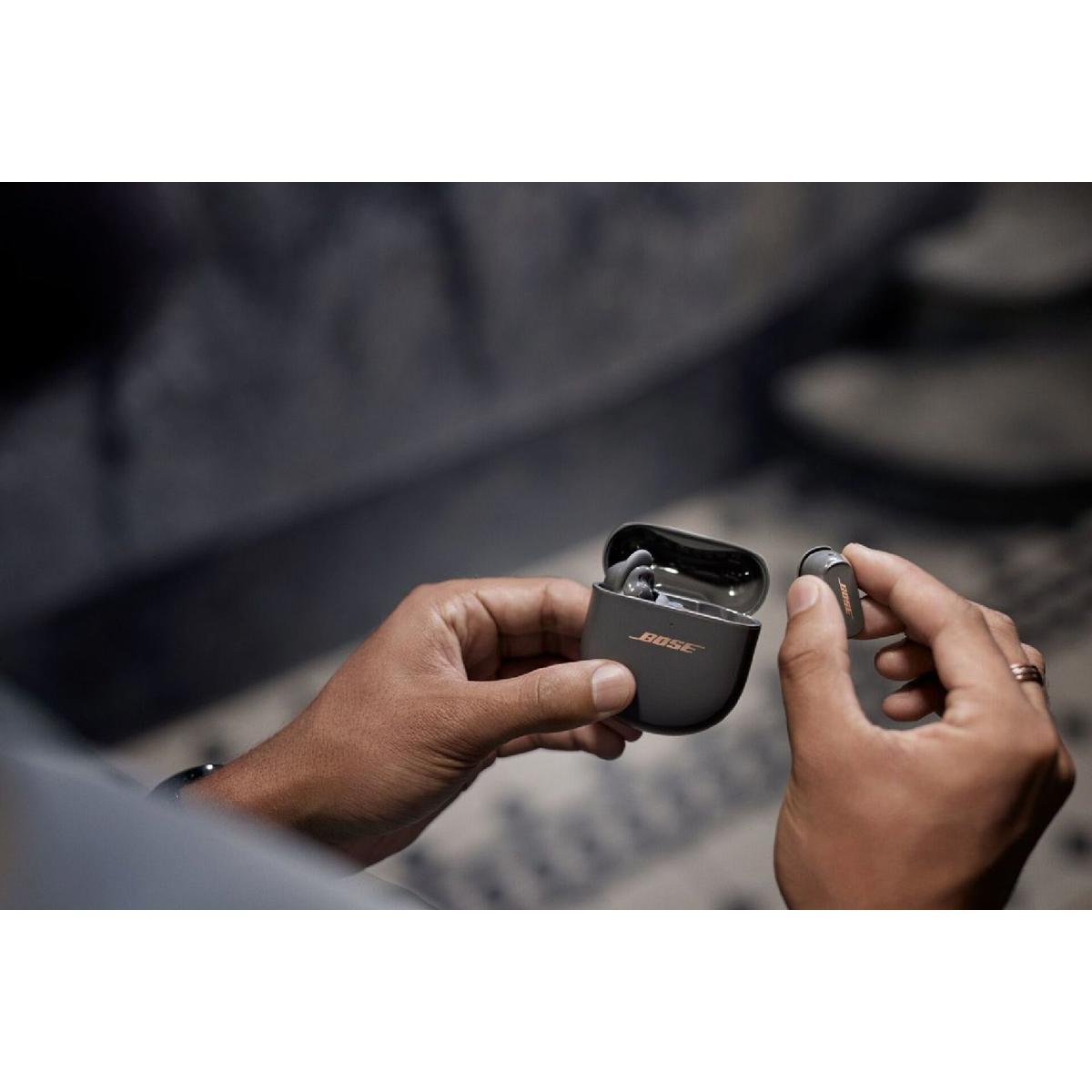
The Bose QC Earbuds II, released in 2022, introduced a two-piece fitting system that separates the ear tip from the stability component. Traditional earbuds rely on a single silicone tip to both seal your ear canal and provide retention. Bose's approach uses an umbrella-shaped tip for sealing paired with a separate stability band that hugs your ear's contour.
This design philosophy recognizes that optimal sealing and secure fit often require different shapes and materials. The stability bands help keep earbuds in place during movement while the tips focus purely on acoustic sealing. Users consistently report better retention during exercise and reduced fatigue during extended listening sessions.
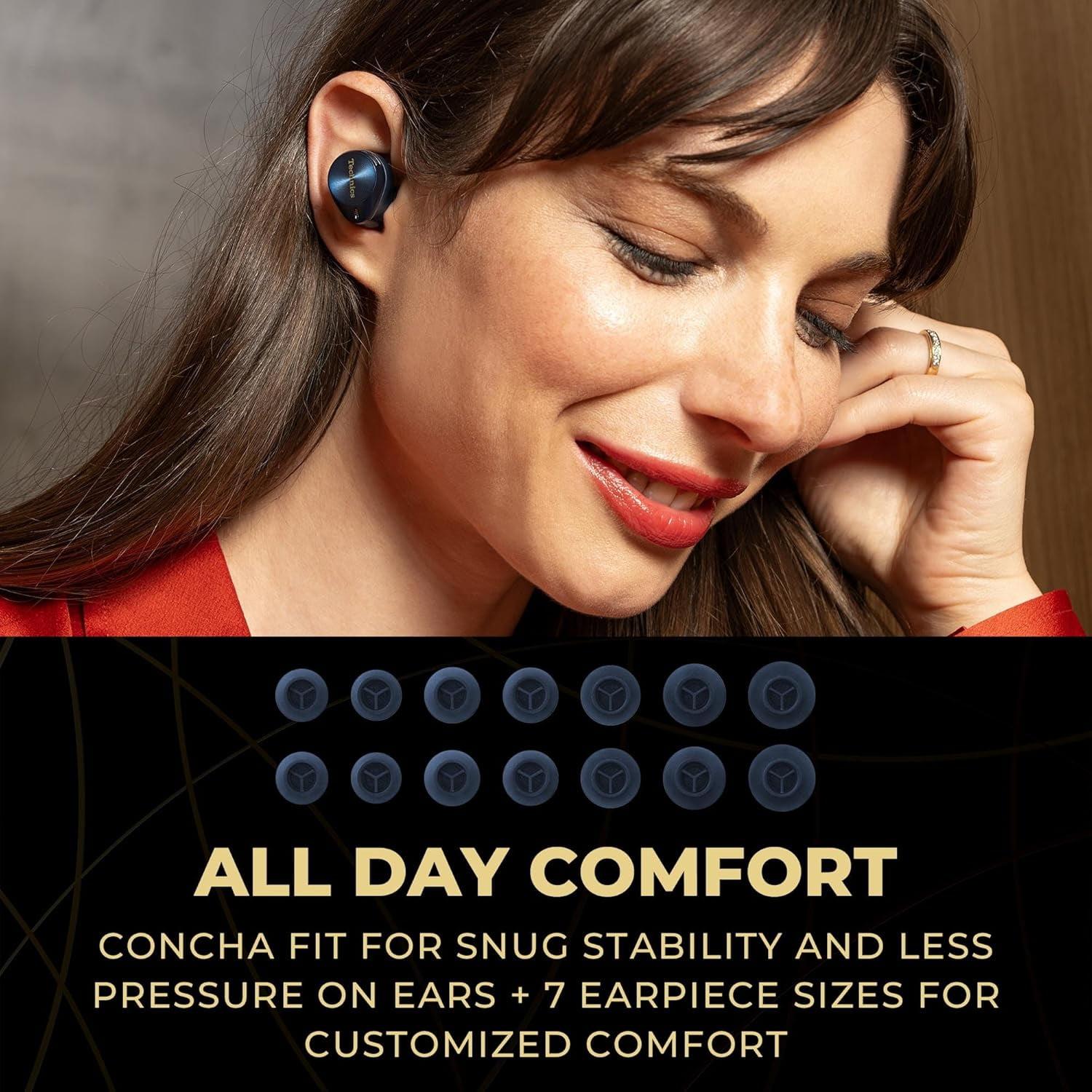
The Technics AZ80 takes a more traditional approach but includes seven different ear tip sizes—more variety than most competitors offer. Finding the right fit is crucial since it affects both sound quality and noise cancellation effectiveness. If the seal isn't perfect, bass response suffers and ANC performance drops dramatically.
Both earbuds are rated IPX4 for water resistance, meaning they'll handle sweat and light rain but aren't suitable for swimming or submersion. This level of protection covers most real-world scenarios without adding bulk or compromising acoustic design.
At the time of writing, both earbuds occupy premium pricing territory but with different value propositions. The Technics AZ80 typically commands a higher price, justified by its audiophile-focused features, superior battery life, and unique 3-device connectivity. If you prioritize audio fidelity and need advanced connectivity features, the price premium makes sense.
The Bose QC Earbuds II often presents better overall value, especially considering its class-leading noise cancellation and comfort optimization. Since its 2022 release, prices have stabilized at levels that make its feature set quite competitive with other premium options.
Neither product targets budget-conscious buyers. These are flagship earbuds designed for users who want the best available technology and are willing to pay for it. The question isn't whether they're expensive—it's which expensive earbud better matches your priorities.
Choose the Technics AZ80 if you're an audio enthusiast who appreciates technical excellence. These earbuds reward listeners who care about high-resolution audio, have extensive music libraries with quality recordings, and need professional-grade call quality. The 3-device multipoint connectivity is genuinely game-changing for anyone managing multiple devices professionally.
The Bose QC Earbuds II makes more sense for most users seeking premium earbuds. The combination of exceptional noise cancellation, personalized tuning, and guaranteed comfort creates an immediately satisfying experience. If you prioritize blocking out the world and enjoying your content without fuss, Bose's approach delivers.
For home theater use, both work well with low-latency video playback, though the Technics AZ80 has a slight technical edge. Neither replaces a proper surround sound system, but both provide excellent late-night viewing experiences without disturbing others.
The reality is that both represent excellent execution of different philosophies. The Technics AZ80 serves audiophiles and power users who want maximum control and technical capability. The Bose QC Earbuds II focuses on making great sound and noise cancellation effortless for everyone.
Your choice ultimately depends on whether you value technical specifications and flexibility more than optimized, personalized performance. Both will serve you well—they just take different paths to get there.
| Technics AZ80 Premium Hi-Fi True Wireless Noise Cancelling Earbuds | Bose QuietComfort Earbuds II |
|---|---|
| Driver Size - Larger drivers typically deliver better bass response and overall dynamics | |
| 10mm free-edge aluminum alloy diaphragm drivers | 9.3mm dynamic drivers |
| Codec Support - Higher quality codecs preserve more audio detail from your source | |
| SBC, AAC, LDAC (hi-res wireless audio capability) | SBC, AAC only (standard quality, broader compatibility) |
| Active Noise Cancellation - Critical for blocking ambient noise in travel and work environments | |
| Dual Hybrid ANC (good but not class-leading) | Best-in-class ANC with CustomTune personalization |
| Battery Life Per Charge - Determines how long you can listen before needing the case | |
| Up to 7 hours with ANC on | Up to 6 hours with ANC on |
| Total Battery Life - Important for travel and extended use away from power | |
| 24 hours total with charging case | 24 hours total with charging case |
| Multipoint Connectivity - Ability to connect multiple devices simultaneously | |
| Industry-first 3-device multipoint (phone, laptop, tablet) | Standard 2-device multipoint |
| Call Quality Technology - Essential for professional calls and voice clarity | |
| 8 MEMS microphones with JustMyVoice technology | Standard microphone array with good performance |
| Charging Options - Convenience features for keeping earbuds powered | |
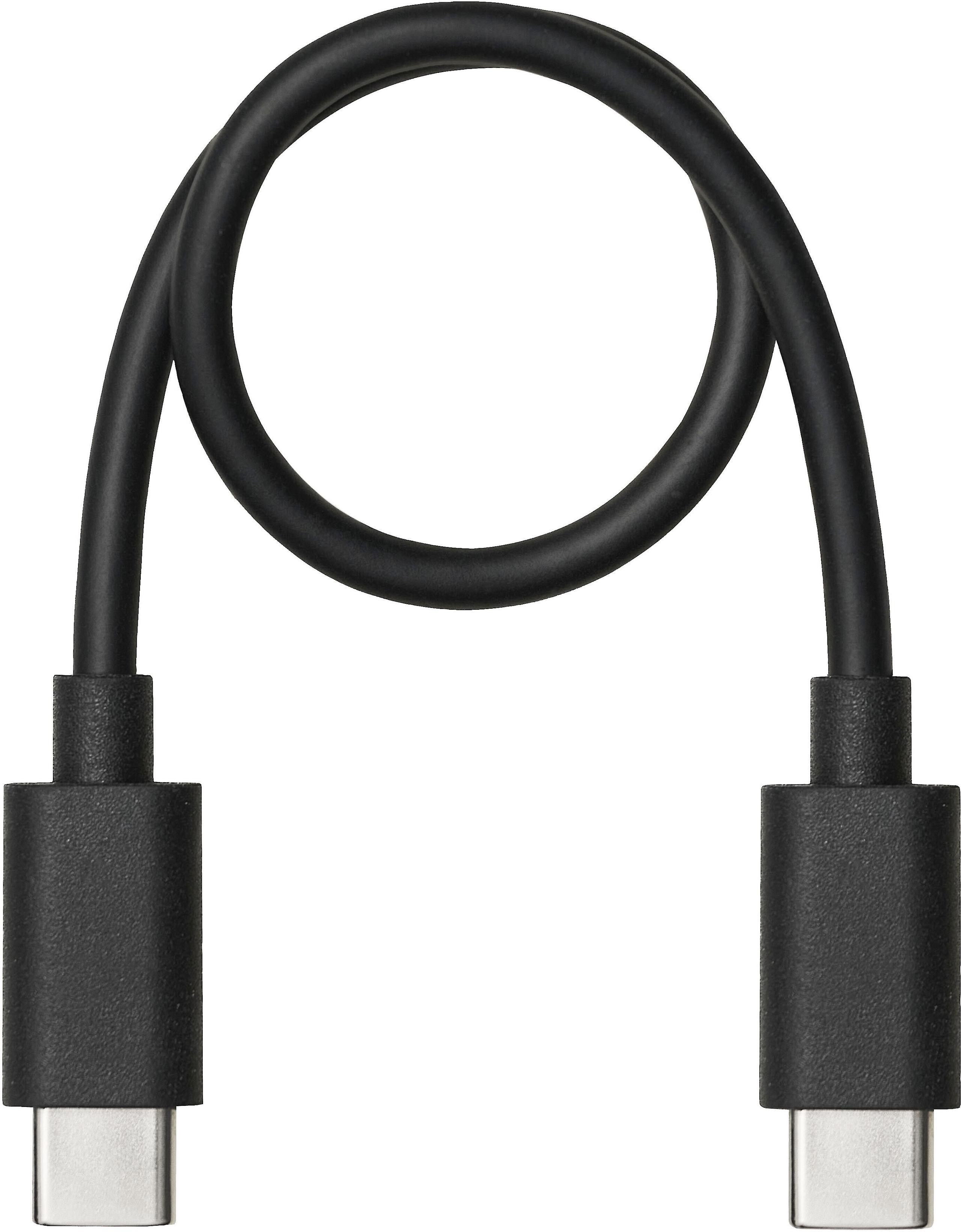
| Wireless charging case included | USB-C charging only, no wireless option |
| Personalization Features - Technology that adapts to your unique hearing | |
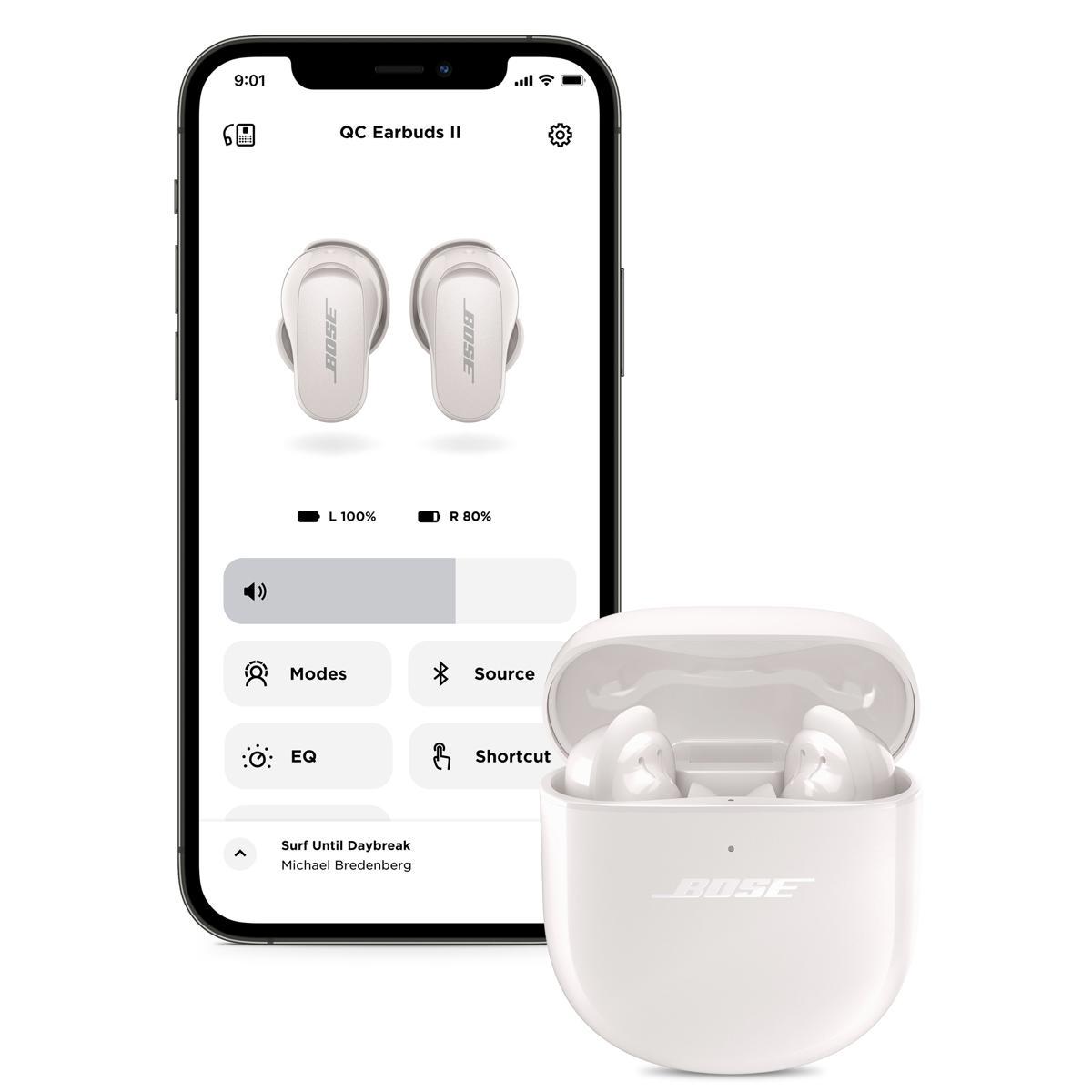
| Standard EQ customization via app | CustomTune technology calibrates audio and ANC to your ear shape |
| Water Resistance - Protection level for workouts and weather | |
| IPX4 (sweat and light rain resistant) | IPX4 (sweat and light rain resistant) |
| Fit System - How earbuds stay comfortable and secure in your ears | |
| 7 sizes of silicone ear tips included | Two-piece system with separate stability bands and ear tips |
| Weight Per Earbud - Affects long-term comfort during extended wear | |
| Not specified (likely heavier due to larger drivers) | 6.24 grams each (notably lightweight) |
| Target User - Who each product is designed for | |
| Audiophiles and multi-device power users | Mainstream premium users prioritizing comfort and ANC |
The Technics AZ80 delivers superior sound quality for serious music listening, featuring 10mm aluminum alloy drivers and LDAC codec support for hi-res wireless audio. The Bose QuietComfort Earbuds II offers excellent sound with CustomTune personalization that automatically adjusts audio to your ear shape, making it more immediately satisfying for most listeners.
The Bose QuietComfort Earbuds II clearly wins in noise cancellation with industry-leading ANC technology that uses CustomTune to personalize noise blocking for your unique ear anatomy. The Technics AZ80 provides competent noise cancellation but doesn't match Bose's exceptional performance in blocking ambient sounds.
The Technics AZ80 offers up to 7 hours of battery life per charge with ANC enabled, compared to 6 hours from the Bose QuietComfort Earbuds II. Both provide 24 hours total with their charging cases, but the Technics gives you an extra hour of continuous listening time.
The Technics AZ80 features industry-first 3-device multipoint connectivity, allowing simultaneous connection to your phone, laptop, and tablet. The Bose QuietComfort Earbuds II supports standard 2-device multipoint, which covers most users' needs but limits flexibility for multi-device workflows.
The Bose QuietComfort Earbuds II generally offers superior comfort with its innovative two-piece fit system featuring separate stability bands and ear tips, plus lightweight 6.24g design. The Technics AZ80 includes seven ear tip sizes for customization but may feel heavier during extended wear due to larger drivers.
The Technics AZ80 excels in call quality with 8 MEMS microphones and JustMyVoice technology specifically designed for professional communication. The Bose QuietComfort Earbuds II provides decent call quality suitable for casual conversations but doesn't match the Technics for business use.
The Bose QuietComfort Earbuds II typically offers better overall value with exceptional noise cancellation, comfort, and personalization at a competitive price point. The Technics AZ80 commands a premium but justifies it with hi-res audio support, superior battery life, and unique 3-device connectivity for audiophiles and power users.
Both the Technics AZ80 and Bose QuietComfort Earbuds II support low-latency modes for video watching, making them suitable for home theater use when you need silent viewing. The Technics AZ80 has a slight edge due to better codec support and processing power for audio-video synchronization.
The Bose QuietComfort Earbuds II is better suited for workouts with its lightweight design, stability band system for secure fit, and IPX4 water resistance. The Technics AZ80 also offers IPX4 protection but may feel less secure during vigorous exercise due to its larger, heavier design.
Both the Technics AZ80 and Bose QuietComfort Earbuds II support independent earbud use, allowing you to use either the left or right earbud solo for calls or extended listening while charging the other. This feature works seamlessly on both models.
Both earbuds offer comprehensive smartphone apps for customization. The Technics AZ80 provides extensive EQ controls and connectivity management through the Technics Audio Connect app. The Bose QuietComfort Earbuds II features the Bose Music app with CustomTune calibration and personalized sound profiles that automatically optimize performance.
Choose the Technics AZ80 if you prioritize hi-res audio quality, need 3-device connectivity, or make frequent business calls. Select the Bose QuietComfort Earbuds II if you want the best noise cancellation available, prioritize all-day comfort, or prefer personalized audio tuning that works automatically without manual adjustment.
We've done our best to create useful and informative comparisons to help you decide what product to buy. Our research uses advanced automated methods to create this comparison and perfection is not possible - please contact us for corrections or questions. These are the sites we've researched in the creation of this article: stereonet.com - us.technics.com - us.technics.com - rtings.com - head-fi.org - bestbuy.com - soundguys.com - head-fi.org - youtube.com - loudnwireless.com - youtube.com - cnet.com - technics.com - technics.com - bestbuy.com - target.com - us.technics.com - technics.com - youtube.com - head-fi.org - nnty.fun - us.technics.com - bhphotovideo.com - bestbuy.com - us.technics.com - audiosciencereview.com - youtube.com - head-fi.org - head-fi.org - jbhifi.com.au - techradar.com - techgearlab.com - cnet.com - soundguys.com - rtings.com - soundstagesolo.com - forums.whathifi.com - youtube.com - cnet.com - bose.com - soundguys.com - youtube.com - rtings.com - soundguys.com - loudnwireless.com - head-fi.org - noisyworld.org - boseindia.com - global.bose.com - boselatam.com - bose.com - youtube.com - boselatam.com - support.bose.com - bhphotovideo.com - bestbuy.com - global.bose.com - bose.com - assets.bose.com - boseapac.com - bose.com - bose.com - bose.com

Privacy Policy
Terms and Conditions - Affiliate Policy
Home Security
© Copyright 2008-2026.
11816 Inwood Rd #1211, Dallas, TX 75244