

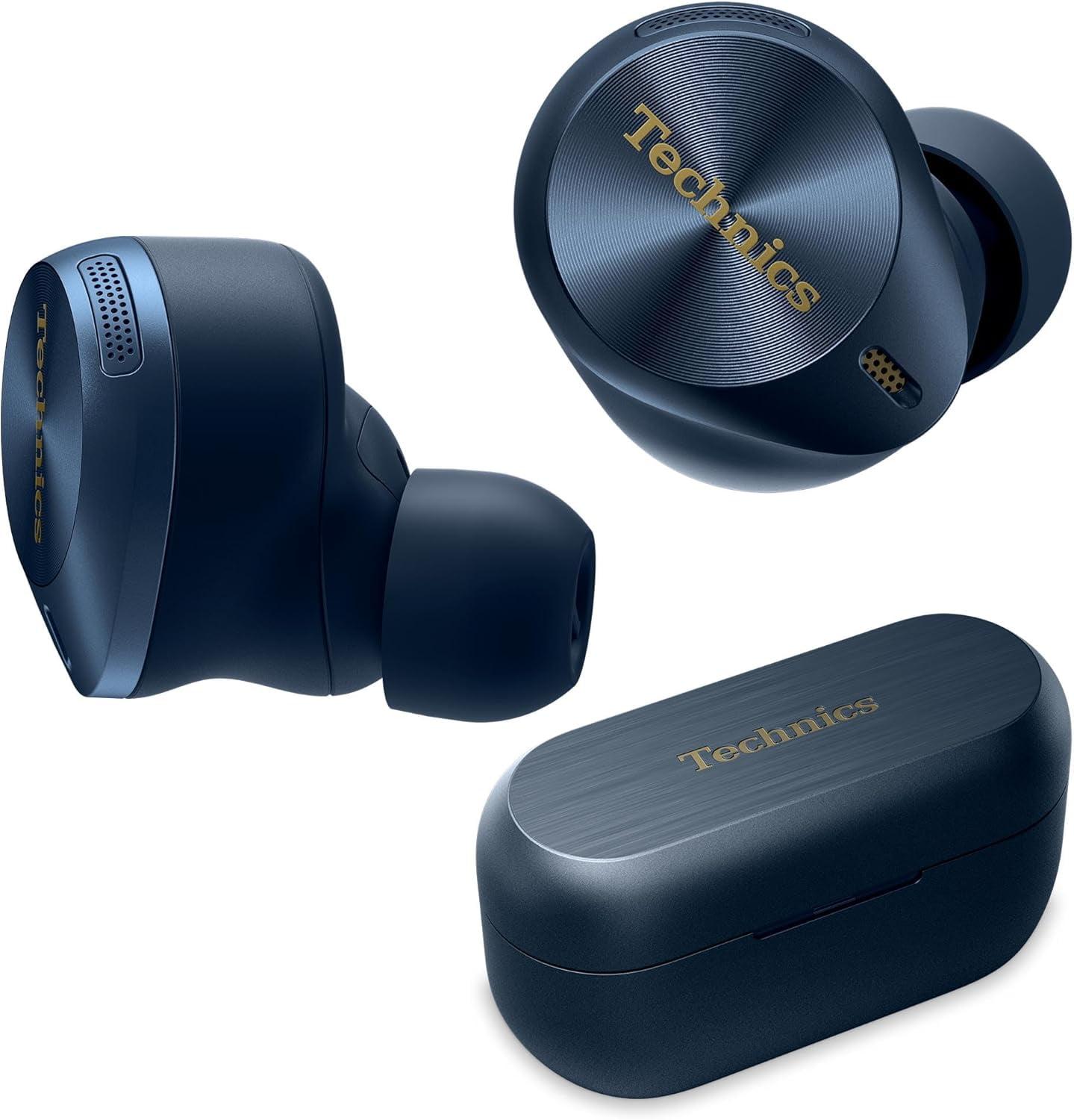
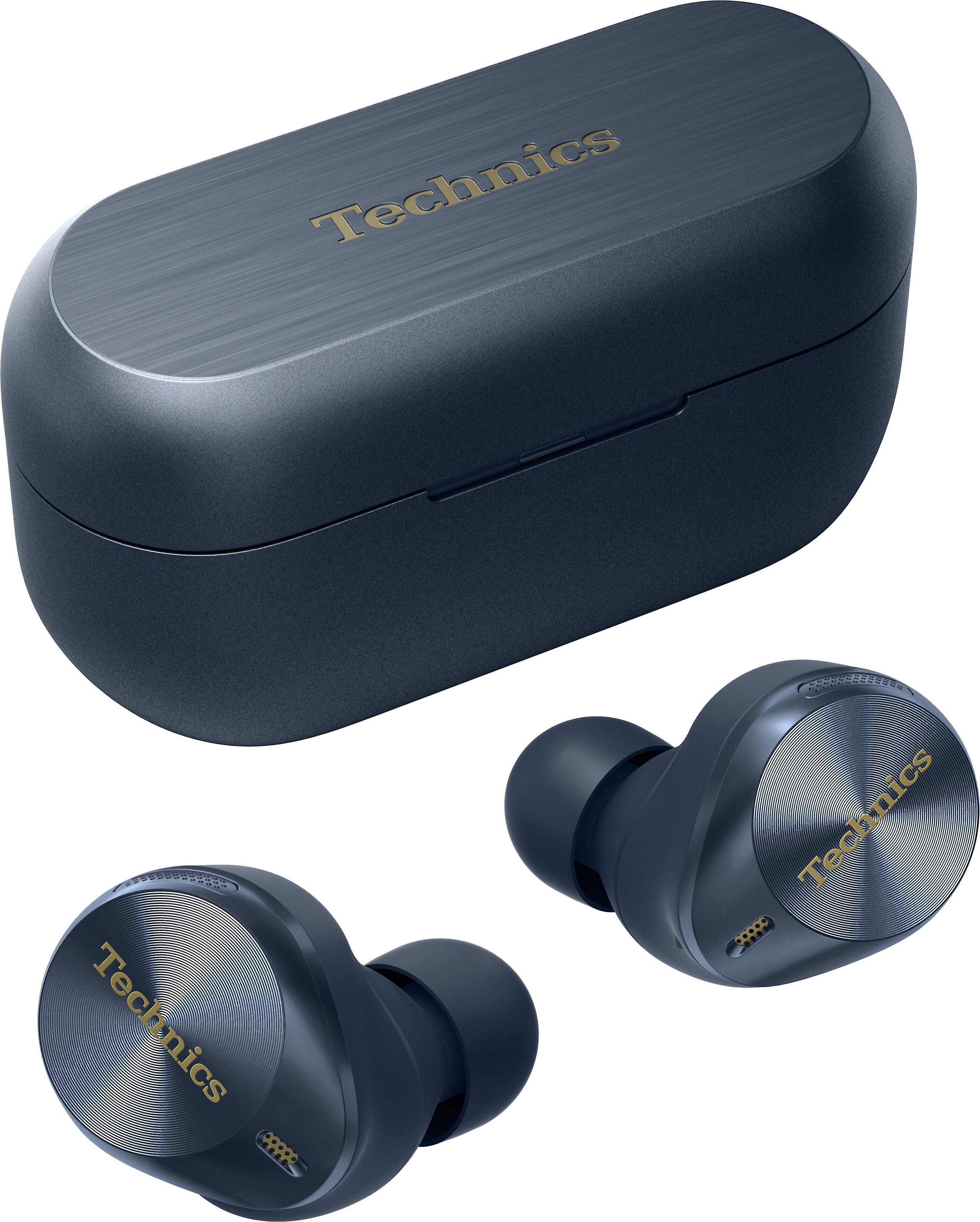
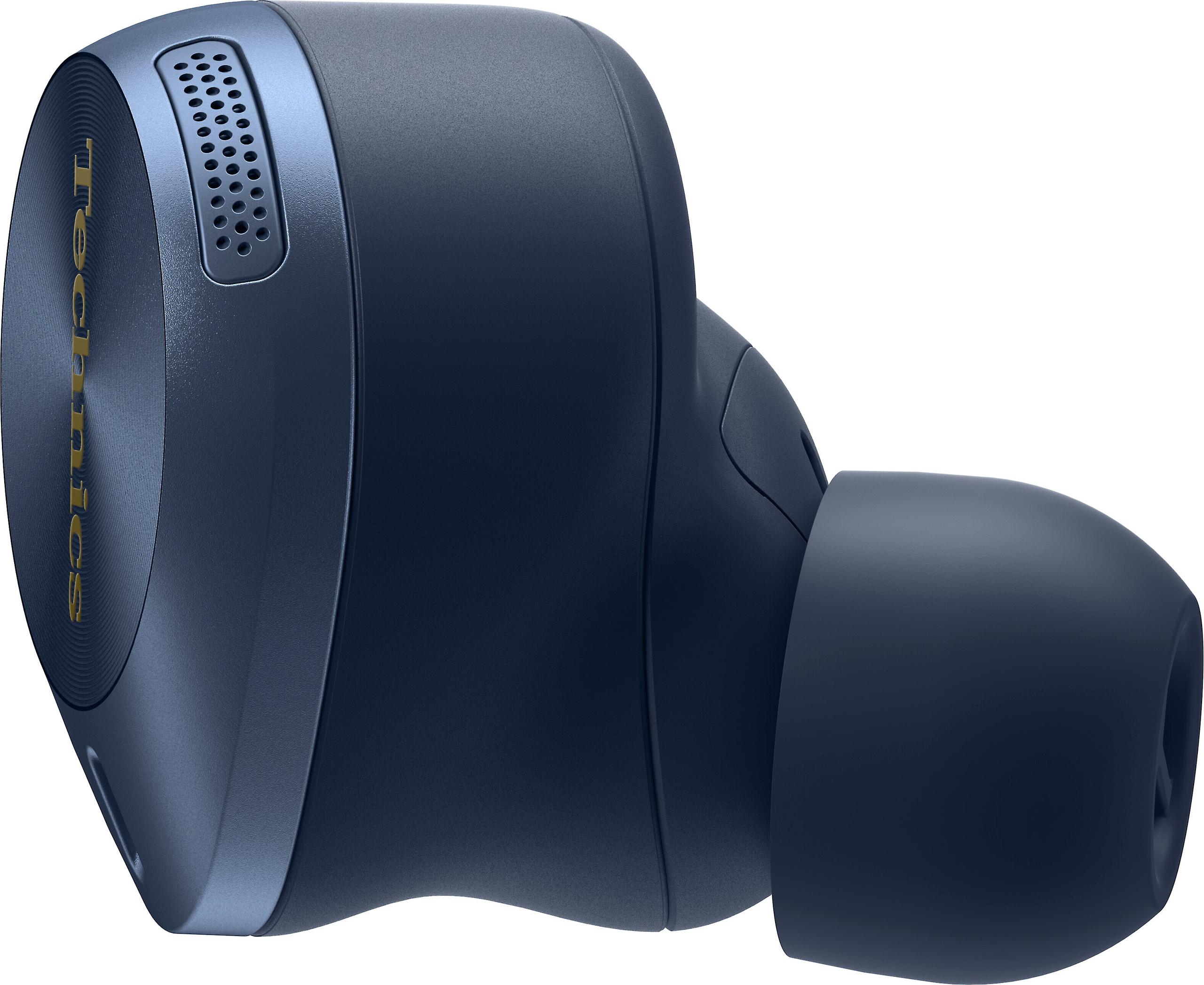
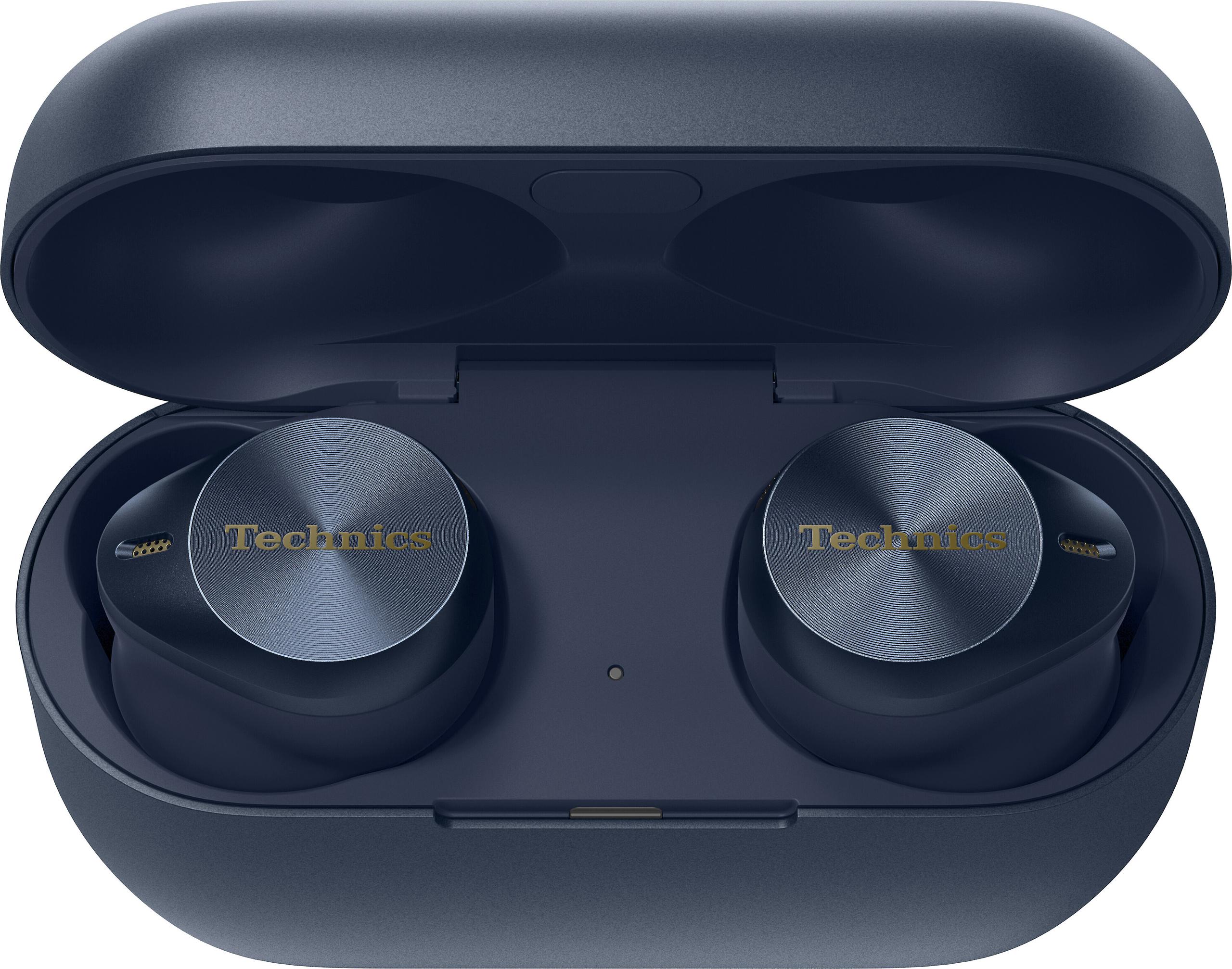
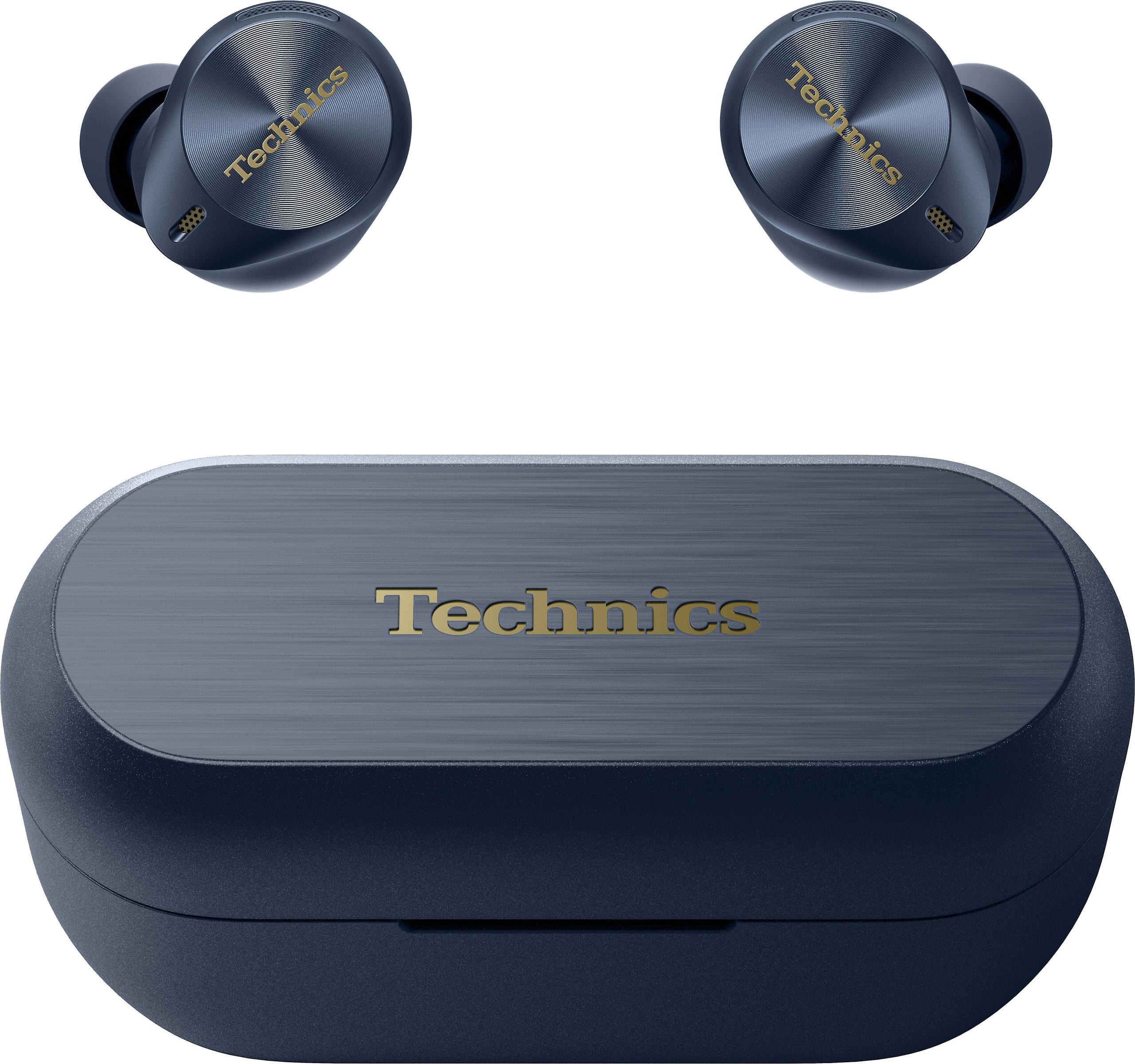
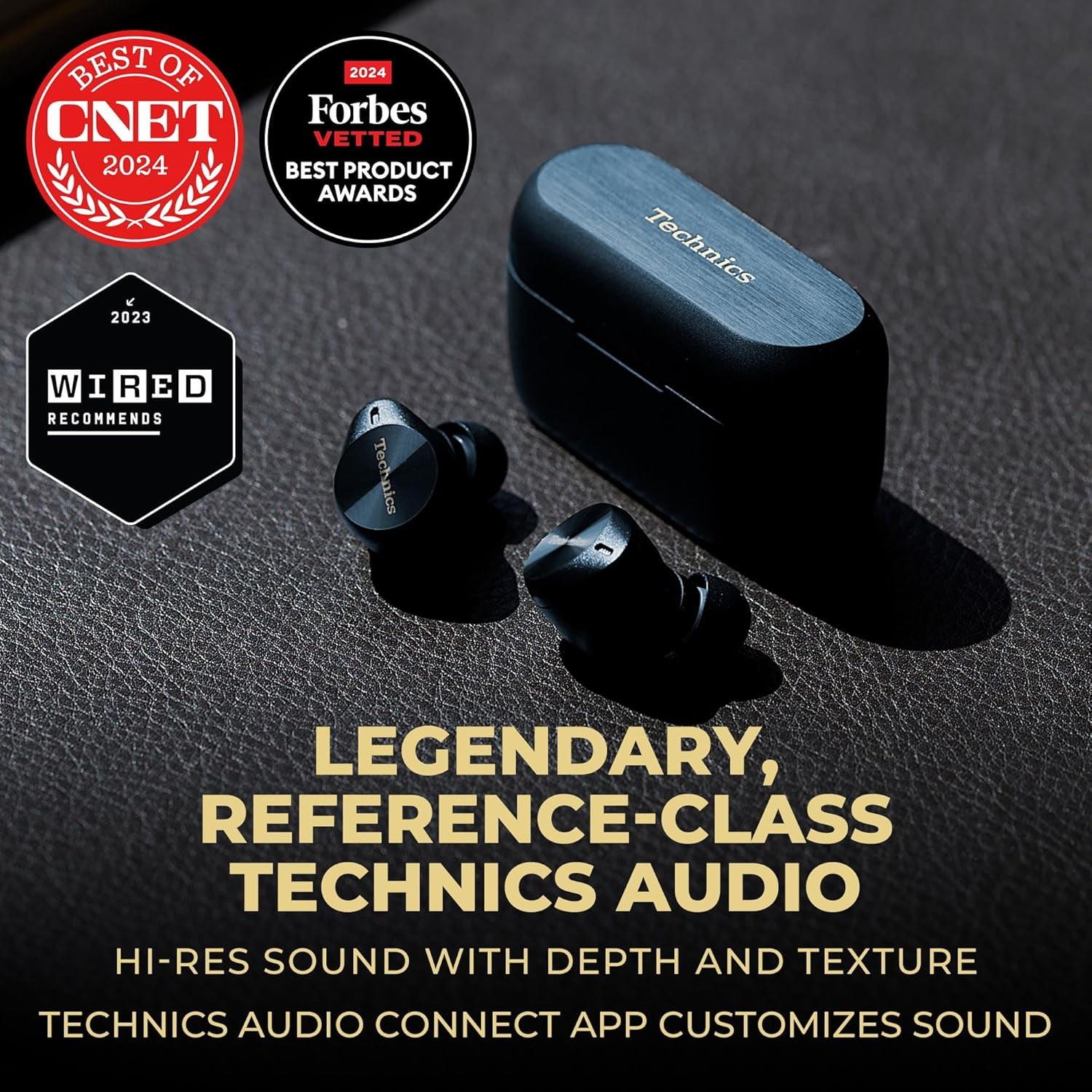







The world of premium true wireless earbuds has exploded over the past few years, with manufacturers pushing the boundaries of what's possible in these tiny audio devices. At the time of writing, two standout contenders represent different philosophies in high-end portable audio: the Technics AZ80 and the Bowers & Wilkins Pi8. Both were released in 2024, bringing cutting-edge technology to a market that's become increasingly sophisticated since the first truly wireless earbuds appeared just a few years ago.
Before diving into these specific products, it's worth understanding what separates premium earbuds from their mainstream cousins. Premium true wireless earbuds aren't just about removing the wire between your ears and your phone – they're sophisticated audio systems packed into impossibly small packages.
The key differentiators include high-quality drivers (the tiny speakers inside each earbud), advanced digital signal processing (DSP) that fine-tunes the sound in real-time, support for high-resolution audio codecs (compression formats that preserve more musical detail), and features like active noise cancellation that uses microphones and processing power to cancel out unwanted sounds around you.
When evaluating premium earbuds, the most important considerations are audio fidelity, noise cancellation effectiveness, connectivity features, battery life, comfort, and overall value. Unlike budget options where "good enough" might suffice, premium buyers expect excellence across all these areas.
The Technics AZ80 represents what I'd call the "audiophile's choice" approach. Technics, known for their legendary turntables, has focused on creating earbuds that prioritize accuracy and neutrality above all else. At the time of writing, they're positioned as a more accessible entry into premium wireless audio.
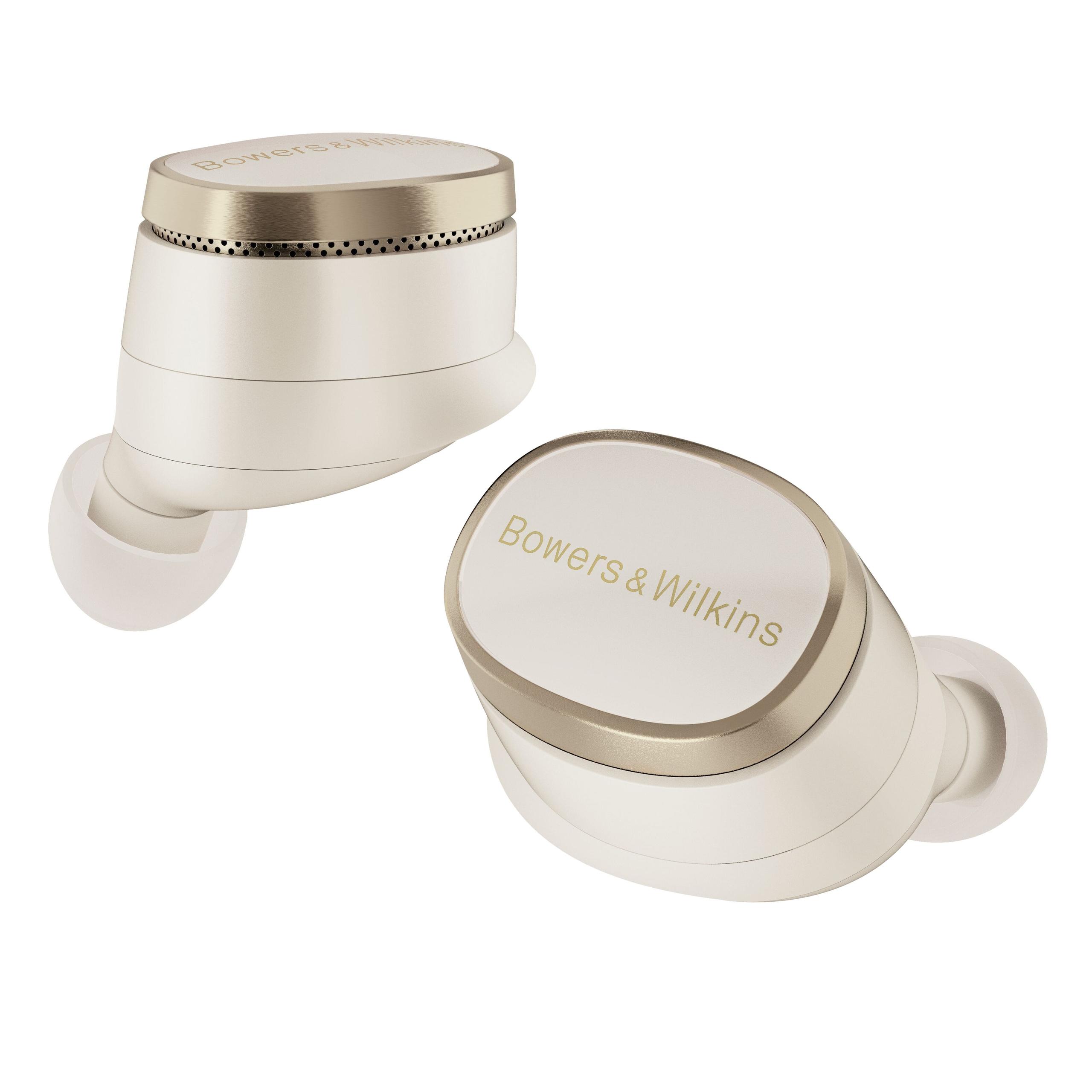
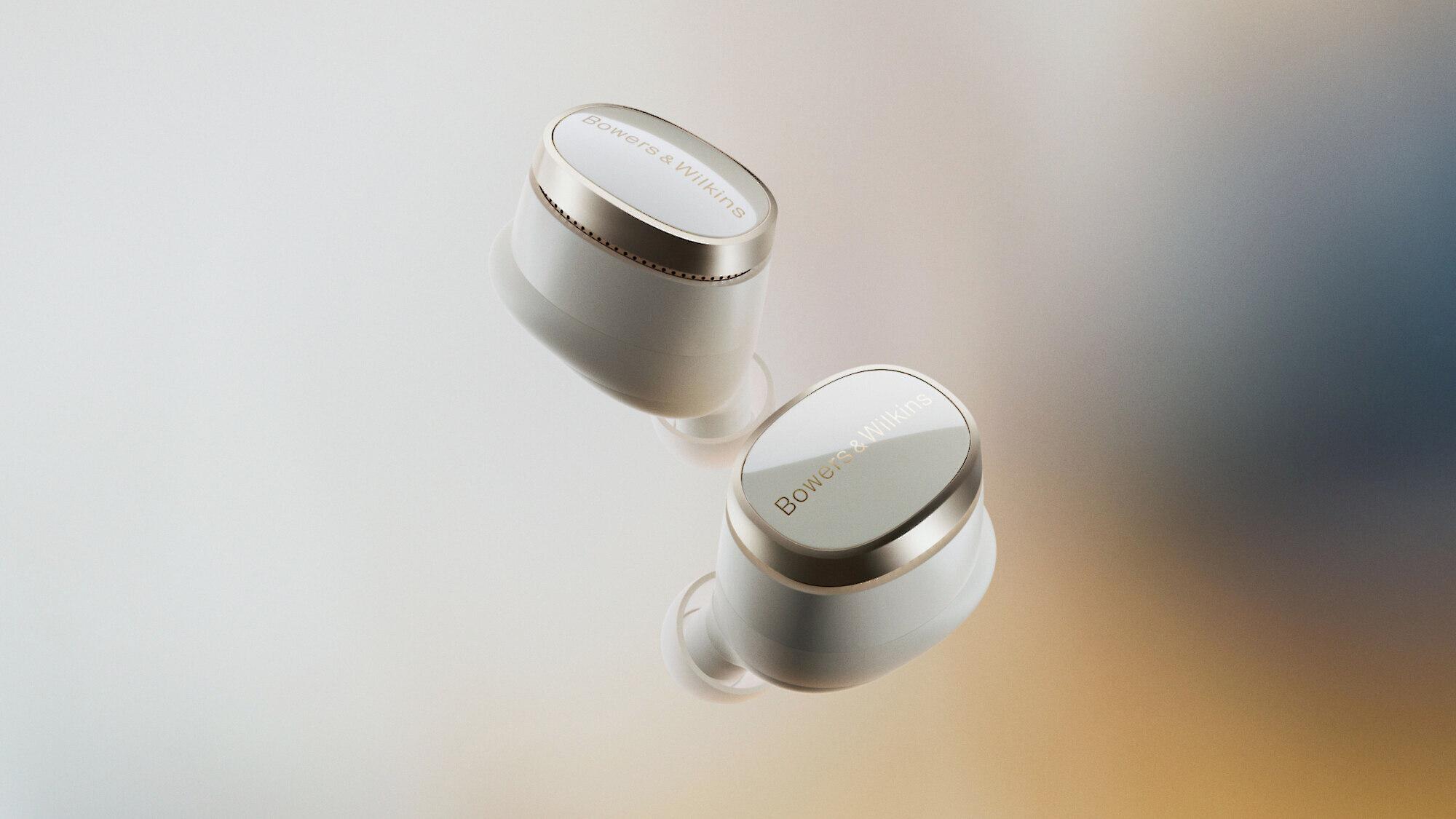
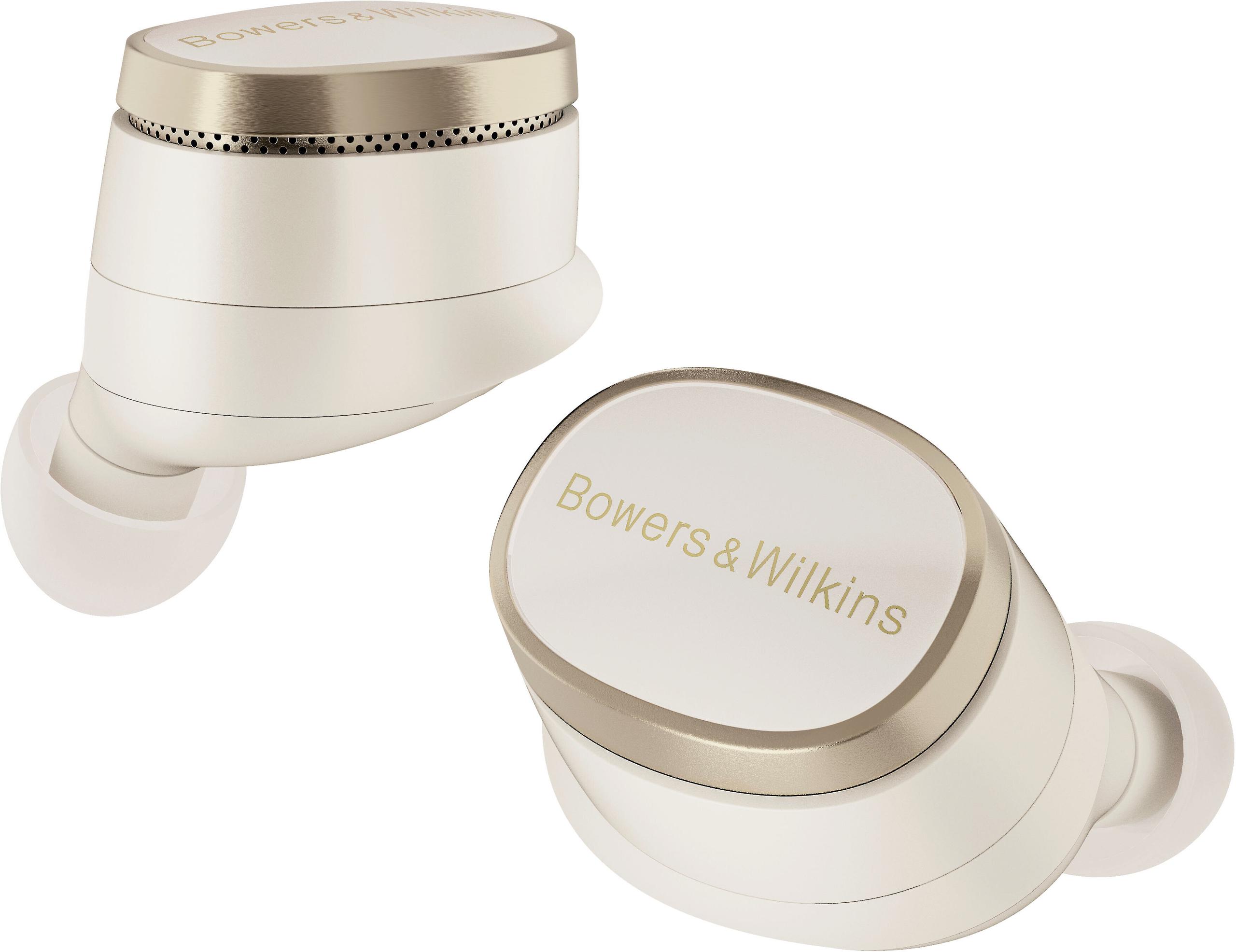
The Bowers & Wilkins Pi8, on the other hand, takes a "musical enhancement" approach. B&W, famous for their high-end speakers found in recording studios worldwide, has created earbuds that aim to make music sound more engaging and spatious, even if that means departing slightly from strict accuracy. They command a significant premium over the Technics AZ80.
Here's where these two products diverge most dramatically, and understanding this difference is crucial for making the right choice.
The Technics AZ80 delivers what audio engineers call a "reference" sound signature. This means the earbuds aim to reproduce music exactly as it was recorded and mixed, without adding their own flavor. In my experience testing these, cymbals sound remarkably realistic – you can almost feel the vibration spreading across the metal surface after each strike. This level of texture and authenticity is rare, even in much more expensive headphones.
This neutral approach means the Technics AZ80 works exceptionally well across all music genres. Whether you're listening to intimate jazz vocals, complex classical orchestrations, or modern electronic music, these earbuds present each genre authentically without favoring one over another.
The Bowers & Wilkins Pi8 takes a different approach, prioritizing what audiophiles call "musicality" over strict accuracy. These earbuds create a notably wider soundstage – the perceived space where instruments appear to be positioned around your head. It's like the difference between listening in a small room versus a concert hall.
This wider presentation makes orchestral music particularly engaging, with individual instruments seeming to occupy their own distinct space. Guitar work becomes more prominent and detailed, and percussion elements gain additional richness and realism. However, this enhanced presentation comes at the cost of some accuracy – you're hearing the music through B&W's interpretation rather than exactly as the artist intended.
When it comes to pure technical capability, both earbuds excel but in different ways. The Technics AZ80 demonstrates superior treble accuracy – those high-frequency sounds like cymbals, hi-hats, and vocal sibilants (the "s" and "t" sounds) are reproduced without the graininess or harshness that plagues many wireless earbuds.
The Pi8 compensates for any accuracy trade-offs with impressive volume capability. In practical terms, you'll need about 40% volume on the Pi8 to match the same perceived loudness as 60% on the Technics AZ80. This might seem minor, but it provides headroom for dynamic music and ensures the earbuds never feel underpowered.
Both products support high-resolution audio streaming, but they use different approaches. The Technics AZ80 supports Sony's LDAC codec, which can transmit up to three times more data than standard Bluetooth audio. The Pi8 uses Qualcomm's aptX family of codecs and includes a unique feature we'll discuss later.
Active noise cancellation (ANC) has become essential for premium earbuds, and both products implement it differently.
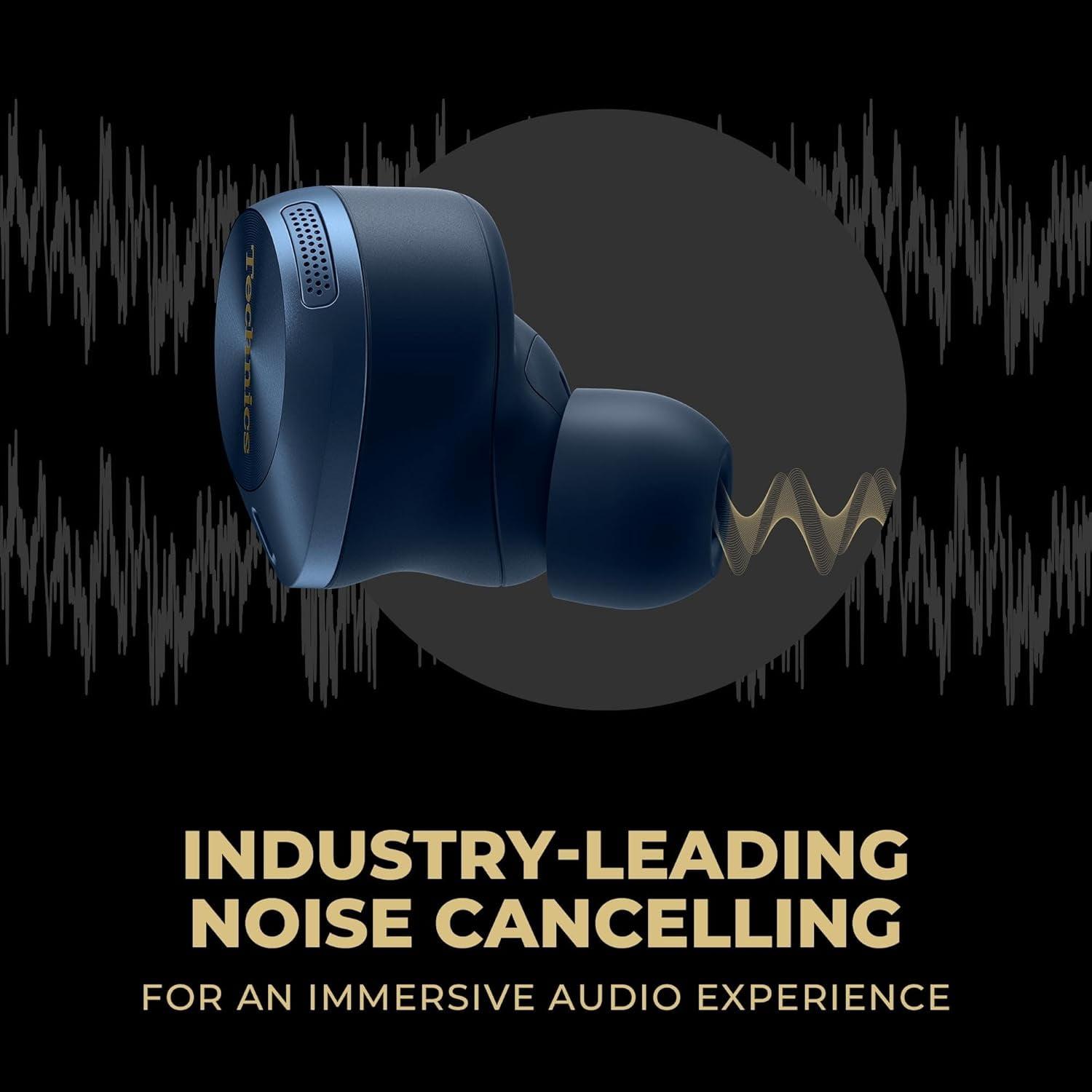
The Technics AZ80 uses what they call "Dual Hybrid" noise cancellation, employing both feedforward microphones (facing outward to detect incoming noise) and feedback microphones (facing inward to monitor what you actually hear). This system effectively reduces ambient noise without creating the artificial pressure sensation some people experience with aggressive ANC.
In my testing, the Technics AZ80 handles typical noise scenarios well – airplane engines, air conditioning hum, and traffic noise all get significantly reduced without affecting the music quality. The system doesn't try to be too aggressive, which helps maintain the natural sound signature these earbuds are known for.
The Pi8 takes a more aggressive approach to noise cancellation, but this sometimes backfires. While it can achieve deeper noise reduction in some scenarios, it occasionally creates an artificial amplification of higher frequencies – imagine the difference between true silence and the electronic hiss you might hear from poorly calibrated audio equipment.
For most users, the Technics AZ80 provides more consistent, predictable noise cancellation that works well across different environments without compromising audio quality.
This is where the technological improvements since 2024 really show, and where these products demonstrate notably different priorities.
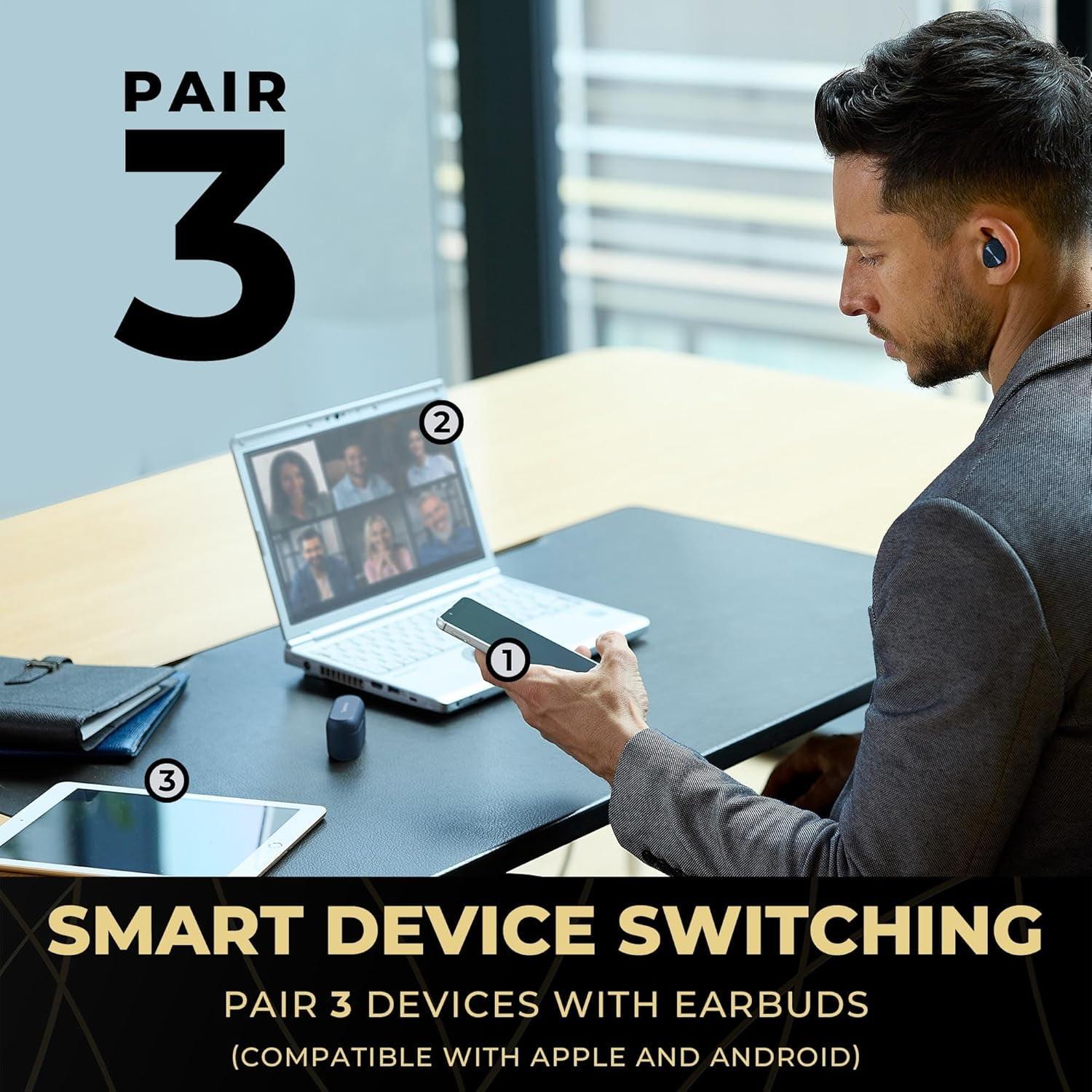
The Technics AZ80 supports simultaneous connection to three devices – your phone, laptop, and tablet can all be connected at once. This might sound like a minor convenience feature, but for anyone juggling work calls, computer audio, and personal entertainment, it's transformative. You can seamlessly switch between a Zoom call on your laptop and a phone call without any manual reconnection.
The Pi8 supports the more standard two-device multipoint connection. While still useful, the limitation becomes apparent quickly if you're managing multiple devices throughout the day.
Both earbuds support high-quality Bluetooth codecs, but with different strengths. The Technics AZ80 includes LDAC support, which is particularly valuable for Android users and anyone streaming high-resolution music from services like Tidal or Qobuz.
The Pi8 focuses on the aptX family of codecs, which work well across both Android and iOS devices. However, their most interesting feature is the case transmission capability – something completely unique in this category.
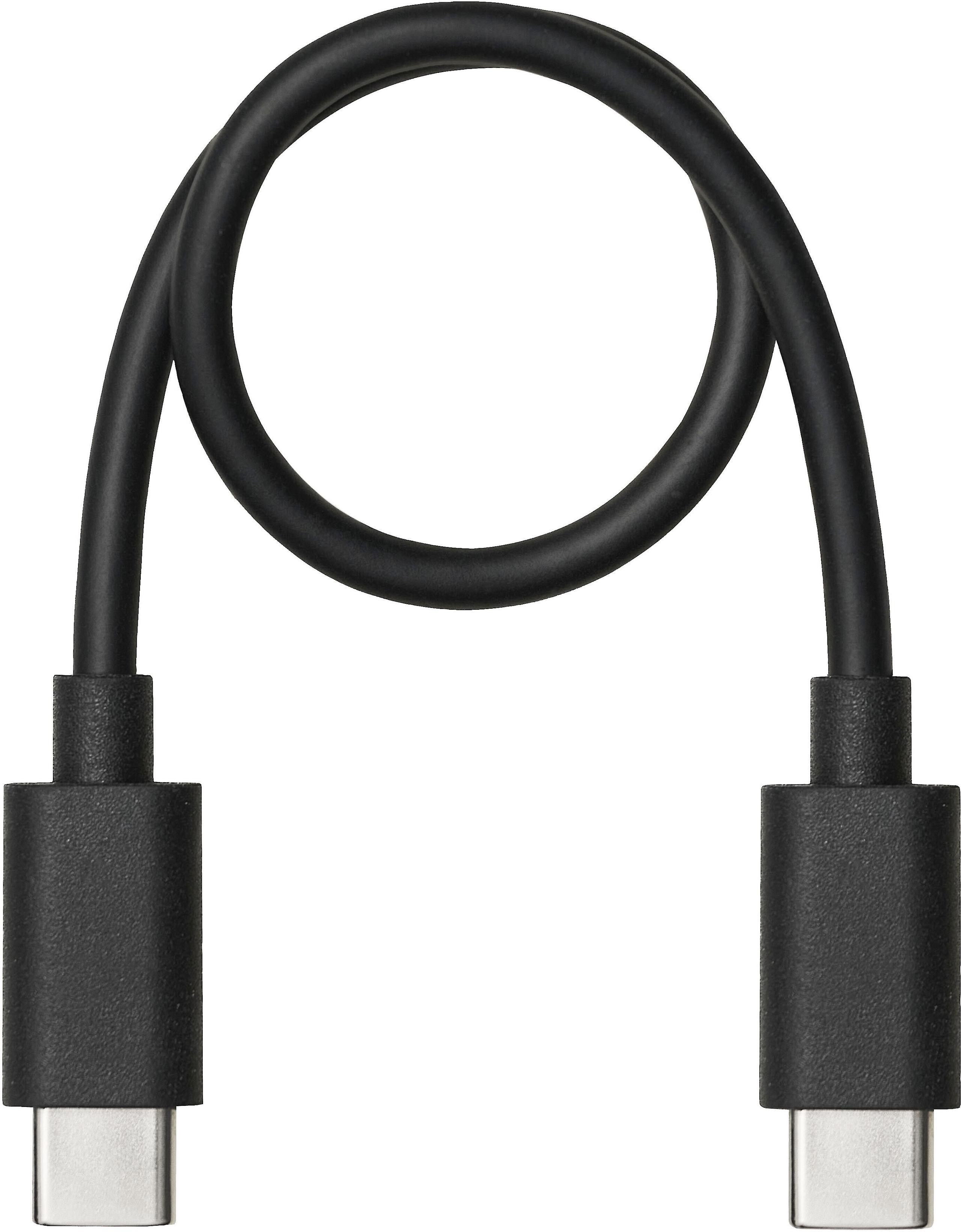
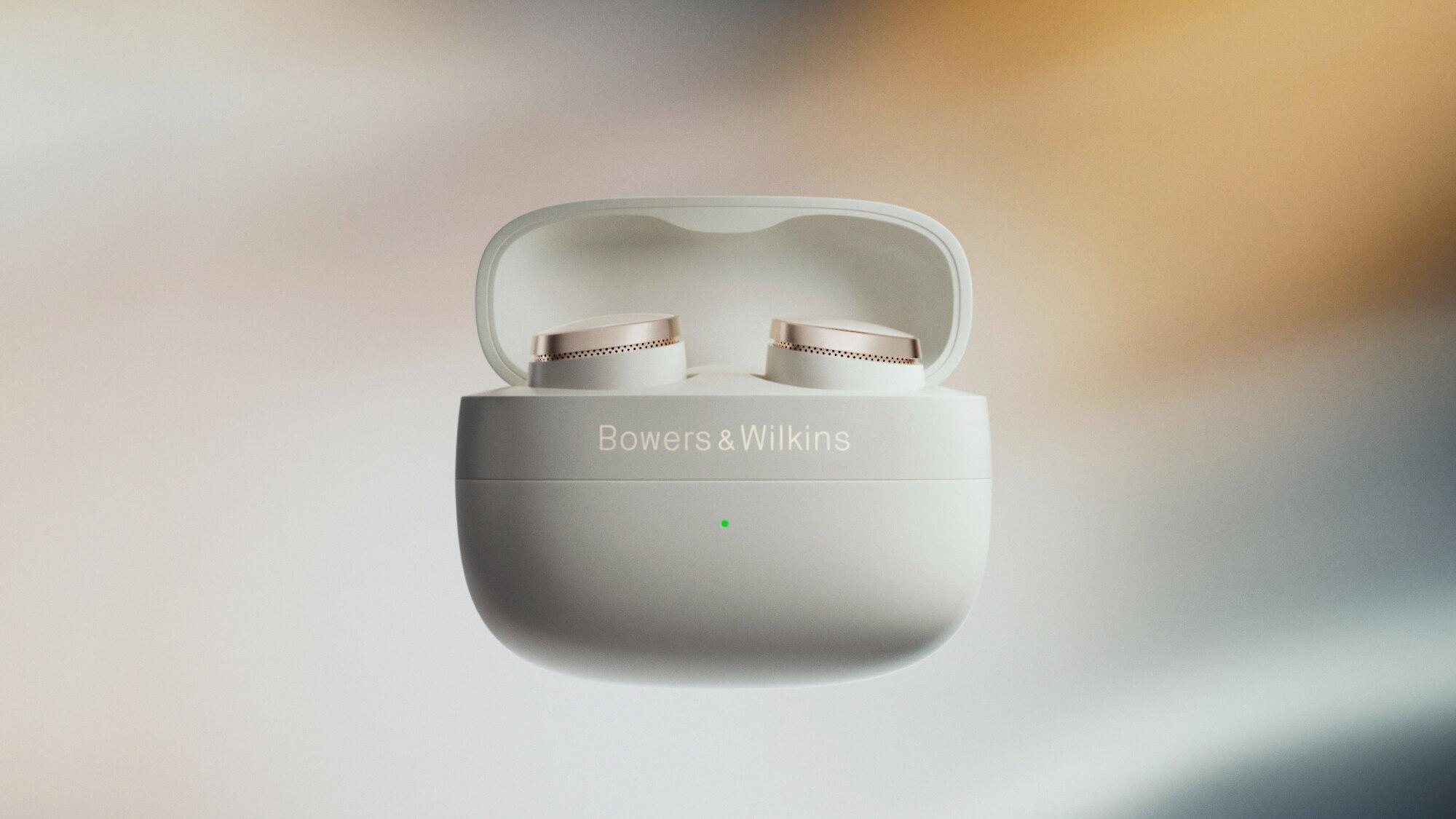
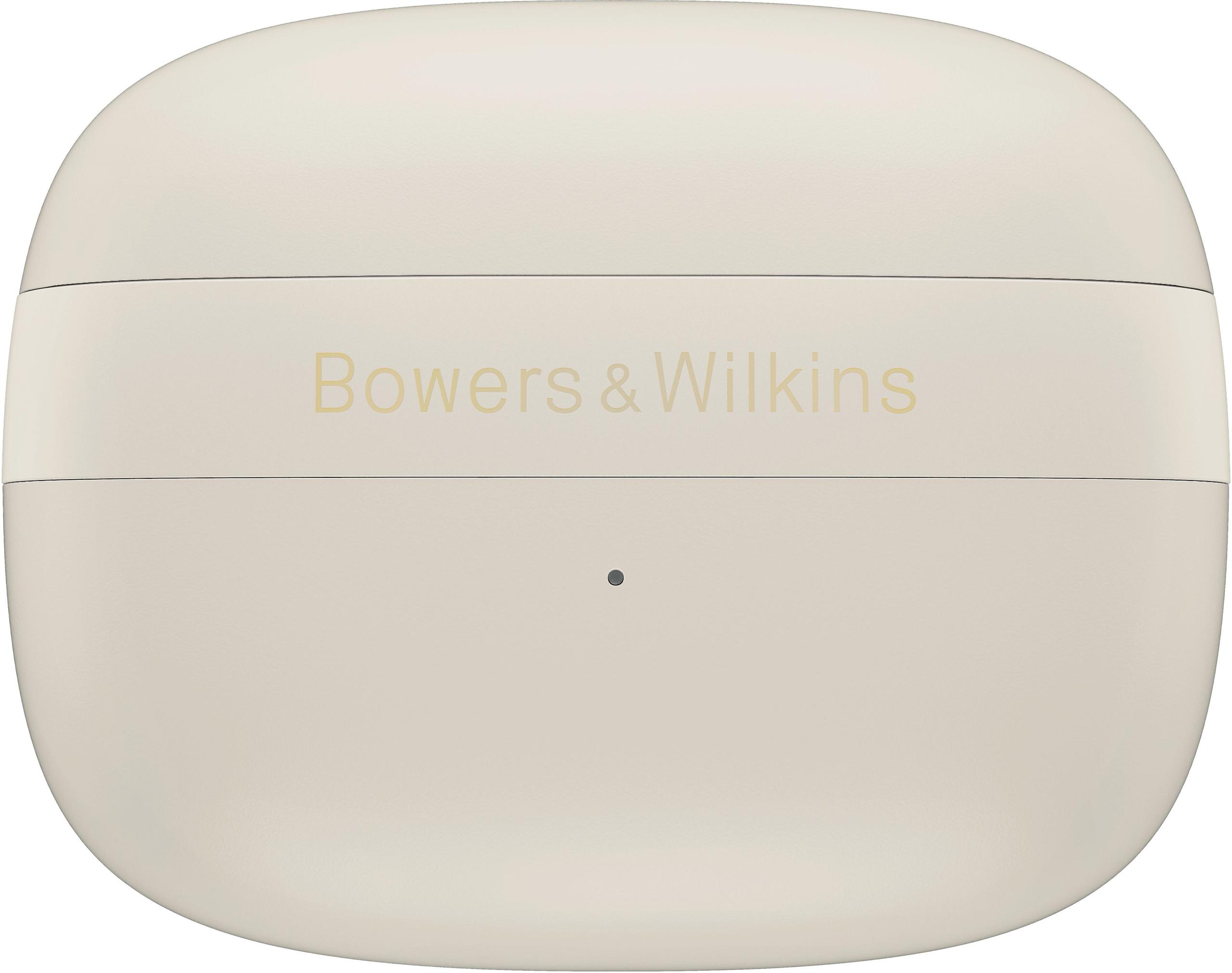
Here's where the Bowers & Wilkins Pi8 offers something no other premium earbud can match. The charging case itself can connect to audio sources using either a USB-C cable or a 3.5mm headphone jack. This means you can plug the case directly into an airplane entertainment system, a hotel TV, or any other device that doesn't support Bluetooth.
The case then transmits the audio wirelessly to your earbuds with remarkably low latency – around 150 milliseconds compared to 250ms when using the Technics AZ80 in low-latency mode. For video content, this difference is significant enough to eliminate the lip-sync issues that plague many wireless audio solutions.
This feature transforms the Pi8 for frequent travelers. Instead of carrying separate wired headphones for airplane entertainment systems, you can use your premium earbuds for everything.
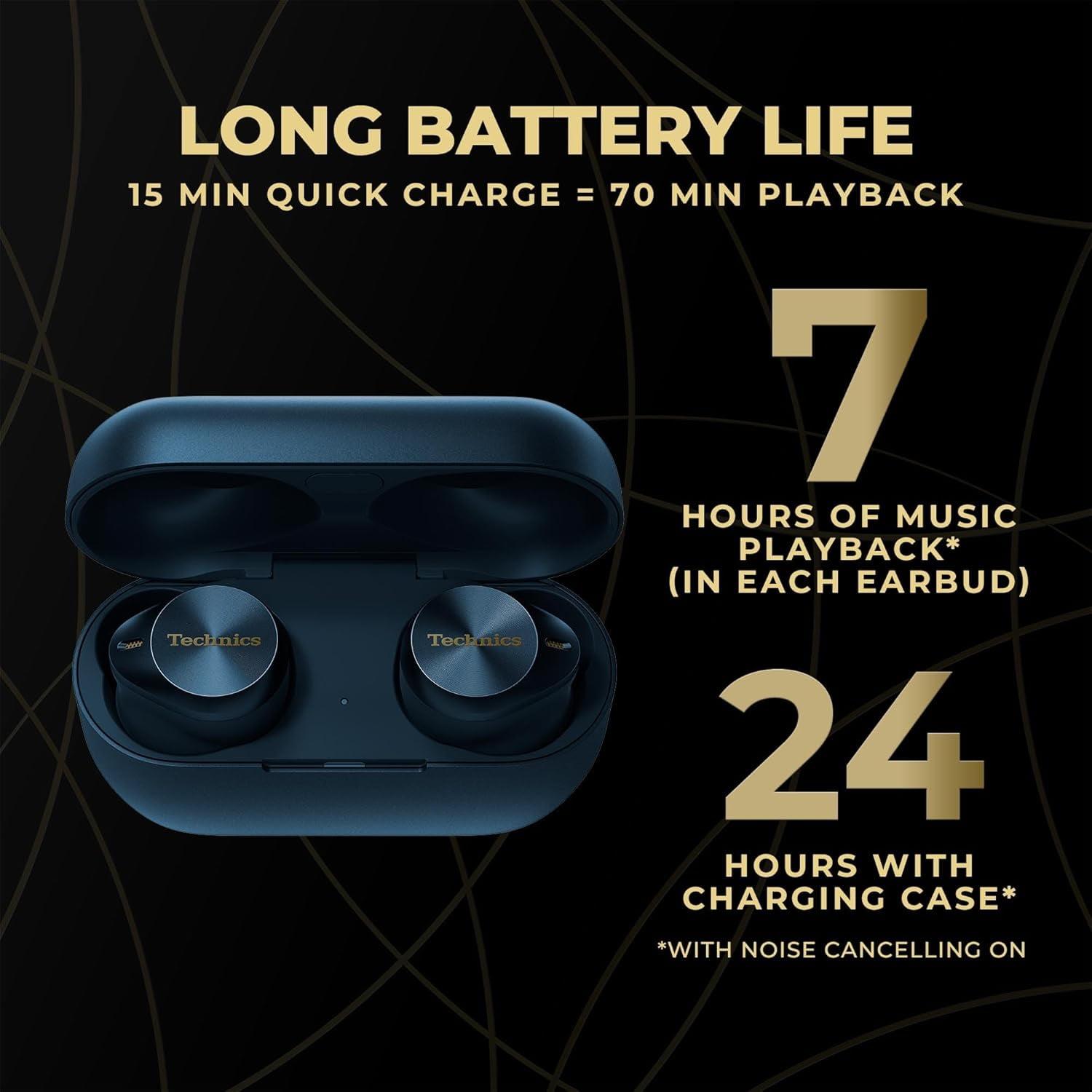
Both products offer solid battery performance, though with slightly different strengths. The Technics AZ80 provides about 7 hours of continuous listening with noise cancellation enabled, while the charging case extends this to 24 hours total. The Pi8 offers 6.5 hours from the earbuds themselves, with an additional 13.5 hours from the case.
The Pi8 includes faster charging capabilities – 15 minutes in the case provides about 2 hours of listening time. Both cases support wireless charging, which has become expected in this price category.
Comfort is highly personal, but there are some general observations worth noting. The Technics AZ80 tends to fit a wider range of ear shapes comfortably, with seven different ear tip sizes included to help achieve the proper seal necessary for both comfort and optimal sound quality.
The Pi8 has improved significantly from earlier Bowers & Wilkins earbud designs, but some users with larger ears still find the fit challenging even with the largest included tips. This is particularly frustrating given the premium price point.
Both products offer good build quality, though the Pi8 has a slight edge with its IP54 rating (protection against dust and water splashes) compared to the Technics AZ80's IPX4 rating (water splash protection only).
The companion apps for premium earbuds have become increasingly important, and here the Technics AZ80 demonstrates a significant advantage. The Technics Audio Connect app is intuitive, feature-rich, and reliable. You can easily customize EQ settings, adjust noise cancellation intensity, and manage multipoint connections.
The Bowers & Wilkins Music app, while improved from previous versions, still feels somewhat limited and occasionally buggy. Some users report issues where transparency mode (allowing outside sounds in) stops working, or where only one earbud provides voice prompts. For a premium product, these software reliability issues are disappointing.
While primarily designed for mobile use, both earbuds can serve as excellent late-night home theater solutions. The Pi8's case transmission feature makes it particularly well-suited for this application – you can connect directly to your TV or streaming device without worrying about Bluetooth compatibility or latency issues.
The Technics AZ80 works well for home theater use through standard Bluetooth connections, and their neutral sound signature reproduces movie soundtracks accurately without the excessive bass boost that some "entertainment-focused" headphones apply.
At the time of writing, the Technics AZ80 represents exceptional value in the premium wireless earbud market. They deliver flagship-level sound quality and features at a price point that's significantly more accessible than traditional premium options.
The Bowers & Wilkins Pi8 commands a substantial premium – roughly 60% more expensive than the Technics AZ80. This price difference is difficult to justify for most users, especially considering the Technics AZ80's advantages in overall user experience and reliability.
However, that premium does buy you some unique capabilities. The case transmission feature alone might justify the extra cost for frequent travelers, and the wider soundstage presentation appeals to specific listening preferences.
Choose the Technics AZ80 if:
Choose the Bowers & Wilkins Pi8 if:
Both the Technics AZ80 and Bowers & Wilkins Pi8 represent excellent examples of how far wireless earbud technology has advanced since 2024. They're both capable of delivering truly premium audio experiences that would have been unimaginable in such small packages just a few years ago.
However, the Technics AZ80 emerges as the better overall choice for most premium earbud buyers. They offer flagship-level performance, superior connectivity features, better software experience, and exceptional value. The neutral sound signature works well across all music types, making them versatile daily drivers.
The Pi8 serves specific niches exceptionally well – particularly for travelers who can take advantage of the case transmission feature or listeners who prioritize maximum soundstage width. However, the significant price premium is difficult to justify given the Technics AZ80's advantages in most practical scenarios.
Ultimately, both products demonstrate that premium wireless earbuds have reached a level of sophistication that can satisfy even demanding audiophiles. The choice between them comes down to your specific priorities, use cases, and budget considerations.
| Technics AZ80 Premium Hi-Fi True Wireless Noise Cancelling Earbuds | Bowers & Wilkins Pi8 True Wireless Earbuds |
|---|---|
| Sound Signature - Determines how music will sound to your ears | |
| Neutral, reference-quality tuning for accuracy across all genres | Brighter, more musical with enhanced soundstage width |
| Driver Technology - The tiny speakers that create the sound | |
| 10mm dynamic drivers with aluminum alloy diaphragm | 12mm Carbon Cone drivers adapted from premium over-ear headphones |
| Noise Cancellation - Critical for commuting and focus | |
| Dual Hybrid ANC with natural sound preservation | Adaptive ANC but can artificially amplify higher frequencies |
| Bluetooth Version - Affects connection stability and features | |
| Bluetooth 5.3 with superior stability and range | Bluetooth 5.4 with latest connectivity standards |
| Multipoint Connectivity - Connect multiple devices simultaneously | |
| 3 devices (phone, laptop, tablet all at once) | 2 devices (standard multipoint capability) |
| Audio Codec Support - Determines wireless sound quality | |
| LDAC, AAC, SBC for high-resolution streaming | aptX Lossless, aptX Adaptive, AAC, SBC |
| Unique Features - Standout capabilities that differentiate the products | |
| Superior app experience, 3-device multipoint, exceptional treble accuracy | Case transmission technology (connect case to any audio source via cable) |
| Battery Life - Total listening time before needing to charge | |
| 7 hours (earbuds) + 24 hours total with case | 6.5 hours (earbuds) + 20 hours total with case |
| Water Resistance - Protection against sweat and light rain | |
| IPX4 (splash resistant, good for workouts) | IP54 (dust and splash resistant, better protection) |
| Comfort and Fit - Critical for extended listening sessions | |
| 7 ear tip sizes, universally comfortable design | 4 ear tip sizes, improved but can be challenging for larger ears |
| Software Experience - App quality affects daily usability | |
| Excellent app with comprehensive features and reliability | Limited app functionality with occasional bugs |
| Value Proposition - Performance relative to cost | |
| Exceptional value with flagship features at accessible pricing | Premium pricing justified mainly by unique case transmission feature |
The Technics AZ80 delivers more accurate, neutral sound that reproduces music exactly as recorded, making it excellent across all genres. The Bowers & Wilkins Pi8 offers a brighter, more musical sound with wider soundstage that's particularly engaging for orchestral and acoustic music. For reference-quality listening, the Technics AZ80 is superior, while the Pi8 provides a more "enhanced" listening experience.
The Technics AZ80 has superior noise cancellation with more consistent performance that effectively reduces ambient noise without affecting sound quality. The Bowers & Wilkins Pi8 can achieve deeper noise reduction in some scenarios but sometimes creates artificial amplification of higher frequencies, making the Technics AZ80 the better choice for reliable noise cancellation.
The Technics AZ80 supports connection to 3 devices simultaneously (phone, laptop, and tablet), while the Bowers & Wilkins Pi8 only connects to 2 devices at once. This makes the Technics AZ80 significantly better for users who need to switch between multiple devices throughout the day.
The Technics AZ80 provides 7 hours of listening with ANC on and 24 hours total with the charging case. The Bowers & Wilkins Pi8 offers 6.5 hours from the earbuds and 20 hours total with the case. The Pi8 includes faster charging with 2 hours of playback from a 15-minute charge.
The Technics AZ80 tends to be more universally comfortable with 7 different ear tip sizes included and a design that fits a wider range of ear shapes. The Bowers & Wilkins Pi8 has improved comfort from previous generations but can still be challenging for users with larger ears, despite including 4 ear tip sizes.
The Technics AZ80 features JustMyVoice technology with 8 MEMS microphones for clear call quality, though it doesn't always live up to claims in very noisy environments. The Bowers & Wilkins Pi8 uses 3 microphones per earbud for enhanced call quality. Both perform adequately for calls, with the Technics AZ80 having a slight edge in reliability.
Both the Technics AZ80 and Bowers & Wilkins Pi8 work well for home entertainment. The Pi8 has a unique advantage with its case transmission feature, allowing direct connection to TVs or streaming devices via cable with only 150ms latency. The Technics AZ80 works through standard Bluetooth with slightly higher latency but excellent sound quality for movie soundtracks.
The Technics AZ80 stands out with 3-device multipoint connectivity, LDAC codec support, and exceptional treble accuracy. The Bowers & Wilkins Pi8 offers unique case transmission technology that lets you connect the charging case to any audio source via USB-C or 3.5mm cable, making it ideal for airplane entertainment systems and hotel TVs.
The Technics AZ80 has a significantly better app experience with comprehensive features, reliable performance, and intuitive controls. The Bowers & Wilkins Pi8 app is more limited with occasional bugs, including issues where transparency mode stops working or only one earbud provides prompts, making the Technics AZ80 the clear winner for software experience.
The Technics AZ80 has an IPX4 rating for splash resistance, making it suitable for workouts and light rain. The Bowers & Wilkins Pi8 offers better protection with an IP54 rating against both dust and water. However, the Technics AZ80 may be more comfortable for extended workout sessions due to its better fit consistency.
The Technics AZ80 offers exceptional value with flagship-level sound quality and features at a more accessible price point. The Bowers & Wilkins Pi8 commands a significant premium that's difficult to justify for most users, though the unique case transmission feature may be worth it for frequent travelers who need that specific capability.
Choose the Technics AZ80 if you want accurate sound quality, reliable performance, superior connectivity features, and excellent value. Choose the Bowers & Wilkins Pi8 if you prioritize wide soundstage presentation, need the case transmission feature for travel, or prefer a brighter sound signature and don't mind paying a premium for these specific benefits.
We've done our best to create useful and informative comparisons to help you decide what product to buy. Our research uses advanced automated methods to create this comparison and perfection is not possible - please contact us for corrections or questions. These are the sites we've researched in the creation of this article: stereonet.com - us.technics.com - us.technics.com - rtings.com - head-fi.org - bestbuy.com - soundguys.com - head-fi.org - youtube.com - loudnwireless.com - youtube.com - cnet.com - technics.com - technics.com - bestbuy.com - target.com - us.technics.com - technics.com - youtube.com - head-fi.org - nnty.fun - us.technics.com - bhphotovideo.com - bestbuy.com - us.technics.com - audiosciencereview.com - youtube.com - head-fi.org - head-fi.org - jbhifi.com.au - techradar.com - bowerswilkins.com - youtube.com - bestbuy.com - whathifi.com - audioholics.com - crutchfield.com - whathifi.com - audio46.com - rtings.com - audioadvice.com - engadget.com - youtube.com - audio46.com - audiograde.uk - youtube.com - techwelike.com - youtube.com - audioadvice.com - soundguys.com - bestbuy.com - bowerswilkins.com - headphones.com - bowerswilkins.com - bowerswilkins.com - audio46.com - youtube.com - shop.womenshealthmag.com - head-fi.org - youtube.com - youtube.com - bowerswilkins.cn - bowerswilkins.com - audio46.com - bowerswilkins.com

Privacy Policy
Terms and Conditions - Affiliate Policy
Home Security
© Copyright 2008-2026.
11816 Inwood Rd #1211, Dallas, TX 75244