


When shopping for premium noise-cancelling earbuds in 2024, you'll quickly discover that the market has evolved into two distinct camps: traditional audiophile-focused designs and mainstream convenience-oriented options. The Technics AZ80 and Apple AirPods 4 ANC represent these philosophies perfectly, each taking radically different approaches to solving the same core challenge—delivering exceptional wireless audio while canceling unwanted noise.
I've spent considerable time with both models, and what strikes me most is how they succeed in completely different ways. The Technics AZ80 feels like it was designed by audio engineers for audio engineers, while the Apple AirPods 4 ANC feels like it was crafted by user experience designers who happen to care deeply about sound quality. Both approaches have merit, but understanding these fundamental differences is crucial for making the right choice.
Before diving into specifics, it's worth understanding what we expect from premium wireless earbuds in 2024. These aren't just tiny speakers for your ears anymore—they're sophisticated computers that happen to play music. Modern premium earbuds must excel across multiple dimensions: audio fidelity (how accurately they reproduce sound), noise cancellation effectiveness, battery life, connectivity reliability, and increasingly, intelligent features like spatial audio and adaptive sound processing.
The challenge manufacturers face is that improving one area often compromises another. Better noise cancellation typically requires more battery power. Longer battery life usually means larger cases. Premium audio drivers need more space, affecting comfort. The Technics AZ80 and Apple AirPods 4 ANC make notably different compromises in these trade-offs.
The most immediately obvious difference between these earbuds lies in their fundamental design approach, and this single decision influences everything else about how they perform.
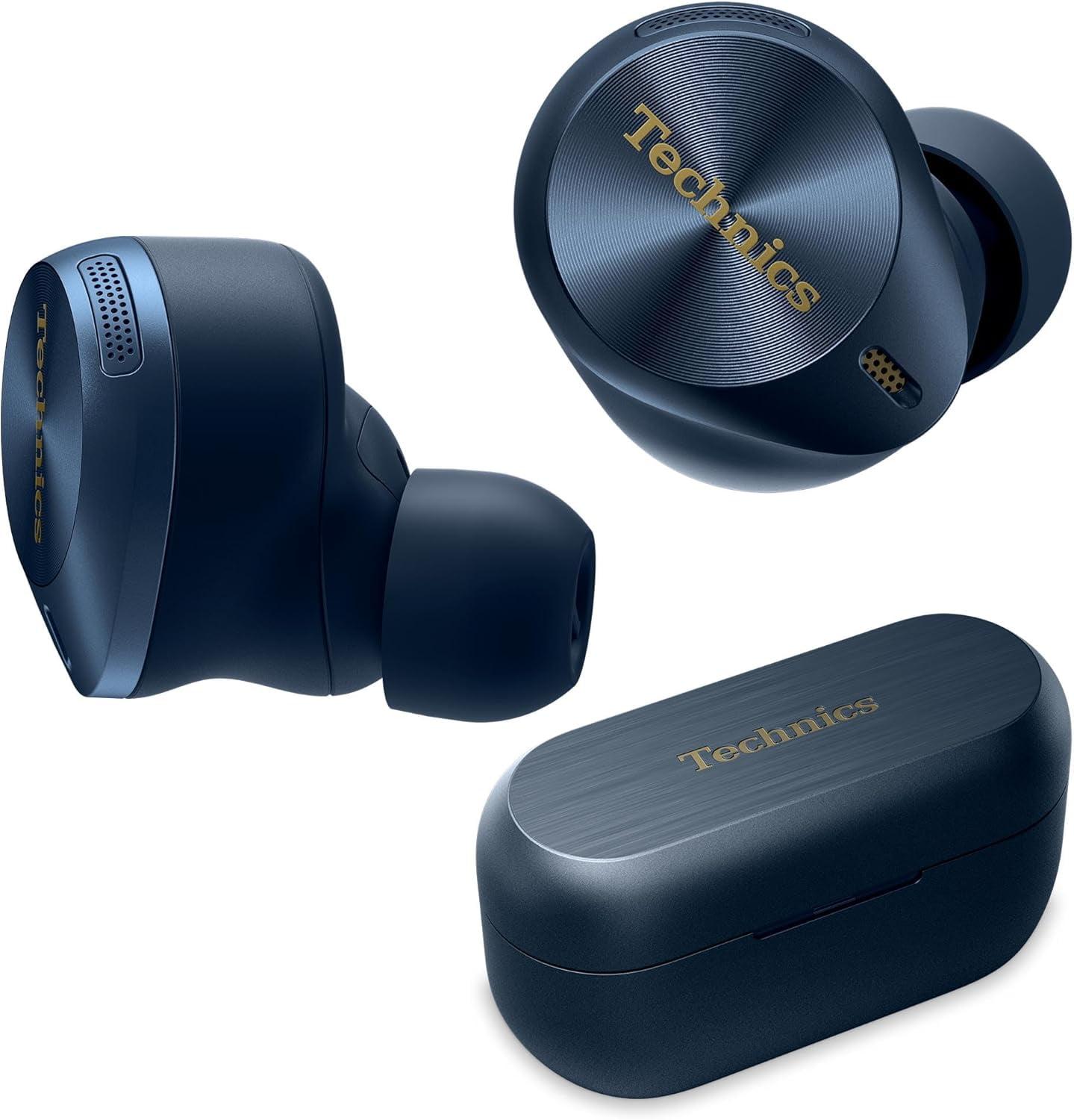
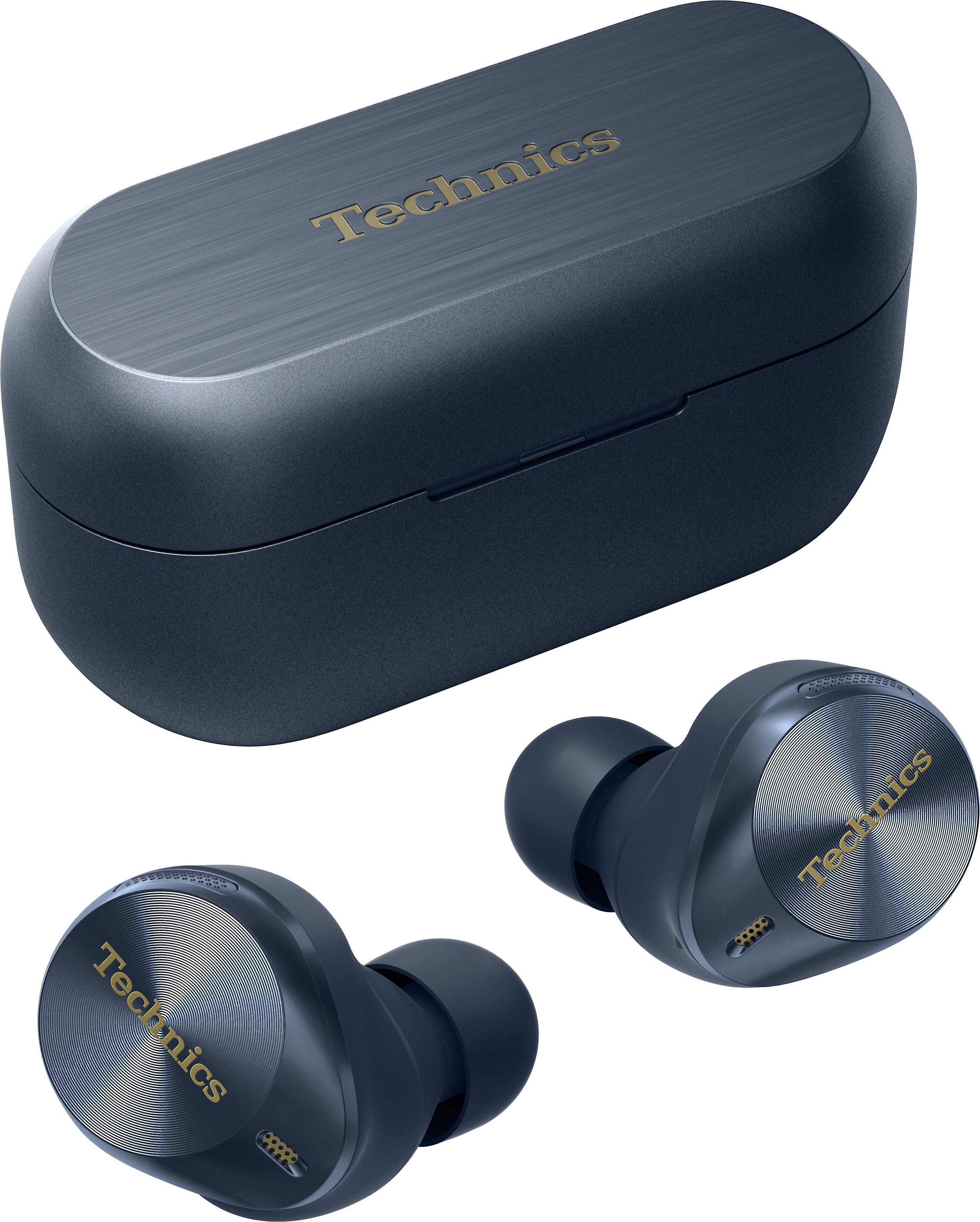
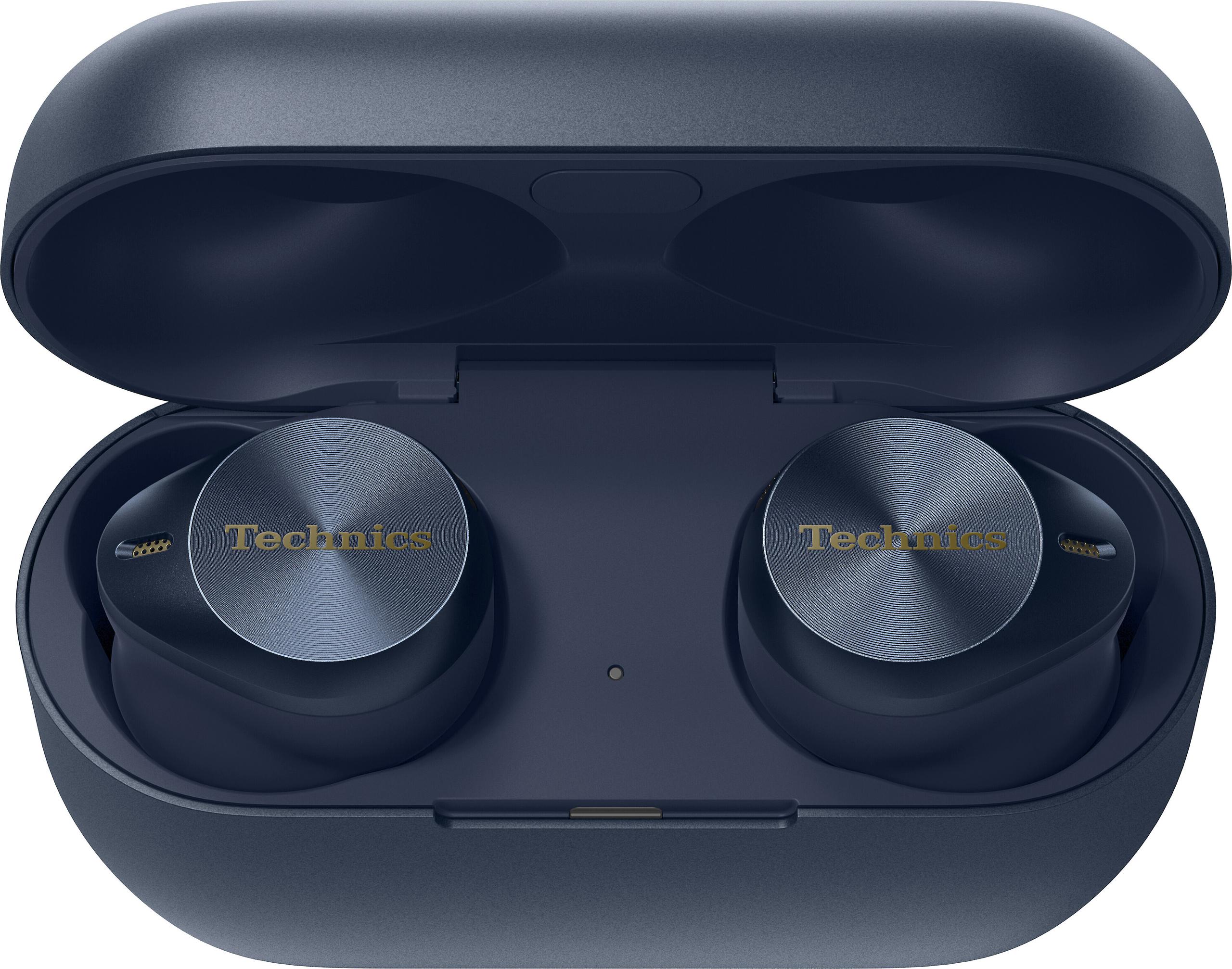
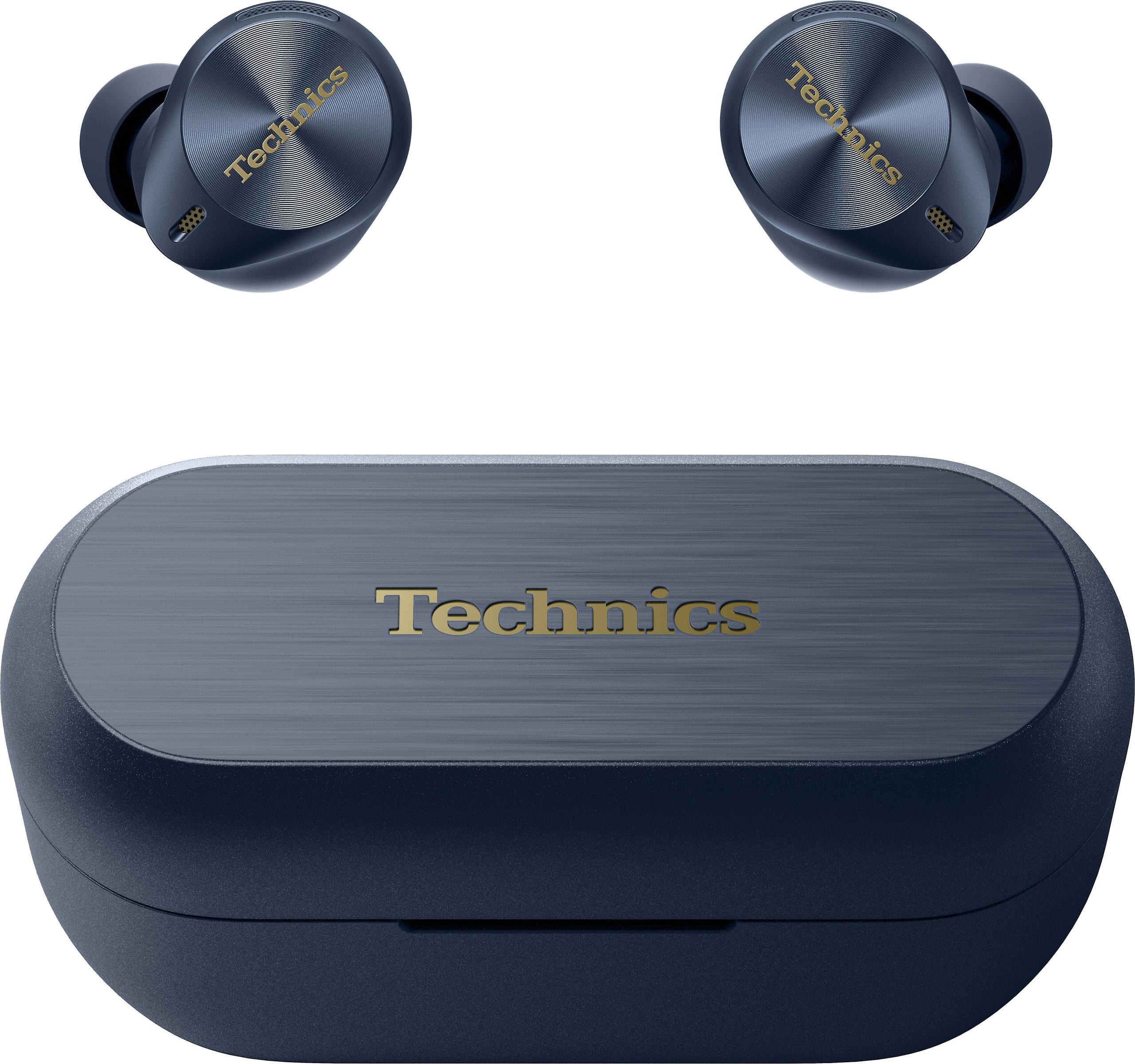
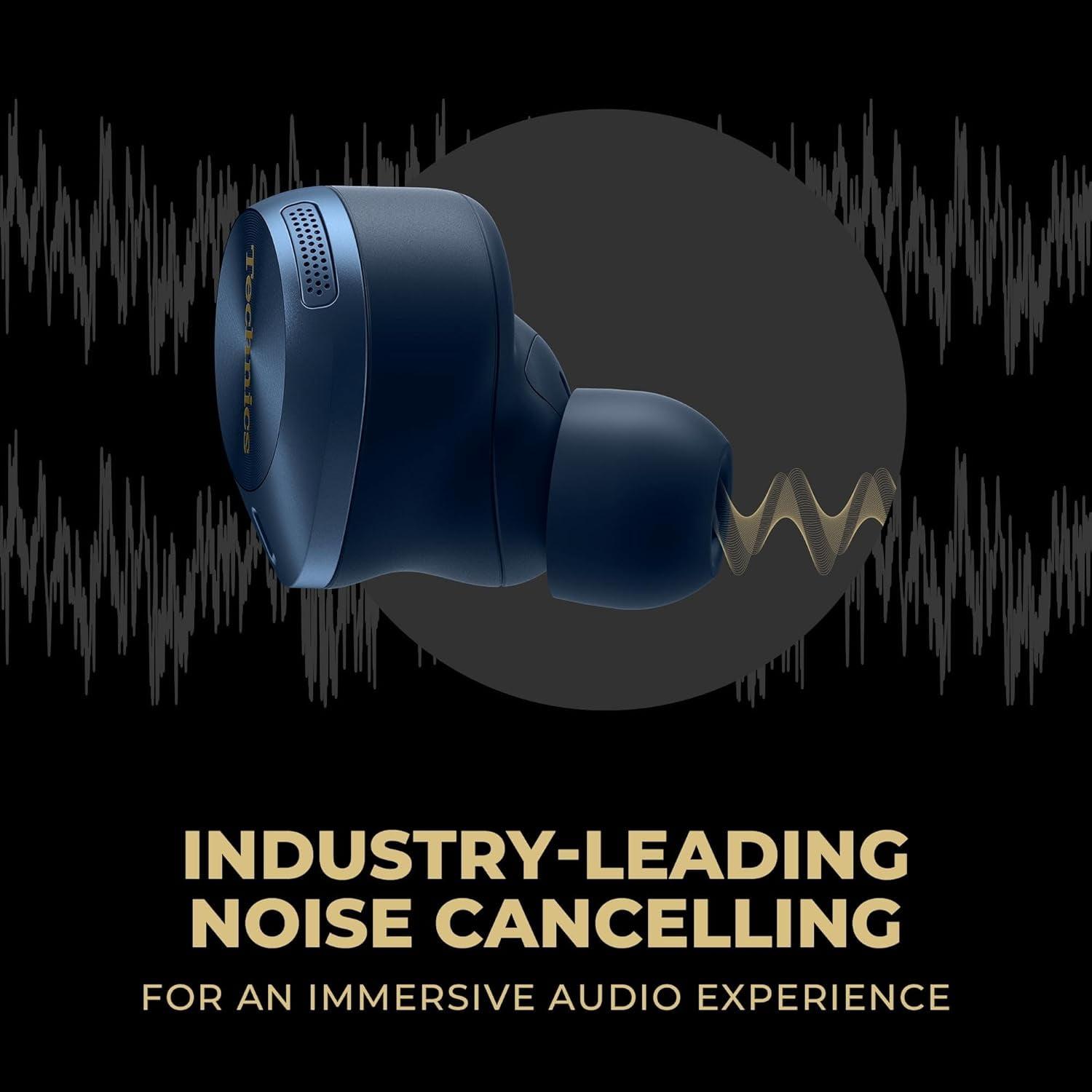
The Technics AZ80 follows the traditional in-ear monitor (IEM) design that audio professionals have trusted for decades. These earbuds come with seven different sizes of silicone ear tips, creating what's called a "passive seal" when properly fitted. Think of it like a cork in a wine bottle—the physical barrier blocks external noise before your ears even process it. This approach has been refined over decades in professional audio, and there's a reason recording artists and sound engineers prefer it during live performances.
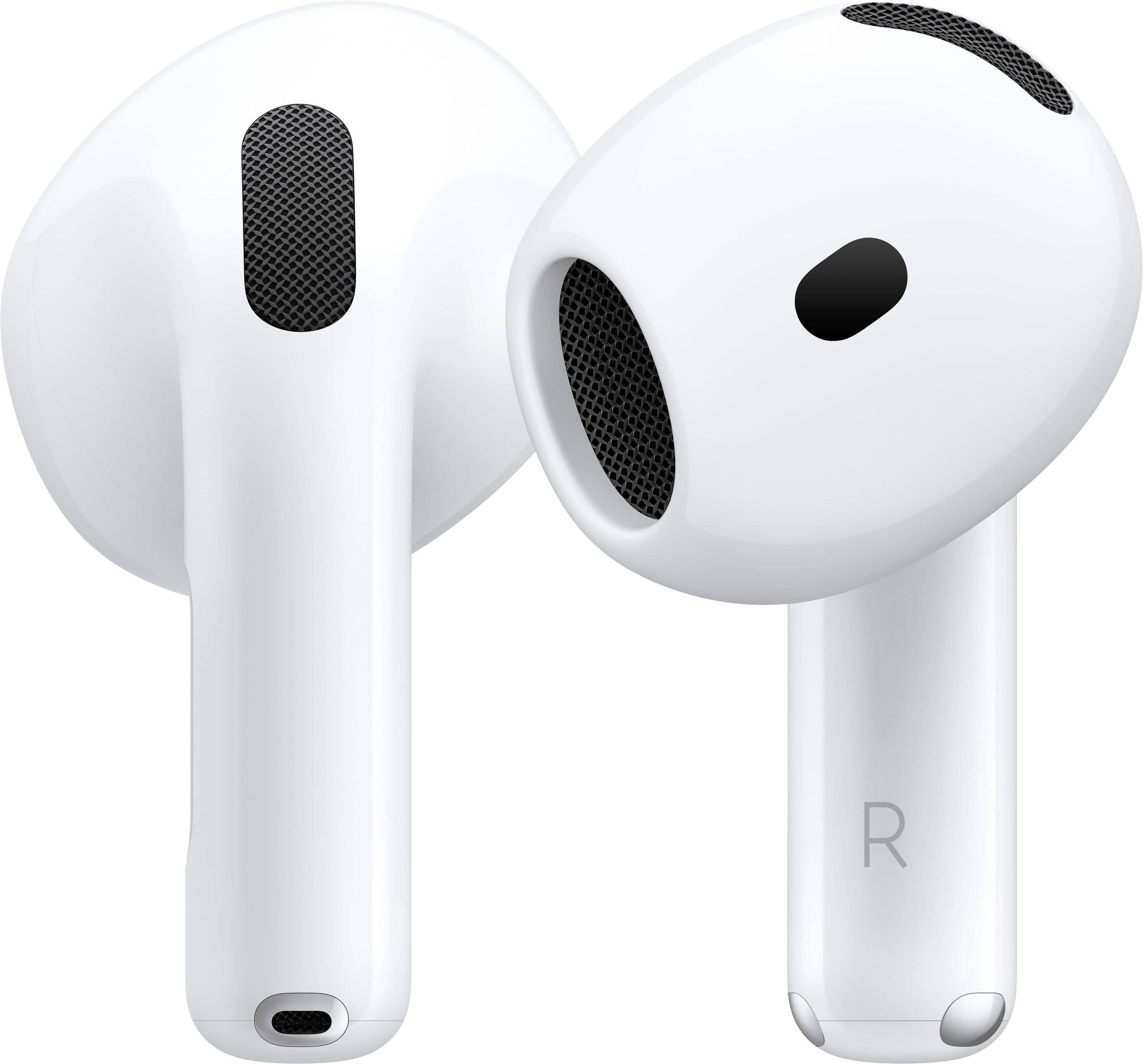
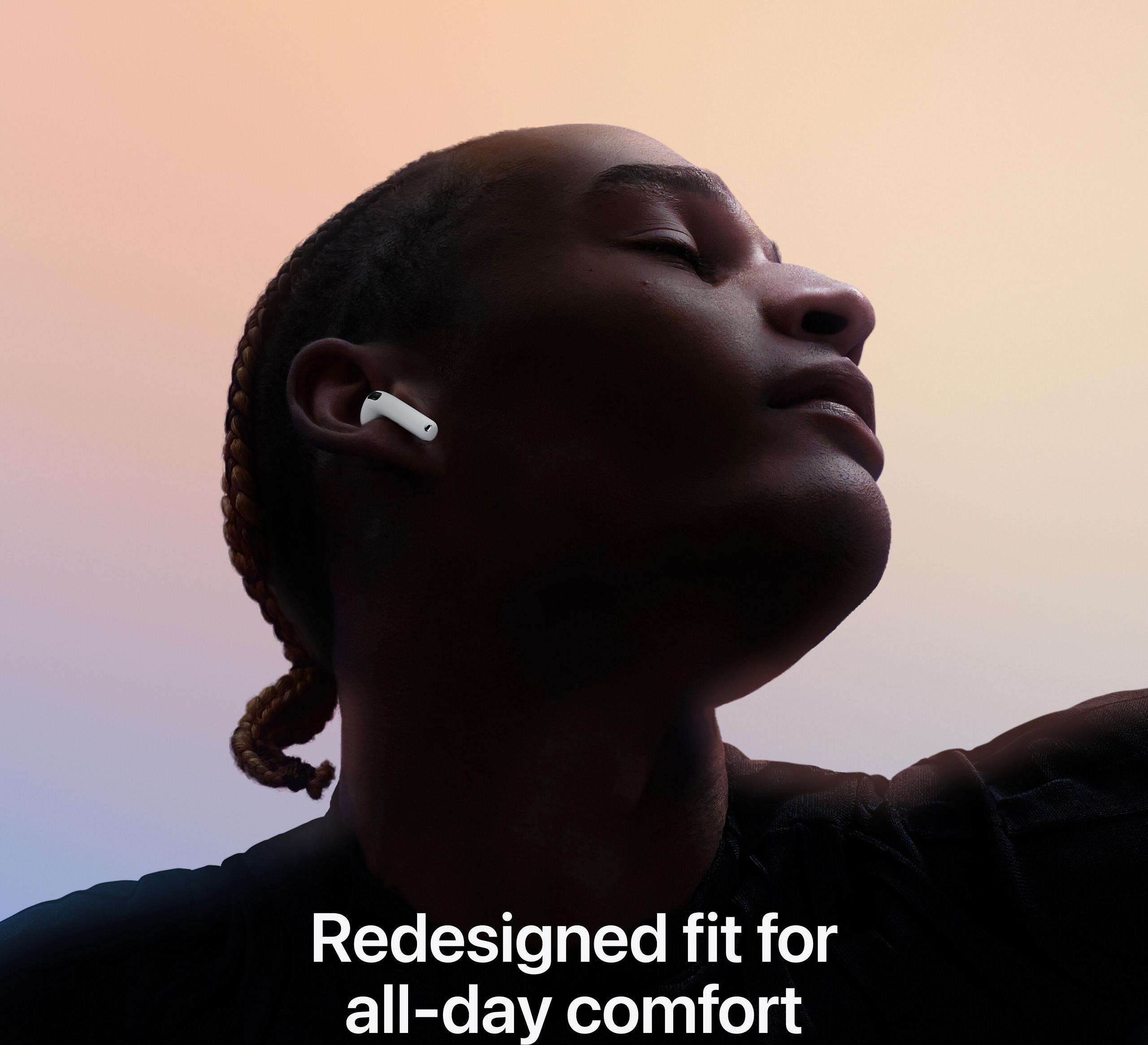
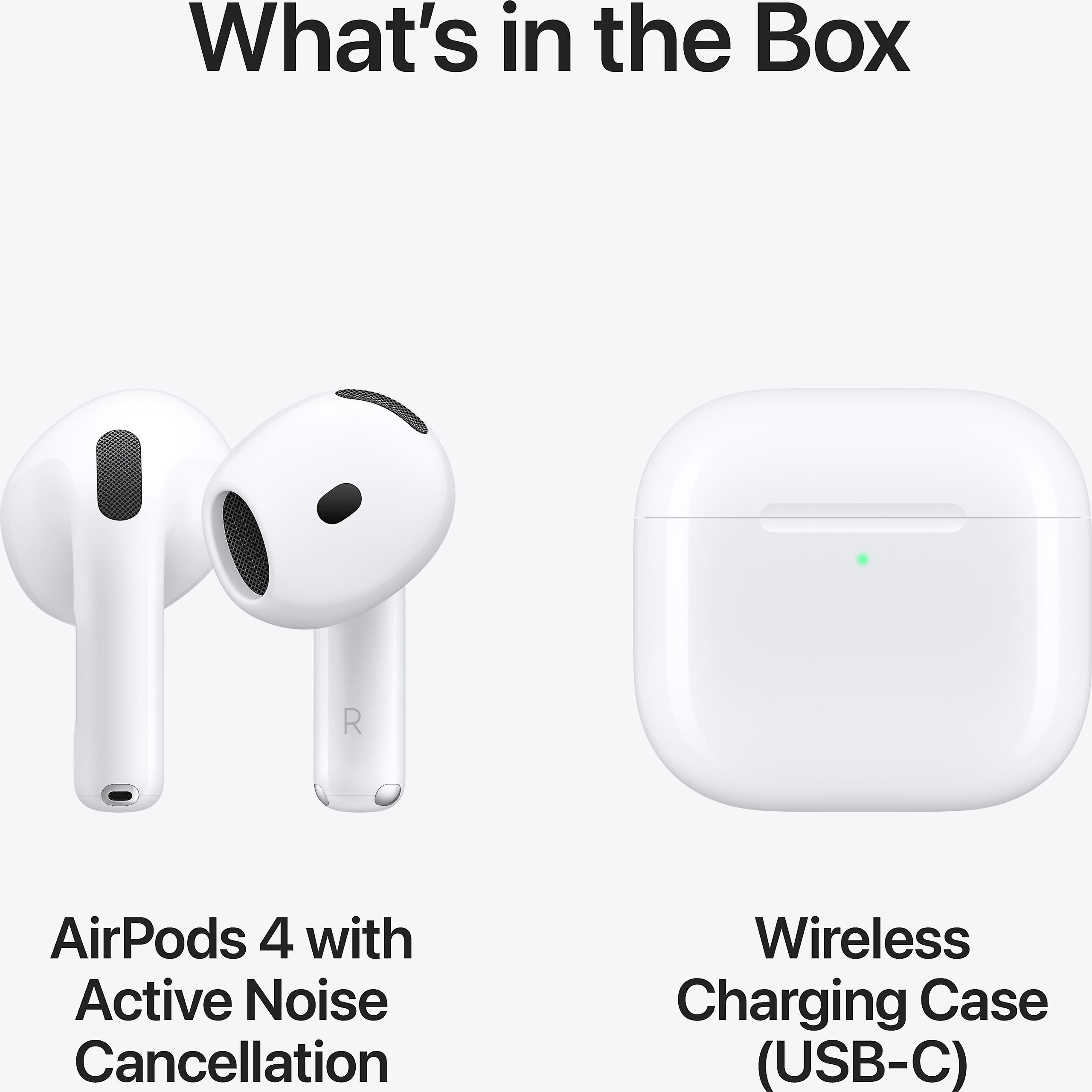
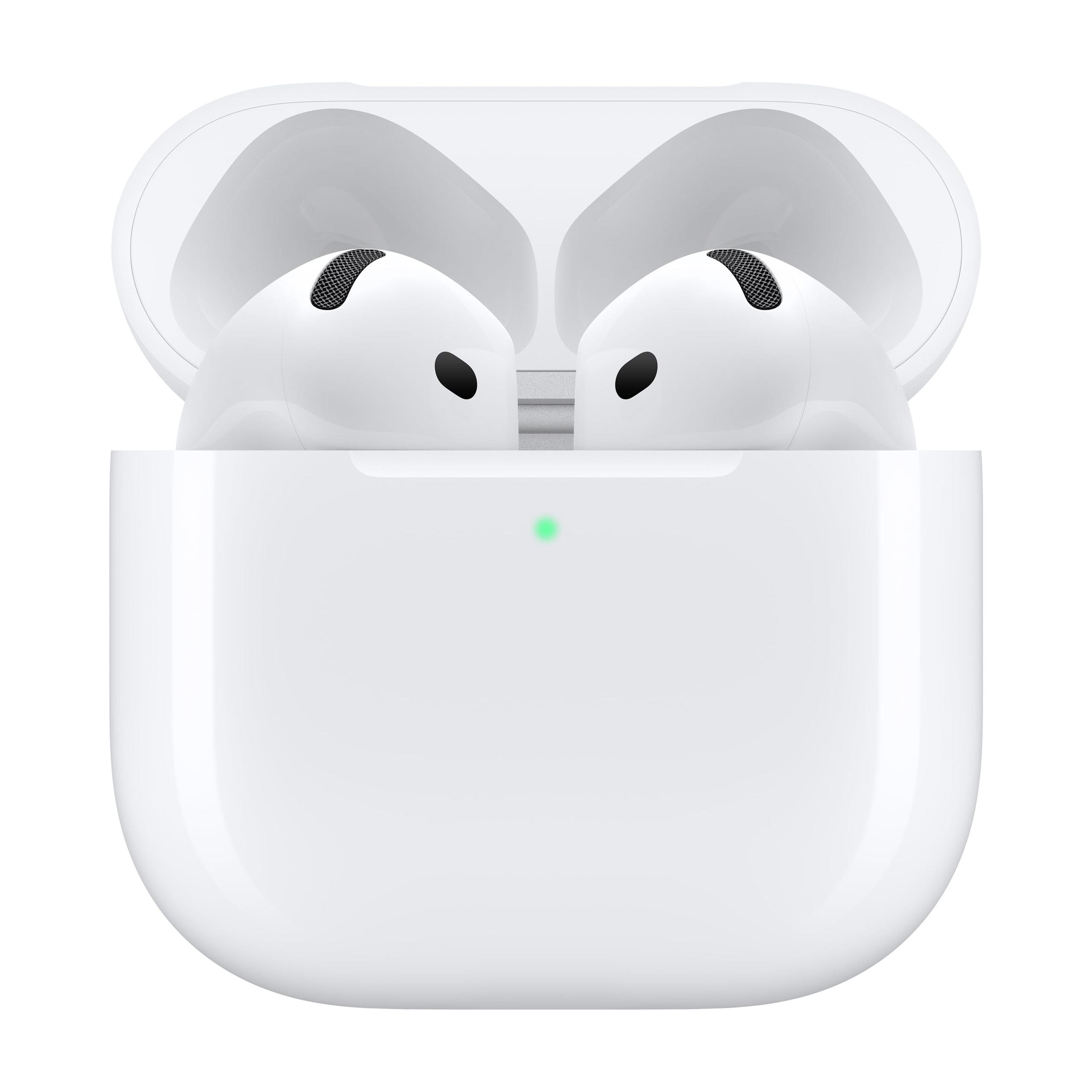
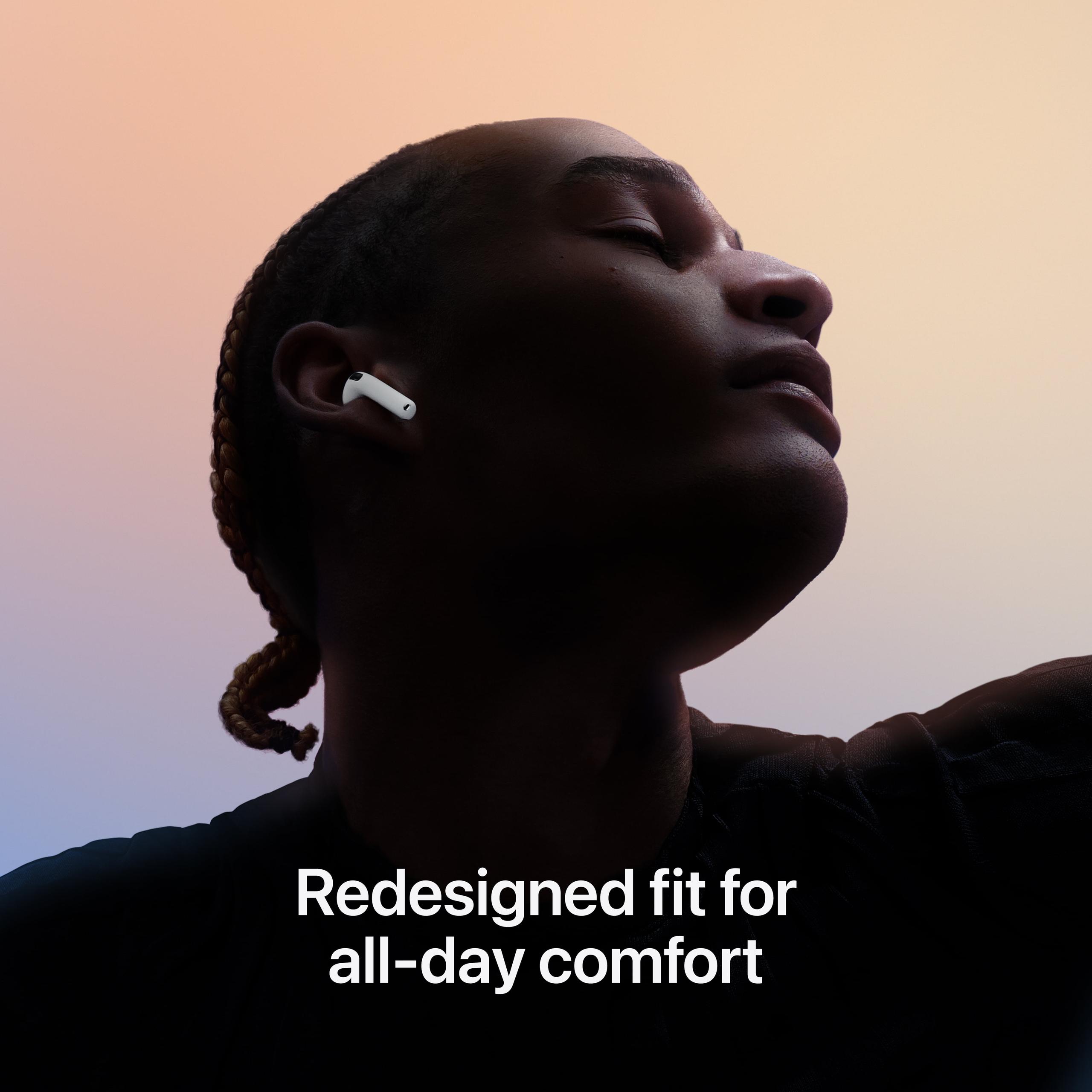
In contrast, the Apple AirPods 4 ANC maintains Apple's signature open-ear design, which was considered revolutionary when first introduced with the original AirPods in 2016. Instead of blocking your ear canal, these earbuds sit in your outer ear, leaving the canal partially open. Apple was the first company to make active noise cancellation work effectively in this open design—a technical achievement that seemed impossible just a few years ago.
Both earbuds weigh identical 4.3 grams per side, but they feel completely different when worn. The Technics AZ80 provides that secure, isolated feeling familiar to anyone who's used quality headphones in a recording studio. The Apple AirPods 4 ANC feels more like you're wearing tiny speakers that happen to be very close to your ears. Neither approach is inherently better—they serve different needs and preferences.
Here's where things get technically interesting, and where the biggest performance differences emerge between these two models.
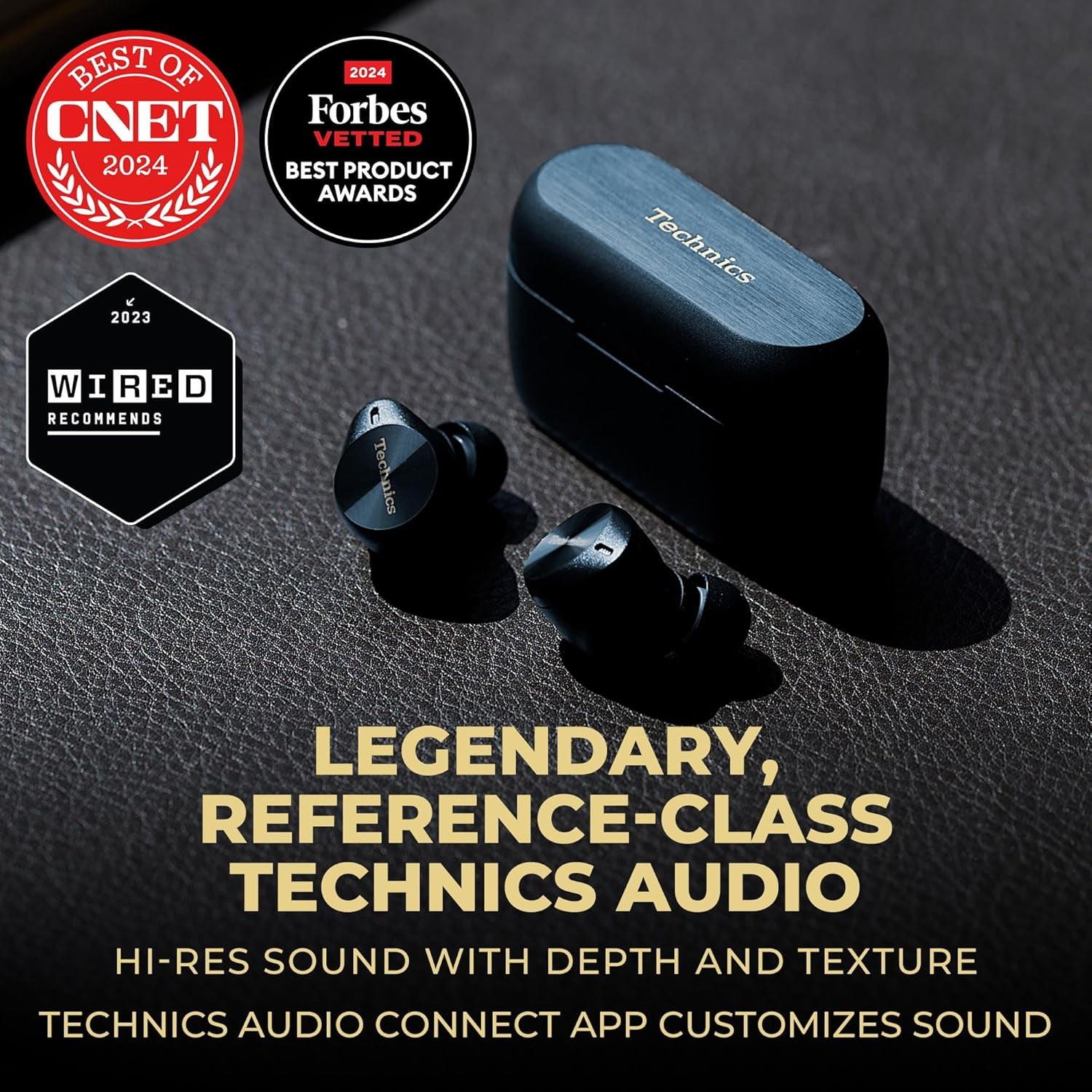
The Technics AZ80 uses 10mm "free-edge aluminum alloy diaphragm drivers"—a fancy way of saying the part that actually creates sound waves is made from lightweight aluminum and designed to move more freely than typical plastic drivers. More importantly, these drivers can reproduce frequencies from 20Hz all the way up to 40,000Hz. To put that in perspective, human hearing typically tops out around 20,000Hz, so the Technics AZ80 is reproducing sounds you can't even consciously hear but that contribute to the overall sense of space and realism in music.
This extended frequency response ties into the earbuds' support for LDAC, a wireless audio codec (compression format) developed by Sony that can transmit much more audio data than standard Bluetooth. While regular Bluetooth audio typically sends around 320 kilobits per second, LDAC can push up to 990 kbps—roughly three times more information. The practical result is that high-resolution audio files, particularly classical music, jazz, and acoustic recordings, sound noticeably more detailed and spacious through the Technics AZ80.
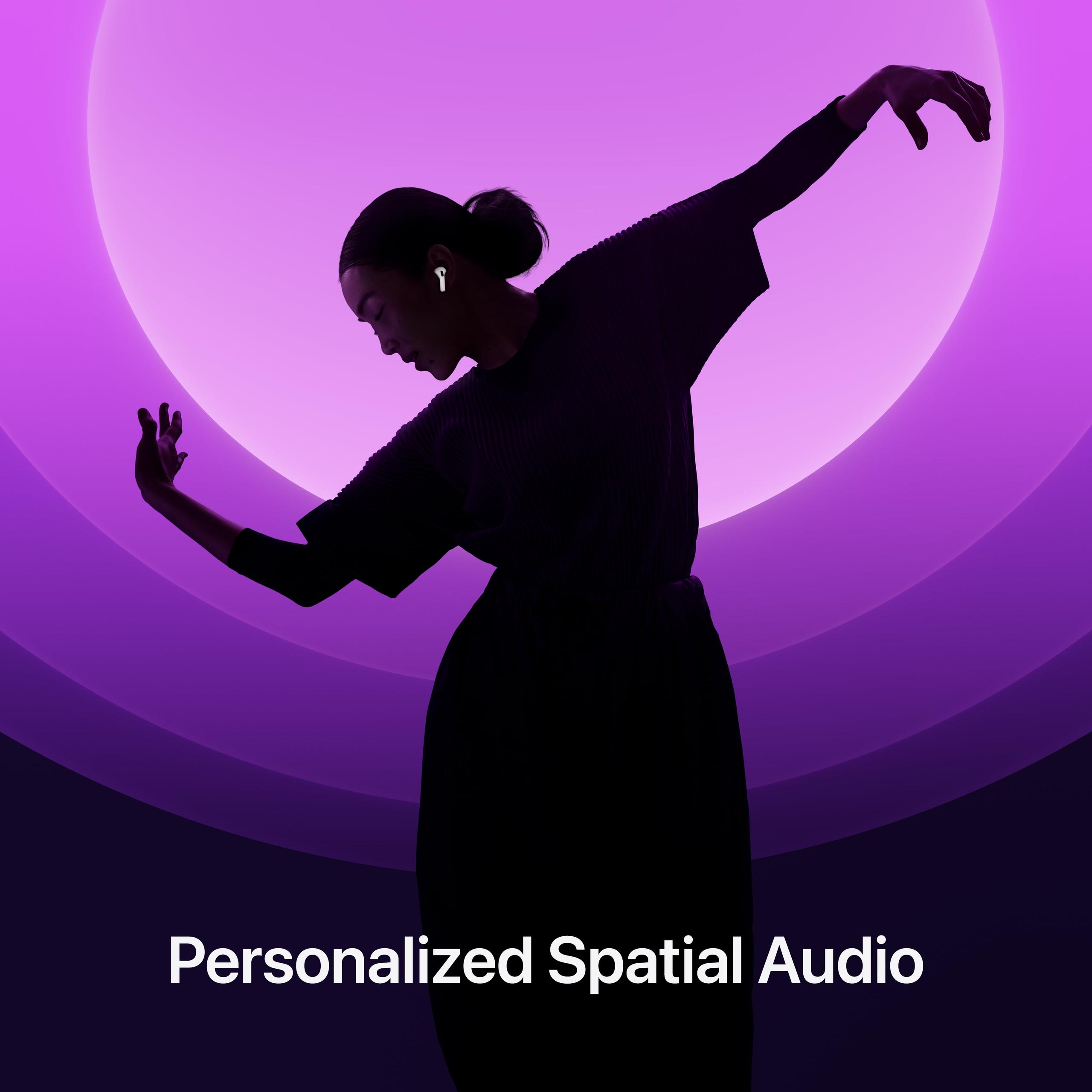
The Apple AirPods 4 ANC takes a completely different approach, focusing on computational audio rather than raw specification numbers. The custom drivers are powered by Apple's H2 chip, which processes audio in real-time to optimize sound based on your specific ear shape, the ambient environment, and even the content you're listening to. Features like Adaptive EQ automatically adjust frequency response based on how the earbuds fit in your ears, while Personalized Spatial Audio creates a three-dimensional soundstage that moves with your head.
In my testing, the differences are immediately apparent. Classical music and acoustic jazz reveal more subtle details through the Technics AZ80—you can hear the wood resonance in a piano or the breath sounds between violin notes. But the Apple AirPods 4 ANC excels with modern pop, electronic music, and movie soundtracks, where the computational processing creates an almost surreal sense of space and movement.
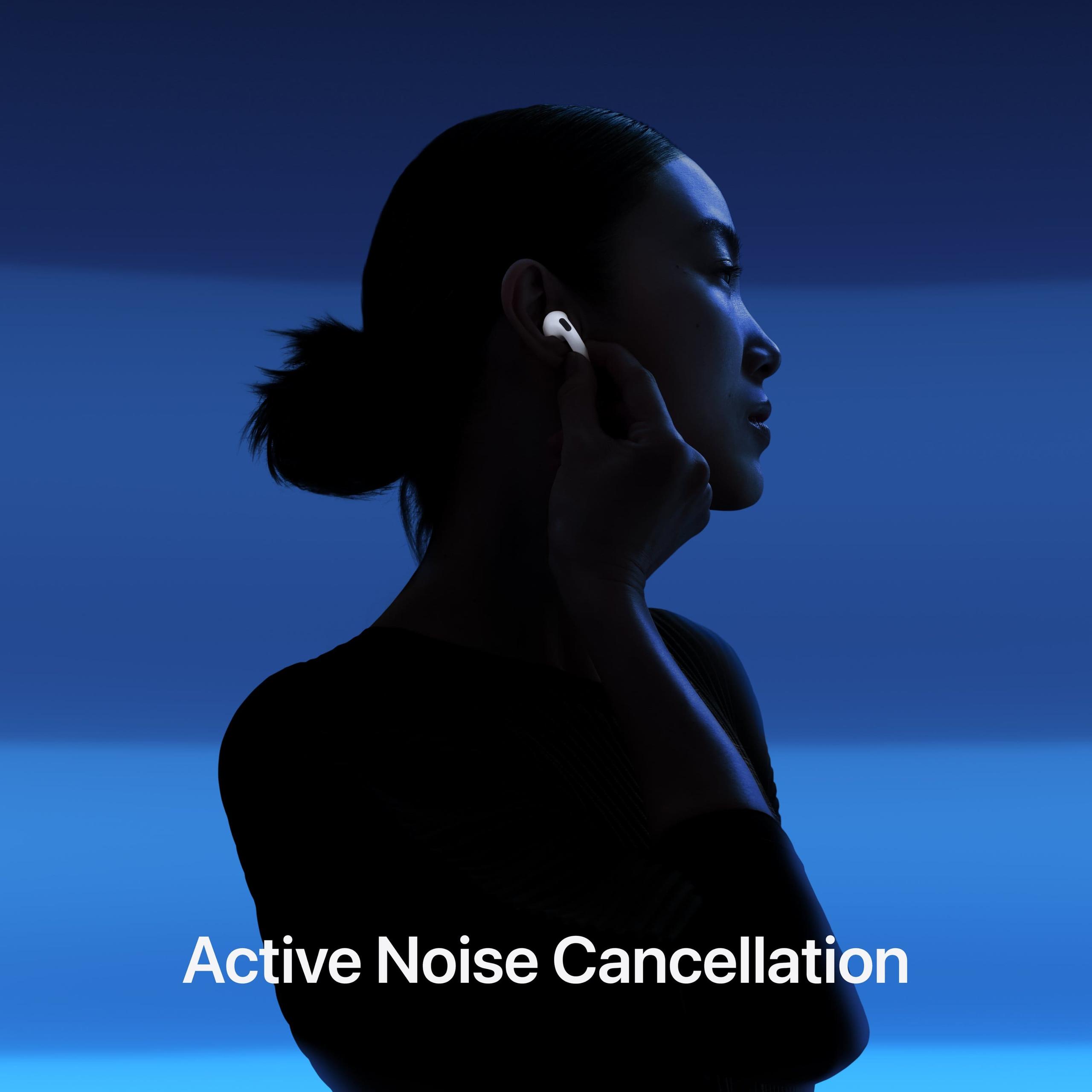
Noise cancellation represents one of the most technically complex aspects of modern earbuds, and these two models demonstrate entirely different engineering philosophies.
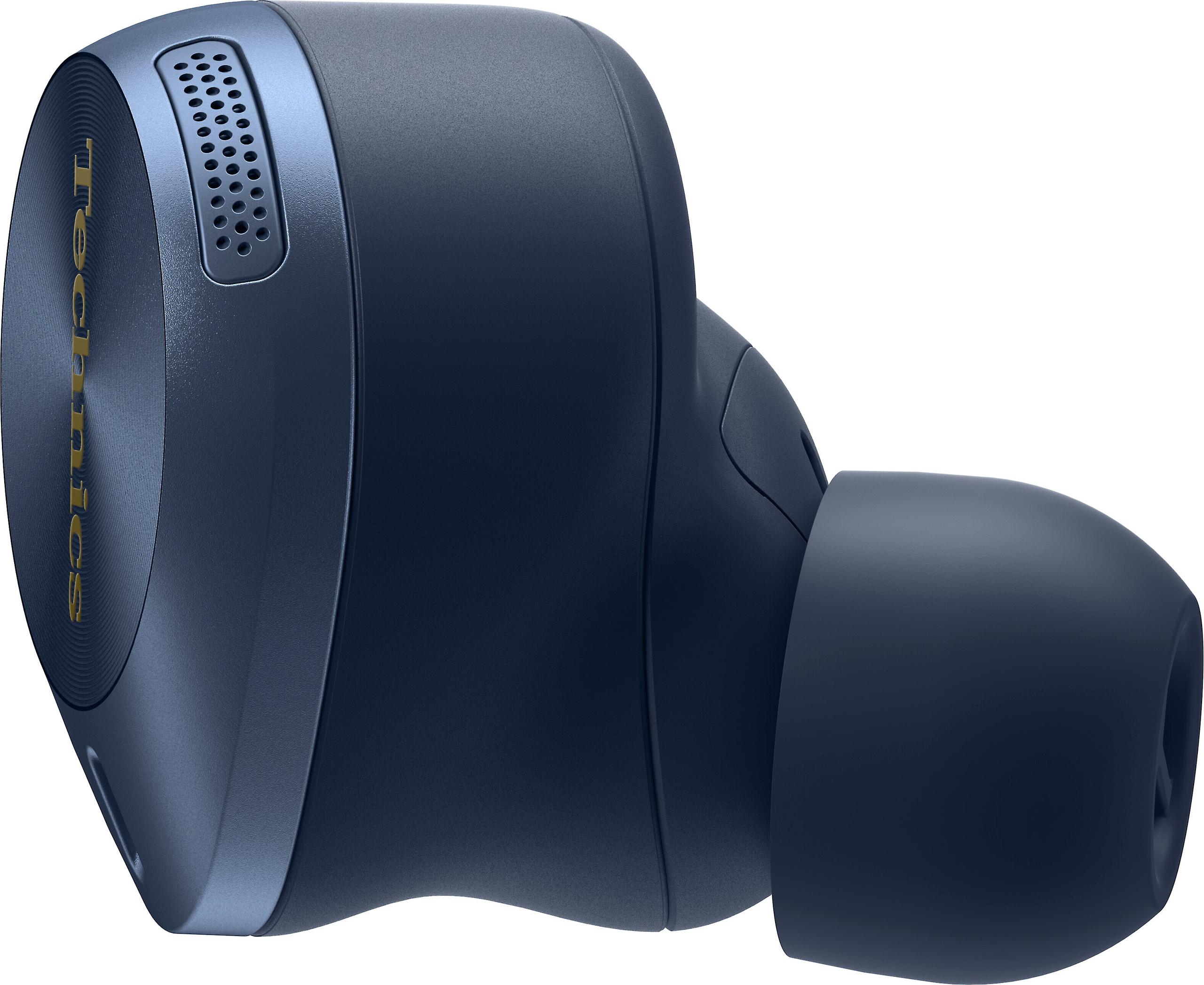
The Technics AZ80 employs what's called "Dual Hybrid Active Noise Cancelling," using both "feedforward" microphones (facing outward to detect incoming noise) and "feedback" microphones (facing inward to monitor what actually reaches your ear). But crucially, this active cancellation works in combination with the passive noise isolation created by the silicone ear tips. This dual approach is remarkably effective—the physical seal blocks high-frequency noise like conversation and keyboard clicking, while the active system tackles low-frequency rumble from engines, air conditioning, and traffic.
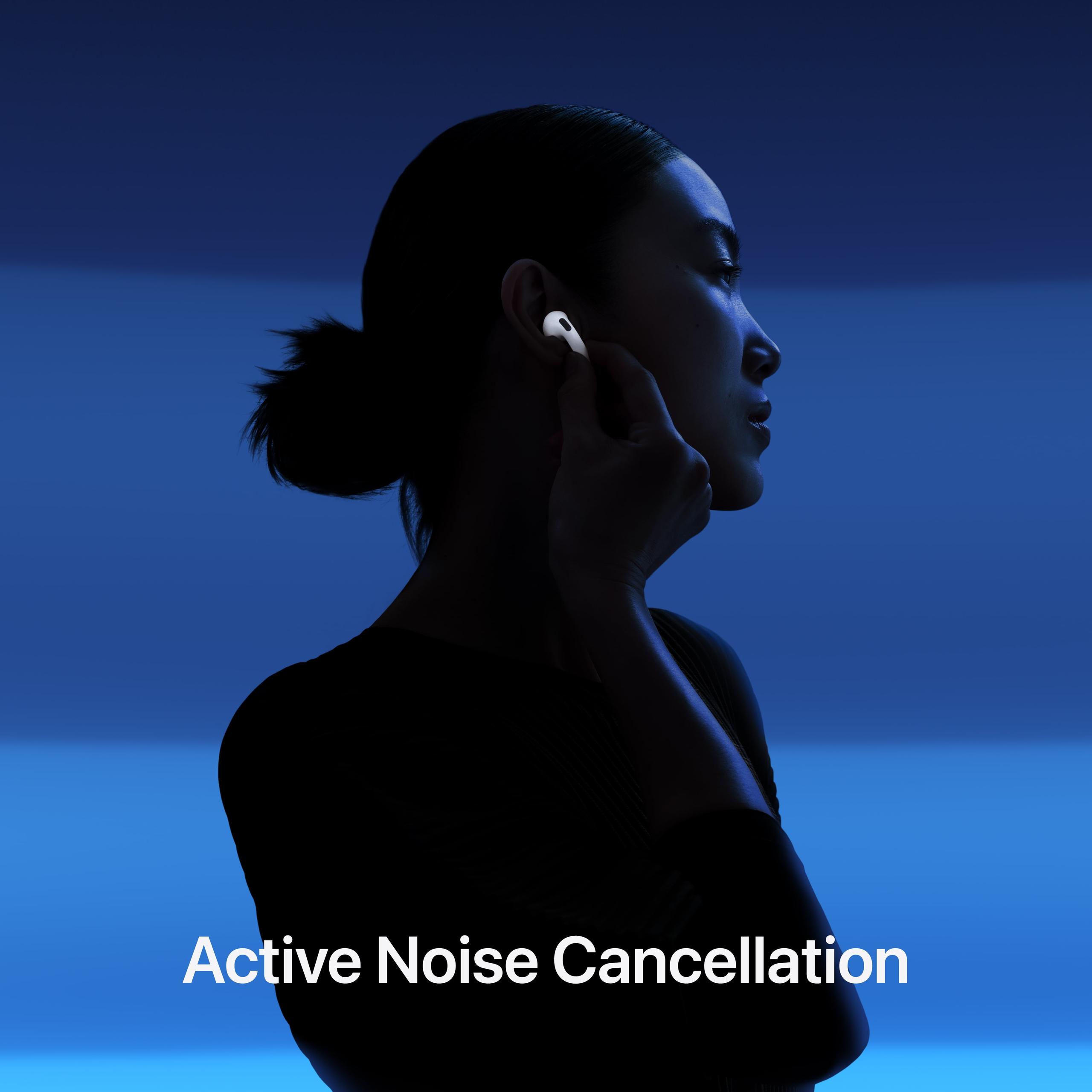
The Apple AirPods 4 ANC attempts something that was considered technically impossible until recently: effective active noise cancellation in an open-ear design. Without the passive seal of ear tips, Apple's H2 chip must work much harder to cancel noise, using advanced algorithms to predict and counter ambient sound in real-time. The fact that this works at all is genuinely impressive from an engineering standpoint.
In practice, both systems achieve surprisingly similar overall noise reduction, but they excel in different scenarios. The Technics AZ80 provides more consistent isolation across all frequency ranges and maintains effectiveness even when the active cancellation is turned off—useful when the battery is low. The Apple AirPods 4 ANC offers more nuanced control through features like Adaptive Audio, which automatically blends noise cancellation with transparency based on your environment and activity.
For home theater use, both earbuds can enhance the movie-watching experience, but in different ways. The Technics AZ80 provides the isolated, reference-quality sound that film audio engineers intend, making dialogue crystal clear and effects impactful. The Apple AirPods 4 ANC excels with its Spatial Audio features, creating a convincing surround sound effect that can make your TV feel like a cinema screen, especially when watching content specifically mixed for the format.
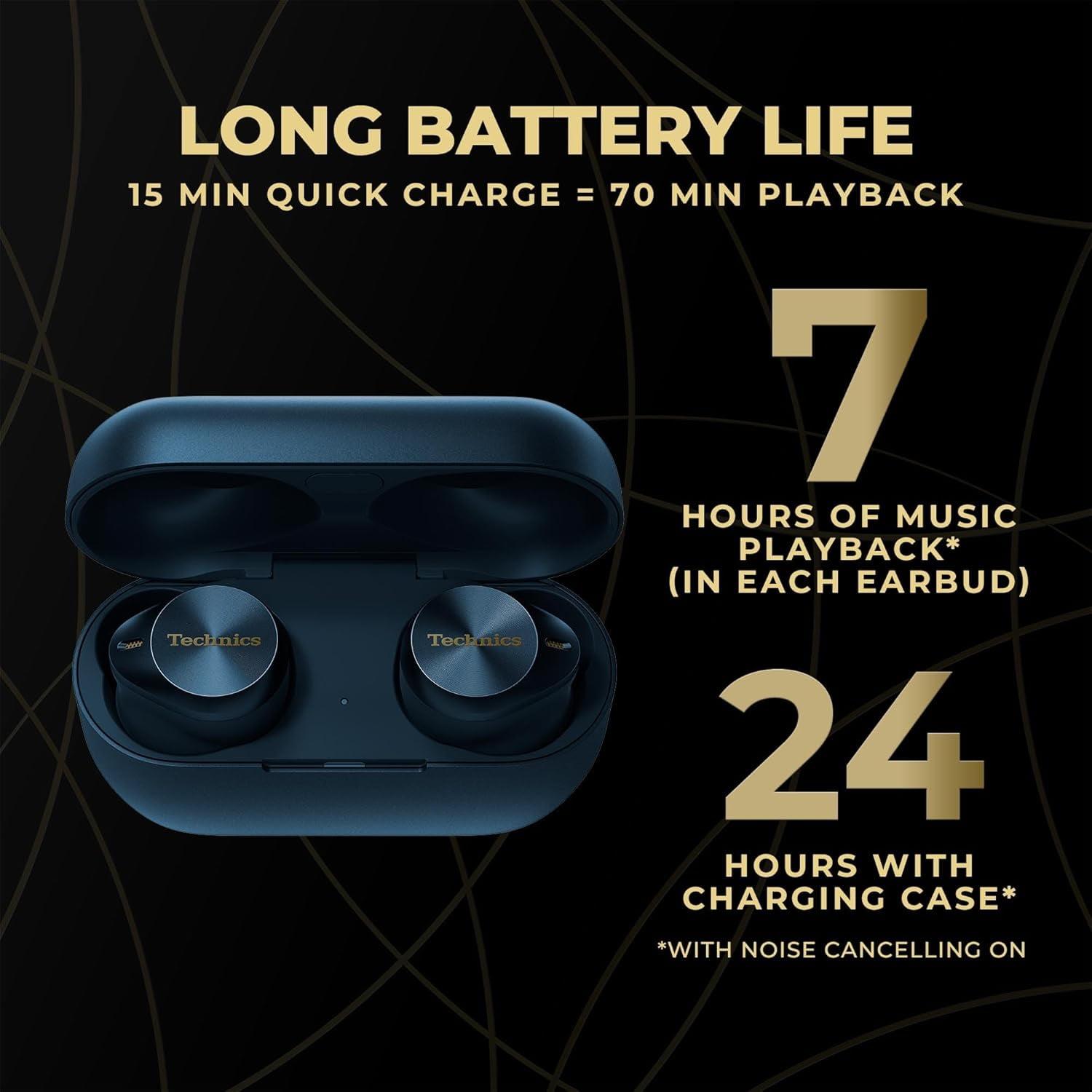
Battery performance reveals another philosophical divide between these earbuds. The Technics AZ80 prioritizes longer continuous use, providing up to 7 hours of listening time with noise cancellation enabled—enough for coast-to-coast flights or full workdays without needing the case. The total battery life with the charging case reaches 24 hours, though the case itself is noticeably larger than most competitors.
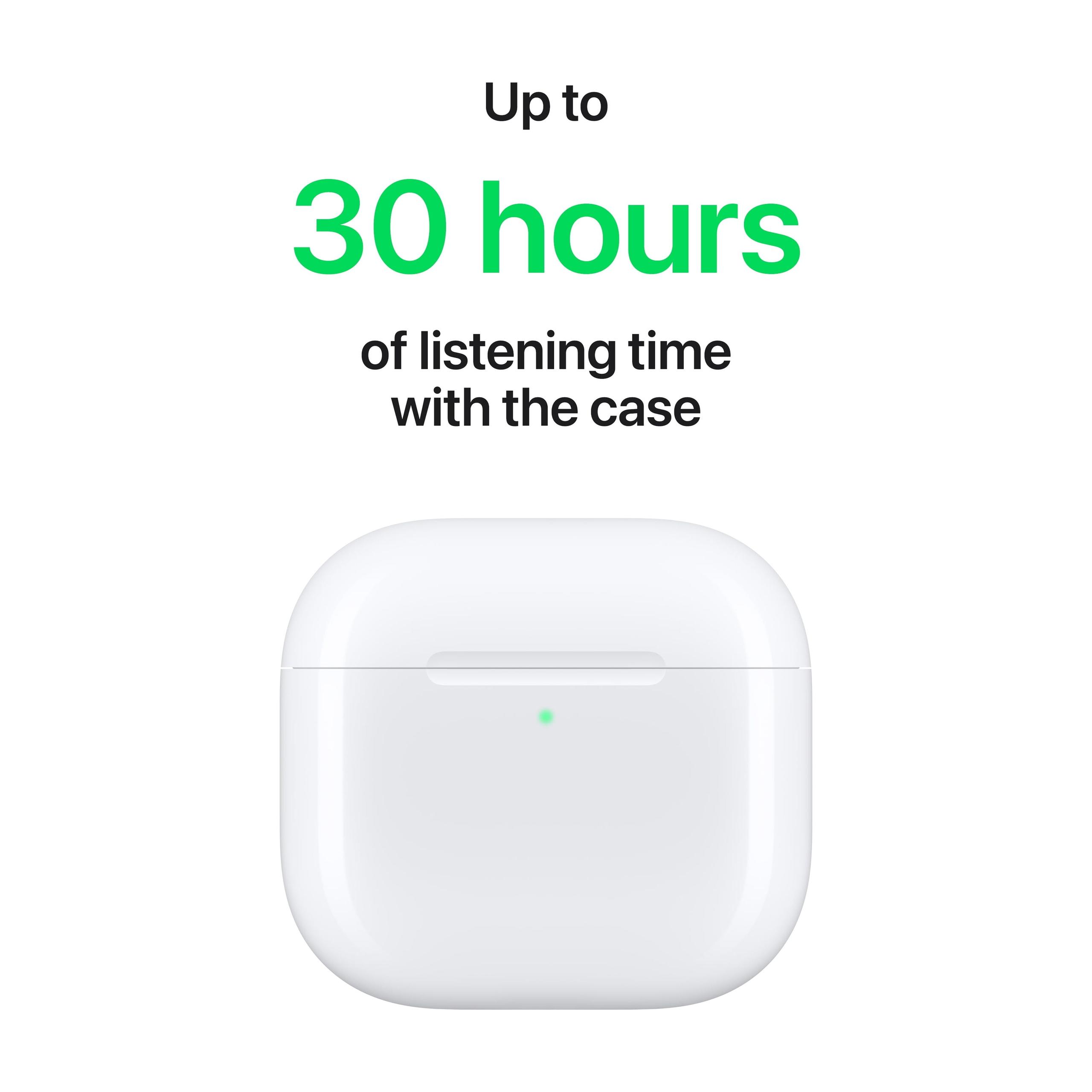
The Apple AirPods 4 ANC offers 4 hours of continuous playback with ANC enabled, which might seem limiting but reflects Apple's design philosophy of frequent, short listening sessions. The case provides additional charges for 20 total hours, and the faster charging time (1.5 hours vs. 2 hours for the Technics) means less waiting when you need a quick top-up.
In real-world use, I've found the difference more noticeable than the numbers suggest. The Technics AZ80 truly excels for focused work sessions, long flights, or extended music listening where you don't want interruptions. The Apple AirPods 4 ANC works better for the typical pattern of modern earbud use—shorter sessions throughout the day with natural charging breaks.
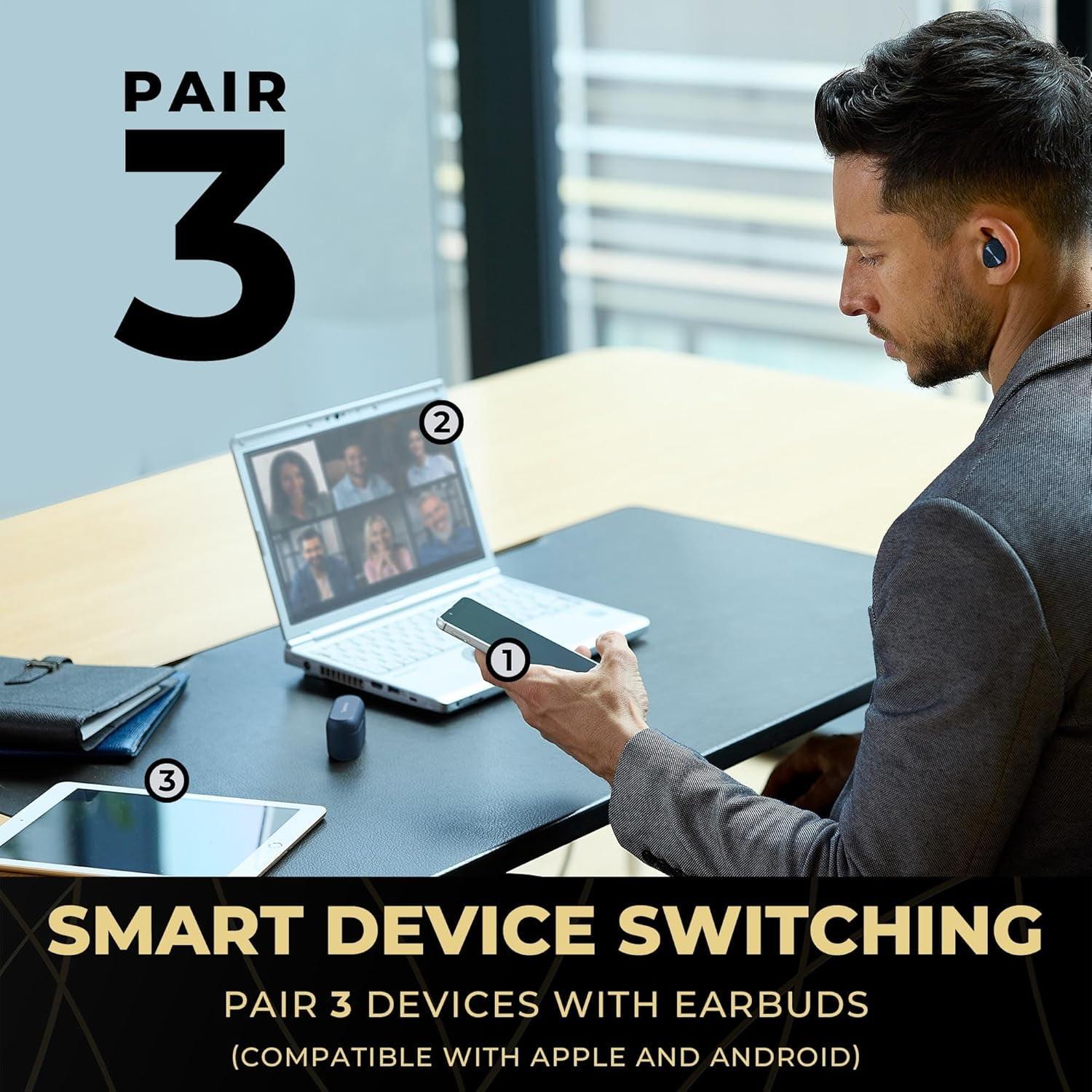
Perhaps nowhere is the design philosophy difference more apparent than in connectivity features. The Technics AZ80 supports simultaneous connection to three different devices—an unusual feature that proves incredibly valuable for users juggling a work laptop, personal phone, and tablet. This multipoint connectivity, combined with comprehensive cross-platform app support, makes these earbuds genuinely platform-agnostic.
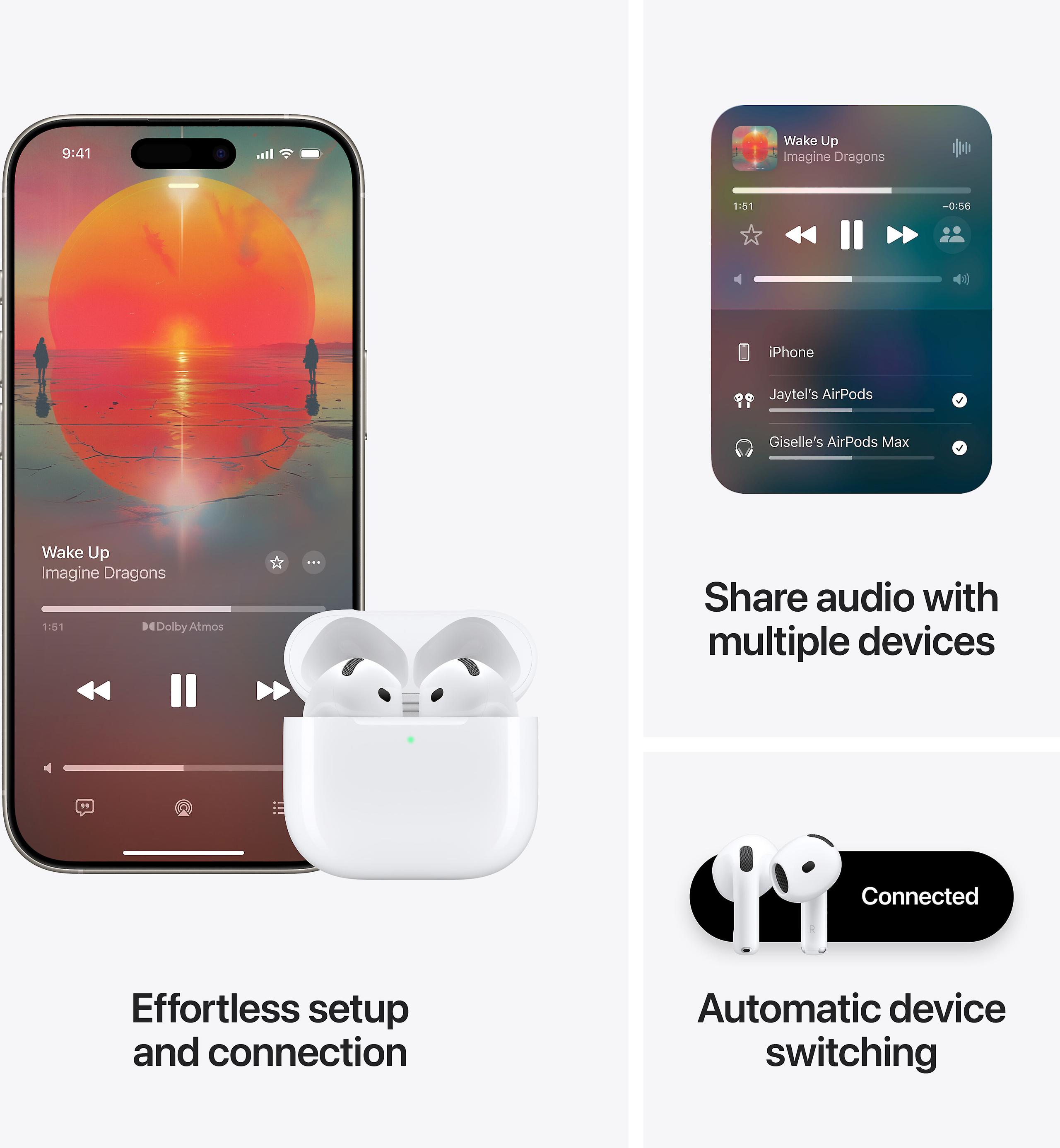
The Apple AirPods 4 ANC takes the opposite approach, focusing on seamless integration within Apple's ecosystem. While they can connect to non-Apple devices, features like automatic device switching, spatial audio optimization, and Find My integration work exclusively with Apple products. If you live entirely within Apple's ecosystem, this integration feels almost magical—earbuds automatically switch from your iPhone to your MacBook when you start a video call, and spatial audio automatically optimizes based on whether you're watching Netflix or listening to Apple Music.
For home theater applications, this connectivity difference becomes significant. The Technics AZ80 can simultaneously stay connected to your TV, streaming device, and phone, allowing easy switching between content sources. The Apple AirPods 4 ANC excels when paired with Apple TV, providing cinema-quality spatial audio that dramatically enhances the viewing experience.
Both earbuds excel at voice calls, but through different technical approaches that reflect their overall design philosophies.
The Technics AZ80 relies on hardware-focused solutions, using eight MEMS (micro-electromechanical systems) microphones strategically positioned to capture your voice while filtering environmental noise. The "JustMyVoice" technology uses advanced algorithms to isolate speech frequencies and reduce background interference. In testing, this approach proves remarkably effective in consistent noise environments like offices or cafes.
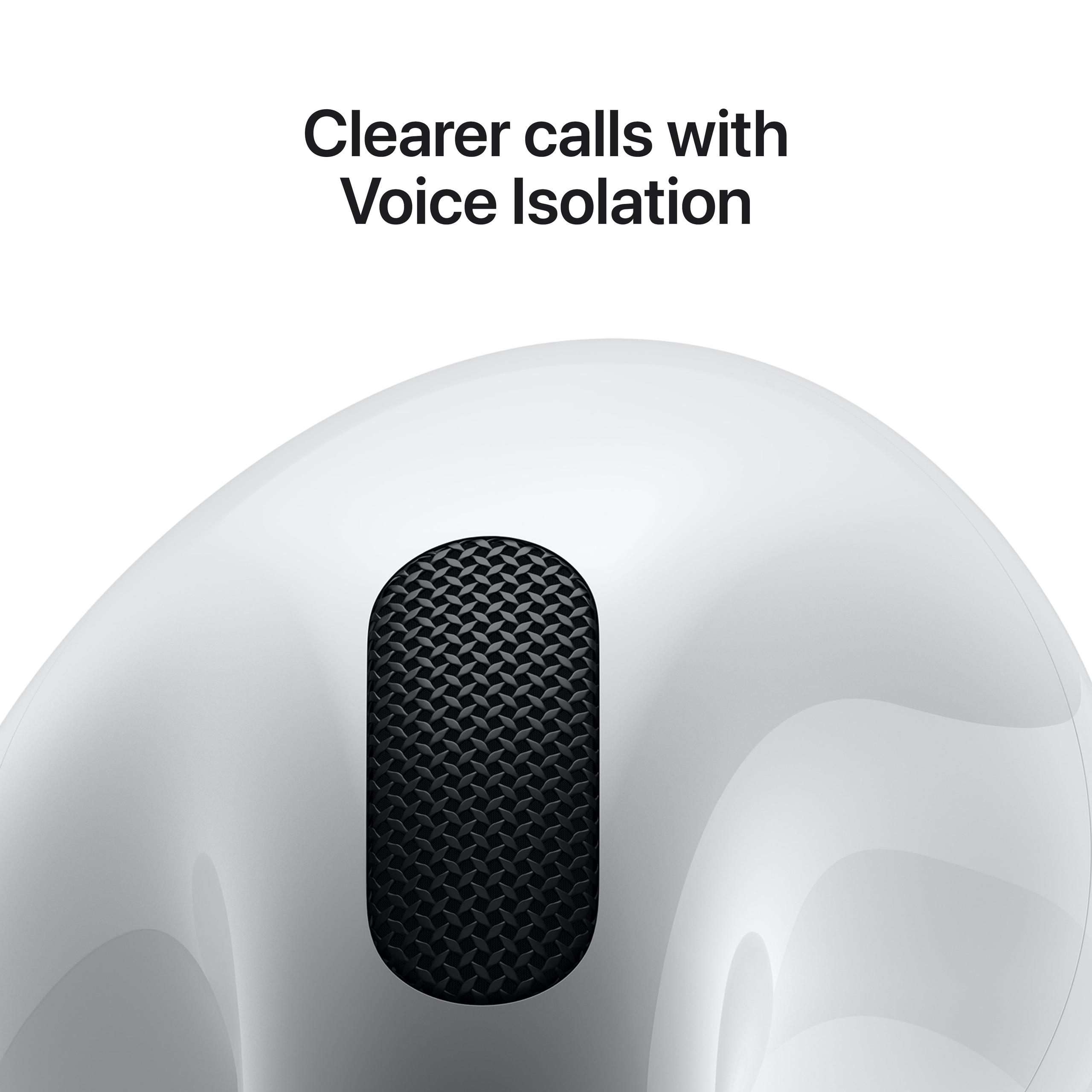
The Apple AirPods 4 ANC leverages computational audio through the H2 chip, continuously analyzing the audio environment and adjusting voice processing in real-time. Features like Voice Isolation and Conversation Awareness demonstrate Apple's strength in intelligent audio processing—the earbuds can automatically lower music volume when you start speaking and bring it back when you finish.
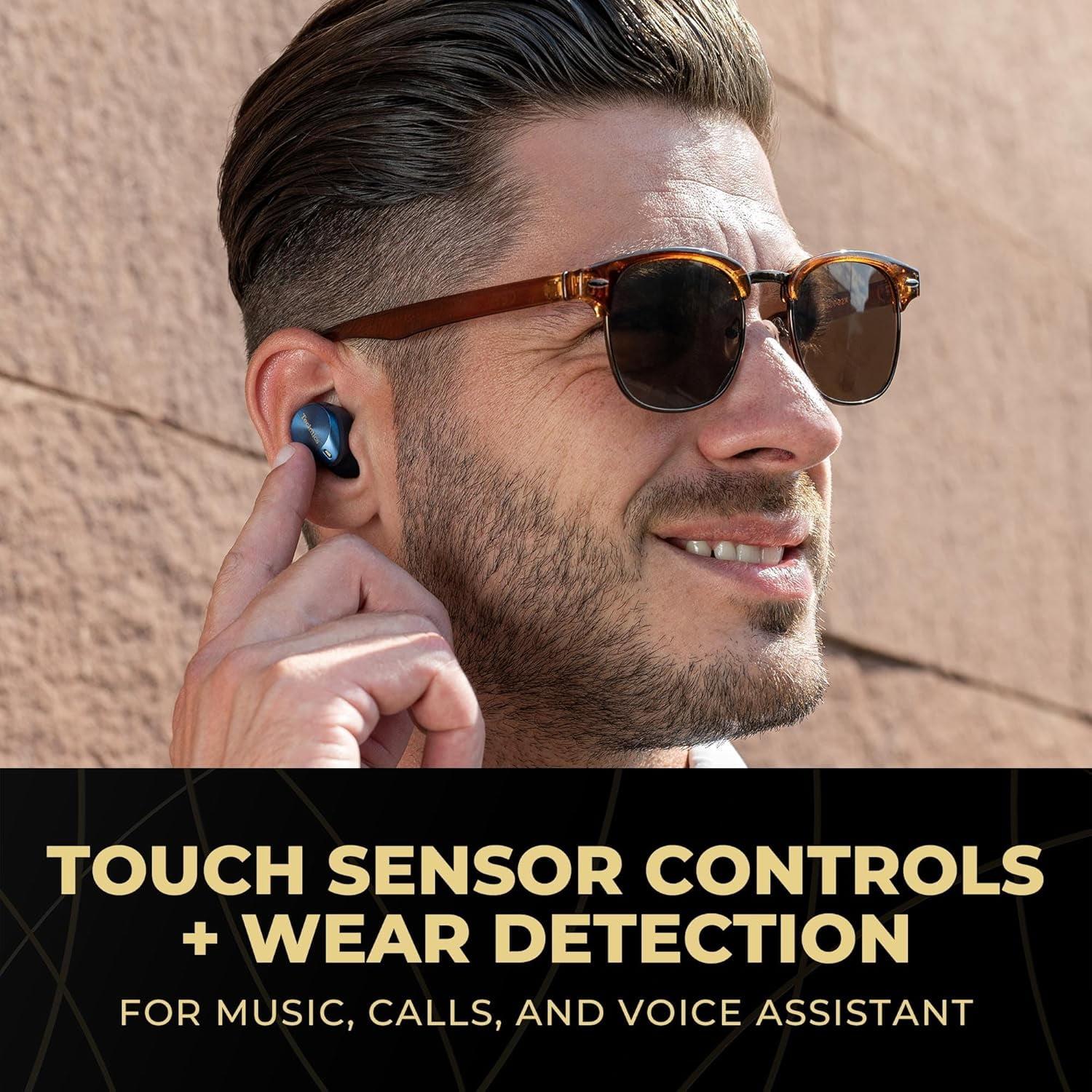
The companion apps for these earbuds reflect their target audiences perfectly. The Technics Audio Connect app provides extensive customization options—granular EQ adjustments, individual control gesture mapping, and detailed noise cancellation settings. It's comprehensive but requires user engagement to optimize the experience.
Apple's integration works differently, embedding controls directly into iOS and providing automatic optimizations that require minimal user intervention. Features like Adaptive EQ and Personalized Spatial Audio work invisibly in the background, adjusting to your preferences and environment without manual configuration.
After extensive testing in various scenarios, clear usage patterns emerge for each model.
The Technics AZ80 excels for users who prioritize audio quality above convenience, use multiple devices throughout their day, or frequently engage in focused listening sessions. These earbuds are ideal for music producers, audiophiles, frequent travelers, and professionals who need reliable connectivity across different platforms. The hi-res audio capabilities make them particularly compelling for listeners with extensive high-quality music libraries or those who use streaming services offering lossless audio.
The Apple AirPods 4 ANC serves users who value seamless integration, innovative features, and the unique comfort of open-ear design. They excel for iPhone users, people who prefer automatic optimization over manual tweaking, and those who frequently switch between calls, music, and ambient awareness throughout their day. The computational audio features make them particularly strong for movie watching and gaming within the Apple ecosystem.
At the time of writing, both earbuds command premium pricing that reflects their advanced feature sets, though the Technics AZ80 typically commands a higher price reflecting its audiophile positioning and specialized features like LDAC support and three-device connectivity.
Value assessment depends heavily on your priorities. The Technics AZ80 offers better price-to-performance for serious listening, while the Apple AirPods 4 ANC provides strong value within Apple's ecosystem, especially considering the innovative open-ear ANC technology.
Both the Technics AZ80 and Apple AirPods 4 ANC represent excellent executions of their respective design philosophies. Your choice ultimately depends on whether you prioritize audiophile-grade performance and multi-device flexibility (Technics AZ80) or innovative comfort and ecosystem integration (Apple AirPods 4 ANC).
Neither choice is wrong—they simply serve different needs in the diverse landscape of premium wireless audio. The Technics AZ80 pushes the boundaries of wireless audio quality, while the Apple AirPods 4 ANC redefines what's possible in terms of user experience and computational audio processing. Both represent the current state-of-the-art in their respective approaches to premium wireless earbuds.
| Technics AZ80 Premium Hi-Fi True Wireless Noise Cancelling Earbuds | Apple AirPods 4 Active Noise Cancellation Earbuds |
|---|---|
| Design Type - Determines fit, comfort, and passive noise isolation | |
| Traditional in-ear with 7 sizes of silicone ear tips | Open-ear design without silicone tips |
| Driver Size and Audio Quality - Larger drivers typically produce fuller sound | |
| 10mm free-edge aluminum alloy diaphragm drivers | Custom high-excursion Apple drivers with H2 chip processing |
| Frequency Response - Wider range means more audio detail reproduction | |
| 20Hz - 40,000Hz (Hi-Res Audio certified) | 20Hz - 20,000Hz (standard range with computational enhancement) |
| Audio Codec Support - LDAC enables higher quality wireless streaming | |
| SBC, AAC, LDAC (up to 990kbps for Android users) | SBC, AAC (optimized for Apple devices) |
| Battery Life (ANC On) - Critical for uninterrupted use | |
| 7 hours per charge, 24 hours total with case | 4 hours per charge, 20 hours total with case |
| Multipoint Connectivity - Ability to connect multiple devices simultaneously | |
| 3-device multipoint (rare feature for power users) | Standard 2-device switching within Apple ecosystem |
| Noise Cancellation Method - Different approaches affect isolation effectiveness | |
| Dual Hybrid ANC + passive seal from ear tips | Active-only ANC in open-ear design (industry first) |
| Special Audio Features - Premium computational audio capabilities | |
| JustMyVoice call technology with 8 MEMS microphones | Personalized Spatial Audio, Adaptive EQ, Conversation Awareness |
| Water Resistance - Important for exercise and weather protection | |
| IPX4 (suitable for workouts and light rain) | IPX4 (suitable for workouts and light rain) |
| Charging Time - How long to fully recharge the earbuds | |
| 2 hours full charge, wireless charging supported | 1.5 hours full charge, wireless charging supported |
| Best For - Target user profiles based on strengths | |
| Audiophiles, multi-device users, Android users wanting hi-res audio | Apple ecosystem users, open-ear comfort preference, casual listeners |
The Technics AZ80 offers superior sound quality for audiophiles, featuring 10mm aluminum alloy drivers and Hi-Res Audio certification with frequency response up to 40,000Hz. It also supports LDAC codec for high-resolution wireless streaming. The Apple AirPods 4 ANC provides excellent sound with computational audio features like Adaptive EQ and Spatial Audio, but focuses more on intelligent processing than raw audio specifications.
Both earbuds excel at phone calls but use different approaches. The Technics AZ80 uses JustMyVoice technology with 8 MEMS microphones for clear voice isolation. The Apple AirPods 4 ANC leverages Voice Isolation and Conversation Awareness features that automatically adjust audio during calls. Both provide crystal-clear call quality in most environments.
The Technics AZ80 combines active noise cancellation with passive isolation from silicone ear tips, providing consistent noise blocking across all frequencies. The Apple AirPods 4 ANC achieves impressive active noise cancellation in an open-ear design without ear tips—a technical breakthrough. Both offer similar overall noise reduction, but the Technics provides more reliable isolation.
The Technics AZ80 provides 7 hours of listening time per charge with ANC enabled and 24 hours total with the charging case. The Apple AirPods 4 ANC offers 4 hours per charge with ANC on and 20 hours total with the case. The Technics wins for longer continuous use sessions.
Comfort depends on personal preference. The Apple AirPods 4 ANC uses an open-ear design that sits in your outer ear without blocking the ear canal, which many find more comfortable for extended wear. The Technics AZ80 uses traditional in-ear tips that create a secure seal but may cause fatigue during very long sessions. Apple's design reduces ear pressure.
The Technics AZ80 offers industry-rare 3-device multipoint connectivity, allowing simultaneous connection to your phone, laptop, and tablet. The Apple AirPods 4 ANC provides seamless device switching within the Apple ecosystem but focuses on automatic switching rather than true multipoint. The Technics is better for managing multiple devices across different platforms.
The Technics AZ80 works exceptionally well with Android devices, supporting LDAC codec for high-resolution audio streaming and offering full app functionality across platforms. The Apple AirPods 4 ANC works with Android but lacks advanced features like Spatial Audio and seamless device switching. Android users should choose the Technics for the best experience.
Both earbuds feature IPX4 water resistance, making them suitable for workouts and light rain. The Technics AZ80 provides a more secure fit with silicone ear tips that won't fall out during intense exercise. The Apple AirPods 4 ANC may slip out during vigorous movement since they don't have ear tips to create a secure seal.
The Technics AZ80 offers extensive customization through the Technics Audio Connect app, including detailed EQ settings, control mapping, and noise cancellation adjustments. The Apple AirPods 4 ANC integrates directly into iOS with automatic optimizations but provides less manual control. Choose Technics if you want granular customization options.
Both earbuds excel for entertainment but in different ways. The Apple AirPods 4 ANC provides impressive Spatial Audio that creates a surround sound effect, especially with Apple TV and compatible content. The Technics AZ80 delivers reference-quality audio reproduction that presents movies as audio engineers intended. Apple wins for immersive effects, Technics for audio accuracy.
Value depends on your priorities and device ecosystem. The Apple AirPods 4 ANC typically costs less and provides excellent value for iPhone users who benefit from seamless integration and innovative features. The Technics AZ80 commands a premium but justifies it with audiophile-grade sound quality, LDAC support, and 3-device connectivity for serious listeners and multi-device users.
iPhone users have compelling reasons to choose either option. The Apple AirPods 4 ANC provides unmatched integration with automatic device switching, optimized Spatial Audio, and effortless setup. However, the Technics AZ80 offers superior sound quality and works excellently with iPhones while providing more flexibility if you also use non-Apple devices. Choose Apple for convenience, Technics for audio quality.
We've done our best to create useful and informative comparisons to help you decide what product to buy. Our research uses advanced automated methods to create this comparison and perfection is not possible - please contact us for corrections or questions. These are the sites we've researched in the creation of this article: stereonet.com - us.technics.com - us.technics.com - rtings.com - head-fi.org - bestbuy.com - soundguys.com - head-fi.org - youtube.com - loudnwireless.com - youtube.com - cnet.com - technics.com - technics.com - bestbuy.com - target.com - us.technics.com - technics.com - youtube.com - head-fi.org - nnty.fun - us.technics.com - bhphotovideo.com - bestbuy.com - us.technics.com - audiosciencereview.com - youtube.com - head-fi.org - head-fi.org - jbhifi.com.au - tomsguide.com - apple.com - youtube.com - apple.com - staples.com - support.apple.com - connection.com - support.apple.com - pcrichard.com - adorama.com - zones.com - cdw.com

Privacy Policy
Terms and Conditions - Affiliate Policy
Home Security
© Copyright 2008-2026.
11816 Inwood Rd #1211, Dallas, TX 75244