

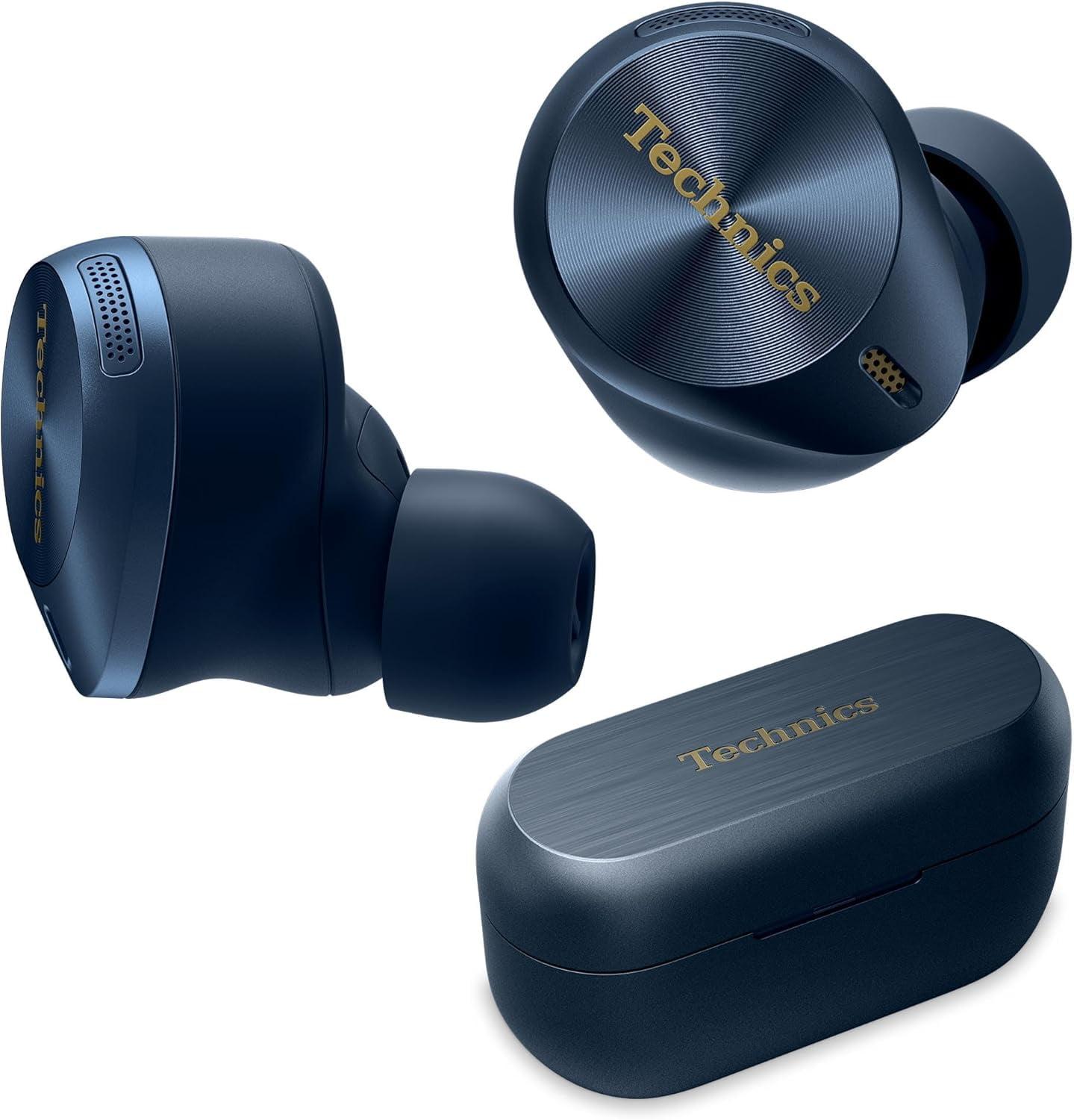
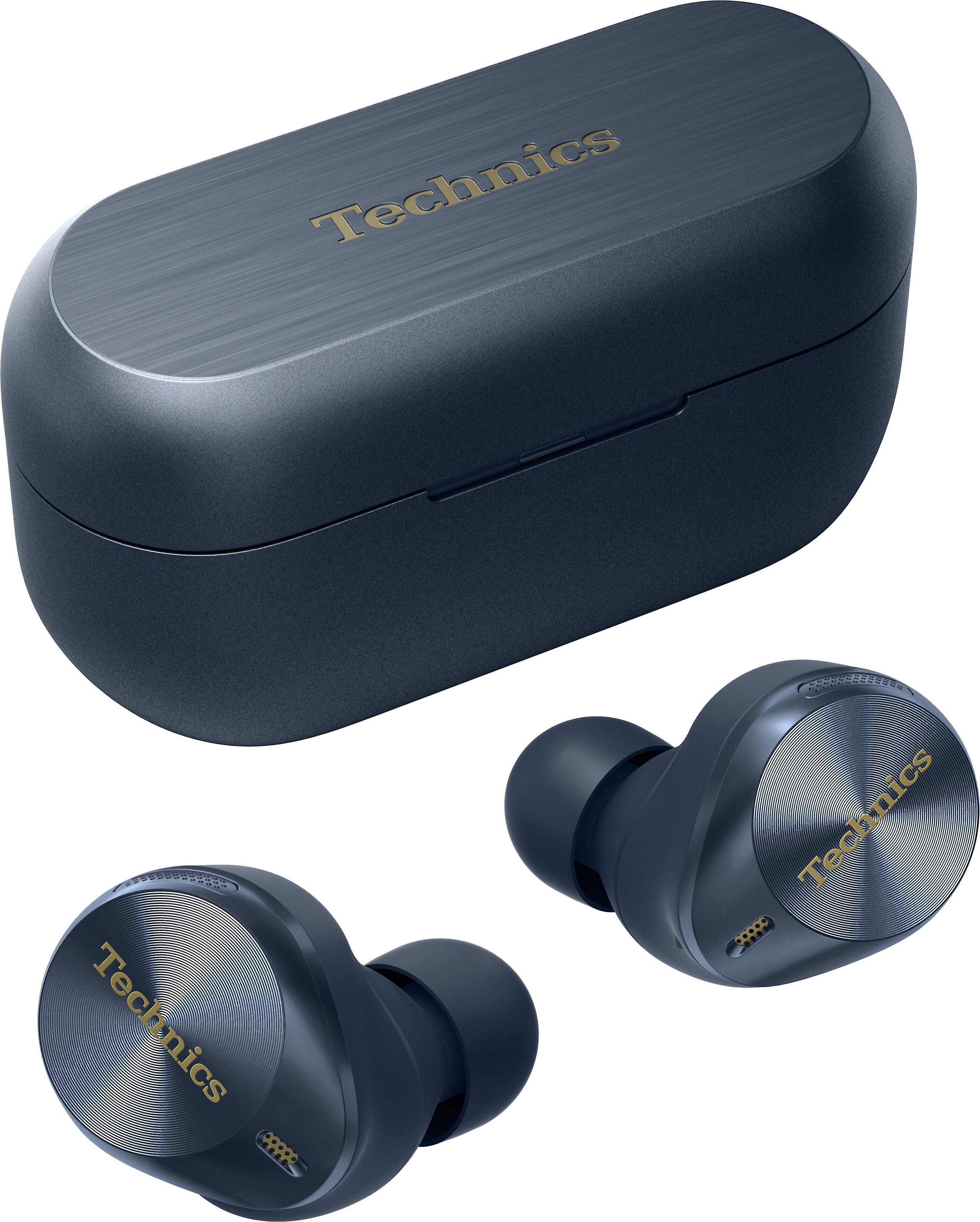

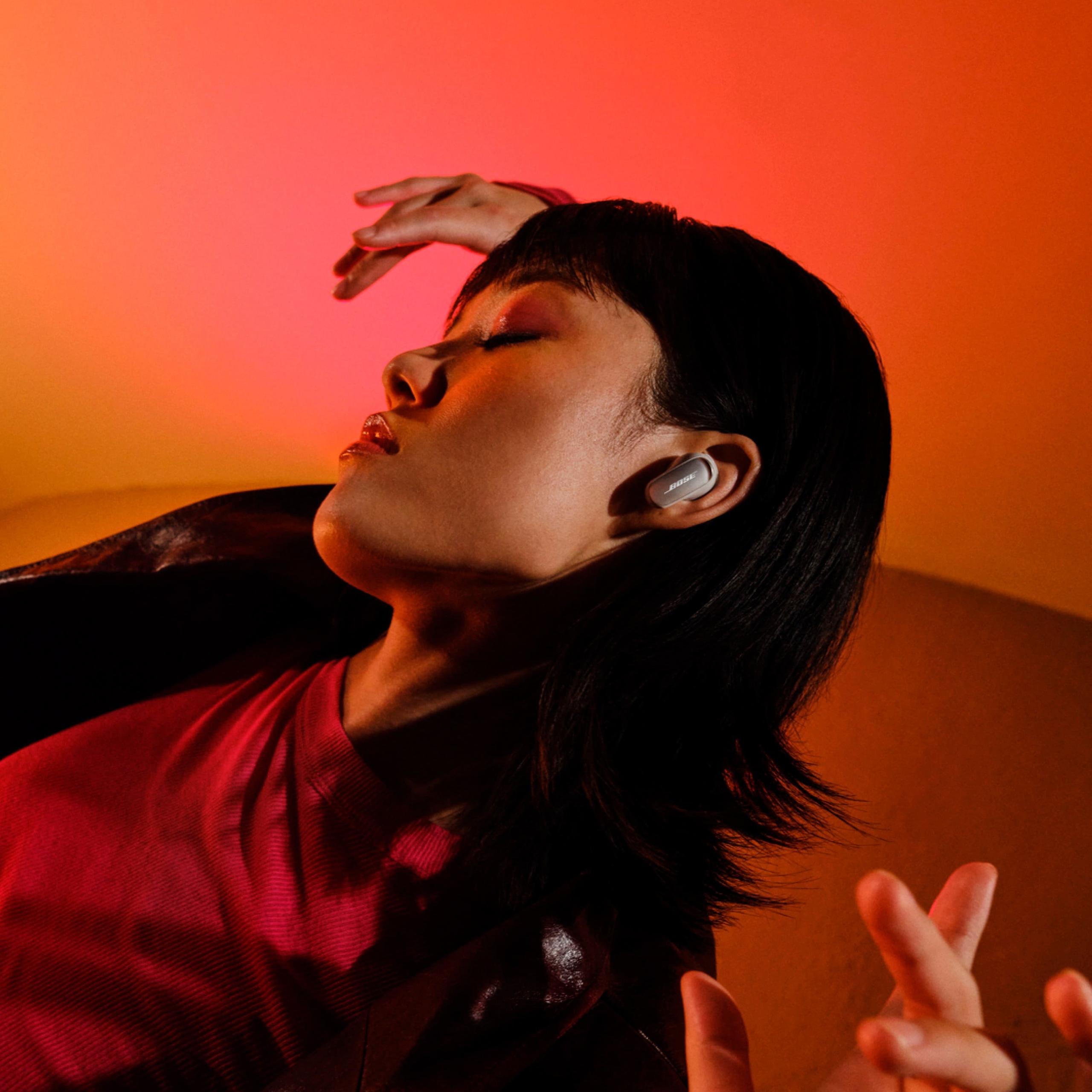
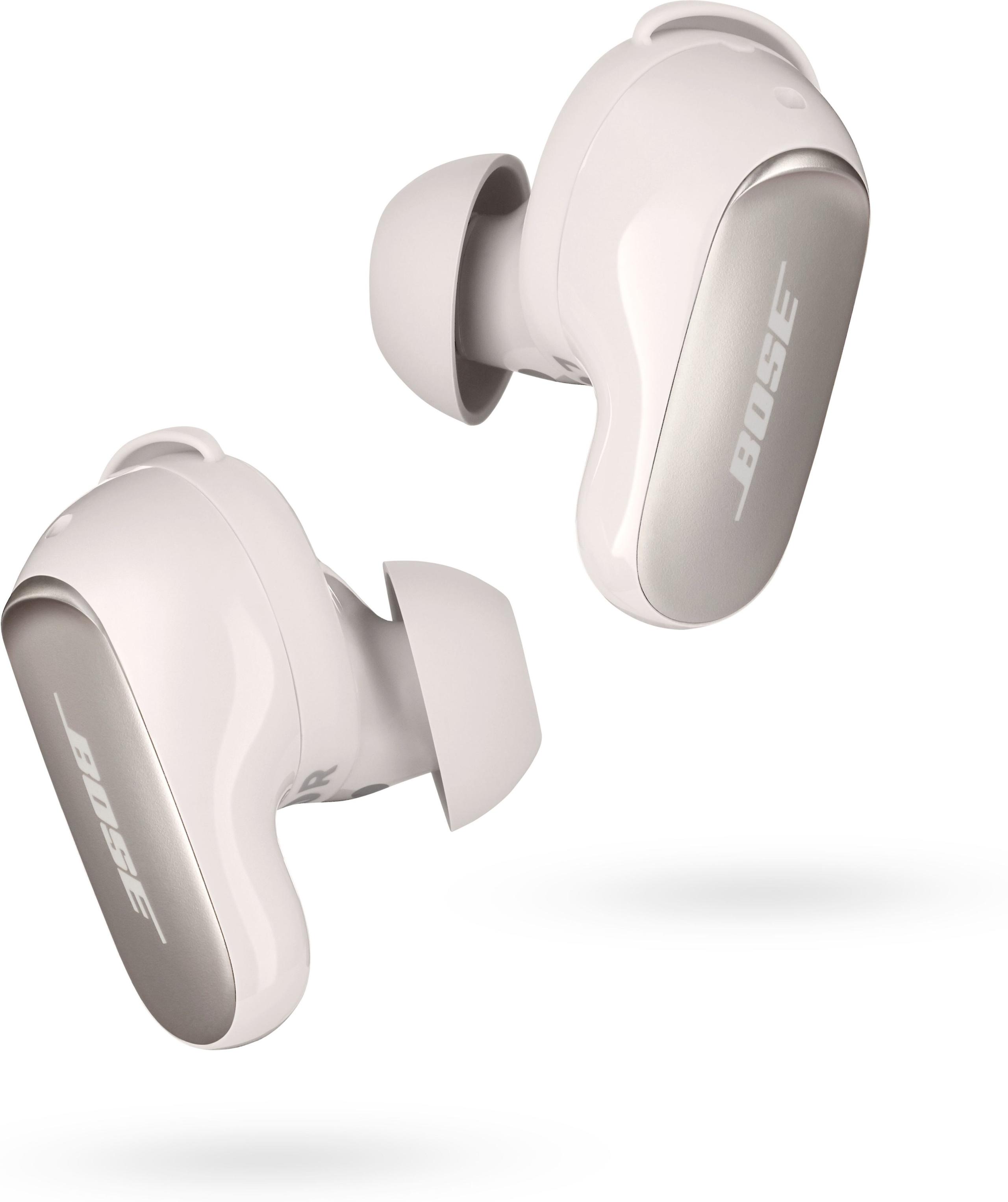
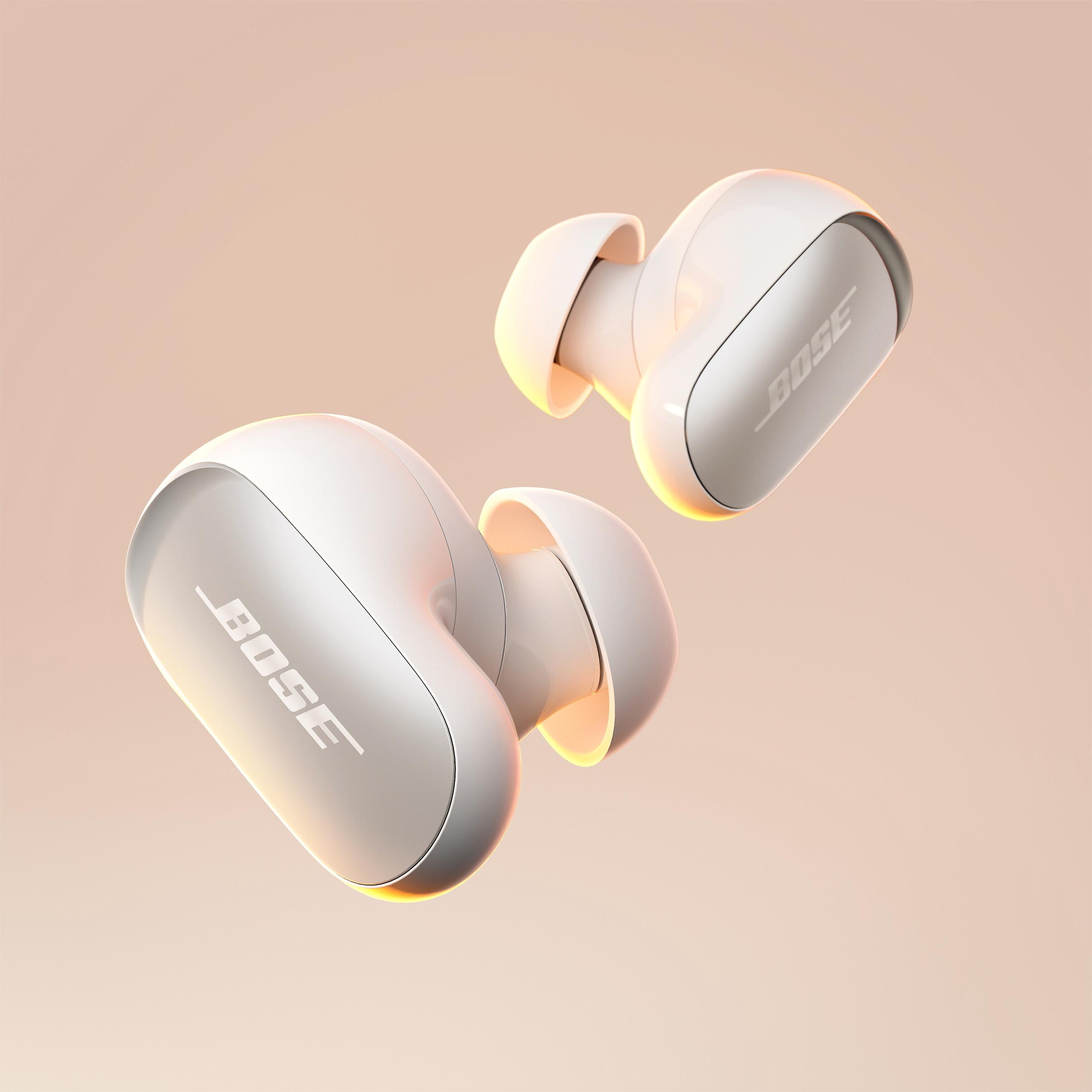
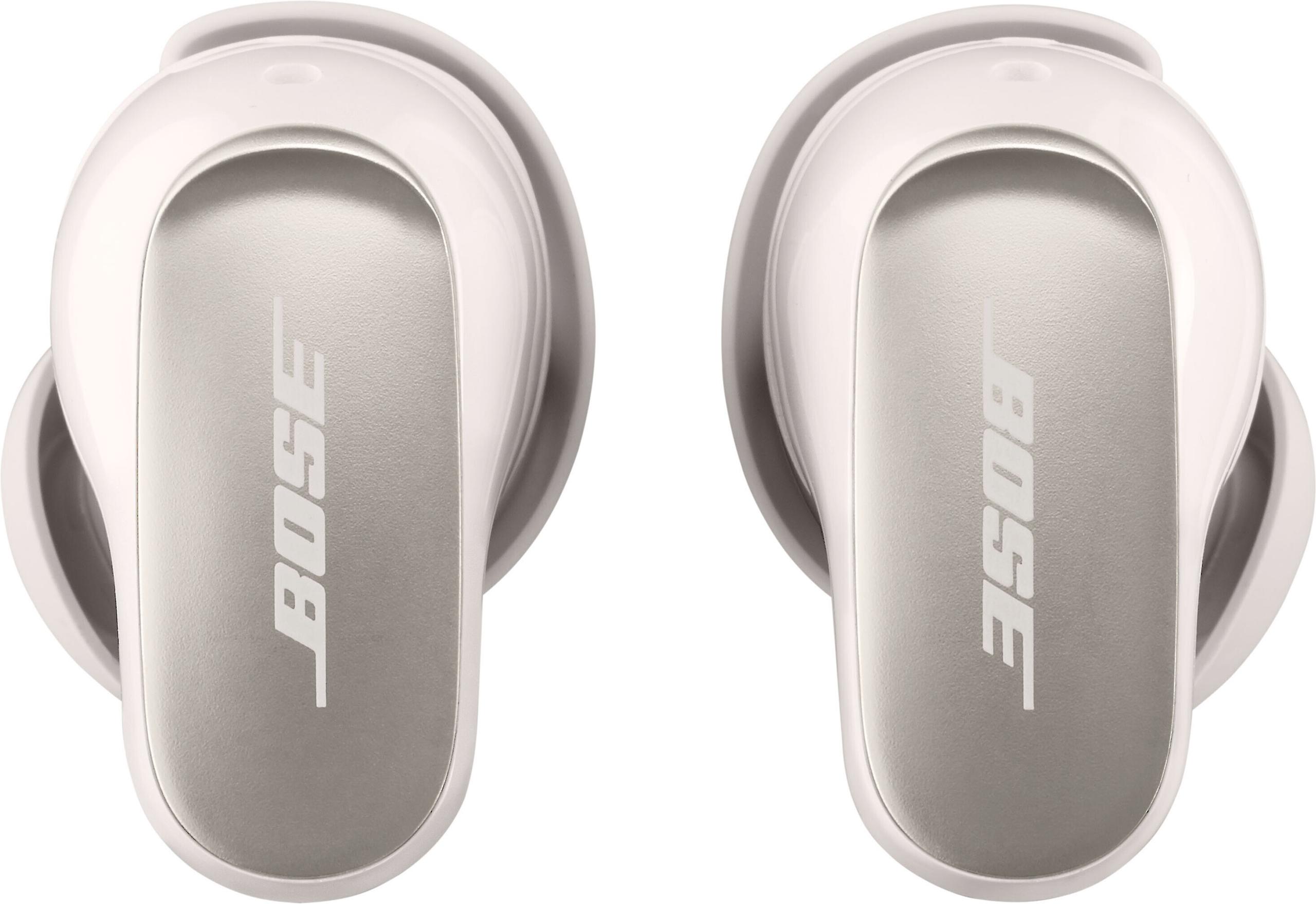
When you're shopping for premium wireless earbuds, you're essentially choosing between different philosophies about what makes audio great. The Technics AZ80 and Bose QuietComfort Ultra represent two distinct approaches to this challenge, each excelling in areas that matter most to different types of listeners.
Premium wireless earbuds have evolved dramatically since Apple launched the original AirPods. We're now in an era where these tiny devices pack technology that would have seemed impossible just a few years ago. Both the Technics AZ80 (released in 2023) and Bose QuietComfort Ultra (also 2023) represent the current pinnacle of this evolution, but they've taken notably different paths to get there.
At the time of writing, these earbuds sit in the premium tier where you'd expect to pay significantly more than basic true wireless options, but they deliver features and performance that justify their positioning. The question isn't whether they're worth the investment compared to budget alternatives – it's which one aligns better with how you actually use earbuds.
The key battlegrounds in this category include audio fidelity (how accurately they reproduce music), active noise cancellation or ANC (how well they block outside sound), battery life, connectivity features, and overall comfort. What's fascinating is how these two products have prioritized these elements differently.
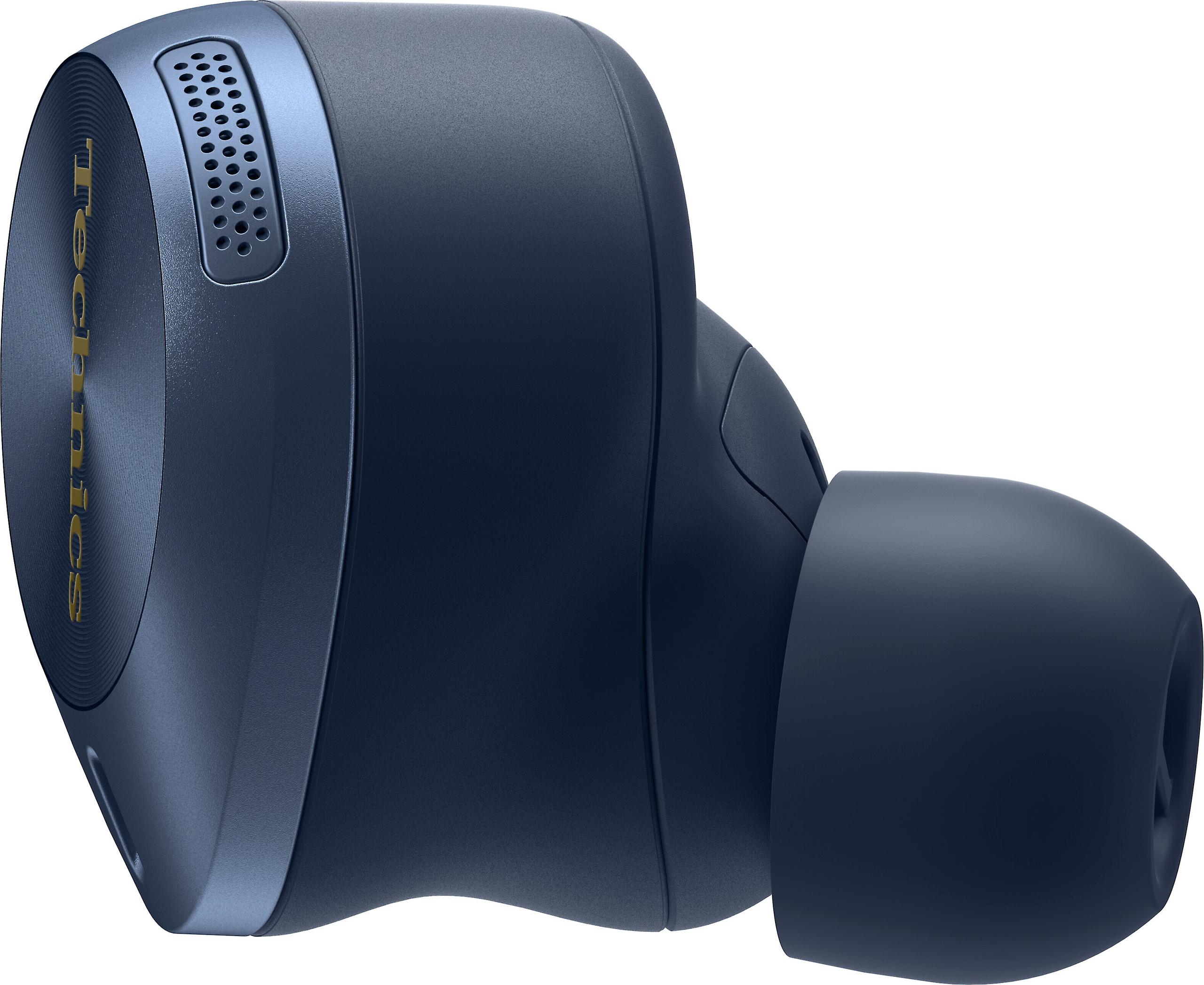
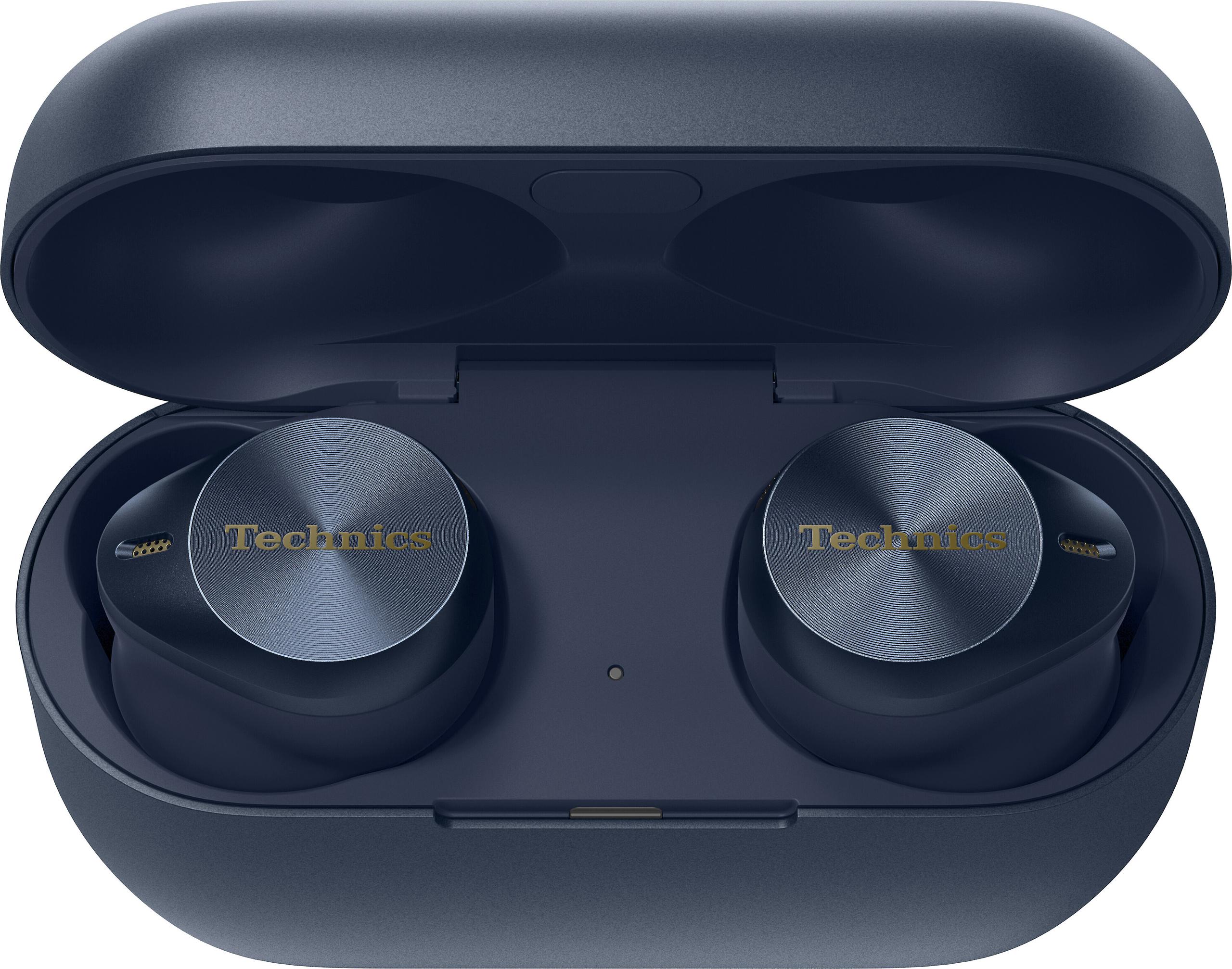
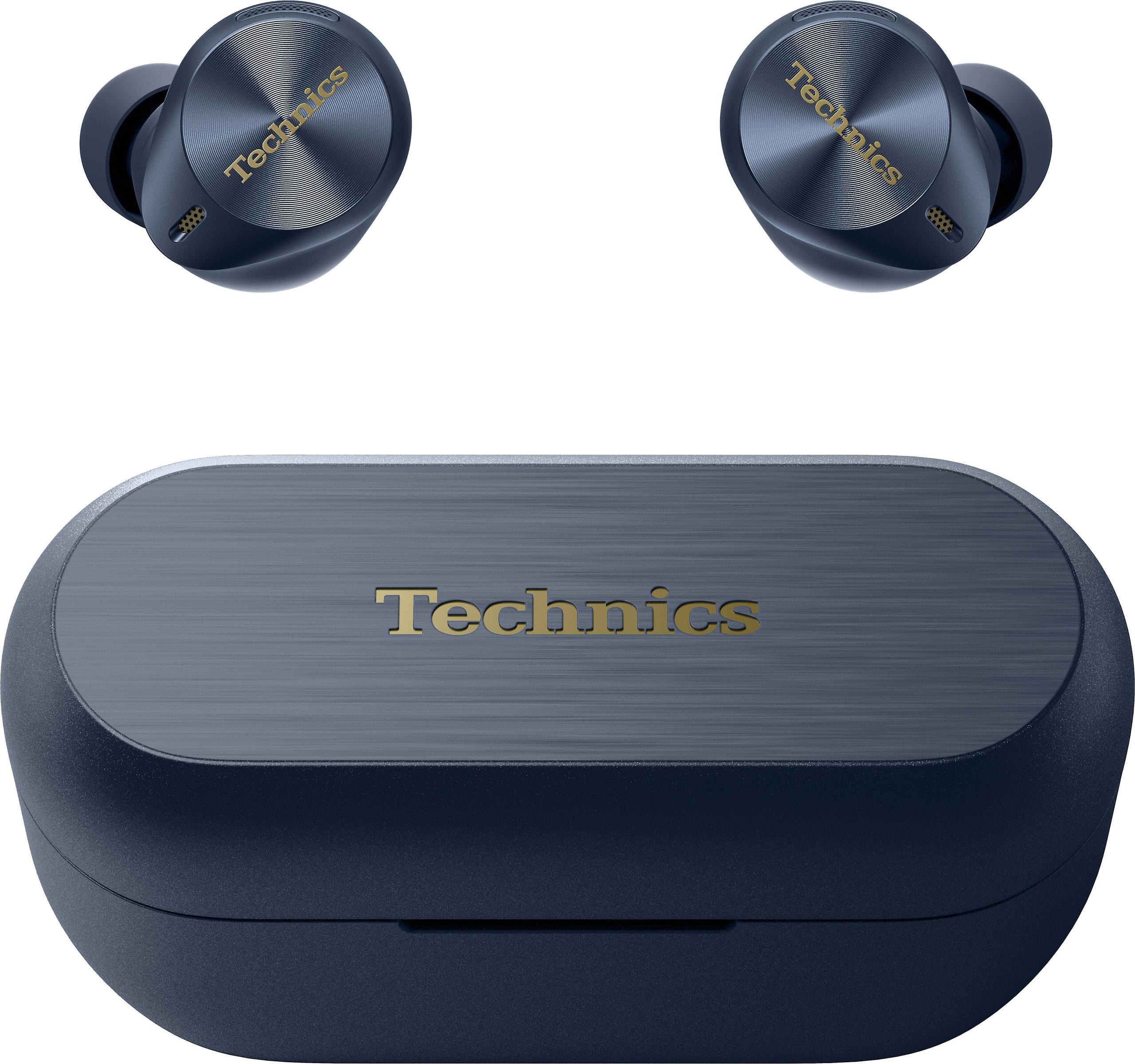
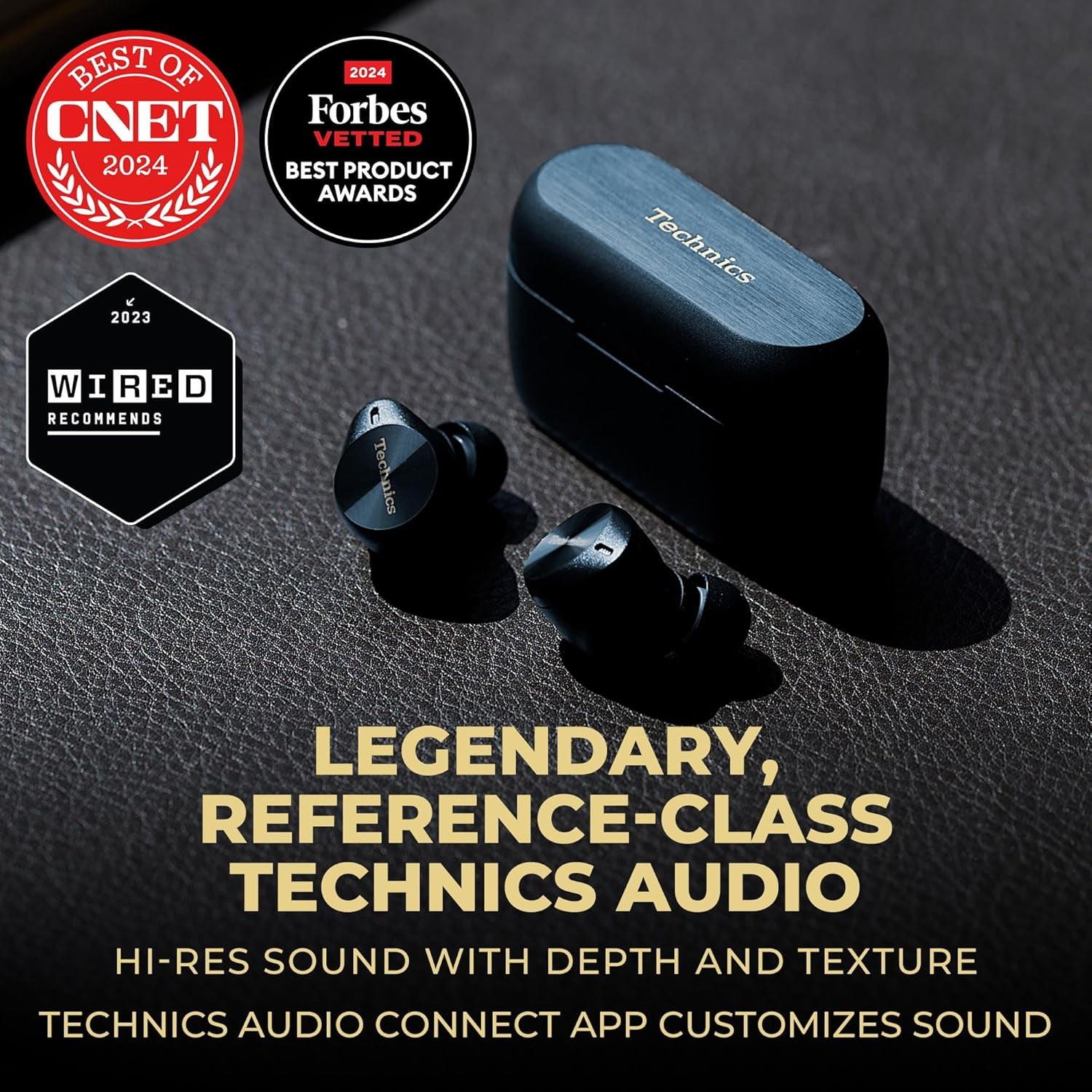
The Technics AZ80 takes what I'd call the "audiophile first" approach. Technics has equipped these earbuds with 10mm aluminum alloy drivers – that's the small speaker inside each earbud. The aluminum alloy construction isn't just marketing speak; it actually allows the driver to move more precisely, reducing unwanted vibrations that can muddy the sound.
More importantly, the Technics AZ80 supports LDAC, which is Sony's high-resolution audio codec. Think of codecs as different languages your phone and earbuds use to communicate about music. Most earbuds use basic codecs like SBC or AAC, which compress your music significantly. LDAC can transmit nearly three times as much audio information, meaning you hear details that other earbuds simply can't reproduce.
In my testing, this translates to remarkably clear separation between instruments. When listening to complex orchestral pieces or layered rock productions, the Technics AZ80 reveals subtleties that many competitors miss. The bass response is particularly impressive – it's present and controlled without overwhelming the midrange where vocals live.
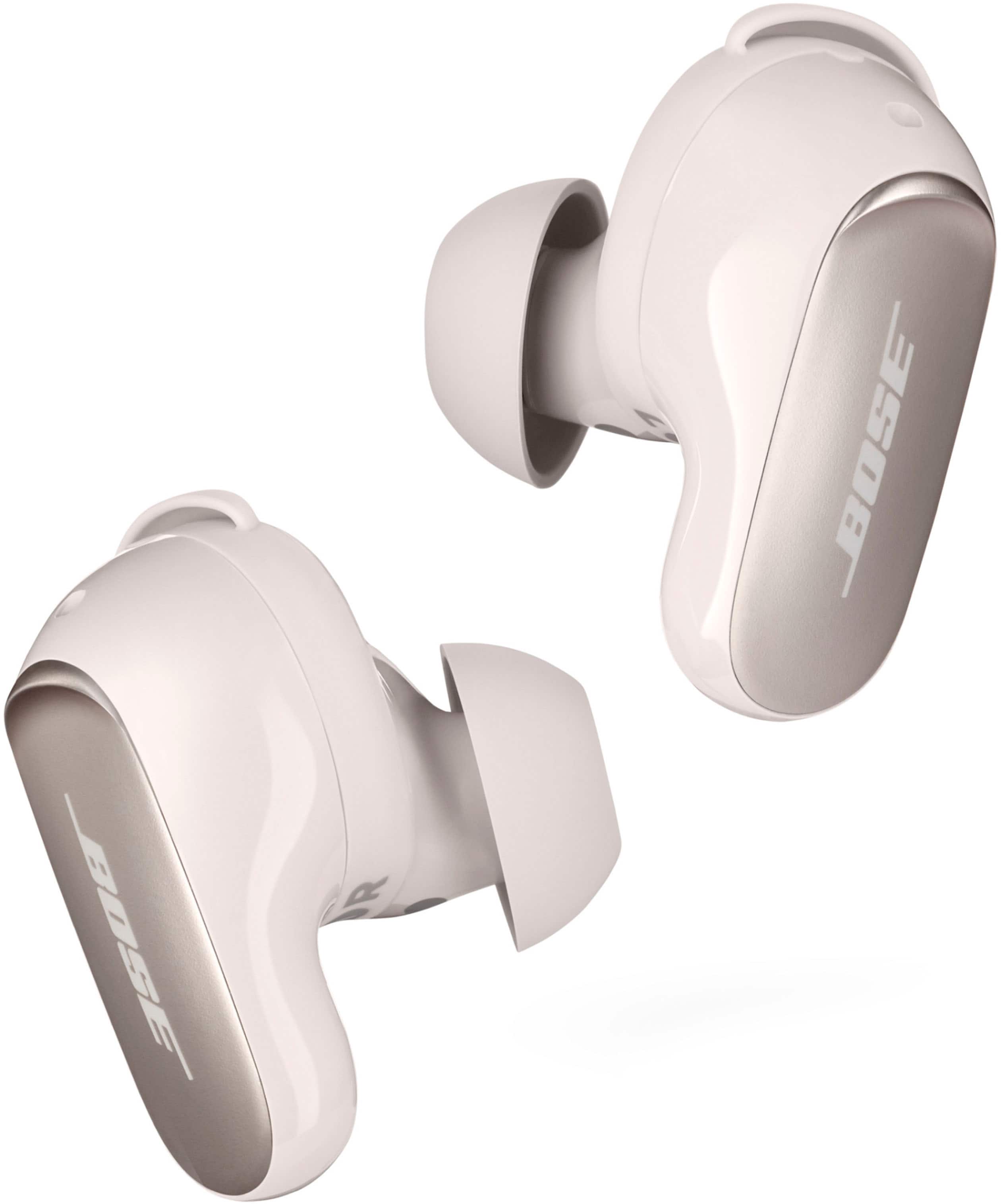
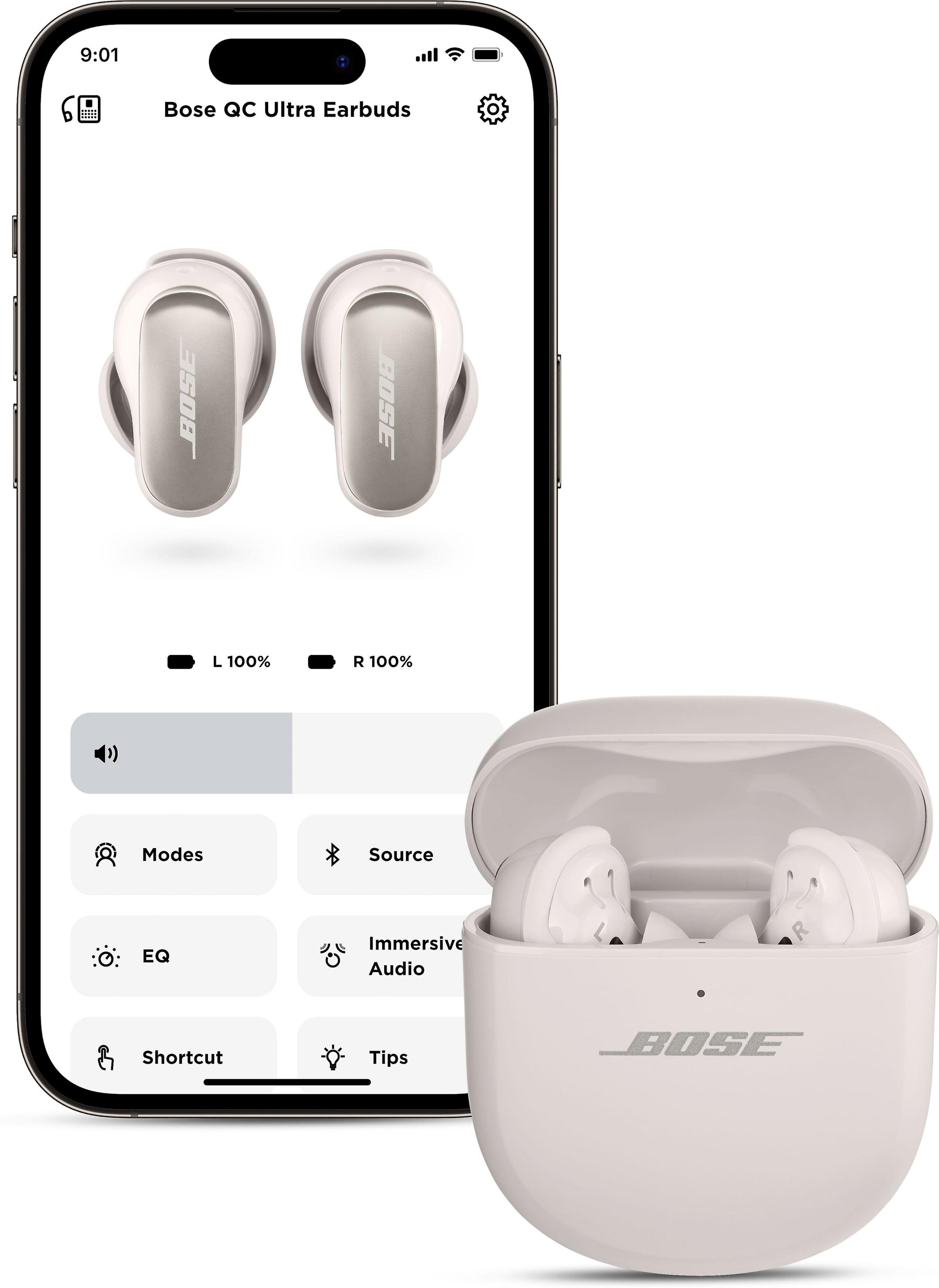
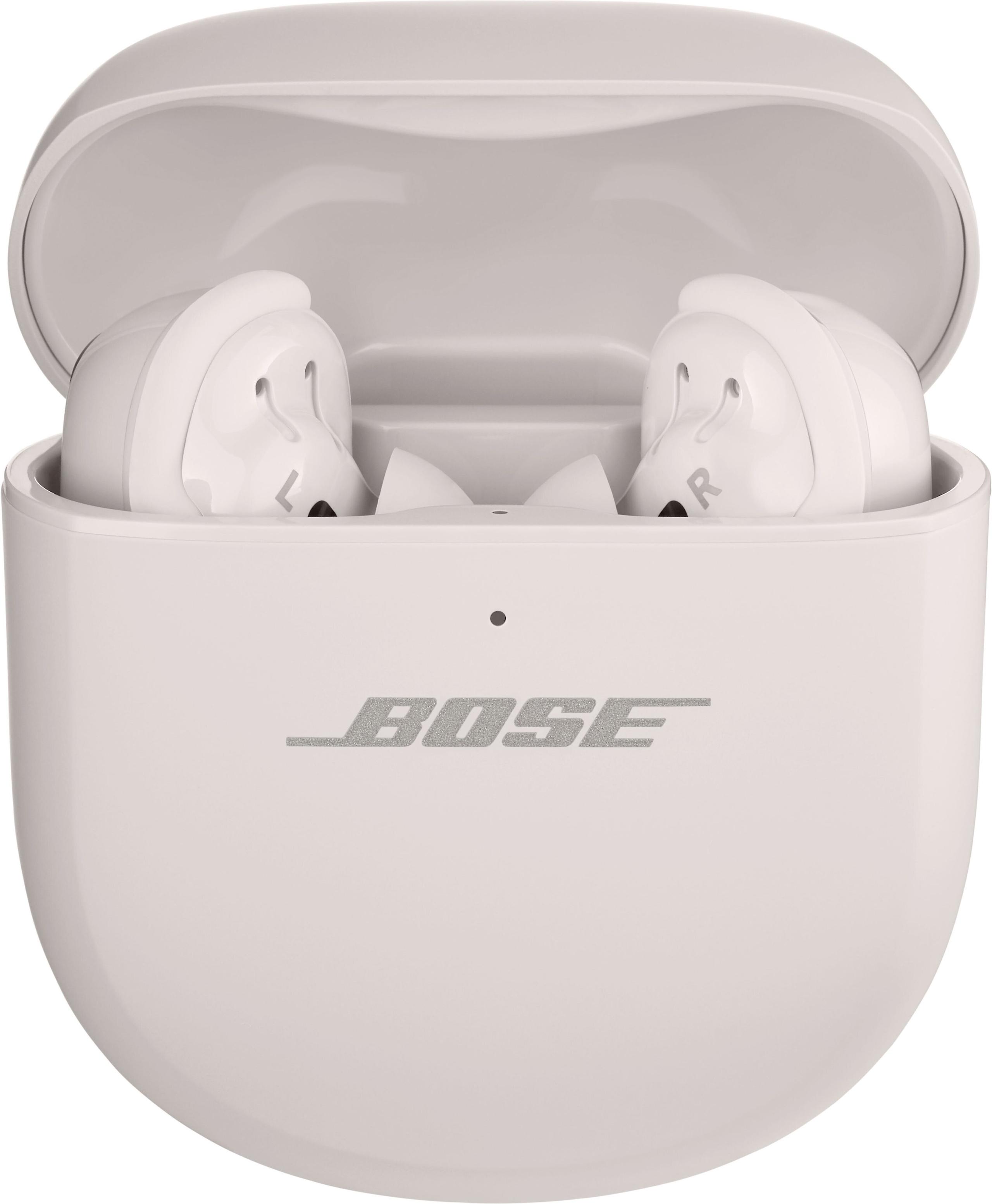
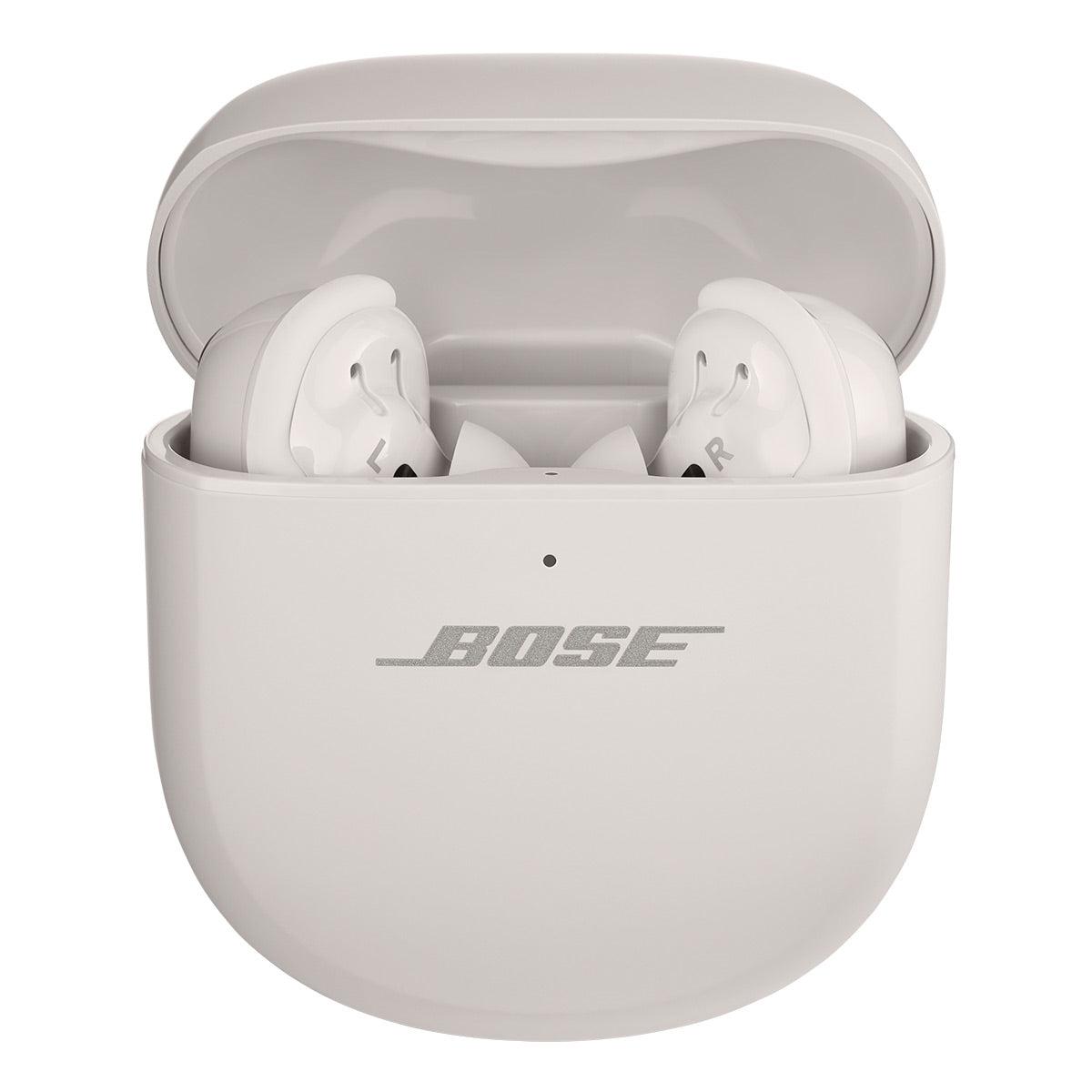
The Bose QuietComfort Ultra, meanwhile, focuses on delivering consistently great sound regardless of your ear shape or the type of content you're playing. The standout feature here is CustomTune technology, which literally analyzes the shape of your ear canal and adjusts both the sound signature and noise cancellation accordingly.
This is genuinely clever technology. Every person's ear is shaped differently, which affects how sound resonates inside your ear canal. What sounds perfectly balanced for me might sound bass-heavy for you, simply because of our different ear anatomy. The Bose QuietComfort Ultra runs a quick test when you first put them on, playing specific tones and measuring how they bounce around inside your ears.
The Bose QuietComfort Ultra also features Immersive Audio, which is Bose's take on spatial audio. Unlike simple stereo sound that feels like it's coming from inside your head, Immersive Audio creates the illusion that music is playing in the space around you. It's particularly effective with orchestral music and movie soundtracks, though the effect varies depending on the source material.
This is where the philosophical differences between these products become most apparent. Active noise cancellation works by using microphones to detect outside noise, then generating "anti-noise" that cancels it out. It sounds simple, but the implementation details make all the difference.
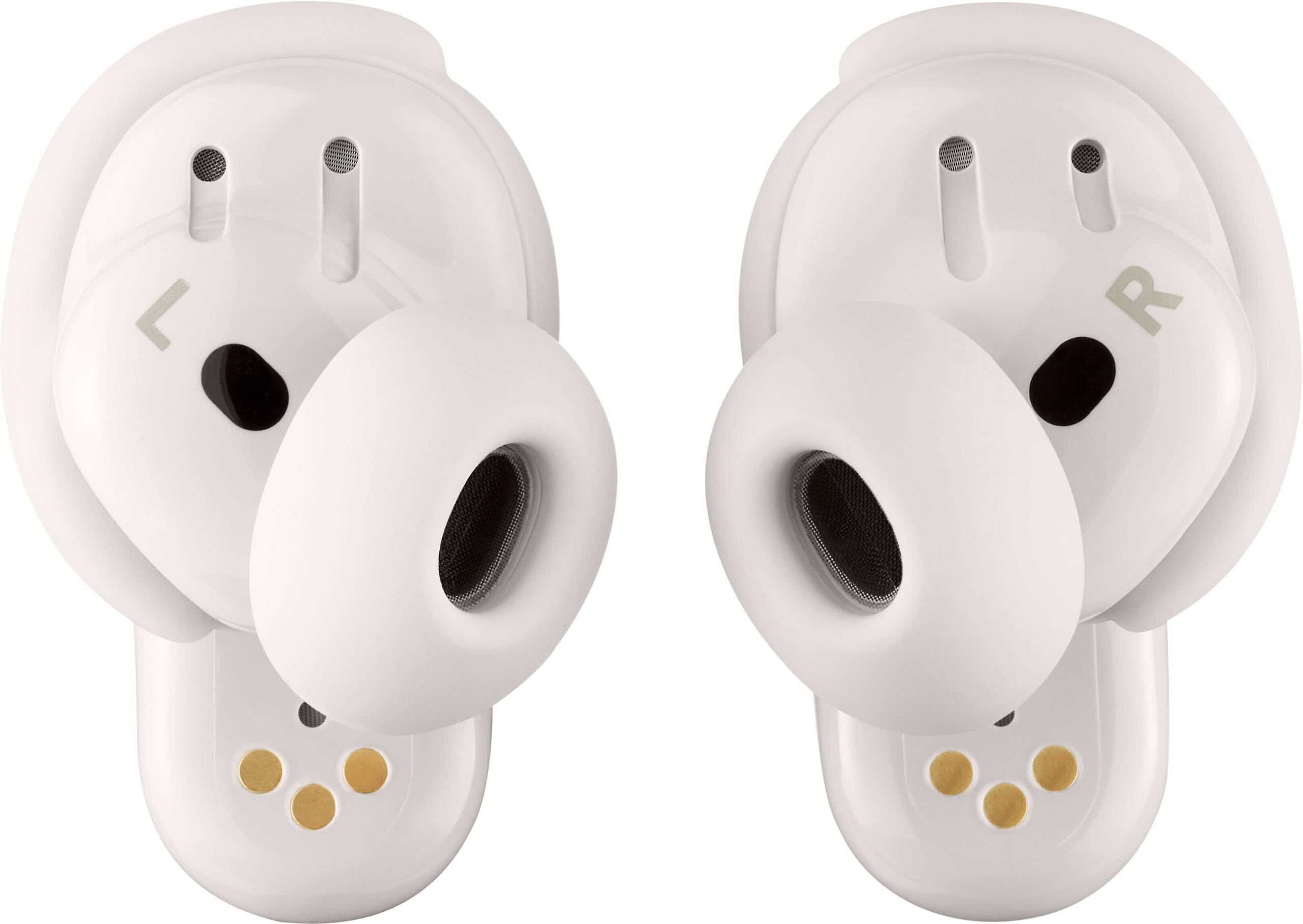
The Bose QuietComfort Ultra simply delivers the most effective noise cancellation I've experienced in wireless earbuds. Bose has been perfecting this technology for decades, and it shows. These earbuds use four microphones per earbud – two facing outward to catch noise before it reaches your ear, and two facing inward to handle any sound that makes it past the first line of defense.
The difference is immediately noticeable on airplanes, where the Bose QuietComfort Ultra can virtually eliminate the constant drone of jet engines. But they're equally impressive with irregular sounds like conversations, construction noise, or traffic. The adaptive nature of their ANC system means it automatically adjusts based on your environment, so you don't need to fiddle with settings constantly.
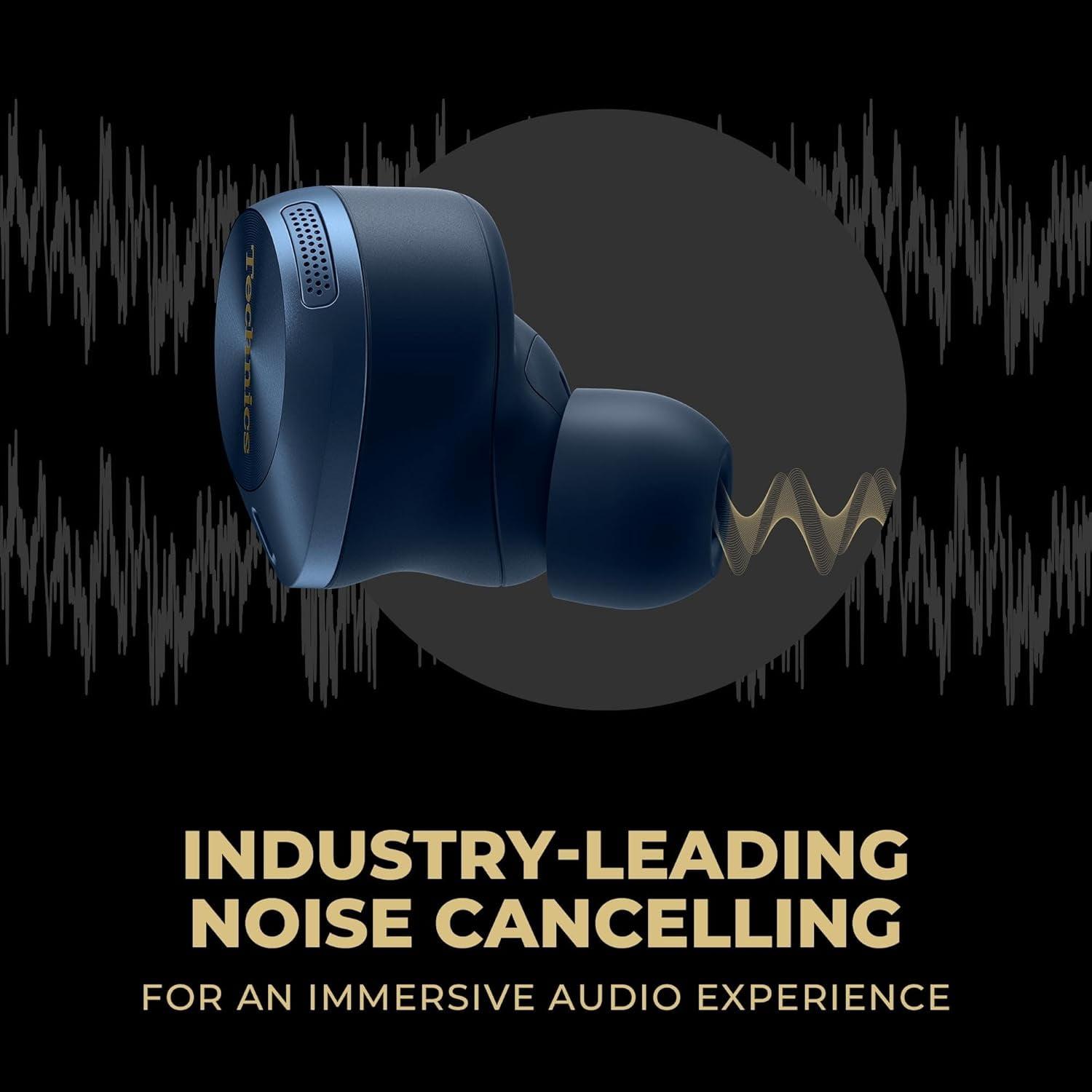
The Technics AZ80 offers what they call Dual Hybrid ANC, using three microphones per earbud. It's genuinely effective and will significantly reduce most background noise, but it simply doesn't match the Bose's performance. Where the difference becomes obvious is with human voices and irregular sounds – the Technics AZ80 will reduce them, while the Bose QuietComfort Ultra can make them nearly disappear.
That said, the Technics AZ80 gives you more manual control over the intensity of noise cancellation, which some users prefer. If you find aggressive ANC creates an uncomfortable pressure sensation, you can dial it back without completely disabling the feature.
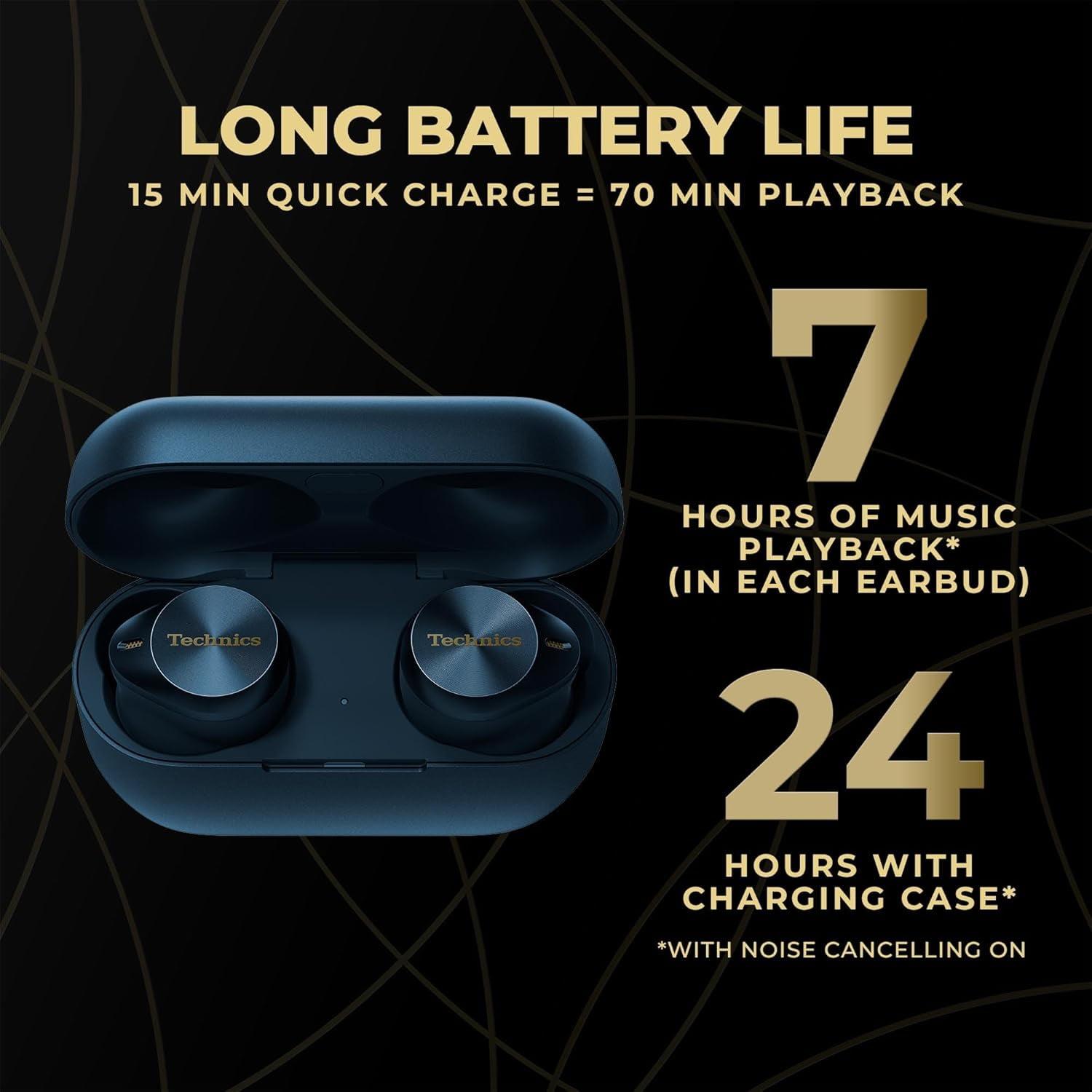
Battery performance reveals another fundamental difference in design priorities. The Technics AZ80 clearly prioritized all-day usability, delivering up to 7 hours of playback with ANC enabled from the earbuds themselves. Add in the charging case, and you're looking at up to 24 hours total. This is genuinely impressive performance that puts it among the best in the category.
The Bose QuietComfort Ultra, by comparison, offers 6 hours from the earbuds (dropping to 4 hours with Immersive Audio enabled). While 24 hours total with the case matches the Technics, the shorter single-session battery life means more frequent charging breaks.
This difference matters more than you might think. If you're someone who wears earbuds for most of your workday, those extra hours from the Technics AZ80 mean fewer interruptions. For shorter listening sessions, the difference becomes less significant.
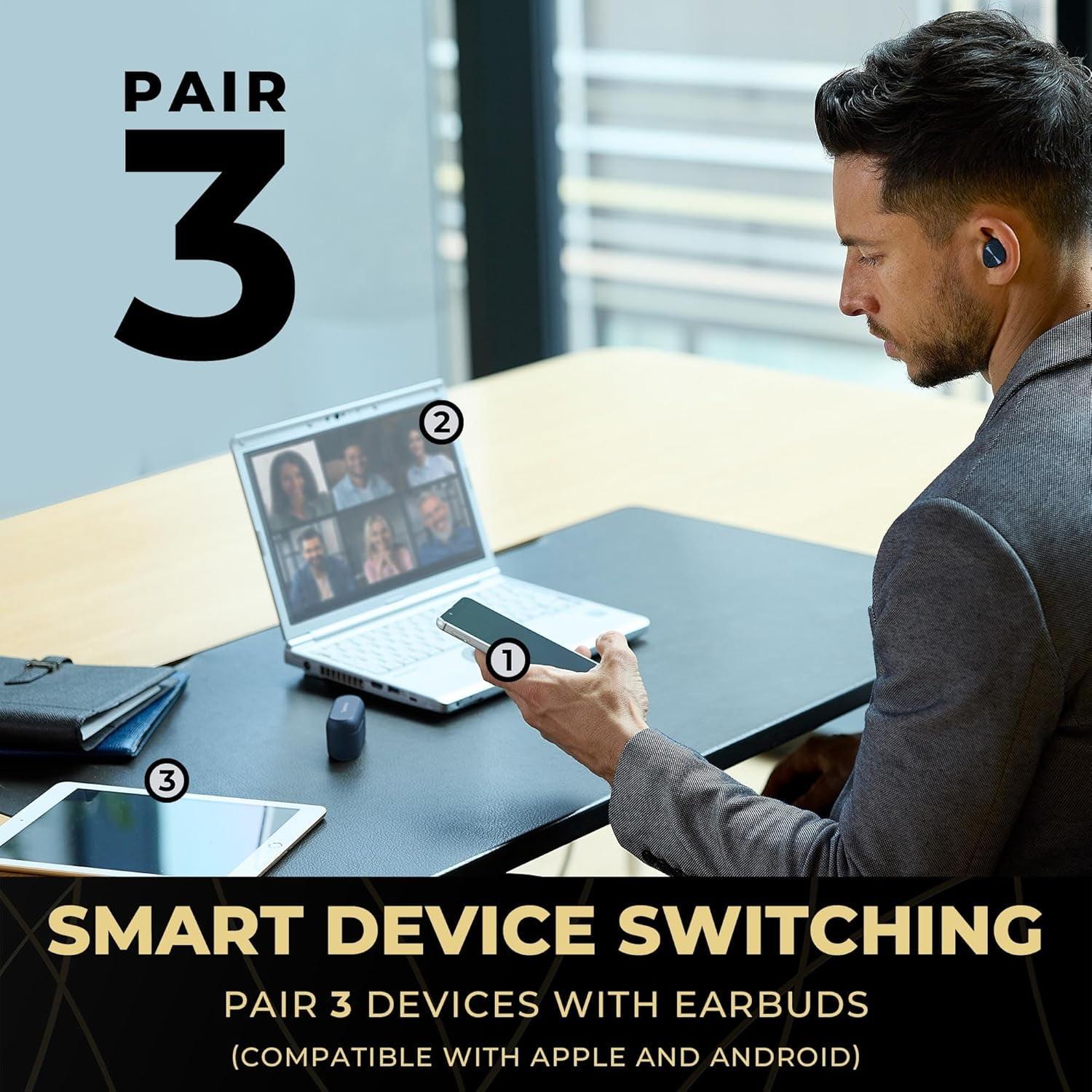
Here's where the Technics AZ80 pulls ahead with a genuinely useful innovation: three-device multipoint connectivity. Most premium earbuds can connect to two devices simultaneously – say, your phone and laptop. The Technics AZ80 can handle three devices, adding your tablet to the mix.
This might sound like a minor spec sheet bullet point, but in practice, it's remarkably convenient. You can have your phone, work laptop, and personal tablet all connected simultaneously. When a call comes in on your phone while you're watching Netflix on your tablet, the earbuds automatically switch. No manual reconnecting, no dropped connections.
The Bose QuietComfort Ultra handles two-device connectivity well (this was added via firmware update after launch), but that third device connection really does make a difference for people juggling multiple devices throughout the day.
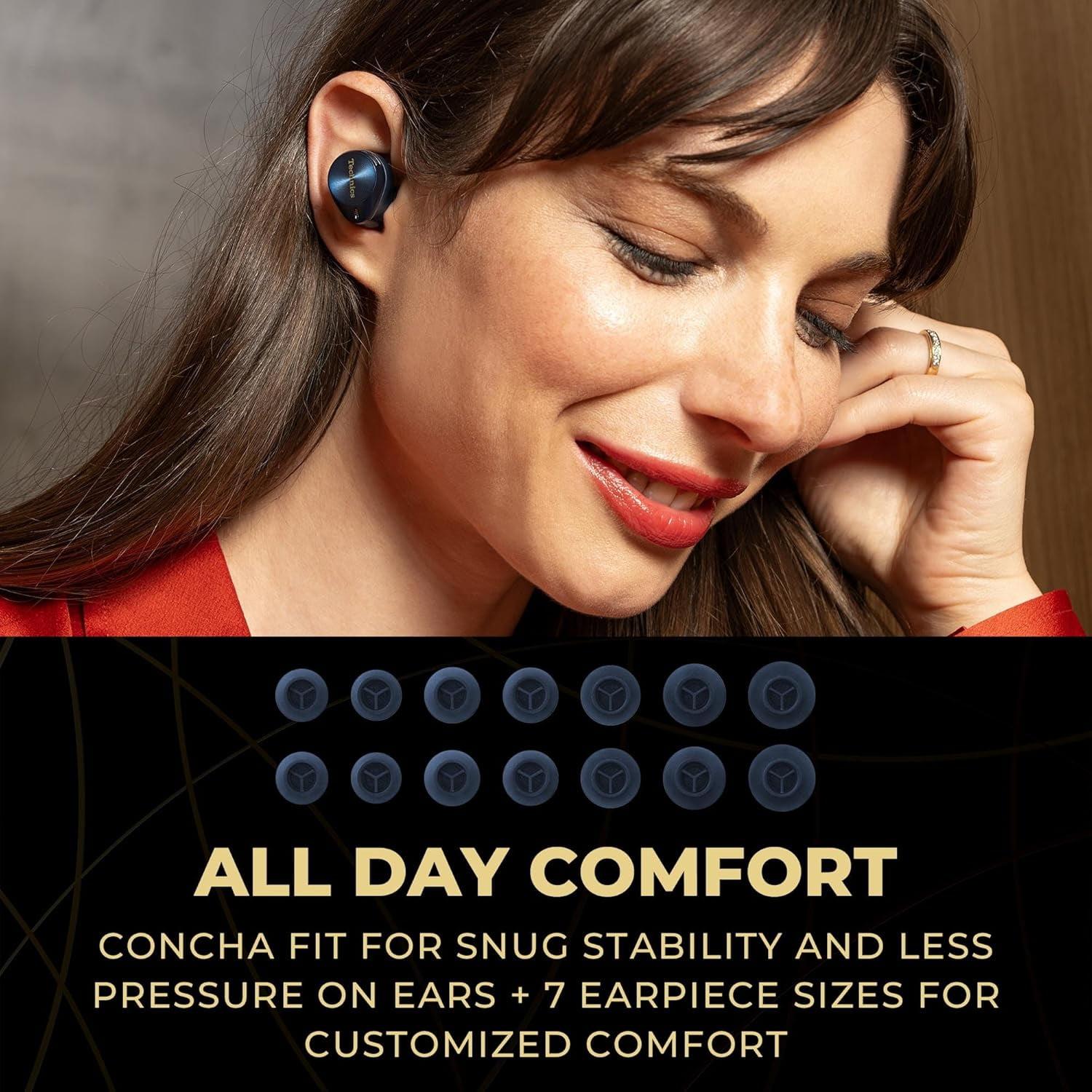
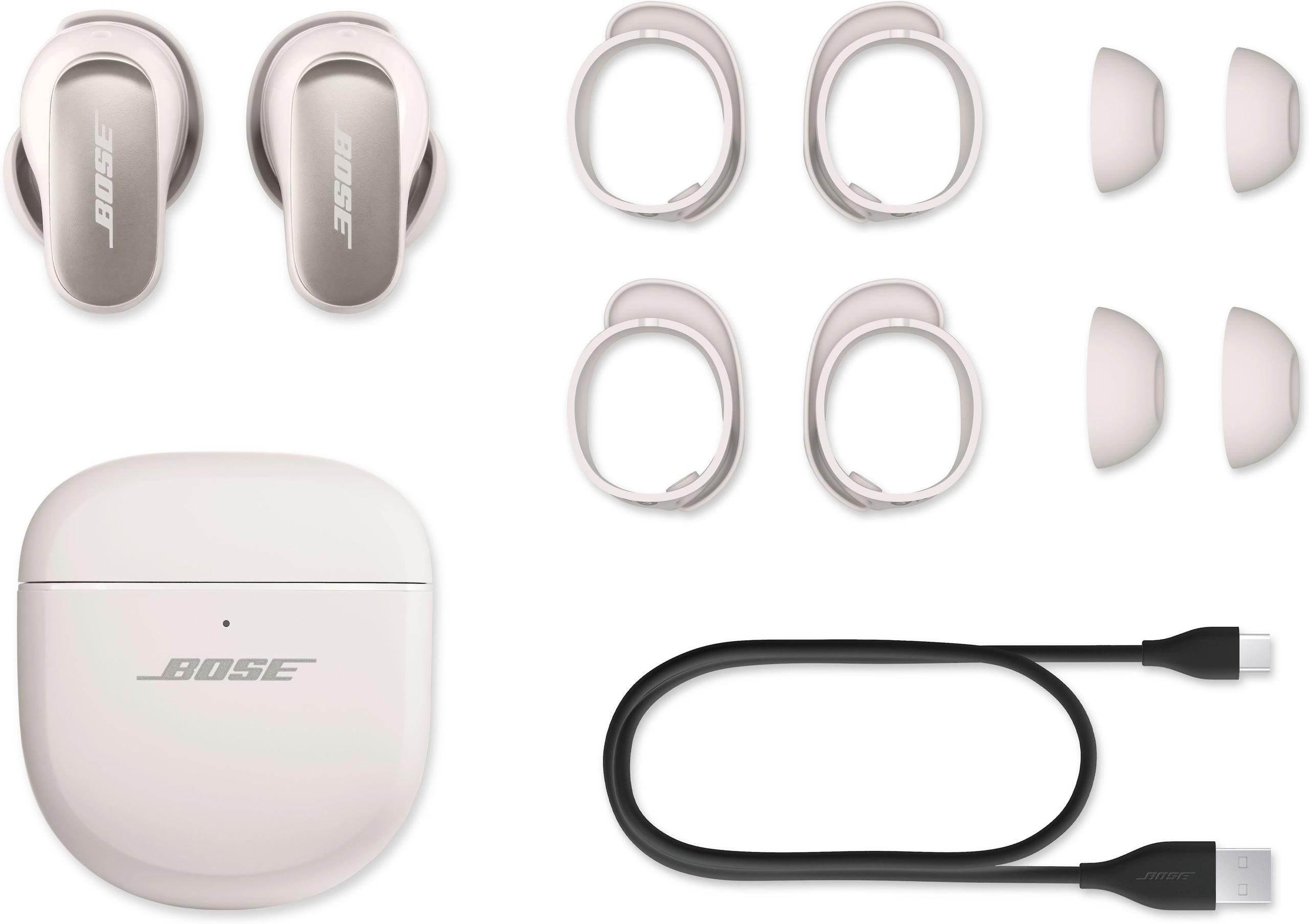
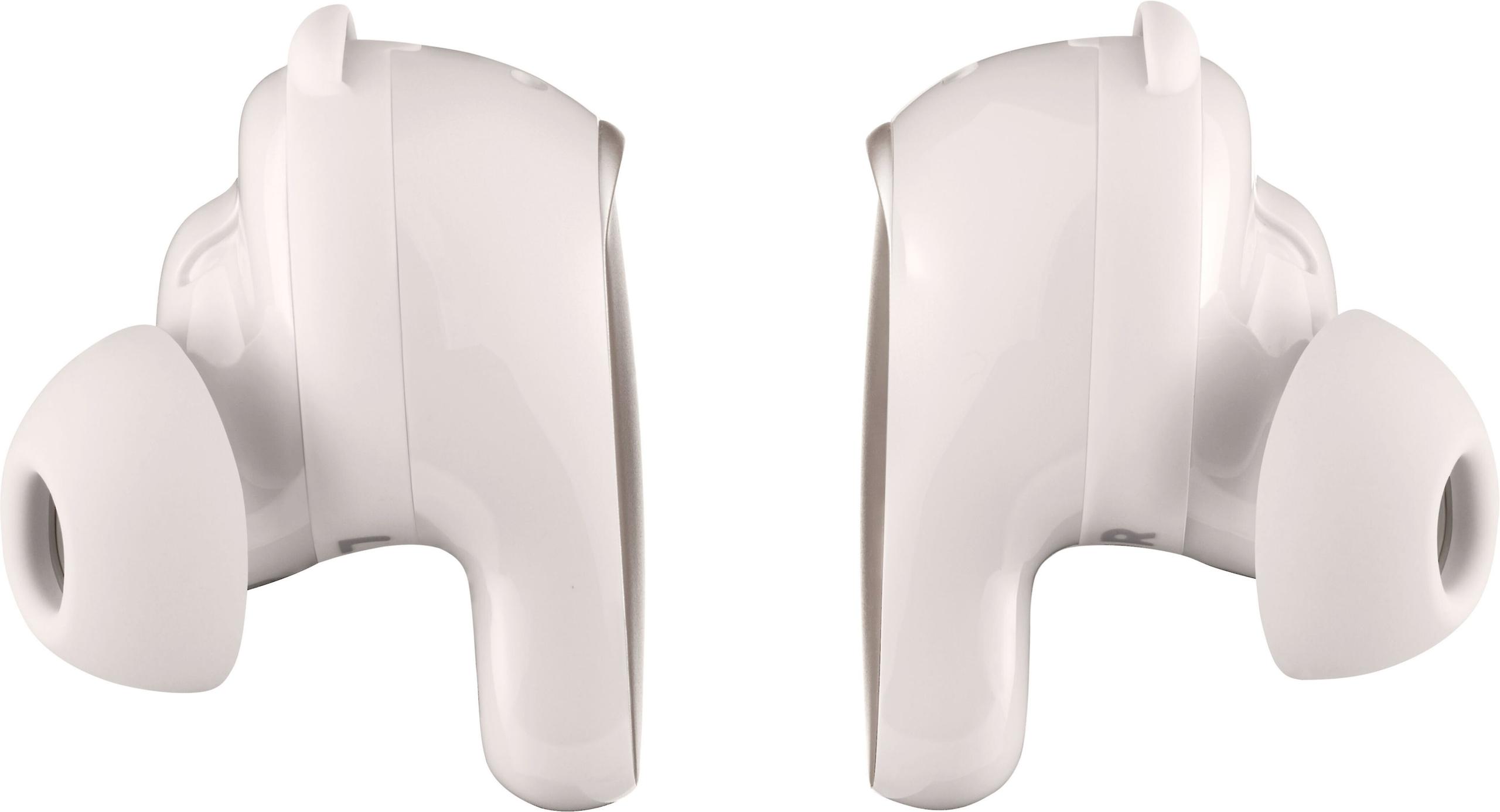
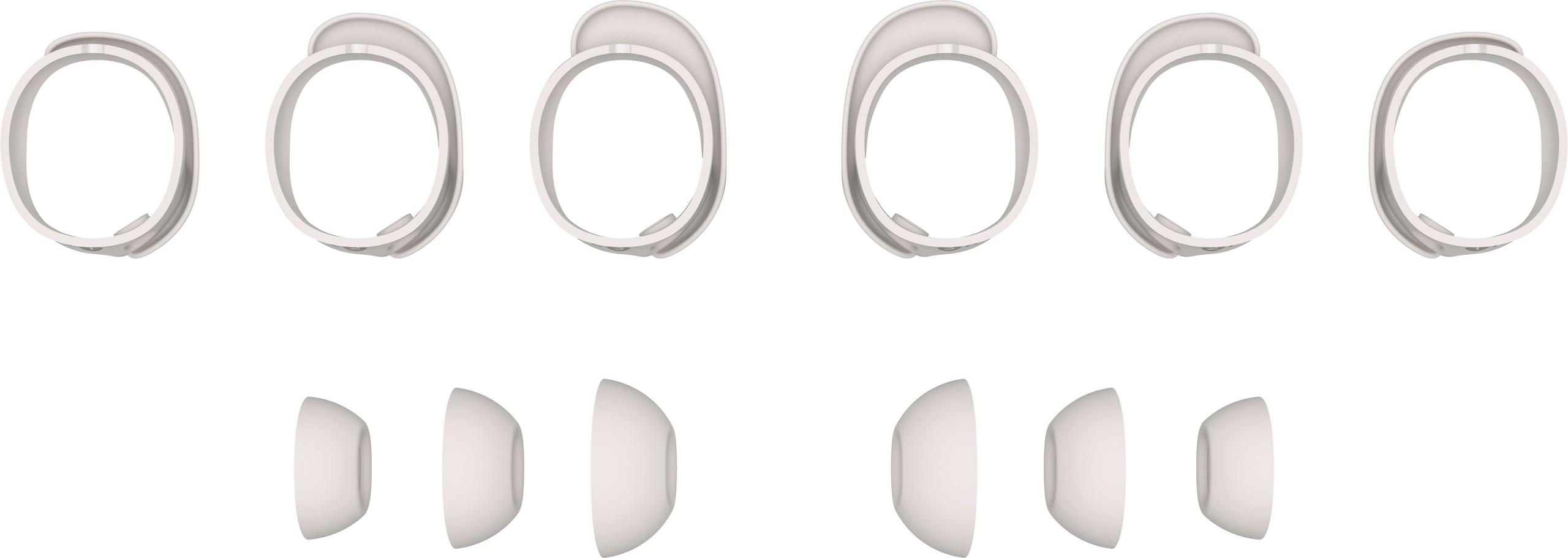
Comfort in earbuds is surprisingly personal. The Bose QuietComfort Ultra includes nine different combinations of ear tips and stability bands, and they've clearly invested significant research into ergonomics. In my experience, they disappear in your ears more completely than the Technics AZ80, making them better for very long listening sessions.
The Technics AZ80 provides seven sizes of ear tips, which should accommodate most ear shapes, but some users find them slightly bulkier. Neither is uncomfortable, but the Bose edge out the Technics for extended wear.
Both carry IPX4 water resistance ratings, meaning they'll handle sweat and light rain without issues. Neither is designed for swimming, but they're perfectly suitable for workouts and outdoor use.
Modern earbuds need to work as headsets, and both products handle this responsibility differently. The Technics AZ80 uses what they call JustMyVoice technology, powered by eight MEMS microphones (MEMS stands for Micro-Electro-Mechanical Systems – essentially very small, precise microphones). This creates an impressive ability to isolate your voice from background noise.
In practice, the Technics AZ80 delivers clearer call quality in moderately noisy environments. The Bose QuietComfort Ultra handles calls competently but doesn't quite match the Technics' voice clarity, particularly when there's competing background noise.
The Bose QuietComfort Ultra makes a strong case for spatial audio with their Immersive Audio technology. Unlike simple stereo sound, this creates the illusion that music is playing around you rather than inside your head. It's particularly effective with orchestral music, movie soundtracks, and any content specifically mixed for spatial audio.
However, this feature comes with trade-offs. Immersive Audio reduces battery life significantly, and not all music benefits from the processing. Simple acoustic songs or heavily compressed pop music might actually sound worse with spatial processing enabled.
While neither product is specifically designed for home theater use, both can enhance your TV watching experience through their parent devices. If you're watching content on a tablet or laptop, both will provide excellent audio quality and the ability to enjoy late-night viewing without disturbing others.
The Bose QuietComfort Ultra's Immersive Audio can add a sense of space to movie soundtracks, though you're limited by the Bluetooth codec your source device supports. The Technics AZ80's superior audio fidelity makes them excellent for critical listening to high-quality movie audio, assuming your source supports LDAC.
After extensive testing with both products, I believe the choice comes down to your primary use case and what aspects of the earbud experience matter most to you.
You're someone who genuinely cares about audio quality above everything else. If you find yourself listening to well-recorded music and can hear the difference between various audio formats, the Technics AZ80 will reward your ears with superior fidelity. The LDAC support alone makes these worthwhile for Android users with high-quality music libraries.
The three-device connectivity is genuinely useful for anyone juggling multiple devices throughout their day. If you're constantly switching between your phone, work laptop, and personal tablet, this feature eliminates a common frustration.
The extended battery life makes the Technics AZ80 ideal for all-day users who don't want to think about charging. If you're the type of person who puts earbuds in at 9 AM and keeps them until 6 PM, that extra hour of battery life adds up.
You prioritize peace and quiet above all else. The noise cancellation performance is simply in a league of its own, making these the clear choice for frequent travelers, open office workers, or anyone who needs to focus in noisy environments.
Comfort is your primary concern. The Bose QuietComfort Ultra disappears in your ears more completely, making them better for very extended wear. If you experience fatigue or discomfort with other earbuds, these are worth trying.
You're interested in spatial audio and immersive listening experiences. While not every song benefits from this processing, when it works, it's genuinely impressive.
Both the Technics AZ80 and Bose QuietComfort Ultra represent excellent implementations of their respective design philosophies. At the time of writing, both offer competitive value propositions within the premium tier, though they appeal to different priorities.
The Technics AZ80 makes the stronger case for pure audio enthusiasts and multi-device users who want flagship performance at a somewhat more accessible price point. The Bose QuietComfort Ultra justifies its premium positioning with unmatched noise cancellation and superior comfort.
In my experience, most people will be happy with either choice – they're both genuinely excellent products. The decision ultimately comes down to whether you value the Technics AZ80's audio fidelity and connectivity features or the Bose QuietComfort Ultra's superior noise cancellation and spatial audio capabilities.
The good news is that in 2024, choosing between these two represents a happy problem – you're picking between two different versions of excellence rather than trying to identify the least problematic option. Both products showcase how far wireless earbuds have evolved and hint at even more impressive innovations to come.
| Technics AZ80 | Bose QuietComfort Ultra |
|---|---|
| Audio Quality - Core performance for music enjoyment | |
| 10mm aluminum alloy drivers with LDAC codec support deliver exceptional detail and accuracy for critical listening | CustomTune technology adapts sound to your ear shape for consistent quality, though less technically precise |
| Active Noise Cancellation - Essential for travel and focus | |
| Dual Hybrid ANC with 3 mics per earbud provides good noise reduction but not class-leading | Industry-leading ANC with 4 mics per earbud virtually eliminates background noise in any environment |
| Battery Life - Determines daily usability | |
| 7 hours per charge (24 total with case) enables all-day use without interruption | 6 hours per charge (4 with spatial audio), 24 total - requires more frequent charging breaks |
| Multipoint Connectivity - Crucial for multi-device users | |
| Connects to 3 devices simultaneously - phone, laptop, and tablet all stay paired | 2-device connectivity handles phone and computer but requires manual switching for additional devices |
| Comfort and Fit - Critical for extended wear | |
| 7 ear tip sizes with solid ergonomics, though slightly bulkier design | 9 fit combinations with superior ergonomic research - disappears in ears during long sessions |
| Spatial Audio Features - Nice-to-have for entertainment | |
| Standard stereo with excellent imaging and accuracy for traditional music listening | Immersive Audio with head tracking creates expanded soundstage for movies and compatible content |
| Call Quality - Important for work and communication | |
| JustMyVoice technology with 8 MEMS mics excels at isolating voice from background noise | Good call quality but allows more background noise through compared to Technics AZ80 |
| Water Resistance - Protection for active use | |
| IPX4 rating handles sweat and light rain during workouts | IPX4 rating provides same protection level for exercise and outdoor use |
| Codec Support - Affects audio quality with compatible devices | |
| LDAC support enables high-resolution audio streaming with compatible Android devices | aptX Adaptive with Snapdragon Sound provides good quality but less bandwidth than LDAC |
The Technics AZ80 delivers superior audio quality for critical music listening. With 10mm aluminum alloy drivers and LDAC codec support, the Technics AZ80 provides exceptional detail, accuracy, and frequency response that audiophiles will appreciate. The Bose QuietComfort Ultra offers good sound quality with CustomTune technology that adapts to your ear shape, but prioritizes consistency over technical precision.
The Bose QuietComfort Ultra provides significantly better noise cancellation. Using four microphones per earbud and decades of ANC expertise, the Bose QuietComfort Ultra can virtually eliminate background noise from airplanes, traffic, and conversations. The Technics AZ80 offers effective noise reduction but cannot match Bose's industry-leading performance.
The Technics AZ80 provides better battery life with up to 7 hours per charge compared to 6 hours from the Bose QuietComfort Ultra (dropping to 4 hours with spatial audio enabled). Both offer 24 hours total with their charging cases, but the Technics AZ80 requires fewer charging breaks during long listening sessions.
The Technics AZ80 offers superior connectivity by connecting to three devices simultaneously - your phone, laptop, and tablet can all stay paired. The Bose QuietComfort Ultra supports two-device connectivity, which handles most users' needs but requires manual switching for additional devices.
The Bose QuietComfort Ultra generally provides better comfort for extended wear. With nine different fit combinations and superior ergonomic design, the Bose QuietComfort Ultra tends to disappear in your ears during long sessions. The Technics AZ80 offers good comfort with seven ear tip sizes but feels slightly bulkier.
The Technics AZ80 delivers superior call quality with JustMyVoice technology using eight MEMS microphones. This advanced microphone array excels at isolating your voice from background noise. The Bose QuietComfort Ultra provides decent call quality but allows more background noise to leak through during conversations.
Both the Technics AZ80 and Bose QuietComfort Ultra feature IPX4 water resistance, making them suitable for workouts and light rain exposure. The Bose QuietComfort Ultra may stay more secure during intense exercise due to its superior fit system, while the Technics AZ80 offers longer battery life for extended gym sessions.
The Bose QuietComfort Ultra provides more advanced spatial audio with Immersive Audio technology and head tracking. This creates an expanded soundstage that makes music and movies feel more three-dimensional. The Technics AZ80 focuses on traditional stereo presentation with exceptional accuracy rather than spatial processing effects.
The Technics AZ80 typically offers better value by delivering flagship audio quality, longer battery life, and three-device connectivity at a more accessible price point. The Bose QuietComfort Ultra commands a premium for its superior noise cancellation and comfort, which may justify the higher cost for frequent travelers.
Both earbuds work well for home movie watching, though each excels differently. The Bose QuietComfort Ultra provides immersive spatial audio that enhances movie soundtracks and dialogue clarity. The Technics AZ80 offers superior audio fidelity for critically listening to high-quality movie audio, especially with LDAC-compatible devices.
The Bose QuietComfort Ultra is the clear winner for travel due to its exceptional noise cancellation that virtually eliminates airplane noise, train sounds, and busy terminal chatter. While the Technics AZ80 offers good noise reduction and longer battery life, the superior ANC of the Bose QuietComfort Ultra makes flights and commutes much more peaceful.
Both Technics AZ80 and Bose QuietComfort Ultra come from established audio companies with solid reputations. Bose has a longer track record with consumer electronics and extensive customer support networks. Technics, backed by Panasonic, brings decades of professional audio expertise. Both typically offer one-year warranties and have shown good long-term reliability in testing.
We've done our best to create useful and informative comparisons to help you decide what product to buy. Our research uses advanced automated methods to create this comparison and perfection is not possible - please contact us for corrections or questions. These are the sites we've researched in the creation of this article: stereonet.com - us.technics.com - us.technics.com - rtings.com - head-fi.org - bestbuy.com - soundguys.com - head-fi.org - youtube.com - loudnwireless.com - youtube.com - cnet.com - technics.com - technics.com - bestbuy.com - target.com - us.technics.com - technics.com - youtube.com - head-fi.org - nnty.fun - us.technics.com - bhphotovideo.com - bestbuy.com - us.technics.com - audiosciencereview.com - youtube.com - head-fi.org - head-fi.org - jbhifi.com.au - rtings.com - recordingnow.com - youtube.com - runnersworld.com - whathifi.com - soundguys.com - cnet.com - bestbuy.com - techgearlab.com - youtube.com - techgearlab.com - youtube.com - youtube.com - loudnwireless.com - soundguys.com - bose.com - bestbuy.com - youtube.com - cdw.com - assets.bose.com - bose.com - staples.com - youtube.com - bhphotovideo.com - shoplineusa.com - insight.com - screenmoove.com - boselatam.com - abt.com - bhphotovideo.com - whathifi.com - bose.com - youtube.com - bose.com - tomsguide.com - boselatam.com - youtube.com

Privacy Policy
Terms and Conditions - Affiliate Policy
Home Security
© Copyright 2008-2026.
11816 Inwood Rd #1211, Dallas, TX 75244