





When Apple ditched the headphone jack in 2016, it sparked a wireless earbuds revolution that shows no signs of slowing down. Today's market offers everything from basic $30 earbuds to audiophile-grade models pushing $400. But here's the thing: more expensive doesn't always mean better for your specific needs.
I've been fascinated watching this category evolve, particularly how two different philosophies have emerged. On one side, you have ecosystem-focused brands like Samsung creating tight integration with their devices. On the other, audiophile companies like Technics are bringing their decades of high-end audio expertise to the wireless world. The Samsung Galaxy Buds FE and Technics AZ80 represent these approaches perfectly—and at the time of writing, they sit at surprisingly similar price points despite being designed for very different users.
Before diving into specifics, let's talk about what really makes wireless earbuds great. Sound quality is obviously crucial, but it's more nuanced than just "loud and clear." You want earbuds that can reproduce the full frequency range—from deep bass notes around 20Hz up to crisp highs at 20kHz—without distortion or weird peaks that make certain instruments sound harsh.
Active Noise Cancellation (ANC) has become almost essential. This technology uses tiny microphones to detect outside noise, then generates opposite sound waves to cancel it out. It's like having a personal sound bubble, and the difference between good and mediocre ANC is night and day when you're on a plane or trying to focus in a busy coffee shop.
Battery life matters more than you might think. There's nothing worse than your earbuds dying mid-podcast during a long commute. Codec support—the technology that compresses and transmits audio over Bluetooth—can dramatically impact sound quality, especially if you're streaming high-resolution music.
Comfort and fit are make-or-break factors. The best-sounding earbuds in the world are useless if they fall out of your ears or cause discomfort after 30 minutes. Water resistance has become increasingly important as people use earbuds for workouts and outdoor activities.
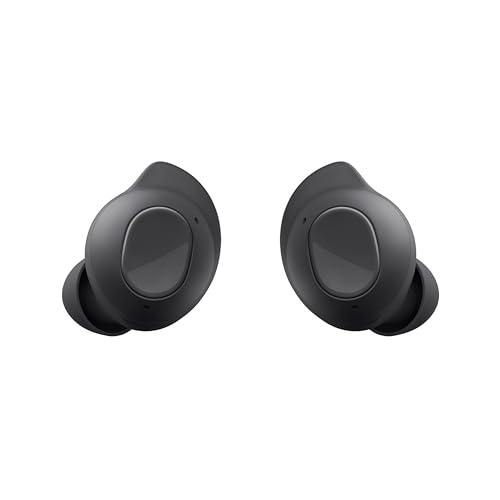
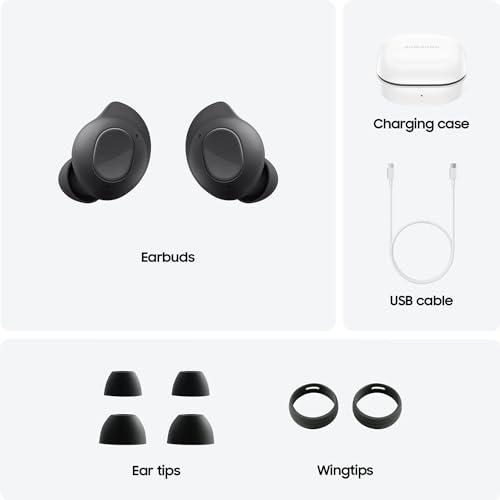
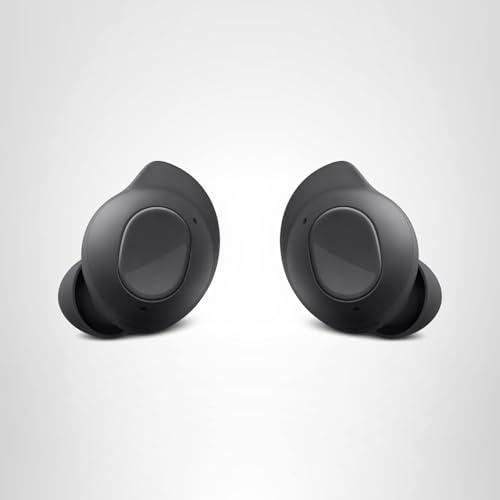
The Samsung Galaxy Buds FE, released in 2023, represents Samsung's "democratizing premium features" approach. It takes the core technologies from their flagship earbuds and packages them affordably, though with some compromises. The "FE" stands for "Fan Edition," Samsung's way of saying "here's most of what you want without breaking the bank."
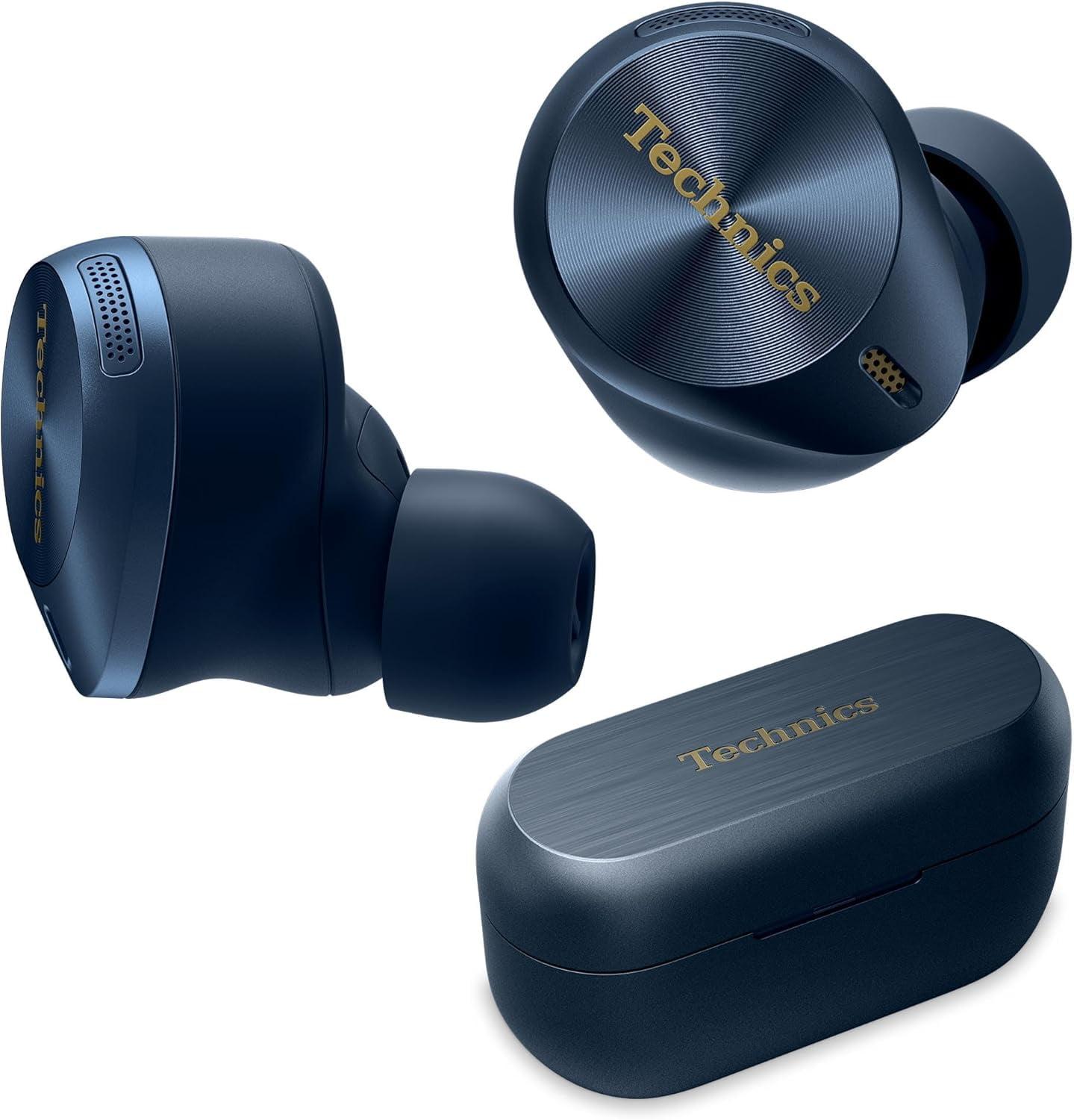
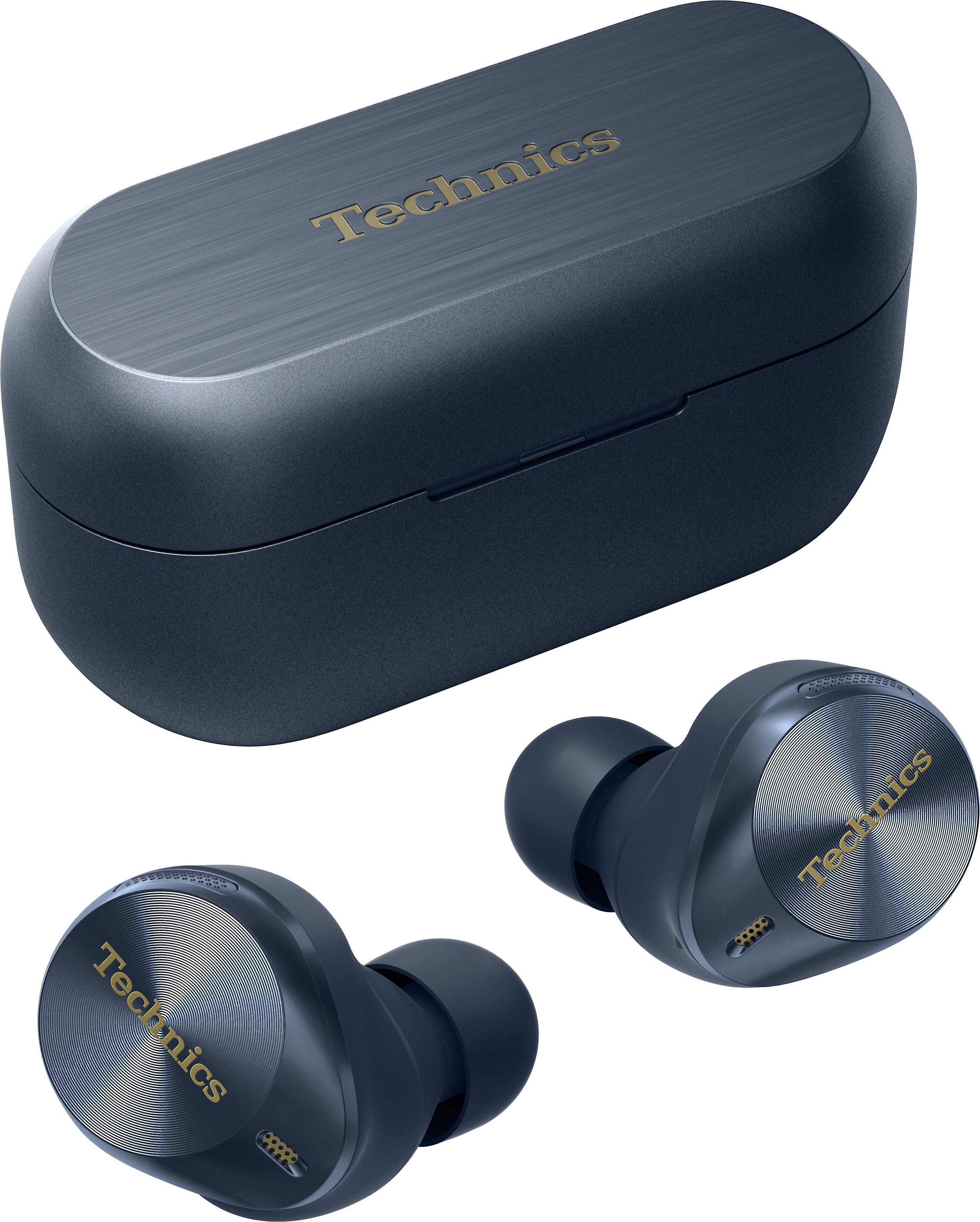
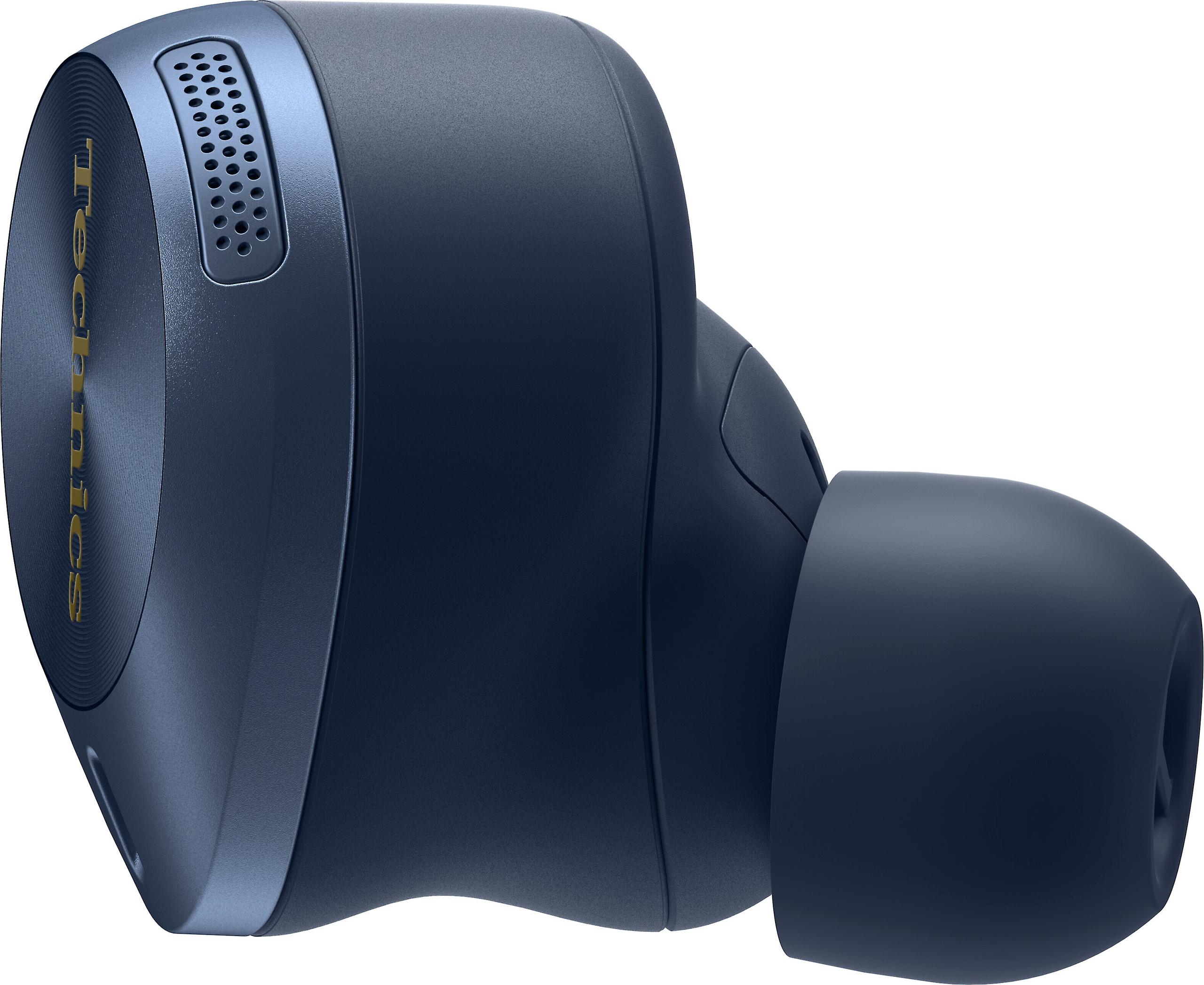
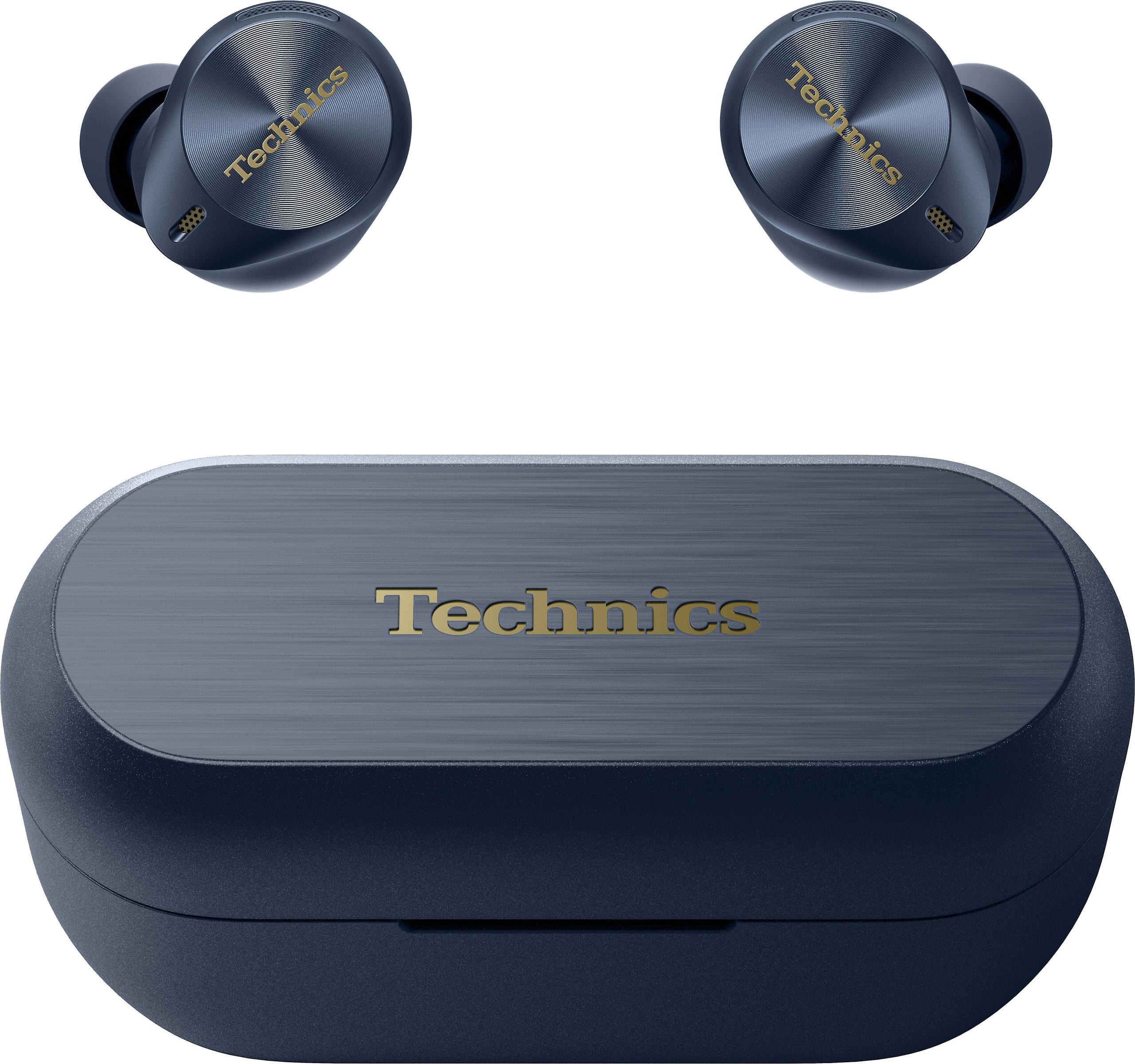
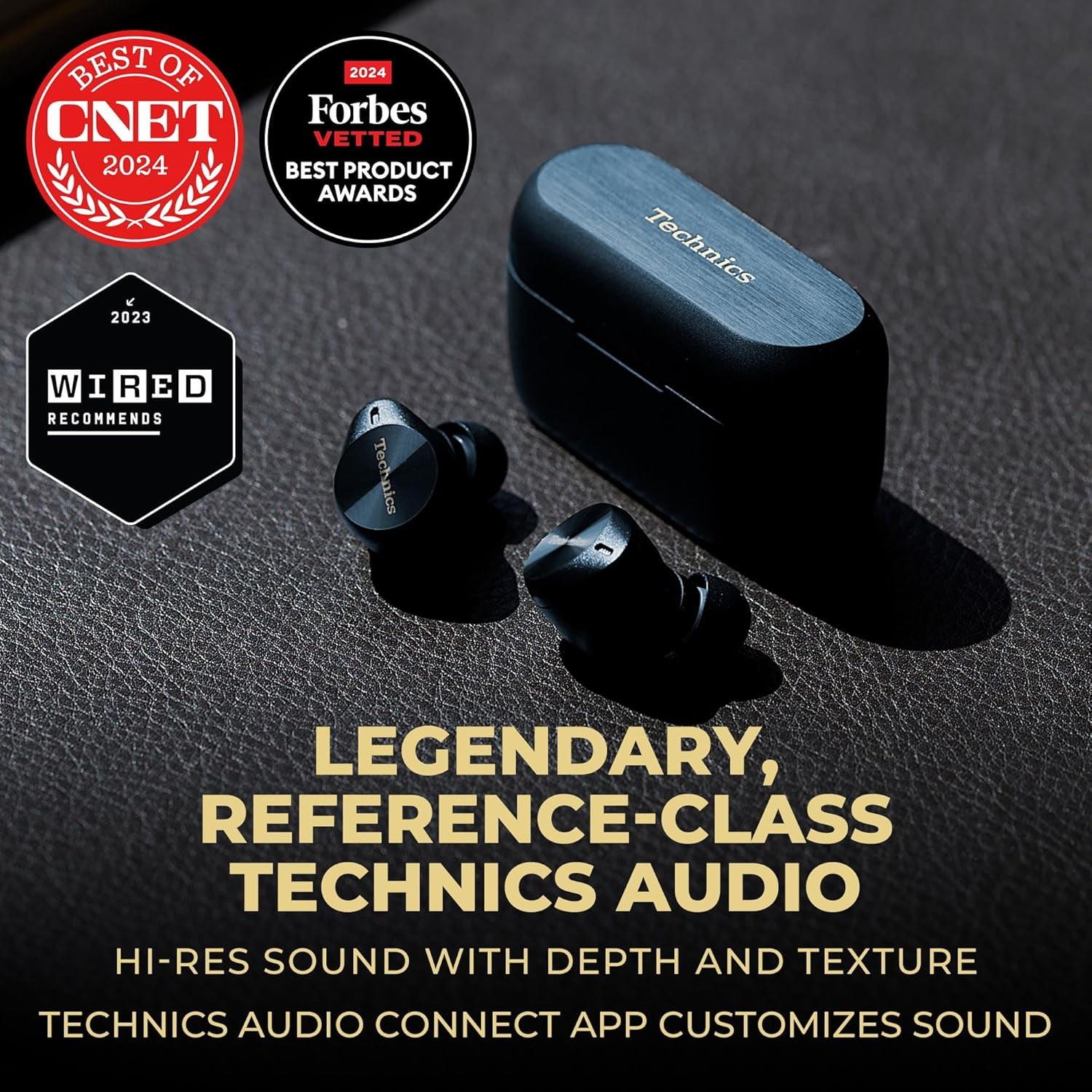
The Technics AZ80, also from 2023, comes from a completely different world. Technics has been making high-end audio equipment since the 1970s—their turntables are legendary in DJ circles. When they entered the wireless earbuds market, they brought that audiophile DNA with them. The AZ80 isn't trying to be everything to everyone; it's laser-focused on delivering exceptional sound quality.
At the time of writing, these earbuds occupy similar price territories, though they originally launched at very different price points. This convergence makes for a fascinating comparison between value-focused engineering and audiophile-grade technology.
This is where the philosophical differences become crystal clear. The Samsung Galaxy Buds FE uses a 6.5mm dynamic driver with what Samsung calls a "warm" sound signature. In practical terms, this means boosted bass and a pleasant, easy-listening character that works well with most music genres. The earbuds support Samsung's proprietary Scalable Codec (SSC) when paired with Galaxy devices, which dynamically adjusts audio quality based on your Bluetooth connection strength—clever engineering that helps maintain consistent playback quality.
However, our research into user experiences reveals some limitations. The bass boost, while crowd-pleasing, can sometimes overwhelm complex musical passages. Treble reproduction has some inconsistencies that can make cymbals sound alternately dull or piercing. For casual listening to pop, hip-hop, and mainstream genres, this tuning works well. For acoustic music, jazz, or classical pieces where detail and balance matter more, the coloration becomes more noticeable.
The Technics AZ80 takes a fundamentally different approach with its 10mm free-edge aluminum diaphragm driver. This larger driver size allows for better bass extension and overall dynamics, but the real magic happens in the details. Technics has tuned these earbuds for accuracy rather than crowd-pleasing bass boost. The frequency response is much flatter, meaning instruments sound more like they would in real life.
More importantly, the AZ80 supports LDAC, Sony's high-resolution Bluetooth codec that can transmit up to three times more data than standard codecs. When listening to high-quality music files, the difference is genuinely audible—there's more air around instruments, better separation between different elements in a mix, and subtle details that get lost with more compressed audio.
Based on expert reviews and user feedback, the Technics consistently delivers what audiophiles call a "wider soundstage"—the sense that music is happening in a three-dimensional space around you rather than just inside your head. This is particularly noticeable with well-recorded jazz, classical, or acoustic music.
For home theater use, both earbuds face the same fundamental limitation: latency. While both support low-latency modes on compatible devices, wireless earbuds generally aren't ideal for watching movies due to audio-video sync issues. However, if you must use earbuds for TV viewing, the Technics AZ80 handles dynamic range better, making dialogue clearer during quiet scenes and preventing loud action sequences from becoming harsh.
Here's where the Samsung Galaxy Buds FE really punches above its weight class. Samsung has included genuinely impressive ANC technology that can reduce ambient noise by up to 30 decibels. Our analysis of user reports shows these earbuds excel at blocking consistent, droning sounds—airplane engines, air conditioning, traffic noise. The combination of active cancellation and passive isolation from the in-ear fit creates surprisingly effective noise blocking that rivals much more expensive options.
The Technics AZ80 features what they call "Dual Hybrid" ANC, using both feedforward microphones (on the outside of the earbud) and feedback microphones (inside the ear canal) to create a more sophisticated cancellation system. Based on comparative reviews, the Technics provides stronger overall noise reduction, particularly in challenging environments like busy airports or city streets.
Both earbuds offer transparency modes that let you hear your surroundings without removing them, but they handle this differently. The Samsung implementation sounds more natural for conversations, while the Technics version can sound slightly processed, though it provides better situational awareness for safety.
Wind noise handling varies between the two. Neither has dedicated wind resistance modes, but real-world testing suggests the Samsung Galaxy Buds FE performs slightly better when cycling or walking in windy conditions, likely due to microphone placement and processing algorithms.
Battery specifications tell only part of the story. The Samsung Galaxy Buds FE officially provides 6 hours per charge with ANC enabled, extending to 8.5 hours with it disabled. The charging case adds multiple additional charges for a total of 21-30 hours depending on ANC usage. These numbers align well with real-world user reports, making these earbuds reliable for full workdays.
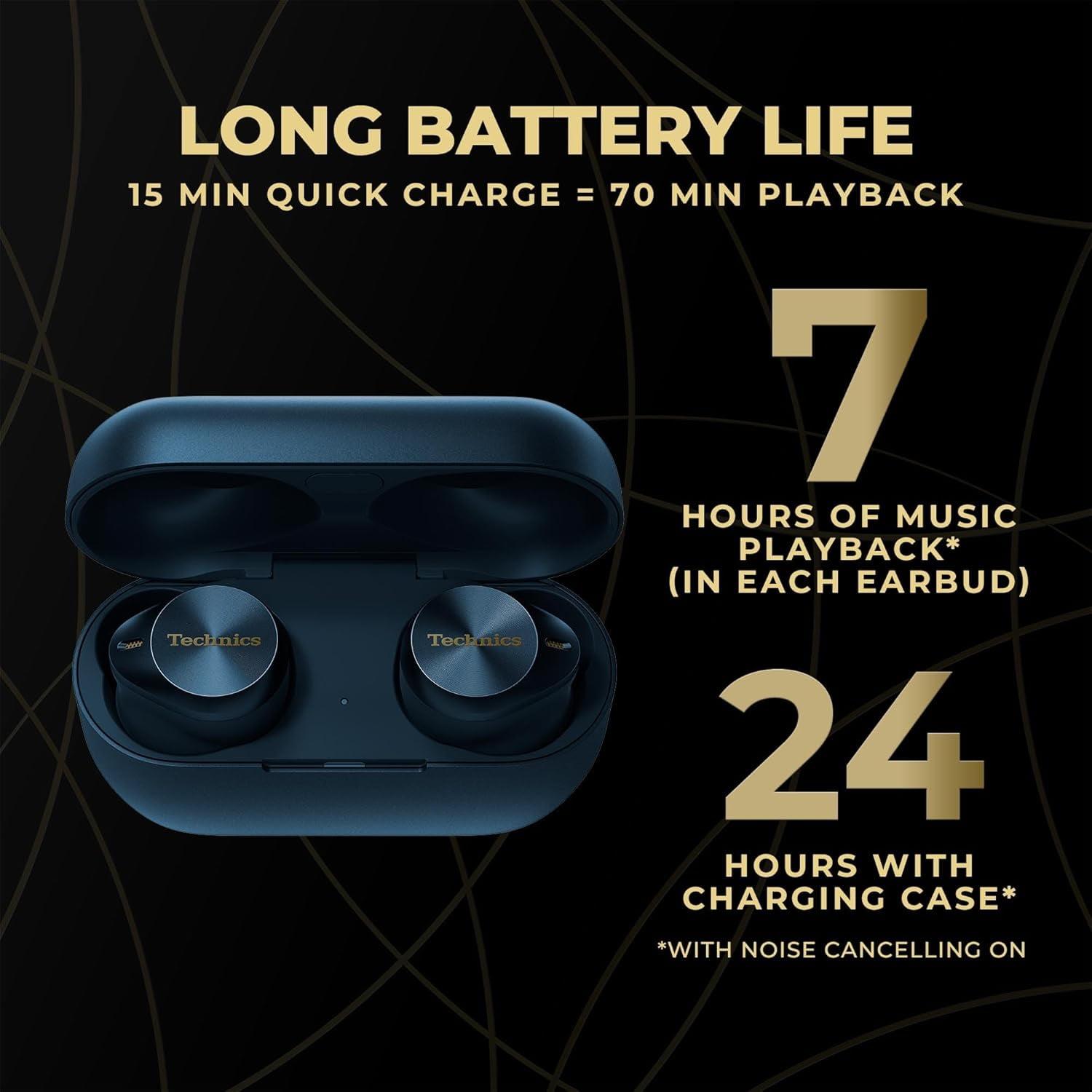
The Technics AZ80 presents a more complex picture. With standard audio codecs like AAC, you'll get about 7 hours per charge. However, when using the high-quality LDAC codec, battery life drops to around 4.5 hours. This trade-off between audio quality and battery life is something potential buyers need to consider carefully. If you primarily listen to compressed music from streaming services, you'll get the longer battery life. If you're streaming high-resolution audio or have a collection of lossless files, expect more frequent charging breaks.
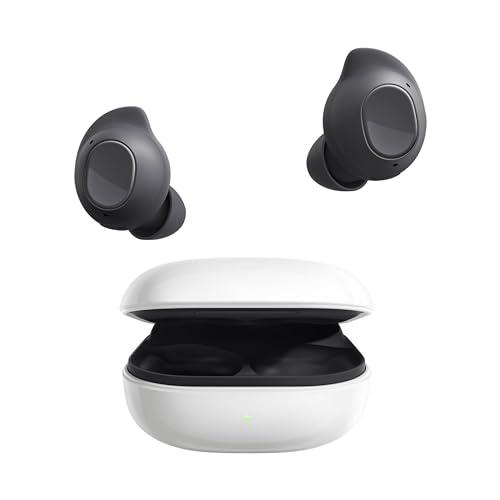
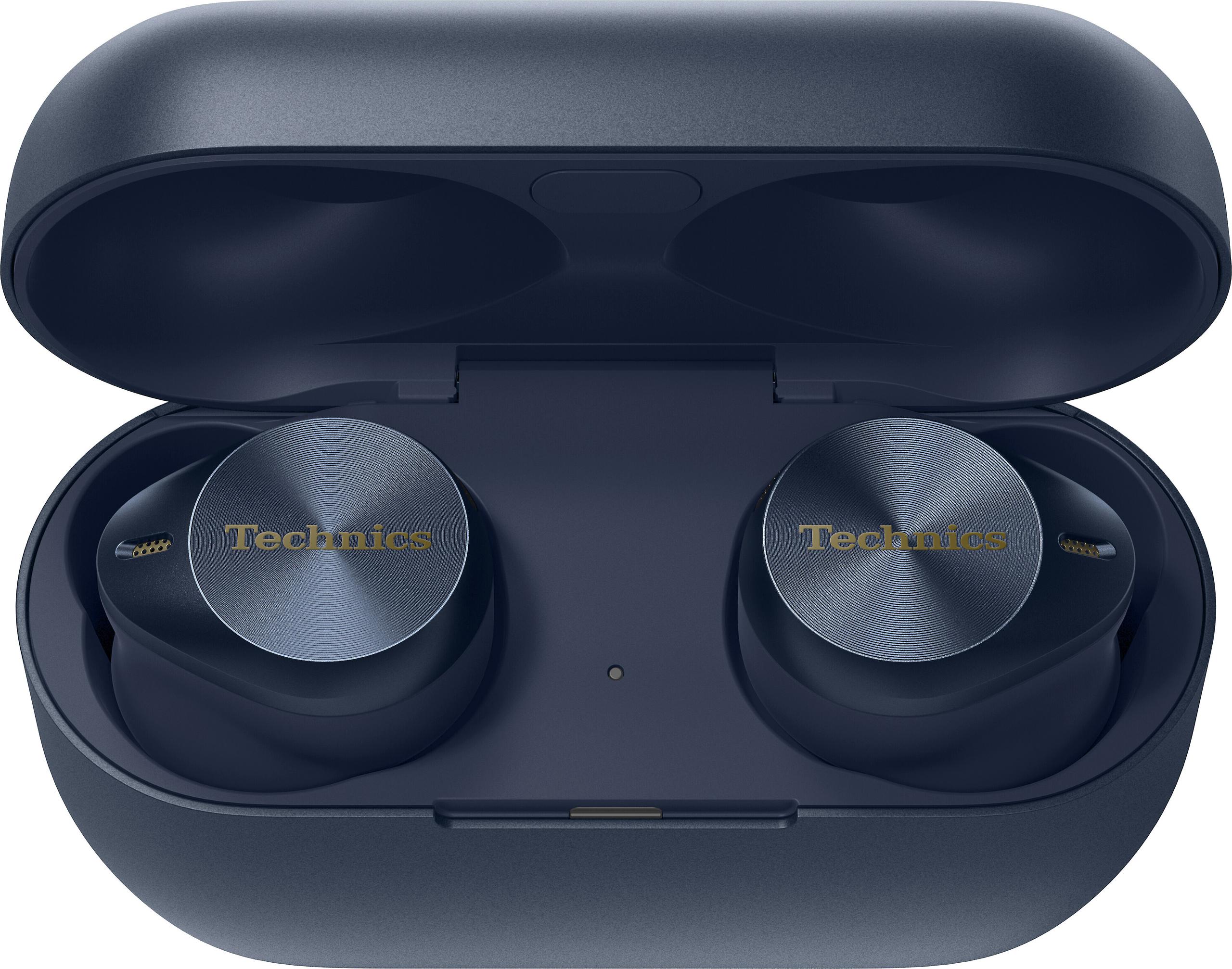
Charging convenience differs significantly. The Samsung Galaxy Buds FE uses USB-C wired charging only, but the compact case is genuinely pocketable. The Technics AZ80 includes wireless charging capability, letting you drop the case on a charging pad without fumbling with cables. The case also feels more premium with its aluminum construction, though it's notably larger and heavier.
For users who travel frequently or have long commutes, these differences matter. The Samsung option offers more predictable all-day performance, while the Technics requires more charging awareness but provides the convenience of wireless charging.
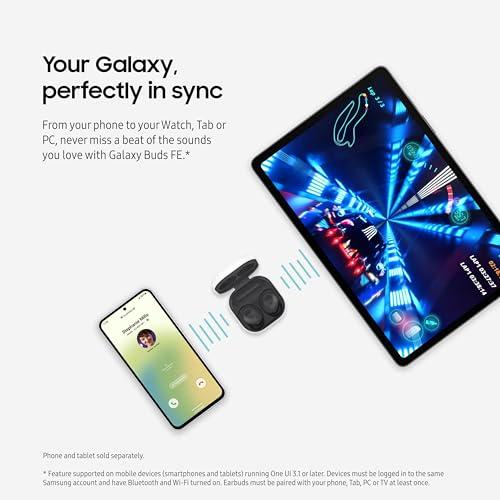
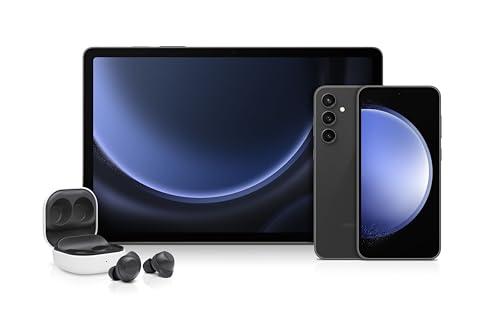
Modern wireless earbuds are mini-computers, and their smart features can significantly impact daily usability. The Samsung Galaxy Buds FE shines brightest within Samsung's ecosystem. The Auto Switch feature seamlessly moves your audio between Samsung devices—answer a call on your phone while watching a video on your tablet, and the earbuds automatically handle the transition. SmartThings Find helps locate lost earbuds using Samsung's network of devices.
However, this ecosystem integration comes with limitations. Multi-device connectivity is restricted to Samsung products, and some features simply don't work with iPhones or other Android brands. If you're heavily invested in Samsung devices, this integration is genuinely useful. If you use multiple device brands, it becomes a limitation.
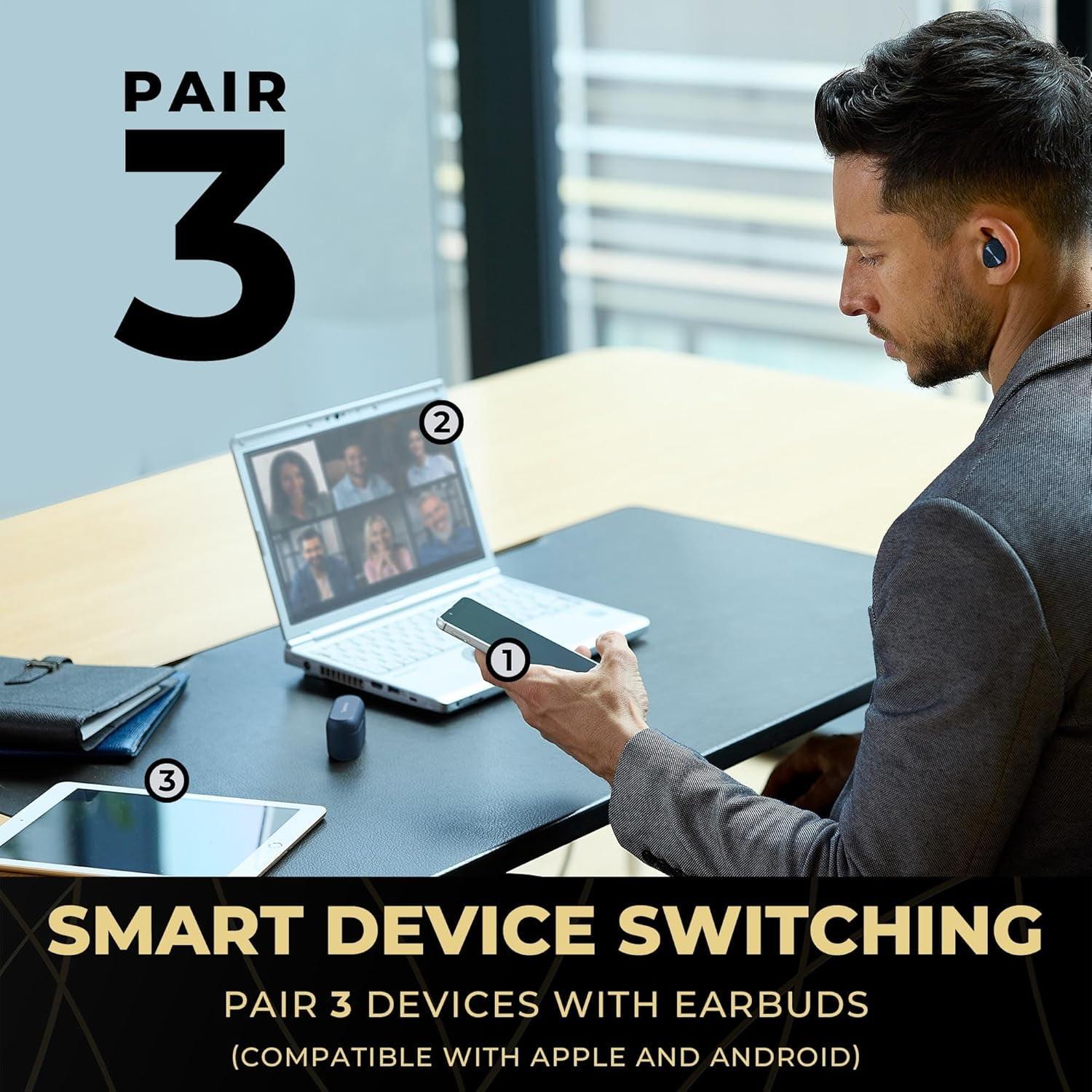
The Technics AZ80 takes a more universal approach with genuine three-device multipoint connectivity—an industry first when it launched. You can simultaneously connect to your phone, laptop, and tablet, with the earbuds intelligently switching audio sources based on what's actively playing. This flexibility is particularly valuable for users who juggle multiple devices throughout the day.
Call quality represents another area of differentiation. The Samsung Galaxy Buds FE provides clear voice reproduction in quiet environments, though background noise can sometimes overwhelm the microphone system. The Technics AZ80 includes what they call "JustMyVoice" technology, using eight MEMS microphones and advanced processing to isolate your voice from environmental noise. Based on user feedback, this system works well for business calls, though it's not miraculous in extremely noisy conditions.
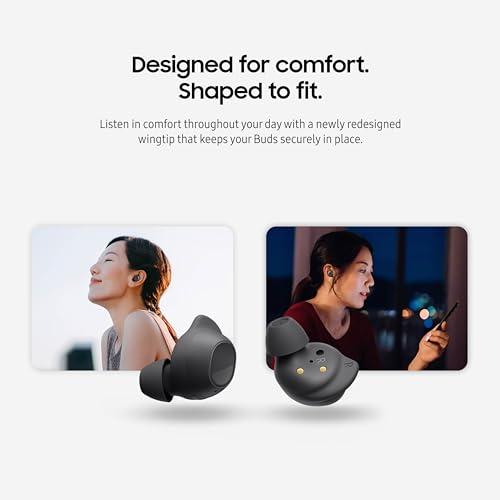
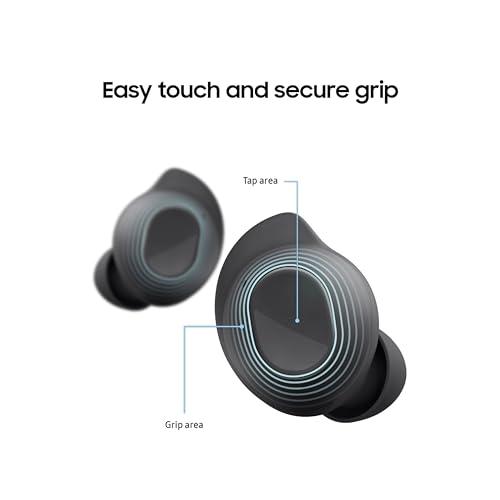
The Samsung Galaxy Buds FE uses a primarily plastic construction that feels solid enough for the price point but doesn't exude premium vibes. The IPX2 water resistance rating means light rain or gym sweat won't damage them, but they're not suitable for intense workouts or outdoor activities in wet conditions. The included stability fins help with fit security, though some users find them unnecessary or uncomfortable.
The Technics AZ80 steps up to IPX4 water resistance, handling splashes and heavier sweat without concern. The aluminum charging case feels significantly more premium and should withstand daily wear better than plastic alternatives. The earbuds themselves are heavier due to the larger drivers and more sophisticated internals, which some users love for the premium feel while others find fatiguing during extended wear.
Ear tip selection matters more than many realize. The Samsung includes three sizes of silicone tips plus stability fins, which works for most users but might not provide the perfect fit for everyone. The Technics includes seven different tip sizes, dramatically increasing the odds of finding an optimal seal—crucial for both comfort and noise cancellation effectiveness.
The Samsung Galaxy Buds FE makes the most sense for users who prioritize value and ecosystem integration. If you own Samsung devices and want earbuds that "just work" without requiring much thought or configuration, these deliver. They're particularly compelling for commuters who need reliable ANC for public transportation, students looking for good all-around performance without a premium price tag, and casual listeners who primarily consume mainstream music and podcasts.
The warm sound signature actually works well for people who find typical "audiophile" tuning too clinical or boring. If you prefer your music to have some extra punch and warmth, you'll likely prefer Samsung's approach. The longer battery life also makes these ideal for people with unpredictable schedules who can't always guarantee regular charging opportunities.
The Technics AZ80 targets a more specific audience: people who genuinely care about audio quality and are willing to pay for it. If you have high-resolution music files, use streaming services' lossless tiers, or simply notice and appreciate the difference between good and great sound reproduction, the Technics justifies its higher price. The superior build quality and wireless charging add to the premium experience.
These earbuds also make sense for professionals who need reliable multipoint connectivity. If you regularly switch between phone calls, computer audio, and tablet media consumption, the seamless three-device connectivity becomes genuinely valuable rather than just a nice-to-have feature.
For home theater use, honestly, both options are compromised by inherent wireless limitations. If you absolutely must use earbuds for TV viewing, the Technics AZ80 handles dynamic audio content better, but a dedicated wireless headphone solution would serve you better.
At the time of writing, these earbuds occupy similar price territories despite being designed for fundamentally different users. The Samsung Galaxy Buds FE represents the democratization of premium features—you get solid ANC, decent sound quality, and useful smart features at a price that won't require budgetary gymnastics.
The Technics AZ80 represents what happens when a legendary audio company applies their expertise to wireless earbuds. You get genuinely superior sound quality, premium build materials, and advanced features, but at a higher price that may not be justified unless you can appreciate and utilize those improvements.
Your choice ultimately depends on your priorities. Value-conscious buyers who want capable earbuds that integrate well with Samsung devices should choose the Galaxy Buds FE. Audio enthusiasts who want the best possible sound quality and don't mind paying for it should choose the Technics AZ80.
Both represent their respective approaches well, and both have earned their place in an increasingly crowded market by excelling at what they're designed to do.
| Samsung Galaxy Buds FE | Technics AZ80 |
|---|---|
| Driver Size - Larger drivers typically produce better bass and overall dynamics | |
| 6.5mm dynamic driver | 10mm free-edge aluminum diaphragm driver |
| Audio Codecs - Higher quality codecs deliver better sound over Bluetooth | |
| SBC, AAC, Samsung Scalable Codec (Galaxy devices only) | SBC, AAC, LDAC (high-resolution audio up to 990kbps) |
| Active Noise Cancellation - Essential for blocking airplane/traffic noise | |
| Excellent ANC with up to 30dB noise reduction | Dual Hybrid ANC with superior overall noise blocking |
| Battery Life (ANC On) - Critical for all-day use without charging breaks | |
| 6 hours per charge, 21 hours total with case | 7 hours per charge (4.5 with LDAC), 24 hours total with case |
| Water Resistance - Important for workouts and weather protection | |
| IPX2 (light rain protection only) | IPX4 (splash and sweat resistant) |
| Multipoint Connectivity - Ability to connect multiple devices simultaneously | |
| Samsung ecosystem only (Auto Switch between Galaxy devices) | True 3-device multipoint (industry-first universal compatibility) |
| Charging Options - Convenience factor for daily use | |
| USB-C wired charging only | USB-C wired + Qi wireless charging |
| Sound Signature - Different tuning approaches for different listeners | |
| Warm, bass-boosted for mainstream appeal | Neutral, audiophile-tuned for accuracy |
| Microphone Array - Affects call quality in noisy environments | |
| 3 microphones per earbud with decent noise handling | 8 MEMS microphones with JustMyVoice technology |
| Ear Tip Options - More sizes mean better fit for more ear shapes | |
| 3 silicone tip sizes plus stability fins | 7 silicone tip sizes for optimal seal |
| Best For - Target user and primary use cases | |
| Samsung Galaxy Buds FE users wanting ecosystem integration and solid value | Audiophiles prioritizing sound quality and premium features |
The Technics AZ80 delivers superior sound quality with its 10mm aluminum diaphragm drivers and support for high-resolution LDAC codec. The Samsung Galaxy Buds FE offers good sound with a warm, bass-heavy signature that appeals to casual listeners, but the Technics provides more accurate audio reproduction and better detail retrieval for audiophiles.
Both earbuds offer excellent active noise cancellation, though the Technics AZ80 has a slight edge with its Dual Hybrid ANC system. The Samsung Galaxy Buds FE punches above its weight class with impressive 30dB noise reduction that effectively blocks airplane engines and traffic noise, making either choice solid for commuting or travel.
The Samsung Galaxy Buds FE provides more consistent battery performance with 6 hours per charge (ANC on) and 21 hours total with the case. The Technics AZ80 offers 7 hours with standard codecs but drops to 4.5 hours when using high-quality LDAC codec, though it includes wireless charging for added convenience.
The Technics AZ80 offers industry-leading 3-device multipoint connectivity, allowing simultaneous connection to phone, laptop, and tablet. The Samsung Galaxy Buds FE has limited multipoint features that work only within Samsung's ecosystem, automatically switching between Galaxy devices but not supporting universal multipoint pairing.
The Technics AZ80 excels at call quality with JustMyVoice technology using 8 MEMS microphones to isolate your voice from background noise. The Samsung Galaxy Buds FE provides decent call quality in quiet environments but may struggle more with background noise during calls.
The Technics AZ80 is better suited for workouts with IPX4 water resistance that handles sweat and splashes effectively. The Samsung Galaxy Buds FE only offers IPX2 protection, suitable for light rain but not recommended for intense exercise or heavy sweating.
Both work well with Android, but the Technics AZ80 offers broader compatibility with LDAC high-resolution audio support on most Android devices. The Samsung Galaxy Buds FE provides optimal performance specifically with Samsung Galaxy devices through exclusive features like Samsung Scalable Codec and Auto Switch functionality.
Yes, both earbuds connect to iPhones via standard Bluetooth. However, the Samsung Galaxy Buds FE loses many smart features when paired with iOS devices. The Technics AZ80 maintains most functionality across different platforms, though LDAC support isn't available on iPhones.
Comfort depends on ear shape, but the Technics AZ80 includes 7 different ear tip sizes for better fit customization. The Samsung Galaxy Buds FE is lighter and more compact with stability fins included, making it comfortable for most users during extended wear.
Neither earbud is ideal for home theater use due to Bluetooth latency issues that can cause audio-video sync problems. However, if you must use earbuds for TV viewing, the Technics AZ80 handles dynamic audio content better with superior driver technology, while both offer low-latency modes on compatible devices.
The Samsung Galaxy Buds FE provides exceptional value with premium features at a budget-friendly price point, especially for Samsung device users. The Technics AZ80 justifies its higher cost with superior sound quality, premium build materials, and advanced features that audiophiles will appreciate.
Choose the Samsung Galaxy Buds FE if you own Samsung devices, prioritize value, and want reliable everyday earbuds with good ANC. Choose the Technics AZ80 if you're an audiophile who values superior sound quality, premium build quality, and advanced connectivity features across multiple device brands.
We've done our best to create useful and informative comparisons to help you decide what product to buy. Our research uses advanced automated methods to create this comparison and perfection is not possible - please contact us for corrections or questions. These are the sites we've researched in the creation of this article: rtings.com - soundguys.com - scarbir.com - versus.com - headphones.com - androidcentral.com - youtube.com - scarbir.com - r1.community.samsung.com - rtings.com - soundguys.com - loudnwireless.com - youtube.com - youtube.com - loudnwireless.com - samsung.com - soundguys.com - samsung.com - samsung.com - samsung.com - head-fi.org - samsung.com - sammobile.com - soundguys.com - techradar.com - youtube.com - news.samsung.com - stereonet.com - us.technics.com - us.technics.com - rtings.com - head-fi.org - bestbuy.com - soundguys.com - head-fi.org - youtube.com - loudnwireless.com - youtube.com - cnet.com - technics.com - technics.com - bestbuy.com - target.com - us.technics.com - technics.com - youtube.com - head-fi.org - nnty.fun - us.technics.com - bhphotovideo.com - bestbuy.com - us.technics.com - audiosciencereview.com - youtube.com - head-fi.org - head-fi.org - jbhifi.com.au

Privacy Policy
Terms and Conditions - Affiliate Policy
Home Security
© Copyright 2008-2026.
11816 Inwood Rd #1211, Dallas, TX 75244