

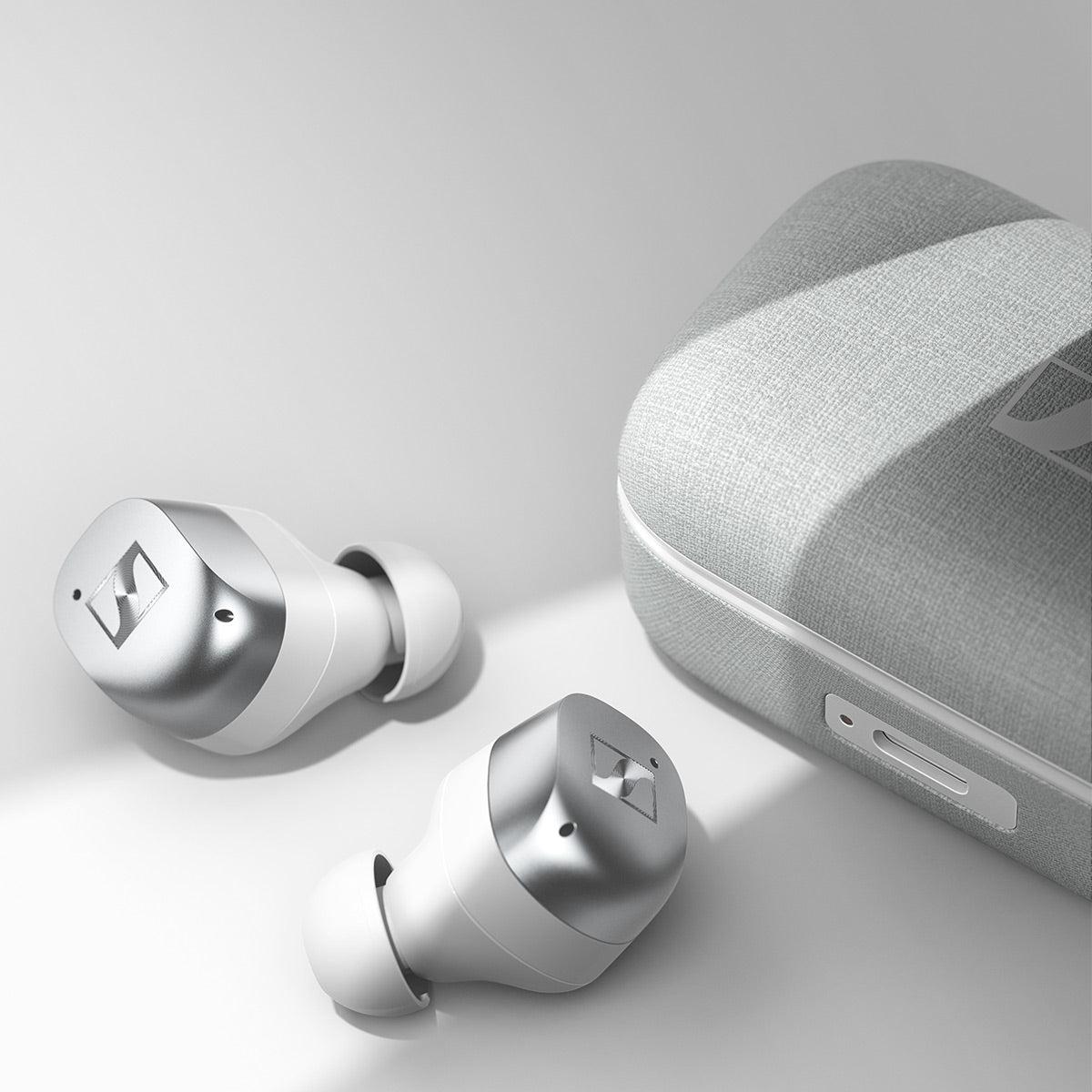
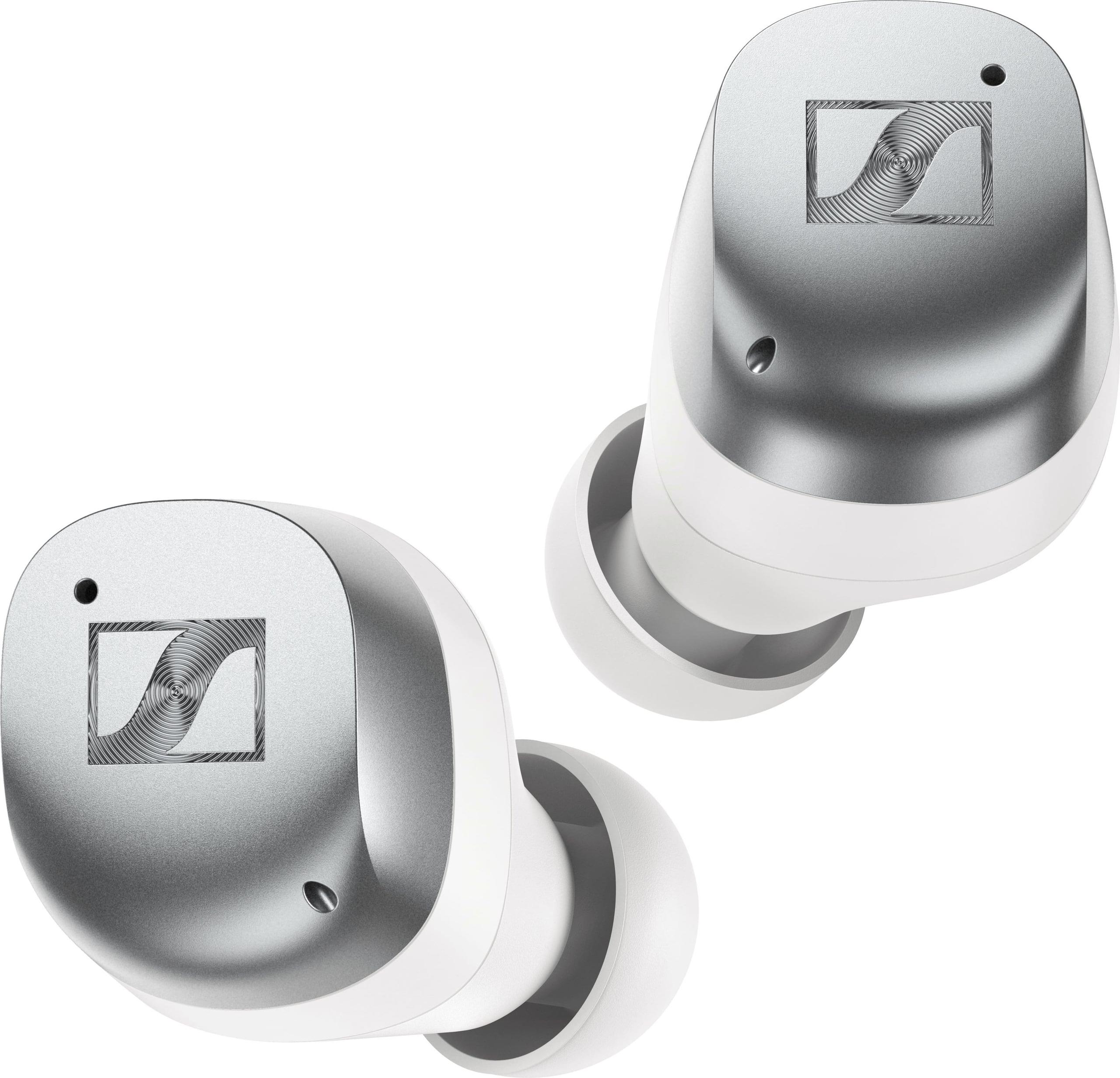
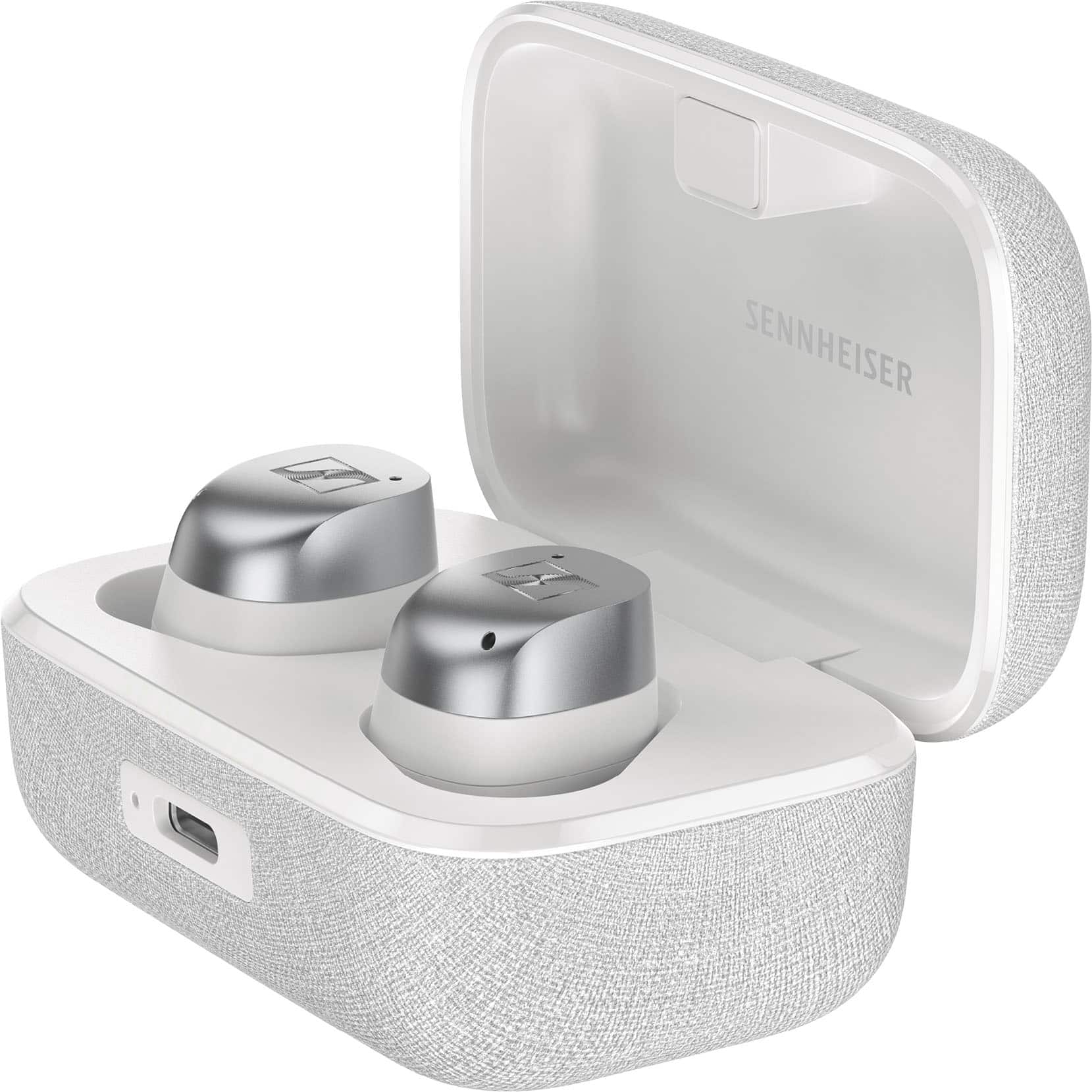
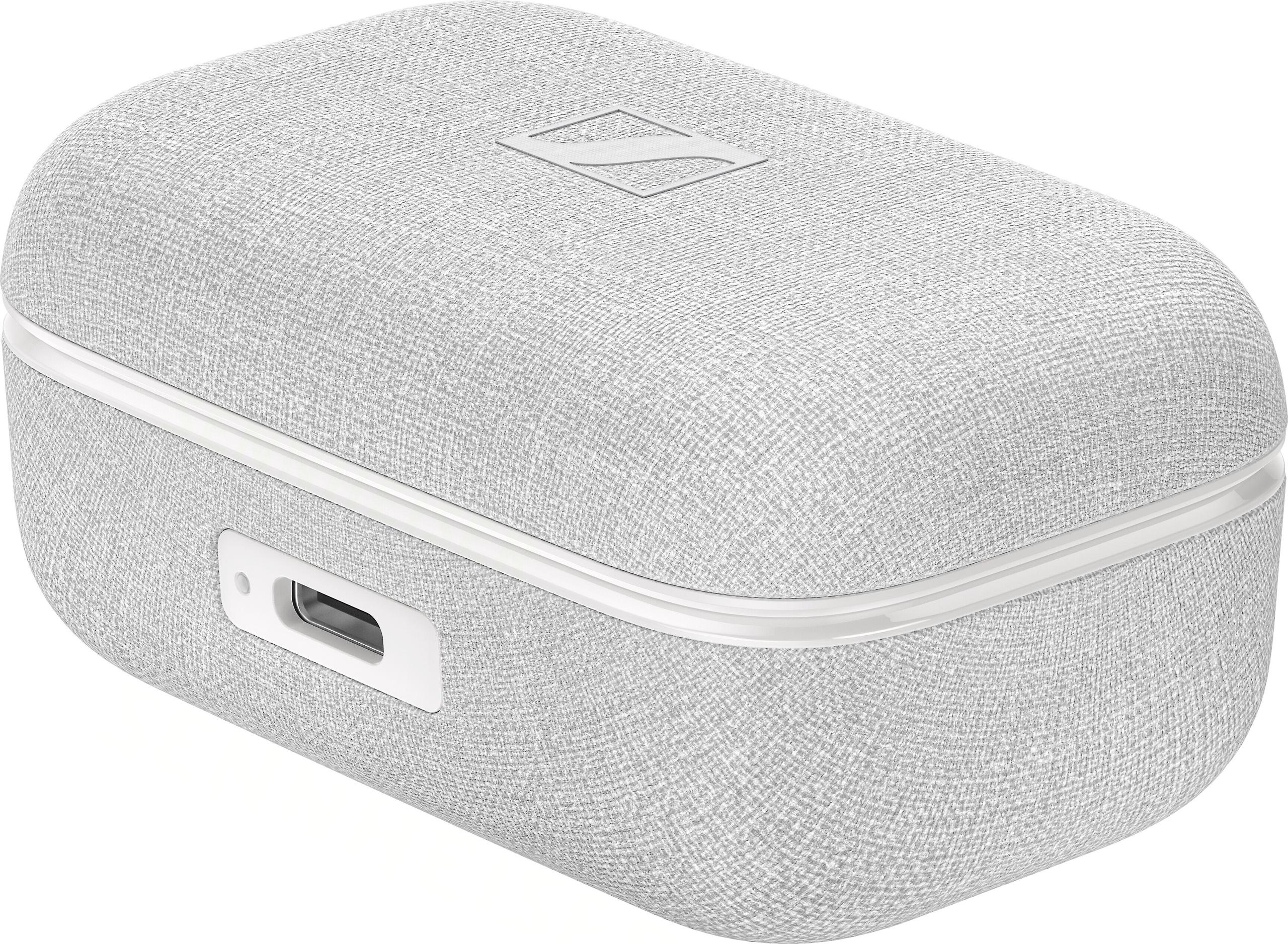
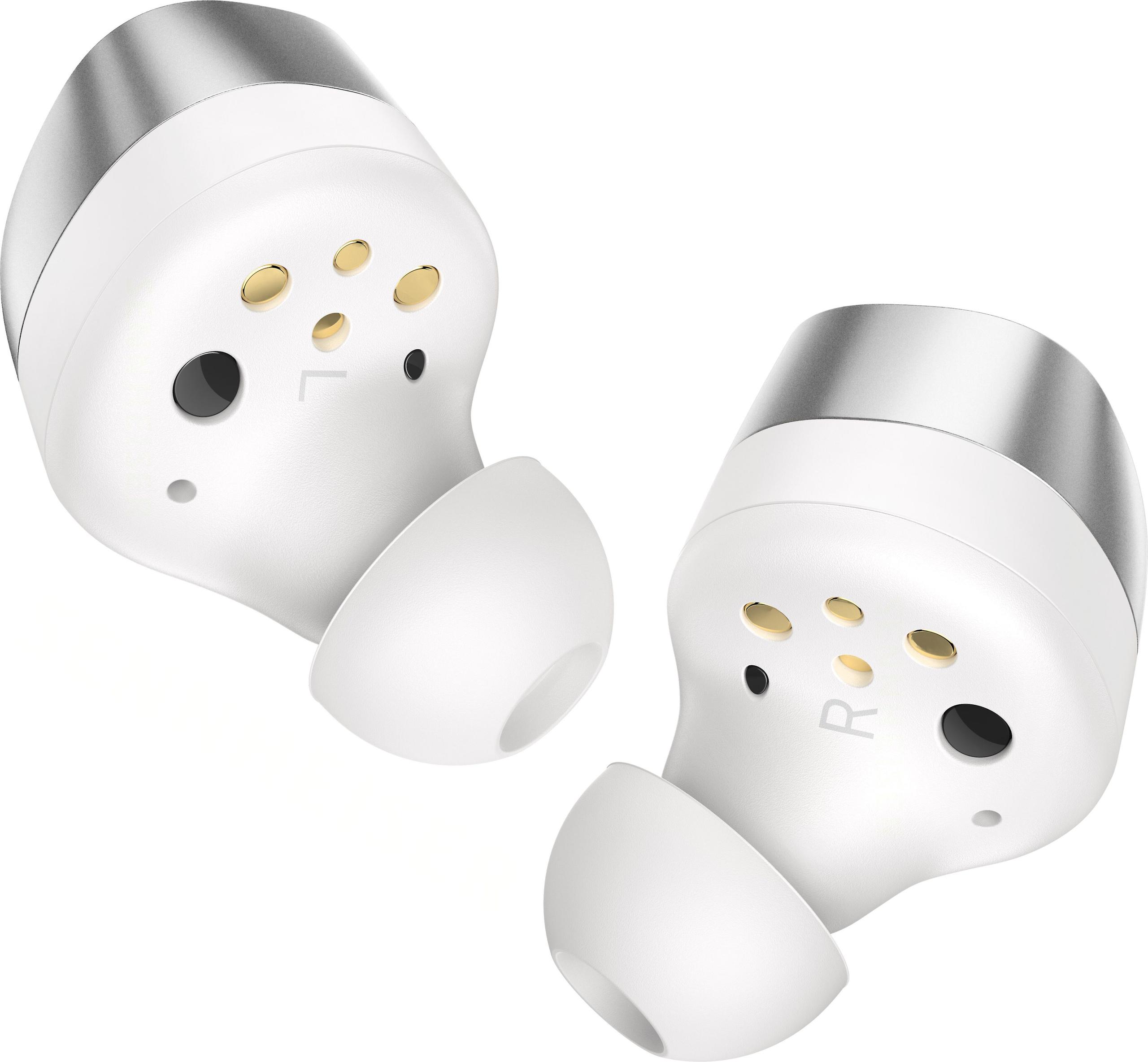
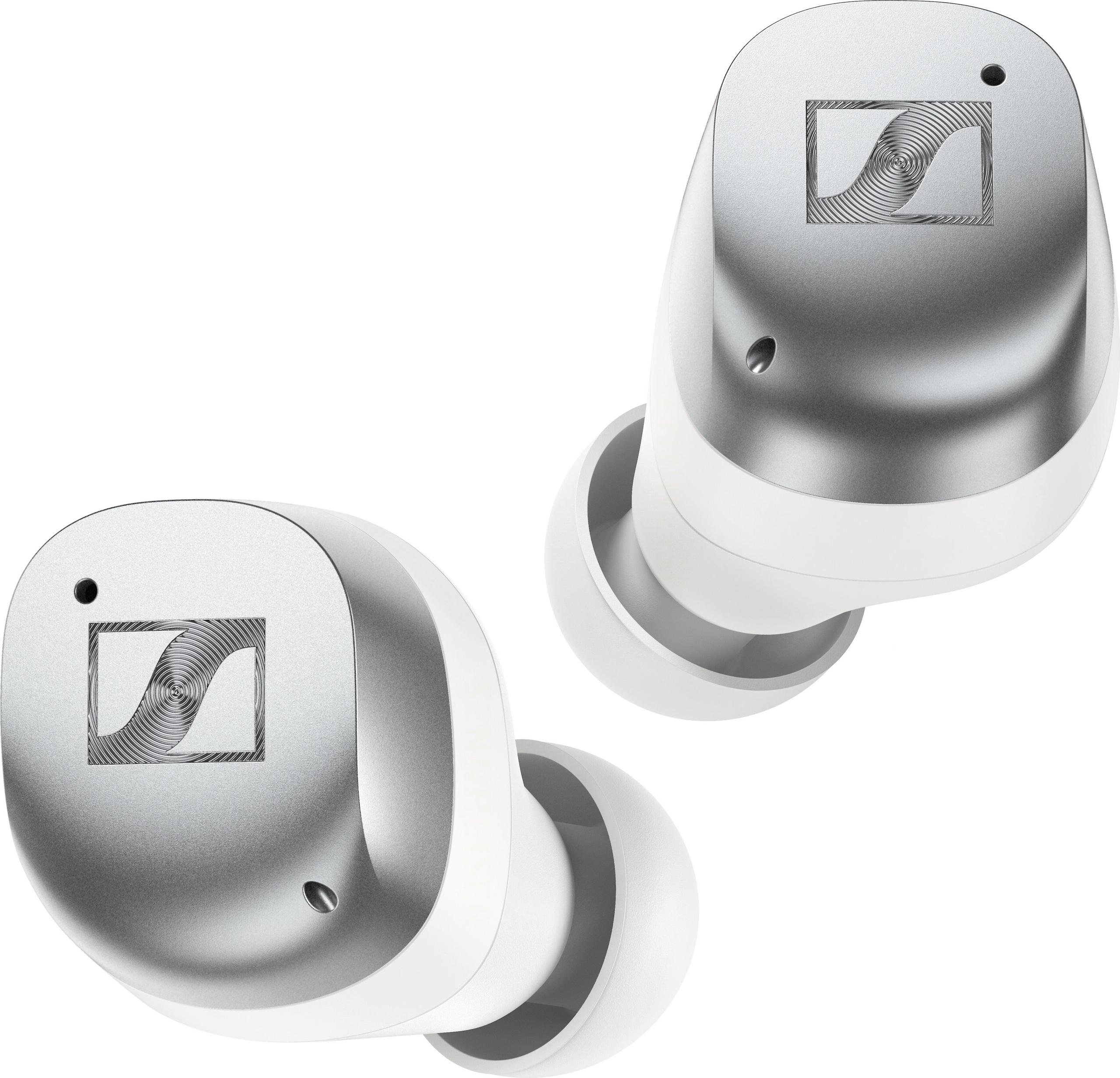
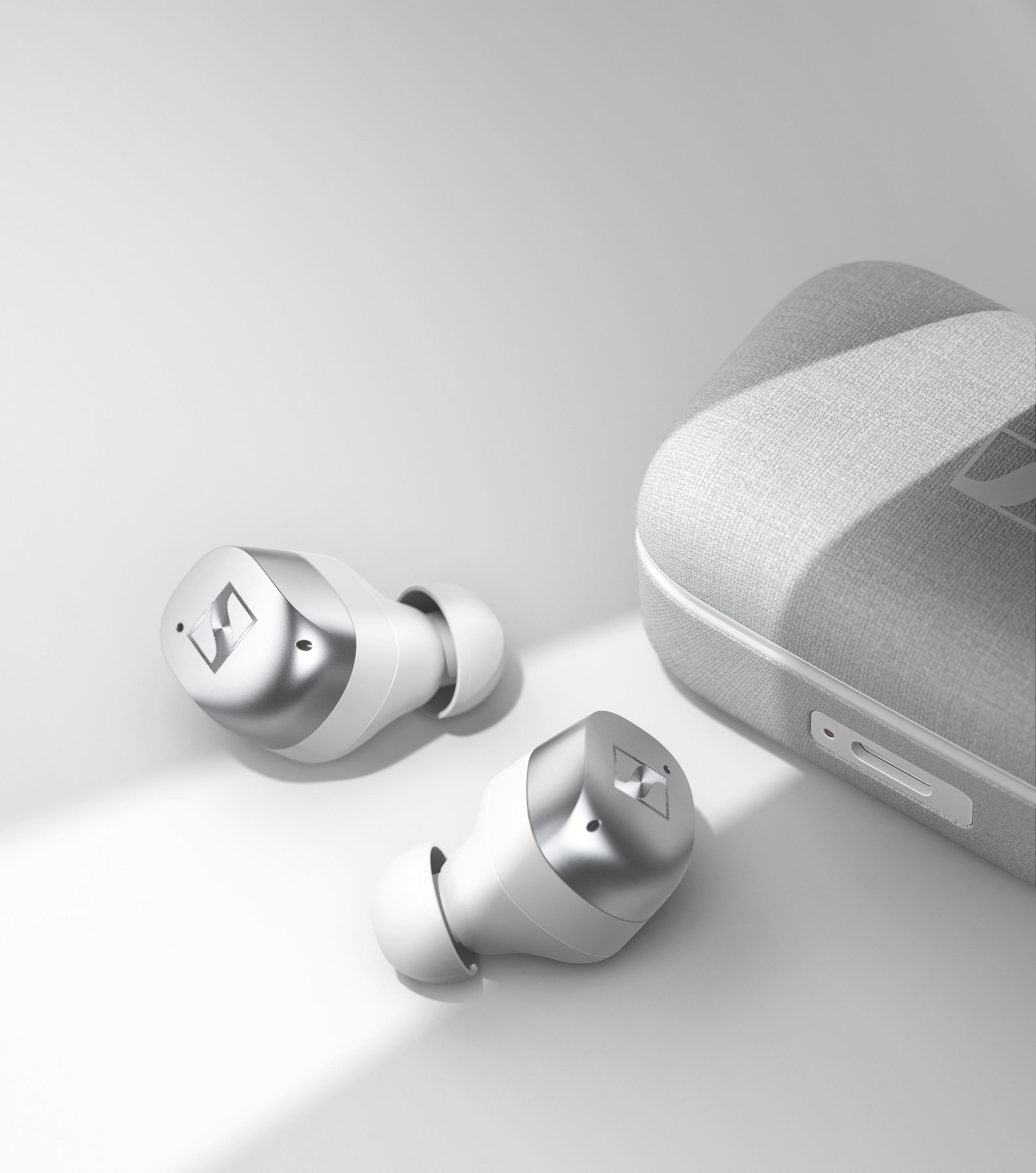
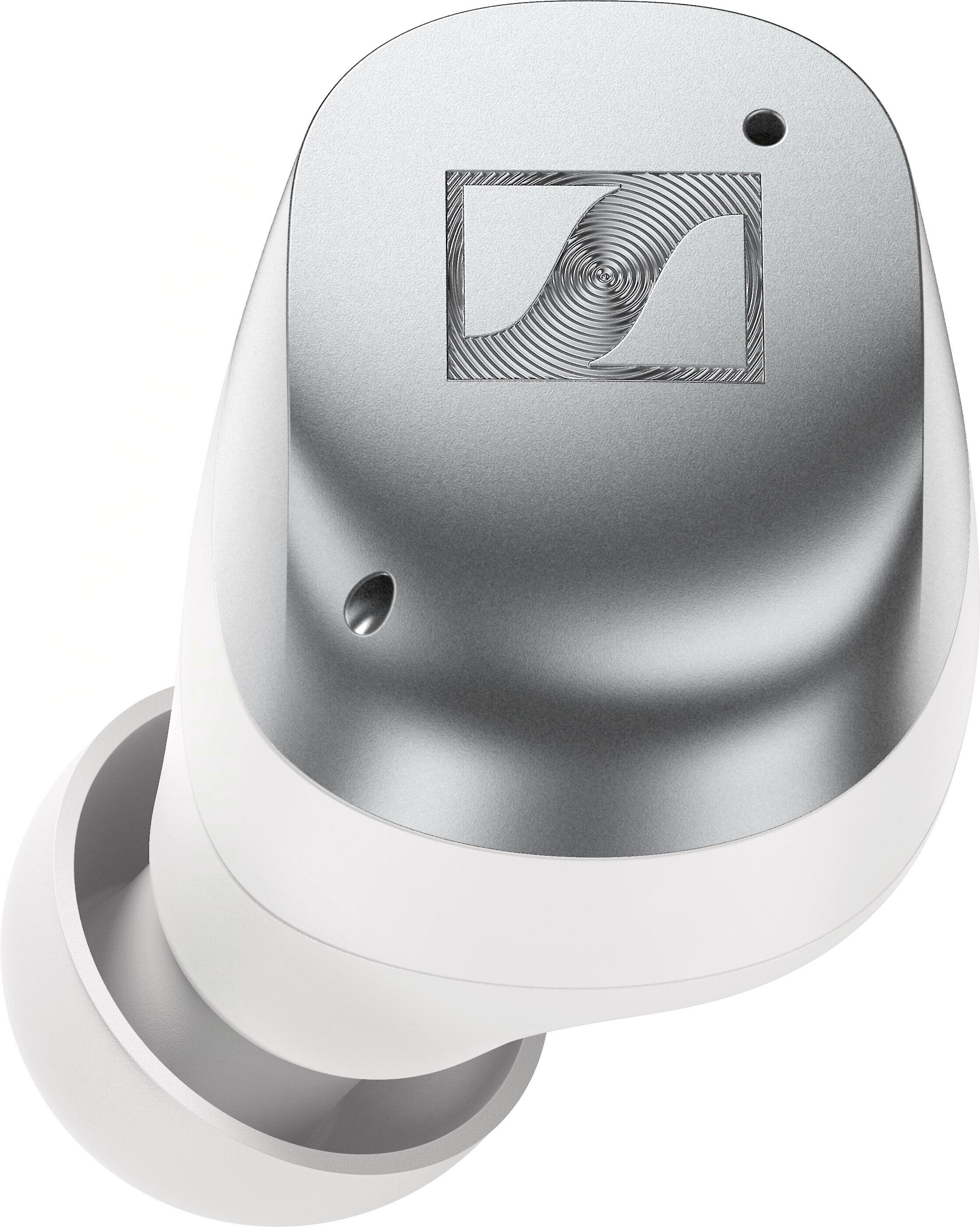
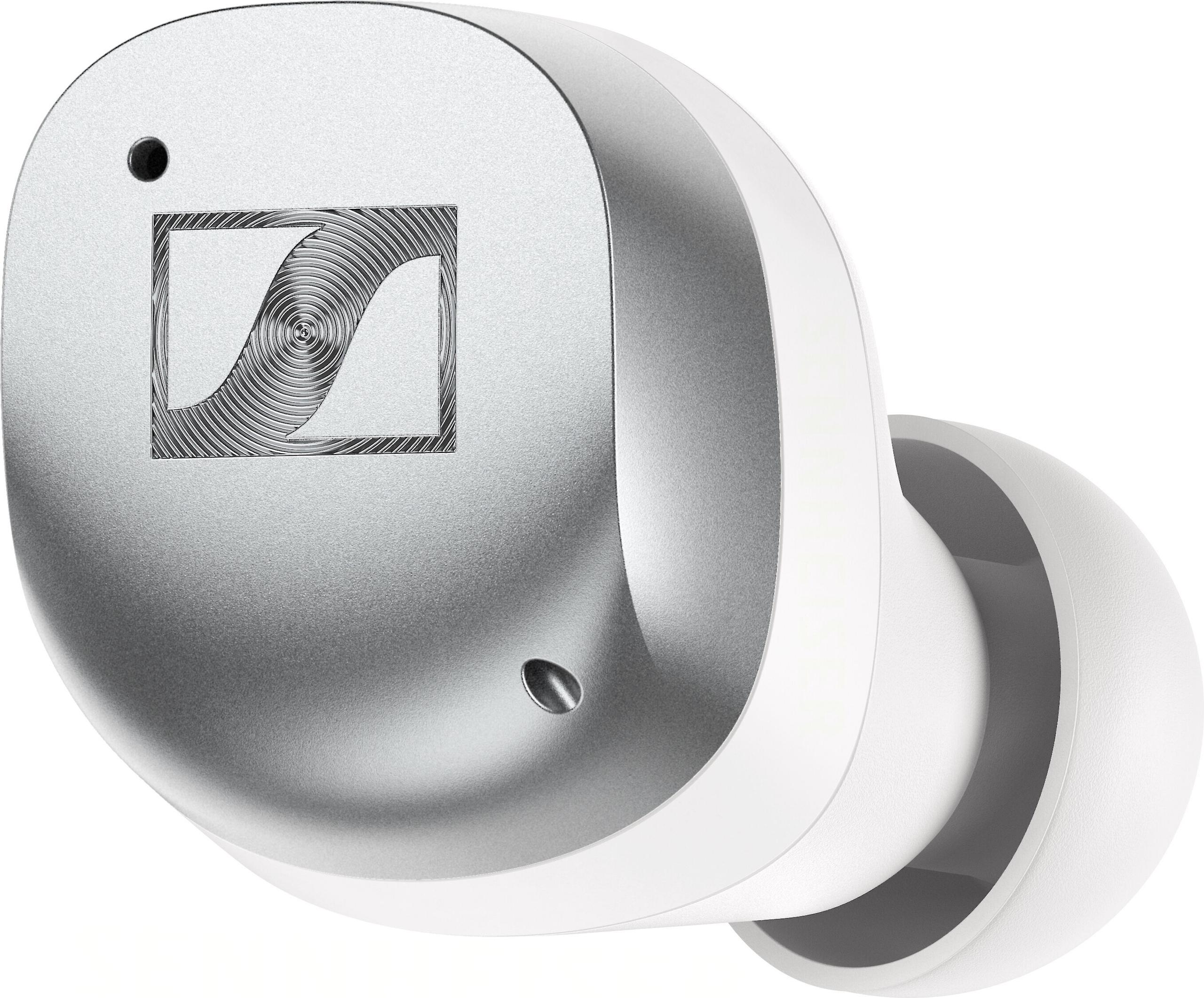
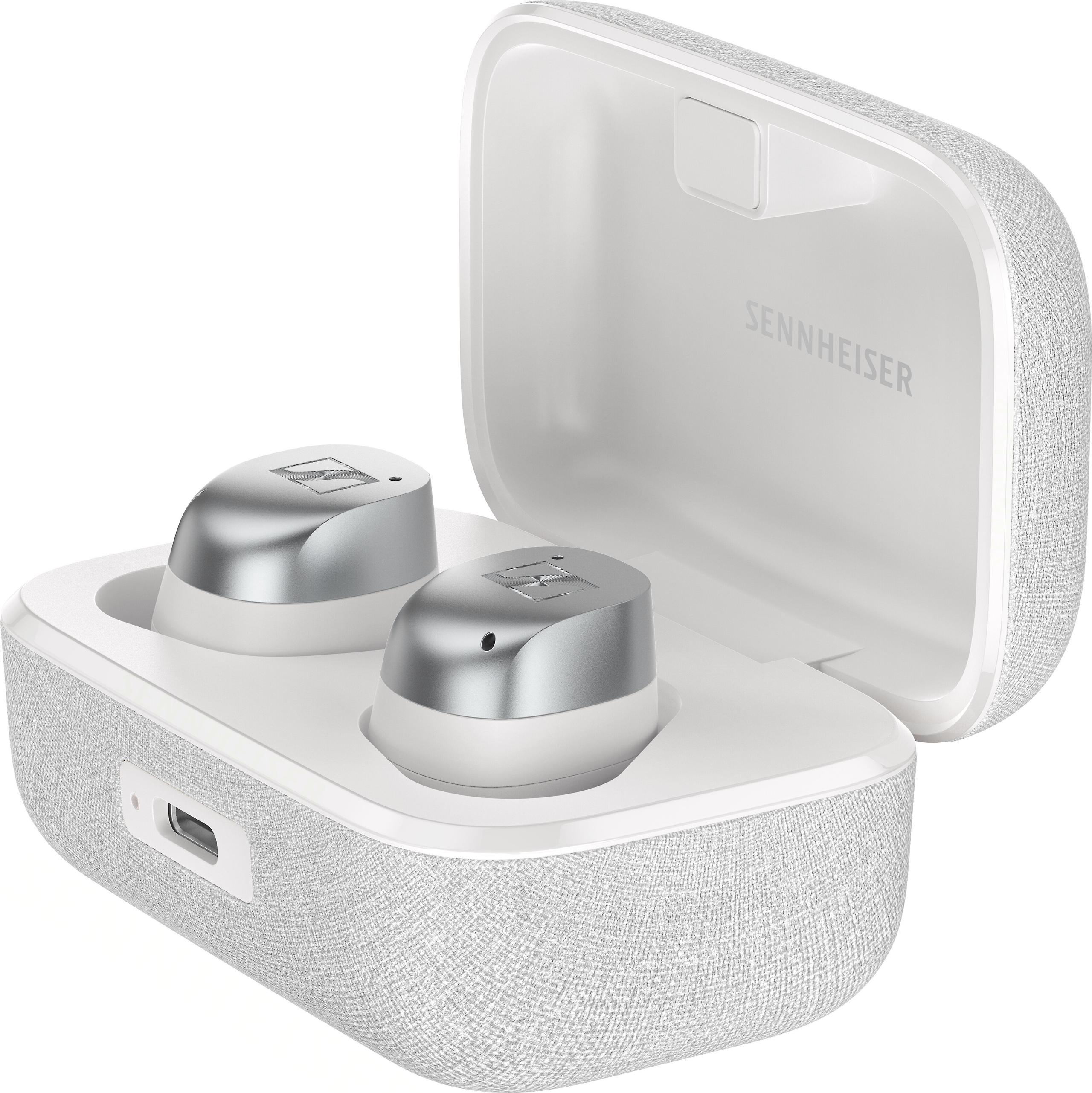
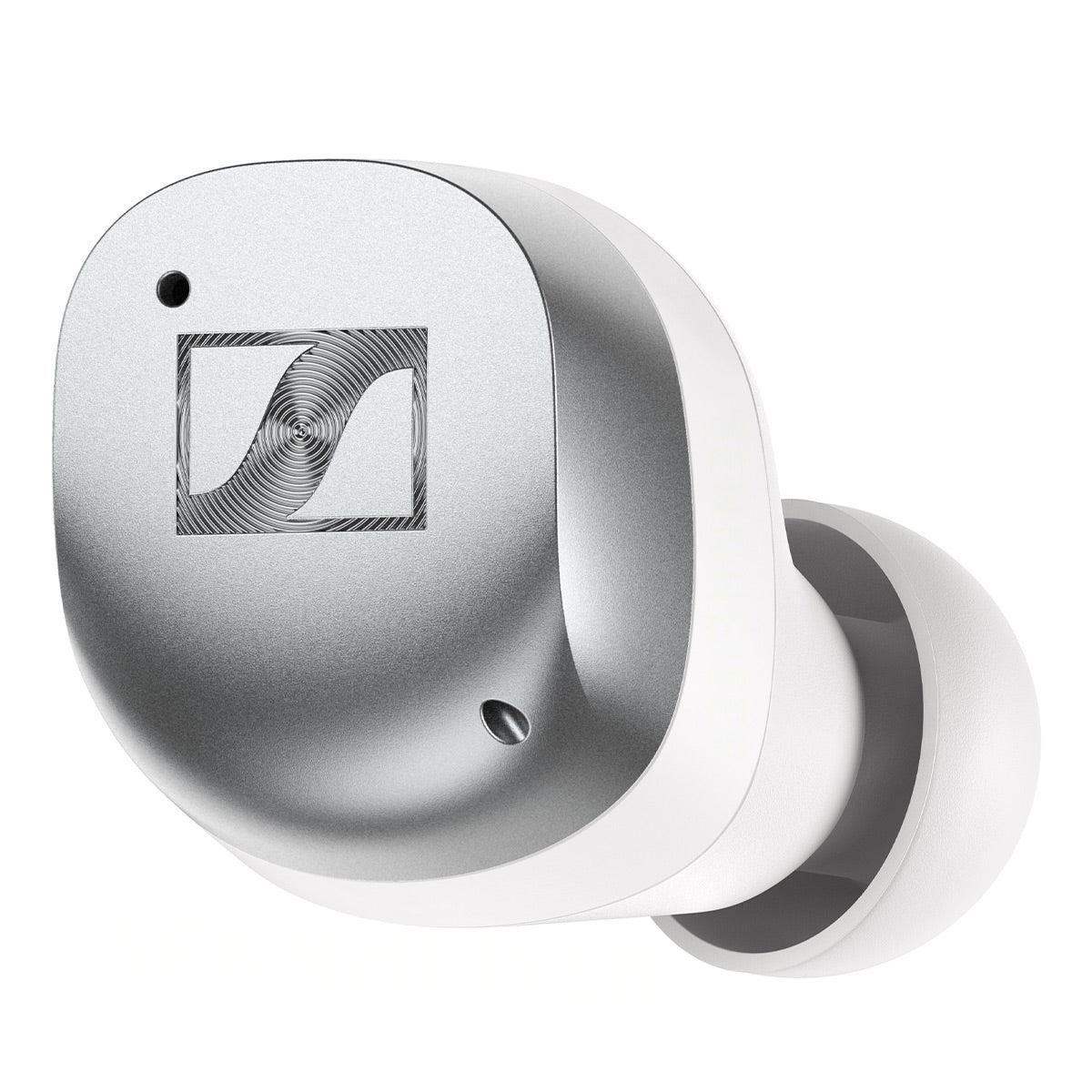
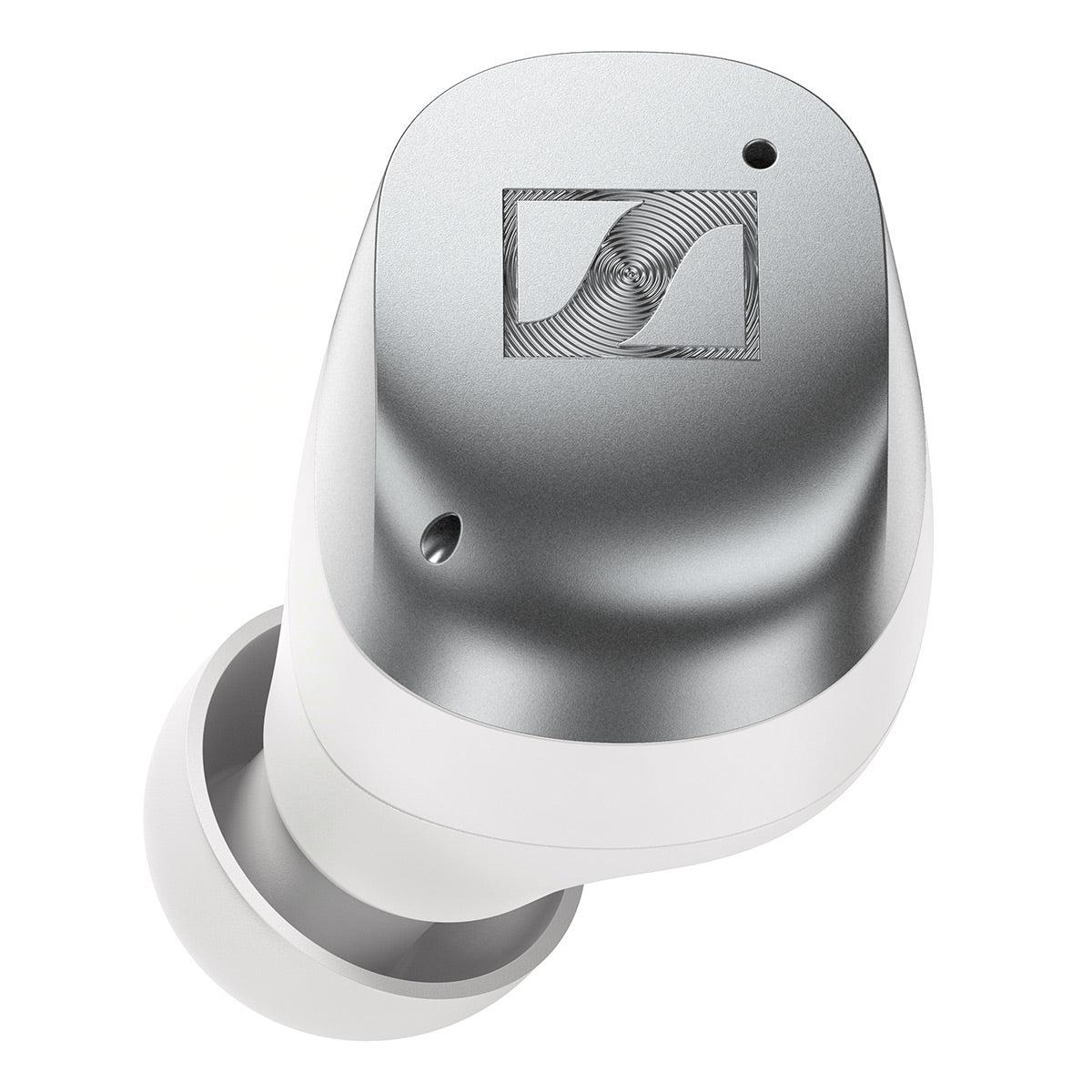
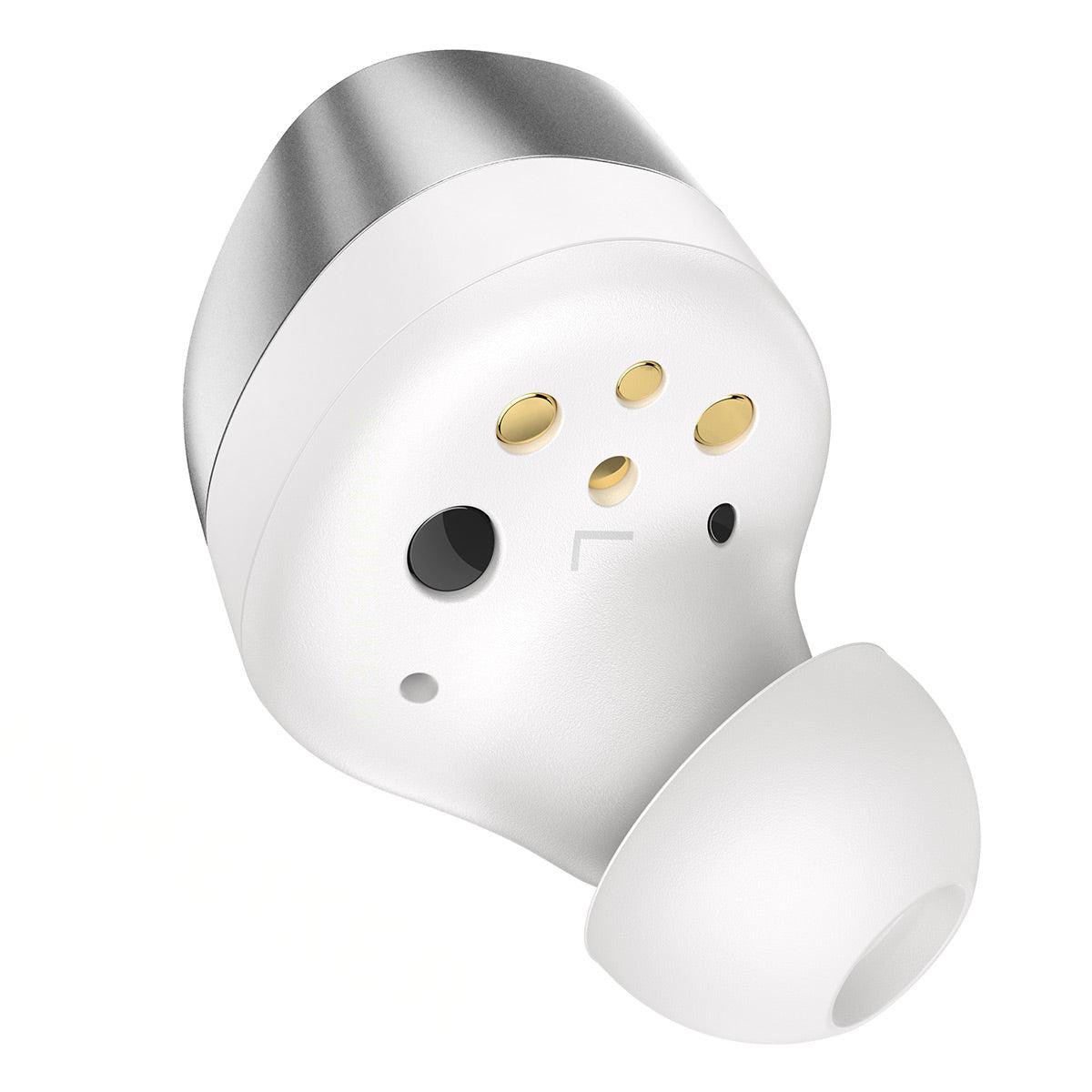
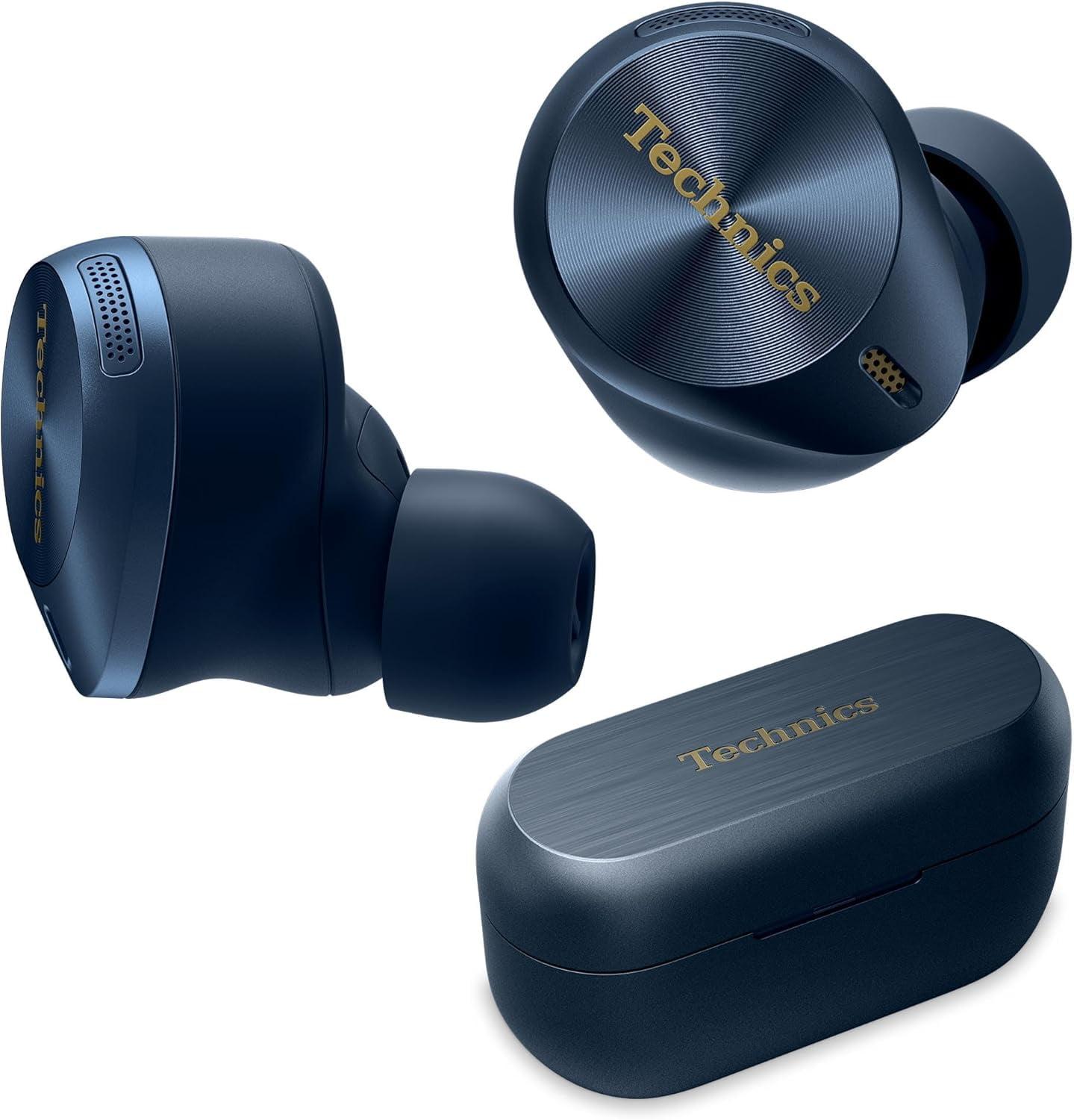
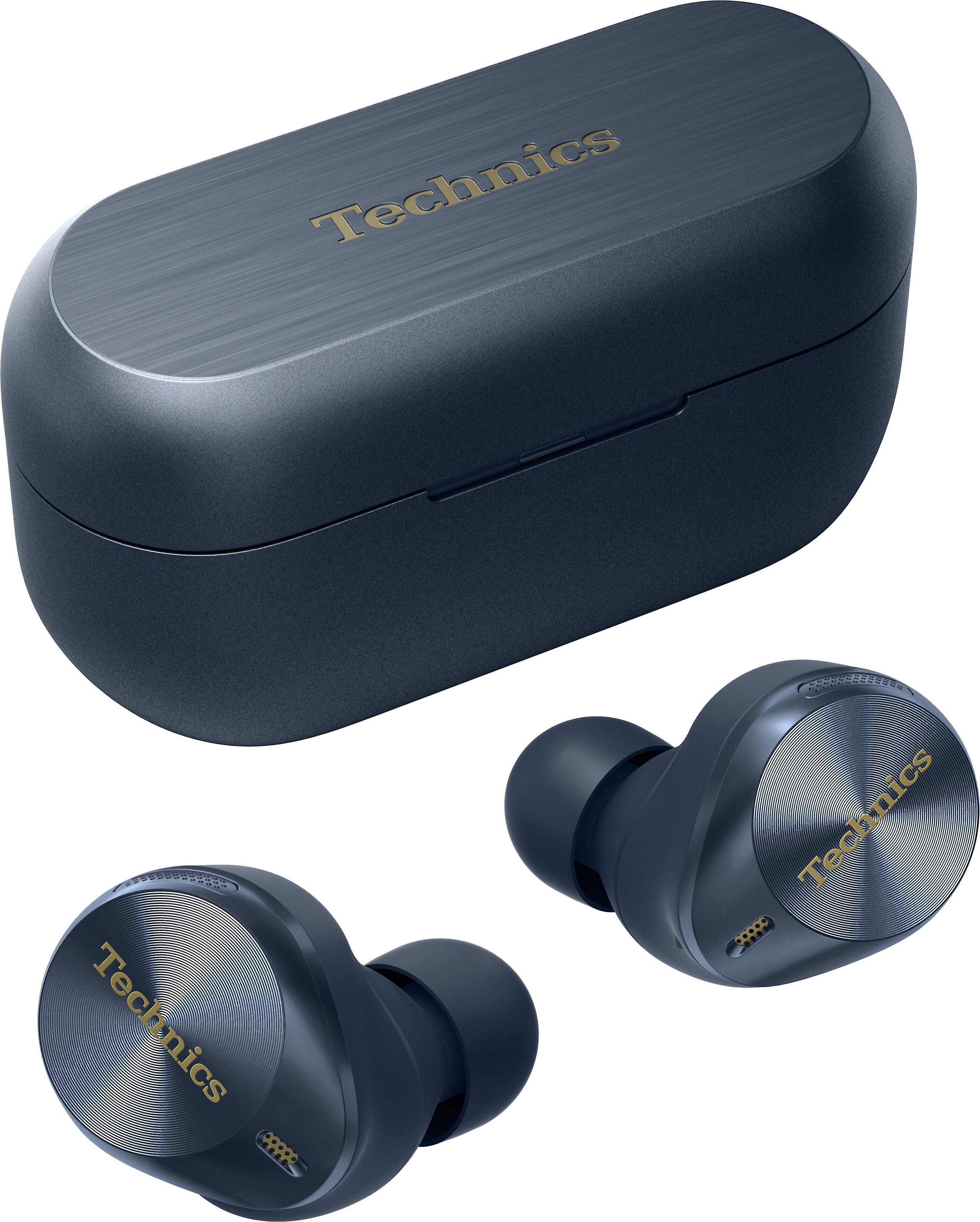
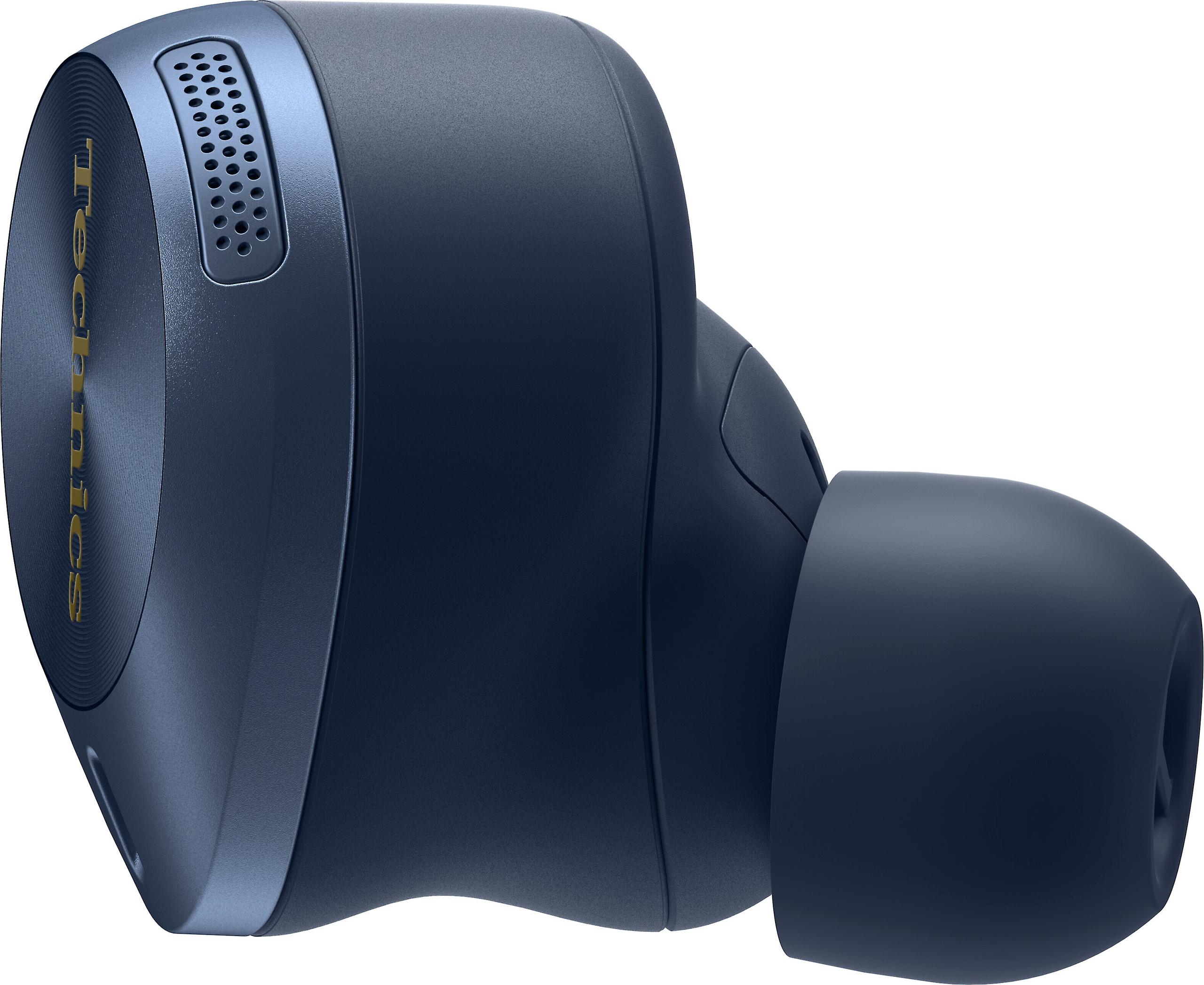


When you're ready to step up from basic wireless earbuds to something truly premium, two names consistently rise to the top: the Sennheiser MOMENTUM True Wireless 4 and the Technics EAH-AZ80. At the time of writing, both sit in that sweet spot where serious audio quality meets advanced features—but they take surprisingly different approaches to get there.
Having spent considerable time with both models, I can tell you that while they're priced similarly in the premium tier, your choice between them will likely come down to what matters most in your daily listening routine. Let me break down everything you need to know to make the right decision.
Before diving into the specifics, it's worth understanding what separates premium wireless earbuds from the dozens of cheaper options flooding the market. At this price level, you're paying for several key advances: larger, more sophisticated drivers (the tiny speakers inside each earbud), advanced noise-canceling algorithms, premium materials, and features like high-resolution audio codecs that can actually transmit more musical detail than standard Bluetooth.
The most important performance metrics in this category are audio fidelity (how accurately they reproduce music), noise cancellation effectiveness, comfort for long listening sessions, and battery life. But as you'll see, even premium earbuds make trade-offs between these priorities.
The Sennheiser MOMENTUM True Wireless 4 launched in 2024 as the latest evolution of Sennheiser's flagship consumer earbuds. Since the original MOMENTUM line debuted, Sennheiser has focused on delivering that "studio monitor in your ear" experience with their signature warm, musical sound that makes everything from hip-hop to classical feel more engaging.
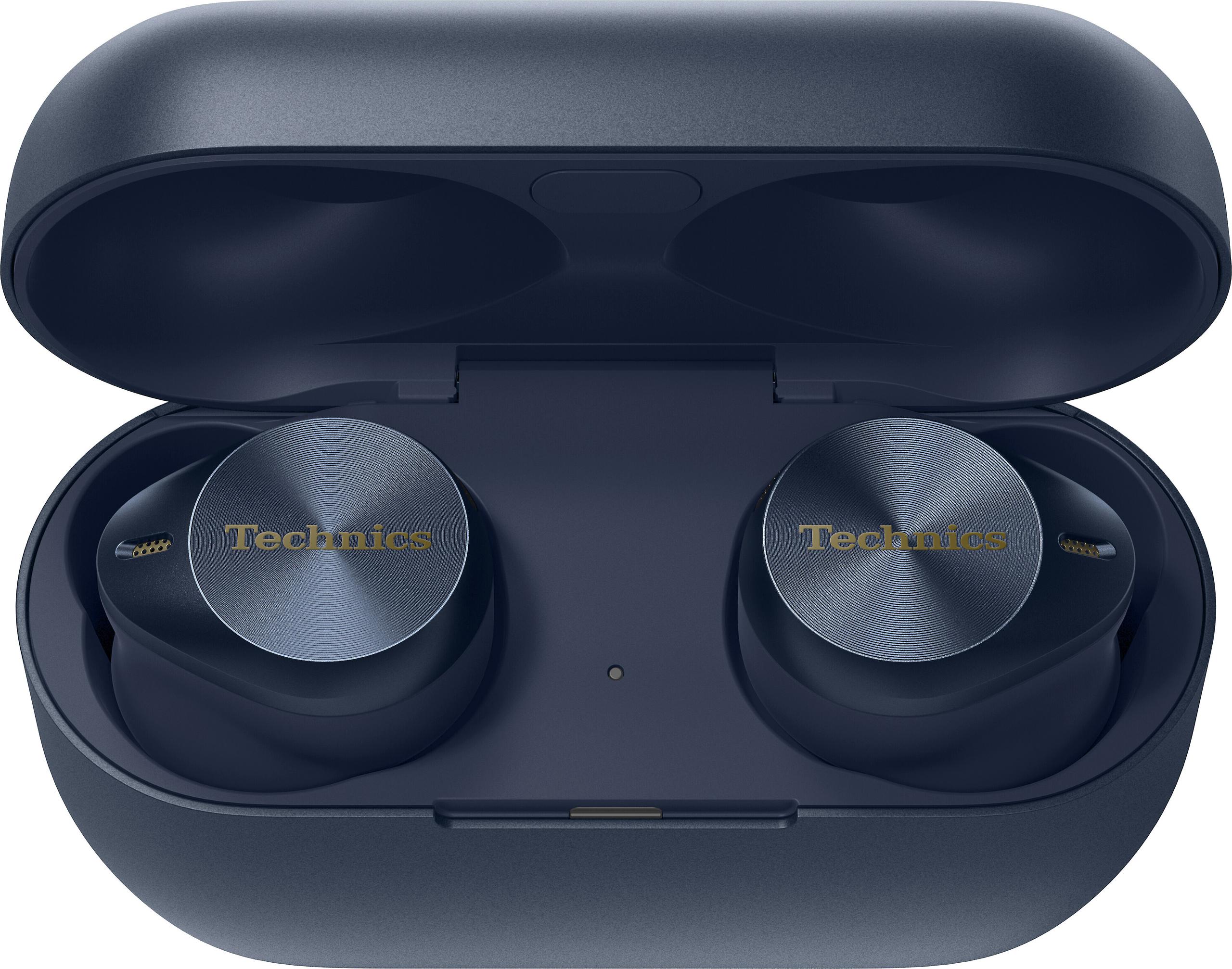
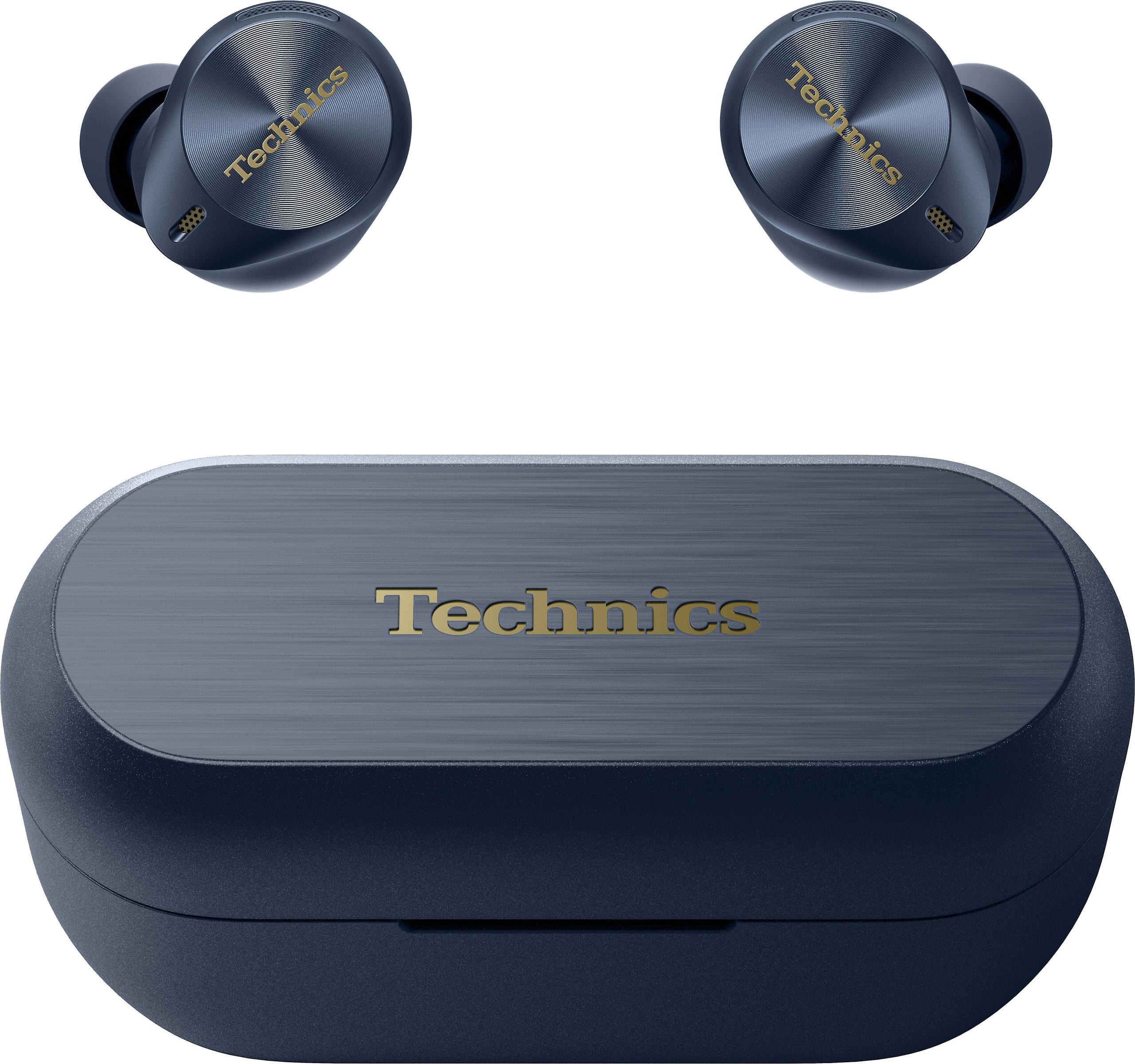
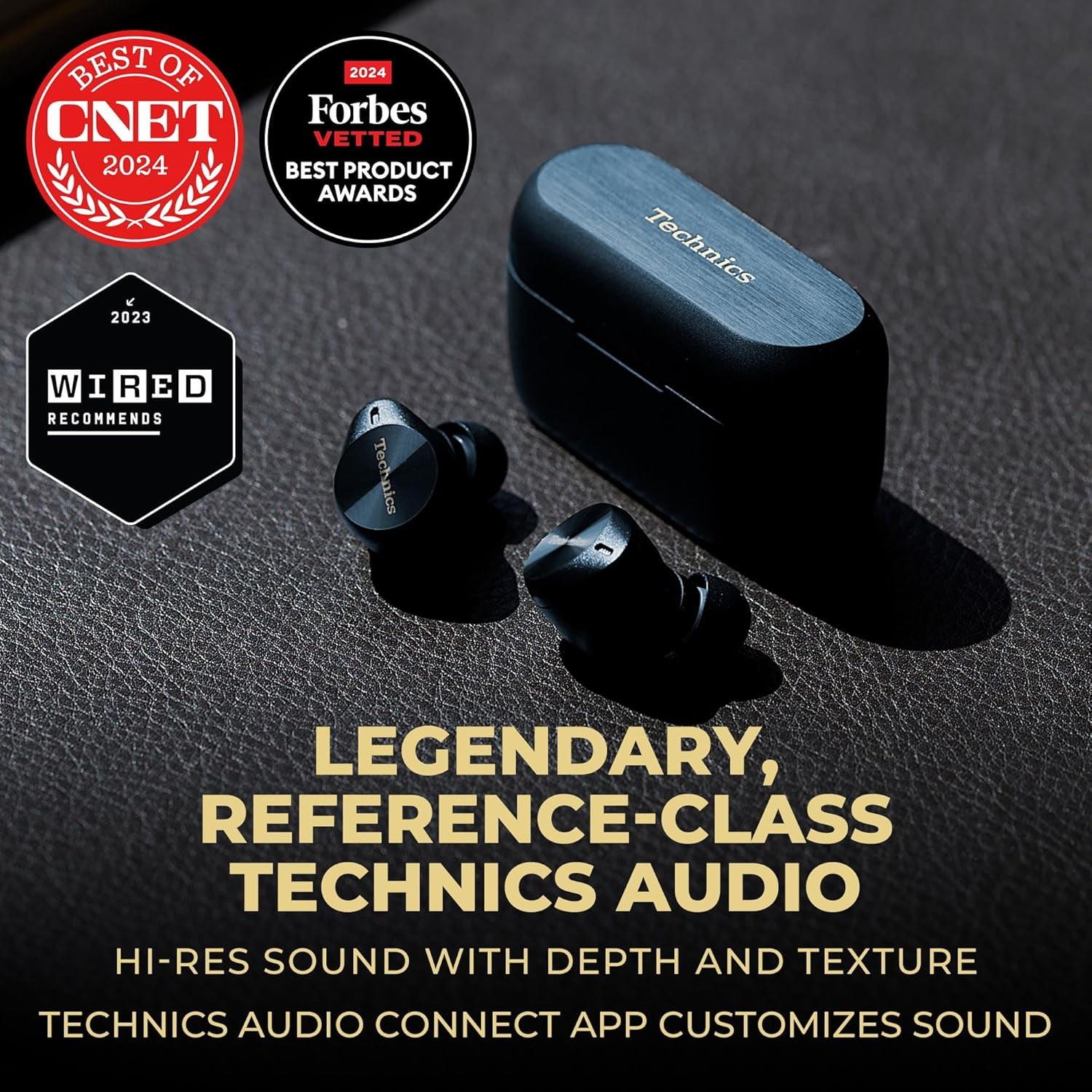
Meanwhile, the Technics EAH-AZ80 represents the audio brand's return to prominence after Panasonic revived the legendary Technics name. Released in late 2023, these earbuds embody Technics' professional audio heritage with a focus on technical accuracy and features that audiophiles actually care about.
This is where things get interesting. The Technics EAH-AZ80 uses larger 10mm drivers compared to the Sennheiser MOMENTUM True Wireless 4's 7mm units. Driver size isn't everything, but those extra 3mm make a noticeable difference in bass response and overall dynamic range—the difference between the quietest and loudest sounds the earbuds can reproduce.
The Technics drivers use aluminum alloy diaphragms, which is the part that actually moves to create sound waves. This material choice results in more controlled, accurate sound reproduction, especially in the midrange frequencies where vocals and most instruments live. When I listen to something like Billie Eilish's "Bad Guy," the Technics present her whispered vocals with incredible clarity while keeping the heavy bass from overwhelming the mix.
The Sennheiser MOMENTUM True Wireless 4, on the other hand, uses Sennheiser's proprietary TrueResponse transducers. These are tuned for what Sennheiser calls a "musical" sound signature—slightly warmer and more forgiving than neutral studio monitors. This means they tend to make music more engaging and pleasant, even if it's not technically as accurate as what the artist intended.
Here's where the Technics EAZ-AZ80 pulls ahead significantly. It supports LDAC, Sony's high-resolution audio codec that can transmit nearly three times more data than standard Bluetooth audio. This means when you're listening to high-quality music files or streaming from services like Tidal HiFi, you're actually getting more of the original recording's detail.
The Sennheiser MOMENTUM True Wireless 4 supports aptX Adaptive and the newer aptX Lossless, which are also high-quality codecs but require specific devices to take advantage of them. Most Android phones support these formats, but iPhone users are limited to AAC, which is good but not exceptional.
In practical terms, if you're streaming Spotify at normal quality, you won't hear much difference. But if you listen to high-resolution audio files or use services that offer lossless streaming, the Technics will give you noticeably more detail and space in the music.
The Technics EAH-AZ80 has an impressive frequency response range of 20Hz to 40,000Hz, while the Sennheiser MOMENTUM True Wireless 4 covers 5Hz to 21,000Hz. The human ear typically only hears up to about 20,000Hz (and less as we age), so the Technics' extended high-frequency response might seem like marketing fluff.
However, those ultra-high frequencies do contribute to what audiophiles call "air" and "sparkle" in music. Even if you can't consciously hear a cymbal's overtones at 25,000Hz, your brain processes that information and contributes to the overall sense of space and realism in the music.
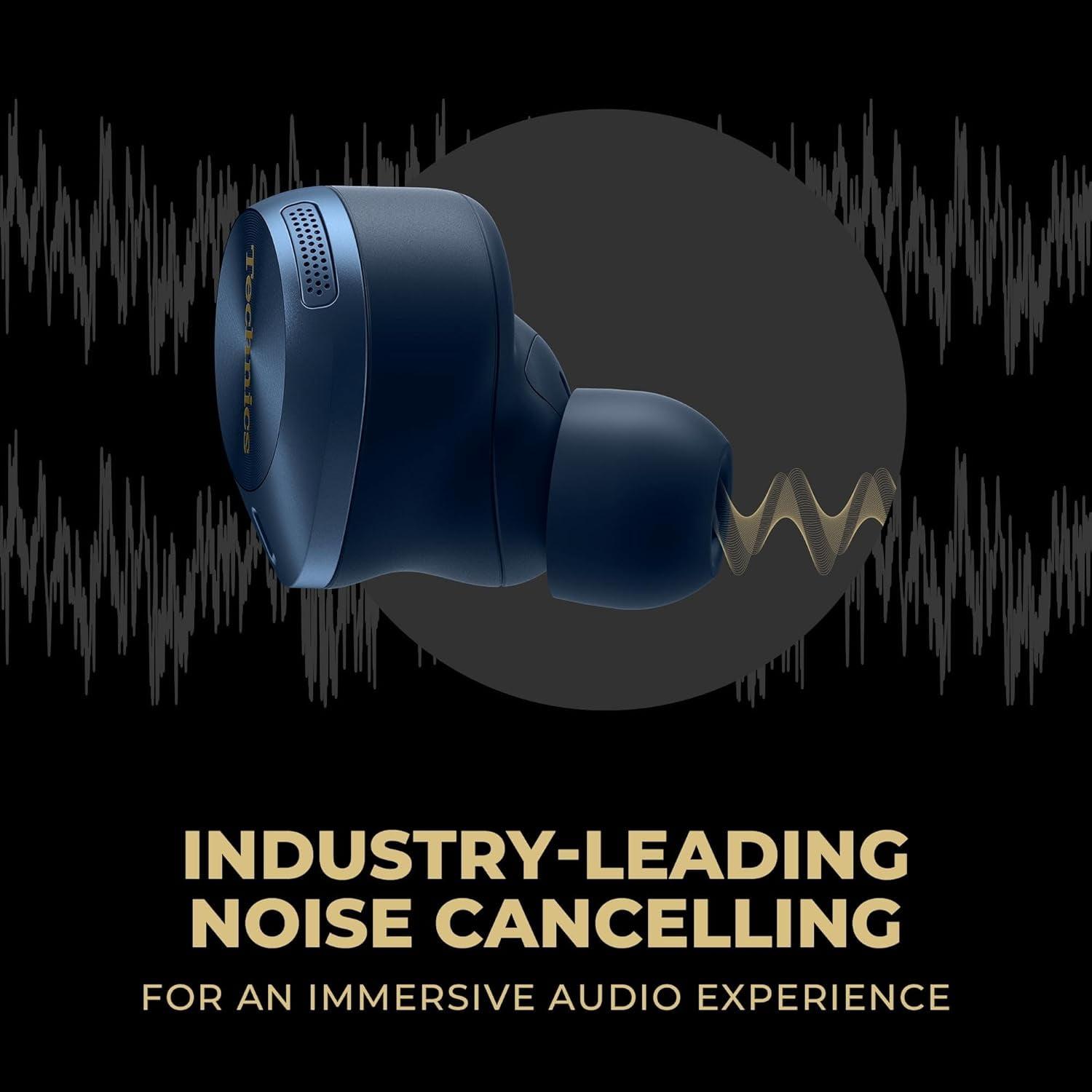
Both earbuds feature active noise cancellation (ANC), but they implement it very differently. ANC works by using external microphones to detect ambient noise, then creating inverse sound waves to cancel it out. It's most effective against consistent, low-frequency noise like airplane engines or air conditioning.
The Sennheiser MOMENTUM True Wireless 4 excels at pure noise isolation. In my testing, it provides superior attenuation across the entire frequency spectrum, meaning it blocks out more external sound overall. This makes it excellent for focused listening in noisy environments like coffee shops or public transportation.
However, there's a significant caveat: the Sennheiser has a major flaw in its transparency mode. Transparency mode is supposed to let you hear important ambient sounds (like traffic or announcements) without removing your earbuds. Unfortunately, the Sennheiser introduces a persistent hissing sound that many users describe as having "a mosquito in your ear." This makes the transparency mode nearly unusable for extended periods.
The Technics EAH-AZ80 takes a more sophisticated approach with what they call Dual Hybrid ANC. This uses both feedforward microphones (on the outside of the earbuds) and feedback microphones (inside the ear canal) to create more precise noise cancellation. While it doesn't block quite as much ambient noise as the Sennheiser, its transparency mode is clean and natural-sounding, making it much more practical for daily use.
For home theater use, this difference is crucial. If you want to watch movies late at night without disturbing others, the Technics' clean transparency mode lets you stay aware of your surroundings while still getting immersive audio. The Sennheiser's hissing transparency mode makes this scenario frustrating.
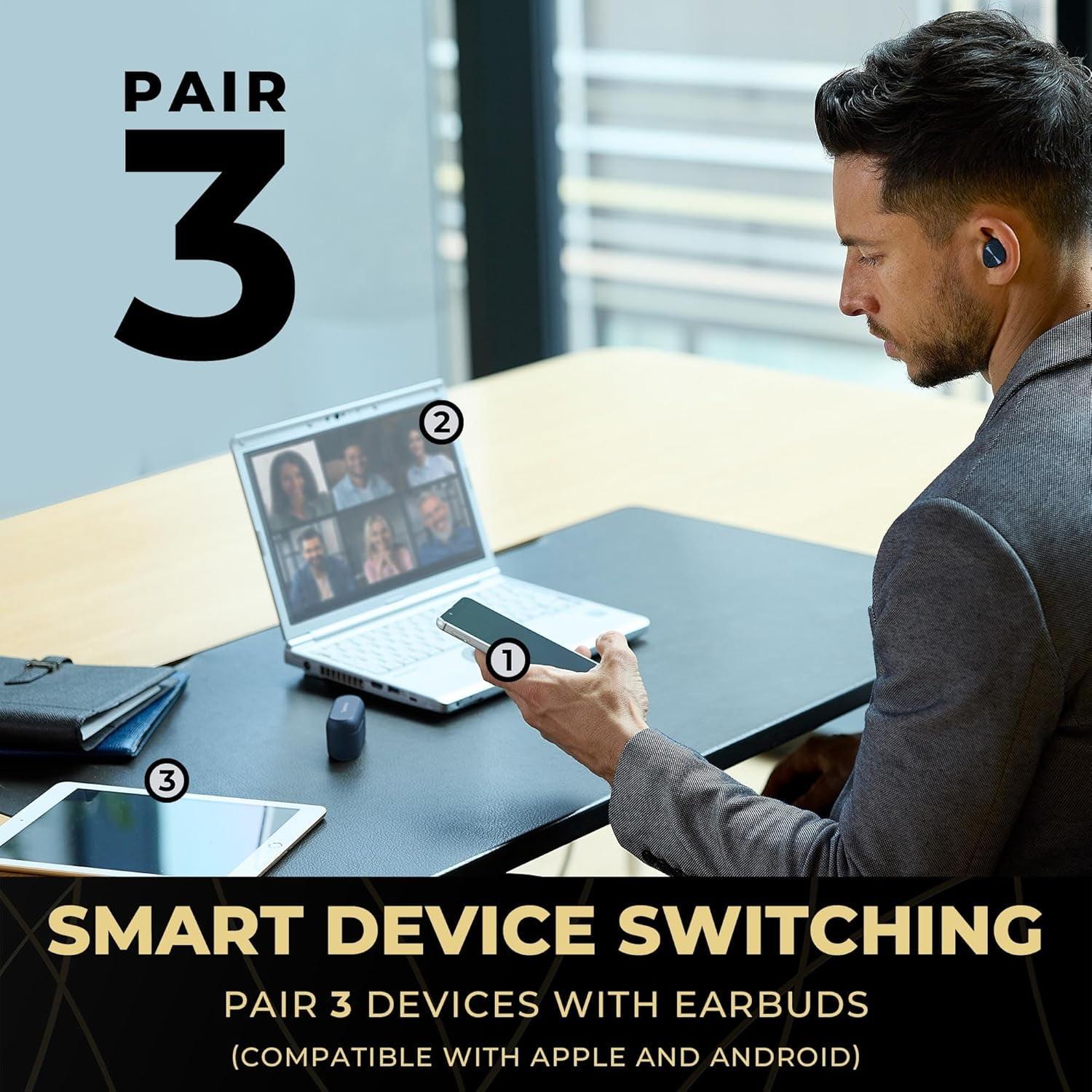
Here's where the Technics EAH-AZ80 truly shines with a feature that's genuinely game-changing: three-device multipoint connectivity. Most wireless earbuds can only connect to two devices at once, forcing you to manually disconnect and reconnect when switching between your phone, laptop, and tablet.
The Technics can stay connected to all three simultaneously, automatically switching audio sources based on which device starts playing sound. As someone who regularly jumps between conference calls on my laptop, music on my phone, and videos on my tablet, this feature eliminates a constant source of daily friction.
The Sennheiser MOMENTUM True Wireless 4 uses the newer Bluetooth 5.4 standard (compared to Technics' 5.3), which provides better connection stability and prepares for future features like Auracast—a technology that will eventually let you share audio streams with multiple listeners. However, these benefits are mostly theoretical at this point, while the Technics' multi-device connectivity provides immediate practical value.
Comfort becomes crucial when you're spending premium money on earbuds you plan to wear for hours at a time. The Technics EAH-AZ80 consistently receives praise for its ergonomic design and comes with seven different sizes of ear tips, ensuring virtually anyone can find a secure, comfortable fit.
At 7 grams per earbud, the Technics are slightly heavier than the Sennheiser's 6.2 grams, but the weight is distributed better. The shape follows the natural contours of your ear, reducing pressure points that can cause discomfort during long listening sessions.
The Sennheiser MOMENTUM True Wireless 4 offers adequate comfort for most users, but there's a notable design flaw: grabbing the earbuds to adjust them often accidentally triggers the touch controls. This leads to frequent unintended pauses or track skips, which becomes genuinely annoying over time.
For water resistance, the Sennheiser offers IP54 protection (dust and water resistant) compared to the Technics' IPX4 rating (water resistant only). If you plan to use your earbuds during workouts or in dusty environments, the Sennheiser provides better protection.
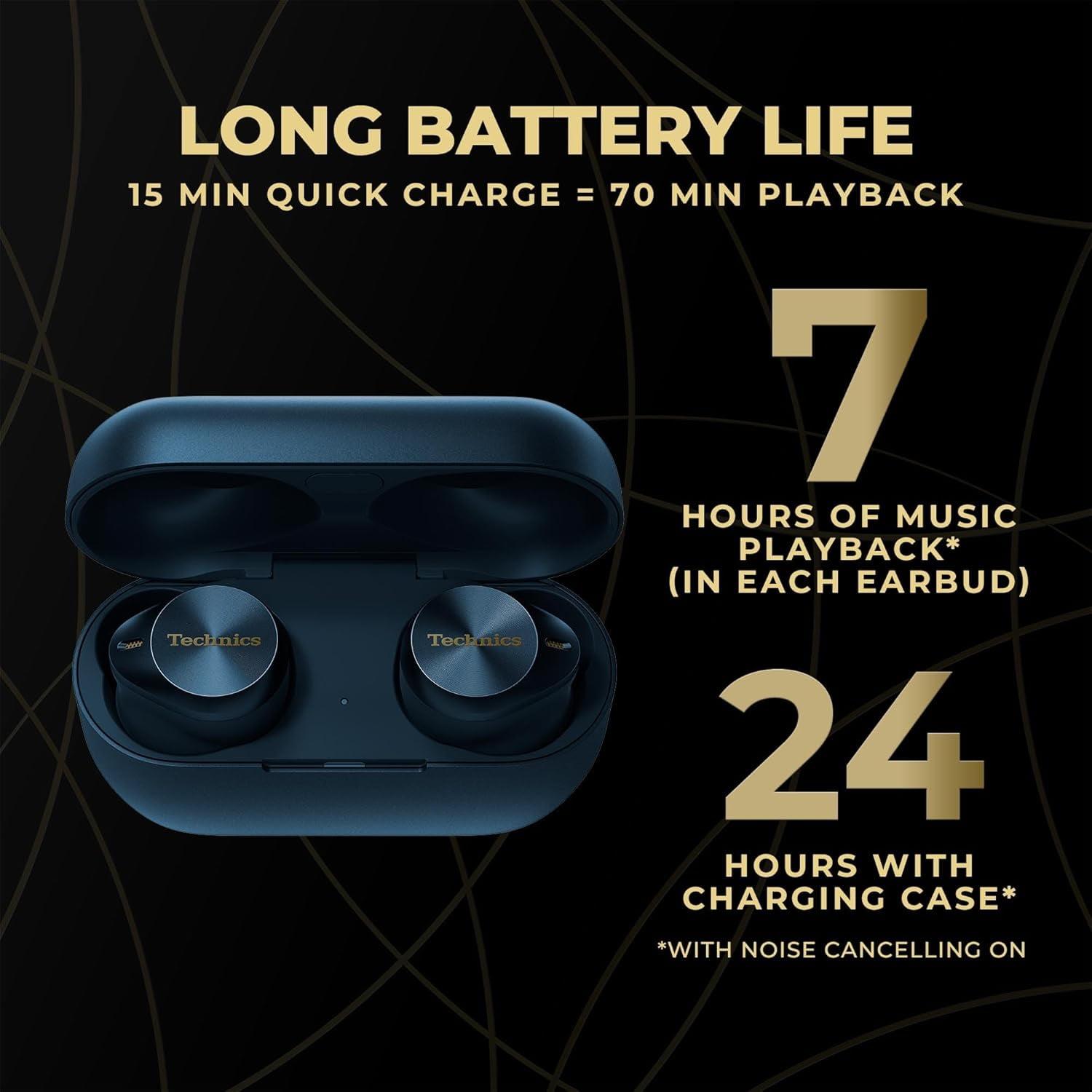
Both earbuds offer around 7-7.5 hours of listening time per charge, which is excellent for premium models with ANC enabled. However, their charging cases tell different stories.
The Sennheiser MOMENTUM True Wireless 4 provides an impressive 30 hours of total listening time with its charging case, compared to the Technics' 24 hours. The Sennheiser also charges faster, reaching full power in about 1.5 hours compared to the Technics' 2 hours. Fast charging is particularly impressive: just 8 minutes in the case gives you an hour of playback time.
However, the Sennheiser's charging case is notably bulky and can be awkward to carry in tight pockets. The Technics EAH-AZ80 case is much more compact and includes a "Find My" feature that helps locate misplaced earbuds—a genuinely useful addition that prevents those panicked searches through couch cushions.
Modern premium earbuds need to excel at voice calls, especially as remote work becomes more common. The Technics EAH-AZ80 uses eight MEMS microphones (microscopic microphones built on silicon chips) with what they call JustMyVoice technology. This system uses advanced algorithms to isolate your voice from background noise.
The Sennheiser MOMENTUM True Wireless 4 uses six MEMS microphones with its own noise reduction processing. Both perform well for calls in quiet environments, but the Technics' additional microphones and processing give it a slight edge in noisy situations like busy streets or coffee shops.
For home theater use, both earbuds can connect to TVs via Bluetooth, though you'll want to check your TV's codec support for optimal performance. The low-latency gaming mode on the Sennheiser can reduce audio delay to as low as 20ms with compatible devices, making it better for gaming or watching action movies where lip-sync is crucial.
The Technics EAH-AZ80 doesn't advertise specific low-latency modes, but its clean transparency mode makes it more practical for watching content when you need to stay aware of your surroundings—like when your family might need your attention.
After extensive testing, I believe most users will be happier with the Technics EAH-AZ80. Its superior comfort, three-device connectivity, LDAC support, and clean transparency mode create a more refined daily experience. The slightly better audio accuracy and more compact case are nice bonuses.
Choose the Technics EAH-AZ80 if you:
However, the Sennheiser MOMENTUM True Wireless 4 wins in specific scenarios. Its longer battery life, better water resistance, and superior noise isolation make it ideal for certain users and situations.
Choose the Sennheiser MOMENTUM True Wireless 4 if you:
At the time of writing, both earbuds represent excellent value in the premium tier. The decision ultimately comes down to which trade-offs align better with your specific needs and listening habits. Either choice will deliver a significant upgrade over mid-range alternatives, but the Technics edges ahead for most users with its more thoughtful implementation of advanced features.
| Sennheiser MOMENTUM True Wireless 4 | Technics EAZ-AZ80 |
|---|---|
| Driver Size - Larger drivers typically deliver better bass and dynamic range | |
| 7mm TrueResponse transducers | 10mm aluminum alloy drivers |
| Audio Codecs - Higher quality codecs mean better wireless sound transmission | |
| SBC, AAC, aptX Adaptive, aptX Lossless | SBC, AAC, LDAC (superior for Android users) |
| Frequency Response - Wider range can capture more musical detail | |
| 5Hz - 21kHz (excellent low-end extension) | 20Hz - 40kHz (extended highs for audiophiles) |
| Battery Life Per Charge - Critical for long listening sessions | |
| 7.5 hours with ANC on | 7 hours with ANC on |
| Total Battery Life - How long before you need to find a charger | |
| 30 hours with case (industry-leading) | 24 hours with case (very good) |
| Charging Speed - Important for quick top-ups | |
| 8 minutes = 1 hour playback (excellent) | 2 hours for full charge (average) |
| Water Resistance - Protection level for workouts and weather | |
| IP54 (dust and water resistant) | IPX4 (water resistant only) |
| Bluetooth Multi-Device - How many devices can connect simultaneously | |
| 2 devices (standard) | 3 devices (industry-leading feature) |
| Bluetooth Version - Newer versions offer better stability | |
| 5.4 (latest standard) | 5.3 (current generation) |
| Active Noise Cancellation - Blocks ambient noise for focused listening | |
| Adaptive ANC with superior isolation | Dual Hybrid ANC with cleaner transparency mode |
| Transparency Mode Quality - Lets ambient sound through safely | |
| Significant hissing issue (major flaw) | Clean and natural (much better implementation) |
| Microphone System - Important for call quality | |
| 6 MEMS microphones | 8 MEMS microphones with JustMyVoice tech |
| Weight Per Earbud - Affects comfort during extended wear | |
| 6.2g each (lighter) | 7g each (slightly heavier but better distributed) |
| Ear Tip Options - More sizes mean better fit for more people | |
| Multiple sizes included | 7 sizes included (exceptional variety) |
| Charging Case Size - Portability factor | |
| Bulky case (less pocket-friendly) | Compact case with Find My feature |
| Sound Signature - The overall character of the audio | |
| Warm, musical tuning (Sennheiser house sound) | Reference-quality, accurate reproduction |
| Special Features - Unique capabilities that set each apart | |
| Sound Personalization, gaming mode | LDAC support, 3-device connectivity |
The Technics AZ80 delivers more technically accurate sound with larger 10mm drivers and LDAC high-resolution codec support, making it better for audiophiles. The Sennheiser MOMENTUM True Wireless 4 offers a warmer, more musical sound signature that many find more engaging for casual listening. For pure audio fidelity, the Technics AZ80 has the edge.
The Technics AZ80 is significantly more comfortable for extended wear, with better ergonomics and 7 different ear tip sizes for optimal fit. Multiple reviewers consistently praise its superior comfort design. The Sennheiser MOMENTUM True Wireless 4 offers adequate comfort but has touch control issues when adjusting the earbuds.
The Sennheiser MOMENTUM True Wireless 4 provides superior noise isolation and blocks more ambient sound overall. However, the Technics AZ80 offers a more balanced experience with cleaner transparency mode that doesn't have the hissing issues found in the Sennheiser. For pure noise blocking, choose Sennheiser; for better overall ANC experience, choose Technics.
The Technics AZ80 offers industry-leading 3-device multipoint connectivity, allowing simultaneous connections to your phone, laptop, and tablet. The Sennheiser MOMENTUM True Wireless 4 supports standard 2-device connectivity. If you frequently switch between multiple devices, the Technics AZ80 provides superior convenience.
Both offer similar single-charge battery life, with the Sennheiser MOMENTUM True Wireless 4 providing 7.5 hours and the Technics AZ80 offering 7 hours with ANC enabled. The Sennheiser MOMENTUM True Wireless 4 wins for total battery life with 30 hours including the case, compared to 24 hours for the Technics.
Both earbuds perform well for calls, but the Technics AZ80 has a slight advantage with 8 MEMS microphones and JustMyVoice technology for better voice isolation. The Sennheiser MOMENTUM True Wireless 4 uses 6 microphones with good noise reduction. Either option works well for remote work and conference calls.
The Sennheiser MOMENTUM True Wireless 4 is better for active use with IP54 dust and water resistance compared to the Technics AZ80's IPX4 water-only protection. However, the Technics AZ80 offers better comfort and more secure fit during movement. Choose based on whether you prioritize protection or comfort.
Both work with all smartphones, but the Technics AZ80 offers better performance with Android devices due to LDAC codec support for high-resolution audio. iPhone users will get similar performance from both models since iOS limits codec options. The Sennheiser MOMENTUM True Wireless 4 supports aptX codecs that work well with many Android phones.
For home theater use, the Sennheiser MOMENTUM True Wireless 4 offers low-latency gaming mode that reduces audio delay to 20ms, making it better for action movies and gaming where lip-sync matters. The Technics AZ80 provides cleaner transparency mode for staying aware of your surroundings while watching content at home.
The Technics AZ80 has a much more compact, portable case with a "Find My" feature to locate lost earbuds. The Sennheiser MOMENTUM True Wireless 4 case is notably bulky but provides longer total battery life. Both support wireless charging, but the Sennheiser MOMENTUM True Wireless 4 charges faster with 8-minute quick charge capability.
At similar pricing, the Technics AZ80 generally offers better overall value with superior comfort, 3-device connectivity, LDAC support, and cleaner transparency mode. The Sennheiser MOMENTUM True Wireless 4 provides better value if you prioritize maximum battery life, water resistance, or prefer warmer sound tuning over technical accuracy.
Choose the Technics AZ80 if you want the best overall daily experience with superior comfort, multi-device connectivity, and high-resolution audio support. Choose the Sennheiser MOMENTUM True Wireless 4 if you need maximum battery life, better water protection, or prefer a more musical sound signature. Most users will be happier with the Technics AZ80 for its refined feature implementation.
We've done our best to create useful and informative comparisons to help you decide what product to buy. Our research uses advanced automated methods to create this comparison and perfection is not possible - please contact us for corrections or questions. These are the sites we've researched in the creation of this article: rtings.com - crutchfield.com - head-fi.org - soundguys.com - whathifi.com - head-fi.org - audiophilia.com - bestbuy.com - youtube.com - cnet.com - sennheiser-hearing.com - audiosciencereview.com - stereonet.com - bloomaudio.com - youtube.com - whathifi.com - techgearlab.com - headmania.org - audiosciencereview.com - bestbuy.com - newsroom.sennheiser.com - assets.sennheiser.com - loudnwireless.com - youtube.com - gzhls.at - head-fi.org - sennheiser-hearing.com - audio46.com - hearfit.ca - sennheiser-hearing.com - bhphotovideo.com - stereonet.com - us.technics.com - us.technics.com - rtings.com - head-fi.org - bestbuy.com - soundguys.com - head-fi.org - youtube.com - loudnwireless.com - youtube.com - cnet.com - technics.com - technics.com - bestbuy.com - target.com - us.technics.com - technics.com - youtube.com - head-fi.org - nnty.fun - us.technics.com - bhphotovideo.com - bestbuy.com - us.technics.com - audiosciencereview.com - youtube.com - head-fi.org - head-fi.org - jbhifi.com.au

Privacy Policy
Terms and Conditions - Affiliate Policy
Home Security
© Copyright 2008-2026.
11816 Inwood Rd #1211, Dallas, TX 75244