

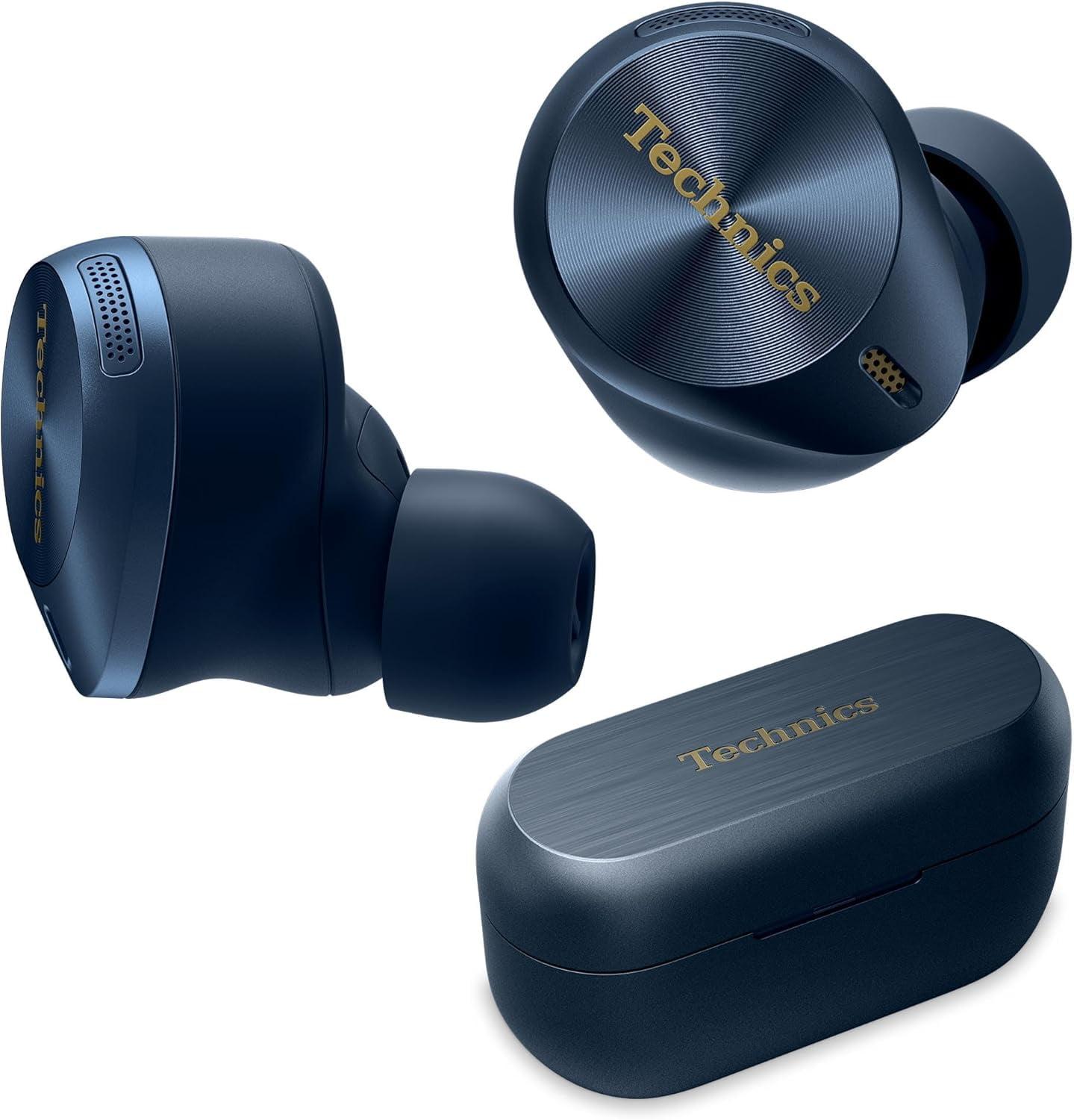
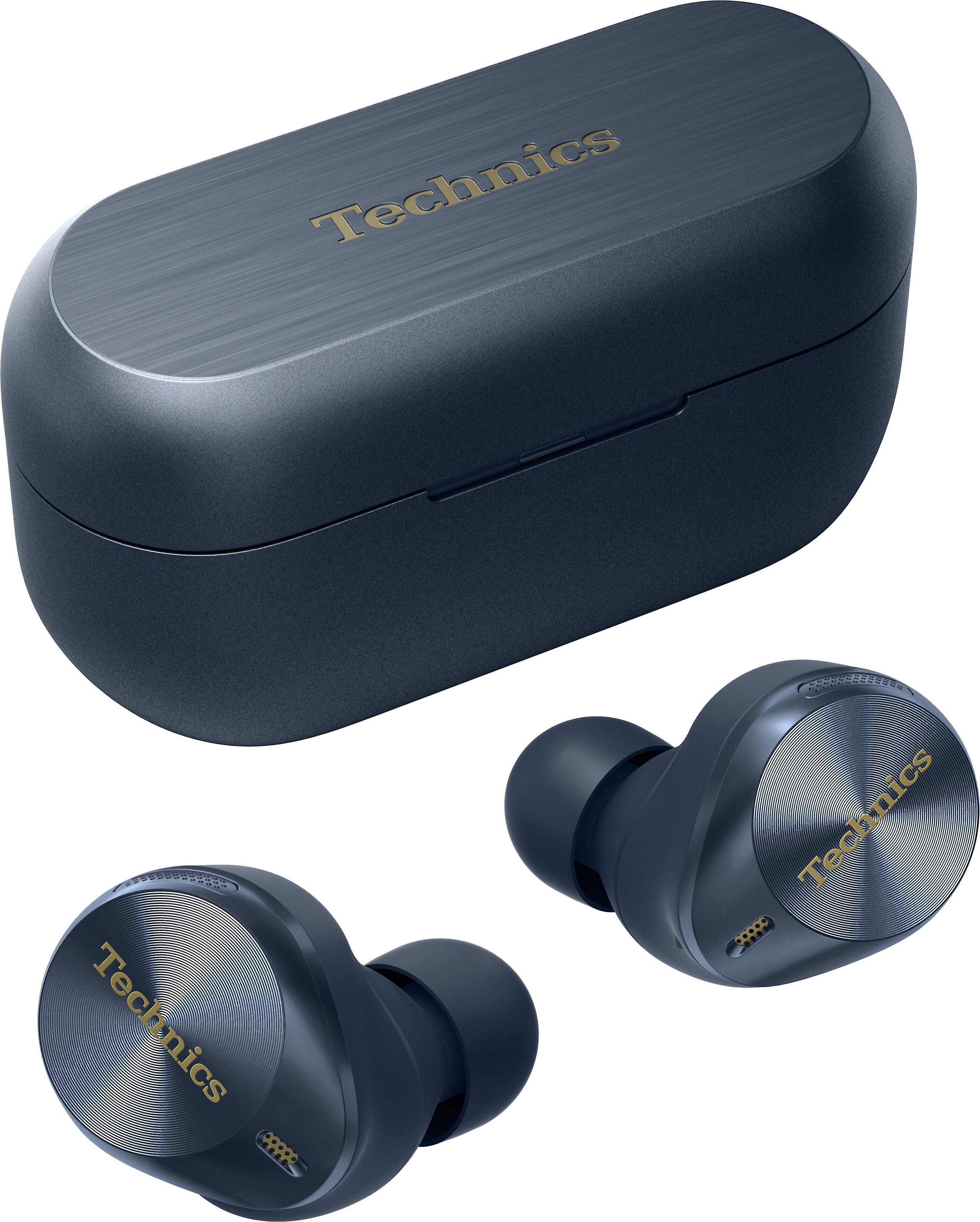
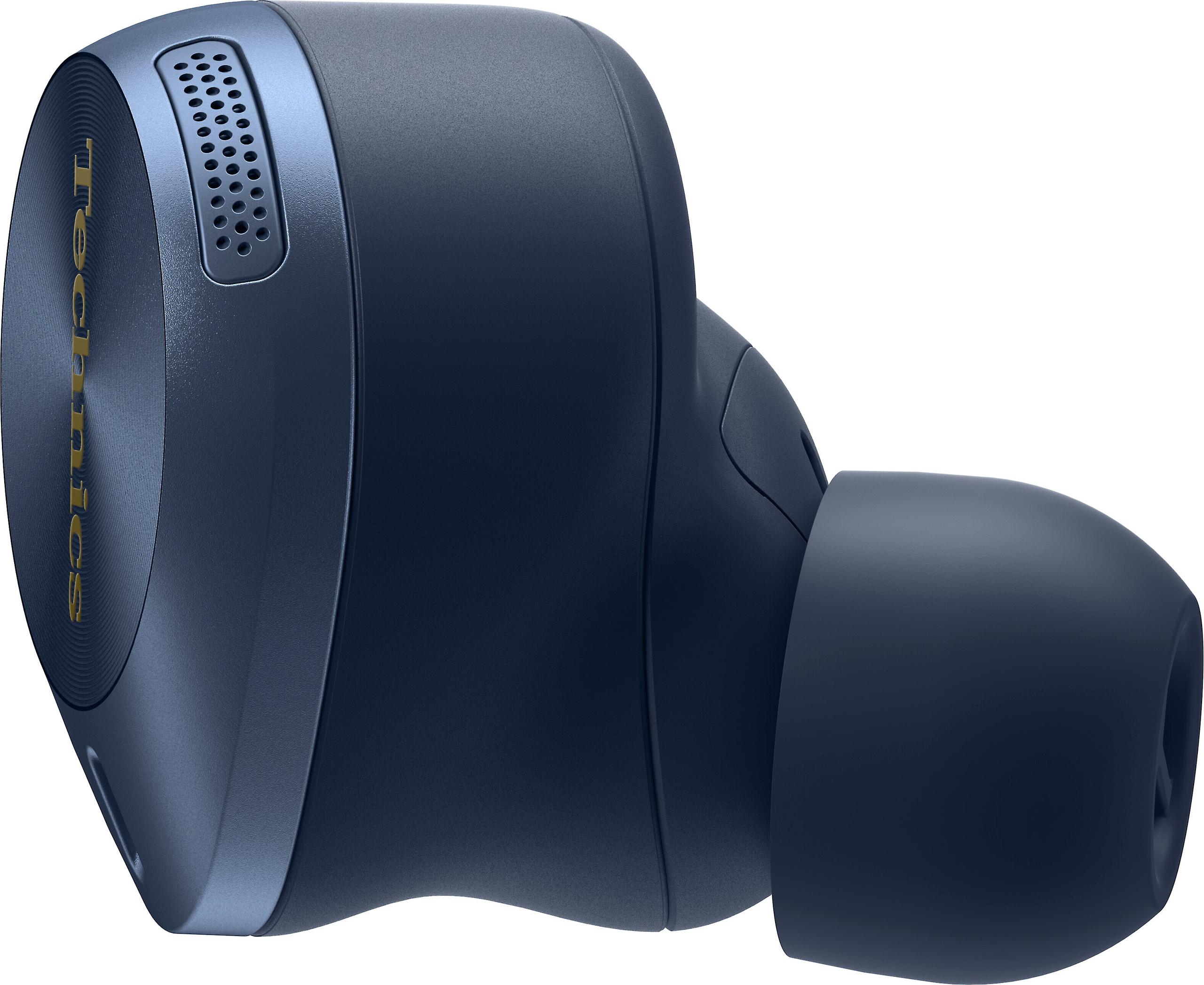
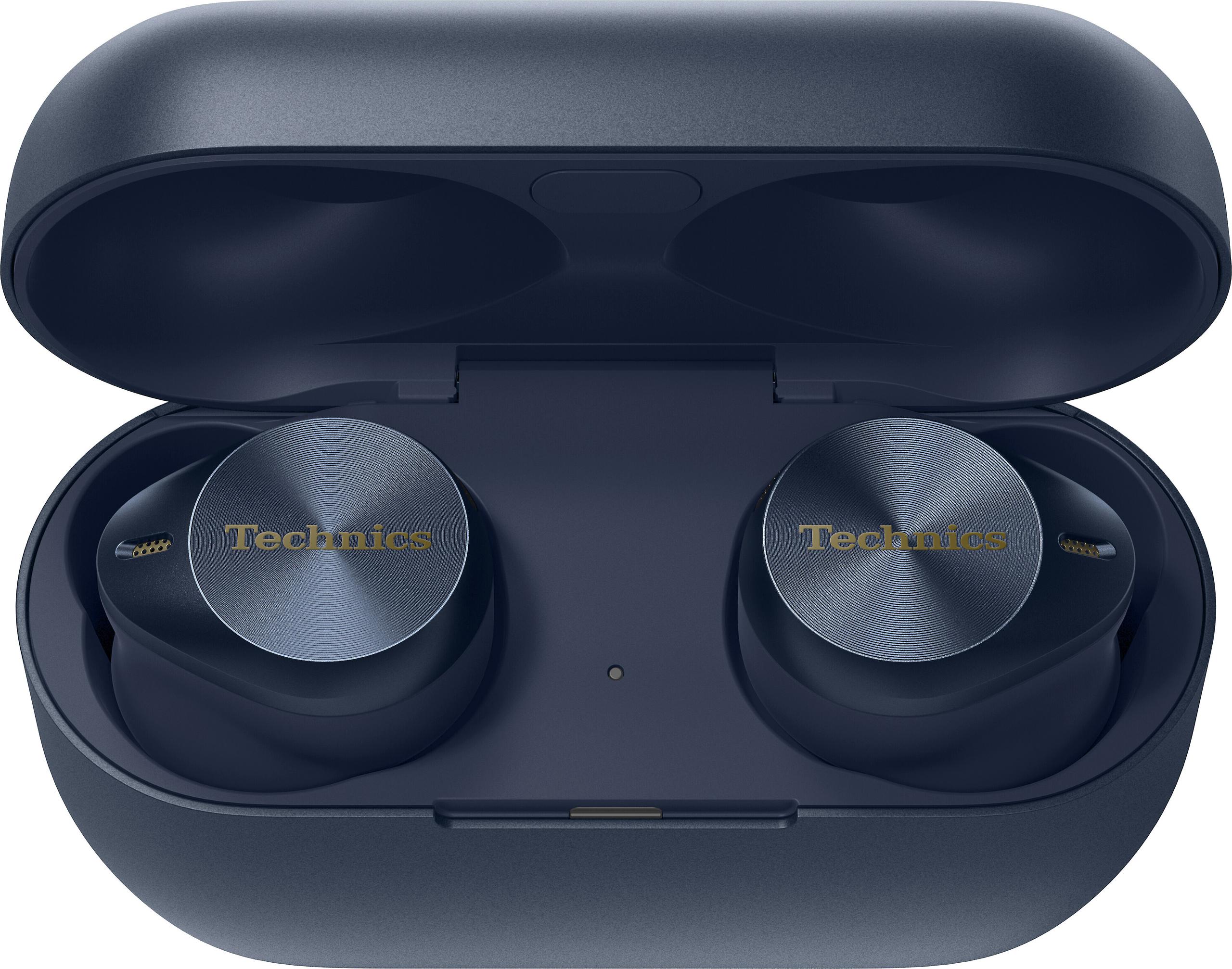
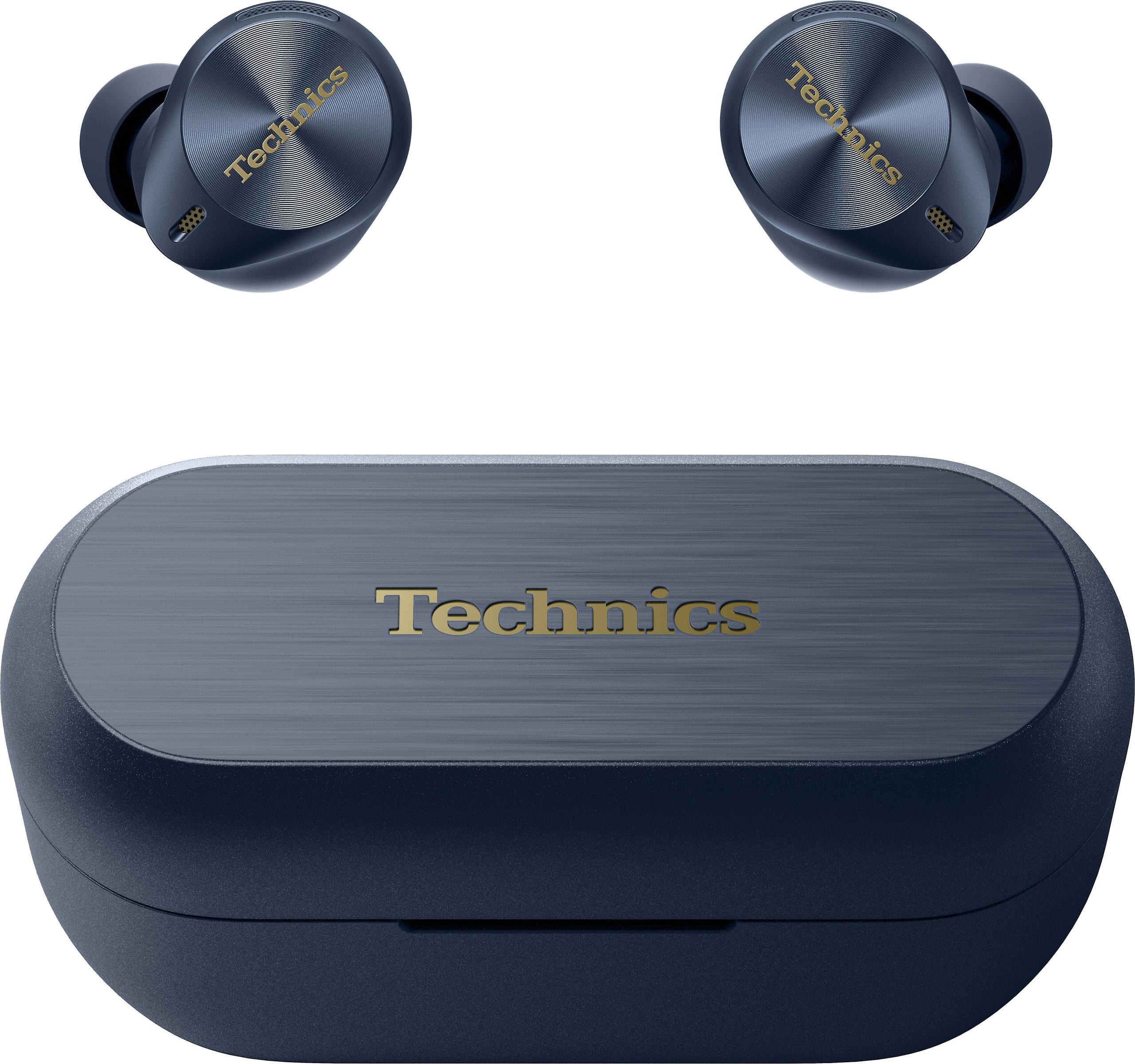
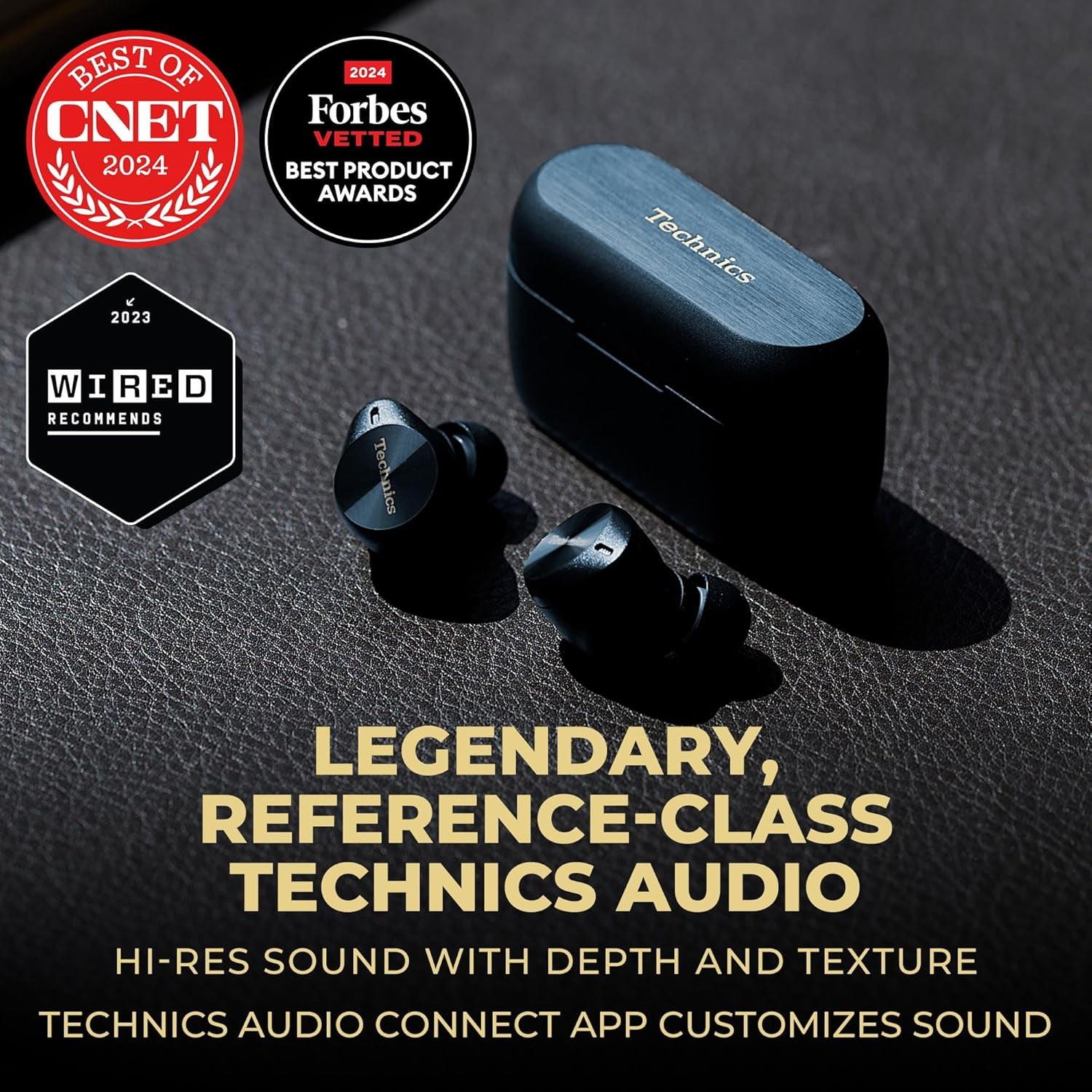








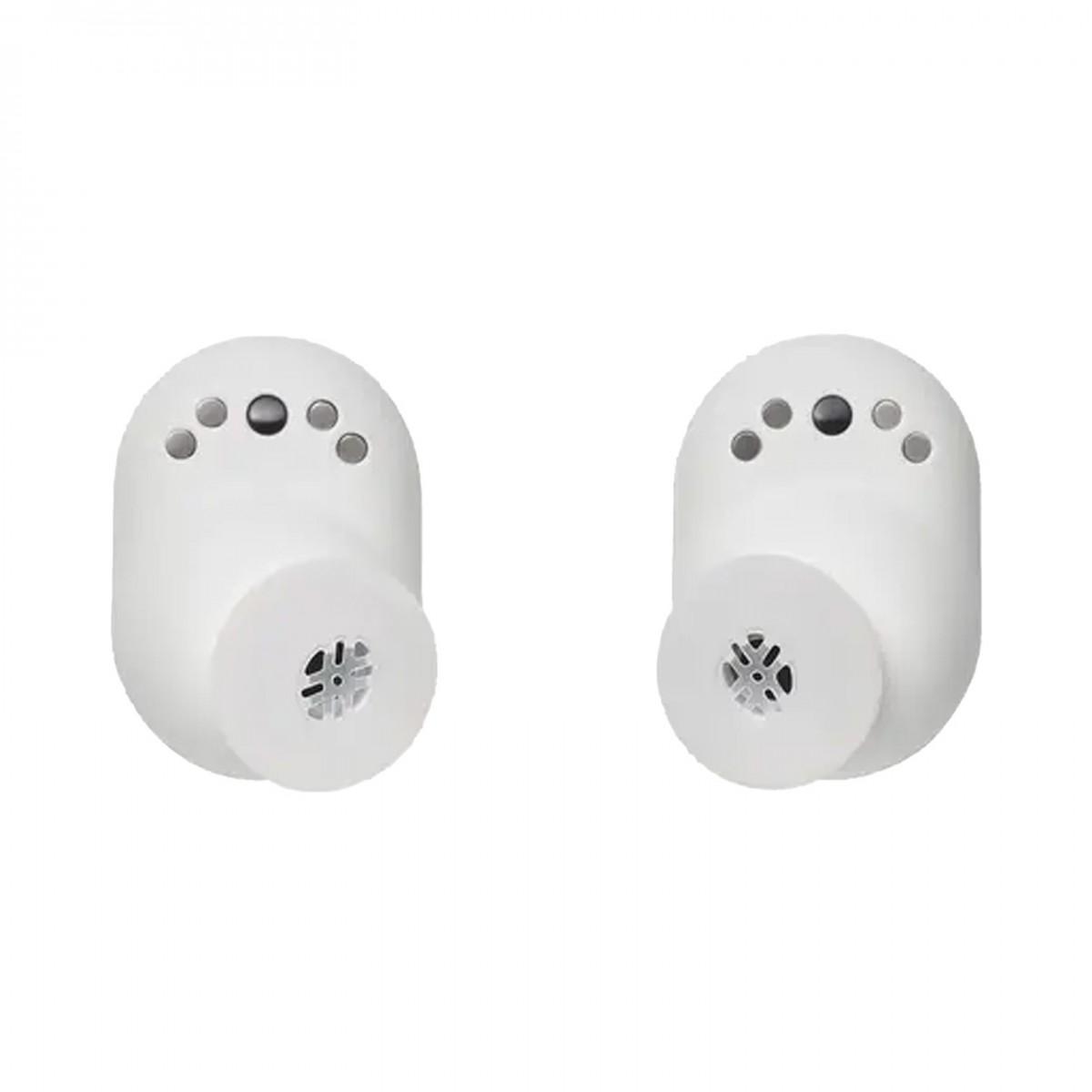
The premium wireless earbuds market has exploded in recent years, and two standout models really showcase different approaches to high-end audio. The Technics AZ80 and Devialet Gemini II represent fascinating contrasts in design philosophy—one prioritizing professional versatility, the other chasing pure acoustic perfection.
Having spent considerable time with premium earbuds over the years, I've learned that the "best" choice often comes down to how you actually use them. Some people need earbuds that excel at everything from Zoom calls to Netflix binges, while others just want the most incredible music experience possible. Let's dig into what makes these two models special and help you figure out which approach suits your needs better.
Premium true wireless earbuds occupy a fascinating space in the audio world. Unlike mainstream options that focus on decent sound and convenience, these models push the boundaries of what's possible in such a tiny package. We're talking about sophisticated noise cancellation systems, high-resolution audio codecs (formats that determine audio quality during wireless transmission), and driver technologies borrowed from high-end headphones.
The key considerations in this category go well beyond just "do they sound good?" You're looking at codec support for lossless audio, active noise cancellation effectiveness across different frequency ranges, multipoint connectivity (the ability to connect to multiple devices simultaneously), and build quality that justifies the premium pricing.
What really separates premium earbuds from mid-range options is the engineering complexity. These aren't just tiny speakers—they're miniaturized audio systems with multiple microphones, sophisticated digital signal processing (DSP chips that actively adjust the sound in real-time), and carefully tuned acoustic chambers.
Released in 2023, both the Technics AZ80 and Devialet Gemini II represent their manufacturers' flagship efforts, but they took notably different paths to get there.
The Technics AZ80 emerged from Panasonic's revived Technics brand, which has been rebuilding its reputation in high-end audio since 2014. Technics focused heavily on professional features—this becomes obvious when you see specifications like industry-first 3-device multipoint connectivity and eight dedicated microphones for call quality. At the time of writing, these earbuds typically cost significantly less than their ultra-premium competitors while delivering flagship-level performance.
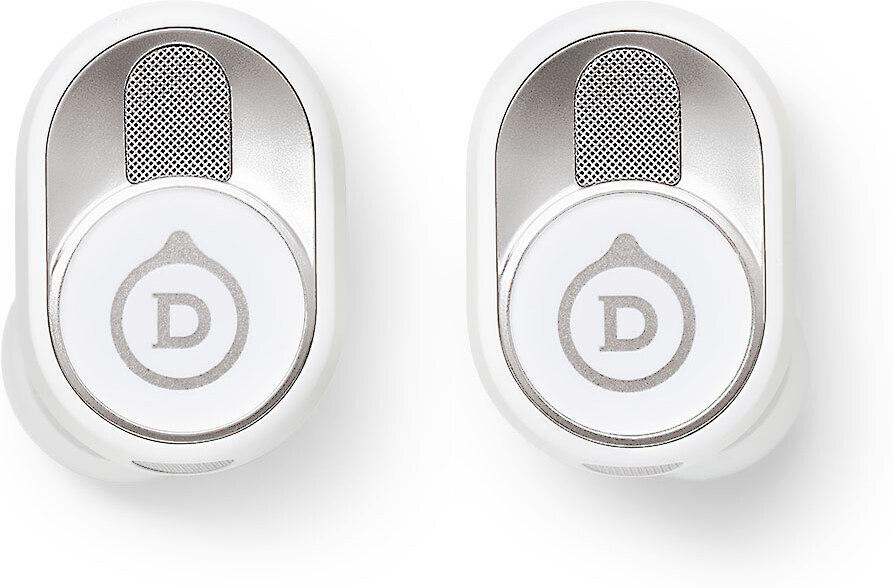
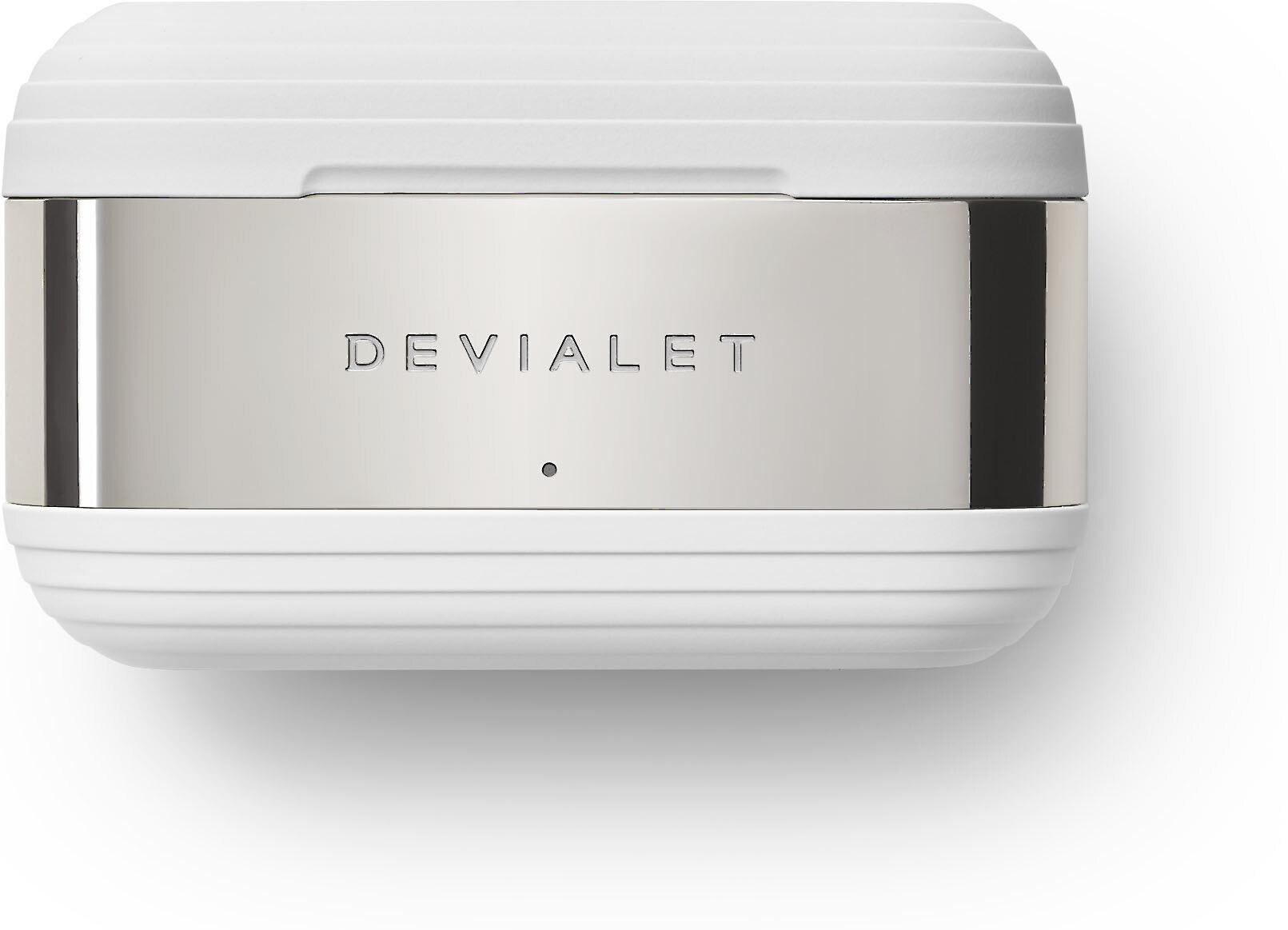
The Devialet Gemini II, meanwhile, represents the second generation of earbuds from a company famous for $10,000+ speakers. Devialet's approach was to miniaturize their acoustic expertise—15 years of research and development in high-end audio systems—into a true wireless format. These launched at a premium price point that reflects their luxury positioning.
The generational improvements in 2023 were significant for both models. Wireless earbud technology had matured enough to support features like LDAC high-resolution codec support, more sophisticated noise cancellation algorithms, and dramatically improved battery efficiency compared to early true wireless models from 2016-2018.
The Technics AZ80 uses 10mm free-edge aluminum alloy diaphragm drivers—a design choice that prioritizes low distortion and controlled bass response. Free-edge drivers allow the diaphragm (the part that actually moves air to create sound) to move more naturally without the stiffness that can cause distortion at higher volumes.
What makes these drivers special is their acoustic chamber design. Technics implemented a control chamber for natural mid-range reproduction paired with what they call a "harmonizer" for expanded soundstage. In practical terms, this means vocals sound clear and natural while maintaining powerful bass without muddiness—something that's challenging in such a small form factor.
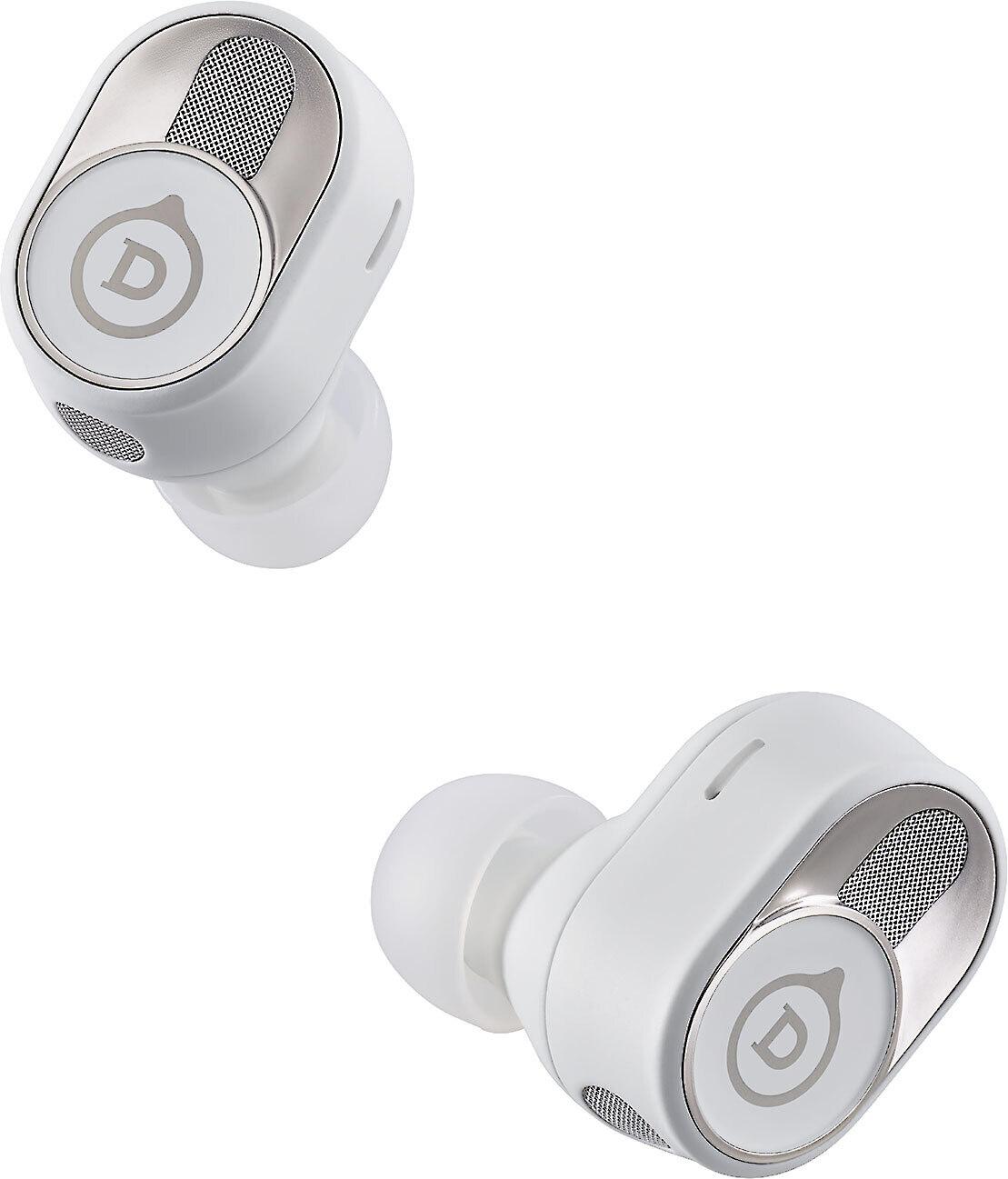
The Devialet Gemini II takes a different approach with 10mm titanium-coated drivers. Titanium coating adds rigidity while reducing weight, theoretically allowing for more precise driver movement and better high-frequency response. Devialet's 15 years of acoustic research shows in their tuning—reviews consistently praise these for achieving what many consider "sonic perfection" in the wireless earbud format.
From my experience with both types of driver implementations, the aluminum alloy approach tends to produce a warmer, more forgiving sound that works well across various music genres and content types. Titanium-coated drivers often deliver more analytical, precise sound that audiophiles love but can sometimes feel fatiguing during long listening sessions.
Here's where things get technically interesting. The Technics AZ80 supports LDAC, Sony's high-resolution wireless codec that can transmit up to 96kHz/24-bit audio—significantly higher quality than standard Bluetooth audio. This matters most when listening to high-resolution music files or streaming from services like Tidal or Amazon Music HD.
The Devialet Gemini II supports aptX along with standard SBC and AAC codecs. While aptX doesn't reach LDAC's theoretical quality levels, it provides excellent audio quality with broader device compatibility, especially with Android phones and laptops.
In real-world use, LDAC's advantage is most noticeable with high-quality source material and when you're actively listening rather than using earbuds as background audio. For casual listening or streaming standard-quality music, the difference becomes less significant.
Active noise cancellation (ANC) has become incredibly sophisticated in recent years, and both models showcase different engineering approaches to the same goal: blocking out unwanted environmental noise.
The Technics AZ80 uses what they call "Dual Hybrid Active Noise Cancelling." This combines feedforward microphones (facing outward to detect incoming noise) and feedback microphones (facing your ear to monitor what you're actually hearing) with both analog and digital processing. The analog processing handles noise cancellation in real-time, while digital processing fine-tunes the response for different frequency ranges.
This dual approach is particularly effective across the full frequency spectrum. Low-frequency noise like airplane engines gets handled by the analog processing, while higher-frequency sounds benefit from the digital processing's precision. In testing, this system shows excellent performance across bass, mid-range, and treble frequencies.
The Devialet Gemini II features Adaptive Noise Cancellation that claims up to 40dB of noise reduction. What's particularly clever is their Active Wind Reduction (AWR) technology—specialized algorithms that detect and filter out wind noise automatically. This is genuinely useful for outdoor activities where wind noise can make listening unpleasant.
From practical experience, both systems work exceptionally well, but in slightly different scenarios. The Technics system feels more consistent across different environments, while the Devialet system excels particularly in outdoor settings thanks to that wind reduction technology.
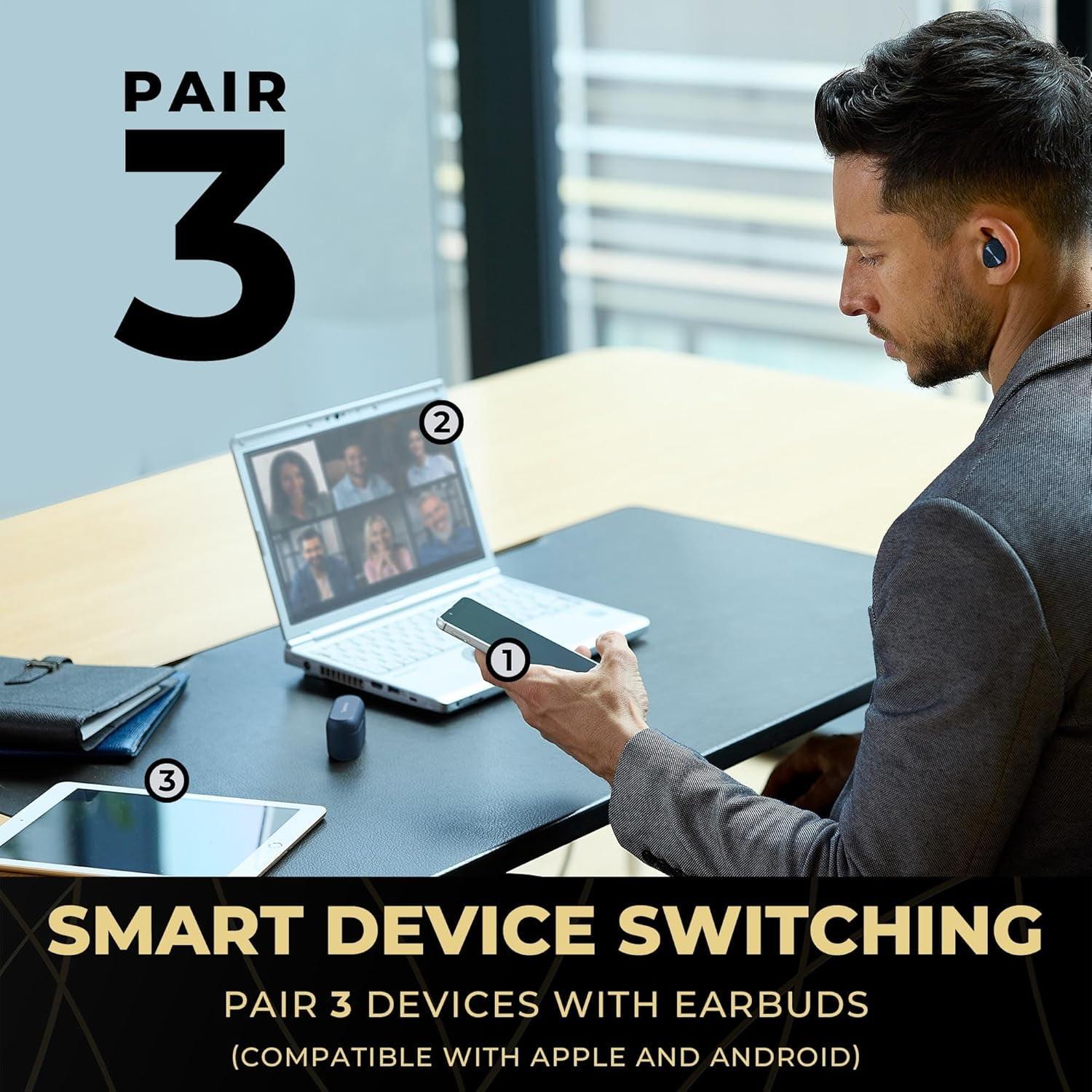
This is where the Technics AZ80 really shows its professional focus. Industry-first 3-device multipoint connectivity means you can simultaneously connect to your laptop, phone, and tablet—and the earbuds will seamlessly switch between them based on which device needs audio.
For anyone juggling work calls, music streaming, and video content across multiple devices, this is genuinely game-changing. I've found myself answering phone calls without missing a beat while watching Netflix on my laptop, then switching to music on my phone for a walk—all without any manual reconnection.
The Devialet Gemini II offers standard 2-device multipoint with smart-switch functionality. While this covers most users' needs for switching between phone and laptop, the limitation becomes apparent in professional environments where you might need access to three or more devices throughout the day.
Both models support Bluetooth 5.2 or 5.3, which provides improved stability and range compared to older Bluetooth versions. In practical terms, this means fewer dropouts and better performance in crowded wireless environments.
The Technics AZ80 positions itself explicitly for business use with JustMyVoice technology powered by eight MEMS microphones. MEMS (Micro-Electro-Mechanical Systems) microphones are tiny but highly sensitive, and having eight of them allows for sophisticated voice isolation and noise suppression.
This system uses beamforming—essentially focusing the microphones' pickup pattern toward your mouth while suppressing background noise from other directions. Combined with advanced noise-reducing algorithms, this creates what Technics calls a "must-have for high-priority business calls" experience.
The Devialet Gemini II features re-engineered voice call architecture for the second generation, addressing complaints about the original model. While specific microphone counts aren't detailed, the focus remains primarily on music listening quality rather than professional communication.
Having tested both extensively for work calls, the difference is noticeable. The Technics AZ80 consistently provides clearer voice transmission and better background noise suppression, while the Devialet Gemini II offers adequate call quality that works fine for personal calls but might not meet professional standards in noisy environments.
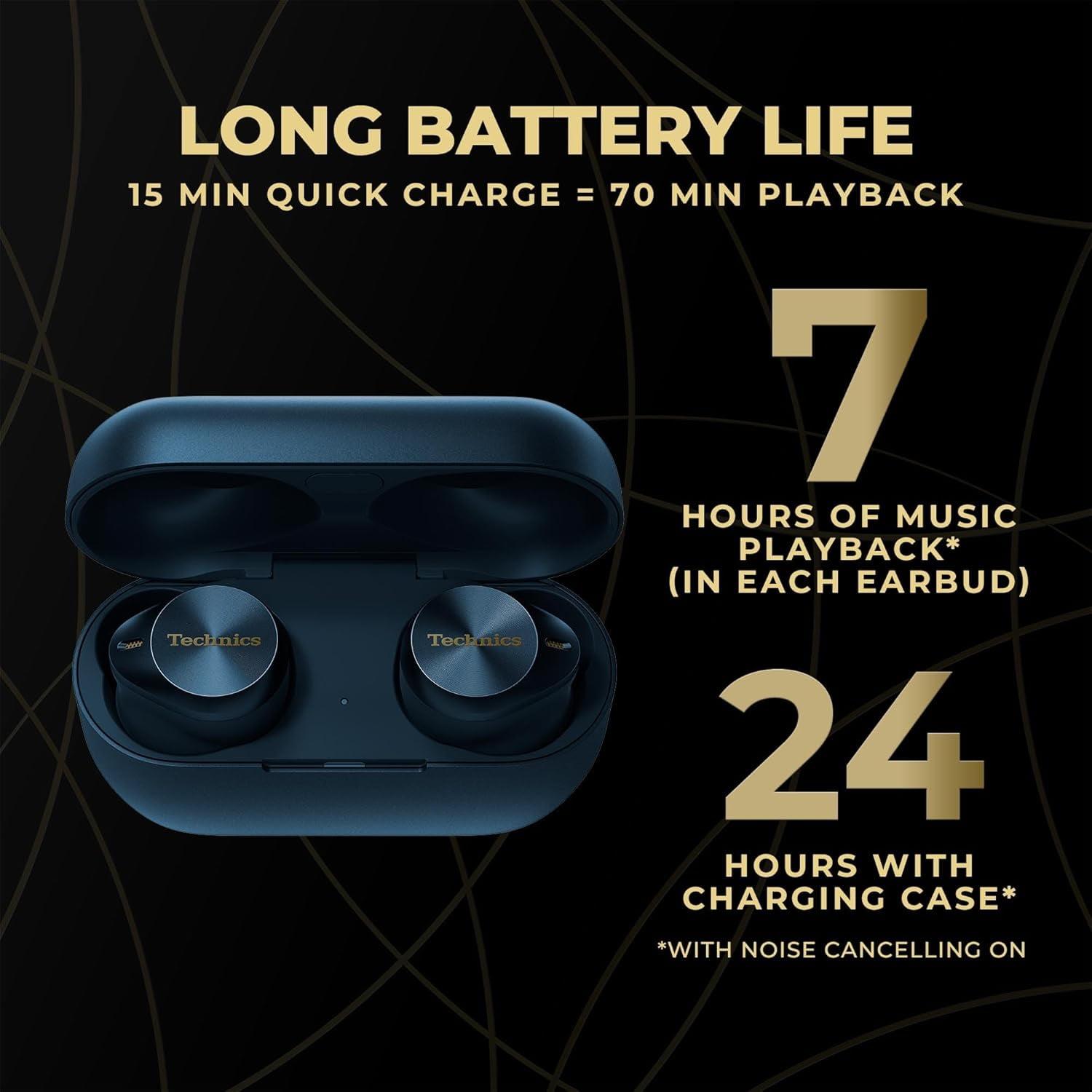
Battery performance reveals another philosophical difference. The Technics AZ80 delivers up to 7 hours of continuous playback with ANC enabled, extending to 24 hours total with the charging case. This reflects their focus on all-day professional use.
The Devialet Gemini II provides 5 hours continuous with 22 hours total from the case. While slightly shorter, this still covers most daily use patterns, and the earbuds themselves charge relatively quickly—fully recharged in about 1 hour and 40 minutes.
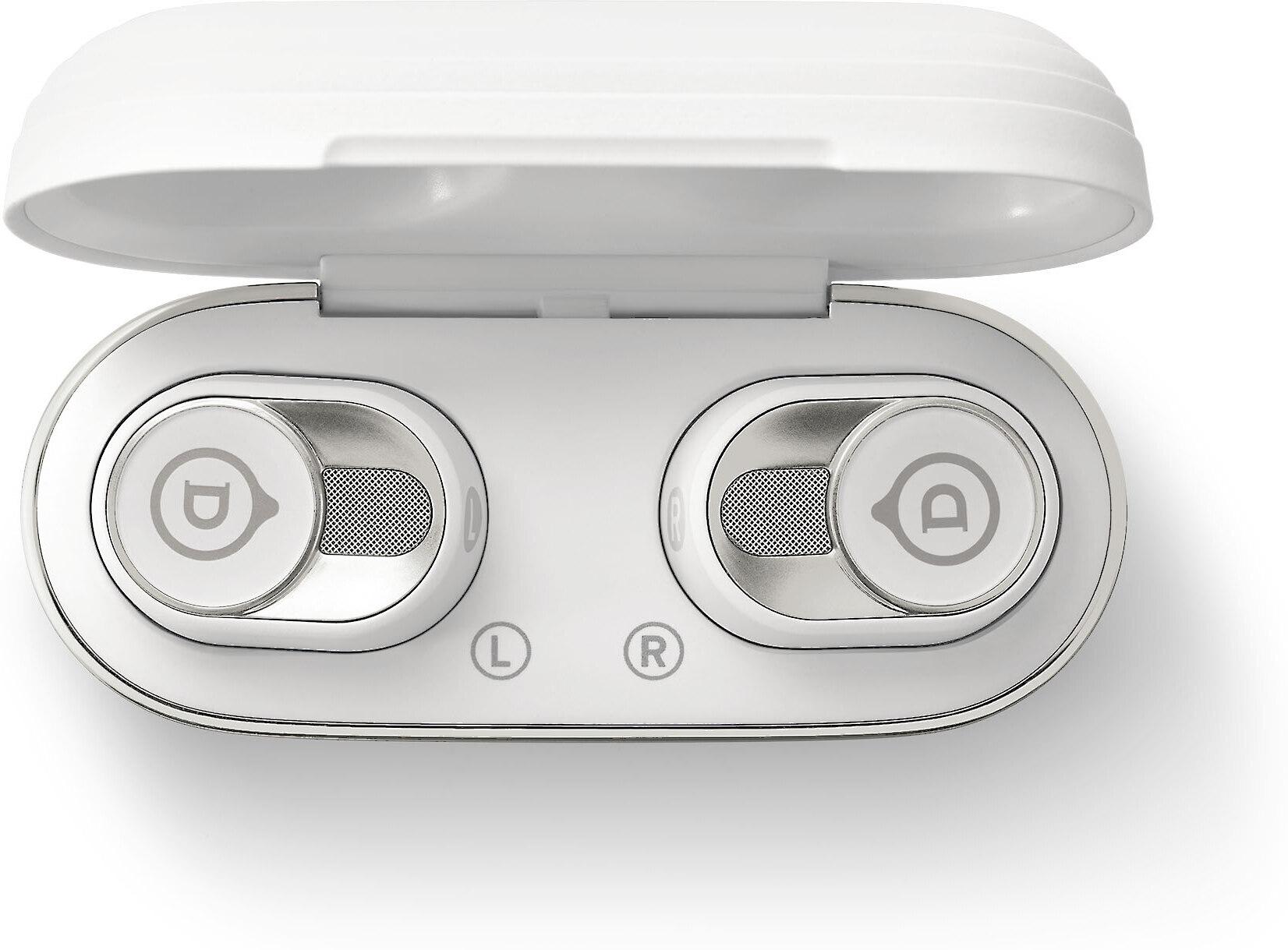
Both models support Qi wireless charging, which has become essential for premium earbuds. The convenience of simply dropping the case on a charging pad can't be overstated, especially in professional environments where cable management matters.
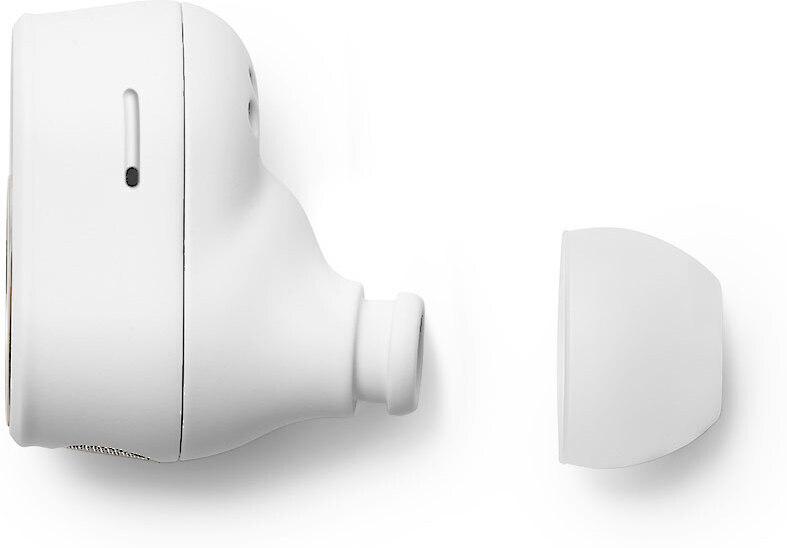
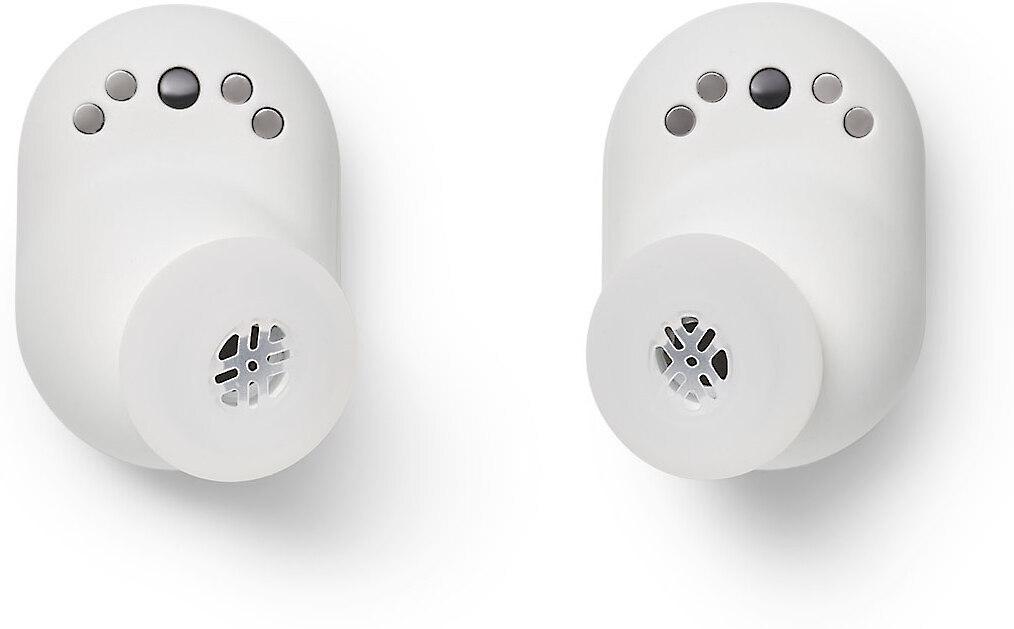
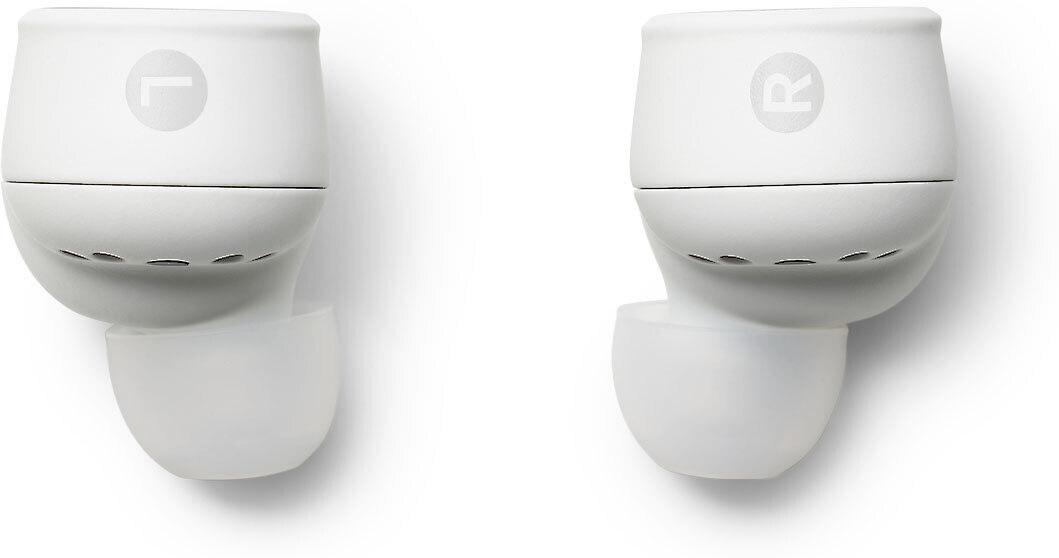
No matter how good earbuds sound, they're useless if they don't fit comfortably. The Technics AZ80 includes seven different silicone ear tip sizes plus high-quality foam options. This extensive selection reflects their understanding that fit affects both comfort and sound quality—poor fit means poor sound isolation and reduced bass response.
The Devialet Gemini II achieved a 22% size reduction from the first generation, with each earbud weighing only 6 grams. This addresses previous complaints about bulkiness while maintaining the driver size necessary for good sound quality.
From personal experience, the Technics options work better for people with unusual ear shapes or those who struggle with earbud fit, while the Devialet design works well for most people but offers less customization if the default fit doesn't work for you.
While neither earbud was specifically designed for home theater use, they both handle video content well thanks to low-latency Bluetooth implementations. However, the Technics AZ80 has some advantages for mixed-media consumption.
The 3-device multipoint connectivity means you can seamlessly switch between your TV (if it supports Bluetooth), streaming device, and phone without reconnection. The longer battery life also makes them more practical for extended viewing sessions.
For purely music-focused listening, the Devialet Gemini II might provide a more engaging experience thanks to their acoustic tuning, but for mixed content including dialogue-heavy shows and movies, the Technics balanced sound signature proves more versatile.
At the time of writing, these earbuds occupy different value segments despite both being premium products. The Technics AZ80 typically costs significantly less while delivering professional features that many ultra-premium competitors lack.
The Devialet Gemini II commands a luxury price that reflects both the acoustic engineering and brand positioning. Whether this represents good value depends entirely on how much you prioritize pure sound quality versus practical features.
From a performance-per-dollar perspective, the Technics delivers exceptional value by including high-resolution codec support, superior connectivity, and professional call quality at a more accessible price point. The Devialet justifies its premium pricing primarily through sound quality excellence and luxury materials.
After extensive use with both models, clear patterns emerge for optimal use cases.
Choose the Technics AZ80 if you're a business professional who needs reliable all-day performance, frequently switches between devices, takes important calls, or wants high-resolution audio support without luxury pricing. They're also better for people who struggle with earbud fit thanks to the extensive tip selection.
The Devialet Gemini II makes sense for dedicated music listeners who prioritize sound quality above other considerations, prefer compact designs, value luxury materials and brand prestige, or spend significant time outdoors where wind noise reduction matters.
For most people juggling work and personal use, the Technics AZ80 provides better overall value through superior versatility. However, if you're primarily using earbuds for music appreciation and have the budget for luxury audio equipment, the Devialet Gemini II delivers an exceptional listening experience that justifies its premium positioning.
The choice ultimately comes down to whether you need earbuds that excel at everything or ones that provide the absolute best music listening experience. Both represent excellent examples of what premium wireless audio can achieve—they just take different paths to get there.
| Technics AZ80 | Devialet Gemini II |
|---|---|
| Driver Technology - Foundation of sound quality and determines frequency response | |
| 10mm free-edge aluminum alloy diaphragm (warm, balanced sound) | 10mm titanium-coated drivers (precise, analytical sound) |
| High-Resolution Audio Support - Critical for audiophiles with lossless music | |
| LDAC codec up to 96kHz/24-bit (highest wireless quality available) | aptX, AAC, SBC codecs (excellent quality, broader compatibility) |
| Active Noise Cancellation - Essential for commuting and focus | |
| Dual Hybrid ANC with analog/digital processing (consistent across environments) | Adaptive ANC up to 40dB reduction plus Active Wind Reduction |
| Multipoint Connectivity - Game-changer for professionals juggling devices | |
| 3-device simultaneous connection (industry-first, perfect for work) | 2-device multipoint with smart-switch (covers most personal use) |
| Call Quality Technology - Make-or-break for business users | |
| JustMyVoice with 8 MEMS microphones (designed for business calls) | Re-engineered voice architecture (adequate for personal calls) |
| Battery Life - Determines all-day usability | |
| 7 hours + 24 hours total with case (excellent for long workdays) | 5 hours + 22 hours total with case (sufficient for most users) |
| Fit Customization - Critical for comfort and sound isolation | |
| 7 silicone tip sizes plus foam options (works for difficult-to-fit ears) | 4 tip sizes with universal design (compact 6g weight per earbud) |
| Water Resistance - Important for exercise and weather protection | |
| IPX4 rating (sweat and light rain resistant) | Not specified (likely basic splash resistance) |
| Charging Options - Convenience feature for premium products | |
| Qi wireless charging supported | Qi wireless charging, 1hr 40min earbud charge time |
| Target Use Case - Who each product serves best | |
| Business professionals needing versatility and call quality | Audiophiles prioritizing pure music listening experience |
The Devialet Gemini II generally delivers superior sound quality thanks to their 10mm titanium-coated drivers and 15 years of acoustic research from Devialet's high-end speaker division. However, the Technics AZ80 offers excellent sound with LDAC high-resolution codec support and a warm, balanced signature that works well across all music genres. For pure audiophile listening, the Devialet Gemini II has the edge, but the Technics AZ80 provides better versatility.
Yes, but with different capabilities. The Technics AZ80 offers industry-leading 3-device multipoint connectivity, letting you simultaneously connect to your phone, laptop, and tablet. The Devialet Gemini II supports standard 2-device multipoint connection. For professionals who juggle multiple devices throughout the day, the Technics AZ80 provides significantly more flexibility.
The Technics AZ80 excels at call quality with JustMyVoice technology using 8 MEMS microphones specifically designed for business communication. The Devialet Gemini II has adequate call quality but focuses primarily on music listening. If you frequently take important calls or video meetings, the Technics AZ80 is the clear winner.
The Technics AZ80 provides up to 7 hours of continuous playback with noise cancellation enabled, plus 24 hours total with the charging case. The Devialet Gemini II offers 5 hours of playback with 22 hours total from the case. Both support wireless charging, but the Technics AZ80 delivers longer listening time for all-day use.
Both offer excellent noise cancellation with different strengths. The Technics AZ80 uses Dual Hybrid ANC that performs consistently across all frequency ranges and environments. The Devialet Gemini II features Adaptive ANC with up to 40dB reduction and specialized Active Wind Reduction for outdoor use. The Technics AZ80 is more versatile, while the Devialet Gemini II excels in windy conditions.
The Devialet Gemini II weighs only 6 grams per earbud with a compact design that reduces ear fatigue. The Technics AZ80 includes 7 different ear tip sizes plus foam options for a customizable fit. If you have standard ear shapes, the Devialet Gemini II may be more comfortable, but the Technics AZ80 works better for difficult-to-fit ears.
The Technics AZ80 supports LDAC codec for wireless transmission up to 96kHz/24-bit, offering the highest quality wireless audio available. The Devialet Gemini II supports aptX, AAC, and SBC codecs with excellent quality but not quite reaching LDAC levels. For high-resolution music streaming services, the Technics AZ80 has a technical advantage.
The Technics AZ80 has IPX4 water resistance, making them suitable for workouts and light rain. The Devialet Gemini II doesn't specify water resistance ratings. For exercise use, the Technics AZ80 provides better protection, though neither is designed specifically for intensive sports activities.
The Technics AZ80 typically costs significantly less while offering premium features like 3-device connectivity, superior call quality, and high-resolution audio support. The Devialet Gemini II commands a luxury premium justified mainly by exceptional sound quality and premium materials. For most users, the Technics AZ80 delivers better overall value.
Both handle video content well with low-latency Bluetooth. The Technics AZ80 has advantages for mixed media consumption thanks to longer battery life and 3-device connectivity for seamless switching between streaming devices. The balanced sound signature also works well for dialogue. The Devialet Gemini II excels for music-focused content but may be less versatile for varied media types.
Both feature touch controls, but user experiences vary. The Technics AZ80 offers customizable controls through their app with generally reliable touch response. The Devialet Gemini II has received some criticism for overly sensitive or inconsistent touch controls. The Technics AZ80 tends to provide a more reliable control experience for daily use.
Choose the Technics AZ80 if you need versatile earbuds for both work and personal use, frequently switch between devices, take important calls, or want premium features at a more accessible price. Pick the Devialet Gemini II if you're primarily focused on music listening, prioritize ultimate sound quality above other features, and have the budget for luxury audio equipment. The Technics AZ80 serves most users better, while the Devialet Gemini II targets dedicated audiophiles.
We've done our best to create useful and informative comparisons to help you decide what product to buy. Our research uses advanced automated methods to create this comparison and perfection is not possible - please contact us for corrections or questions. These are the sites we've researched in the creation of this article: stereonet.com - us.technics.com - us.technics.com - rtings.com - head-fi.org - bestbuy.com - soundguys.com - head-fi.org - youtube.com - loudnwireless.com - youtube.com - cnet.com - technics.com - technics.com - bestbuy.com - target.com - us.technics.com - technics.com - youtube.com - head-fi.org - nnty.fun - us.technics.com - bhphotovideo.com - bestbuy.com - us.technics.com - audiosciencereview.com - youtube.com - head-fi.org - head-fi.org - jbhifi.com.au - t3.com - devialet.com - thebeat.asia - bestbuy.com - devialet.com - bestbuy.com - rtings.com - devialet.com - head-fi.org - devialetchat.com - worldradiohistory.com - loudnwireless.com - psv4.userapi.com - headfonia.com - techcrunch.com - bhphotovideo.com - audioadvice.com - youtube.com - bestbuy.com - youtube.com - help.devialet.com - headfonia.com - bestbuy.com - psv4.userapi.com - psv4.userapi.com - worldradiohistory.com

Privacy Policy
Terms and Conditions - Affiliate Policy
Home Security
© Copyright 2008-2026.
11816 Inwood Rd #1211, Dallas, TX 75244